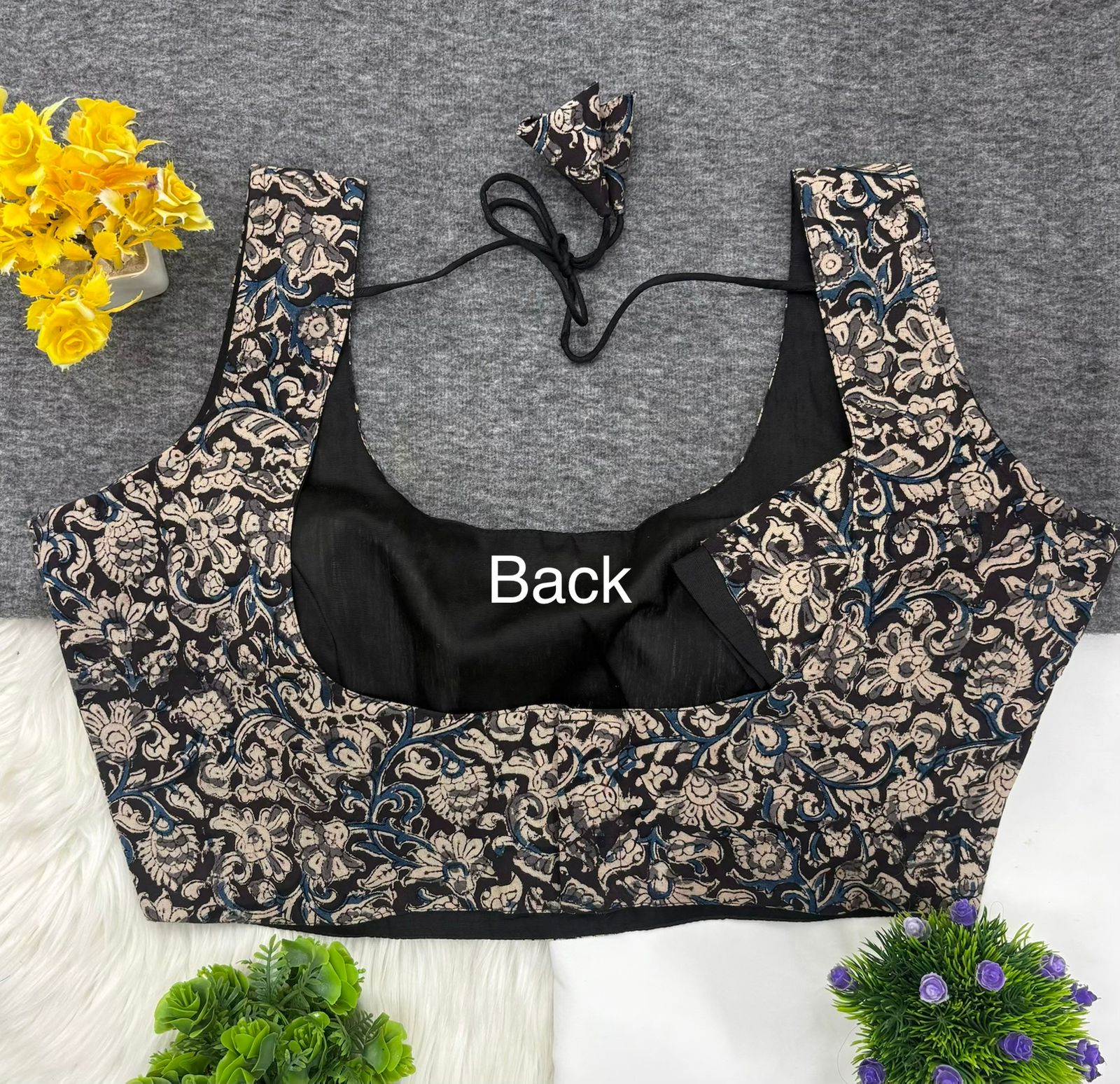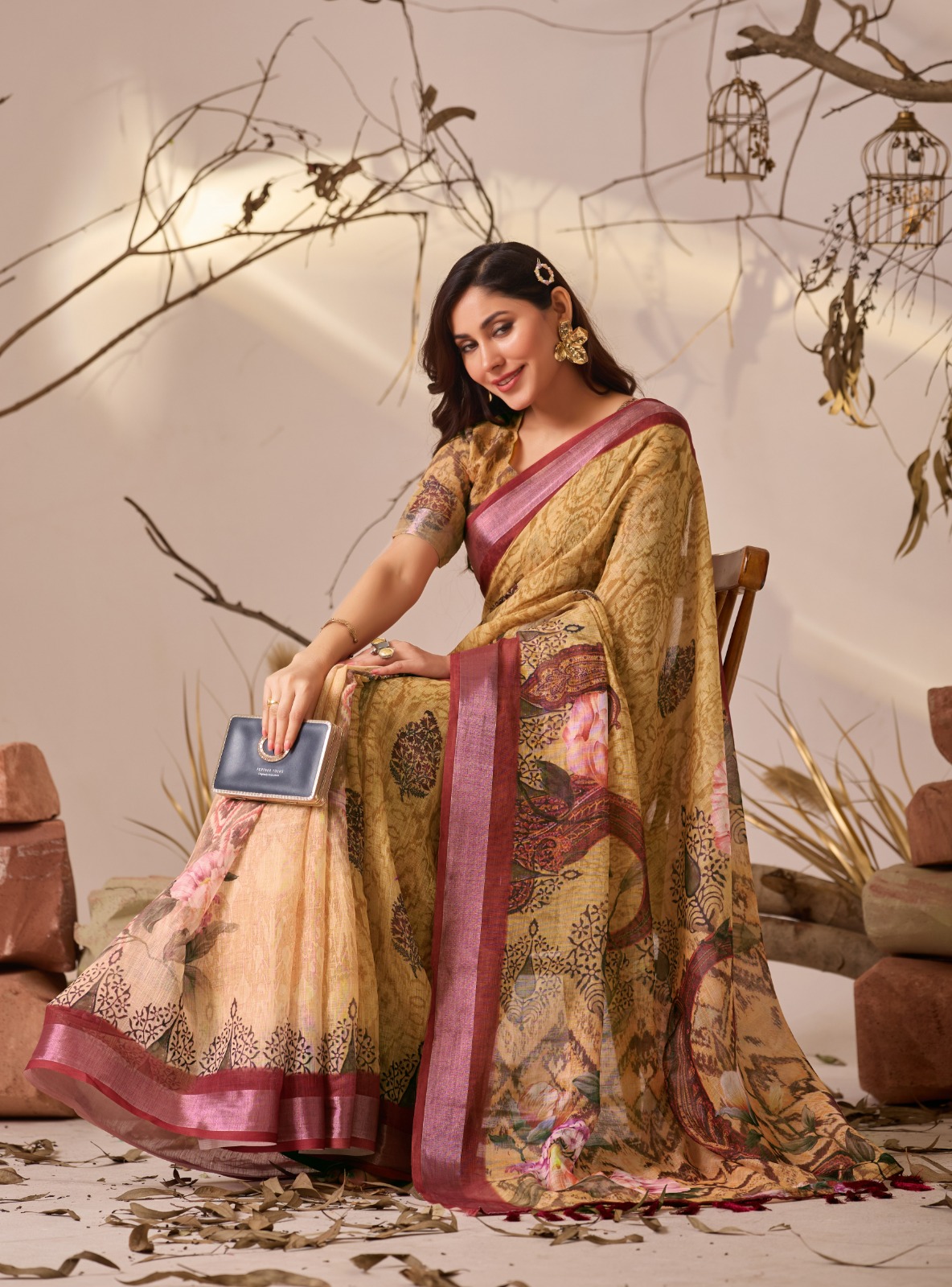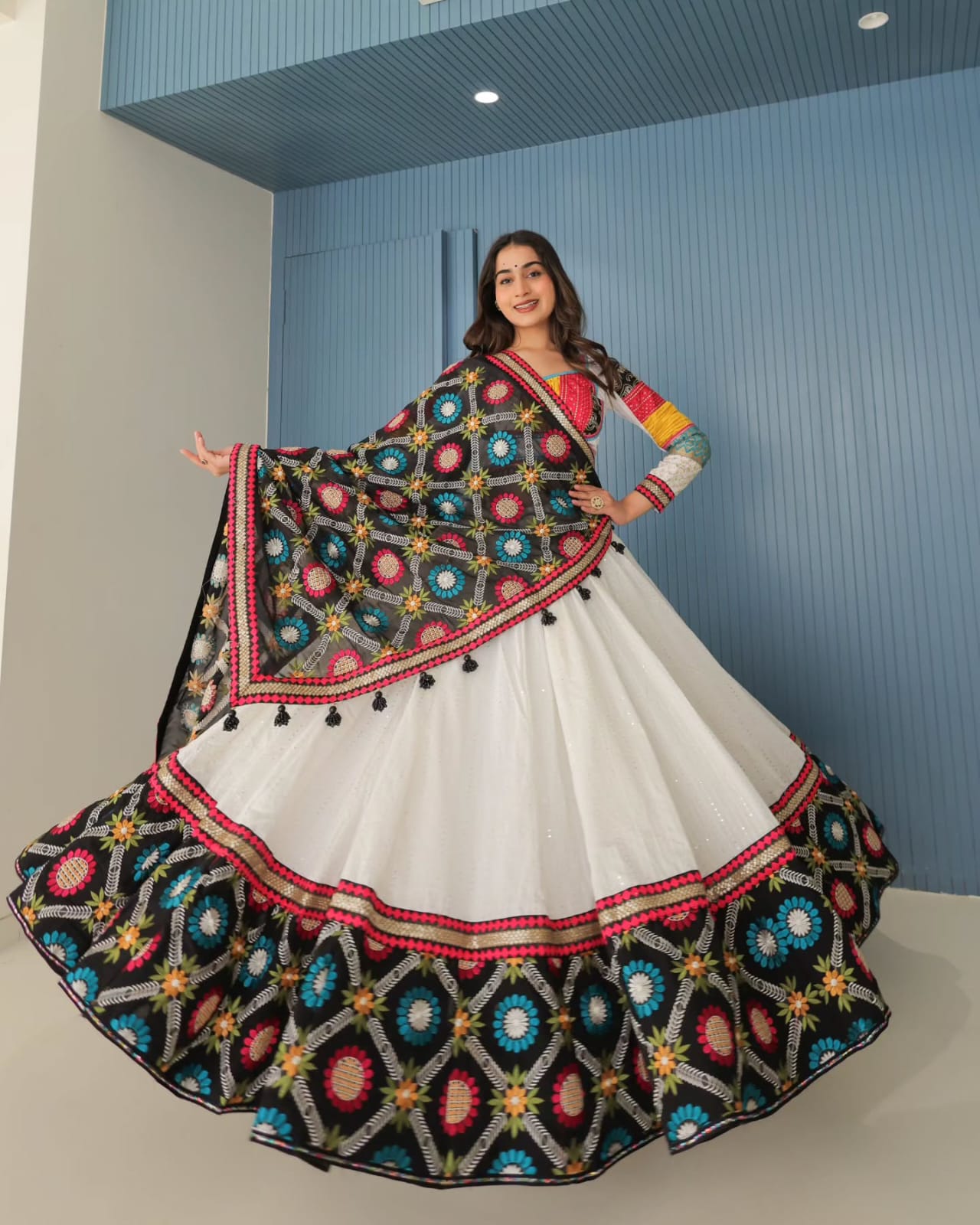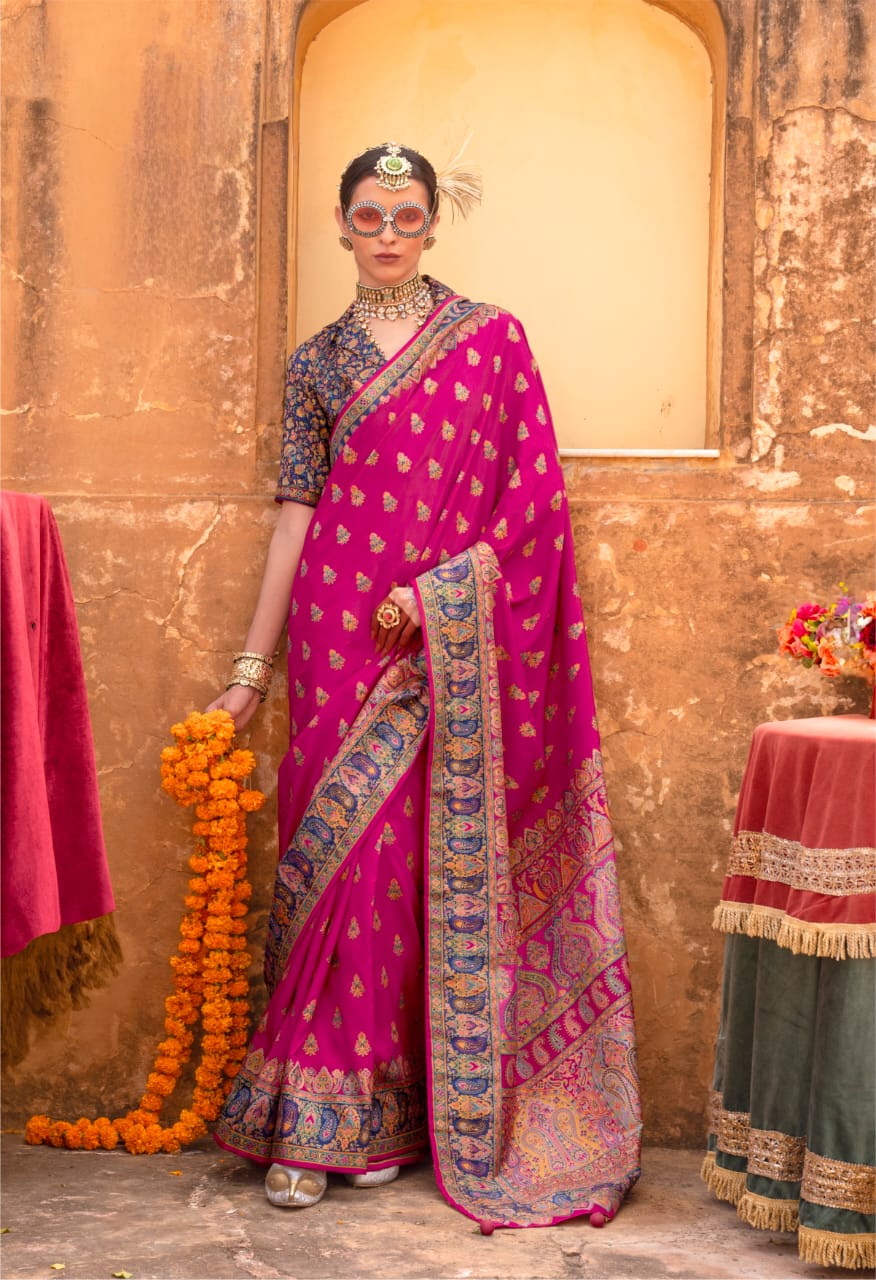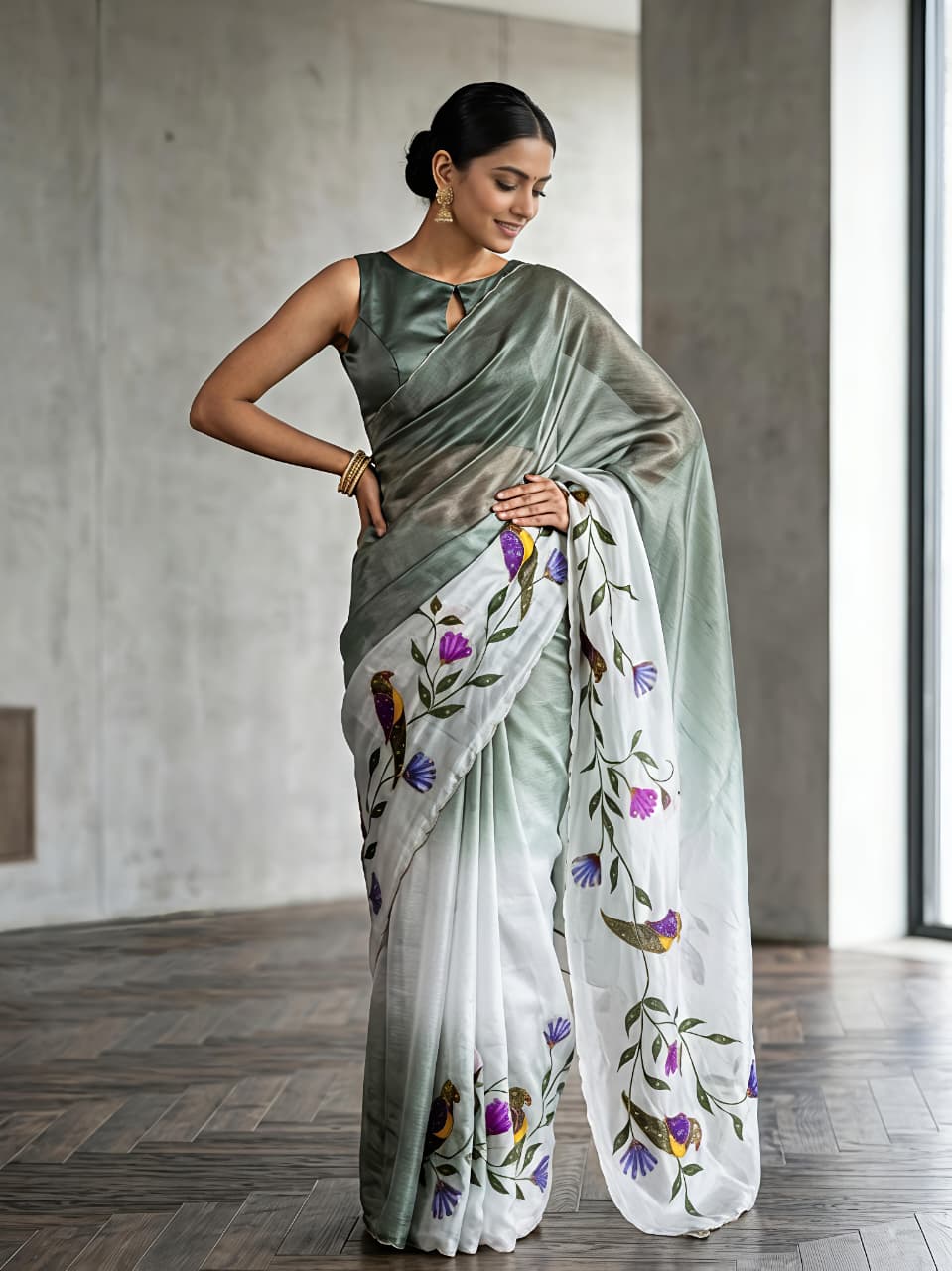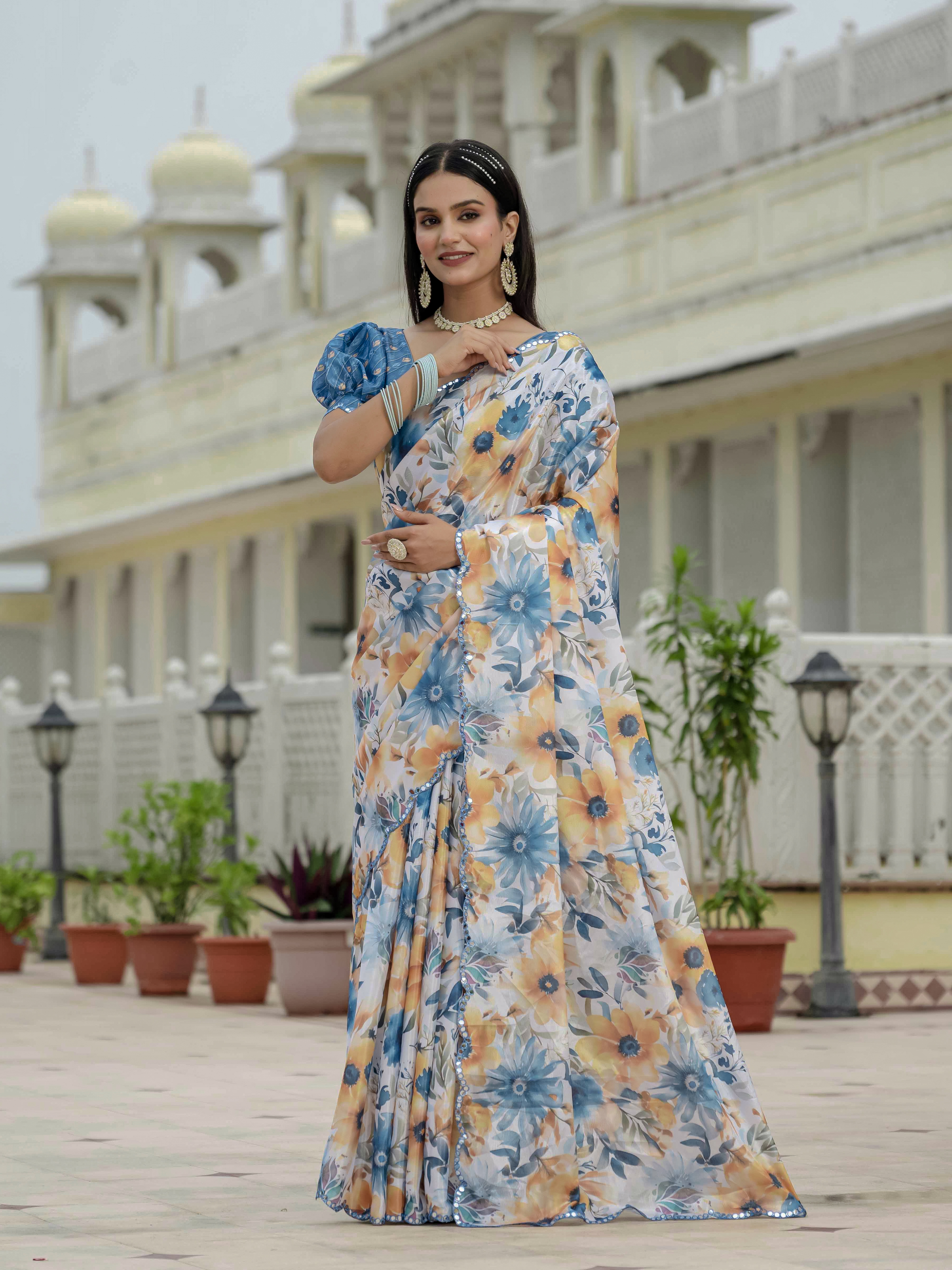
Yaoshang Festival Fashion brings together the colour of spring, the cultural identity of Manipur and the practical need to move comfortably through several days of celebration. Women dressing for Yaoshang can choose a traditional phanek and innaphi, a handloom-inspired ensemble or a breathable saree styled for outdoor gatherings. The strongest outfit choices respect Manipuri dress traditions while allowing for dancing, visiting, sports events and the lively atmosphere of the festival.
Yaoshang is celebrated in Manipur for five days around the full moon of Phalguna. The festival includes community gatherings, sports, music, visits between families and Thabal Chongba, a traditional circle dance. Clothing therefore needs to look festive at a photograph-friendly gathering and rest functional after several hours of walking or socialising.
Yaoshang Festival Fashion needs tradition and movement
Yaoshang clothing needs to balance cultural identity, comfort and freedom of movement because the festival involves more than one formal gathering. A woman may attend a daytime sports event, visit a family home, join a community celebration and remain outdoors until evening. Each activity places different demands on a garment.
A heavily embellished lehenga can look striking but become tiring during long outdoor hours. A stiff silk saree may also feel inconvenient when a woman is walking between venues or joining a dance circle. Lightweight cotton, linen cotton, Mal cotton and soft silk blends usually offer better breathability in warm weather.
Colour alone doesn't make an outfit culturally meaningful. A well-planned look considers the garment's silhouette, the way the fabric is worn, the amount of jewellery and the practical setting. A bright outfit with secure pleats, comfortable footwear and a blouse that allows natural arm movement is more useful than a complicated look that needs constant adjustment.
Women who are not from Manipur should also approach heritage clothing with curiosity rather than treating it as a costume. Wearing a phanek and innaphi correctly, learning the names of the garments and understanding when the clothing is appropriate shows more respect than adding random motifs or imitating ceremonial dress without context.
Yaoshang Festival Fashion starts with the phanek and innaphi
The time-honoured Manipuri outfit most closely associated with women's everyday and festive dress is the phanek worn with an innaphi. The phanek is a wrapped lower garment, while the innaphi is a draped upper cloth arranged around the shoulders and torso. Together, the garments create a graceful layered appearance without restricting the body.
How the phanek works
A phanek is a wrapped skirt or sarong-like garment worn around the lower body. Phaneks may feature stripes, checks, geometric motifs or restrained borders, and particular designs can communicate regional and community preferences. The garment is generally chosen for ease of movement, making the phanek suitable for walking, visiting and dancing.
The wrap should sit securely at the waist without becoming so tight that it limits movement. A neat fold or tuck helps prevent the garment from loosening during activity. Women unfamiliar with wrapping a phanek can practise at home while standing, walking, sitting and climbing stairs before wearing one to a crowded festival.
How the innaphi works
An innaphi is a classic Manipuri shawl or upper drape worn with a phanek. The innaphi can be arranged over one or both shoulders according to comfort, weather and the formality of the gathering. A clean, balanced drape keeps the outfit dignified while leaving the hands free for greeting people, carrying a small bag or participating in festivities.
Manipuri classic dress should not be confused with the costume used for every type of Manipuri performance. Raslila costumes, bridal clothing and ceremonial garments may use different shapes, textiles and ornamentation. A woman attending Yaoshang doesn't need to reproduce a stage costume to show respect for Manipuri culture. A phanek and innaphi, worn thoughtfully, provide a more appropriate starting point.
Yaoshang Festival Fashion can include a practical saree
A saree can fit into Yaoshang Festival Fashion when it's lightweight, securely draped and styled with references to Manipuri colour and textile sensibility rather than presented as a replacement for classic dress. Sarees are not the same as phanek and innaphi, but they can be practical choices for guests, women attending urban celebrations or anyone who prefers a familiar Indian silhouette.

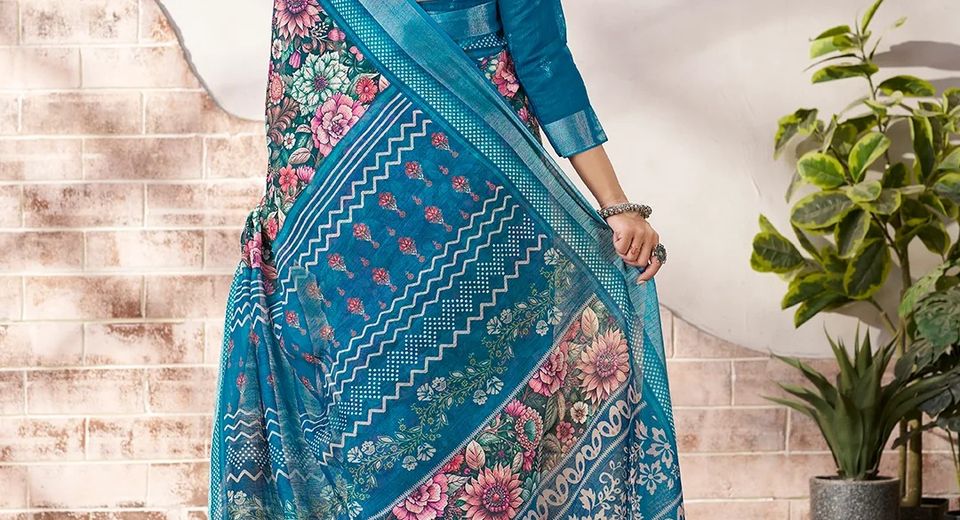
Linen cotton and Mal cotton are especially useful for a spring festival because they're lighter and more breathable than many dense brocades. A printed saree can bring colour without adding the weight of extensive zari or layered embroidery. Teal Floral Printed Linen Cotton Saree With Matching Blouse works well for a daytime event because the coordinated blouse creates a finished look while the linen-cotton base remains comparatively easy to wear.
Mustard Floral Linen Cotton Saree with Unstitched Blouse offers another useful direction. Mustard reflects the warm, sunlit palette often associated with spring dressing, while an unstitched blouse gives the wearer room to choose a sleeve length and neckline suitable for the venue. A blouse with elbow-length sleeves and a secure back closure can be more practical than a backless or very low-cut design when the day includes outdoor activity.
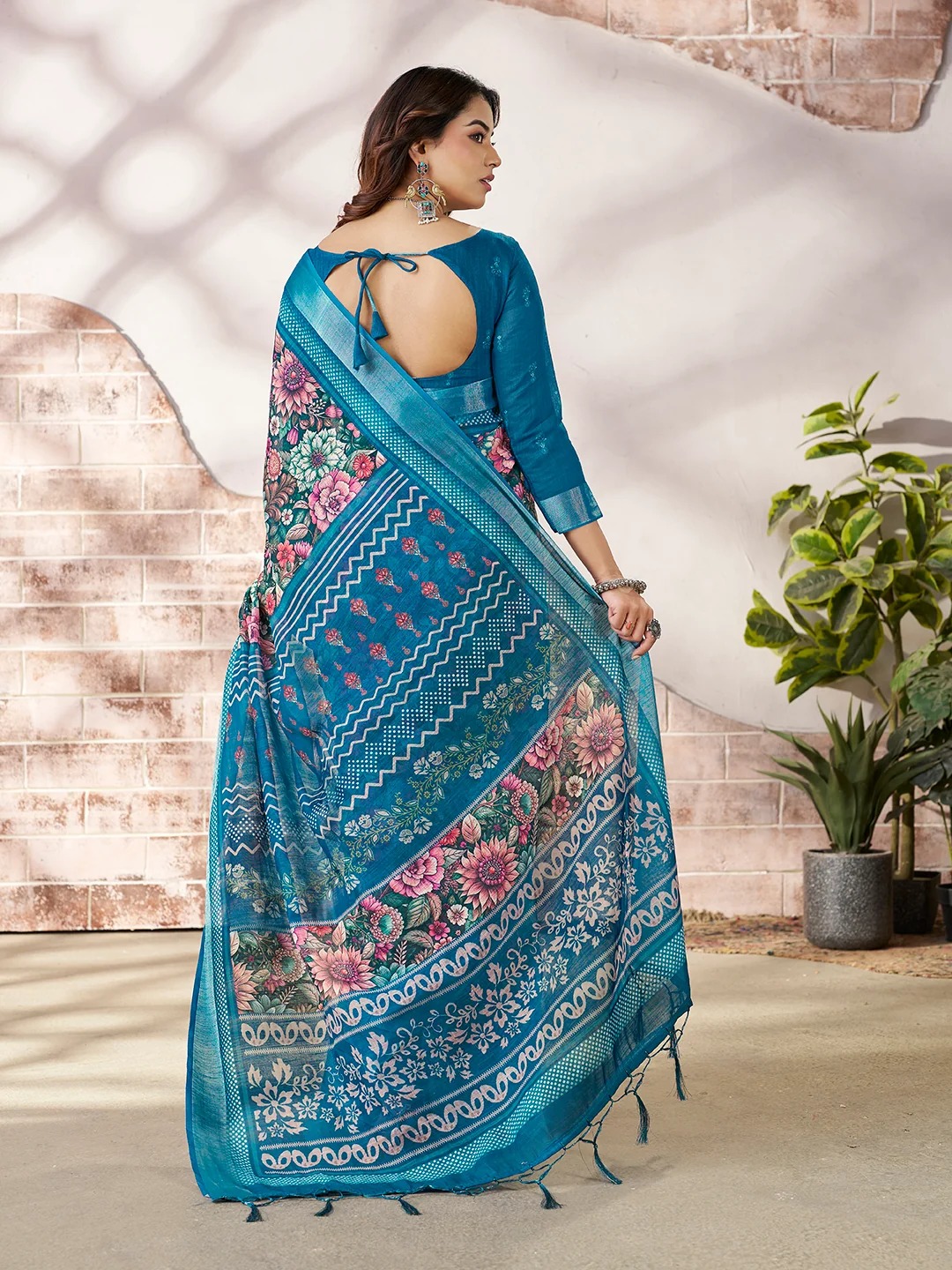
Blue Linen Cotton Floral Printed Saree With Contrast Border demonstrates how a border can define a simple outfit. A contrast border gives the saree visual structure, so the rest of the look can remain restrained. Pairing blue with silver-toned earrings, a narrow bangle stack and flat sandals creates a festive appearance without competing with the print.
Multicolor Linen Cotton Floral Saree with Blouse Online is an useful example for women who want several shades in one garment. When a saree contains multiple colours, choose one shade from the print for the blouse, bangles or hair accessories instead of adding several unrelated colours. A multicolour saree already supplies visual interest, so simple styling often looks more polished.
Yaoshang Festival Fashion benefits from breathable fabrics
Linen cotton, Mal cotton and lightweight handloom cotton are strong fabric choices for Yaoshang because they allow airflow and remain manageable during long hours of wear. The best fabric also depends on the time of day, the venue and whether the wearer expects to dance, travel or sit outdoors.
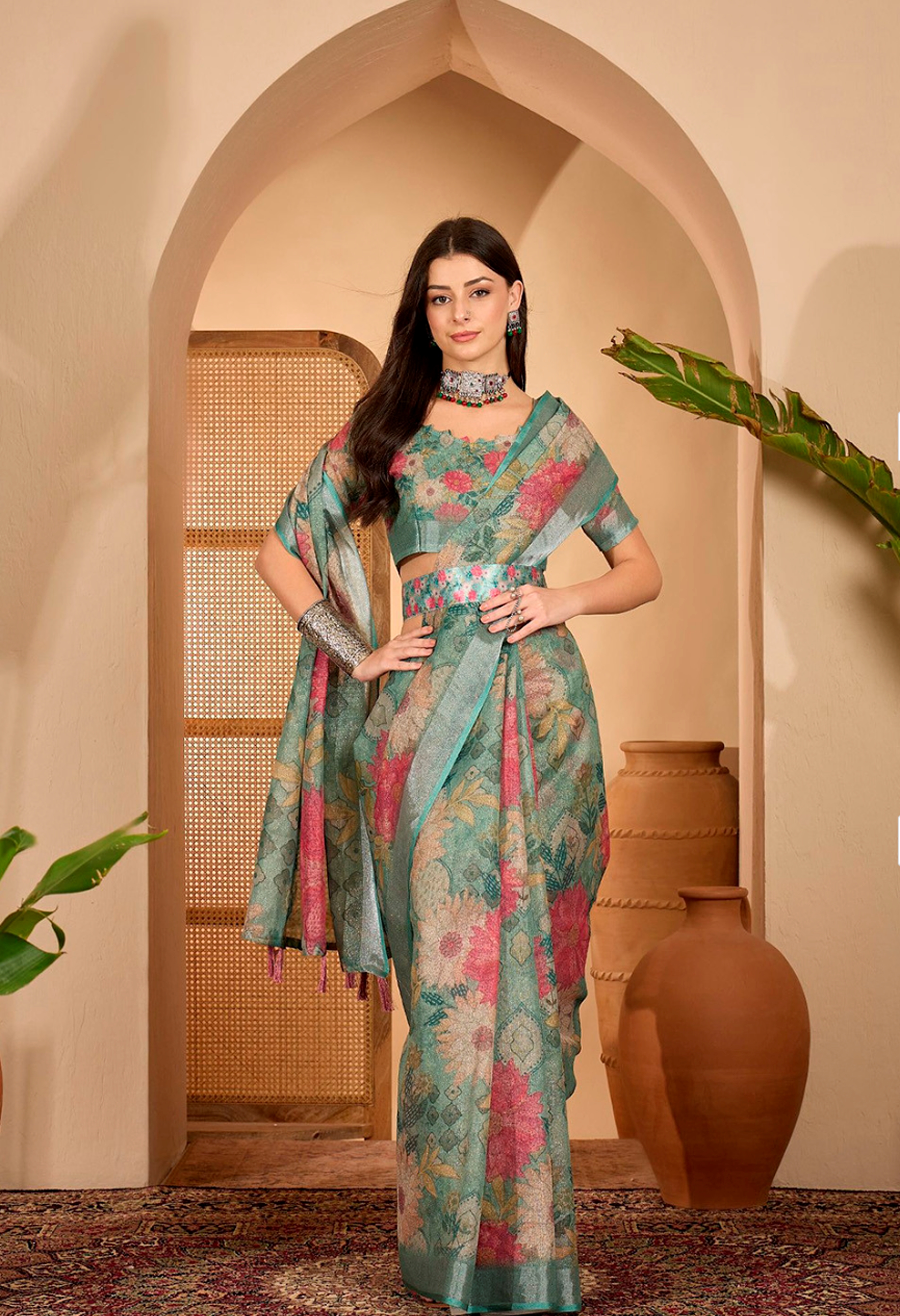
- Linen cotton: Linen cotton has a dry, breathable hand-feel and works well for daytime celebrations. Natural creasing is part of its character, so the saree should be ironed gently rather than expected to remain perfectly smooth for an entire day.
- Mal cotton: Mal cotton is soft and generally comfortable in warm weather. A Mal cotton saree with a moderate border can look festive while remaining lighter than a heavily woven silk garment.
- Chanderi: Chanderi has a light, slightly sheer texture and can suit a more formal indoor gathering. A lining or well-finished blouse is important because Chanderi may be translucent under strong light.
- Banarasi silk: Banarasi silk is appropriate when the event is formal and the wearer wants a richer surface with zari. Banarasi silk is less practical for a long outdoor programme because the fabric can feel heavier and warmer.
- Kanjeevaram: Kanjeevaram silk brings substantial structure and classic grandeur, but it's usually better suited to a formal ceremony than an active daytime Yaoshang programme.
Fabric weight should guide the amount of additional decoration. A linen-cotton saree with floral printing may only need a defined border and a coordinated blouse. A plain cotton saree can take a stronger necklace or a more detailed blouse. This balance prevents the outfit from feeling visually crowded and keeps the wearer comfortable.
Maroon Mal Cotton Ethnic Saree With Blouse from VARNAVI shows how a deeper colour can work without relying on heavy embellishment. Maroon pairs effectively with antique gold earrings, a cream blouse detail or a small woven handbag. The Mal cotton base keeps the outfit approachable for daytime use, while the darker shade makes it suitable for an evening gathering.
Yaoshang Festival Fashion should be secured for activity
Women should style a Yaoshang outfit with secure draping, breathable layers, supportive footwear and accessories that don't interfere with movement. Comfort doesn't require a plain or unfinished look; comfort requires making practical decisions before adding decoration.

Secure the drape
A saree should be pinned at the shoulder and, when necessary, lightly secured near the waist. Small safety pins placed from the inside help prevent visible damage to the fabric. Medium-width pleats are easier to control than very narrow pleats, especially when walking on uneven ground or moving through a crowd.
A phanek should be wrapped firmly and tested through several movements before leaving home. An innaphi can be pinned discreetly at the shoulder if the wearer expects to dance. The goal isn't to make the garment rigid; the goal is to prevent repeated adjustments during the celebration.
Choose functional accessories
Small to medium earrings, a compact bindi and a limited number of bangles are usually sufficient for a festive look. Long necklaces can catch on an innaphi or handbag, while oversized earrings may become uncomfortable after several hours. A fabric potli or small crossbody bag keeps essentials close without weighing down the outfit.
Flat sandals, low wedges or cushioned juttis are safer choices for a venue involving grass, open courtyards or extended walking. New footwear should be worn indoors several times before the festival. Blisters can quickly turn an otherwise beautiful outfit into an uncomfortable experience.
Plan for weather and colour
Spring weather can shift between warm sunlight and a cooler evening, so a lightweight cotton shawl or soft innaphi can provide useful coverage. Sunscreen, a compact umbrella and a handkerchief are sensible additions for daytime celebrations. Women wearing bright colours should also check whether the dye transfers when exposed to moisture, especially if the outfit may encounter coloured powder or rain.
Yaoshang Festival Fashion uses colour with restraint
Colour can express the spirit of Yaoshang through spring-like shades, but the most effective palette usually contains one dominant colour and two supporting tones. Mustard, teal, maroon, coral, leaf green, indigo and soft pink can create a lively festive appearance. A controlled palette helps the garment remain elegant rather than turning every accessory into a competing focal point.
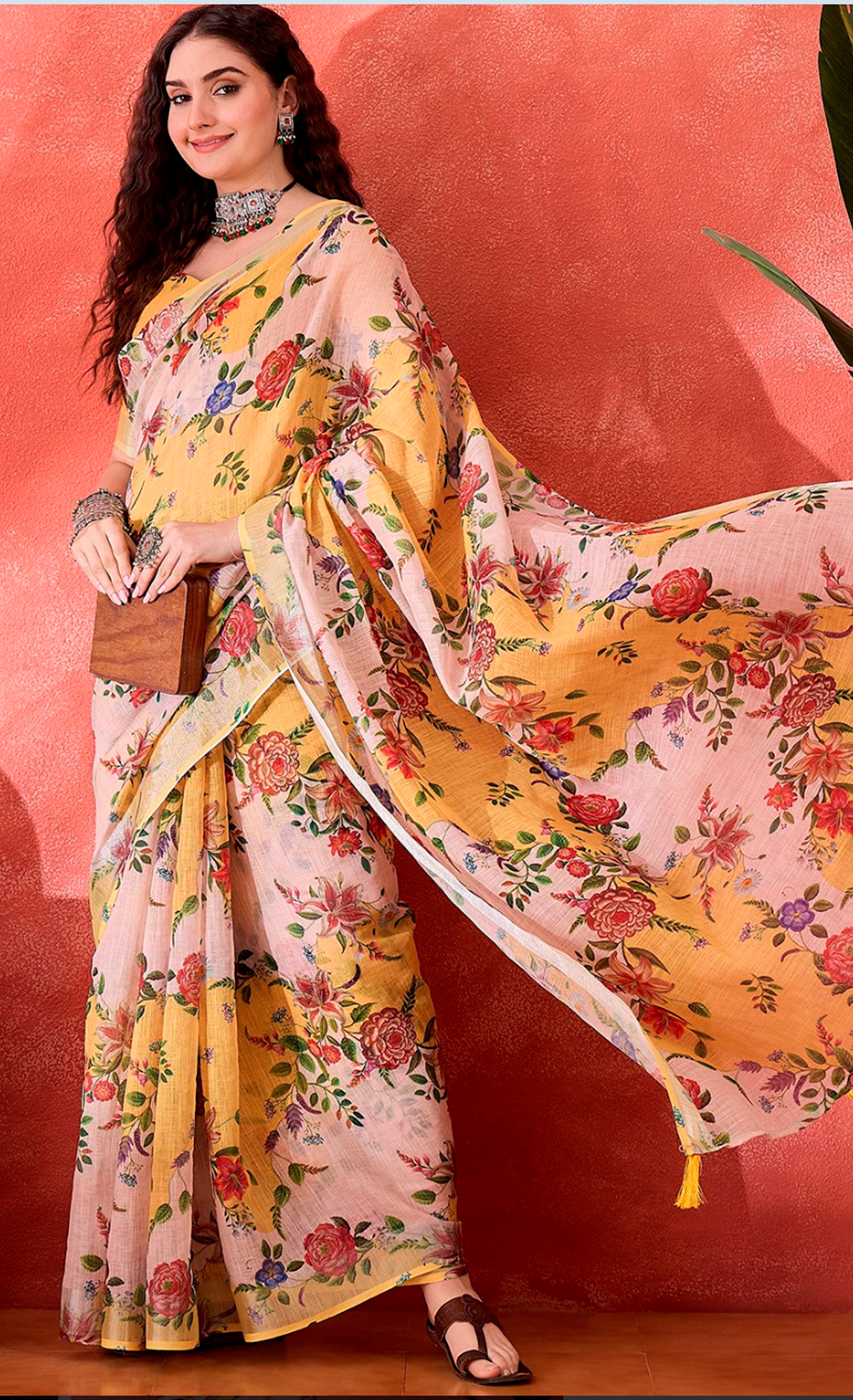
Mustard with ivory and antique gold creates a warm daytime combination. Teal with silver, white or muted green feels fresh without appearing overly bright. Maroon with beige and dull gold gives depth to an evening look. Blue with a contrasting border can be balanced by a blouse that repeats the border colour instead of introducing a fourth shade.
Multicolor Linen Cotton Floral Printed Saree at VARNAVI illustrates why accessory restraint matters. A multicolour floral print already contains a visual conversation between several shades, so choose one colour for the earrings and another for the footwear. Matching every flower in the print can make the outfit feel assembled rather than naturally coordinated.
Floral printing is suitable for a spring celebration, but motifs should not be described as time-honoured Manipuri symbols unless their cultural meaning is known. A floral saree can be selected for its seasonal freshness, while a phanek or innaphi can carry the more direct connection to Manipuri dress heritage.
Yaoshang Festival Fashion changes from day to evening
Daytime Yaoshang dressing should prioritise breathable fabric, secure footwear and light accessories, while evening dressing can add richer colour, a more defined border and modest jewellery. Changing the styling rather than changing the entire outfit makes preparation easier for a multi-day celebration.
For daytime, Printed Mal Cotton Saree With Designer Pallu by VARNAVI can be worn with a simple blouse, flat sandals and small earrings. The designer pallu provides a focal point without requiring a heavy necklace. A compact hair braid or low bun also remains manageable in warm weather and crowded outdoor spaces.
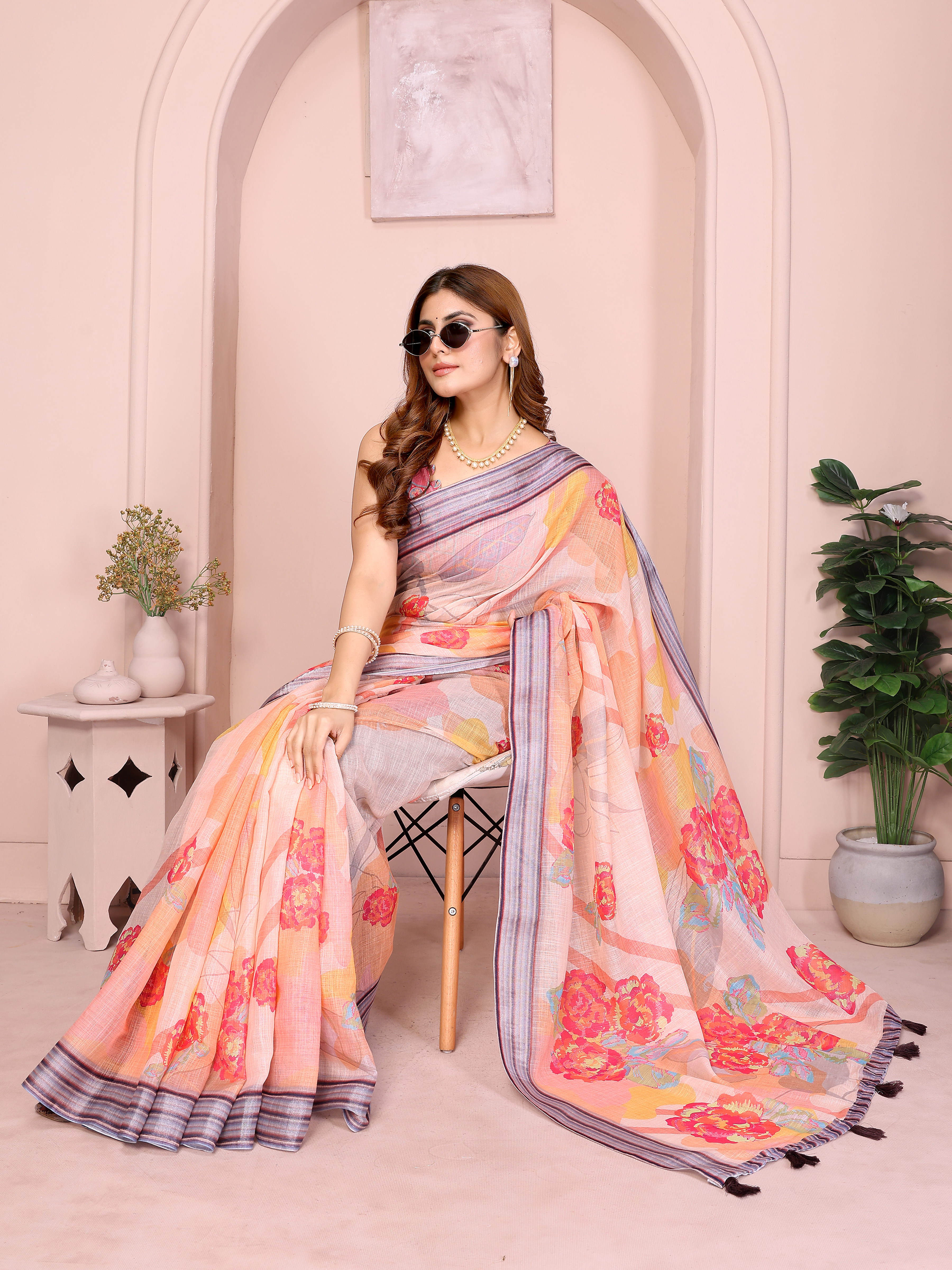
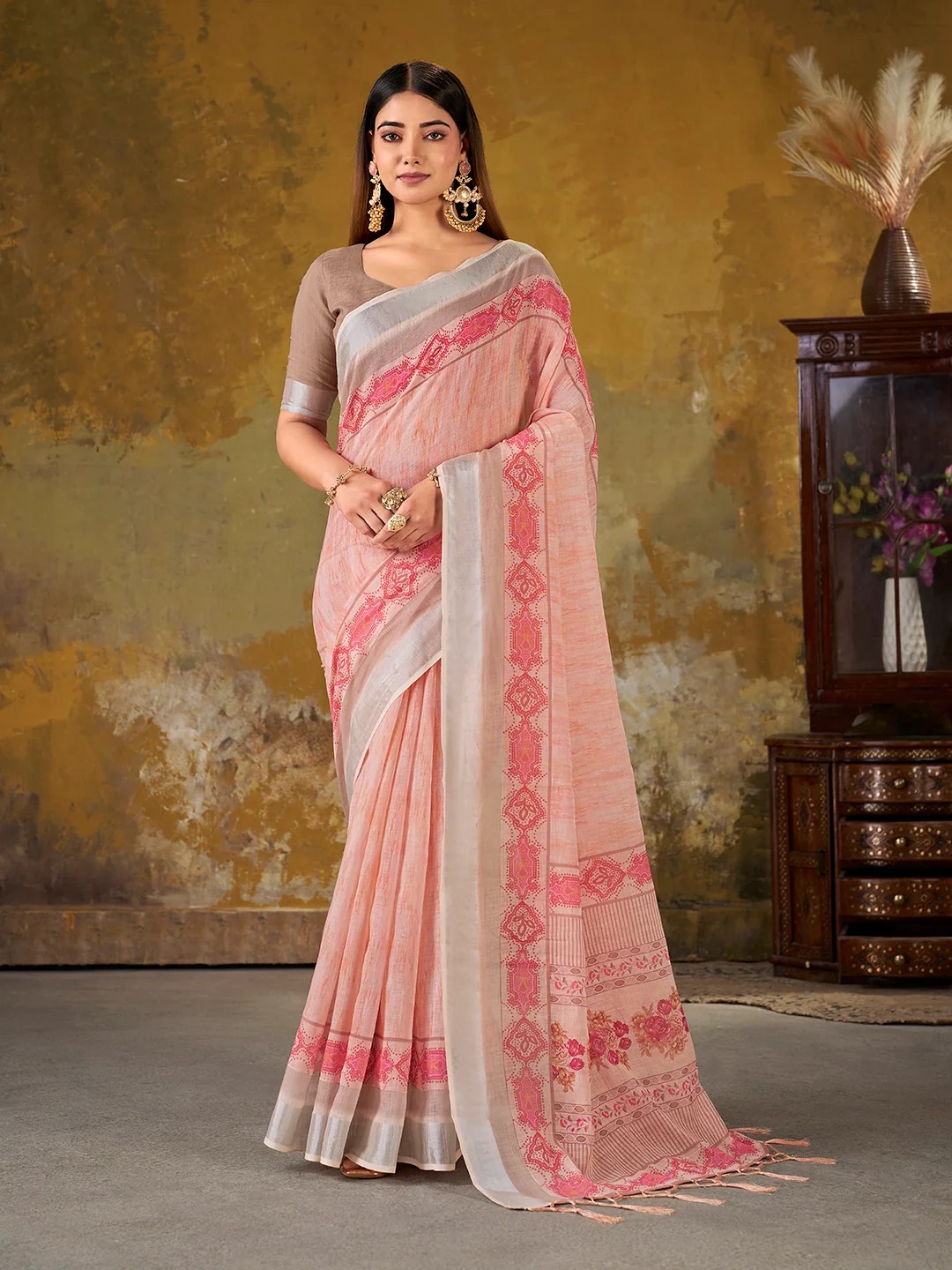
For an evening visit, VARNAVI Peach Linen Cotton Floral Saree with Border Tassels can be styled with a narrow metallic belt-like waist accent, pearl studs and a light shawl. Border tassels already add movement near the edge of the saree, so large fringe earrings may create too much activity around the face.
Women wanting a darker, more graphic option can consider Maroon Mal Cotton Ethnic Saree With Blouse from VARNAVI with antique-finish jewellery and a low heel. Women choosing a daytime look can use Teal Floral Printed Linen Cotton Saree With Matching Blouse with a woven tote and minimal makeup. These combinations show how fabric and styling can adapt to the time of day without abandoning comfort.
Yaoshang Festival Fashion needs respectful finishing touches
Respectful festival dressing begins with recognising the difference between cultural clothing and decorative inspiration. A phanek and innaphi should be worn as garments with a living social context, not simply as exotic accessories. If you're borrowing elements from Manipuri dress, learn the names, ask for guidance when possible and avoid claiming that a modern saree is a heritage phanek.
Makeup can remain fresh and humidity-friendly. A light base, waterproof kajal, tinted lip colour and a small amount of highlighter are generally enough for a day of activity. Hair should be secured in a braid, bun or low ponytail if loose hair becomes uncomfortable during dancing or outdoor visits.
Care also affects the final appearance. Air linen cotton and Mal cotton garments after wearing them, treat visible stains quickly with cool water and avoid aggressive rubbing on printed areas. Wash dark cotton separately during the first few washes because excess dye can transfer to lighter garments. Store a completely dry saree folded with clean cotton fabric rather than sealing it immediately in plastic.
The most successful Yaoshang outfit feels considered from the inside out. Traditional Manipuri dress brings a meaningful cultural foundation, while breathable sarees offer a flexible option for women who prefer familiar draping. When colour, fabric, footwear and accessories are planned around the festival's real activities, festive dressing becomes both lovely and genuinely usable.
Questions Women Ask About Yaoshang Festival Fashion
What is the traditional outfit for women during Yaoshang?
The traditional Manipuri outfit most associated with women is a phanek worn with an innaphi. The phanek is a wrapped lower garment and the innaphi is a draped upper cloth. Specific designs and textiles can vary by community, region and occasion.
Can I wear a saree to a Yaoshang celebration?
Yes, a lightweight saree can be suitable for a Yaoshang celebration, especially for guests or urban community events. Linen cotton, Mal cotton and light handloom cotton are practical choices because they support movement and remain breathable. A saree should not be described as the same garment as a phanek and innaphi.
Which colours work well for a Yaoshang outfit?
Mustard, teal, maroon, coral, leaf green, indigo and soft pink work well for a spring festival wardrobe. Choose one dominant colour and one or two supporting tones so the accessories do not compete with a printed saree or patterned phanek.
How can I keep a saree comfortable during Yaoshang?
Choose a breathable fabric, pin the shoulder and waist discreetly, wear medium-width pleats and select flat sandals or cushioned juttis. Test the complete outfit by walking, sitting and climbing stairs before leaving home. A small bag and limited jewellery also make movement easier.
What is the difference between a phanek and an innaphi?
A phanek is a wrapped lower garment worn around the waist and legs, while an innaphi is a shawl-like upper drape worn around the shoulders and torso. The two garments are commonly worn together in Manipuri women's dress. They should not be confused with costumes designed specifically for stage performances.
Are silk sarees suitable for Yaoshang?
Silk sarees can suit a formal indoor Yaoshang gathering, but lightweight cottons are generally more comfortable for outdoor activity. Banarasi silk and Kanjeevaram silk provide richness and structure, while linen cotton and Mal cotton are usually better for walking, dancing and warm daytime weather.