A sister's Bhai Dooj look needs to move comfortably from the tilak ceremony to family photographs, lunch and hours of conversation. Bhai Dooj Outfit Ideas for Sisters Who Love Traditional Fashion work best when colour, fabric and silhouette feel festive without becoming difficult to manage.
Bhai Dooj usually falls on the second lunar day, or Dwitiya, after Diwali. The ceremony often includes aarti, a tilak, sweets and gifts, so clothing should look polished while allowing easy sitting, walking and eating. A thoughtful outfit can express tradition through its weave, border, drape or jewellery rather than through heavy embroidery alone.
Bhai Dooj Outfit Ideas for Sisters Who Love Heritage Fashion and Festive Colour
A traditionally festive Bhai Dooj outfit combines one recognisable Indian detail with practical daytime dressing. A woven border, a silk-blend texture, a jewel-toned dupatta, jhumkas or a neatly draped saree can establish the festive mood without requiring a heavily embellished ensemble.
Daytime Bhai Dooj celebrations generally suit colours that photograph clearly in natural light. Mustard, coral pink, teal blue, lavender, leaf green and sunshine yellow create warmth without looking as formal as bridal red or deep evening black. Gold zari, antique-gold jewellery and a small bindi add definition to lighter colours.
The most useful styling principle is to choose one visual focus. A floral printed saree can be paired with a plain blouse and restrained jewellery, while an embroidered palazzo suit can carry a simpler hairstyle and fewer accessories. Repeating bold details in every part of an outfit can make the final look crowded and less comfortable.
Sunshine Yellow Linen Cotton Saree with Navy Striped Pallu demonstrates how a strong colour contrast can create interest without sequins. The navy pallu gives sunshine yellow a defined edge, making the saree suitable for a sister who wants a cheerful look with a modern graphic touch.
Bhai Dooj Outfit Ideas for Sisters Who Love Classic Fashion in Warm and Cool Shades
Mustard, coral, teal, lavender and fresh green are especially versatile Bhai Dooj colours because they look festive in daylight and pair easily with gold, pearl or oxidised-silver accessories.

Warm Bhai Dooj Outfit Ideas for Sisters Who Love Time-honoured Fashion
Sunshine yellow, mustard and coral pink bring brightness to a daytime gathering. Yellow works particularly well with navy, ivory and antique gold. Coral pink looks balanced with beige, champagne, green or muted gold, especially when the saree includes a woven or artistic border.
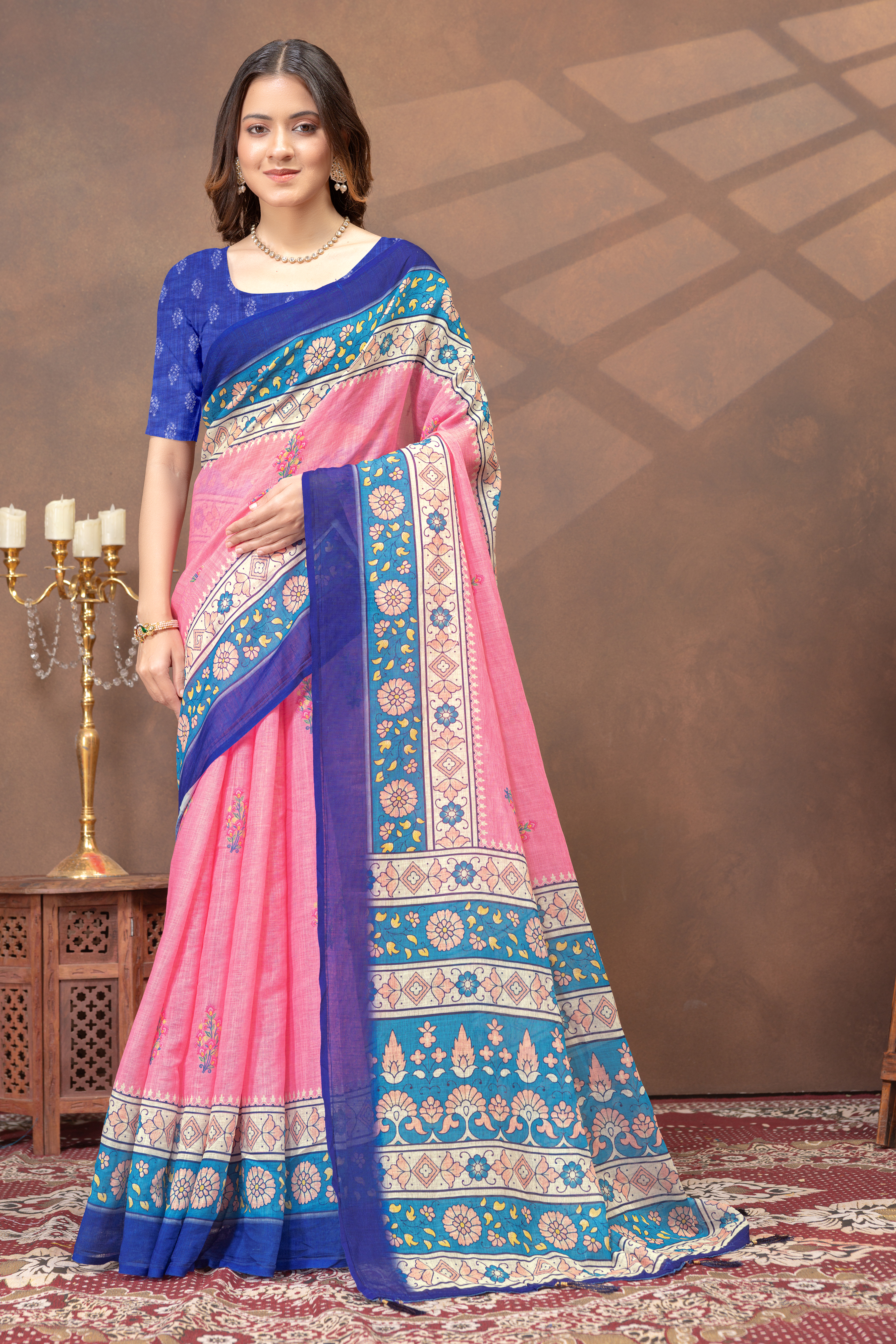
Shop Coral Pink Linen Cotton Saree with Artistic Deer Motif is an example of a warm-toned saree that already has a distinctive storytelling detail. Keep the blouse close to the coral family or choose a soft ivory blouse so the deer motif remains visible rather than competing with contrasting embroidery.
Cool Bhai Dooj Outfit Ideas for Sisters Who Love Heritage Fashion
Teal blue and teal green offer depth without the visual weight of maroon or black. Teal blue works with mustard, copper and gold, while teal green pairs naturally with yellow, ivory and rose-gold accents.
Teal Blue Floral Printed Satin Saree with Mustard Border provides a ready-made colour relationship between a cool base and a warm border. Choose mustard earrings, a small gold bindi or a mustard blouse detail to repeat the border without matching every accessory exactly.
Teal Green Yellow Linen Cotton Saree with Floral Printed Pallu gives a softer interpretation of the same colour logic. The floral pallu can be highlighted with yellow glass bangles, a fabric-covered potli or a blouse in a quiet shade drawn from the print.
Bhai Dooj Outfit Ideas for Sisters Who Love Time-honoured Fashion by Fabric Choice
Linen cotton, lightweight silk blends and breathable satin are practical choices for a Bhai Dooj celebration because they offer shape and festive texture without the weight of dense embellishment.

Linen cotton is useful for a home ceremony because the fabric generally feels breathable and holds a structured drape. Linen cotton can crease with sitting, so pleat the saree carefully, use a supportive petticoat and carry a small hand steamer or iron-safe touch-up plan when travelling.
Lavender Floral Linen Cotton Saree with Blouse Online suits a softer, understated interpretation of classic dressing. Lavender looks particularly graceful with pearl studs, silver-toned jewellery or delicate gold pieces. A blouse with a slightly deeper lavender or dusty-plum tone can add contrast while preserving the calm palette.
Satin has a smooth surface that catches light and allows floral prints to appear vivid. Satin can also shift more easily than cotton, so secure the top edge with discreet safety pins and choose a blouse fit that keeps the saree stable at the shoulder. Avoid excessive layering when the satin saree already contains a prominent border.
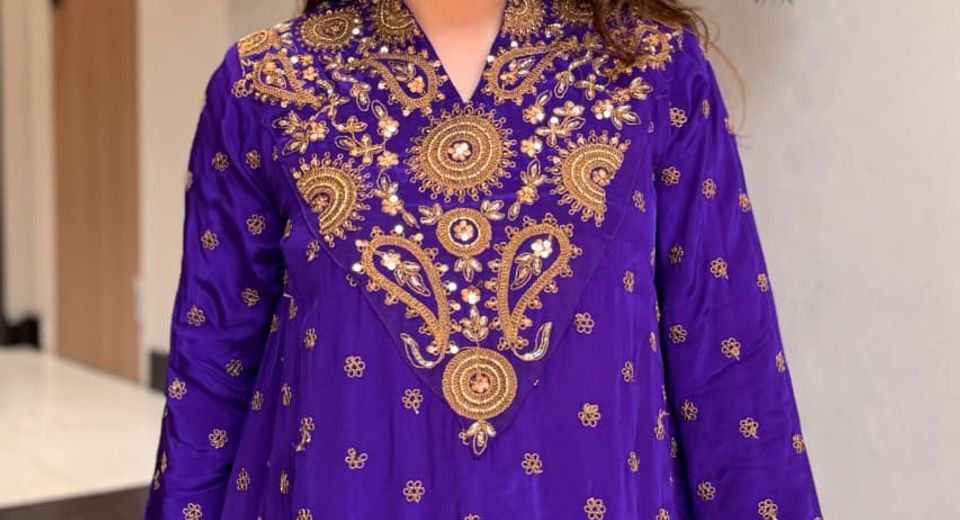
Silk blends bring a richer hand feel and are useful when the family gathering includes photographs or a more formal lunch. Riddhi Pink Frendy Silk Embroidered Palazzo Suit Set offers the comfort of separated trousers with the visual richness of embroidery, making it a sensible alternative for anyone who doesn't want to manage pleats.
Bhai Dooj Outfit Ideas for Sisters Who Love Heritage Fashion in Sarees and Palazzo Suits
A saree suits sisters who enjoy draping and heritage styling, while a palazzo suit suits sisters who prioritise movement, seated comfort and quick dressing. Both silhouettes can look equally appropriate when the fabric, colour and finishing details are chosen for a festive family setting.

A saree is a strong choice when the ceremony includes formal family photographs or when you want the pallu to become the main styling feature. A narrow belt over the saree can keep the drape secure, but the belt should sit comfortably and should not compress the waist while sitting cross-legged.
A palazzo suit is practical for homes where the day involves cooking, greeting guests, climbing stairs or helping with arrangements. Riddhi Pink Frendy Silk Embroidered Palazzo Suit Set can be styled with embroidered juttis, a small maang tikka and compact earrings rather than a long necklace that may catch on the dupatta.
A printed saree can also become more contemporary through the blouse shape. A modest boat neck, elbow-length sleeve or square neckline gives definition without turning the outfit into evening wear. For a time-honoured home ceremony, avoid overly deep necklines that require constant adjustment during aarti or family photographs.
Buy Mauve Floral Printed Satin Saree With Woven Border gives a muted colour route for sisters who prefer understated festive clothing. Mauve works with antique gold, rose gold and pearl accessories, while the woven border supplies enough detail to keep the outfit from looking like ordinary daytime wear.
Bhai Dooj Outfit Ideas for Sisters Who Love Classic Fashion with Jewellery and Accessories
Jewellery should repeat one or two elements from the outfit rather than compete with every print, border and embellishment. A practical combination is medium jhumkas, two to four bangles, a small bindi and one ring or bracelet.
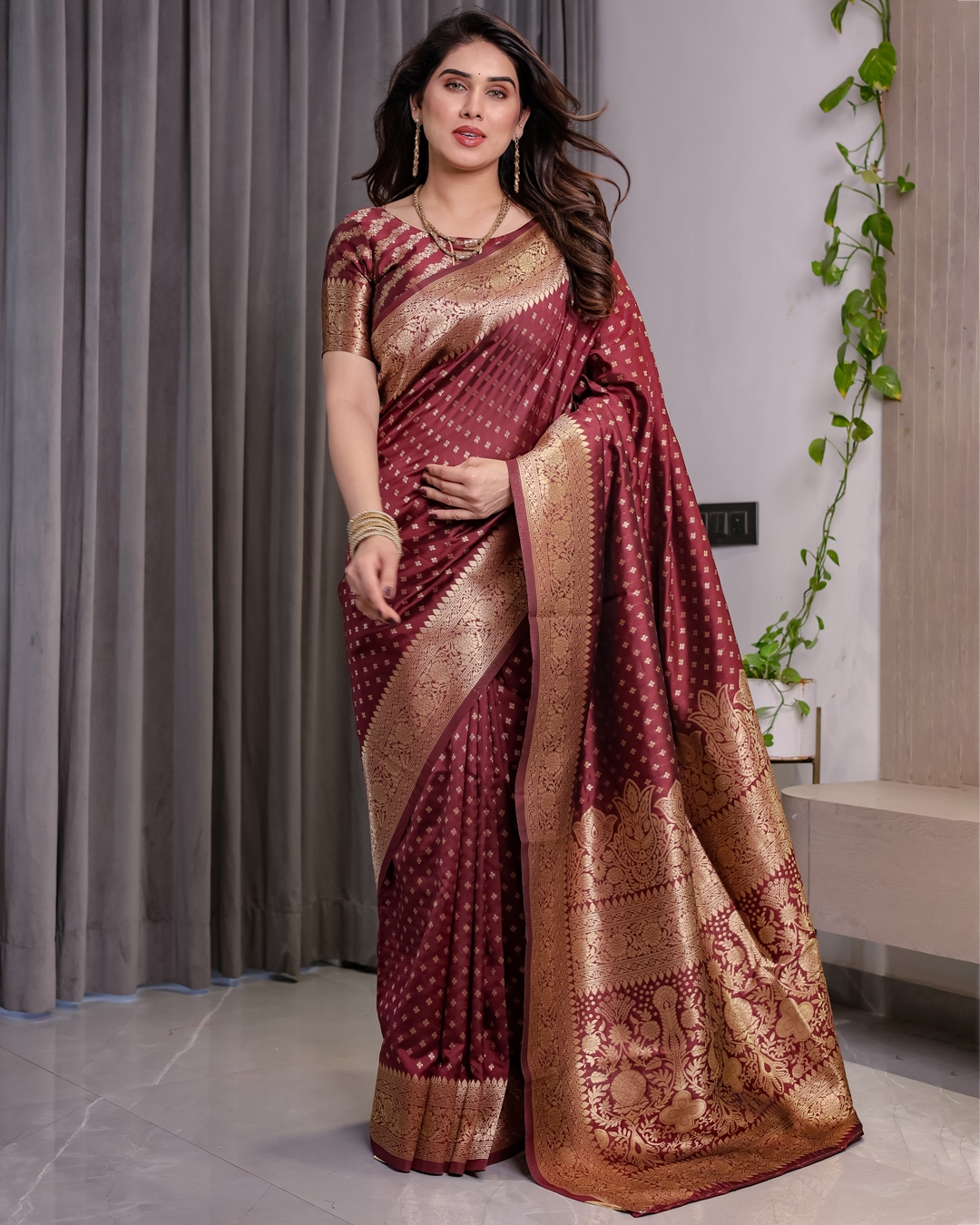
Gold jewellery is the easiest match for mustard, coral, yellow and silk-based outfits. Pearl jewellery softens lavender and pink. Oxidised silver can give teal or green a more contemporary character, although antique gold is usually more cohesive when the saree includes zari or a warm-toned border.
Choose footwear with a stable sole and a heel no higher than 1.5 to 2 inches if the ceremony involves extended standing. Embroidered juttis, low block heels and embellished flats are safer for moving around the house than narrow stilettos. Match the footwear to the outfit's warmth rather than searching for an exact colour match.
A small potli or compact clutch is more useful than a large handbag for Bhai Dooj. The bag should hold a phone, tissues, lip colour, safety pins and a small amount of cash without pulling down the shoulder or disturbing the pallu.
How Bhai Dooj Outfit Ideas for Sisters Who Love Classic Fashion Can Stay Comfortable
Good Bhai Dooj styling places the face, hands and outfit border where cameras can see them clearly. Keep the pallu or dupatta free from excessive folds, arrange bangles on the wrist used for the tilak ritual and choose makeup that remains fresh through at least four to six hours.
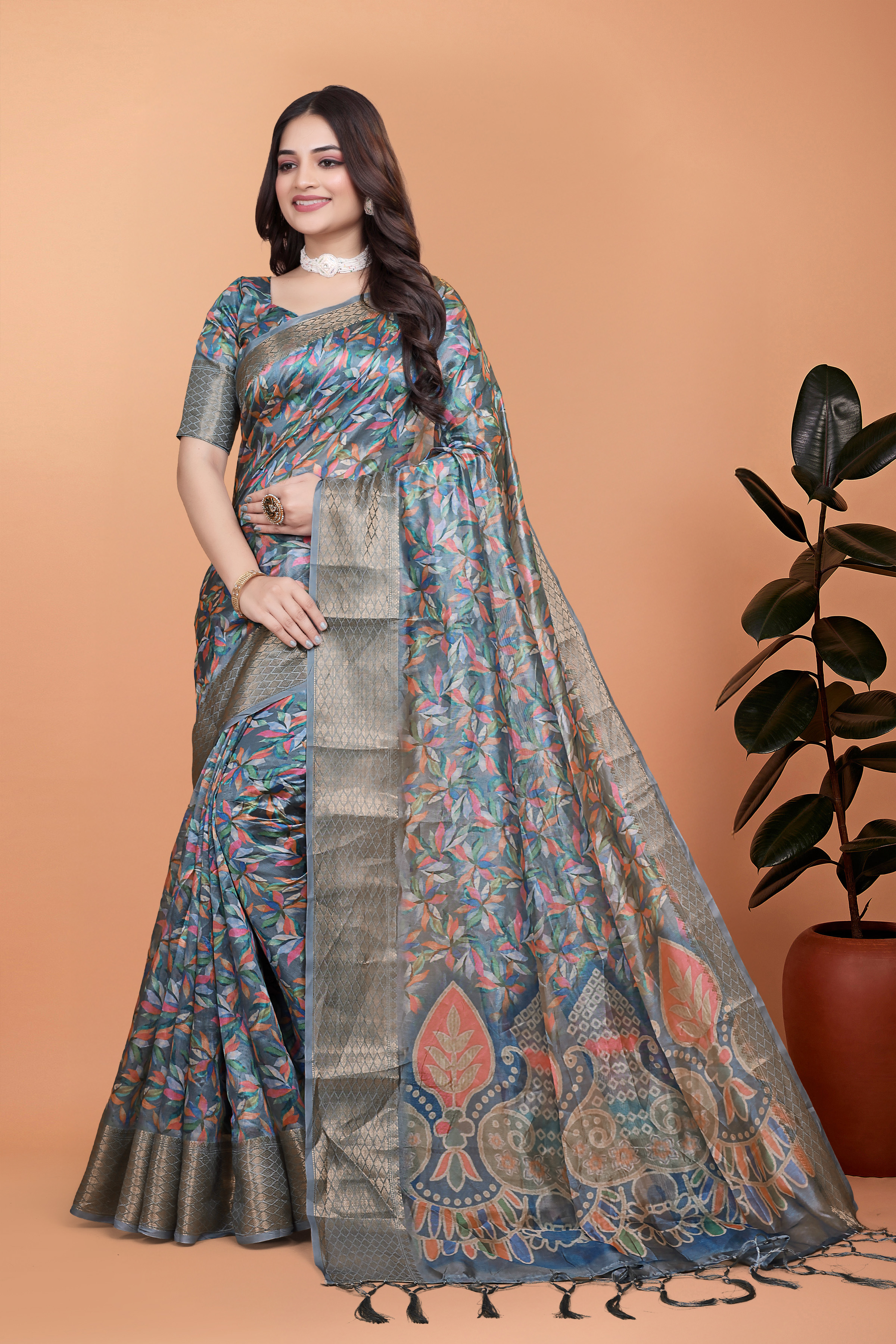
For a saree, place the pallu over the shoulder opposite the hand that will perform the aarti if you want the ritual movement to remain unobstructed. Pin the pallu at the shoulder and near the waist, leaving enough ease for sitting. A slightly wider pleat at the front can make the saree appear more structured in photographs.
For a palazzo suit, make sure the dupatta is long enough to create a graceful front drape but not so long that it touches the floor. An over-the-shoulder drape with a discreet shoulder pin usually remains secure during greetings, while a front drape can look more classic in family portraits.
Hair styling should support the neckline and earrings. A low bun with jasmine works with sarees and gold jewellery, while a side braid or half-up style suits printed fabrics and lighter daytime outfits. Apply sunscreen before makeup, allow liquid products to set fully and carry blotting paper if the celebration takes place in warm weather.
When comparing Bhai Dooj Outfit Ideas for Sisters Who Love Heritage Fashion, prioritise the number of hours you'll wear the outfit. A beautiful saree that requires repeated adjustments may be less successful than a lighter saree or palazzo suit that stays neat from the first tilak to the final family photograph.
Bhai Dooj Outfit Ideas for Sisters Who Love Traditional Fashion and Need a Final Fitting Check
A complete pre-event check should cover fit, drape security, footwear and fabric care at least one day before Bhai Dooj. Early preparation prevents last-minute changes that can damage delicate fabric or create uncomfortable styling.

- Test the sitting position: Sit on the floor and on a dining chair for five minutes. Check whether the blouse pulls, the waistband digs in or the saree pleats spread.
- Secure the drape: Use small safety pins at the shoulder and waist, but avoid piercing visible zari, embroidery or delicate satin surfaces.
- Check the blouse: Wear the intended blouse for at least 20 minutes. A blouse that feels acceptable while standing may become restrictive while performing aarti or eating.
- Walk in the footwear: Walk indoors for 10 minutes before the ceremony. Confirm that the sole doesn't slip and that the heel doesn't catch on the saree hem.
- Prepare a repair kit: Carry two safety pins, a few hairpins, tissues, a stain-removal wipe and a spare earring back in the potli or clutch.
Keep linen cotton away from high heat and follow the garment's care label, especially when the fabric includes printed details. Satin should be folded with the printed or glossy surface protected from rough jewellery. Embroidered silk-blend suits should be stored on a broad hanger or folded with soft tissue between heavily worked areas.
Bhai Dooj dressing becomes easier when the outfit reflects both personal style and the actual rhythm of the celebration. A colourful linen cotton saree, a floral satin drape or an embroidered palazzo suit can all look traditionally appropriate when the proportions are balanced, the accessories are intentional and the wearer can move freely.
Common Questions About Choosing a Sister’s Bhai Dooj Outfit
What should a sister wear on Bhai Dooj?
A sister can wear a saree, salwar suit, palazzo suit or another comfortable festive Indian outfit on Bhai Dooj. Linen cotton sarees, printed satin sarees and embroidered silk-blend suits work well because they look celebratory while allowing easy movement during the tilak and aarti rituals.
Which saree fabric is comfortable for Bhai Dooj at home?
Linen cotton is a comfortable choice for a home-based Bhai Dooj celebration because it is breathable and gives the drape some structure. Lightweight satin and silk blends are also suitable, although satin may need extra pins to prevent shifting.
Which colours are auspicious or suitable for Bhai Dooj?
Yellow, mustard, coral, green, teal, pink and lavender are suitable Bhai Dooj colours for daytime family celebrations. The best choice depends on personal preference, skin tone and the amount of natural or indoor light at the venue.
Is a saree or palazzo suit better for Bhai Dooj?
A saree is better for sisters who enjoy traditional draping and formal family photographs, while a palazzo suit is better for extended movement and seated comfort. Neither silhouette is inherently more appropriate; fabric, fit and styling determine whether the outfit suits the celebration.
How can I keep a Bhai Dooj saree from slipping?
A well-fitted blouse, a supportive petticoat and discreet safety pins at the shoulder and waist help keep a Bhai Dooj saree secure. A narrow saree belt can provide additional support, but it should not feel tight while sitting or bending.
What jewellery goes with a traditional Bhai Dooj outfit?
Medium jhumkas, a small bindi, two to four bangles and one ring create a balanced traditional look for Bhai Dooj. Gold suits yellow, mustard and coral, pearls soften pink and lavender, and antique gold or oxidised silver can complement teal and green.