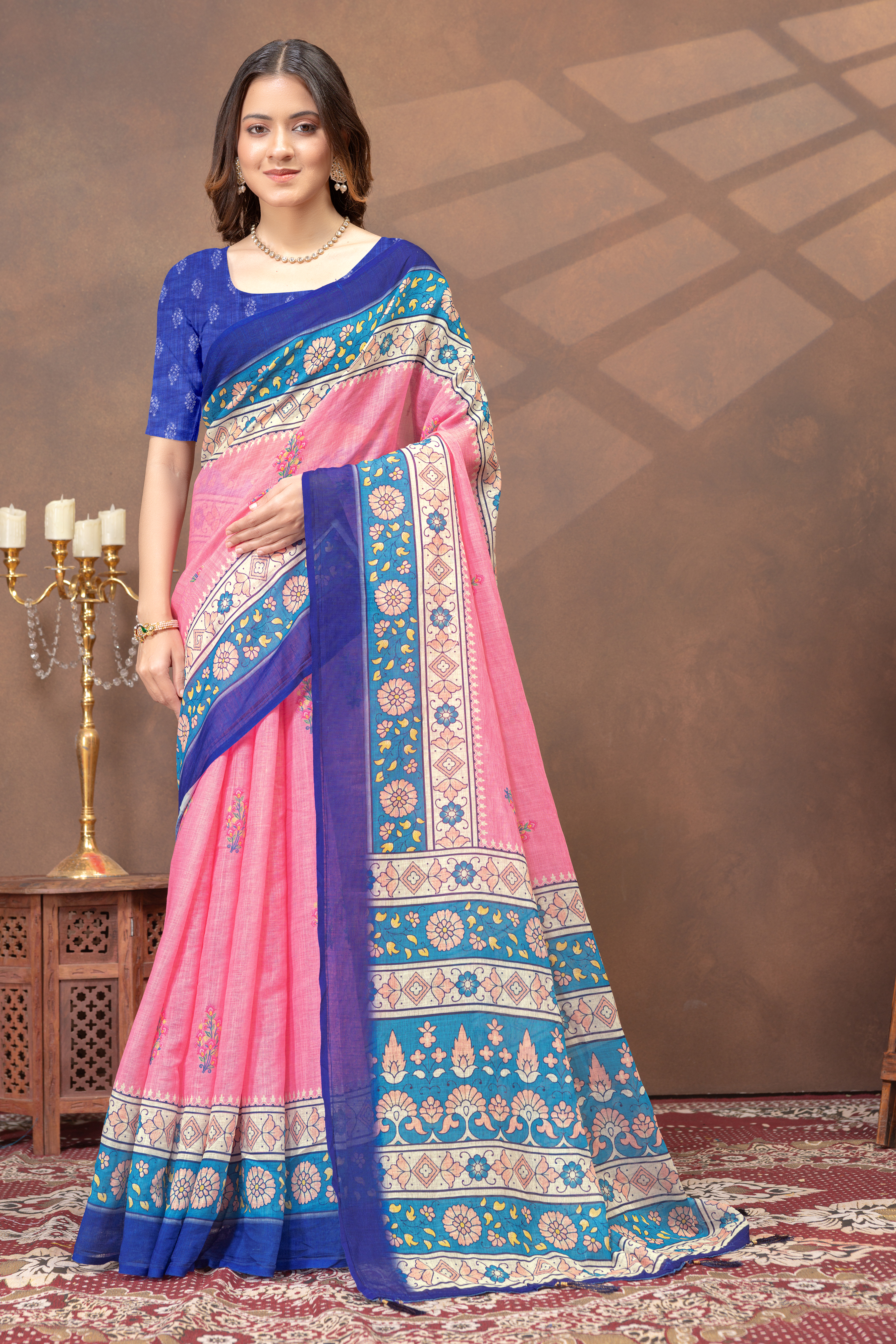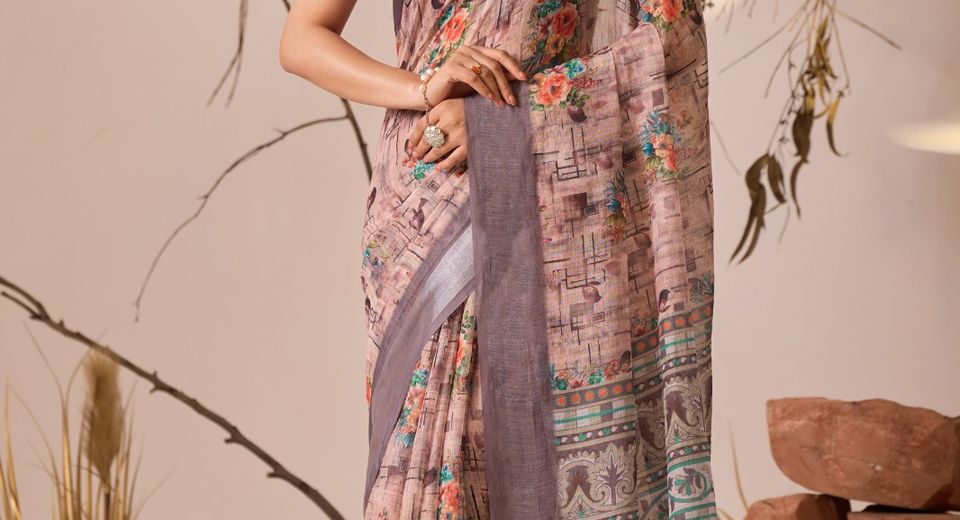
Easy Festive Looks for Bhai Dooj With Sarees and Kurtis should feel celebratory without making a family day harder to manage. Bhai Dooj usually includes a tilak ceremony, aarti, blessings, photographs, sweets and a meal. The most successful outfit balances colour, movement and polish. A breathable saree or a well-cut kurti can look festive when its fabric, border, blouse and accessories are chosen as one complete outfit.
The right choice depends on how much time you'll spend standing, travelling, helping with preparations or sitting on the floor. A lightweight linen cotton saree may suit a daytime gathering, while Banarasi silk or a zari-accented saree can make an evening celebration feel more traditional. The same styling principles also help when you prefer a kurti with trousers, a palazzo or a matching dupatta.
Easy Festive Looks for Bhai Dooj With Sarees and Kurtis: What makes an outfit easy to wear?
An easy Bhai Dooj outfit has a manageable fabric, a secure silhouette and no accessory that interferes with rituals or movement. These three decisions matter more than adding many decorative elements.
For a saree, check the weight before choosing the colour or print. A heavy Kanjeevaram or densely woven Banarasi silk creates a grand appearance but may need stronger pleating and a firmly pinned pallu. Linen cotton, Chanderi and lightweight silk blends are usually more forgiving for a long family gathering. A kurti becomes easier when the hem doesn't trail, the sleeves allow arm movement and the neckline remains comfortable while sitting.
Choose footwear with a stable sole and a heel height you can manage for at least four hours. Block heels between 1.5 and 2.5 inches are generally easier to walk in than narrow stilettos. Flat juttis, mojaris or embellished sandals work particularly well when the celebration includes removing footwear or moving between rooms.
Secure a saree with three to five pleat pins placed discreetly from the inside, and anchor the pallu near the shoulder. A kurti needs similar practical attention: secure a slippery dupatta at one shoulder and keep a small safety pin in your handbag for unexpected loosening.
Easy Festive Looks for Bhai Dooj With Sarees and Kurtis: Which fabrics suit the celebration?
Linen cotton, Banarasi silk, tussar silk and light silk sarees each suit a different type of Bhai Dooj celebration, from a relaxed daytime lunch to a dressed-up evening gathering.
Linen cotton for daytime comfort
Linen cotton is a useful choice when the weather is warm or the ceremony takes place during the day. The fabric has enough structure to hold pleats while remaining lighter than many wedding silks. Elegant Mustard Linen Cotton Saree Set offers a warm festive colour that can be paired with a maroon, rust or deep green blouse.
Grey Blossom Linen Cotton Designer Saree creates a quieter look through a neutral base and floral detail. Silver-toned earrings, a berry lip and a blouse in plum or charcoal can make grey feel festive without relying on heavy embellishment. Pastel Linen Cotton Floral Print Saree with Designer Blouse is another practical direction for a daytime gathering, especially when the rest of the outfit stays clean and uncluttered.
Silk and zari for traditional impact
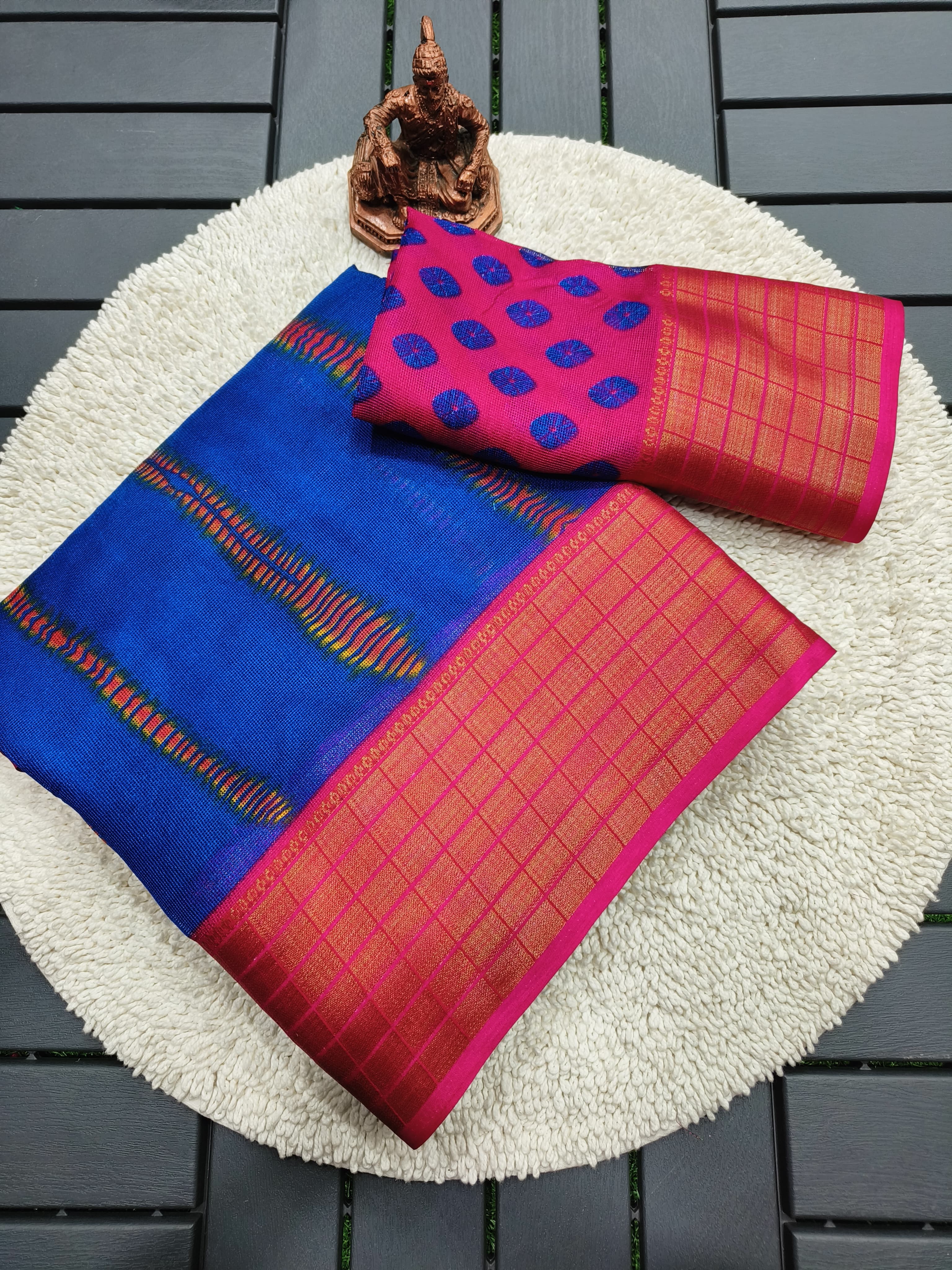
Silk and zari work create a more traditional Bhai Dooj appearance, particularly for an evening puja or a large family photograph. Festive Wear Blue Silk Saree for Women can be styled with a blouse in antique gold, copper or a matching deeper blue. A blue saree also gives gold jewellery enough contrast to remain visible in indoor lighting.
Traditional Teal Banarasi Saree for Festive Wear brings the characteristic richness associated with Banarasi silk and woven zari. Keep the blouse relatively simple when the saree has a strong pattern, because a heavily embroidered blouse can obscure the weave and make the overall outfit look crowded.
Soft Tussar Silk Floral Saree For Festive Wear is suitable when you want the texture of silk with a softer, less formal visual effect than a dense brocade. Tussar silk often works well with textured earrings, a small bindi and a low bun decorated with a few flowers rather than a large jewellery set.
Printed sarees for a lighter festive mood
Floral prints and restrained borders make festive dressing feel personal without requiring a heavily embellished wardrobe. Lightweight Cream Saree with Designer Floral Pattern can be made more ceremonial with a contrast blouse in bottle green, wine or burnt orange, plus gold-toned accessories.
Festive Beige Saree with Floral Print and Rich Zari Work demonstrates how a neutral base can still look occasion-ready. Rich zari supplies the visual shine, while the beige ground keeps the outfit versatile. A beige saree is useful when you want to reuse the saree for a puja, a daytime reception or a festive office event.
For shoppers comparing price points, Silk Sarees Under 3000 With Discount can be a useful starting point for an accessible silk-inspired festive wardrobe. Pink Georgette Sarees may suit someone who prefers a lighter drape and a softer colour story, while Red Banarasi Silk Sarees for Weddings Under 1100 can provide a traditional red-and-gold direction at a lower budget.
Easy Festive Looks for Bhai Dooj With Sarees and Kurtis: How should colours be chosen?
Choose a Bhai Dooj colour according to the time of day, the indoor lighting and the level of traditional formality you want, then add one controlled contrast rather than several competing shades.
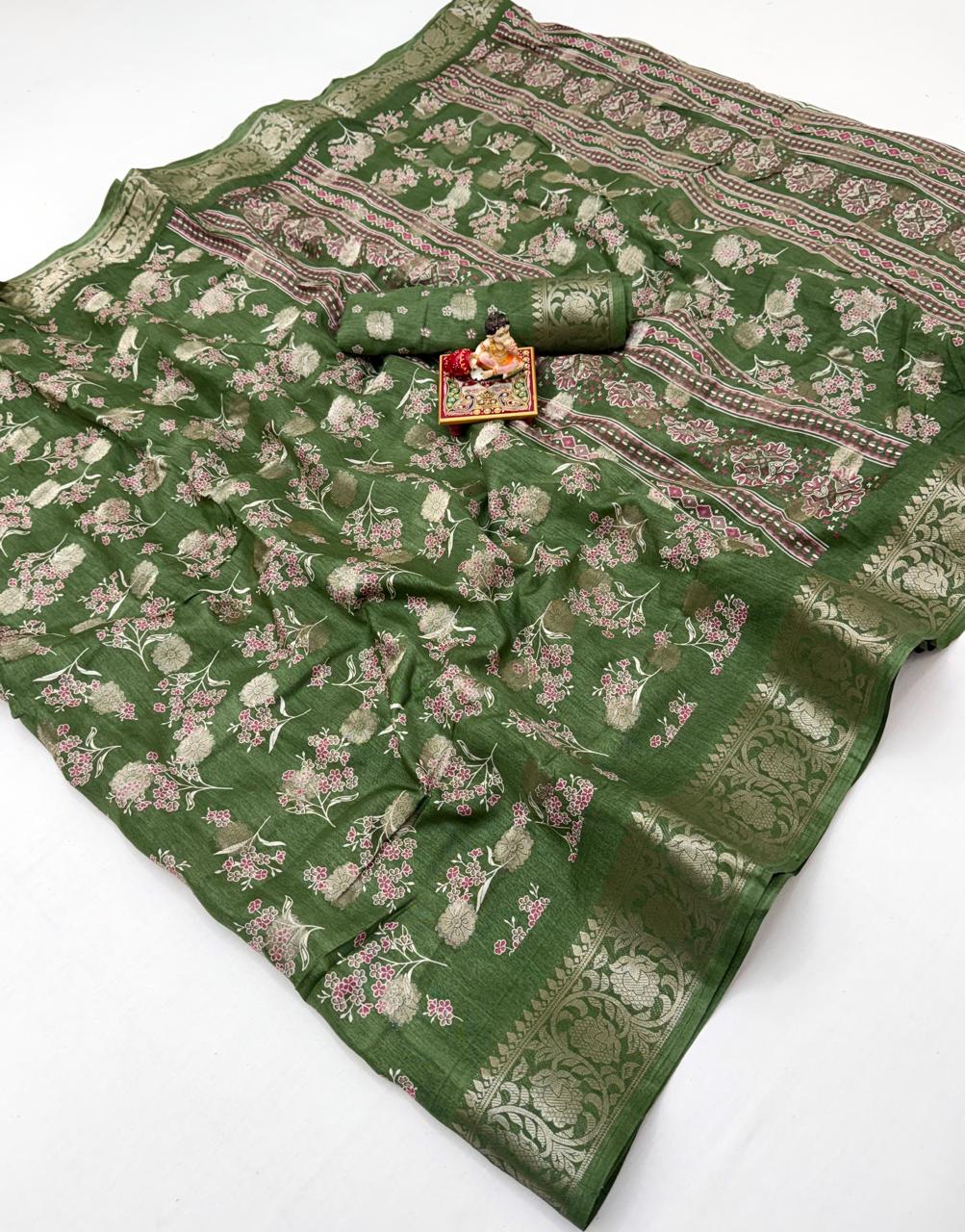
Mustard, rust, maroon, teal and deep pink create a warm festive palette that photographs well against cream walls and indoor lighting. Blue, grey, beige and pastel pink offer a calmer appearance and work especially well for daytime family lunches. Red can look ceremonial. But a red outfit doesn't need red jewellery, red lipstick and red footwear at the same time.
For a saree, use the blouse as the main colour contrast. A teal Banarasi saree can take a rust blouse, a mustard linen cotton saree can take a maroon blouse, and a cream floral saree can take a green blouse. For a kurti, let the dupatta provide the contrast: a plain mustard kurti with a printed dupatta often looks more balanced than a fully printed kurti, dupatta and trouser combination.
Gold jewellery complements warm shades and zari, while silver, oxidised metal and pearls complement grey, blue, pastel and cooler floral prints. The distinction isn't a strict rule; a gold waist belt with a blue saree or pearl earrings with a mustard kurti can create a thoughtful mixed-metal look when one metal remains dominant.
Party Wear Sarees can offer useful colour inspiration when you want a more polished evening look, while Gray Color Sarees Under 1000 can help build a muted daytime outfit with a brighter blouse or colourful accessories.
Easy Festive Looks for Bhai Dooj With Sarees and Kurtis: How can a kurti look festive?
A kurti looks festive when its fabric, lower layer, dupatta and accessories create a deliberate silhouette instead of resembling everyday workwear.
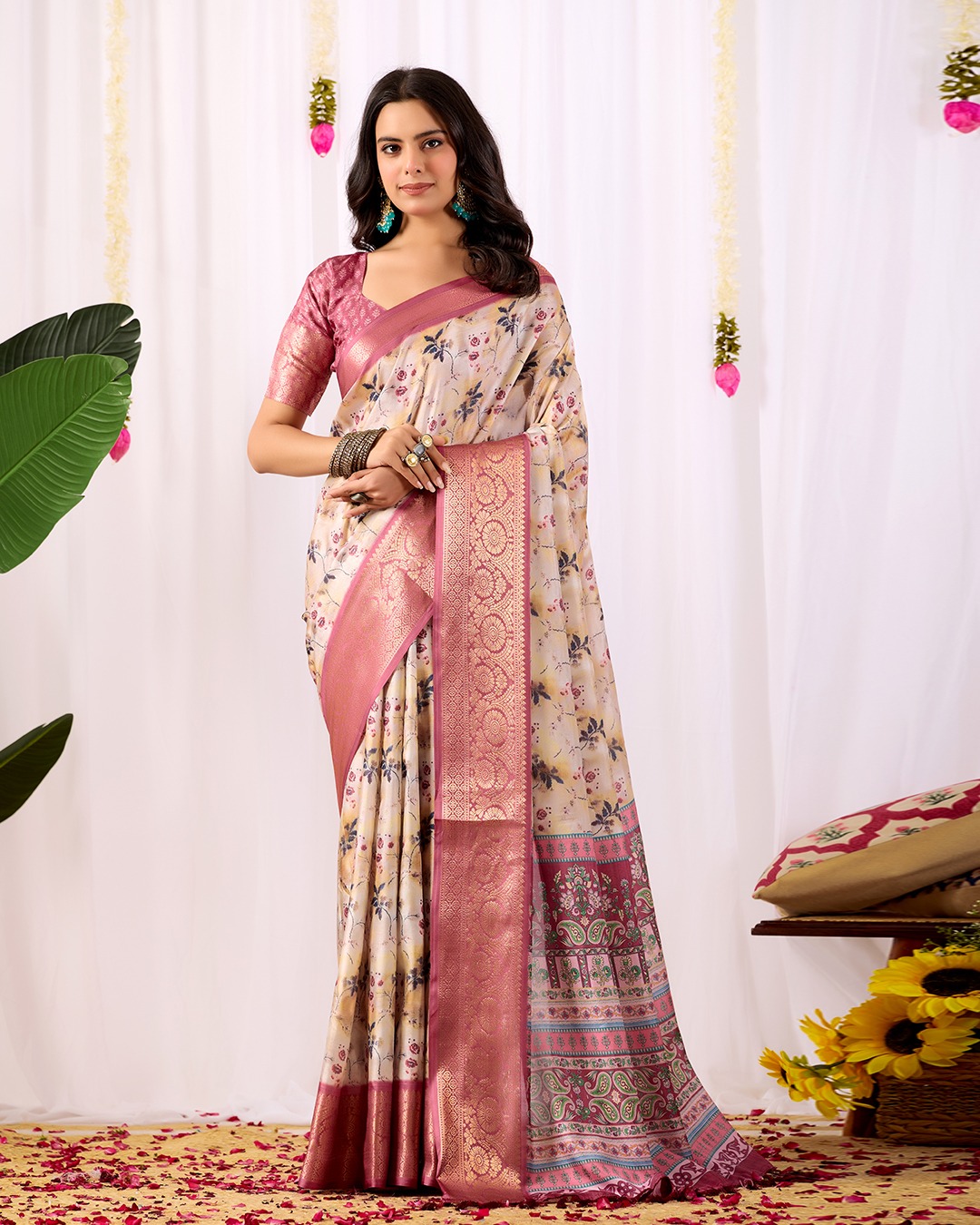
Choose a kurti with one visible festive feature, such as zari at the neckline, woven texture, a brocade yoke, mirror accents or a refined print. Pair a straight kurti with cigarette trousers for a neat appearance, an A-line kurti with narrow pants for movement, or a long kurti with a palazzo for a softer festive shape. Ankle-length trousers keep the hem clear of the floor during aarti and meals.
Use a dupatta to increase formality without adding a second ornate garment. A light organza dupatta with a narrow zari edge can dress up a plain silk kurti, while a printed cotton-silk dupatta can add colour to a solid kurti. Fold the dupatta to approximately 10 to 12 inches wide, place it over one shoulder and secure it near the collarbone if you'll be moving frequently.
Jewellery can define the difference between an everyday kurti and a Bhai Dooj kurti outfit. Medium jhumkas, a short necklace, two bangles and a bindi are enough for most family celebrations. If the neckline is detailed, skip the necklace and let the earrings provide the emphasis. A minor potli or structured shoulder bag carries essentials without competing with the outfit.
A kurti is also practical when you expect repeated sitting, serving food or helping younger family members. Choose breathable cotton silk, Chanderi or a light blended fabric, and avoid very long sleeves if the day includes cooking or arranging the puja thali.
Easy Festive Looks for Bhai Dooj With Sarees and Kurtis: Which drape works best?
The standard Nivi drape with a firmly pleated front and pinned shoulder pallu is the most practical saree drape for Bhai Dooj rituals.
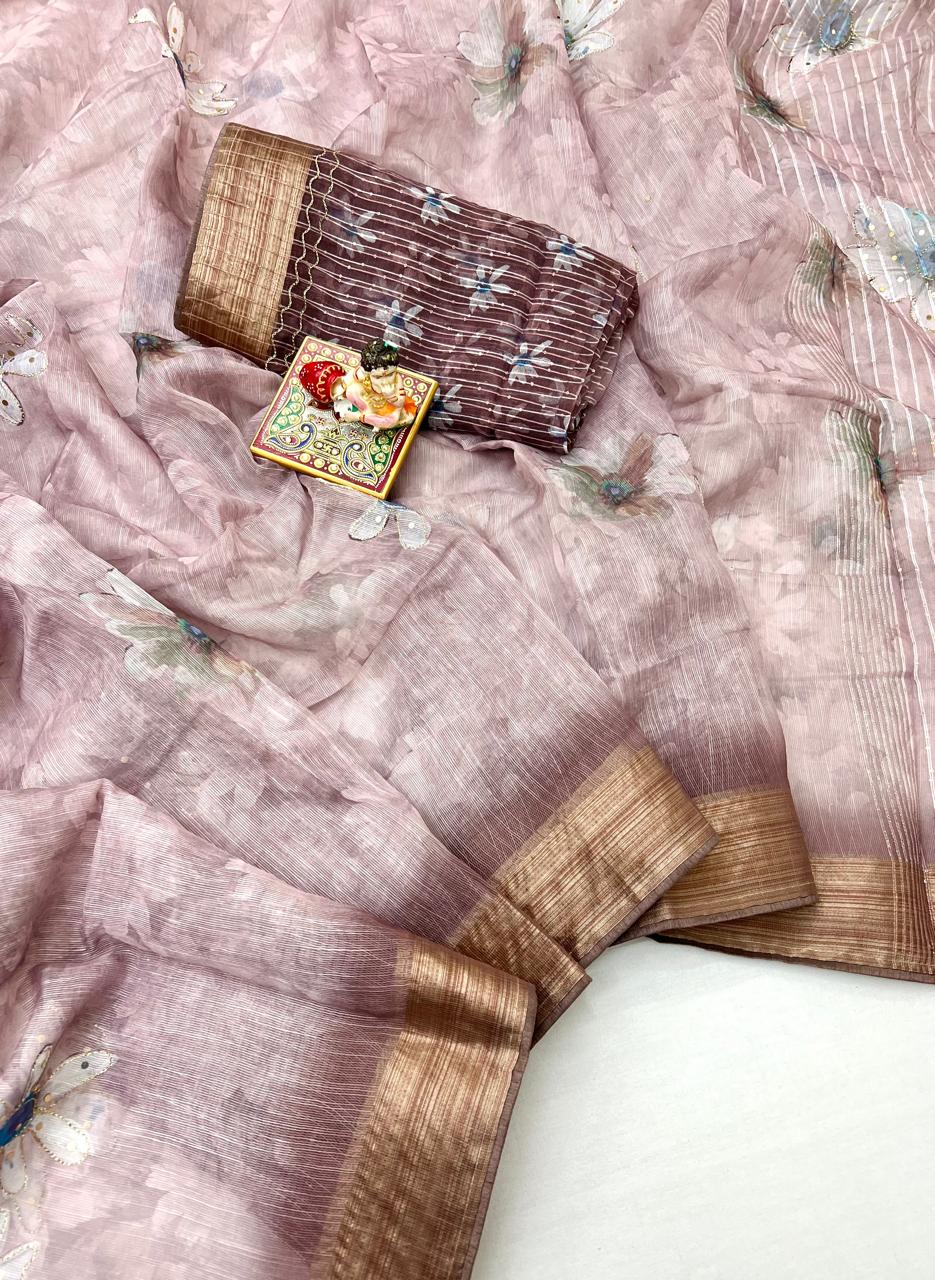
Make five to seven front pleats of similar width, usually between 4 and 5 inches, depending on your height and the saree length. Tuck the pleats securely at the centre, check that the lower edge falls evenly and place the pallu over the left shoulder. The pallu should finish around knee level or slightly lower, rather than dragging near the floor.
Pin the pleats from the inside so the fabric remains tidy when you sit or bend. Pin the pallu at the shoulder and, if the fabric is slippery, add a hidden pin near the waist. A belt over the saree can provide additional security. But a narrow fabric or metallic belt is less distracting than a broad statement belt during a traditional ceremony.
Pre-drape the saree once before Bhai Dooj, preferably while wearing the blouse and footwear intended for the day. A blouse that looks comfortable while standing may pull at the shoulders when you sit. Pre-draping also reveals whether the pallu, border or pleats need adjustment before guests arrive.
If a conventional saree feels difficult, choose a lighter saree and use a shorter, neatly pinned pallu rather than attempting an elaborate regional drape for the first time. A secure familiar drape will look more graceful than an elaborate drape that requires constant adjustment.
Easy Festive Looks for Bhai Dooj With Sarees and Kurtis: How should accessories be balanced?
Limit the outfit to one principal jewellery focus, one hair detail and one practical accessory so the saree or kurti remains the visual centre.
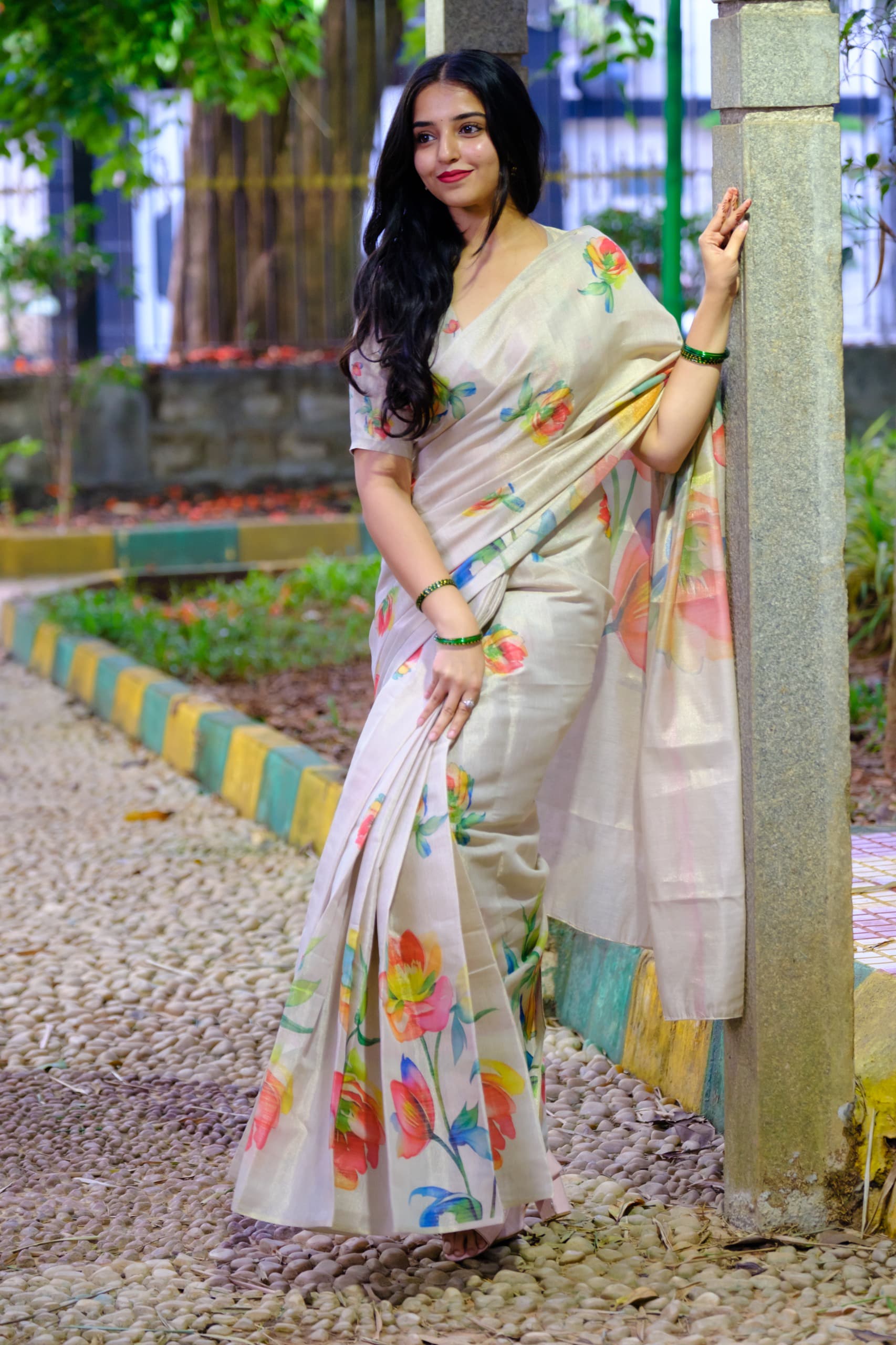
A wide zari border can be balanced with jhumkas and bangles, while a plain saree can carry a more noticeable necklace. A heavily patterned floral saree usually needs only earrings and a ring. Kundan, pearl, meenakari and antique gold pieces each create a different mood. But mixing all four can make a simple family outfit appear over-styled.
Hair choices should support the neckline and the ritual schedule. A low bun keeps hair away from the face and works with sarees, while a half-up style suits a kurti and keeps the look relaxed. Fresh jasmine, small white flowers or a jewelled hairpin can provide a festive detail without requiring an elaborate salon appointment.
Makeup should account for heat, photographs and several hours of wear. A light base, waterproof kajal, a muted blush and a lip colour that's slightly deeper than your natural shade can remain comfortable through the day. Carry blotting paper, lipstick and a few cotton buds instead of a full makeup pouch.
Choose a bag that leaves both hands free during the tilak ceremony. A small potli with a wrist loop or a compact crossbody bag is more practical than a large clutch that needs to be held continuously. Keep safety pins, tissues, a compact mirror and any required medication inside the bag.
Easy Festive Looks for Bhai Dooj With Sarees and Kurtis: How can the outfit stay fresh after the celebration?
Air the garment away from direct sunlight, remove pins carefully and follow the fabric-specific care label after Bhai Dooj.
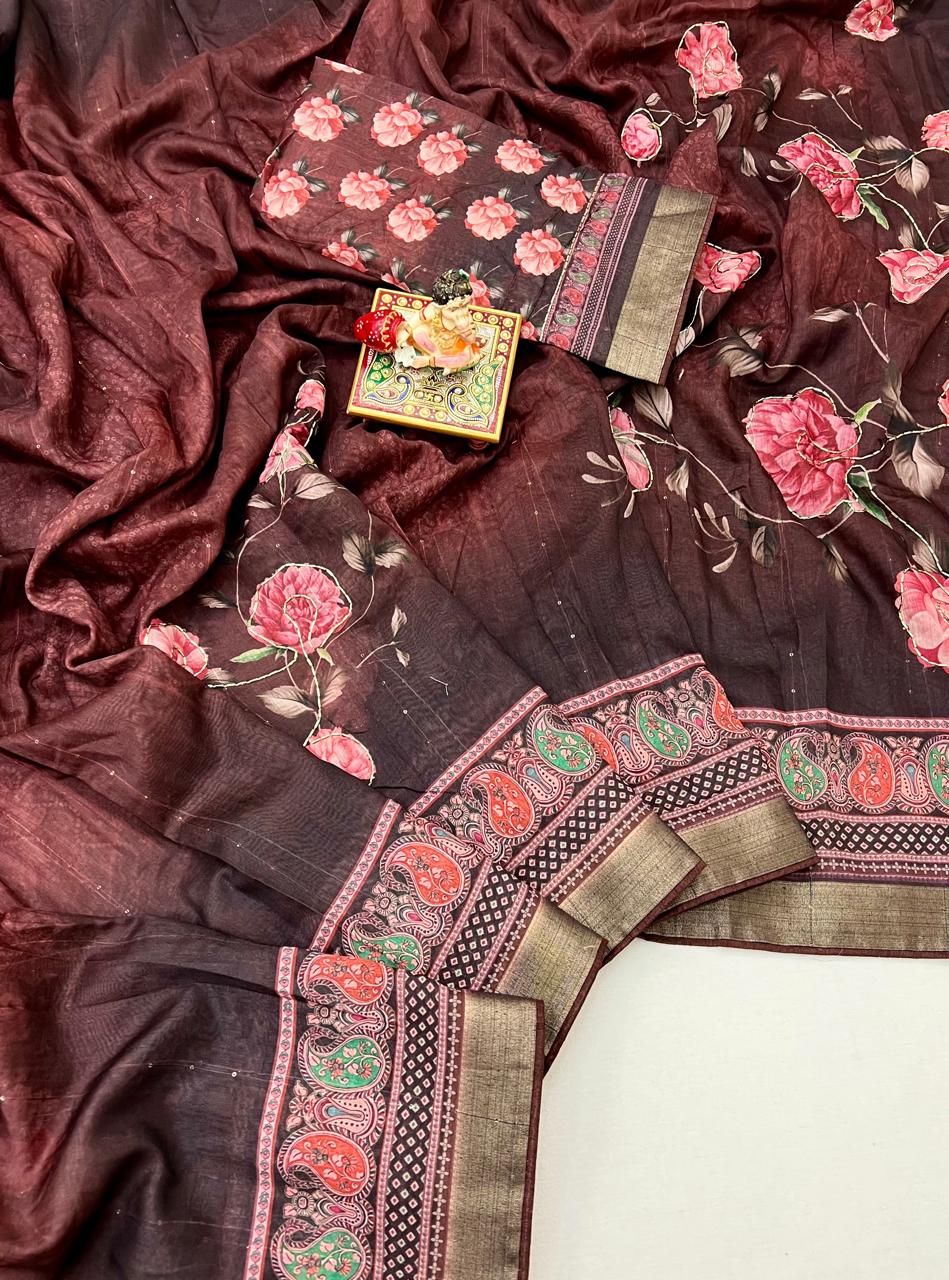
Silk sarees should not be stored immediately after wearing because body heat and moisture can remain trapped in the folds. Hang a silk saree in shade for several hours, then fold it along different lines before placing it in a muslin cover. Refold silk every few months to reduce permanent crease marks, and keep zari away from damp cupboards and direct contact with plastic.
Linen cotton sarees can develop natural creases, so smooth the fabric by hand before storage rather than pressing every fold at high heat. If ironing is necessary, use the reverse side, select a low-to-medium temperature and place a thin cotton cloth between the iron and the saree. Printed and floral garments should be washed according to the care label because excess heat can weaken colour intensity.
Dry-cleaning is often safer for heavily embellished sarees, dense zari, delicate tussar silk and garments with attached designer blouses. Do not spray perfume directly onto silk, zari or metallic thread. Apply fragrance to the skin first and allow it to dry before dressing.
Thoughtful outfit planning makes Bhai Dooj dressing easier: select the fabric according to the schedule, use one strong colour story, secure the drape and keep accessories intentional. Those choices create a polished festive appearance while leaving enough comfort to enjoy the rituals, conversations and family time.
Common Questions About Easy Bhai Dooj Saree and Kurti Outfits
Which saree is best for a comfortable Bhai Dooj celebration?
Linen cotton, lightweight silk and soft tussar silk are comfortable choices for most Bhai Dooj gatherings. Linen cotton suits warm daytime celebrations, while Banarasi silk or zari sarees work well for a more traditional evening event.
What colour saree should I wear for Bhai Dooj?
Mustard, teal, maroon, rust, blue, beige and pastel shades all work for Bhai Dooj. Choose warmer, deeper colours for evening celebrations and lighter colours for daytime gatherings, then use the blouse or dupatta for one controlled contrast.
How can I make a simple kurti look festive for Bhai Dooj?
Pair a solid kurti with cigarette trousers or a palazzo, add a light zari-edged or printed dupatta, and finish with jhumkas, bangles and a bindi. One festive detail in the fabric or neckline is usually enough to make the outfit feel occasion-appropriate.
How do I keep a saree secure during Bhai Dooj rituals?
Use five to seven even front pleats, tuck them firmly and pin the pallu at the shoulder. A hidden waist pin and a short, manageable pallu can prevent loosening when you sit, bend or move between rooms.
Can I wear a floral saree for Bhai Dooj?
A floral saree is suitable for Bhai Dooj, especially for a daytime family gathering. Choose a blouse in one shade taken from the print and add restrained gold, pearl or silver accessories so the pattern remains clear.
How should I care for a silk or zari saree after Bhai Dooj?
Air the saree in shade for several hours, remove pins carefully and store it folded in a muslin cover. Avoid direct perfume, plastic storage and high-heat ironing, and use professional cleaning for heavily embellished silk or zari garments.