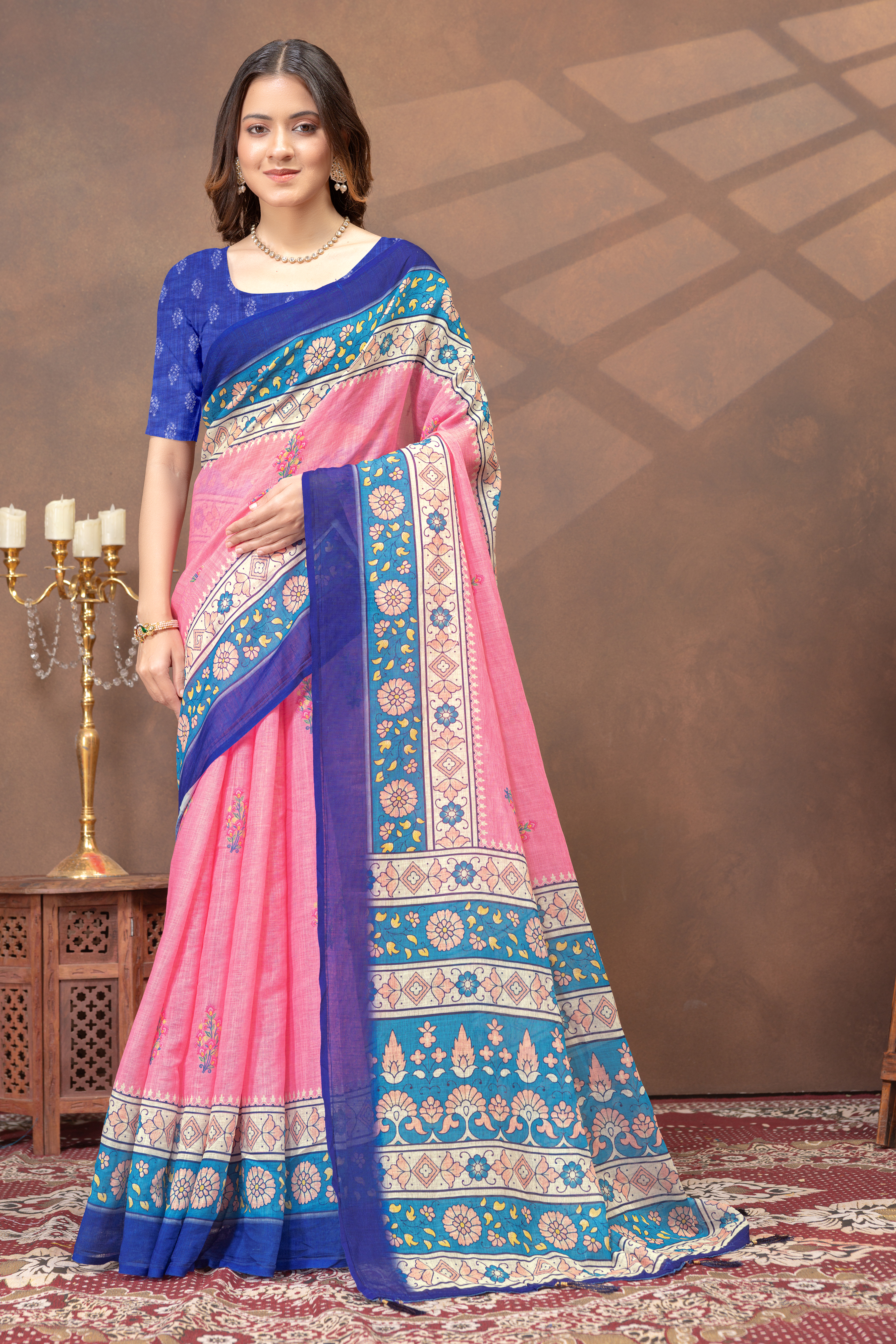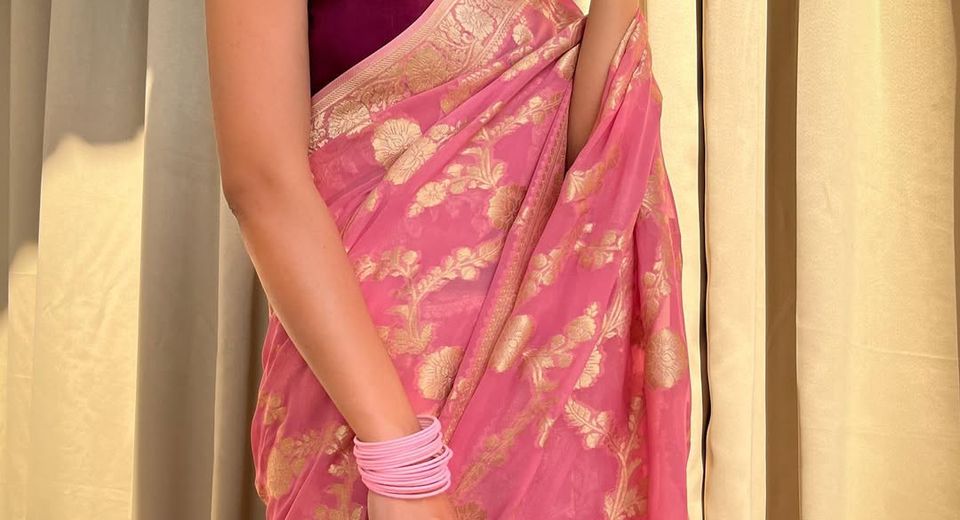
Choosing a Bhai Dooj outfit becomes easier when you begin with the day's actual plans rather than a trend photograph. Which Saree Should You Wear for Bhai Dooj This Year? The most dependable answer is a saree that feels festive for the tilak ceremony, stays comfortable through family visits and works with the movement your schedule requires. Banarasi silk, Dola silk, silk blends, tissue cotton and regular cotton can all be appropriate, but each creates a different balance of shine, weight, warmth and ease.
Bhai Dooj usually includes a tilak, aarti, sweets, gifts and family photographs. A saree with a stable drape, a manageable pallu and a blouse that allows comfortable sitting will serve you better than a heavily embellished piece that needs constant adjustment. The guide below matches saree construction and styling choices to real Bhai Dooj situations.
Start With the Occasion
For a traditional family ceremony, choose Banarasi silk or a silk-blend saree with a defined border; for a long day or warm weather, choose cotton, tissue cotton or a lighter Dola silk weave.
Fabric should be your first filter because fabric determines how the saree feels after several hours. Banarasi silk offers a formal, heirloom-like appearance through woven motifs and zari, while cotton keeps the body cooler and usually feels easier during repeated sitting and standing. Dola silk sits between those options and can provide festive sheen without always feeling as structured as a heavier silk saree.
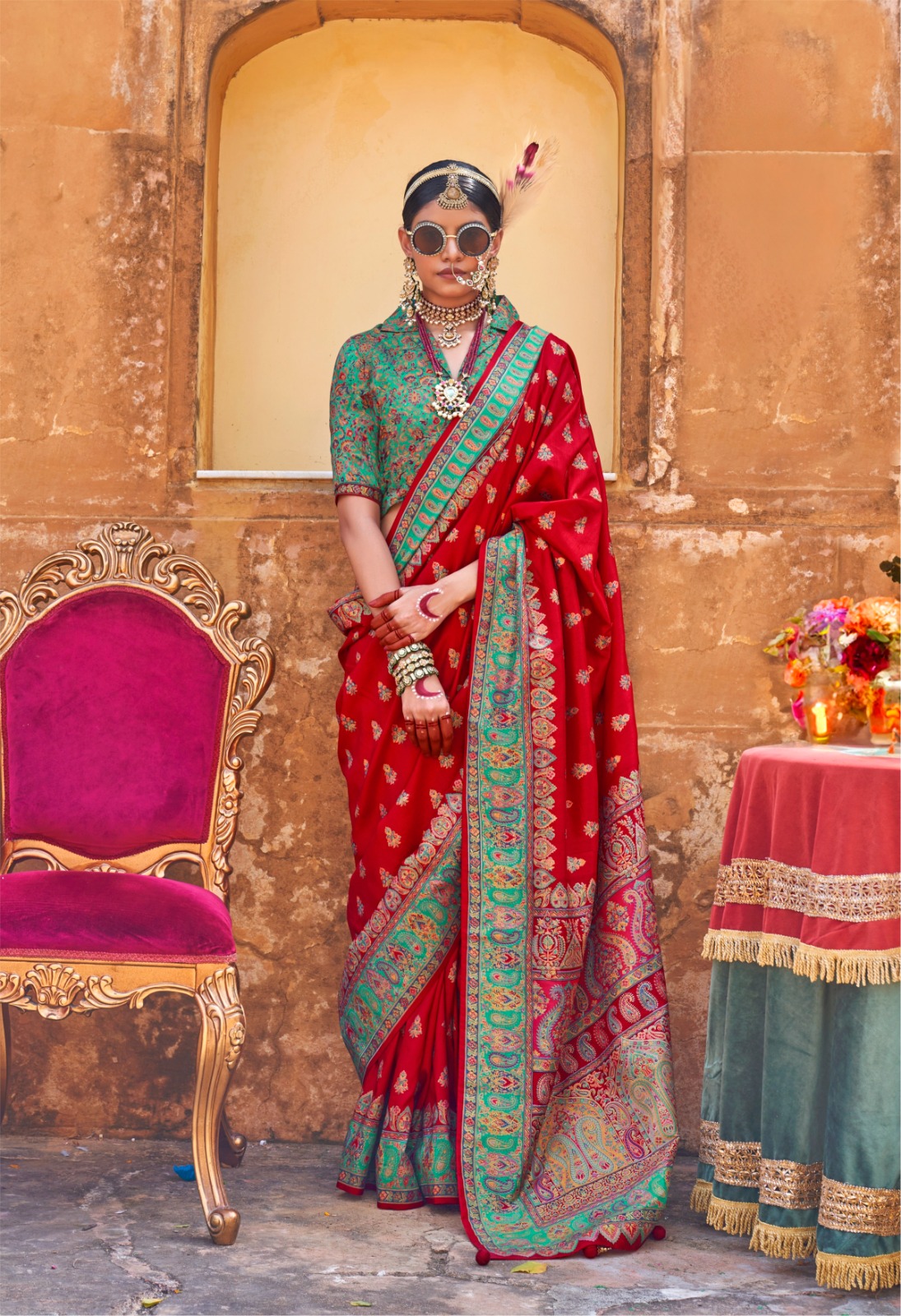
Colour is the second filter. Red, maroon, teal and blue all work for Bhai Dooj, but the best choice depends on your blouse, jewellery and the lighting in your home. A red saree looks ceremonial and photographs strongly; teal or blue creates a composed festive appearance; maroon feels rich without being as bright as scarlet.
For a small home puja, a refined border and a neat blouse may look more appropriate than a very grand zari field. For a lunch, gathering or restaurant visit after the ceremony, a woven silk saree or a saree with a more noticeable border can carry the outfit from ritual to celebration.
Compare the Fabrics
Fabric should match the weather, the length of the day and the amount of movement planned for Bhai Dooj.

Banarasi silk for a traditional ceremony
Banarasi silk is a strong choice when you want a visibly traditional saree with woven richness. Zari motifs and borders catch indoor light, making Banarasi silk especially effective for family photographs and puja settings. Red Banarasi Silk Saree With Elegant Zari Borde creates a ceremonial look without requiring a heavily decorated blouse.
Traditional Teal Banarasi Saree for Festive Wear brings a cooler-toned alternative to red. Teal works particularly well with antique gold jewellery, pearl accents and blouses in teal, gold, beige or deep green. Banarasi silk can have more body than cotton, so pleat the saree carefully and secure the pallu with a discreet pin before the tilak ritual begins.
Dola silk and silk blends for movement
Dola silk and silk-blend sarees suit wearers who want festive lustre but expect to move around the house, serve sweets or travel between family homes. Blue Lehariya Print Dola Silk Saree With Rich Jacquard Border combines a patterned surface with a stronger border, giving the saree visual interest without depending on large jewellery pieces.
Red Dola Silk Butti Saree With Jacquard Border is useful when you want red to feel detailed rather than plain. Butti motifs add texture across the body, while a jacquard border gives the pallu and lower edge enough definition for a formal drape. A silk blend can also be a practical choice when you want festive dressing at a more accessible price point.
Cotton and tissue cotton for warm weather
Cotton is the most practical option for a warm Bhai Dooj, a daytime ceremony or a schedule involving considerable walking. Cotton generally absorbs moisture better than silk and feels less clingy in humid weather. Blue Tissue Handloom Cotton Saree With Zari | Varnavi's combines the visual lift of zari with a lighter handloom-cotton base, making it suitable for a polished but breathable look.
Party Wear Maroon Cotton Saree With Designer Blouse can work when you want cotton comfort with a more styled finish. The maroon shade feels festive, while the coordinated blouse reduces the effort involved in building the outfit. Cotton may crease sooner than silk, so press the saree close to wearing time and carry a few safety pins rather than relying on repeated re-draping.
Choose the Colour Carefully
Red, maroon, teal and blue are dependable Bhai Dooj colours because they photograph well, coordinate with traditional jewellery and can be styled for both daytime rituals and family meals.
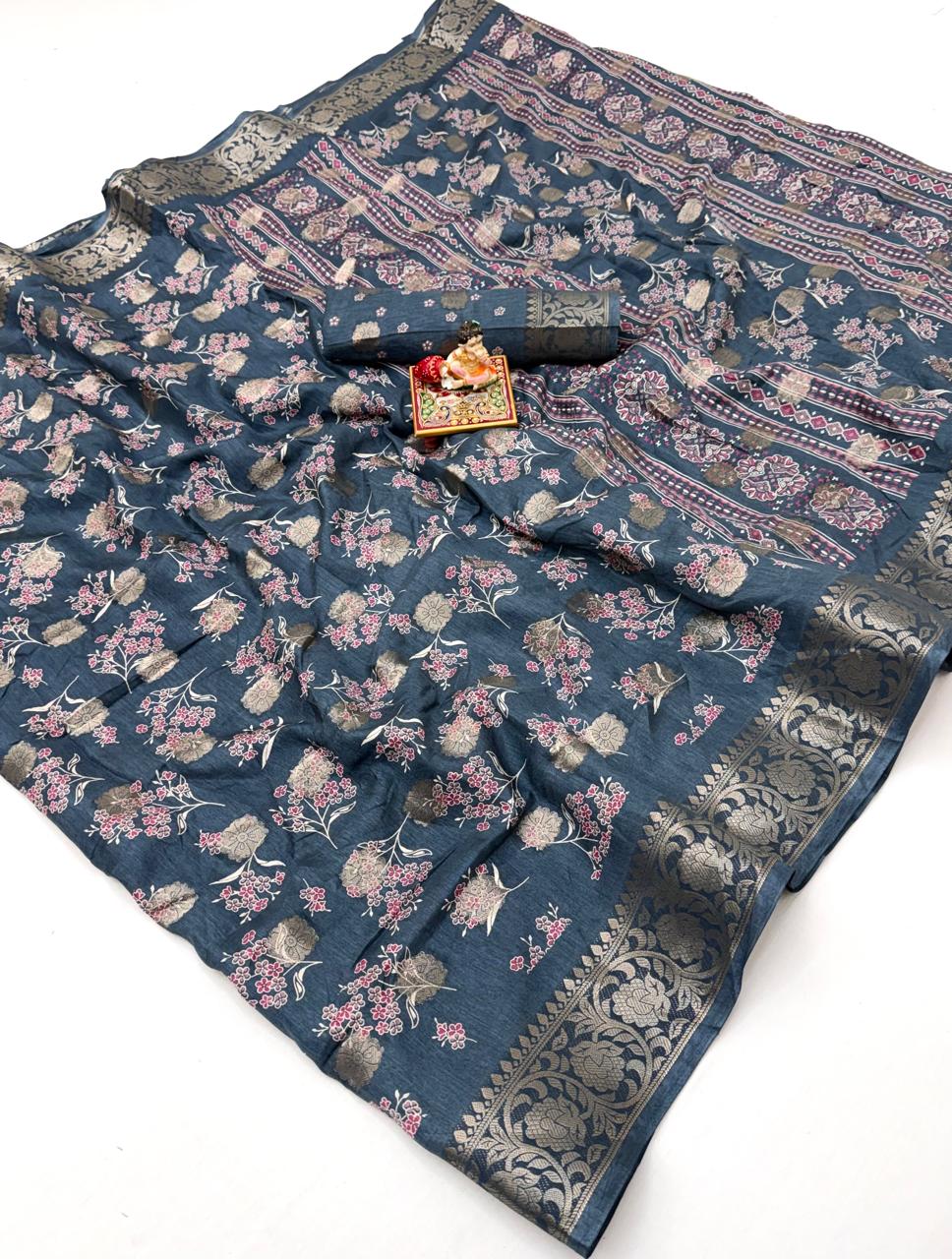
Red carries strong festive associations and suits a traditional tilak ceremony. Red Woven Zari Silk Blend Saree With Brocade Blouse creates a complete occasion outfit because the brocade blouse adds structure and pattern near the face. Keep the jewellery controlled if the blouse and zari are already prominent: medium jhumkas, a bangle stack and a small bindi may be enough.
Maroon is a useful alternative when bright red doesn't suit your wardrobe. Maroon pairs naturally with antique gold, rose gold and muted beige. The darker colour also makes it easier to wear a contrasting blouse in mustard, blush, cream or deep green without creating excessive visual competition.
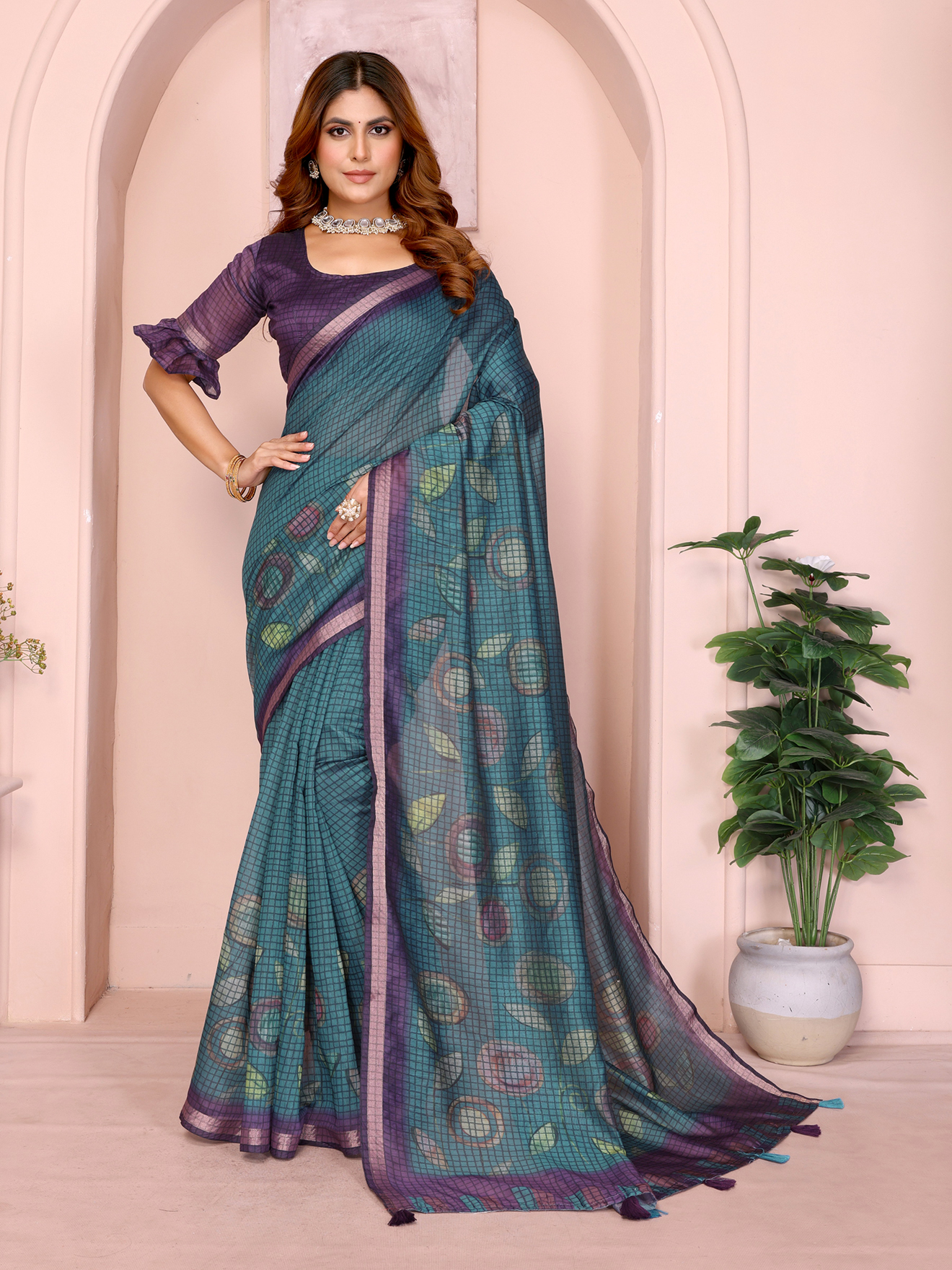
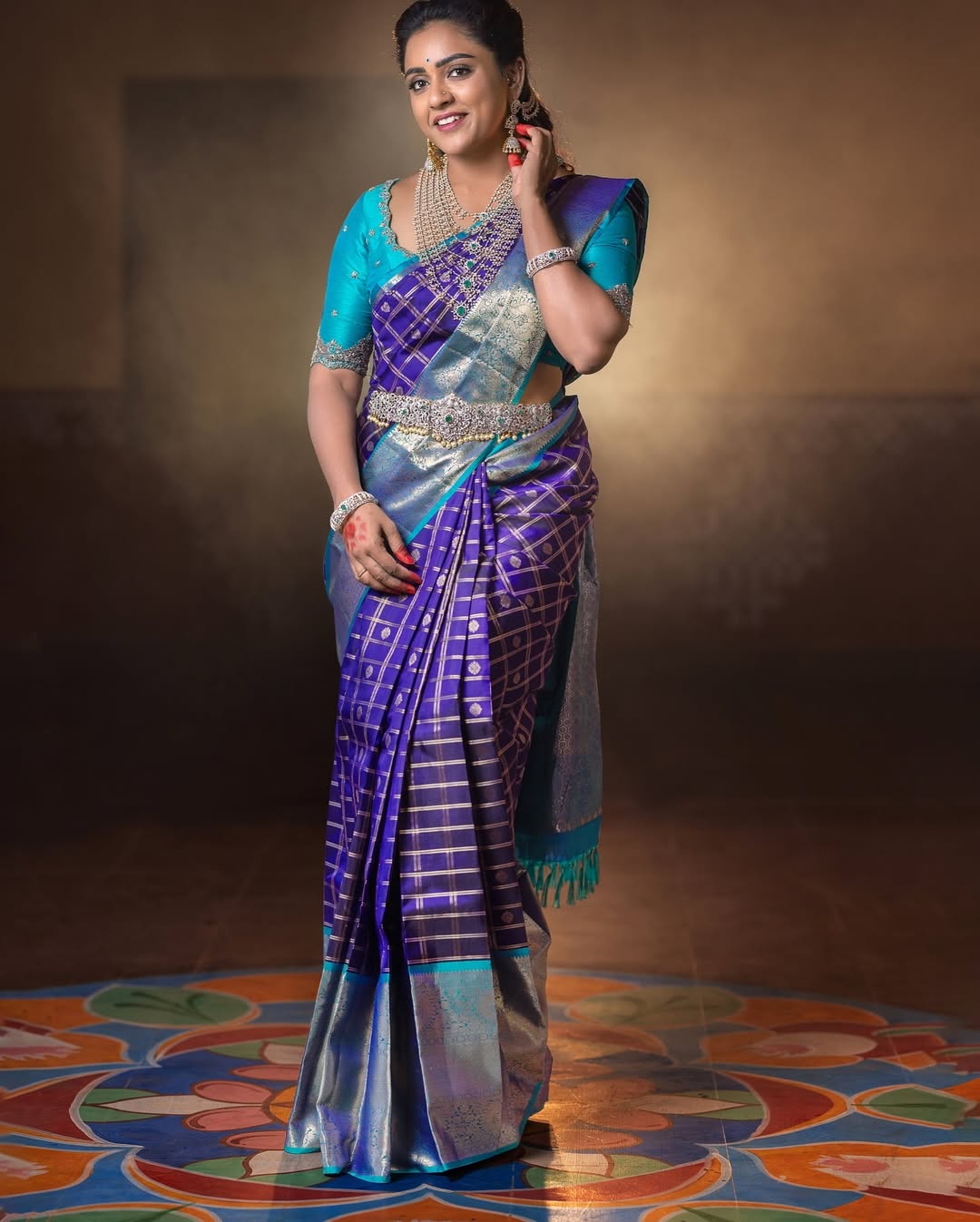
Blue works well for a modern festive mood. Festive Wear Blue Silk Saree for Women can be styled with silver-toned jewellery for a cooler palette or with gold jewellery for stronger traditional contrast. Blue also allows a red, pink or magenta blouse if you want to connect the outfit subtly to the red kumkum used during the ceremony.
Teal sits between blue and green and can look distinctive in family photographs. Traditional Teal Banarasi Saree for Festive Wear is especially suited to gold zari, kundan-style jewellery and warm makeup tones. If the saree has a dense woven pattern, choose a plain blouse to preserve visual balance.
Style It for Comfort
A comfortable Bhai Dooj saree needs a secure waist, breathable blouse construction, manageable pleats and a pallu that won't interfere with rituals.
Prepare the drape for sitting and standing
Set the saree pleats slightly narrower than a dramatic evening drape if you expect to sit on the floor. Six to eight front pleats usually provide a stable base, although the exact number depends on the saree width and your body proportions. Tuck the pleats firmly at the waist and use one hidden pin inside the waistband to prevent them from spreading.
Keep the pallu long enough to look graceful but not so long that it touches the floor during aarti. A shoulder pin placed from the inside can hold the pallu while leaving the visible edge neat. A second pin near the waist is useful for slippery silk blends and tissue sarees.
Choose the blouse for the full day
A blouse with a comfortable armhole and secure hooks is more useful than a very tight fashionable cut for Bhai Dooj. Three-quarter sleeves work well for cooler weather and provide a balanced look with Banarasi silk. Short sleeves, cotton lining and a moderate neckline can be more comfortable in warm weather.
Match the blouse exactly when the saree includes a brocade or designer blouse, as with Red Woven Zari Silk Blend Saree With Brocade Blouse. With a plain saree or a strongly patterned saree, a contrasting blouse can add personality. Test the blouse by raising your arms, sitting cross-legged and reaching for a serving plate before the celebration.
Keep accessories useful rather than excessive
Jhumkas, a bindi, two to four bangles and a small structured potli can complete a Bhai Dooj saree outfit. A long necklace works best when the blouse neckline is simple; a choker is better suited to a wider neckline or an open pallu. Avoid stacking heavy bangles on the wrist used for serving sweets or handling gifts.
Match Your Plans
The right saree changes according to whether Bhai Dooj involves a short home ritual, a large gathering, travel or an evening celebration.
- For a short home puja: Choose a lightweight Dola silk, silk blend or cotton saree with a clear border. A simple blouse and small gold earrings will look intentional without feeling overdressed.
- For a large family gathering: Choose Banarasi silk or a woven zari saree with a stable pallu. Rich borders remain visible in group photographs and help the outfit look complete even when the jewellery is minimal.
- For travel between homes: Choose cotton or a lighter silk blend. Pack the saree in a breathable cotton cover, carry spare pins and select footwear that lets you climb stairs safely.
- For a restaurant lunch after the ceremony: Choose a saree with controlled shine, such as blue silk, teal Banarasi or maroon cotton with a designer blouse. Add a compact clutch and switch from large traditional earrings to small drop earrings if the outfit already has a strong border.
- For an evening gathering: Choose red zari, maroon or a deeper blue. Evening lighting can absorb delicate motifs, so a defined border or jacquard texture will usually show better than a very pale, low-contrast print.
Plan the Budget and Care
Set a total outfit budget that includes the saree, blouse alterations, petticoat, footwear and accessories rather than judging the saree price alone.
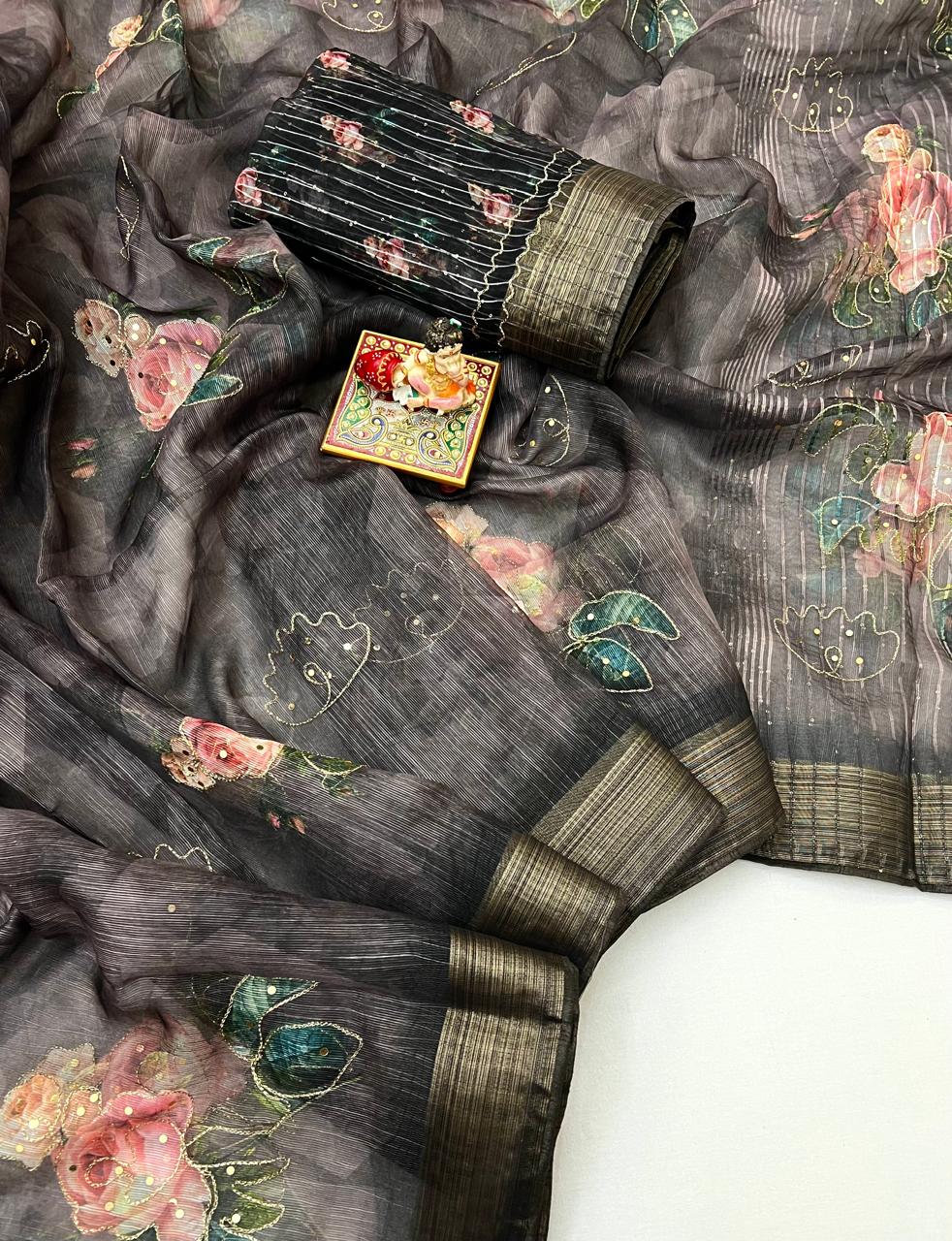
A saree priced between ₹1,000 and ₹1,500 can be a sensible choice for a single-day festive outfit, especially when the blouse is already included or needs only minor alteration. The Sarees from Rs 1000 to Rs 1500 collection can help narrow the search by price before you compare colour and fabric. Discount collections such as Sarees Under 20% Off and Sarees Under 10% Off may also be useful when you want a specific festive colour while keeping money aside for tailoring.
A larger discount doesn't automatically make one saree better than another. Sarees Flat 60% Off and Sarees Flat 50% Off can be worth checking, but inspect the fabric description, blouse details, border construction and return conditions before deciding. A lower-priced saree that needs extensive alterations may cost more overall than a ready-to-wear option.
Care begins before Bhai Dooj. Store a silk or zari saree in a clean cotton or muslin cover rather than sealed plastic, avoid spraying perfume directly on the fabric and air the saree before folding it away. Fold zari sarees in a way that changes the position of the fold periodically, because permanent creases can stress metallic threads.
Dry cleaning is generally safer for Banarasi silk, zari silk and heavily woven sarees than repeated home washing. Cotton sarees can often be washed according to their care label, but harsh detergent, prolonged soaking and direct high heat can weaken colour and fibres. Always follow the garment's specific care instructions when they differ from general fabric guidance.
Use This Final Checklist
The best choice is the saree that fits your ceremony, weather, movement, colour preference and realistic care routine.
- Check the schedule: Decide whether you'll attend only the tilak or spend the entire day visiting relatives.
- Check the weather: Select cotton or tissue cotton for heat and a more structured silk or Banarasi silk for cooler conditions.
- Check the drape: Make sure the pleats, pallu and waistband remain secure when you sit, walk and raise your arms.
- Check the blouse: Allow enough time for sleeve, hook, lining and neckline alterations.
- Check the colour balance: Pair a richly patterned saree with a quieter blouse, or use a contrasting blouse to add interest to a simpler saree.
- Check the accessories: Choose jewellery that complements the zari and doesn't obstruct the tilak, aarti or serving rituals.
- Check care requirements: Know whether the saree needs dry cleaning, gentle washing or special storage after the festival.
For most wearers, the strongest Bhai Dooj options are a Banarasi silk saree for traditional grandeur, a Dola silk or silk-blend saree for versatile shine, and a cotton or tissue-cotton saree for warm-weather comfort. Choosing among those categories first will make the final colour and styling decision much simpler.
Common Questions About Choosing a Bhai Dooj Saree
Which saree is best for Bhai Dooj?
Banarasi silk is best for a traditional, formal Bhai Dooj ceremony, while Dola silk, silk blends and cotton are better for movement or warm weather. Choose the fabric according to your schedule, climate and comfort needs rather than selecting by colour alone.
Which colour saree should I wear for Bhai Dooj?
Red, maroon, teal and blue are reliable Bhai Dooj colours. Red looks ceremonial, maroon feels rich and understated, teal creates a distinctive traditional look, and blue offers a cooler modern alternative.
Is Banarasi silk comfortable for a full day of Bhai Dooj celebrations?
Banarasi silk can be comfortable for a full day when the pleats, waistband and pallu are secured properly. A cotton or silk-blend saree may be more practical in hot weather or when you expect considerable walking and repeated sitting.
What jewellery goes with a Bhai Dooj saree?
Jhumkas, a bindi, two to four bangles and a small necklace suit most Bhai Dooj sarees. Use antique gold with maroon or teal, gold with red zari, and silver or mixed-metal jewellery with blue when you want a cooler palette.
How can I keep my saree comfortable during the tilak ceremony?
Pin the pallu at the shoulder and near the waist, secure the front pleats and wear a blouse that allows you to raise your arms and sit comfortably. Avoid very long loose pallus and excessive bangles on the hand used during rituals.
How should I store a zari saree after Bhai Dooj?
Air the saree before storage, keep it in a clean cotton or muslin cover and avoid sealed plastic. Fold zari sarees periodically in a different direction, and use professional dry cleaning when the care label recommends it.