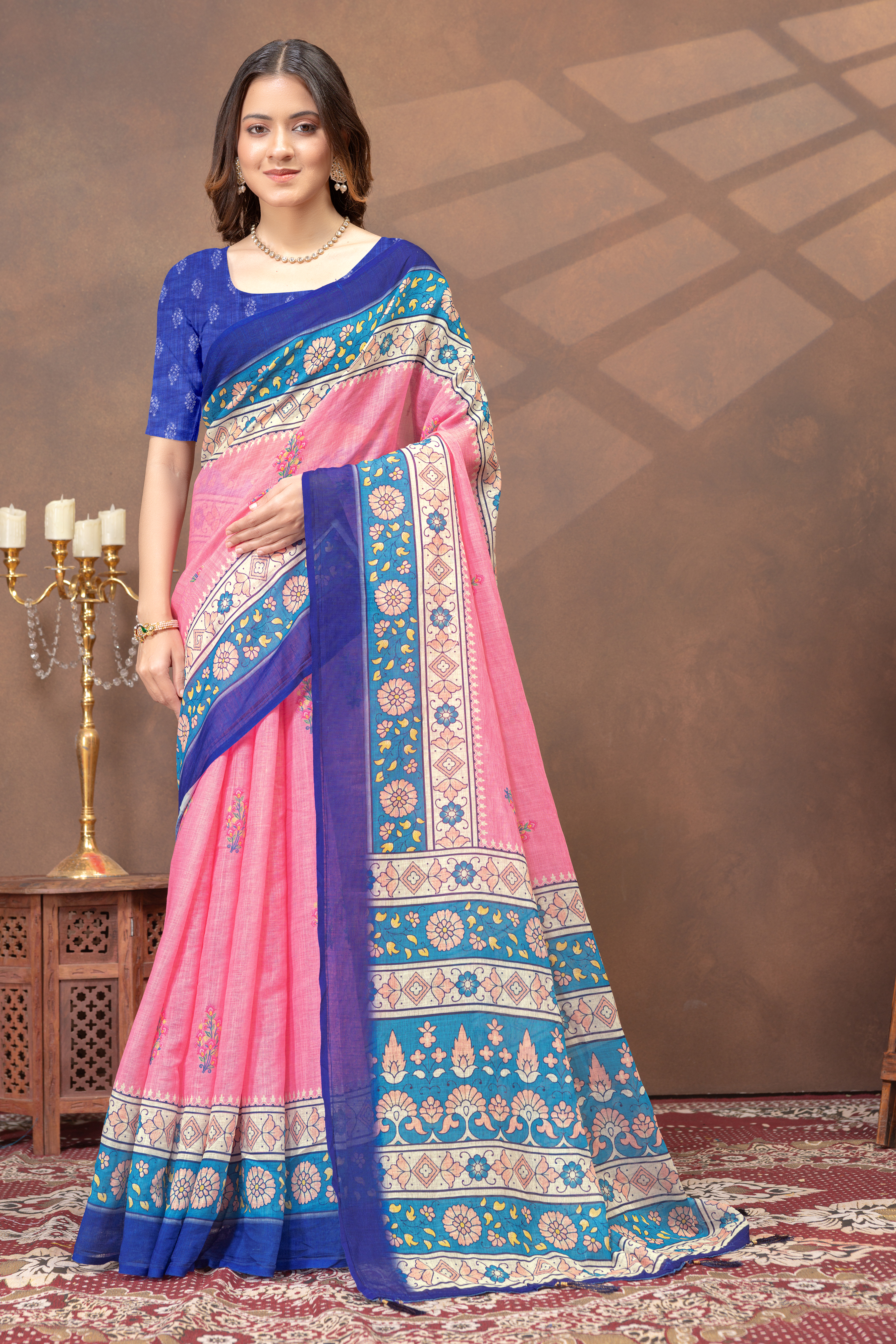
Getting Ready for Bhai Dooj: Outfit Ideas for a Family Celebration becomes much simpler when you plan around the day's real rhythm: a short puja, tika rituals, greetings, photographs, food and several hours of sitting or moving between rooms. The most successful outfit balances festive detail with comfort. A breathable saree, a well-fitted kurta set or a light embroidered ensemble can look celebratory without becoming difficult to manage by lunchtime.
Bhai Dooj usually follows the busy Diwali period, so an outfit doesn't need to compete with heavy bridal-style embellishment. A considered colour, one distinctive textile detail and practical accessories are often enough. The right choice also depends on whether you're hosting at home, visiting your brother's family, attending a larger gathering or travelling between several homes.
Getting Ready for Bhai Dooj: Outfit Ideas for a Family Celebration and the right silhouette
A Bhai Dooj outfit should allow easy movement, comfortable sitting and a polished appearance throughout a four- to eight-hour family gathering. Start by identifying the day's practical demands before choosing the silhouette. Floor seating calls for a saree with a secure pleat or a flexible suit set. Hosting calls for lighter fabrics and sleeves that don't interfere with serving food. Travel calls for crease-resistant textiles and footwear that can be removed easily.
Use the formality of the gathering as your second filter. A small home puja may suit a printed satin saree or a simple linen-cotton drape with statement earrings. A larger family lunch may call for silk, zari or measured embroidery. A kurta set with a dupatta creates a more relaxed look than a saree while still meeting the expectations of a festive family function.
Check the fit before the festival morning. A blouse should allow you to raise your arms comfortably for greetings and photographs, while a kurta should not pull across the shoulders when you sit. Trouser hems should remain above the floor, and a dupatta should be long enough to drape securely without dragging. These small checks prevent the most common wardrobe problems during family celebrations.
Getting Ready for Bhai Dooj: Outfit Ideas for a Family Celebration with sarees
The best saree for Bhai Dooj combines a festive surface with manageable weight and a reliable drape. Banarasi silk, satin, linen cotton and soft silk each create a different effect, so the choice should follow the length and setting of the celebration.
Getting Ready for Bhai Dooj: Outfit Ideas for a Family Celebration in lightweight sarees
Linen cotton sarees work especially well for daytime Bhai Dooj celebrations because the blend offers breathability, structure and a relatively easy drape. Sunshine Yellow Linen Cotton Saree with Navy Striped Pallu brings a bright festive colour without relying on heavy ornamentation. Teal Green Yellow Linen Cotton Saree with Floral Printed Pallu brings a softer, nature-inspired palette that works well with gold or oxidised jewellery.
Printed satin can be useful when you want a smooth, dressy finish without the weight of brocade. Teal Blue Floral Printed Satin Saree with Mustard Border pairs a cool base with a warm border, giving the outfit visible contrast in photographs. Satin can catch on rough surfaces, so smooth bangles, a secure petticoat and careful handling around furniture are worthwhile.
Getting Ready for Bhai Dooj: Outfit Ideas for a Family Celebration in silk sarees
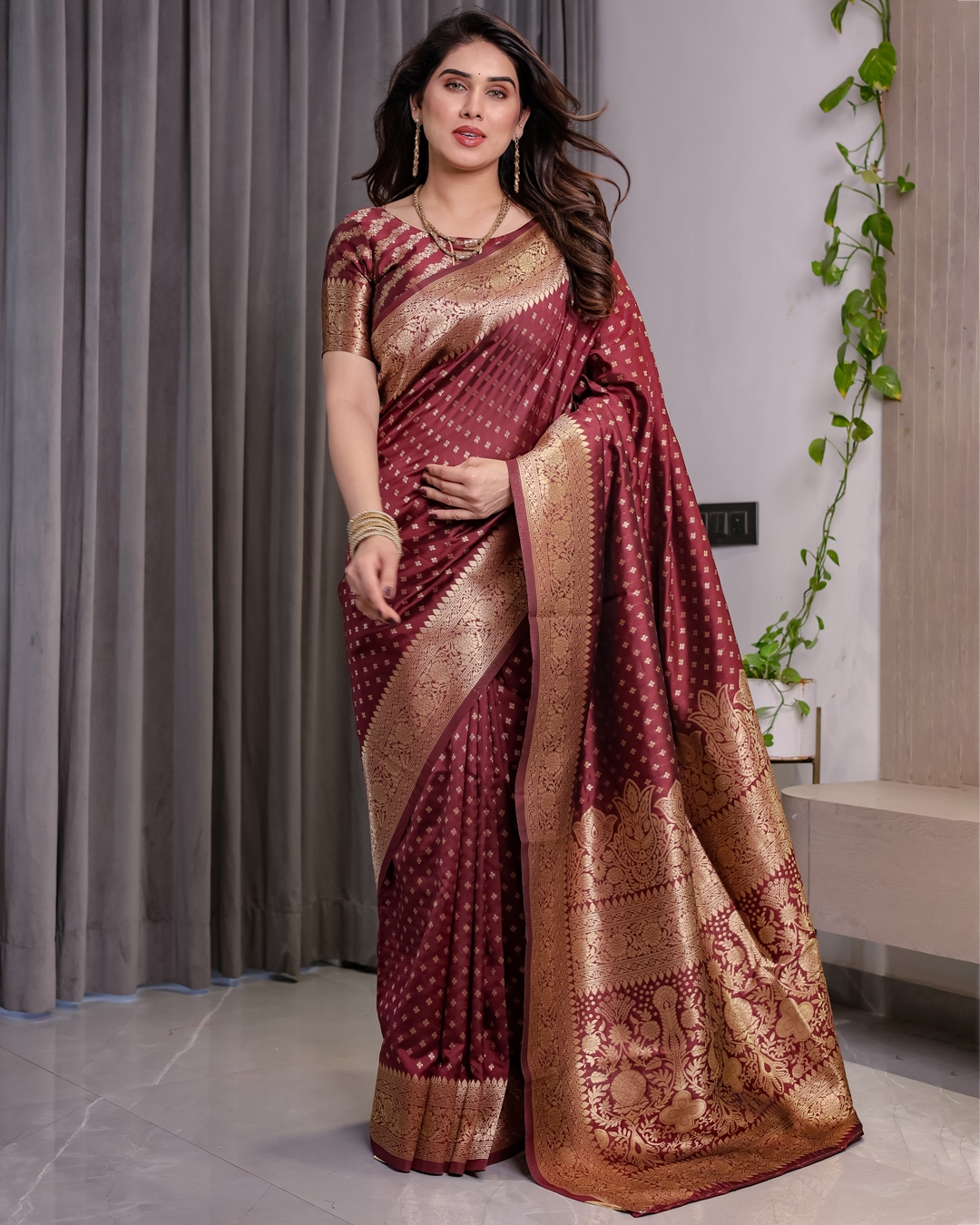
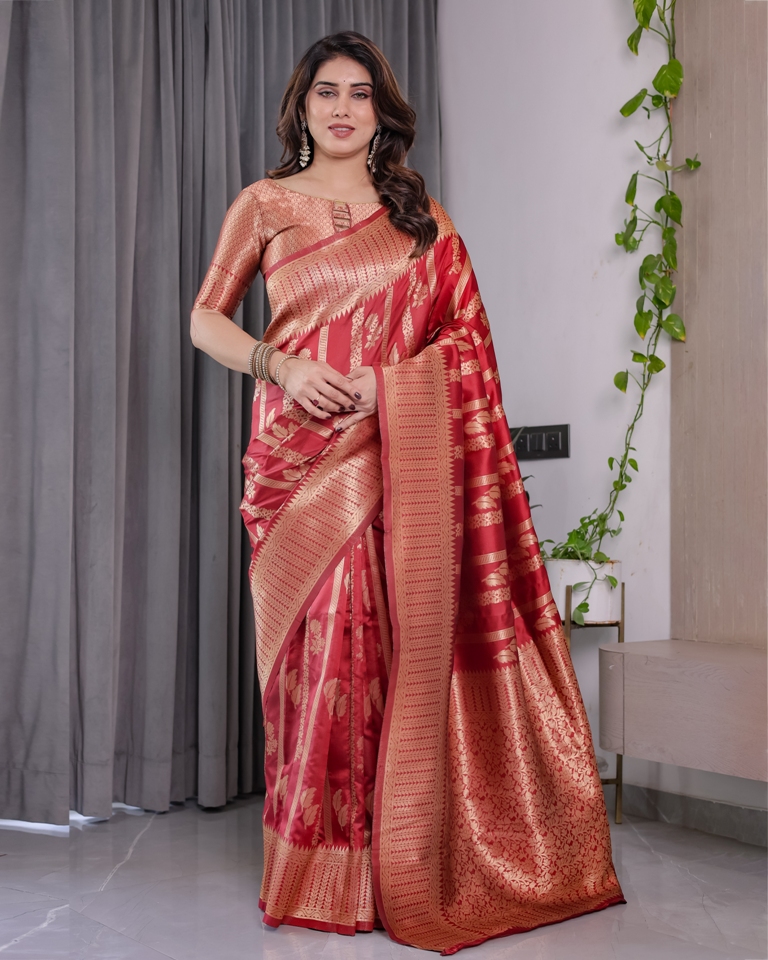
Silk sarees are suitable for Bhai Dooj when the family gathering is formal or when you want a stronger classic presence. Maroon Banarasi Soft Silk Saree with Golden Zari Border uses the familiar combination of maroon, Banarasi silk and golden zari to create a rich festive look. Soft silk is generally easier to manage than very stiff silk, but the saree still benefits from a well-fitted petticoat and firmly pinned pleats.
Keep the rest of a silk look restrained. A pair of jhumkas, a slim bangle stack and a small potli can complement zari without making the outfit visually crowded. If the saree already has a strong border, choose a blouse in a related solid shade rather than introducing a second competing print.
Getting Ready for Bhai Dooj: Outfit Ideas for a Family Celebration in suit sets
A suit set is often the most practical Bhai Dooj choice for anyone who expects frequent movement, travel or extended family hosting. Coordinated kurta, bottom and dupatta pieces remove much of the matching work, while a straight or gently flared silhouette allows comfortable sitting and walking.
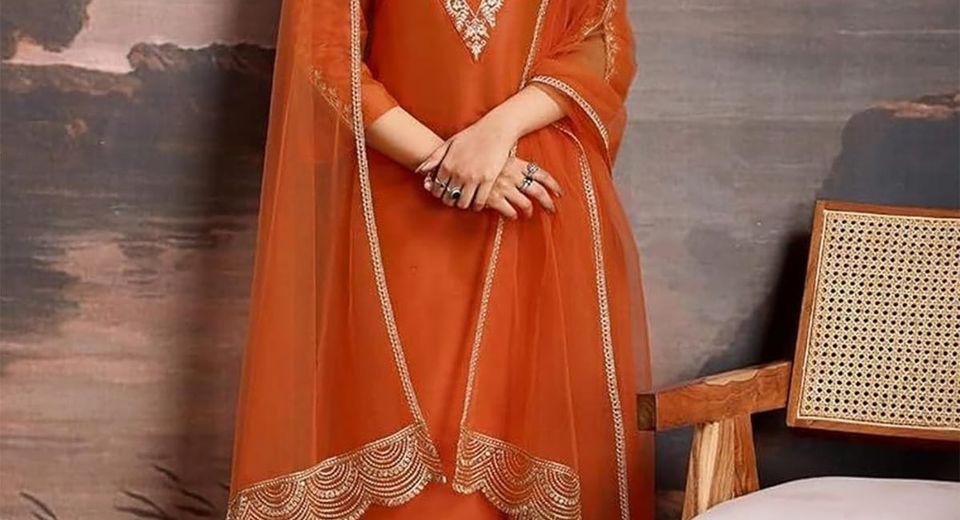
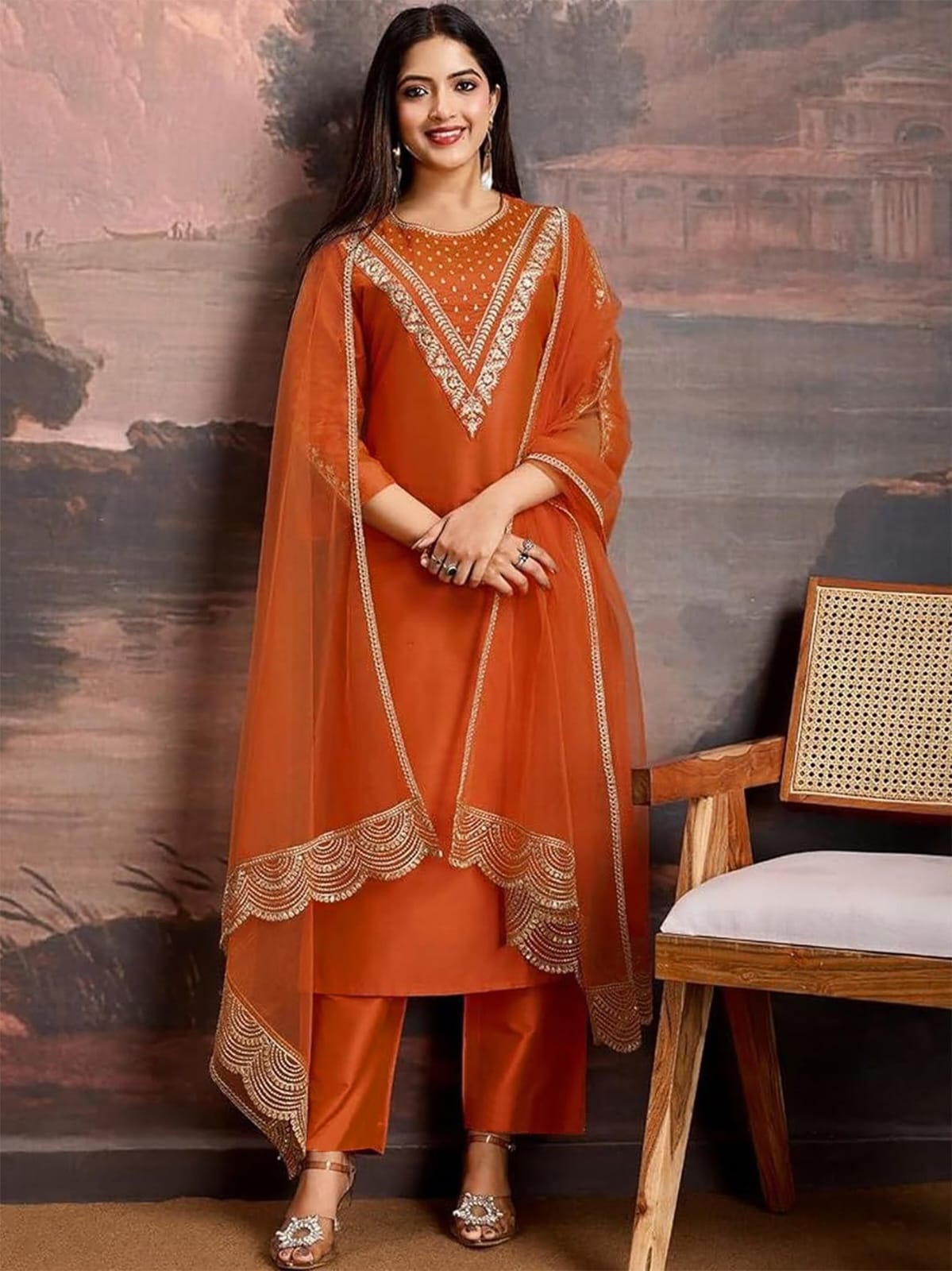
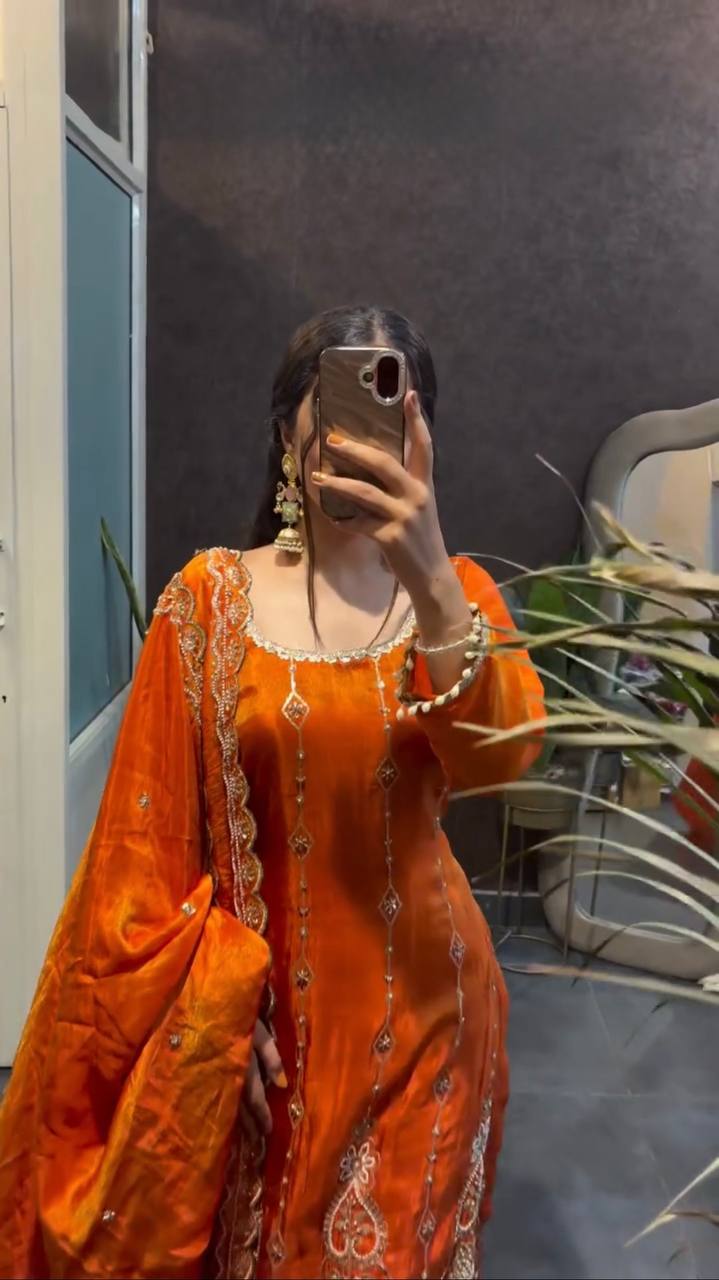
Orange Thread Embroidered Ethnic Suit Set adds colour and visible embroidered detail without requiring a heavily accessorised styling plan. Orange works particularly well with antique gold earrings, tan sandals and a neutral potli. Because warm orange already draws attention, keep the makeup fresh and let one accessory, such as a ring or bindi, provide the finishing accent.
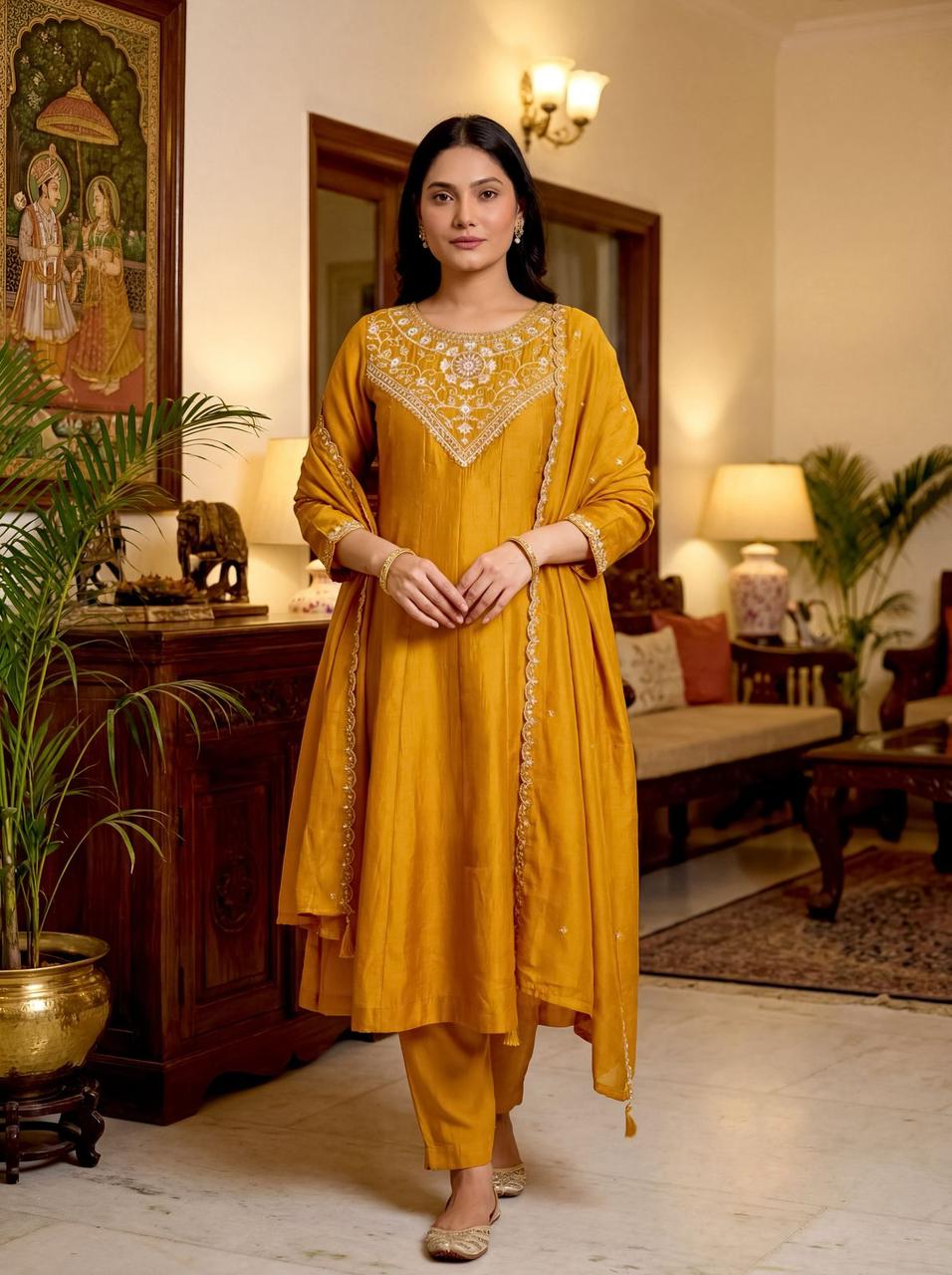
Mustard Silk Embroidered Kurti Palazzo Dupatta Set gives a festive alternative to a saree while giving the legs more freedom during greetings and household movement. Palazzo trousers are especially comfortable for floor seating, although the hem should be checked against the wearer's height. A short necklace or chandbali earrings can define the neckline without adding bulk beneath the dupatta.
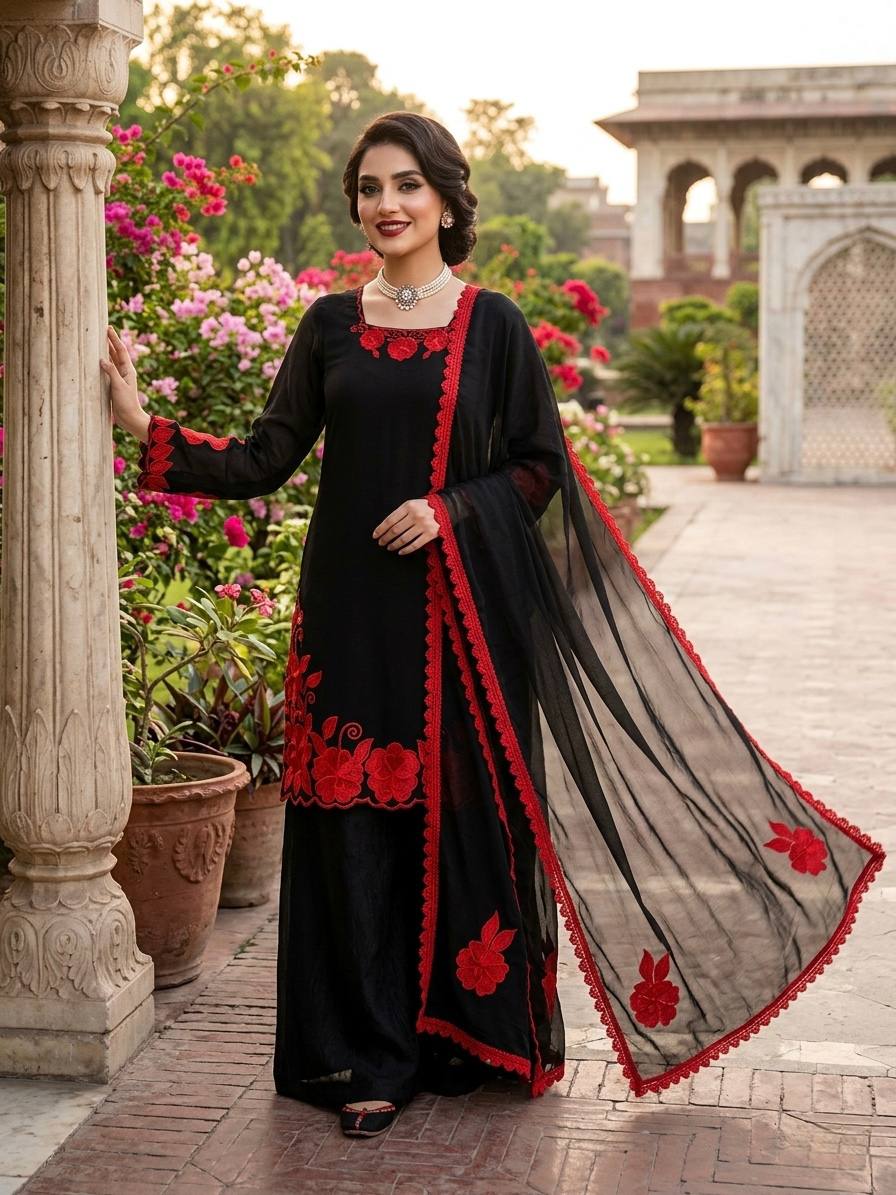
Shop Maroon Pure Vichitra Silk Embroidered Kurta Set Online provides a rich base for a family celebration. Vichitra silk has a smooth, dressy appearance, so the outfit can carry the look with minimal jewellery. Maroon also photographs well under warm indoor lighting, which is common during festive gatherings.
Buy Multicolor Satin Floral Saree with Woven Border Varnavi gives another option when the celebration is informal but photographs and festive colour still matter. A multicolour saree should be styled with one dominant accessory shade selected from the woven border or floral print. That approach keeps the look coordinated instead of making every accessory compete with the garment.
Getting Ready for Bhai Dooj: Outfit Ideas for a Family Celebration through colour
Bhai Dooj colours work best when they feel festive but remain comfortable for the wearer. Yellow, orange, maroon, teal, green and navy are useful starting points because they offer warmth, contrast and strong visibility in family photographs.
Getting Ready for Bhai Dooj: Outfit Ideas for a Family Celebration in yellow and orange
Yellow and orange create a cheerful daytime palette that suits the auspicious mood of Bhai Dooj. Sunshine Yellow Linen Cotton Saree with Navy Striped Pallu demonstrates how a dark navy accent can prevent yellow from looking overly bright. Orange Thread Embroidered Ethnic Suit Set takes a more saturated approach, so neutral footwear and understated jewellery keep the result balanced.
Warm colours pair naturally with antique gold, kundan-style pieces and wooden accessories. If the outfit includes yellow or orange embroidery, avoid matching every accessory to the same shade. A cream, brown or muted gold element creates visual breathing space.
Getting Ready for Bhai Dooj: Outfit Ideas for a Family Celebration in maroon, teal and green
Maroon, teal and green create a richer palette for evening celebrations or larger family functions. Maroon Banarasi Soft Silk Saree with Golden Zari Border suits heritage styling, while Teal Blue Floral Printed Satin Saree with Mustard Border brings a lighter, more contemporary contrast.
Teal and green can be finished with gold, pearl or antique-finish jewellery depending on the print and border. Teal Green Yellow Linen Cotton Saree with Floral Printed Pallu already contains several colour cues, so select one accent from the pallu for the blouse or earrings rather than adding another unrelated shade.
Getting Ready for Bhai Dooj: Outfit Ideas for a Family Celebration with accessories
Accessories should support the outfit's main feature rather than compete with it. Choose one focal point: statement earrings with a simple neckline, a necklace with restrained earrings, or a distinctive bangle stack with minimal neckwear.
Gold-tone jewellery works naturally with zari, mustard, orange and maroon. Pearl or silver-tone pieces can lighten teal and blue outfits, especially when the saree has a floral print. A small bindi adds definition to both sarees and suits, while a low bun, braid or half-up hairstyle keeps hair controlled during greetings and photographs.
Festive makeup for a family function should survive conversation, food and warm indoor rooms. A light base, waterproof eyeliner, tinted lip colour and a small touch-up compact are generally more useful than a very heavy finish. Apply moisturiser before makeup and allow sunscreen or base products to settle for several minutes so the face remains comfortable through the afternoon.
Footwear should be selected before the final drape is adjusted. Low block heels, embellished flats and cushioned sandals are safer choices than unfamiliar high heels when the celebration involves stairs, floor seating or extended standing. Keep the footwear colour close to the border, embroidery or neutral accessories for a cohesive finish.
Getting Ready for Bhai Dooj: Outfit Ideas for a Family Celebration with comfort checks
A secure saree drape depends on the petticoat, blouse fit and pleat placement as much as on the saree itself. Tie the petticoat firmly at the natural waist, make the front pleats even and pin the pleats from the inside where possible. Place one discreet pin near the shoulder and another at the waist if the pallu is likely to shift.
Do a five-minute movement test before leaving home. Sit on a chair and on the floor, walk up a few steps, raise both arms and bend slightly. A saree that remains secure through these movements will be more comfortable during the tika ritual and family photographs. A suit set should pass the same test, especially around the armholes, waistband and dupatta.
Carry a small emergency kit containing two safety pins, a few hairpins, tissues, a compact mirror and a stain-removal wipe. For satin or silk, blot a fresh spill instead of rubbing it. Rubbing can spread liquid and disturb the surface sheen. Keep a spare pair of flats available if you're travelling or expect to remain at the gathering for several hours.
Fabric choice also affects comfort after the meal. Linen cotton and lightweight cotton blends allow more airflow, while satin and silk can feel warmer in crowded rooms. If the forecast is cool or the event is held in an air-conditioned venue, a light shawl or dupatta brings warmth without changing the outfit's proportions.
Getting Ready for Bhai Dooj: Outfit Ideas for a Family Celebration around one hero garment
A complete Bhai Dooj look becomes easier when one garment supplies the primary visual statement. A richly bordered saree, an embroidered kurta or a vivid printed pallu can serve as the hero element, while the blouse, jewellery, shoes and makeup provide support.
For Maroon Banarasi Soft Silk Saree with Golden Zari Border, let the zari lead and choose a plain blouse, gold earrings and a maroon or beige potli. For Teal Blue Floral Printed Satin Saree with Mustard Border, echo the mustard in the footwear or bangle rather than adding several new colours. For Mustard Silk Embroidered Kurti Palazzo Dupatta Set, use a lighter dupatta drape and keep the earrings visible.
A family celebration rewards clothing that looks good in close conversation as well as in photographs. Check the neckline, sleeve finish and jewellery scale from a seated position, because many Bhai Dooj rituals happen around a low table or floor arrangement. A thoughtful outfit should remain attractive when the wearer is sitting beside relatives, serving sweets or leaning forward for a blessing.
Planning one day in advance also reduces avoidable stress. Steam or air the garment, test the blouse or kurta, arrange the jewellery, prepare the footwear and pack the emergency kit the night before. On Bhai Dooj morning, the remaining tasks should be dressing, draping and enjoying time with family rather than repairing a last-minute wardrobe problem.
Getting Ready for Bhai Dooj: Outfit Ideas for a Family Celebration FAQ
The most useful Bhai Dooj outfit depends on comfort, gathering size, fabric, movement and personal style. The answers below address practical choices that commonly arise before a family celebration.
Getting Ready for Bhai Dooj: Outfit Ideas for a Family Celebration when choosing between a saree and a suit
A suit set is usually better for frequent movement, travel and floor seating, while a saree is ideal when you want a more traditional or formal appearance. Linen cotton and lightweight printed sarees offer comfort, while palazzo or straight-kurta sets provide easier mobility. Choose the silhouette that matches the day's activities rather than selecting only by visual impact.
Getting Ready for Bhai Dooj: Outfit Ideas for a Family Celebration in warm weather
Linen cotton and breathable cotton blends are strong choices for a warm Bhai Dooj gathering. These fabrics allow more airflow than heavily layered velvet or dense brocade. Select a lighter petticoat, avoid excessive underlayers and choose flats or low block heels for better comfort.
Getting Ready for Bhai Dooj: Outfit Ideas for a Family Celebration with a printed saree
Style a printed saree with solid-colour jewellery and footwear taken from one shade in the print or border. A floral satin saree can work with simple gold earrings, while a multicolour saree benefits from one dominant accessory colour. Avoid adding a second large print because it can compete with the saree.
Getting Ready for Bhai Dooj: Outfit Ideas for a Family Celebration in a formal family gathering
A Banarasi silk saree, soft silk saree or embroidered silk kurta set suits a more formal family gathering. Zari, measured embroidery and a rich colour such as maroon create occasion-appropriate detail without requiring bridal-level embellishment. Balance a detailed garment with restrained jewellery and practical footwear.
Getting Ready for Bhai Dooj: Outfit Ideas for a Family Celebration that stays comfortable all day
Test the outfit by sitting, walking, raising the arms and bending before leaving home. Secure saree pleats and the pallu, check that the dupatta doesn't drag, and carry safety pins, hairpins and stain-removal tissues. Comfortable footwear and a breathable fabric make the greatest difference during a long family celebration.
Practical Questions About Getting Ready for Bhai Dooj: Outfit Ideas for a Family Celebration
What should I wear for Bhai Dooj at home?
A lightweight saree or a comfortable embroidered suit set works well for Bhai Dooj at home. Linen cotton, satin and soft silk provide festive detail, while palazzo trousers or a secure saree drape make sitting and moving easier.
Which saree fabric is most comfortable for a daytime Bhai Dooj celebration?
Linen cotton is one of the most comfortable choices for a daytime Bhai Dooj celebration because it is breathable and has enough structure for a neat drape. Printed satin is dressier, while Banarasi silk and soft silk create a more formal look.
Can I wear a suit set instead of a saree for Bhai Dooj?
You can wear a suit set instead of a saree for Bhai Dooj, especially when the celebration involves travel, hosting or floor seating. An embroidered kurta with palazzo trousers and a dupatta remains festive while giving greater freedom of movement.
What colours are suitable for a Bhai Dooj outfit?
Yellow, orange, maroon, teal, green and navy are suitable Bhai Dooj colours. Yellow and orange create a cheerful daytime palette, while maroon, teal and green provide depth for evening gatherings and formal family functions.
How can I keep a saree secure during Bhai Dooj rituals?
Keep a saree secure by tying the petticoat firmly, making even pleats and using discreet pins at the shoulder and waist. Test the drape by sitting, walking and raising your arms before leaving home.
What jewellery goes well with a festive Bhai Dooj outfit?
Gold-tone jewellery complements zari, mustard, orange and maroon, while pearls and silver-tone pieces lighten teal and blue outfits. Choose one focal point, such as statement earrings or a necklace, instead of layering several competing pieces.