Traditional Bhai Dooj Outfits That Feel Comfortable All Day should support the rhythm of the celebration, not compete with it. Bhai Dooj often includes a morning bath, puja preparations, the tilak ceremony, exchanging gifts, sitting on the floor for a meal and moving between family homes. A beautiful outfit therefore needs more than colour and ornamentation: it needs a manageable drape, breathable fabric, secure pleats and footwear that can handle several hours of standing and walking.
The most reliable approach is to combine one traditional statement with several practical choices. A Banarasi border can provide festive richness while a soft cotton or linen-cotton body keeps the wearer cooler. A neatly fitted blouse can look refined without digging into the arms. Small adjustments such as pre-stitched pleats, a light petticoat and concealed safety pins can make a saree considerably easier to wear.
What Makes a Bhai Dooj Outfit Comfortable for a Full Day?
A comfortable Bhai Dooj outfit uses breathable fabric, a stable drape, non-restrictive tailoring and lightweight accessories. These four factors matter more than the amount of embroidery or the number of festive details.
Fabric determines how an outfit behaves after several hours. Cotton absorbs moisture and allows air movement, while linen cotton usually feels crisp, light and less clingy than synthetic blends. Soft silk has a smoother fall and festive sheen, but a tightly woven silk saree may feel warmer in a crowded home. Banarasi silk is especially suited to short ceremonies or cooler weather when its zari and dense weave add warmth as well as occasion-appropriate polish.
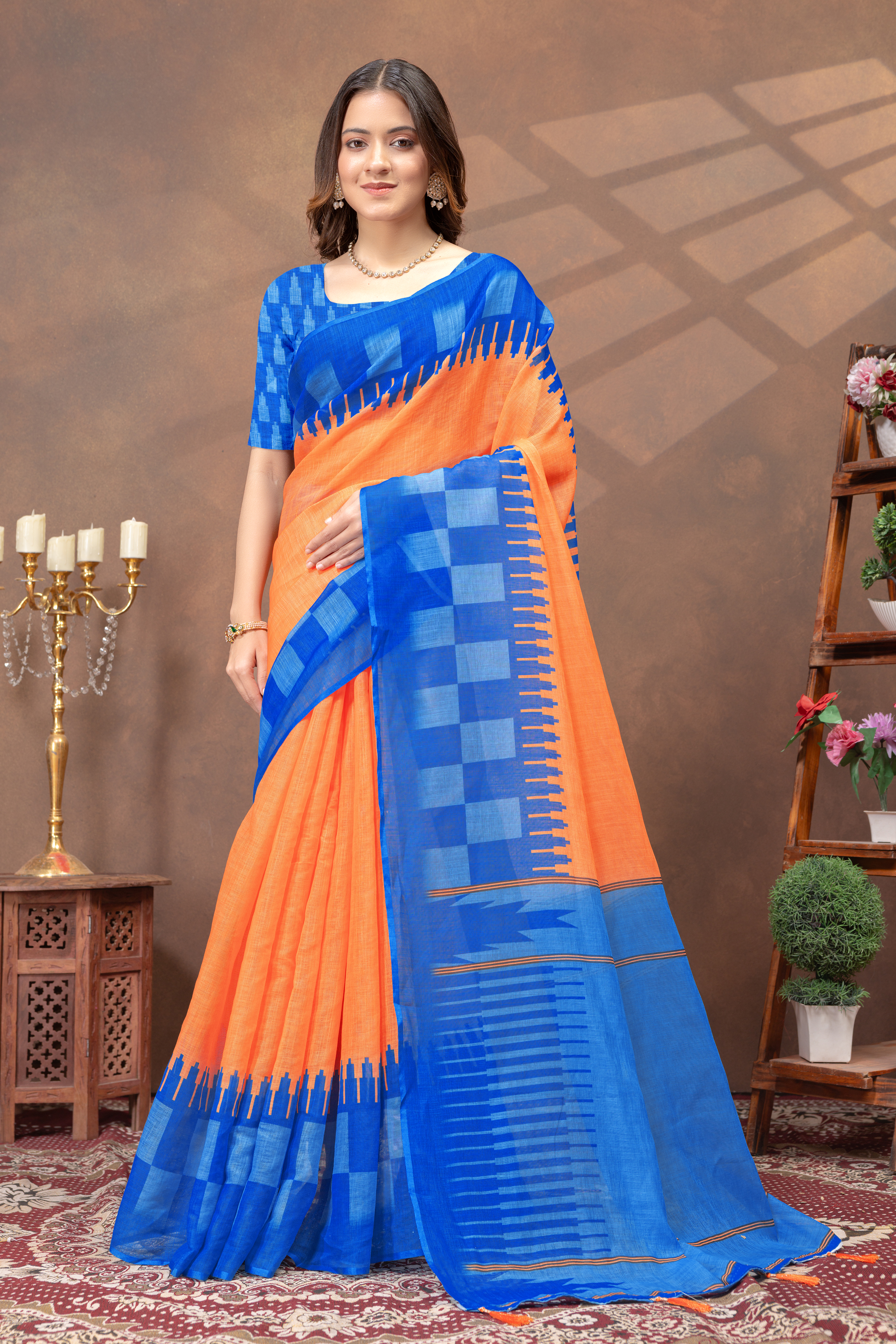
Weight also affects comfort. A saree with a heavy all-over zari design can pull on the shoulder and make the pleats difficult to manage. A saree with a restrained zari border or decorative pallu creates a festive impression without placing the entire weight of the garment at the waist and shoulder. The Blue Tissue Handloom Cotton Saree With Zari | Varnavi's demonstrates how a lighter handloom base can carry a traditional metallic accent.
Movement is another practical test. Raise both arms, sit cross-legged, walk up a few steps and reach forward before finalising a blouse or drape. A blouse that looks comfortable while standing may feel tight when serving food or touching a sibling's feet. A saree that has elegant pleats may need a slightly shorter fall if the day includes stairs, outdoor photographs or visits to more than one home.
Choosing the Right Saree Fabric for Bhai Dooj
Linen cotton, handloom cotton and soft silk are strong choices for a Bhai Dooj saree because they balance festive appearance with practical wearability.

Linen cotton for warm homes and long gatherings
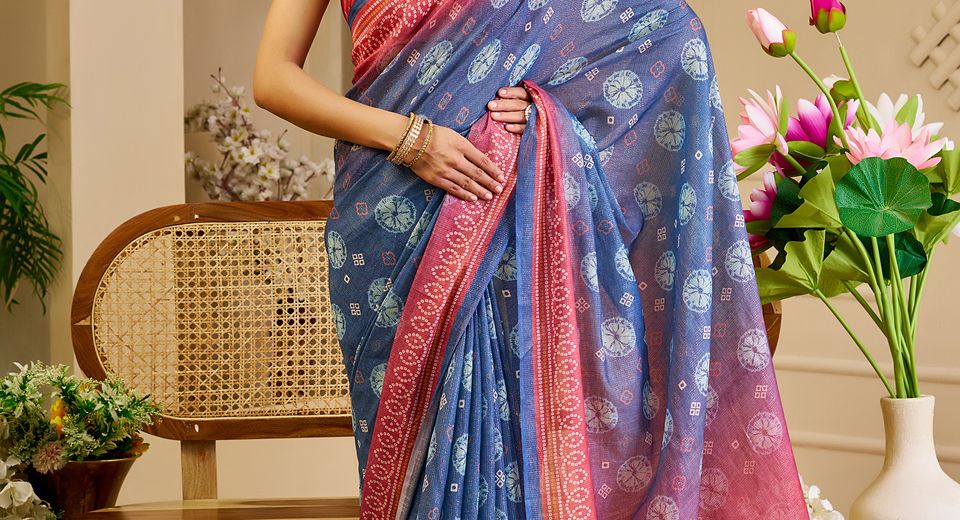
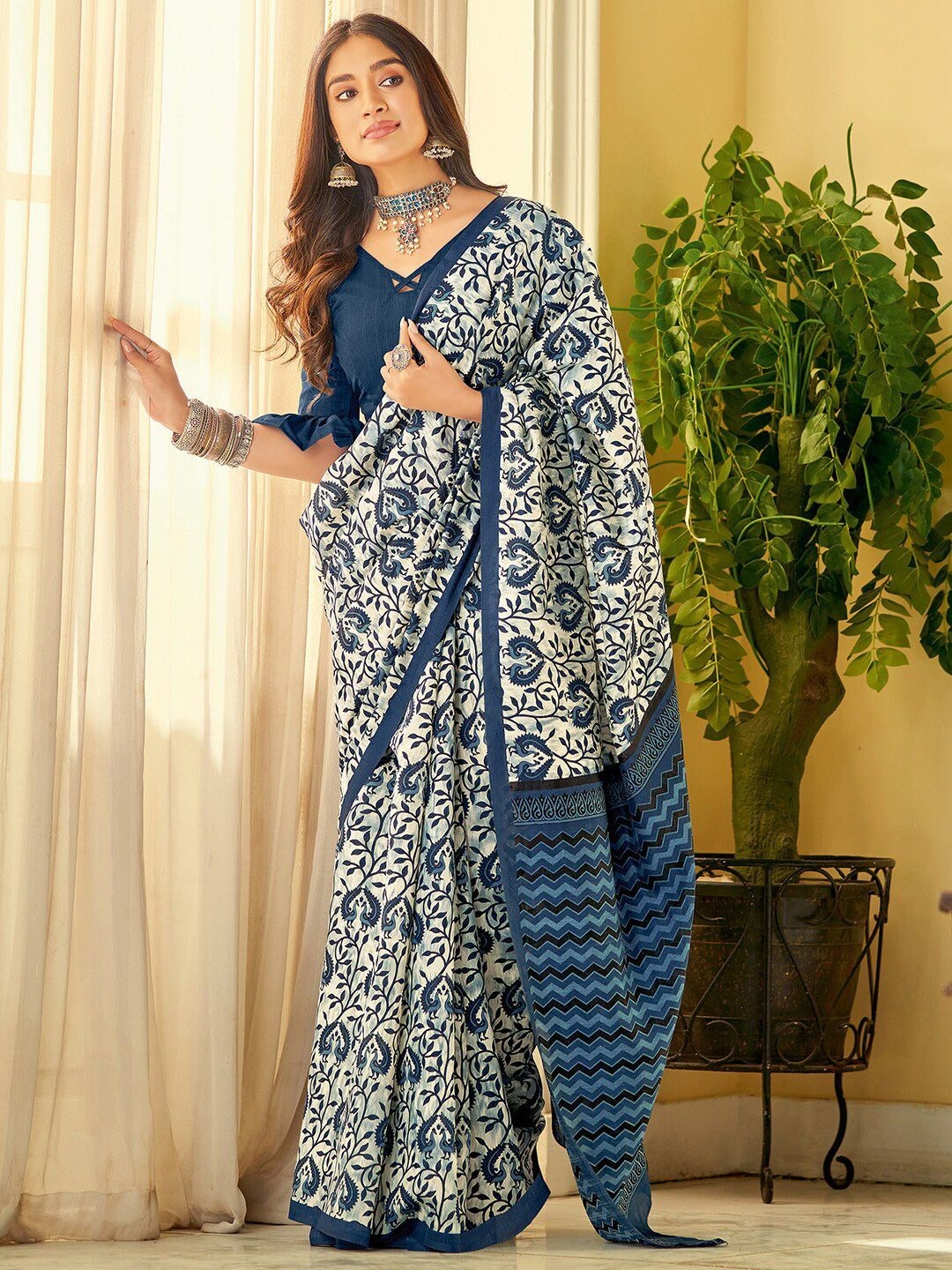
Linen cotton works well when the celebration takes place during a warm afternoon or in a busy home with many guests. The fabric generally holds a clean shape, resists cling and feels lighter than heavily embellished silk. The Ivory Indigo Floral Linen Cotton Saree with Chevron Pallu has an useful balance of a calm ivory base, blue-toned floral character and a defined pallu that can carry the styling without excessive jewellery.
Linen cotton can develop natural creases, so it benefits from careful pressing before draping. Press the saree on the reverse side using a moderate setting and allow it to cool fully before folding. Avoid overloading the pallu with brooches, layered chains or large tassels, because extra weight can distort the shoulder drape.
Cotton for breathable traditional dressing
Handloom cotton is a practical choice for a daytime Bhai Dooj ceremony because it allows airflow and usually feels easy against the skin. Cotton sarees may need more deliberate pleat-setting than silk, but that preparation pays off during sitting, walking and serving meals. A cotton saree with zari can look festive when paired with a blouse in a solid colour pulled from the border.
Starch should be used sparingly. Excessive starch can make cotton stiff around the waist and cause the pleats to spring open. A light press, a well-fitted cotton petticoat and three or four discreet pins usually provide better comfort than a heavily starched finish.
Soft silk for a richer festive mood
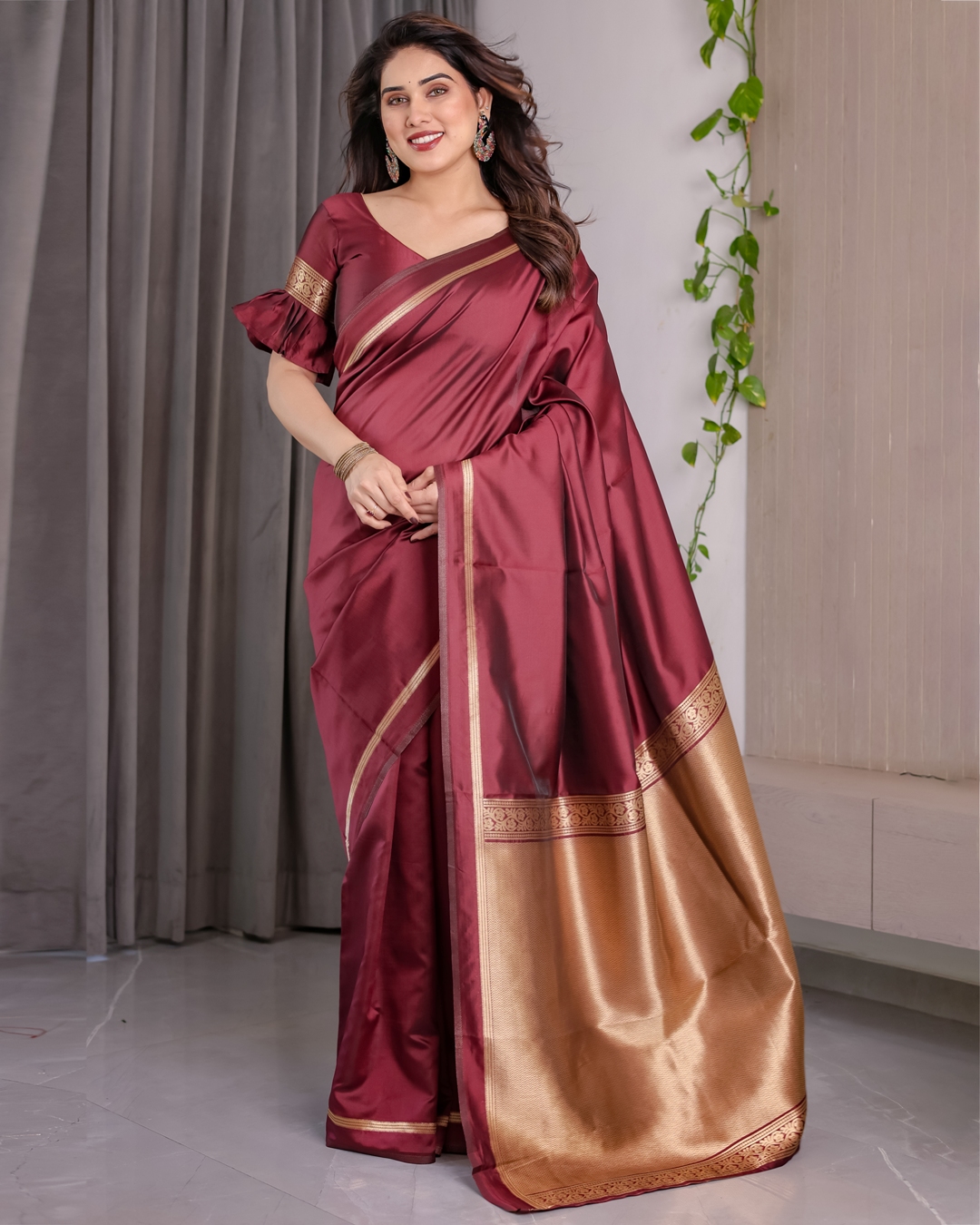
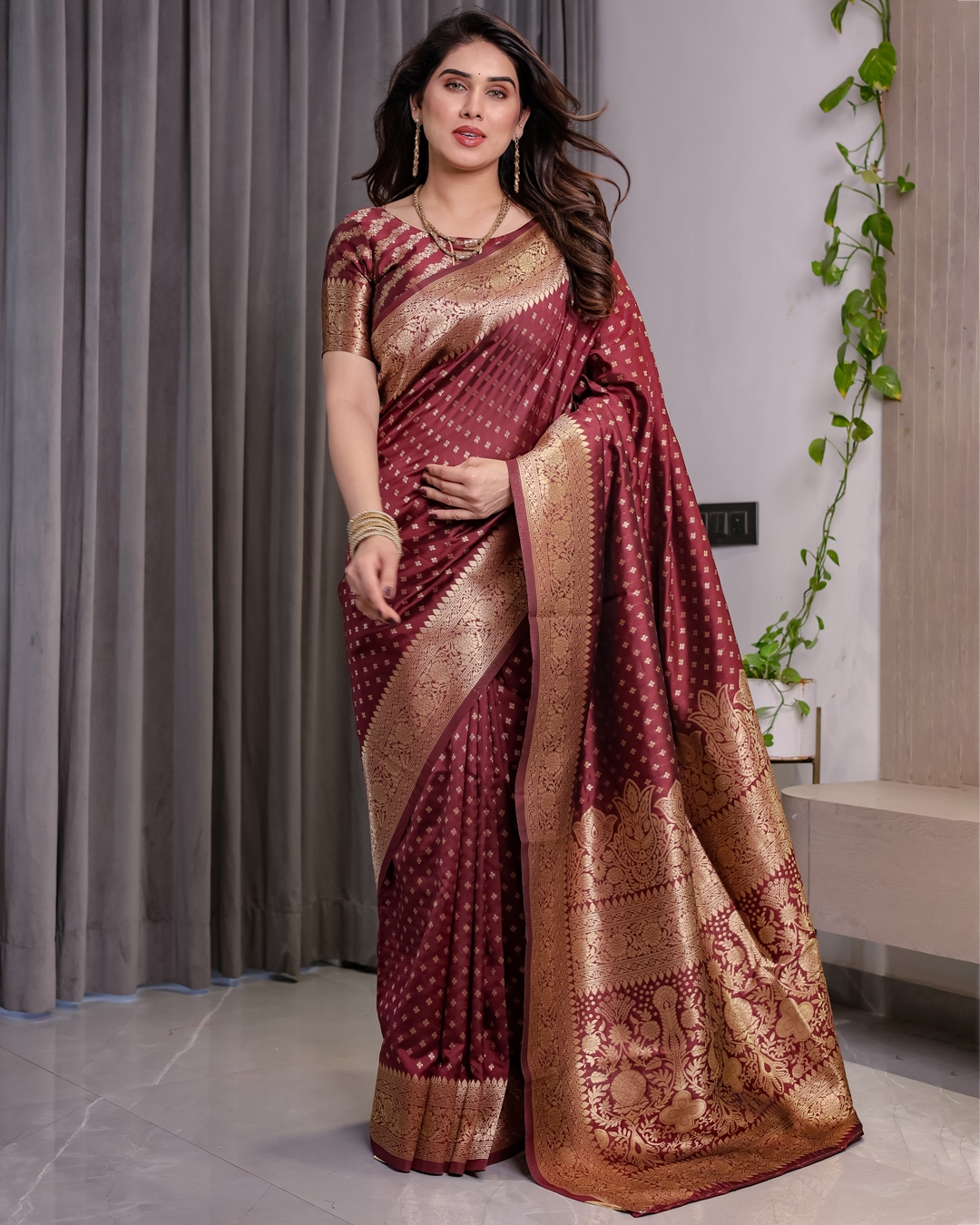
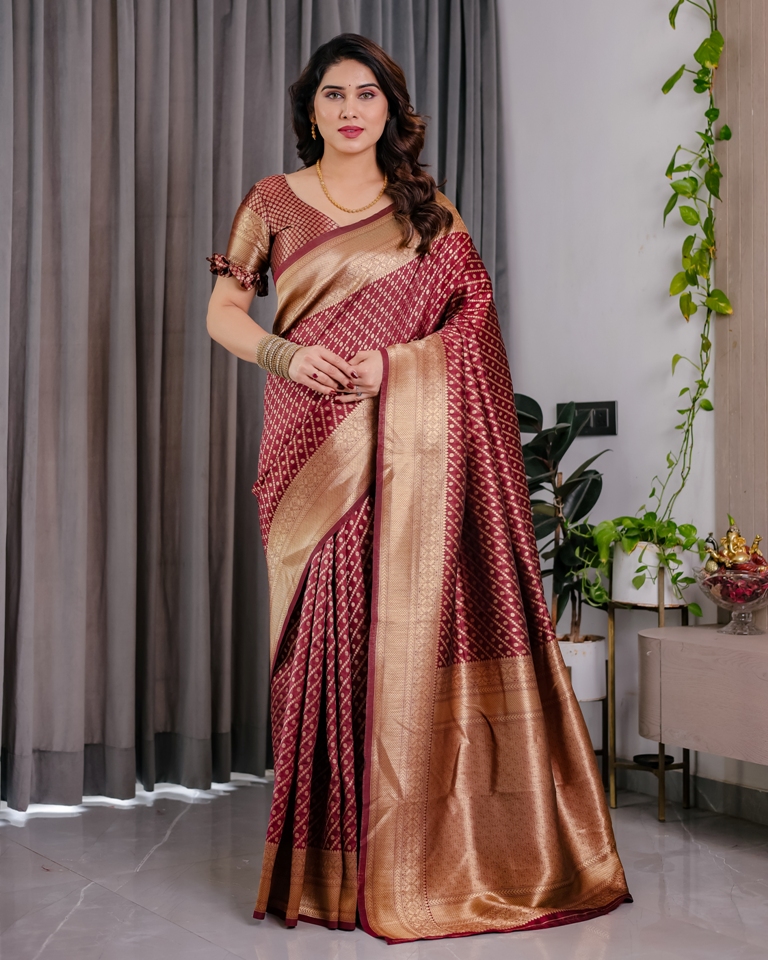
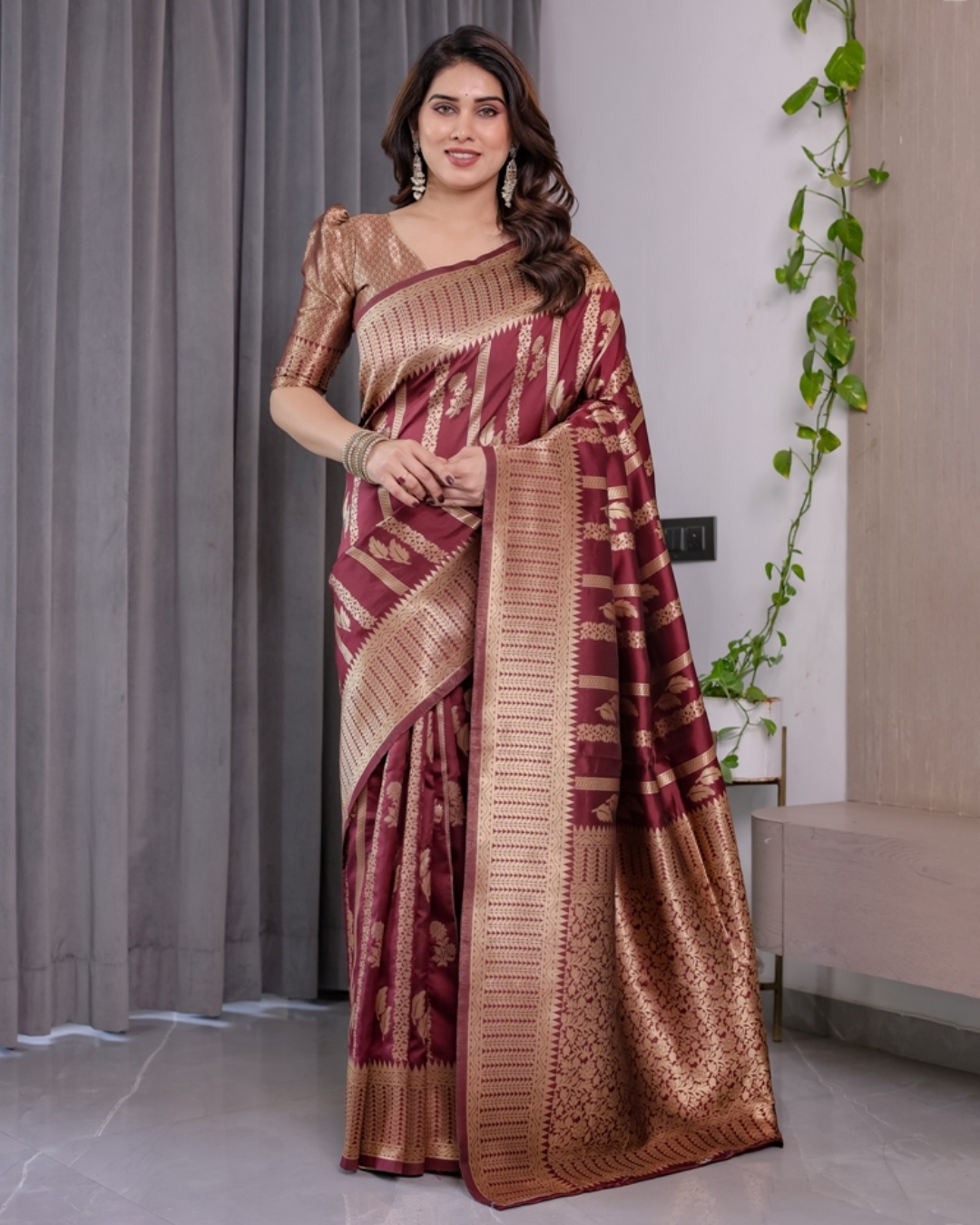
Soft silk suits Bhai Dooj when the wearer wants a traditional sheen and a more structured fall. The Maroon Banarasi Soft Silk Saree with Golden Zari Border offers a deep maroon base with a visible golden accent, making it suitable for a sibling ceremony followed by a family lunch or evening gathering.
Soft silk feels more comfortable when the blouse is breathable and the petticoat isn't overly tight. Choose cotton lining for the blouse where possible, and leave enough ease at the waist to sit without pressure. A silk saree should also be pinned at the shoulder and near the waist rather than pulled tightly across the torso.
Traditional Bhai Dooj Outfits That Feel Comfortable All Day Need a Practical Drape
The safest all-day saree drape keeps the waistband secure, the pleats even and the pallu light enough to stay on the shoulder without constant adjustment.
Begin with a petticoat that matches the saree or blends closely with it. A drawstring petticoat can be adjusted during the day, but the knot should sit flat and remain covered by the saree. A modern fitted petticoat can reduce bulk around the waist, provided it allows comfortable sitting and doesn't restrict breathing.
Make five to seven front pleats of similar width, depending on the saree's fabric and border. Cotton often benefits from slightly broader pleats because very narrow pleats can become uneven as the wearer moves. Silk can support narrower, sharper pleats, but the pleats should not be pulled so tightly that the lower body can't take a normal step.
Secure the pleats with a safety pin placed horizontally from the inside. Add a second pin near the waist only if the fabric tends to loosen. The pallu can be pinned at the shoulder and at the blouse side seam for extra security. Concealed pins are particularly useful during the tilak ceremony, when bending forward or reaching for a thali can shift an unpinned drape.
A slightly shorter saree length is sensible for active celebrations. The front edge should skim the top of the foot rather than pool on the floor. The shorter fall reduces the chance of stepping on the hem, collecting dust or catching the fabric on furniture.
Blouse, Petticoat and Footwear Choices That Prevent Discomfort
A comfortable Bhai Dooj look depends on supportive inner layers and footwear as much as on the saree itself.
Blouse details to prioritise
A blouse with moderate ease across the bust and upper arm is more useful than a very tight festive fit. The side seams should not pull when the wearer brings both arms forward. Elbow-length sleeves can provide traditional coverage, but the sleeve opening needs enough room for natural movement.
Neckline depth should suit the day's activities. A medium round, square or boat neckline stays secure during bending and sitting. Very thin straps, slippery fabrics and heavy sleeves may require repeated adjustment. Cotton, cotton-silk or breathable lining can reduce heat and irritation, especially beneath zari sarees.
Hook-and-eye closures should be tested while sitting. A blouse that closes comfortably while standing may press into the back when the wearer leans against a chair. A small margin of alteration allowance also makes the blouse more practical for repeat festive wear.
Petticoat and footwear details
The petticoat should allow a full stride and comfortable cross-legged sitting. A narrow, tight petticoat can make the saree look neat but can also create pressure at the waist and knees. Cotton petticoats are generally useful for daytime wear because they absorb moisture and reduce slipping.
Low block heels, cushioned flats and embroidered juttis are safer than narrow high heels when the celebration involves stairs or several rooms. Footwear should be worn indoors for at least 20 minutes before the festival to identify rubbing points. A small strip of blister tape in the handbag can prevent a minor shoe problem from interrupting the day.
Colour and Styling Ideas for a Festive but Easy Bhai Dooj Look
Festive colour can come from the saree border, blouse, bindi or jewellery rather than from multiple heavy layers.
Maroon and gold create a classic Bhai Dooj combination. The Maroon Banarasi Soft Silk Saree With Golden Zari Border can be paired with a muted gold, cream or maroon blouse. Keep the jewellery focused with medium jhumkas, one bangle stack and a small pendant so the zari remains visible without making the shoulder feel weighted.
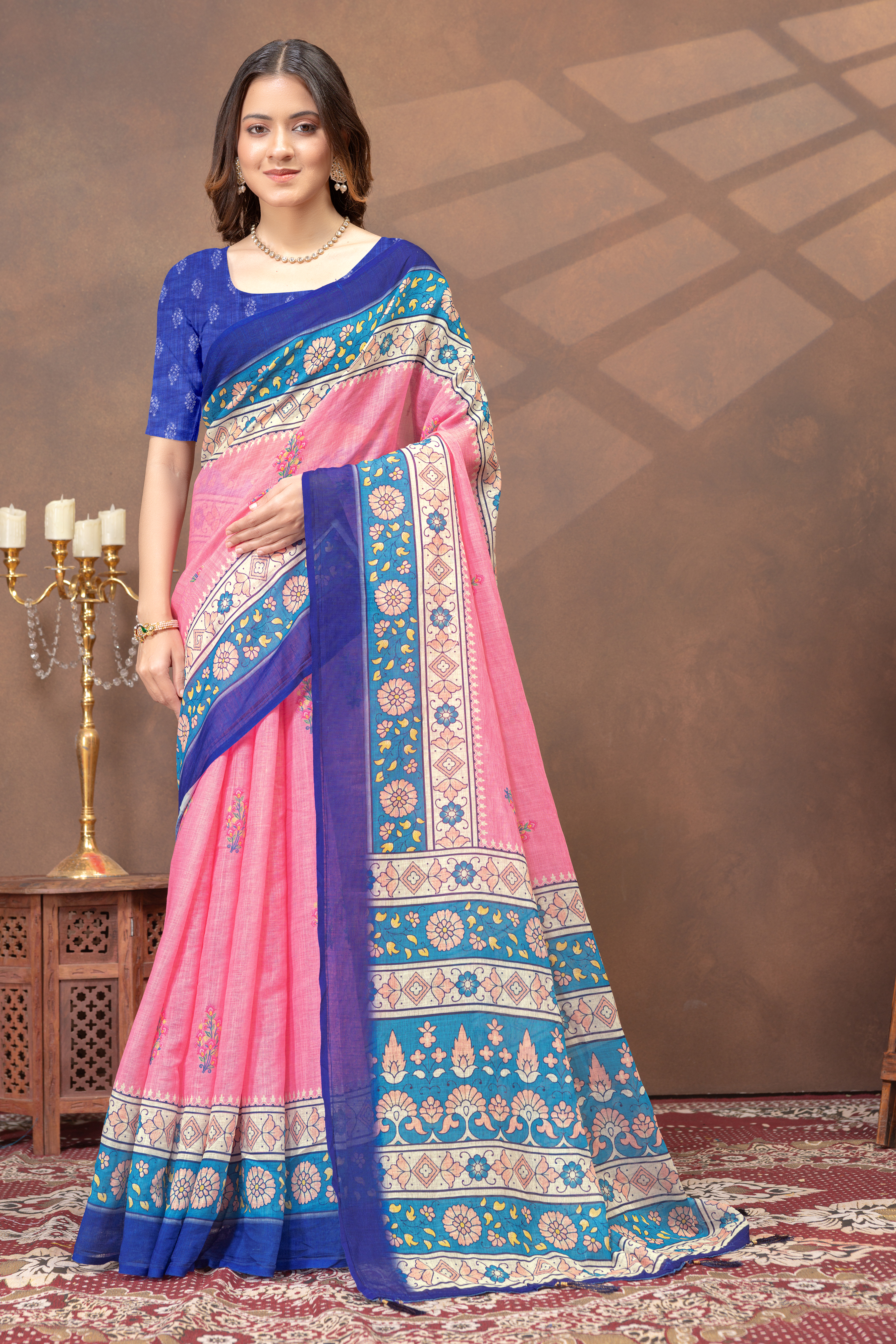
Dusty rose gives a softer alternative to intense red. The Dusty Rose Floral Print Linen Cotton Saree with Maroon Border can be styled with a maroon blouse, a small red bindi and antique-gold earrings. The floral print already supplies visual detail, so a plain blouse and restrained jewellery create a more balanced result.
Ivory allows folk and indigo accents to stand out. The Ivory Red Folk Art Print Linen Cotton Saree can be worn with a red blouse or an ivory blouse carrying a red border. Terracotta earrings, a low bun and a narrow bangle stack keep the look traditional while avoiding the heat and weight of a heavily layered necklace.
Accessories should have a clear comfort limit. Choose one statement item, such as a necklace or earrings, and keep the remaining pieces light. Hair can be secured in a low bun or braid instead of a highly pinned style that becomes uncomfortable during a long lunch. A small potli or crossbody-style festive bag keeps both hands free for greetings, gifts and ritual items.
How to Prepare the Outfit Before Bhai Dooj Morning
Preparing the saree, blouse and accessories one day in advance prevents most avoidable comfort problems.
- Press the saree the previous evening. Use the correct heat for cotton, linen cotton or silk, and place a thin cloth between the iron and zari where necessary.
- Check the blouse while seated. Test the neckline, armholes, hooks and shoulder seams in the posture used for meals and puja.
- Pre-pleat if the fabric allows it. Cotton and linen-cotton pleats can be lightly arranged and secured, while delicate silk should be handled gently to prevent permanent creasing.
- Pack a repair kit. Carry two safety pins, a small sewing needle, matching thread, a stain-removal wipe and a few hairpins.
- Keep the drape breathable. Avoid wearing a tight shapewear layer under a saree unless it has been tested for several hours beforehand.
- Plan the jewellery sequence. Put on earrings and bangles after the saree is secure so they don't catch on the fabric during dressing.
These steps are especially useful when the morning includes several rituals. A prepared drape leaves more time for the tilak ceremony, family photographs and the meal instead of repeated wardrobe adjustments.
Care After the Celebration Keeps Festive Sarees Wearable
Prompt airing, gentle folding and fabric-specific storage protect a Bhai Dooj saree after a full day of wear.
Air a cotton or linen-cotton saree in shade before folding it. Avoid leaving the saree in a closed wardrobe while perspiration or food aromas remain in the fibres. Silk and Banarasi sarees should also be aired briefly, but direct sunlight can fade deep colours and weaken delicate zari over time.
Fold zari sarees with the decorative side inward or place soft muslin between folds to reduce friction. Refold silk garments every few months so a crease doesn't remain permanently in one position. Store sarees in breathable cotton covers rather than airtight plastic for long-term storage.
Small food marks should be dabbed rather than rubbed. Water, aggressive stain removers and home washing can damage silk, zari or pigment prints. Professional dry cleaning is the safer option for valuable Banarasi silk, while care labels should guide treatment for cotton and linen-cotton sarees.
Comfort on Bhai Dooj begins with a garment that respects movement, temperature and time. A traditional outfit can remain graceful when its fabric, blouse, drape and accessories are chosen for the actual shape of the celebration rather than for a photograph alone.
Practical Questions About Comfortable Bhai Dooj Dressing
Which saree fabric is most comfortable for Bhai Dooj?
Linen cotton and handloom cotton are usually the most breathable choices for a warm daytime Bhai Dooj celebration. Soft silk works well when a richer festive finish is preferred, especially in cooler weather or for shorter gatherings.
How can I keep a Bhai Dooj saree from coming loose?
Secure the front pleats at the waist and pin the pallu at the shoulder and near the blouse side seam. A well-fitted petticoat, a slightly shorter fall and concealed safety pins make the drape more stable during sitting and walking.
Can I wear a Banarasi saree for an all-day Bhai Dooj celebration?
Yes, a Banarasi saree can be comfortable for all-day wear when the blouse, petticoat and drape are not restrictive. Choose a lighter soft-silk design or a restrained zari border, and avoid excessive jewellery that adds weight to the shoulder.
What blouse style is best for a comfortable Bhai Dooj outfit?
A blouse with moderate ease, secure coverage and breathable lining is the most practical choice. Medium necklines, comfortable armholes and sleeves that do not pinch allow easier movement during puja, photographs and meals.
What should I wear with an ivory saree for Bhai Dooj?
Red, indigo, maroon and antique-gold accessories pair naturally with an ivory saree. Select one strong accent, such as a red blouse or terracotta earrings, and keep the remaining accessories light for a balanced festive look.
How should I store a zari saree after Bhai Dooj?
Air the saree in the shade, fold the zari side inward and place it in a breathable cotton cover. Avoid direct sunlight, airtight plastic and rough handling, and use professional cleaning for silk or heavily embellished garments.