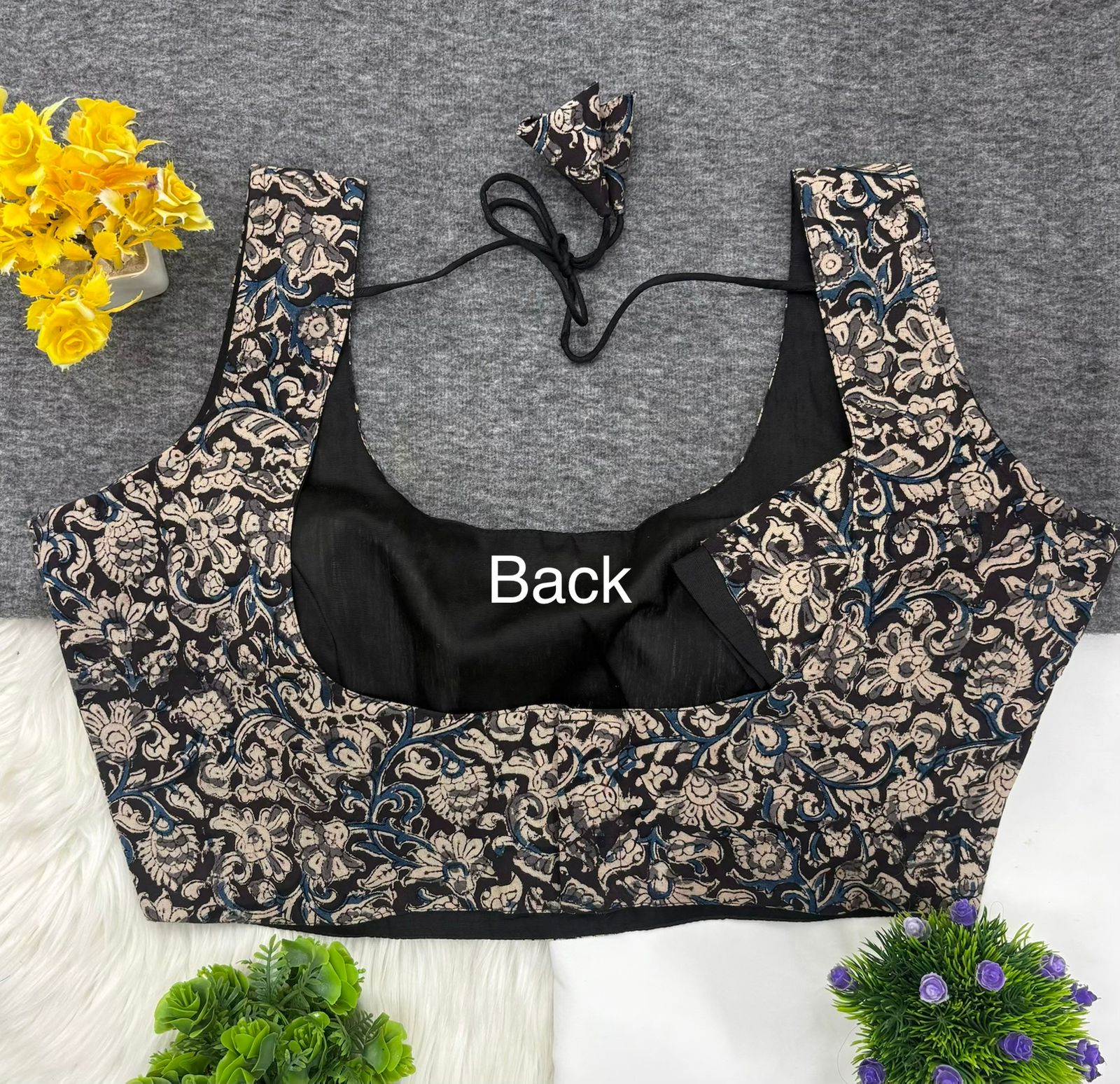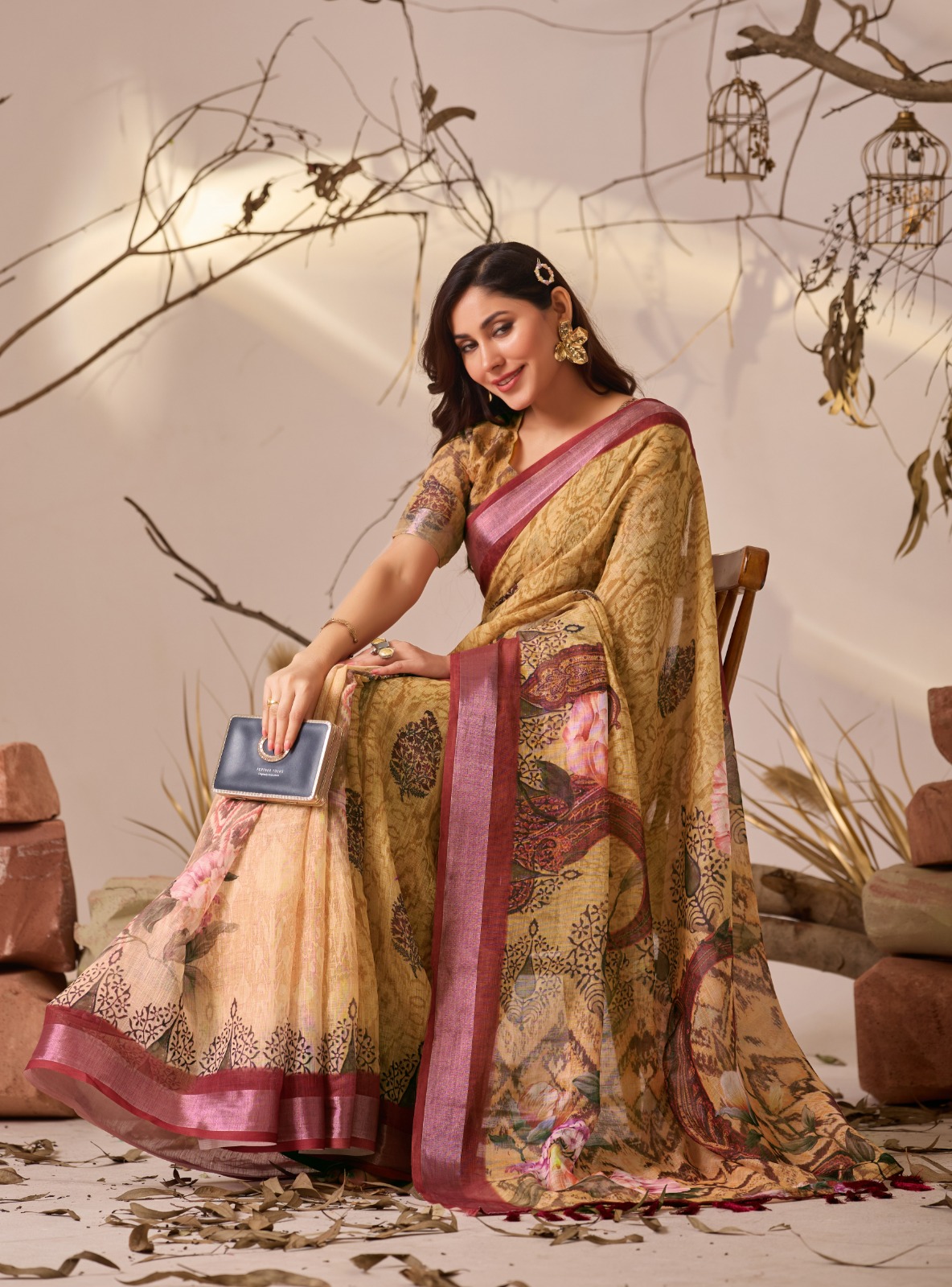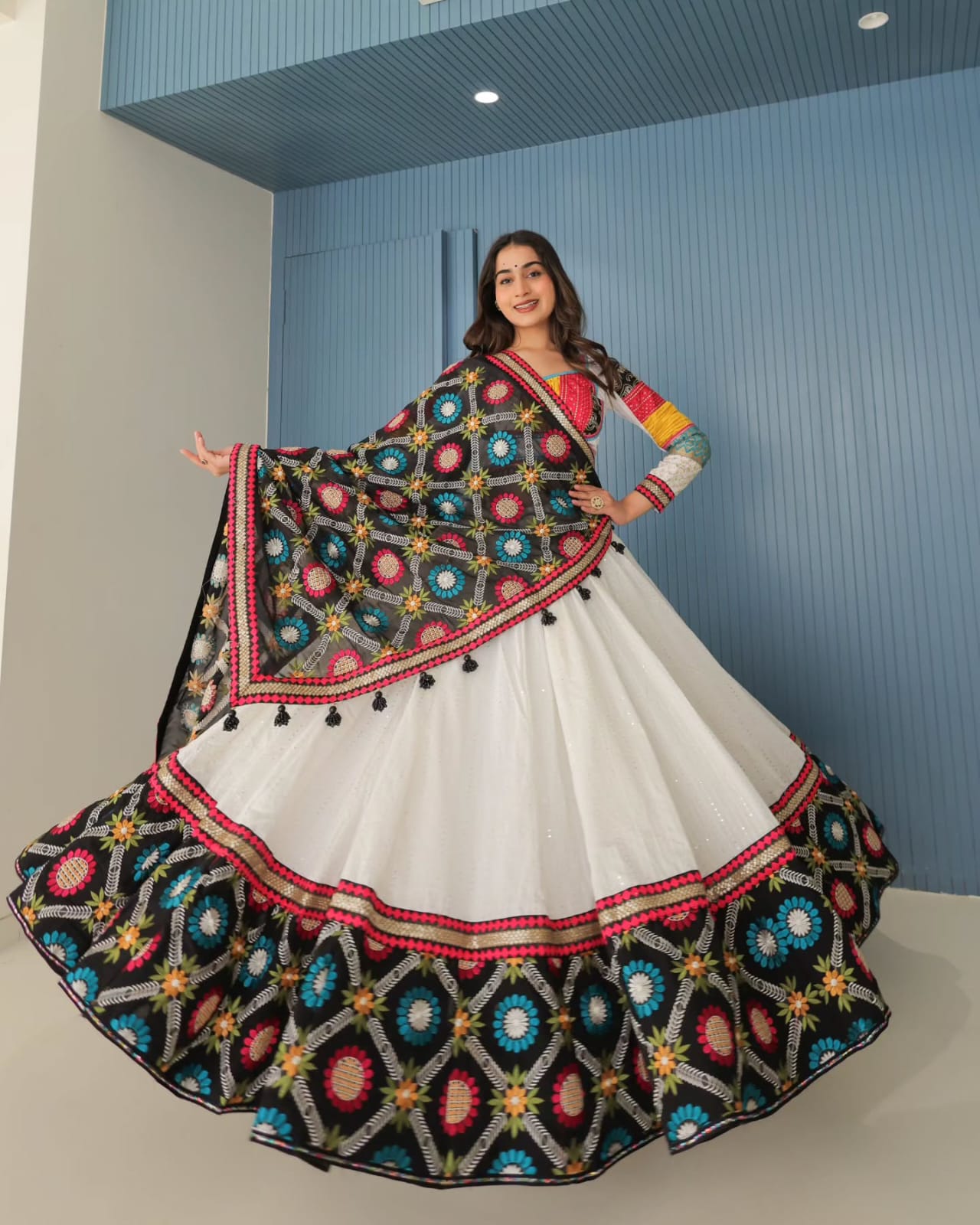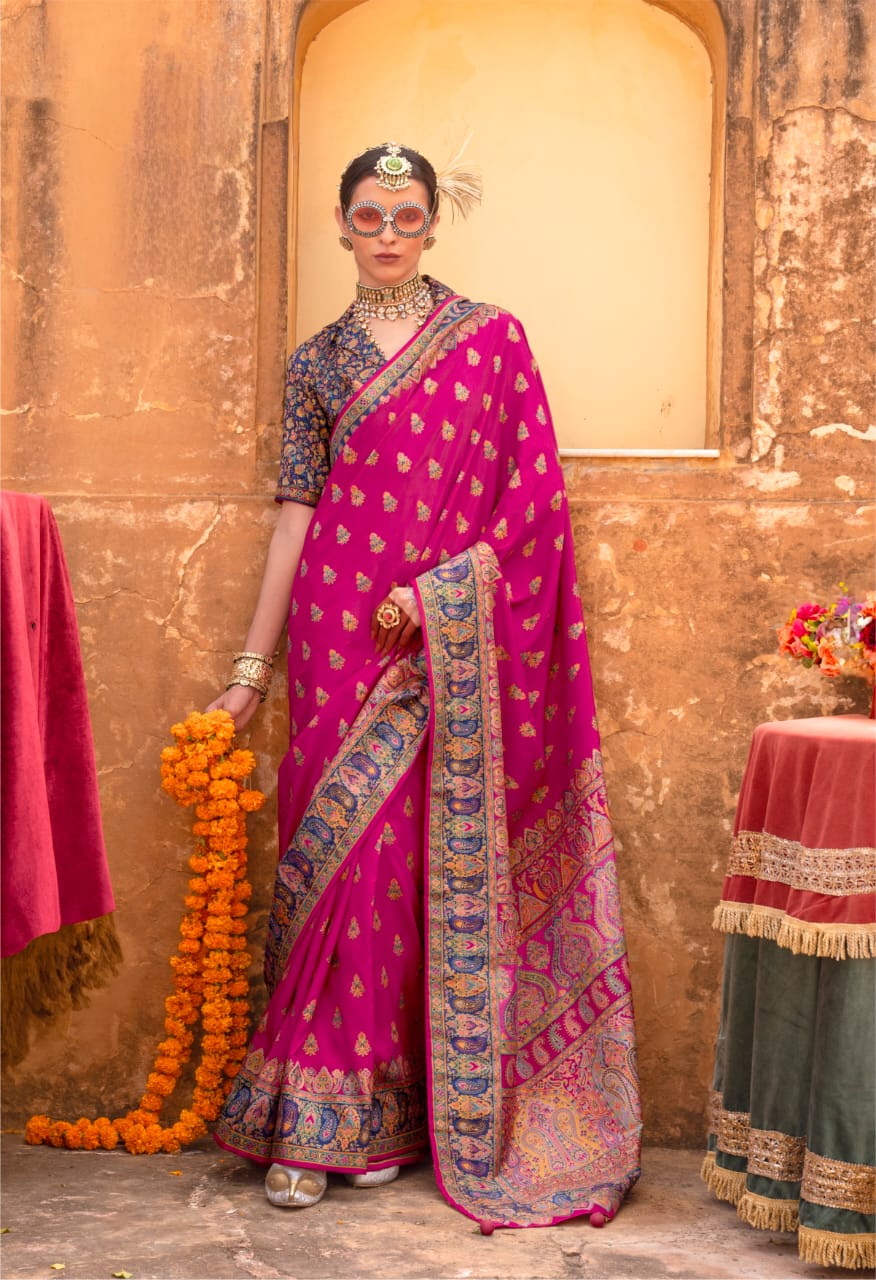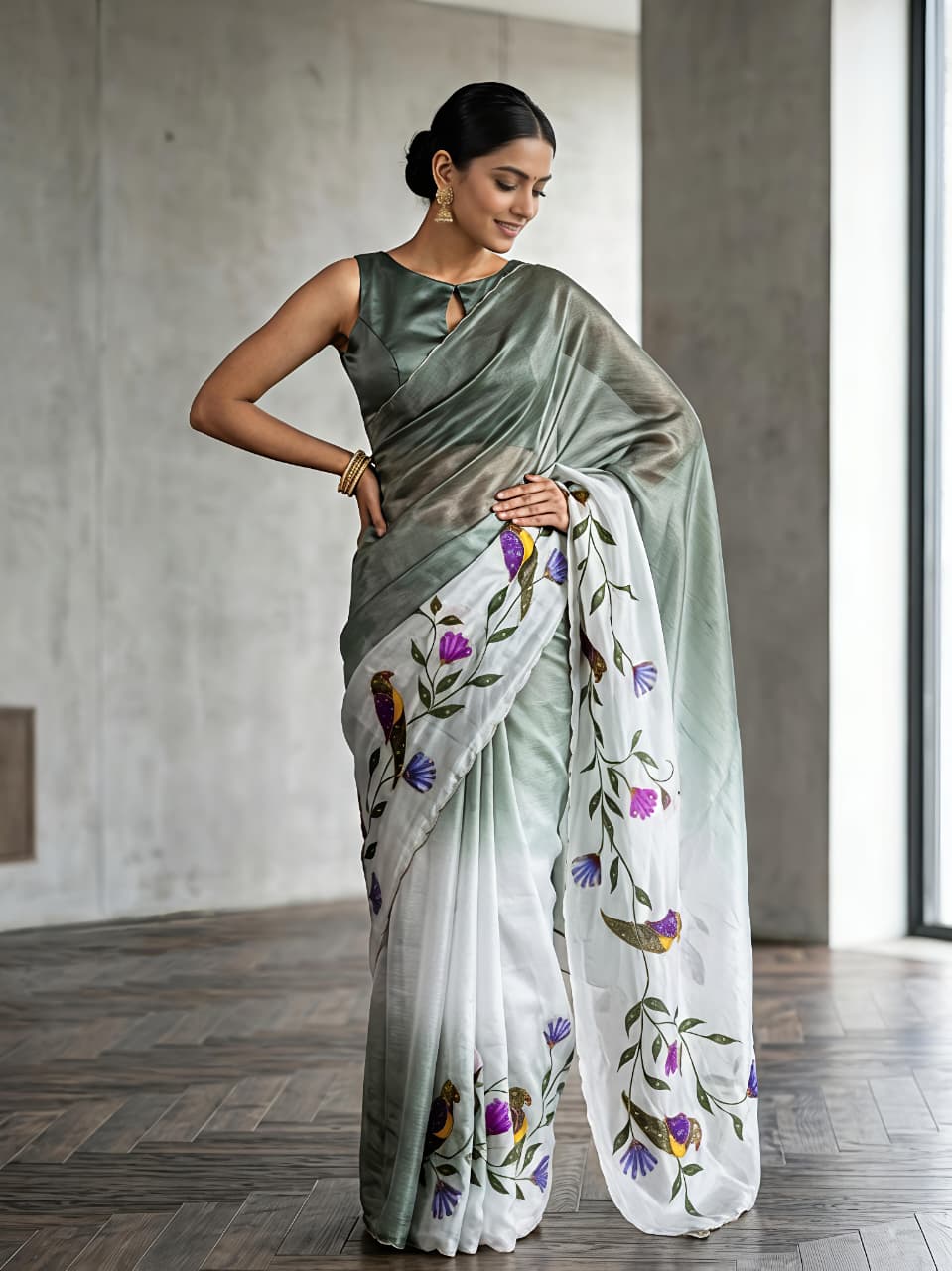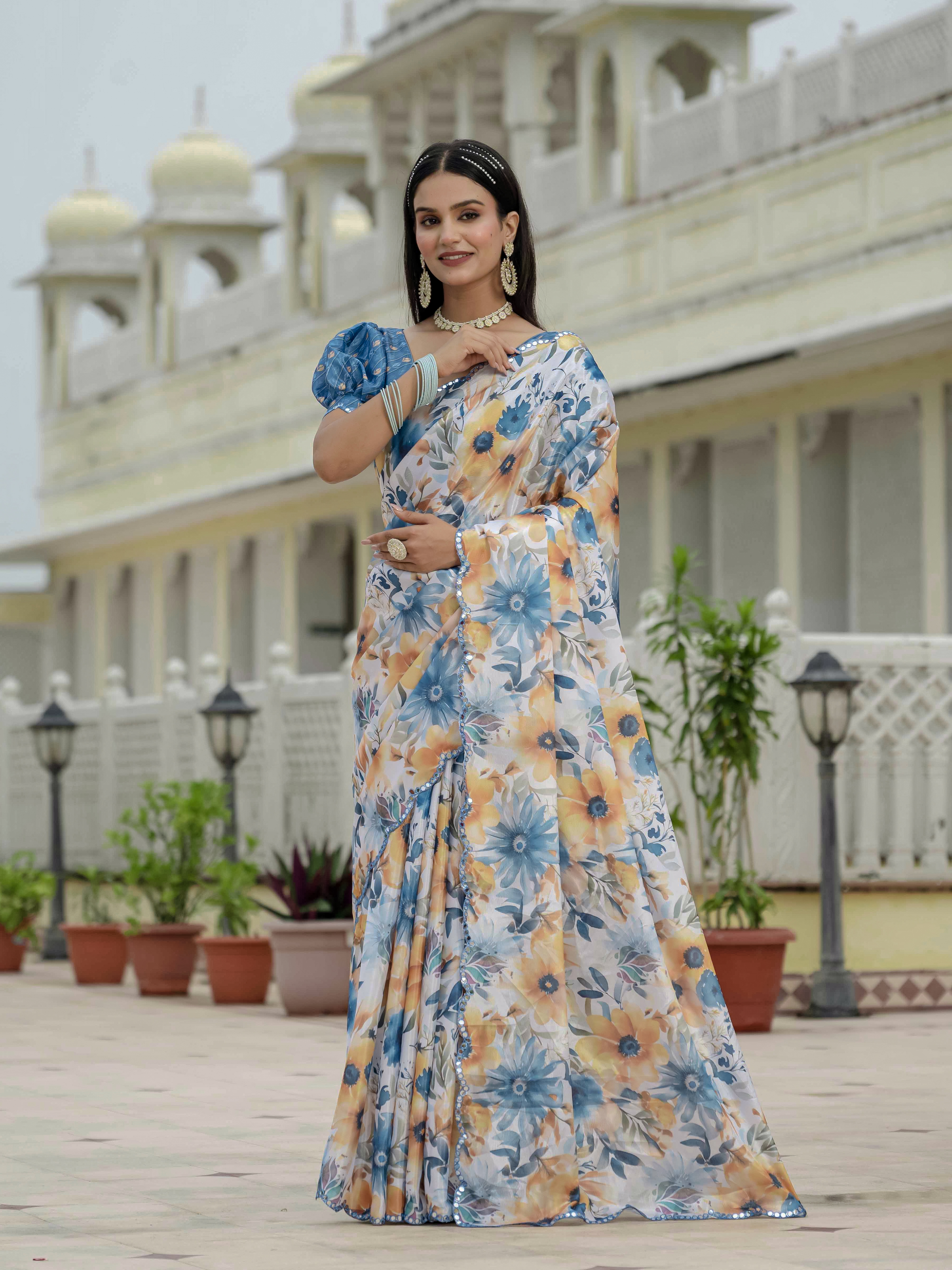
Winter Wedding Fashion in Kashmir needs more than a festive colour palette. Temperatures can fall sharply after sunset, venues may alternate between heated rooms and cold outdoor spaces, and a wedding outfit must remain graceful under a shawl, coat or extra blouse layer. The most reliable wardrobe combines warm fabrics, practical silhouettes, secure draping and decoration placed where it remains visible.
Silk sarees, embroidered salwar suits, lined Anarkalis and coordinated dupattas work particularly well because they offer visual richness without requiring too many bulky layers. The right outfit also depends on the event: a Haldi ceremony needs movement and washable comfort, while a reception allows zari, sequins and a more structured silhouette.
Winter Wedding Fashion in Kashmir: What makes it different?
Winter wedding dressing in Kashmir is different because clothing must handle cold air, indoor heating, uneven surfaces and long hours of sitting or standing. A beautiful outfit becomes difficult to wear when its sleeves are too thin, its dupatta slips repeatedly or its hem catches on wet ground.
Kashmiri winter celebrations often involve several transitions during one day. Guests may travel through cold streets, gather in a heated banquet hall, step outside for photographs and return indoors for dinner. A successful look therefore uses removable layers rather than one very heavy garment.
Warmth comes from construction as much as fibre. A full-sleeved kurta, a densely woven silk surface, lined trousers and a substantial dupatta create better insulation than a sleeveless embellished blouse covered by a decorative wrap. A close-fitting inner layer made from cotton or thermal jersey can sit underneath a kurta without changing the outline of the outfit.
Footwear also deserves planning. Closed-toe embroidered juttis, low block heels or ankle boots with a narrow profile offer more protection than delicate open sandals. Choose a sole with grip when outdoor paths may be damp or icy, and carry foldable flats if the wedding includes extended standing.
Winter Wedding Fashion in Kashmir: Which fabrics provide warmth?
Silk, Banarasi silk, silk blends, Chanderi with a warm underlayer and heavier georgette are practical choices for winter wedding outfits because they hold their shape and accommodate elegant layering.
Why silk and Banarasi silk suit evening weddings
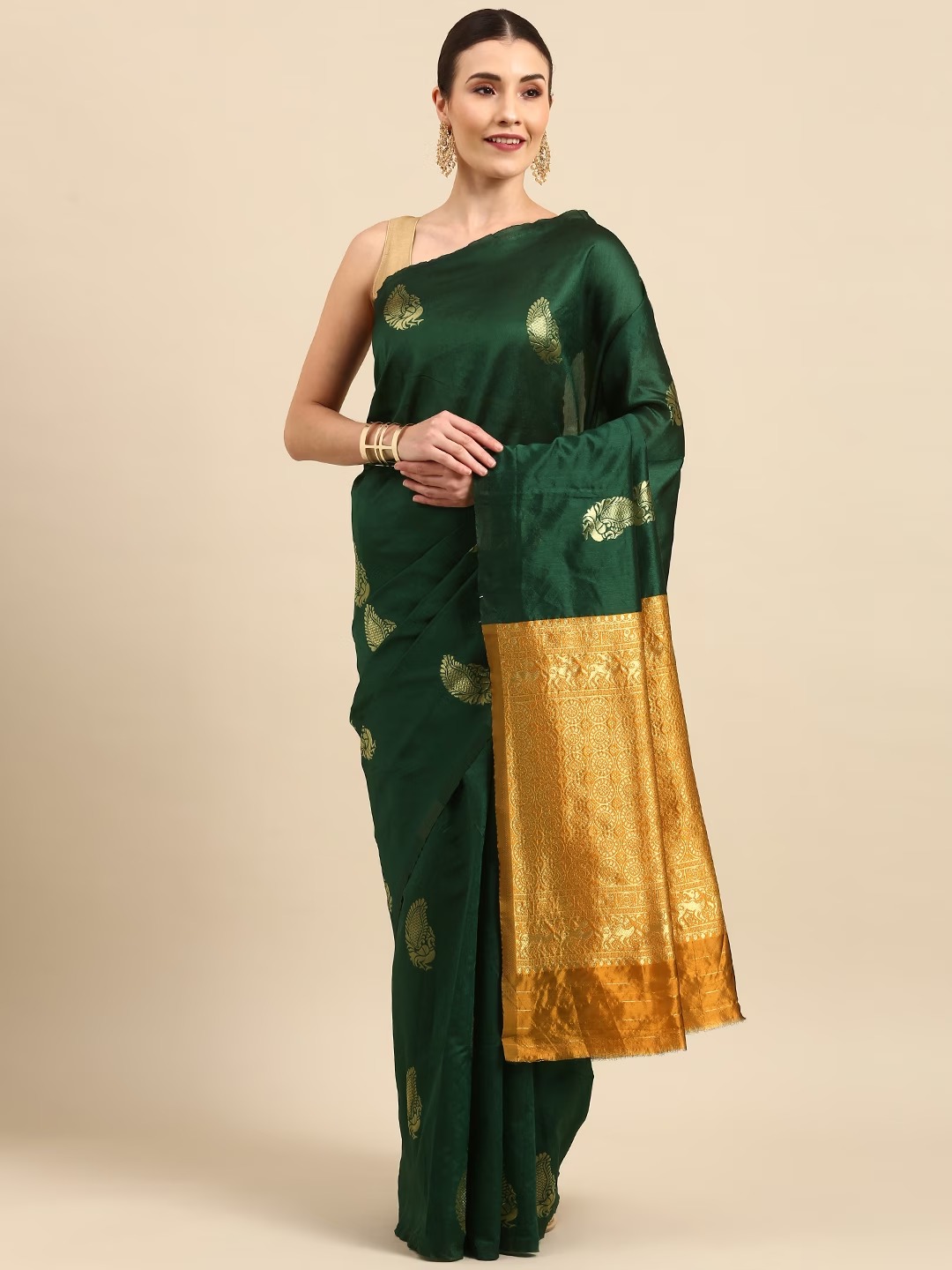
Banarasi silk provides a dense hand feel, a formal drape and a reflective zari surface that photographs well under indoor lighting. Bottle Green Banarasi Soft Silk Saree for Wedding Wear can carry a reception look with a fitted full-sleeve blouse, a warm petticoat and a shawl placed over one shoulder.
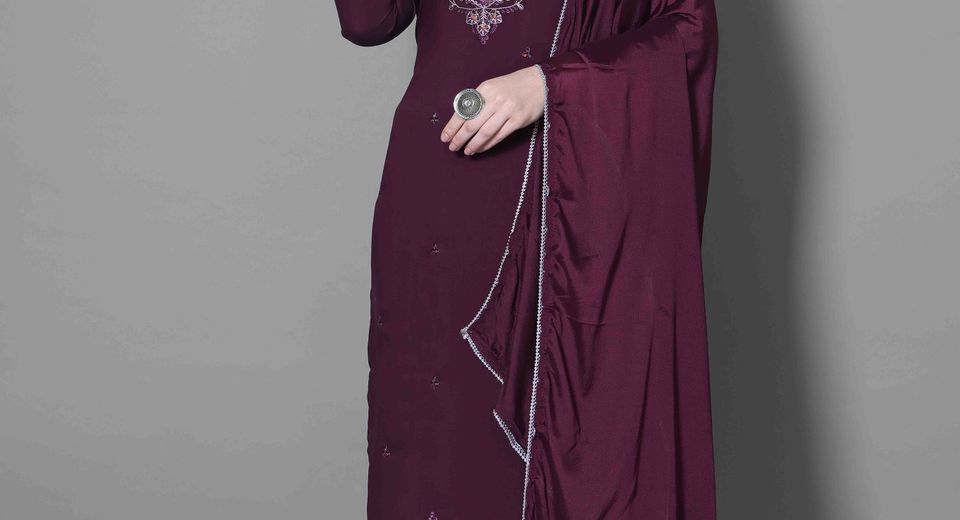
Silk blends are useful when pure silk feels too weighty or expensive for repeated wear. Wine Embroidered Silk Blend Kurta Dupatta Set Women shows how embroidery and a coordinated dupatta can create occasion depth without requiring a separate jacket. Silk-blend trousers also tend to fall neatly over thermal leggings.
How lighter fabrics can work
Chanderi is polished but relatively light, so Chanderi outfits need a thoughtful base layer in Kashmir's cold months. Olive Embroidered Chanderi Kurta Pant Dupatta Set can work for a daytime wedding when paired with a full-sleeve inner top, opaque leggings and a lined shawl in olive, beige or antique gold.
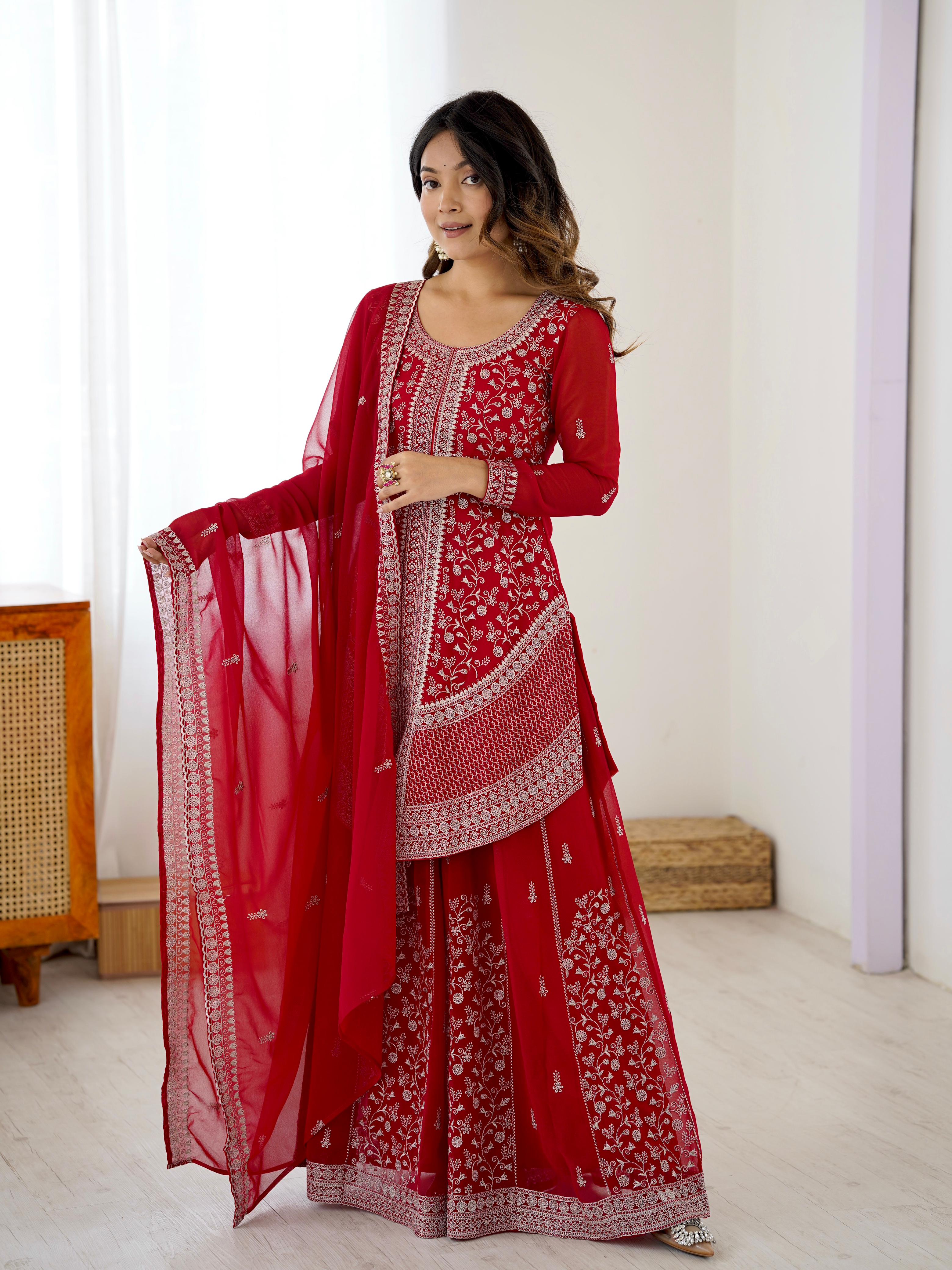
Georgette remains useful for movement because the fabric falls close to the body and doesn't create excessive volume under a coat. Red Embroidered Georgette Plazo Set for Women suits a lively Mehendi or Sangeet setting when the palazzo hem is kept clear of wet ground and the dupatta is pinned at both shoulders.
Can cotton salwar suits work for a winter wedding?
Cotton salwar suits can work for a winter wedding when they're layered correctly, especially for a daytime Haldi ceremony or an indoor family gathering. Thick cotton, cotton-silk and lined constructions are more suitable than very fine summer cotton.
A cotton suit can be worn over a thermal camisole, with a wool-blend stole and a sleeveless long jacket added for warmth. Lightweight cotton should not be treated as a complete evening outfit in sub-zero weather because it offers limited protection while travelling between venues.
Winter Wedding Fashion in Kashmir: How should sarees be layered?
A winter saree should be layered underneath and over the drape without disturbing the pleats. Start with a warm, well-fitted petticoat or insulated underskirt, choose a full-sleeve blouse and add a shawl or cape that can be removed indoors.
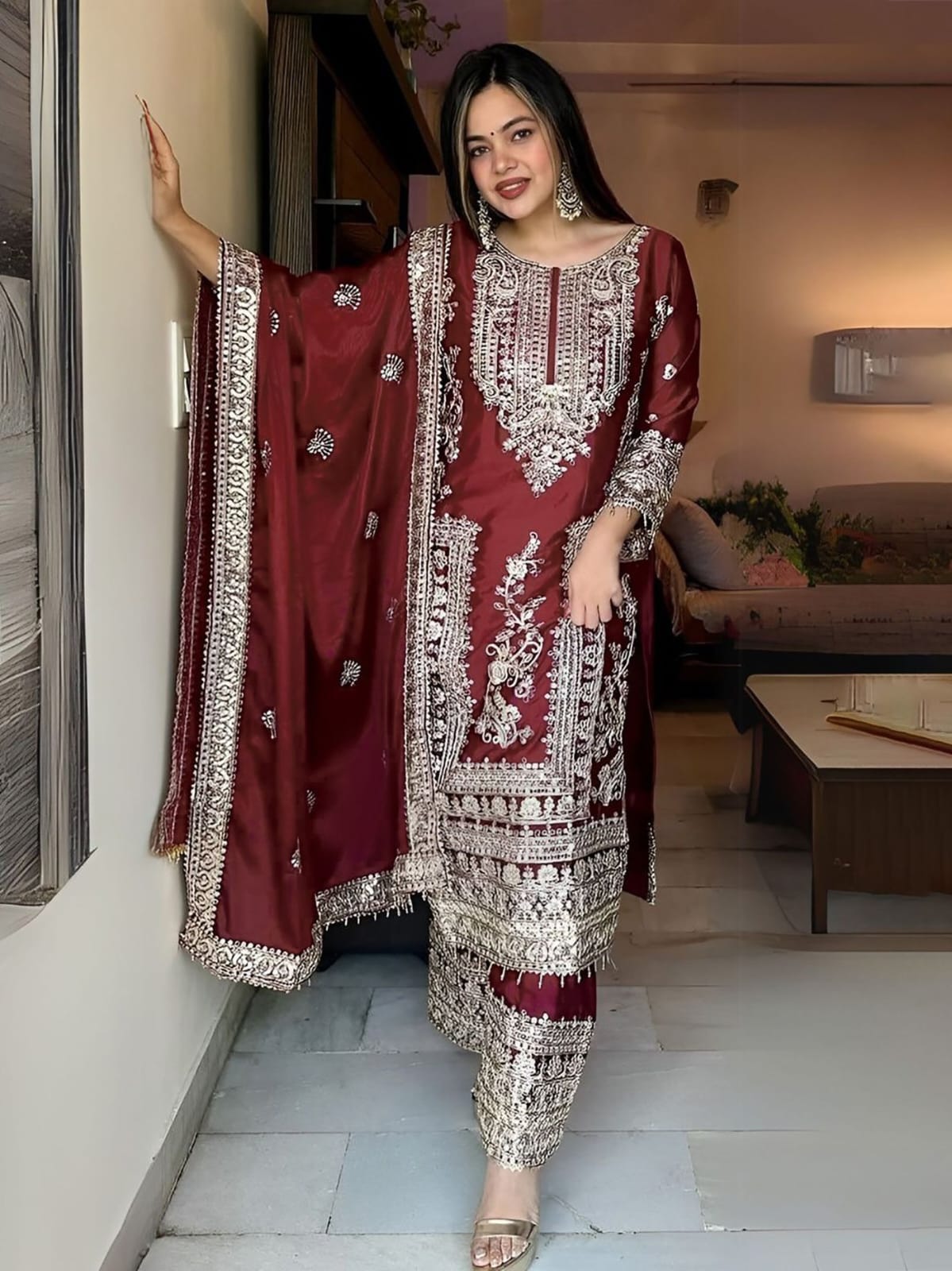
The blouse is the most useful place to add warmth because it remains close to the body and doesn't alter the saree's silhouette. Velvet, silk, brocade or lined satin blouses provide more protection than thin net blouses. A high neck, elbow-length sleeve or fitted full sleeve can look formal when finished with zari edging or small embroidered motifs.
Secure the saree before adding outer layers. Make firm pleats, place safety pins discreetly at the shoulder and waist, and use a brooch only after checking that the fabric can support its weight. A narrow belt over the saree can stabilise the drape, but the belt should sit comfortably above the natural waist rather than compressing the pleats.
Use the pallu as a visible styling element and a practical shield. A zari pallu folded into a broad front drape adds warmth across the chest, while a shawl worn over both shoulders protects the back during outdoor photographs. For a green saree, antique gold, charcoal, deep wine or cream layers usually create more depth than a bright competing colour.
Keep the outer wrap proportionate to the saree. A very thick blanket-style shawl can conceal the border and make the upper body look crowded. A medium-weight wool, pashmina-style or silk-wool wrap gives better control, particularly when the saree already contains zari or dense embroidery.
Winter Wedding Fashion in Kashmir: Which salwar suits suit each event?
Full-sleeve straight suits, layered Anarkalis, palazzo sets and long kurta sets are the most useful silhouettes for winter weddings because they cover the body while allowing a removable layer over the top.
What works for ceremonies and family rituals?
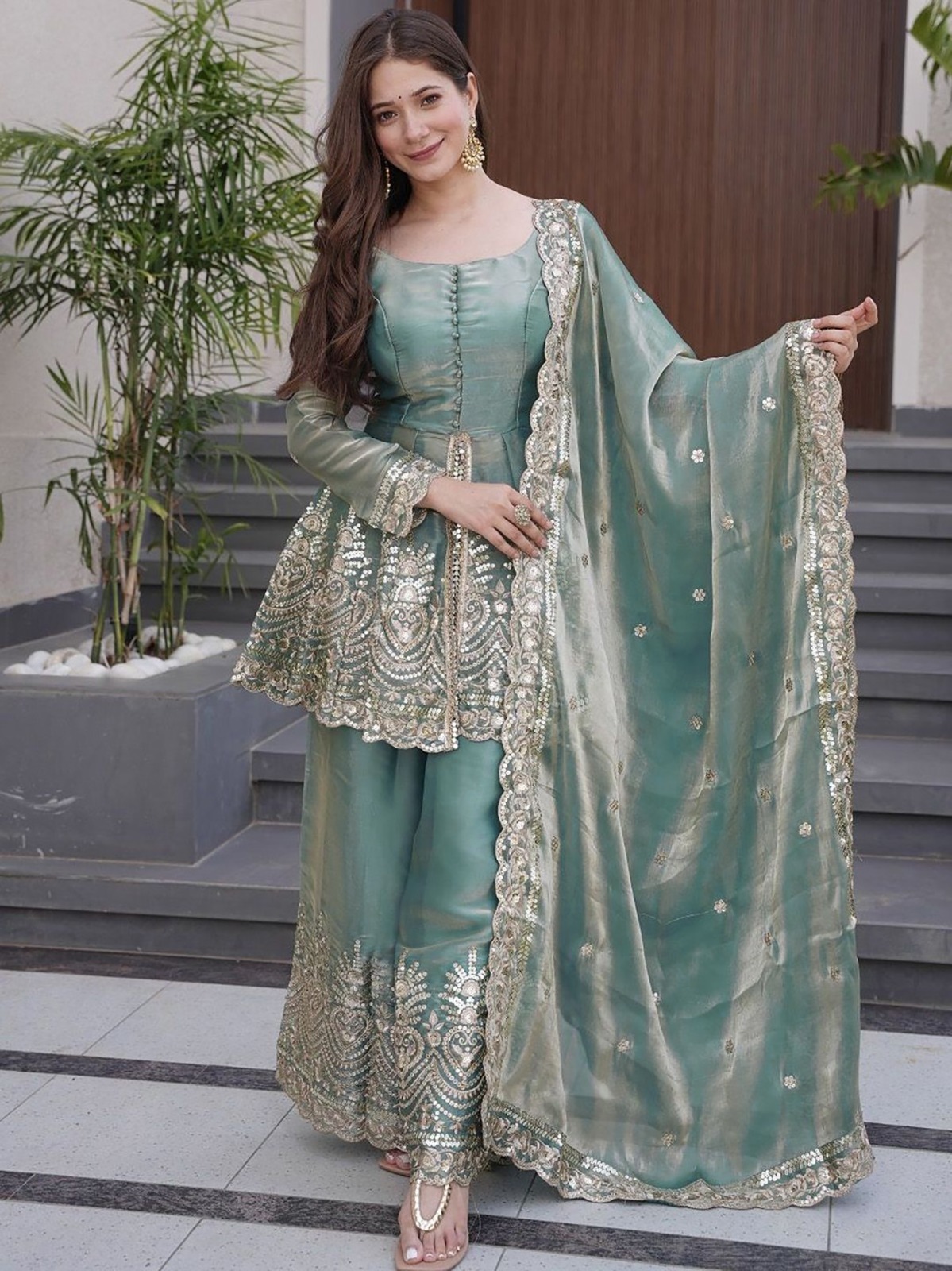
A straight kurta with tapered pants gives a polished shape for a wedding ceremony and remains easy to wear under a long coat. Sea Green Embroidered Silk Kurta Set with Dupatta gives a refined silk-based look: keep the dupatta pinned at one shoulder for rituals and release it across both shoulders when stepping outside.
For a more traditional appearance, a palazzo suit balances a fitted upper layer with generous movement below. Maroon Wedding Wear Embroidered Palazzo Suit Set has the depth expected from a formal wedding colour while allowing the legs to move comfortably during greetings, dining and seated ceremonies.
What should you wear to a Mehendi or Sangeet?
A palazzo or lightly flared suit is better than a narrow churidar when the event involves dancing, climbing stairs or sitting on the floor. The trouser should skim the ankle without dragging, and the dupatta should be secured with small pins at the shoulder and side seam.
Bright embroidery works especially well for Sangeet photographs, but warmth should not depend on surface decoration. Wear a thin long-sleeve base under the kurta if the cut allows it, or select a full-sleeve version and use a cropped embroidered jacket as the removable layer.
What works for an evening reception?
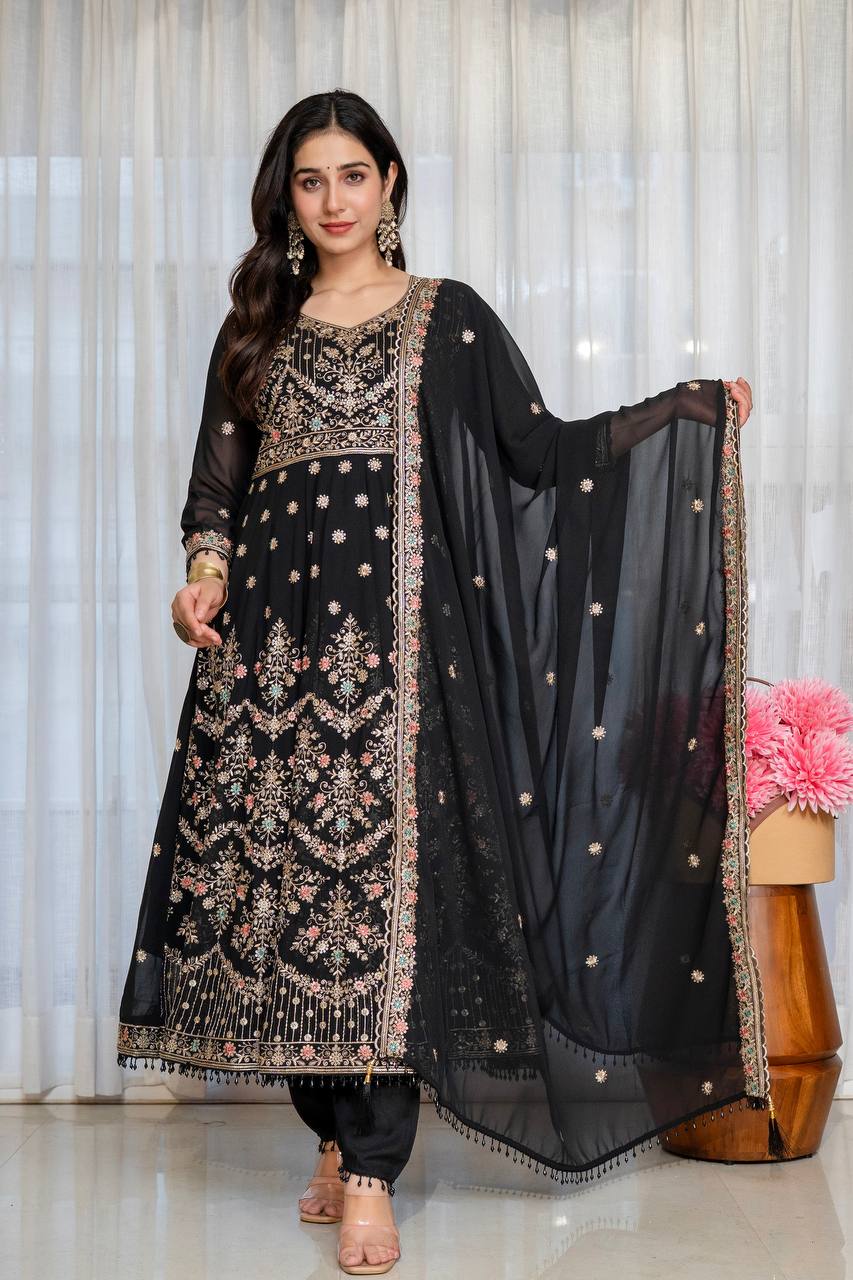
A dark Anarkali or embellished silk suit creates a formal reception look while offering more coverage than a lehenga blouse. Black Anarkali Suit Set with Sequin Zari and Moti Lace Work can be styled with closed footwear, a compact clutch and a black, silver or wine shawl so that the sequin zari remains visible rather than hidden under a bulky wrap.
Layered Anarkalis are particularly helpful for guests who want movement without exposing the legs to cold air. Choose a lining that doesn't cling to thermal leggings, and test the hem before wearing the garment outdoors because long flares can collect moisture, mud or snow.
Winter Wedding Fashion in Kashmir: How can layers stay sleek?
Ethnic wear looks streamlined in winter when layers share a colour family, follow the body's natural line and use different weights instead of several thick fabrics.

Begin with one thin base layer. A thermal vest or close-fitting long-sleeve top in black, beige, cream or a colour matched to the kurta disappears more effectively than a loose sweater. Add the main suit or saree, then choose only one substantial outer layer: a shawl, cape, long jacket or tailored wool coat.
Use vertical lines to preserve proportion. A long open-front jacket over a straight kurta elongates the body, while a short jacket works well over a high-waisted palazzo. A shawl draped from one shoulder to the opposite hip creates a diagonal line and keeps the outfit from appearing rectangular.
Match textures rather than making every layer identical. A smooth silk suit can take a softly brushed shawl, while a heavily embroidered kurta usually needs a plain wrap. Too many glossy surfaces compete with zari, sequins and threadwork; one reflective element is often enough for a sophisticated photograph.
Colour layering can be precise without becoming monotonous. Navy, bottle green, maroon, wine and black offer depth for evening events, while sea green, olive, ivory and muted rose suit daytime ceremonies. A contrasting dupatta is useful when the base outfit is plain, but keep the shawl close to the same tonal family.
Navy Blended Silk Zari Kurti Pant Dupatta Set is an example of a darker, coordinated outfit that can take a neutral wool coat without losing its festive character. For a slightly softer palette, Olive Embroidered Chanderi Kurta Pant Dupatta Set works with a camel, cream or muted brown outer layer.
Winter Wedding Fashion in Kashmir: How do you choose a practical readymade suit?
A practical readymade salwar suit for a Kashmiri winter wedding should be judged by sleeve coverage, fabric weight, lining, trouser ease, dupatta length and ease of layering rather than embroidery alone.
Check the size chart against your actual body measurements, especially the upper arm, bust, waist and hip. Leave enough room for a thin thermal layer but avoid excessive looseness, which allows cold air to circulate and can make a dupatta sit unevenly. Trouser length should be tested with the footwear intended for the wedding.
Inspect the finishing before the event. Look for secure embroidery, smooth inner seams, functional closures and a dupatta that's long enough to cover the shoulders. Trial-wear the complete outfit at least one week before travel so that alterations, sleeve extensions or extra hooks can be completed without rushing.
Different collections can suit different wedding moods. Delhi Wedding Salwar Suits may be useful for structured urban wedding styling, while Punjab Phulkari Embroidered Salwar Suits can add colourful threadwork to a daytime function. Karnataka Silk Salwar Suits and Maharashtra Paithani Inspired Salwar Suits offer silk-led alternatives when a guest wants a more time-honoured textile mood.
Kalamkari Print Salwar Suits (Copy) can work for a smaller daytime function when paired with a solid wool shawl and understated jewellery. For heavily formal events, prioritise fabric density, full sleeves and a substantial dupatta before selecting additional surface decoration.
Winter Wedding Fashion in Kashmir: What should you pack and check?
Pack each outfit with its complete winter system: base layer, main garment, dupatta, shawl, footwear, pins and a weather-appropriate outer layer. This method prevents a festive suit from becoming unusable because the matching wrap or practical shoes were forgotten.
- For the saree: carry a warm underskirt, full-sleeve blouse, discreet safety pins, a medium-weight shawl and closed footwear.
- For the salwar suit: pack a thermal top, opaque leggings if needed, a pinned dupatta plan and a long coat or jacket that doesn't crush the embroidery.
- For outdoor photographs: keep a neutral shawl nearby, choose a non-slip sole and avoid letting hems touch wet snow or muddy ground.
- For long events: carry blister plasters, hair pins, a small sewing kit and a fabric-safe stain-removal wipe.
Jewellery should support the outfit's focal point. Zari-heavy clothing usually needs one strong element such as jhumkas, a choker or bangles rather than several competing pieces. A brooch can secure a slippery dupatta, but test its placement first so that it doesn't snag silk or georgette.
Cold-weather makeup and hair also benefit from restraint. Moisturise before applying makeup, choose a setting product that can handle indoor heating and use a low bun or braid when a shawl or coat will cover the shoulders. A secure hairstyle keeps the face visible in photographs without requiring repeated adjustments outdoors.
The best winter wedding outfit is the one that remains comfortable after the first photograph, the third greeting and the final meal.
Common Questions About Winter Wedding Fashion in Kashmir
Which salwar suit is trending for a winter wedding?
Silk kurta sets, layered Anarkalis, palazzo suits and embellished straight suits are strong choices because they look festive while accommodating full sleeves and warm outer layers. Wine, maroon, bottle green, navy and black are especially practical for evening celebrations.
What are some good salwar suits for a wedding party?
Embroidered silk suits, zari-detailed Anarkalis and palazzo sets are suitable for a wedding party. Sea Green Embroidered Silk Kurta Set with Dupatta suits a refined ceremony look, while Maroon Wedding Wear Embroidered Palazzo Suit Set offers movement for a larger celebration.
Can cotton salwar suits be worn to a winter wedding?
Cotton salwar suits can be worn to a daytime wedding when the fabric is substantial and the outfit includes a thermal base, wool-blend shawl or long jacket. Fine summer cotton alone is not sufficient for a cold outdoor evening in Kashmir.
How can a heavy dupatta be styled in cold weather?
A heavy dupatta can be pinned at one shoulder and the side seam for rituals, then spread across both shoulders outdoors for additional coverage. Keep the base layer fitted so the dupatta does not create unnecessary bulk.
Are readymade salwar suits suitable for wedding travel?
Readymade salwar suits are suitable when the size, sleeve coverage, fabric weight and trouser length are checked before travel. Trial-wear the complete outfit with thermal layers, footwear and the intended shawl at least one week before the wedding.
Where can I buy wedding suits online?
Wedding suits can be bought online from established ethnic-wear stores that provide garment measurements, fabric details, care information and a clear exchange process. Compare the size chart with your own measurements and select a style that leaves room for a thin winter layer.