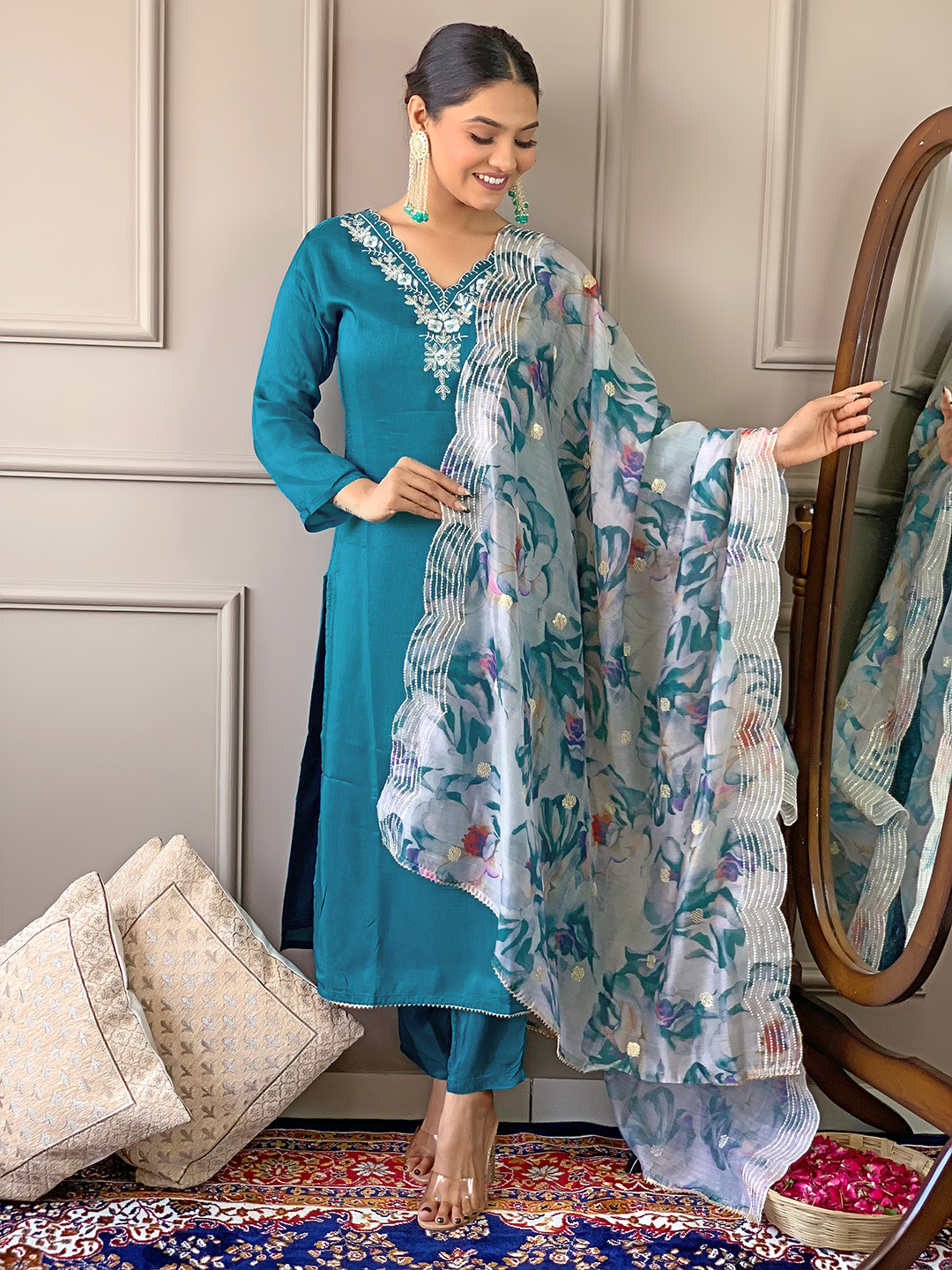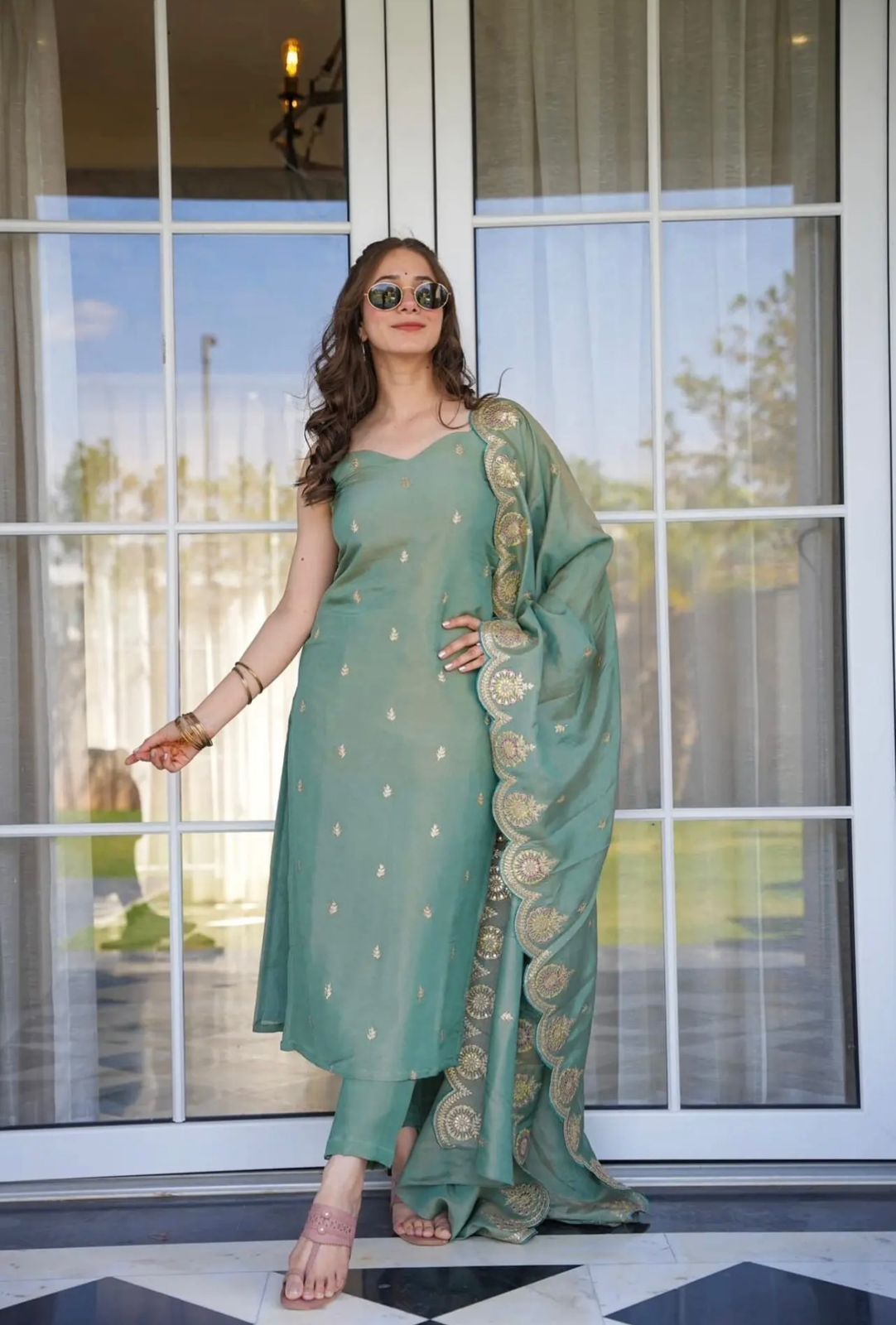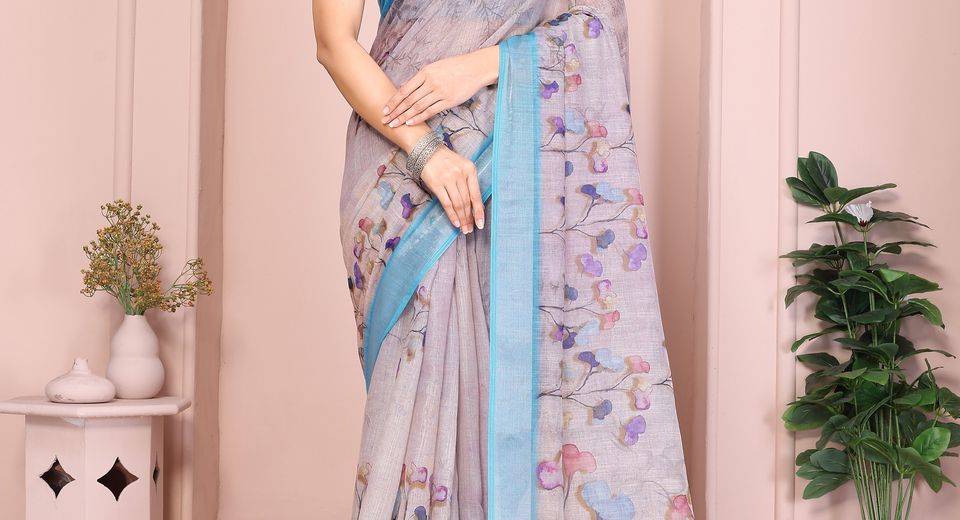
Why saree is best isn't only a question of tradition or appearance. A saree is a six- to nine-yard garment that can change its character through fabric, drape, blouse, pleats and accessories. The same wardrobe can take you from a workday to a family dinner, a Haldi ceremony or a wedding reception without requiring a completely different silhouette. The practical advantages are equally important: an adjustable fit, hundreds of regional weaves, easy styling changes and useful repeat-wear value.
Choosing well matters more than choosing expensively. A breathable cotton saree can be more useful than a heavy silk saree for daily wear, while zari, brocade or Banarasi silk can supply ceremony-ready detail without elaborate embellishment. The best saree is the one whose fabric, weight, colour and construction suit your body, schedule and event.
Why saree is best for a versatile Indian wardrobe
A saree is best for wardrobe versatility because one unstitched garment can be styled in several distinct ways. A conventional Nivi drape with a neat pallu looks polished, a slimmer pleat arrangement feels contemporary, and a belt or structured blouse creates a more defined festive outfit. Changing the blouse from a high-neck cotton style to a sleeveless silk style can alter the visual balance without replacing the saree.
Versatility also comes from the range of textiles available. Cotton, linen cotton and Chanderi suit warm daytime settings because they generally feel lighter and allow more airflow. Banarasi silk, Kanjeevaram silk and silk blends offer a richer fall for festivals, receptions and formal family events. Tissue weaves add a subtle sheen, while printed sarees can make everyday dressing feel less repetitive.
An useful wardrobe plan includes at least one breathable daily saree, one adaptable printed or textured saree, and one dressier silk or zari option. A Pastel Floral Tissue Handloom Cotton Saree with Zari Weaves illustrates how a relatively soft colour palette can gain occasion value through a restrained zari detail. A Pastel Linen Cotton Floral Print Saree with Designer Blouse shows how a coordinated blouse can reduce styling effort for daytime dressing.
How does a saree provide a more adjustable fit?
A saree provides an adjustable fit because the garment is wrapped around the body rather than cut into a fixed waist, hip and leg shape. The petticoat or underskirt establishes the foundation, while the number of pleats, waist position and pallu placement can be adjusted for comfort and coverage.
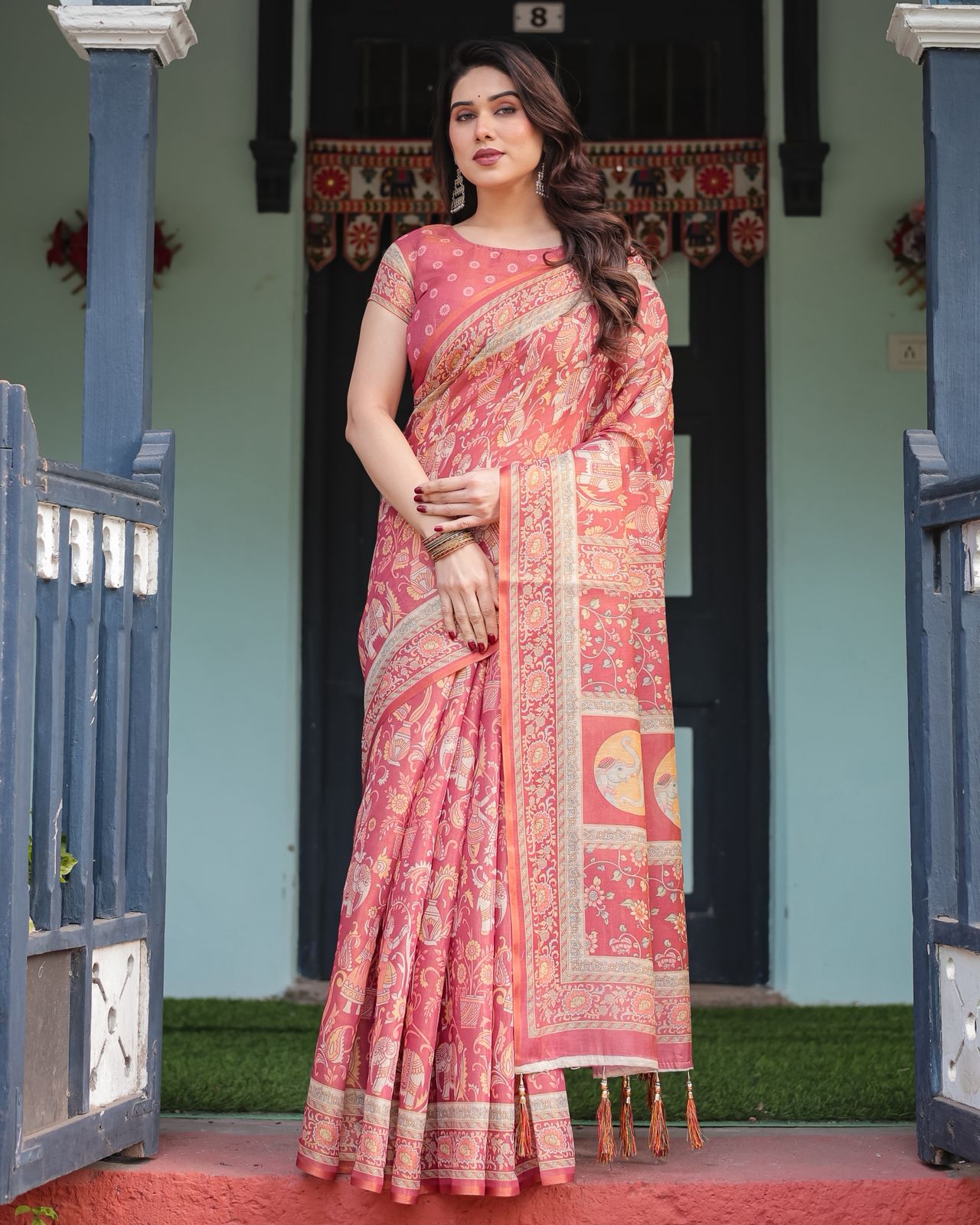
The fit still depends on correct preparation. A petticoat should sit securely at the natural waist or slightly above it, depending on the drape, and should not be so loose that the saree slips. A cotton underskirt gives firmer support for heavier Banarasi silk or zari sarees; a smoother satin-style petticoat can reduce friction under lighter fabrics. The blouse must be fitted accurately because the blouse supports the upper edge and strongly affects posture.
Height and body proportions can also be balanced through styling. Taller wearers may prefer a wider border or longer pallu, while a narrow border and vertical pleats can create a clean line on a petite frame. A mid-weight saree is often easier for beginners than a very slippery satin or a heavily stiffened silk. An adjustable fit doesn't mean every saree will fit automatically; it means the wearer has more control than with a fully tailored one-piece garment.
Which saree fabrics work best for different occasions?
The best saree fabric depends on the temperature, duration, movement and formality of the event. Cotton and linen cotton are practical for long daytime wear, silk and zari fabrics suit formal celebrations, and soft silk blends provide a middle ground between comfort and shine.
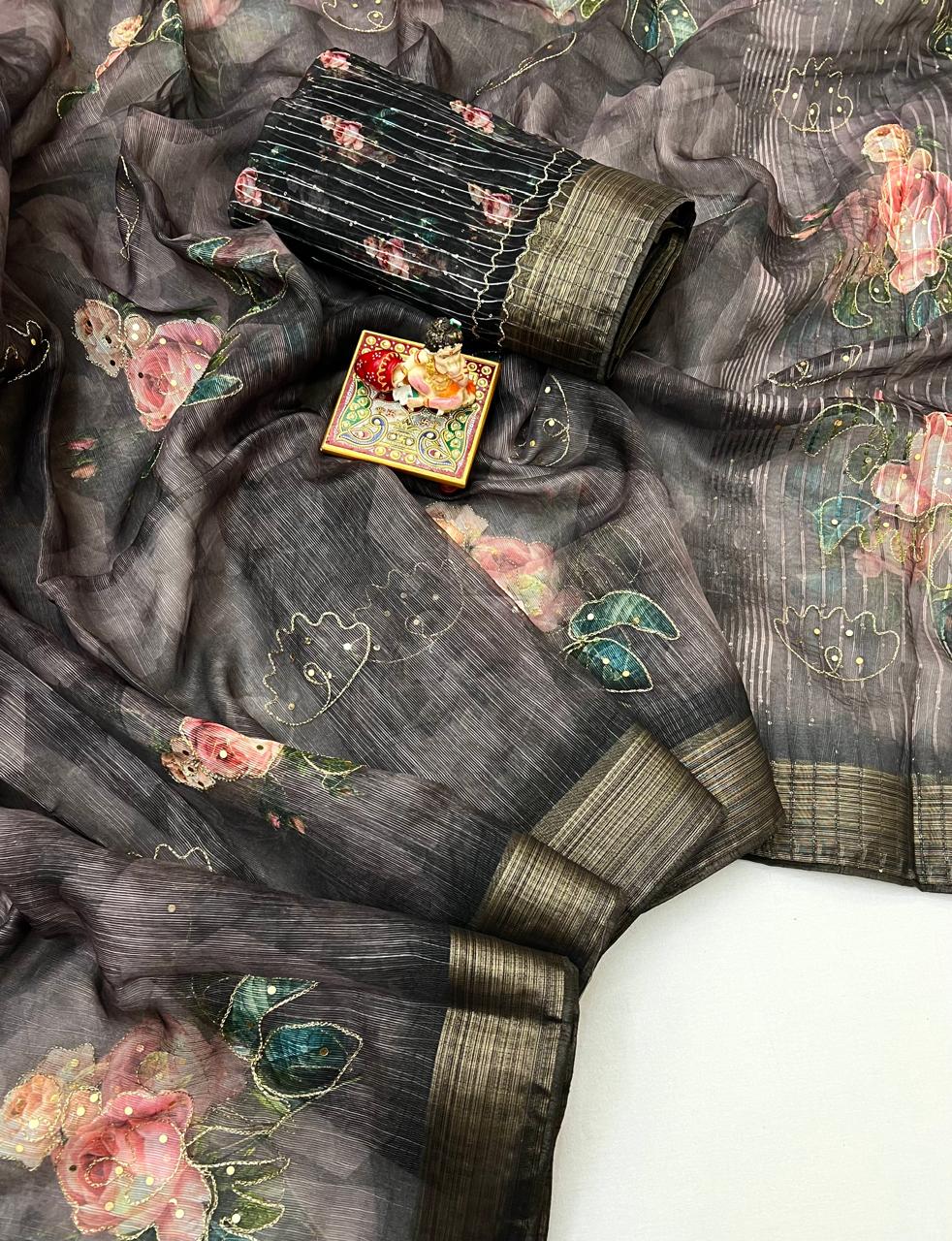
Daily wear and office dressing
Cotton sarees work well for daily wear because they're breathable, relatively easy to pin and visually polished without appearing overdressed. Teal Green Cotton Saree for Women Online India is an example of a saturated colour that can be paired with a simple blouse and minimal jewellery. Cotton should be folded only after it's completely dry, since trapped moisture can encourage mildew and weaken the fabric over time.
Linen cotton combines a crisp surface with a lighter, relaxed appearance. Floral prints and subdued pastels are useful for offices, lunches and daytime cultural programmes because they don't depend on heavy ornamentation. Chanderi can also work for daytime festive dressing, although the fine, delicate weave deserves careful handling and a smooth blouse lining.
Festivals and weddings
Banarasi silk and zari-rich silk sarees work best when the event calls for lustre, structure and traditional detail. Time-honoured Teal Banarasi Saree for Festive Wear demonstrates how a deep colour and woven surface can create impact without requiring a highly elaborate blouse. Red Banarasi Soft Silk Saree with Jacquard Zari Border offers a warmer, more formal direction through the combination of a soft silk body and patterned zari border.
Kanjeevaram is associated with a more structured silk presence and classic wedding dressing, while Banarasi silk is known for richly woven motifs and a distinctive formal sheen. A silk blend may be easier to wear for several hours than a very heavy pure silk saree, especially when the pleats are secured correctly. For a reception, a Red Woven Zari Silk Blend Saree With Brocade Blouse can create a coordinated effect because the blouse repeats the saree's woven richness.
Why does the saree remain relevant to modern styling?
The saree remains relevant because it accepts contemporary styling without losing its cultural identity. Contemporary relevance comes from choices in blouse shape, footwear, layering, drape height and accessories rather than from abandoning the garment's essential construction.
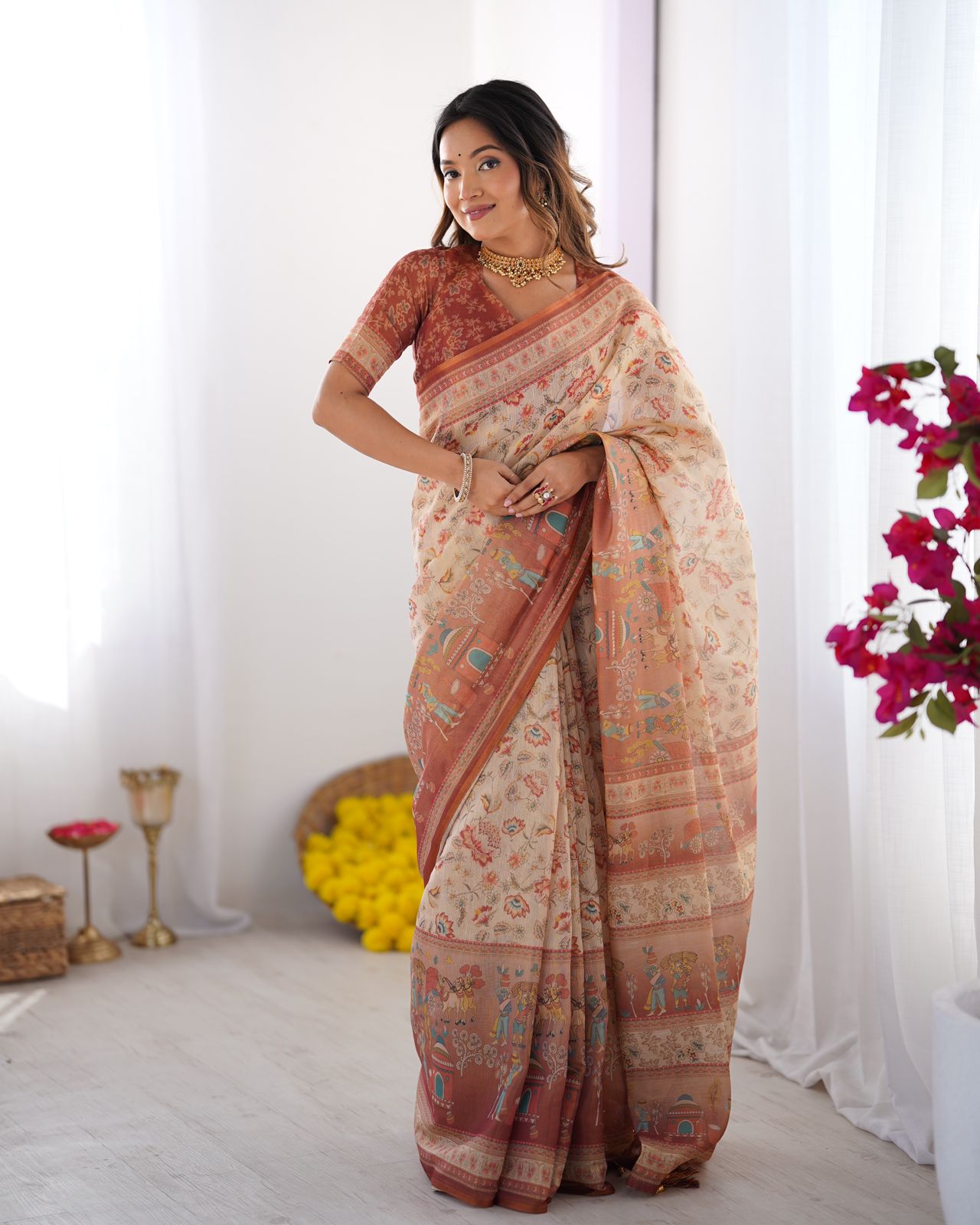
A belt over the waist can keep pleats in place and create a sharper outline. A cropped jacket adds structure for an evening event, while a longline jacket can provide extra coverage in a formal setting. Sneakers or flat sandals can make a lightweight cotton saree practical for a daytime gathering; block heels can lift the hem for a more formal look without the instability of very narrow heels.
Jewellery can be scaled to the fabric. Antique gold or temple-inspired pieces complement Kanjeevaram and zari, while silver, pearls or small hoops keep linen cotton and printed sarees understated. A heavy necklace isn't necessary when the blouse, border and pallu already provide strong detail. A clean blouse neckline often makes more difference than adding another accessory.
Prints also broaden the saree's appeal. The Designer Rani Pink Patola Print Pashmina Silk Festive Saree uses the visual language of a heritage Patola-inspired print with the softer, warmer presence associated with pashmina silk. Such a saree can be styled with a plain blouse in a colour taken from the print, preventing the outfit from looking visually crowded.
How should you choose a saree for your body, climate and schedule?
You should choose a saree by prioritising fabric weight, fall, border scale and wearing time before selecting colour or embellishment. Those four checks predict comfort more reliably than a photograph alone.
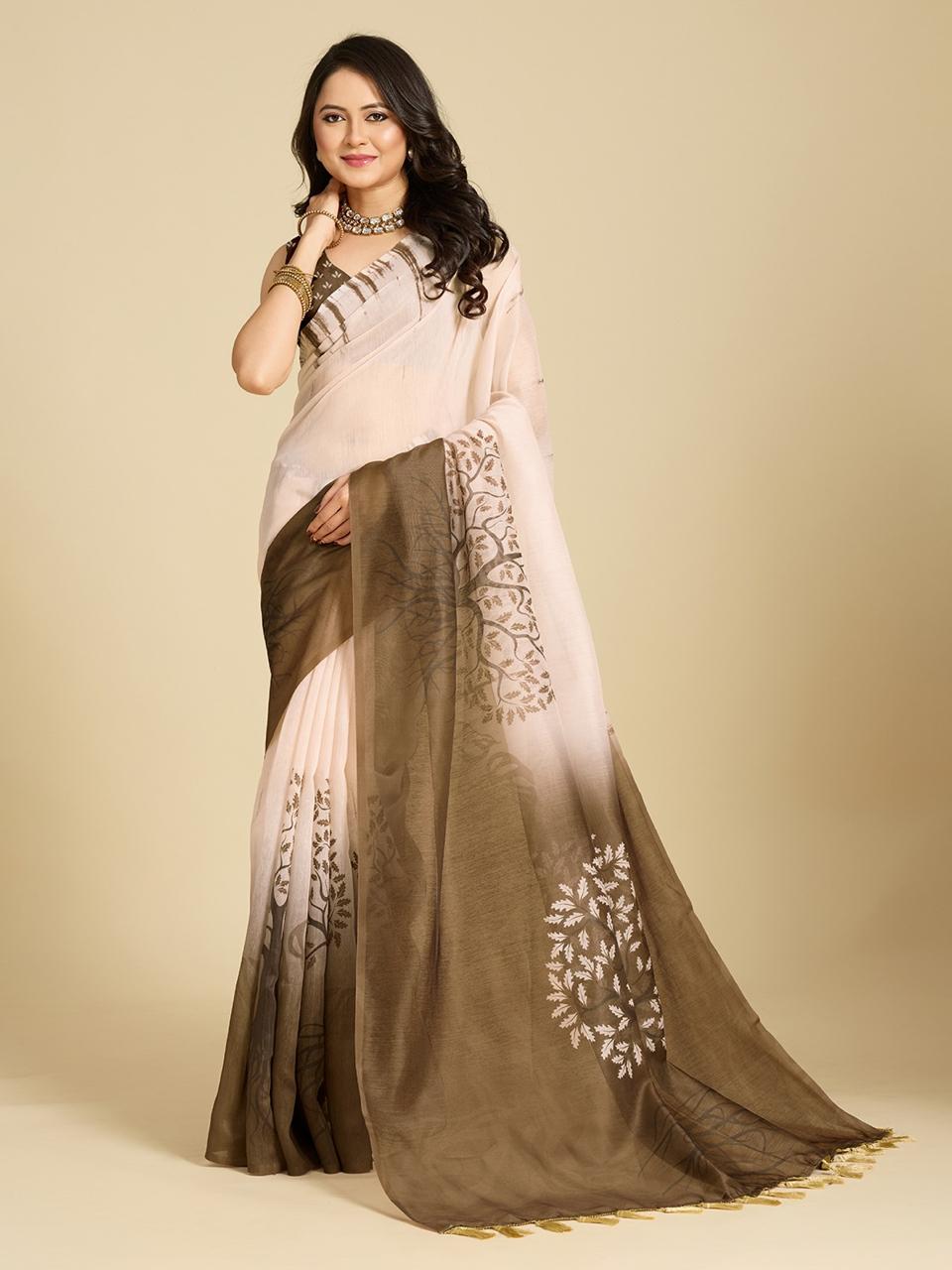
For hot or humid weather, select cotton, linen cotton or a light handloom with a breathable blouse lining. For air-conditioned venues or winter celebrations, soft silk, silk blends and woven fabrics can provide more body and warmth. A slippery fabric may look elegant but can require more pins and careful pleat-setting, so it's less convenient for a long event involving walking, sitting and dancing.
Border width changes proportion. A broad contrasting border becomes the main visual feature and suits a traditional formal look; a narrow border creates a lighter, more flexible appearance. Large motifs can feel dramatic and festive, while smaller floral prints are easier to repeat at work or daytime events. Darker shades often make zari stand out, but a pastel saree can appear equally formal when the weave, blouse and finishing are deliberate.
For online buying, read the listed fabric, saree length, blouse-piece information, weave or print description and care instructions together. A saree described as silk blend isn't the same as pure silk, and a zari weave isn't automatically the same as metallic embroidery. Check whether the blouse piece is attached, whether the border runs along both sides, and whether the stated length includes the blouse fabric before ordering.
What makes a saree a better long-term value?
A saree can offer strong long-term value because it's not restricted to one exact body measurement or one styling formula. A well-maintained saree can be re-draped with different blouses, worn across several types of events and passed between generations more easily than a heavily fitted garment.
Value should be measured by cost per wear, not only by the purchase price. A saree worn ten times for work, festivals and family meals may offer more value than a cheaper piece worn once because it's uncomfortable or difficult to style. Collections such as Sarees from Rs 1000 to Rs 1500 can be useful for building a practical rotation, while Sarees Under 20% Off and Sarees Under 10% Off allow shoppers to compare modest discounts without treating the percentage as proof of quality.
Construction and care determine longevity. Fold silk sarees with the inner side facing out, refold them every few months to avoid permanent crease lines, and store them in breathable cotton or muslin rather than sealed plastic for long periods. Keep zari away from damp wardrobes, perfume and direct sunlight. Cotton sarees can usually be washed according to their care label, but handloom, silk and zari sarees are safer when professionally dry-cleaned or handled exactly as the maker recommends.
Discount-led browsing can still be sensible when the product details are clear. Sarees Flat 60% Off and Sarees Flat 50% Off may help with occasion planning, but a buyer should verify fabric composition, blouse length, return conditions and visible weave irregularities before deciding. A handloom slub or minor variation can be a characteristic of the weave, whereas a pulled thread or damaged zari needs closer inspection.
How can one saree be styled for more than one event?
One saree can serve more than one event when the blouse, accessories, drape and footwear are changed rather than repeating the complete outfit unchanged. This approach increases wardrobe use while keeping the saree recognisable and personal.
For a daytime family lunch, pair a printed or cotton saree with a plain blouse, minor earrings and flat sandals. For a festive evening, use a brocade or silk blouse, stronger earrings and a neat, high pleat arrangement. For a wedding reception, add a structured blouse, a clutch and a more polished pallu finish. A plain blouse in white, ivory, gold or a colour drawn from the saree can often create more combinations than a blouse with a competing print.
The drape should match the activity. A securely pinned Nivi drape is reliable for walking and sitting, while a shorter pallu or belt can reduce snagging during a busy Haldi ceremony. Heavy pallu work should be supported with discreet pins placed from the reverse side, and the saree hem should clear the floor by roughly one to two centimetres when worn with the intended footwear.
Why saree is best when personal expression matters
Why saree is best for personal expression is simple: the wearer controls nearly every visible layer, from textile and colour to pleat width and jewellery. Regional identities can be acknowledged through Banarasi silk, Kanjeevaram, Chanderi, Patola-inspired prints or zari, while personal taste appears through the blouse, drape and styling choices.
A saree doesn't require one definition of elegance. A handloom cotton saree can communicate restraint, a bright silk saree can communicate celebration, and a tonal linen cotton saree can express current simplicity. The most successful choice isn't necessarily the heaviest or most decorated one; it's the saree that feels comfortable enough to wear confidently and specific enough to suit the occasion.
That combination of adaptability, cultural depth, adjustable fit and repeat-wear potential explains the garment's lasting place in Indian wardrobes. When fabric and care are chosen thoughtfully, a saree becomes more than occasion wear: it becomes a flexible system of dressing.
Common Questions About Choosing the Best Saree
Why saree is best for different body types?
A saree is adaptable for different body types because the drape, pleat width, waist height and pallu position can be adjusted. Border scale and fabric weight also help create a proportion that feels balanced and comfortable.
Which saree fabric is best for summer?
Cotton and linen cotton are generally the best saree fabrics for summer because they feel lighter and allow better airflow than heavy silk or dense synthetic fabrics. Handloom cotton, printed cotton and light Chanderi are practical choices for daytime wear, subject to their care instructions.
Is Banarasi silk suitable for everyday wear?
Banarasi silk is usually better suited to festivals, weddings and formal events because its woven surface, silk body and zari can be heavier and more delicate than cotton. A lighter silk blend can provide a similar dressed-up effect with easier movement and maintenance.
How do I make one saree look different for two occasions?
Change the blouse, jewellery, footwear and pallu treatment to make one saree look different for two occasions. A plain blouse and flats create a daytime outfit, while a structured blouse, statement earrings and dressier footwear create an evening look.
What should I check before buying a saree online?
Check the fabric composition, saree length, blouse-piece details, border description, weave or print, care instructions and return terms before buying a saree online. Product photographs should be compared with the written specifications because colour and sheen can vary by screen.
How should I store a silk or zari saree?
Store a silk or zari saree clean and completely dry, folded with the inner side facing out and wrapped in breathable cotton or muslin. Refold the saree every few months, keep it away from perfume and moisture, and follow the stated professional-cleaning guidance.