Key takeaways
- A saree fall is a strip of fabric stitched along the lower inner hem to reinforce the edge and reduce abrasion.
- A fall helps the saree hang evenly, but a fall does not create pleats or replace correct waist tucking.
- Cotton, linen, Chanderi and silk sarees need different fall weights so the hem is supported without becoming stiff.
- A saree fall should usually be stitched 1 to 2 centimetres above the bottom edge and should not show from the outside.
- A fall can be unnecessary for some lightweight sarees, pre-finished sarees or designs where added weight would distort the drape.
- A cotton or cotton-blend fall is generally more practical than synthetic satin for breathable everyday sarees.
Why saree fall is needed is a practical question, not merely a tailoring detail. A saree fall is a strip of fabric attached to the lower inner edge of a saree, usually to strengthen the hem, reduce friction and help the garment hang neatly. The fall is mostly hidden when the saree is worn, but its effect becomes noticeable during walking, pleating and repeated washing.
The right fall can extend the useful life of a saree, especially when the hem repeatedly touches the floor, footwear or rough surfaces. The wrong fall can make a delicate saree stiff, pull the border out of shape or create an uncomfortable heavy line around the ankles. Understanding the purpose, material and stitching method helps you decide whether a saree needs one at all.
Why saree fall is needed in everyday wear
A saree fall is needed primarily because the lower hem receives repeated abrasion and tension during wearing. The reinforced strip protects the main saree fabric while helping the hem retain a cleaner shape.
The bottom edge of a saree faces more stress than most other areas. The hem may brush against the floor, catch on sandals, drag briefly while climbing stairs or rub against a chair. During draping, the lower edge is also folded, tucked and pulled several times. A fall absorbs part of this wear instead of allowing the saree fabric itself to fray quickly.
A fall also gives the lower edge a little structure. That structure can help pleats hang in a more controlled line, particularly when the saree has a soft or fluid weave. A well-fitted fall doesn't make a saree stand away from the body; it simply prevents the hem from collapsing into an uneven, limp edge.
The fall is especially useful for sarees worn frequently. A Peach Linen Cotton Printed Saree for Women Online or a Coral Floral Linen Cotton Saree with Designer Border may encounter regular movement and washing, so hem reinforcement can be useful. A saree reserved for occasional use may experience less abrasion, although its fabric and finishing still determine whether a fall is advisable.
What does a saree fall do to the drape?
A saree fall helps the lower edge hang evenly and gives the drape controlled weight without changing the basic construction of the saree.
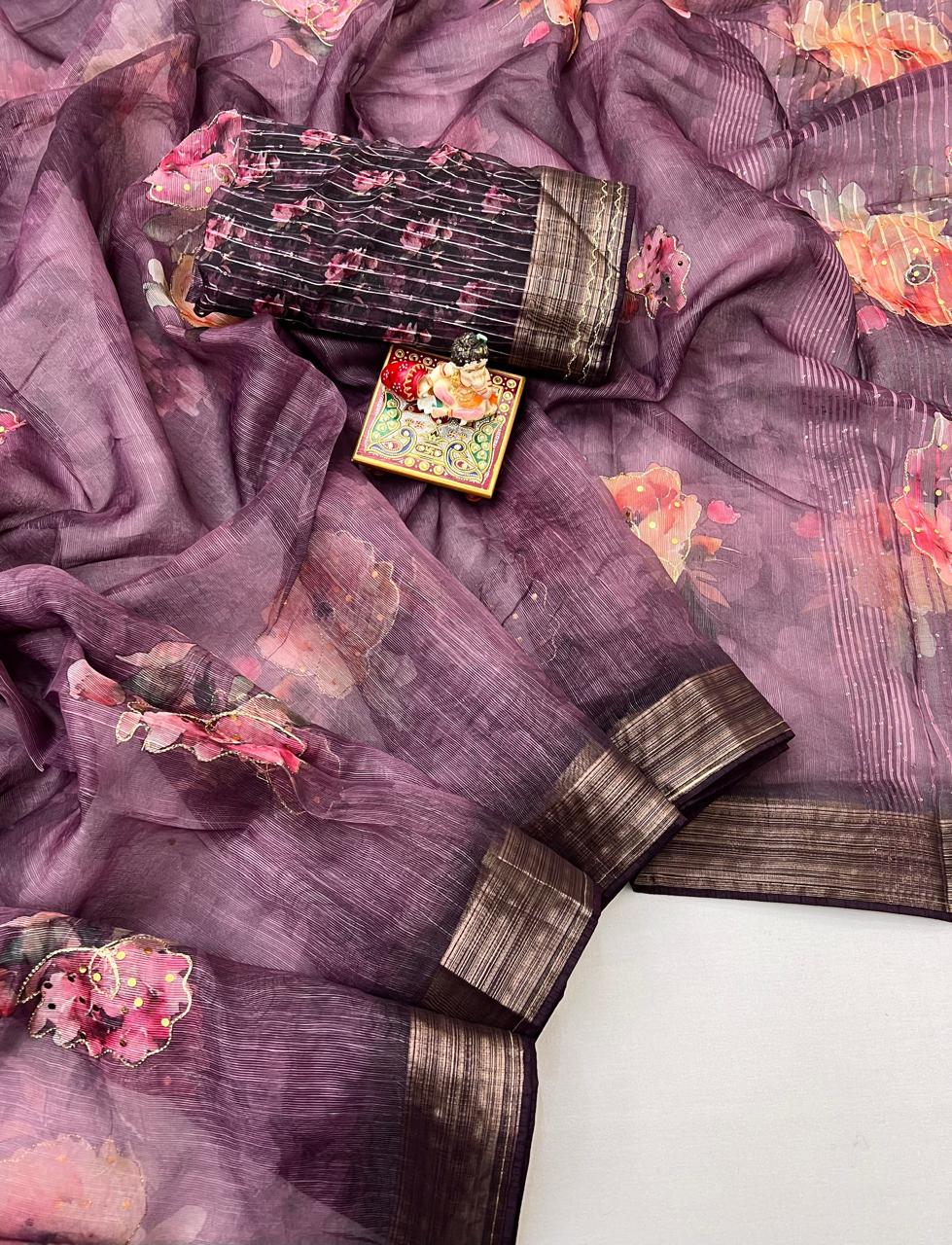
Many people assume that a fall is responsible for making pleats stay in place. Pleat quality actually depends more on the saree's fabric, ironing, waist tuck and pinning. A fall supports the hem of those pleats, but it can't compensate for loose tucking or a slippery fabric.
On a lightweight saree, a fall can prevent the bottom from fluttering excessively and can make the border appear more level. On a medium-weight cotton saree, the fall can make the front pleats settle closer to the legs. On a heavier saree, too much added material may create the opposite result by making the lower edge bulky.
Drape changes also depend on the weave. Banarasi silk often has enough body from its zari and densely woven surface, while Chanderi may benefit from a light, flexible reinforcement. Kanjeevaram sarees are structured and substantial, so a heavy fall is rarely the best choice. Chanderi, Banarasi silk and Kanjeevaram should not be treated as if they require identical tailoring.
Does a fall improve comfort?
A properly chosen fall can improve comfort by stopping the hem from twisting and by reducing the need to repeatedly adjust the lower edge.
Comfort depends on correct placement. A fall that's too wide may feel stiff around the ankles, while a fall stitched below the true hem can scrape against the floor and become visible. A fall that's too narrow may fail to protect the portion of fabric that receives the most contact.
Which sarees benefit most from a fall?
Cotton, linen, soft silk and lightweight woven sarees generally benefit most from a carefully selected fall, while heavily structured sarees may need only a narrow or specially matched reinforcement.

Cotton sarees are often washed and worn repeatedly, making hem protection valuable. A Rust Red Handloom Printed Saree with Ethnic Border, for example, may be worn for daily outings or cultural events where movement is frequent. A breathable cotton or cotton-blend fall can protect the hem without making the saree feel synthetic.
Linen and linen-cotton sarees have a crisp surface but can develop edge wear if the hem repeatedly rubs against hard surfaces. A narrow, lightweight fall is usually more suitable than a thick one. The fall should match the saree's flexibility so the lower edge remains natural rather than board-like.
Chanderi has a light, elegant hand and may include fine zari or woven motifs. A Black Maroon Chanderi Printed Saree for Women can benefit from subtle reinforcement, but a heavy fall may pull the fabric down unevenly. A thin cotton or soft lining material is generally more compatible than a dense synthetic strip.
Silk sarees need a more individual assessment. A Maroon Cotton Saree with Zari Work for Wedding has decorative zari and a cotton base, so the border, weave and intended drape should be considered together. A fall can protect the lower edge, but the tailor should avoid stitching through or too close to delicate zari work.
Very light tissue and sheer sarees require particular care. A Pastel Floral Tissue Handloom Cotton Saree with Zari Weaves may need reinforcement to protect its hem, yet an opaque or heavy fall can alter the transparency and softness of the lower section. A matching lightweight material and fine stitching are safer choices.
How should you choose the right saree fall fabric?
The right fall fabric should support the saree without creating a visible change in weight, stiffness, colour or transparency.

Cotton is a dependable choice for everyday cotton, handloom cotton and linen-cotton sarees. Cotton falls are breathable, reasonably stable after washing and less likely to create a glossy line beneath a matte weave. A cotton-blend fall can work when extra smoothness or durability is required.
Polyester satin is widely available and slides easily, but satin isn't automatically the best option. Satin can feel warmer, reflect light through a sheer saree and behave differently from a textured handloom weave. Satin may be acceptable for some synthetic or slippery sarees, but the material should be tested against the saree before stitching.
Colour matters as much as fibre. A fall should be close to the saree's base colour or border colour, especially when the saree is translucent. A bright white fall under a cream or pastel saree can create a visible band. A dark fall under a sheer Chanderi or tissue saree can also show through the lower edge.
Weight matters most. A lightweight fall suits linen, organza, tissue and delicate Chanderi. A medium cotton fall suits many everyday cotton and cotton-blend sarees. A heavier reinforcement may suit a substantial silk saree only when the original fabric can support it without sagging.
How wide should the fall be?
A fall is commonly cut around 10 to 15 centimetres wide, but the correct width depends on the saree's hem, transparency and weight.
The strip should cover the inner lower section that faces friction while leaving the outer border and decorative edge undisturbed. A narrow fall may be appropriate for a saree with a wide woven border. A wider fall can protect a plain hem, provided the added material doesn't show or create stiffness.
How is a saree fall stitched correctly?
A saree fall should be stitched on the inner side, following the full lower hem with even tension and a small gap from the outer edge.
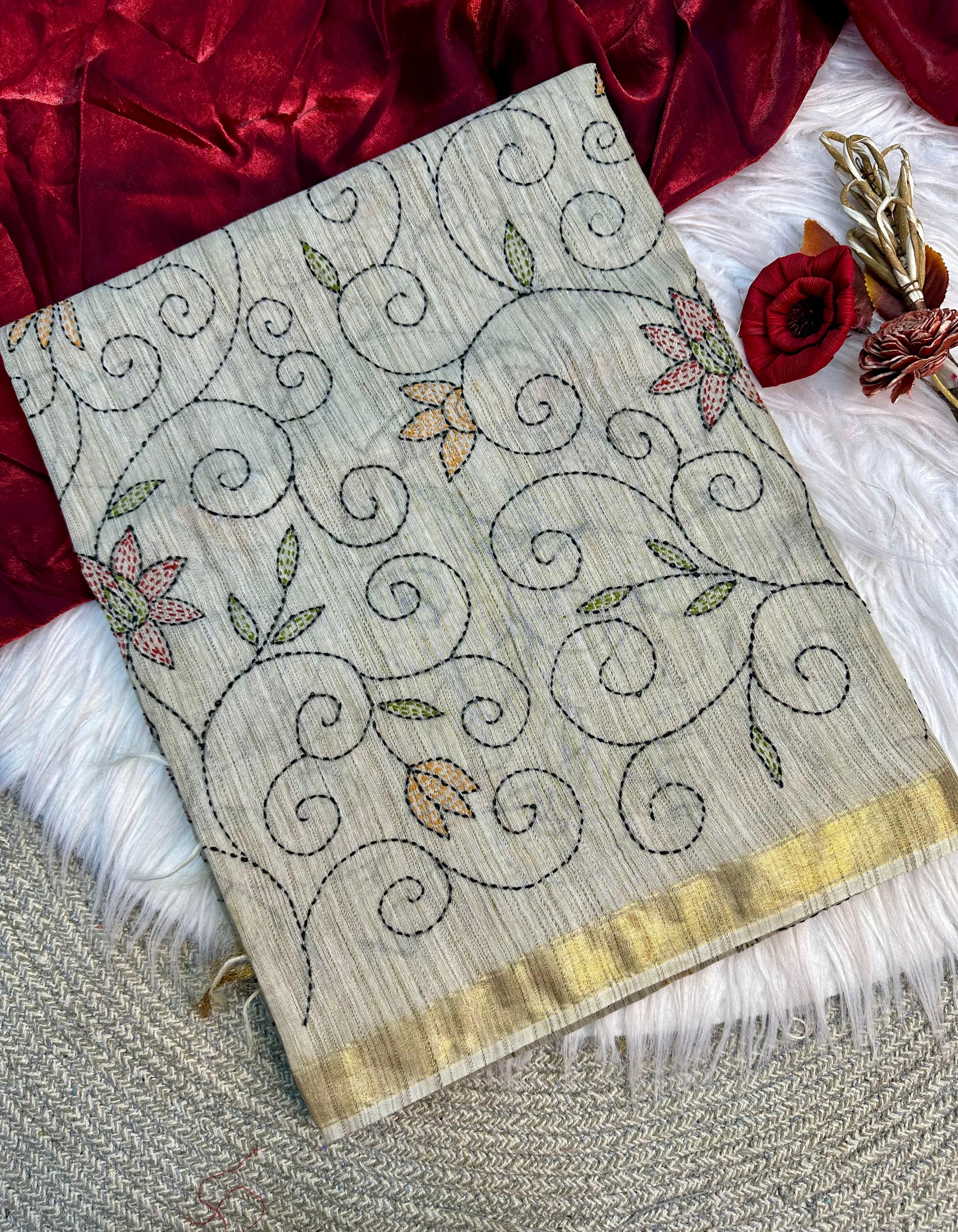
Before stitching, the saree should be spread flat and inspected for its true bottom edge. The fall is generally positioned about 1 to 2 centimetres above the edge rather than exactly on the outside border. Positioning the fall slightly inside protects the edge while keeping the stitching hidden from view.
The tailor should align the fall with the saree's grain and avoid stretching either layer. Uneven tension can cause puckering, while excessive pulling can make the saree curve inward at the hem. The starting and finishing points should be secured neatly, and the fall should follow the saree's full lower length.
Decorative borders need special handling. A zari border should not be crushed under a thick seam or pierced carelessly with large stitches. On a printed saree, the fall can usually be placed beneath the plain inner portion. On a saree with scallops, tassels or an irregular edge, the tailor may need to modify the fall rather than force a straight strip beneath a shaped hem.
A simple quality check is to hold the saree by the pallu and inspect the hem from both sides. The edge should lie flat, the fall should not peek out and there should be no ripples at regular intervals. The saree should also be draped once before final approval because a flat inspection can't reveal every movement problem.
When is a saree fall unnecessary?
A saree fall may be unnecessary when the saree has a pre-finished hem, a very delicate construction or a design that would be distorted by added weight.
Some lightweight synthetic sarees already have a finished lower edge designed to remain stable without additional reinforcement. A pre-stitched saree may also include its own hem treatment. Adding another layer in these cases can make the lower edge thick and uncomfortable.
A fall may also be unsuitable for an extremely sheer saree if no matching transparent or lightweight material is available. The purpose of protecting the hem must be balanced against the risk of creating a visible opaque strip. A professional tailor should assess the saree rather than applying a fall automatically.
Sarees with elaborate scalloped borders, cutwork edges, heavy fringe or attached embellishments often need border-specific finishing. A standard straight fall can interfere with the design. In such cases, edge binding, narrow lining or selective reinforcement may provide better protection.
The decision also depends on wearing habits. A saree worn once a year for a short indoor event has a lower abrasion risk than a daily cotton saree worn on public transport. A Lightweight Cream Saree with Designer Floral Pattern may need a fall if it's used regularly, but a delicate event-only saree may be better preserved with careful storage and limited handling.
How should you care for a saree after adding fall?
A saree with a fall should be washed, dried and stored according to the more delicate component, because the fall and saree may shrink or react differently to heat.
For cotton and linen-cotton sarees, cold or mildly cool water and a gentle detergent help reduce colour loss and shrinkage. Avoid wringing the hem, because twisting places stress on the seam joining the fall to the saree. Press excess water between clean towels or roll the saree loosely before drying.
Dry the saree in shade whenever possible. Direct, strong sunlight can fade prints and weaken some fibres over time. A saree should be supported across a broad line rather than hung from a narrow clip at one point, especially when the wet garment has a reinforced but still flexible hem.
Iron the saree from the reverse side using a temperature suitable for the saree's main fibre. Zari, tissue and delicate prints should not receive high direct heat. If the fall has become stiff or puckered after washing, don't keep ironing harder; the seam may need inspection and correction by a tailor.
For long-term storage, fold the saree loosely and refold it every few months to reduce permanent creases. Acid-free tissue between zari-heavy folds can help limit snagging. Store the saree clean and completely dry, because trapped moisture can affect both the saree and the attached fall.
How can you decide whether your saree needs a fall?
You can decide by checking the hem, fabric weight, transparency, wearing frequency and existing finishing before visiting a tailor.
- Inspect the edge: Look for fraying, loose threads, a thin selvedge or a hem that already has reinforcement.
- Check the fabric: Lightweight cotton, linen, Chanderi and soft silk often need more protection than a firm, pre-finished synthetic weave.
- Assess transparency: Hold the lower edge against light and select a fall that won't create a contrasting band.
- Consider use: Frequent walking, outdoor events and repeated washing increase the practical value of a fall.
- Match the weight: Choose a light fall for delicate fabric and avoid adding heavy material to a fluid saree.
- Test the drape: Pin a temporary strip inside the hem or ask the tailor to show a sample before permanent stitching.
Price should not be the only deciding factor when selecting saree finishing work. A careful fall installation protects a saree worth far more than the stitching charge, while careless work can permanently affect the drape. If you're comparing everyday options, collections such as Sarees from Rs 1000 to Rs 1500 and Sarees Under 20% Off can be assessed by fabric, border and finishing rather than discount alone.
The central answer to why saree fall is needed is simple: a fall protects a vulnerable edge and can improve the way a saree hangs, but only when its material and stitching suit the saree. A fall is a tailoring choice, not a compulsory rule for every saree. Matching reinforcement to fabric, border, transparency and wearing frequency gives better results than adding the same fall to every garment.
Frequently Asked Questions
What is a saree fall?
A saree fall is a strip of fabric stitched along the lower inner hem of a saree. The strip reinforces the edge, reduces friction and helps the hem hang evenly.
Why saree fall is needed for cotton sarees?
A fall is useful for cotton sarees because cotton sarees are often washed and worn repeatedly, increasing hem abrasion. A lightweight cotton or cotton-blend fall protects the edge without making the saree excessively stiff.
Does every saree need a fall?
No, every saree does not need a fall. Sarees with pre-finished hems, very delicate edges, heavy embellishment or designs that would be distorted by added weight may need another form of reinforcement or no additional finishing.
Can a saree fall be added after buying the saree?
Yes, a saree fall can usually be added after purchase by a skilled tailor. The tailor should first check the saree's hem, transparency, border, fabric weight and existing finishing before selecting the fall material.
What fabric is best for saree fall?
Cotton is a practical fall fabric for many cotton, handloom and linen-cotton sarees because it is breathable and stable. Delicate Chanderi, tissue and sheer sarees may need a lighter matching material, while satin should be used only when its shine and weight suit the saree.
How far above the saree edge should the fall be stitched?
A fall is commonly stitched about 1 to 2 centimetres above the outer bottom edge. The exact position should preserve the border, hide the stitching and prevent the fall from peeking out while the saree is worn.