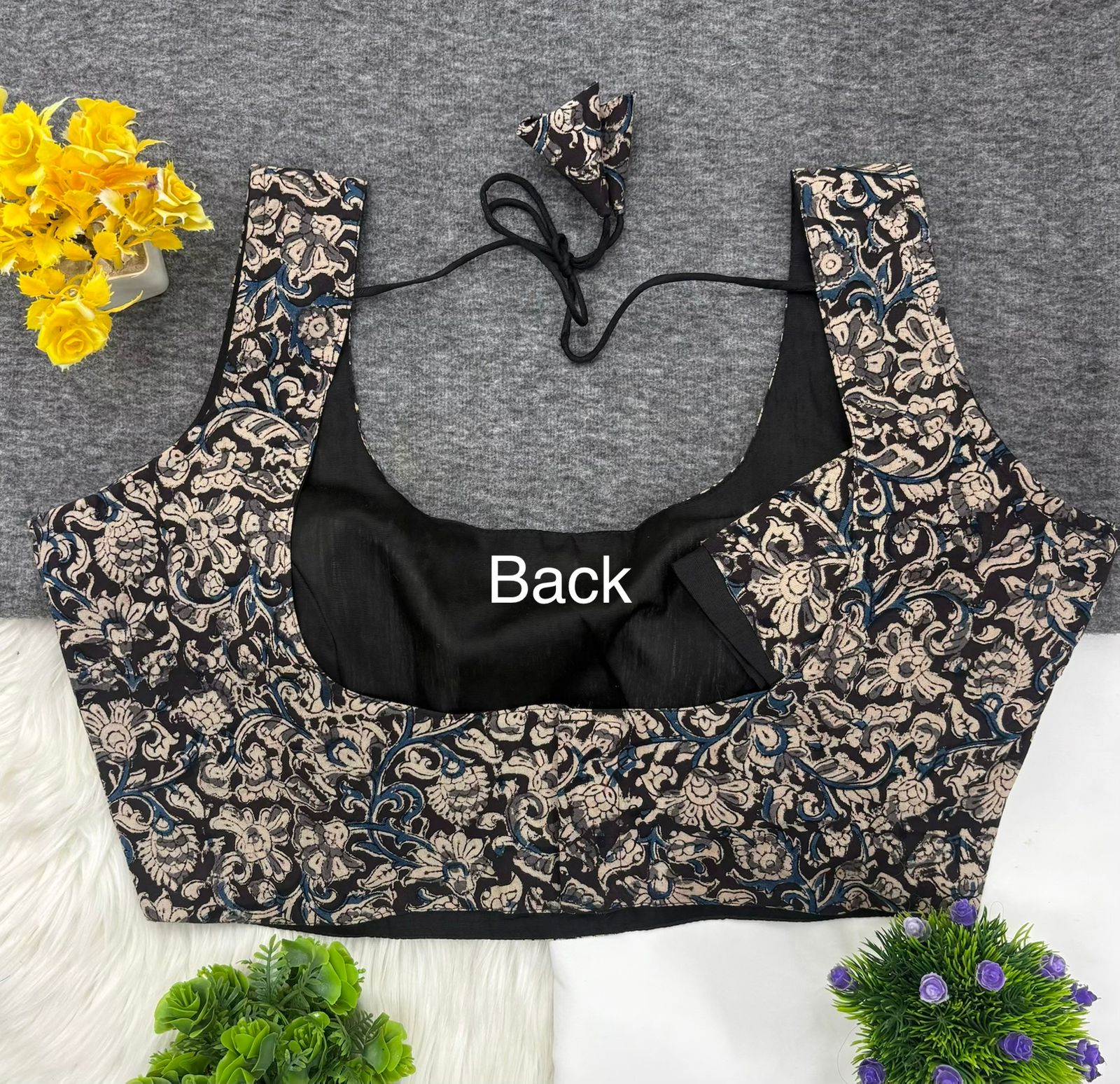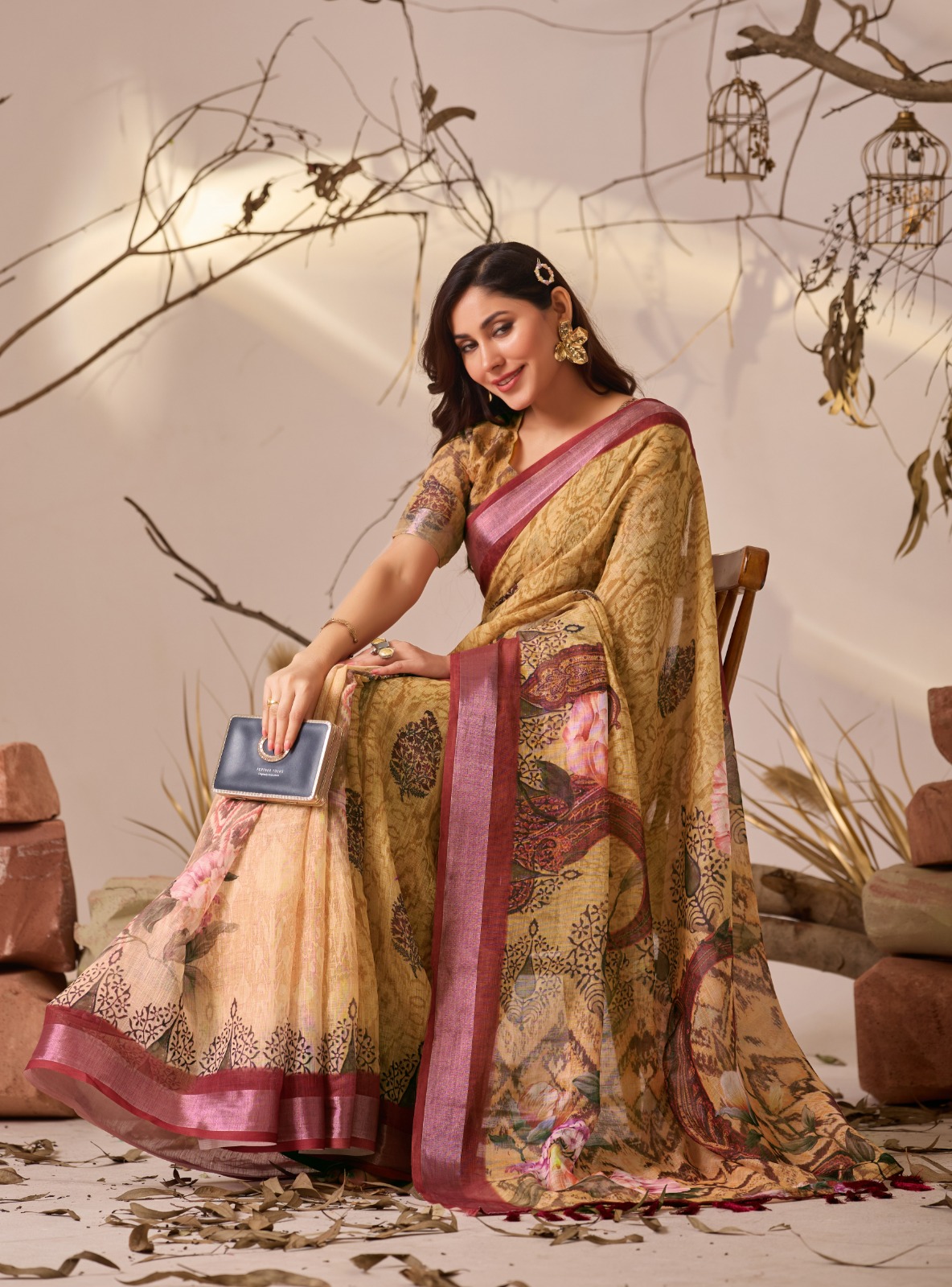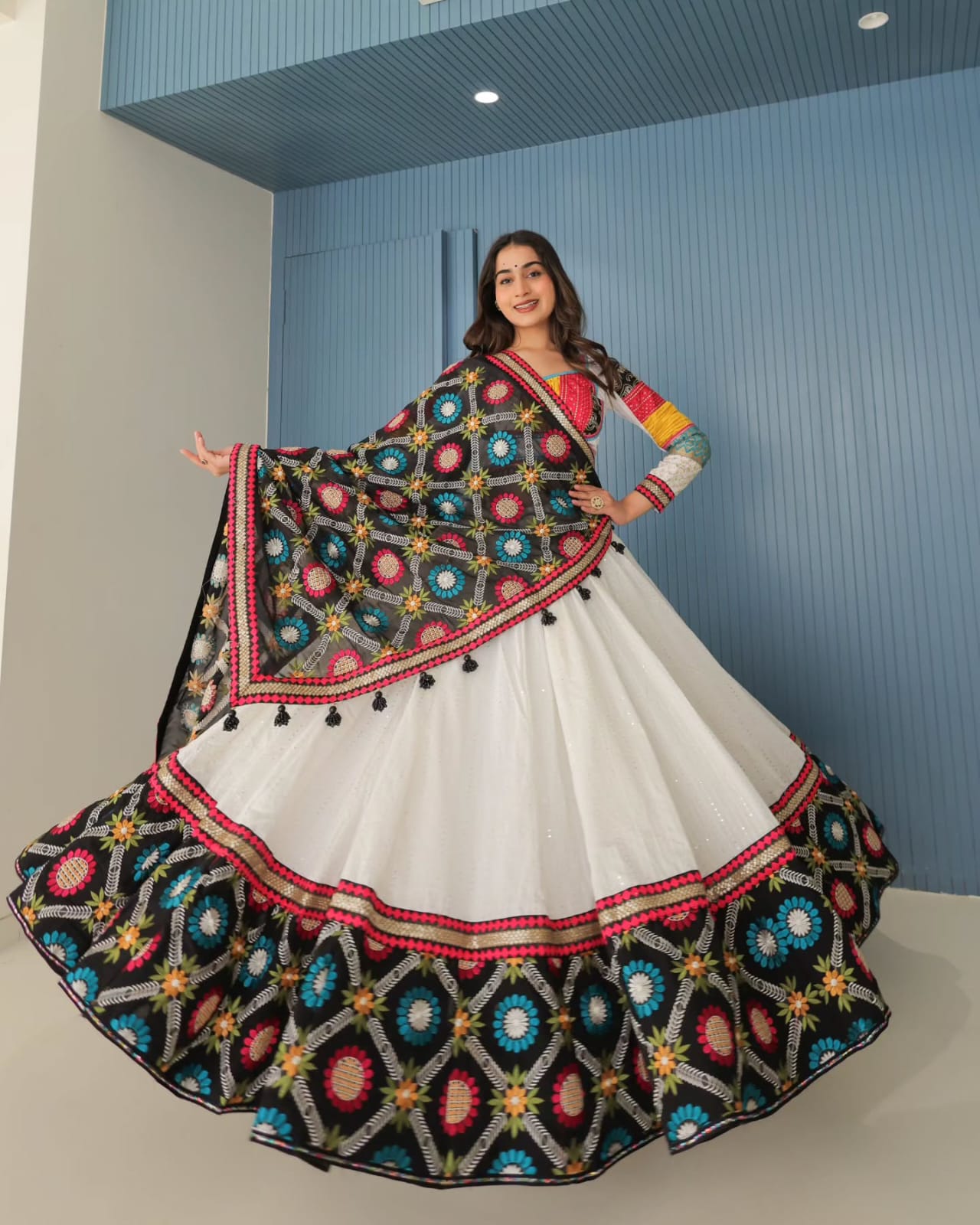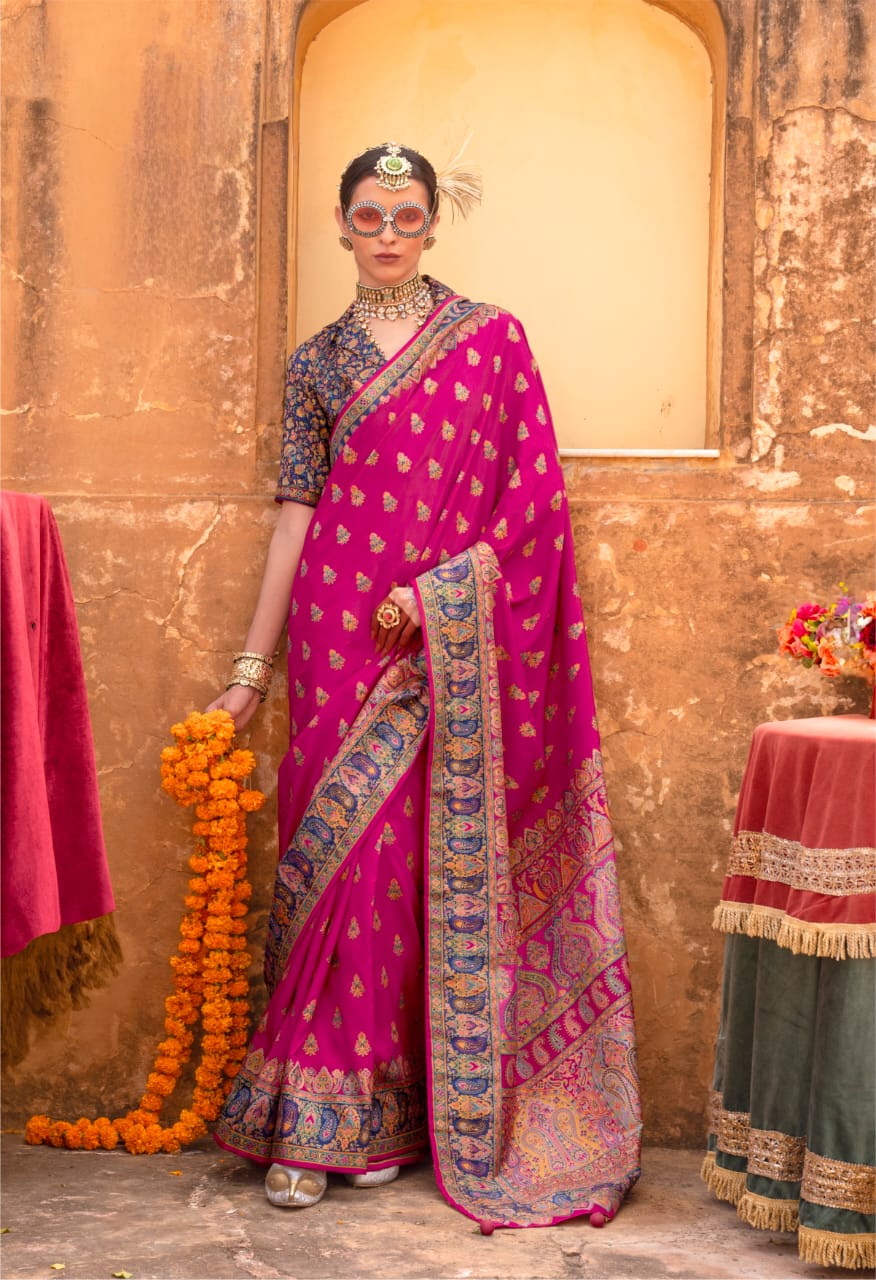
The question "who invented salwar suit?" doesn't have one historically verified name as its answer. The salwar suit developed over centuries through Central Asian trousers, Persianate court culture, Mughal-era exchange and Punjabi tailoring, before becoming a widely worn Indian outfit.
That history matters because a salwar suit is more than a three-piece combination of trousers, tunic and scarf. The loose lower garment solved practical problems of movement, the kameez created a modest and adaptable upper layer, and the dupatta added function as well as visual balance. Modern straight suits, Anarkali suits, palazzo suits and readymade sets all carry traces of that layered history.
Who invented salwar suit, according to historical evidence?
No single person invented the salwar suit; the garment emerged from the gradual blending of regional clothing traditions across Asia.
The word "salwar" is generally connected to terms used for loose trousers in Persian and related languages, while "kameez" is linked to the Arabic qamis, a word for a shirt or tunic. Linguistic links don't prove that one community designed the complete outfit at a particular date, but they reveal how clothing vocabulary travelled alongside people, trade and ruling courts.
Loose trousers existed in several old and medieval societies because trousers were practical for riding, walking and working. Central Asian peoples, Persian-speaking communities and Turkic groups used varied forms of divided garments long before the up-to-date salwar kameez took shape. A present-day salwar suit therefore represents an develop combination rather than a patented invention.
Historical clothing rarely follows current national borders. Styles moved through migration, military campaigns, marriage alliances, markets and court life. A trouser silhouette could be adapted in one region, paired with a different tunic in another region, and then given a local name and construction method.
How did Central Asian and Persian clothing influence the salwar?
Central Asian and Persian clothing contributed the loose trouser concept, layered dressing practices and textile preferences that helped shape the salwar.
For people who travelled on horseback, trousers offered greater protection and mobility than a single unseparated lower garment. Loose cuts also allowed airflow and accommodated long journeys. The salwar's gathered waist and generous fabric can be understood within this broader practical tradition, although regional versions differ considerably in width, taper and pleating.
Persianate courts introduced and popularised many forms of layered clothing across South Asia. Court culture valued long tunics, trousers, scarves, fine cottons, silks, embroidery and metallic thread. The kameez-and-salwar pairing became especially compatible with this layered wardrobe because each part could be made in different fabrics and adjusted for climate or ceremony.
The Mughal period intensified cultural exchange between Central Asia, Persia and the Indian subcontinent. Mughal clothing was not identical to the contemporary Punjabi salwar suit, but courtly garments, textile production and tailoring knowledge influenced elite and regional dress. Zari, silk weaving, decorative borders and structured long tunics became part of a larger design vocabulary that later makers interpreted in local ways.
it's important not to describe the salwar suit as simply "brought to India" and leave the story there. South Asian craftspeople, dyers, embroiderers and tailors transformed imported influences through local materials, body shapes, weather conditions and customs. The result was not a foreign garment preserved unchanged, but a South Asian tradition continually remade by regional communities.
Why is Punjab central to the contemporary salwar kameez?
Punjab made the salwar kameez especially visible as an everyday and festive outfit by refining its proportions, comfort and cultural identity.
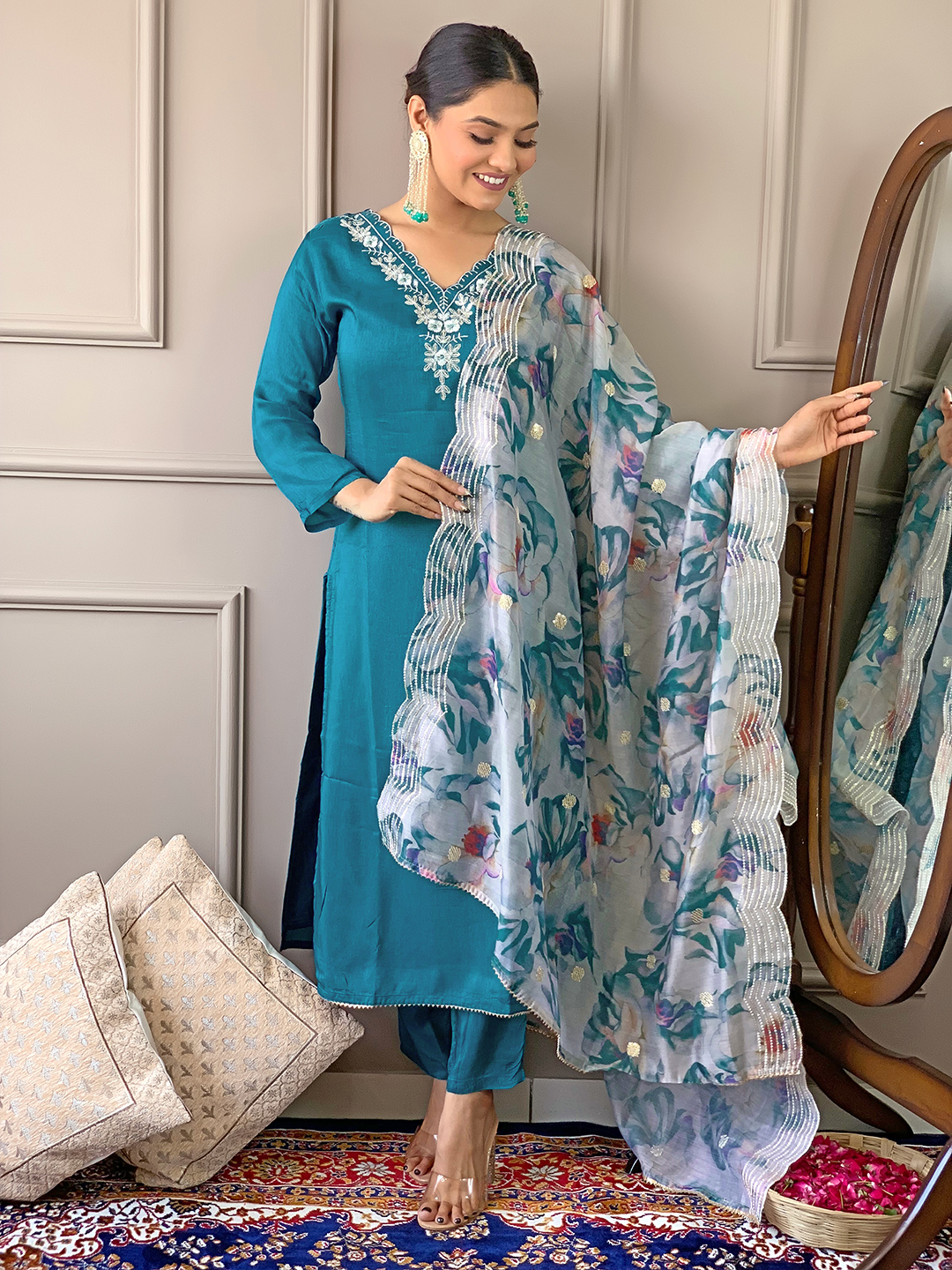
The Punjabi salwar traditionally uses substantial fabric gathered into a roomy lower garment, often narrowing toward the ankle. That volume supports active movement and creates a recognisable silhouette. The kameez may be relatively short or long, while the dupatta can be draped over the shoulders, across the chest or over the head.
Punjab's climate, agricultural lifestyle and social history encouraged clothing that allowed movement without sacrificing coverage. Cotton became important for daily wear, while silk blends, embroidery and richer surface work served weddings, festivals and formal gatherings. The suit also worked across age groups because the cut could be altered without abandoning the basic structure.
Partition in 1947 caused enormous displacement across Punjab and neighbouring regions. Families carried clothing habits, tailoring skills and textile memories with them, helping the salwar kameez spread widely in northern and western India. Punjabi dress became especially influential in urban wardrobes, where comfort and recognisable cultural expression could coexist.
The outfit's current popularity therefore reflects both older exchange and twentieth-century cultural change. Schools, offices, public transport, cinema and television assist establish the salwar suit as practical Indian clothing rather than clothing reserved only for a specific community or ceremony.
What are the three parts of a salwar suit?
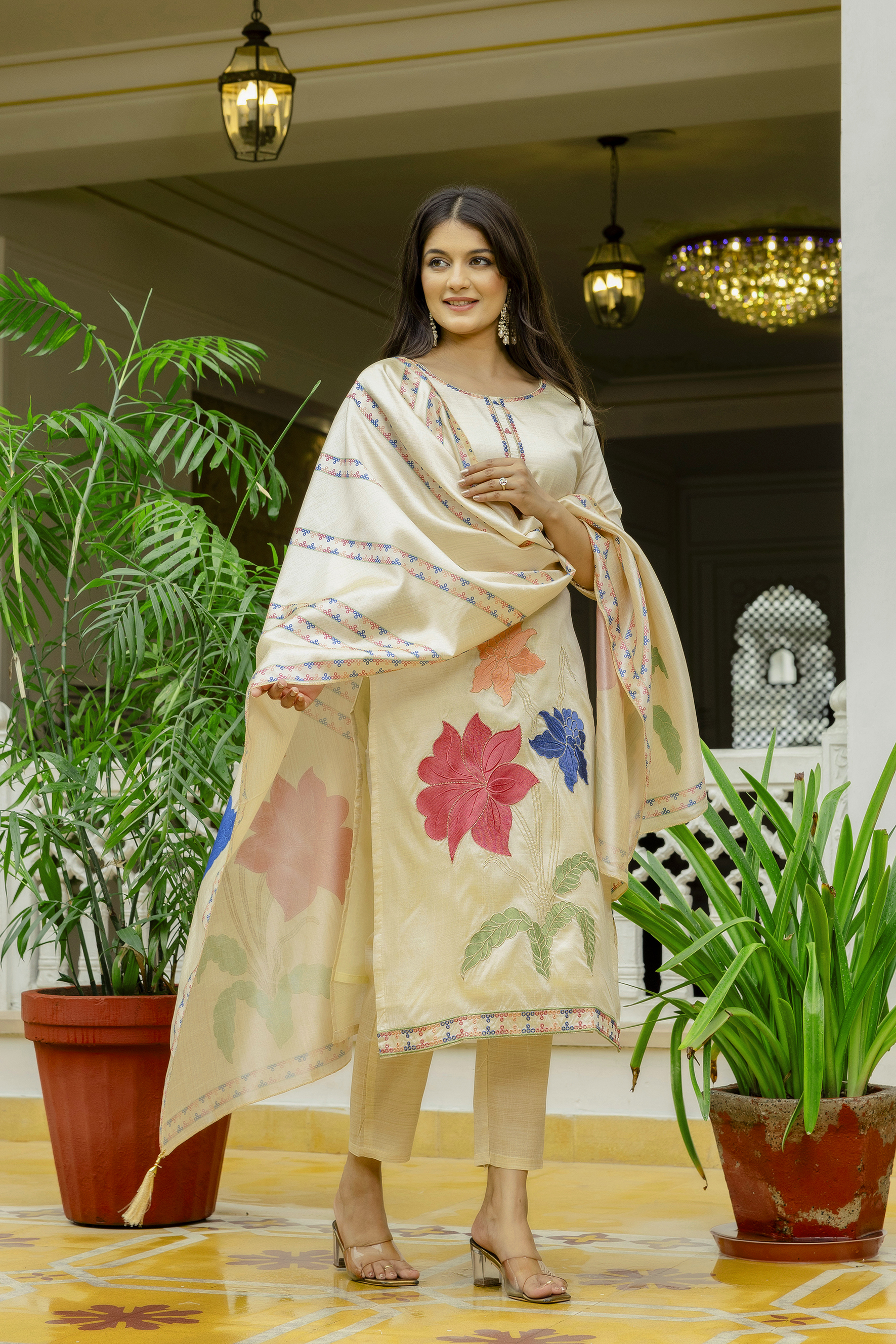
A traditional salwar suit usually consists of a kameez or kurta, salwar or another trouser, and dupatta, although contemporary sets frequently modify one or more parts.
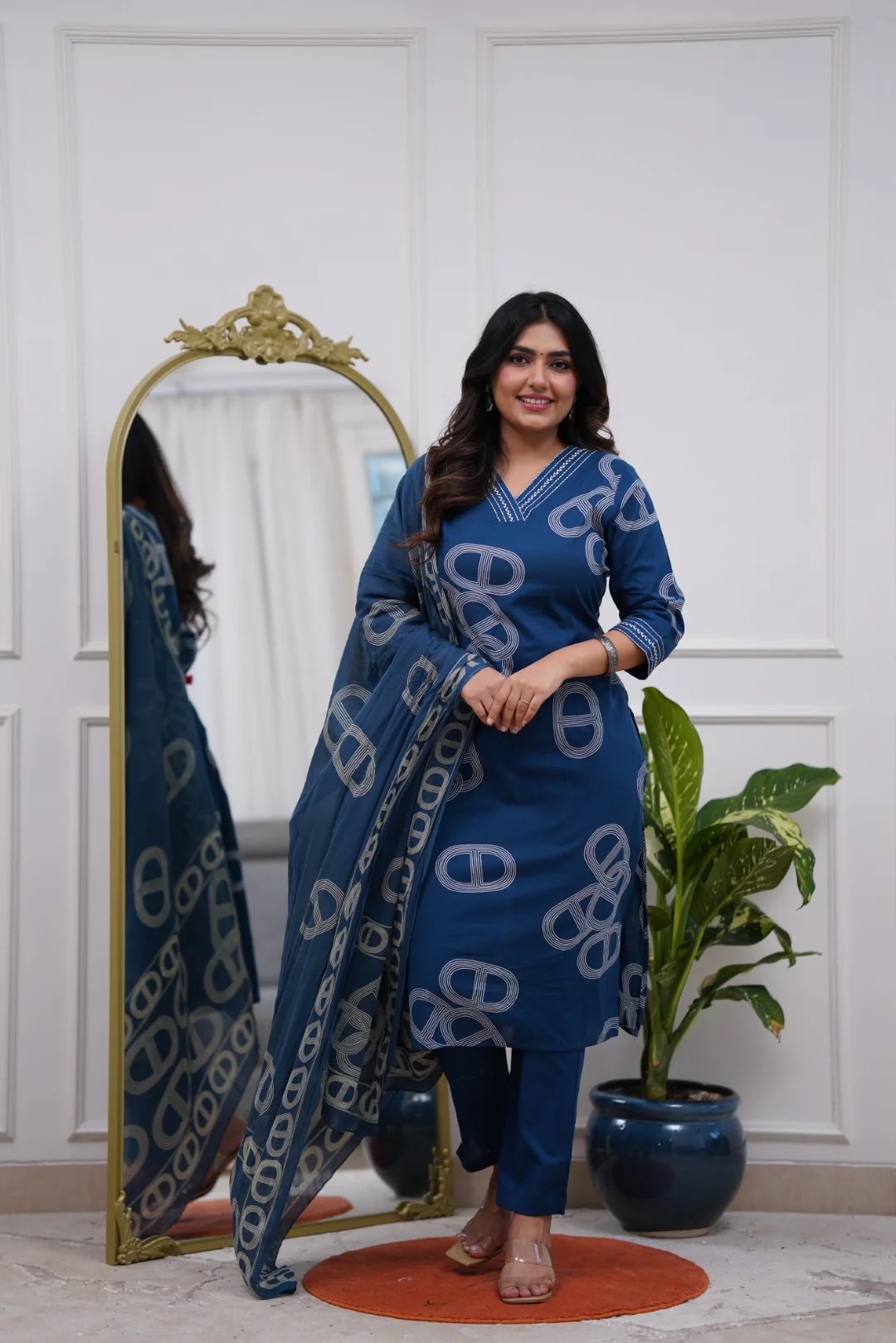
The kameez
The kameez is the tunic worn over the lower garment. Its length may fall at the knee, calf or ankle, and its shape may be straight, flared, panelled or heavily gathered.
A straight kameez gives a clean vertical line and often suits office dressing. An Anarkali kameez expands from the bodice through multiple panels, creating movement around the legs. A short kurta paired with a wide palazzo or narrow trouser produces a more contemporary proportion.
The salwar and its relatives
The salwar is a loose trouser with gathers or pleats, but not every current suit uses a time-honoured salwar cut. Churidar trousers taper closely at the calf and ankle, cigarette pants remain comparatively straight, and palazzos use a wide-leg shape.
Changing the lower garment changes the practical experience of the outfit. A roomy salwar allows easy sitting and movement, a churidar creates a fitted line beneath a long kameez, and a palazzo provides airflow with a more fluid silhouette.
The dupatta
The dupatta is a long scarf that adds coverage, colour and visual proportion to the set. It may be plain, printed, embroidered, bordered or woven with zari.
Dupatta fabric also affects comfort. Cotton and light voile suit warm daytime use, while silk, organza and embellished textiles create a formal effect but may need careful handling. A three-piece set is most versatile when the dupatta complements the kameez without making movement difficult.
How did the salwar suit change from regional dress to current fashion?
The salwar suit became a contemporary wardrobe staple by adapting its cut, fabric and decoration to work, travel, celebration and everyday life.
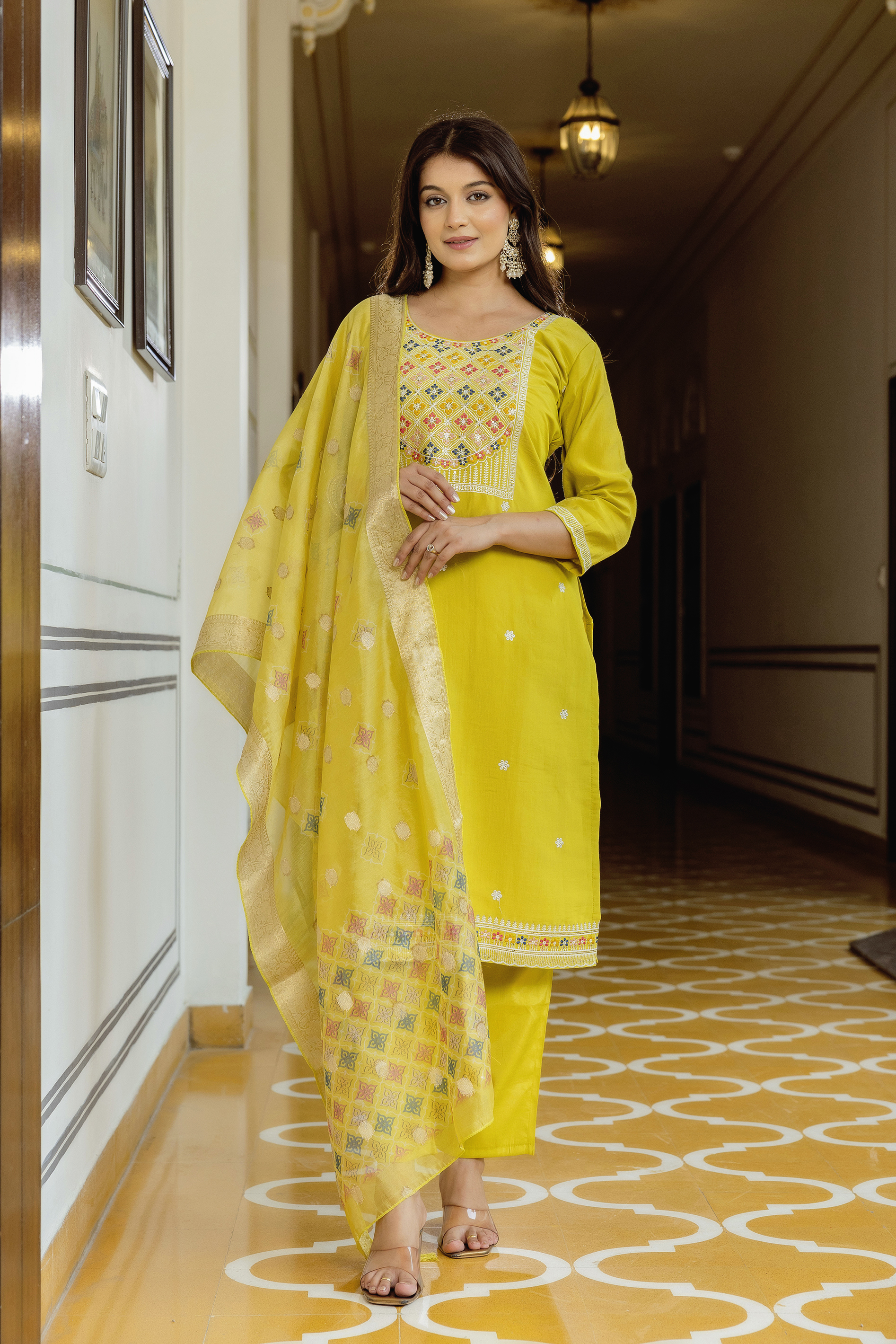
Readymade manufacturing made consistent sizing and coordinated sets more accessible. Urban shoppers could choose a complete outfit instead of commissioning a kameez, finding matching trousers and arranging a separate dupatta. At the same time, designers shortened hemlines, introduced straight silhouettes and paired classic embroidery with lighter fabrics.
Anarkali suits gained renewed popularity through their flared panels and formal movement. Straight suits became dependable choices for offices and daytime events. Palazzo suits and cigarette-pant sets offered a contemporary outline while retaining the kameez and dupatta relationship. These changes show that tradition can survive through alteration rather than strict visual repetition.
Colour and surface work also communicate occasion. A Yellow Threadwork Readymade Salwar Suit can suit a daytime celebration such as a Haldi ceremony, while a darker embroidered set may work for an evening gathering. The Embroidered Salwar Suit Set for Women demonstrates how a familiar base can gain a more formal appearance through concentrated detail around the neckline, sleeves or hem.
For a restrained wardrobe, the Elegant White Cording Threadwork Salwar Suit offers an example of how texture can replace heavy colour contrast. The Black White Floral Embroidered Readymade Salwar Suit uses a clear two-colour palette, while the SunsetCharm Ethnic Suit illustrates how a named design direction can make a familiar silhouette feel more occasion-ready.
How can you identify a historically informed salwar suit today?
A historically informed salwar suit usually reveals its connection through silhouette, layered construction, textile technique or regional detailing rather than through one "authentic" fixed design.
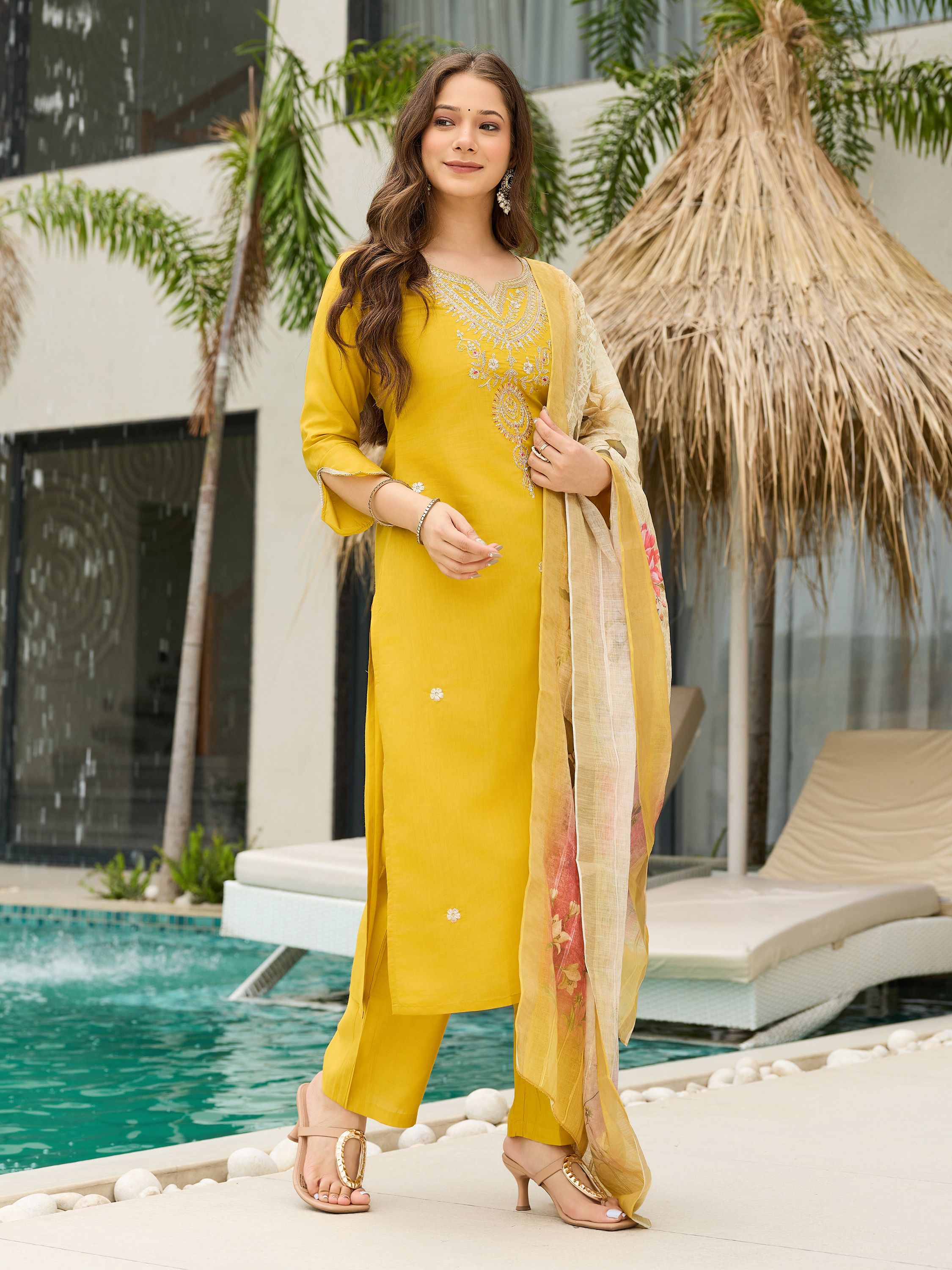
Look first at the lower garment. A generous gathered salwar references the Punjabi silhouette more directly than a narrow trouser, although both are legitimate up-to-date developments. Look next at the kameez length and the dupatta arrangement. A longer tunic with a draped scarf creates a more heritage layered appearance, while a short kurta and palazzo gives the outfit a newer proportion.
Textile choice adds another clue. Banarasi silk and zari signal formal Indian weaving and embellishment traditions, though a salwar suit can also be made from cotton, rayon, georgette, Chanderi or blended fabrics. Fabric names should be checked carefully because appearance alone can't confirm fibre content or weaving method.
Colour isn't a reliable test of historical authenticity. A Navy Blue Threadwork Readymade Salwar Suit can use a traditional embroidery idea in a modern colour, while a SilkGlow Cream Salwar suit can combine a soft neutral palette with a contemporary cut. The Elegant Camel Shade Salwar Suit Set shows how muted shades can make a historically rooted garment suitable for understated occasions.
For shoppers comparing silhouettes, Ladies Dress Anarkali Salwar Suits can help distinguish the flared Anarkali structure from a straight kameez. Dress Materials represent another route because they leave some construction decisions to the wearer or tailor. Sale-led categories such as Salwar Suits with 30% Off and Salwar Suits Flat 40% Off may be useful for comparison, but discount percentage should never replace checking fabric, measurements and lining details.
What should you check before buying a salwar suit?
Check measurements, fabric behaviour, trouser construction and dupatta dimensions before choosing a salwar suit online.
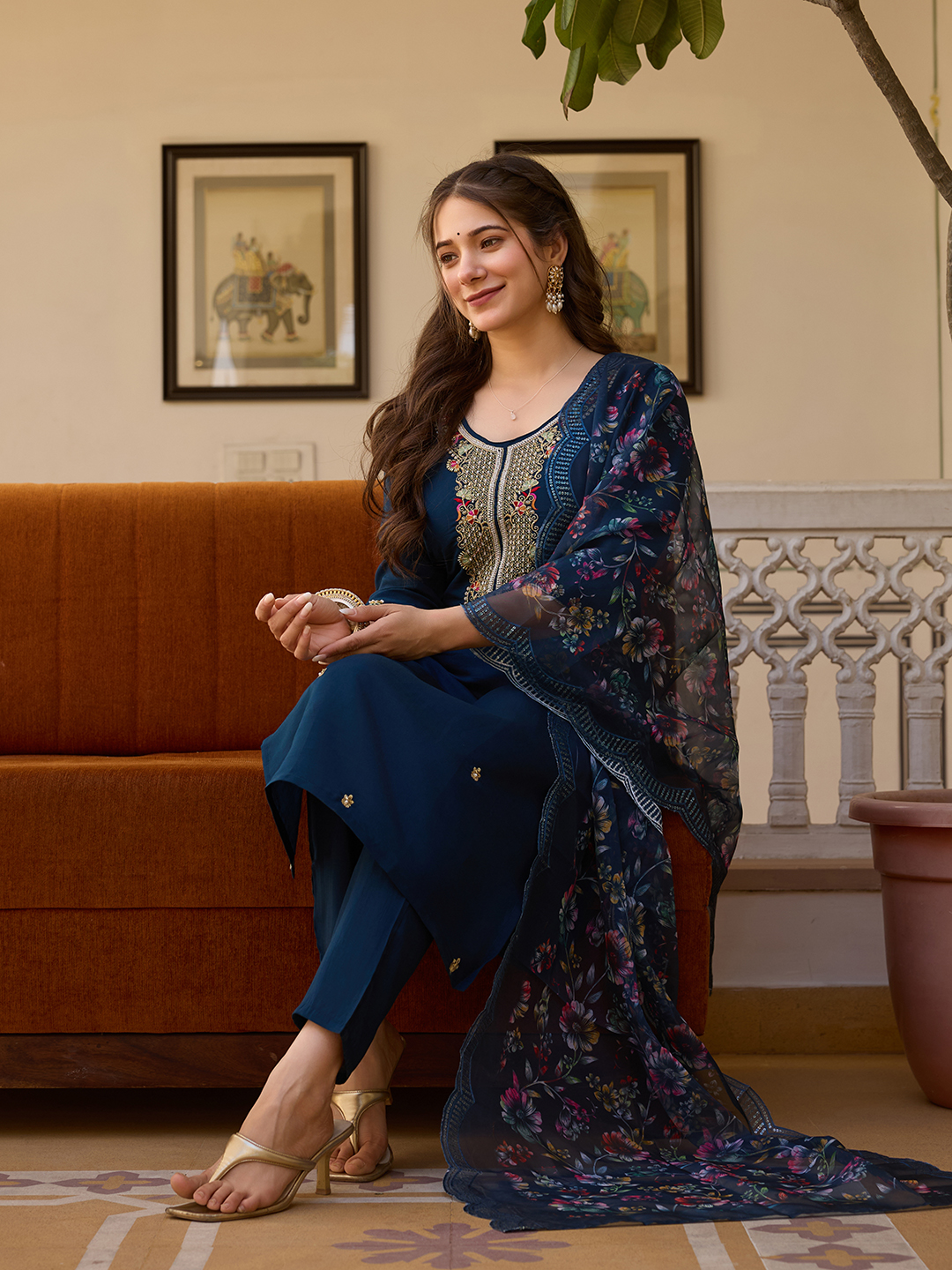
- Measure the kameez: Compare bust, waist, hip, shoulder and garment length with the size chart. Do not rely only on a usual small, medium or large label because ease differs between straight and flared cuts.
- Check the fabric: Cotton generally suits heat and repeated daytime wear, while silk, georgette and embellished fabrics may need gentler care. Confirm whether the listing describes a lining, transparency level and stretch.
- Inspect the lower garment: Check the trouser waist, rise, length and fastening. Elasticated waists offer flexibility, but a firm waistband or drawstring may give better support for heavier fabrics.
- Assess the dupatta: A dupatta around 2 to 2.5 metres is commonly easier to drape than a very short scarf, though dimensions vary by design. Check whether embroidery, sequins or zari make one edge heavier than the other.
- Match care to use: Wash dyed or embroidered garments according to the care label. Turn embellished pieces inside out, avoid harsh bleaching agents and dry strong colours away from direct sunlight.
The Bestsellers Suits Collection - VARNAVI can be treated as a browsing starting point for comparing silhouettes, colours and decorative techniques, rather than as evidence that one design is historically older than another. A good purchase connects the garment's construction with the wearer's actual climate, schedule and occasion.
Why does the salwar suit remain relevant?
The salwar suit remains relevant because it combines movement, coverage, adaptability and strong regional identity in one modular outfit.
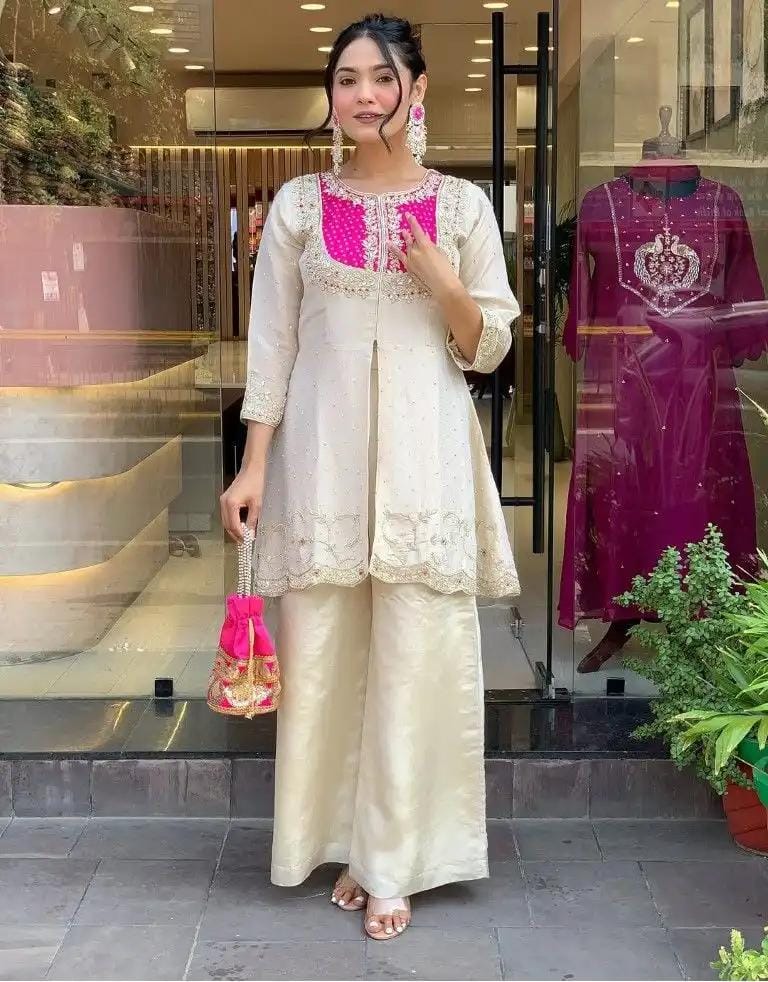
Few garments can shift so easily between settings. A breathable cotton straight suit can serve commuting and office hours, while an embroidered Anarkali can suit a wedding guest wardrobe. The same kameez can sometimes be restyled with a different trouser or dupatta, extending the useful life of the garment.
The history also explains why debates about a single inventor miss the point. The salwar suit belongs to a chain of makers and wearers: Central Asian communities shaped trouser traditions, Persianate cultures influenced vocabulary and layering, Mughal-era exchange expanded textile and tailoring connections, and Punjabi communities gave the outfit a powerful regional form.
Answering "who invented salwar suit?" therefore means describe adaptation rather than naming one designer. The garment's continuing life comes from that adaptability: every region, tailor and wearer can adjust the proportions while preserving the recognisable relationship between kameez, low garment and dupatta.
Questions Readers Ask About the Origins and Evolution of Salwar Suits
Who invented salwar suit?
No single person invented the salwar suit. The outfit developed through Central Asian and Persian trouser traditions, Mughal-era cultural exchange and regional South Asian tailoring, especially in Punjab.
Did the Mughals invent the salwar kameez?
The Mughals did not invent the complete modern salwar kameez. Mughal courts helped circulate Central Asian and Persianate clothing influences, textiles and tailoring practices, which South Asian communities later adapted into regional suit forms.
Is the salwar suit originally Punjabi?
The modern Punjabi salwar suit is strongly associated with Punjab, but the complete garment has wider Central Asian, Persian and South Asian influences. Punjab gave the outfit a particularly recognisable roomy salwar, kameez and dupatta combination.
What is the difference between a salwar and a churidar?
A salwar is generally a roomier trouser with gathers or pleats, while a churidar tapers closely around the calf and ankle. Both can be paired with a kameez, but they create different silhouettes and levels of ease.
Why is the salwar suit popular in India?
The salwar suit is popular because it offers comfortable movement, coverage and many styling options for work, festivals and weddings. Cotton, silk, rayon, georgette and blended fabrics allow the same basic outfit to suit different climates and budgets.
How should an embroidered salwar suit be washed?
An embroidered salwar suit should be washed according to its care label, with gentle handling and no harsh bleach. Turning the garment inside out, avoiding prolonged soaking and drying it away from intense sunlight can help protect threadwork and colour.