

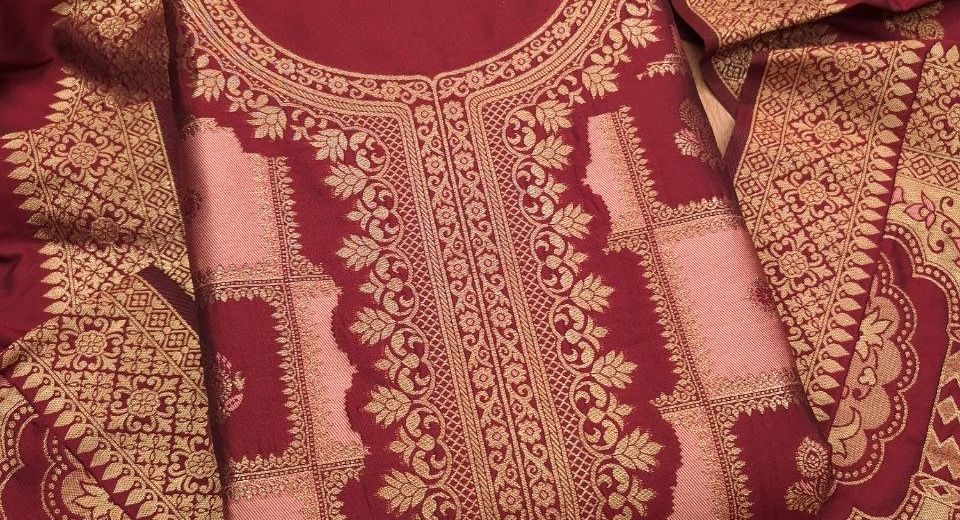
Which suit fabric handles sitting for several hours better depends on three practical factors: breathability, crease recovery and the amount of pressure created by the garment's cut. For most long workdays, journeys and extended ceremonies, cotton is the safest comfort choice. Chanderi offers a lighter, dressier alternative, while Chinon silk and zari-rich materials look more formal but need better fit and careful seating.
A salwar suit can feel comfortable while standing and become restrictive after two hours in a car, classroom, office chair or dining seat. The waistband, thigh ease, lining, seam placement and dupatta weight matter almost as much as the fibre. Comparing fabric behaviour before buying helps you choose a suit that still looks presentable after prolonged sitting.
Which suit fabric handles sitting for several hours better?
Cotton generally handles several hours of sitting better because it allows airflow, absorbs perspiration and creates less cling against the skin. A medium-weight cotton suit with a straight kurta, relaxed salwar or palazzo and a non-tight waistband usually gives the best balance of comfort and neatness.
Breathable cotton is especially useful in warm Indian climates, crowded travel and daytime events. The fabric may develop visible fold lines at the waist, elbows and behind the knees, but those creases are usually less uncomfortable than the heat and stickiness that can build up in synthetic-heavy fabrics.
The Black Maroon Cotton Printed Kurta Set with Dupatta demonstrates why cotton remains a dependable choice for long wear. Cotton prints also hide small wrinkles better than plain, glossy surfaces. The Sky Blue Cotton Straight Kurta Set with Dupatta is another useful reference for a straight silhouette, although comfort still depends on whether the trousers allow enough room at the hip and knee.
How do cotton blends compare with pure cotton?
Cotton blends often crease less and dry faster than pure cotton, but a higher synthetic content can reduce breathability. A blend containing a modest percentage of polyester or viscose may be convenient for travel, while pure or predominantly cotton fabric is usually better for humid conditions and long stationary periods.
Check the fabric composition whenever the product description provides it. Fabric names such as rayon, viscose, cotton and silk describe different handling qualities, but the finished weave and blend percentage determine how hot, stretchy or crease-prone the suit feels.
How do Chanderi and cotton behave after prolonged sitting?
Chanderi is lighter and more polished than everyday cotton, but cotton normally brings greater softness and moisture management during prolonged sitting. Chanderi suits work well when you want an airy festive appearance and expect moderate sitting rather than an entire day in one chair.
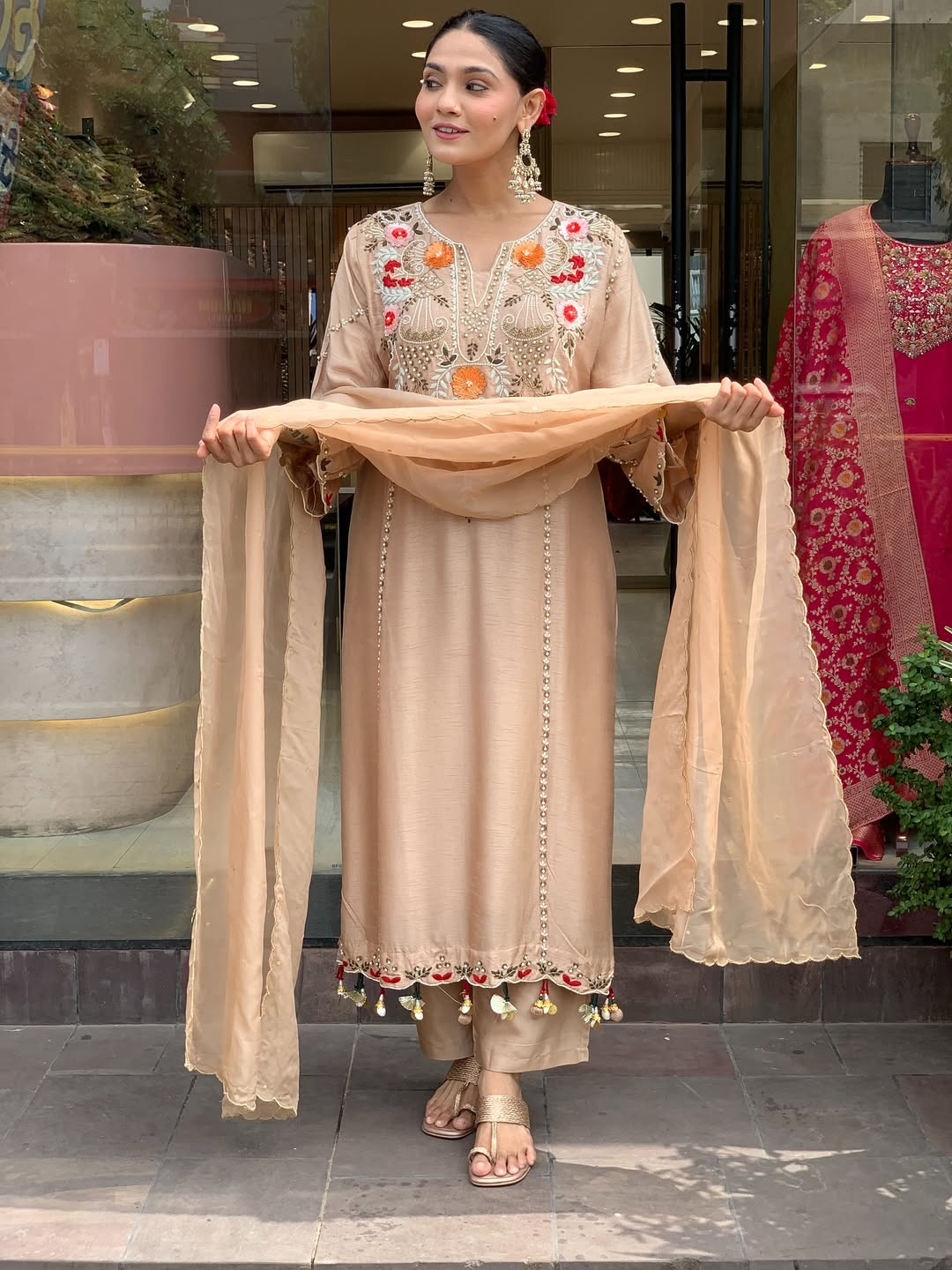
Chanderi is known for a fine, lightweight hand and a slightly crisp drape. The crispness helps a kurta retain its shape, yet pressure from a chair can create sharp horizontal folds across the back and lap. Chanderi also feels less forgiving when a close-fitting lining pulls at the hips.
The Lavender Chanderi Kurta with Olive Embroidered Palazzo Suit illustrates an useful compromise. A palazzo leg gives the thighs and knees more room than a narrow trouser, while the Chanderi kurta supplies a dressed-up finish. The combination is more suitable for a reception, festive lunch or short ceremony than for eight hours of desk work in hot weather.
To make Chanderi more comfortable, look for a breathable cotton lining, a kurta hem that doesn't catch beneath the thighs and a palazzo or wide trouser with an elasticated back. Avoid a stiff full lining that traps heat. Sit and stand once during a fitting to check whether the side seams twist forward.
Are Chinon silk and satin-like fabrics comfortable for long sitting?
Chinon silk can remain comfortable for several hours when the garment has a smooth lining, adequate ease and a non-binding waistband, but it's less forgiving than cotton in heat and under pressure. Chinon silk brings fluid drape and an occasion-ready finish, yet it can cling, slide or show compression marks more readily.
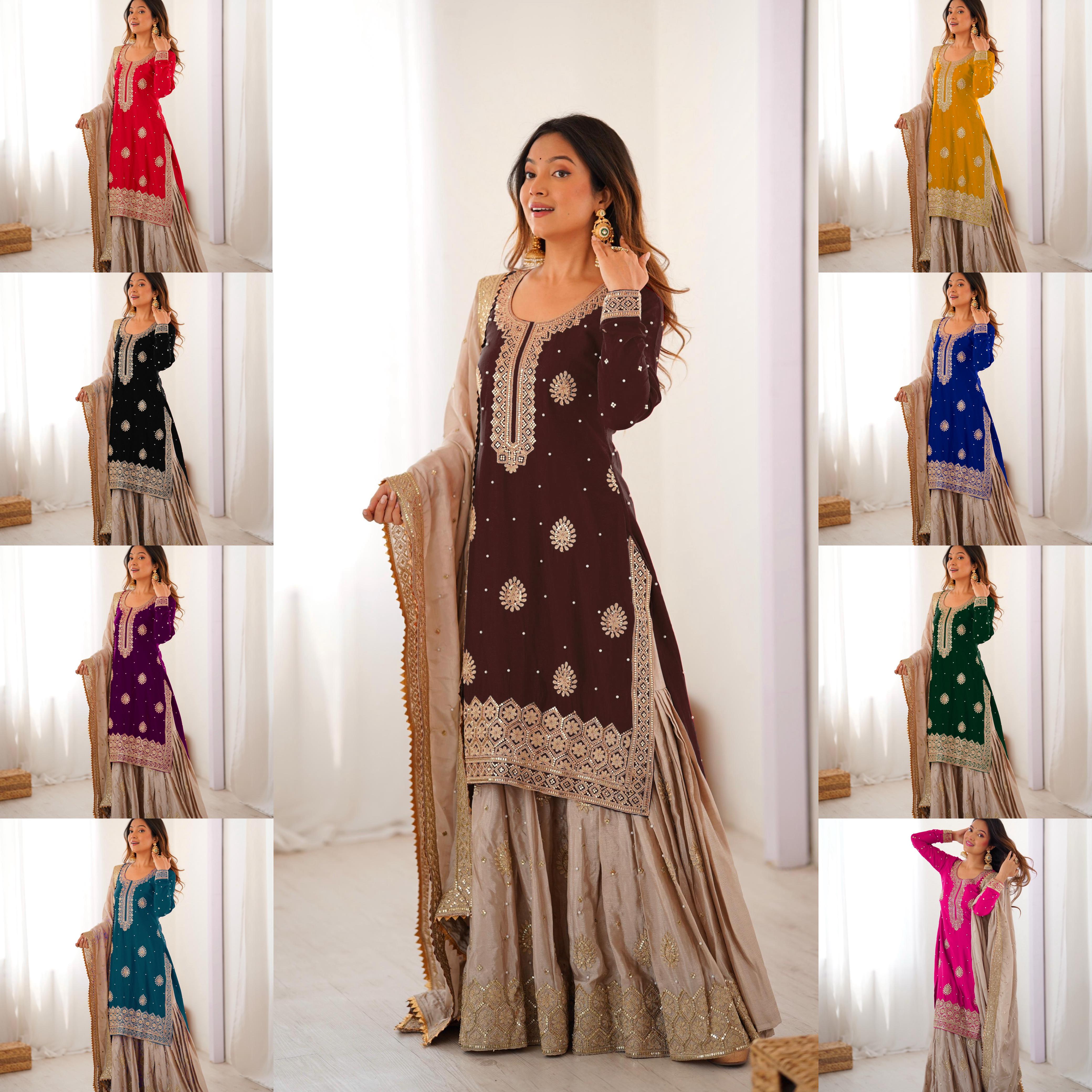
Chinon silk is often selected for sharara suits and embellished festive sets because the fabric falls attractively around the body. That flowing drape doesn't automatically mean unrestricted movement. A narrow lining, heavy embroidery or tight elastic can make sitting difficult even when the outer fabric looks soft.
The Brown Chinon Silk Sharara Suit Set for Women is a good example of why the lower garment matters. A sharara gives width at the hem, but the waistband and upper thigh area still need enough ease for sitting. The Purple Pink Chinon Silk Embroidered Suit Set also shows the importance of managing embellishment: dense work around the hip or lower back can press into a chair and feel uncomfortable over time.
For a Chinon silk suit, choose a lining that moves with the body rather than a rigid lining that stays fixed. Test the garment while seated for ten minutes. Look for pulling at the crotch, pressure from sequins at the lower back and a waistband that rolls downward. A soft cotton or viscose lining can make a noticeable difference.
Do zari-woven suits crease or restrict movement?
Zari-woven suit materials are more likely to feel structured and show pressure lines than lightweight cotton, so they're better for shorter formal wear unless the cut includes generous ease. Zari adds visual richness and sometimes extra weight, while metallic threads can feel less flexible across the lap and waist.
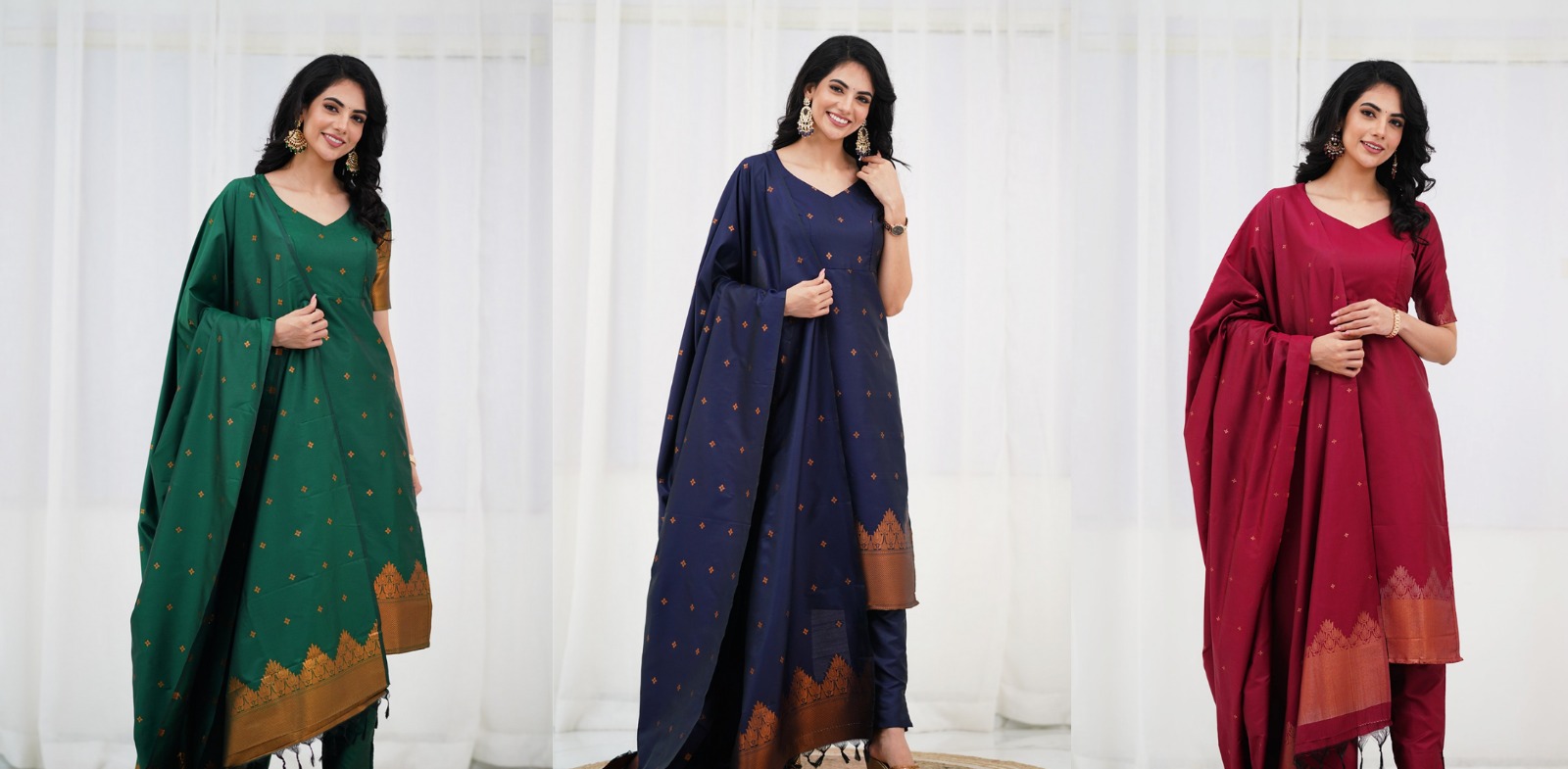
Paithani-inspired fabrics are especially attractive for festive dressing because of their patterned weaving and luminous surface. The same structure that gives the material its character can limit recovery after prolonged compression. An unstitched suit material allows more control over the final fit, which is valuable when comfort during sitting is a priority.
The Maroon Paithani Style Zari Woven Unstitched Suit Material and Navy Blue Paithani Style Zari Woven Unstitched Suit should be tailored with sitting ease in mind. Ask for additional room across the hip, a moderate side slit and trousers that don't taper sharply below the knee. A tailor can also position seams away from pressure points and keep the lining from ending exactly at the tightest part of the thigh.
Paithani-inspired garments suit wedding ceremonies, cultural gatherings and shorter festive visits particularly well. Collections such as Maharashtra Paithani Inspired Salwar Suits and Odisha Sambalpuri Salwar Suits can provide distinctive regional-inspired surfaces, but fabric comfort should be judged from the weave, lining and construction rather than the collection name alone.
Which salwar suit construction makes sitting easier?
A relaxed lower garment, a flexible waistband and enough hip ease make sitting easier than a particular fabric label alone. A breathable fabric in a tight cut can be uncomfortable, while a slightly structured fabric in a well-balanced cut can remain wearable for hours.
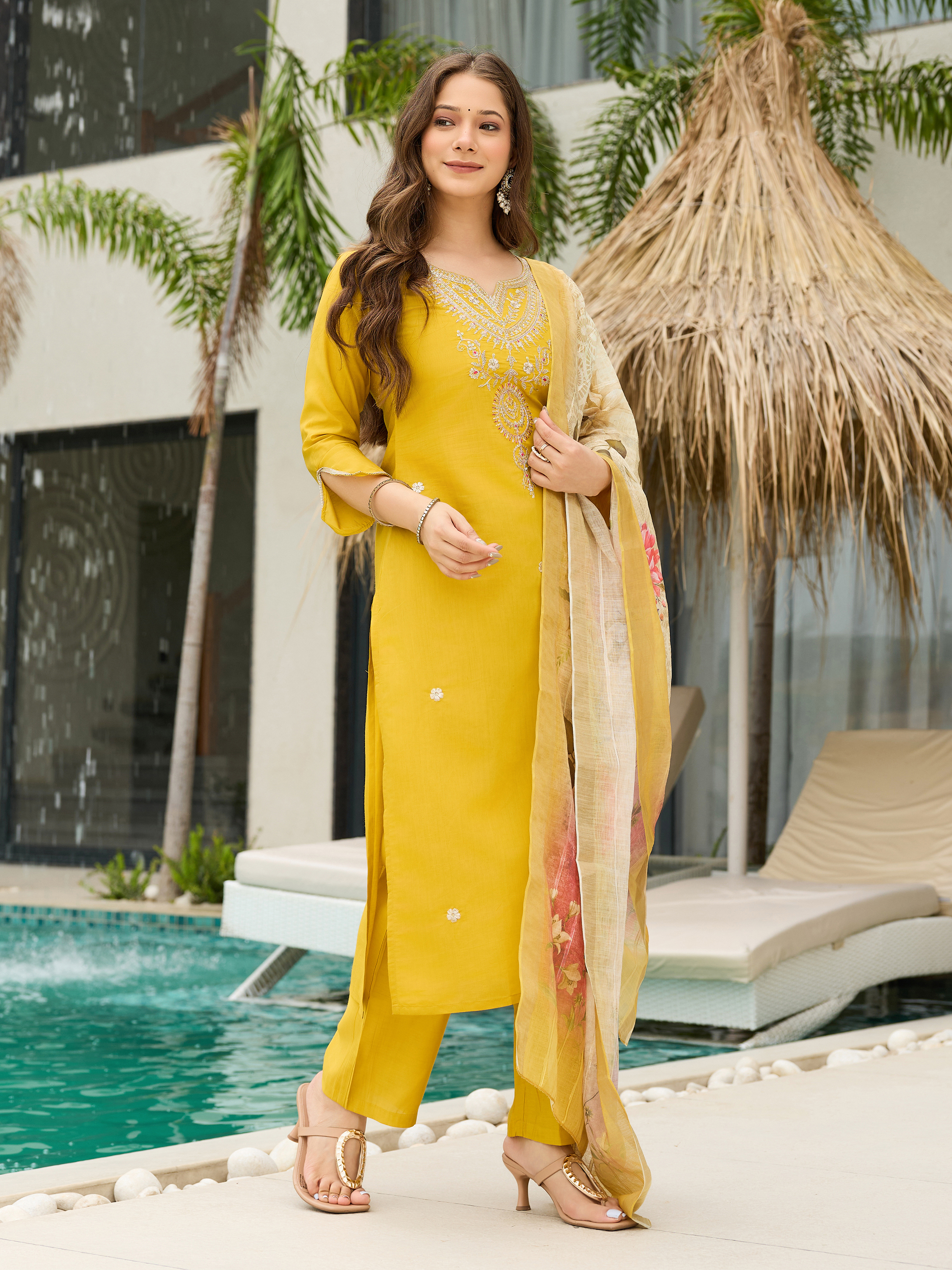
Waistband and rise
A mid-rise or moderately high-rise waistband with a soft elasticated back usually handles sitting better than a rigid low-rise waistband. The rise should cover the body without pressing into the abdomen when the wearer bends at the waist. A drawstring can help with adjustment, but a thick knot positioned at the front may create pressure while seated.
Kurta length and side slits
A kurta with side slits and enough hem width allows the fabric to spread naturally over the lap. A very narrow straight kurta can pull across the thighs when seated, especially if the hemline reaches below the knee. A slightly curved hem or well-placed side slit reduces upward tugging.
Palazzo, salwar, sharara or narrow trouser
Palazzos and traditional salwars usually allow more knee movement than narrow trousers, while shararas provide width below the upper thigh. Narrow cigarette trousers can still work for long sitting when the fabric has stretch and the thigh area isn't tight. The Lavender Chanderi Kurta with Olive Embroidered Palazzo Suit benefits from this roomier lower silhouette, whereas a fitted trouser requires more careful measurement.
Heavy dupattas can also reduce comfort by pulling at the neck and shoulder while the wearer changes position. A lighter dupatta, a secure shoulder placement or a shorter drape can prevent repeated adjustment during travel and formal programmes.
How should you choose a suit for office travel or a long ceremony?
Choose a medium-weight cotton or breathable cotton-blend suit for office travel, and choose lined Chanderi or Chinon silk only when the event requires a more formal finish. The expected temperature, number of sitting hours and access to ironing should guide the decision.
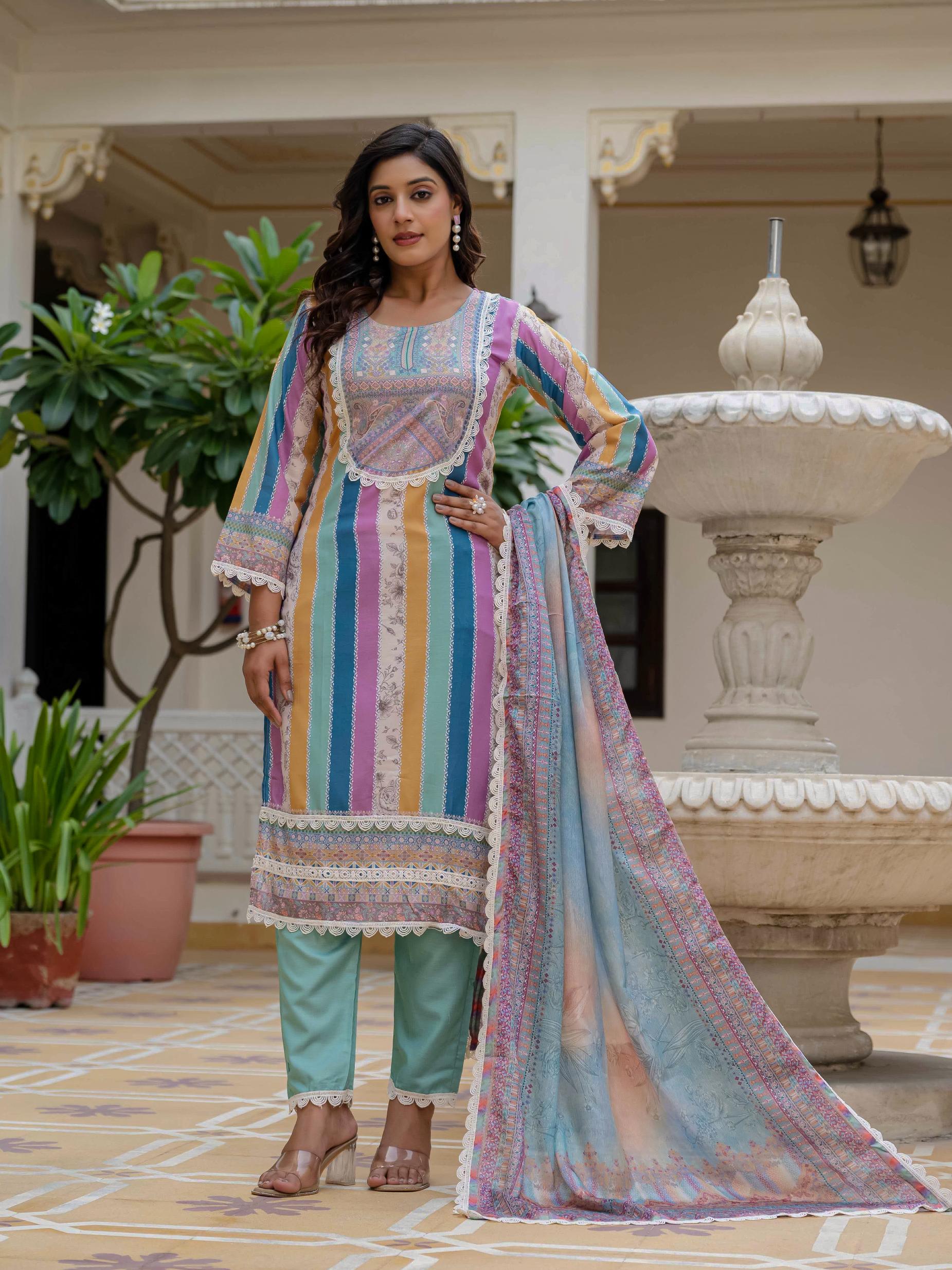
- For six to eight hours at work: Select cotton, a relaxed straight kurta and a salwar, palazzo or easy trouser. Keep embroidery away from the lower back and choose a dupatta that doesn't require constant pinning.
- For a train, flight or road journey: Prefer cotton or a low-crush blend with a soft waistband. A print such as the Kalamkari Print Salwar Suits (Copy) collection can disguise travel creases more effectively than a plain, reflective surface.
- For a daytime ceremony: Lightweight Chanderi can provide polish without the weight of heavily woven fabric. A breathable lining and room at the hip are essential.
- For a wedding reception: Chinon silk, zari and embroidery are suitable for a shorter period of sitting. Carry a light stole or dupatta arrangement that can be loosened after dinner.
- For a regional-style festive event: Maharashtra Paithani Inspired Salwar Suits, Gujarat Bandhej Salwar Suits and Punjab Patiala Salwar Suits can offer different visual identities, but check the actual fibre, weave and lower-garment cut before choosing.
The Orange Thread Embroidered Ethnic Suit Set can work for a gathering where the visual detail matters, provided the embroidery doesn't sit heavily across the chair-contact area. Comfort improves when decorative work is concentrated on the upper front, sleeves or dupatta rather than the seat and lower back.
How can you test a suit before buying it?
A ten-minute sitting test reveals fit problems that a mirror check can't show. Wear the intended inner layer, sit on a firm chair and repeat the movements you expect to make during the event.
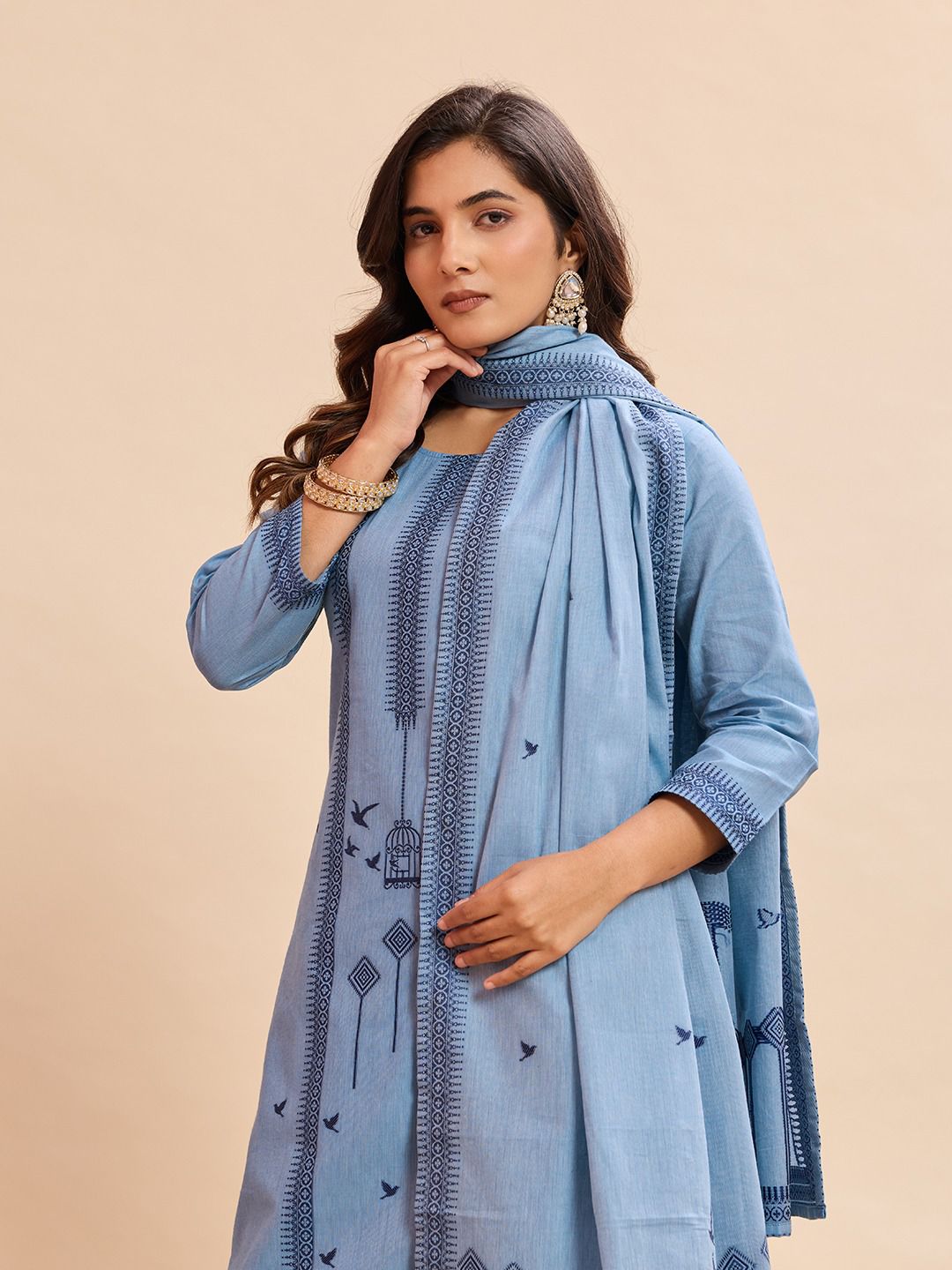
- Sit upright for five minutes, then lean forward as you would over a desk or dining table.
- Check whether the waistband digs into the abdomen, rolls down or leaves excessive pressure at the back.
- Cross your ankles and bend one knee to test thigh and crotch ease.
- Stand and inspect whether the kurta hem has ridden upward or whether side seams have twisted.
- Move both arms forward to check whether sleeve embroidery, shoulder seams or the dupatta restrict reach.
- Examine the lower back and lap for sharp embellishment, raised seams or uncomfortable lining edges.
For an unstitched material, measure the body at the fullest hip and add wearing ease rather than cutting to the exact body measurement. A tailor should account for seam allowance, lining thickness and the way the chosen fabric relaxes after pressing. A garment that fits exactly while standing may become restrictive once the hips rotate forward in a seated position.
How do you reduce creases and protect comfort after wearing?
Standing and changing position every 45 to 60 minutes reduces deep creases and pressure discomfort regardless of fabric. Small care habits also help a suit recover more effectively after travel or a long ceremony.
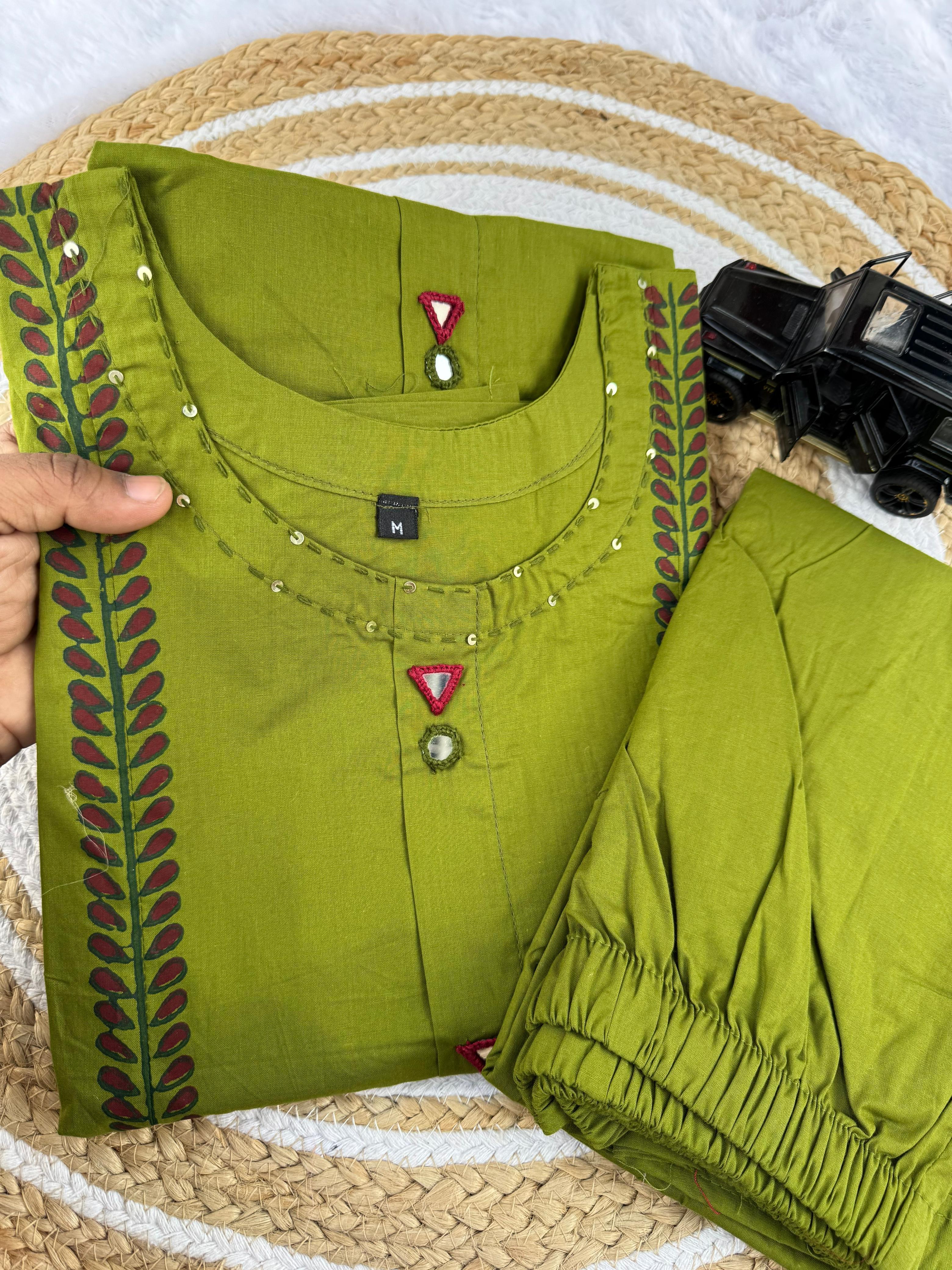
Hang a cotton suit on a broad hanger soon after wearing and allow it to air before folding. Use a cool iron or garment steamer according to the care label, and place a thin cotton cloth between the iron and zari, embroidery or delicate Chinon silk. High heat can flatten texture, damage metallic threads or create shine on dark fabrics.
don't wring embroidered, zari-woven or silk-blend garments. Store clean, fully dry suits away from direct sunlight, and fold heavily embellished pieces with soft tissue between layers. Cotton can usually tolerate more frequent washing, but colour, embroidery and lining instructions still take priority over assumptions based only on the word cotton.
When prolonged sitting is unavoidable, comfort comes from matching fibre, construction and use. Cotton remains the strongest all-day option, Chanderi gives light formal structure, and Chinon silk or zari suits are better reserved for occasions where elegance matters more than continuous seated wear. The right fit can narrow that comfort gap considerably.
Common Questions About Choosing a Salwar Suit for Long Sitting
Which fabric is most comfortable for a salwar suit worn all day?
Cotton is usually the most comfortable all-day salwar suit fabric because it is breathable and absorbs moisture. Choose a medium-weight cotton suit with a relaxed waistband and enough room at the hip and knee for better seated comfort.
Is Chanderi suitable for sitting for several hours?
Chanderi is suitable for several hours when the suit has a breathable lining and a roomy lower garment. Chanderi is lighter and dressier than cotton, but its crisp surface can show pressure creases and feel less forgiving in a tight fit.
Is Chinon silk comfortable in hot weather?
Chinon silk can feel comfortable in hot weather when it has a light, breathable lining and a loose cut, but it may cling or feel warmer than cotton. Avoid dense embroidery and tight elastic if the suit will be worn for a long seated event.
Which salwar suit bottom is easiest to sit in?
A relaxed salwar or palazzo is generally easiest to sit in because the extra width allows knee and thigh movement. A sharara can also work well, but the waistband and upper-thigh lining must not be tight.
How can I stop a salwar suit from creasing while sitting?
Choose a print or textured weave, avoid compressive fits and change position every 45 to 60 minutes. Hang the suit after wearing and use a cool iron or steamer suitable for the fabric and embellishment.
Are zari-woven salwar suits comfortable for long ceremonies?
Zari-woven salwar suits can be comfortable for long ceremonies when tailored with extra hip ease and a flexible waistband, but they are usually less breathable and less crease-resistant than cotton. They are better for formal events with breaks between seated periods.




