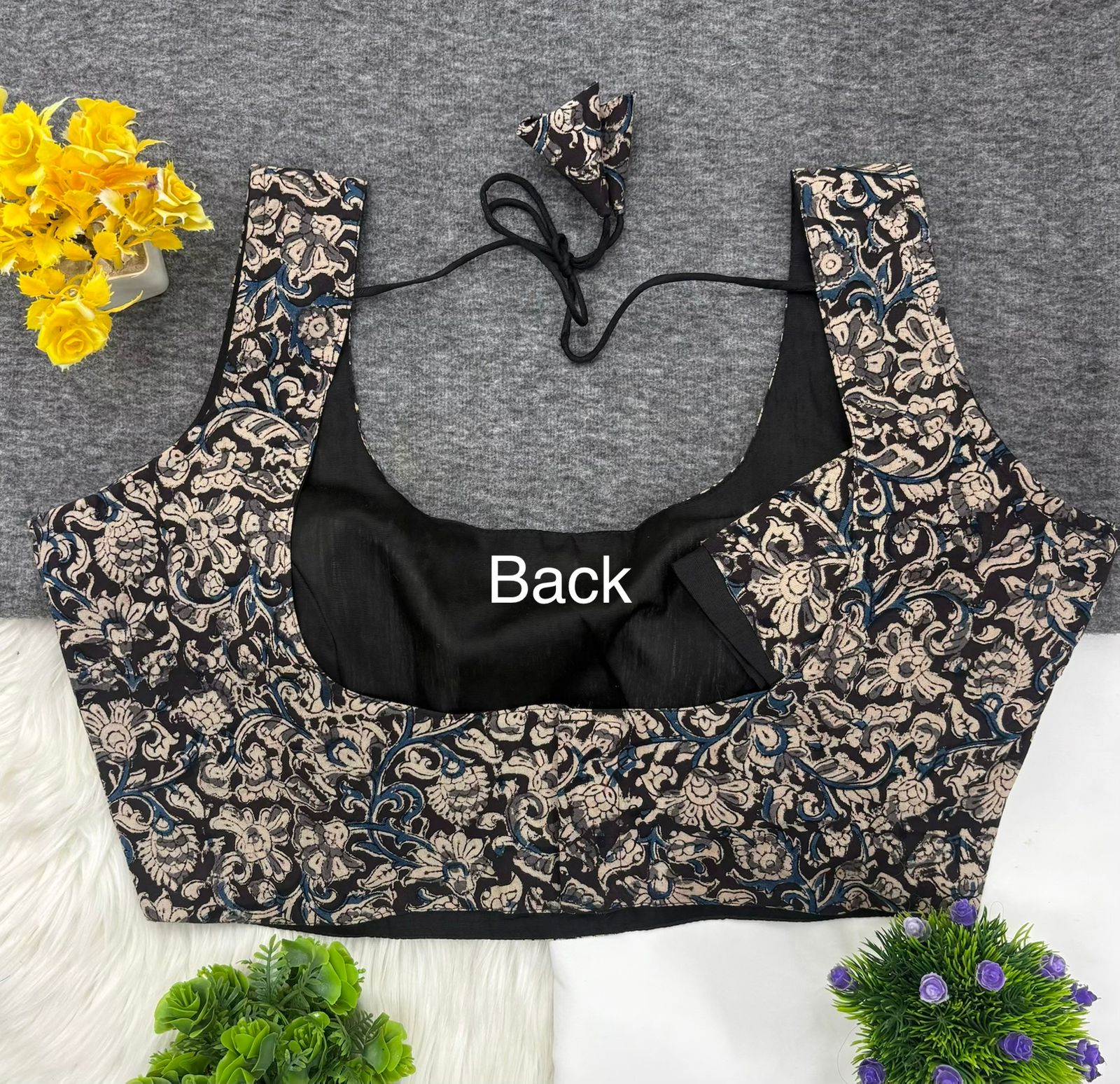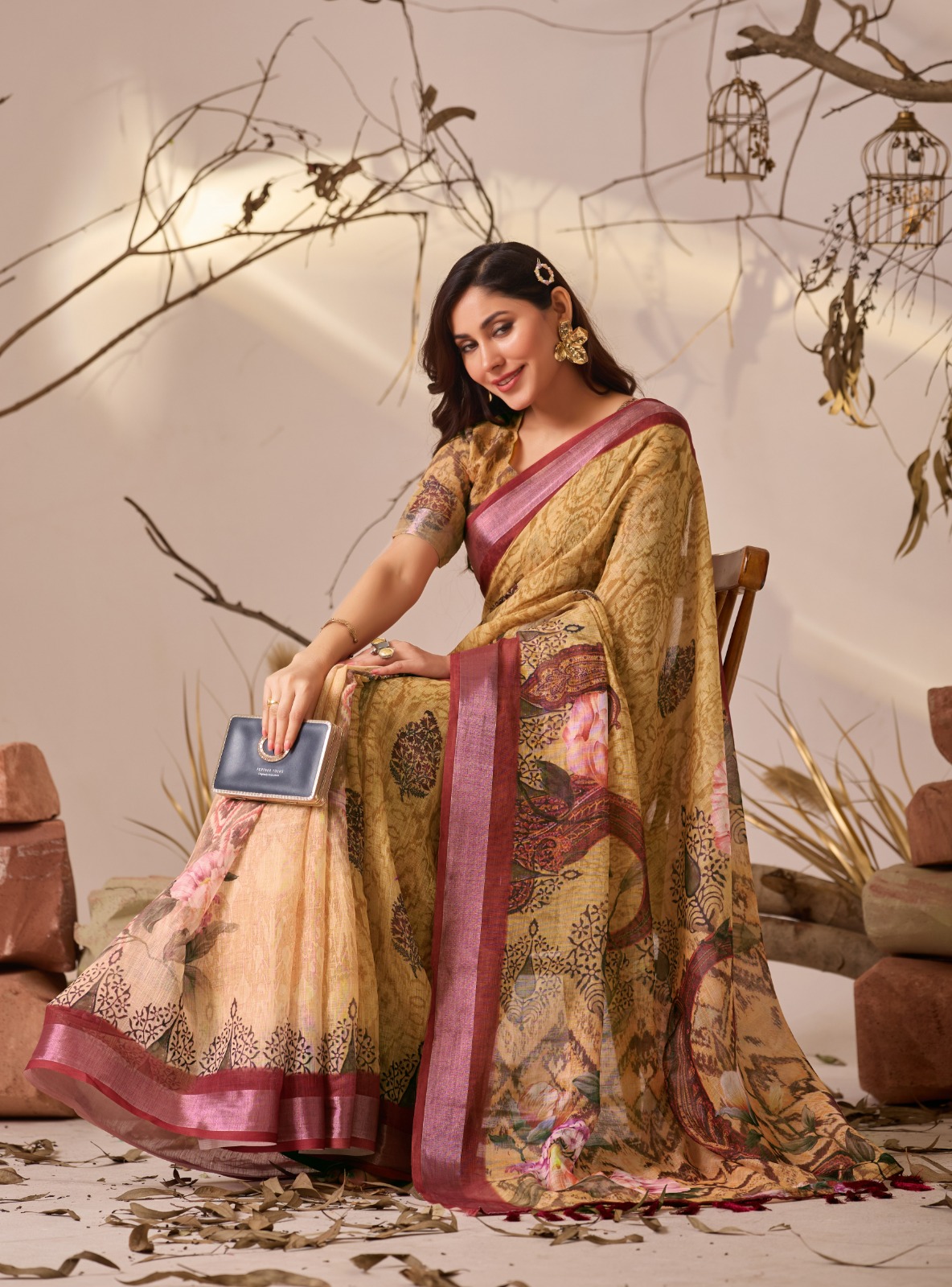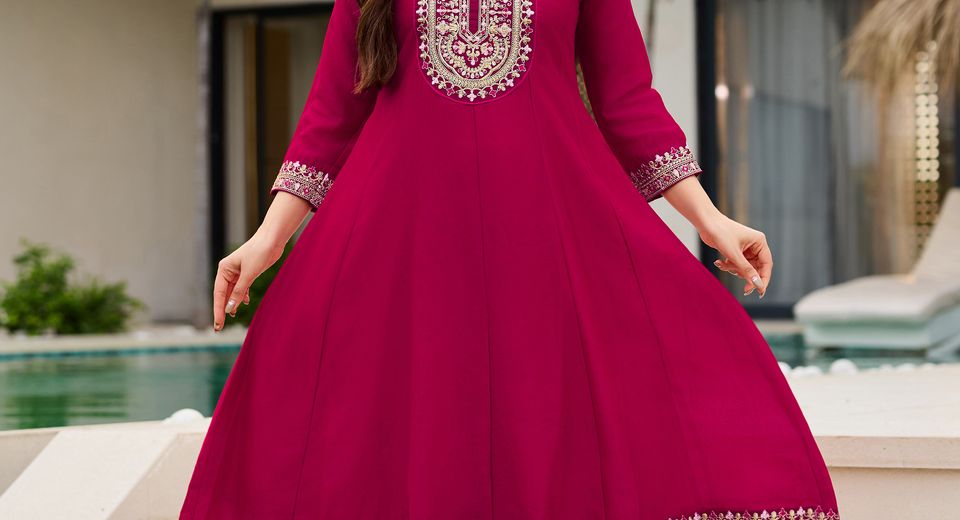
Punjab is the Indian state most closely associated with Punjabi suits. The phrase "which state is famous for Punjabi suits" has a direct answer: Punjab, especially through the Patiala salwar, flowing kameez, colourful dupatta and embroidered details that became recognisable far beyond the region. Punjabi suits are now worn throughout India, but their strongest cultural identity comes from Punjab's dress traditions, textile practices and lively festival wardrobe.
The connection is more specific than a simple association with bright clothing. A Punjabi suit usually combines a kameez or kurta with a salwar and dupatta, while a Patiala version uses a generously pleated, roomy salwar that gathers at the ankle. Phulkari-style floral embroidery, parandas, juttis, vivid pinks and greens, and fabrics suited to both hot summers and celebratory gatherings all help define the visual language.
Which state is famous for Punjabi suits? Punjab gives the clearest answer
Punjab is famous for Punjabi suits because the salwar kameez became a central part of Punjabi women's everyday and festive clothing. Punjab's regional identity, Patiala's distinctive salwar silhouette and the popularity of Punjabi music and cinema helped carry the style across India.
The historical Punjab region was larger than the present-day Indian state of Punjab and included areas that are now in Pakistan. Clothing traditions therefore developed across a broad cultural landscape rather than within one modern state boundary. After Partition, Punjabi families on both sides continued wearing variations of the salwar kameez, and the garment retained its regional identity in Indian Punjab.
Punjabi suits also became practical urban clothing. The salwar allows easier movement than many close-fitting lower garments, while the kameez provides coverage and can be adapted for work, travel, prayer and social events. Cotton suits became useful in Punjab's warm climate, whereas silk, brocade, chiffon and embellished textiles entered wedding and festival wardrobes.
Other Indian states have equally important suit traditions. Gujarat is known for Bandhani and mirror-work influences, Maharashtra has the Paithani sari tradition, Odisha has Sambalpuri textiles, and Kerala has its own cream-and-gold festive language. Those regional styles should not be confused with the specific Punjabi identity of the Patiala salwar and Punjabi kameez.
How did Punjab shape the contemporary salwar kameez?
Punjab shaped the up-to-date salwar kameez by popularising a three-part outfit that balances volume, movement and ornament. The kameez became the focal garment, the salwar supplied comfort and the dupatta added colour, modesty and styling flexibility.
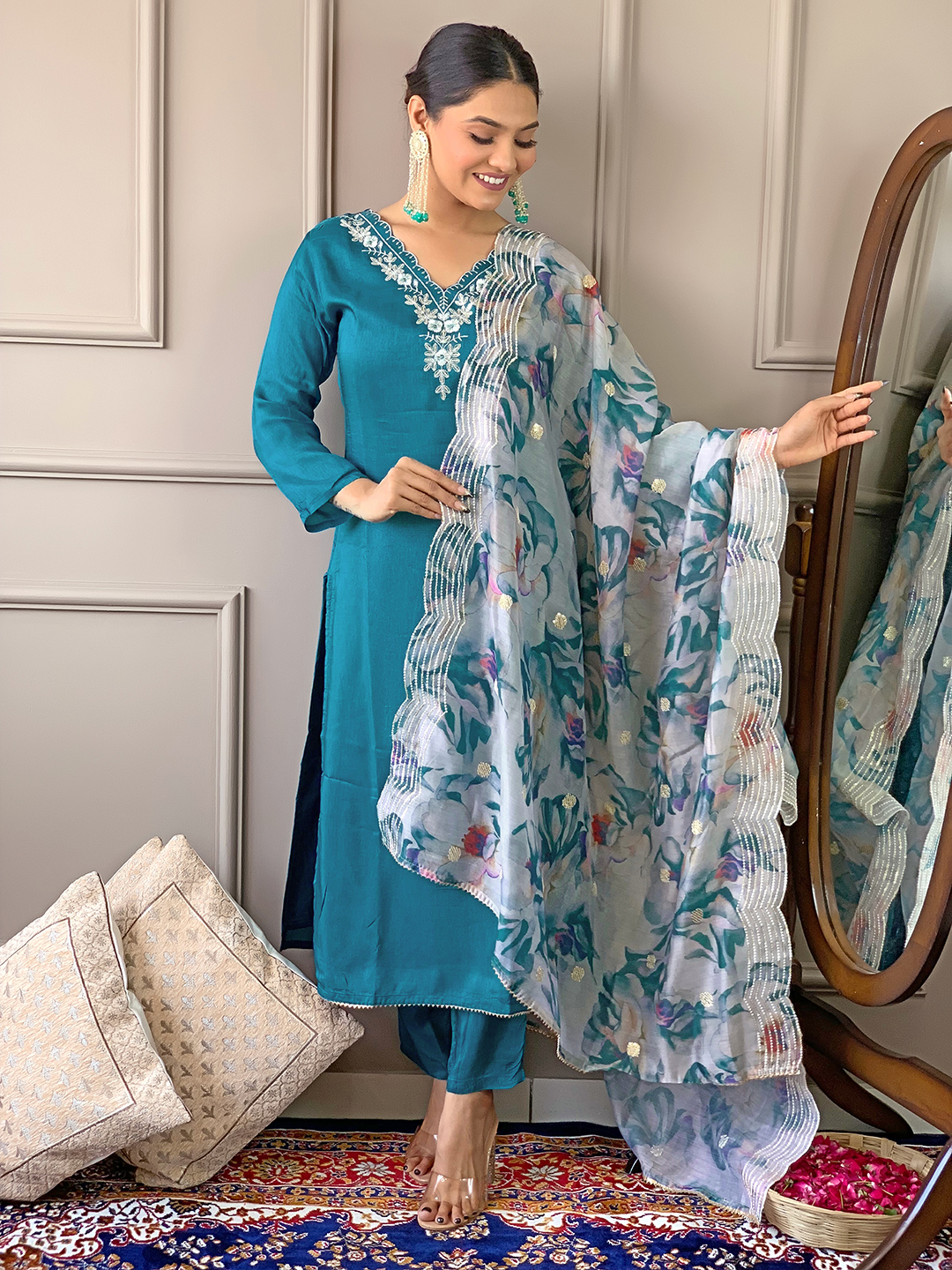
Traditional Punjabi kameez lengths vary, but many contemporary designs use a straight kurta, an A-line cut or a shorter kurti that makes the pleated salwar more visible. A Patiala salwar generally has extra fabric gathered into multiple folds, creating a rounded, draped appearance around the hips and thighs before narrowing at the calf.
What makes a Patiala salwar different?
A Patiala salwar is different because it uses deep pleats and substantial fabric volume, usually with a shorter kameez and a contrasting or matching dupatta. A regular salwar can be less voluminous and more tapered, while a churidar fits closely along the calf and ankle.
The Patiala shape needs careful proportion. A long, heavily flared kameez can hide the pleats and make the outfit look visually crowded. A shorter kurta, a defined waistline and a dupatta placed over one shoulder generally allow the silhouette to remain clear. Taller wearers may choose a longer Patiala drop, while petite wearers often benefit from fewer pleats and a shorter hemline.
Why is the dupatta important in Punjabi dressing?
The dupatta is important because it completes the Punjabi suit's colour balance and brings an easy way to introduce embroidery, print or texture. A phulkari-inspired dupatta can transform a simple cotton kameez, while a lightweight chiffon dupatta keeps a festive outfit from feeling heavy.
For everyday wear, a 2.25-metre dupatta in cotton or modal is generally manageable. Formal three-piece suits may use a wider embellished dupatta, so checking the finished width matters before buying. A narrow dupatta can look neat with a straight kurta, while a broad dupatta creates more coverage and a softer drape.
Which details identify a Punjabi suit?
Punjabi suits are commonly identified by Patiala pleats, a comfortable salwar, a kameez with a lively colour contrast, a coordinated dupatta and embroidery influenced by Punjab's floral craft traditions.
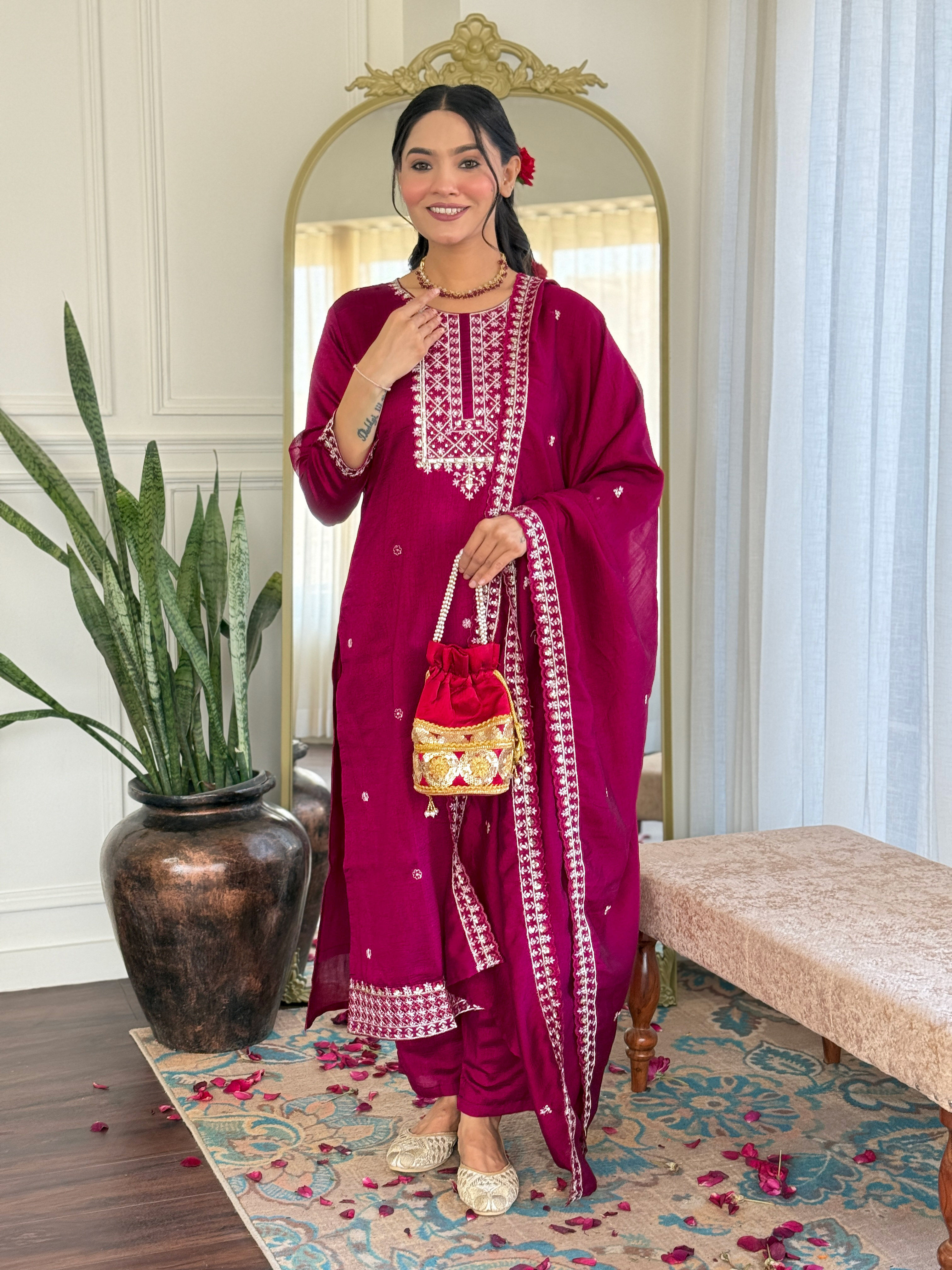
- Patiala pleats: Deep, rounded folds give the lower half of the outfit its signature movement.
- Phulkari influence: Floral motifs and bold threadwork reference Punjab's well-known embroidered textile tradition.
- Colour contrast: Rani pink with green, mustard with magenta, royal blue with fuchsia and pista with pink are common festive combinations.
- Comfortable construction: Side slits, a relaxed salwar and a breathable lining make the outfit practical for long wear.
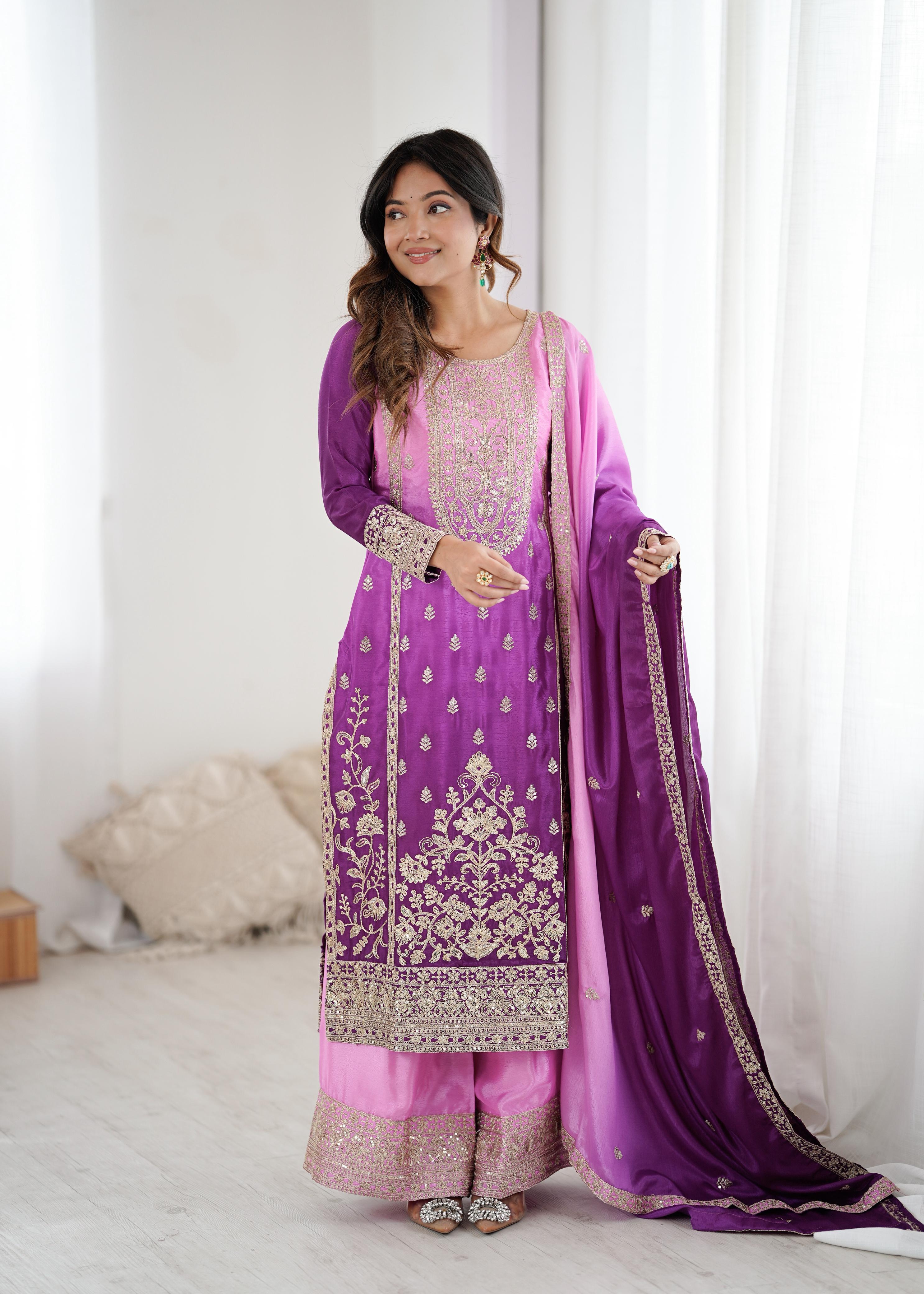
- Decorative finishing: Zari, sequins, gota, mirror-style accents, tassels and embroidered borders may appear on festive versions.
Not every bright salwar suit is automatically Punjabi. A straight kurta with cigarette pants may be a current Indian kurta set, while an Anarkali suit is defined by its flared, princess-line shape. A palazzo suit has wide-leg trousers rather than a gathered salwar. The name should describe the cut and regional influence, not only the colour palette.
The Pista Royale Salwar Suit demonstrates how a soft green palette can retain a Punjabi festive mood without depending on heavy ornament. By contrast, the Hot Pink Vichitra Embroidered Suit uses a stronger colour statement suited to a celebration or family function. These examples show why colour and surface work matter, but neither replaces the importance of the salwar-kameez proportions.
How do Punjabi suits compare with regional suit traditions?
Punjabi suits differ from other regional suit traditions mainly through their silhouette, textile references and styling details. Comparing the garments helps a shopper identify what she is actually buying instead of treating every salwar kameez as interchangeable.
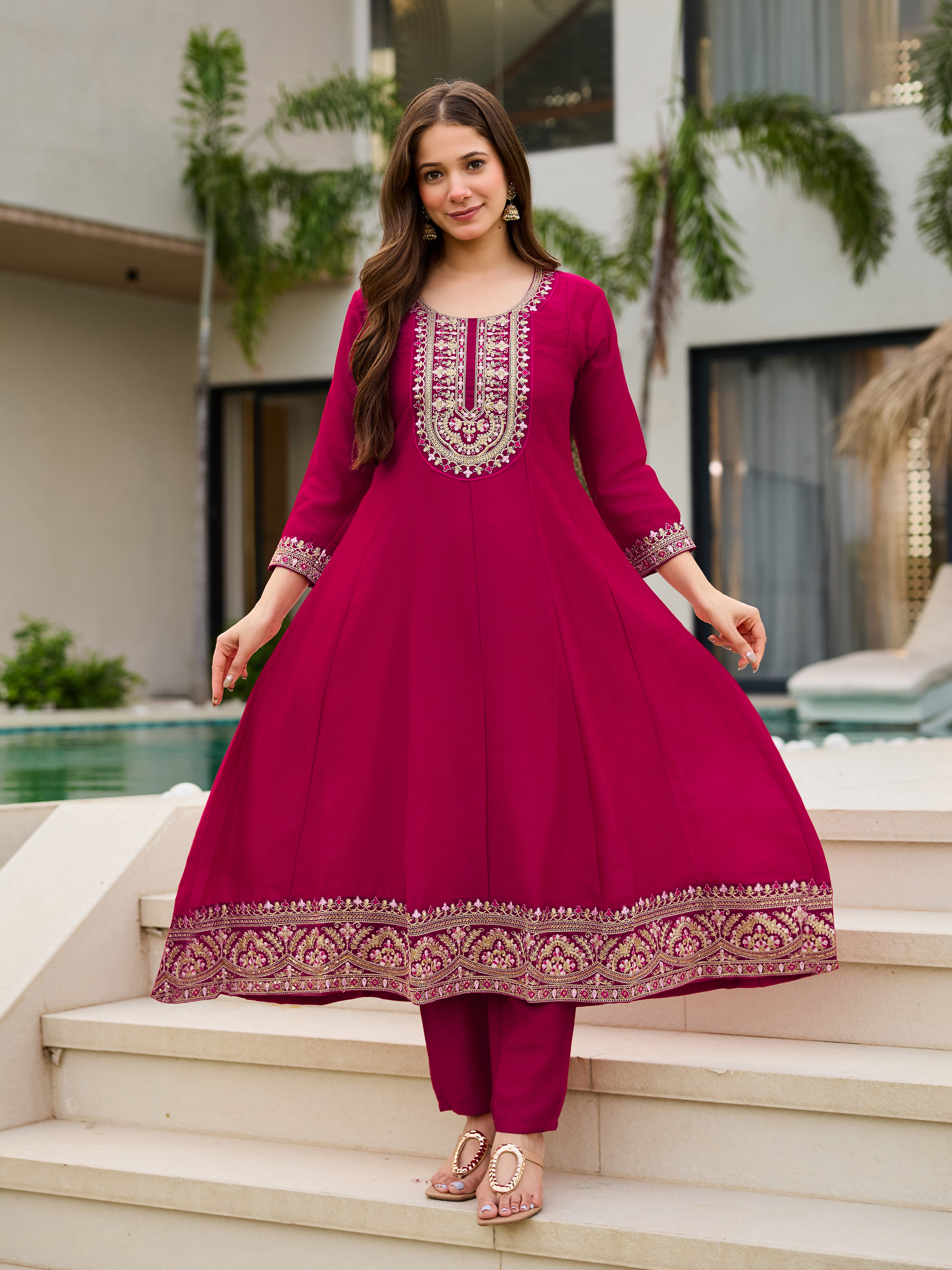
Punjab and Gujarat
Punjab is represented by Patiala salwars and phulkari-associated colour and embroidery, while Gujarat is strongly associated with Bandhani, mirror work and festive garba clothing. The Gujarat Bandhej Salwar Suits collection reflects Gujarat's tie-dye vocabulary more directly than a Patiala-focused design.
Punjab and Maharashtra
Maharashtra is recognised for Paithani silk, peacock motifs and distinctive zari borders, whereas Punjab is better known for salwar-kameez comfort and Patiala volume. A suit inspired by the Maharashtra Paithani Inspired Salwar Suits collection may use Paithani-like colour placement or border ideas without becoming a traditional Punjabi suit.
Punjab and Odisha
Odisha's Sambalpuri tradition is known for ikat weaving, bandha techniques and geometric or nature-inspired motifs. The Odisha Sambalpuri Salwar Suits collection points toward that textile heritage, while Punjab's most recognisable reference remains the pleated salwar and embroidered kameez.
Punjab and the wider North Indian wardrobe
Delhi, Haryana, Himachal Pradesh and parts of Rajasthan also wear salwar suits extensively, and regional boundaries naturally overlap. The Punjab Patiala Salwar Suits collection makes the Punjab connection explicit, while Ahmedabad Bandhani Salwar Suits signals a Gujarati textile direction rather than a Patiala one.
What fabrics work best for Punjabi suits?
Cotton, cotton blends, rayon, Chanderi, silk blends, Chinon and georgette can all work for Punjabi suits, but the right fabric depends on the season, pleat structure and level of formality.
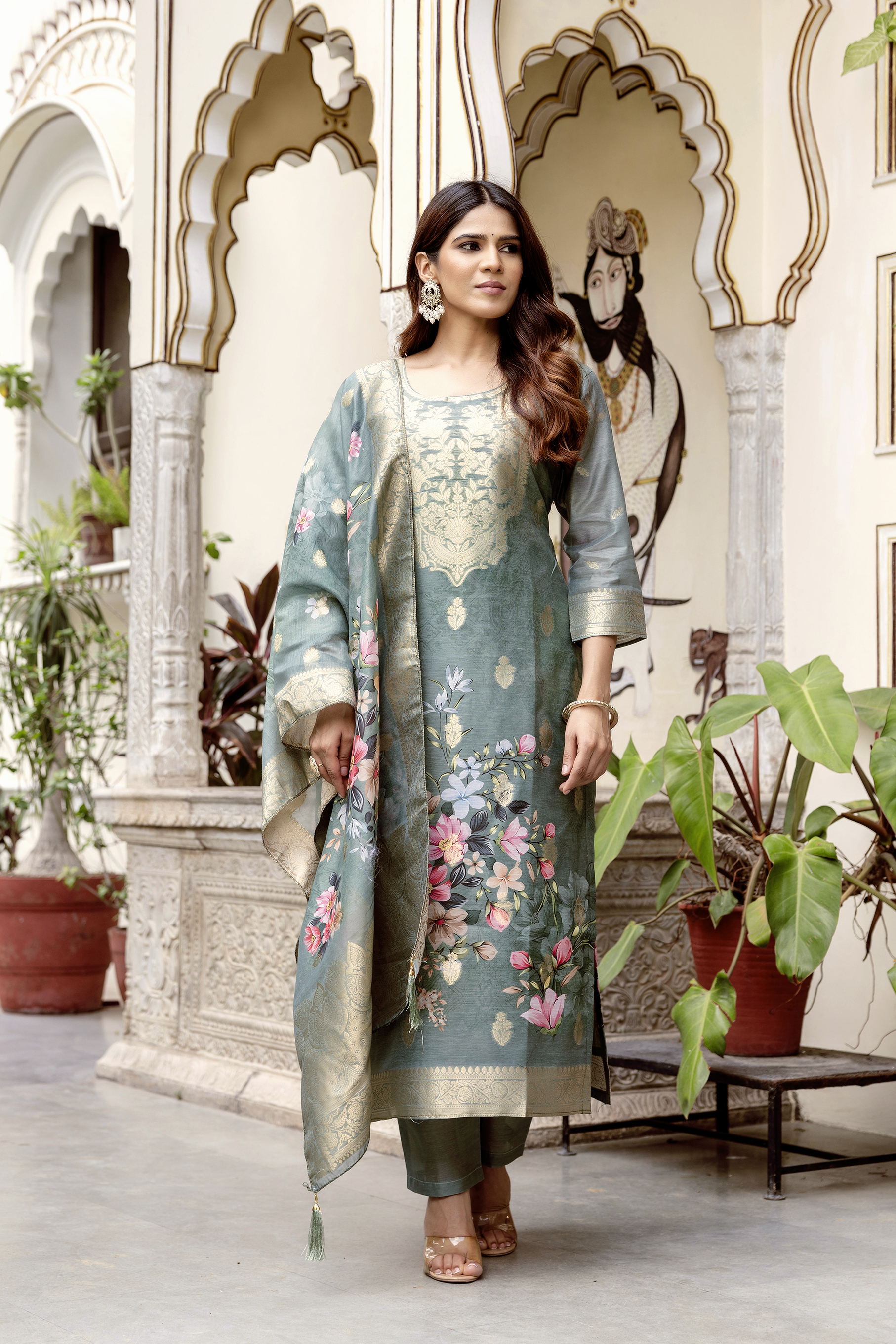
- Cotton: Choose cotton for daily wear, summer use and suits that need a crisp, breathable feel. Cotton also supports block prints and simple embroidery well.
- Rayon: Rayon drapes softly and works for relaxed straight suits, although very fluid rayon may reduce the definition of Patiala pleats.
- Chanderi: Chanderi has a lightweight, slightly sheer appearance and suits daytime festive dressing when paired with a lining or substantial slip.
- Silk: Silk and silk blends create a richer look for weddings, Diwali and evening gatherings. Silk usually needs more careful storage than cotton.
- Chinon and georgette: These fabrics are useful for flowing dupattas and occasion suits, especially when the design includes embroidery or zari.
The Rani Pink Chanderi Embroidered Kurta Set Dupatta illustrates why Chanderi is popular for light festive dressing: the fabric can look refined without the weight of dense silk. The Brown Chinon Silk Sharara Suit Set for Women represents a more fluid occasion silhouette, although a sharara isn't the same garment as a Patiala salwar.
For formal wear, the Pink Silk Embroidered Suit Set can suit receptions and festive dinners where a lustrous surface is appropriate. The Embroidered Salwar Suit Set for Women is an useful category example for shoppers who want ornament but still prefer the familiar three-piece format. Fabric weight, lining and seam finishing should be checked together because embroidery can make even a lightweight base feel substantial.
How should you style a Punjabi suit for different occasions?
A Punjabi suit should be styled according to the event, fabric weight and amount of embroidery rather than colour alone. The same salwar-kameez foundation can look casual, festive or wedding-ready with different accessories and draping.
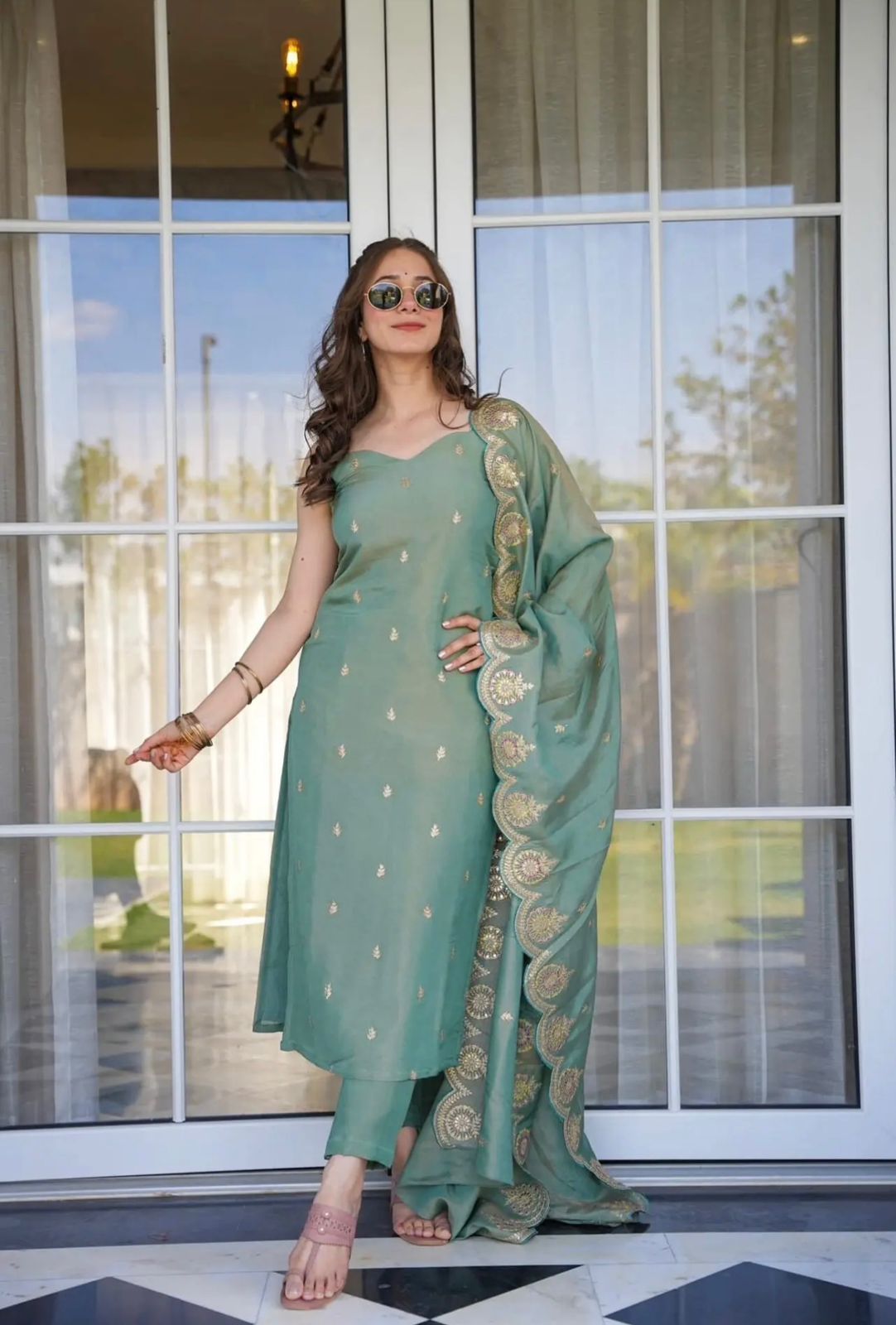
For everyday wear
Choose cotton or a breathable blend, moderate embroidery and a dupatta that can be washed easily. Flat juttis, small silver earrings and a low braid keep the outfit practical for commuting, shopping or university. A straight kameez with a lightly gathered salwar is easier to sit and move in than an extremely full Patiala design.
For a Haldi ceremony
A Haldi ceremony suits cheerful yellow, pista, pink, orange or green Punjabi suit combinations with washable or easy-care fabrics. Keep heavy zari away from areas likely to contact turmeric paste, and select jewellery that can be removed quickly. The Elegant Pista Festive Wear Kurta Pant Set offers the softer palette often chosen for daytime celebrations, although a kurta-pant set has a cleaner lower silhouette than a Patiala suit.
For weddings and evening events
Silk blends, Chinon, sequins, zari borders and embroidered dupattas are suitable for evening functions. The Stylish Royal Blue Kurta Pant Set with Dupatta Online shows how royal blue can create formal impact even when the lower garment is a tailored pant rather than a salwar. Add metallic sandals, a structured potli and one strong piece of jewellery instead of competing accessories.
A Punjabi suit can also be dressed down by removing a heavily embellished dupatta and replacing it with a plain cotton or chiffon layer. This approach extends the usefulness of a festive kameez and reduces the need to purchase a separate outfit for every event.
What should you check before buying a Punjabi suit online?
Check the size chart, finished garment measurements, fabric composition, lining, dupatta dimensions and care instructions before buying a Punjabi suit online. Product photographs alone can't reveal whether the salwar has enough volume or whether the kameez will sit at the intended length.
- Measure the body and a well-fitting garment: Compare bust, waist, hip, shoulder and kurta length with the seller's chart. Do not rely only on your usual letter size.
- Check the salwar construction: Look for the stated waist range, elastic or drawstring fastening, crotch depth and ankle opening. A Patiala silhouette needs sufficient fabric and a comfortable rise.
- Confirm transparency and lining: Chanderi, Chinon and lighter georgette may need lining, particularly in pale colours.
- Read the care label: Hand-washing, dry-cleaning and colour-separation instructions affect the outfit's long-term cost and convenience.
- Assess the dupatta: Note the length, width, border and embellishment. A small dupatta may not provide the coverage shown in a styled photograph.
- Match the garment to the event: Cotton and light blends suit daytime use, while silk, dense embroidery and zari are better reserved for occasions that justify more care.
Colour names can also vary between screens and batches. A "rani pink" may appear warmer or cooler depending on lighting, while pista can range from pale mint to a deeper green. Reviewing close-up photographs and the fabric description is more reliable than judging a colour from a single model image.
Punjabi suits remain relevant because they combine regional character with practical movement. Knowing why Punjab is linked to the style makes it easier to distinguish a Patiala salwar from a palazzo, a phulkari influence from generic embroidery, and a genuinely useful everyday suit from an outfit designed only for photographs.
Common Questions About Punjab’s Punjabi Suit Tradition
Which state is famous for Punjabi suits?
Punjab is the Indian state most famous for Punjabi suits. The Patiala salwar, colourful kameez, dupatta styling and phulkari-inspired embroidery are strongly associated with Punjab.
What is the difference between a Punjabi suit and a Patiala suit?
A Punjabi suit is a broad category of kameez, salwar and dupatta outfits linked with Punjab. A Patiala suit is a specific Punjabi style featuring a very full, deeply pleated salwar that gathers near the ankle.
What is traditionally worn with a Punjabi suit?
A Punjabi suit is traditionally worn with a dupatta and may be paired with juttis, bangles, earrings and a paranda or braid accessory. Phulkari-style embroidery and bright colour contrasts are common decorative references.
Are Punjabi suits suitable for summer?
Punjabi suits are suitable for summer when made from cotton, cotton blends or lightweight fabrics such as Chanderi. Breathable fabric, a comfortable lining and a non-heavy dupatta are better choices than dense silk or extensive metallic embroidery.
Can a Punjabi suit be worn to a Haldi ceremony?
A Punjabi suit works well for a Haldi ceremony, especially in yellow, pista, pink, orange or green. Choose washable or easy-care fabric and avoid delicate heavy zari in areas likely to come into contact with turmeric paste.
How do I identify a Patiala salwar when shopping online?
Look for a roomy lower garment with multiple deep pleats, a gathered ankle and a shorter or moderately long kameez. Product measurements should confirm the waist range, rise and leg volume because photographs may exaggerate the pleated effect.