Which state is famous for Bandhani suits? Gujarat is the state most closely associated with Bandhani, especially the textile traditions of Kutch, Jamnagar, Bhuj and parts of Saurashtra. Rajasthan also has a strong Bandhani heritage, but Gujarat is widely recognised for its distinctive Bandhej colours, finely tied dots and long-standing craft communities. A Bandhani salwar suit combines that resist-dye tradition with a practical three-piece outfit: kurta, bottom and dupatta.
Knowing the geography makes shopping more meaningful. A printed fabric with scattered dots may borrow the appearance of Bandhani, while genuine tie-dye work begins with fabric that has been pinched, tightly tied and dyed in stages. The difference affects texture, irregularity, price and care. A well-chosen suit can work for a Haldi ceremony, family gathering, office celebration or festive dinner without looking costume-like.
Which state is famous for Bandhani suits and why?
Gujarat is the state most famous for Bandhani suits because Bandhani, locally called Bandhej, has deep roots in Gujarati textile production and dress. Kutch and Jamnagar are particularly important centres, while Bhuj and other parts of Gujarat are known for vivid colour combinations and regional craft knowledge.
Bandhani is created by lifting tiny sections of cloth and tying them with thread before dyeing. The tied portions resist the dye and become small, pale dots when the threads are opened. Artisans can repeat the process with different colours, producing patterns such as dotted fields, waves, circles, flowers and complex geometric arrangements.
Rajasthan deserves a clear place in the story. Cities and regions including Jaipur, Jodhpur, Udaipur and the wider Marwar area also have celebrated Bandhani and Leheriya traditions. Gujarat, however, remains the most direct answer to the question "which state is famous for Bandhani suits?" because Bandhej is strongly woven into Gujarati clothing, wedding customs, local markets and textile identity.
Gujarati Bandhani also became widely visible through odhnis, sarees, ghagras and festive dress. Salwar suits offer a more contemporary format because the kurta provides a structured base while the dupatta carries the strongest Bandhani expression. That arrangement makes the craft accessible to people who prefer practical ethnic wear over a full traditional ensemble.
Which state is famous for Bandhani suits and how is Bandhani made?
Bandhani is made by pinching small sections of fabric, tying those sections tightly with thread and dyeing the cloth so the tied areas resist colour. Repeated tying and dyeing create multicoloured patterns with layers of dots and motifs.
From tying to dyeing
The process starts with a suitable fabric such as silk, cotton, georgette, crepe or a blended textile. An artisan marks or follows a pattern, pinches small portions of cloth, secures each portion with thread and dips the fabric into dye. Several rounds of tying and dyeing create layered colours, so a multicoloured design takes more time than a single-colour dotted ground.
After drying, the threads are removed and the tied points open into characteristic marks. Slight differences in dot size, spacing and alignment can indicate handwork rather than a perfectly repeated machine print. Those irregularities should not automatically be treated as defects; they're part of the visual evidence of a resist-dye process.
Bandhani, Bandhej and printed Bandhani
Bandhani and Bandhej are commonly used names for the same broad tie-dye tradition, with Bandhej especially common in Gujarati usage. "Bandhani print" can describe a printed imitation rather than cloth that has been tied and dyed by hand.
Product descriptions matter because a Bandhani-style dupatta may reproduce the look without claiming classic hand-tied work. The distinction is useful when comparing price, pattern regularity and maintenance. A printed Bandhani-style fabric can be a sensible choice for frequent wear, while hand-tied Bandhani may be selected for its craft value and distinctive surface character.
Consumers should also check the base fabric. A Bandhani pattern on cotton feels different from Bandhani on crepe, georgette or silk. Fabric composition affects drape, opacity, breathability, ironing temperature and suitability for summer functions. The name Bandhani identifies the pattern-making tradition, not one single fibre.
Which state is famous for Bandhani suits and what colours are heritage?
Gujarati Bandhani is recognised for energetic colour contrasts, fine dotted formations and patterns that carry regional and ceremonial associations. Red, yellow, green, fuchsia, orange, indigo, black and white commonly appear, although contemporary suits also use wine, cream, teal and muted jewel tones.
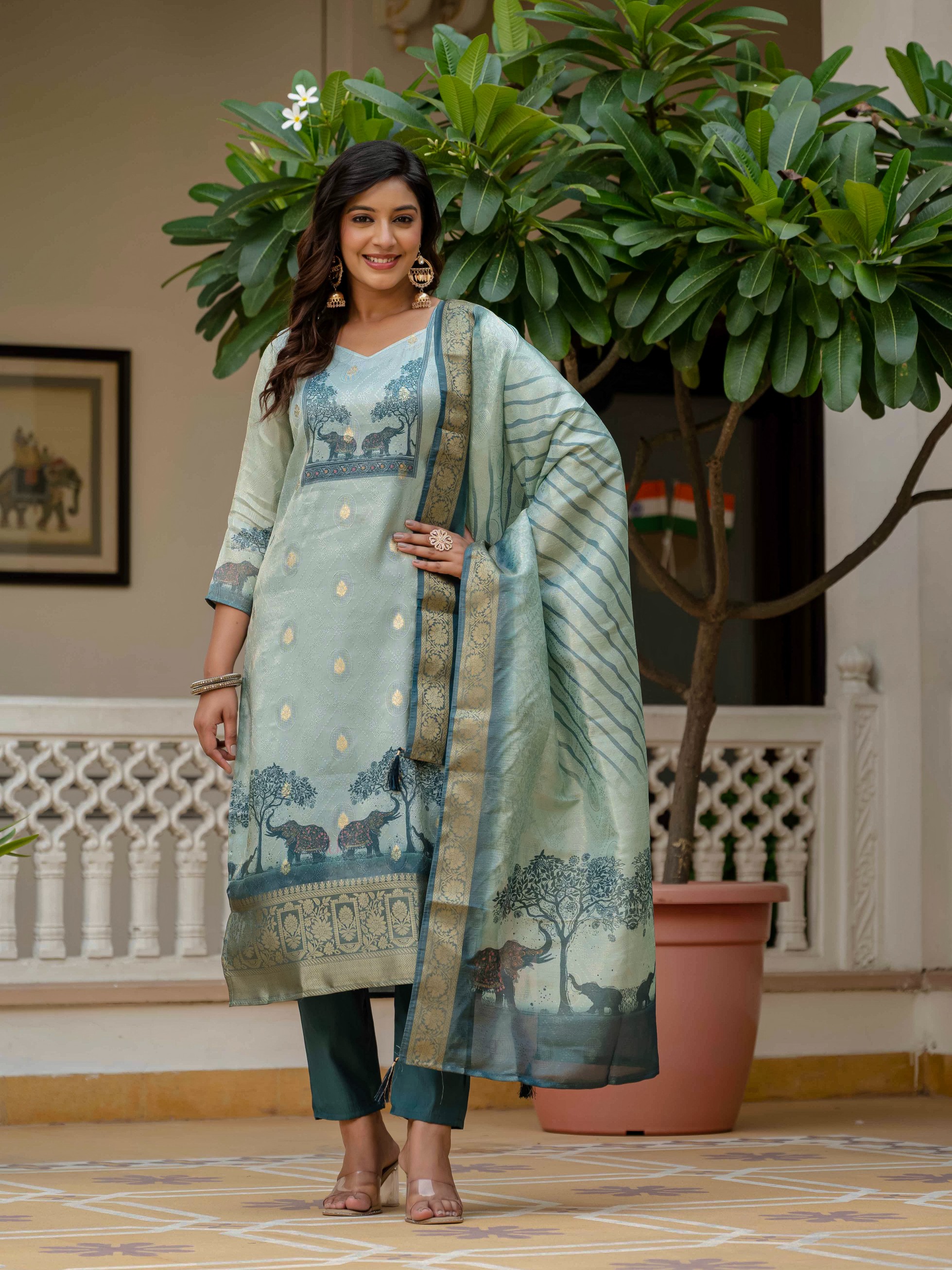
Red Bandhani is strongly associated with bridal and festive clothing in many communities, while yellow and saffron are natural choices for a Haldi ceremony. Green and pink create a lighter daytime combination, and deep maroon or wine can make a Bandhani suit suitable for an evening event. Colour alone doesn't prove authenticity, but colour placement often reveals whether a design is inspired by Gujarat, Rajasthan or a modern fashion interpretation.
Common visual forms include small round dots, clusters resembling flowers, circular medallions and diagonal or wave-like arrangements. Leheriya is a related resist-dye tradition recognised for flowing stripes rather than the tied dots of Bandhani. A Gujarati outfit may combine Bandhani with mirror work, gota, thread embroidery, zari borders or printed motifs, but those additions are separate from the tie-dye technique itself.
Colour balance is especially important in a salwar suit. A bright Bandhani dupatta can enliven a cream, ivory or black kurta, while a multicoloured kurta usually benefits from a quieter bottom. A wine suit with gold embroidery can be accessorised with antique gold, whereas a green-and-pink Bandhani combination may work better with silver, enamel or colourful glass jewellery.
Which state is famous for Bandhani suits and how should you choose one?
The best Bandhani suit depends on the event, fabric weight, amount of surface decoration and the comfort required over several hours. A breathable cotton or light crepe suit suits daytime gatherings, while silk blends, richer embroidery and zari details are better reserved for formal celebrations.
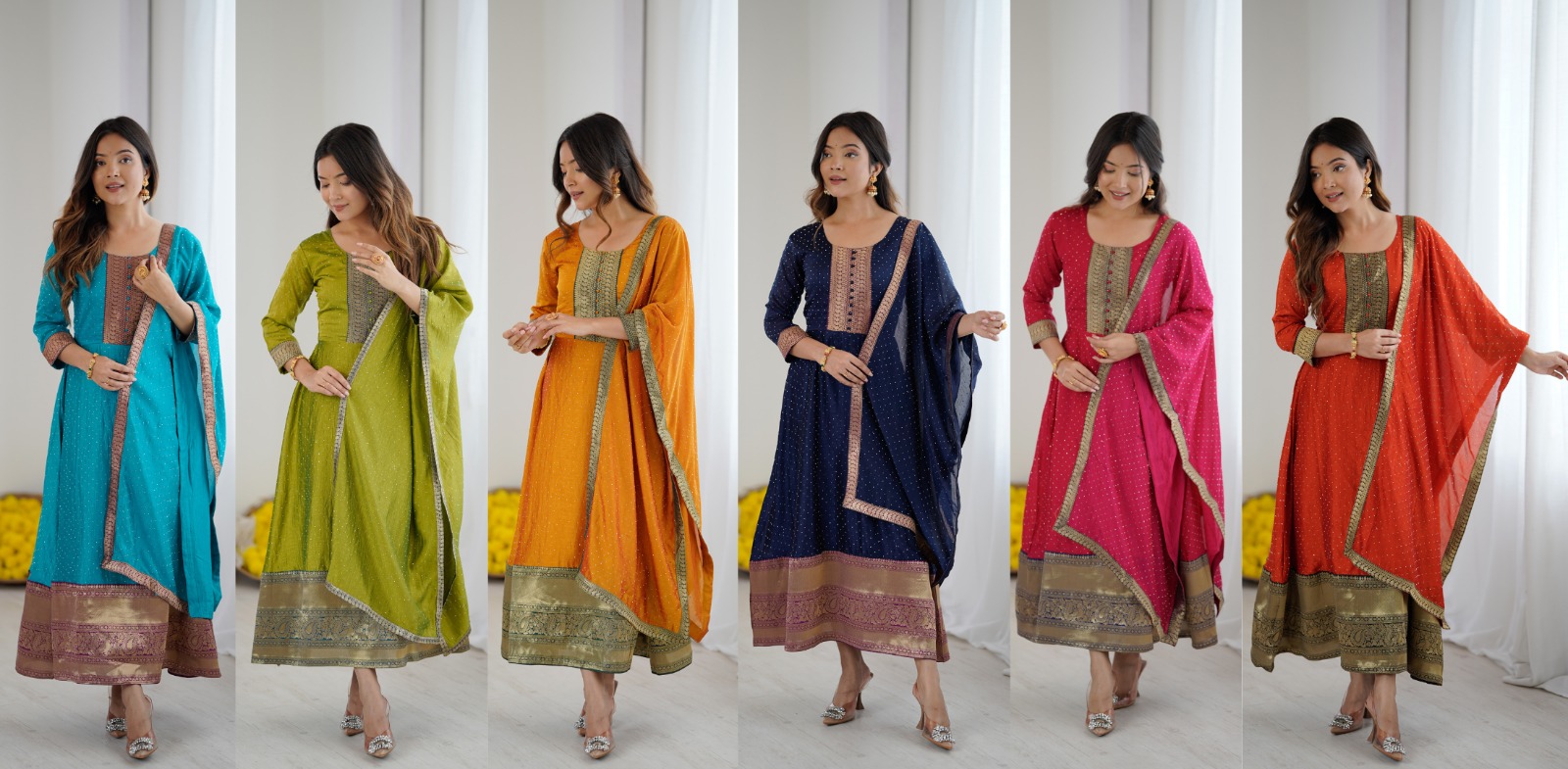
For daytime and intimate functions
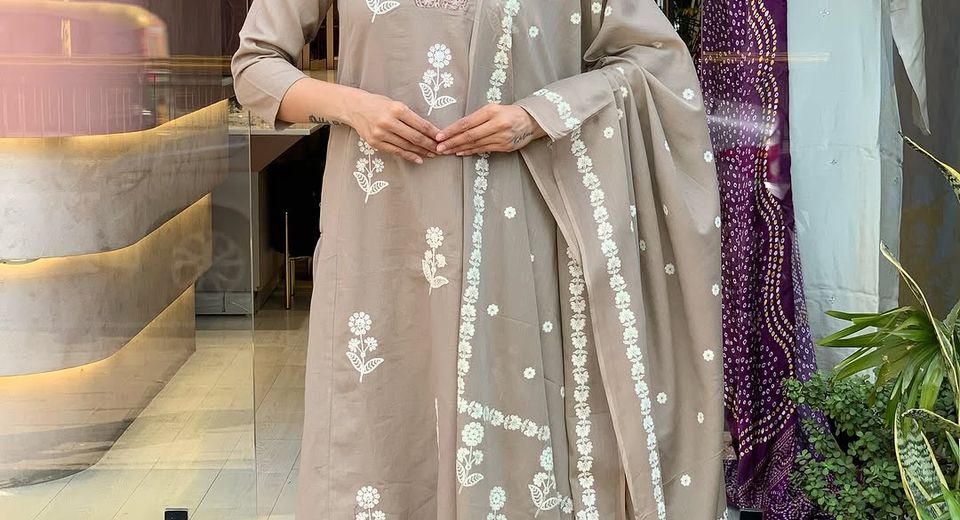
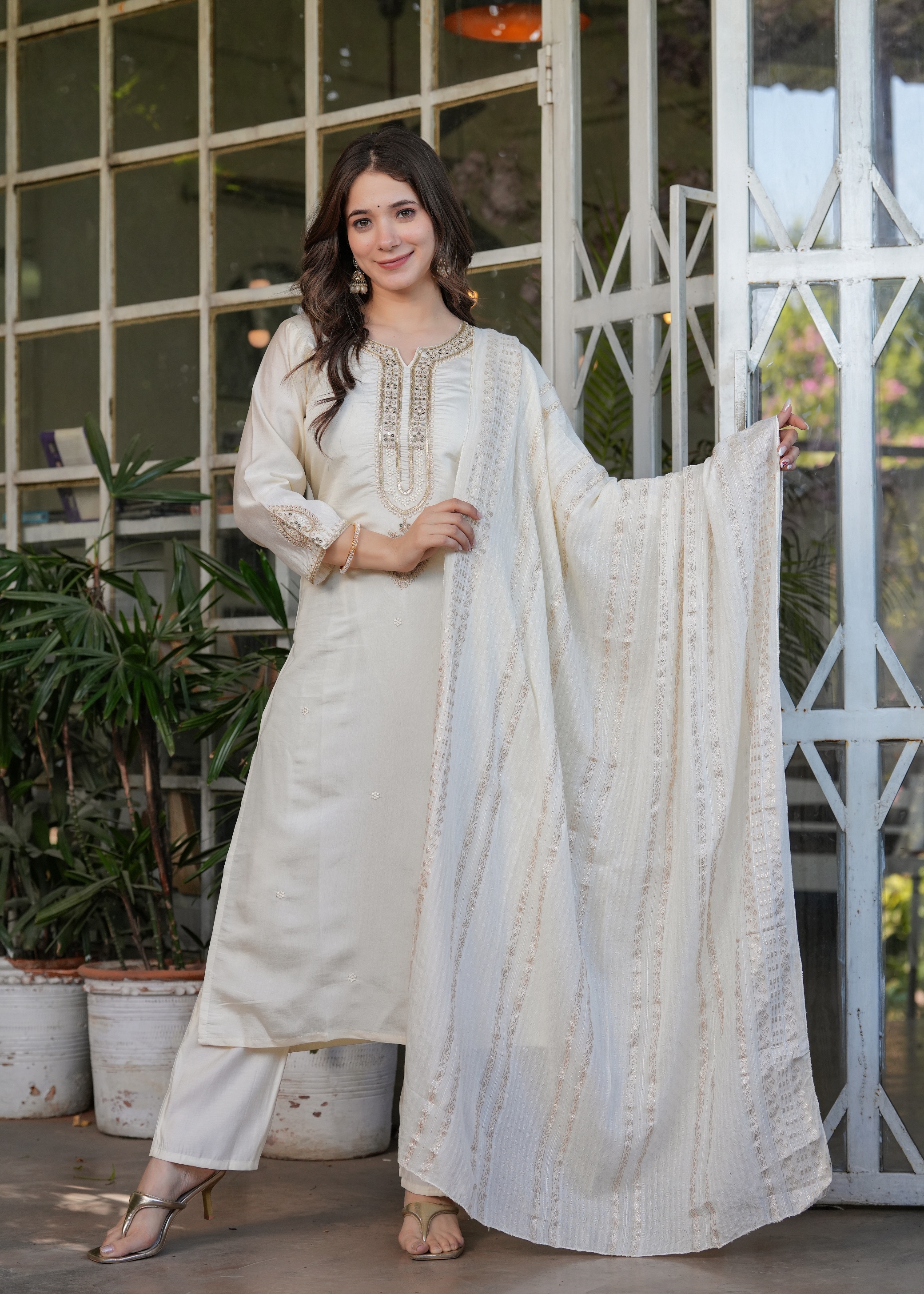
A lighter straight kurta with a Bandhani dupatta works well for brunches, pujas and small family functions. The Cream Embroidered Kurta Set with Bandhani Style Dupatta demonstrates why a restrained base can make a patterned dupatta the focal point without overwhelming the wearer.
For a Haldi ceremony, yellow, green, pink or orange create a festive appearance in photographs. Choose a dupatta that can be pinned securely at the shoulder, and check whether the fabric will remain comfortable in warm weather. Cotton, cotton-silk and lightweight rayon generally feel easier for long daytime wear than heavily embellished polyester.
For weddings and evening celebrations
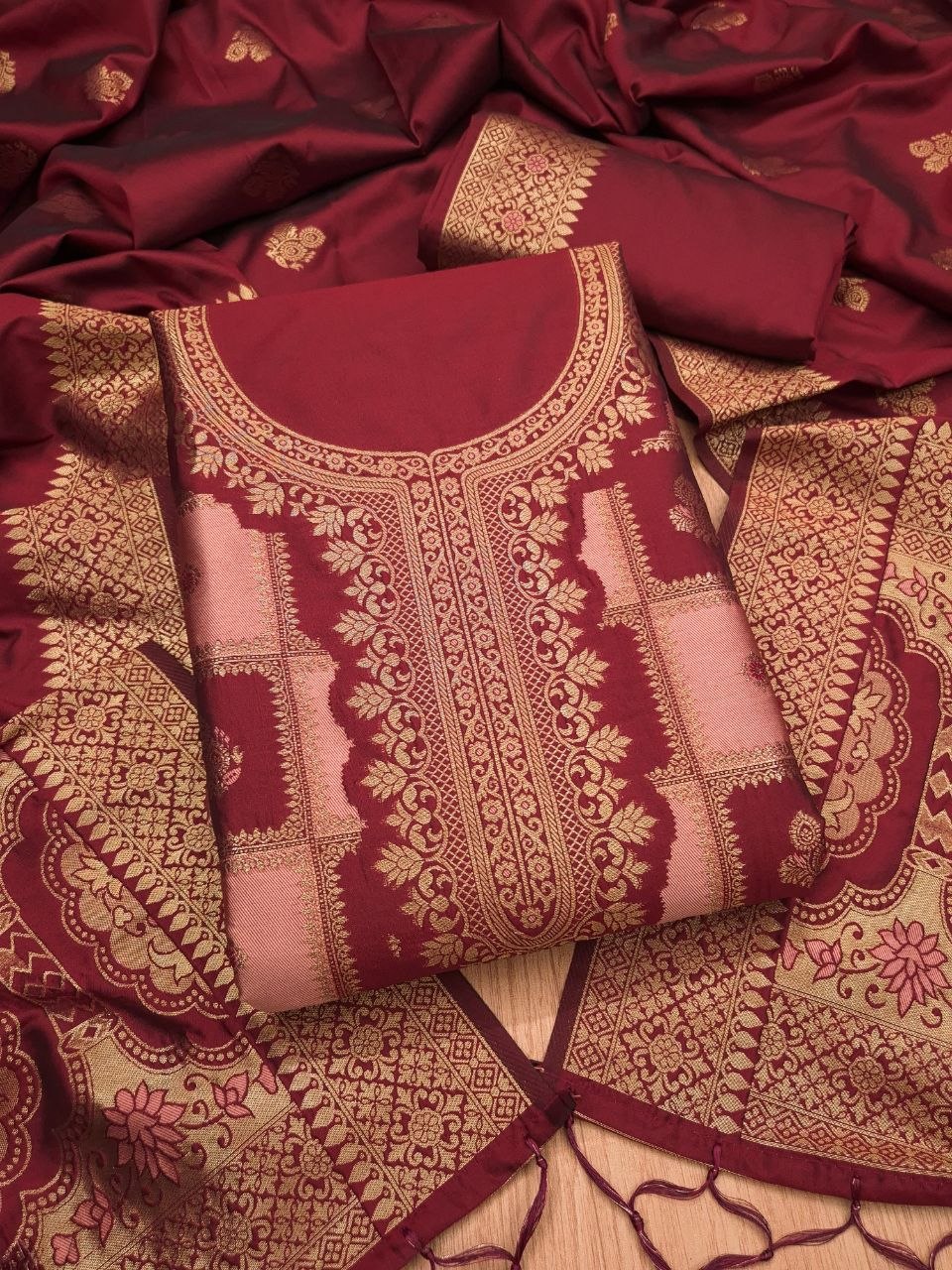
Evening Bandhani suits benefit from deeper colours, controlled shine and one strong embellishment detail. Wine RomanSilk Bandhani Charm Embroidered Salwar suite uses a rich wine direction that can be paired with antique-gold jewellery, embroidered juttis and a compact potli bag.
A heavily decorated suit doesn't require equally elaborate accessories. If the kurta contains embroidery and the dupatta already carries a bold Bandhani pattern, select one statement element such as chandbali earrings or a zari-edged clutch. Excessive contrast can make the outfit look visually busy, particularly in close-up photographs.
For an unstitched suit material
Unstitched material offers control over neckline, sleeve length, trouser width and kurta flare, but tailoring must be planned before purchase. The Maroon Paithani Style Zari Woven Unstitched Suit Material, Green Paithani Style Zari Woven Unstitched Suit Material, Black Paithani Style Zari Woven Unstitched Suit Material and Royal Purple Paithani Style Zari Woven Unstitched Suit Material are Paithani-inspired examples rather than Bandhani pieces. These examples show how regional textile references can be adapted into salwar suit silhouettes.
Ask a tailor to reserve enough fabric for pattern placement before cutting. A longer kameez may require more yardage than a straight kurta, while palazzo trousers need additional width. Request a paper pattern or measurement list when the material has a prominent border, because careless cutting can remove the most attractive woven section.
Check the garment measurements rather than relying only on a familiar size label. Measure bust, waist, hip, shoulder and preferred kurta length. Allow approximately 2 to 4 centimetres of ease for a close straight kurta and more room for a relaxed Anarkali or maxi silhouette, depending on the fabric and personal comfort.
Which state is famous for Bandhani suits compared with other regional styles?
Gujarat's Bandhani is defined by tied resist-dye dots, while other Indian regions are known for different textile techniques and silhouettes. Comparing them helps prevent every colourful ethnic suit from being labelled Bandhani.
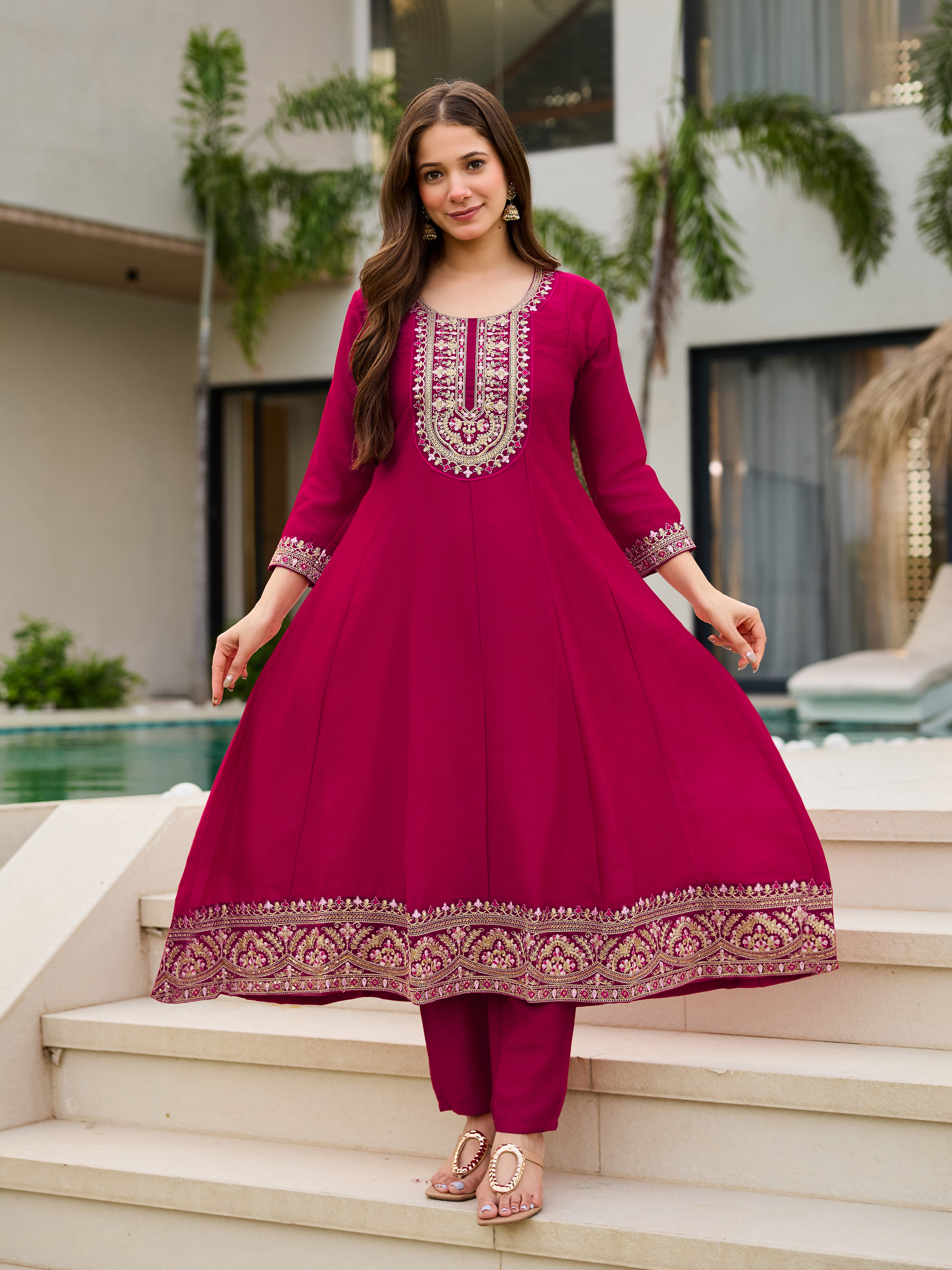
- Gujarat Bandhej: Tiny tied and dyed points, high-contrast colours and patterned dupattas are central to the tradition. Gujarat Bandhej Salwar Suits represents this regional design direction.
- Ahmedabad Bandhani: Ahmedabad is a major urban fashion and textile market where time-honoured Bandhani references appear in contemporary suit cuts, embroidery and coordinated sets. Ahmedabad Bandhani Salwar Suits captures that city-led interpretation.
- Maharashtra Paithani: Paithani is associated with lustrous woven silk, rich borders and peacock or floral motifs rather than tied dots. Maharashtra Paithani Inspired Salwar Suits draws from those woven visual cues.
- Odisha Sambalpuri: Sambalpuri textiles are known for ikat-style yarn-resist patterns and Odisha-linked motifs. Odisha Sambalpuri Salwar Suits therefore belongs to a different textile lineage from Gujarat Bandhani.
- Punjab Patiala: Patiala styling is identified by its voluminous pleated salwar and Punjabi suit proportions, not by a specific dyeing technique. Punjab Patiala Salwar Suits can use many fabrics and prints, including Bandhani-inspired accents.
The Multicolor Embroidered Crepe Maxi Suit Set for Festive Wear illustrates another current direction: a flowing maxi silhouette and festive embroidery can reference the mood of regional dress without reproducing a specific classic dyeing technique. Distinguishing Bandhani, Paithani, Sambalpuri and Patiala traditions gives shoppers a more accurate vocabulary.
Which state is famous for Bandhani suits and how should you style them?
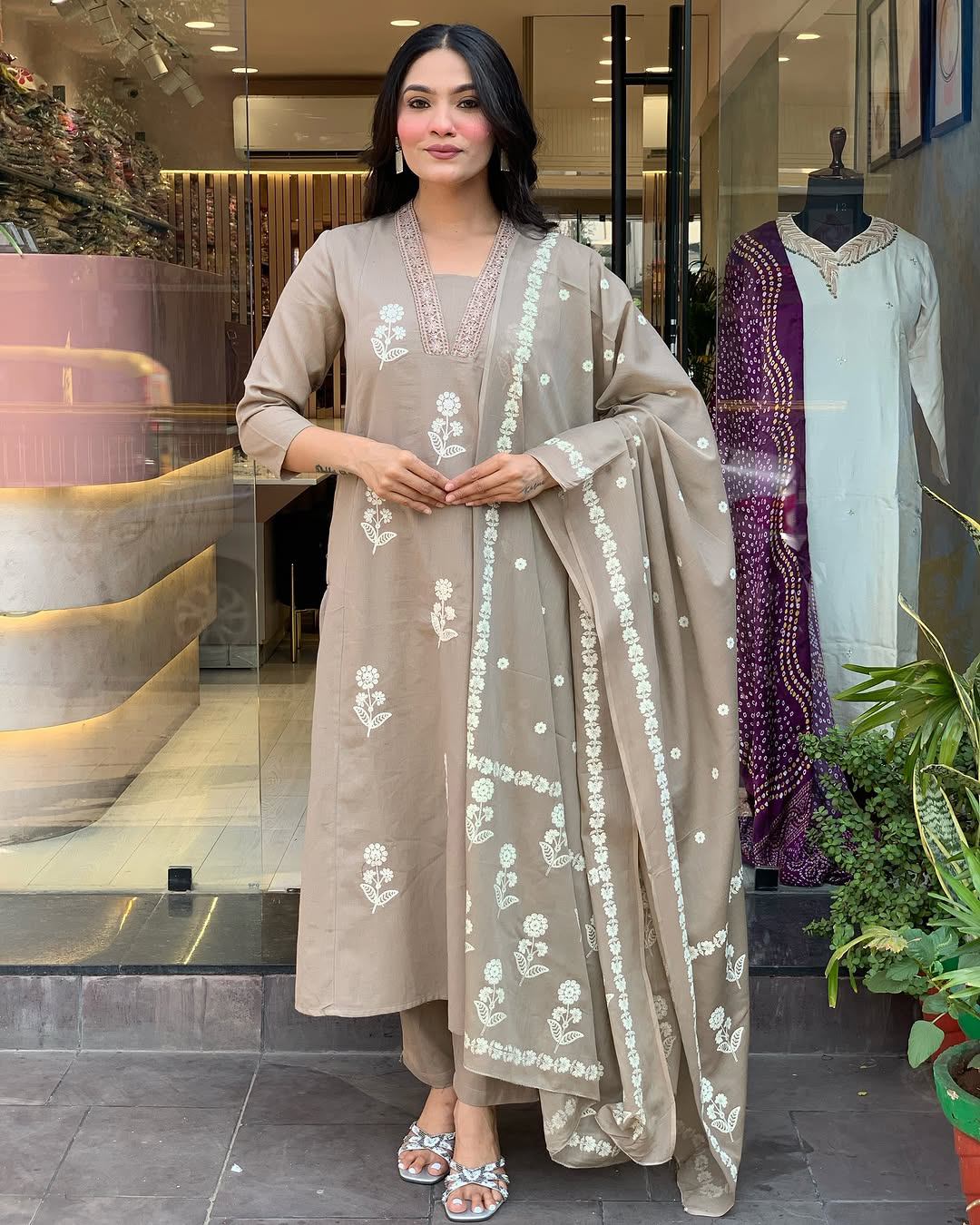
Bandhani suits are easiest to style when one element carries the main visual interest and the remaining pieces support its colour palette. A patterned dupatta, embroidered kurta or embellished border can serve as the focal point, but using all three at maximum intensity may make the outfit appear crowded.
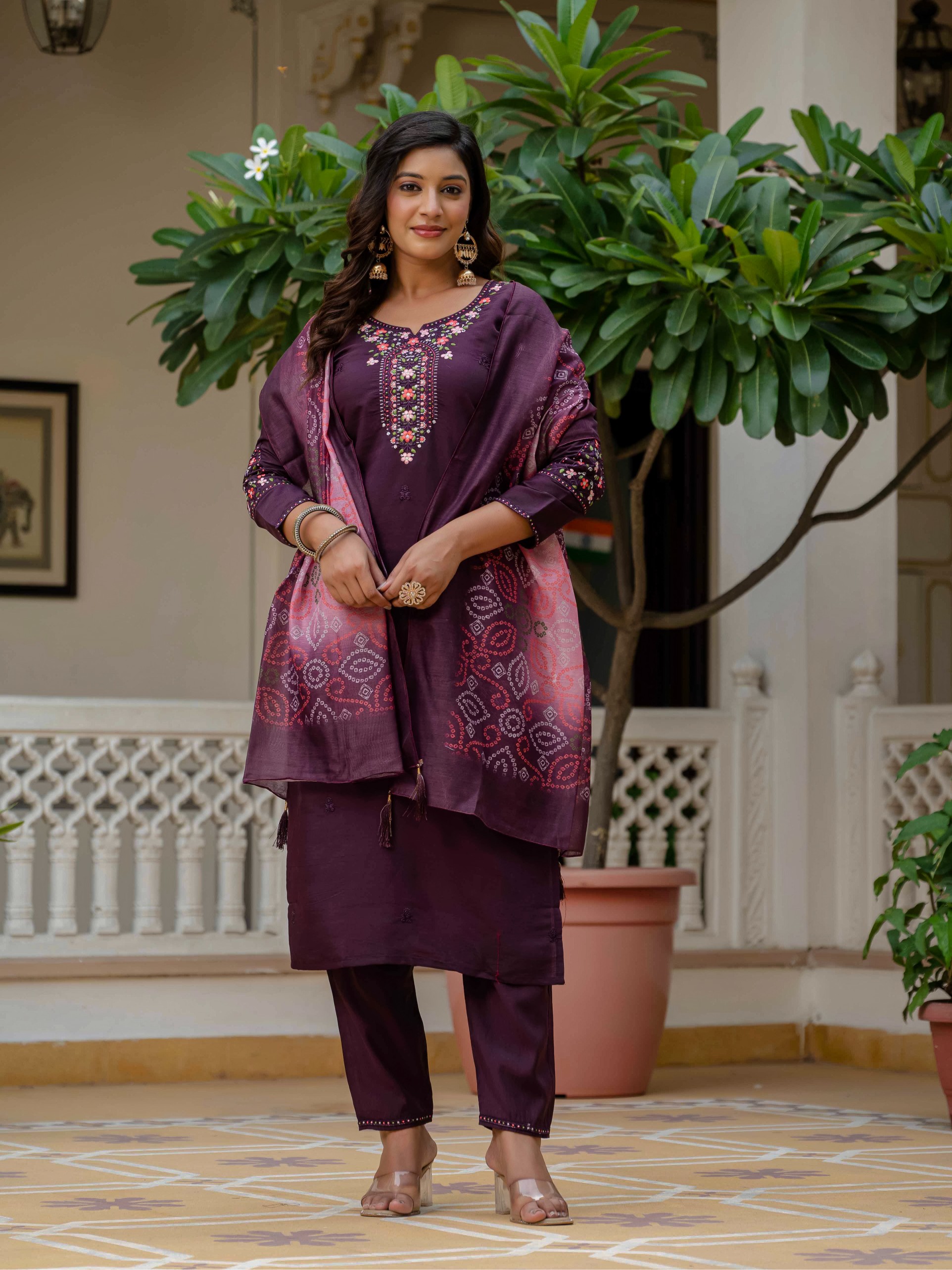
For a straight Bandhani kurta, choose cigarette pants, narrow trousers or a simple salwar in a colour taken from the print. A palazzo bottom creates a softer, more contemporary proportion, especially with a shorter kurta. An Anarkali needs a lighter dupatta or restrained border because the flare already adds volume.
Drape a Bandhani dupatta over one shoulder for a clean daytime line, or bring it across the front and secure it at the opposite shoulder for a more formal appearance. Use small safety pins beneath the shoulder fold rather than pinning through visible tie-dye dots. A narrow belt can define the waist of a maxi suit, but avoid crushing delicate embroidery or zari.
Jewellery should echo a colour or finish already present in the outfit. Mirror work and bright Bandhani pair naturally with oxidised silver or enamel jewellery. Zari and silk blends work with gold-toned earrings, bangles or a brocade clutch. Neutral footwear such as tan, gold or beige keeps a multicoloured suit from becoming visually overloaded.
Hair and makeup can also balance the textile. A low bun, braid or controlled half-up style keeps attention on the dupatta and neckline. For daytime events, warm neutral makeup complements red, orange and yellow Bandhani; for evening functions, a defined eye or berry lip can match wine, maroon or royal purple without competing with the pattern.
Which state is famous for Bandhani suits and how should Bandhani be cared for?
Bandhani suits should be washed according to the fabric and dye instructions, with cold water, mild detergent and minimal rubbing generally offering the safest approach. Dry the garment in shade, store it away from moisture and avoid high heat unless the care label specifically permits it.
Colour bleeding can occur with strongly dyed textiles, particularly during the first wash. Test a hidden seam with a damp white cloth before washing the full garment. Wash red, fuchsia, indigo and black pieces separately from pale garments, and don't leave a dyed dupatta soaking for an extended period.
Hand washing is usually gentler than machine washing for embroidered, zari-detailed or hand-dyed suits. Use a clean basin, cool water and a small amount of mild liquid detergent. Press water out between towels rather than twisting the fabric, because twisting can distort tied dots, embroidery and delicate borders.
Dry Bandhani away from direct midday sunlight. Strong sunlight can fade dyes over time, especially pink, orange and indigo. Shape the kurta and dupatta while damp, then dry them flat or on a broad hanger according to fabric weight. Thin wire hangers can leave marks on shoulder seams.
Iron from the reverse side at the lowest suitable temperature. Place a cotton cloth between the iron and zari, embroidery or printed sections. For silk, crepe and embellished fabrics, professional dry cleaning is safer than repeated home washing. Fold the dupatta loosely with acid-free tissue or a clean cotton cloth if it will be stored for several months.
A Bandhani suit deserves careful handling because the value lies in both the garment and the textile process. Correct storage also helps preserve the contrast between tied dots and dyed ground, which is the detail that gives Gujarat Bandhani its recognisable character.
Which state is famous for Bandhani suits: questions shoppers ask
Gujarat is the most widely recognised answer, although Rajasthan also has a major Bandhani tradition. Gujarat is particularly associated with Bandhej, Kutch, Jamnagar and Bandhani-led festive clothing.
Common Questions About Gujarat Bandhani Suits
Which state is famous for Bandhani suits?
Gujarat is the state most famous for Bandhani suits, especially through the craft traditions of Kutch, Jamnagar, Bhuj and Saurashtra. Rajasthan is another important centre of Bandhani and related Leheriya textiles.
What is the difference between Bandhani and Bandhej?
Bandhani and Bandhej generally refer to the same tied-and-dyed textile tradition. Bandhej is especially common as a Gujarati term, while Bandhani is widely used across India and in retail descriptions.
How can you tell whether a Bandhani suit is hand-tied or printed?
Hand-tied Bandhani usually shows small variations in dot size, spacing and shape, while a printed imitation often has highly uniform marks. Product descriptions should clarify whether the fabric is hand-dyed, tie-dyed or simply Bandhani-style printed.
Which Bandhani suit colour is suitable for a Haldi ceremony?
Yellow, saffron, green, pink and orange are suitable Bandhani colours for a Haldi ceremony because they look festive in daylight and photographs. Choose a lightweight fabric and secure the dupatta comfortably for movement.
Can Bandhani suits be worn for weddings?
Bandhani suits can be worn for weddings when the fabric, embroidery and accessories suit the formality of the event. Wine, maroon, red, royal purple and jewel-toned suits with zari or embroidery work well for evening celebrations.
How should a Bandhani dupatta be washed?
Wash a Bandhani dupatta in cool water with mild detergent and minimal rubbing, preferably separately from pale garments. Dry the dupatta in shade, avoid wringing and follow the care label for silk, zari, embroidery or dry-clean-only fabrics.