Which saree material is easy to drape depends less on the label and more on weight, surface texture, stiffness and fall. For most beginners, lightweight cotton, linen-cotton and soft cotton blends are the simplest starting points because they form stable pleats without feeling heavy. A saree that weighs roughly 450-650 grams, has a moderate fall and doesn't slide excessively is usually easier to manage than a very smooth silk or stiff organza saree.
Choosing the right material can reduce the time spent correcting pleats, tucking the waistband and securing the pallu. The best fabric also changes with the setting: a breathable cotton may be ideal for office hours, while a soft silk may be more suitable for a wedding. The sections below explain how each material behaves and how to match fabric performance with your experience.
Which saree material is easy to drape for beginners?
Lightweight cotton and linen-cotton are generally the easiest saree materials for beginners to drape. These fabrics usually offer enough grip to keep pleats aligned, enough flexibility to wrap comfortably around the waist and less bulk than heavy silk or embellished sarees.
Cotton is forgiving because the yarn and weave create mild friction against the blouse and petticoat. That friction helps the saree stay in place while you make five to seven front pleats. A cotton saree also responds well to a firm tuck, making it useful when learning the standard Nivi drape.
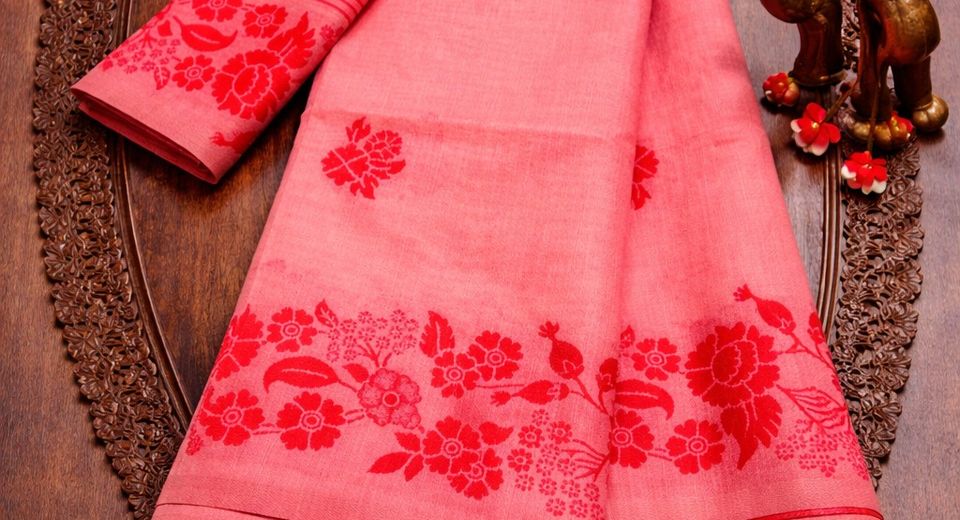
Linen-cotton is similarly manageable, although linen can have a slightly crisp hand feel. The crispness helps pleats look defined, while the cotton component softens the fabric and improves comfort. Coral Floral Linen Cotton Saree with Designer Border and Sea Green Floral Linen Cotton Saree with Border are useful examples of the lightweight, structured category. A defined border can also act as a visual guide when aligning the pallu.
Soft printed sarees can be beginner-friendly when the print doesn't hide the direction of the border or pallu. Lightweight Cream Saree with Designer Floral Pattern and Soft Ivory Saree with Botanical Floral Print Design illustrate why a lighter base can make a long drape feel less tiring. Prints also make small inconsistencies in pleat spacing less noticeable than a plain, high-shine surface.
How fabric weight and texture affect saree draping
Fabric weight affects how much effort a saree needs, while surface texture affects how securely the pleats stay stacked. A lighter saree is easier to lift and pin, but an extremely slippery lightweight fabric can still be difficult to control.
A practical weight range for everyday draping is approximately 400-700 grams, although the final weight changes with the six-yard length, border width, zari, embroidery and blouse piece. Sarees below this range may feel effortless during travel, but very thin materials can cling, crease or move in wind. Sarees above 800 grams often need stronger pleat pins and a more secure petticoat, especially when the border contains zari or dense embellishment.
Texture matters because a smooth surface creates less resistance between layers. Banarasi silk, satin-finish silk and some polished synthetic fabrics can slide at the waist unless the petticoat fits firmly. Cotton, linen, handloom silk-cotton and textured jacquard usually provide more grip. A fabric described as "soft" isn't automatically easy to drape; softness and slipperiness are separate characteristics.
Fall is another important factor. A saree with moderate fall hangs close to the body and creates rounded pleats. A very stiff saree may stand away from the legs, while a very fluid saree may collapse into narrow folds. Before buying, check whether the product description mentions lightweight construction, a soft finish, a handloom texture or a fluid fall, and then consider the border and embellishment separately.
Comparing cotton, linen, silk and blended sarees
Cotton sarees
Cotton sarees are easy to drape when the weave is soft or medium-weight rather than heavily starched. Cotton gives dependable grip, absorbs moisture and works well for daily wear, workwear and daytime gatherings. A freshly starched cotton saree may create sharp pleats, but excessive starch can make the fabric stiff and uncomfortable around the waist.
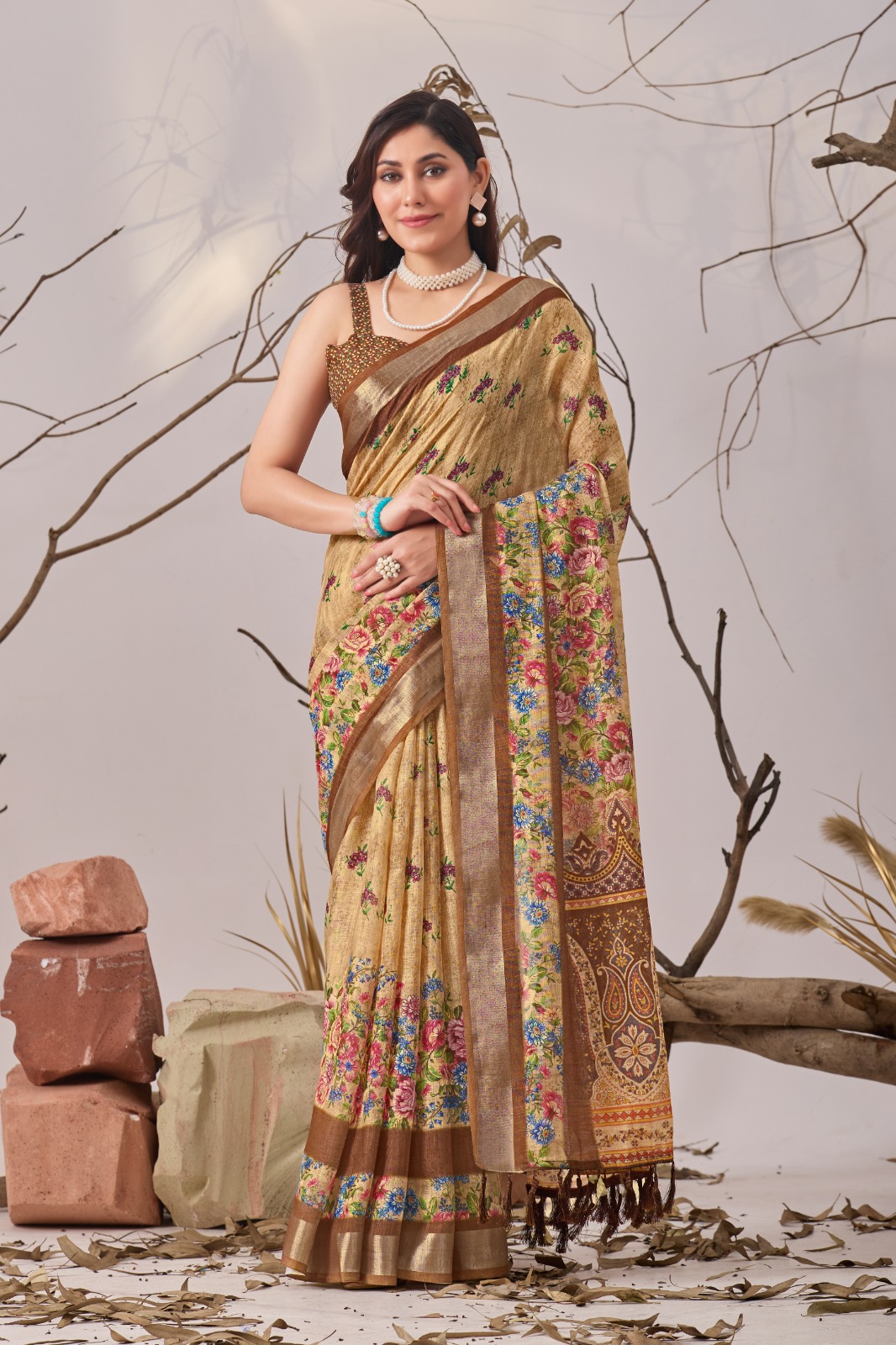
Varnavi Vastra Green Heritage Cotton Saree represents the kind of cotton option that suits a person who values structure and breathability. Cotton may wrinkle more quickly than silk, so a light press before wearing and two or three concealed safety pins can make the drape look neater for longer.
Linen and linen-cotton sarees
Linen-cotton sarees are easy to manage when you want a lightweight drape with visible pleat definition. Linen has a dry, textured surface that prevents excessive slipping, while cotton reduces the crispness associated with pure linen. The trade-off is that linen can develop natural creases, so it looks best with intentional, even pleats rather than an overly rigid finish.
Linen-cotton works especially well for summer lunches, daytime ceremonies and long office days. Iron the saree on the recommended heat setting and avoid compressing damp linen into a wardrobe shelf, because deep storage creases can be difficult to remove.
Silk and silk jacquard
Soft silk can be easy to drape after practice, but smooth silk and heavy silk jacquard usually require more control than cotton or linen-cotton. Silk offers a beautiful fall, richer body and stronger occasion presence, yet a slippery weave can make the first tuck and front pleats shift. A fitted petticoat, waist tuck and discreet pleat pins are particularly useful.
Maroon Lichi Silk Jacquard Saree with Rich Pallu demonstrates why the weight of a pallu matters. A rich pallu can pull against the shoulder after several hours, so place the pallu over a blouse shoulder with adequate coverage and use one pin near the shoulder and another near the waist. Silk is often worth choosing for weddings and evening functions, but it's not always the easiest first saree.
Blended and soft-finish sarees
Blended sarees can be the easiest option when the blend balances grip, fluidity and low weight. Cotton-silk, linen-cotton and other mixed yarn constructions often combine the breathability of natural fibres with improved fall or reduced creasing. Always assess the actual weave and finishing rather than assuming every blend behaves the same way.
Which saree materials work best for different occasions?
Cotton and linen-cotton work best for long daytime wear, while silk, jacquard and richer handloom fabrics suit festive events when extra structure and visual depth are desirable. Occasion, weather and wearing time should guide the choice as much as appearance.
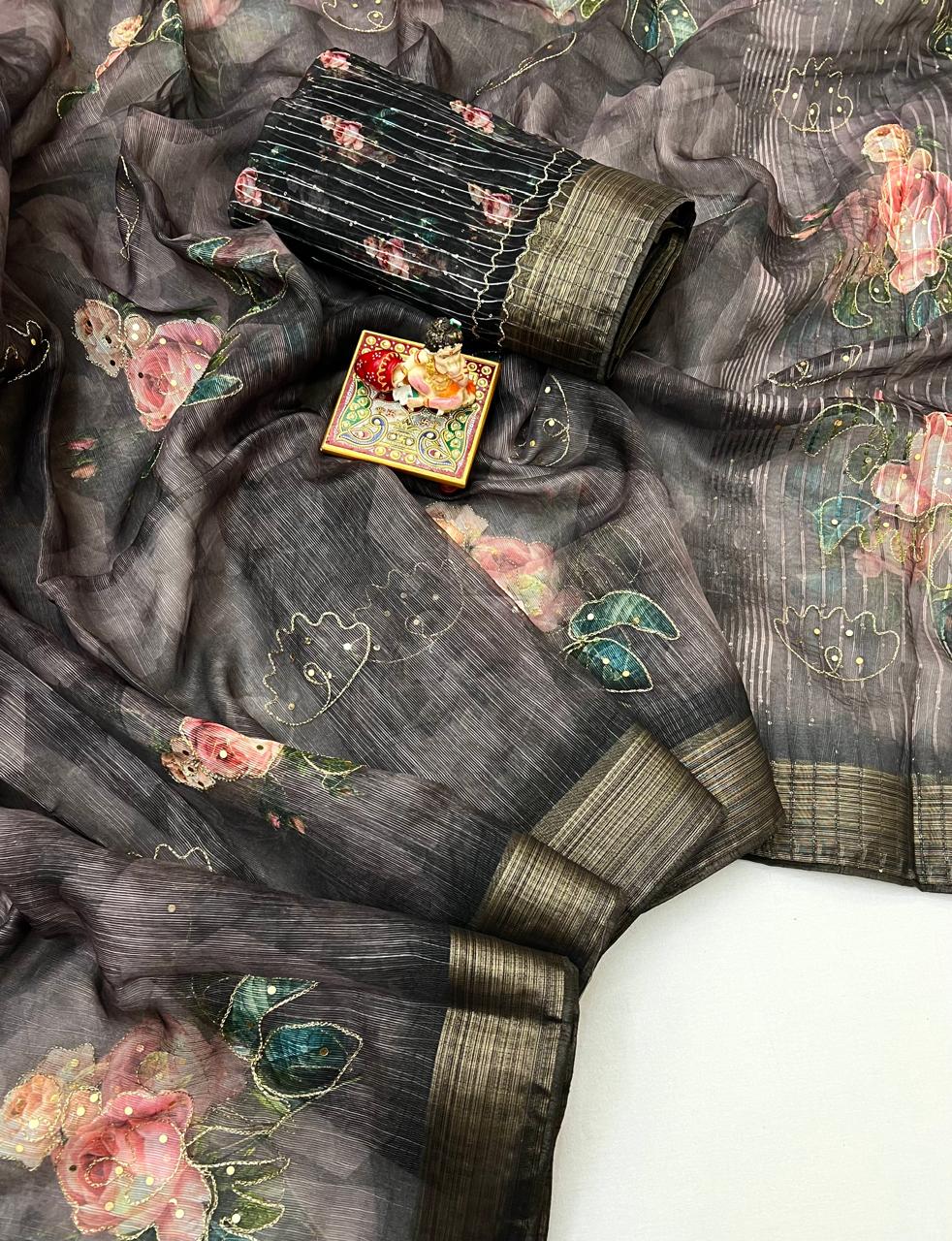
- Office and daily wear: Choose lightweight cotton, soft cotton blends or linen-cotton in a 400-650 gram range. Narrow or medium borders are easier to keep aligned during movement.
- Haldi ceremony: Choose washable cotton or linen-cotton with a secure, uncomplicated pallu. A lighter saree is easier to adjust if turmeric, flower petals or outdoor dust become part of the celebration.
- Daytime puja or family lunch: Choose Chanderi, cotton-silk or a soft printed cotton saree when you want a polished look without the weight of heavy zari. Chanderi can be light and elegant, but its smoothness may require careful pinning.
- Wedding reception: Choose silk, Banarasi silk or jacquard when the event calls for a richer finish. Budget time for a trial drape because zari borders and ornate pallus change the balance of the saree.
- Travel: Choose a lightweight cotton or linen-cotton saree with minimal embellishment. A manageable saree is easier to fold, carry and re-drape in a hotel or event venue.
Soft Lavender Linen Saree with Elegant Stripe Pattern is a good illustration of how stripes can add visual direction without the weight of dense decoration. Stripes can help you check whether the pleats are falling evenly, although horizontal stripe placement may require more attention at the waist.
How to make any saree easier to drape
Any saree becomes easier to drape when the petticoat fits firmly, the fabric is pressed appropriately and the first tuck is secured before the pleats are formed. Fabric choice matters, but preparation often determines whether the saree stays comfortable for six to eight hours.
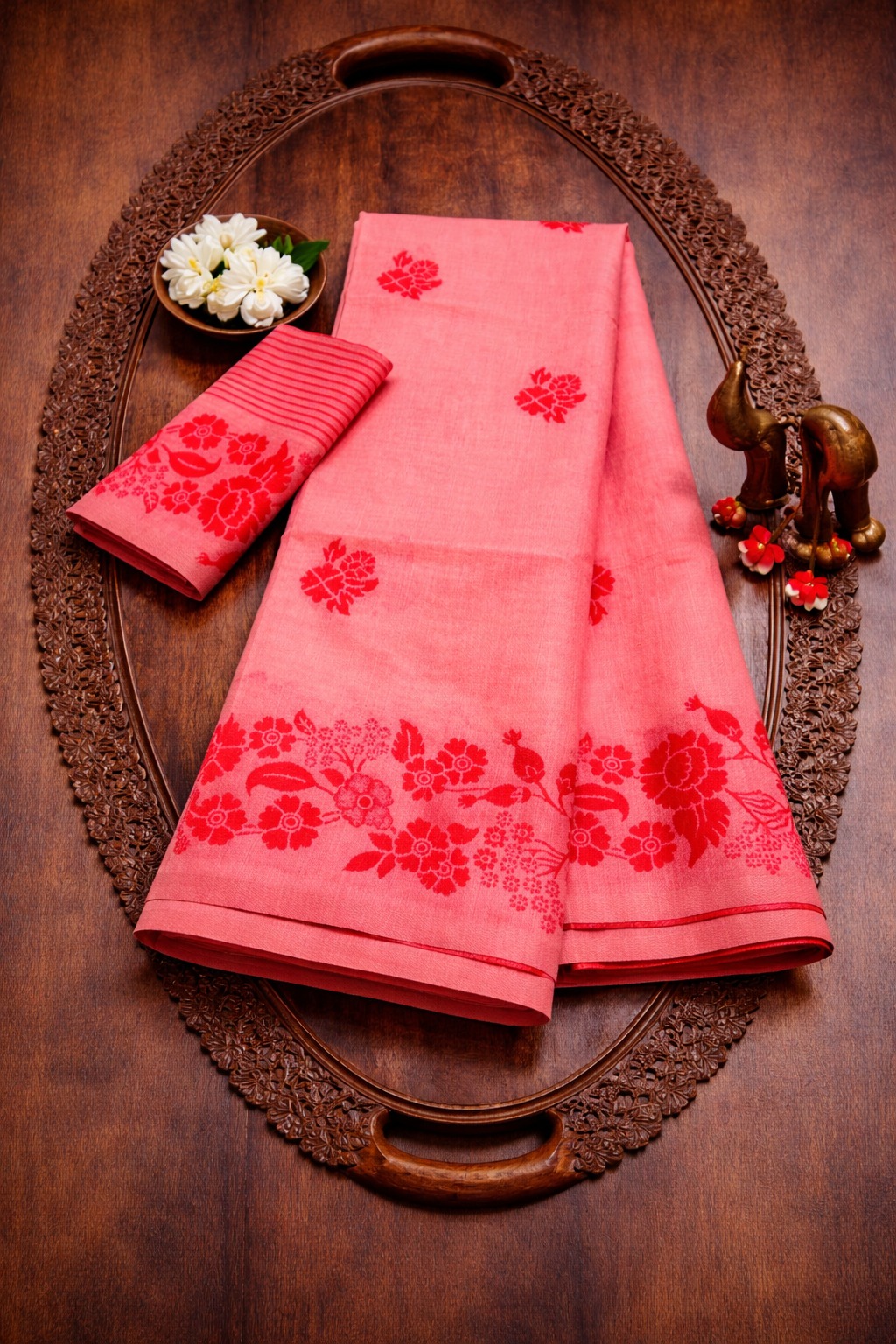
- Wear the correct petticoat: Choose a petticoat that sits securely at the natural waist without digging in. A drawstring should hold the saree firmly, while a flared or fishtail cut can support a fuller pallu.
- Press before draping: Remove fold lines and press the border flat. Use a low-to-medium heat setting for linen, cotton blends and delicate silk, and place a pressing cloth over zari or textured jacquard.
- Secure the starting tuck: Tuck the inner end once around the waist, then make a second firm tuck at the point where the pleats will begin. Do not rely on a loose first tuck to carry the full saree.
- Keep pleats consistent: Make five to seven pleats of approximately 10-12 centimetres each. Smaller pleats suit lighter, fluid fabrics; slightly wider pleats can control a crisp cotton saree.
- Pin only where needed: Use a concealed pin at the waist and one or two pins on the pallu. Too many pins can create visible bumps and may damage delicate yarns.
- Test movement: Walk, sit and raise one arm before leaving. If the pleats open when sitting, strengthen the waist tuck rather than adding many shoulder pins.
A border can make alignment easier, but a very wide border may add weight to the lower edge. If the saree repeatedly rotates around the waist, the issue may be petticoat fit rather than fabric. Adjust the base garment before deciding that the saree material is difficult.
How to choose an easy-drape saree online
Online shoppers should assess fabric details, total weight clues, border construction and care requirements before judging whether a saree will be easy to drape. Product photography can show colour and pattern, but photography can't reliably show slipperiness or actual fabric weight.
- Look for material combinations: Linen-cotton, cotton-silk and soft cotton are useful search terms when you want moderate grip and comfort.
- Study the pallu: A heavily woven pallu or dense zari section may make the saree shoulder-heavy even when the body feels light.
- Check border width: A narrow or medium border is simpler for a first-time wearer than a broad, heavily embellished border.
- Read care instructions: Dry-clean-only silk may need more maintenance than washable cotton, while linen often needs careful pressing.
- Use measurements: A standard saree is commonly around 5.5 metres, but blouse pieces, extra fabric and border details affect the finished drape.
Price can offer a rough clue but not a reliable answer. A higher price may reflect handloom work, zari, silk quality or design rather than ease of draping. When comparing options in collections such as Sarees from Rs 1000 to Rs 1500, Sarees Under 20% Off and Sarees Under 10% Off, compare the listed material and construction instead of selecting only by discount.
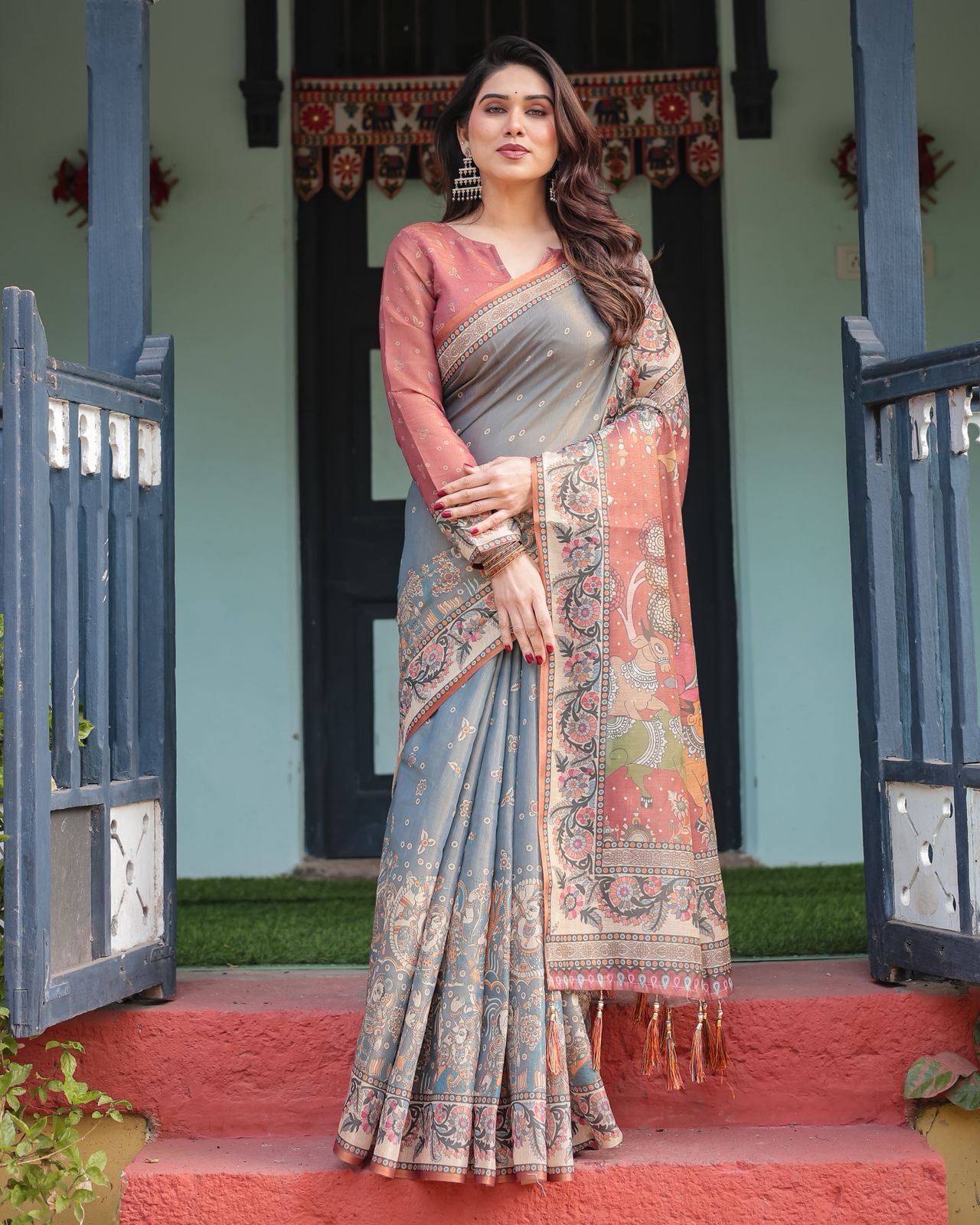
For a first purchase, prioritise a lightweight or medium-weight saree with a soft-to-moderate texture, a manageable pallu and a border that's easy to align. Premium Wine Maroon Floral Handloom Saree with Designer Pallu may suit a wearer who wants handloom character and a more substantial look, while a lighter linen-cotton option may be more forgiving for a first draping attempt.
Easy draping is a balance of fabric and technique
The easiest saree material for most new wearers is lightweight cotton or linen-cotton with moderate texture and a medium-weight border. Soft cotton-silk can be the next step when you want a smoother fall, while silk jacquard and rich Banarasi silk are better approached with a secure petticoat and a practice drape.
there's no single fabric that's effortless for every body shape, climate or event. A person who prefers crisp pleats may find cotton easiest, while someone who likes a fluid silhouette may prefer a soft blend. Try the full drape at home, walk for ten minutes and sit down before wearing a new saree to a long function. That simple test reveals more about comfort and stability than a product photograph can.
Common Questions About Choosing an Easy-Drape Saree
Which saree material is easiest for a complete beginner?
Lightweight cotton and linen-cotton are usually easiest for a complete beginner because they provide grip, form stable pleats and do not feel as slippery as polished silk. Choose a medium border and avoid heavy embellishment for the first few attempts.
Is cotton or silk easier to drape?
Cotton is generally easier to drape than smooth silk because cotton offers more surface grip and needs fewer pins. Soft silk can become easy with practice, but heavy silk, zari and jacquard pallus may require a firm petticoat and additional support.
Are linen sarees difficult to manage?
Linen sarees are manageable when they contain cotton or have a soft finish, although pure or crisp linen can crease more visibly. Press linen before wearing and make even pleats rather than trying to create an extremely rigid drape.
What saree is best for wearing all day?
A lightweight cotton, cotton blend or linen-cotton saree is usually best for all-day wear because the fabric breathes and places less weight on the waist and shoulder. A secure petticoat and a moderate pallu can improve comfort during sitting and walking.
How many pleats should a beginner make in a saree?
A beginner can start with five to seven front pleats, each approximately 10-12 centimetres wide. The exact number depends on the saree length, fabric thickness and personal preference, but consistent width matters more than making many pleats.
Can a heavy saree be made easier to drape?
A heavy saree can be made more manageable with a well-fitted petticoat, a firm first tuck and concealed pins at the waist and shoulder. Practice the complete drape before the event, because a rich pallu or zari border can shift the saree's balance after several hours.