Key takeaways
- Cotton sarees are usually the most practical choice for humid weather, daily wear and long hours of movement.
- Silk sarees offer a richer drape and formal appearance, while silk blends can reduce cost and maintenance.
- Linen cotton sarees balance airflow, structure and contemporary styling, but they usually show more natural creasing.
- Tissue sarees create a light-catching festive effect and need careful folding, storage and handling around jewellery.
- The best saree material depends on climate, occasion, desired drape, maintenance tolerance and the blouse or petticoat used.
Which saree material is best depends less on fashion labels and more on where you'll wear the saree, how long you'll wear it and how much care you can provide. Cotton, silk, linen cotton, tissue and silk blends each solve a different dressing problem. A breathable cotton saree may be ideal for a summer workday, while a lustrous silk saree may be better for a wedding reception. Understanding fibre, weave, weight and finish helps you choose a saree that looks good beyond the first try-on.
Which saree material is best for different needs?
The best saree material is the one that matches your climate, occasion, preferred drape and willingness to maintain it. Cotton prioritises breathability, silk provides richness, linen cotton offers a crisp modern fall, and tissue adds a festive surface sheen.
Fabric names alone don't tell the whole story. A tightly woven cotton saree can feel more structured than a soft cotton voile, and a silk blend can behave differently from pure silk. The weave, yarn thickness, zari work, border, pallu and finishing treatment all affect the final garment.
- For humid weather: cotton and linen cotton generally allow comfortable air movement.
- For formal celebrations: silk, silk blends and zari-detailed tissue fabrics create more visual depth.
- For everyday versatility: handloom cotton and linen cotton work well with practical blouses and minimal jewellery.
- For a polished structured drape: linen cotton usually holds pleats more firmly than very soft cotton.
- For a luminous festive look: tissue reflects light, especially when paired with zari weaving.
How does cotton compare with silk for comfort and occasion wear?
Cotton is usually more comfortable for heat and repeated wear, while silk is usually more suitable for ceremonial dressing and a richer drape. The right choice depends on whether breathability or formal sheen matters more for the event.
Why cotton works for daily and daytime sarees
Cotton absorbs moisture and generally feels less clingy in warm conditions. Handloom cotton can also have small variations in texture, which give the saree a visibly crafted character rather than a completely uniform surface. Cotton is a strong choice for office wear, temple visits, daytime festivals and travel because it can be worn for several hours without feeling excessively heavy.
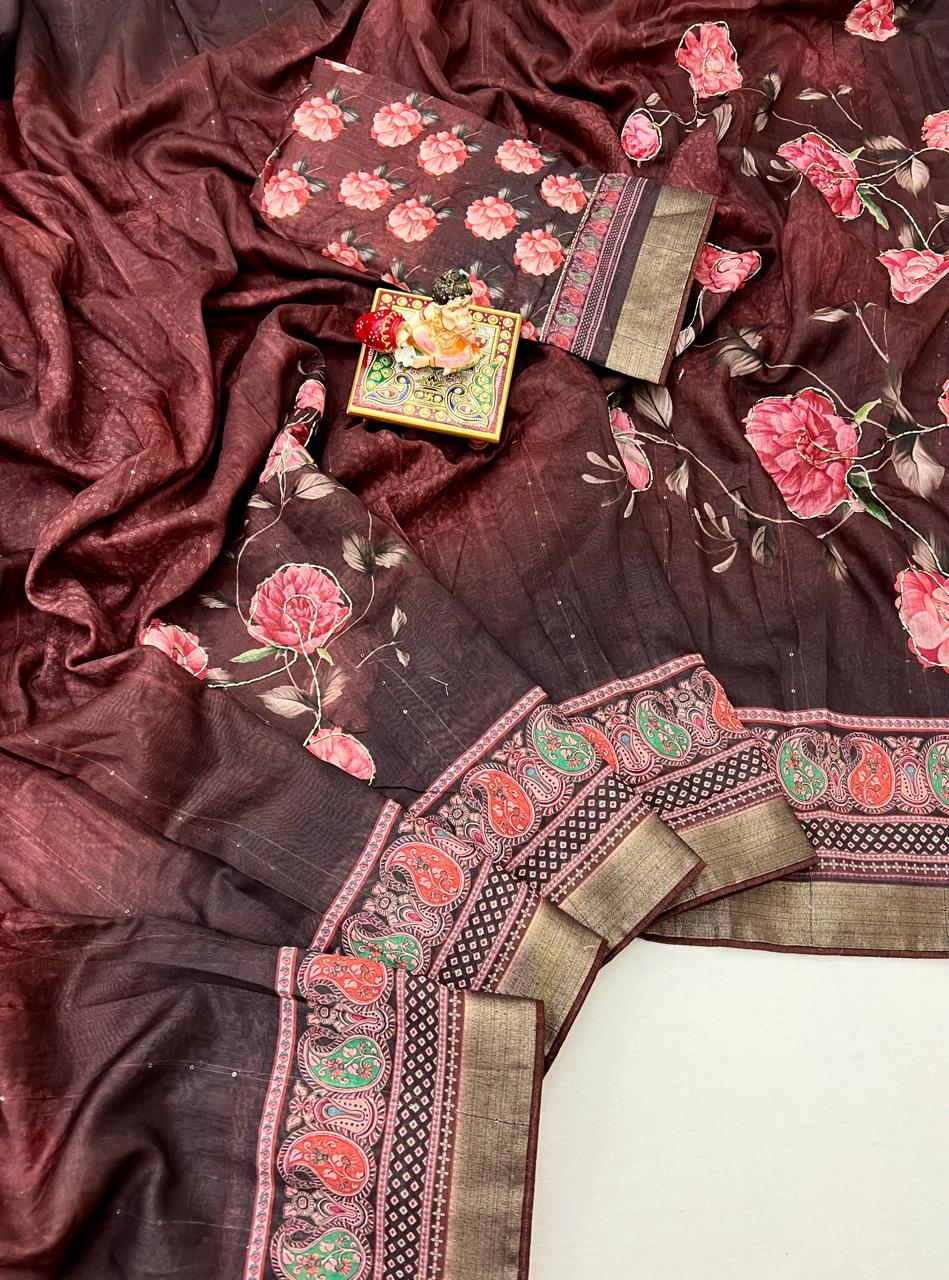
A cotton saree doesn't have to look plain. Pastel Floral Tissue Handloom Cotton Saree with Zari Weaves combines a cotton handloom base with tissue character and zari detail, showing how a breathable foundation can be given a more celebratory finish. Premium Beige Cotton Handloom Saree with Maroon Ethnic Border and Heritage Printed Pallu demonstrates another useful approach: a restrained body can gain personality from a defined border and an expressive pallu.
Why silk feels more formal
Silk fibres have a natural lustre and a smooth surface that help create a fluid, dressy fall. Silk can look especially effective under warm indoor lighting, during evening functions and at weddings where a more ceremonial appearance is expected. Silk sarees may also hold colour depth beautifully, although the weight and maintenance requirements vary by weave and finish.
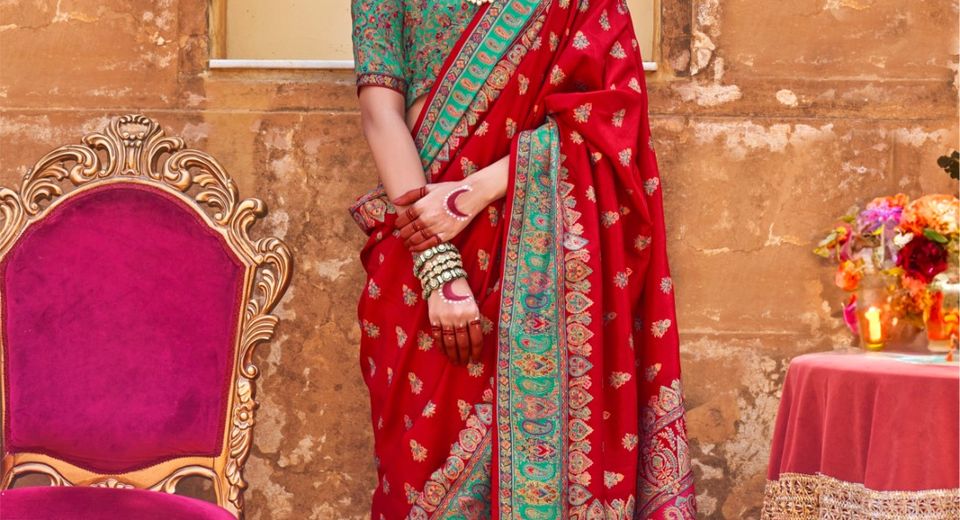
Red Woven Zari Silk Blend Saree With Brocade Blouse illustrates why a silk blend can be practical for festive dressing. Zari and brocade add visual richness, while a blend may offer a more accessible alternative to a heavier pure-silk investment. Buyers should still check the fabric composition, because the words "silk blend" don't indicate one fixed ratio of silk to other fibres.
Is linen cotton better than cotton for summer sarees?
Linen cotton is often better than plain cotton for shoppers who want summer comfort with a crisper, more structured appearance, but linen cotton usually creases more visibly. Linen fibres are valued for airflow and a dry hand-feel, while cotton can provide softness and easier familiarity.
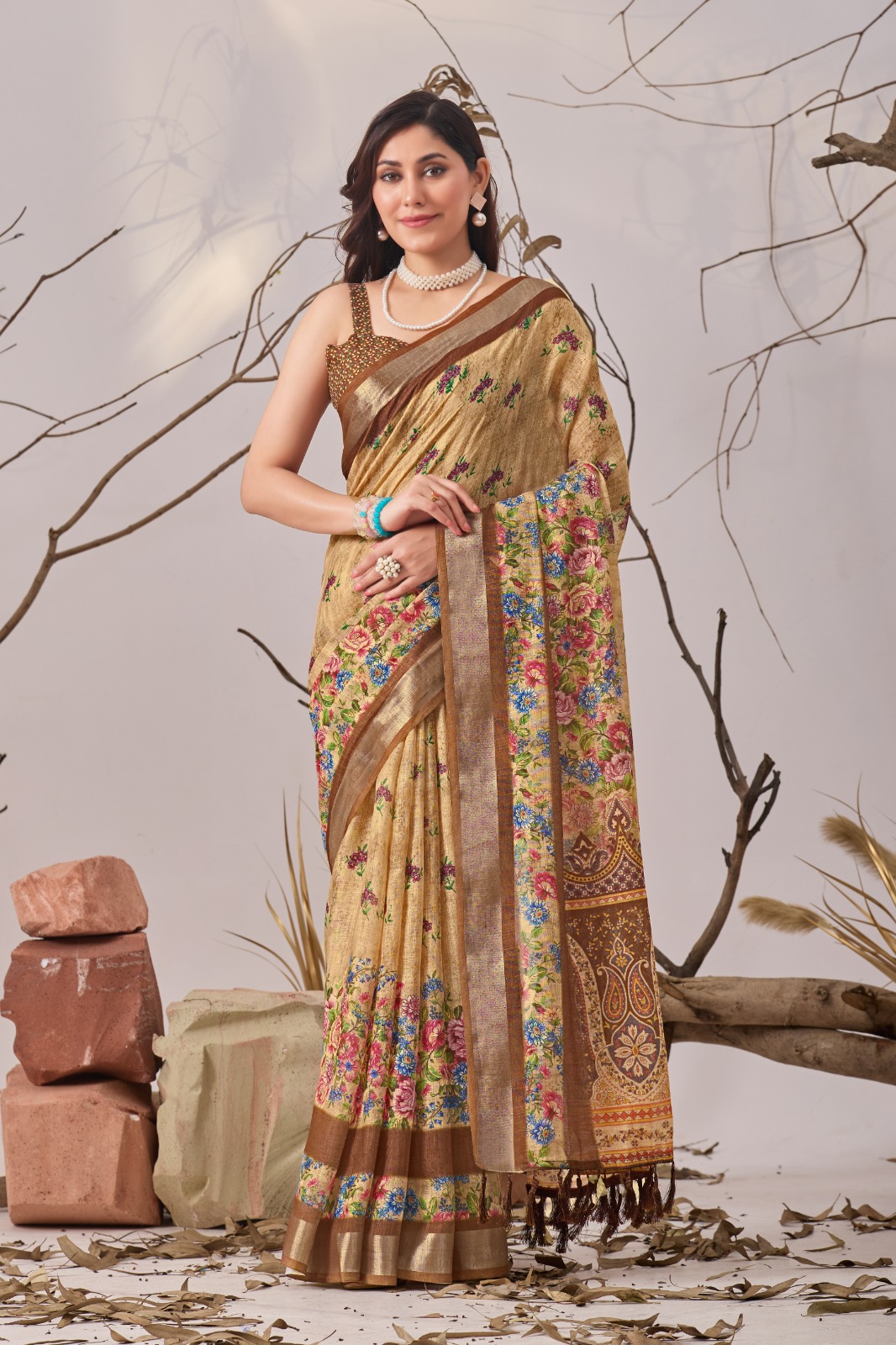
Linen cotton is useful when you want pleats that look defined rather than very fluid. The texture also suits contemporary prints, stripes and understated borders. Multicolor Linen Cotton Saree with Artistic Stripe Design shows how stripes can use the fabric's natural structure as part of the visual design. Pastel Linen Cotton Floral Print Saree with Designer Blouse brings a softer route, pairing a floral surface with a coordinated blouse for daytime occasions.
Natural creasing isn't necessarily a quality defect in linen cotton. Linen fibres tend to develop folds during sitting, travel and repeated movement. Light weigh on the reverse side can restore neatness, but aggressive ironing at high heat may flatten texture or damage printed details. Linen cotton is therefore a full choice for someone who appreciates a relaxed, artisanal finish rather than expecting a permanently crisp surface.
When is tissue saree material a good choice?
Tissue is a good choice when you want a lightweight-looking saree with light reflection, festive texture and an elegant surface effect. Tissue should be selected more carefully for rough surroundings because zari, metallic yarns and delicate weaves can catch on jewellery, bags or sharp furniture.

Tissue isn't a single fibre category in the way cotton or silk is; the word often describes a fine, slightly crisp weave or a fabric with a translucent, glimmering character. The actual composition may include cotton, silk, synthetic fibres or blends, so the product description and care instructions matter. A tissue saree can appear delicate even when its base is cotton, as seen in Pastel Floral Tissue Handloom Cotton Saree with Zari Weaves.
Cream Floral Tissue Handloom Cotton Saree with Zari Weaving is another example of how a pale colour and metallic detail can create a dressier effect without relying on a very dark palette. Tissue works well for festive lunches, receptions, cultural programmes and evening gatherings. Wear a smooth blouse and avoid heavily textured bangles if the saree has an open or raised weave.
How should saree material influence your choice of drape?
Saree material influences drape through weight, stiffness, surface friction and the way the fabric responds to pleating. Soft cotton and fluid silk usually fall closer to the body, while linen cotton and some tissue fabrics hold a more architectural shape.
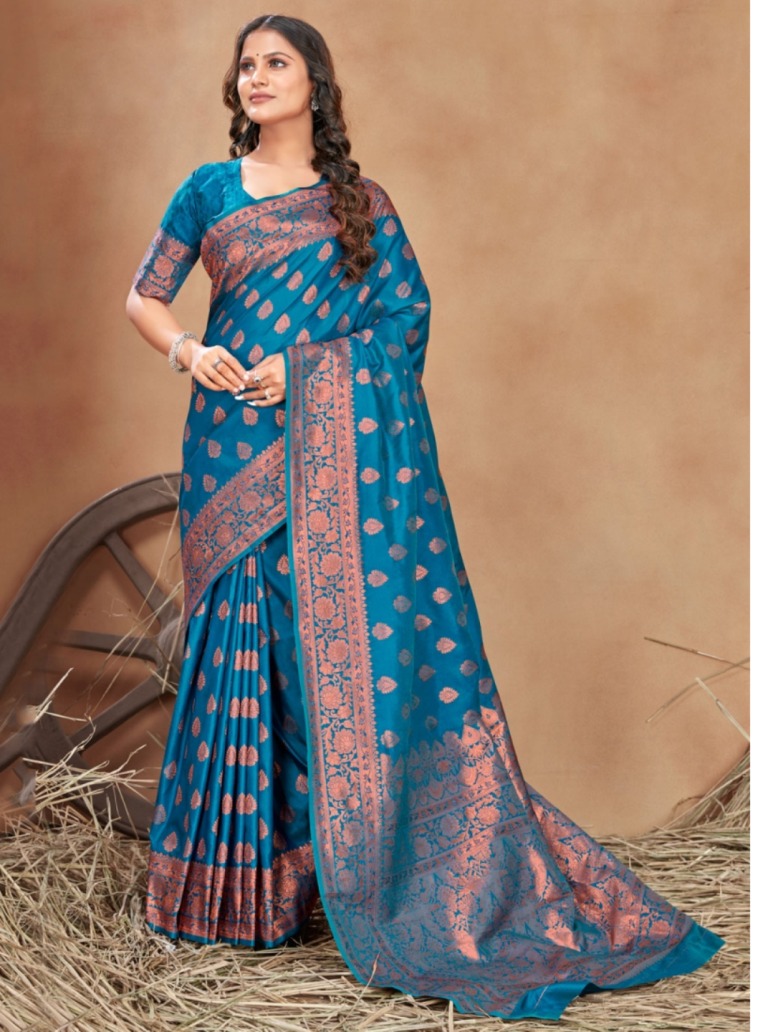
For a relaxed, easy drape
Choose a lighter cotton or a soft cotton blend when you want comfortable pleats and less visual bulk around the waist. A well-fitted petticoat still matters because the petticoat supports the saree and controls how the front pleats open while walking. A petticoat that's too loose can make a light saree slide, while a very stiff petticoat can distort a fluid drape.
For sharp pleats and a contemporary silhouette
Choose linen cotton or a moderately crisp weave when you prefer clearly defined pleats and a structured pallu. Elegant Mustard Linen Cotton Saree Set is suited to this kind of styling because a confident solid colour allows the fabric's shape and texture to remain visible. Press the pleats before wearing and use discreet pins rather than pulling the fabric tightly.
For a fluid formal fall
Choose silk or a smooth silk blend when you want the pallu to move with a soft, continuous fall. Heavier zari can change that movement by adding weight to the border or pallu. The final appearance depends on how much embellishment is concentrated in one area, not simply on whether the saree is called silk.
What should you check before buying a saree online?
Before buying a saree online, check the fibre composition, approximate length and width, blouse-piece details, transparency, border weight, care instructions and return conditions. Product photographs are useful for colour and motif placement, but written specifications are more reliable for construction and maintenance decisions.
- Read the composition: Confirm whether the saree is cotton, linen cotton, silk, silk blend, tissue or a mixed construction.
- Assess the use: Decide whether the saree is intended for daily wear, office wear, a Haldi ceremony, a wedding or an evening event.
- Check the fall: Look for clues about stiffness, transparency and border weight. A wide zari border can make a saree feel heavier than its body fabric suggests.
- Inspect the blouse information: Confirm whether a blouse piece is included, whether a designer blouse is supplied and how much fabric is available for tailoring.
- Compare value carefully: A lower price may reflect a blend, printed rather than woven motifs, or fewer finishing details. A higher price should be evaluated against fibre, workmanship and expected wear.
- Plan care before purchase: If you can't arrange gentle washing or dry cleaning, avoid a fabric whose care instructions are incompatible with your routine.
Price collections can help narrow a search, but a discount should not replace fabric evaluation. Sarees from Rs 1000 to Rs 1500 may suit a first purchase or an everyday wardrobe addition, while Sarees Under 20% Off and Sarees Under 10% Off can be useful filters when you already know the material you want. Sarees Flat 60% Off may offer strong value, but inspect the remaining size, colour and care details before treating a marked-down price as a quality signal.
How do you care for cotton, silk, linen cotton and tissue sarees?
Proper saree care means following the fabric's specific washing, drying, ironing and storage requirements rather than using one routine for every material. Cotton may tolerate more regular handling than silk or zari-rich tissue, but every saree should be protected from prolonged dampness and direct harsh sunlight.
- Cotton: Follow the stated wash instructions, use mild detergent when hand washing is permitted, and dry in shade to reduce colour fading. Store cotton completely dry.
- Silk and silk blends: Prefer professional dry cleaning when instructed, avoid soaking, and keep perfumes or deodorants from directly contacting the fabric. Refold silk periodically to reduce permanent fold lines.
- Linen cotton: Iron on the reverse at a suitable temperature while the fabric is slightly damp only if the care label allows it. Expect some creasing and avoid pressing directly over raised prints.
- Tissue and zari: Keep away from rough hooks and abrasive jewellery, fold with clean soft tissue paper if appropriate, and avoid placing heavy items on top during storage.
For long-term storage, use a clean breathable cover rather than sealing a damp saree in plastic. Refold valuable or rarely worn sarees every few months so one crease doesn't remain in the same position indefinitely. Neem leaves or commercially made fabric-safe storage solutions may help deter insects, but any material placed beside a saree should not stain or shed residue.
Which saree material is best for common Indian occasions?
The best saree material for a common Indian occasion depends on heat, movement, dress code and the amount of surface decoration required. A practical fabric choice often makes the outfit look more polished because the wearer is comfortable enough to manage the pleats and pallu naturally.
- Office or daytime work event: Choose handloom cotton or linen cotton in a controlled print, stripe or border. Keep jewellery light and use a well-structured blouse.
- Summer family gathering: Choose cotton or linen cotton for airflow and easier movement. Pastel shades, floral prints and medium-width borders keep the look daytime appropriate.
- Haldi ceremony: Choose cotton or linen cotton when you expect movement, turmeric splashes or outdoor heat. Avoid very delicate zari if the saree will be exposed to frequent contact.
- Wedding ceremony: Choose silk, silk blend or a richly detailed tissue saree when the dress code calls for shine and ornamentation. Balance a heavy border with a simpler blouse or lighter jewellery.
- Evening reception: Choose silk or tissue for light reflection under artificial lighting. Test the pallu and blouse comfort before committing to several hours of wear.
- Travel or festive sightseeing: Choose a manageable cotton or linen cotton saree and carry a breathable garment bag. Avoid packing a damp saree after rain or perspiration.
A sensible wardrobe doesn't need one "best" fabric. Three or four carefully chosen materials can cover most needs: cotton for heat and repetition, linen cotton for structured daytime dressing, silk or silk blend for formal celebrations, and tissue for a lighter festive statement.
How can you make the final fabric decision?
Make the final fabric decision by ranking five factors: climate, wearing time, occasion formality, desired drape and care capacity. If four factors point in one direction, that fabric is usually a safer purchase than a trend-led choice based only on colour.
For example, a person attending an outdoor afternoon function in a humid city may benefit more from cotton or linen cotton than from heavy silk. Someone attending an indoor winter wedding may prioritise silk's lustre and fall. Someone buying a first saree for occasional celebrations may choose a silk blend or tissue cotton to gain festive detail without committing to the maintenance of a highly delicate heirloom fabric.
Ask one final practical question before checkout: will you still enjoy wearing this saree after sitting, walking, eating and carrying a handbag for several hours? The answer accounts for comfort, slippage, crease behaviour and weight-four details that a photograph can't fully show. Fabric knowledge turns that question into a confident buying decision.
Frequently Asked Questions
Which saree material is best for daily wear?
Cotton is usually the best material for daily saree wear because it is breathable, comfortable and comparatively easy to maintain. Linen cotton is another good option when you prefer a crisper, more structured look and can accept visible creasing.
Which saree fabric is best for summer in India?
Cotton and linen cotton are generally the best summer choices because both support airflow and feel more comfortable in warm weather. Choose a lighter weave, avoid excessive lining and select a blouse that is not overly padded or tight.
Is silk better than cotton for a wedding?
Silk is usually better suited to a wedding when the dress code calls for lustre, a formal fall and rich colour depth. Cotton can still work for a daytime or outdoor wedding, especially when it includes zari, a distinctive border or a refined handloom texture.
Are linen cotton sarees easy to maintain?
Linen cotton sarees are manageable but usually crease more visibly than synthetic or very smooth fabrics. Follow the care label, iron on the reverse at an appropriate temperature and store the saree fully dry in a breathable cover.
Are tissue sarees suitable for regular wear?
Tissue sarees are better for occasional festive wear than rough daily use because metallic yarns and delicate surfaces can catch on jewellery and bags. Tissue cotton versions may be more practical, but the exact composition and care label should guide the decision.
How can I tell whether an online saree is transparent?
Check the written product description for transparency or lining information and examine photographs against a contrasting background when available. A pale cotton or tissue saree may need a matching petticoat and blouse, while a heavier silk or dense weave usually provides more coverage.