Key takeaways
- Banarasi soft silk with zari is a strong current choice for weddings, receptions and formal festive dressing.
- Jacquard sarees create a structured, patterned look and usually need less additional embellishment in the blouse or jewellery.
- A lighter leheriya saree with a brasso border is more practical for daytime functions and longer periods of wear.
- Red, maroon, royal blue, teal and green each create a different visual effect, so colour should be selected with the event and blouse plan in mind.
- A saree should be judged by weave, weight, border scale, blouse compatibility and care requirements rather than trend status alone.
Which saree is trending now isn't answered by one colour or one celebrity drape: the surprising shift is that shoppers are increasingly choosing sarees by wearability-how the fabric moves, how much structure the border provides and whether the saree can work with more than one blouse. Banarasi soft silk, jacquard textures, visible zari and lighter statement borders are especially relevant because they look occasion-ready without requiring heavy embroidery from head to toe.
An useful trend decision therefore begins with the event, not the product label. A wedding guest may need richer shine, a Haldi ceremony may call for a brighter and easier drape, while a festive dinner may reward a refined border and a lighter pallu. The guide below compares the strongest options so that "trending" becomes a practical buying decision rather than a vague fashion claim.
Which saree is trending now for weddings and formal celebrations?
Banarasi soft silk sarees with zari are among the most dependable current choices for weddings and formal celebrations. Banarasi silk is recognised for its ornamental woven surface, while zari introduces metallic definition to motifs, borders or the pallu. Soft silk versions are generally easier to drape than very stiff ceremonial silks, making them suitable for a long wedding day when appearance and comfort both matter.
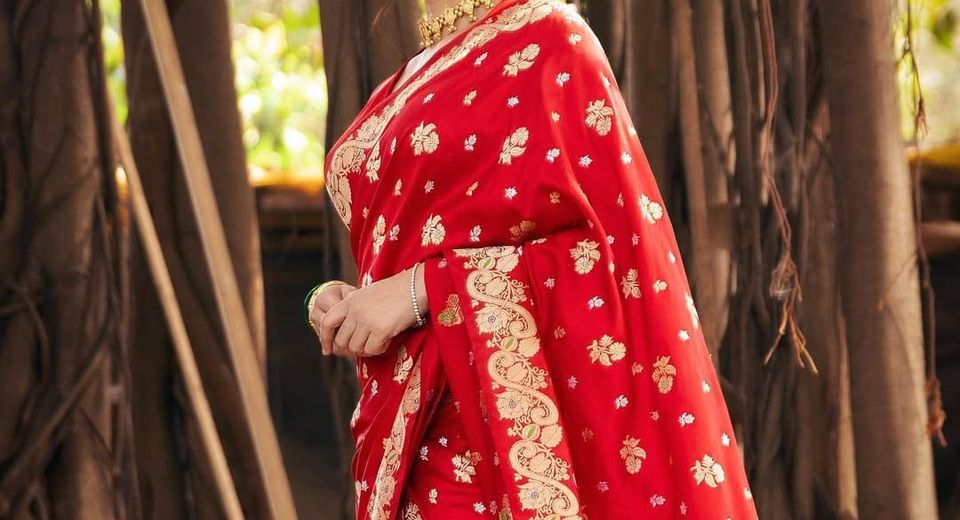
A red Banarasi saree remains visually commanding because red photographs strongly, pairs easily with gold jewellery and carries established bridal and festive associations. Red Banarasi Soft Silk Zari Weave Sareee is therefore suited to a reception, wedding ceremony or evening family celebration where you want the saree to be the central statement.
Maroon offers a deeper alternative to bright red. Maroon Banarasi Soft Silk Zari Weave Saree works particularly well with antique-gold jewellery, copper-toned accessories and a blouse in wine, beige or muted gold. Maroon Banarasi Soft Silk Jacquard Zari Saree adds another layer of surface texture, so it's a better choice when the outfit needs visual richness even with relatively simple jewellery.
Royal Banarasi Soft Silk Zari Weave Saree suits formal evening dressing because a saturated blue ground gives zari a crisp contrast. Royal blue can also be easier to reuse than bridal red: a gold blouse creates a traditional look, while an ivory or tonal blue blouse makes the outfit feel more contemporary.
What makes a Banarasi saree look current rather than dated?
A Banarasi saree looks current when its styling balances the richness of the weave with clean, intentional accessories. Choose one strong visual focus: an ornate pallu, a contrasting blouse, statement earrings or a defined waist belt. Adding all four can make a woven saree appear crowded.
Blouse construction changes the final impression significantly. A high-neck blouse gives a polished formal effect, elbow-length sleeves create a more time-honoured silhouette, and a simple sleeveless blouse can make a heavy zari saree feel lighter. Keep the blouse fabric reasonably compatible with the saree; raw silk, silk blends and structured satin often hold shape better than very thin, slippery materials.
When should you choose a jacquard saree instead of a zari-weave saree?
Choose a jacquard saree when you want woven pattern and texture to remain visible even with restrained styling. Jacquard refers to a method of creating patterned fabric through controlled warp and weft arrangements, rather than relying only on surface printing or separate embroidery. The result can look dimensional and composed from a distance.
Pink Banarasi Soft Silk Jacquard Saree with Zari is an useful choice for daytime weddings, engagement functions and festive lunches. Pink softens the formal impact of zari, while the jacquard surface prevents the colour from looking flat. Pairing the saree with a rose-gold, ivory or deeper pink blouse keeps the palette coordinated without making the outfit overly sweet.
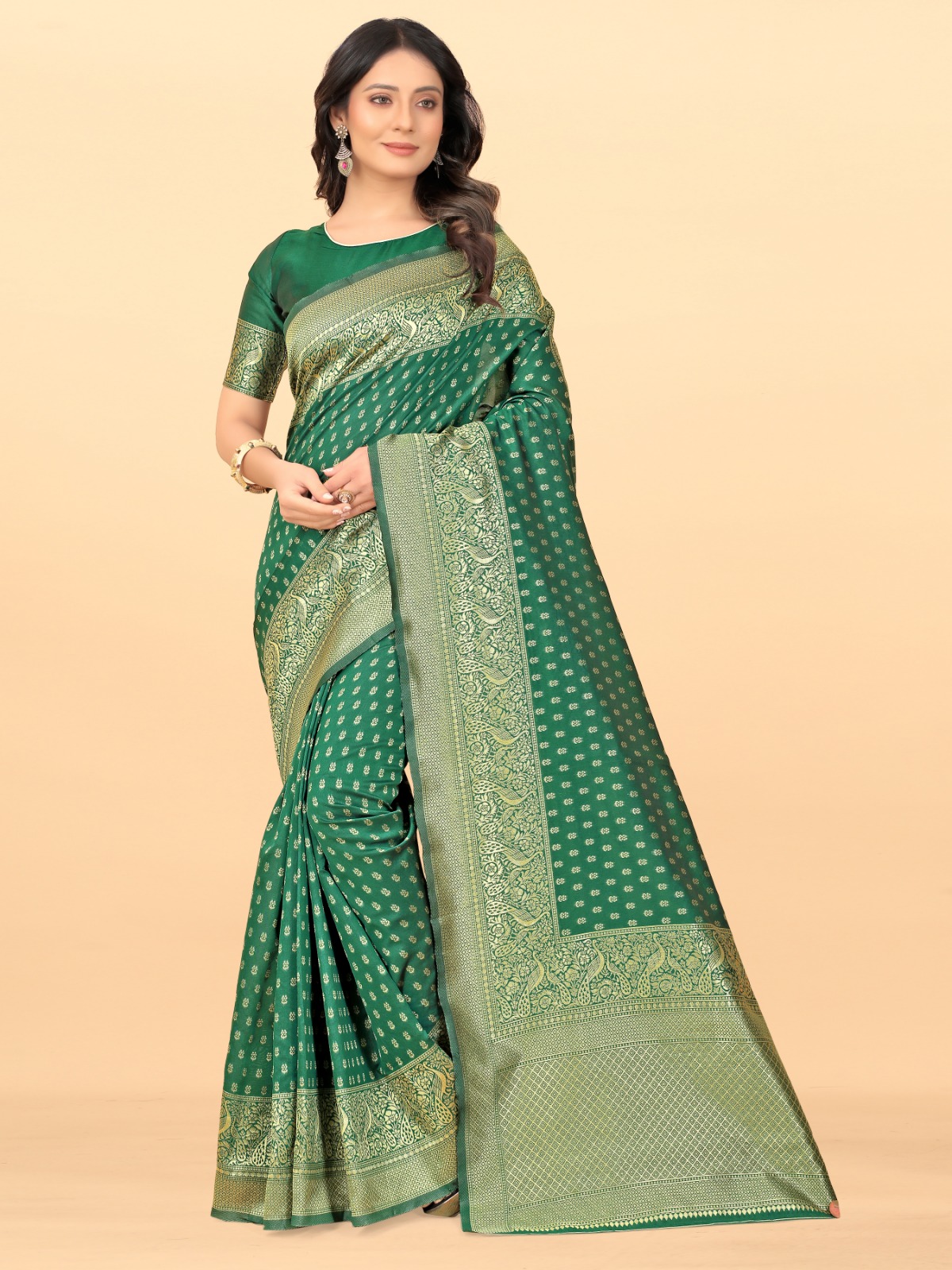
Teal Green Banarasi Soft Silk Jacquard Saree is more dramatic and works well for evening celebrations, cocktail-style family events and winter festivities. Teal green sits between blue and green, so it can be styled with antique gold for warmth, silver for contrast or a matching blouse for a sleek monochromatic effect.
Jacquard sarees can be especially practical for buyers who don't want extensive jewellery. A textured body already gives detail, and a pair of earrings with a neat bun may be enough. Heavy necklaces, layered bangles and a highly embellished blouse should be added carefully because the woven pattern is already doing visual work.
Which saree colour is trending for different occasions?
The most suitable trending saree colour depends on lighting, ceremony timing, jewellery preference and the visual role you want the saree to play. Colour should not be selected separately from weave because zari reflects light differently on red, blue, green and maroon grounds.
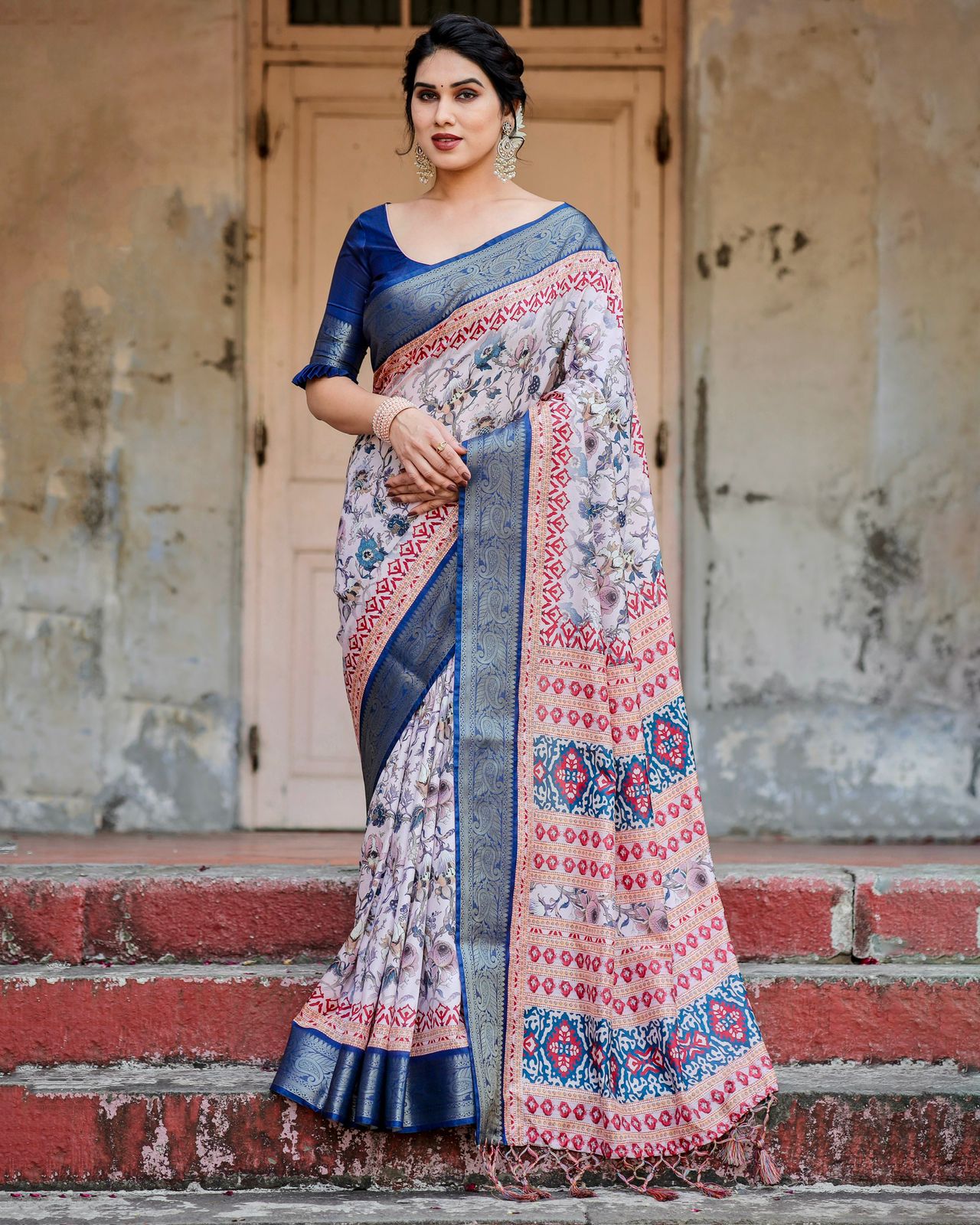
- Red: Select red for bridal functions, classic wedding ceremonies and photographs where you want high contrast. Gold zari and warm jewellery usually create the most cohesive result.
- Maroon: Select maroon for evening events and mature, jewel-toned styling. Maroon is forgiving with antique gold and darker blouse colours, but very dark accessories can make the complete outfit appear heavy.
- Royal blue: Select royal blue for receptions and formal dinners when you want a strong colour with a cooler finish. Gold accessories warm the palette, while silver accessories sharpen it.
- Teal green: Select teal green when you want an unusual jewel tone that still feels festive. Teal works with gold, champagne, ivory and selected shades of pink.
- Pink: Select pink for daytime ceremonies, engagements and celebratory gatherings where a softer impression is appropriate. A contrasting green or wine blouse can prevent pale pink from appearing too delicate.
- Green: Select green for daytime festivities, heritage gatherings and ceremonies connected with auspicious colour dressing. Green can look especially fresh when the border is lighter than the body.
Teal Blue Banarasi Soft Silk Saree With Golden Zari Border is a strong example of how the border can control the entire outfit. A defined golden zari border gives teal blue enough occasion presence, while the relatively clear colour field leaves room for a statement blouse or a more modern drape.
Is a lighter saree better for daytime functions?
A lighter saree is usually better for daytime functions, outdoor ceremonies and events that involve several hours of standing, walking or sitting. Lower visual weight doesn't mean the saree is casual; a carefully chosen border, colour and blouse can make a lighter weave festive.
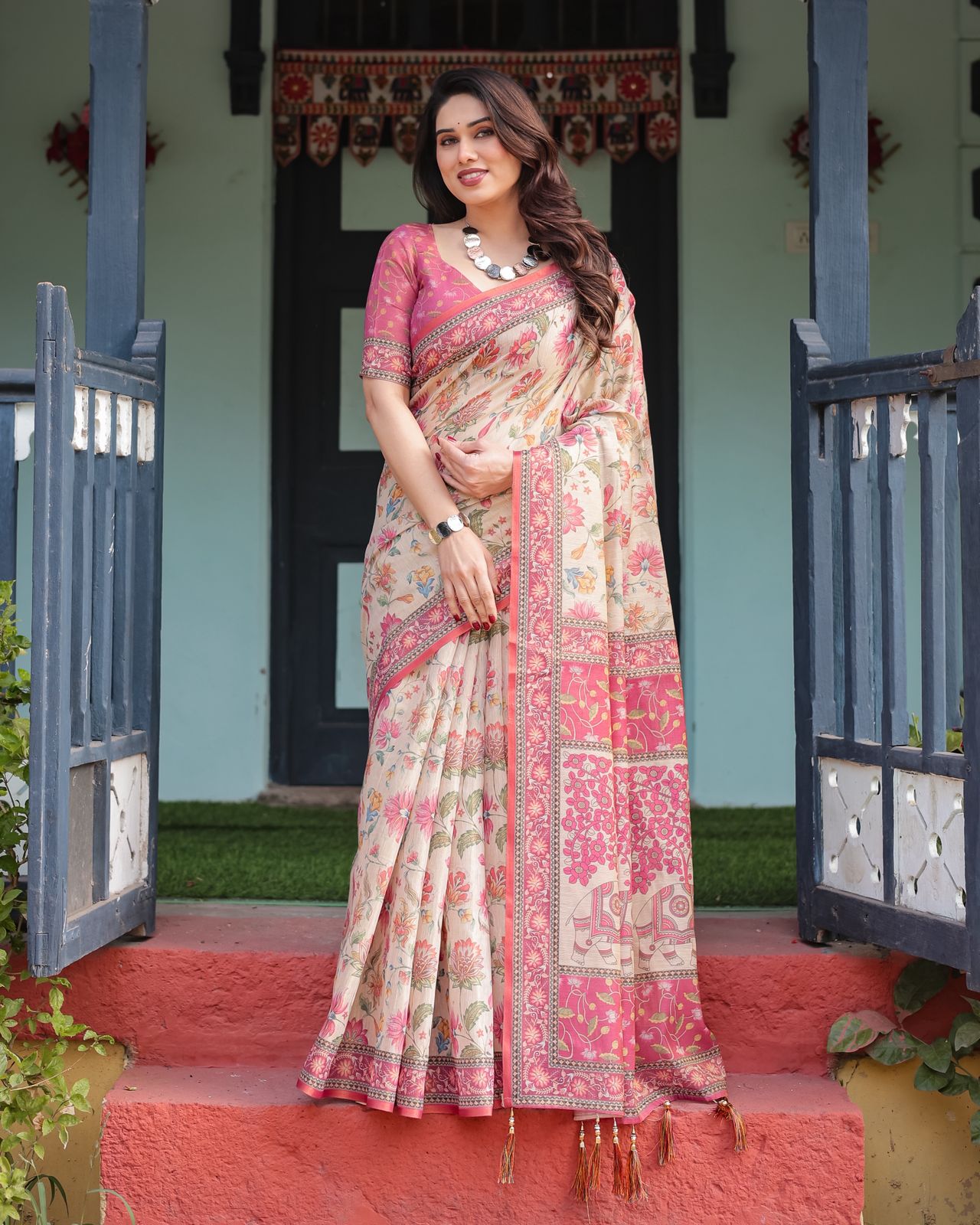
Green Kora Silk Leheriya Saree with Brasso Border illustrates this balance. Leheriya creates directional movement through its wave-like pattern, while a brasso border contributes texture and definition. The combination can suit a Haldi ceremony, daytime puja, mehendi gathering or summer celebration where a dense silk saree may feel too warm or formal.
Kora silk often has a lighter, more open-feeling appearance than heavily woven silk, but the exact comfort depends on construction and finishing. Before buying, check whether the saree has lining, an attached fall or a border that adds significant weight. A lighter body with a very heavy border may still pull during draping.
How do you keep a lighter saree from looking underdressed?
A lighter saree looks occasion-ready when the blouse, pleats and accessories provide deliberate structure. Choose a blouse with a clean neckline, press the pleats sharply and use a petticoat that supports the drape without creating bulk. A defined earring, a compact potli or an embroidered blouse can supply enough emphasis for a daytime event.
For an outdoor function, secure the pallu with discreet pins at the shoulder and waist. A saree that remains in place will look more polished than a heavier saree that needs constant adjustment. Footwear with a stable heel or embellished flats also improves the drape because the saree hem can be set at the correct length before leaving home.
How should you compare saree fabrics before buying online?
Compare the saree by surface, weight, fall, transparency, border construction and care instructions rather than by the word "silk" alone. Fabric names describe broad categories, while actual comfort also depends on weave density, finishing and embellishment.
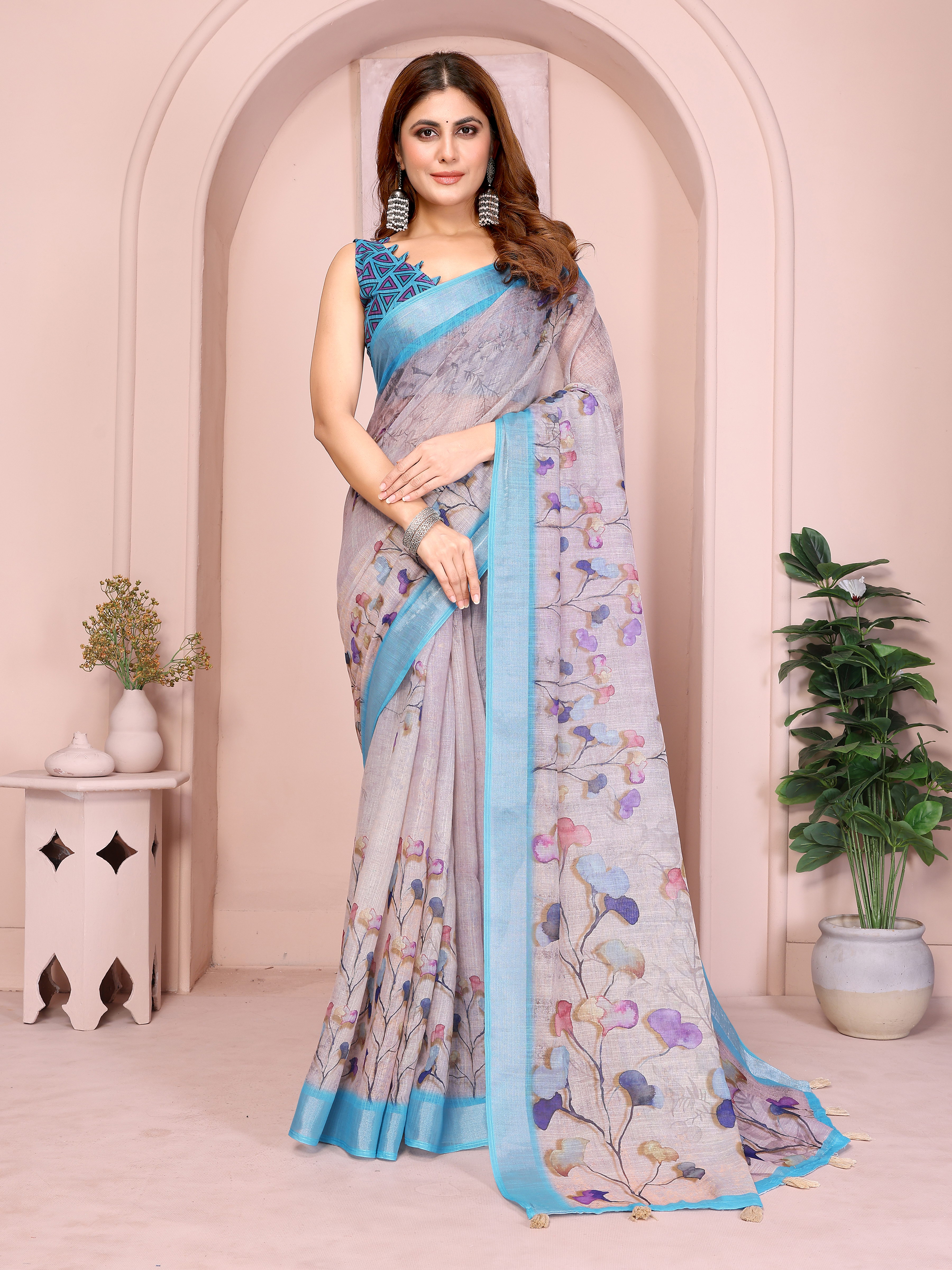
- Check the surface: Banarasi silk may show woven motifs and zari; jacquard creates raised or patterned texture; leheriya creates directional stripes or waves. Surface variation affects how much jewellery the outfit can carry.
- Consider weight: A zari-rich saree may feel more substantial than a lighter silk with a narrow border. Weight matters for long ceremonies and for people who prefer a fluid drape.
- Study the border: A broad border shortens the visual length of the torso and creates a strong heritage effect. A narrow or moderate border can appear more streamlined and contemporary.
- Plan the blouse: A patterned saree usually works with a quieter blouse, while a simpler saree can support embroidery, contrast sleeves or a statement neckline.
- Ask about care: Zari and silk generally benefit from professional dry cleaning and careful storage. Avoid leaving a saree folded in the same position for months.
Classic categories such as Kanjeevaram, Chanderi and Banarasi silk should not be treated as interchangeable. Kanjeevaram is associated with a firm silk structure and strong contrast borders, Chanderi is valued for a lighter, often translucent character, and Banarasi silk is associated with ornate woven patterning and zari. Each creates a different silhouette and level of visual formality.
Which trending saree fits your budget?
The best budget choice is the saree that gives the desired occasion effect without forcing expensive additions to complete the look. A textured jacquard or visible zari border may reduce the need for a heavily embroidered blouse, while a very plain saree may require more investment in accessories and tailoring.
For a defined spending range, the Sarees from Rs 1000 to Rs 1500 collection can help shoppers compare colour and weave choices without browsing an unstructured catalogue. A budget-friendly saree can still look elevated when the blouse fit, ironing and pleat alignment are handled well.
Discount collections require a slightly different evaluation. Sarees Under 20% Off and Sarees Under 10% Off may be useful when you want a particular colour or weave at a modest reduction, but discount percentage should not replace checking measurements, fabric details and return terms. Sarees Flat 60% Off may offer stronger price movement, so confirm whether the remaining colour, size-related details or stock conditions suit your needs before purchasing.
don't compare only the displayed price. Include blouse stitching, fall and edging, delivery time, jewellery and professional cleaning in the total outfit budget. A saree that needs fewer additions may provide better value even when its initial price is slightly higher.
How can you style a trending saree without losing personal identity?
Style a trending saree by keeping one contemporary element and one heritage element visible at the same time. For example, pair Banarasi silk with a current blouse shape, or wear a lighter leheriya saree with traditional earrings and a low bun.
For a formal wedding, a neat centre-parted bun, gold earrings and a structured blouse support the richness of zari. For a daytime Haldi ceremony, fresh flowers, a shorter jewellery stack and a lighter drape keep the outfit practical. For a reception, a belt over the saree or a sculptural blouse can modernise the silhouette, provided the belt doesn't obscure an important border.
Jewellery should respond to the saree's texture. Kundan and gold-tone pieces complement warm zari, silver can bring clarity to royal blue or teal, and delicate pearls can soften pink or pale-toned styling. Match the intensity of the jewellery to the density of the weave instead of following a fixed rule about what is traditionally worn.
Ultimately, the answer to which saree is trending now depends on the problem you want the saree to solve. Choose Banarasi soft silk zari for formal impact, jacquard for make-in texture, royal blue or teal for jewel-toned distinction, and leheriya with a brasso border for a lighter daytime statement. The most memorable trend is a saree that fits the event, stays comfortable and can be styled again.
Frequently Asked Questions
Which saree is trending now for wedding guests?
Banarasi soft silk sarees with zari are a strong choice for wedding guests because they provide formal shine, woven detail and a structured drape. Red, maroon, royal blue and teal are especially useful depending on whether you prefer warm, deep or jewel-toned styling.
Which saree is best for a daytime wedding?
A lighter jacquard, soft silk or leheriya saree is generally more comfortable for a daytime wedding. Green Kora Silk Leheriya Saree with Brasso Border offers movement and border definition without the visual density of a heavily embellished saree.
What is the difference between Banarasi silk and jacquard sarees?
Banarasi silk describes a silk saree associated with ornate woven motifs and zari, while jacquard describes a patterned weaving method that creates dimensional texture. A saree can be both Banarasi and jacquard, so the terms are not always mutually exclusive.
Is zari suitable for summer or daytime functions?
Zari can work for summer and daytime functions when the saree has a lighter body, a moderate border and breathable styling. A very dense zari weave may feel visually and physically heavier, so a lighter leheriya or restrained jacquard can be more practical.
How do I choose a saree colour for an evening reception?
Choose maroon, royal blue, teal or deep green for an evening reception when you want a saturated, photograph-friendly colour. Pair the selected colour with gold, silver, ivory or tonal accessories according to the temperature of the shade and the zari finish.
How should I store a Banarasi silk saree?
Store a Banarasi silk saree clean and completely dry, wrapped in breathable muslin rather than plastic. Refold the saree periodically along different lines, keep it away from direct sunlight and use professional dry cleaning when the care label recommends it.