Which Kurti Materials Need the Least Travel Ironing? The short answer is rayon, viscose blends, polyester blends, and smooth silk blends, while pure cotton and linen usually need more attention after being packed. Fabric composition, weave, garment construction, embroidery, and folding method all affect how presentable a salwar suit looks after several hours in a suitcase.
A travel-friendly kurti doesn't have to be synthetic or formal. Rayon can feel fluid and comfortable, a cotton blend can remain breathable, and a silk kurti can look polished for an evening event. The practical choice depends on whether you're travelling by train, flight, car, or bus, how long the garment will stay folded, and whether you'll have access to steam or a pressing service.
This guide explains which materials crease least, why popular Indian fabrics wrinkle differently, and how to pack salwar suits so that hanging, gentle steam, or a five-minute touch-up can replace full ironing.
Rayon, viscose blends, polyester blends, and smooth silk blends usually need the least travel ironing because they recover from light compression more readily than pure cotton or linen. These materials are particularly useful for short trips, work travel, and occasions where a pressing service is unavailable.
Rayon has a soft drape and often falls back into shape when hung. Rayon isn't completely wrinkle-proof: tight folds, damp luggage, and heavy pressure can still create visible lines. However, a rayon kurti commonly responds well to hanging in a ventilated room for 30 to 60 minutes.
Polyester and polyester-blend fabrics resist ordinary suitcase creasing, although they may feel warmer than cotton in hot weather. Smooth silk blends can also look fresh after careful packing, but delicate zari, embroidery, and embellished dupattas need more protection than the base fabric.
- Lowest ironing requirement: rayon, viscose blends, polyester blends, and smooth silk blends.
- Moderate ironing requirement: cotton-rayon blends, linen-cotton blends, and finely woven Chanderi.
- Highest ironing requirement: pure cotton, handloom cotton, linen, and heavily starched fabrics.
Fabric labels matter more than broad words such as "cotton" or "silk" in a product description. A cotton-rayon blend may travel better than pure cotton, while a heavily embellished silk kurti may require more care than a plain rayon design.
How Do Kurti Materials Need the Least Travel Ironing Across Fabrics?
Rayon generally offers the best balance of low creasing, fluid drape, and comfort, while pure cotton and linen need the most smoothing after travel. Silk can remain elegant when folded correctly, but silk requires careful handling around heat, moisture, and pressure.
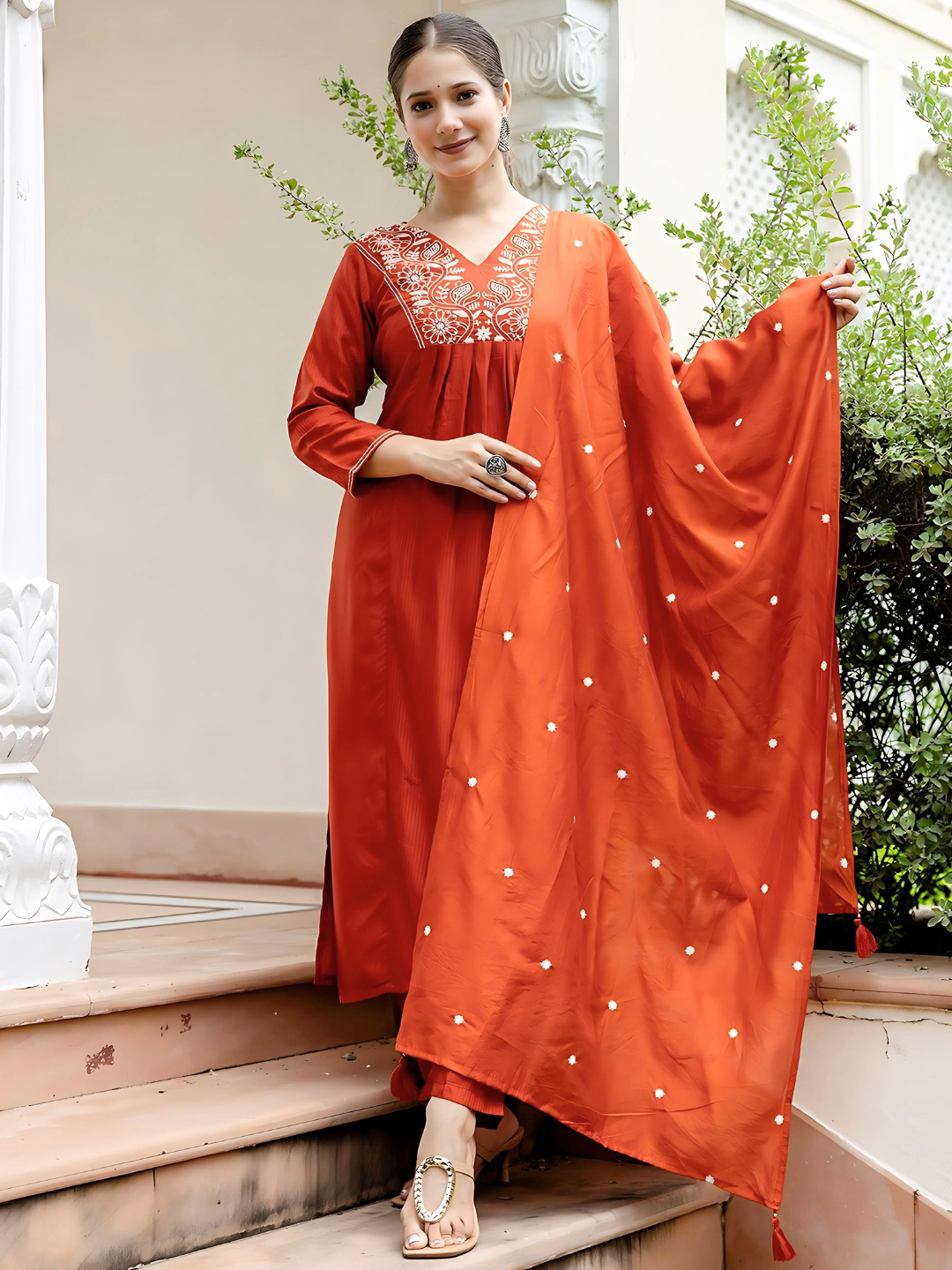
Rayon and viscose
Rayon is a strong choice for a travel salwar suit because the material hangs smoothly and doesn't usually develop the sharp grid-like fold marks associated with crisp cotton. Rayon is also useful for straight kurtis and pant sets because the fluid fabric follows the body without looking stiff.
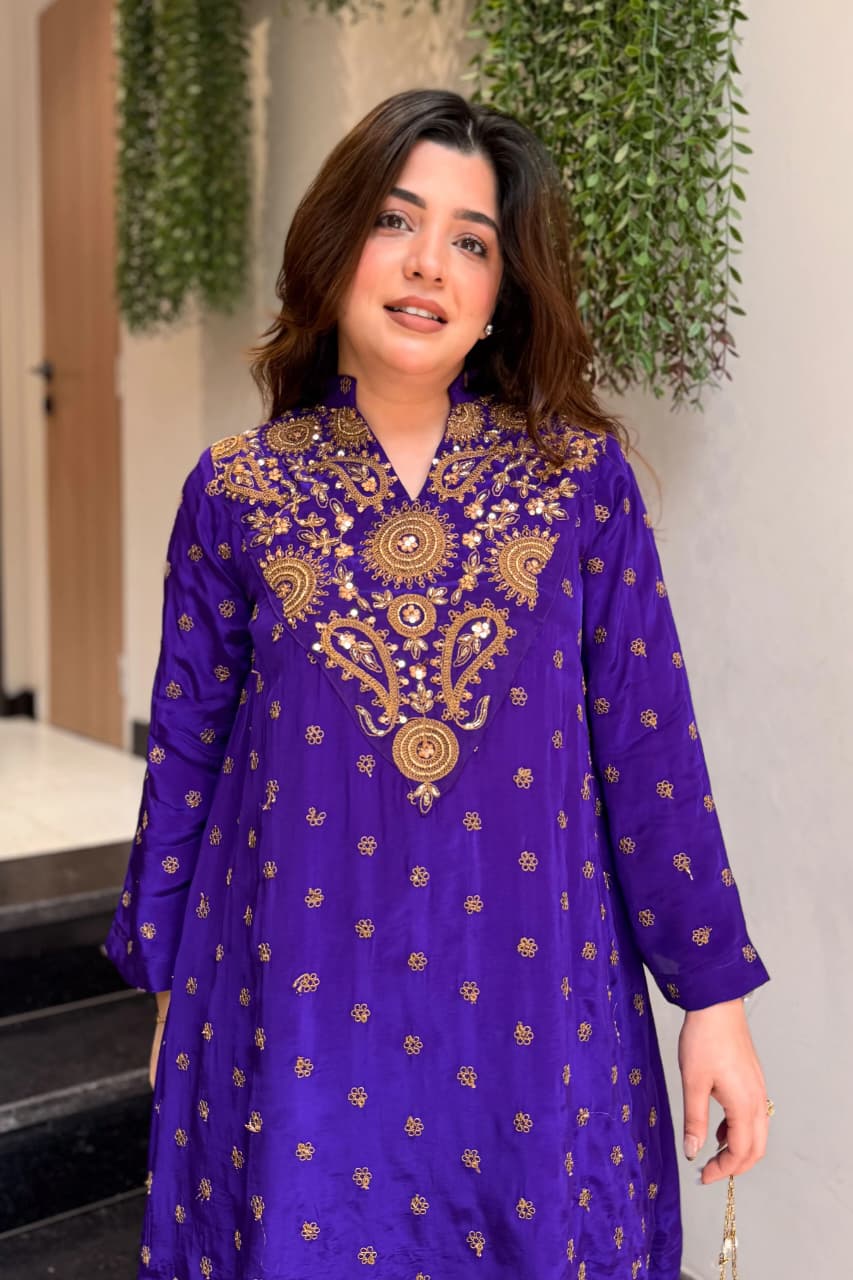
Rust Orange Embroidered Rayon Kurti Pant Dupatta is a good example of a travel-oriented outfit structure. The rayon kurti and matching pants can be folded in broad layers rather than compressed into small squares. Keep the dupatta loosely rolled over the top so embroidery doesn't press into the kurti.
Rayon can weaken when wet, so don't pack rayon while damp after washing. Rayon garments should be dried fully in shade, folded only when dry, and washed according to the care label. A low-temperature iron on the reverse side is safer than pressing directly over embroidery.
Cotton and cotton blends
Pure cotton is breathable and comfortable, but pure cotton usually needs more travel ironing than rayon because natural fibres hold compression marks. A cotton blend containing rayon or a small percentage of polyester normally recovers more quickly.
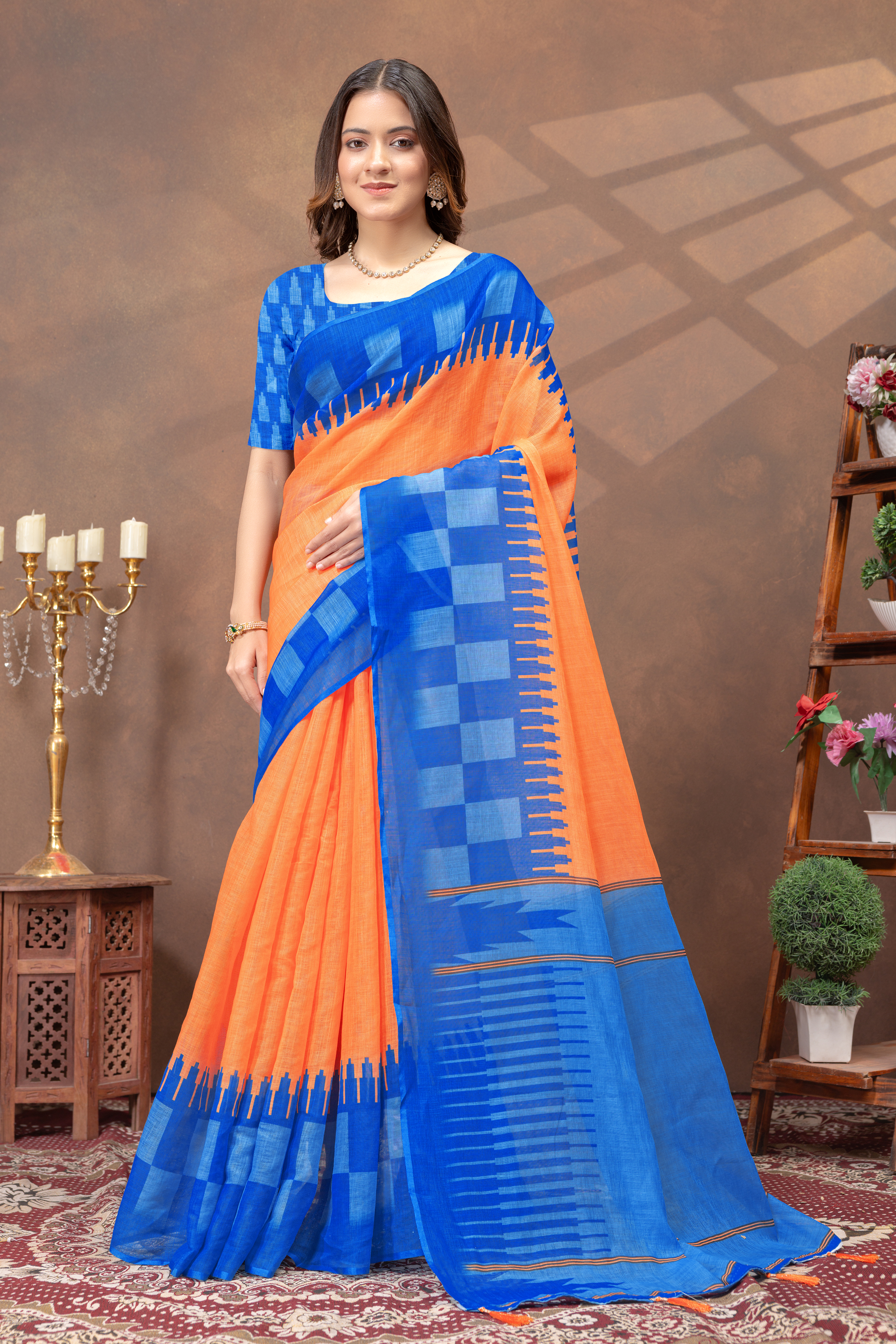
Rust Printed Cotton Kurta Set with Pant and Dupatta is suitable for breathable daytime dressing, but its cotton construction may benefit from a quick press before wearing. Pack the three pieces separately and roll the pant and kurta around a soft centre to reduce severe creases without changing the fabric's natural character.
Cotton prints can disguise minor wrinkles better than solid pale fabrics. Dark rust, indigo, or multicolour prints tend to make small fold lines less conspicuous than an unbroken ivory surface.
Linen and linen-cotton
Linen wrinkles more readily than rayon because linen fibres are strong, less elastic, and prone to retaining fold lines. Linen-cotton blends are easier to manage than pure linen, but linen-cotton still develops a relaxed texture during travel.
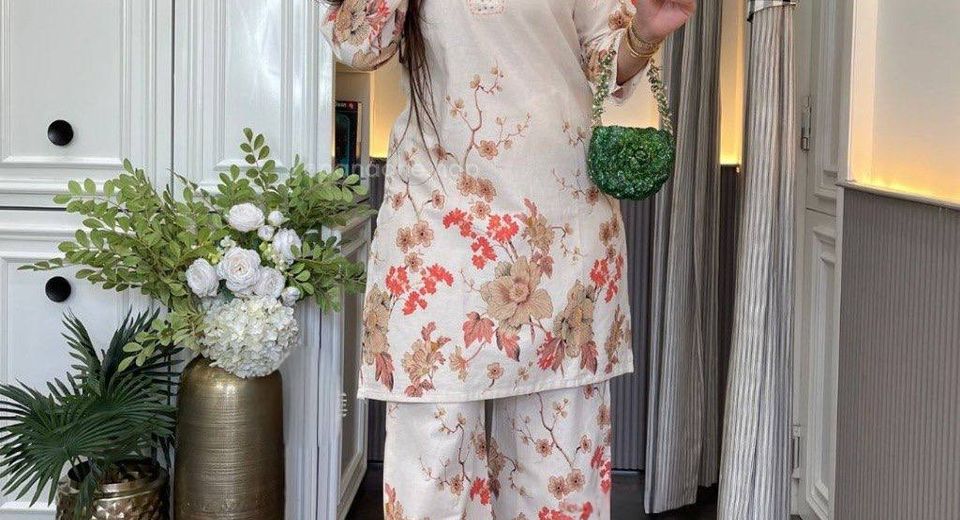
Ivory Floral Linen Cotton Co-Ord Set for Women from Varnavi illustrates an important distinction: linen-cotton can be a comfortable travel fabric when a slightly lived-in appearance is acceptable. Linen-cotton isn't the right choice for someone expecting a perfectly pressed finish after a long journey.
Pack linen-cotton in the largest fold possible, avoid placing shoes or toiletry bags on top, and hang the set as soon as you arrive. Light wrinkles often fall out overnight. A damp towel hung nearby can add gentle humidity, but the garment should never be soaked to remove creases.
Silk and silk blends
Silk generally resists deep creasing better than linen, but silk needs cautious handling because high heat, water marks, and friction can damage the surface. Banarasi silk and zari garments also need protection from snagging and pressure.
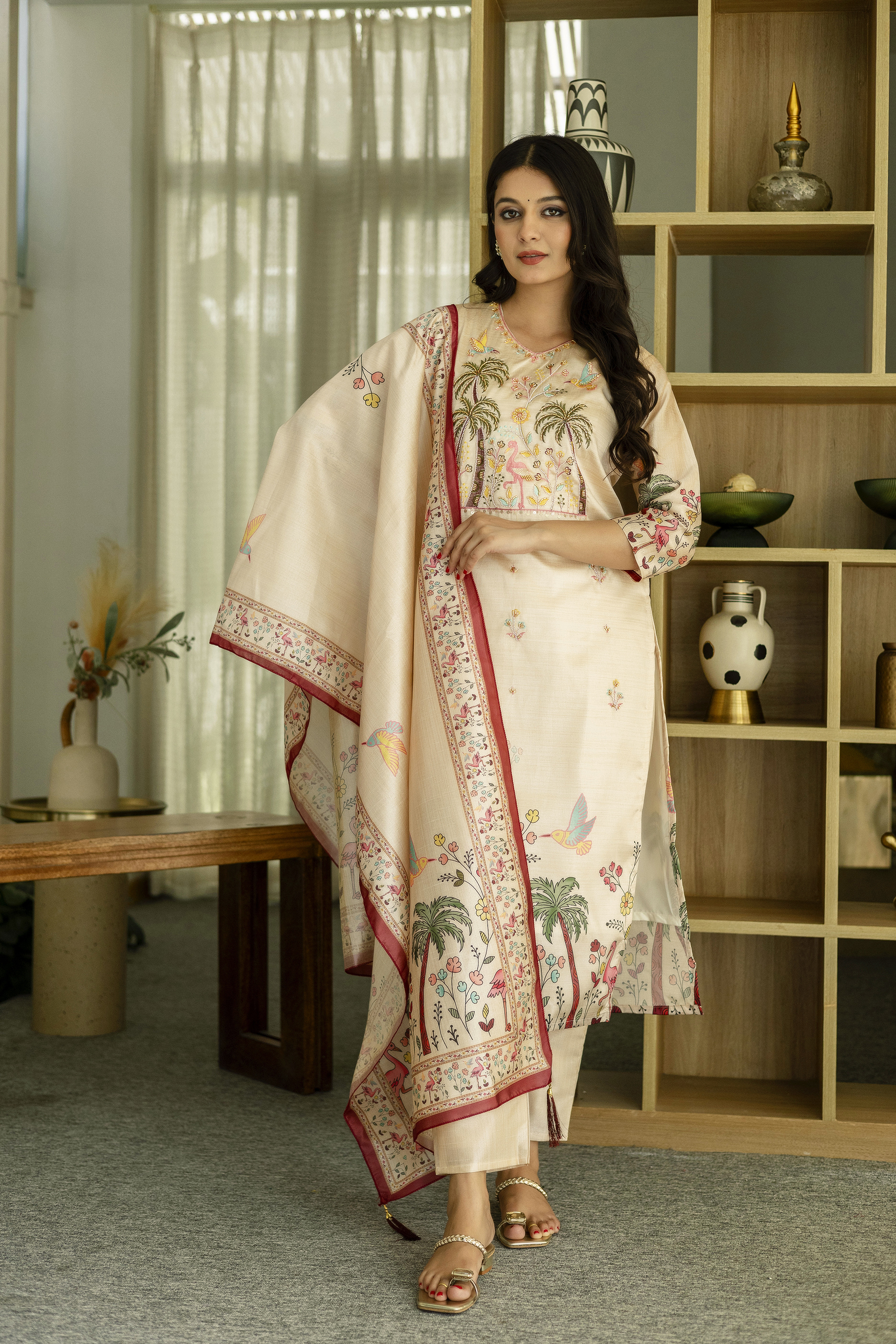
Cream Embroidered Silk Kurti Pant with Designer Dupatta can work for a destination dinner or family celebration when packed in a breathable cotton garment bag. Fold the embroidered side inward with acid-free tissue or a clean, soft cotton layer between folds, and never place heavy footwear directly over the dupatta.
Silk doesn't always need ironing after travel. Hanging silk in a cool room for several hours may be enough. If pressing is necessary, use the lowest suitable temperature on the reverse side and follow the care label instead of applying a hot iron to visible zari.
Why Do Kurti Materials Need the Least Travel Ironing Differently?
Weave, finishing, garment weight, seam placement, and decoration change wrinkle performance even when two kurtis use the same fibre. Fibre names alone can't predict how a finished salwar suit will look after packing.
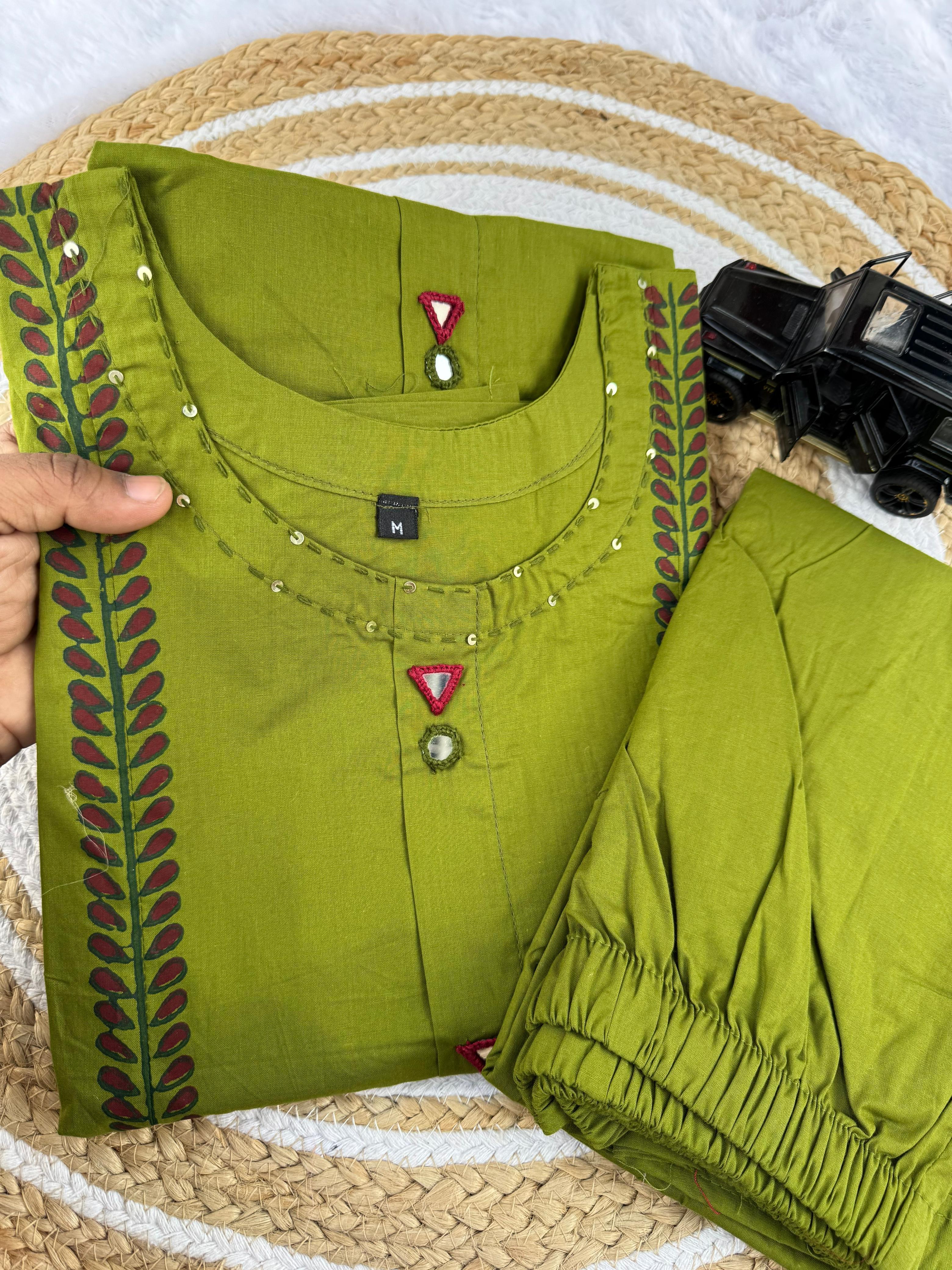
A densely woven rayon may stay smoother than a lightweight rayon with a textured finish. A soft cotton voile can crease more quickly than a heavier cotton twill. A linen-cotton blend with a compact weave may look neater than loosely woven linen, although neither will behave like polyester.
Garment design also matters. A straight kurti with broad panels usually packs more predictably than a heavily flared Anarkali with multiple seams. Pants pack more efficiently than voluminous palazzos or shararas, although a wide-leg pant can be rolled around the kurti if the fabric is soft and resilient.
Embroidery and zari should be assessed separately from the base material. Rust Embroidered Kurti Pant Dupatta Set Online may have a relatively manageable fabric but still needs careful folding because raised threadwork can catch, flatten, or leave pressure marks. Place tissue or a clean cotton scarf over decorated surfaces before folding.
Colour influences perceived neatness as well. Cream, ivory, and pale pastel fabrics show creases more clearly than busy Kalamkari prints, Bandhej patterns, or dark rust shades. A print doesn't reduce actual wrinkling, but a print can make minor travel marks less visible.
Which Kurti Materials Need the Least Travel Ironing in Different Suit Styles?
Two-piece straight kurti-and-pant sets usually pack most easily because their pieces have simple shapes, fewer gathered sections, and broad surfaces that can be folded in layers. Three-piece suits remain travel-friendly when the dupatta and embellishments are packed separately.
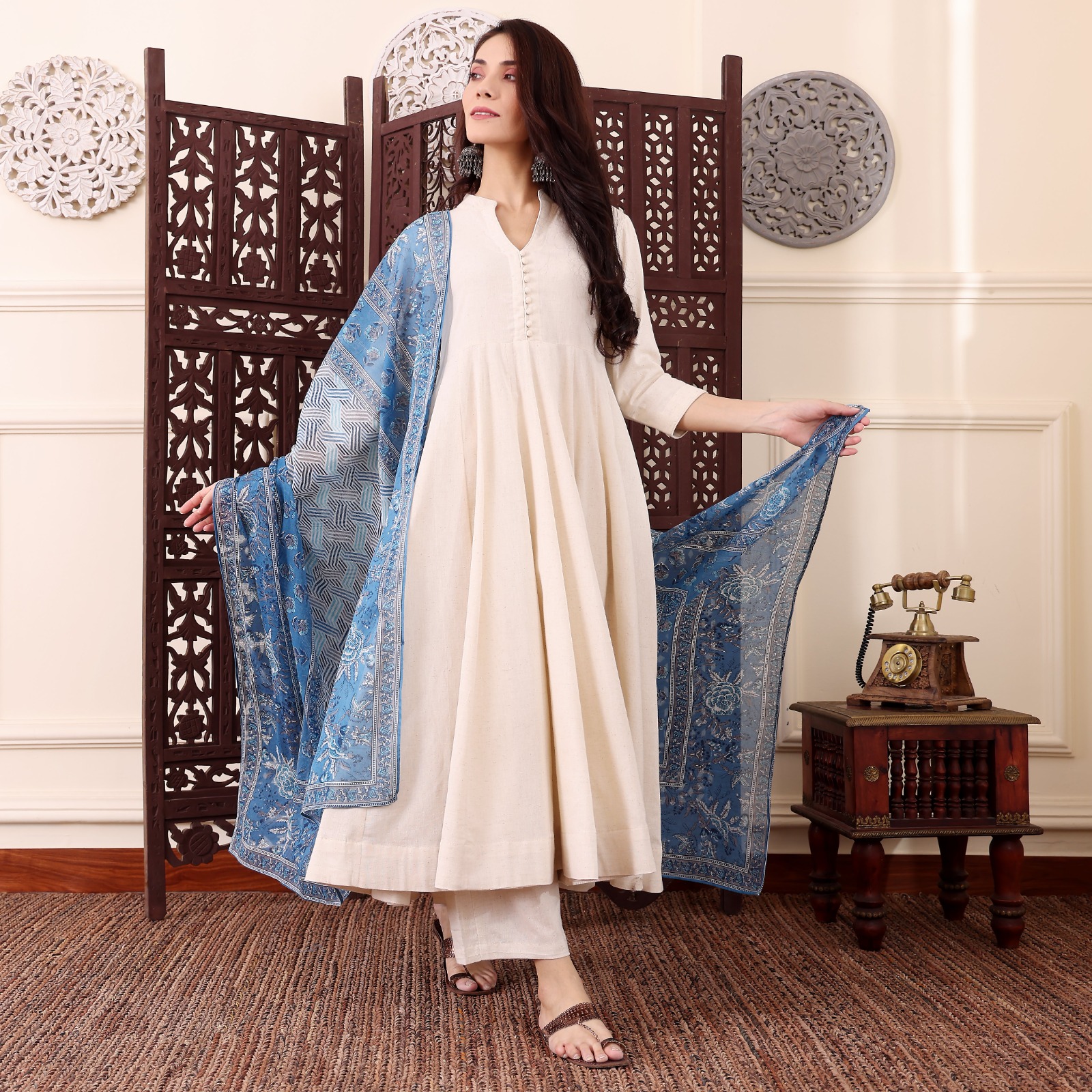
A straight silhouette is often easier to smooth than a heavily flared Anarkali. Pants also pack more efficiently than voluminous palazzos or shararas, although a wide-leg pant can be rolled around the kurti if the fabric is soft and resilient.
Designer Cream Straight Kurti Set with Dupatta is an example of a structured outfit that benefits from flat folding. Place the kurti face down, fold the sleeves inward, position the dupatta on top with its border aligned, and fold once across the middle rather than making several narrow folds.
Rust Orange Embroidered Kurti Set with Dupatta can be packed in a similar way, but embroidery requires a protective layer. Keep the dupatta loose if its border is embellished, because sharp folds across dense threadwork may create persistent-looking pressure marks.
Regional-inspired designs also require attention to surface decoration. Maharashtra Paithani Inspired Salwar Suits and Odisha Sambalpuri Salwar Suits may include decorative borders or patterned surfaces that deserve a tissue-layer approach. Decorative design doesn't automatically mean difficult maintenance; the key issue is where raised work sits and how tightly the garment is compressed.
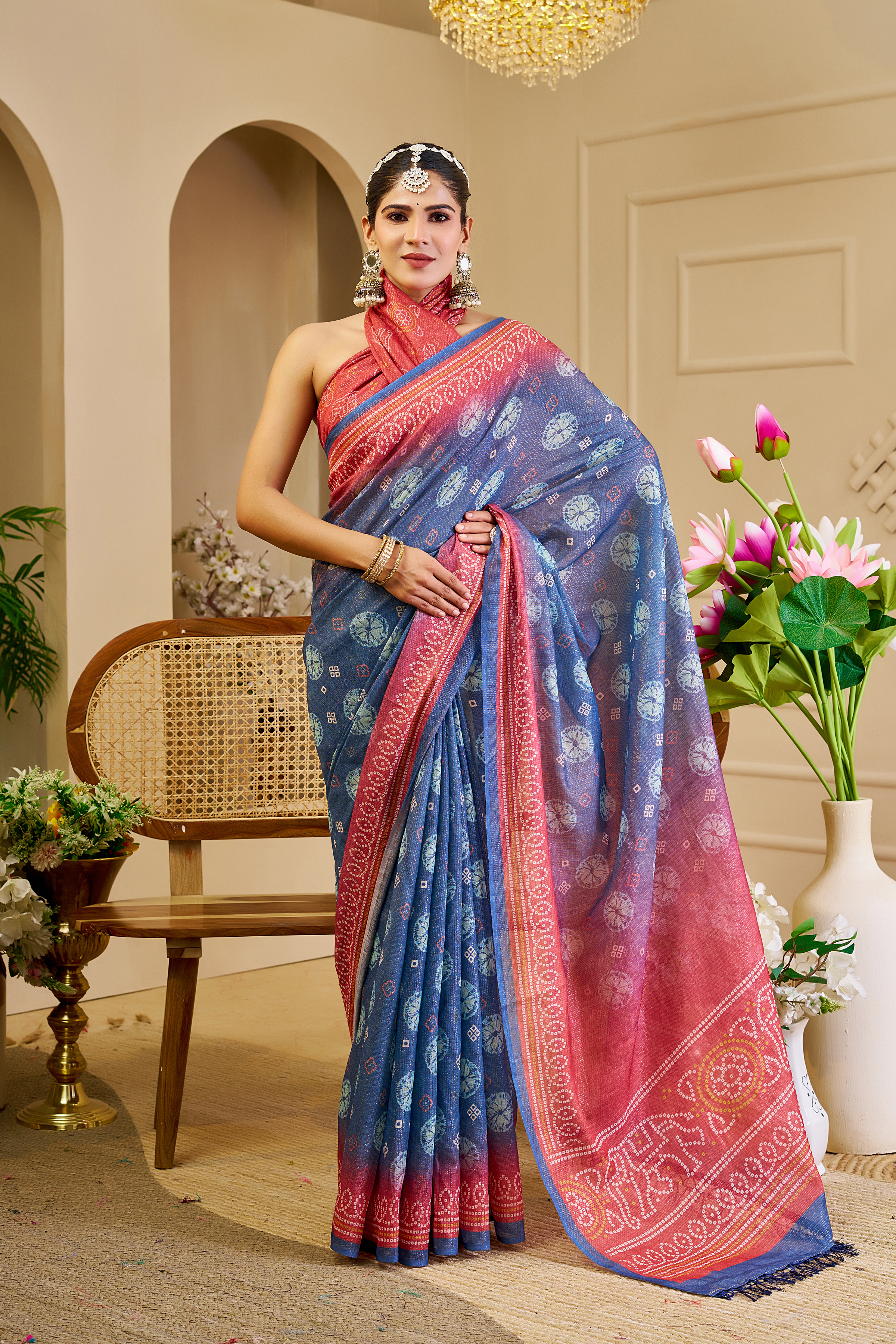
For additional pattern-led options, Kalamkari Print Salwar Suits, Gujarat Bandhej Salwar Suits, and Punjab Patiala Salwar Suits demonstrate why print and construction should be considered together. A busy print can disguise small wrinkles, while a gathered Patiala silhouette may need more packing space than a straight pant.
How Should Kurti Materials Need the Least Travel Ironing When Packed?
The most effective low-ironing packing method is to clean and dry the garment fully, place tissue or soft cotton between vulnerable folds, use broad folds or loose rolls, and remove the outfit from the suitcase immediately on arrival.
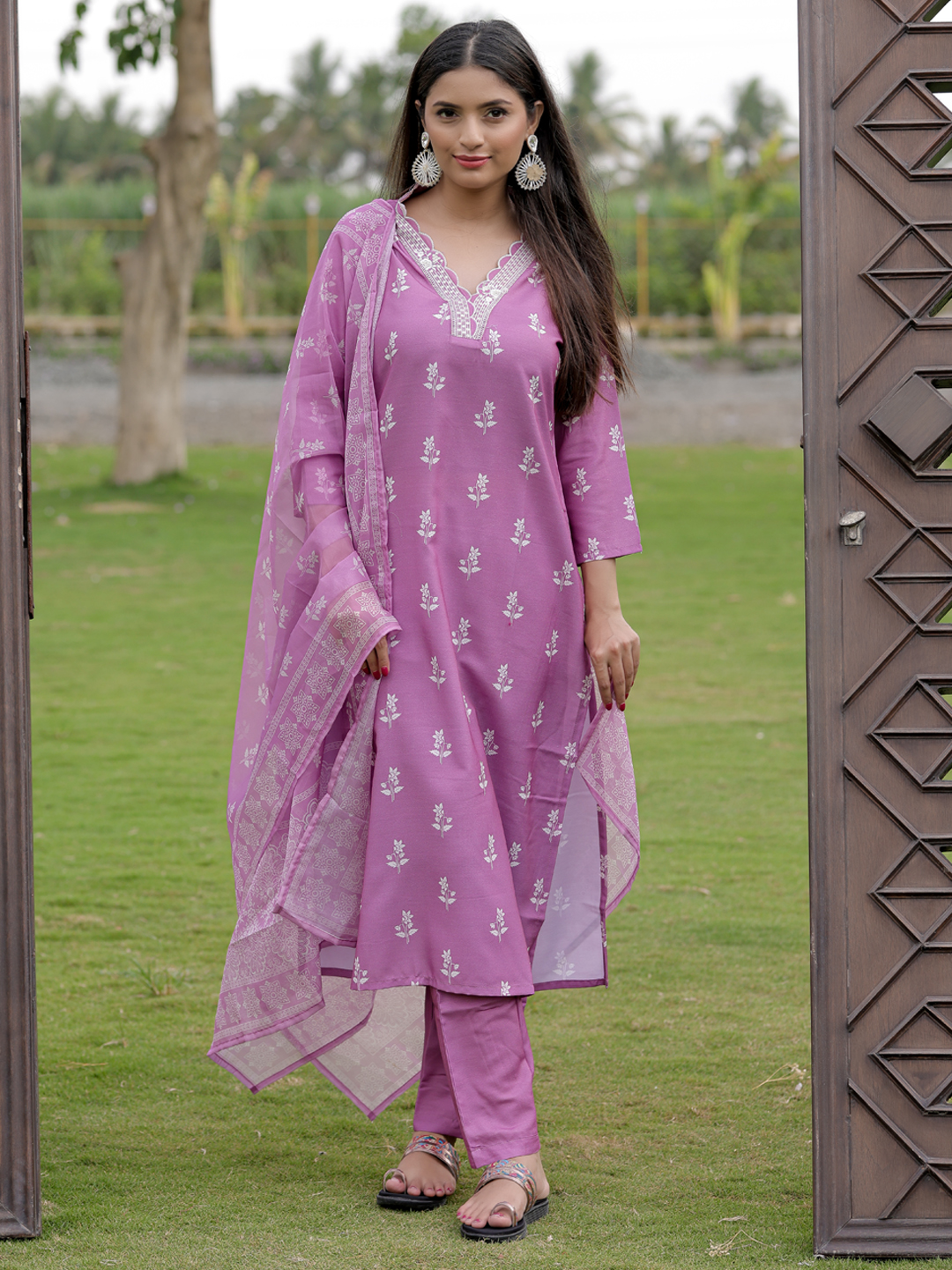
- Wash and dry completely. Moisture trapped inside folded rayon, cotton, or linen can deepen creases and create an unpleasant smell. Dry garments fully in shade before packing.
- Fasten closures. Button the kurti and secure hooks or zippers so the garment keeps its intended shape. Remove detachable brooches or sharp accessories before folding.
- Use broad folds. Fold a long kurti once or twice instead of making many narrow folds. Multiple small folds create more visible crease lines.
- Protect decoration. Place tissue paper or clean cotton between zari, sequins, embroidery, and adjacent layers. Tissue reduces friction and prevents raised work from pressing into the fabric.
- Roll suitable garments. Rayon and soft cotton blends can often be rolled loosely. Avoid tight rolling for structured silk, stiff cotton, and heavily embellished garments.
- Pack by weight. Put heavier shoes and toiletry bags at the bottom or sides of the suitcase, never on top of delicate dupattas or embroidered kurti panels.
- Unpack promptly. Hang every salwar suit within 15 minutes of reaching the destination. Leave space around the garment so air can circulate.
A travel steamer can help, but steam isn't suitable for every material. Test heat and moisture on an inconspicuous area first, keep the steamer several centimetres away from silk and zari, and follow the garment label for rayon. A bathroom filled with gentle steam may relax light wrinkles, but direct water droplets can mark silk and weaken rayon.
How Can Kurti Materials Need the Least Travel Ironing After Arrival?
Hanging a garment in a ventilated room for several hours is the safest first step, while low heat on the reverse side is the next option for fabrics that still show creases.
For rayon, straighten seams and smooth the fabric with clean hands while the garment hangs. For cotton, lightly mist the air around the garment rather than soaking the fabric, then allow at least 30 minutes for the fibres to relax. For linen-cotton, overnight hanging may be more effective than hurried high-heat ironing.
For silk and zari, avoid direct water sprays and place a clean cotton cloth between the garment and the iron if the care label permits pressing. Embroidery should be pressed from the reverse side, and a hot iron should never be left stationary over one section.
A simple arrival plan prevents most emergencies: unpack the outfit first, hang it on a broad hanger, smooth the front and back panels, and leave the dupatta spread over a separate hanger. This method usually reduces the need for a full ironing session.
Which Kurti Materials Need the Least Travel Ironing for Different Trips?
Rayon and blended fabrics are usually the most practical for long journeys, cotton blends suit hot daytime travel, and silk blends work well for evening events when careful packing is possible.
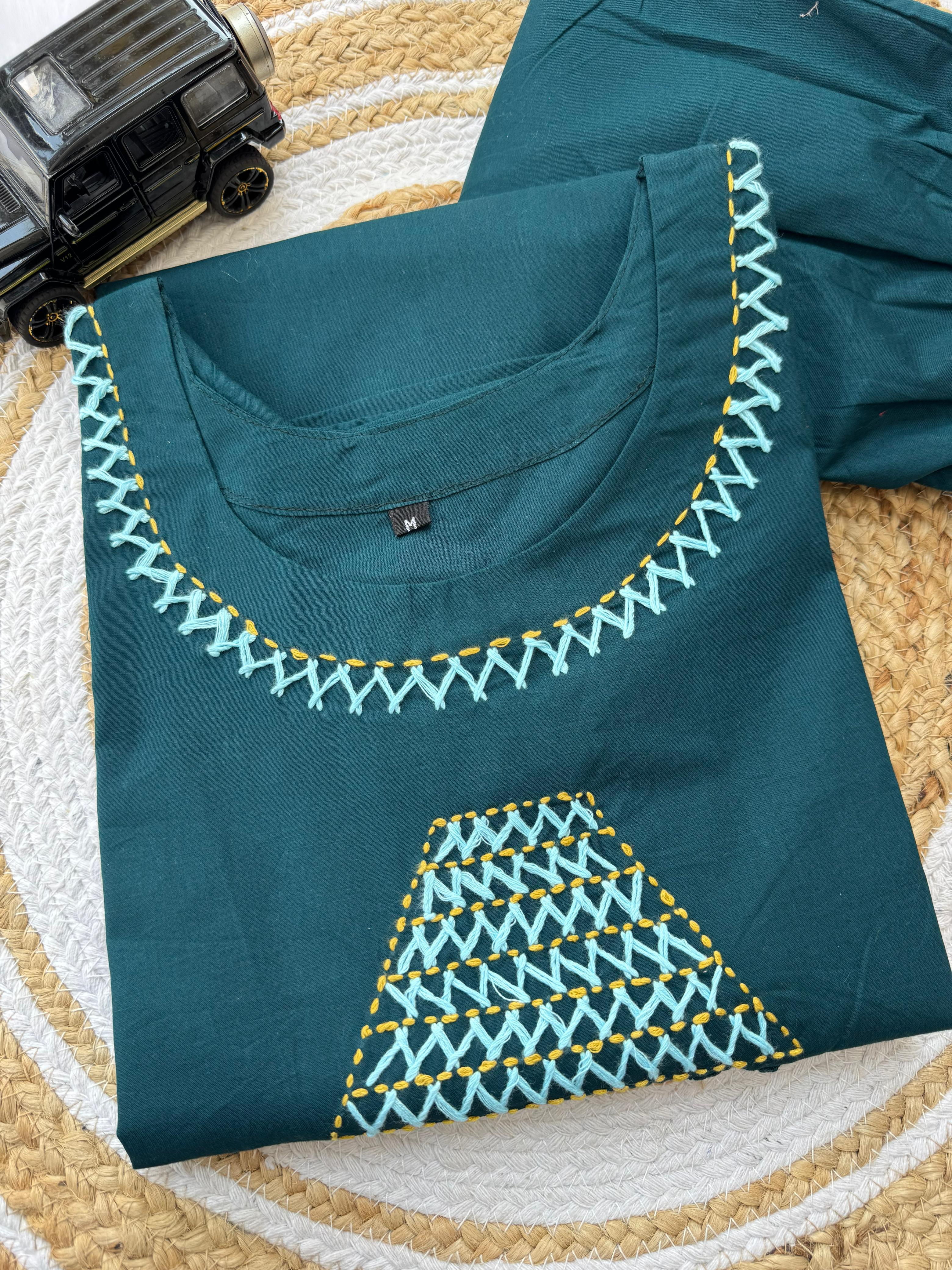
For an one-night business trip, choose a rayon straight kurti with pants because the outfit can be unpacked and worn with minimal preparation. For a summer family visit, choose a cotton-rayon blend if breathability matters more than an exactly sharp finish. For a wedding or dinner, choose a smooth silk blend and pack embroidery with tissue rather than relying on an iron at the destination.
Travellers who prefer natural fibres should not avoid cotton or linen entirely. A printed cotton set, a linen-cotton co-ord, or a Chanderi suit can still travel successfully when packed loosely and hung early. The trade-off is a relaxed texture instead of a just-pressed appearance.
The most dependable buying rule is to check the fibre composition, look at the weave and embellishment, and match the outfit to the amount of care available during the trip. Choosing a lower-crease fabric is helpful, but good packing often saves more time than carrying a powerful travel iron.
Common Questions About Low-Ironing Kurtis for Travel
Which kurti material is best for travel without ironing?
Rayon, viscose blends, polyester blends, and smooth silk blends generally need the least ironing after travel. Rayon is often the most comfortable all-round choice because it drapes well and usually relaxes when hung.
Does rayon wrinkle less than cotton?
Rayon usually wrinkles less visibly than pure cotton during suitcase travel. Rayon can still crease when compressed tightly, so broad folding, complete drying, and prompt hanging remain important.
How should I pack a linen-cotton kurti for a trip?
Pack a linen-cotton kurti in one or two broad folds, keep heavy items away from it, and place tissue or soft cotton between decorated areas. Hang the garment immediately after arrival and allow several hours for light wrinkles to relax.
Can silk kurtis be steamed after travel?
Silk kurtis can sometimes be steamed, but the care label should be followed and direct moisture should be avoided around zari or water-sensitive finishes. Keep the steamer several centimetres away and test an inside seam first.
Do printed kurtis hide travel wrinkles better?
Busy prints such as Kalamkari, Bandhej, and multicolour floral patterns can make minor wrinkles less noticeable than plain cream or ivory fabrics. Prints do not prevent creasing, so the garment still needs suitable folding and hanging.
Are straight kurti sets easier to pack than Anarkali suits?
Straight kurti-and-pant sets are usually easier to pack because they have broad panels, fewer gathered sections, and a smaller overall volume. Anarkali suits can travel well when made from rayon or a blend, but their flare needs more suitcase space and careful folding.