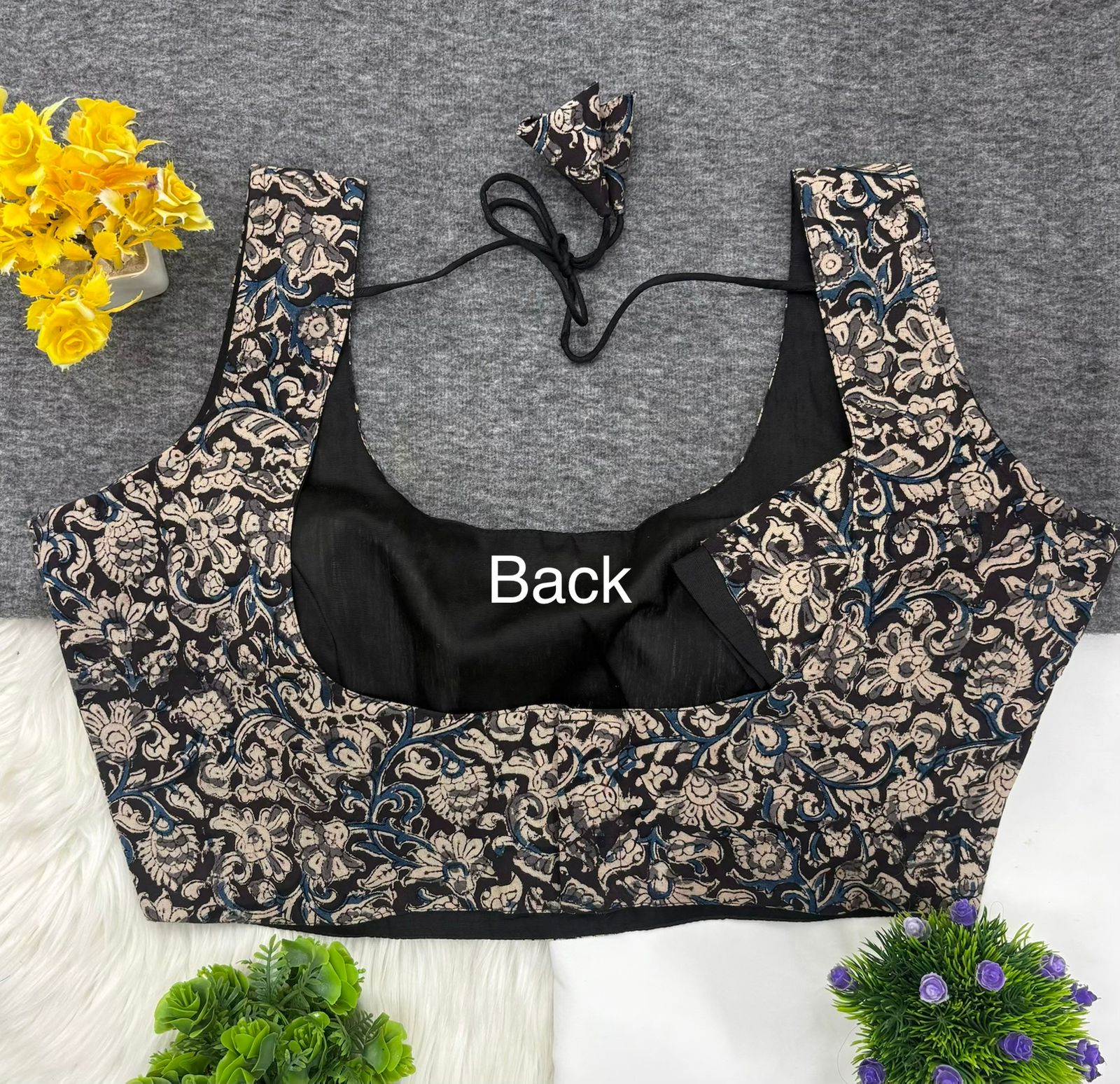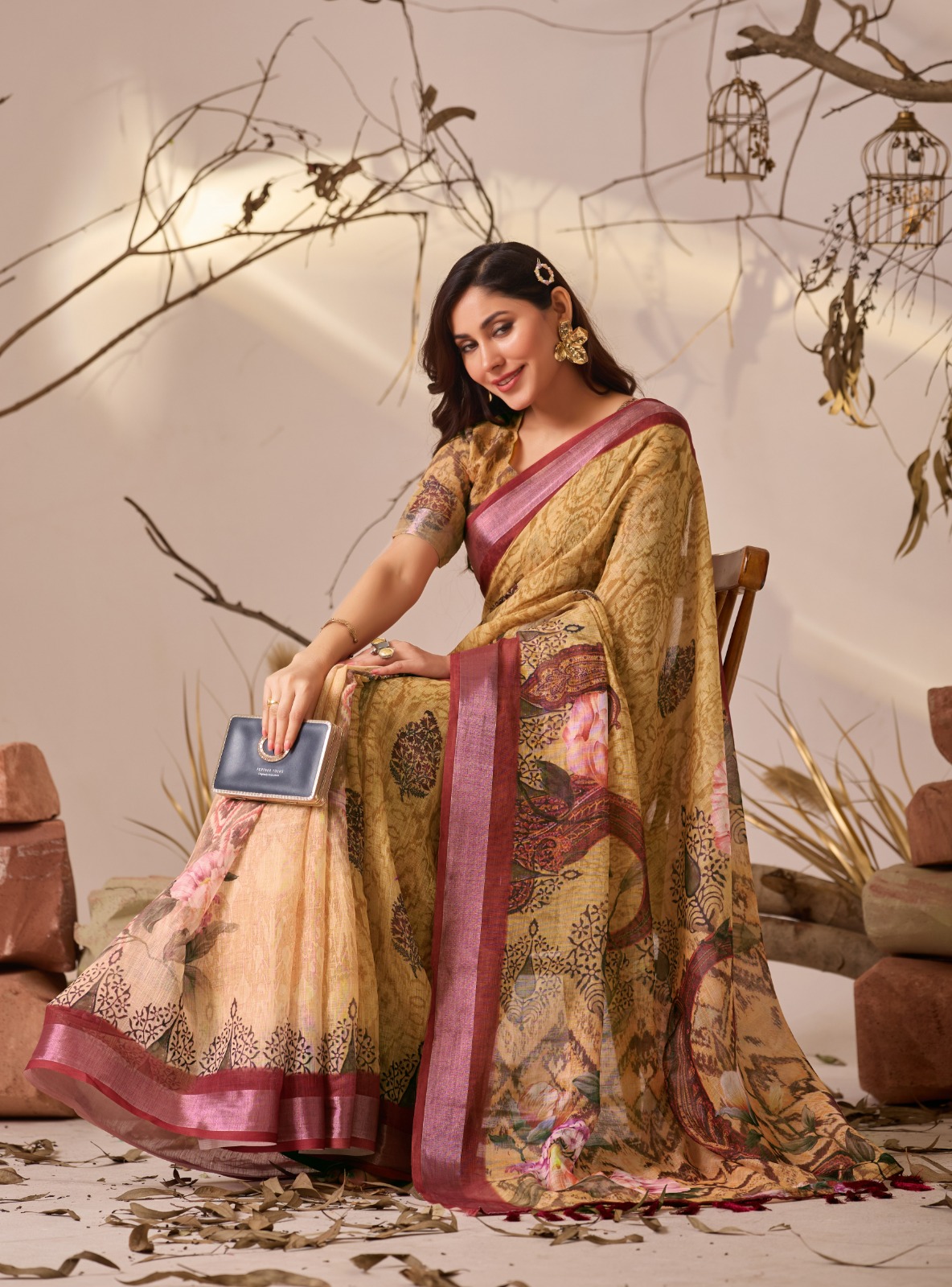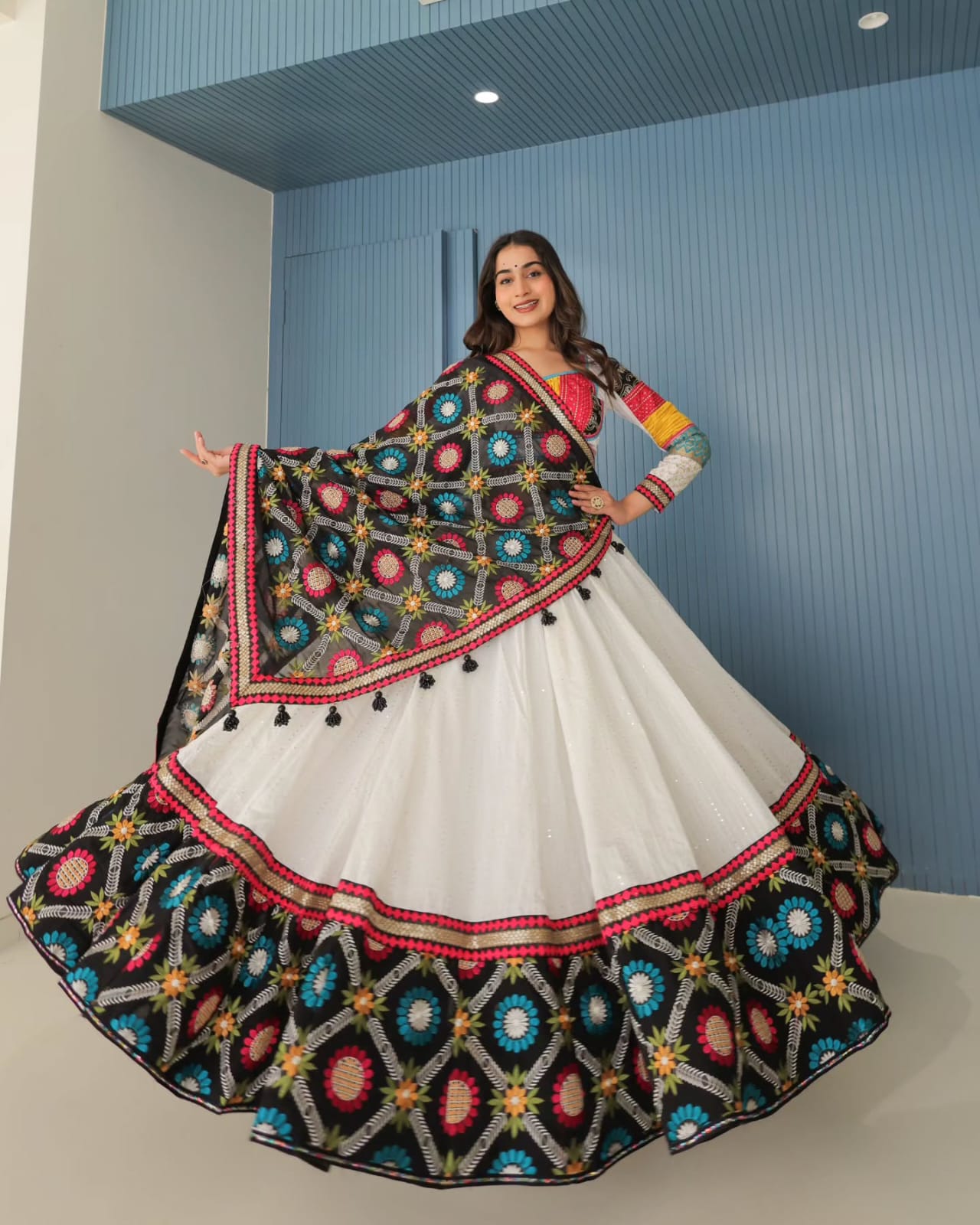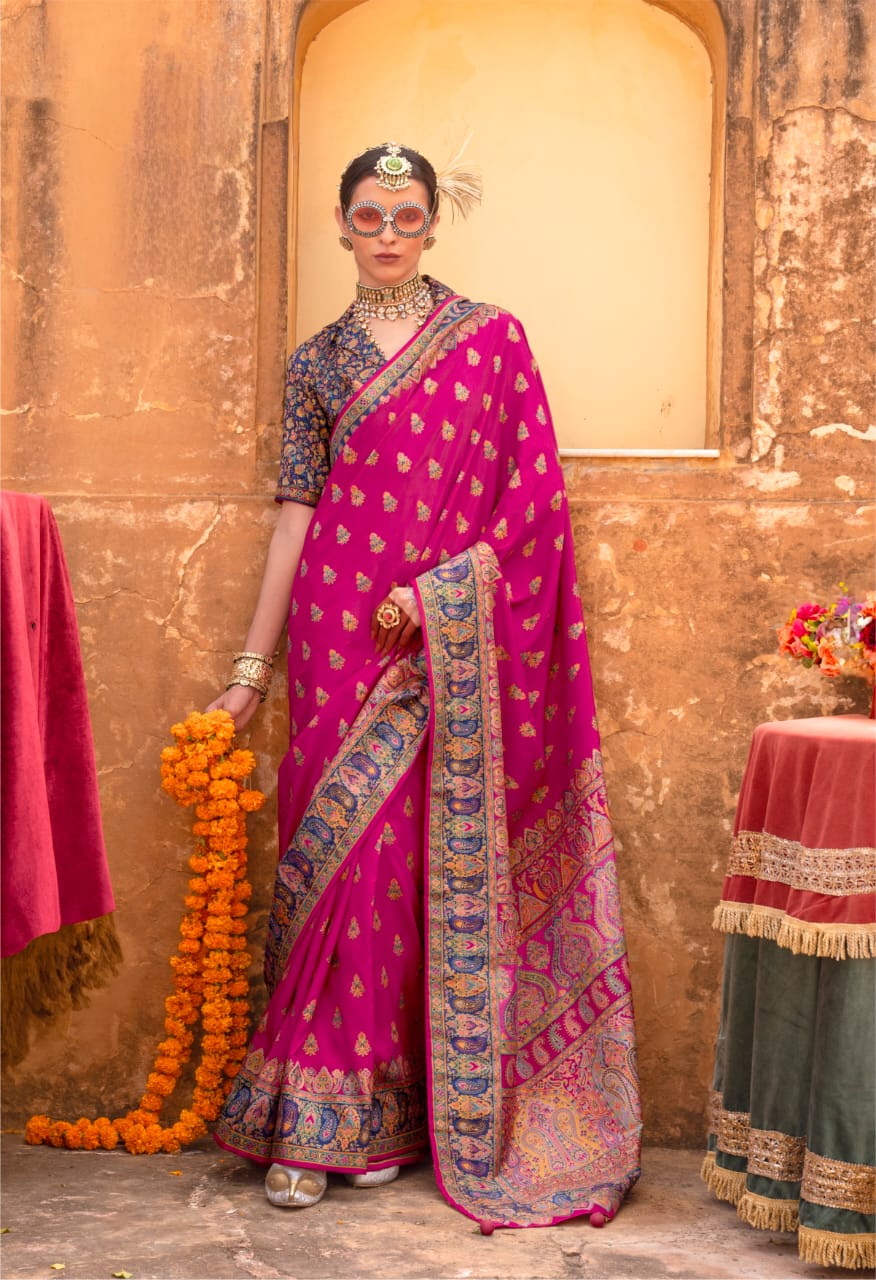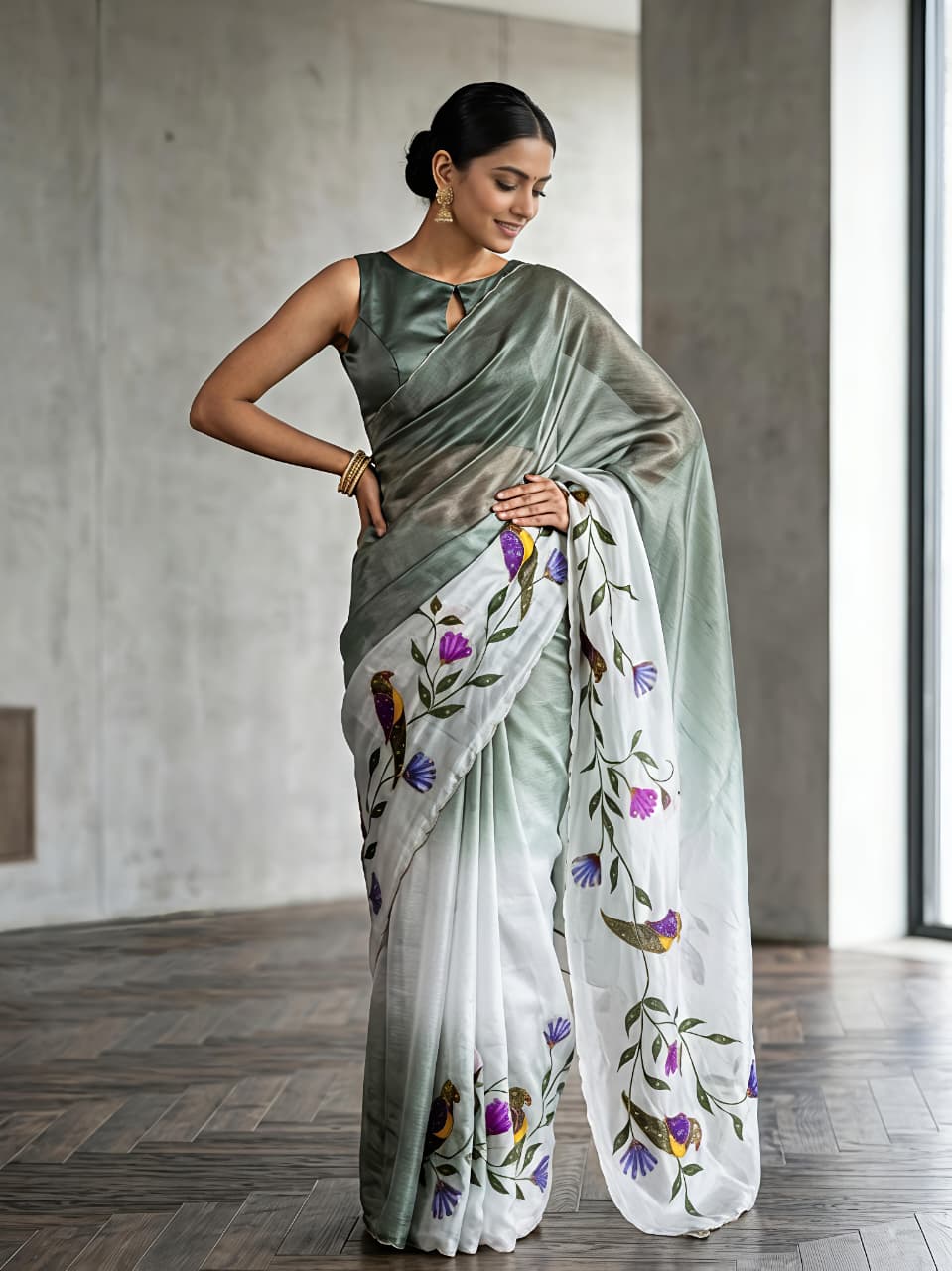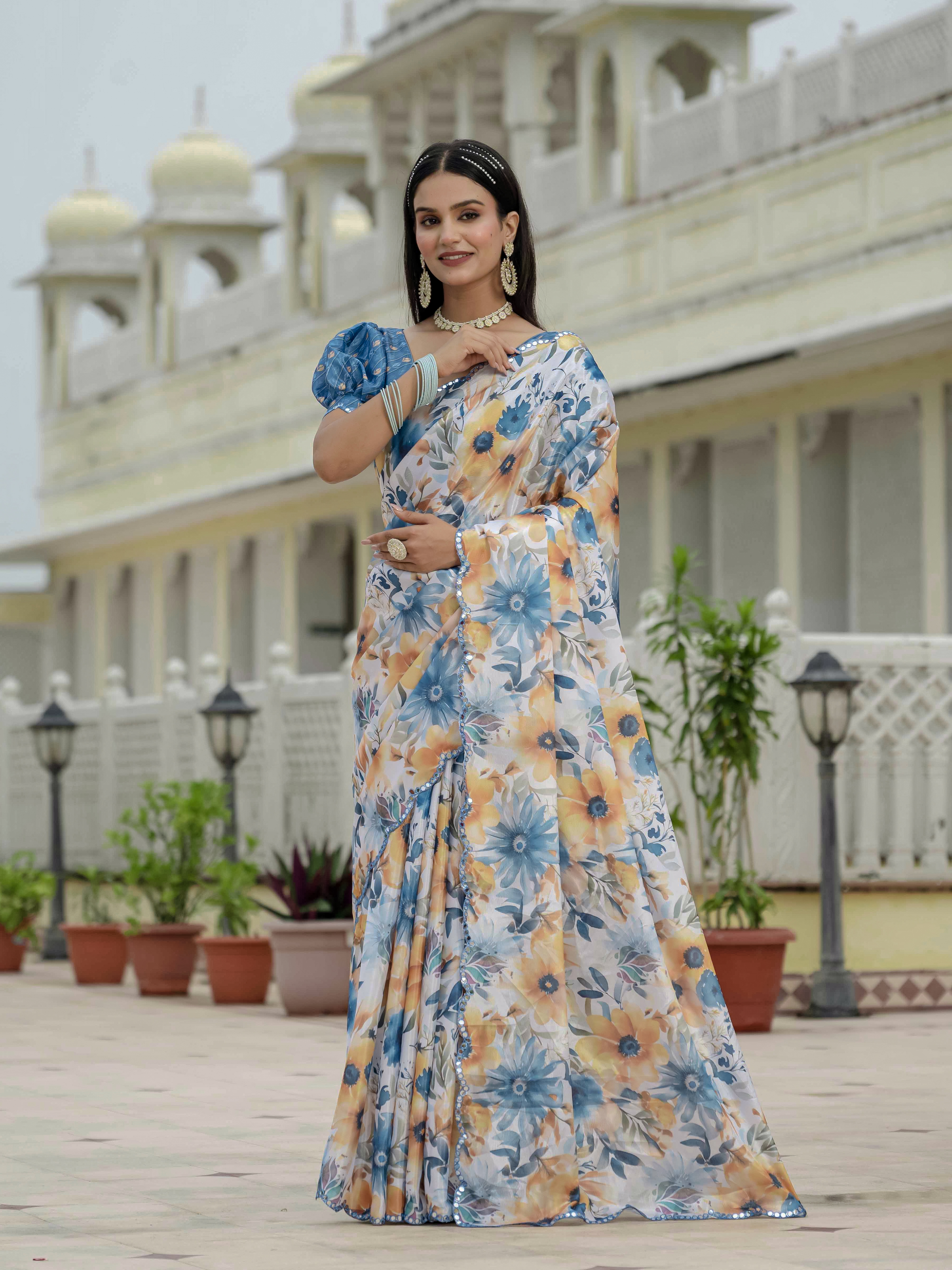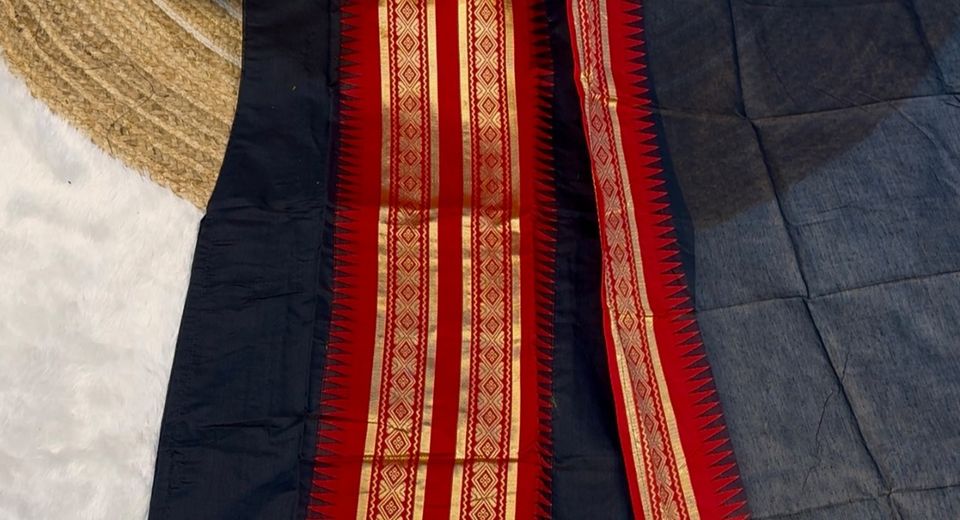
Which city is famous for traditional suits? Patiala in Punjab is the clearest answer, especially for the voluminous Patiala salwar paired with a short or medium-length kameez and a flowing dupatta. The style travelled far beyond Punjab because it combines movement, comfort and a recognisable regional identity. Traditional suits don't come from one city alone: Lucknow is associated with chikankari, Jaipur with printed textiles, Gujarat with bandhani and Odisha with Sambalpuri weaving. Understanding those differences makes it easier to choose a suit for its craft and cultural character rather than for a vague label such as "ethnic."
Which city is famous for traditional suits and why is Patiala the answer?
Patiala is the Indian city most closely associated with traditional Punjabi suits. The city gave its name to the Patiala salwar, a loose, pleated bottom with substantial fabric gathered at the waist and narrowing towards the ankle.
Patiala sits in the Malwa region of Punjab, where Punjabi dress developed around practical movement, expressive colour and generous draping. The classic outfit usually includes a kameez, salwar and dupatta. A traditional Patiala salwar can require considerably more fabric than a straight salwar because the extra width creates multiple folds, giving the lower half of the outfit its characteristic fullness.
The Patiala suit became especially visible through Punjabi performance traditions, wedding dressing and popular cinema. Its silhouette remains easy to recognise even when the fabric changes from cotton to silk, jacquard or a fluid synthetic weave. Patiala suits are therefore both a regional garment and a broader reference point for Punjabi fashion.
Which city is famous for traditional suits when the silhouette matters?
Patiala is the strongest answer when the question refers to a distinctive salwar silhouette rather than only to embroidery, colour or fabric. The defining feature is the bottom, not simply the use of bright colour or ornate decoration.
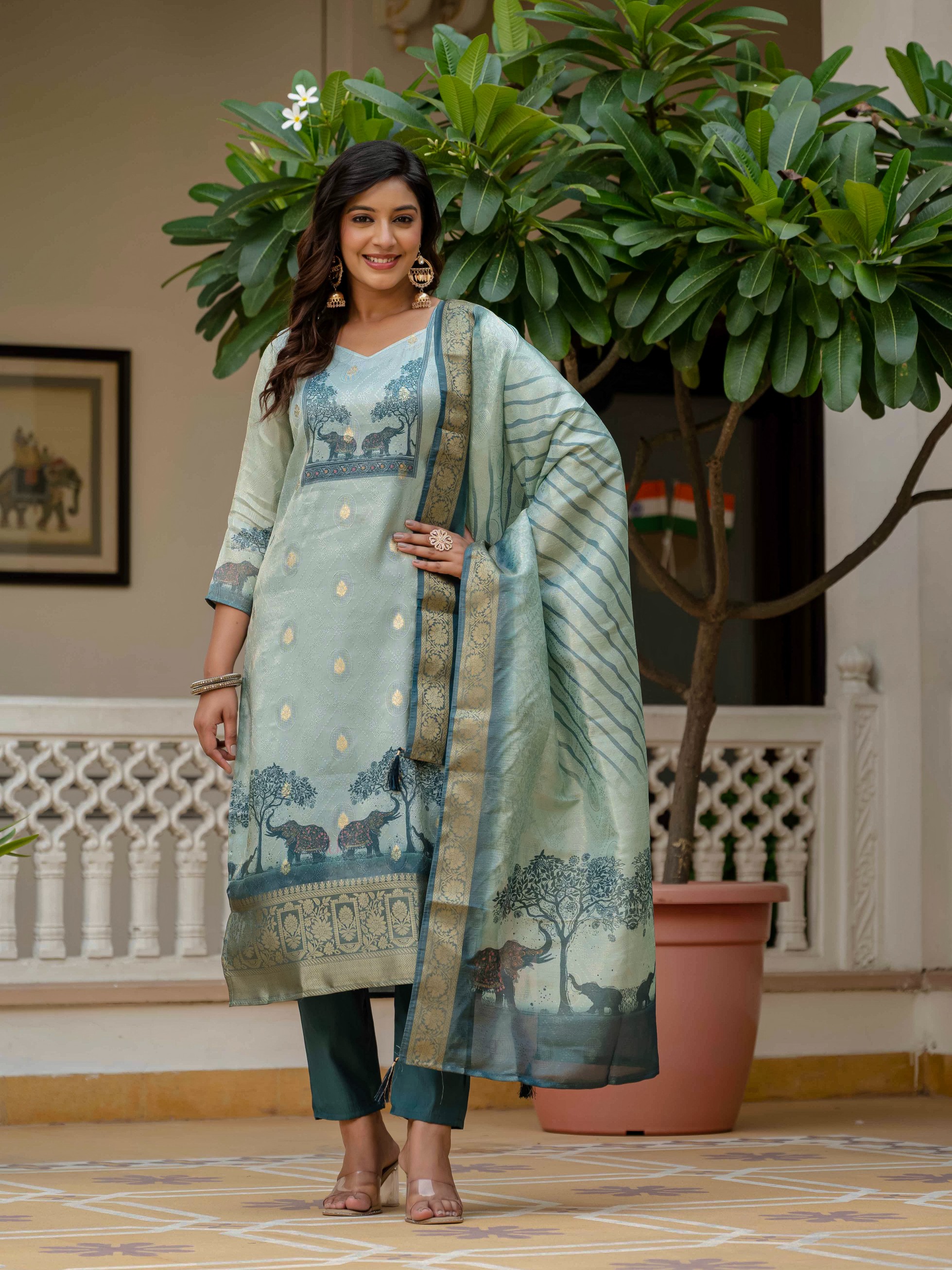
How is a Patiala salwar constructed?
A Patiala salwar has a wide, draped body joined to a narrower ankle section. The waist gathers create soft horizontal folds, while the lower edge sits close enough to show the shape of the ankle. The design allows a wide range of movement and gives the outfit a distinctly Punjabi profile.
A regular salwar may be roomy without having the same density of pleats. A palazzo has a wide, relatively straight leg and normally falls in cleaner vertical lines. A churidar narrows dramatically below the knee and gathers at the ankle. A dhoti salwar crosses or folds around the legs differently. Comparing these structures helps shoppers prevent calling every loose trouser a Patiala.
How do the kameez and dupatta complete the look?
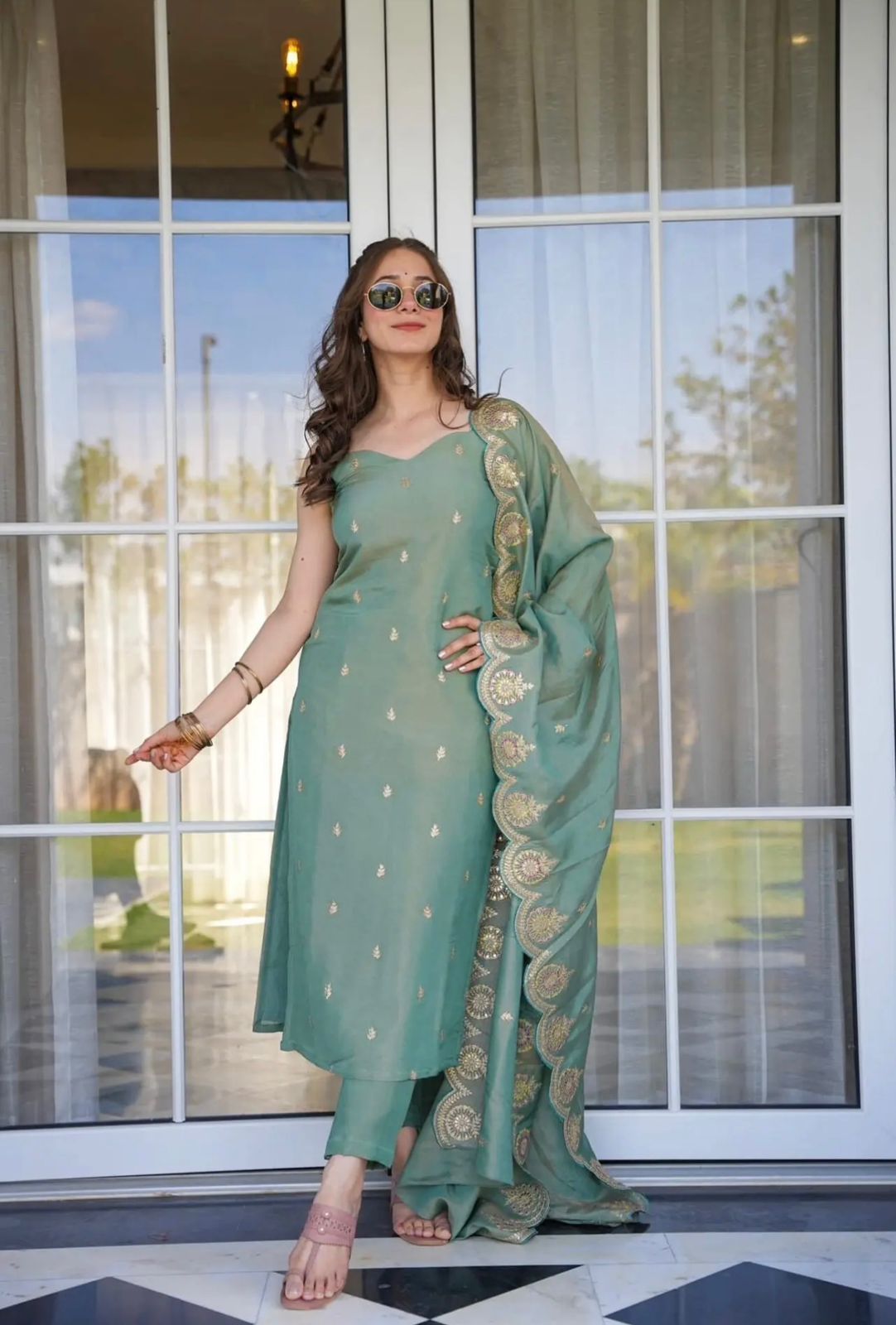
A Patiala kameez is often shorter than a long straight kurta because a shorter top keeps the salwar's pleating visible. Modern versions also use knee-length kurtas, fitted bodices, peplum shapes and asymmetric hems. The dupatta may be plain, printed, embroidered or woven, but a generous dupatta usually balances the volume of the salwar.
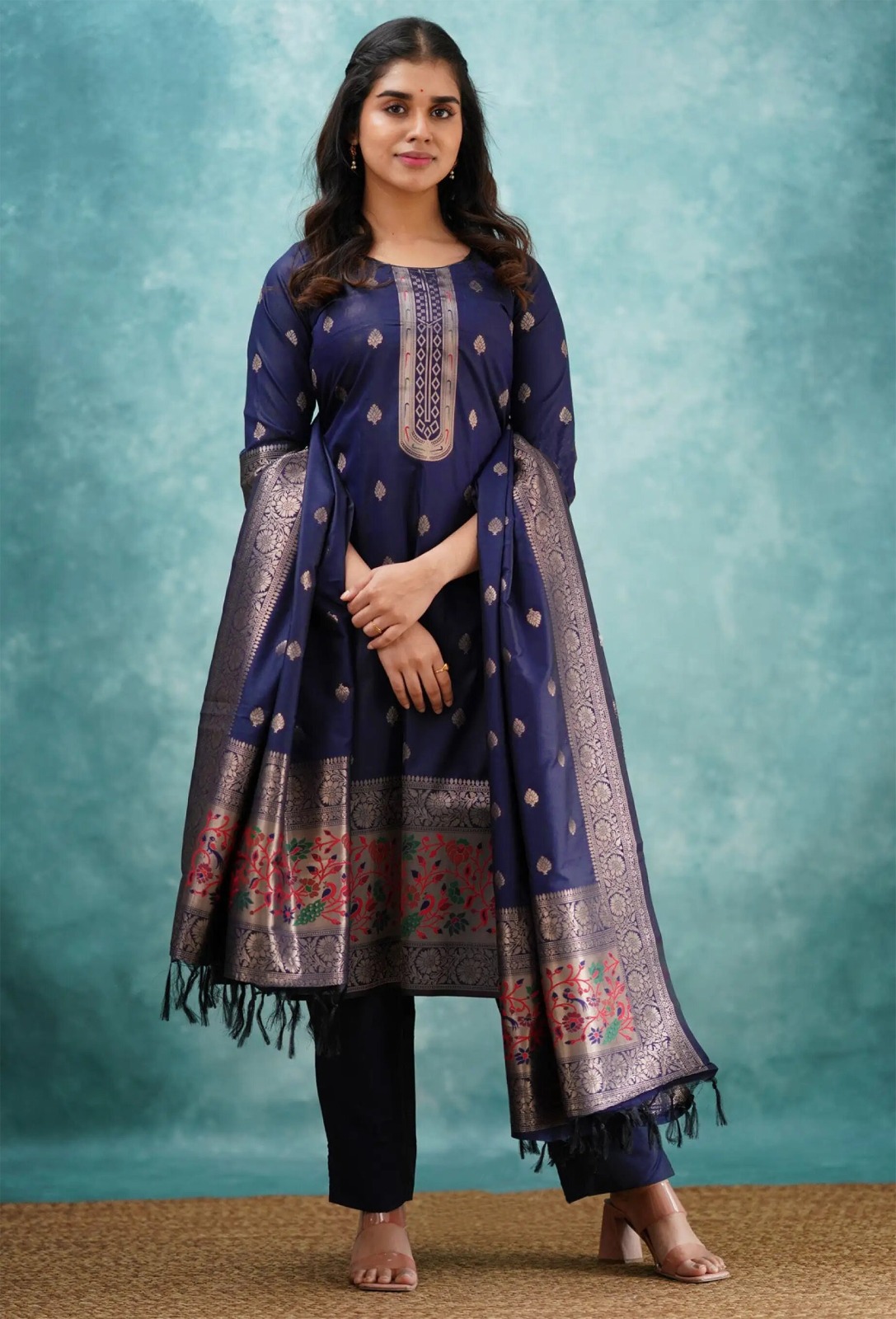
Punjabi styling often uses strong colour contrast. A deep blue kameez with a lighter dupatta, a bright pink suit with metallic accents or a printed kurta with a solid salwar can all retain the visual energy associated with the region. Colour alone, however, doesn't prove that a suit is a Patiala suit; trouser construction remains the more reliable clue.
Which city is famous for traditional suits in Punjabi clothing history?
Patiala became associated with traditional Punjabi suits because regional dress, royal history, performance culture and tailoring practices helped popularise the Patiala salwar silhouette across Punjab and later across India.
Punjabi clothing has never been static. Rural work, dance, family ceremonies and changing ideas of modesty influenced the length and width of garments over time. The Patiala salwar offered room to sit, walk and dance, while the dupatta could be arranged over the shoulders or across the head for different settings.
The garment's public identity also grew through Punjabi music and cinema. Performers made the generous folds, colourful kameezes and embroidered dupattas visually memorable. As ready-to-wear manufacturing expanded, tailors and brands adapted the original silhouette for easier sizing and lighter fabrics.
Many contemporary "Patiala-inspired" suits use fewer pleats or less fabric than a fully traditional version, so buyers should inspect product measurements rather than rely on the name alone. A genuine wide-legged Patiala look should show visible gathering at the waist and a clear taper near the ankle.
Patiala isn't the only Punjabi centre of suit culture. Amritsar, Ludhiana and Jalandhar have their own relationships with textile production, tailoring and retail. Patiala remains the strongest answer to the city-based question because the garment itself carries the city's name.
Which city is famous for traditional suits across India's regional traditions?
Several Indian regions are famous for traditional suits with different fabrics, surface techniques and silhouettes, while Patiala is specifically associated with the Punjabi salwar shape.
Why is Lucknow important to traditional suit design?
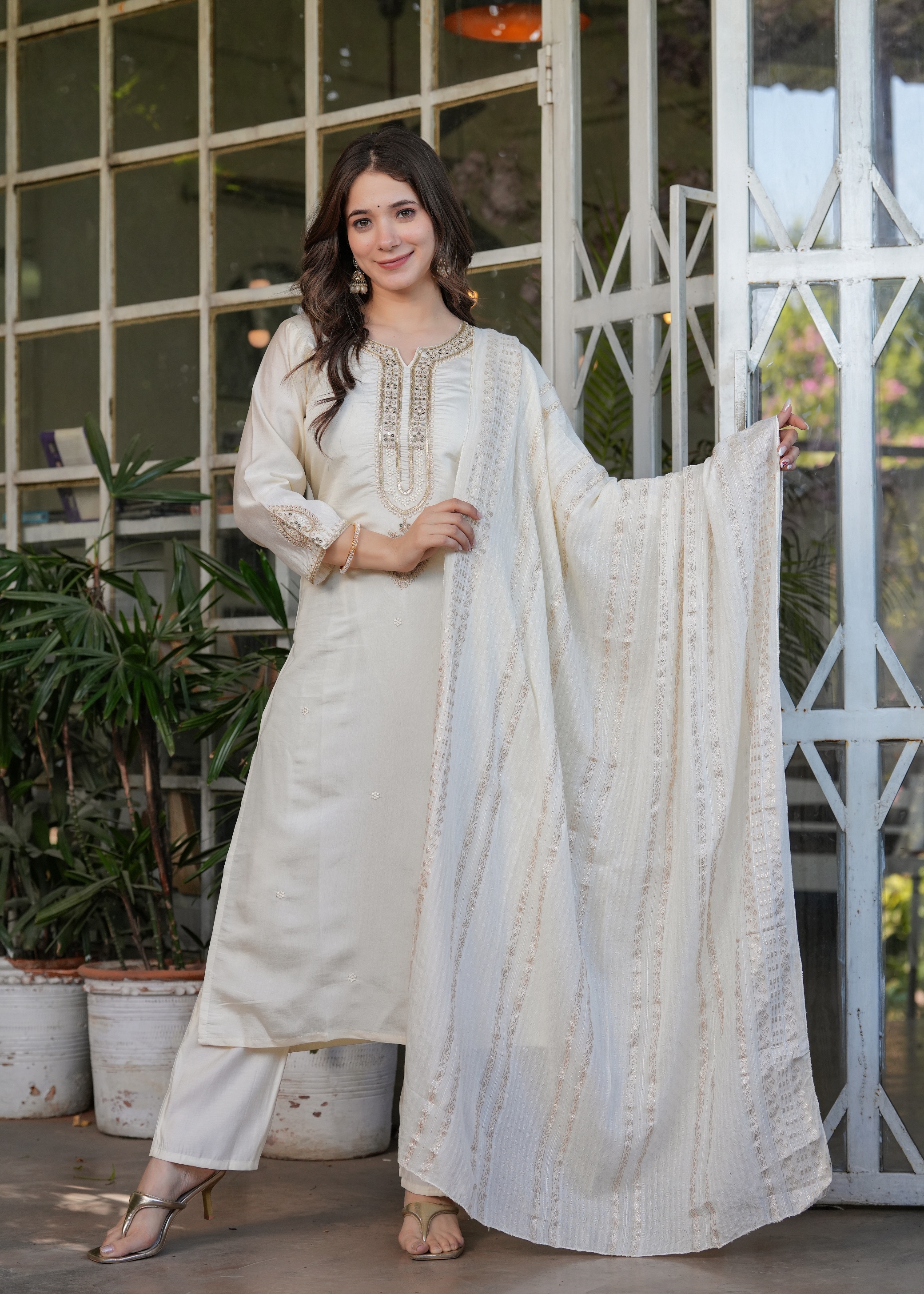
Lucknow is famous for chikankari, a delicate embroidery tradition commonly seen on straight kurtas, anarkalis and coordinated suit sets. Chikankari can be worked on cotton, georgette, viscose and other fabrics, although stitch effect and fabric quality vary widely. The look is usually more restrained than a heavily embellished Punjabi festive suit.
What do Gujarat and Ahmedabad contribute?
Gujarat is known for bandhani, a resist-dyeing technique that creates dotted patterns through tied sections of cloth. Bandhani dupattas and suit fabrics often bring a lively, rhythmic surface to a relatively simple silhouette. Gujarat Bandhej Salwar Suits and Ahmedabad Bandhani Salwar Suits represent this regional design vocabulary in contemporary suit dressing.
How does Maharashtra influence suit styling?
Maharashtra is strongly associated with Paithani weaving, especially silk saris with distinctive pallus and motifs. Paithani-inspired salwar suits translate selected colour combinations, peacock or floral ideas and zari accents into kameez-and-dupatta dressing. Maharashtra Paithani Inspired Salwar Suits can reference a sari tradition without being mistaken for an authentic Paithani sari.
What is distinctive about Odisha Sambalpuri dressing?
Odisha is known for Sambalpuri textiles, which commonly feature ikat-inspired patterns and regional motifs. Odisha Sambalpuri Salwar Suits adapt that visual language to a practical three-piece outfit. Geometric patterning can make a suit appear structured even when the cut is simple.
Jaipur and Rajasthan are widely recognised for block printing, leheriya and bandhani-related traditions. Kerala has kasavu-associated cream and gold dressing, while Hyderabad has a long relationship with ornate festive clothing and flowing cuts. These examples show why "traditional suit" can mean a regional silhouette, a textile technique or a combination of both.
Which city is famous for traditional suits when choosing an occasion outfit?
Choose a traditional suit by matching the silhouette, fabric weight, embellishment and dupatta arrangement to the event's duration, setting and level of formality.
What works for daytime ceremonies?
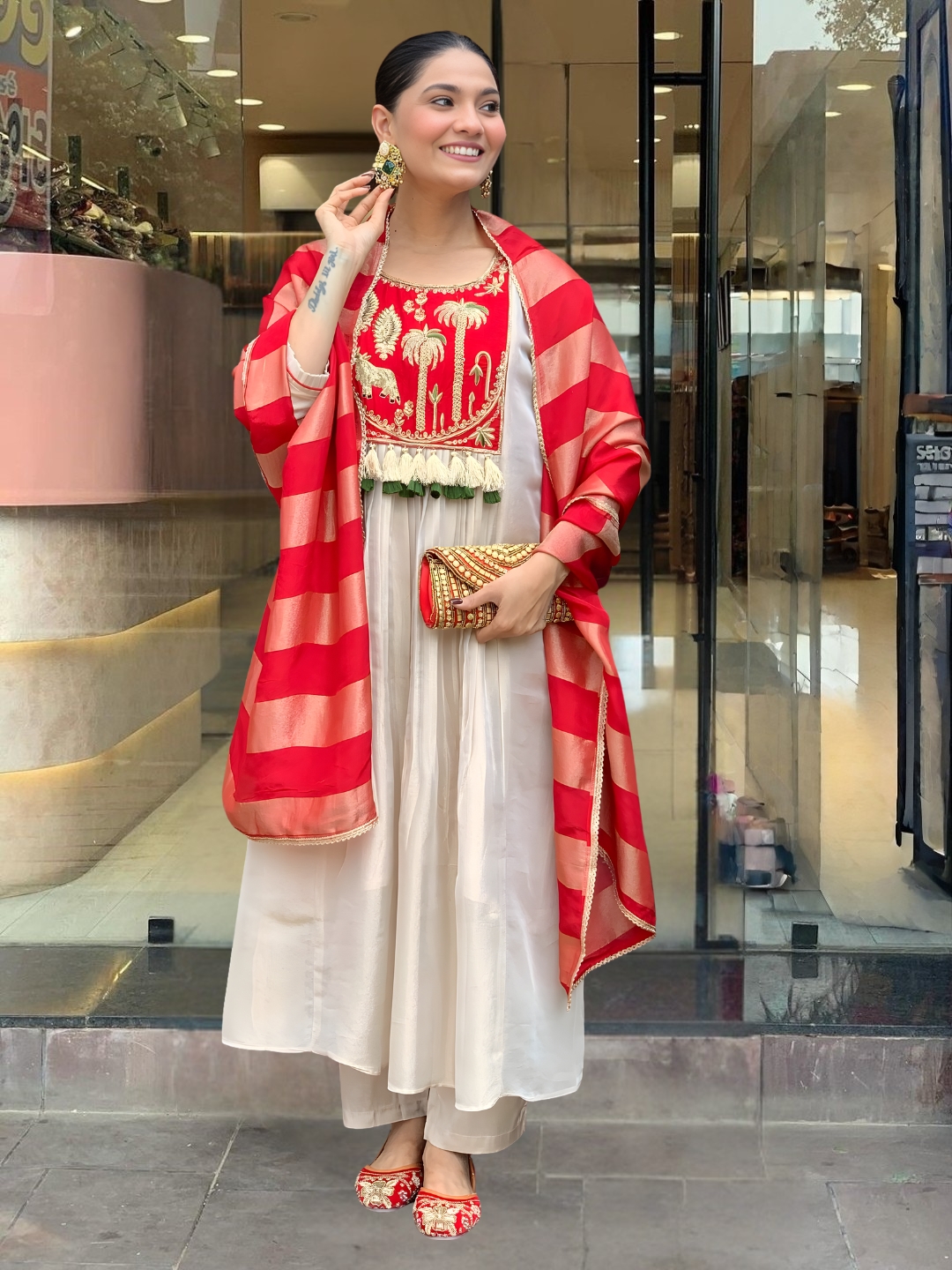
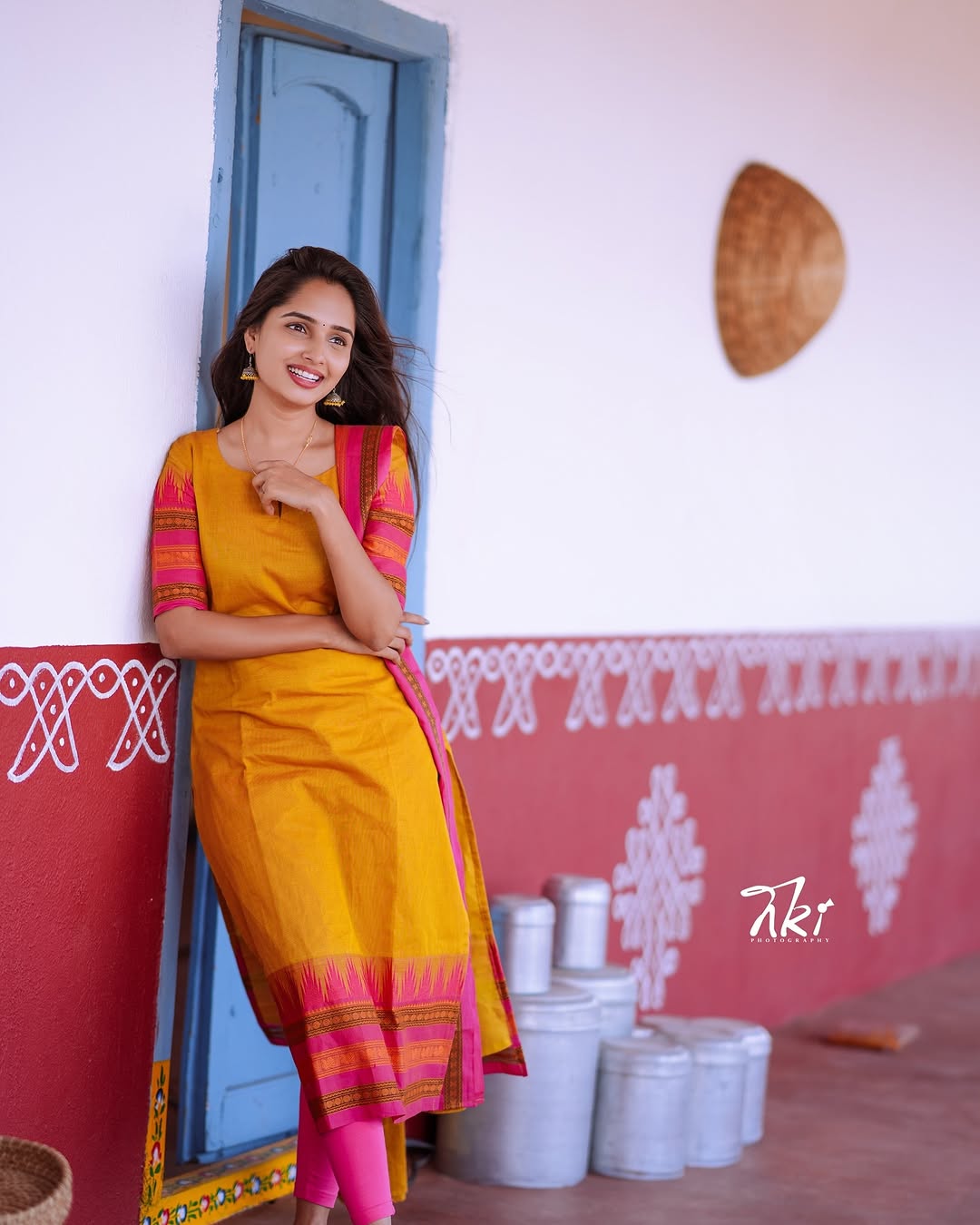
Cotton, cotton blends and lighter woven fabrics are practical for Haldi ceremony events, daytime pujas and summer gatherings. Kanchi Cotton Zari Woven Kurti Set with Traditional Dupatta suits a daytime wardrobe when you want woven detail without the density of a heavily embellished ensemble. Light jewellery works well when the dupatta already contains zari or a strong woven border.
Punjab Patiala Salwar Suits work well for daytime celebrations when the wearer wants visible movement and a cheerful regional silhouette. A Patiala salwar is especially comfortable when the waistband is correctly fitted and the pleats are not compressed by an overly tight kameez.
What works for weddings and evening events?
Silk blends, jacquards, zari details and richer embroidery generally suit evening receptions and wedding functions. Silk Festive Kurta Pant Set with Zari Jacquard Dupatta shows how a woven metallic surface can create occasion impact without requiring a heavily layered skirt.
Brown Chinon Silk Sharara Suit Set for Women offers a different proportion through a flared sharara, which should not be confused with a Patiala salwar. Royal Pink JacquardSilk Classic Printed Suit Set and Royal Blue JacquardSilk Heritage Printed Suit Set show how a printed or woven surface can carry an outfit when the cut remains comparatively clean.
What works for a streamlined festive wardrobe?
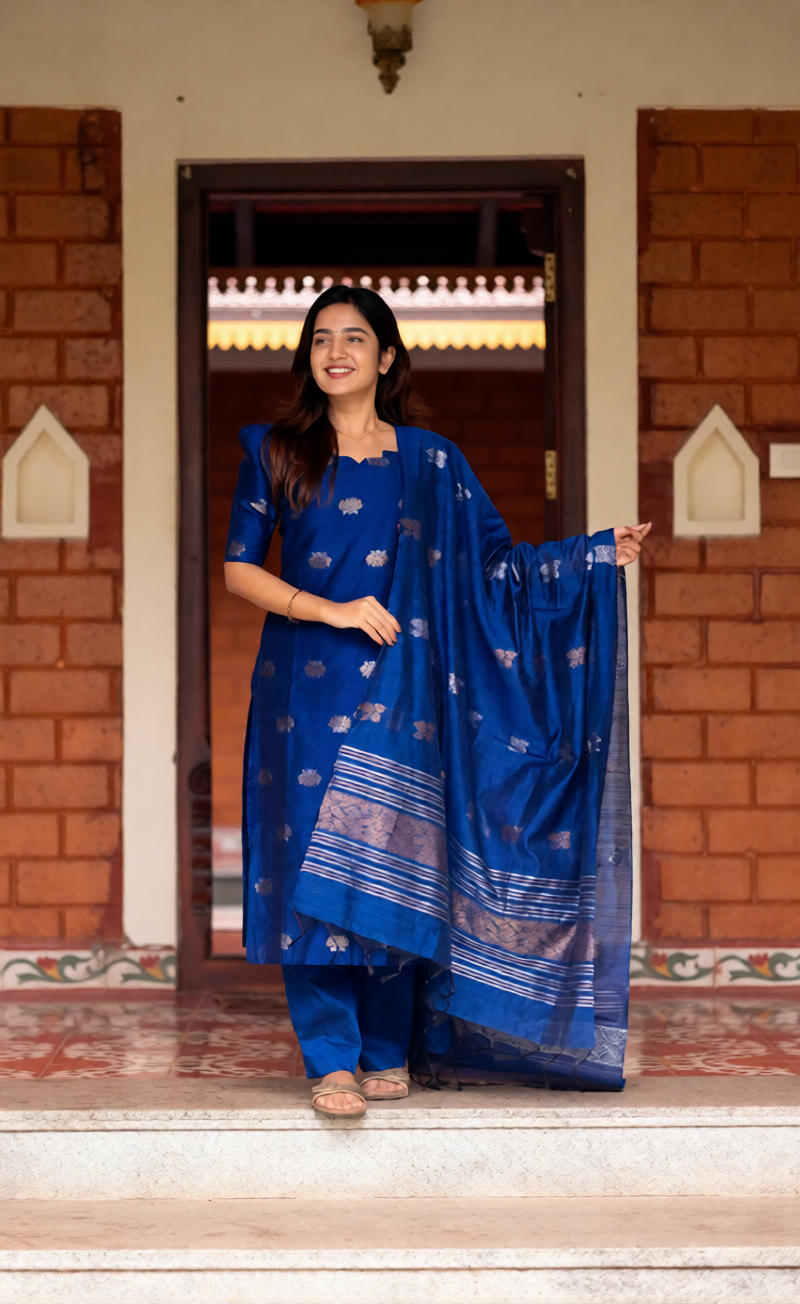
Navy Blue Traditional Kurta Pant Dupatta Ensemble brings the three-piece logic of a salwar suit with a more streamlined trouser. Multicolor Embroidered Crepe Maxi Suit Set for Festive Wear creates length through a maxi silhouette rather than through a voluminous salwar. Vichitra Jacquard Woven Gown Dupatta Set belongs to an even more fluid, gown-led interpretation of festive dressing.
Choose one focal point-fabric, neckline, dupatta or jewellery-so that multiple strong details don't compete. A richly woven dupatta can make simple tailoring look formal, while a heavily embroidered kameez may need a plain bottom and restrained accessories.
Which city is famous for traditional suits, and how should you shop online?
Online shoppers should verify the garment's measurements, fabric, construction and styling details before treating a product as a traditional Patiala or regional suit.
Start with the bottom measurement rather than the model photograph. Check the waist range, rise, thigh width, ankle opening and total length. A Patiala salwar needs enough fabric through the upper leg to form folds; a narrow trouser with a Punjabi print isn't structurally the same garment.
Read the fabric description carefully. Banarasi silk, Kanjeevaram silk, Chanderi, cotton, chinon silk, crepe and jacquard each behave differently in weight, fall and breathability. A zari jacquard dupatta may feel more substantial than a printed voile dupatta, while crepe generally falls closer to the body than crisp cotton.
Inspect whether the dupatta is included, whether the kameez is lined and whether the waist uses an elastic, drawstring, hook or side zip. These details affect comfort and alterations. A suit intended for several hours of wedding wear should allow sitting, walking and raising the arms without pulling across the shoulders.
Colour names also require care. Royal blue, navy blue, brown and pink can appear different under indoor lighting and on different screens. If colour coordination matters, compare the written shade description with all product images instead of assuming that a screen image represents the exact tone.
Which city is famous for traditional suits, and how can you style the look respectfully?
Style a regional suit respectfully by recognising its construction and textile reference while avoiding the assumption that every Punjabi, Gujarati or Odisha-inspired design is interchangeable.
For a Patiala silhouette, juttis, small to medium jhumkas and a dupatta worn over one shoulder keep the look rooted without making it theatrical. A shorter kameez lets the pleats remain visible, while a longer straight kurta creates a more contemporary proportion and reduces the traditional Patiala effect.
For bandhani-inspired dressing, let the dupatta provide the strongest pattern and keep the kameez comparatively quiet. For Sambalpuri-inspired dressing, geometric motifs pair well with simple earrings and a solid bottom. For Paithani-inspired dressing, zari accents can be balanced with a plain blouse-like kameez or a single statement bangle.
Respectful styling also means using regional names accurately. A suit with a wide gathered salwar may be Patiala-inspired, but it should not automatically be described as a handwoven Punjabi heirloom. A printed design referencing bandhani isn't necessarily tie-dyed bandhani. Clear language helps preserve the value of textile techniques and gives shoppers realistic expectations.
Common questions answered
Patiala is the clearest city-level answer, but the correct choice depends on whether the question refers to a silhouette, a textile technique or a regional embroidery tradition.
Is Patiala famous for salwar suits?
Yes, Patiala is famous for the Patiala salwar suit, recognised by its voluminous pleated salwar, kameez and dupatta. The city's name is attached to the garment, making Patiala the most direct answer to this question.
What is the difference between a Patiala suit and a Punjabi suit?
A Patiala suit specifically includes the gathered, pleated Patiala salwar, while a Punjabi suit is a broader category of Punjabi clothing. A Punjabi suit may use a straight salwar, churidar, cigarette pant or palazzo instead of a Patiala salwar.
Which city is famous for chikankari suits?
Lucknow is famous for chikankari suits and kurtas. Chikankari is an embroidery tradition, so a Lucknow-inspired suit can have several different cuts and fabrics.
Are Patiala suits suitable for weddings?
Patiala suits are suitable for weddings when the fabric and finishing match the formality of the event. Silk blends, jacquard, zari, embroidery and a well-draped dupatta make the silhouette more appropriate for receptions and festive ceremonies.
How do I identify a real Patiala salwar online?
Look for substantial waist gathering, multiple visible folds, ample upper-leg volume and a narrower ankle section. Product measurements are more reliable than the word "Patiala" in a listing title because many up-to-date versions are only loosely inspired by the original construction.
Which fabrics work best for traditional salwar suits?
Cotton works well for breathable daytime suits, while jacquard, silk blends and zari-woven fabrics suit festive dressing. Chanderi gives a lighter, dressy look, and crepe or chinon silk generally provides a softer, more fluid fall.
Common Questions About the City Famous for Traditional Suits
Which city is famous for traditional suits in India?
Patiala in Punjab is the clearest answer because the Patiala salwar takes its name from the city. The style is recognised by its full, pleated salwar, kameez and dupatta.
What is the main feature of a Patiala suit?
The main feature is a generously gathered salwar with multiple folds and a narrower ankle section. The kameez is often shorter so the pleated lower half remains visible.
Is a Patiala suit different from a regular salwar suit?
Yes. A regular salwar can be loose without having the substantial pleating and upper-leg volume of a Patiala salwar. A palazzo, churidar or straight pant also has a different construction.
Which Indian cities are famous for other traditional suit styles?
Lucknow is associated with chikankari, Gujarat with bandhani, Maharashtra with Paithani-inspired design and Odisha with Sambalpuri textiles. Each regional tradition has different techniques and visual characteristics.
Can Patiala suits be worn to weddings?
Yes, Patiala suits can be worn to weddings when made in festive fabrics such as jacquard, silk blends or zari-accented textiles. Embellishment, dupatta styling and jewellery should match the formality of the celebration.
How can I tell whether an online suit is genuinely Patiala style?
Check the waist, thigh and ankle measurements for ample volume at the top and a taper below. Multiple visible folds and substantial gathering are stronger indicators than the product title alone.