When Is a Printed Salwar Suit More Useful Than an Embroidered One depends on how often you'll wear it, how much care you can give it and where you plan to go. Prints usually offer lighter visual weight, easier repeat styling and simpler maintenance, while embroidery can provide the polish required for weddings, receptions and formal celebrations. The most useful choice matches your actual calendar rather than an imaginary special occasion.
When Is a Printed Salwar Suit More Useful Than an Embroidered One?
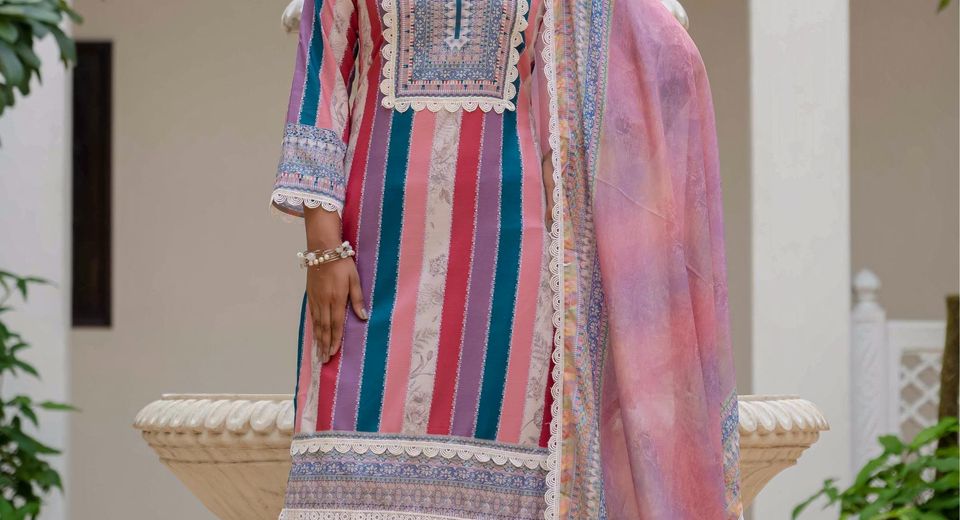
A printed salwar suit is more useful than an embroidered one when you need comfortable repeat wear, quick outfit planning, easier washing and a lower-maintenance finish. Printed cotton, rayon, Chanderi or silk-blend suits can work for office days, travel, family lunches, festive daytime gatherings and regular errands without looking exactly the same each time.
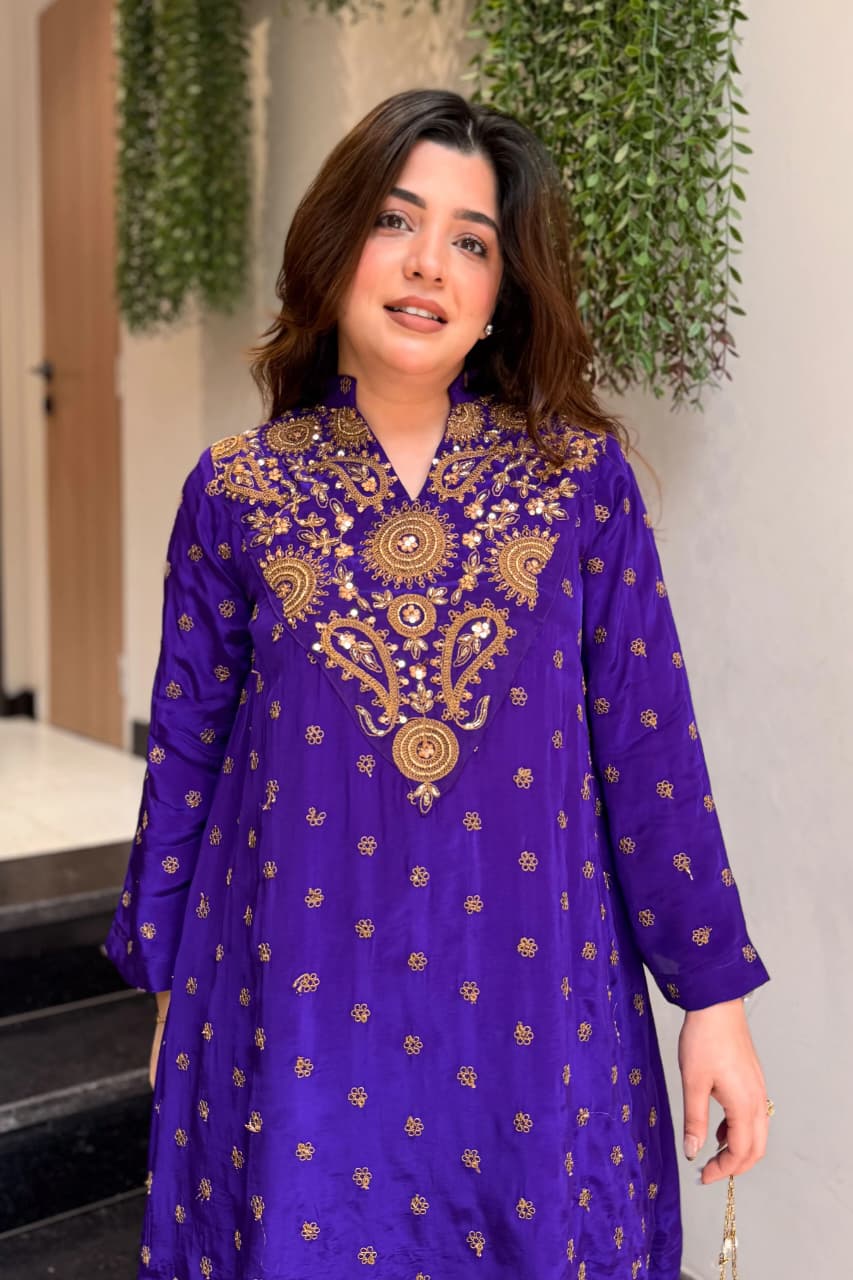
An embroidered salwar suit becomes more useful when the outfit must supply visible occasion value with minimal additional styling. Threadwork, zari, sequins, woven texture and embellished dupattas create depth that photographs well and make a simple three-piece set feel ceremonial. The trade-off can include more careful handling, greater weight in some designs and fewer opportunities for casual repetition.
The distinction isn't a strict rule about quality. A well-designed print can look more distinctive than heavy decoration, and delicate embroidery can be practical if it's limited to the neckline or sleeve borders. The useful question is whether the surface treatment supports your lifestyle, climate and intended number of wears.
How Do Printed and Embroidered Salwar Suits Differ in Daily Use?
Printed salwar suits generally work better for daily use because colour and motif are integrated into the fabric surface, making the garment easier to fold, wash and wear repeatedly. Embroidered salwar suits often need more attention because raised threads, beads, mirrors or metallic details can catch on bags, jewellery and washing-machine drums.
Comfort and movement
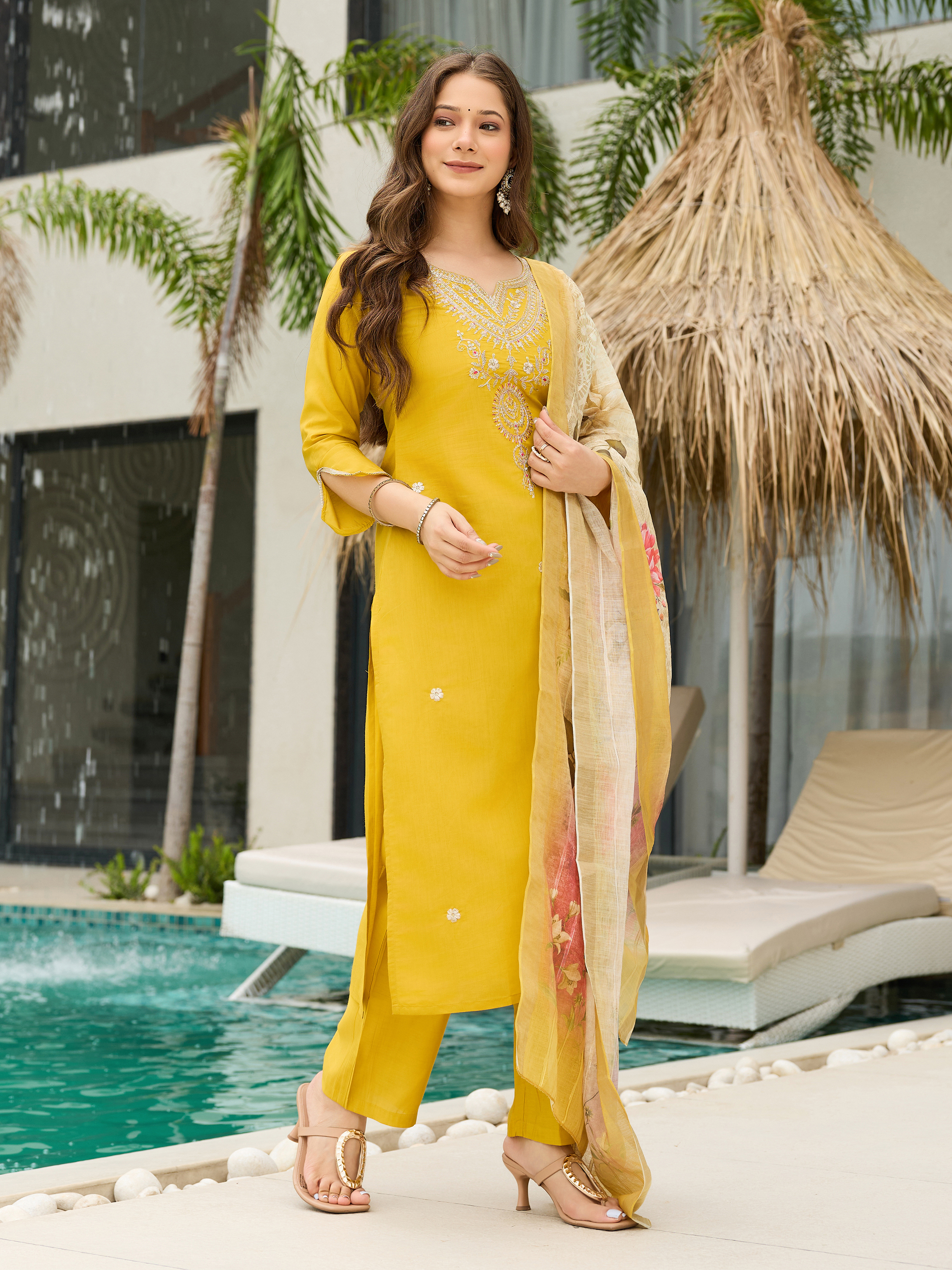
Printed salwar suits are often more comfortable for long working days when the base fabric is breathable and embellishment is minimal. A rayon printed straight suit can drape smoothly and avoid the stiffness that dense embroidery may create around the chest, waist or sleeves. Cotton prints are particularly practical in hot weather, although exact comfort depends on weave, fibre content, lining and fit.
Embroidery doesn't automatically make a suit uncomfortable. Fine threadwork on a soft kurta can remain easy to wear, whereas a heavily decorated neckline may feel scratchy or warm. Check the reverse side of the garment, especially around the armhole and neckline, because exposed knots or backing can affect comfort more than the decoration visible from the front.
Maintenance and storage
Printed salwar suits usually tolerate a simpler care routine, but colour still deserves protection. Wash dark prints separately for the first two or three washes, use mild detergent, avoid prolonged soaking and dry garments inside out away from intense midday sunlight. Direct heat can fade pigment prints and weaken some rayon fibres.
Embroidered salwar suits should be turned inside out, placed in a mesh laundry bag and washed according to the care label. Hand washing is safer for zari, sequins, beads and loose threadwork than a vigorous machine cycle. Store embellished dupattas folded in soft cotton or muslin rather than pressed tightly under heavy clothing, because friction can flatten raised details.
Which Fabric Makes a Printed Suit More Practical?
The most practical printed suit is the one whose fabric suits the weather, washing routine and length of wear. Fabric names alone don't determine performance; fibre content, weave density, lining and finishing matter equally.
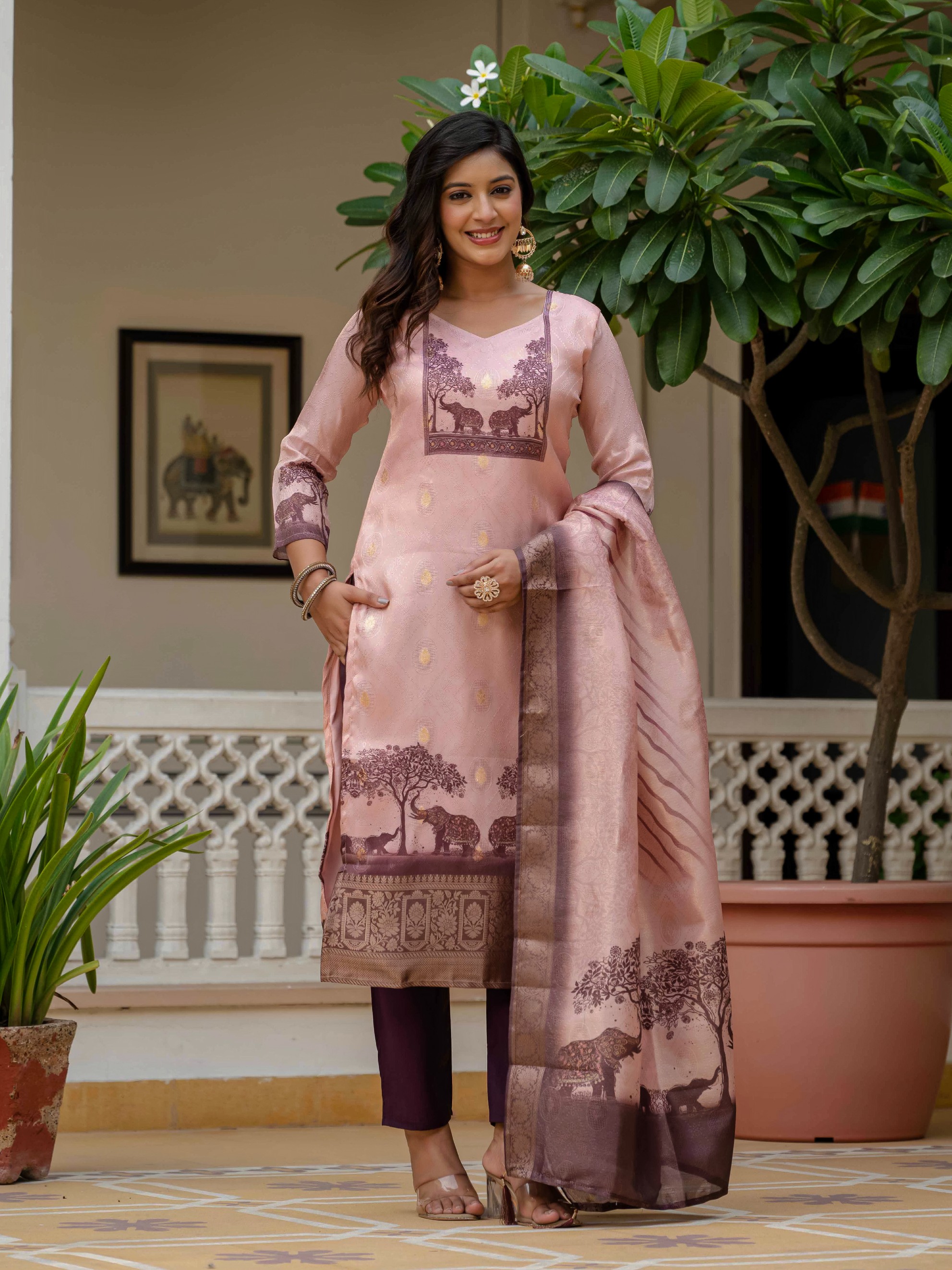
- Cotton: Cotton prints are a dependable choice for hot climates, office commuting and frequent washing. Cotton can crease more readily than synthetic blends, so a five-minute press or careful hanging after washing may be necessary.
- Rayon: Rayon printed suits offer fluid drape and a soft hand feel. Rayon can lose strength when wet, so avoid wringing and dry it flat or on a broad hanger according to the care label.
- Chanderi: Chanderi creates a light, slightly crisp appearance suitable for daytime festivities and warm-weather celebrations. Chanderi may need gentle handling because its fine surface can snag against rough jewellery or bags.
- Silk and silk blends: Silk adds lustre and a dressier finish to prints, but silk generally needs more careful cleaning than everyday cotton. A silk-blend suit can bridge the gap between casual and festive dressing.
- Polyester blends: Blended fabrics often dry quickly and resist creasing, making them useful for travel. Check breathability before choosing a blend for humid weather or prolonged outdoor wear.
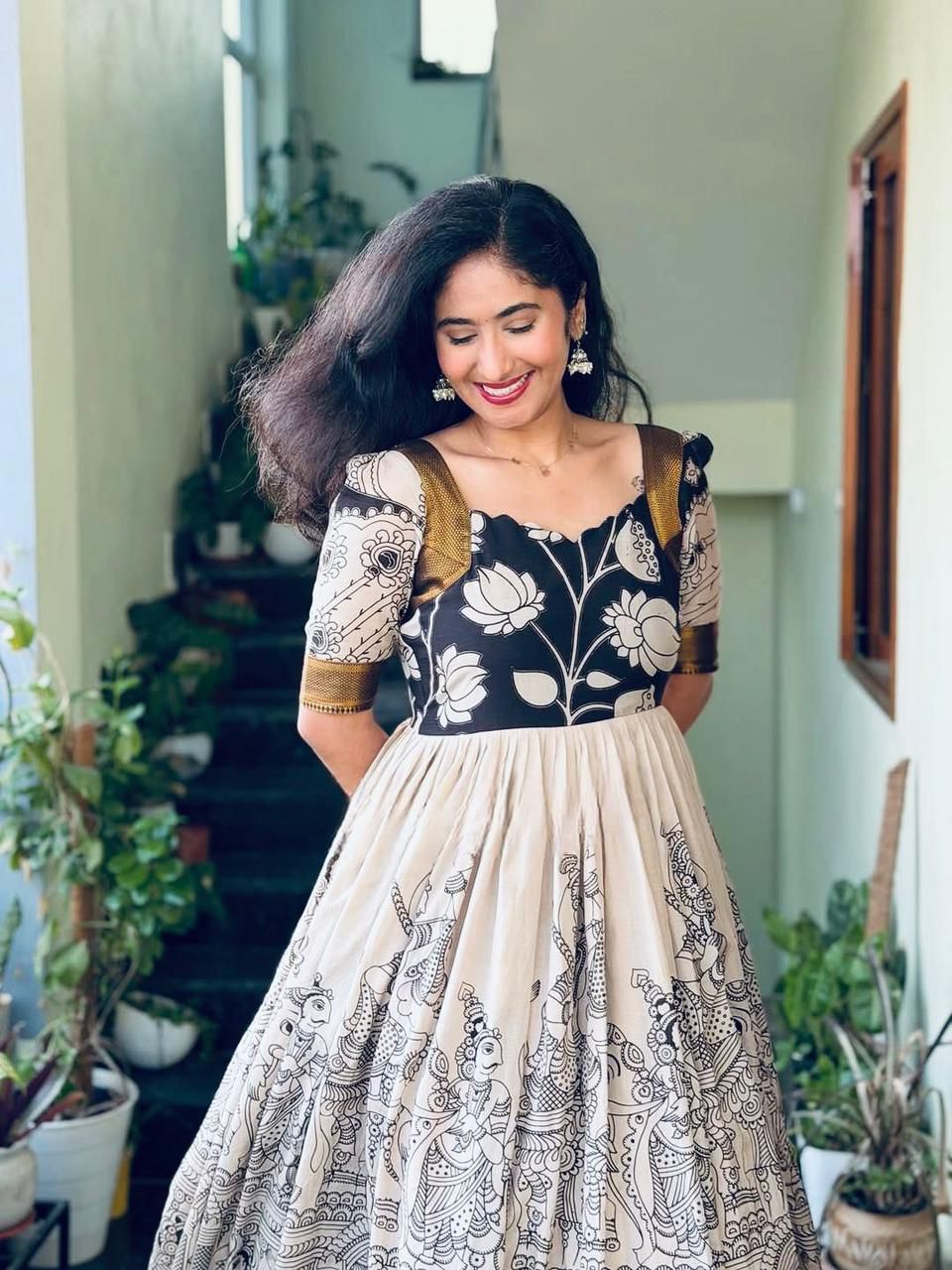
The Kalamkari Print Salwar Suits (Copy) collection illustrates why motif scale matters. Large florals and narrative-inspired patterns create a strong focal point without requiring surface embellishment, while smaller repeated motifs can be easier to style with printed or solid accessories. A busy print isn't automatically casual; fabric sheen, neckline and silhouette can move it toward occasion wear.
When Does Embroidery Offer Better Value?
Embroidery offers better value when one outfit must communicate celebration, formality or craftsmanship without relying on many accessories. A wedding guest may wear a detailed suit to a ceremony, reception or sangeet and achieve a finished look with only earrings, footwear and a clutch.
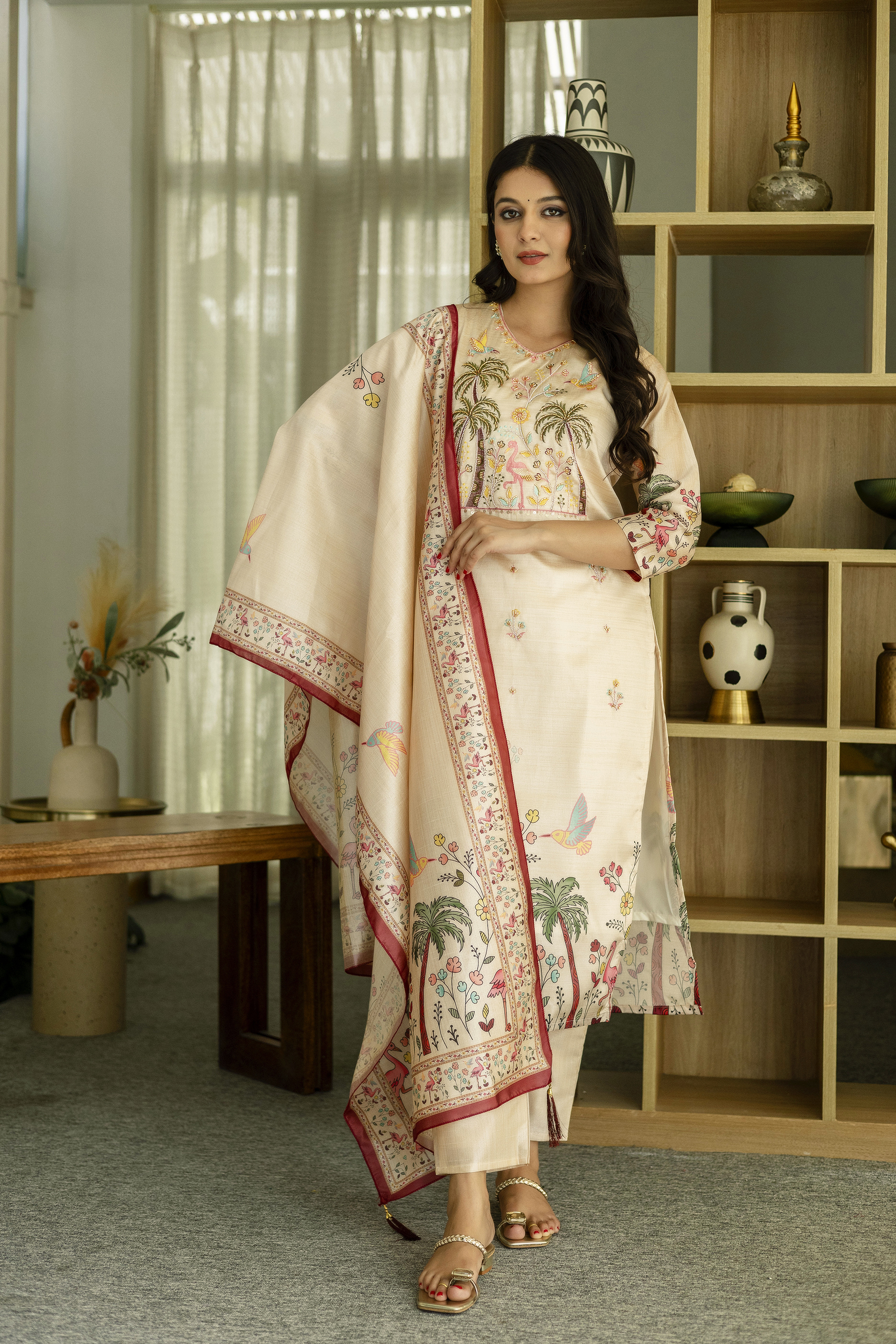
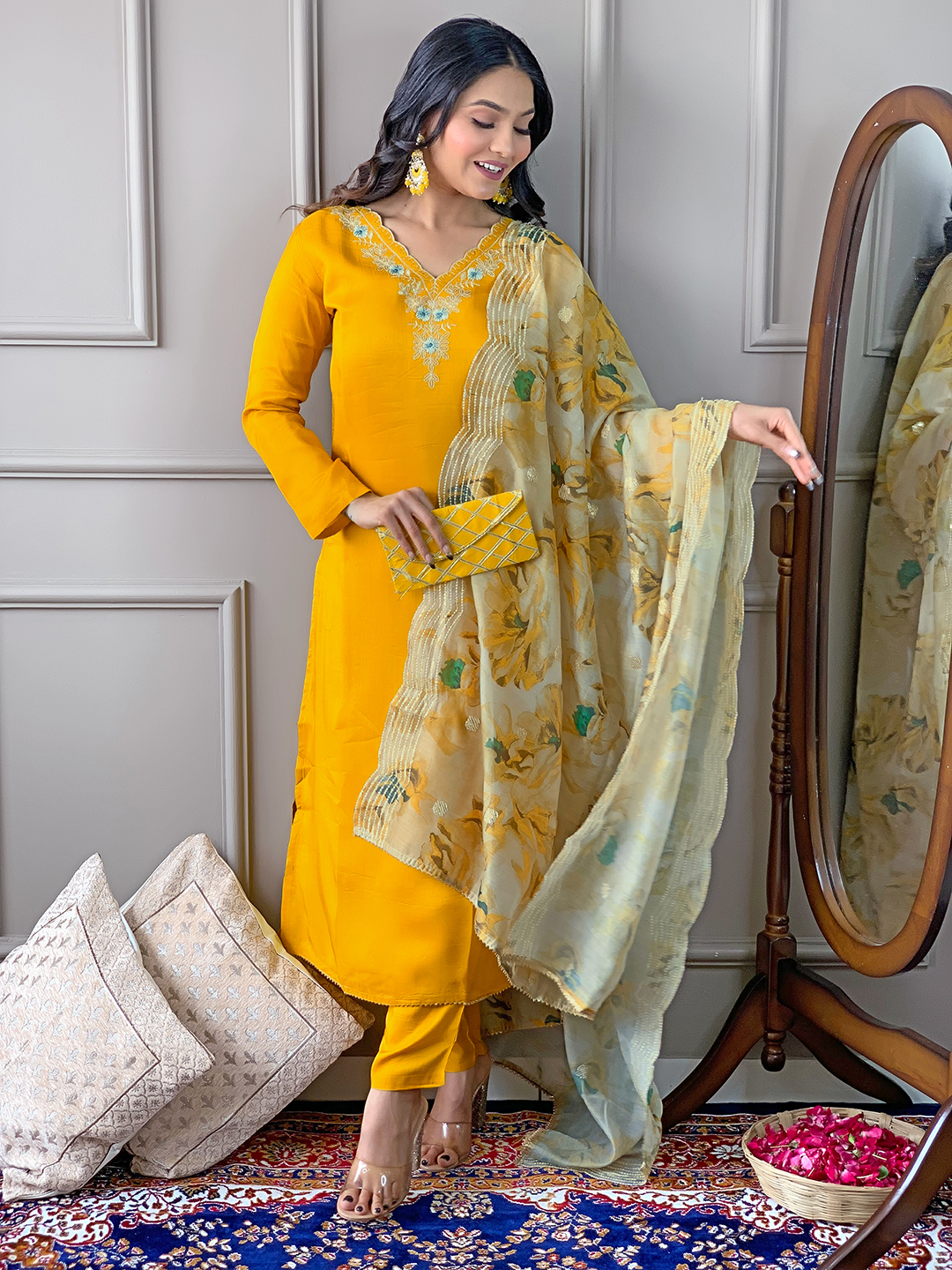
Yellow Readymade Chanderi Embroidered Salwar Suit demonstrates the formal advantage of combining a light, luminous base with decorative work. A Chanderi suit with embroidery can suit a daytime puja or festive lunch when a heavily sequined outfit would feel excessive. Yellow Chanderi Radiance Embroidered Suit brings another option when the wearer wants a dressier surface while retaining a relatively airy visual effect.
Embroidery is also useful when the silhouette is simple. A straight kurta with a decorated neckline, cuff or dupatta border can look complete without a dramatic flare. Black White Floral Embroidered Readymade Salwar Suit shows how contrast and floral detail can create definition even when the colour palette is restrained.
For larger celebrations, heavier construction may be justified. Maroon Wedding Wear Embroidered Palazzo Suit Set is more suited to a wedding-related wardrobe than to routine commuting because visual richness performs best in an event setting. A buyer should ask whether the garment will receive at least three meaningful wears within the next year; if not, a versatile print may provide better cost-per-wear.
How Should Occasion, Climate and Schedule Change the Choice?
Occasion, climate and schedule should determine the balance between print and embroidery because the same garment can feel practical in one setting and inconvenient in another.
Office, travel and regular family visits
Printed salwar suits are usually the stronger choice for office wear, train journeys, school meetings and family visits that involve movement. A medium-scale print hides minor creasing and can be restyled with a solid dupatta, jacket or alternate trousers. For travel, prioritise quick drying, secure pockets and a fabric that doesn't require immediate pressing.
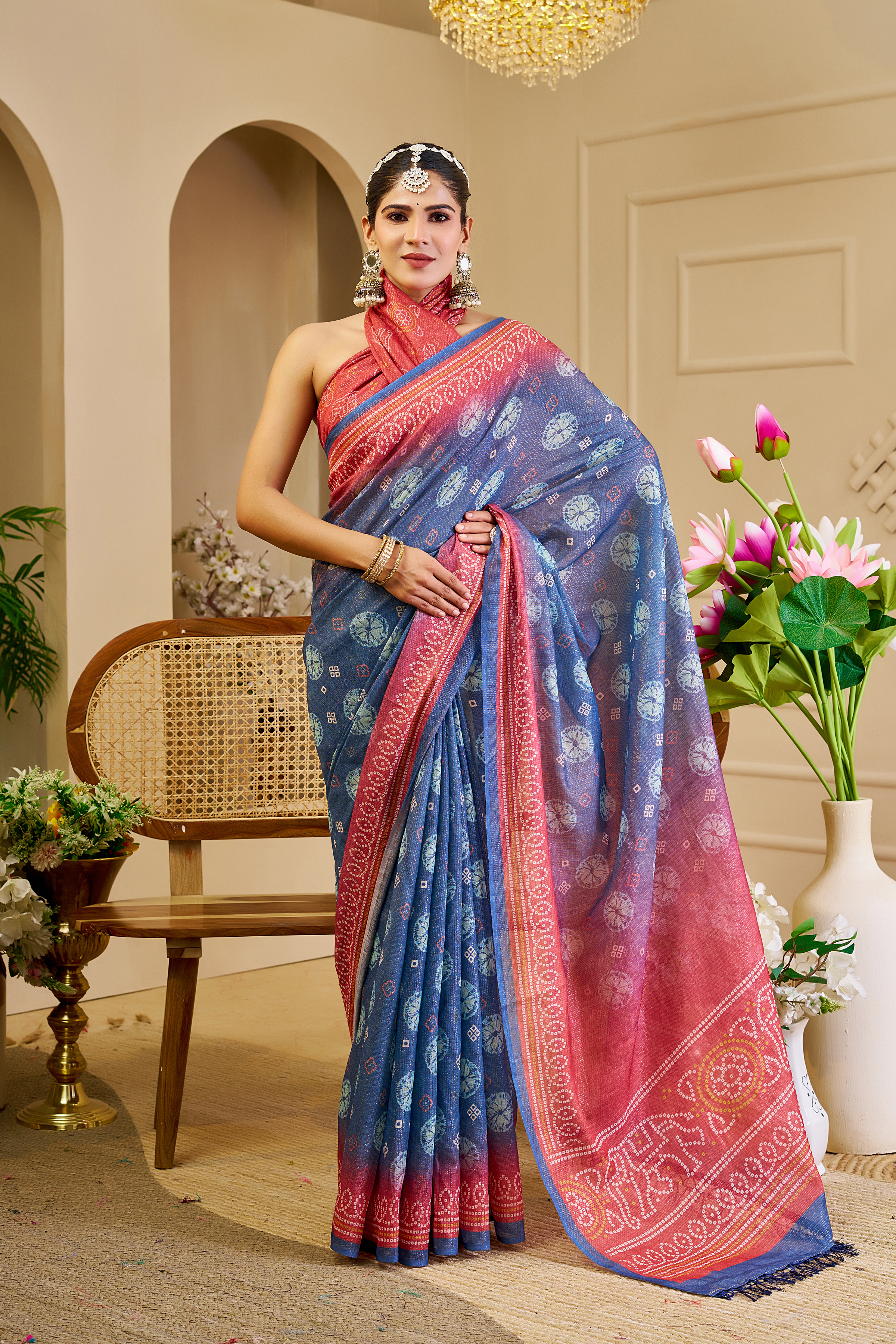
The Gujarat Bandhej Salwar Suits collection can inform a wardrobe built around regional-looking pattern and colour without depending on heavy embellishment. Bandhej-inspired dots and tie-dye effects bring visual character to a practical silhouette. Pair a lively printed kurta with plain bottoms when the print is dense, or use a coordinated set when the motif is small and evenly distributed.
Festivals and daytime ceremonies
A print is often ideal for daytime festivals because strong colour and pattern remain visible in natural light without the weight of metallic decoration. The Maharashtra Paithani Inspired Salwar Suits collection shows how heritage-inspired borders and motifs can make a suit feel festive through design language rather than extensive embroidery.
Chanderi, cotton-silk and light silk-blend prints can work for pujas, festive lunches and cultural events. Add jhumkas, a structured potli and embroidered footwear if the suit needs more occasion presence. A printed outfit also leaves room for a richly textured dupatta, allowing accessories to provide the formal accent.
Weddings and evening events
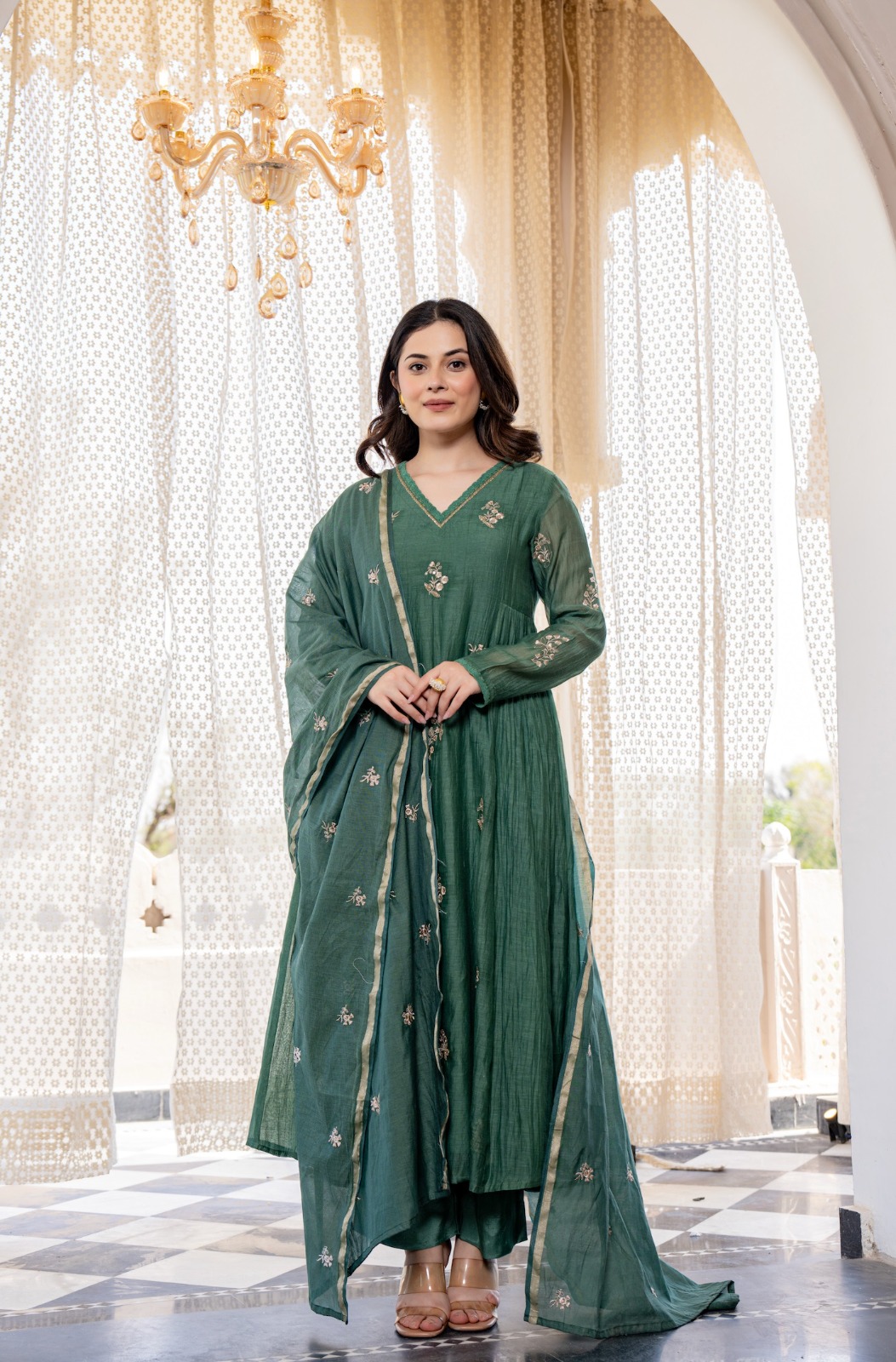
Embroidered salwar suits are generally more appropriate for wedding ceremonies, evening receptions and dress codes that call for visible ornamentation. Zari, threadwork, sequins and embellished borders catch artificial light and provide the depth that plain pigment prints may not deliver after sunset.
Black Red Fendy Silk 3 Piece Readymade Salwar Suit Set can suit a dressier wardrobe when silk-like sheen, contrast colour and a coordinated three-piece format are priorities. Elegant Silk Embroidered Kurta Pant Set with Jacquard Dupatta gives another approach: jacquard texture and embroidery can carry the outfit even when jewellery is kept minimal.
Can a Printed Salwar Suit Look Festive Without Embroidery?
A printed salwar suit can look festive without embroidery when colour contrast, motif scale, fabric lustre, borders and accessories are chosen deliberately. Festive dressing doesn't depend on one technique.
Look for prints with a clear colour story rather than several unrelated shades. A deep maroon, cobalt, emerald or mustard ground can appear more occasion-ready than a pale everyday print, especially when paired with a contrasting dupatta. Metallic sandals, jhumkas, a potli bag or a zari-edged stole can add celebration without making the kurta difficult to maintain.
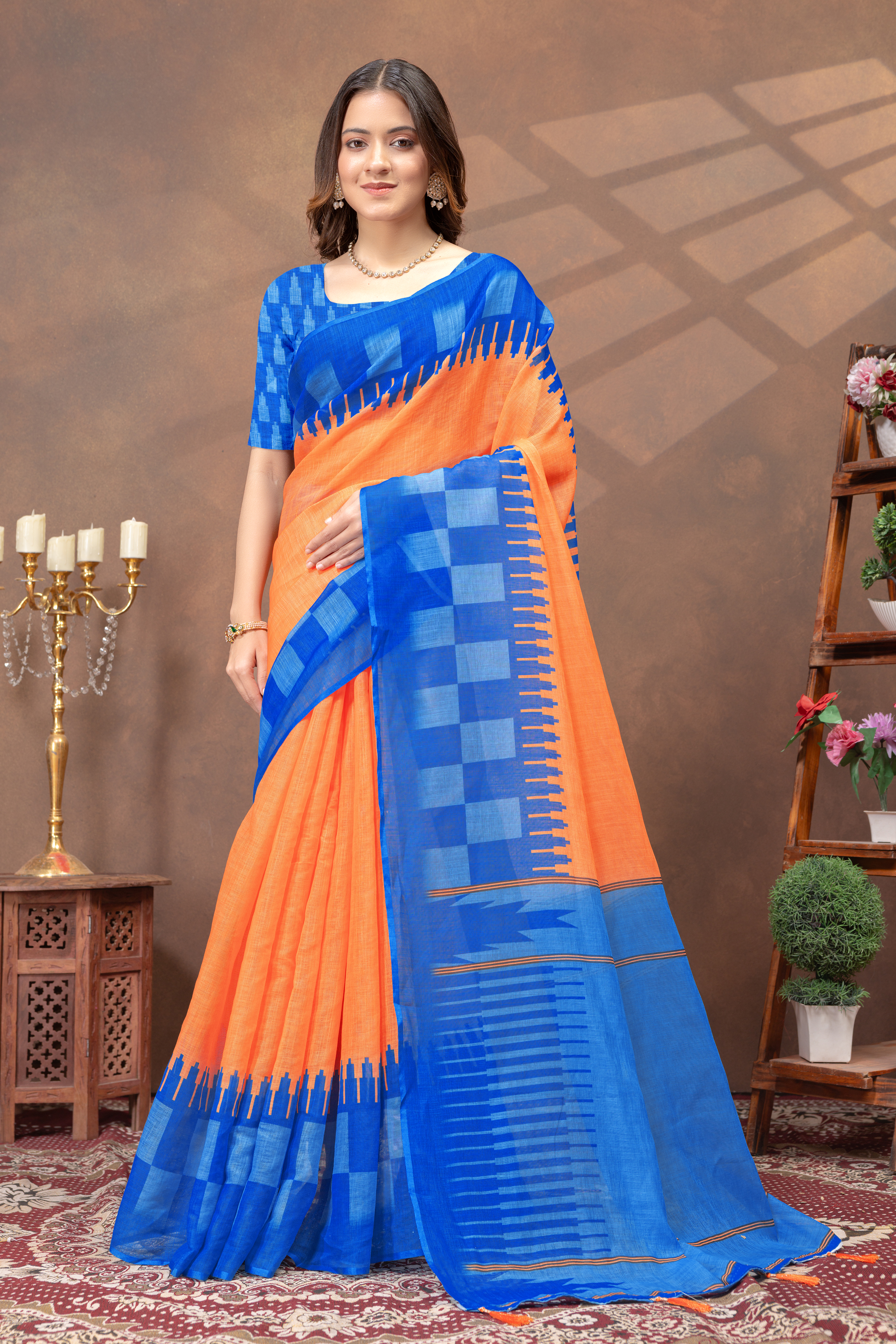
Border placement also changes the impression of a printed suit. A printed dupatta with a defined edge frames the outfit, while a border at the sleeve or hem gives a straight silhouette more structure. Regional design references can add meaning and visual depth: the Odisha Sambalpuri Salwar Suits collection, for example, points toward the value of woven-looking motifs and strong geometric rhythm in festive styling.
Mustard Embroidered Kurti Pant Dupatta Set Women can help illustrate the opposite styling principle: when embroidery already supplies surface detail, keep jewellery and footwear controlled. The comparison shows why outfit balance matters more than choosing the most decorated garment available.
How Can You Calculate Practical Value Before Buying?
Practical value can be estimated by dividing the complete purchase cost by the number of realistic wears expected over two years. A suit costing ₹2,500 and worn ten times has an approximate garment cost of ₹250 per wear, while a ₹6,000 wedding suit worn twice costs ₹3,000 per wear before cleaning or alteration.
Include maintenance in the calculation. A printed cotton suit that can be washed at home may cost less to use than an embroidered suit requiring specialist cleaning. Also consider whether the dupatta, trousers and kurta can be separated and restyled. A coordinated set becomes more adaptable when its plain trousers work with another kurta or its dupatta can elevate a simpler outfit.
Before purchasing, check five details: fabric composition, care instructions, opacity under daylight, garment measurements and the likely season of wear. Measure your bust, waist, hip and preferred kurta length rather than relying only on a usual size. A loose, breathable fit may be more valuable in summer, while a slightly structured cut can be useful for formal indoor events.
Choose a print when you expect frequent wear, changing settings, limited laundry time or warm-weather use. Choose embroidery when the priority is ceremony, visual richness and a polished outfit that needs little accessorising. Keeping one reliable printed suit and one carefully selected embroidered suit usually covers more real-life needs than buying several garments for the same type of event.
Practical Questions About Choosing Printed or Embroidered Salwar Suits
Is a printed salwar suit better for daily wear?
A printed salwar suit is usually better for daily wear because it is easier to repeat, wash and style. Cotton, rayon and lightweight blends can work well for office days, errands and travel when the fit and care instructions suit the climate.
Are embroidered salwar suits suitable for summer?
Embroidered salwar suits can be suitable for summer when the base fabric is lightweight and the decoration is limited. Chanderi, cotton and breathable silk blends are more comfortable than densely embellished, lined or heavily synthetic designs in hot weather.
Can a printed salwar suit be worn to a wedding?
A printed salwar suit can be worn to a daytime wedding or pre-wedding event when the print has rich colour, a refined fabric or a decorative border. For an evening reception or a heavily formal dress code, embroidery, zari or a textured dupatta may provide a more appropriate finish.
Which salwar suit is easier to maintain, printed or embroidered?
A printed salwar suit is generally easier to maintain because it has fewer raised details that can snag or loosen. Dark prints should be washed separately at first, while embroidered suits need gentler washing, careful storage and protection from friction.
How can I make a printed salwar suit look more festive?
Use a structured dupatta, statement earrings, metallic footwear, a potli bag or an embroidered stole to make a printed salwar suit look more festive. Strong colour contrast and a defined border can also make a print feel suitable for celebrations without adding heavy embellishment.
Should I buy a printed or embroidered salwar suit for travel?
A printed salwar suit is usually the more practical travel choice because it is easier to repeat and often simpler to clean. Choose a quick-drying or crease-resistant fabric, avoid very delicate surfaces and select a print that coordinates with more than one dupatta or pair of bottoms.