Small construction details can change how a kurti feels during a full day of sitting, walking and travelling. When Is a Kurti With No Side Slits More Comfortable depends on the garment's length, fabric, hem width, fit and the bottoms worn with it-not simply on whether the side seams are closed.
A no-side-slit kurti can feel more secure when you want extra coverage around the hips, a smooth line while seated or a polished silhouette with straight pants. A side-slit kurti can feel easier for long strides and stairs. The right choice comes from matching the cut to your movement, climate and occasion.
When Is a Kurti With No Side Slits More Comfortable?
A kurti with no side slits is usually more comfortable when you prioritise coverage, modesty and stable drape over a very wide walking stride. The closed side seam keeps the fabric from opening at the hip when you sit, bend slightly or move through a crowded setting.
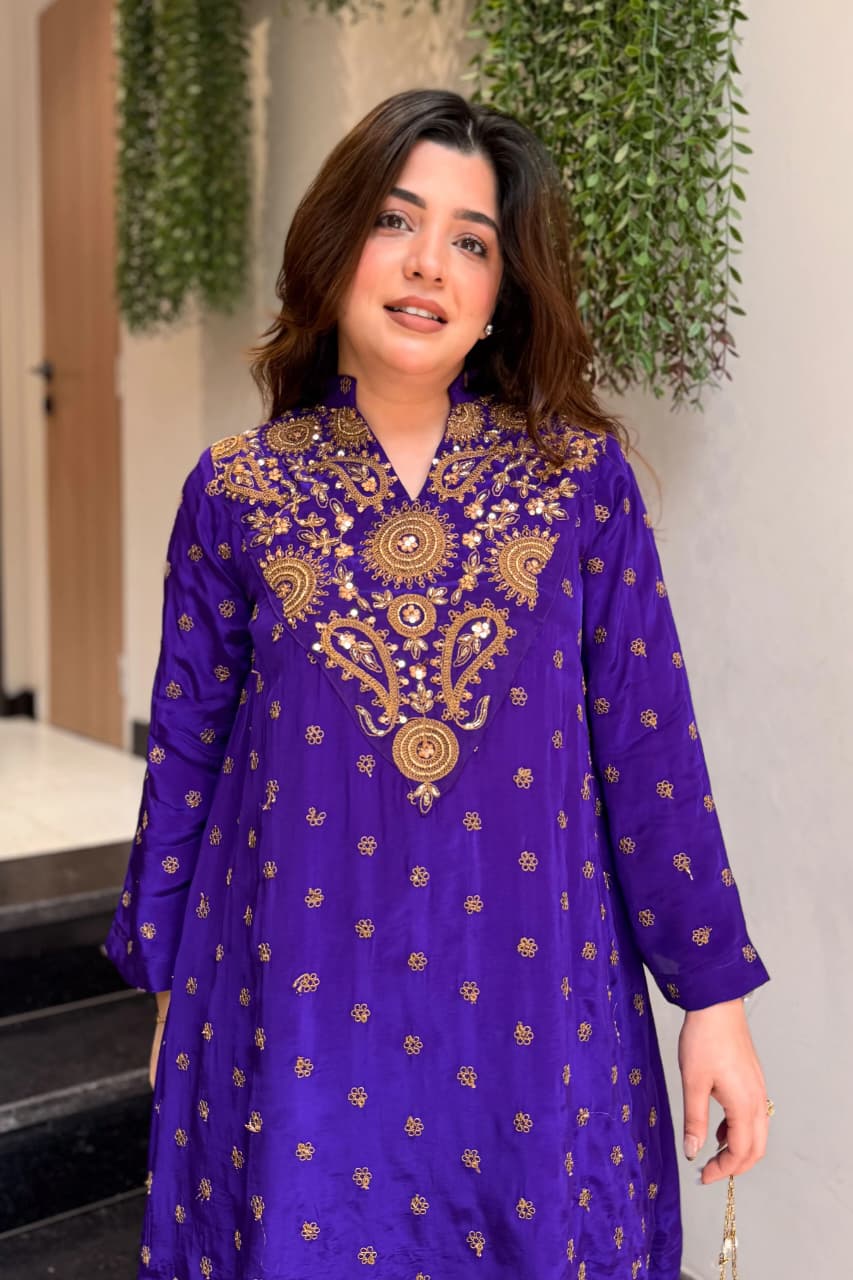
The design works especially well when the kurti has a straight or gently A-line shape with enough ease through the waist and hip. A close-fitting kurti without slits may restrict movement, while a relaxed kurti without slits can remain comfortable because the extra width at the hem allows the legs to move underneath.
Consider a no-slit kurti for office commuting, family gatherings, religious visits, classroom days and travel when you may want the kurti to stay in place. The design also suits women who prefer a continuous front-and-back silhouette instead of the separated panels created by side openings.
What does a side slit change?
A side slit gives the lower half of a kurti more flexibility by separating the front and back panels from a chosen point downward. A slit can make climbing stairs, taking longer steps and sitting on the floor easier, but it may also expose the side of the salwar or leg when the fabric shifts.
A closed hem provides more visual continuity and can reduce that exposure. Comfort improves when the hem isn't so narrow that it pulls across the thighs during movement.
How Kurti Length and Hem Width Affect Comfort
Kurti length and hem width are the two measurements that most strongly determine whether a closed kurti feels easy to wear. A knee-length kurti with a broad hem generally permits more movement than a calf-length kurti cut close to the body.
For a straight kurti, look for approximately 4 to 8 inches of ease around the fullest hip measurement for everyday movement, depending on the fabric and personal preference. A-line kurtis naturally widen toward the hem, so they can offer room without appearing oversized at the waist.
A long kurti ending around mid-calf can work comfortably without slits when it has a flowing lower shape and lightweight construction. Heavy embroidery, dense jacquard or a narrow hem may make the same length feel restrictive. The lower the hem falls, the more important adequate sweep becomes.
Sitting comfort also depends on how the kurti behaves at the back. A slightly longer back hem can offer coverage on chairs or during floor seating, but excess fabric may bunch beneath the hips. Before buying, check whether the garment's measurements describe the finished length and whether the fabric has any stretch.
Which silhouette works best without side slits?
A-line and relaxed straight silhouettes are generally the most comfortable closed-hem options. An A-line cut releases gradually from the bust or waist, while a relaxed straight cut offers a consistent amount of ease from the chest to the hem.
Anarkali shapes can also work without side slits because the flare begins above the hip. A narrow, body-skimming kurti is less suitable for a closed hem unless it includes a back opening, stretch fabric or generous ease.
Which Fabrics Make a No-Slit Kurti Feel Easier?
Light to medium-weight cotton, Chanderi silk blends and breathable woven fabrics usually make no-slit kurtis more comfortable in Indian weather. Fabric choice affects airflow, weight, friction and the amount of movement available at the hem.
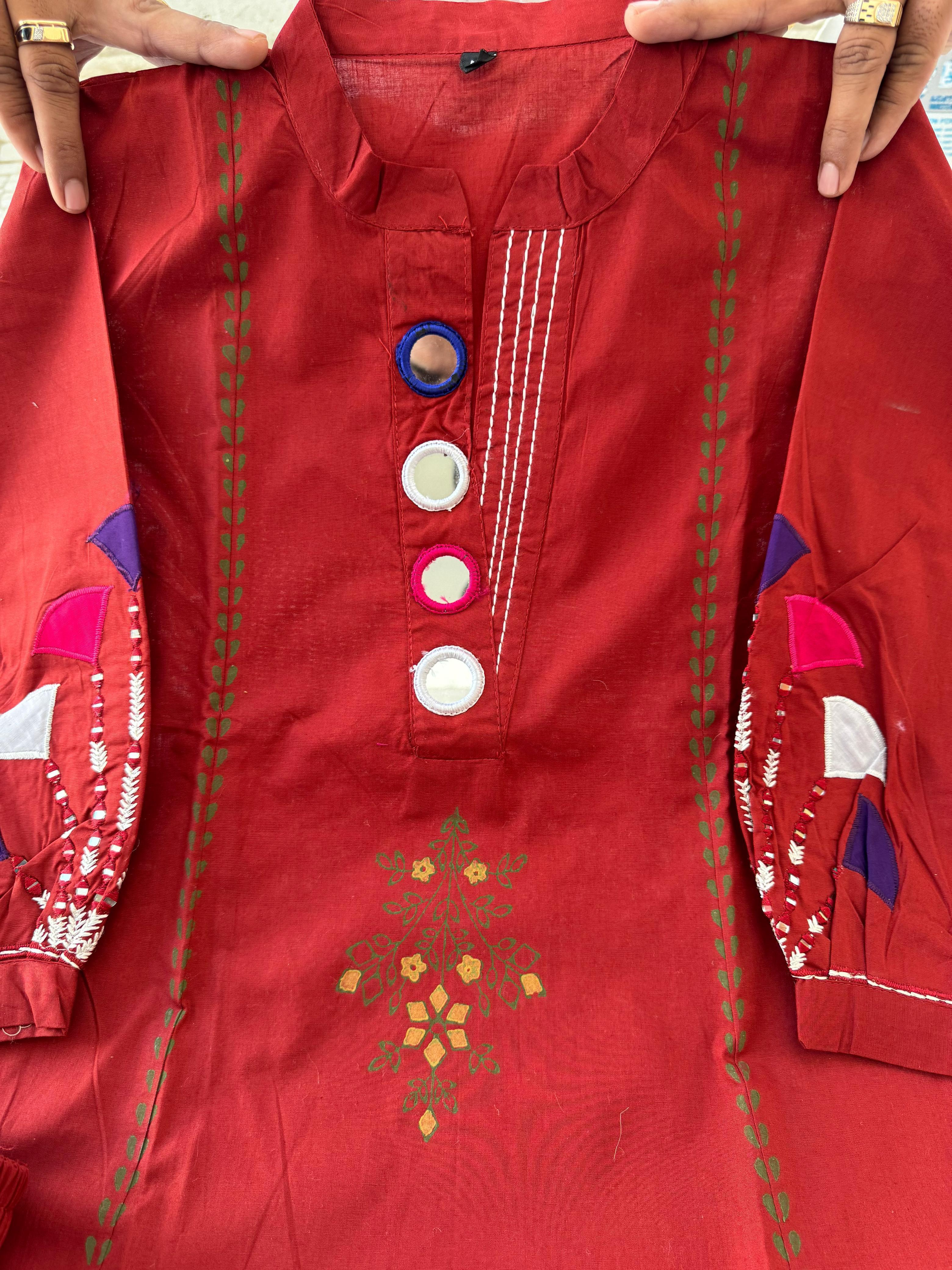
- Cotton: Cotton supports daily wear because it absorbs moisture and feels stable against the skin. A cotton A-line kurti with a broad hem can remain comfortable even without side openings.
- Chanderi silk: Chanderi silk feels light and has a refined fall, making it useful for festive or semi-formal closed-hem kurtis. The fabric may need careful handling because its delicate surface can snag on rough seating.
- Jacquard: Jacquard has structure and visual richness, but the weave can feel heavier than plain cotton. A jacquard kurti is more comfortable without slits when the cut is relaxed and the lining doesn't cling.
- Kanchi cotton: Kanchi cotton gives a crisp hand and traditional character. The fabric benefits from sufficient side and hip ease because a crisp weave doesn't always yield easily with every step.
- Rayon and similar fluid fabrics: Fluid fabrics can drape attractively around a closed hem, but they may cling to leggings or gather while sitting. A smooth lining or breathable bottom can improve the experience.
Embellishment changes comfort as well. Mirror work, heavy zari and dense weaving add weight and can create pressure where the garment folds. A decorated kurti should have soft seam finishing and enough ease around the upper arm, bust and hip.
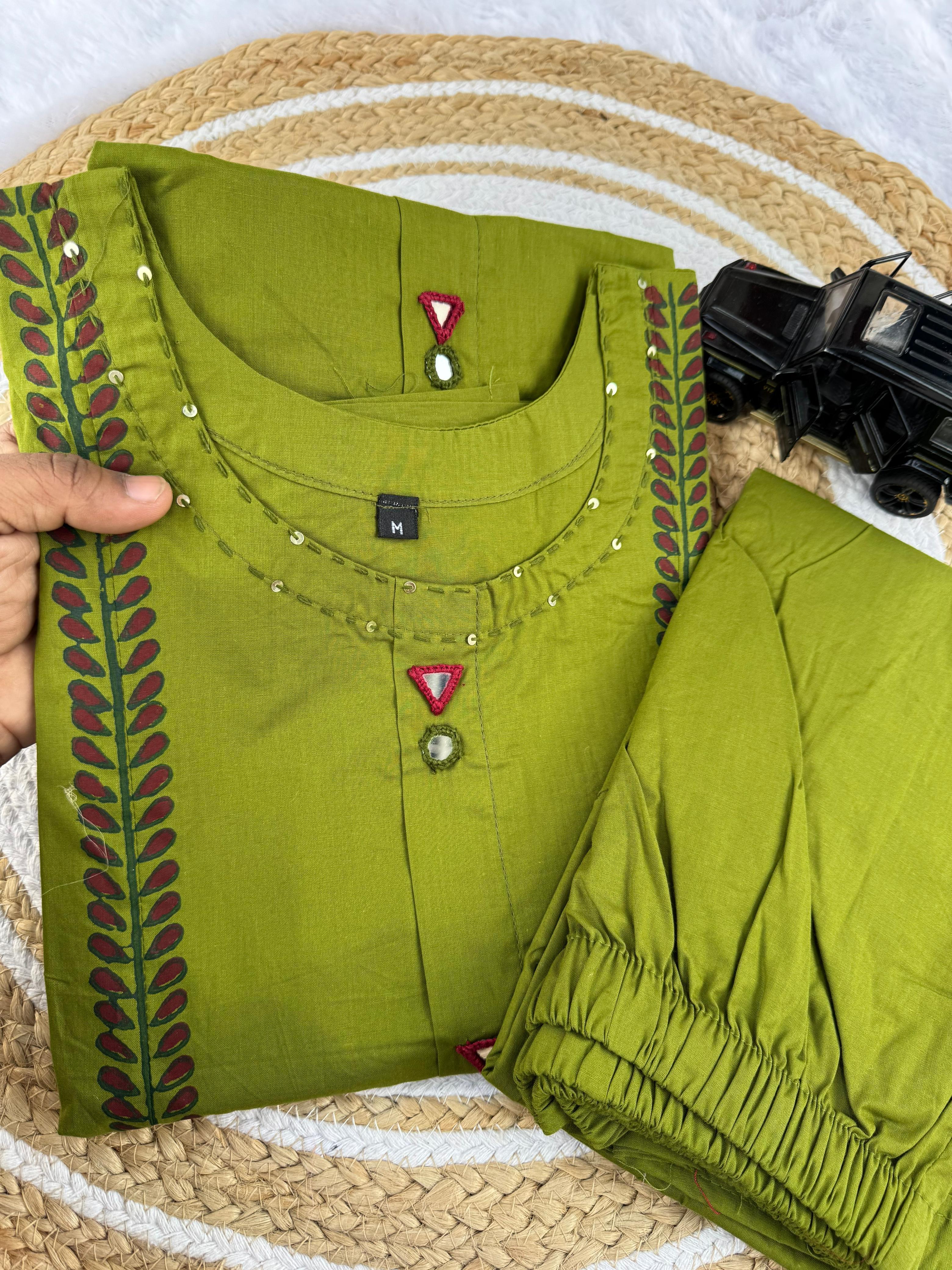
The Designer Cotton A-Line Kurti Pant Set with Mirror Work illustrates why silhouette and fabric need to be assessed together: cotton supports everyday breathability, while mirror work makes the set more occasion-oriented. The comfortable choice isn't determined by decoration alone.
How to Choose a No-Slit Kurti for Different Activities
The most comfortable kurti shape changes with the movements required during the day. Match the construction to the activity instead of treating no side slits as universally better or worse.
For office work and commuting
A closed straight or A-line kurti is often comfortable for office work when the hem doesn't pull across the knees while sitting. A smooth, medium-weight fabric helps the kurti remain neat after several hours at a desk.
The Teal Cotton A-Line Kurti Pant Set with Handwork is an useful silhouette reference for work-to-evening dressing because an A-line shape creates lower-body room without requiring a high side opening. Pairing the kurti with straight pants keeps the outfit visually clean and avoids excess fabric around the chair.
For travel and shopping
A no-slit kurti can be comfortable for travel when it brings coverage and has a hem wide enough for climbing steps, entering vehicles and walking quickly. Choose breathable cotton or a light blend, and avoid a very long hem that can catch on escalators or luggage wheels.
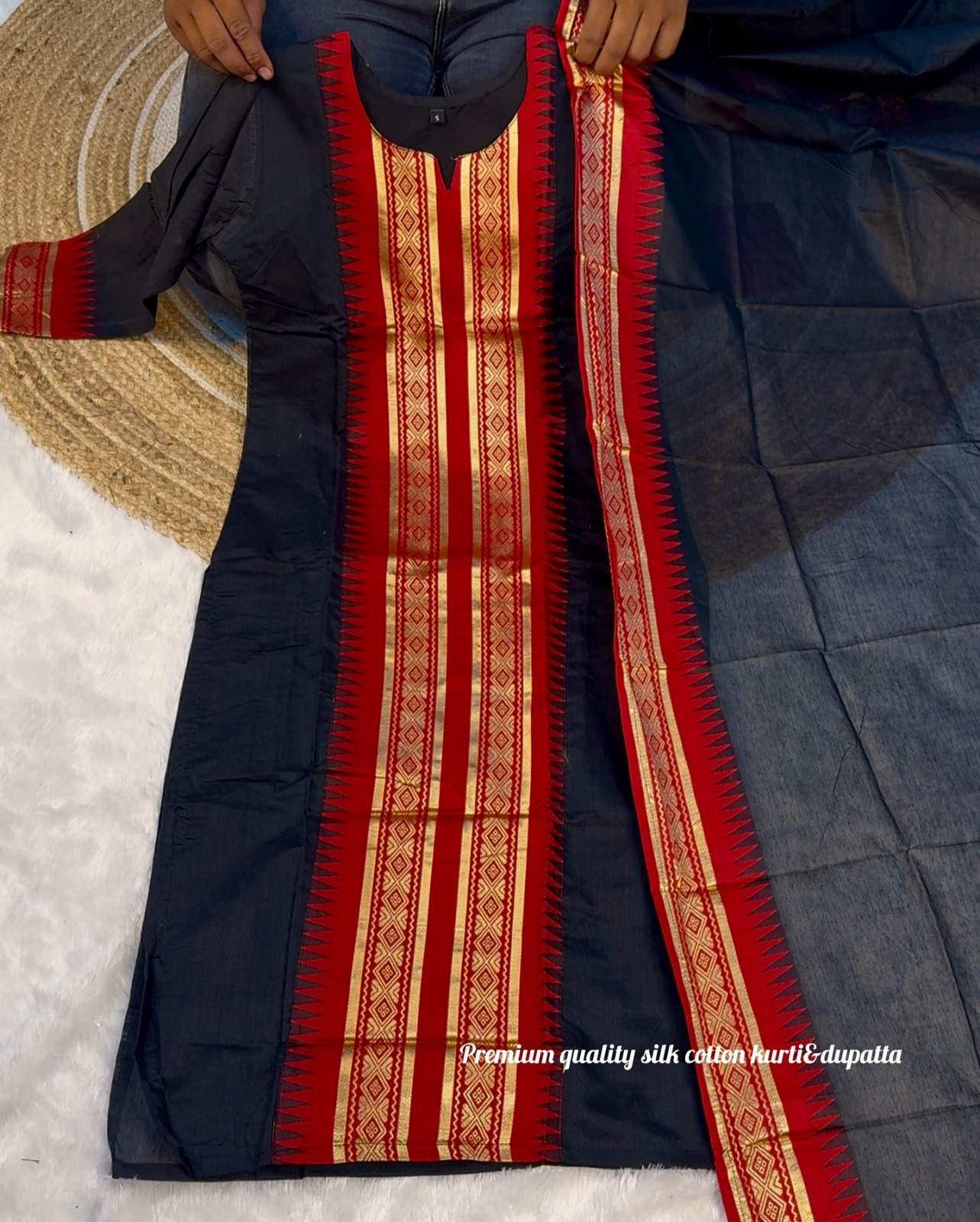
The Black Kanchi Cotton Kurti Dupatta Set for Women demonstrates why fabric character matters in practical dressing. Crisp cotton can look composed during a long day, but the garment should have enough hip ease for sitting in a car or train.
For ceremonies and family gatherings
A closed kurti can feel particularly comfortable at ceremonies because it brings secure coverage while sitting on the floor, greeting relatives or moving between indoor and outdoor spaces. Chanderi silk, zari details and woven surfaces can add occasion value without requiring a revealing opening.
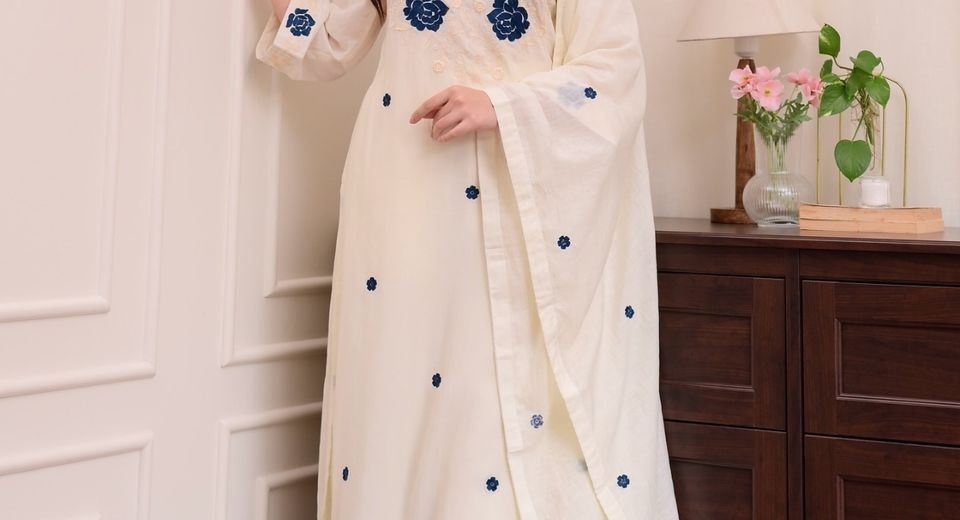
The Cream Chanderi Silk Kurti Pant Dupatta Set for Women suits this kind of styling logic: a light, dressy fabric can maintain an elegant fall, while matching pants preserve a coordinated line beneath a closed hem. Choose a breathable lining if the event lasts several hours.
For festive regional dressing
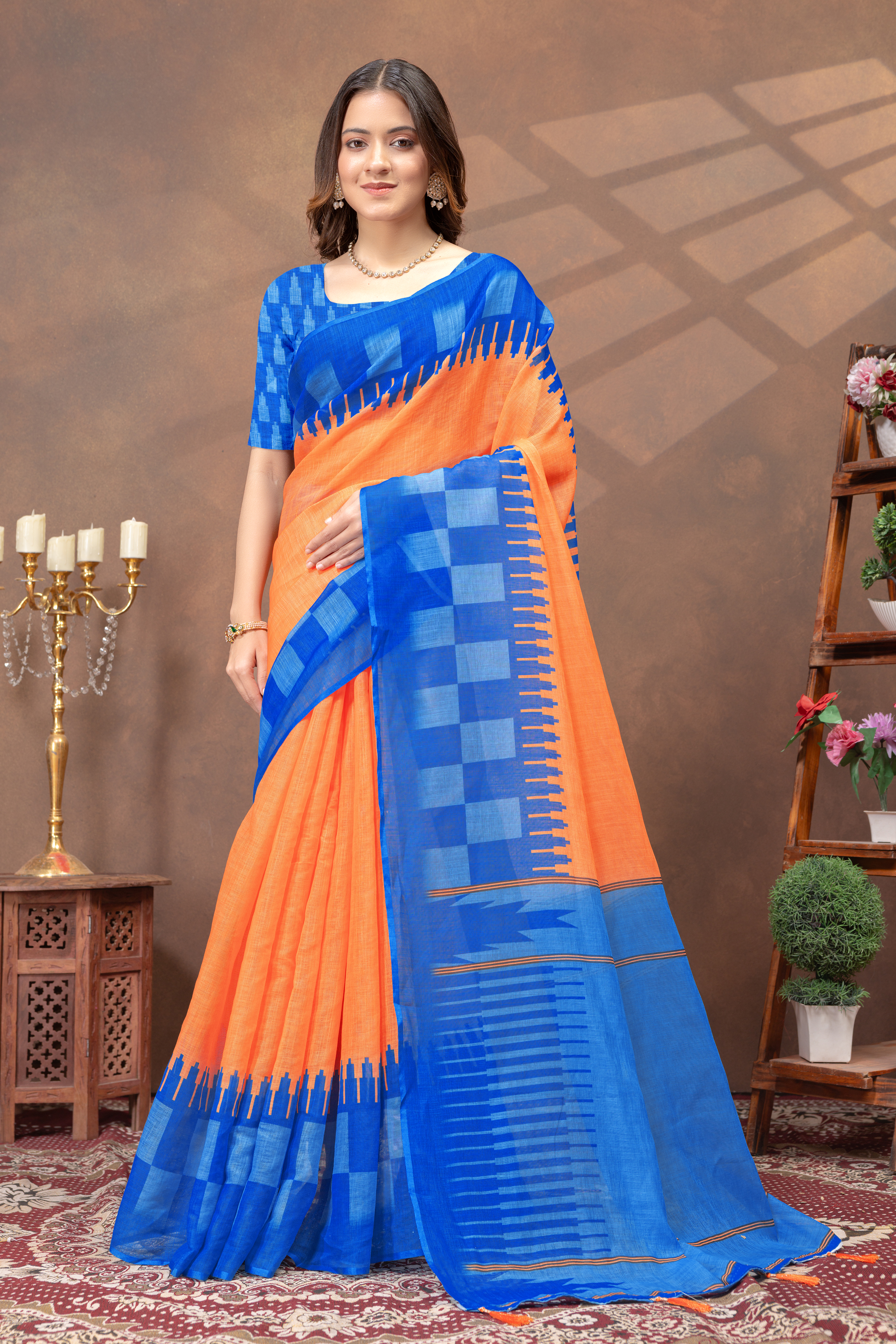
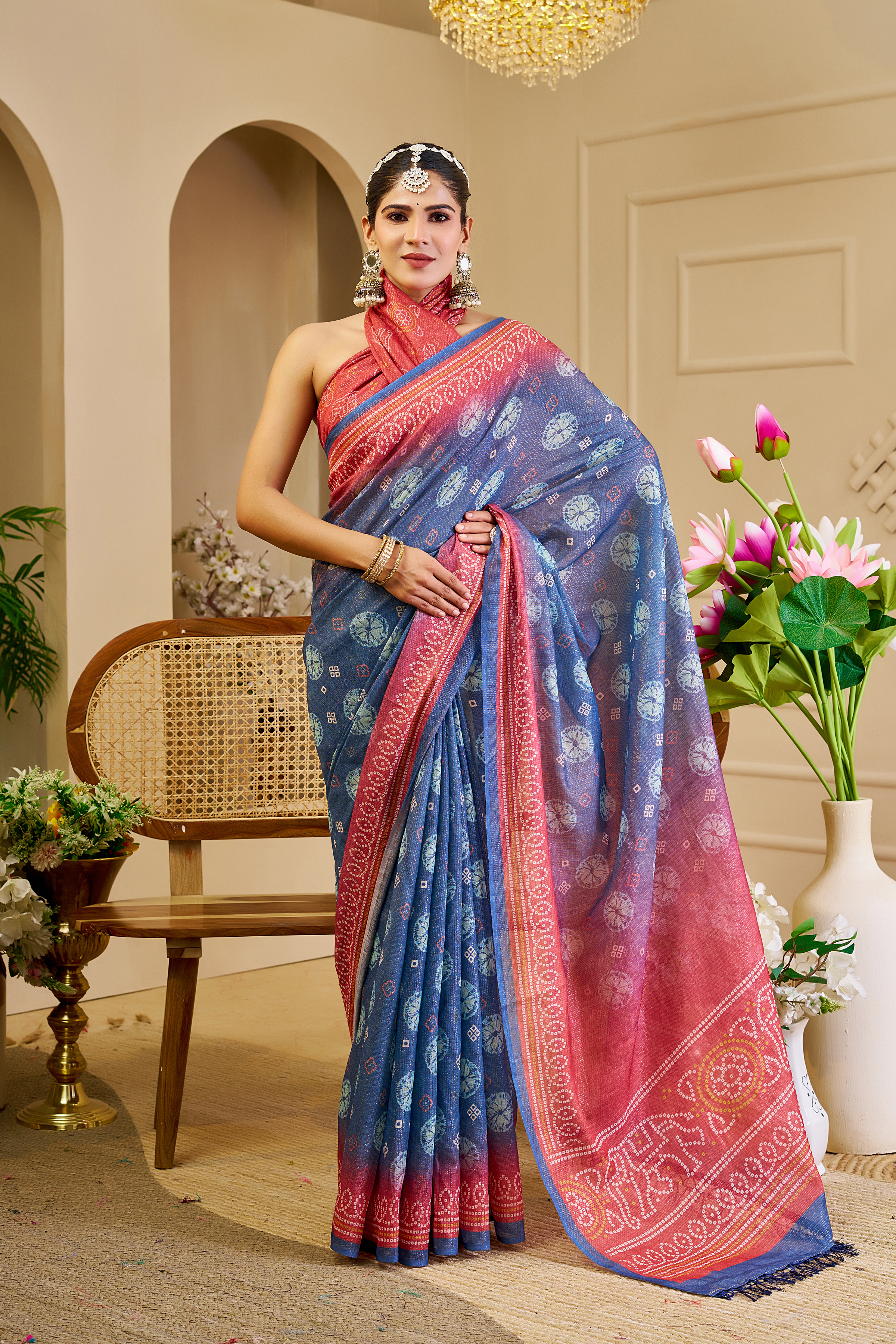
Regional textile influences can be paired with a closed kurti when the silhouette has enough flare and the outfit is balanced by a comfortable bottom. Kalamkari Print Salwar Suits, Maharashtra Paithani Inspired Salwar Suits and Gujarat Bandhej Salwar Suits can inspire colour and textile choices without requiring a specific slit construction.
Odisha Sambalpuri Salwar Suits and Punjab Patiala Salwar Suits offer different visual directions: Sambalpuri-inspired patterns bring a strong woven identity, while Patiala styling usually benefits from more volume below the waist. A closed kurti should be proportioned carefully with voluminous Patiala bottoms so the outfit doesn't feel heavy.
How to Style a Closed Kurti Without Losing Mobility
Mobility improves when the bottoms, dupatta and footwear support the kurti's closed shape. Straight pants, cigarette pants and slim palazzos usually create less resistance than very narrow leggings or heavily gathered trousers.
With a straight kurti, choose pants that allow the knees and hips to bend without pulling the kurti downward. With an A-line kurti, a slim or moderately straight bottom preserves the outward shape of the top. A wide palazzo can work, but the kurti should be long enough and sufficiently flared to accommodate the volume.
Dupatta placement also affects comfort. A dupatta pinned lightly at one shoulder keeps both hands free for commuting, while a front drape can add coverage when the kurti is shorter. Avoid tight pinning at the waist because it can pull the side seams when you sit.
The Designer Cream Straight Kurti Set with Dupatta brings a practical example of a coordinated straight silhouette, where the dupatta can add coverage without changing the kurti's clean construction. The Graceful Parrot Green Straight Kurti Dupatta Set can be styled similarly with comfortable straight pants and low, stable footwear.
Footwear with a low block heel, cushioned flat or supportive sandal makes a closed long kurti easier to manage. Very high heels can change the walking angle and cause the front hem to catch under the foot, especially when the kurti ends below the knee.
How to Check the Fit Before Buying Online
Use garment measurements rather than your usual size label to judge whether a no-slit kurti will be comfortable. Size labels vary between cuts, fabrics and manufacturers.
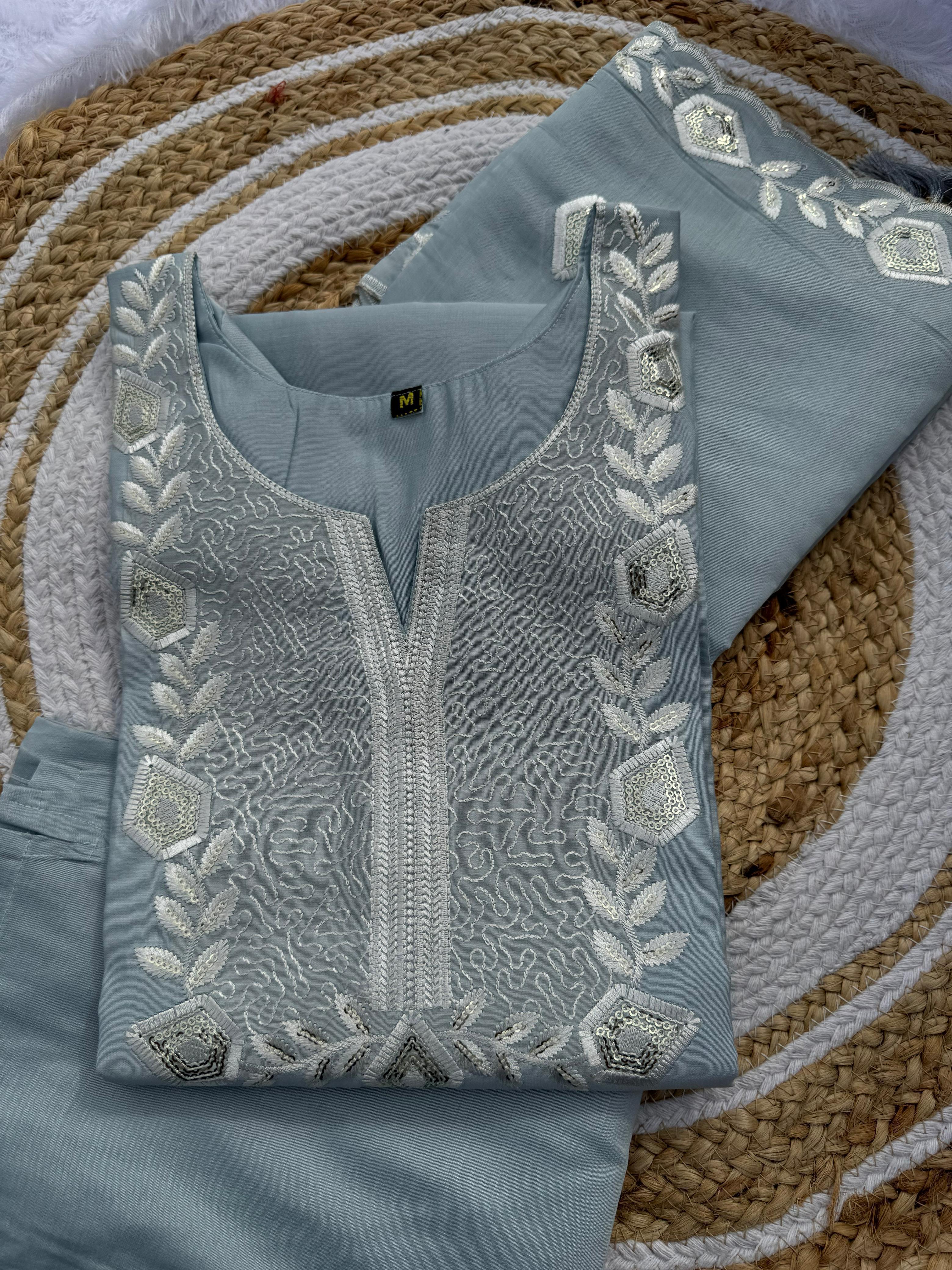
- Measure the fullest bust and hip: Compare both measurements with the kurti's finished garment measurements. The hip measurement is especially important for a closed hem.
- Check the hem width: A wider hem generally gives more walking ease. If the hem measurement is unavailable, ask for it before ordering a long closed kurti.
- Review the length: Note whether the kurti ends at the knee, mid-calf or ankle. Longer lengths require greater sweep and more attention to footwear.
- Assess the sleeve and armhole: Tight armholes can make the entire garment feel restrictive even when the lower body has enough room.
- Look for lining details: A lining should not grip the skin or stop movement at a different length from the outer fabric.
- Read the care instructions: Shrinkage can reduce comfort after washing, particularly in cotton. Follow the recommended wash method and allow the garment to dry in its intended shape.
A simple home test can prevent an uncomfortable purchase. Hold the kurti at the side seams, compare the hem width with your natural walking stance, and sit on a chair while checking whether the fabric pulls across the hips. A garment that looks roomy while standing may still be narrow when seated.
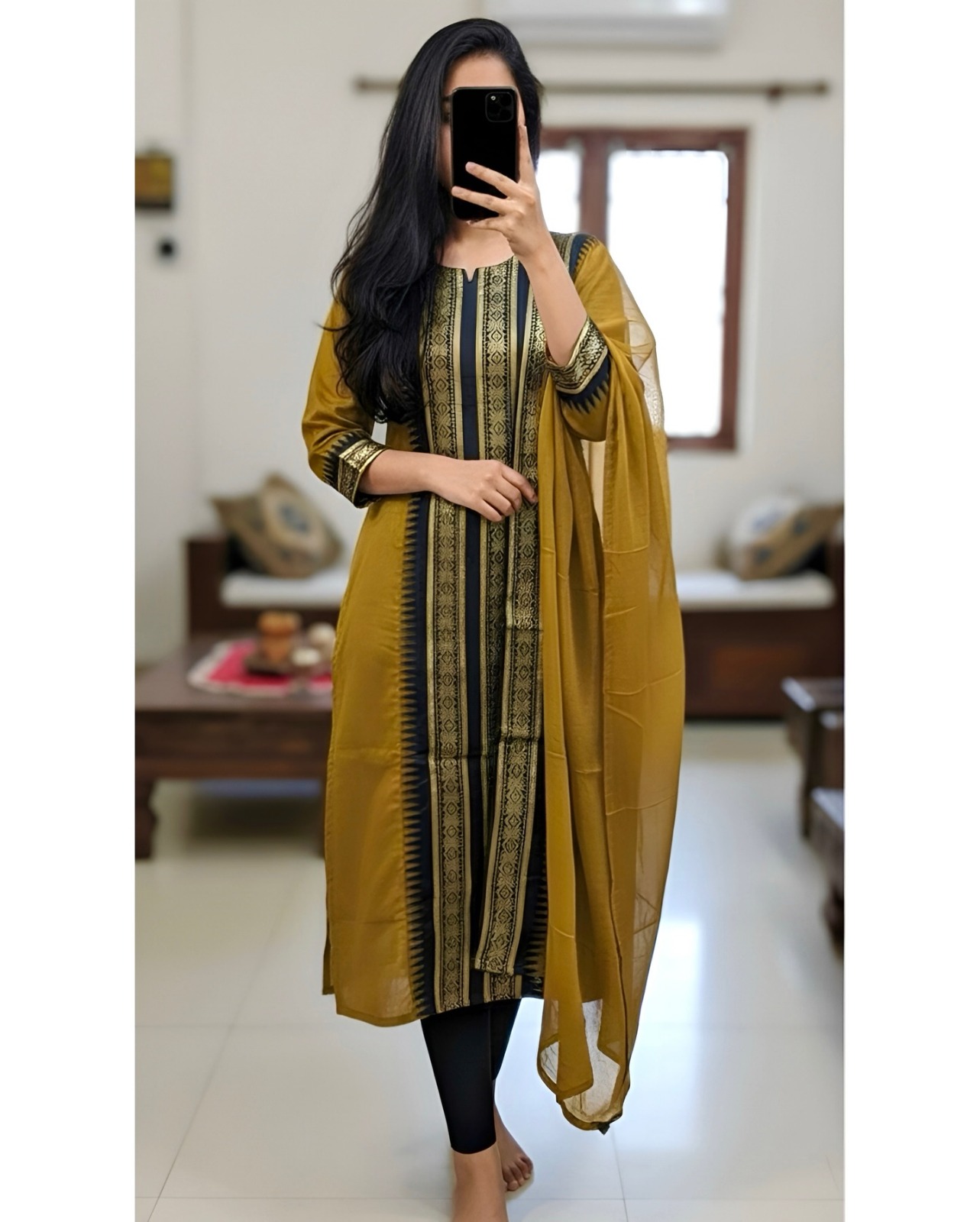
The Mustard Designer Kurti Dupatta Set with Rich Weaving and the Orange Ethnic Kurti Dupatta Set with Jacquard Work represent dressier directions where weave and surface texture deserve extra attention. Rich weaving and jacquard can make a garment less forgiving, so finished measurements matter more than a general description such as relaxed or straight.
When Should You Choose Side Slits Instead?
Choose side slits when you need a longer stride, frequently climb stairs, practise active movement or wear a narrow straight kurti with slim bottoms. Side openings reduce resistance around the knees and make a close silhouette easier to walk in.
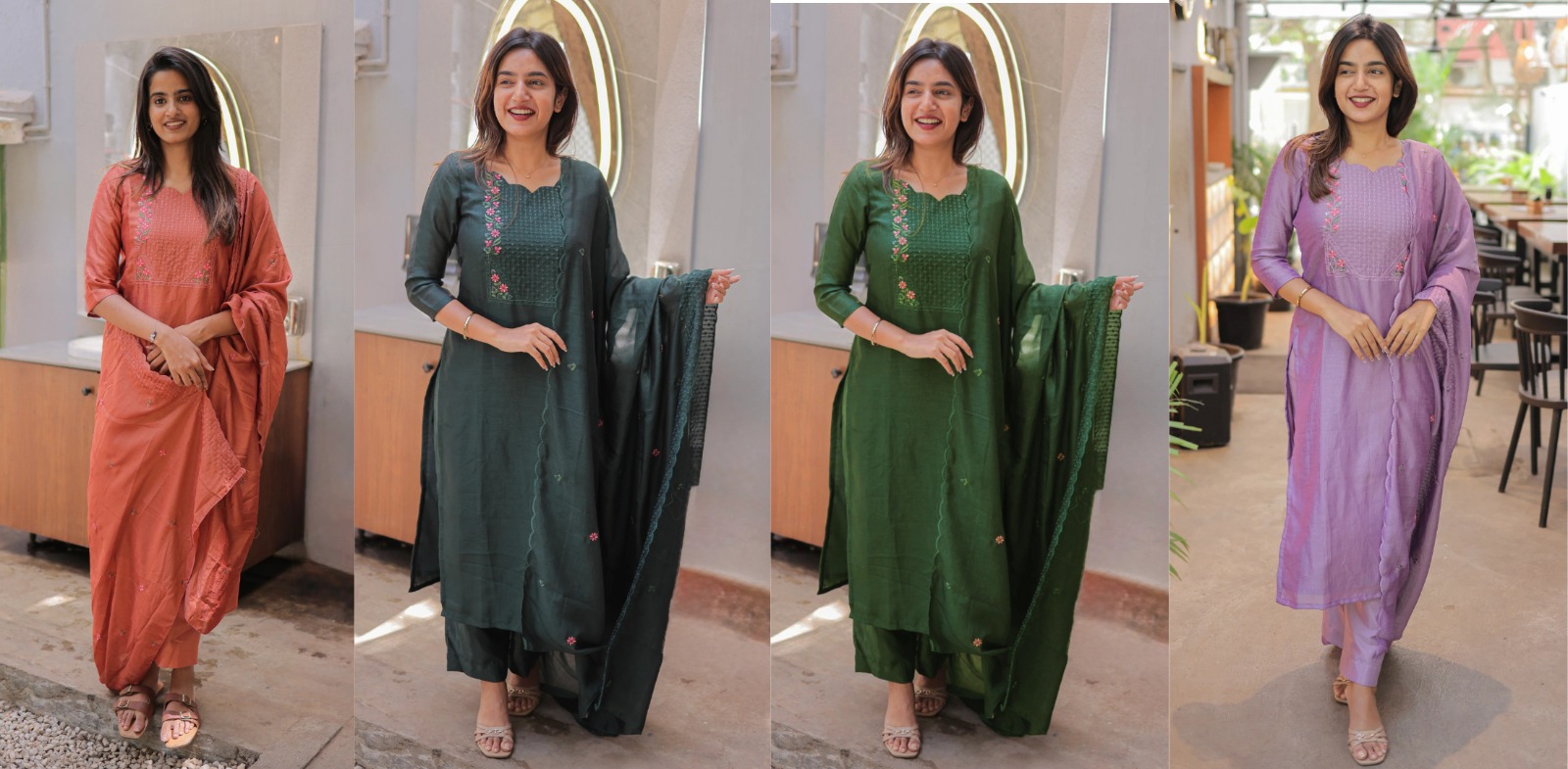
Side slits may also be preferable for petite wearers when a longer kurti would otherwise feel restrictive. A slit can preserve the appearance of length while releasing the lower hem. The opening should be high enough to help movement but not so high that it defeats the desired coverage.
For floor seating, side slits are not automatically less comfortable. A generous slit can let the front and back panels spread, while a closed narrow hem can pull at the hips. The best choice depends on the garment's width, fabric and how you sit.
Try three movements before finalising a kurti: take a long step, sit on a chair and raise one knee slightly as if climbing stairs. If the fabric pulls at the hip or the hem rides upward, choose more ease, a shorter length or side openings.
A Practical Decision Guide for Everyday Salwar Suits
Choose a kurti without side slits when coverage, a continuous silhouette and seated comfort are your priorities, provided that the garment has adequate hip ease and hem width. Choose side slits when long strides and quick movement matter more than a fully closed line.
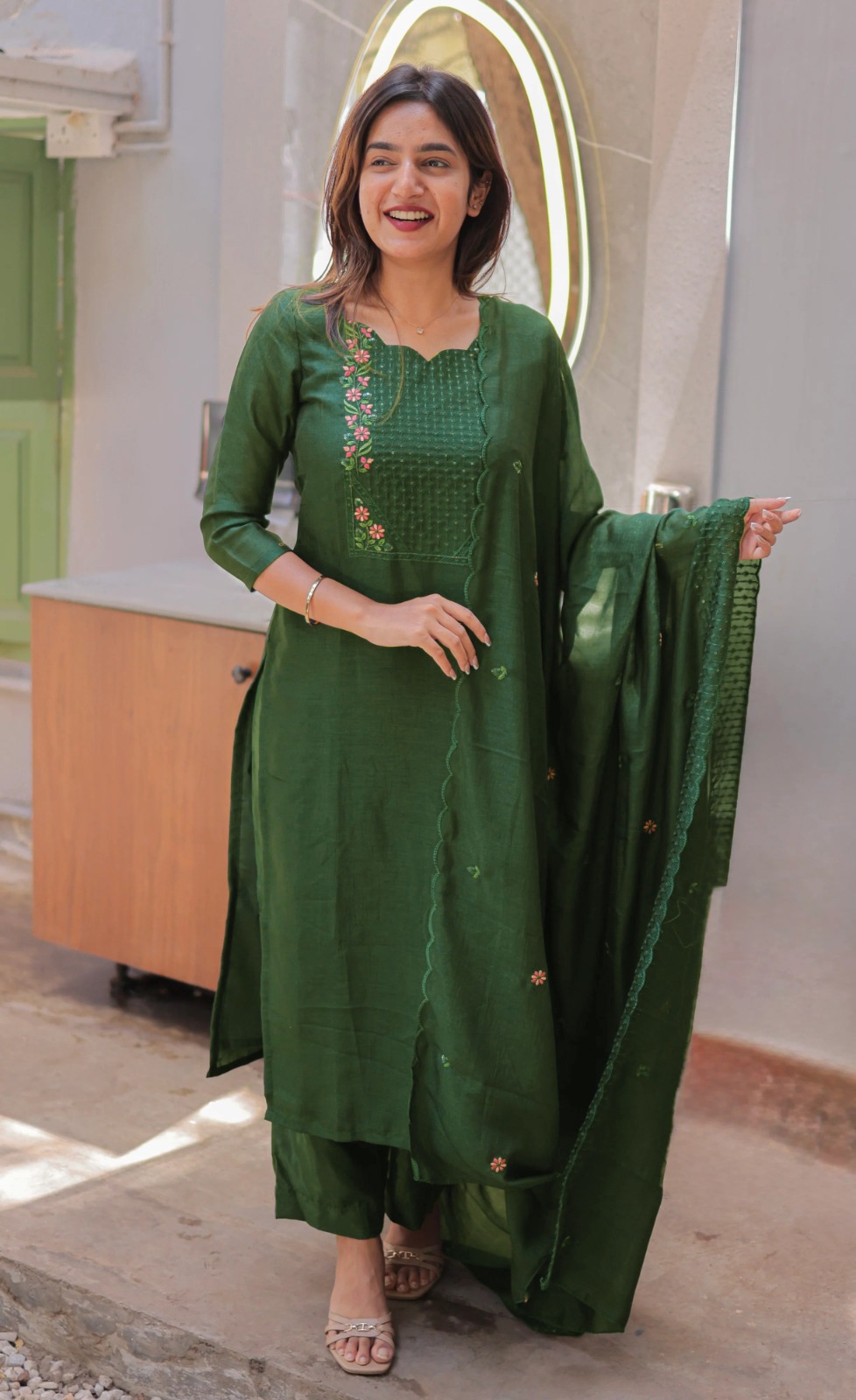
- Choose no side slits: for office seating, modest coverage, family gatherings, light-to-medium fabrics, straight pants and polished styling.
- Choose side slits: for narrow cuts, long walking days, frequent stairs, active routines and very slim bottoms.
- Choose an A-line shape: when you want the security of a closed hem with more room at the legs.
- Choose cotton: for humid daily wear and repeated washing, while checking possible shrinkage.
- Choose Chanderi silk or jacquard: for dressier events when the lining, weight and hem sweep remain comfortable.
The Graceful Parrot Green Straight Kurti Dupatta Set, Black Kanchi Cotton Kurti Dupatta Set for Women and Cream Chanderi Silk Kurti Pant Dupatta Set for Women show how colour and textile can change the occasion, but fit still determines comfort. The most wearable closed kurti is one that lets you sit, walk and bend without repeatedly adjusting the hem.
When Is a Kurti With No Side Slits More Comfortable is therefore a fit-and-use question. Check the hip ease, hem width, fabric weight, length and bottom style together, and a no-slit kurti can provide reliable coverage without sacrificing the movements that matter in your day.
Common Questions About Comfortable No-Slit Kurtis
When is a kurti with no side slits more comfortable for daily wear?
A kurti with no side slits is more comfortable for daily wear when it has adequate hip ease, a broad enough hem and a breathable fabric such as cotton. The closed construction provides stable coverage while sitting, commuting or attending routine gatherings.
Are no-side-slit kurtis comfortable for sitting?
No-side-slit kurtis can be comfortable for sitting when the kurti is not narrow across the hips and thighs. A slightly flared A-line shape or relaxed straight cut usually sits better than a long, body-skimming silhouette.
Which bottom wear works best with a kurti without side slits?
Straight pants, cigarette pants and moderately slim palazzos usually work best with a closed kurti. These bottoms allow the kurti's hem to remain visible and reduce bulk around the legs while walking or sitting.
Is an A-line kurti more comfortable than a straight kurti without slits?
An A-line kurti is often more forgiving because the hem widens toward the legs. A relaxed straight kurti can be equally comfortable when it includes sufficient hip ease and does not taper sharply toward the hem.
Are no-slit kurtis suitable for festive occasions?
No-slit kurtis are suitable for festive occasions when the fabric and finish provide enough movement. Chanderi silk, jacquard and woven designs can look dressy, but the garment should have a comfortable lining and adequate hem sweep.
How can I check whether a long no-slit kurti will restrict movement?
Take a long step, sit on a chair and lift one knee slightly before deciding. Pulling across the hips, a hem that rides sharply upward or difficulty climbing stairs indicates that you need more ease, a shorter length or side slits.