What to Wear on Bhai Dooj for a Simple and Beautiful Festive Look depends on the celebration, the weather, and how much movement your day involves. A family puja at home may call for a graceful saree or kurta set, while a lunch followed by visits to relatives may be easier in a lighter, fuss-free silhouette. The strongest outfit usually combines one festive detail with practical comfort instead of layering every traditional element at once.
Bhai Dooj usually includes a tilak ceremony, blessings, photographs, conversation, and a family meal. Clothing therefore needs to look celebratory while allowing you to sit well, move around the house, greet guests, and carry serving plates. A garment that needs constant adjustment can distract from the upcoming and make photographs look less relaxed.
What to Wear on Bhai Dooj for a Simple and Striking Festive Look
A silk saree, a well-cut kurta set, or a modest lehenga can create a graceful Bhai Dooj outfit when one feature acts as the visual focus. Choose either a rich fabric, a bright colour, a distinctive dupatta, or statement jewellery as the main feature, and keep the remaining details restrained.
A saree offers the most classic finish and works particularly well for a family photograph during the tilak ceremony. A kurta pant set is easier to wear for a long gathering because it removes the need to manage pleats. A lehenga can feel festive for a larger evening celebration, although a lighter skirt and a less embellished blouse are usually more comfortable for daytime rituals.
The styling choice should also reflect your usual dressing habits. Someone who wears sarees regularly may find a pinned silk drape easier than an unfamiliar lehenga. Someone who prefers separates may feel more confident in a straight kurta, cigarette pants, and a secure dupatta. Confidence and ease are practical parts of a handsome festive appearance.
What to Wear on Bhai Dooj for a Simple and Lovely Festive Look in a Saree
A saree suits Bhai Dooj when you want a classic silhouette that looks polished with minimal styling. Banarasi silk, Chanderi, cotton silk, linen cotton, and lightweight woven silks offer different levels of structure, sheen, and warmth.
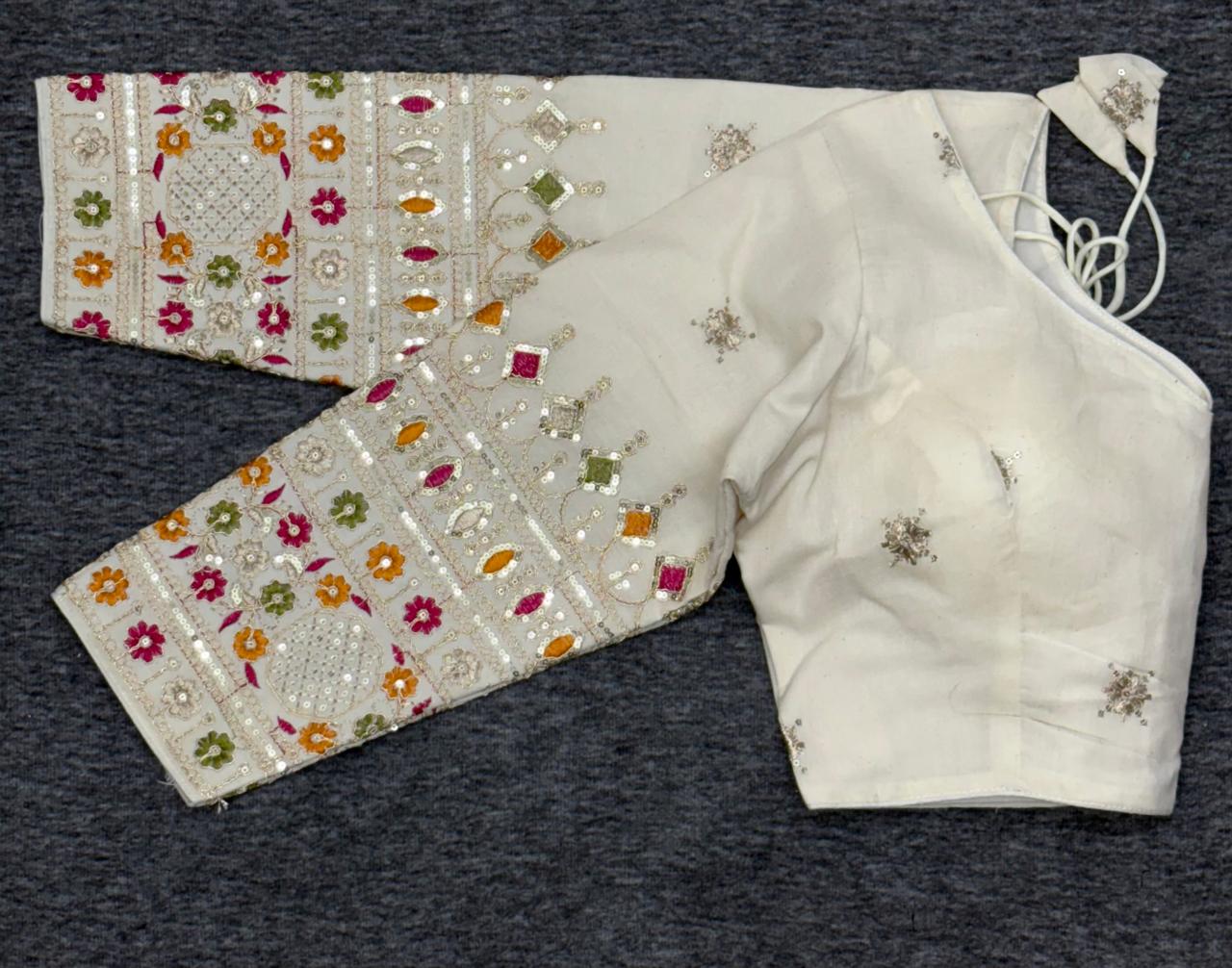 Classic Festive Wear Blouse for Stylish Saree Look
For a comfortable drape, choose a well-fitted blouse, a petticoat that matches the saree weight, and pleats that remain secure when you sit. Pin the pallu at the shoulder and add a discreet second pin near the waist if you expect to bend, serve food, or move between rooms. Medium-width pleats generally create a neat front without making the waist area bulky.
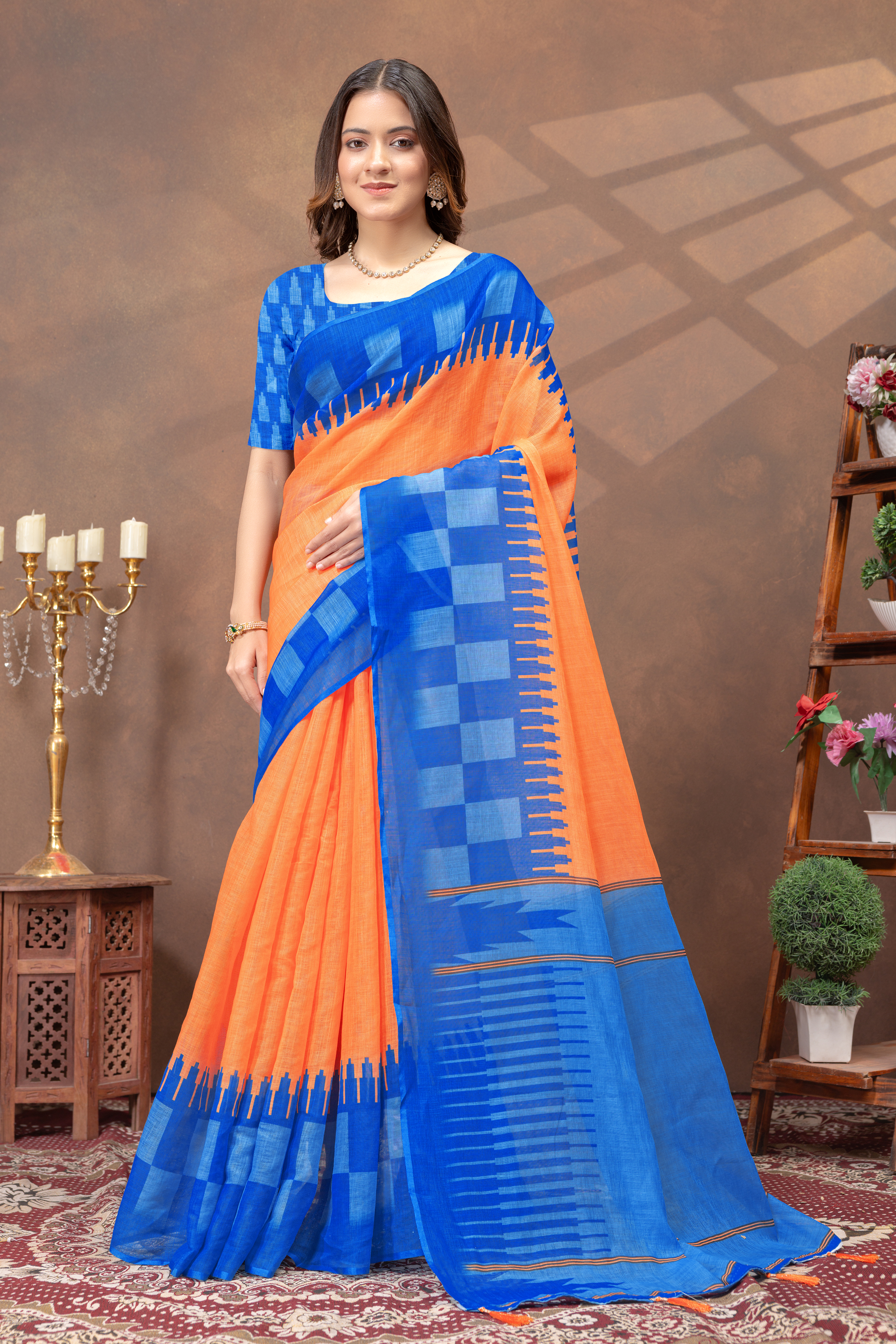
The Sunshine Yellow Linen Cotton Saree with Navy Striped Pallu is an useful example of a daytime festive combination. Linen cotton allows airflow, while the navy striped pallu gives the bright yellow saree a defined contrast. A navy blouse, small gold hoops, and flat sandals keep the outfit cheerful without making it look overworked.
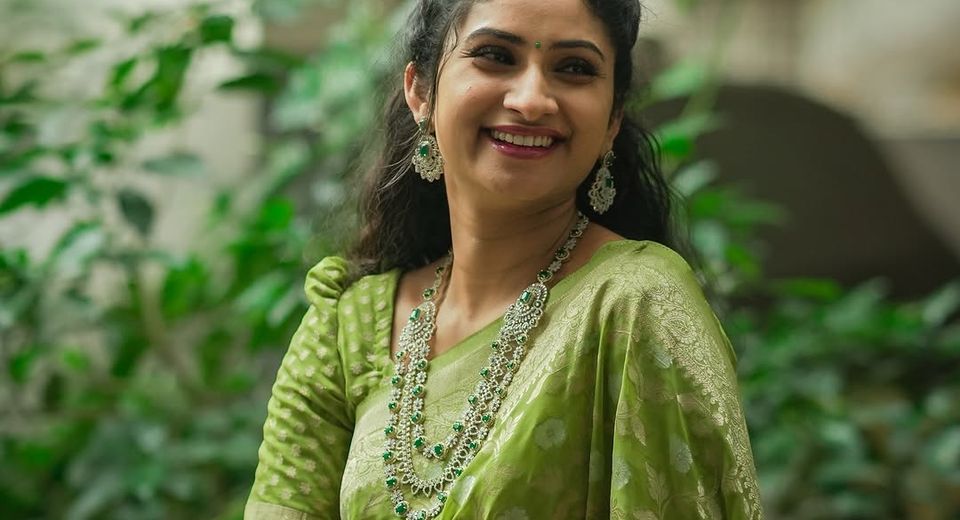
The Festive Olive Green Dola Butti Silk Saree With Blouse brings a richer evening direction. Small butti motifs add texture without demanding a heavy necklace, so antique-gold earrings, two or three bangles, and a low bun can complete the appearance. Olive green pairs particularly well with antique gold, copper, maroon, and warm beige.
A saree with a strong border or woven motif doesn't need elaborate jewellery. The Classic Festive Wear Blouse for Stylish Saree Look can be used as a styling reference for giving the upper half of the outfit a clean, intentional shape. A defined neckline and comfortable sleeve length often make a greater difference than additional embellishment.
What to Wear on Bhai Dooj for a Simple and Graceful Festive Look in a Kurta Set
A kurta set is the most practical Bhai Dooj option for long family gatherings because it provides a polished outfit with fewer draping decisions. Straight pants or cigarette pants allow easy movement, while a long kurta gives the ensemble enough length and coverage for a family puja.
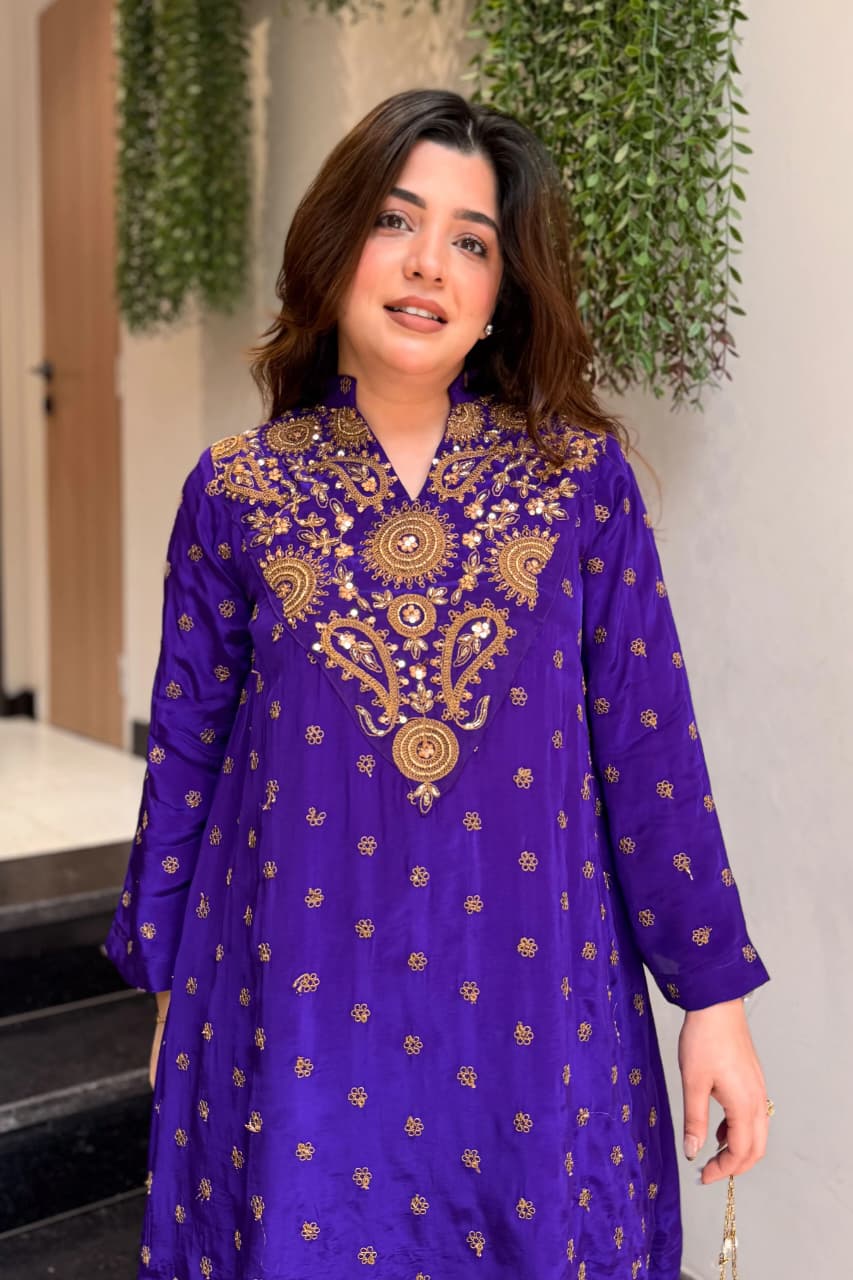
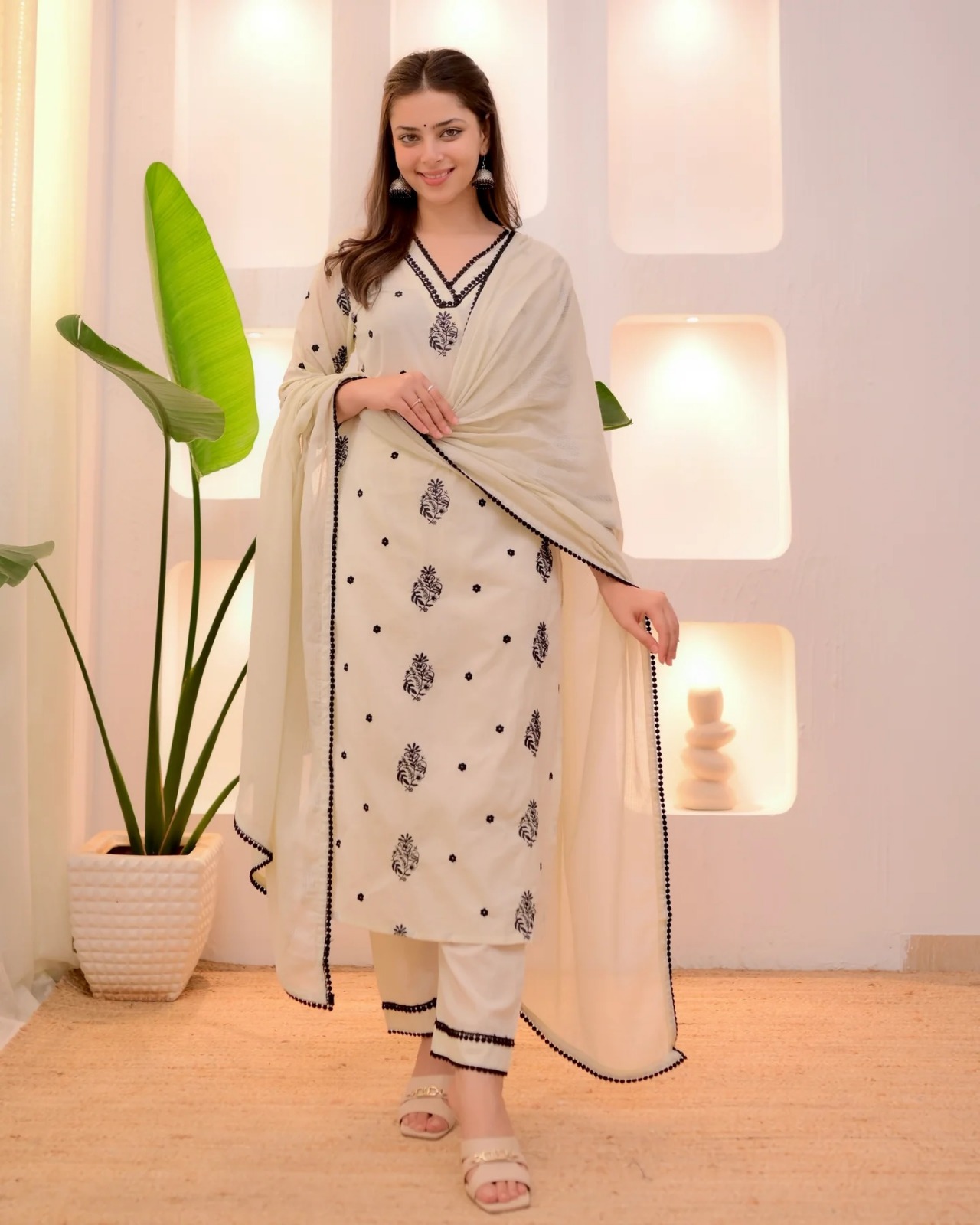 Festive Wear Cream Embroidered Kurta Set
The Silk Festive Kurta Pant Set with Zari Jacquard Dupatta creates festive interest through zari and jacquard rather than through multiple layers of jewellery. Zari adds a time-honoured glow, while the dupatta can function as the principal statement piece. Pair the set with medium jhumkas, a low heel or embroidered flat, and a small structured handbag.
The Elegant Pista Festive Wear Kurta Pant Set gives a softer daytime direction. Pista green works with pearl earrings, delicate gold accessories, ivory footwear, and a warm-toned bindi. Pale colours can appear washed out in strong daylight, so add definition through the dupatta border, earrings, eyeliner, or a slightly deeper lip colour.
The Festive Red Chanderi Kurta Pant Dupatta Set Women combines a celebratory red tone with the lighter character of Chanderi. Chanderi is airy and elegant, but its fine drape may shift more easily than a heavier silk. A small shoulder pin and a second waist pin can keep the dupatta in place without making the outfit look stiff.
For a more formal silhouette, the Festive Wear Maroon Silk Anarkali Suit Set for Women brings colour, length, and movement in one garment. Maroon silk already has visual depth, so simple earrings, a small bindi, and a restrained clutch are enough. A comfortable inner layer matters because silk can feel warm indoors during a crowded celebration.
What to Wear on Bhai Dooj for a Simple and Striking Festive Look by Colour
Warm reds, maroons, yellows, greens, pista, beige, ivory, and jewel-toned blues work well for Bhai Dooj because these shades look festive in natural light and complement heritage gold accessories.
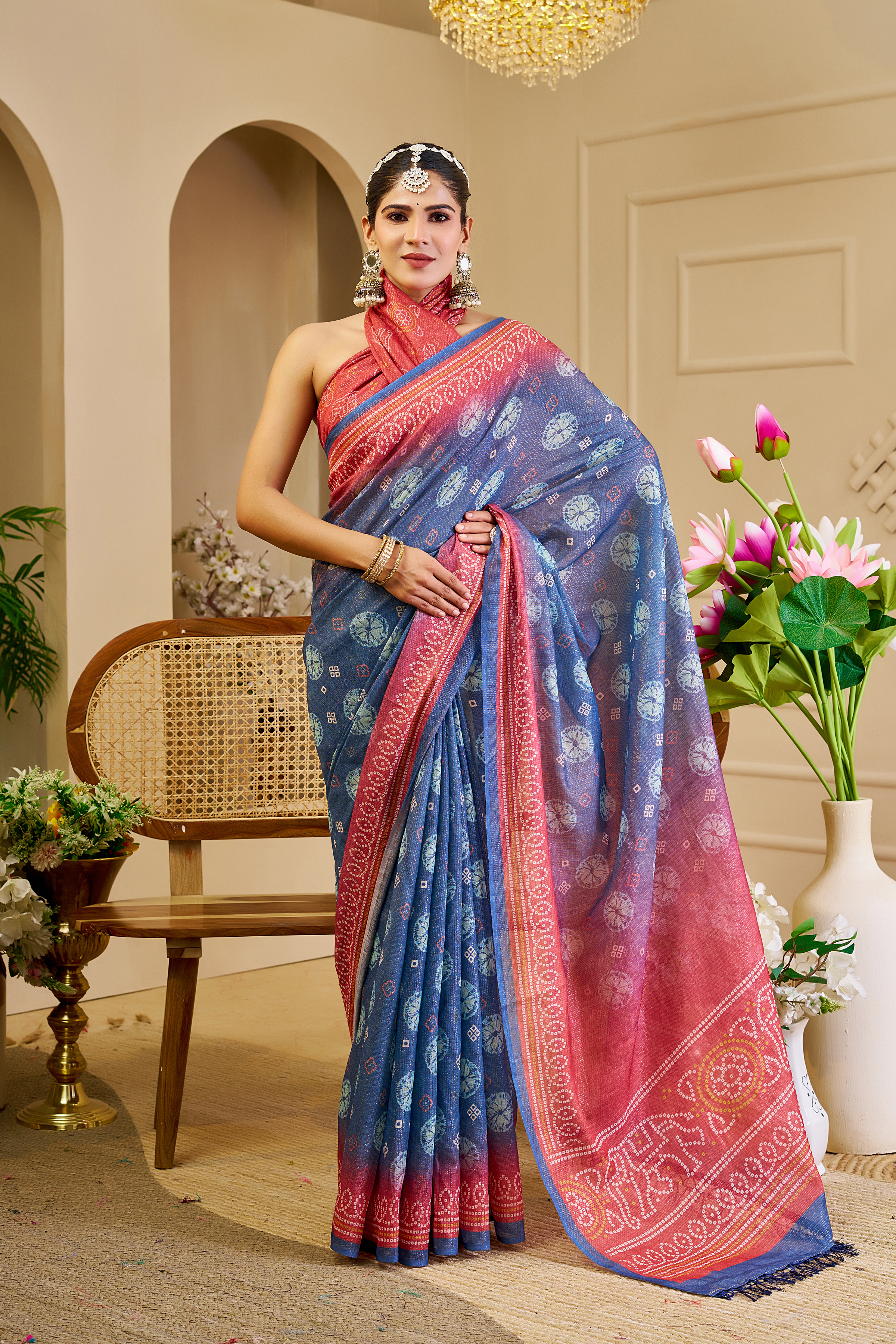
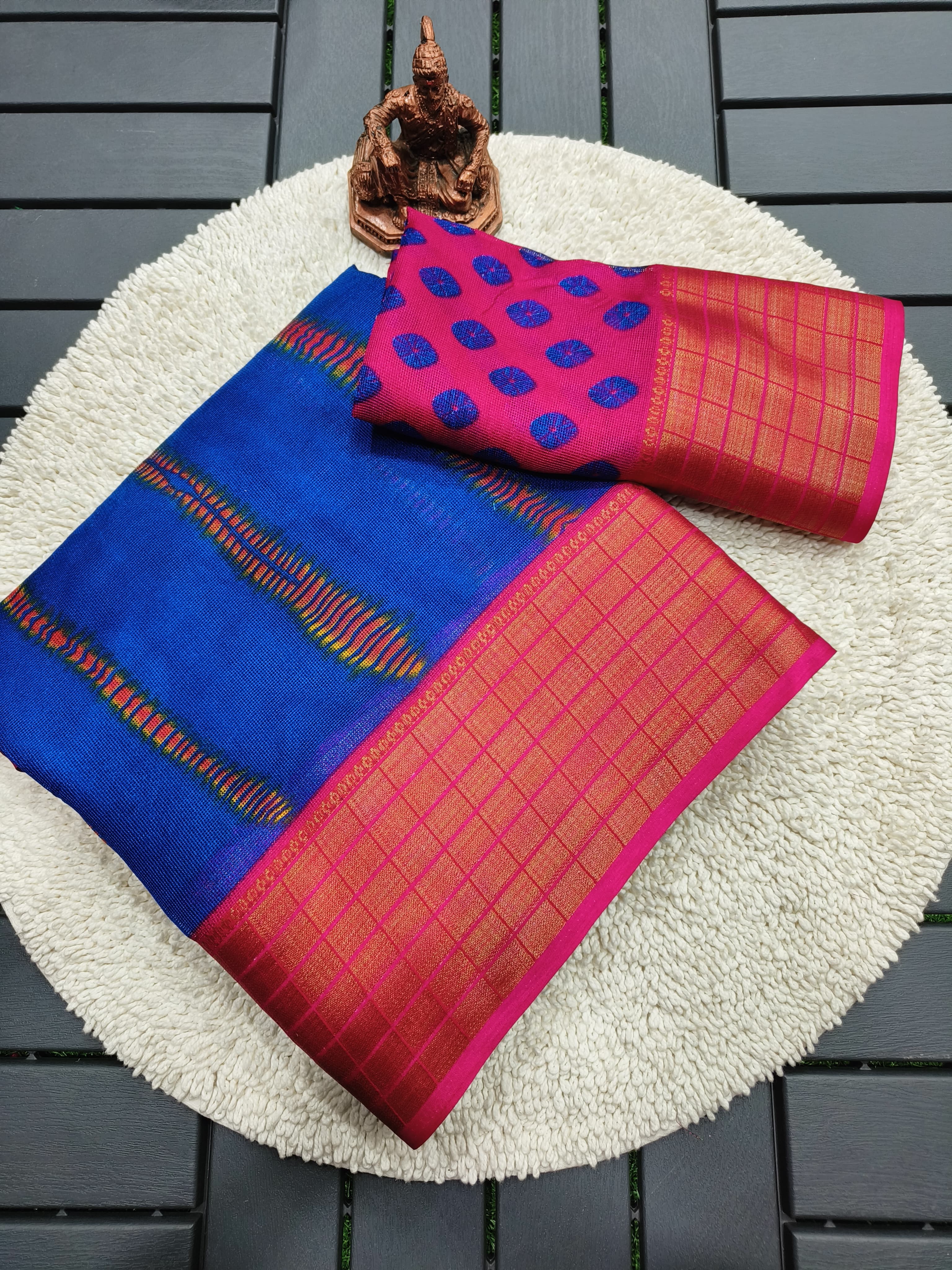 Festive Wear Blue Silk Saree for Women
Red and maroon carry strong ceremonial associations, but the colour can be softened through a matte fabric, a simpler cut, or limited jewellery. The Festive Wear Maroon Silk Anarkali Suit Set for Women demonstrates how a deep colour can remain elegant when the accessories are deliberately quiet.
Yellow is particularly effective for a daytime family gathering because it appears bright without the weight of dense embroidery. The Sunshine Yellow Linen Cotton Saree with Navy Striped Pallu balances a cheerful base with a cooler navy contrast. Match the navy with one accessory or blouse detail instead of introducing several additional strong colours.
Green shades create a refined festive mood when paired with gold or copper. Olive green feels grounded and mature, while pista green looks lighter and gentler. The Festive Olive Green Dola Butti Silk Saree With Blouse is suited to antique-gold styling, whereas the Elegant Pista Festive Wear Kurta Pant Set can be kept delicate with pearls and ivory accents.
Beige, cream, and ivory are useful choices for people who prefer understated dressing. The Beige Ethnic Printed Lehenga Set for Navratri and Garba can work for Bhai Dooj when styled with a plain blouse, small jhumkas, and a neatly folded dupatta. Beige prints are less visually intense than sequins, making the outfit suitable for a daytime ceremony and a festive lunch.
Colour should also respond to the venue. Very pale pastels may disappear against bright walls or daylight, while highly reflective metallic fabrics can appear stronger in photographs than expected. If the outfit is pale, use one defined element such as a dark border, coloured earrings, a deeper bindi, or a contrasting dupatta edge.
What to Wear on Bhai Dooj for a Simple and Graceful Festive Look in Every Fabric
Breathable cotton blends, linen cotton, Chanderi, and lightweight silk are generally more comfortable for daytime Bhai Dooj celebrations than thick velvet, heavy brocade, or densely embellished synthetic fabric.
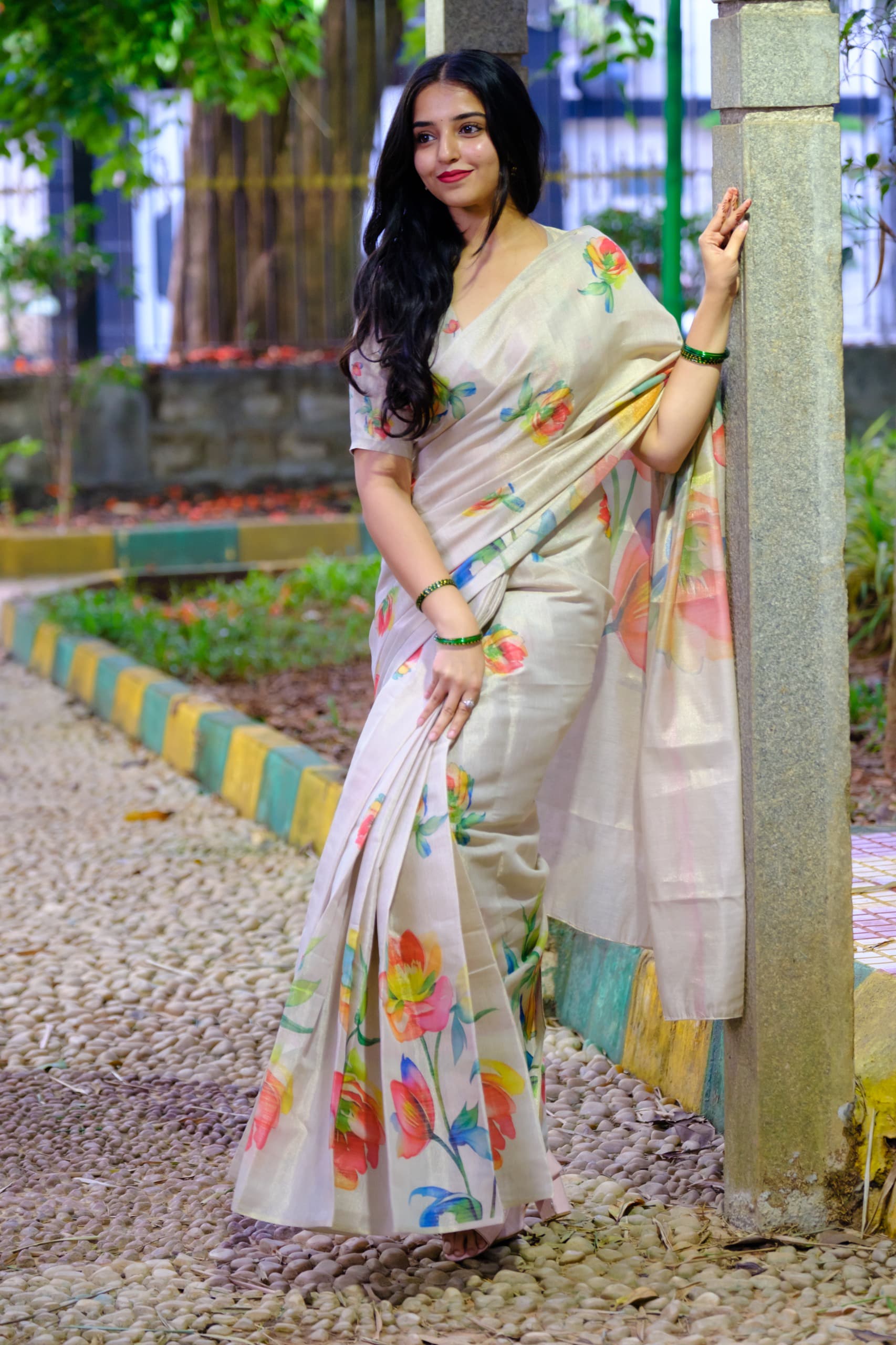 Soft Tussar Silk Floral Saree For Festive Wear
Linen cotton absorbs moisture and allows airflow, which makes it useful for warm homes and afternoon visits. Cotton silk gives more sheen while retaining some ease. Chanderi feels light and graceful but may need careful pinning because its airy weave can shift. Banarasi silk and Kanjeevaram silk offer stronger structure and a more formal appearance, although heavier weaves can feel warm indoors.
Zari adds festive brightness, but placement matters. A zari border or jacquard dupatta can provide enough ceremony for a daytime outfit. Dense zari across an entire garment may require a lighter blouse, breathable inner layers, and fewer bangles to prevent the ensemble from feeling cumbersome.
Fabric weight affects footwear and draping as well. A heavy saree needs secure pleats and a blouse that supports the pallu, while a light saree benefits from a firm underskirt or well-fitted petticoat. A kurta set made from slippery silk may need a pinned dupatta, whereas a textured cotton weave often stays in place more easily.
Read the care label before wearing a new festive garment. Dry-clean silk, Banarasi silk, Kanjeevaram, and zari-rich clothing unless the care instructions specifically permit another method. Air clothing in shade after wearing, fold silk with soft cotton or muslin, and avoid storing embroidered garments in direct sunlight or damp cupboards.
What to Wear on Bhai Dooj for a Simple and Beautiful Festive Look With Easy Styling
A finished Bhai Dooj outfit needs a secure drape, balanced accessories, and footwear that can handle indoor and outdoor movement.
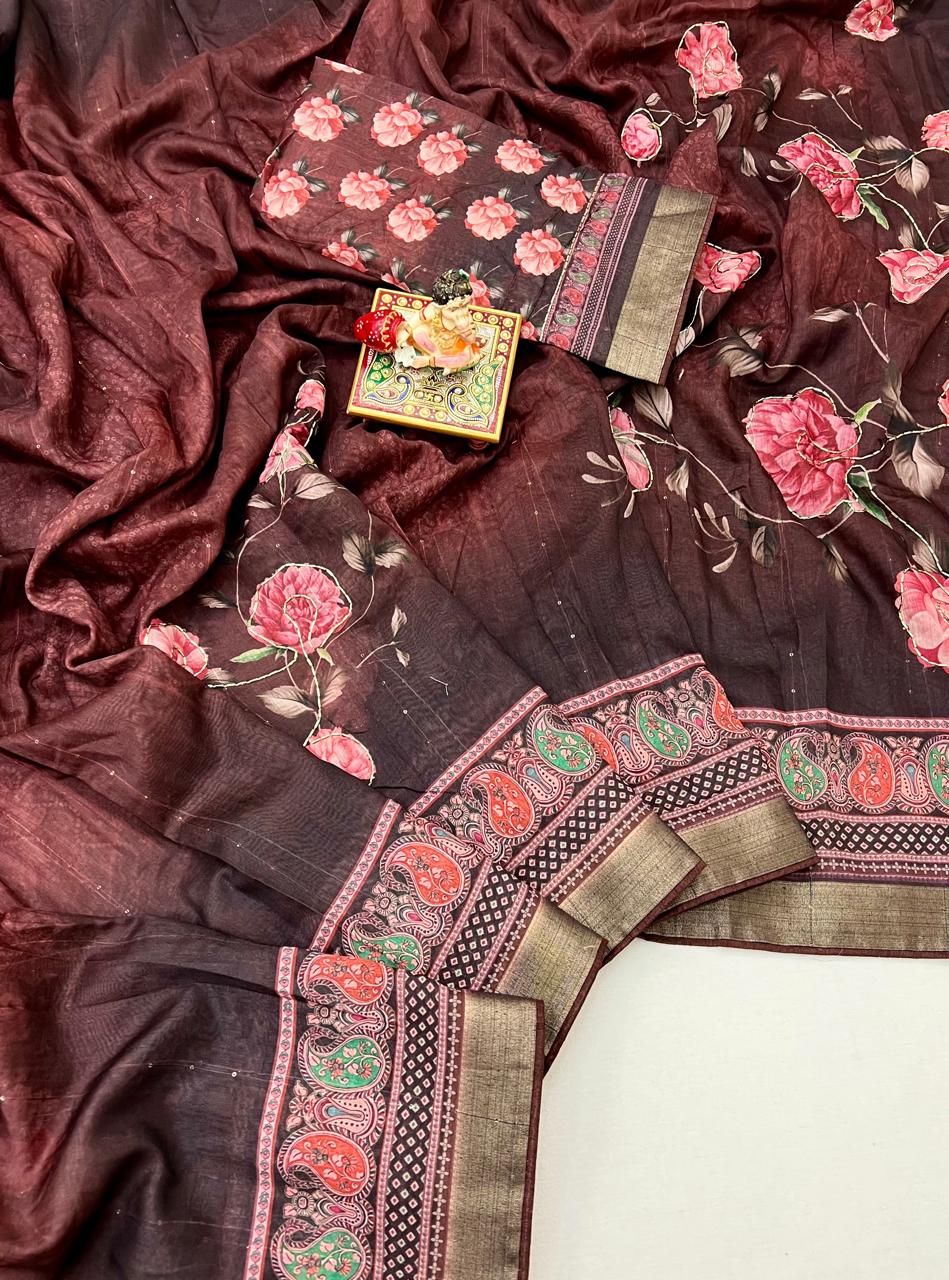 Party Wear Brown Cotton Saree With Designer Blouse
Jewellery and hair
Choose jewellery according to the outfit's strongest detail. A silk saree with a defined border can take medium jhumkas and two or three bangles, while a printed lehenga may need only earrings and a small pendant. Pearl studs, gold hoops, kundan drops, and antique-finish jhumkas are useful choices, but wearing every type together can make a simple outfit look crowded.
A low bun, braid, or half-tied hairstyle keeps the face visible during the tilak ritual and stays neater during family photographs. Fresh jasmine can complement a saree or Anarkali, while a simple hair accessory is more suitable for a printed kurta set. Secure loose styles with pins before leaving home rather than relying on repeated adjustments during the celebration.
Dupatta, pallu, and footwear
Pin the pallu or dupatta at the shoulder and use a second discreet pin near the waist when you expect to sit, bend, or carry a plate. A narrow fold at the shoulder gives a kurta set a clean line without making the drape bulky.
Low block heels, embroidered juttis, padded sandals, and dressy flats are practical Bhai Dooj footwear because they offer more stability than narrow stilettos. Choose footwear that has already been broken in, especially when the day includes visiting several homes.
A small bindi, a coordinated clutch, and a light fragrance can complete the look without adding visual clutter. Keep the clutch large enough for safety pins, tissues, a phone, and lipstick, but avoid an oversized bag that interrupts the line of a saree or Anarkali.
Five practical outfit formulas
A home puja calls for a breathable, easy-to-sit-in outfit, while an evening gathering can support deeper colours, silk, and slightly stronger jewellery.
- Quiet home ceremony: Pair the Elegant Pista Festive Wear Kurta Pant Set with pearl earrings, flat sandals, and a low bun.
- Daytime family lunch: Wear the Sunshine Yellow Linen Cotton Saree with Navy Striped Pallu with a navy or ivory blouse, small gold hoops, and a compact handbag.
- Time-honoured evening gathering: Style the Festive Olive Green Dola Butti Silk Saree With Blouse with antique-gold earrings, a low bun, and a restrained bangle stack.
- Elegant covered silhouette: Choose the Festive Wear Maroon Silk Anarkali Suit Set for Women with simple heels and a small clutch.
- Relaxed festive gathering: Wear the Beige Ethnic Printed Lehenga Set for Navratri and Garba with a plain blouse, light earrings, and a dupatta pinned securely at the shoulder.
The best Bhai Dooj outfit leaves enough attention for the ritual, the people around you, and the photographs that follow. A breathable fabric, a secure silhouette, one considered festive detail, and comfortable footwear can create a look that feels traditional without becoming difficult to wear.
Common Questions About Choosing a Simple Bhai Dooj Outfit
What is the best outfit to wear on Bhai Dooj at home?
A breathable kurta pant set, lightweight saree, or Chanderi suit is usually the best choice for a home Bhai Dooj ceremony. These options allow comfortable sitting, movement during the tilak ritual, and easy participation in a family meal.
Which colour is considered suitable for a Bhai Dooj outfit?
Red, maroon, yellow, green, pista, beige, and ivory are all suitable Bhai Dooj colours. Choose the shade according to the time of day, your skin-comfort preferences, and whether the garment already has a strong print or embellishment.
Is a saree comfortable for Bhai Dooj?
A saree can be comfortable for Bhai Dooj when the fabric is suitable for the weather and the pallu and pleats are pinned securely. Linen cotton, Chanderi, cotton silk, and lightweight silk are easier for long daytime gatherings than very heavy brocade or dense zari.
What should I wear for a simple Bhai Dooj look?
A straight kurta with pants, small earrings, comfortable flats, and one festive dupatta creates a simple Bhai Dooj look. A saree with a defined blouse and limited jewellery is another easy way to look traditional without appearing overdressed.
Can I wear a lehenga for Bhai Dooj?
You can wear a lehenga for Bhai Dooj when the gathering is formal or takes place in the evening. Choose a manageable flare, a comfortable blouse, and a light dupatta so the outfit remains practical for sitting, walking, and family photographs.
How can I keep my Bhai Dooj dupatta or saree pallu in place?
Use one discreet safety pin at the shoulder and a second pin near the waist when the fabric is slippery or the celebration involves movement. A well-fitted blouse, firm petticoat, and medium-width pleats also help a saree stay neat for longer.