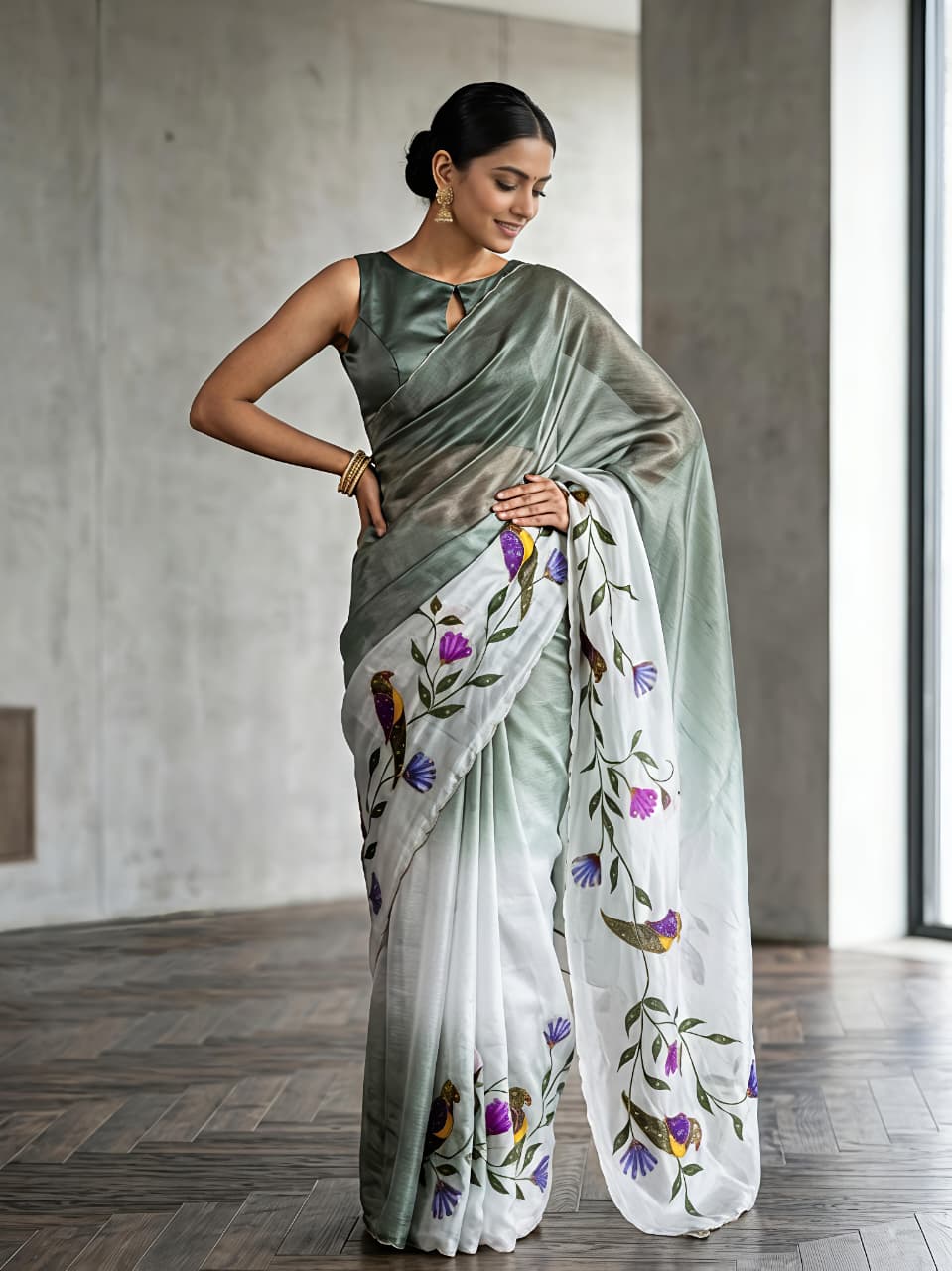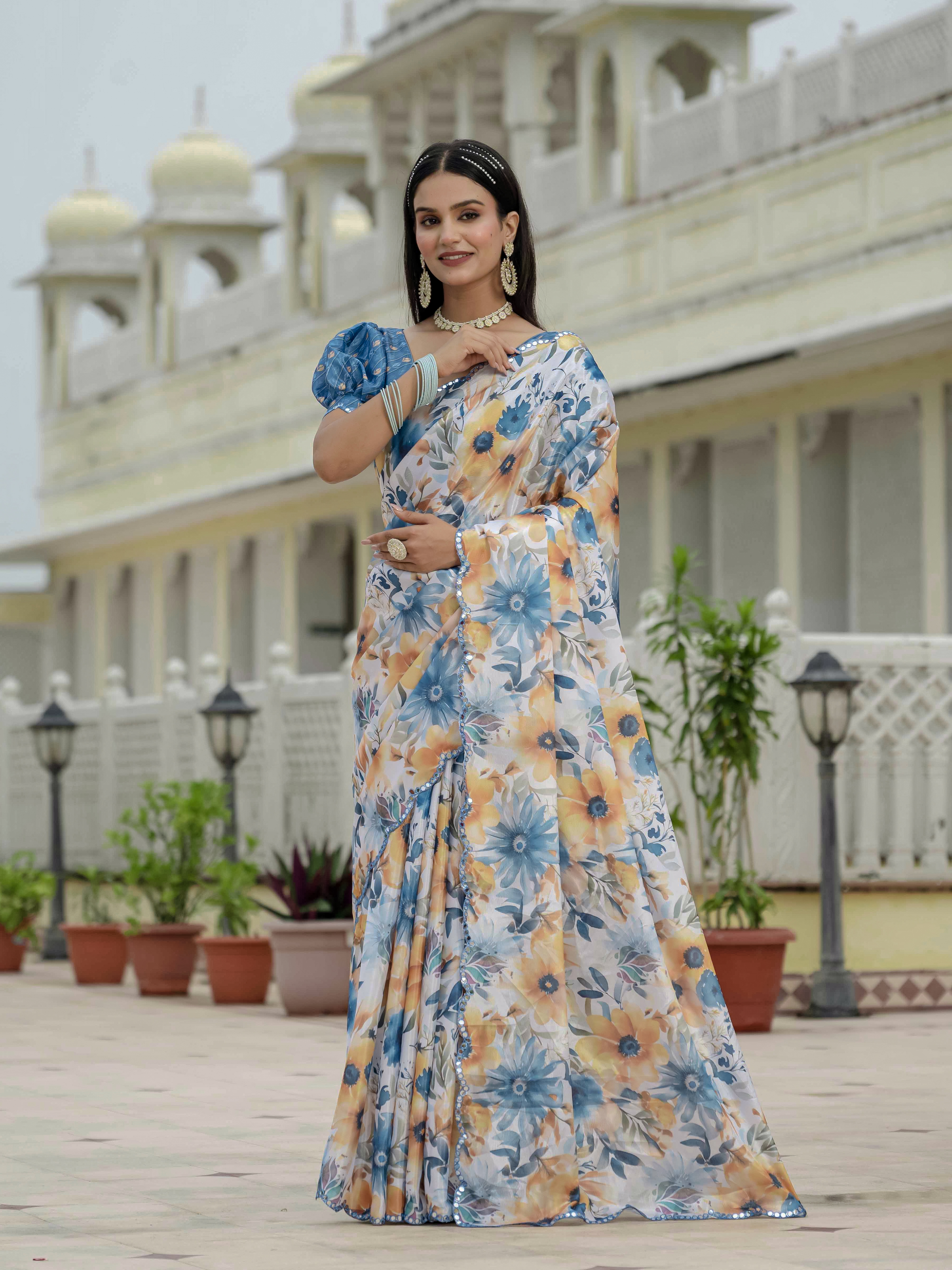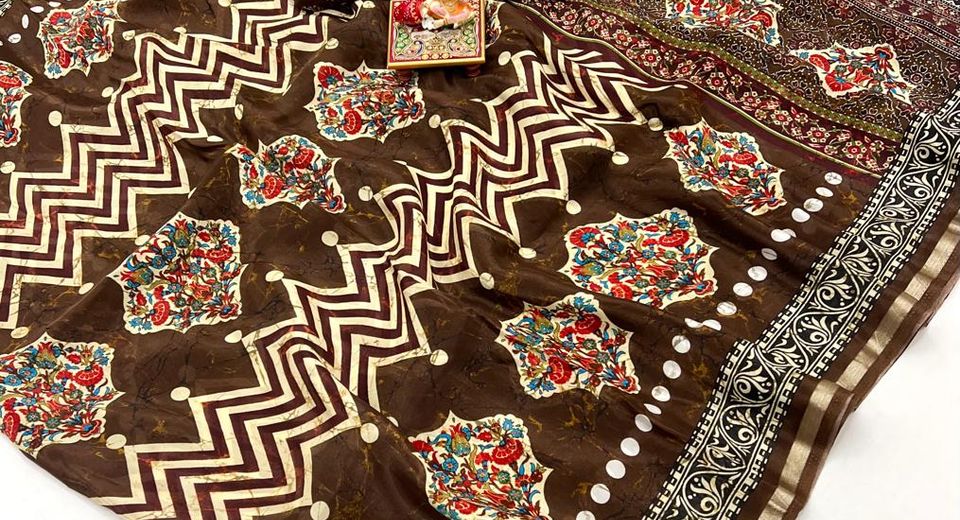
What to Wear for Ugadi? Complete Traditional Fashion Guide begins with one useful principle: choose clothing that feels festive without becoming uncomfortable during a long day of prayers, family visits and shared meals. Ugadi marks the new year in Andhra Pradesh, Telangana, Karnataka and parts of Maharashtra, so clothing often combines regional tradition with fresh colour, breathable fabric and polished detail.
The right outfit depends on the time of day, the formality of the celebration, the weather in your city and how much movement your plans involve. A handloom saree may suit a temple visit and family puja, while a kurta dupatta set can be more practical for cooking, hosting or travelling between homes. Colour, weave, drape and accessories can all carry cultural meaning without making an outfit look overly ceremonial.
Why Ugadi Clothing Uses Fresh, Auspicious Colours
Ugadi clothing commonly uses green, yellow, mustard, orange, pink, ivory and red because these shades suggest harvest, renewal, sunlight, prosperity and celebration. Regional customs vary, so colour symbolism should guide an outfit rather than impose a strict dress code.
Green is especially suitable for Ugadi because the shade recalls new leaves, agricultural growth and the arrival of spring. A green kurti with a contrasting dupatta can look cheerful for a daytime gathering without requiring heavy jewellery. Yellow and mustard connect naturally with turmeric, sunlight and auspicious beginnings, making them reliable choices for a morning puja.
Pink, coral and orange create a warmer festive impression and work well for family lunches or cultural events. Ivory, cream and beige provide a calm base for zari borders, floral prints and colourful jewellery. Deep blue, violet and brown are not traditional Ugadi colours in every household, but they can look elegant when balanced with gold, green or marigold-toned accessories.
A practical colour rule is to select one main festive shade, one quiet supporting shade and one metallic accent. A mustard kurta, cream dupatta and antique-gold earrings create visual balance. A green saree, pink blouse and restrained gold jewellery create contrast without making the outfit appear crowded.
What to Wear for Ugadi? Complete Traditional Fashion Guide to Fabrics
For Ugadi, choose cotton, linen-cotton, silk-cotton, Chanderi, Uppada silk or lightweight Chinnon according to the weather, ceremony and desired level of formality.
Best fabrics for a warm daytime Ugadi
Kanchi cotton and cotton-silk blends are dependable choices for a daytime celebration because they allow airflow, hold their shape and usually feel lighter than heavily embellished synthetic fabrics. Kanchi Cotton Zari Woven Kurti Set with Traditional Dupatta shows how a cotton base can look festive through zari-woven detail and coordinated styling.
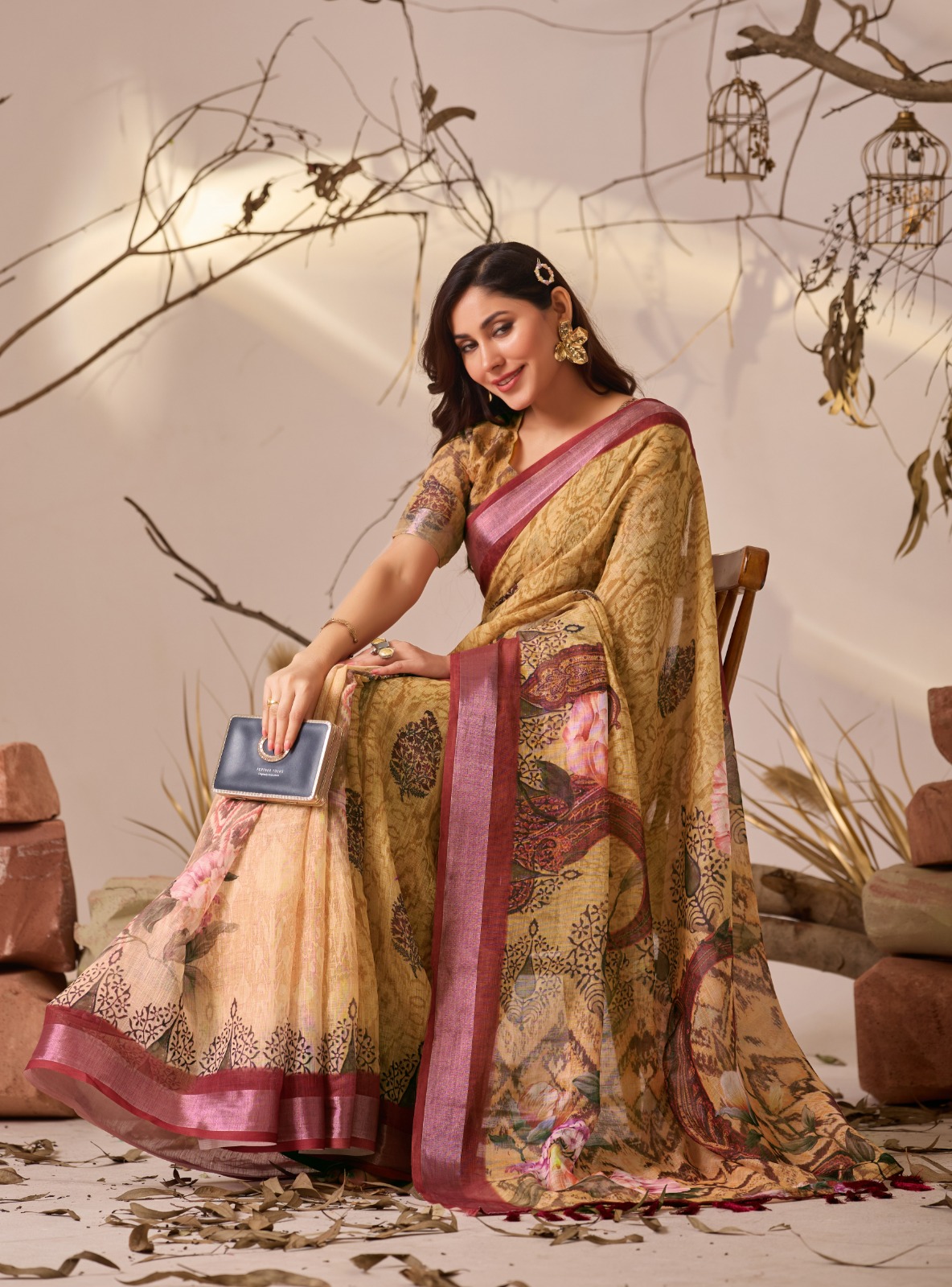
Linen cotton works well when you want a crisp, contemporary appearance with natural texture. Pastel Linen Cotton Floral Print Saree with Designer Blouse suits a daytime lunch, home puja or informal family gathering because the floral print keeps the look lively while the pastel palette remains comfortable for several hours.
Chanderi is light and slightly translucent, so a Chanderi saree may need a well-fitted blouse lining and a carefully chosen petticoat. Uppada silk has a softer, fluid fall than many heavier silks and can bring occasion polish without the weight of a densely woven silk saree.
Best fabrics for a more formal celebration
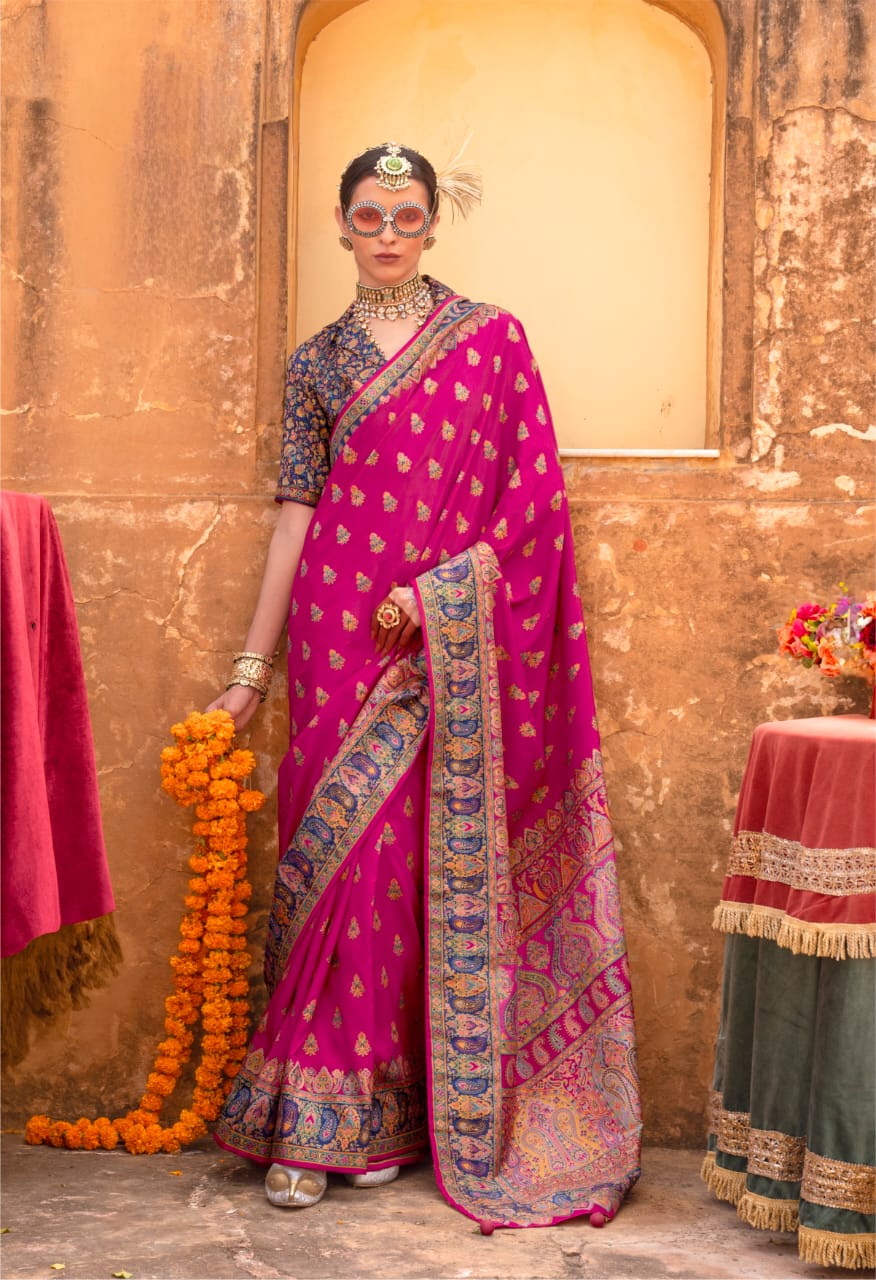
Banarasi silk, Kanjeevaram silk and richer zari fabrics create a more ceremonial appearance, particularly for an evening puja or a large family gathering. These fabrics can feel warm and substantial, so they're best chosen when the venue is air-conditioned, the event is short or the wearer is comfortable managing a heavier drape.
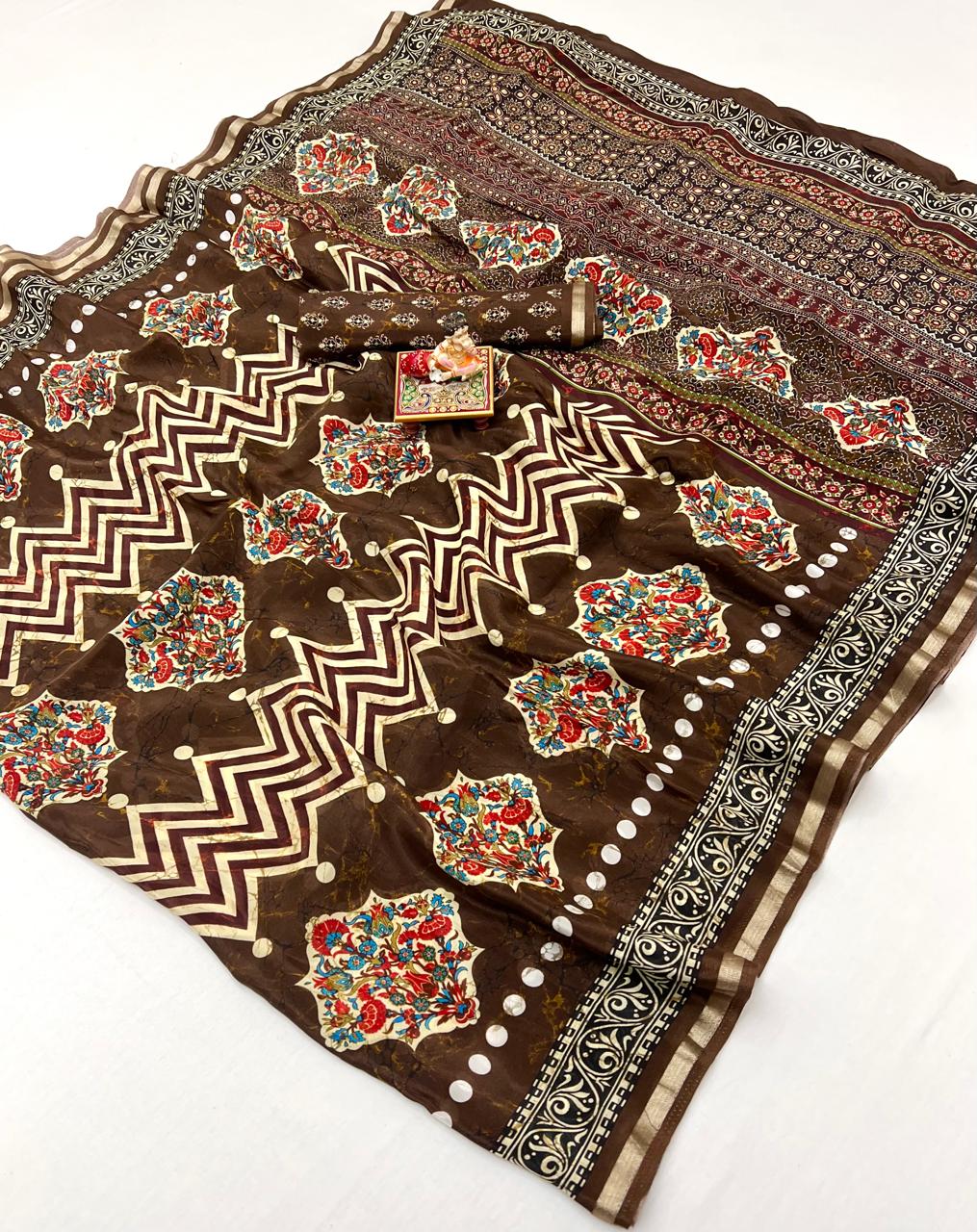
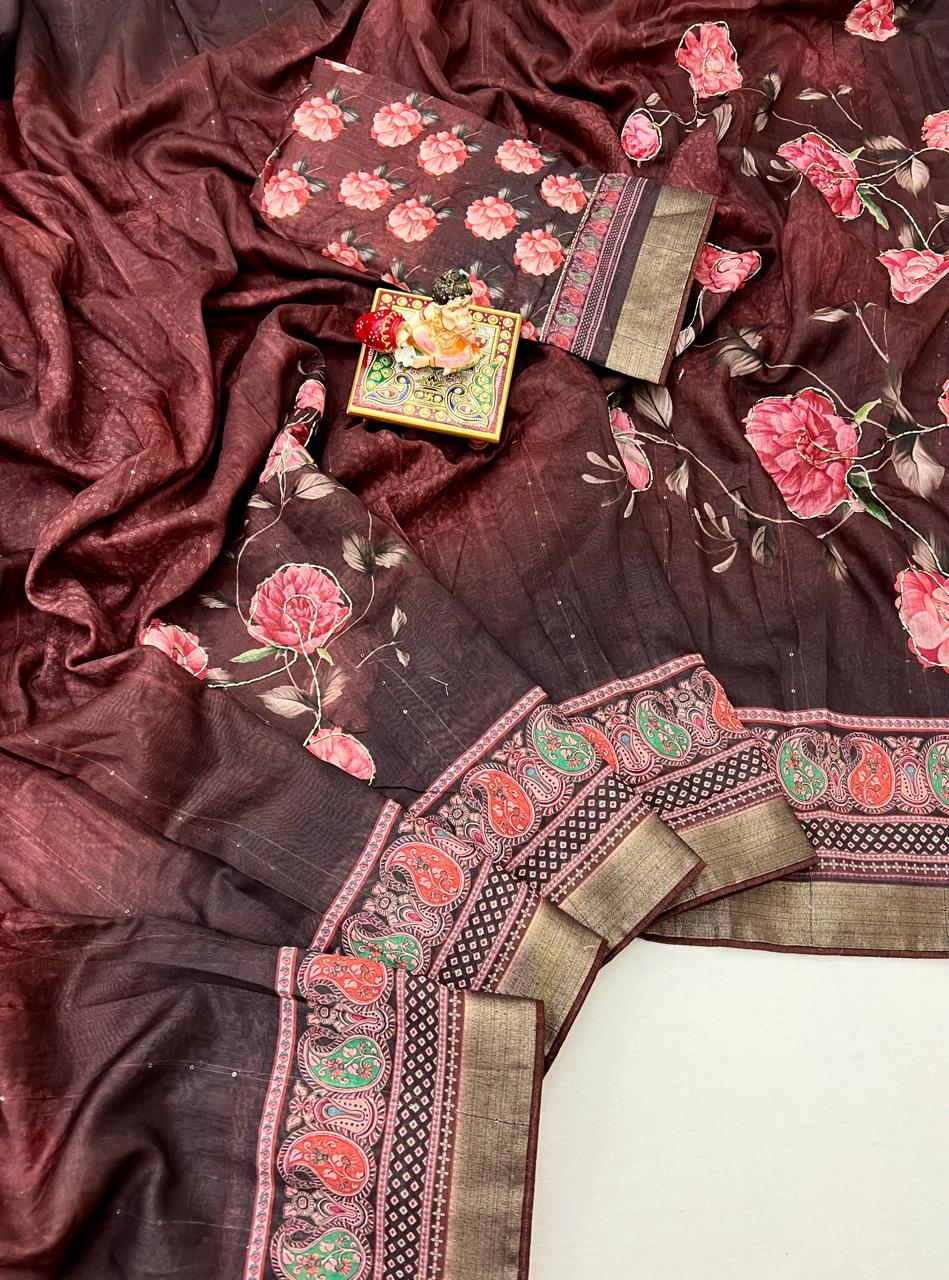
Uppada silk is a useful middle ground for people who want a silk saree with a softer, more fluid appearance. Brown Floral Digital Print Uppada Silk Saree With Blouse pairs the elegance of Uppada silk with a printed surface, making it easier to style with contemporary jewellery rather than only traditional gold.
Chinnon has a soft, fluid fall and is often easier to manage in ready-to-wear formats. Coral Pink Floral Print Ready To Wear Chinnon Saree offers a practical route to a saree-inspired festive look for someone who wants less time spent on pleating and pinning.
Saree Ideas for Ugadi: Choosing the Right Drape and Blouse
An Ugadi saree should match the event's formality, your comfort with draping and the amount of walking or hosting planned for the day.
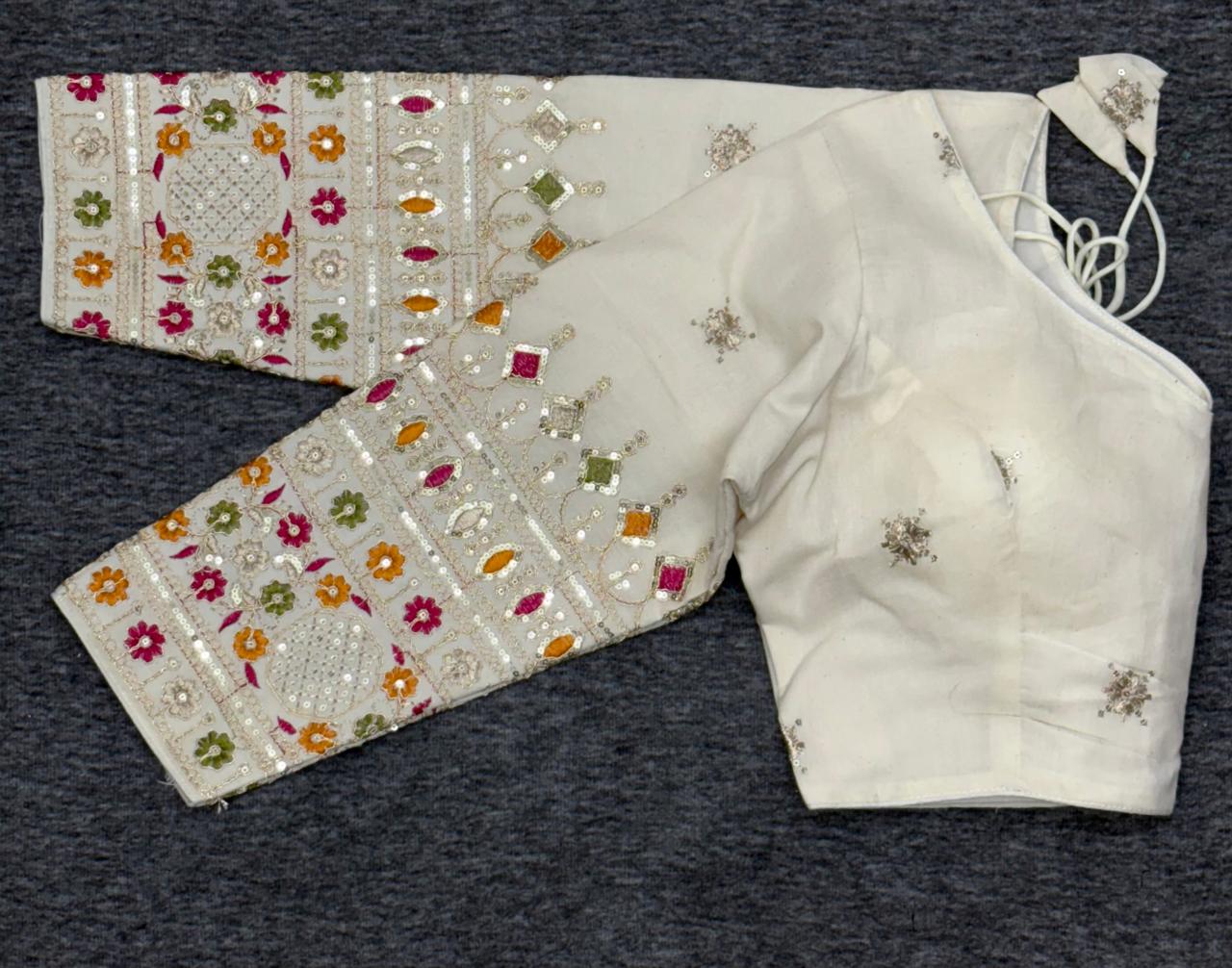
For a traditional puja, select a saree with a defined border or zari detail and pair it with a blouse that has secure shoulder seams and comfortable armholes. A medium-width border photographs well and is easier to arrange than an extremely broad border, which can add weight and require more careful pleating. Keep the pallu long enough to cover the shoulder securely, but avoid excessive length that may drag while moving around the kitchen or prayer area.
For a daytime family lunch, floral prints and softer colours offer festive interest without looking too formal. Pastel Linen Cotton Floral Print Saree with Designer Blouse works particularly well with pearl studs, a slim watch and low-heeled sandals. The floral design already provides visual detail, so a heavily layered necklace may be unnecessary.
For an evening gathering, deeper colours and a stronger metallic accent create definition under artificial light. Royal Blue Floral Chinnon Ready Made Saree With Blouse can be styled with gold-toned earrings, a compact potli bag and a low bun decorated with a few jasmine strands. Gold accessories warm royal blue, while green or coral accents make the outfit feel more spring-like.
Ready-to-wear sarees are useful when the wearer is new to sarees, has limited preparation time or needs a consistent silhouette. Check the fastening system, waist fit, skirt length and pallu placement before the event. A safety pin at the shoulder and two small pins near the waist can improve security, but pins should never pull tightly against delicate Chinnon or silk.
Kurta Sets That Make Ugadi Dressing Easier
A kurta dupatta set is often the most practical Ugadi outfit when comfort, movement and quick preparation matter more than a formal saree silhouette.
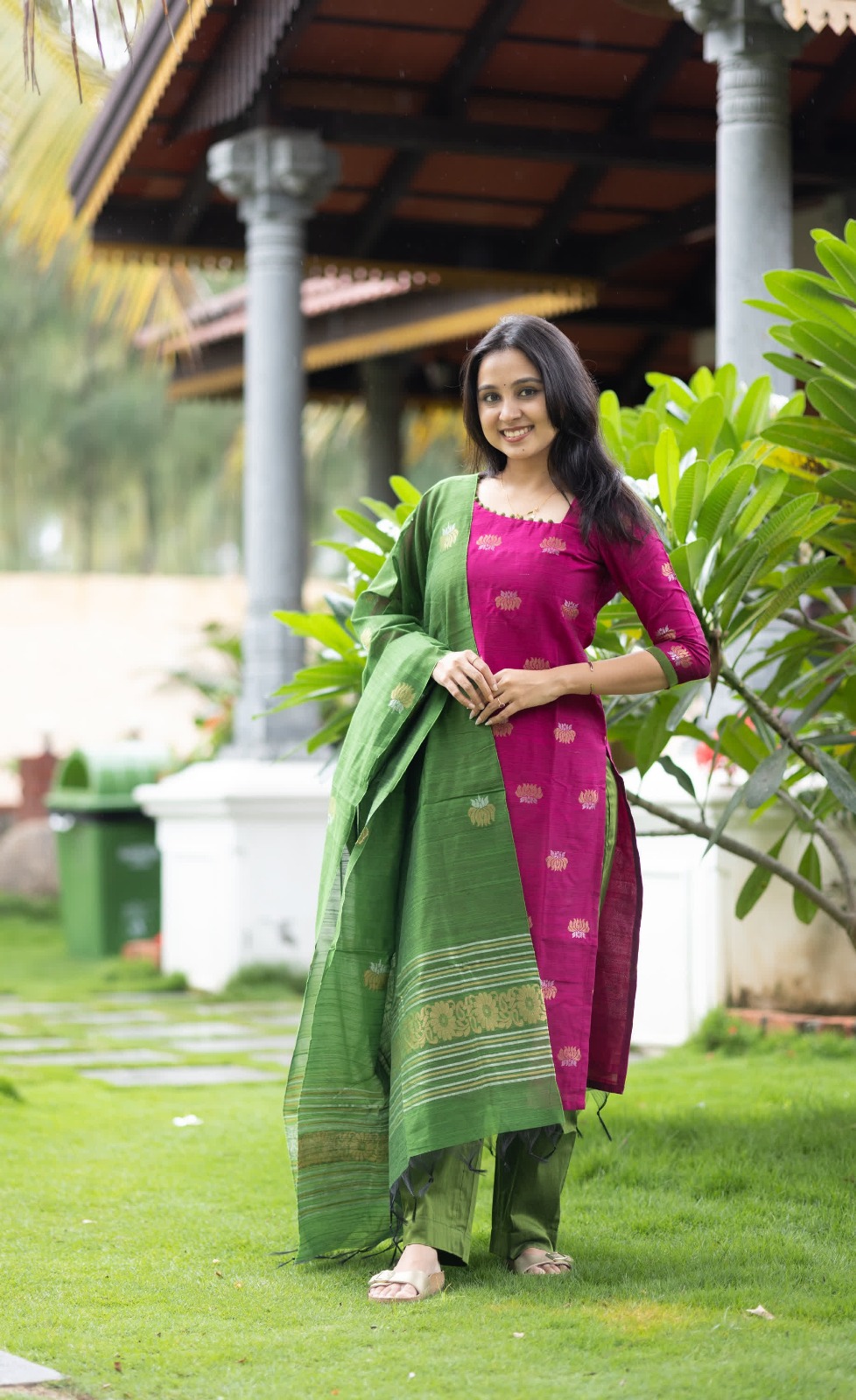
A straight kurta with cigarette trousers creates a clean, structured look for office celebrations or a modern family lunch. A flared kurta with palazzo trousers gives more ease for sitting cross-legged during prayers. A matching dupatta adds colour and ceremony, while a contrasting dupatta can make a simple kurta appear more occasion-ready.
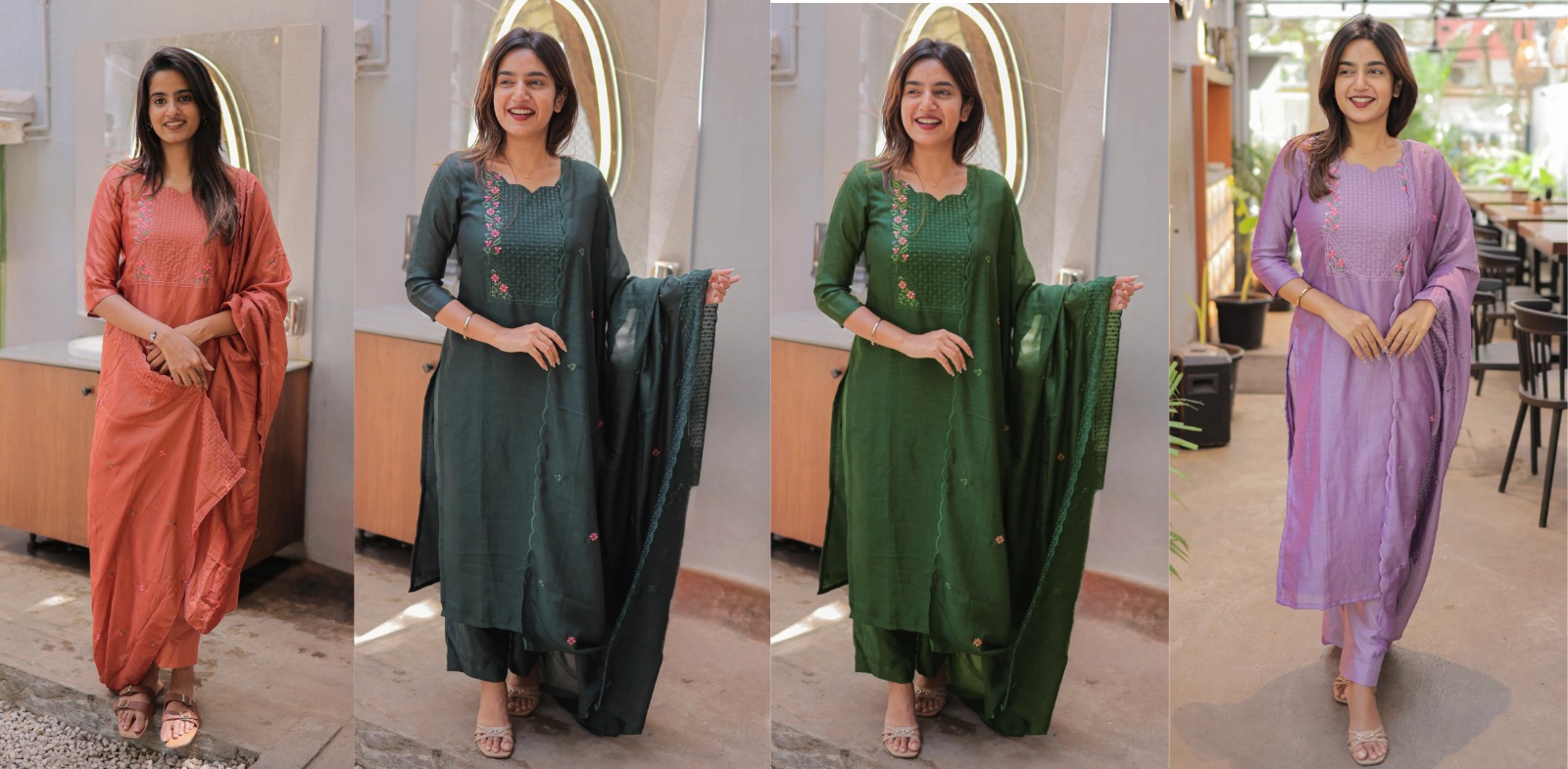
Trendy Green Ethnic Kurti Dupatta Set for Festive Wear is a natural option for a daytime Ugadi gathering because green connects with renewal and the set format simplifies coordination. Pair the outfit with small gold jhumkas, embroidered flats and a low ponytail for a comfortable look that still reads as festive.
Mustard Kanchi Cotton Kurta Dupatta Set suits a morning puja or a family meal because mustard works well with gold, cream and green accessories. Kanchi cotton also has enough structure to look neat after several hours of sitting, standing and moving around the house.
Stylish Violet Ethnic Kurta Dupatta Set for Festive Wear brings a richer colour direction for people who don't want yellow, green or pink. Violet looks balanced with antique gold, silver oxidised jewellery or a small coral accent in the footwear or handbag.
Layering should remain light in warm weather. Wear a cotton camisole beneath a sheer dupatta, choose breathable lining and avoid stacking a jacket over a heavily woven kurta unless the venue is cool. Comfortable sleeves, a non-restrictive neckline and trousers with a stable waistband matter more than decorative detail during a full day of celebrations.
How to Style Jewellery, Hair and Footwear for Ugadi
Ugadi accessories work best when they repeat one colour or material already present in the clothing.
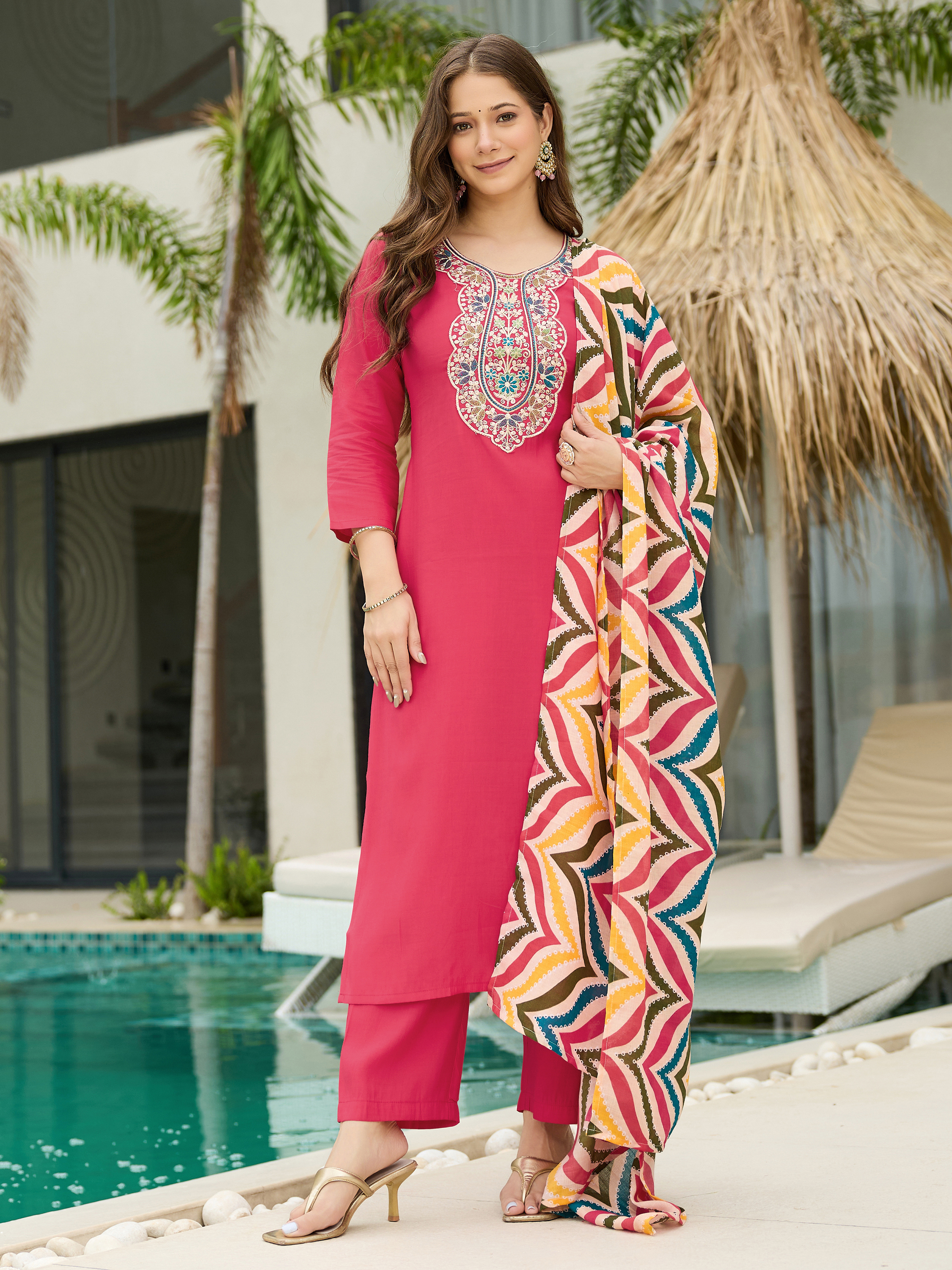
Gold-toned jhumkas, a short temple-style necklace or a simple long chain complement zari, Kanjeevaram-inspired borders and mustard or coral clothing. Pearls suit pastel linen cotton and Chanderi because their soft lustre doesn't compete with delicate fabric. Green glass bangles, a small bindi and a woven potli can reinforce the spring and harvest associations of Ugadi without requiring a complete traditional jewellery set.
Hair should support the neckline and the drape. A low bun works well with a saree pallu and can hold jasmine flowers securely. A braid is practical for outdoor events, while a half-up style suits a kurta set when you want the dupatta and earrings to remain visible. Apply hair oil or heavy styling products sparingly because residue can transfer to silk, Chinnon or pale linen.
Footwear should provide stability on polished floors and outdoor paths. Block heels, embroidered juttis, padded flats and low wedges are safer choices than narrow stilettos for temple visits or homes with stairs. Test new footwear for at least 20 minutes before Ugadi because a beautiful shoe that causes blisters can undermine an otherwise comfortable outfit.
What to Check Before Buying an Ugadi Outfit
Before buying an Ugadi outfit, check fabric composition, garment measurements, lining, closure details, transparency, care instructions and the time required for alterations.
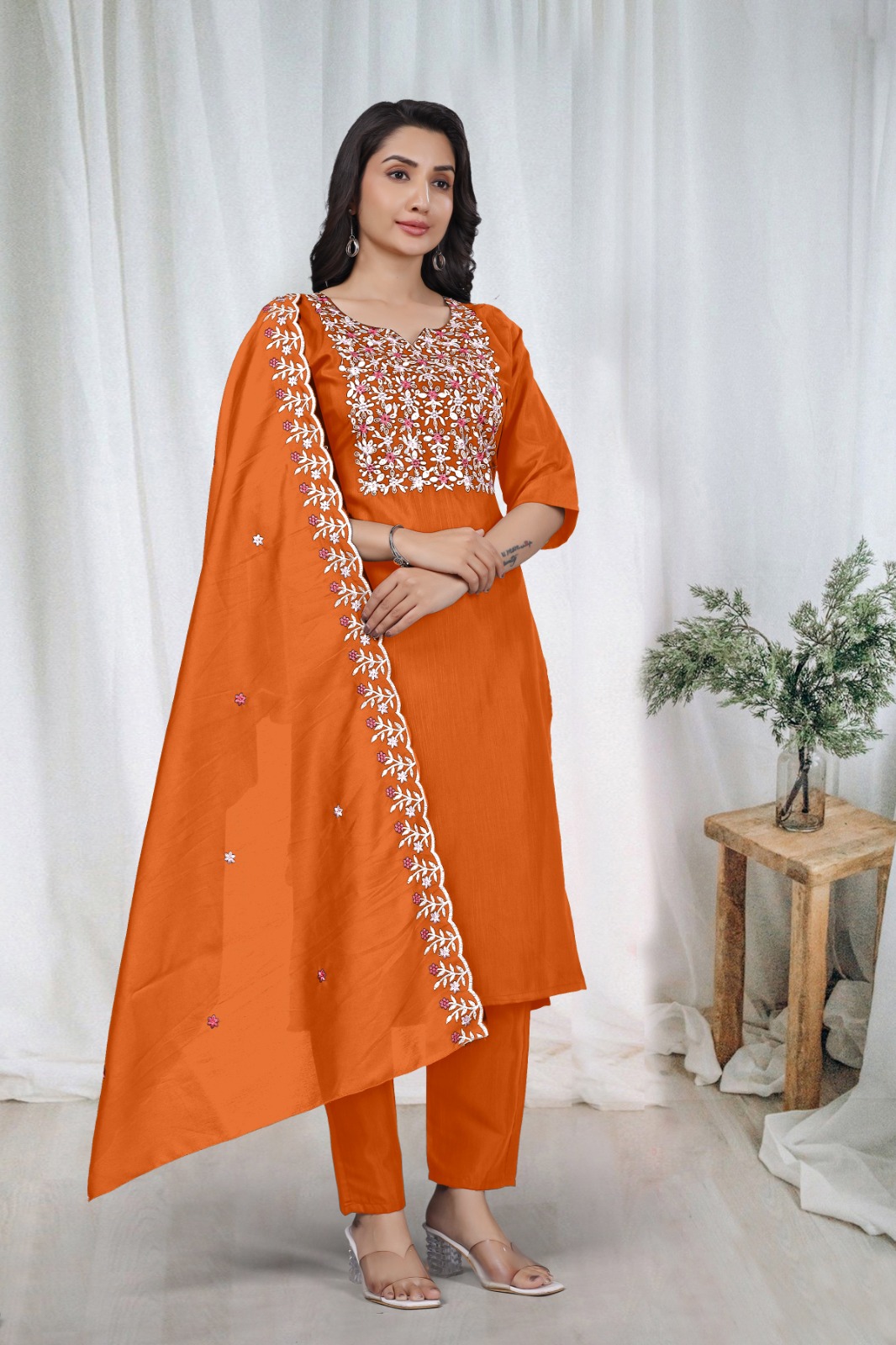
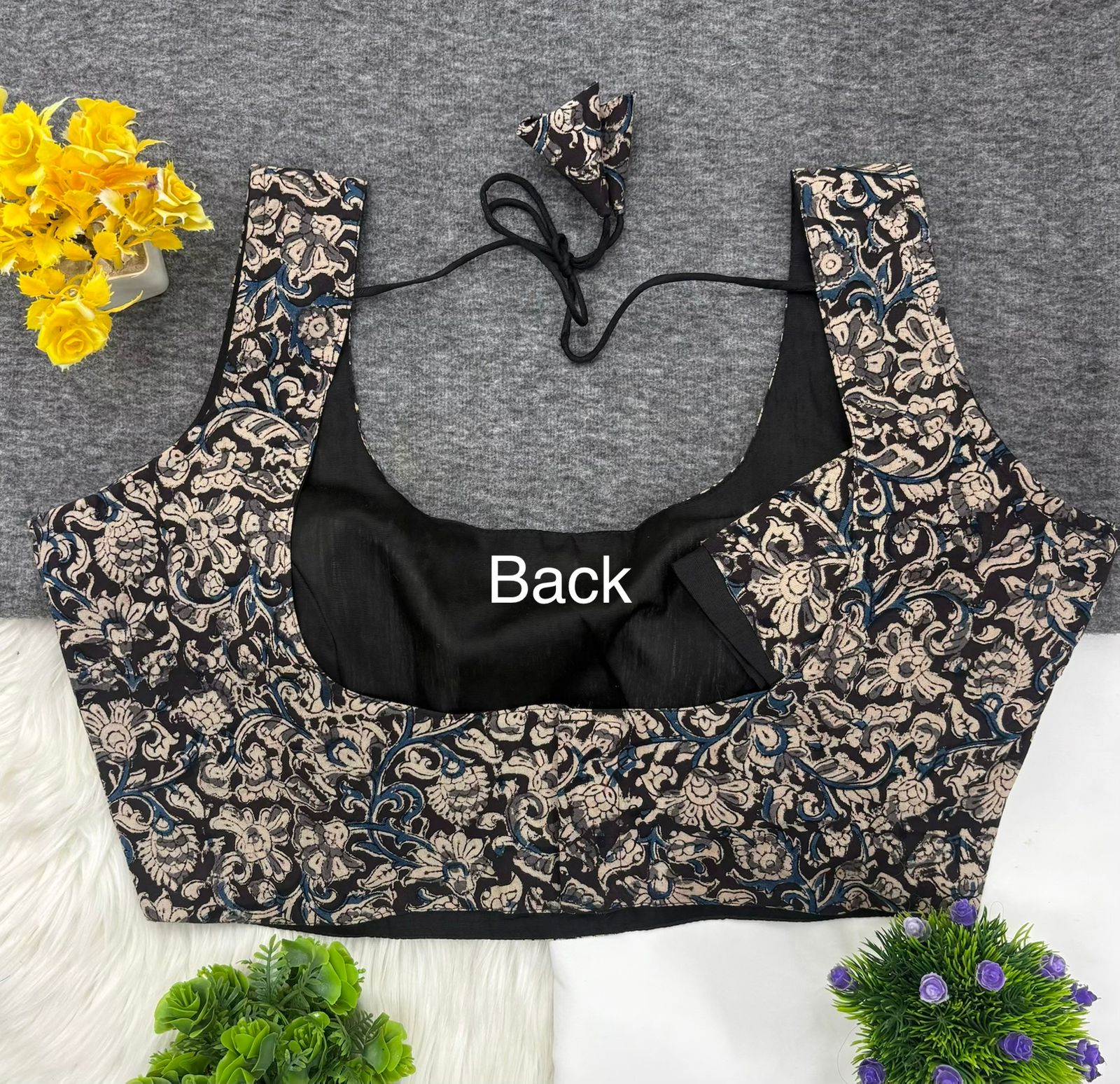
Measure the bust, waist, hip and shoulder rather than relying only on a common size label. Kurta sets need enough ease at the armhole and hip for sitting well. Saree blouses should allow full arm movement and should not weigh into the underarm when the arm is raised. Ready-to-wear sarees need careful checking of the waist fastening, skirt length and pallu position.
Ask whether zari is woven, embroidered or printed, because each finish behaves differently during washing and long-term storage. Woven zari generally has a more integrated surface, while metallic prints may need gentler handling. Read the care label before purchase: many silk, Chinnon and zari garments require dry cleaning or limited hand washing rather than a regular machine cycle.
Order at least 10 to 14 days before Ugadi when a blouse alteration, trouser adjustment or replacement accessory may be needed. Try the complete outfit with footwear and jewellery at least once. A trial reveals practical problems such as a slipping dupatta, a blouse that restricts movement or a saree hem that catches under the heel.
Budget should reflect use as well as appearance. A cotton kurta set may offer better cost-per-wear for office celebrations and family lunches, while an Uppada silk or zari saree may be justified when it will be reused for weddings, pujas and milestone events. A printed saree with a versatile blouse can also provide more styling options than a heavily occasion-specific design.
Ugadi Outfit Care After the Celebration
Store Ugadi clothing only after it's completely dry, aired and free from food stains or perspiration.
Air cotton and linen garments in shade before folding them. Fold silk, Uppada silk and zari sarees along different lines every few months to reduce permanent creasing. Place soft cotton fabric between folds if a saree has metallic zari, and avoid storing silk in direct sunlight or airtight plastic for long periods.
Remove jewellery, brooches and safety pins before storage because sharp edges can catch on Chinnon, linen and fine silk. Keep sarees in breathable muslin rather than newspaper, which can transfer ink, or thin plastic, which can trap moisture. Dry-clean heavily embellished or structured garments according to the care label instead of repeatedly washing them at home.
Small stains should be blotted rather than rubbed. Water, perfume and deodorant can mark silk and metallic surfaces, so apply fragrance before dressing and allow it to dry. Proper storage helps an Ugadi outfit remain wearable for the next festival, family ceremony or cultural gathering.
Common Questions About Choosing an Ugadi Outfit
What colours are traditionally worn for Ugadi?
Green, yellow, mustard, orange, pink, ivory and red are commonly chosen for Ugadi because they evoke renewal, harvest, sunlight and prosperity. Family and regional customs differ, so a colour that feels meaningful and comfortable is an appropriate choice.
Is a saree or salwar suit better for Ugadi?
A saree is better for a formal puja or a traditional family gathering, while a salwar suit or kurta dupatta set is usually better for movement, hosting and long daytime celebrations. Fabric weight, weather and personal comfort should decide between the two.
Can I wear a floral saree for Ugadi?
Yes, a floral saree is well suited to Ugadi because floral motifs suggest spring and renewal. Linen cotton, Chinnon and printed Uppada silk offer different levels of structure and formality, so choose according to the venue and duration of the celebration.
Which fabric is most comfortable for a summer Ugadi celebration?
Cotton, Kanchi cotton, linen cotton and lightweight silk-cotton are among the most comfortable choices for a warm Ugadi celebration. Chanderi and lightweight Chinnon can also work, although lining, transparency and drape security should be checked before wearing them for several hours.
How can I make a simple kurta set look festive for Ugadi?
Add one or two deliberate festive details, such as gold jhumkas, a contrasting dupatta, a bindi, embroidered footwear or glass bangles. Matching the accessory colour to a motif or border on the kurta creates a coordinated appearance without excessive layering.
How early should I prepare my Ugadi outfit?
Prepare the complete outfit at least 10 to 14 days before Ugadi if alterations or new accessories are needed. Try the saree or kurta set with its footwear and jewellery several days beforehand so that fit, comfort and draping problems can be corrected in time.
Common Questions About Choosing an Ugadi Outfit
What colours are traditionally worn for Ugadi?
Green, yellow, mustard, orange, pink, ivory and red are commonly chosen for Ugadi because they evoke renewal, harvest, sunlight and prosperity. Family and regional customs differ, so a colour that feels meaningful and comfortable is an appropriate choice.
Is a saree or salwar suit better for Ugadi?
A saree is better for a formal puja or a traditional family gathering, while a salwar suit or kurta dupatta set is usually better for movement, hosting and long daytime celebrations. Fabric weight, weather and personal comfort should decide between the two.
Can I wear a floral saree for Ugadi?
Yes, a floral saree is well suited to Ugadi because floral motifs suggest spring and renewal. Linen cotton, Chinnon and printed Uppada silk offer different levels of structure and formality, so choose according to the venue and duration of the celebration.
Which fabric is most comfortable for a summer Ugadi celebration?
Cotton, Kanchi cotton, linen cotton and lightweight silk-cotton are among the most comfortable choices for a warm Ugadi celebration. Chanderi and lightweight Chinnon can also work, although lining, transparency and drape security should be checked before wearing them for several hours.
How can I make a simple kurta set look festive for Ugadi?
Add one or two deliberate festive details, such as gold jhumkas, a contrasting dupatta, a bindi, embroidered footwear or glass bangles. Matching the accessory colour to a motif or border on the kurta creates a coordinated appearance without excessive layering.
How early should I prepare my Ugadi outfit?
Prepare the complete outfit at least 10 to 14 days before Ugadi if alterations or new accessories are needed. Try the saree or kurta set with its footwear and jewellery several days beforehand so that fit, comfort and draping problems can be corrected in time.