What to Wear for Bhai Dooj Puja depends on more than colour or ornamentation. The right outfit allows easy movement during the tilak ritual, feels comfortable through family meals and photographs, and still carries the warmth of a festival. A well-finished kurta set, an elegant Anarkali, a lightweight lehenga or a neatly draped saree can all work when the fabric and styling suit the setting.
Bhai Dooj is observed on the second lunar day, or Dwitiya, of the bright fortnight after Diwali. Sisters traditionally apply a tilak to their brothers, do aarti, offer sweets and pray for their brothers' wellbeing. Customs vary across India: the celebration is called Bhai Phota in Bengal, Bhai Tika in Nepal and Yama Dwitiya in several regions. Clothing can therefore be festive without following one rigid dress code.
What to Wear for Bhai Dooj Puja at Home
The most suitable home-puja outfit is a breathable traditional silhouette with a secure neckline, manageable hemline and light-to-medium embellishment. A straight kurta with trousers, a salwar suit, a midi-length Anarkali or a simple saree usually offers the right balance between ceremony and ease.
Home celebrations often involve sitting on the floor, moving between the prayer area and kitchen, greeting relatives and helping with serving. A very long trail, heavy dupatta or stiff skirt can become inconvenient during these activities. Choose a hem that stays clear of the floor, sleeves that don't interfere with diya lighting and a dupatta that can be pinned at one shoulder.
The Navy Blue Traditional Kurta Pant Dupatta Ensemble is a useful example of a coordinated three-piece look. Navy blue has the depth of a festive colour but remains less demanding than bright red or heavily embellished gold. Matching trousers create a clean line, while the dupatta supplies the traditional finish needed for puja.
How formal should a Bhai Dooj outfit be?
A Bhai Dooj outfit should be one step more festive than everyday clothing but lighter than a wedding guest ensemble. For a small home puja, embroidery, a woven border, printed detail or delicate zari is generally sufficient; a heavily sequinned lehenga is better suited to a larger evening celebration.
Use the size of the gathering as a practical guide. A family lunch with four or five people may call for a cotton-silk kurta set, while a gathering with extended relatives may justify a silk Anarkali or a more detailed dupatta. The aim is to look prepared for the ritual without feeling overdressed in comparison with everyone else.
What to Wear for Bhai Dooj Puja in a Comfortable Kurta Set
A kurta set is the easiest traditional choice when you want a complete outfit with minimal styling decisions. A coordinated kurta, bottom and dupatta gives the appearance of a carefully assembled look while allowing comfortable movement.
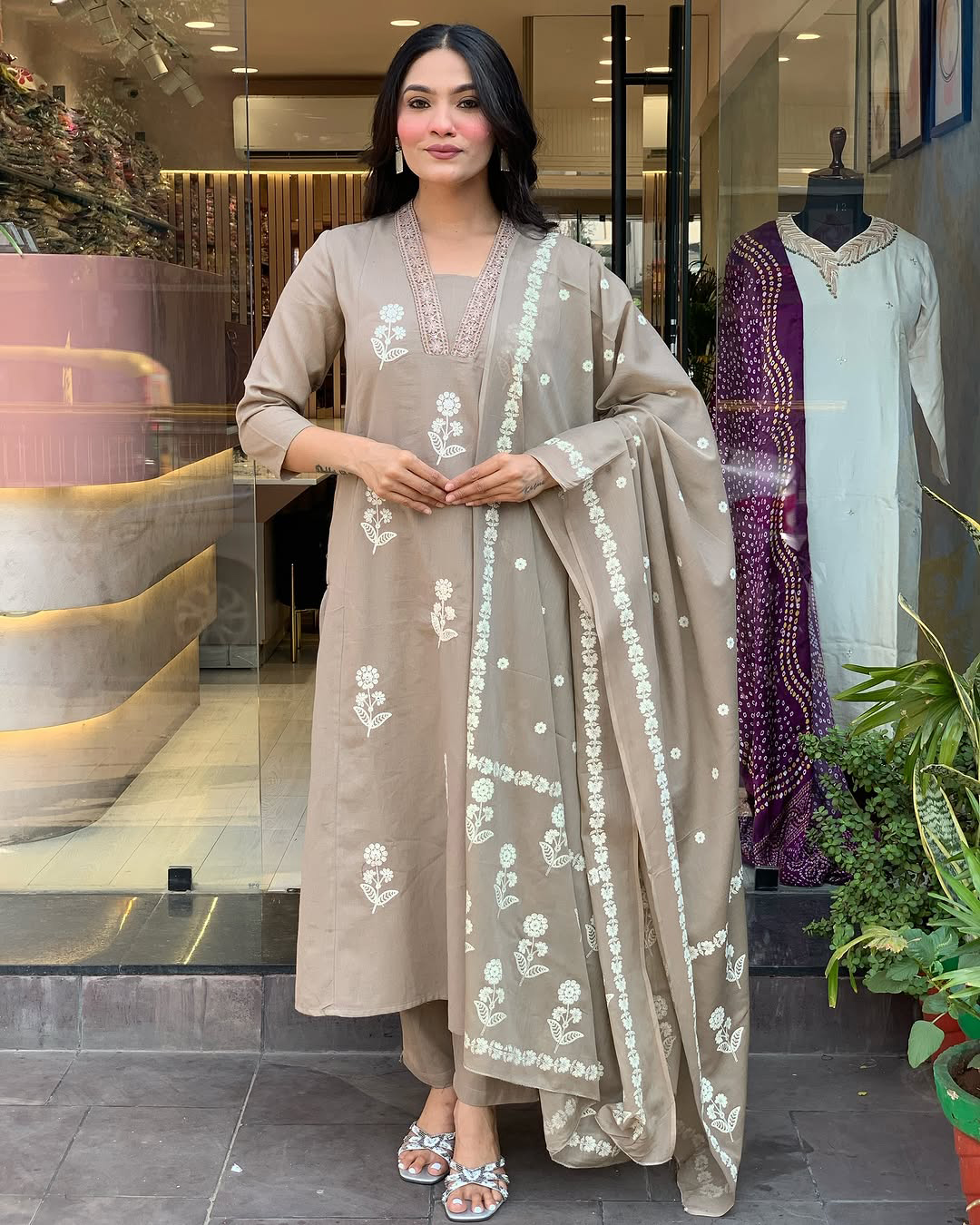 Cream Embroidered Kurta Set with Bandhani Style Dupatta
The Elegant Pista Festive Wear Kurta Pant Set brings a soft green direction to Bhai Dooj dressing. Pista shades work well for daytime celebrations because they look fresh in natural light and pair easily with pearl, kundan-look or antique-gold accessories. A small bindi, jhumkas and embroidered flats can complete the look without competing with the tilak ritual.
The Beige Kurta Set with Blue Chanderi Dupatta for Women demonstrates how a neutral base can be lifted by one colourful layer. Beige keeps the outfit calm and versatile, while a Chanderi dupatta adds a distinctive sheer texture and subtle festive sheen. Pin the dupatta at the shoulder if you expect to perform aarti or carry puja thali items.
The Cream Embroidered Kurta Set with Bandhani Style Dupatta suits a traditional family gathering particularly well. Cream creates a gentle background for embroidery, while Bandhani-style patterning introduces a recognisably Indian textile reference. Pair the set with maroon, rust or green accessories if the outfit needs more contrast.
Which bottom works best for a family puja?
Straight pants, cigarette trousers and comfortable palazzos are the most practical bottoms for a family puja. Straight pants offer a neat silhouette, while palazzos provide more room when sitting cross-legged or moving around the house.
Salwar trousers can be a good choice when the outfit has a shorter kurta and traditional styling is important. Avoid bottoms with excessive volume if the puja takes place in a compact room, because loose fabric can brush against lamps, incense or food. Check that the waistband remains comfortable after a festive meal.
What to Wear for Bhai Dooj Puja in Silk, Chanderi and Other Fabrics
Fabric choice determines whether a festive outfit remains comfortable after several hours. Cotton blends, Chanderi, silk blends, lightweight viscose, crepe and soft georgette are usually easier for a daytime Bhai Dooj celebration than very heavy brocade or multiple layers of velvet.
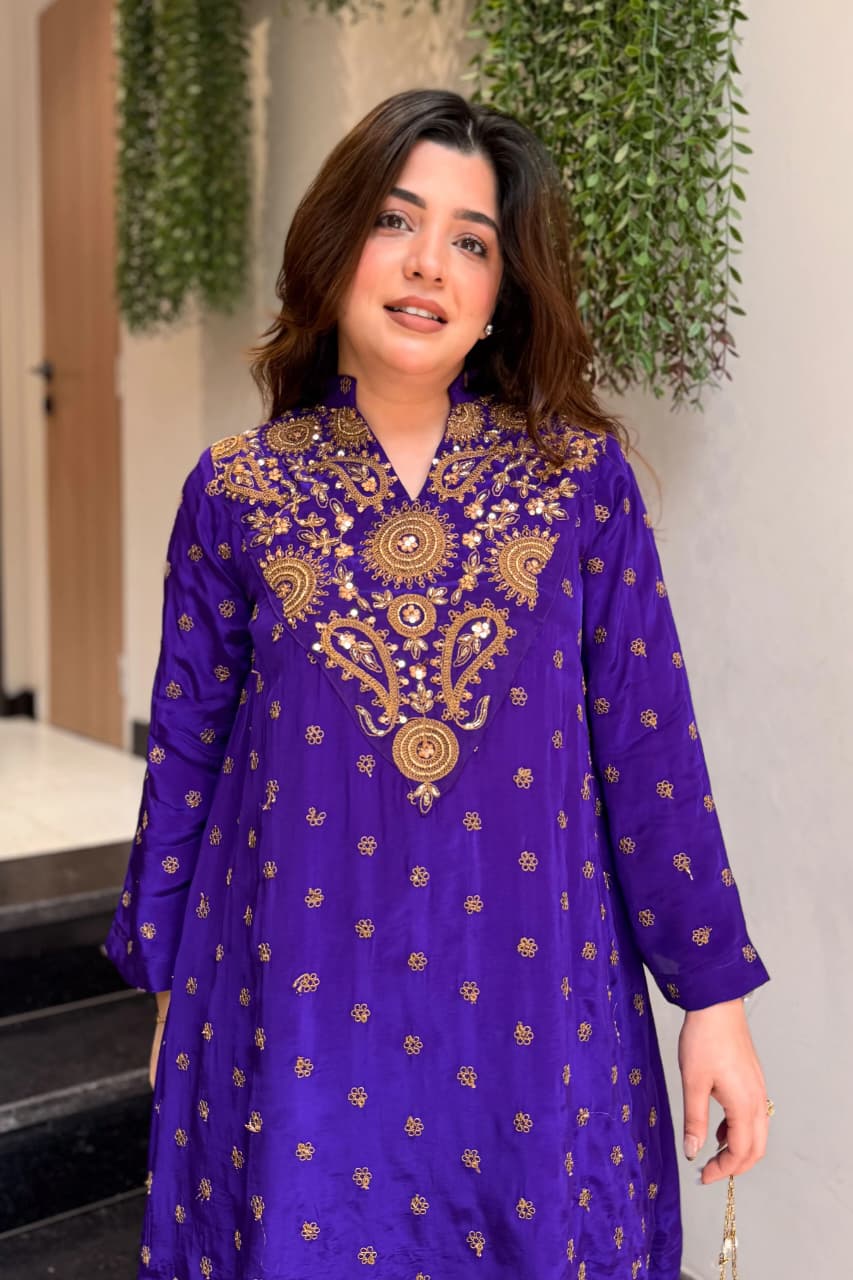
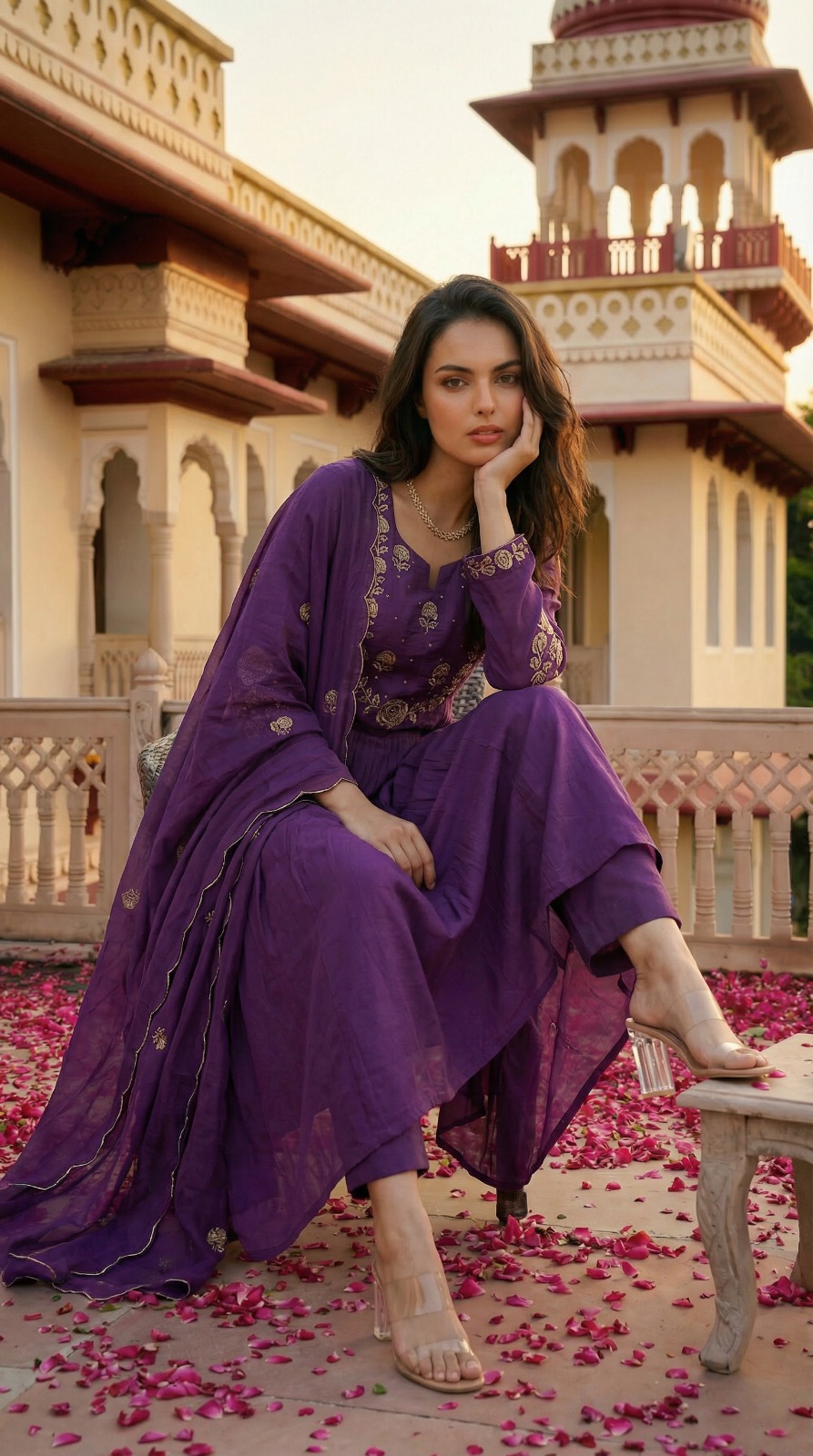 Purple Chanderi Silk Embroidered Kurta Set with Dupatta
Chanderi is valued for its light hand-feel, translucent appearance and gentle sheen. A Chanderi dupatta can make a simple kurta look ceremonial without adding much weight. Chanderi is delicate, so store it folded in breathable muslin and avoid placing sharp jewellery directly against the weave.
Banarasi silk and other silk textiles create a richer appearance for a larger gathering or cooler weather. Banarasi silk often features woven zari or elaborate motifs, so it may not need much additional jewellery. Kanjeevaram silk is traditionally associated with substantial sarees and formal South Indian dressing; a Kanjeevaram saree can be beautiful for Bhai Dooj, but its weight and drape make it more suited to someone already comfortable wearing a silk saree.
Vichitra silk has a smooth, dressy surface that works well for flowing silhouettes. The Taupe Beige Vichitra Silk Embroidered Gown Set Online brings a gown-style alternative to a conventional kurta set. Taupe beige is understated, while embroidery adds enough definition for family photographs and evening celebrations.
How can you choose fabric for the weather?
Choose cotton-rich or lightweight woven fabrics for warm daytime pujas and silk blends, crepe or layered georgette for cooler evenings. A breathable inner layer matters as much as the outer fabric when an outfit includes embroidery or lining.
Test the fabric before the event by sitting, bending and raising one arm. Fabric that pulls across the shoulders, catches at the knees or feels warm after ten minutes may become uncomfortable during a two-hour family gathering. New garments should also be steamed or aired at least a day before wearing so that pressing marks and storage odours don't remain.
What to Wear for Bhai Dooj Puja at a Larger Family Gathering
A lehenga, Anarkali or gown is appropriate for Bhai Dooj when the celebration includes extended family, a festive lunch or an evening get-together. These silhouettes create a more dressed-up appearance than a basic kurta set, but they should still allow easy sitting and walking.
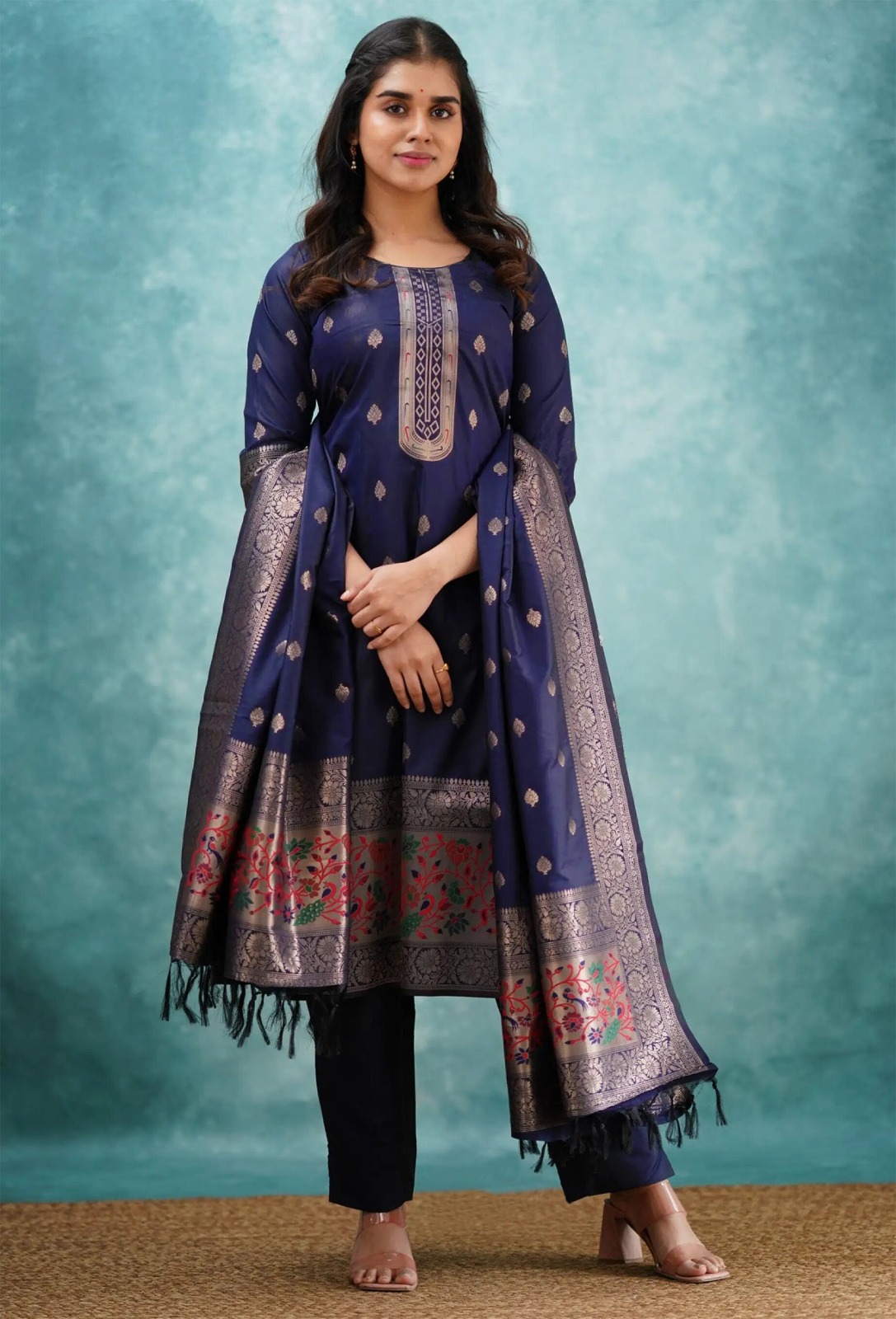 Navy Blue Traditional Kurta Pant Dupatta Ensemble
The Beige Ethnic Printed Lehenga Set for Navratri and Garba can be adapted for Bhai Dooj when its print and movement suit the family setting. Beige gives the lehenga a softer daytime quality, while the skirt-and-dupatta format creates a celebratory outline. Keep the accessories restrained if the print is prominent: textured earrings and a single bracelet are usually enough.
The Festive Wear Maroon Silk Anarkali Suit Set for Women gives a deeper colour option for an evening Bhai Dooj event. Maroon photographs well under warm indoor lighting and harmonises with gold, antique-gold and kundan-style jewellery. Because silk Anarkalis can have more volume, check that the flare doesn't catch under chairs or around the puja platform.
A gown silhouette is most useful when you want the visual effect of an Anarkali with fewer separate pieces. Gowns can be easy to wear, but the hem must be checked carefully. A floor-length hem that touches the ground can collect dust, catch on footwear or come close to an oil lamp; an ankle-grazing length is safer for a home ceremony.
Can you wear a lehenga for Bhai Dooj puja?
You can wear a lehenga for Bhai Dooj puja if the skirt is comfortable for sitting and the dupatta is securely managed. Choose a lightweight skirt, a moderate flare and a blouse with enough coverage for a family ritual.
Pin the dupatta at the shoulder and, if needed, use a discreet second pin near the waist. Select low block heels, embellished juttis or flat sandals rather than narrow stilettos if the puja involves walking between rooms. A lehenga with a printed or woven surface is often more practical than one covered in loose sequins that may snag on furniture.
What to Wear for Bhai Dooj Puja in Festive Colours and Details
Warm festive colours, gentle pastels and jewel tones all work for Bhai Dooj. Maroon, rani pink, vermilion, mustard, emerald, navy blue, pista, cream and beige can be styled traditionally without making the outfit appear costume-like.
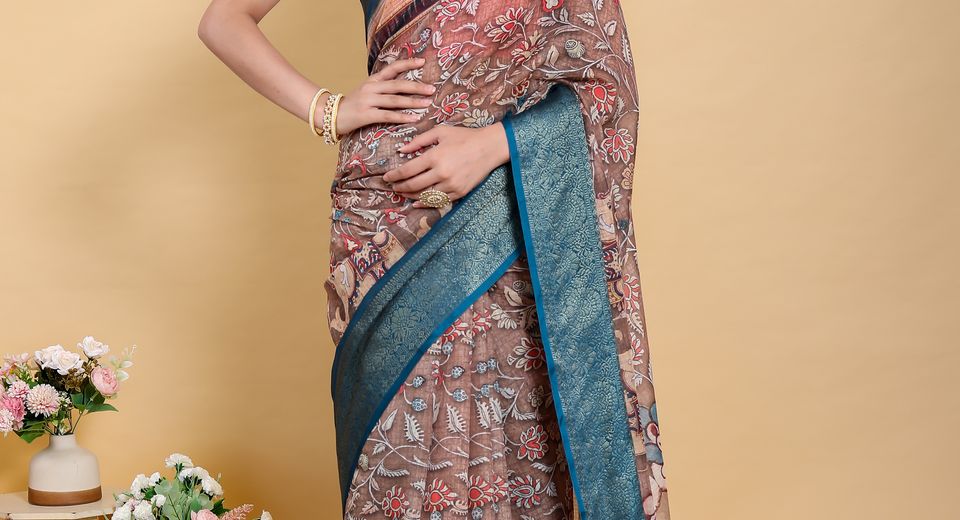
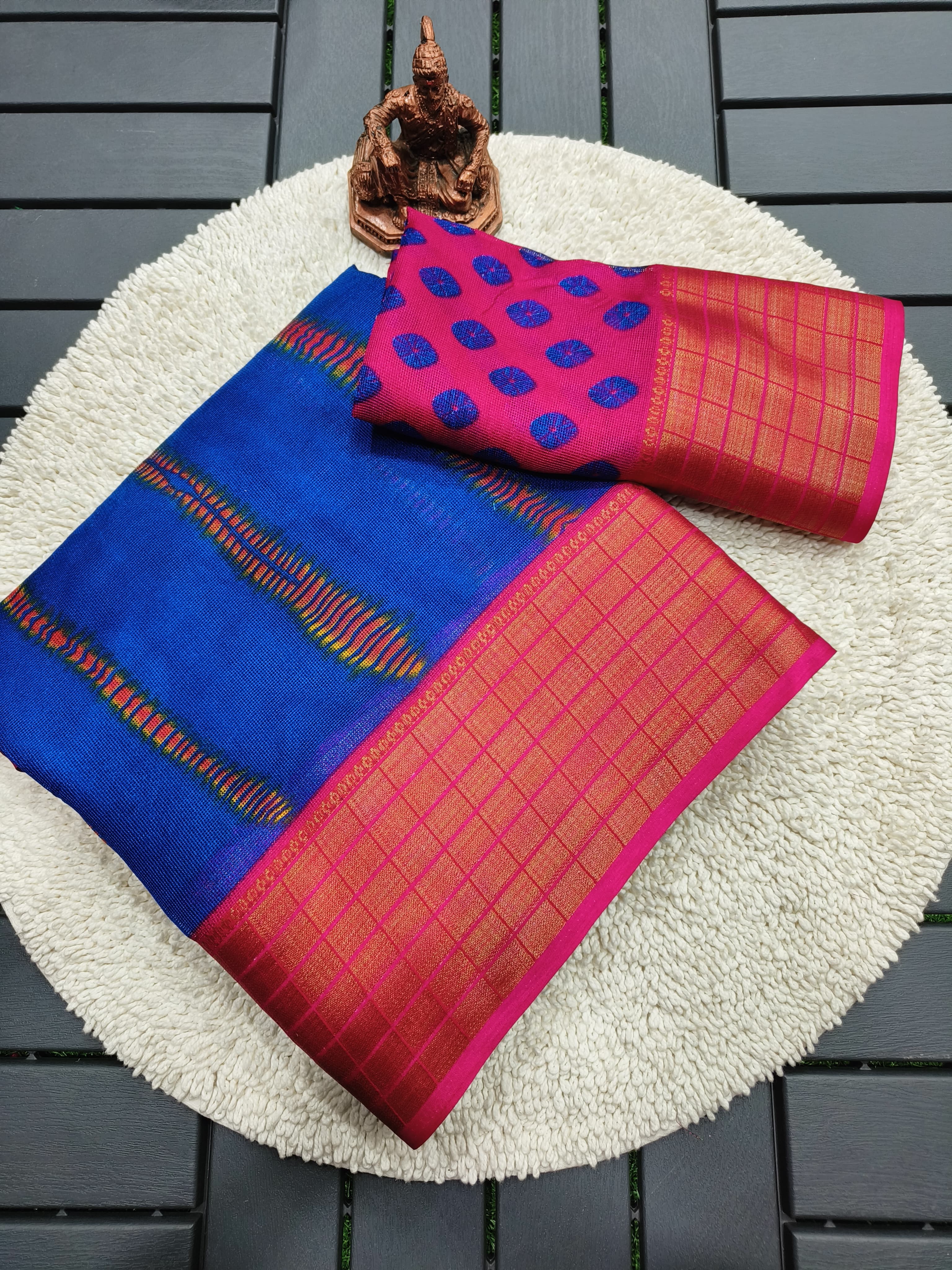 Festive Wear Blue Silk Saree for Women
Colour symbolism differs across families, so personal and regional preferences should take priority. Red and maroon are associated with celebration in many Indian households, while yellow and saffron can echo the brightness of Diwali season. Green, pista and blue offer alternatives for someone who prefers cooler or softer colours.
Zari borders, gota patti, Bandhani-style prints, mirror details, small butis and floral embroidery provide cultural texture. A single strong detail often looks more polished than several competing embellishments. For example, a zari-edged dupatta can carry the festive message when the kurta is otherwise plain.
Jewellery should support the clothing and remain safe around lamps and children. Medium jhumkas, small chandbalis, a short necklace, glass bangles or a single statement ring are practical choices. Avoid very long necklaces or oversized bangles if you'll lean forward during tilak, aarti or offering sweets.
What to Wear for Bhai Dooj Puja When Comfort Matters Most
Comfort comes from correct fit, secure styling and suitable footwear rather than from choosing the simplest garment available. Measure the bust, waist, hip and shoulder areas against the garment's size chart, and allow enough ease for sitting and eating.
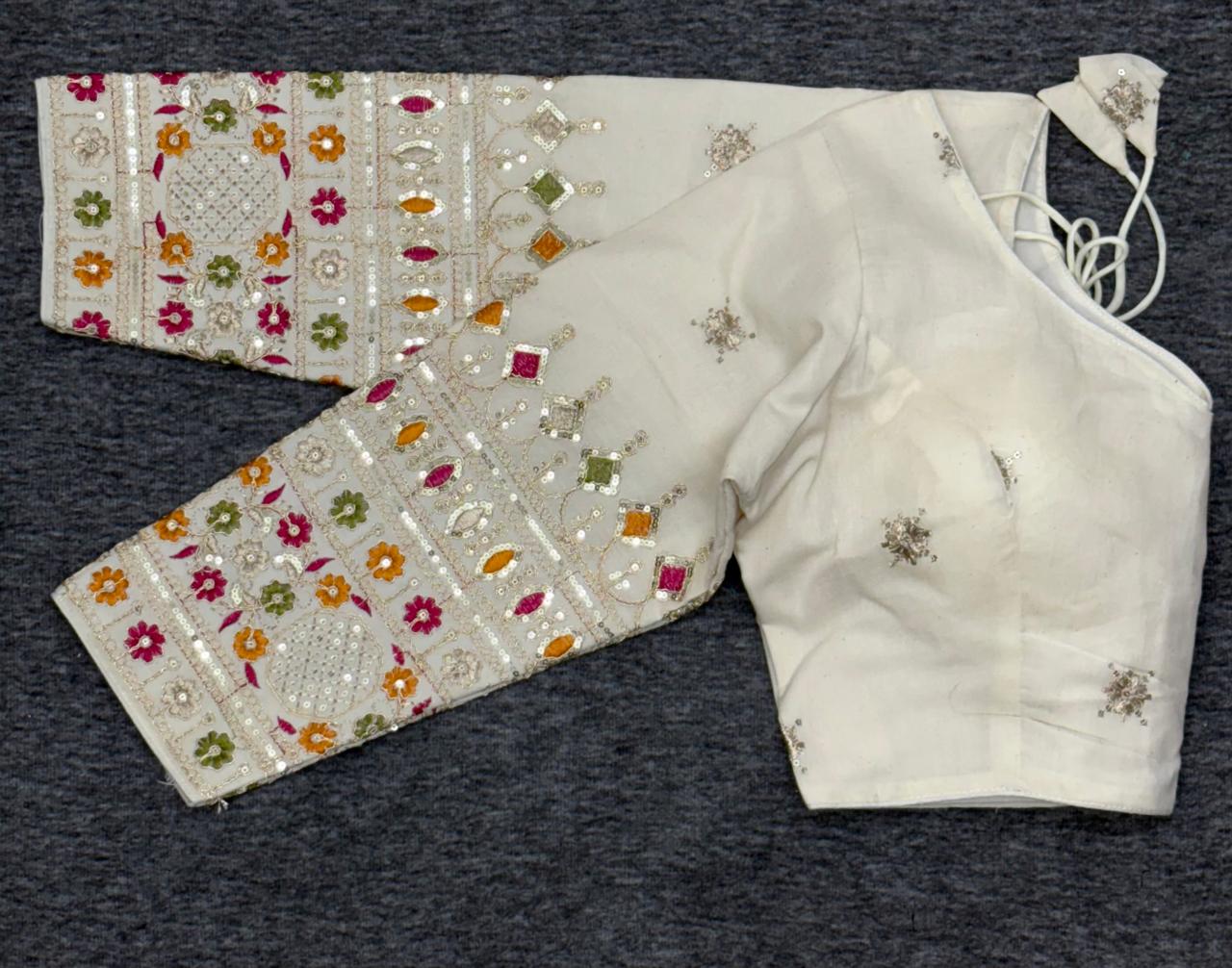 Classic Festive Wear Blouse for Stylish Saree Look
Wear the outfit once before Bhai Dooj. Sit cross-legged for five minutes, walk up and down a staircase if relevant, raise both arms and check whether the dupatta stays in place. These simple tests reveal tight armholes, slipping shoulders, scratchy embroidery and troublesome hems before the ceremony begins.
Footwear should match the movement required by the celebration. Juttis, cushioned kolhapuris, low block heels and embellished flats are practical for home puja. Bare feet may be customary in the prayer area, so choose footwear that can be removed easily and doesn't have complicated straps.
Keep a small safety kit with two safety pins, fashion tape, a compact comb and a stain-removal wipe. Turmeric, vermilion, oil and sweets can leave marks on delicate textiles. Blot a fresh stain instead of rubbing it, and follow the care label before applying water or detergent.
After the celebration, air silk, Chanderi and embellished clothing away from direct sunlight before storing. Fold zari work with soft tissue or muslin between layers, and avoid hanging heavy garments for several weeks because the shoulder area can stretch. Professional dry cleaning is safer for heavily embroidered silk than repeated home washing.
A well-planned Bhai Dooj outfit should make the ritual easier, not require constant adjustment. Choose one festive focal point, keep the silhouette practical and let fabric quality, colour and a few considered accessories provide the ceremonial finish.
Common Questions About What to Wear for Bhai Dooj Puja
What is the best outfit for Bhai Dooj puja at home?
A breathable kurta set with trousers, a salwar suit or a lightweight Anarkali is usually the best outfit for Bhai Dooj puja at home. These silhouettes allow easy movement during tilak, aarti, sitting and serving food while still looking festive.
Can I wear a saree for Bhai Dooj?
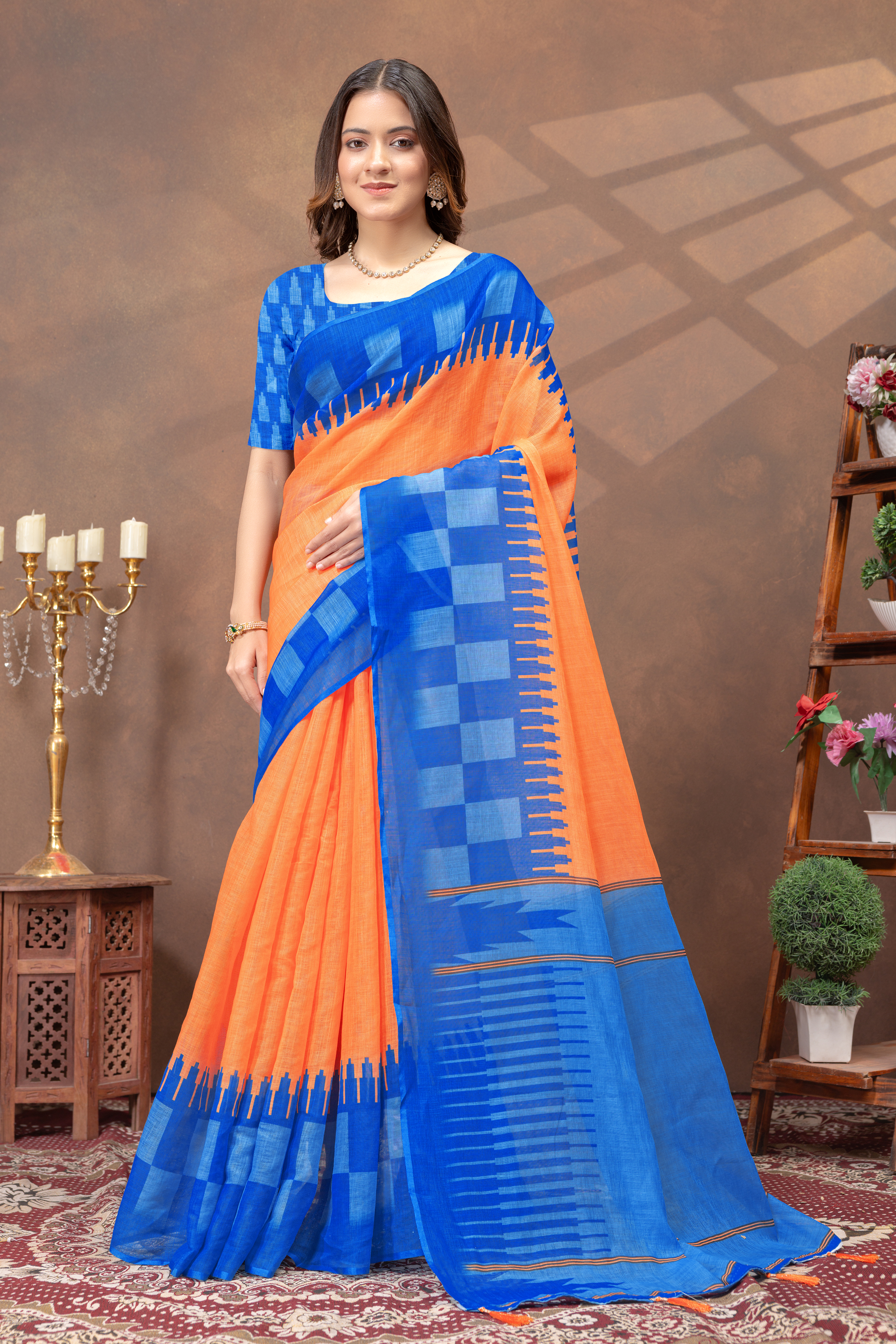
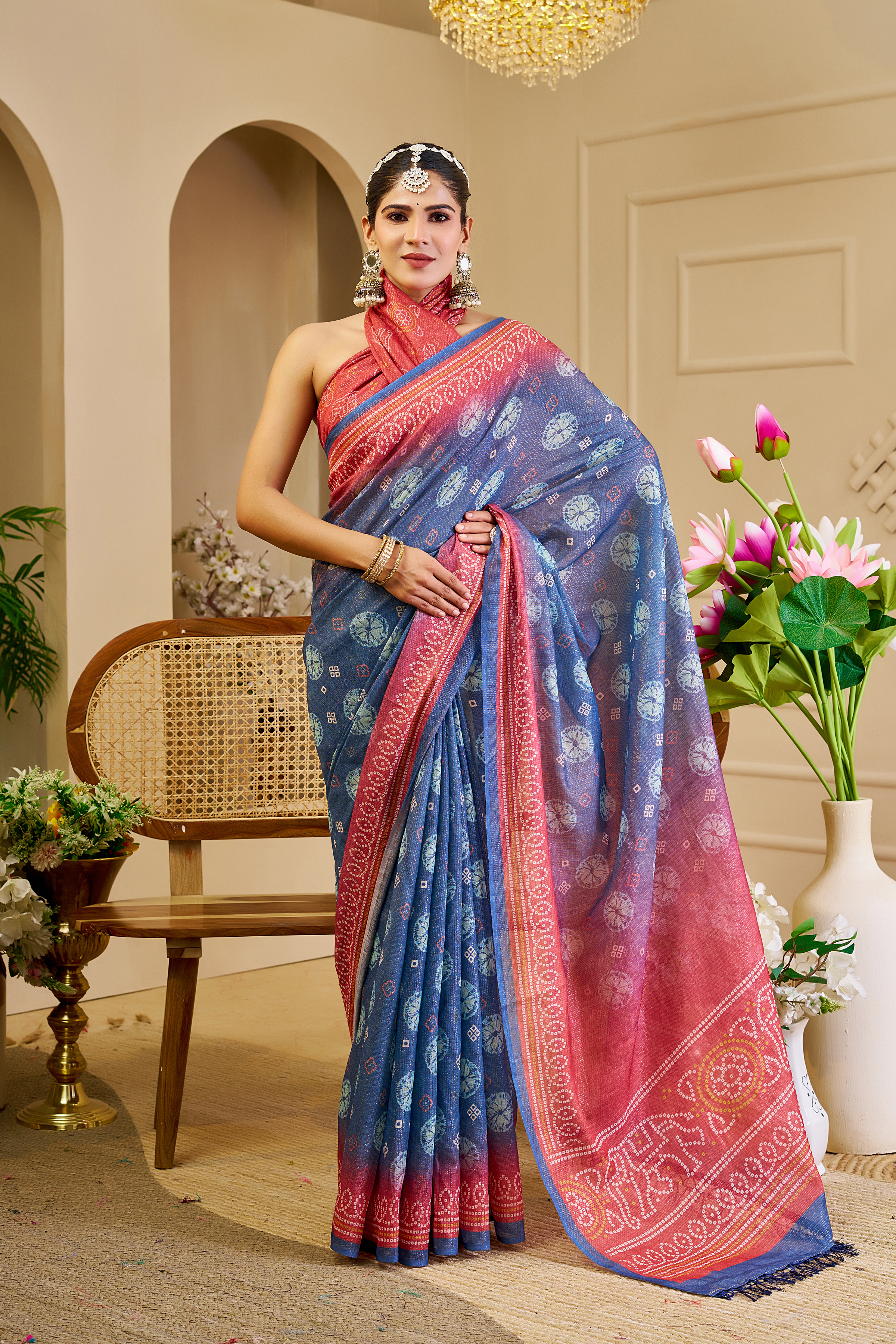
You can wear a saree for Bhai Dooj, especially when the celebration is formal or includes extended family. Choose a manageable fabric such as Chanderi, lightweight silk or cotton-silk, and secure the pallu so it does not interfere with the puja ritual.
Which colours are suitable for a Bhai Dooj outfit?
Maroon, red, mustard, emerald, navy blue, pista, cream and beige are suitable Bhai Dooj colours. Choose according to family customs, the time of day and personal comfort rather than treating any single colour as compulsory.
Can I wear a lehenga to Bhai Dooj puja?
You can wear a lehenga to Bhai Dooj puja if the skirt allows comfortable sitting and the dupatta is pinned securely. A moderate flare, lightweight fabric and flat or low-heeled footwear make a lehenga more practical for a home ceremony.
Is silk too formal for a Bhai Dooj celebration?
Silk is not too formal when the celebration includes extended family or takes place in the evening. A silk Anarkali, silk-blend kurta set or lighter saree is appropriate, while very heavy brocade and extensive embellishment may be uncomfortable for a small daytime puja.
How should I style a dupatta for Bhai Dooj puja?
Style the dupatta over one shoulder and secure it with a discreet pin near the shoulder or waist. Secure draping prevents the fabric from falling near a diya, food or the puja thali while preserving a traditional appearance.