

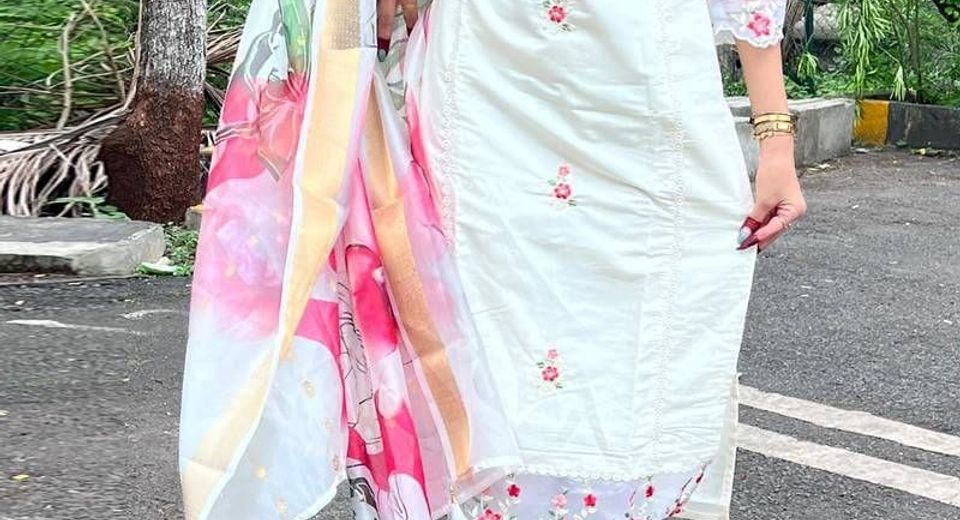
Before placing an order, What to Check Before Buying a White Kurta Online should include more than colour and photographs. White fabric reveals differences in weave, lining, thickness, embroidery placement and fit more clearly than most darker shades. A useful online check covers the fibre content, garment measurements, opacity, finishing, included pieces, care instructions and return conditions.
A white kurta can be made from breathable cotton for daily wear, fluid viscose jacquard for a dressier look, or lightweight Chanderi silk-cotton for festive dressing. Each fabric behaves differently after washing and under strong light. The following checklist helps you compare a white salwar suit accurately, even when you can't touch or try it before payment.
What to Check Before Buying a White Kurta Online: Start With the Fabric
The fibre content should be the first fabric detail you check because fibre affects comfort, transparency, fall, shrinkage and maintenance. A product described only as white fabric doesn't provide enough information for a reliable purchase.
Cotton is usually the most practical choice for humid weather and regular daytime use. Cotton voile and fine cotton can feel cool but may require a lining if the weave is open. Cotton cambric and medium-weight cotton generally offer more coverage. White Blue Printed Cotton Kurta Pant Dupatta Set is the kind of cotton-based option to assess for breathable everyday dressing, especially when the listing specifies the fabric of the kurta, pants and dupatta separately.
Chanderi has a lightweight, slightly crisp hand and a characteristic luminous surface. Chanderi silk, silk-cotton and cotton Chanderi are not interchangeable, so check the exact composition rather than relying on the fabric name alone. White Chanderi Kurta Set with Floral Embroidery and Dupatta and White Chanderi Embroidered Kurta Set with Organza Dupatta show how a similar colour can support different levels of occasion dressing through weave, embroidery and dupatta construction.
Viscose drapes more fluidly than many cottons and often feels smooth against the skin. Viscose can crease, stretch or lose shape if washed roughly, so care instructions matter. White Embroidered Viscose Jacquard Kurta Set for Women should be assessed for its jacquard weight, lining and washing method before it's selected for frequent wear.
Ask four specific fabric questions when a listing is unclear: What are the fibres? Is the fabric pre-washed? Does the kurta have lining? Are the pants and dupatta made from the same material? Answers to those questions provide more useful information than words such as premium, rich or luxurious.
What to Check Before Buying a White Kurta Online for Transparency
A white kurta's opacity depends on weave density, fabric weight, lining and the colour of the garment worn underneath. White pigment doesn't make a fine fabric opaque, and a product photograph taken in soft studio lighting may hide transparency.
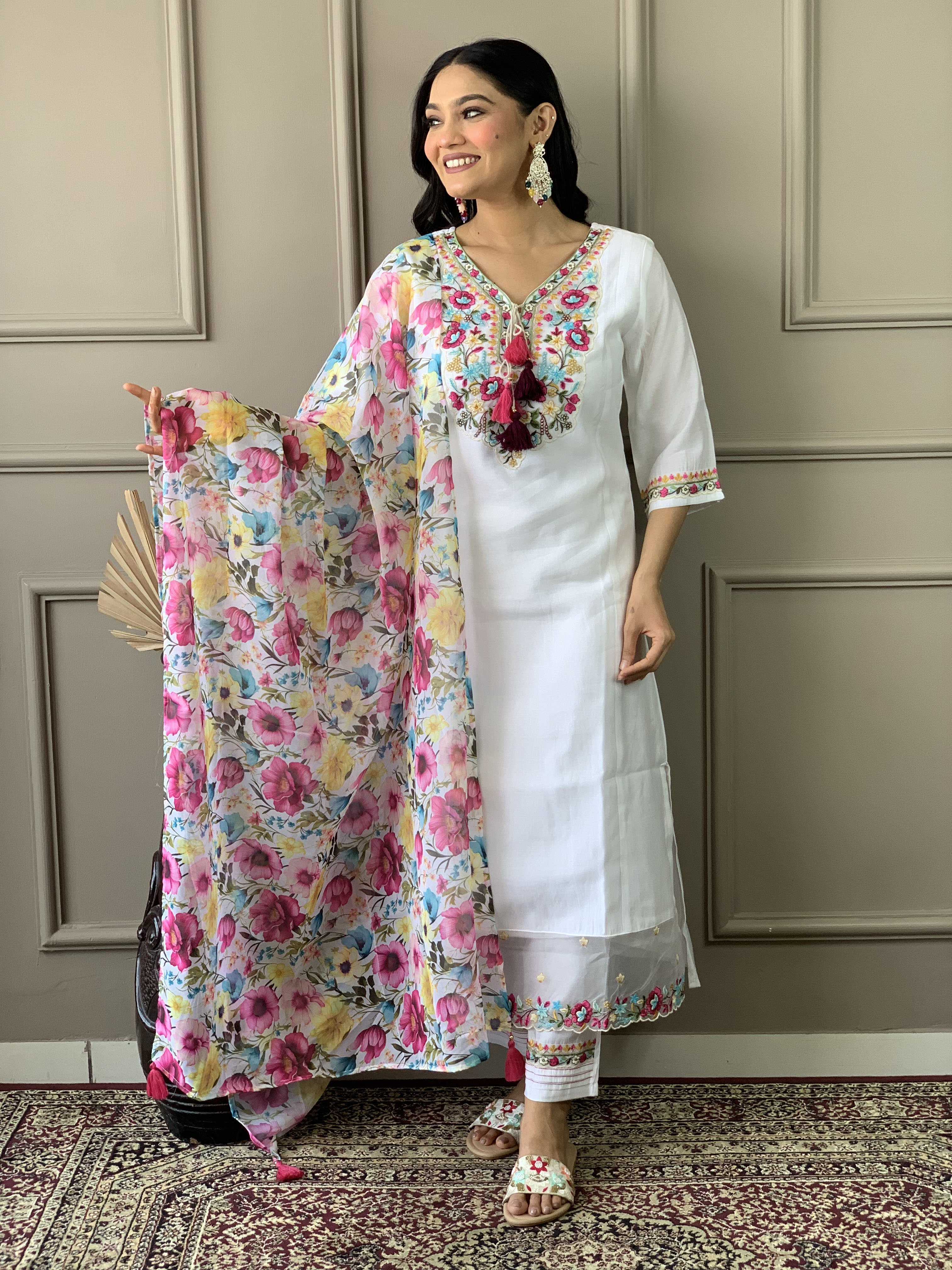
Look for close-up photographs of the neckline, sleeve, side seam and lower hem. A visible hand, background or shadow behind the fabric can indicate sheerness. A lining mentioned in the specifications is helpful, but lining length also matters: a knee-length lining may not prevent transparency around the lower thigh or side slit.
Thin Chanderi, organza details and fine cotton can be intentionally light. Those fabrics may work well with a white, nude or skin-toned camisole and matching slip. Avoid bright white innerwear under a sheer white kurta because the contrast can make the outline more noticeable. A smooth, close-fitting inner layer usually creates a cleaner appearance than textured or heavily printed clothing beneath it.
Check whether the pants are lined as well. White palazzo pants and straight pants can become transparent when sunlight passes through the upper thigh or seat area. A listing that states only kurta lined doesn't confirm coverage for the bottoms. Elegant White Chanderi Kurta Pant Dupatta Set Women should therefore be evaluated piece by piece, including the trouser fabric and lining details.
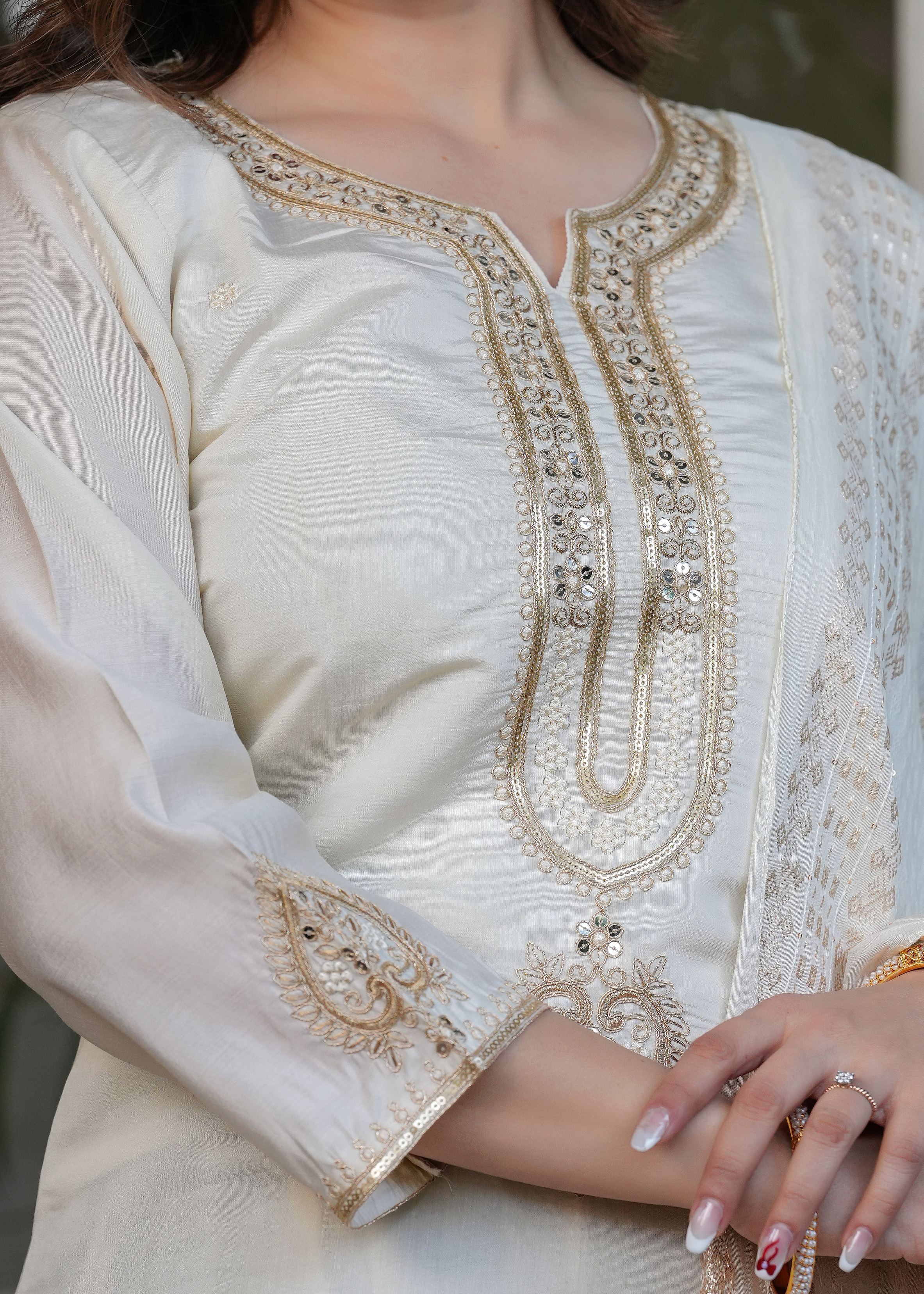
Embroidery can change perceived opacity. Dense threadwork provides coverage in selected areas, but the fabric between motifs may remain sheer. Mirror work, zari and raised embroidery add surface interest without necessarily adding a full backing layer.
What to Check Before Buying a White Kurta Online in the Size Chart
Garment measurements matter more than a label such as small, medium or large because Indian size charts vary by cut, brand and ease allowance. Compare your own measurements with the finished garment measurements before selecting a size.
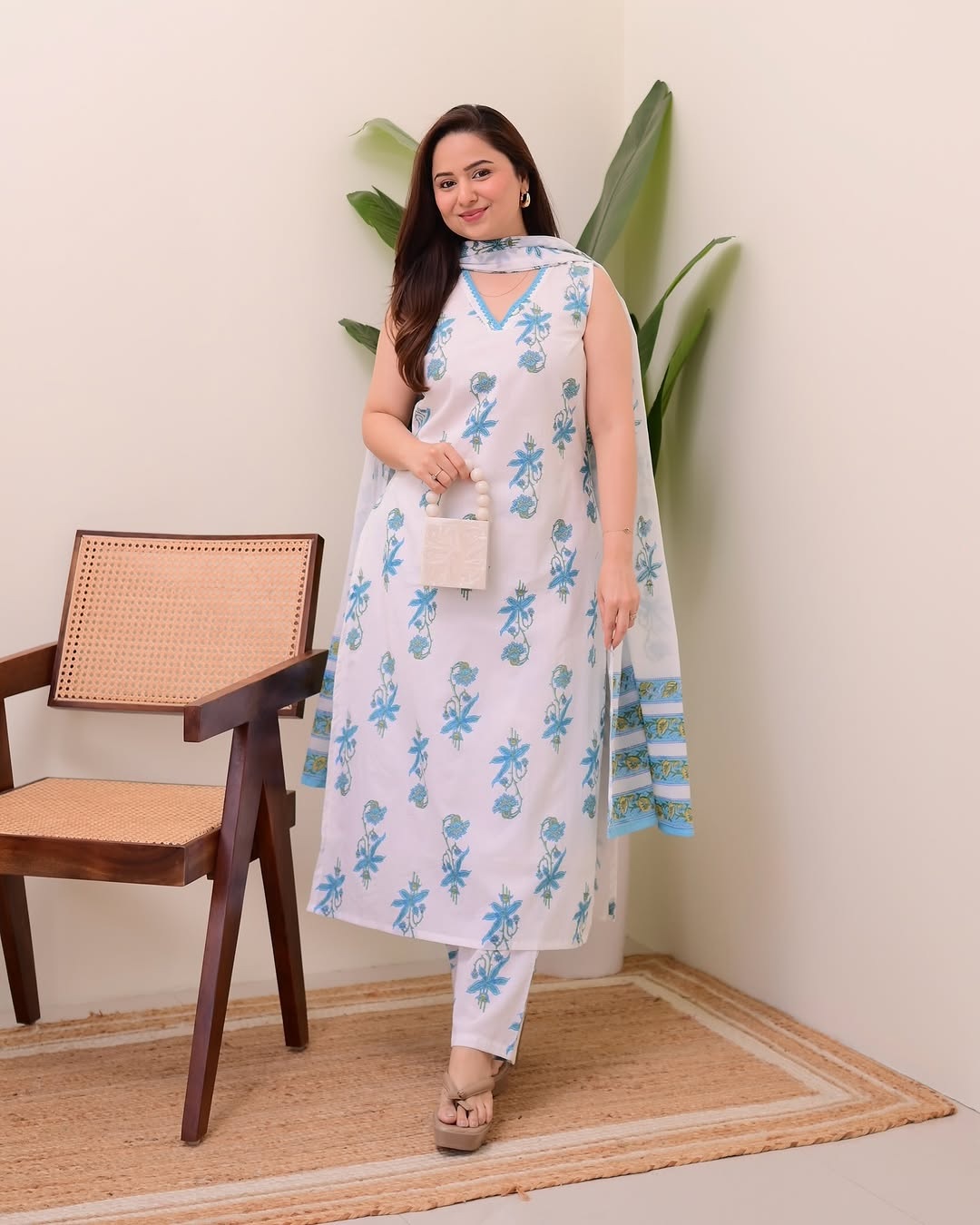
Measure bust, waist, hip, shoulder, armhole and preferred kurta length. Measure around the fullest part of the bust while wearing a lightly fitted bra, and keep the tape level across the back. For a straight kurta, hip measurement is especially important because the hem and side slits need enough room for sitting and walking.
Finished garment bust measurement should include wearing ease. A close-fitting kurta commonly needs around 3 to 4 inches of ease at the bust, while a relaxed straight kurta may need 5 to 7 inches depending on personal preference and fabric structure. A 36-inch body bust doesn't mean a 36-inch finished kurta will be comfortable.
Check shoulder width and sleeve opening when the garment has structured embroidery or a narrow sleeve. Chanderi and jacquard may not stretch much, so a tight armhole can't be corrected by simply sizing up without also checking the shoulder and length. A side slit beginning above the hip can improve movement, but the slit height should be noted if you prefer more coverage.
Kurta length should be matched to your height, footwear and bottom style. A calf-length kurta pairs differently with straight pants than a hip-length kurti does with palazzos. For online alterations, extra length is usually easier to reduce than insufficient length is to add, but embroidered hems and borders can limit alteration options.
What to Check Before Buying a White Kurta Online if you're Between Sizes
Choose the larger size when the fabric has little stretch and the bust or hip measurement falls between sizes. A tailor can usually refine the side seams, while adding room to a tightly embroidered or lined kurta may be difficult.
Choose the smaller size only when the cut is deliberately oversized and the product measurements confirm sufficient ease. Do not estimate size from a model's height or usual western clothing size because those details don't reveal the finished garment measurements.
What to Check Before Buying a White Kurta Online for Embroidery and Colour
Embroidery quality should be assessed through motif density, reverse-side finishing, thread security and alignment rather than through the number of decorative elements alone. White-on-white embroidery can look subtle in one photograph and prominent in daylight.
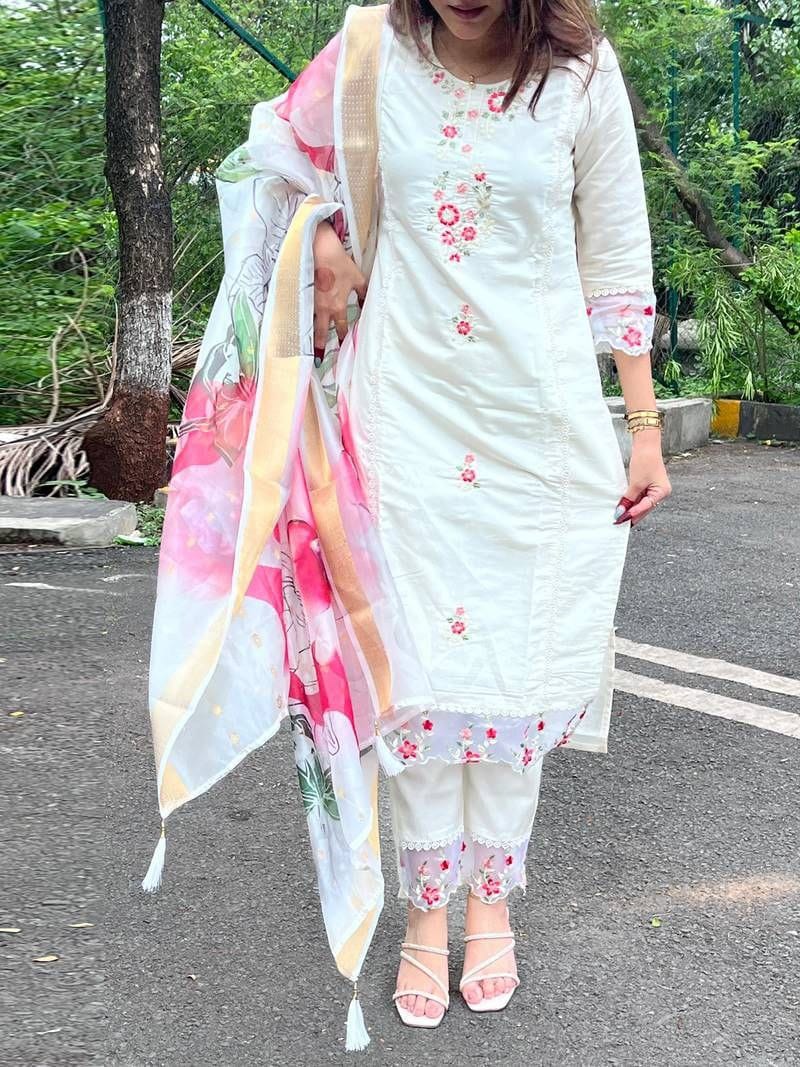
Zoom into floral embroidery to check whether loose threads, uneven satin stitches or exposed backing are visible. Small loose threads can be trimmed carefully, but pulled thread clusters around the neckline or side seam may indicate weak finishing. Check whether embroidery crosses the seam, because mismatched motifs can affect the polished appearance of a garment.
Mirror embroidery needs an additional check for secure edges and comfort against the skin. Metal mirrors, sequins and zari can catch on handbags or delicate dupattas. Ivory Mirror Embroidered Cotton Kurta Set With Dupatta may suit a festive daytime setting, but the product information should clarify whether the mirror work is hand-finished, machine-applied or supported by a backing.
Printed white garments are not always pure white. Off white, ivory, natural white and cream describe different undertones. Ivory can flatter warm skin tones, while blue-white shades may appear crisper under cool lighting. Off White Floral Embroidered Straight Suit Set should be compared with the exact colour name and model photographs rather than with an assumption that off white equals bright white.
Colour can also vary across screens. Read the product description for warnings about monitor differences and ask customer support for a daylight photograph if the precise shade matters for a ceremony or coordinated family outfit.
What to Check Before Buying a White Kurta Online in a Complete Set
A complete white salwar suit set should clearly identify every included piece, because set can mean a kurta with bottoms, a three-piece suit with dupatta, or a kurta sold without either accessory.
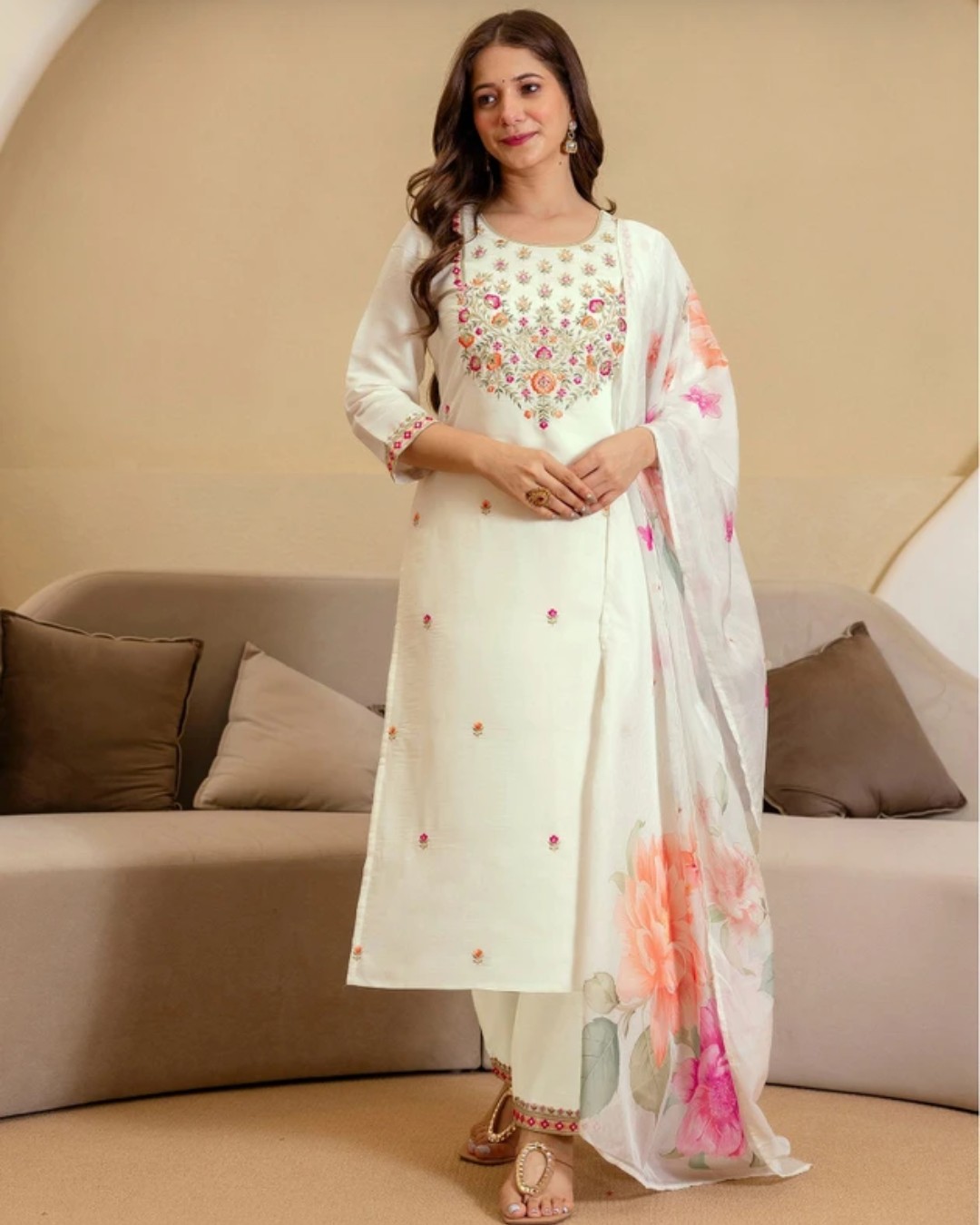
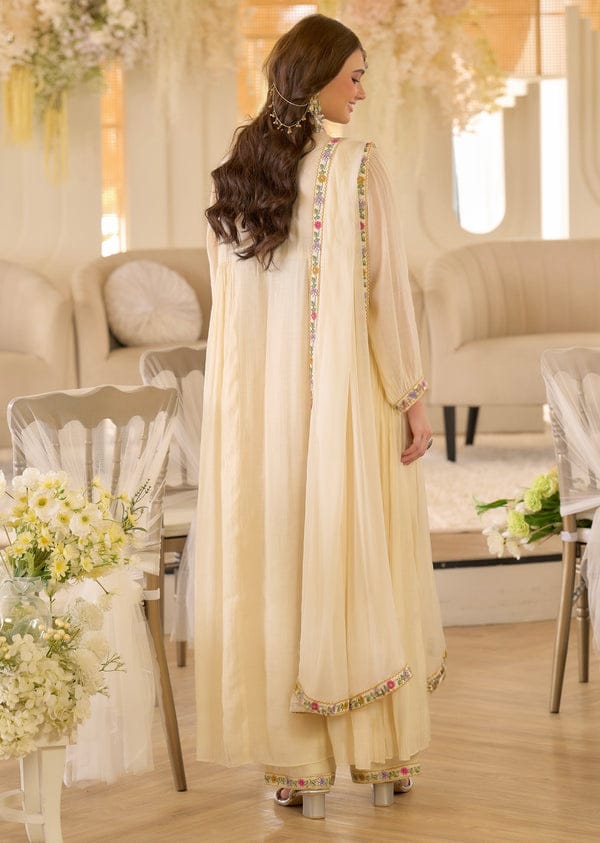
Confirm whether the order contains the kurta, pants or salwar, and dupatta. Check whether the dupatta has a finished edge, lace, tassels, zari border or plain hem. Organza dupattas can add a formal finish but may feel less forgiving than cotton or Chanderi when draped over the shoulders.
Compare the measurements of each piece. A kurta may be available in several sizes while the dupatta has a fixed length, and pants may include an elasticated waist rather than a stitched waistband. Check the waist range, rise, inseam, ankle opening and pocket details if those features affect comfort.
Styling references can also reveal regional influences. Kalamkari Print Salwar Suits generally point towards narrative or nature-based printed motifs, while Punjab Phulkari Embroidered Salwar Suits suggest colourful threadwork and a more pronounced Punjabi visual language. Maharashtra Paithani Inspired Salwar Suits and Karnataka Silk Salwar Suits can introduce woven or silk-inspired detailing to a white outfit.
Kashmir Embroidered Salwar Suits may feature floral or paisley-inspired embroidery that creates a different visual effect from Phulkari or Kalamkari. A white base allows the embroidery language to become the main feature, so check whether the decoration suits the setting, accessories and level of formality you intend.
What to Check Before Buying a White Kurta Online for Care and Durability
Care instructions should match your willingness to maintain the garment, because white clothing shows colour transfer, stains and yellowing more readily than darker clothing. A listing that specifies hand wash, mild detergent or dry cleaning is giving practical information about expected garment life.
Wash cotton separately during the first few washes because loose dye from coloured garments can transfer to white fabric. Use cold or lukewarm water, a mild liquid detergent and gentle agitation. Avoid chlorine bleach unless the care label specifically permits it; chlorine can weaken fibres, damage embroidery and create yellowing over time.
Dry white kurtas in indirect sunlight when possible. Strong, prolonged sunlight can fade coloured embroidery and make some fibres brittle, while drying in a damp room can produce a musty smell. Reshape the kurta while damp, especially when the fabric contains viscose or has a fluid drape.
Iron according to fibre and finish. Cotton commonly tolerates medium to high heat, while viscose, zari, mirror work and organza need lower heat or pressing from the reverse side. Place a thin cotton cloth between the iron and embroidery to protect raised threadwork.
Inspect stitching and finishing before removing tags. Check the neckline, sleeve hem, side seams, slit ends, trouser waistband and dupatta edges. Photograph any issue immediately after delivery because clear evidence and an unwashed garment generally make a return or exchange conversation easier.
What to Check Before Buying a White Kurta Online Before Payment
Return terms, delivery timing and alteration rules should be checked before payment because a beautiful white kurta isn't a practical purchase if the size can't be exchanged or the garment arrives after the event.

Read the return window in calendar days and note whether the period begins on delivery. Check whether sale items, customised sizes, altered garments or products with removed tags are excluded. A return policy may allow an exchange but not a refund, which affects the decision when the correct size is uncertain.
Review the delivery estimate rather than relying only on a general dispatch statement. Allow additional time for remote addresses, weekends, public holidays and festive-season demand. For a wedding, Haldi ceremony or family celebration, ordering at least two to three weeks ahead leaves time for an exchange and minor tailoring.
Check whether the listed price includes the dupatta, taxes, shipping and any optional stitching. Compare like with like: a lined three-piece Chanderi set should not be compared directly with an unlined kurta-only listing. White Chanderi Kurta Set with Floral Embroidery and Dupatta can be judged more fairly when fabric, number of pieces, lining and finishing are considered together.
Before clicking purchase, save the product page or record the listed measurements, colour, fabric composition and promised delivery date. Those details provide a useful reference if the received garment differs from the online description.
What to Check Before Buying a White Kurta Online: A Practical Final Checklist
A white kurta is ready to order when the fabric, measurements, opacity, included pieces, care needs and return conditions are all clear. If one of those details is missing, ask a precise question before paying rather than making an assumption.
- Fabric: Confirm fibre composition, weight and whether the fabric is pre-washed.
- Opacity: Check lining for the kurta and bottoms, especially around the bust, thigh and side slits.
- Fit: Compare body measurements with finished garment measurements and allow suitable ease.
- Colour: Distinguish bright white, ivory, cream and off white, and account for screen variation.
- Construction: Inspect embroidery backing, seam finishing, sleeve openings, pockets and dupatta edges.
- Set details: Confirm whether the order includes the kurta, bottom and dupatta, and check each piece's measurements.
- Care: Follow the stated washing, drying and ironing instructions.
- After-sales terms: Check exchange eligibility, return deadlines, alteration exclusions and delivery timing.
These checks take a few minutes but prevent the most common online-shopping disappointments: an unexpectedly sheer kurta, an uncomfortable armhole, a mismatched shade, a missing dupatta or a garment that arrives too late for its intended event.
Common Questions About Buying a White Kurta Online
How can I tell if a white kurta is transparent online?
Check close-up images of the neckline, hem, side seam and sleeves, and look for clear information about lining. Also confirm whether the pants are lined, because a kurta may be opaque while white trousers remain sheer. Customer support may be able to provide a daylight photograph if the listing is unclear.
Which fabric is best for a white kurta in hot weather?
Cotton is generally the most practical choice for hot and humid weather because it is breathable and easy to wash. Fine cotton may need a lining, while medium-weight cotton usually offers more coverage. Chanderi can also feel light and airy, but its exact fibre composition and transparency should be checked.
How much ease should a white kurta have at the bust?
A close-fitting kurta commonly needs about 3 to 4 inches of bust ease, while a relaxed straight kurta may need 5 to 7 inches. Compare the finished garment measurement with your body measurement rather than choosing only by the size label. Non-stretch fabrics such as Chanderi and jacquard need enough room for sitting and moving.
Is ivory the same colour as white in a salwar suit?
Ivory is usually warmer and slightly creamier than bright white, while natural white and off white can fall between white and beige. Screen settings can change how each shade appears. Read the exact colour name and request a daylight image when matching a white outfit with other garments.
How should I wash a white embroidered kurta?
Follow the care label, but gentle hand washing with cold or lukewarm water and mild detergent is commonly safer for embroidered garments. Avoid chlorine bleach, wash white clothing separately and dry it away from prolonged harsh sunlight. Iron embroidery from the reverse side or through a thin cotton pressing cloth.
When should I order a white kurta for a wedding or Haldi ceremony?
Order at least two to three weeks before the event when possible. The extra time allows for delivery delays, an exchange, minor tailoring and a careful inspection after arrival. A customised or altered garment may have different return terms, so check those conditions before placing the order.




