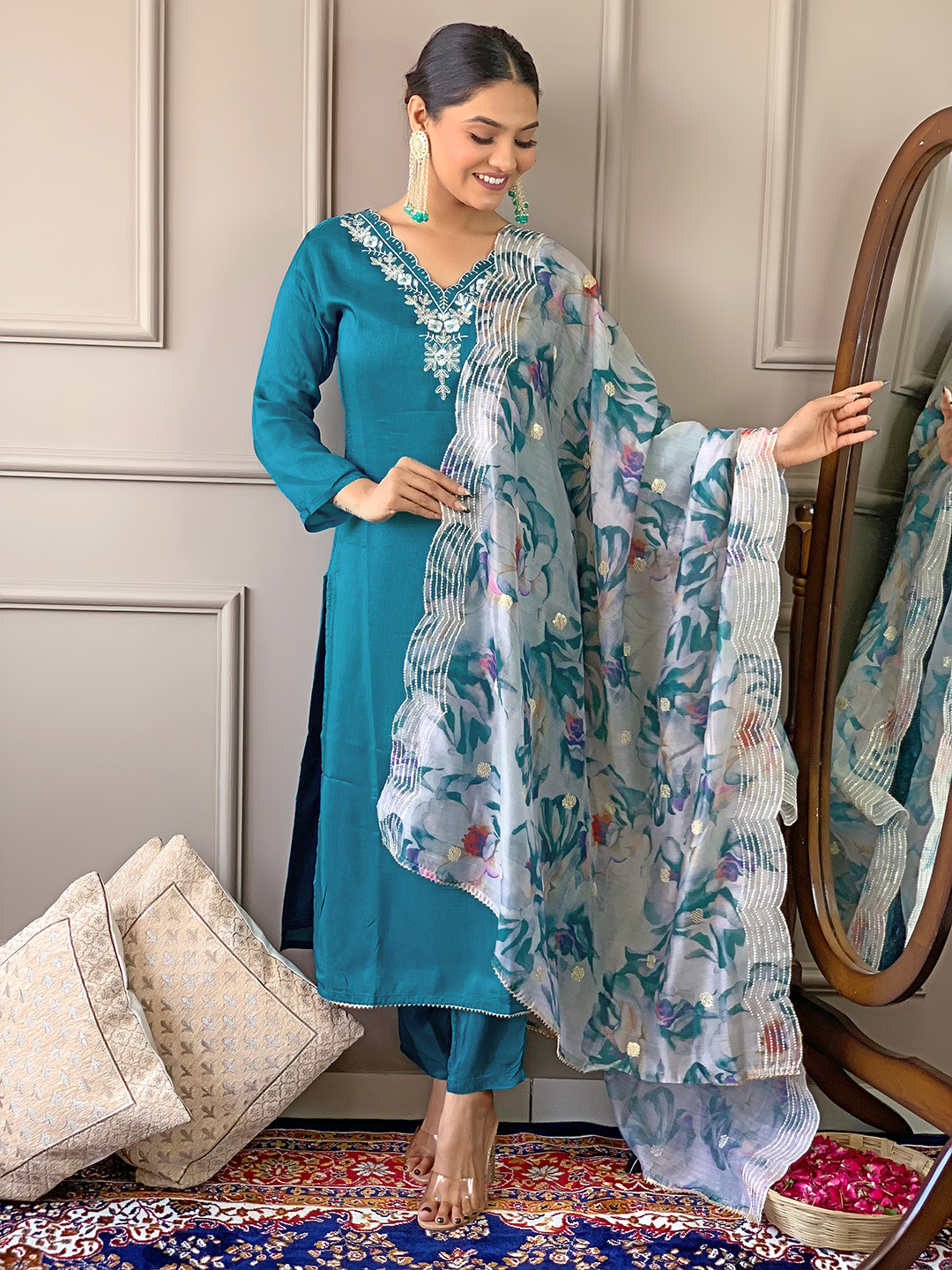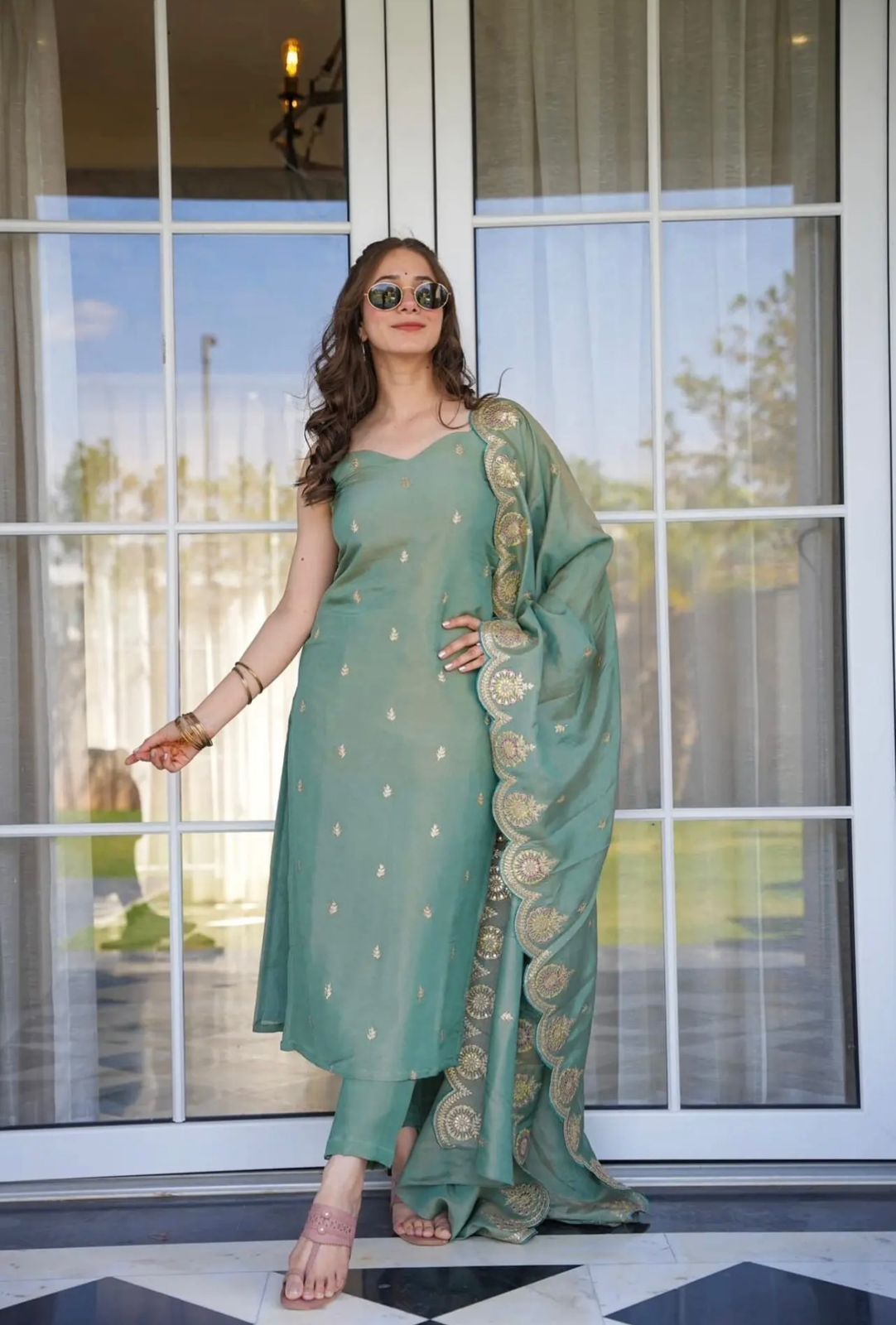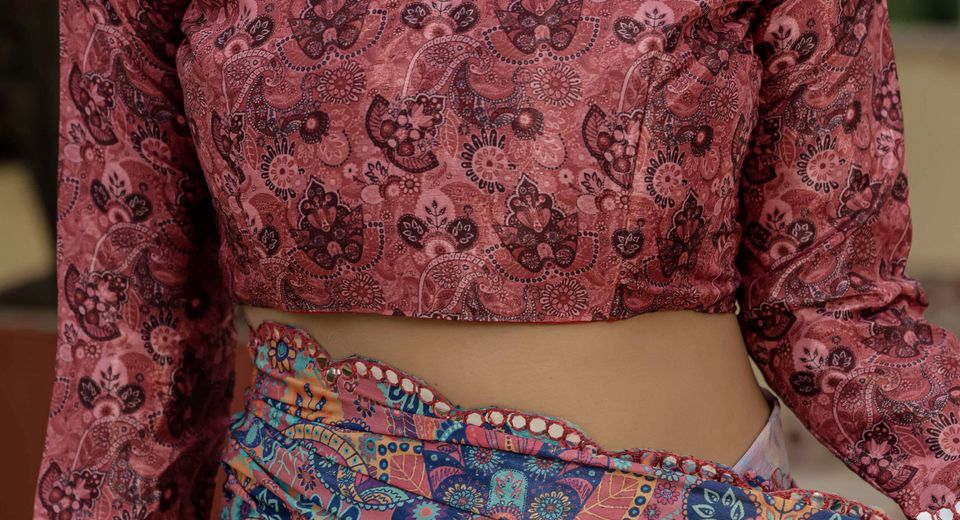
What saree is famous in Chennai? Kanjeevaram silk is the clearest answer because Chennai is the main retail and cultural gateway to the celebrated silk sarees woven in nearby Kanchipuram. Kanjeevaram sarees are recognised for lustrous silk, contrasting borders, temple-inspired motifs and zari work, and they remain closely associated with weddings, religious ceremonies and South Indian festive dressing.
Chennai's saree identity is broader than one luxurious textile. Madras cotton, silk-cotton, linen, Chanderi and printed sarees are practical choices for the city's heat, office routines and informal celebrations. The right purchase depends on whether you need ceremonial richness, breathable daily wear, easy draping or a lighter budget.
What saree is famous in Chennai and why is it Kanjeevaram silk?
Kanjeevaram silk is the saree most famously associated with Chennai and the wider Tamil Nadu tradition. The sarees are woven in and around Kanchipuram, a historic silk-weaving centre roughly 70 kilometres from Chennai, while Chennai's stores, exhibitions and wedding-shopping districts connect the textile to buyers across India.
A traditional Kanjeevaram saree typically uses silk for the body and zari for borders or pallu designs. Classic motifs include rudraksha beads, mangoes, checks, stripes, temple towers, peacocks and floral forms. A contrasting border isn't compulsory, but strong colour separation between the main field and the border is one of the visual features many shoppers expect from a conventional South Indian wedding saree.
Kanjeevaram silk is especially important during Tamil weddings, engagement ceremonies, Pongal, Navratri, temple visits and milestone family celebrations. A bridal saree may be selected in deep red, magenta, mustard, green or purple, while modern versions use pastels, restrained borders and lighter zari for a less formal appearance.
What saree is famous in Chennai because of its weaving tradition?
Kanjeevaram silk is famous in Chennai because it combines regional craftsmanship, ceremony and intergenerational gifting. Families often choose a Kanjeevaram saree for a bride, a daughter's coming-of-age ceremony or a significant anniversary because the garment carries cultural meaning beyond its surface decoration.
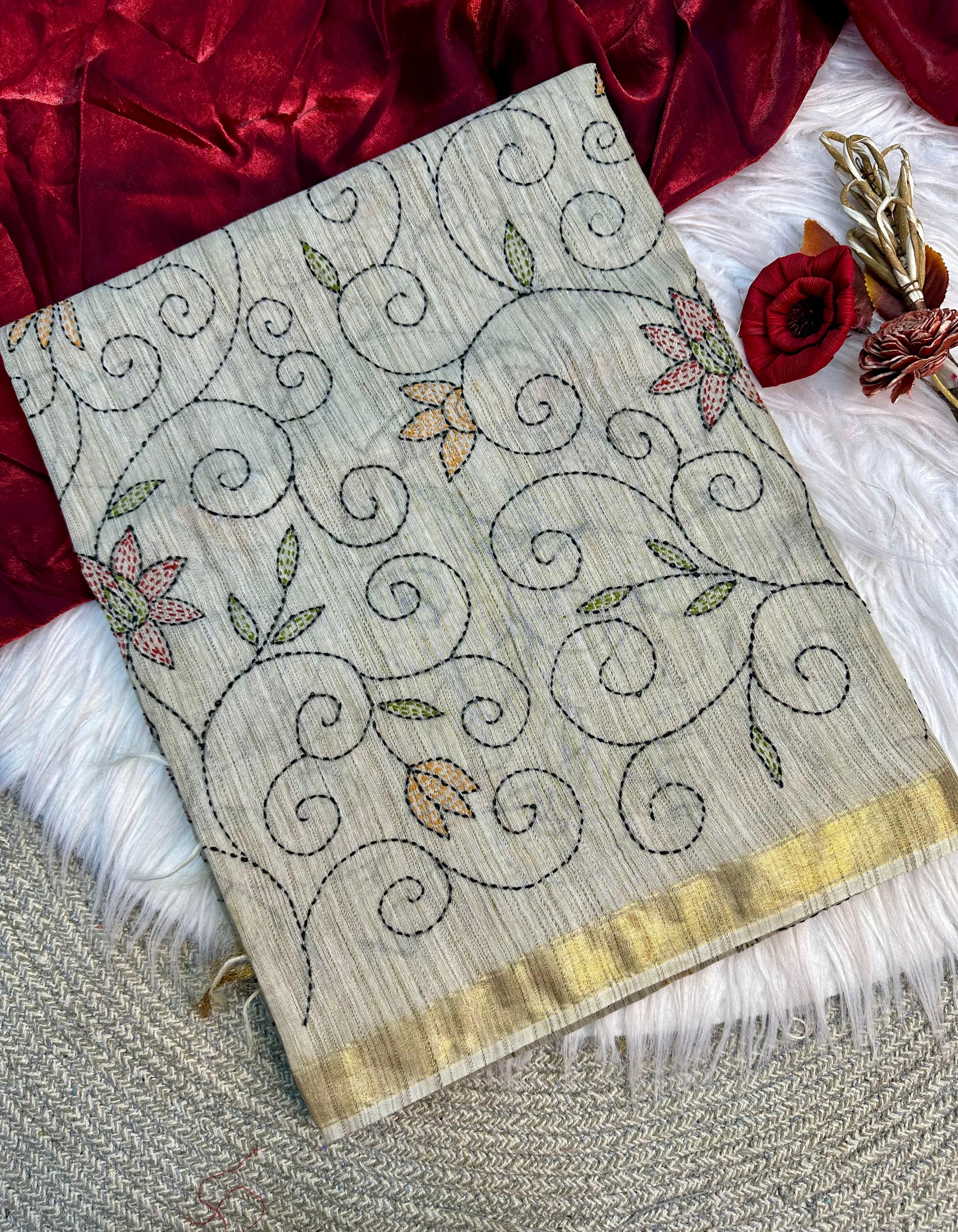
The textile also reflects a technical weaving tradition. Heritage Kanjeevaram weaving joins the body and border through a stronger interlocking construction often described as a korvai join. The method creates a distinct transition between the main field and the border and helps the saree withstand repeated use when the silk and weaving are of good quality.
Zari changes the value and maintenance needs of a saree. Heritage zari may contain silver with a gold coating, while many contemporary sarees use tested metallic yarns or imitation zari. Buyers should ask what the zari is made from, whether a silk mark or handloom certification is available, and whether the quoted price reflects pure silk, silk blends, zari content and workmanship.
Is every silk saree sold in Chennai a Kanjeevaram saree?
Every silk saree sold in Chennai isn't a Kanjeevaram saree. Silk-cotton, Banarasi silk, Mysore silk, Tussar silk, Bhagalpur silk and art-silk sarees are also widely available, but their weaving locations, fibres, motifs and construction differ.
A seller's label should be read carefully rather than treated as a style guarantee. "Kanjeevaram style" can describe a visual look, whereas "Kanchipuram silk" or an applicable silk and handloom certification provides more useful information about origin and composition. A soft, lightweight saree with printed motifs may be attractive without being a classic Kanjeevaram silk saree.
What saree is famous in Chennai for hot, humid weather?
Linen, cotton, cotton-silk and lightweight Chanderi sarees suit Chennai's warm, humid climate better than heavy bridal silk for most daytime activities. Natural fibres generally feel more breathable, although the weave, finishing, lining and amount of embellishment also affect comfort.
Madras cotton is a practical regional reference for casual dressing. Madras cotton traditionally refers to lightweight cotton textiles associated with the Madras region, and contemporary sarees may feature checks, stripes, plaids or printed patterns. A cotton saree can work for commuting, teaching, informal lunches and summer festivities when the blouse and petticoat are equally breathable.
Linen-cotton sarees offer an useful middle ground between crisp cotton and a more polished occasion look. Peach Linen Cotton Floral Print Saree with Blouse for Women illustrates how a floral print and included blouse can create an easy daytime outfit without the weight of dense zari. Pastel Linen Cotton Floral Print Saree with Designer Blouse suits a softer palette for brunches, daytime ceremonies and semi-formal gatherings.
Chanderi is another useful option when you want lightness with a delicate sheen. Chanderi fabric can be woven in silk, cotton or silk-cotton combinations, so the fibre composition should be checked before purchase. A Chanderi saree usually needs careful handling because its fine, airy structure can snag against rough jewellery or sharp handbag hardware.
What saree is famous in Chennai for contemporary festive dressing?
Contemporary sarees fit Chennai's heritage style when colour, drape and accessories respect the occasion while the fabric makes movement easier. Floral prints, ready-to-wear pleats, mirror lace and lighter synthetic blends can make saree dressing more practical for festive lunches, receptions and cultural events.
A handloom cotton saree with restrained zari is particularly versatile. Pastel Floral Tissue Handloom Cotton Saree with Zari Weaves combines a breathable cotton direction with a more festive surface, making it more occasion-ready than a plain cotton saree while remaining lighter than heavy silk.
Chinnon sarees can provide a fluid drape and vivid colour, but chinnon isn't the same as silk. Chinnon is commonly used for soft, flowing sarees and may require careful pinning because a slippery drape can shift during walking. Coral Floral Paisley Chinnon Ready To Wear Saree by Varnavi demonstrates how a ready-to-wear construction can reduce the time needed to create pleats while still giving the outfit a heritage silhouette.
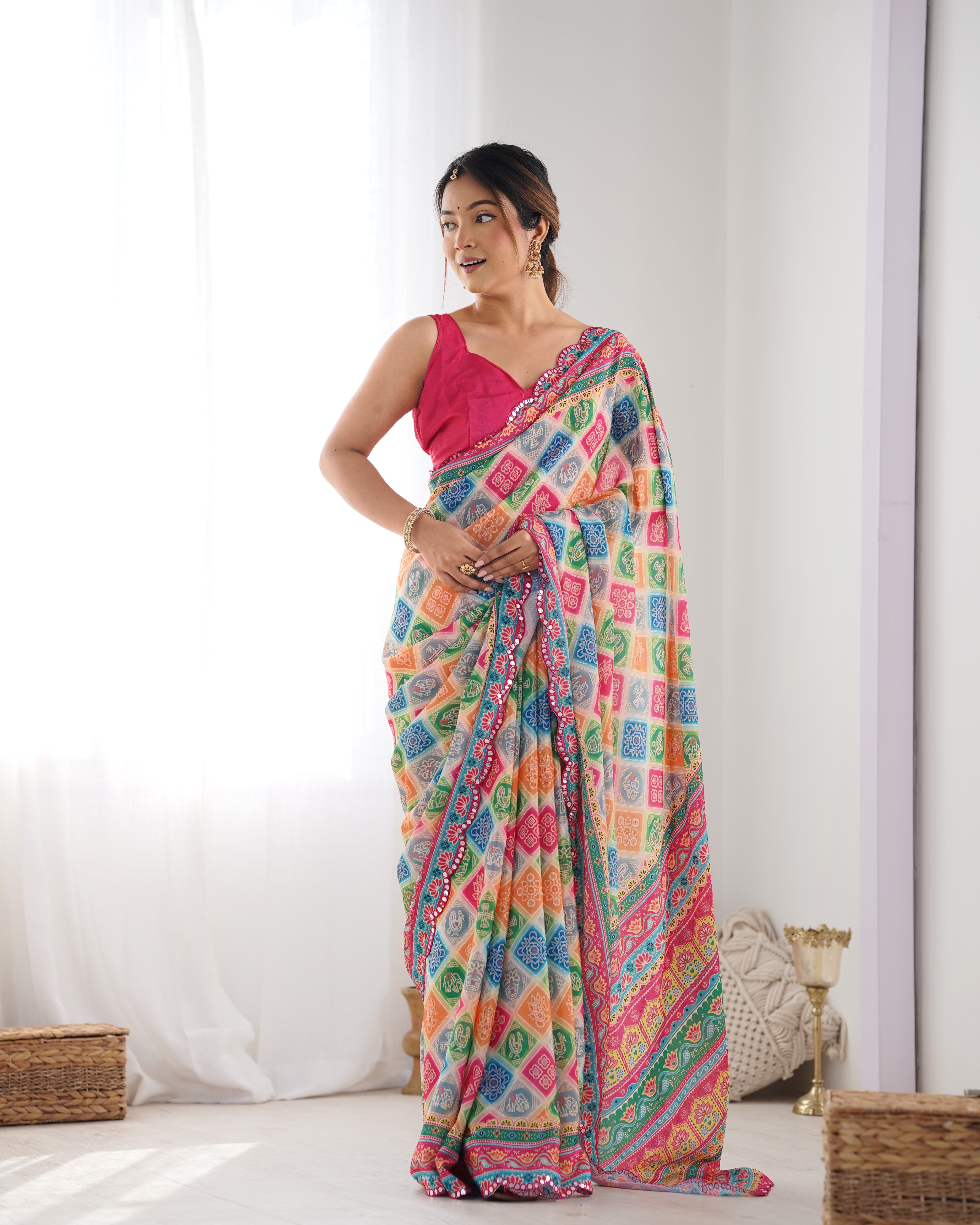
Mirror lace introduces texture and sparkle without the full weight of an all-over embellished saree. Lotus Print Heavy Chinnon Saree with Kutchi Mirror Lace is better suited to an evening gathering or festive celebration than a hot midday commute because heavier surface decoration can retain warmth and add weight. Colorful Ethnic Chinon Saree for Women offers a brighter styling direction for festive dressing when the blouse and jewellery are kept visually controlled.
What saree is famous in Chennai for weddings and celebrations?
A Kanjeevaram silk saree is the most time-honoured choice for a Tamil wedding guest, close family member or bride. A wedding purchase should be judged by fabric weight, zari description, border construction and blouse-fabric measurements because a heavy six-yard saree requires stronger pleating and more secure pinning.
Silk-cotton and tissue cotton can work well for guests who want a festive appearance without wearing bridal-level silk. Pastel Floral Tissue Handloom Cotton Saree with Zari Weaves is an example of a lighter direction that can be styled with a brocade blouse, gold-toned earrings and a neat low bun.
Linen-cotton, cotton and light Chanderi sarees are usually more comfortable for daytime functions in Chennai. Choose a breathable blouse, avoid excessive padding in the petticoat and use two or three well-placed safety pins rather than many pins that can pull the fabric.
Peach Linen Cotton Floral Print Saree with Blouse for Women works with tan sandals and minimal jewellery for a relaxed appearance. Pastel Linen Cotton Floral Print Saree with Designer Blouse can be elevated with pearl or silver accessories without making the outfit feel as formal as a zari-heavy silk saree.
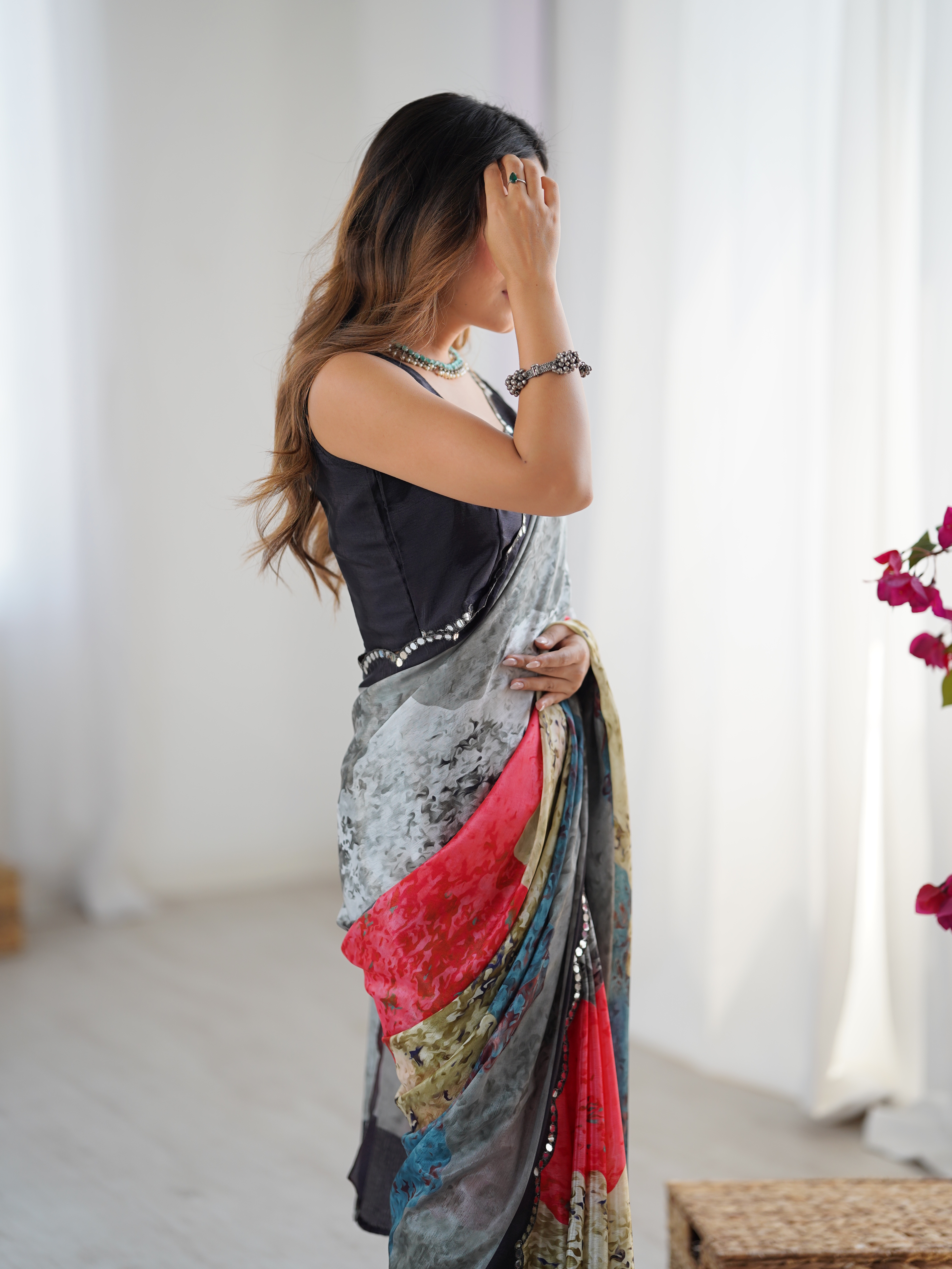
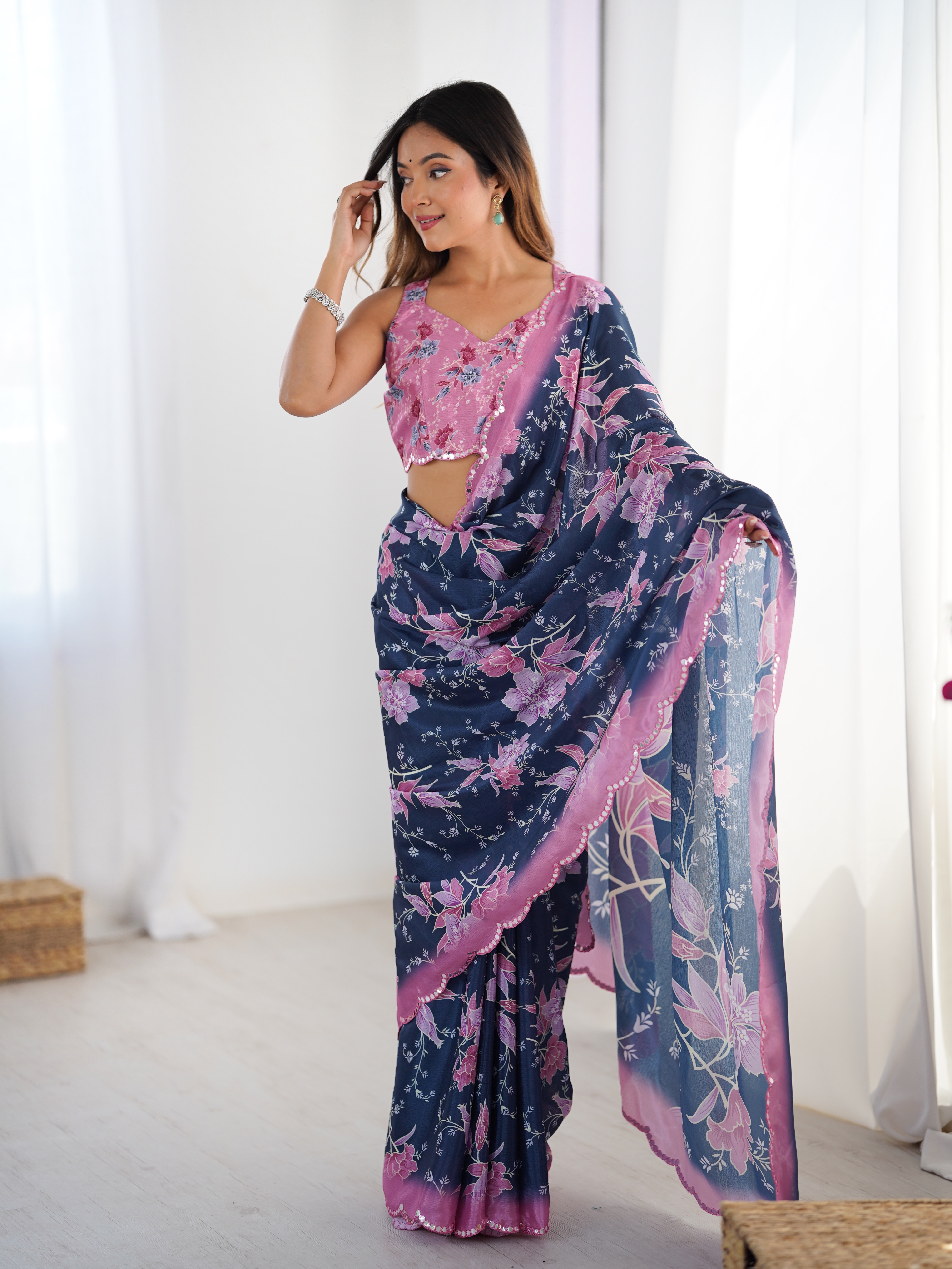
Chinnon and other fluid sarees create an evening silhouette, especially when the event involves standing, photographs or dancing. Floral Chinnon Ready to Wear Saree with Mirror Lace brings decorative texture to an evening outfit, while Peach Blue Floral Chinnon Ready to Wear Saree | Varnavi uses colour contrast as the main styling feature. Keep the blouse neckline and jewellery proportionate so that mirror work or a strong print remains the visual focus.
What saree is famous in Chennai and how can you check quality?
Check fibre composition, weave density, finishing, measurements and care instructions before judging a saree's quality. Price alone can't confirm whether a saree is handwoven, pure silk, powerloom-made, blended or finished with imitation zari.
- Read the fibre label: Look for clear wording such as pure silk, silk-cotton, cotton, linen-cotton or chinnon rather than relying on a colour name or marketing term.
- Inspect the reverse side: Neat selvedges, consistent weaving and secure finishing are useful signs, although an online photograph can't replace a physical inspection.
- Check the measurements: Confirm the saree length, blouse-piece length and width. A six-yard saree may feel difficult to drape if the wearer is tall or prefers broad pleats.
- Ask about zari: Find out whether the zari is metallic, imitation or made with precious-metal content. Zari composition affects both price and care.
- Examine embellishment: Mirror work, lace and embroidery should be attached securely, with no loose threads or sharp exposed edges likely to catch on jewellery.
- Match care to lifestyle: A saree requiring specialist dry cleaning may not be the best choice for frequent use, even when its colour and design are attractive.
For online buying, read the fabric description, view close-up images, check the return terms and compare the displayed blouse details with the product measurements. Collections such as Sarees from Rs 1000 to Rs 1500 can help with initial price filtering, while Sarees Under 20% Off and Sarees Under 10% Off may be useful for comparing reductions without confusing a discount with fabric quality.
What saree is famous in Chennai and how should you care for it?
Kanjeevaram silk should be aired in shade, folded with the zari turned inward and refolded every few months to reduce permanent crease lines. Avoid direct sunlight, plastic storage for long periods, perfume sprayed directly on the fabric and damp cupboards.
Cotton and linen sarees should be completely dry before storage because Chennai's humidity can encourage mildew and stale odours. Fold linen-cotton sarees along natural fold lines, use breathable cotton covers and keep them away from rough wooden edges or exposed metal that can snag the weave.
Chinnon sarees and mirror-lace sarees need separate storage from heavy jewellery and sarees with coarse embroidery. Roll delicate embellished sarees around a clean muslin-covered tube when possible, or fold them with soft tissue between decorated layers. Follow the care label before washing, because heat and aggressive wringing can distort synthetic drapes and loosen attached trim.
Ultimately, the answer to what saree is famous in Chennai is Kanjeevaram silk, but the best saree for a special day may be cotton, linen-cotton, Chanderi, tissue cotton or chinnon. Choose according to the event, weather, movement need, maintenance routine and the amount you're comfortable spending.
Common Questions About Chennai’s Famous Sarees
What saree is famous in Chennai?
Kanjeevaram silk is the saree most famously associated with Chennai and Tamil Nadu. The saree is woven in and around Kanchipuram and is known for silk, contrasting borders, temple motifs and zari work.
Is Kanjeevaram the same as Kanchipuram silk?
Kanjeevaram silk and Kanchipuram silk generally refer to the same regional saree tradition. Buyers should still check the fibre label and applicable certification because "Kanjeevaram style" can describe appearance rather than origin.
Which saree is best for Chennai weather?
Cotton, linen-cotton, cotton-silk and lightweight Chanderi sarees are usually more comfortable for Chennai's warm and humid weather. The blouse, petticoat, weave and amount of embellishment also affect comfort.
Is Madras cotton suitable for everyday saree wear?
Madras cotton is suitable for everyday wear because it is generally lightweight and breathable. Checks, stripes, plaids and printed patterns make Madras cotton easy to style for work, visits and informal daytime events.
How can I tell whether a saree is genuine Kanjeevaram silk?
Check the fibre and origin information, silk or handloom certification where applicable, zari description and seller documentation. A glossy appearance alone cannot prove that a saree is pure Kanjeevaram silk.
Can I wear a chinnon saree to a Chennai wedding?
A chinnon saree can suit a Chennai wedding reception or festive celebration when its colour and embellishment match the dress code. Kanjeevaram silk remains the more traditional choice for a Tamil wedding, especially for bridal and close-family dressing.