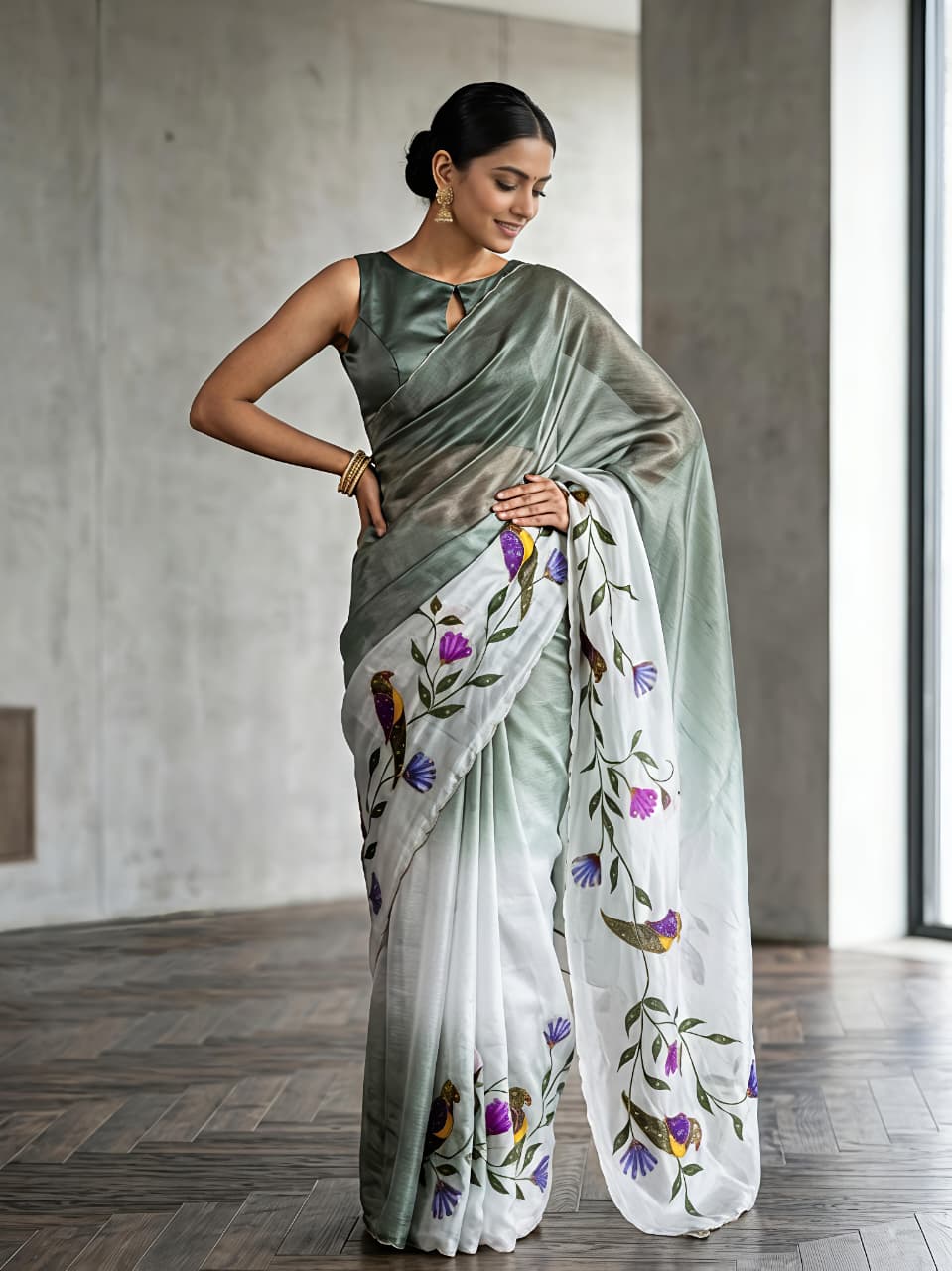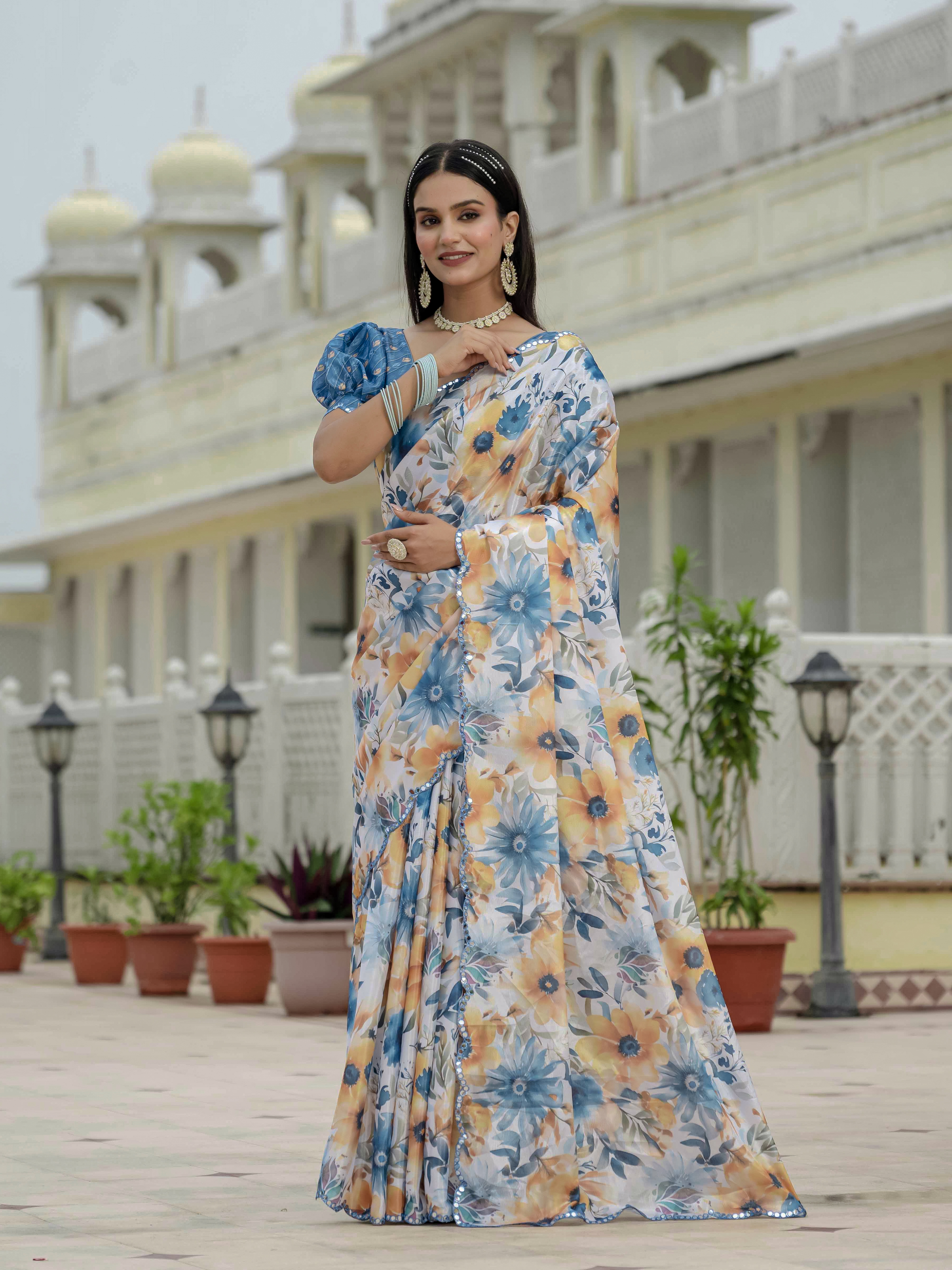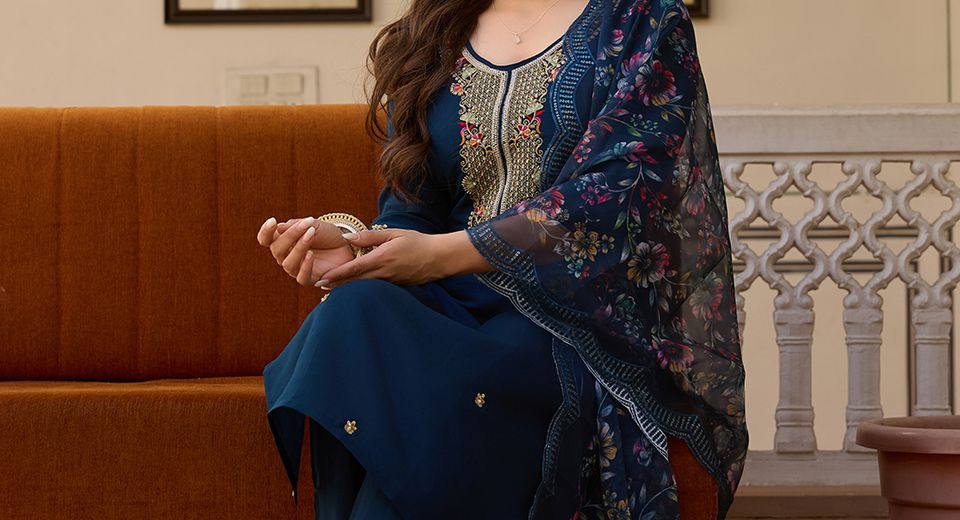
If you've searched "what's salwar kameez," you're looking at one of India's most recognisable outfits: a coordinated set made from a tunic, trousers and a scarf. The tunic is called a kameez or kurta, the lower garment is the salwar, and the scarf is the dupatta. Together, these three pieces create an outfit that can be relaxed enough for daily wear or detailed enough for weddings and festivals.
Salwar kameez can look very different from one region, fabric or decade to another. A flowing Anarkali suit, a printed straight suit and a Punjabi suit with a fuller salwar are all part of the same broad family. Understanding the construction makes it easier to compare suit sets, read product descriptions and choose the right style for your body, climate and occasion.
What's salwar kameez made of?
Salwar kameez consists of a kameez, a salwar and a dupatta, although modern ready-to-wear sets sometimes alter or omit one of these pieces. The kameez provides the main silhouette, the salwar gives movement and comfort, and the dupatta adds coverage, colour and visual balance.
The kameez or kurta
The kameez is the upper garment, usually cut to fall anywhere from above the knee to the ankle. A straight kameez hangs in a relatively even line, while an Anarkali kameez flares from the waist or upper bodice. A short kurta may be paired with a voluminous salwar, sharara or palazzo instead of a traditional tapered salwar.
Necklines, sleeves, side slits and hem shapes change the character of the garment. A round neck and three-quarter sleeves create a practical everyday shape, while a boat neck, yoke, scalloped hem or embroidered neckline creates a more formal appearance. Shoulder and bust fit deserve particular attention because those areas are easier to alter than a heavily embroidered hem.
The salwar
The salwar is the lower garment traditionally associated with the outfit, and it's generally roomier at the hip before narrowing towards the ankle. The classic salwar gathers into multiple folds, whereas a churidar is closely fitted below the knee and forms small folds at the ankle. Patiala salwars have a much fuller, pleated shape, while current suit sets may use cigarette pants, straight pants or palazzos.
The waist construction usually includes an elasticated waistband, drawstring or a combination of both. A drawstring allows more adjustment, while elastic improves speed and convenience. Check the finished waist and hip measurements rather than relying only on a label such as small, medium or large.
The dupatta
The dupatta is a long scarf worn over the shoulders, across the front or around the neck. A dupatta can be made from cotton, chiffon, organza, Chanderi, silk or a lightweight synthetic blend, and its border often coordinates with the kameez embroidery.
Dupatta width affects how easily it drapes. A narrow dupatta feels less bulky for office wear, while a broad dupatta gives better shoulder coverage for festive dressing. Organza dupattas hold a crisp shape, whereas rayon and cotton dupattas fall more softly.
How did salwar kameez become a familiar Indian outfit?
Salwar kameez became widely associated with North Indian clothing through regional dress traditions, urbanisation and the growth of ready-to-wear fashion. The garments have older connections with Central Asian and Persianate clothing, while local communities shaped their cuts, textiles, embroidery and methods of draping over time.
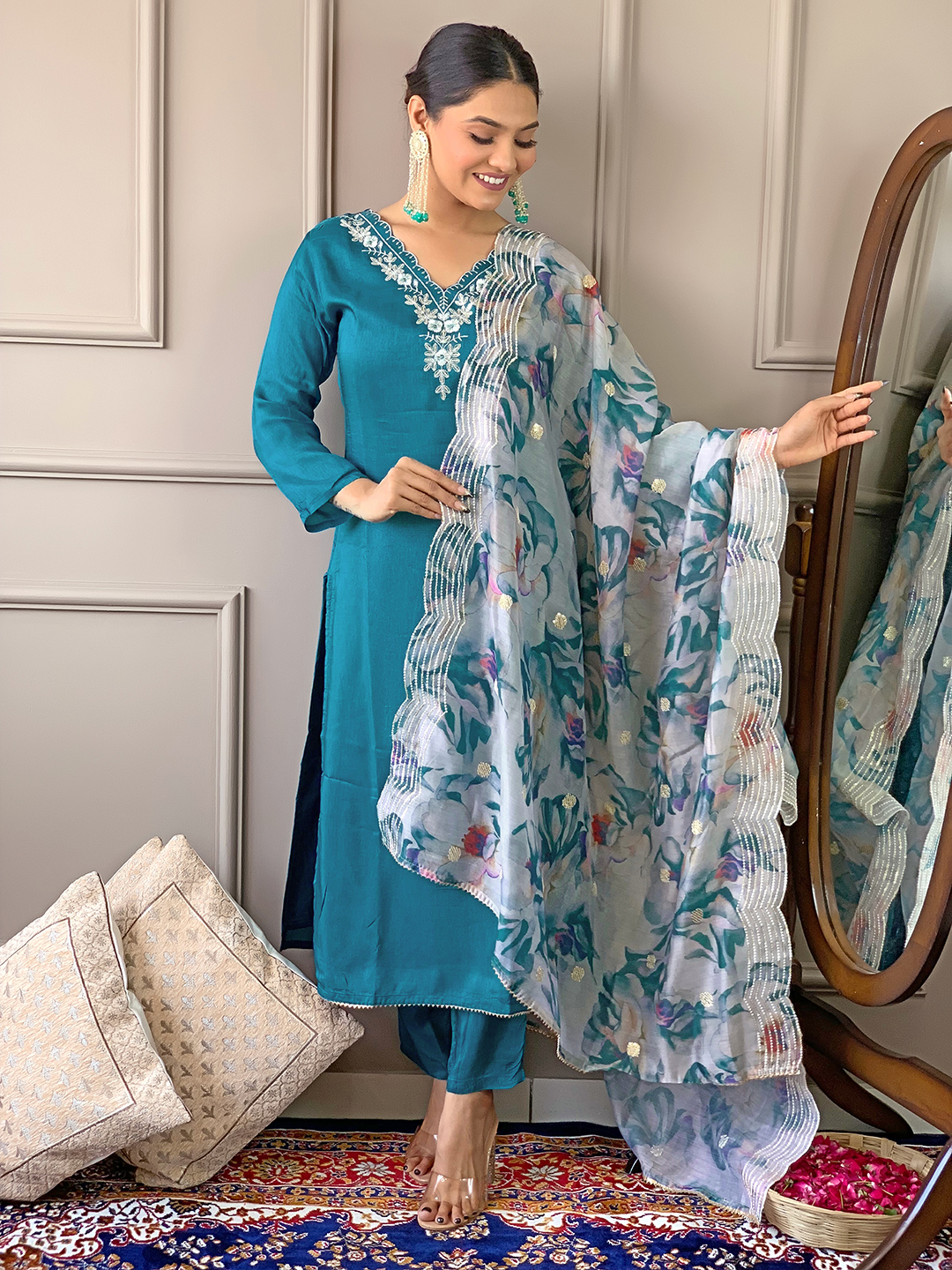
The outfit is especially linked with Punjab, where the Punjabi suit commonly combines a shorter kameez with a fuller salwar and a dupatta. In other parts of India, long Anarkali silhouettes, straight-cut kurtas and churidar combinations became popular for formal and festive dressing. Film, television, retail and tailoring helped carry regional forms into wardrobes across the country.
Contemporary salwar kameez isn't one fixed costume. A readymade three-piece set may use machine embroidery, printed rayon and elasticated trousers, while a wedding suit may use silk, zari, sequins and hand-finished details. The shared idea is a coordinated upper garment and lower garment, usually completed by a dupatta.
Which salwar kameez styles are most common?
The most common salwar kameez styles are straight suits, Anarkali suits, Punjabi suits, churidar suits and contemporary sets with pants or palazzos. Each silhouette changes the amount of movement, volume and visual emphasis in the outfit.
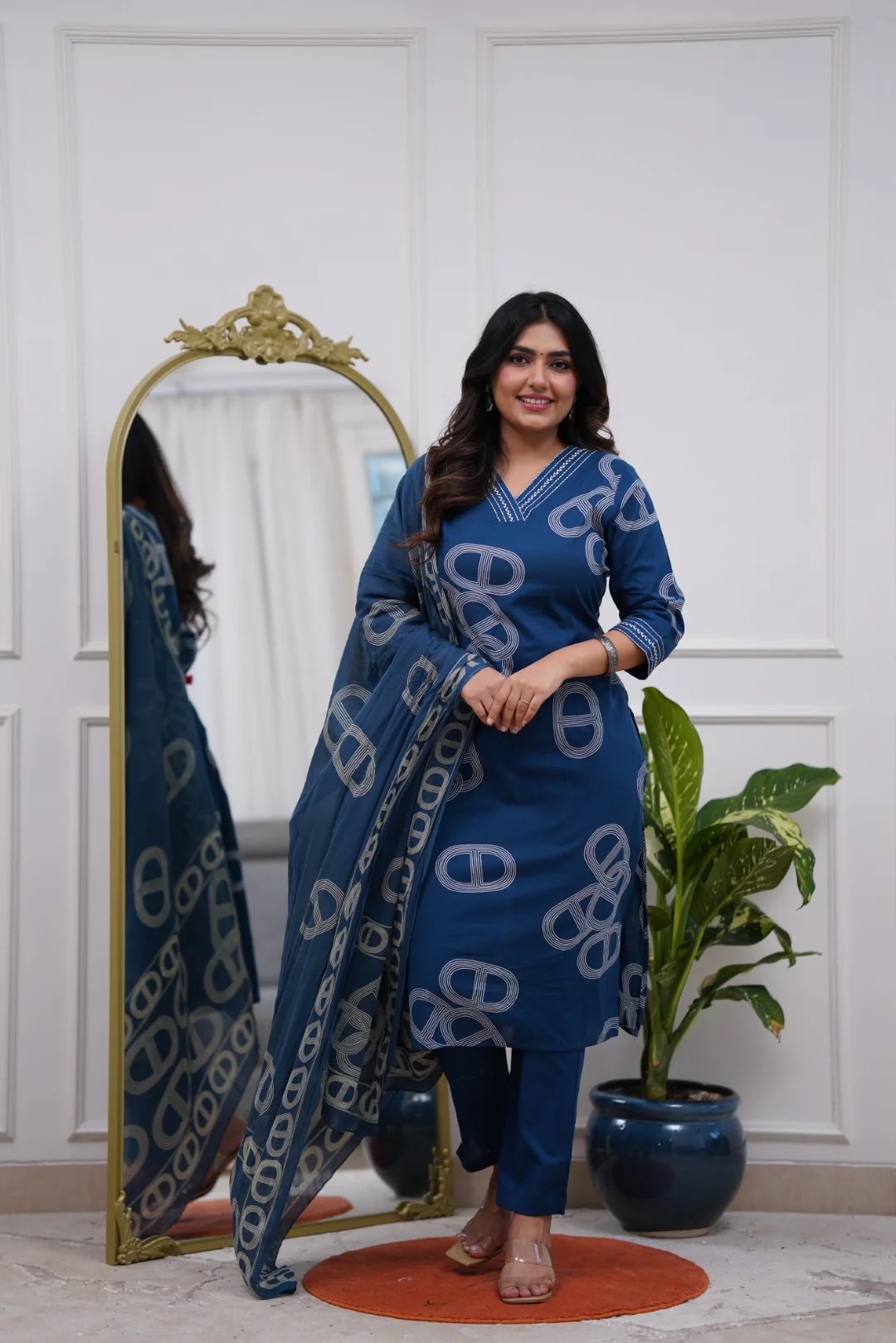
- Straight suit: A straight kameez falls almost vertically from the shoulders and works well for office wear, everyday dressing and semi-formal gatherings. A side slit allows easier walking, especially when the hem is below the knee.
- Anarkali suit: An Anarkali flares from a fitted or semi-fitted upper section. The silhouette creates movement around the legs and is a dependable choice for festive events, receptions and family celebrations. The Ladies Dress Anarkali Salwar Suits collection reflects the range of lengths and flare levels available in this category.
- Punjabi suit: A Punjabi suit usually pairs a shorter or medium-length kameez with a fuller salwar. The shape has a distinctly regional feel and works particularly well when the salwar has visible pleats or gathers.
- Churidar suit: A churidar has a close fit through the calf and gathers at the ankle. It creates a long, narrow line but requires careful measurement around the calf and ankle.
- Pant or palazzo suit: These updated versions replace the heritage salwar with straight pants, cigarette pants or wide palazzos. They are useful when you want the visual coordination of a suit set with a less voluminous lower garment.
The Green Chanderi Embroidered Salwar Suit with Organza Dupatta demonstrates how fabric and dupatta structure can make a familiar silhouette feel dressier. The Embroidered Salwar Suit Set for Women offers another useful reference point: coordinated embroidery can provide a festive finish without requiring a heavily flared Anarkali.
Which fabrics work best for salwar kameez?
The best salwar kameez fabric depends on weather, movement, opacity, maintenance and the formality of the event. Cotton and rayon are practical for frequent wear, Chanderi and silk look more polished, and organza is often used for structured dupattas rather than close-fitting garments.
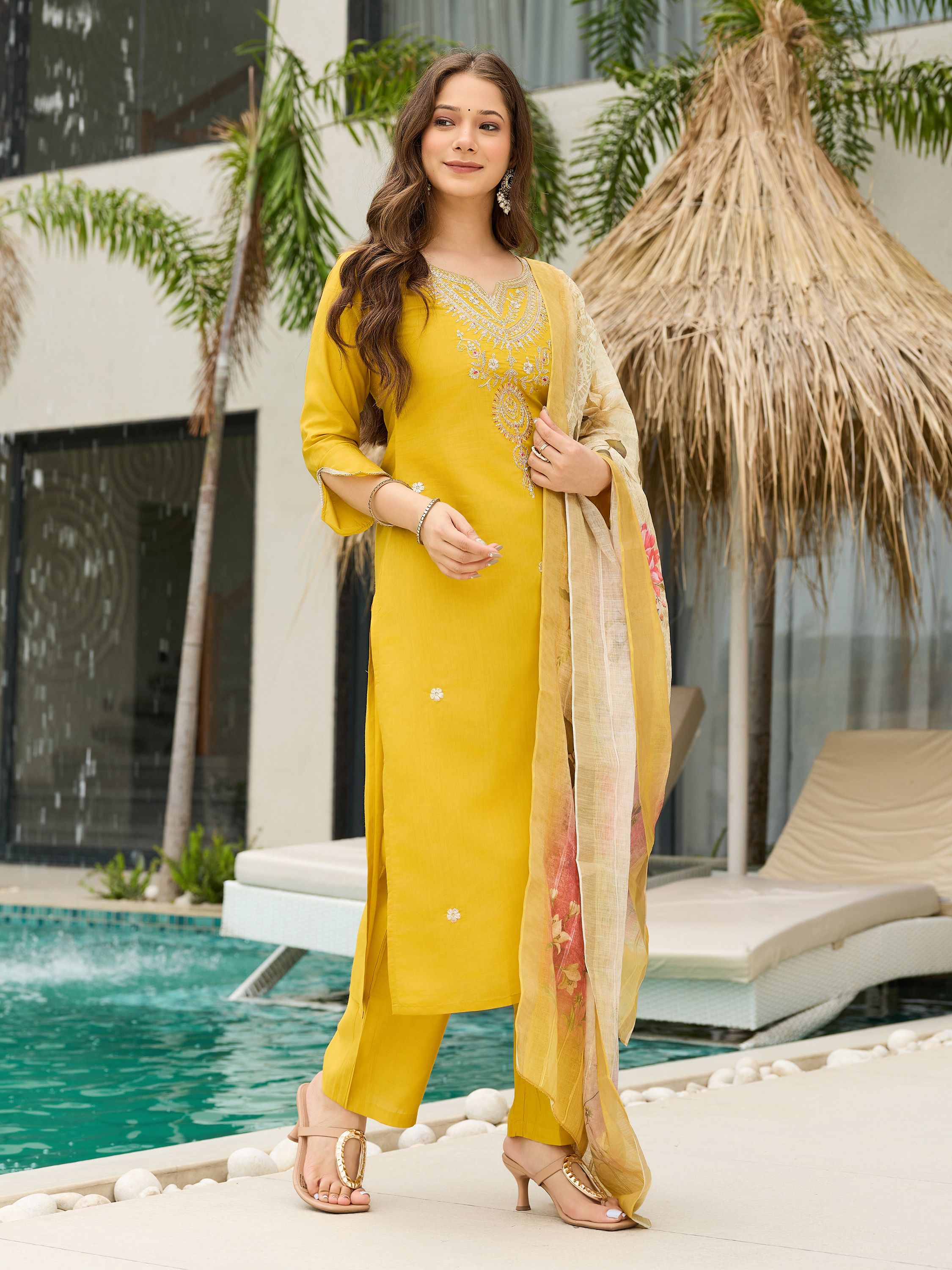
Daily and warm-weather fabrics
Cotton absorbs moisture and allows air circulation, making it useful for summer and regular daytime wear. Rayon has a soft drape and often carries printed designs clearly, but rayon garments should be washed gently because rough handling can distort the fabric. The Cream Pink Printed Rayon Readymade Salwar Suit shows how a fluid fabric suits a relaxed, everyday silhouette.
Lightweight blends can reduce creasing, although the exact fibre composition should be checked before purchase. A lined kameez may feel more comfortable and opaque, but lining also adds warmth. For humid weather, choose breathable fabric and avoid excessive layers around the torso.
Festive and formal fabrics
Chanderi has a light, slightly crisp hand and a subtle sheen that suits daytime festivities, puja gatherings and summer celebrations. Banarasi silk has a richer surface and is usually chosen for more formal dressing, while zari introduces metallic threadwork that can range from a narrow border to dense motifs.
Organza is lightweight and crisp, so an organza dupatta can add structure and volume without making the entire outfit heavy. The Elegant White Cording Threadwork Salwar Suit uses surface texture to create definition, while the Elegant Camel Shade Salwar Suit Set shows how a neutral colour can look formal when the cut and detailing are carefully balanced.
Dress Materials collections are useful when a wearer wants more control over length, sleeve shape or finishing. Ready-made options require less tailoring, while an unstitched set may suit someone who already has a trusted tailor and specific fit preferences.
How should you choose a salwar kameez for an occasion?
Choose salwar kameez by matching the fabric, silhouette, embroidery level and comfort requirements to the event. A breathable straight suit suits daytime work or errands, while a detailed Anarkali or silk set is more appropriate for a wedding reception or evening celebration.
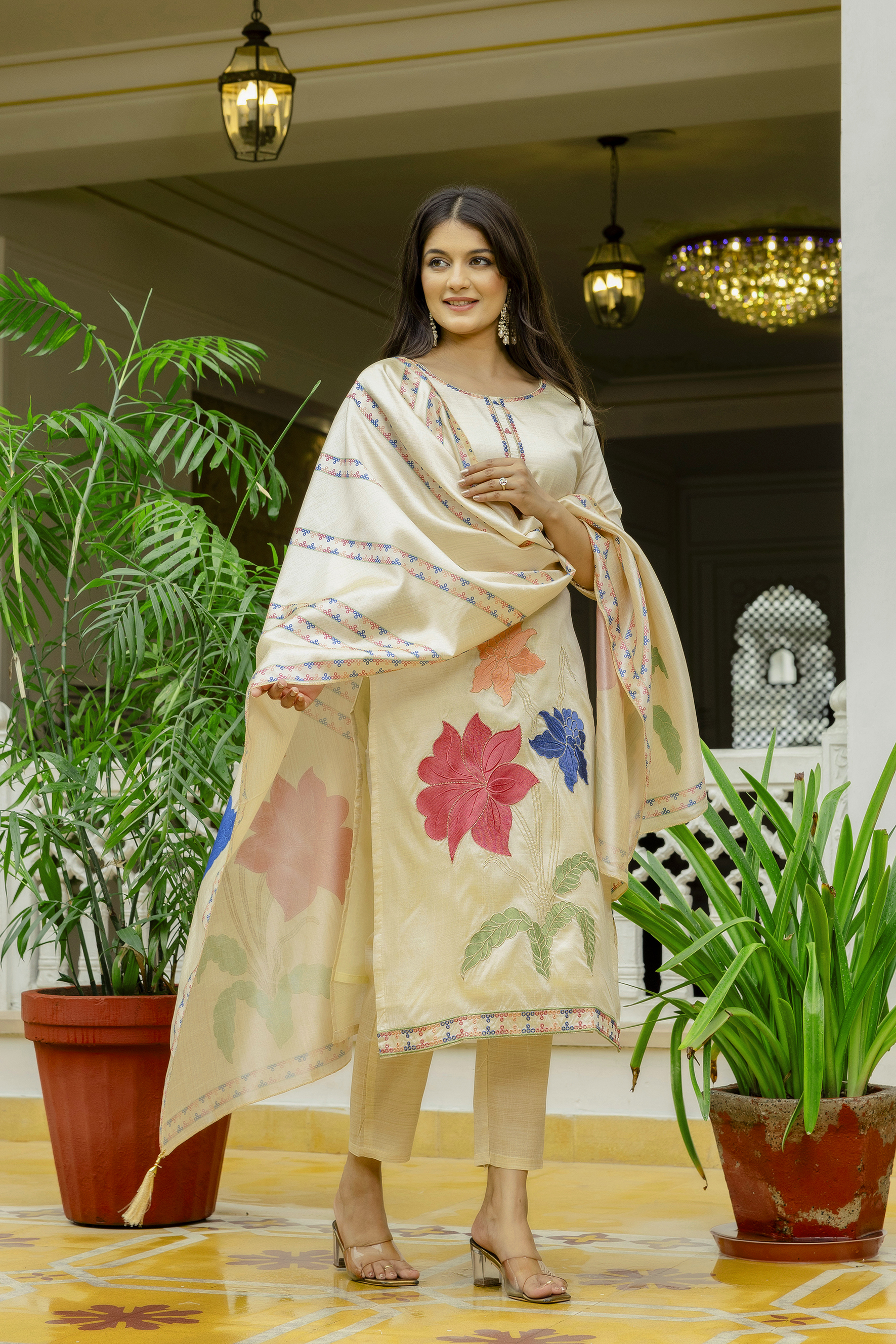
- For office wear: Select a straight kameez in cotton, rayon or a restrained blend, with minimal embellishment and a dupatta that stays in place. Three-quarter sleeves and side slits make movement easier without making the outfit casual.
- For a Haldi ceremony: Yellow, green, coral and pink create a lively visual direction, but choose washable or easy-care fabric if turmeric and food may be present. The Yellow Threadwork Readymade Salwar Suit combines a bright colour family with decorative threadwork suited to a festive daytime setting.
- For weddings: Look for silk, Chanderi, brocade details, zari, sequins or dense threadwork, depending on the dress code. A heavily embellished dupatta can elevate a simple kameez, but confirm that the garment remains comfortable when seated for several hours.
- For evening events: Darker colours and controlled shine photograph well under artificial light. The Black Red Fendy Silk 3 Piece Readymade Salwar Suit Set uses contrast to create a sharper evening impression, while the Navy Blue Threadwork Readymade Salwar Suit gives a quieter dark base with surface detail.
- For travel or long functions: Prioritise an adjustable waist, secure dupatta, crease resistance and enough room at the armhole. A garment that looks attractive but restricts sitting, climbing stairs or raising the arms will be difficult to wear for a full day.
Sale collections can make occasion dressing more accessible, but discount percentage should not replace garment checks. Compare fabric composition, lining, measurements, included pieces and care instructions before choosing from Salwar Suits with 30% Off, Salwar Suits Flat 40% Off or Salwar Suits On Sale.
How do you select the right fit and proportion?
The right fit comes from checking shoulder, bust, waist, hip, sleeve and garment-length measurements instead of judging the outfit by size label alone. A well-fitting kameez should allow comfortable arm movement, sit smoothly across the bust and leave enough room for sitting without pulling at the side seams.
Measure the body while wearing a thin layer of clothing and keep the tape level. Add ease according to the fabric and silhouette: a straight cotton kameez needs practical movement room, while a structured garment with lining may need slightly more allowance. Compare the garment's finished measurements with a similar outfit that already fits well.
Proportion also affects the visual balance of a set. A long Anarkali can benefit from a narrower, simpler dupatta, while a short kameez can carry a fuller salwar or palazzo. A petite wearer may prefer a moderate flare and smaller motifs, whereas a taller wearer can carry a longer hem and broader border with ease.
Colour placement matters as much as colour choice. A darker lower garment can create a grounded base, while embroidery near the neckline draws attention upward. The Cream Pink Printed Rayon Readymade Salwar Suit uses a softer colour direction for everyday styling, while the Black Red Fendy Silk 3 Piece Readymade Salwar Suit Set creates stronger contrast for an evening look.
How should you style and care for a salwar kameez?
Style salwar kameez by coordinating the dupatta, footwear and jewellery with the outfit's level of detail rather than matching every element exactly. A simple suit can take statement earrings, while a heavily embroidered set usually looks more polished with restrained accessories.
For a straight suit, juttis, low block heels or simple sandals maintain a practical line. An Anarkali works with embellished juttis or heels that don't catch on the hem. A Punjabi suit benefits from a dupatta draped over one shoulder or crossed lightly at the front, while a palazzo suit can be balanced with a shorter kurta or a neatly tucked dupatta.
Store embellished garments in a breathable cotton cover and avoid hanging very heavy sets on thin wire hangers. Fold zari, sequins and delicate threadwork with soft tissue paper between layers to reduce snagging. Keep dark colours away from direct sunlight for long periods because prolonged exposure can cause fading.
Read the care label before washing. Cold water, mild detergent and shade drying are safer starting points for many rayon, cotton and embroidered garments, but silk, zari and heavily embellished pieces may require professional dry cleaning. Do not wring an organza dupatta, and iron delicate fabrics from the reverse side at a low temperature with a pressing cloth.
Common questions about choosing salwar kameez
Is salwar kameez the same as a salwar suit?
Salwar kameez and salwar suit usually describe the same broad three-piece outfit. The terms may be used differently by regions and retailers, but both generally refer to a kameez or kurta, a lower garment and a dupatta.
What is the difference between a salwar and a churidar?
A salwar is generally roomier around the hip and thigh, while a churidar is closely fitted below the knee and gathers at the ankle. The two lower garments create different proportions and require different calf and ankle measurements.
Can salwar kameez be worn without a dupatta?
Salwar kameez can be worn without a dupatta when the garment design and setting make that practical. A dupatta brings additional coverage and completes the classic three-piece appearance, but many contemporary suit sets are designed for more than one styling option.
Which salwar kameez fabric is best for summer?
Cotton is usually the most breathable choice for hot weather, while lightweight rayon can offer a soft, fluid drape. Chanderi may work for a dressier summer event, but lining, embroidery and the number of layers can affect how cool the outfit feels.
How can you tell whether a readymade salwar suit will fit?
Compare the listed garment measurements with your shoulder, bust, waist, hip and desired length measurements. Also check the waist construction, armhole room, fabric stretch, lining and whether the set includes all three pieces before ordering.
Which salwar kameez style is suitable for a wedding?
An embellished Anarkali, silk suit, Chanderi set with zari or detailed straight suit can suit a wedding, depending on the dress code. Choose a comfortable fit and test the dupatta and footwear before the event because wedding functions often involve several hours of standing and sitting.
Common Questions About Choosing Salwar Kameez
What is salwar kameez made of?
Salwar kameez is made from a kameez or kurta, a salwar or other lower garment, and usually a dupatta. Common fabrics include cotton, rayon, Chanderi, silk, chiffon and organza.
Is salwar kameez the same as a salwar suit?
Salwar kameez and salwar suit usually refer to the same broad three-piece Indian outfit. Retailers may use either term for a coordinated kurta, bottom and dupatta set.
What is the difference between a salwar and a churidar?
A salwar is generally roomier through the hip and thigh, while a churidar is closely fitted below the knee and gathers at the ankle. The two shapes require different measurements and create different outfit proportions.
Which fabric is best for salwar kameez in summer?
Cotton is usually the most breathable option for summer, while lightweight rayon provides a soft drape. Chanderi can suit dressier warm-weather events, although lining and embroidery may add warmth.
Can salwar kameez be worn without a dupatta?
Salwar kameez can be worn without a dupatta when the design and setting allow it. A dupatta adds coverage and completes the traditional three-piece look, while many contemporary sets offer flexible styling.
How should a salwar kameez be washed?
Follow the garment care label, but cold water, mild detergent and shade drying are common safer choices for cotton, rayon and embroidered garments. Silk, zari, organza and heavily embellished pieces may require gentle handling or professional dry cleaning.