

What makes an ethnic shirt dress suitable for the workplace comes down to more than a collar and buttons. The right ethnic shirt dress combines a controlled silhouette, comfortable fabric, an office-appropriate hemline, and a print or weave that looks intentional rather than festive. For most offices, the safest version falls around the knee or midi length, has sleeves that go beyond the shoulder, and uses breathable cotton, linen, Chanderi, or a restrained blend. Colour, footwear, accessories, and tailoring then decide whether the outfit feels professional enough for a regular workday, a client meeting, or a presentation.
Indian textile traditions offer useful references for building that balance. A handloom border, a small geometric motif, or a muted botanical print can provide cultural character without making an ethnic shirt dress look like occasion wear. The key is to edit the whole outfit so that one design element leads and the rest remains quiet.
What makes an ethnic shirt dress suitable for the workplace?
An ethnic shirt dress becomes suitable for the workplace when its coverage, structure, fabric, and visual detail meet the standards of the office environment. A dress that sits securely at the shoulders, doesn't pull across the bust or waist, and allows comfortable movement will look more polished than a fashionable but poorly fitted alternative.
Start with the construction. A defined shirt collar, a continuous button placket, and a clean sleeve seam give the garment a tailored frame. A waist tie can work when it's narrow and neatly secured, but a loose sash or dramatic bow often reads as casual. Patch pockets should lie flat, while side pockets should not pull the fabric outward when carrying a phone or access card.
Length also matters. A knee-length hem can suit a relaxed office, although a midi hem ending between the lower calf and ankle generally offers more coverage and versatility. A dress that stops at the upper thigh, has a high front slit, or becomes noticeably shorter when you sit is unsuitable for most professional settings. Test the sitting length before buying by placing both feet on the floor and checking whether the hem remains comfortable.
Opacity is a practical requirement rather than a minor styling preference. Hold the fabric against daylight and check whether the outline of a camisole, bra, or slip is visible. Lightweight cotton and linen can become more transparent in pale shades, so a full-length inner slip may be necessary. An ethnic shirt dress should not depend on a handbag, scarf, or jacket to conceal see-through areas.
Which fabrics work best for an office-ready ethnic shirt dress?
Cotton, linen-cotton, Chanderi cotton, and medium-weight handloom weaves are dependable choices for an office-ready ethnic shirt dress because they offer breathability with enough body for a neat silhouette.
Breathable fabrics for long workdays
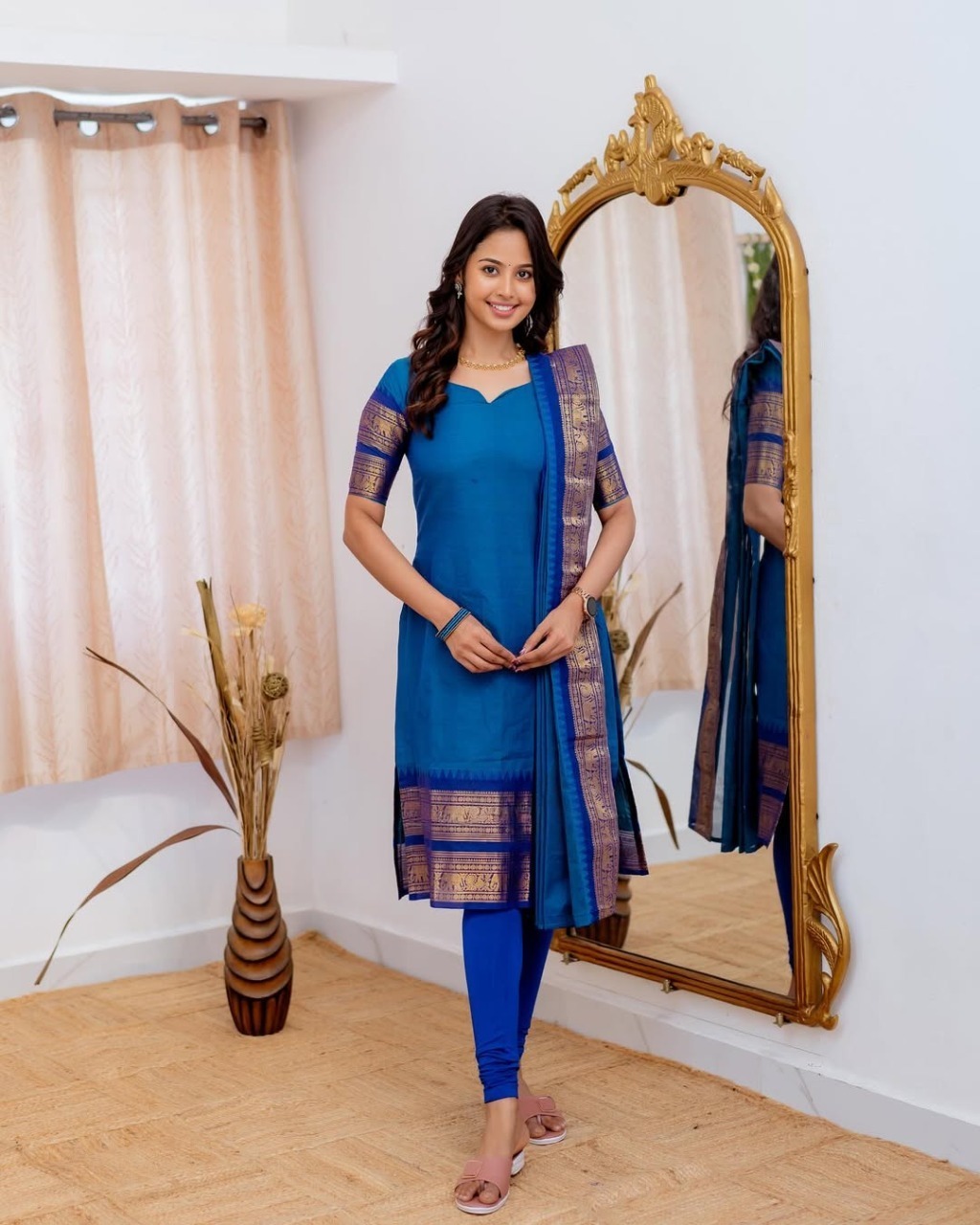
Cotton suits warm commutes and air-conditioned offices because it absorbs moisture and generally feels comfortable against the skin. Very soft cotton can crease quickly, so look for a fabric with moderate weight or a cotton-linen blend. Linen cotton provides airflow and a slightly textured surface, but it should be pressed carefully because deep creases can make a shirt dress look untidy by midday.
Chanderi cotton has a light hand and a subtle surface glow. A Chanderi-inspired shirt dress can look elegant with a simple collar and low-contrast print, provided the fabric isn't too sheer. Banarasi silk and heavily glossy satin are usually better reserved for festive or evening dressing because their shine can appear celebratory rather than workplace-specific. Kanjeevaram silk has exceptional cultural and textile value, but its weight, sheen, and zari make it impractical for an ordinary office shirt dress.
How textile details affect formality
A textile detail becomes workplace-friendly when it remains controlled in scale and placement. A narrow zari-inspired trim on the collar or sleeve can add interest, while broad metallic borders across the entire hem may resemble festive dressing. A handloom texture usually looks more understated than sequins, mirror work, dense embroidery, or high-contrast metallic motifs.
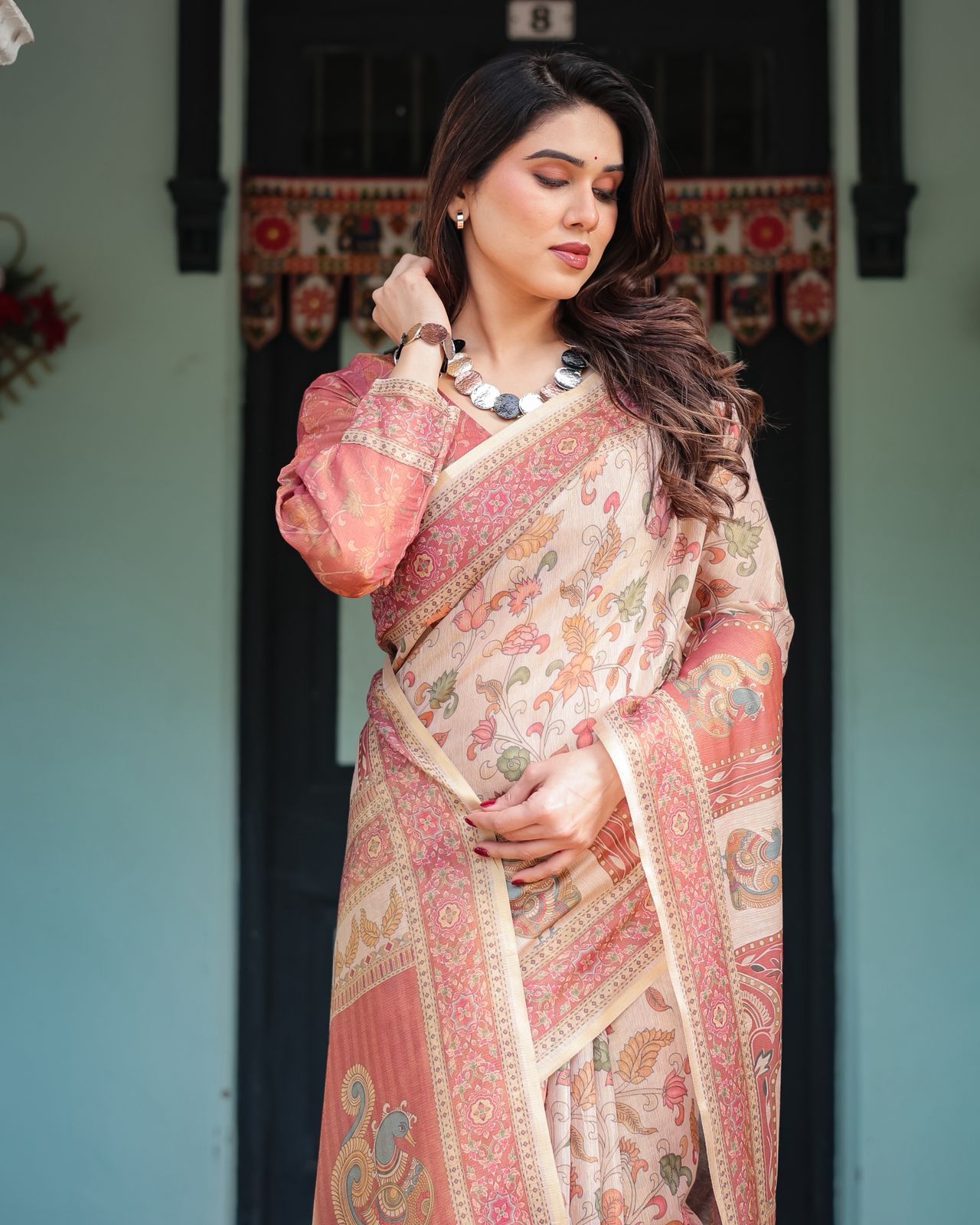
The Peach Beige Floral Handloom Saree with Ethnic Border demonstrates an useful balance of a soft ground, floral pattern, and defined border. The same design logic can guide a shirt dress: choose one dominant floral or ethnic element, then keep the collar, buttons, and footwear uncomplicated. The Mustard Yellow Linen Cotton Saree with Green Stripe Borders also shows how a restrained border can connect two colours without requiring heavy embellishment.
How should the print and colour be selected for an office?
Office-appropriate prints usually have moderate scale, limited contrast, and enough negative space for the garment's shirt details to remain visible. A print should support the silhouette rather than compete with the collar, placket, pockets, and sleeves.
Small florals, narrow stripes, delicate checks, block-inspired motifs, and low-contrast geometric patterns are reliable choices. Large conversational prints can work in creative workplaces, but they need a quiet background and a relatively simple cut. Dense motifs from shoulder to hem can make a shirt dress look visually busy, especially when combined with a belt, statement earrings, or bright shoes.
Colour should be judged in relation to the workplace rather than by a universal list of acceptable shades. Navy, charcoal, olive, indigo, beige, ivory, muted rust, dusty rose, and forest green can all work when the cut is tailored. A bright yellow or red dress may remain professional if the print is small and the accessories are neutral, while a black dress with sequins may be less suitable for a formal office.
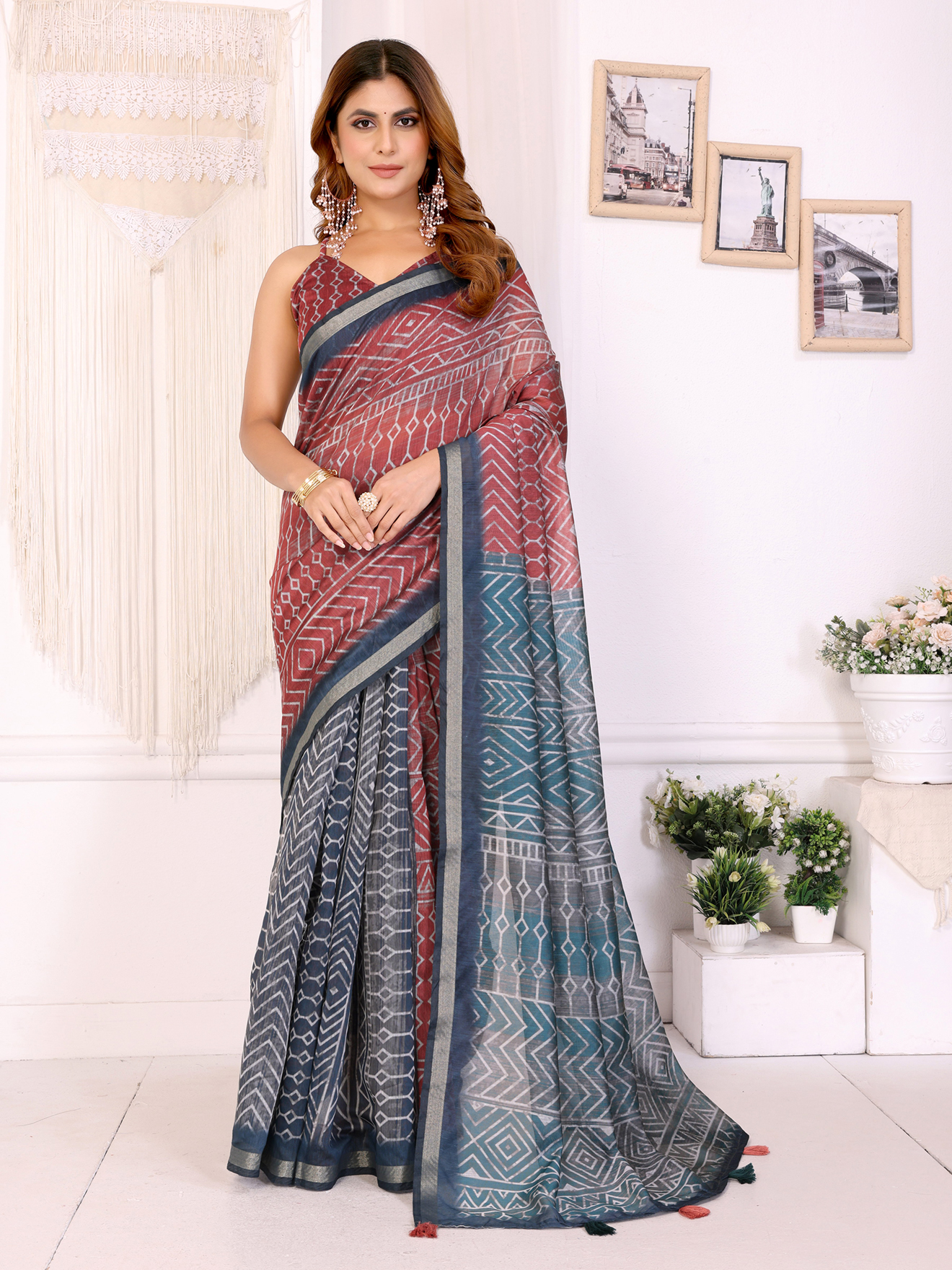
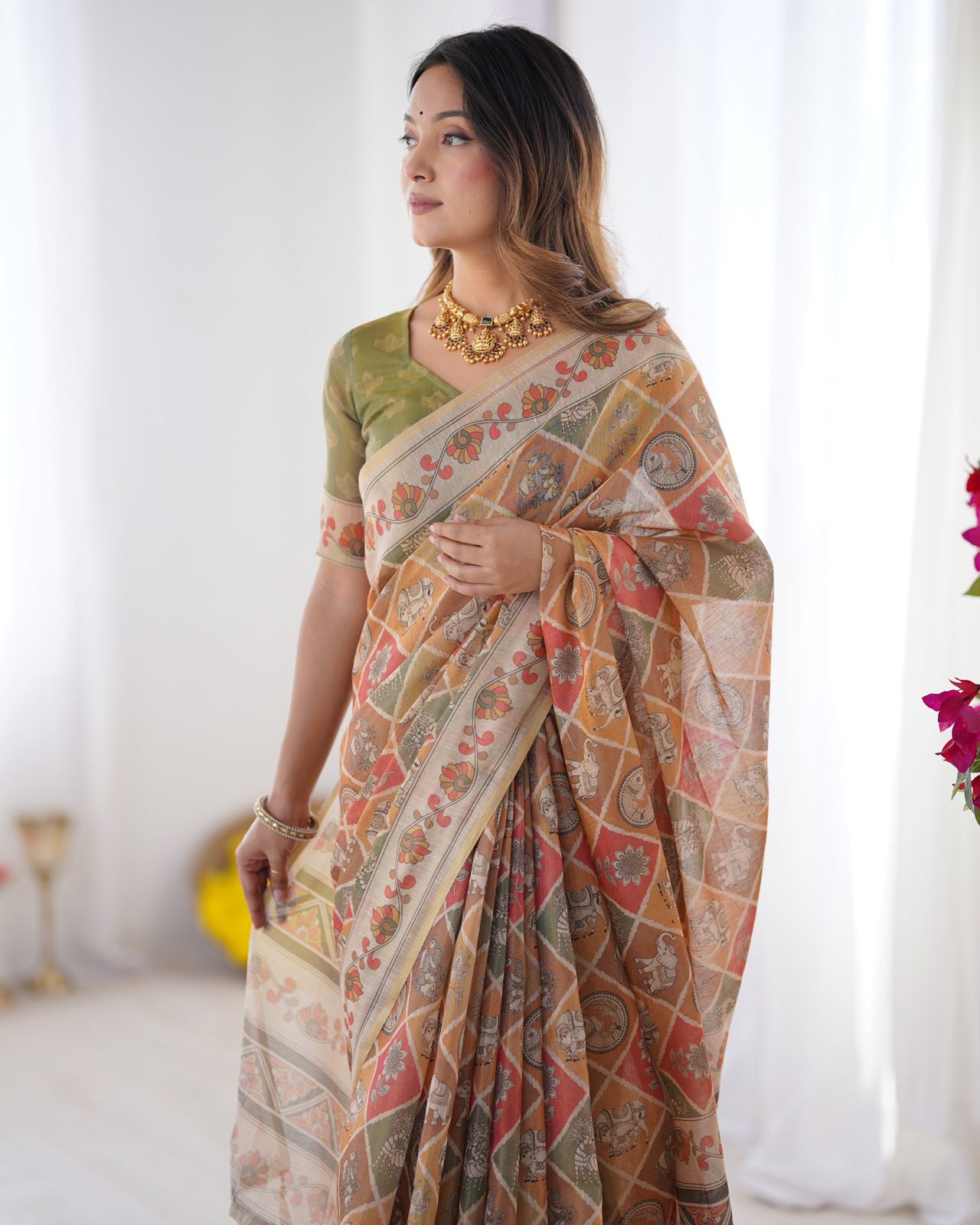
The Rust Red Handloom Printed Saree with Ethnic Border gives an useful reference for using a warm colour without adding excessive ornament. Rust can be balanced with tan, brown, navy, or black accessories. The Elegant Pastel Green & Beige Linen Saree with Tribal Design illustrates another approach: a pale base and an earthy motif create cultural expression with a calmer visual effect. A shirt dress based on similar colours would suit a regular workday more readily than a neon or metallic palette.
Pattern placement deserves attention. Vertical lines can create a longer visual line, while horizontal borders at the hem can make a midi dress appear more structured. A border that ends abruptly at the bust can draw attention to the chest, so check whether the motif follows the garment's seams. If the dress has a busy print, choose plain buttons; if the fabric is solid, textured buttons or a narrow printed belt can provide definition.
What fit and coverage should an ethnic shirt dress have?
An office-ready ethnic shirt dress should skim the body without clinging and should allow a full range of ordinary movement. The correct fit leaves enough room to sit, reach, walk quickly, and layer a camisole without pulling at the buttons.
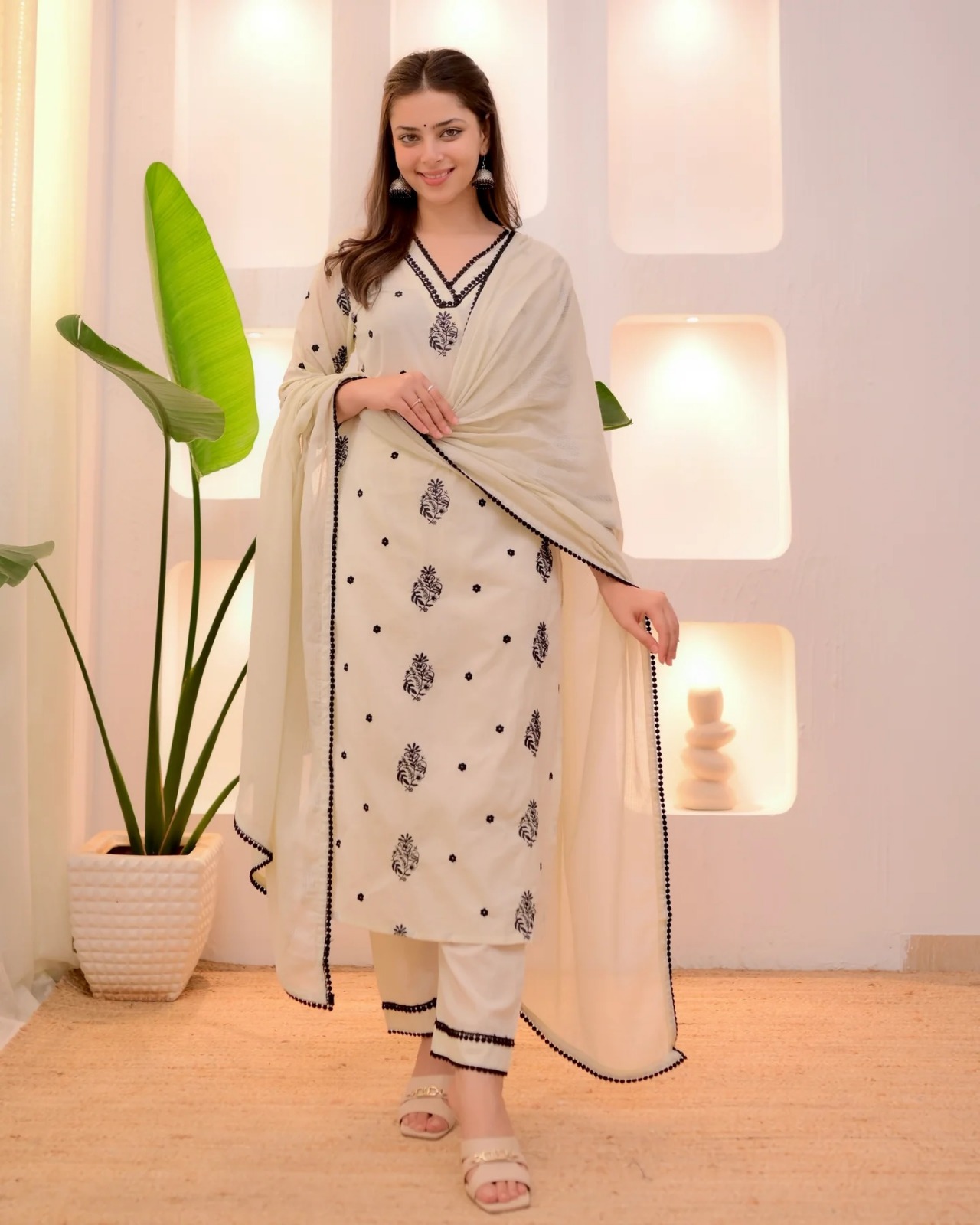
Check five points before keeping the dress. The shoulder seam should sit close to the shoulder edge. The bust should not create gaps between buttons. The armhole should permit movement without cutting into the underarm. The waist should remain comfortable after a meal. The hem should stay level when walking and sitting. These checks are more useful than relying on a dress label because sizing differs between brands and fabrics.
Sleeve length affects both comfort and formality. Short sleeves ending near the upper arm can work in a relaxed office, while elbow-length or three-quarter sleeves offer greater coverage for client-facing roles. Sleeves should not be so narrow that they crease horizontally when the arm bends. A cuff with one discreet button can make a soft cotton dress look more finished.
A modest neckline doesn't have to look severe. A standard shirt collar, band collar, or shallow V formed by the top two open buttons can work, but the neckline should remain stable during movement. If the dress opens lower than intended, add a matching camisole or close the top button rather than relying on a scarf throughout the day.
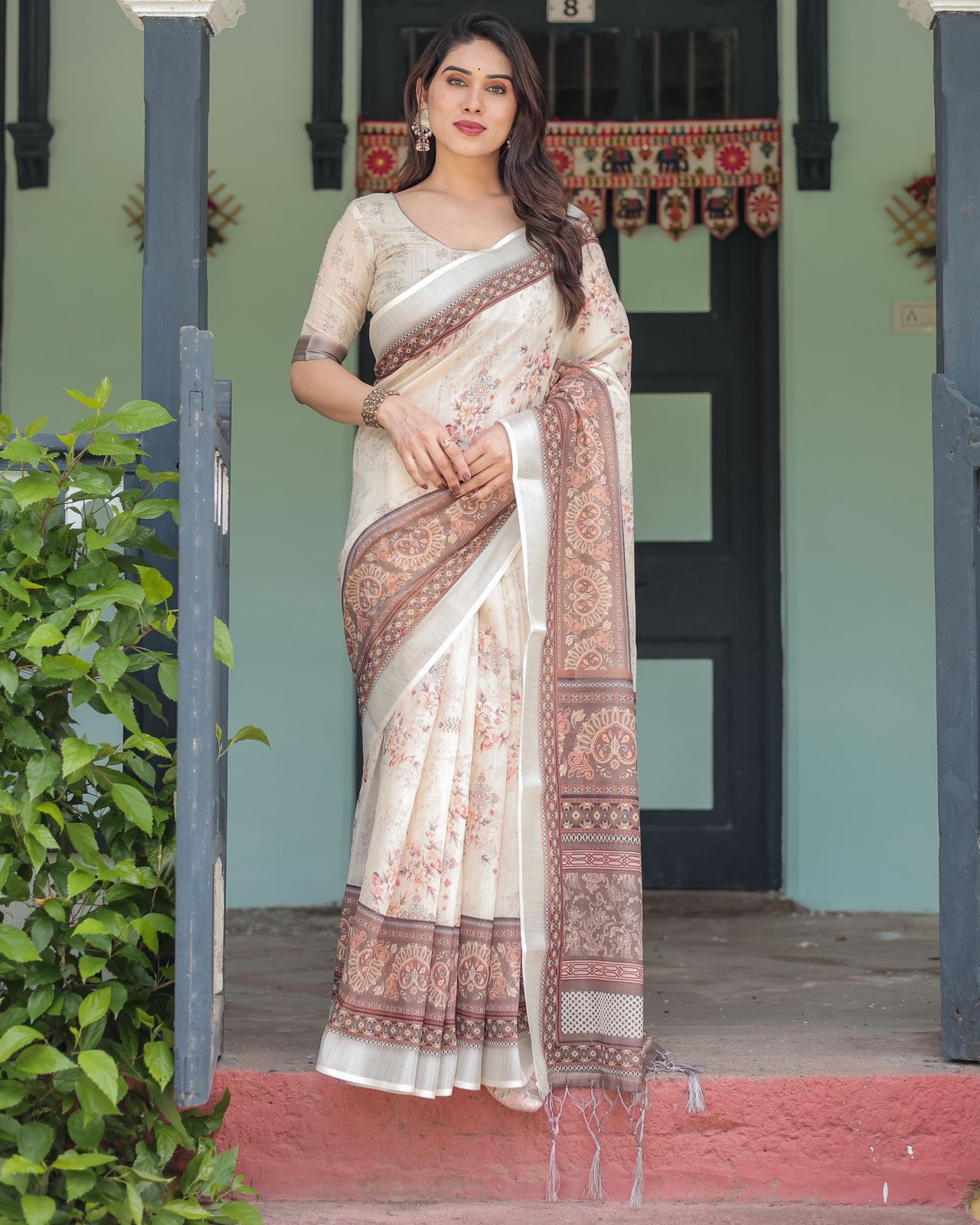
The Ethnic Beige Cotton Linen Saree with Village Art Design shows how a natural base and illustrative motifs can communicate craft without visual excess. For a shirt dress, that principle works best with a straight or gently A-line cut, a defined waist seam, and enough ease through the hip. The Varnavi Vastra Green Heritage Cotton Saree can similarly prompt ideas about heritage colour and cotton texture, while the office garment itself should retain a clean, tailored finish.
How can an ethnic shirt dress be styled for different offices?
An ethnic shirt dress can be styled for a formal office with structured accessories, for a creative office with stronger textile details, and for a business-casual office with comfortable but deliberate layers.
Formal and client-facing offices
Choose a midi length, three-quarter sleeves, a muted print, and a steady fabric for a formal environment. Add closed-toe loafers, low block heels, or pointed flats in tan, black, or deep brown. A structured tote, a little watch, and small metal earrings will reinforce the tailored lines. Avoid oversized jhumkas, stacked bangles, embellished belts, and a deep-contrast scarf when meeting a conservative client.
Business-casual offices
A cotton or linen-cotton dress with a modest floral or geometric print can work in a business-casual office. Add a lightweight cardigan, cropped jacket, or longline waistcoat when the air-conditioning is strong. A leather belt can define the waist if the dress is cut straight, but the belt should be similar in value to the shoes rather than a distracting colour block.
Creative workplaces
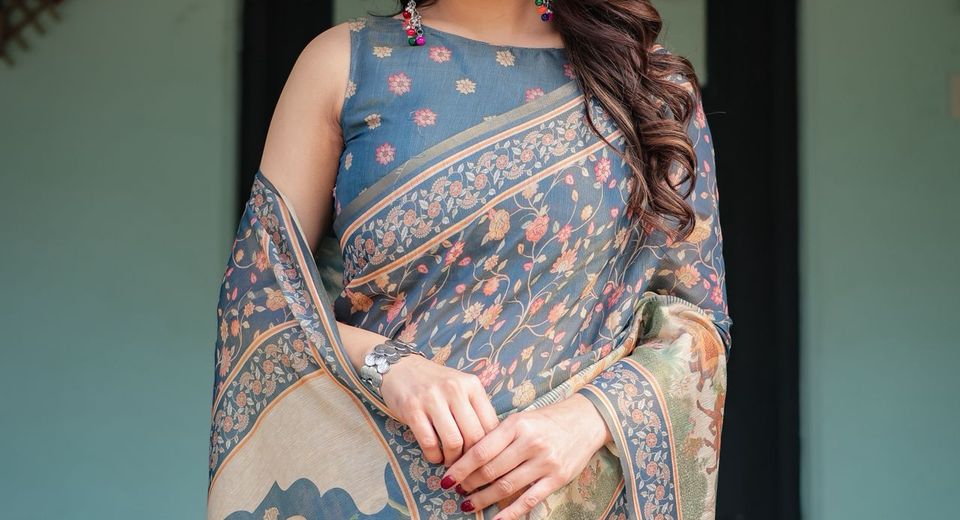
Creative workplaces allow more room for handloom textures, deeper colours, and distinctive accessories, but professional proportions still matter. The Slate Blue Floral Handloom Saree with Blouse suggests how a blue ground and floral detail can feel expressive without becoming loud. Translate that idea into a shirt dress with one artistic feature, such as a hand-block print, a contrasting cuff, or a narrow woven belt.
The Black Chanderi Cotton Saree with Multicolor Geometric Print brings another useful styling reference. Multicolour geometry can look office-appropriate when the background is dark and the accessories repeat only one accent colour. A black or slate ethnic shirt dress can therefore carry a stronger print if the shoes, bag, and jewellery remain restrained.
The Office Wear Collection - VARNAVI can be used as a practical reference point when comparing work-appropriate colour, texture, and proportion. A collection built around office dressing should help you assess whether a garment can move between commuting, desk work, presentations, and after-work plans without relying on festive accessories.
Which accessories and finishing details keep the look professional?
Minimal, structured accessories keep an ethnic shirt dress professional because they reinforce the garment's clean lines instead of competing with its print or textile detail.
Footwear should be stable enough for commuting and polished enough for the workplace. Loafers, ballet flats, low block heels, closed-toe sandals, and sleek juttis can all work when they're clean and in good condition. Match the formality of the shoe to the dress: a heavily embroidered jutti may suit a creative office, while a plain leather loafer is safer for a formal meeting.
Jewellery should echo one detail from the garment. Small hoops can repeat a round button, a slim metal watch can balance a cuff, and a single pair of modest jhumkas can add Indian character to a plain dress. Avoid combining a large necklace, oversized earrings, multiple bangles, and a decorative belt because four competing focal points make the outfit look occasion-led.
A pressed garment is essential. Check the collar, button placket, sleeve cuffs, and area around the waist because those surfaces remain visible during meetings and video calls. Steam linen-cotton and handloom garments from the reverse side when possible, and follow the care label before applying a hot iron to zari, printed surfaces, or delicate Chanderi.
How should an ethnic shirt dress be checked before buying?
A five-minute fitting check can reveal whether an ethnic shirt dress will function during a full workday. Examine movement, coverage, fabric recovery, and care requirements before judging only the colour or print.
- Move your arms: Raise both arms, reach forward, and cross them in front of the body. Tightness at the armhole or back indicates that the dress may restrict desk work.
- Test the buttons: Sit down and check for gaps across the bust and waist. Gaping usually means the garment needs a larger size or a tailoring adjustment.
- Check the hem: Walk, climb one step, and sit in a chair. The hem should remain secure and the slit should not open higher than intended.
- Inspect the fabric: View the dress under natural light for transparency, uneven dye, and prominent wrinkles. A fabric that creases deeply after a short sitting test may need frequent pressing.
- Review the care label: Confirm whether the dress needs hand washing, dry cleaning, or shade drying. A workwear garment that can't be refreshed easily may not be practical for weekly use.
Tailoring can improve a good garment, but tailoring can't solve every problem. A hem can usually be shortened, sleeves can sometimes be adjusted, and a waist can be refined. A dress with poor opacity, inadequate armhole depth, or buttons that constantly pull is better replaced than repeatedly altered.
For most workplaces, the strongest formula is simple: a breathable medium-weight fabric, a knee-to-midi hem, secure coverage, moderate print scale, and accessories that add finish without spectacle. That combination allows ethnic design to remain visible while the overall outfit communicates reliability, comfort, and respect for the working environment.
Common Questions About Choosing an Ethnic Shirt Dress for Work
Can I wear an ethnic shirt dress to a formal office?
Yes, an ethnic shirt dress can suit a formal office when it has a midi or knee-length hem, modest neckline, secure buttons, and a tailored fit. Choose cotton, linen-cotton, Chanderi cotton, or another opaque medium-weight fabric with a restrained print, then pair it with closed-toe shoes and minimal jewellery.
What length should an office ethnic shirt dress be?
A knee-length to midi hem is generally the most practical range for office wear. A midi hem offers more coverage for sitting, commuting, and client meetings, while a shorter hem may work only in a relaxed workplace with a clearly casual dress code.
Which ethnic fabrics are comfortable for long office hours?
Cotton, linen-cotton, Chanderi cotton, and breathable handloom fabrics are comfortable choices for long office hours. Check opacity and wrinkle behaviour because lightweight cotton and linen can become transparent or crease noticeably without a suitable inner layer and careful pressing.
Are bright colours suitable for an office ethnic dress?
Bright colours can be suitable when the silhouette is tailored and the print or accessory selection is restrained. Balance a mustard, rust, or vivid green dress with neutral footwear and a structured bag, and avoid combining bright colour with sequins, heavy zari, or oversized jewellery in a conservative office.
How can I make a printed ethnic shirt dress look more formal?
Make a printed ethnic shirt dress look more formal with a pressed collar, a neat belt if the cut allows one, closed-toe loafers or low heels, and a structured work bag. Keep jewellery small and repeat only one colour from the print in the accessories.
Is a handloom ethnic shirt dress practical for everyday work?
A handloom ethnic shirt dress can be practical for everyday work when the weave is durable, the garment is opaque, and the care instructions fit your routine. Medium-weight cotton and linen-cotton are usually easier for frequent wear than delicate silk, heavy zari, or highly embellished fabrics.




