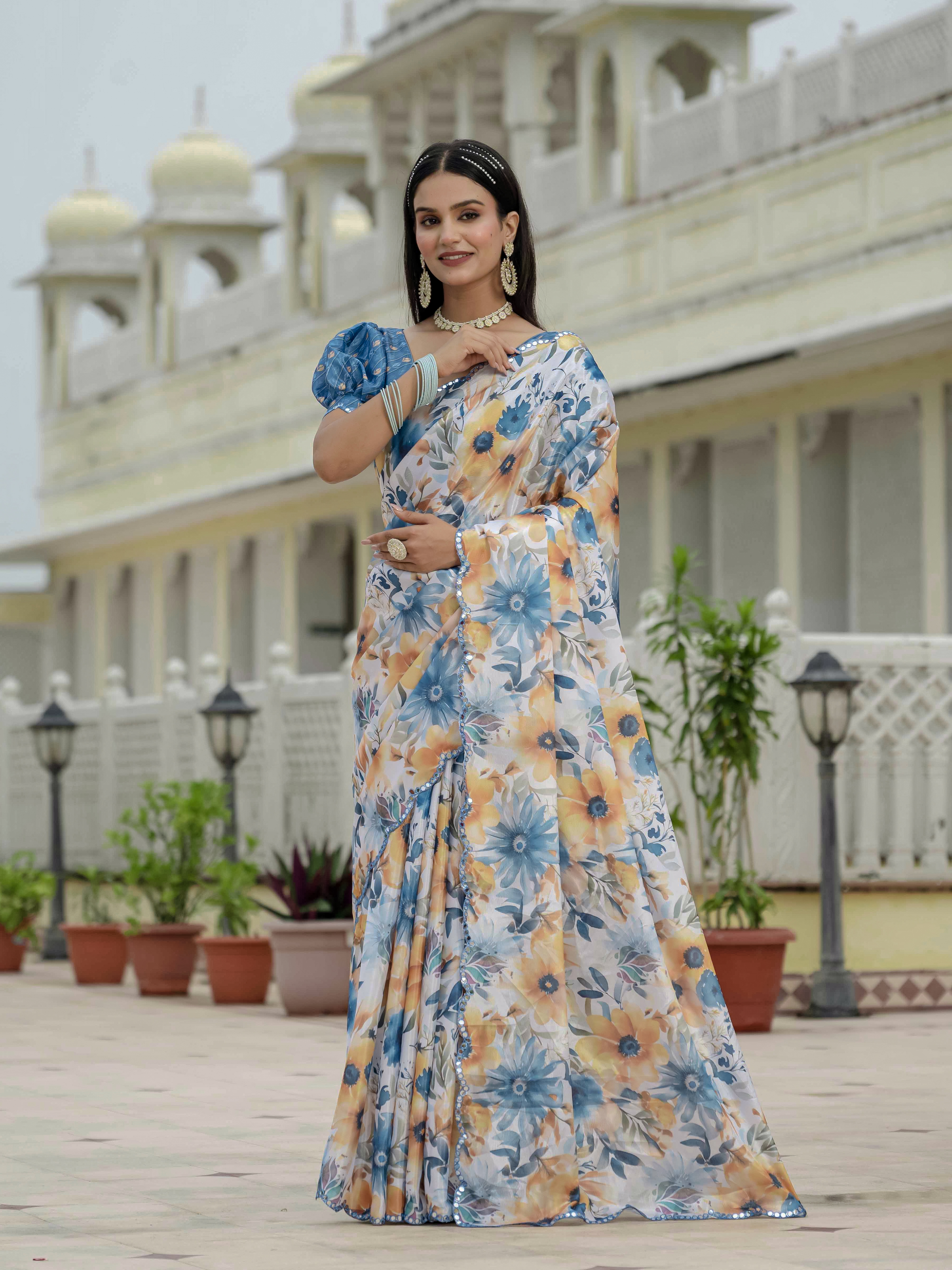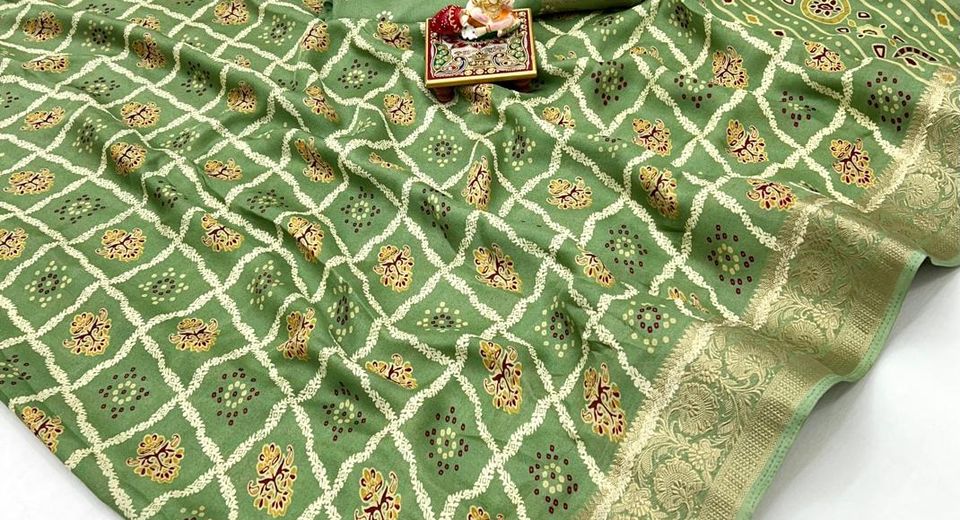
West Bengal Festival Fashion Calendar: Bengali Sarees & Ethnic Wear helps turn a long Bengali festival year into a practical wardrobe plan. The right saree depends on more than colour: a humid afternoon, a crowded pandal, a temple visit and a late-night family meal all demand different levels of weight, drape and ease.
Bengali dressing has room for both heritage and adaptation. A white-and-red saree remains immediately recognisable during Durga Puja, while cotton prints, silk blends, georgette and contemporary blouses make festival clothing more comfortable for modern schedules. An useful calendar matches each celebration with fabric, silhouette, accessories and care requirements instead of treating every festival as a heavy silk-saree occasion.
Festival dates can change from year to year because several Bengali celebrations follow lunar calculations or the Bengali calendar. Check the local panjika or event schedule before finalising a particular outfit, especially for Poila Boishakh, Durga Puja, Lakshmi Puja and Kali Puja.
West Bengal Festival Fashion Calendar: Bengali Sarees & Ethnic Wear by season
The Bengali festival year moves from winter pujas to spring celebrations, monsoon observances and the major autumn Puja season. Gregorian dates are useful for broad planning, but local calendars should determine the exact day.
- January to February: Saraswati Puja usually falls in this period, when yellow, mustard and warm ivory are widely chosen.
- March: Dol Purnima and Holi bring bright colours, lighter fabrics and clothes that can tolerate colour powder.
- April: Poila Boishakh, the Bengali New Year, generally falls on 14 or 15 April and calls for fresh, festive dressing.
- May to June: Rabindra Jayanti and Jamai Shashthi favour graceful daywear, cultural programmes and family lunches.
- June to July: Rath Yatra and monsoon gatherings make quick-drying cottons and manageable drapes sensible.
- September to October: Durga Puja dominates the calendar, followed by Kojagari Lakshmi Puja in many Bengali homes.
- October to November: Kali Puja, Diwali and Bhai Phonta extend the formal dressing season.
A compact wardrobe can cover these occasions with one breathable cotton saree, one polished silk or silk-look saree, one evening drape and two versatile blouses. Buying by use rather than by festival prevents a saree from remaining unworn after a single celebration.
Budget planning can begin with the Sarees from Rs 1000 to Rs 1500 collection for practical cottons and occasion-friendly everyday pieces. Seasonal sale collections such as Sarees Under 20% Off and Sarees Under 10% Off can also help build a coordinated wardrobe without buying every saree at once.
West Bengal Festival Fashion Calendar: Bengali Sarees & Ethnic Wear for Saraswati Puja
Saraswati Puja is best suited to a yellow, mustard or cream saree in cotton, handloom cotton or a light silk weave. The festival often includes school, college or daytime family programmes, so an easy six- or seven-yard drape is more useful than a heavily embellished garment.
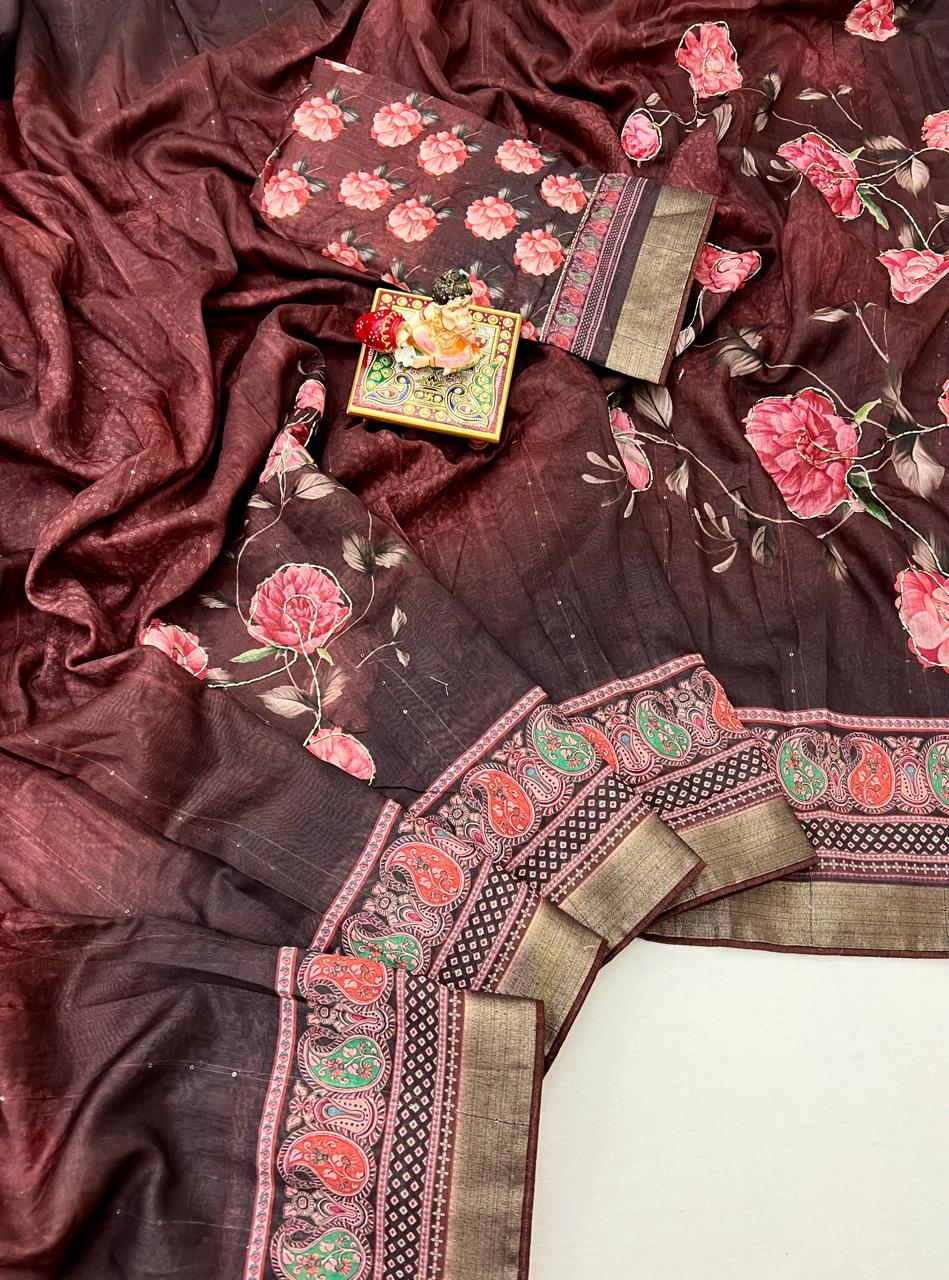
A yellow saree with a red, green or maroon blouse creates a traditional Bengali combination without requiring elaborate jewellery. Younger wearers can choose a printed saree with a neatly tailored blouse, while a plain saree gains interest from a printed blouse, oxidised silver earrings and a low bun.
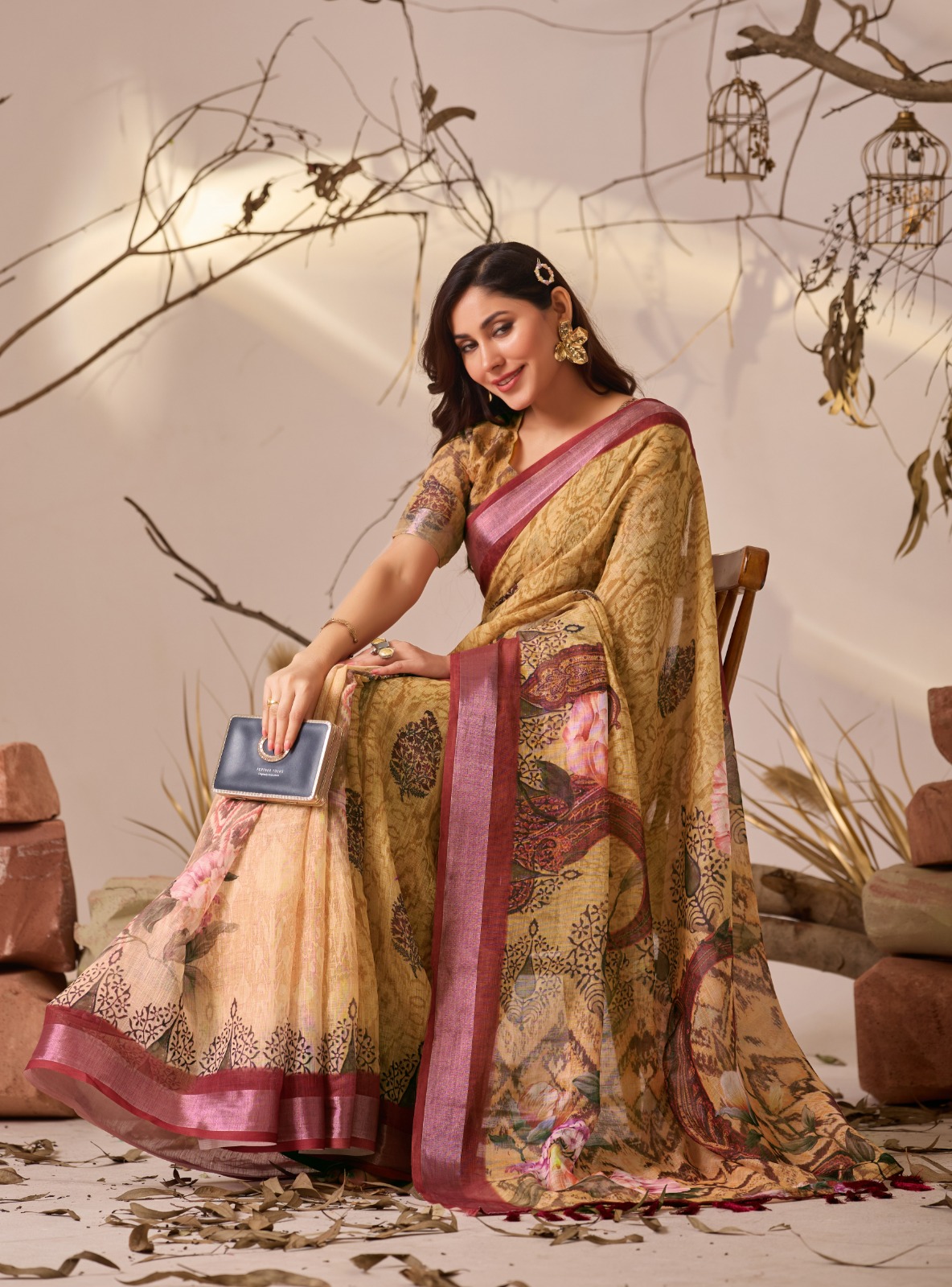
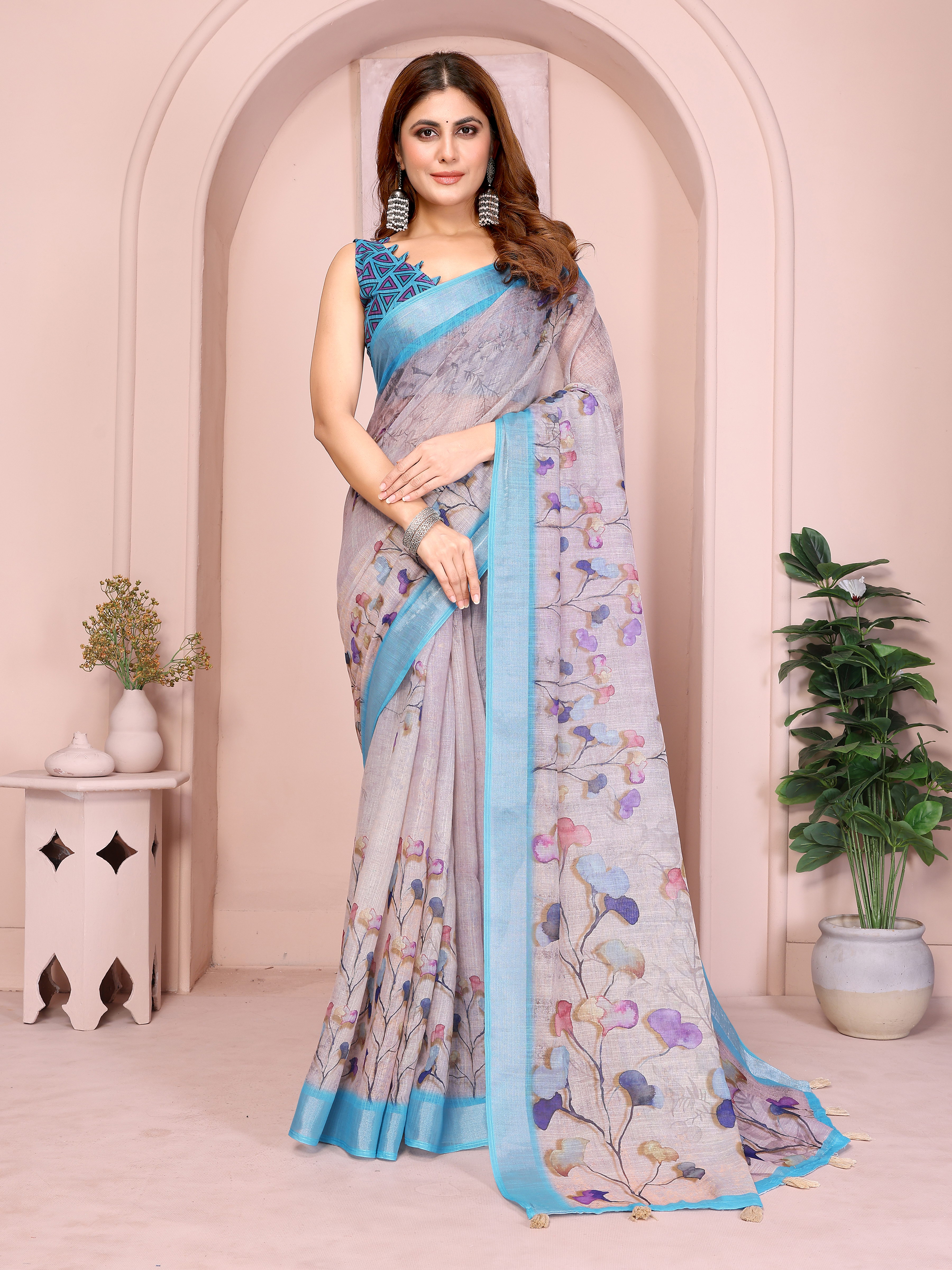
The Pastel Linen Cotton Floral Print Saree with Designer Blouse demonstrates how floral colour and a coordinated blouse can make daywear feel occasion-ready. Linen cotton is comfortable for a daytime event, but the saree should be pleated before leaving home because pre-set pleats reduce adjustment in a crowded venue.
Yellow clothing can be styled in several directions. Gold earrings and tan sandals create a time-honoured look, while silver jewellery and a white blouse give the same colour a more contemporary appearance. A three-quarter sleeve blouse is useful when the programme involves travel, classroom seating or a long cultural performance.
West Bengal Festival Fashion Calendar: Bengali Sarees & Ethnic Wear for Poila Boishakh
Poila Boishakh works especially well with breathable cotton, linen cotton, silk cotton or a light silk saree in red, white, coral, yellow or green. The Bengali New Year combines cultural programmes, restaurant visits, shopping and family meetings, so a polished but mobile outfit usually performs better than a very heavy drape.
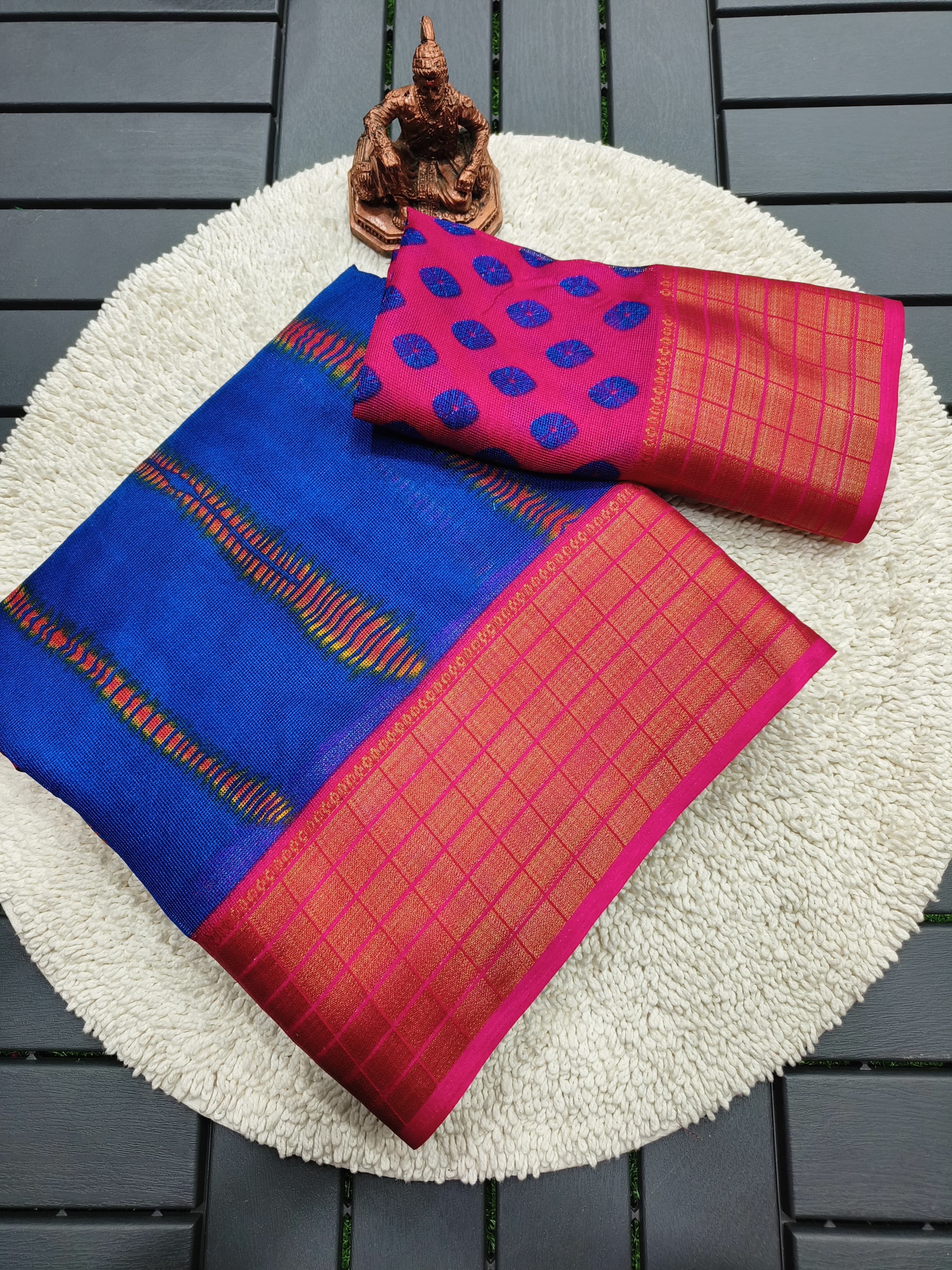
The familiar white-and-red palette carries strong cultural associations, but it's not the only appropriate choice. A red border on ivory, a coral blouse with a cream saree or a red printed saree with antique-gold jewellery can all create a festive Bengali mood.
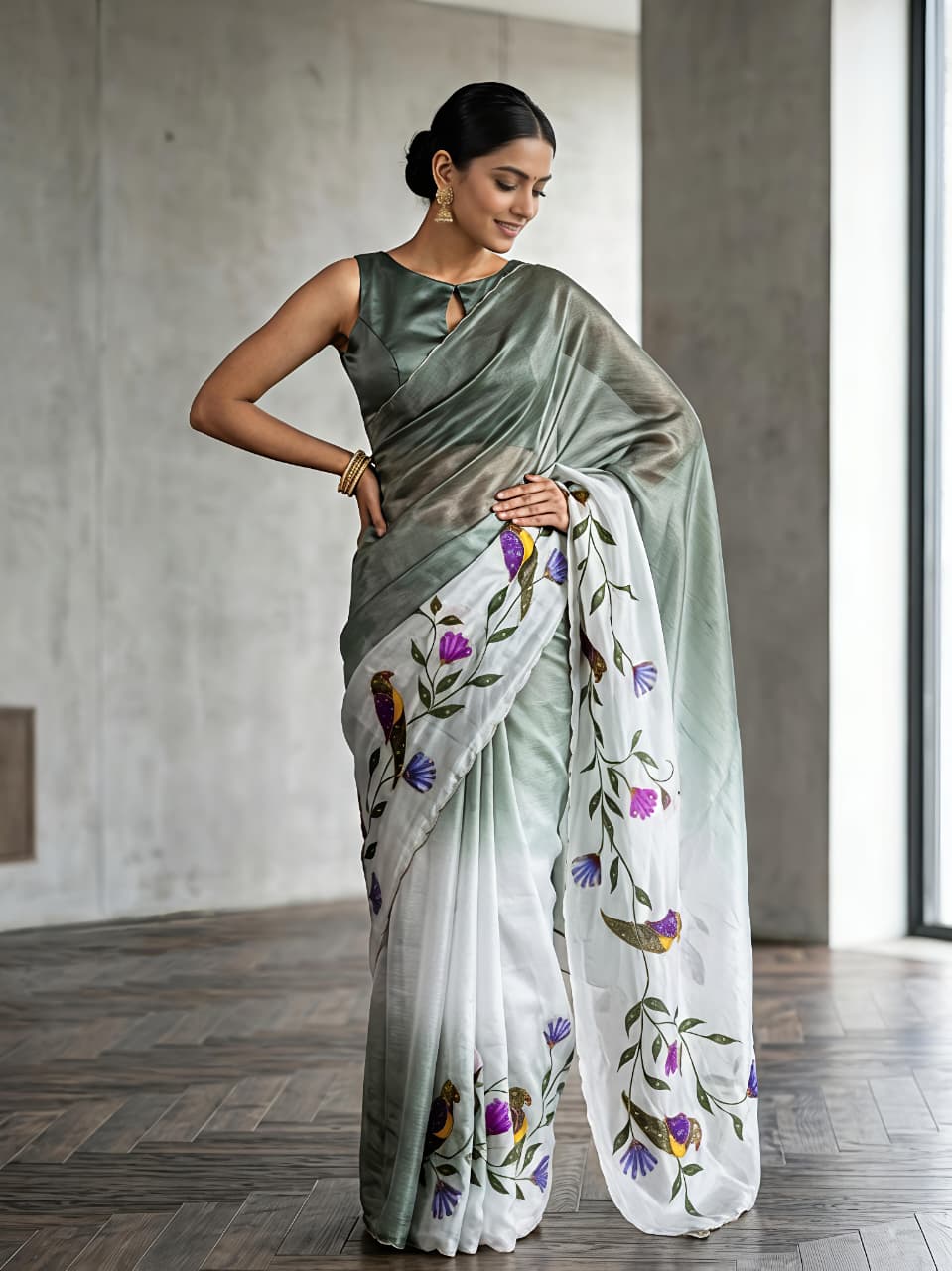
The Pastel Floral Tissue Handloom Cotton Saree with Zari Weaves offers an useful middle ground for Poila Boishakh. Handloom cotton supports daytime comfort, while zari weaves add enough sheen for photographs and evening gatherings. Pair the saree with a three-quarter sleeve blouse when visiting several places, because sleeves provide coverage without making the outfit restrictive.
People who prefer deeper colour can consider the Party Wear Brown Cotton Saree With Designer Blouse. Brown works with gold, rust, beige and muted red accessories, and a pre-matched designer blouse reduces the time needed to assemble a complete New Year outfit.
When comparing options, browse Sarees Flat 60% Off and Sarees Flat 50% Off only after checking fabric composition, blouse details and return conditions. A large discount doesn't compensate for a saree that's too heavy, transparent or difficult to drape for the planned event.
West Bengal Festival Fashion Calendar: Bengali Sarees & Ethnic Wear for Rabindra Jayanti
Rabindra Jayanti and Jamai Shashthi generally suit elegant, lightweight sarees in muted florals, ivory, blue, maroon or earthy tones. These gatherings often centre on cultural performances or family meals, where quiet texture and a comfortable blouse look more appropriate than conspicuous sparkle.
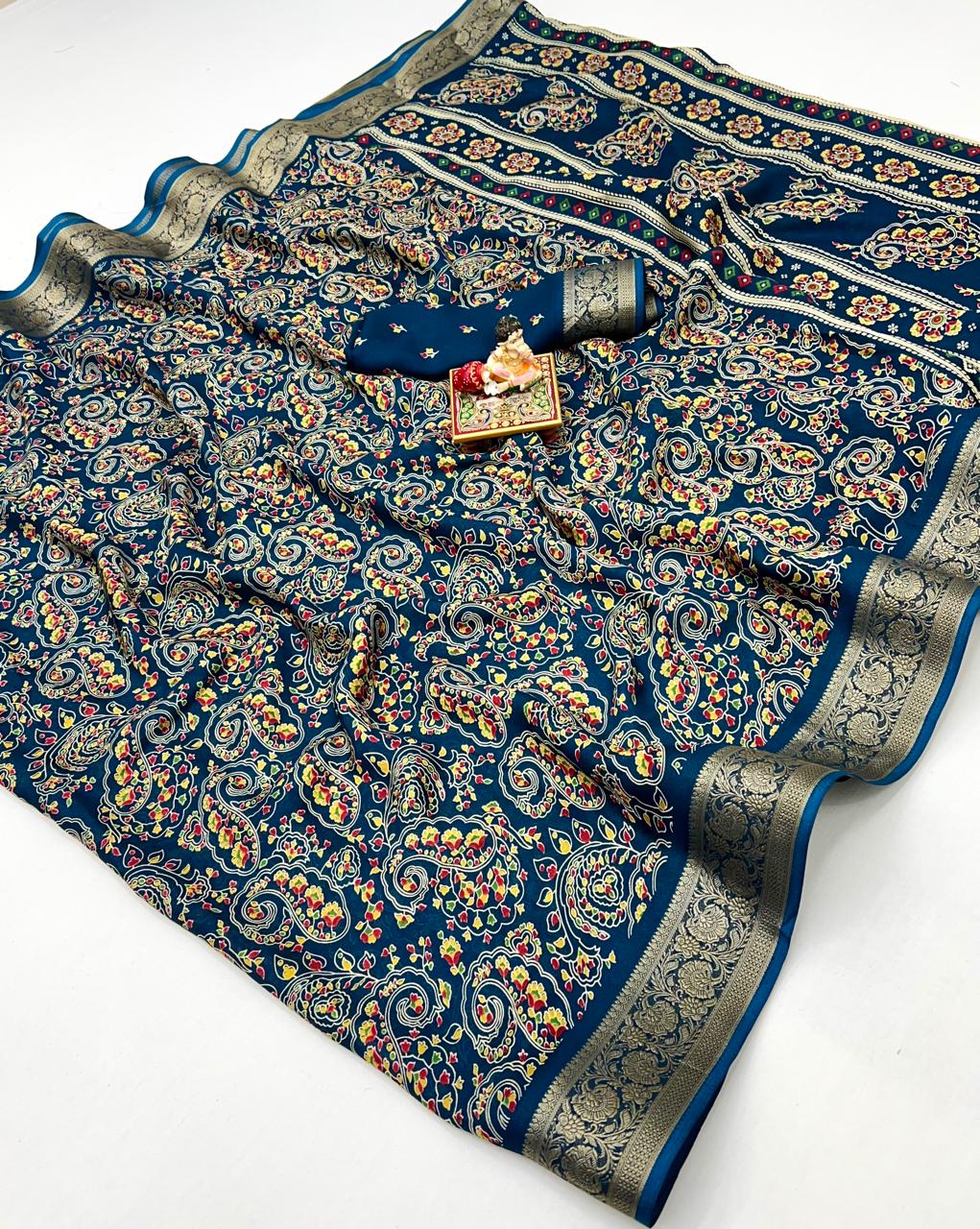
For Rabindra Jayanti, handloom cotton, Chanderi, silk cotton and subtle printed sarees create a literary, refined mood. A high-neck or elbow-sleeve blouse, a small bindi and a low bun can look intentional without appearing costume-like. Chanderi should be stored folded with soft muslin because its delicate surface can catch on rough jewellery.
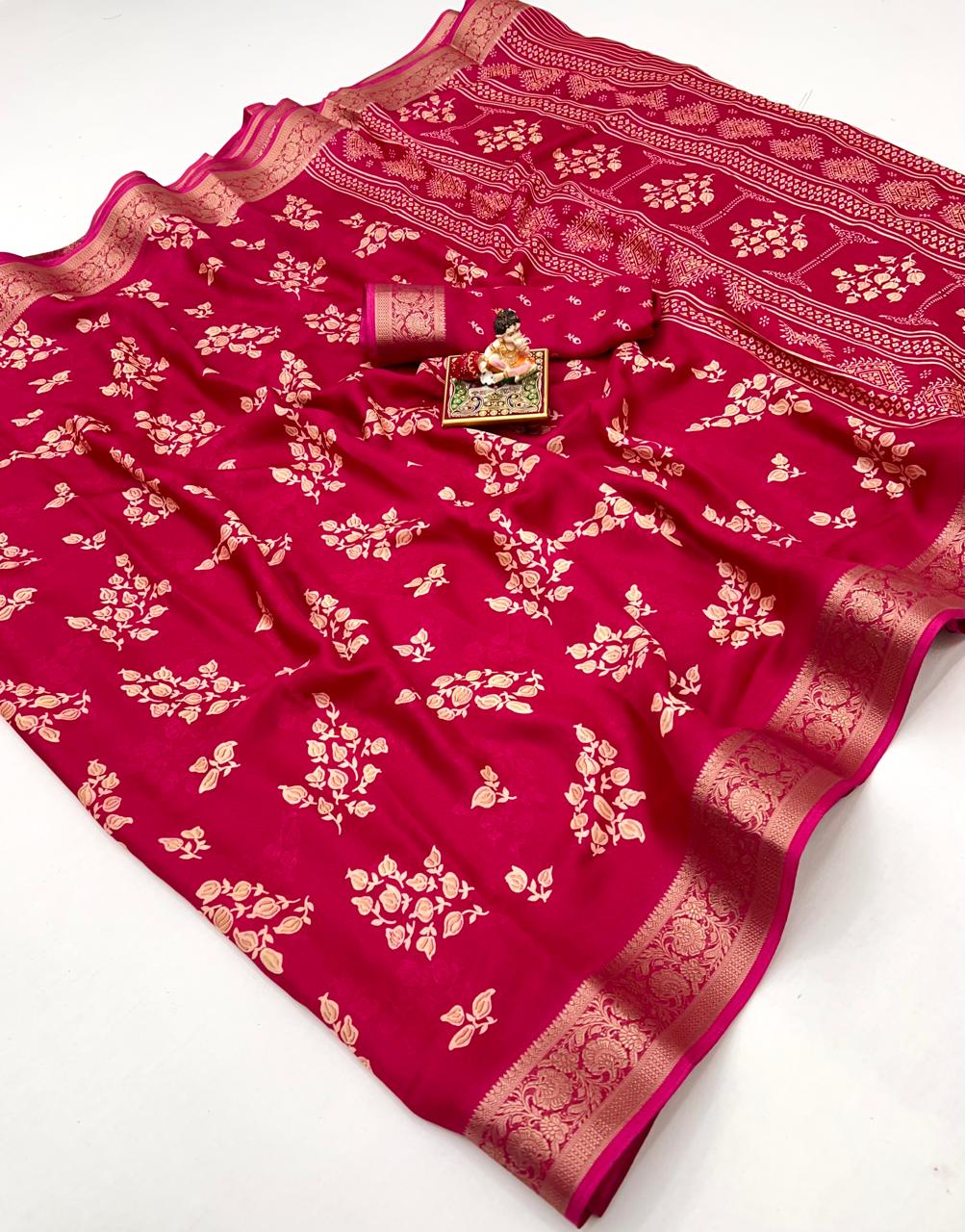
Jamai Shashthi usually involves food, movement between rooms and long family visits. A cotton saree with a secure blouse and a narrow border is practical, particularly in warm weather. The Party Wear Maroon Cotton Saree With Designer Blouse brings a richer family-occasion colour while retaining the everyday advantages of cotton.
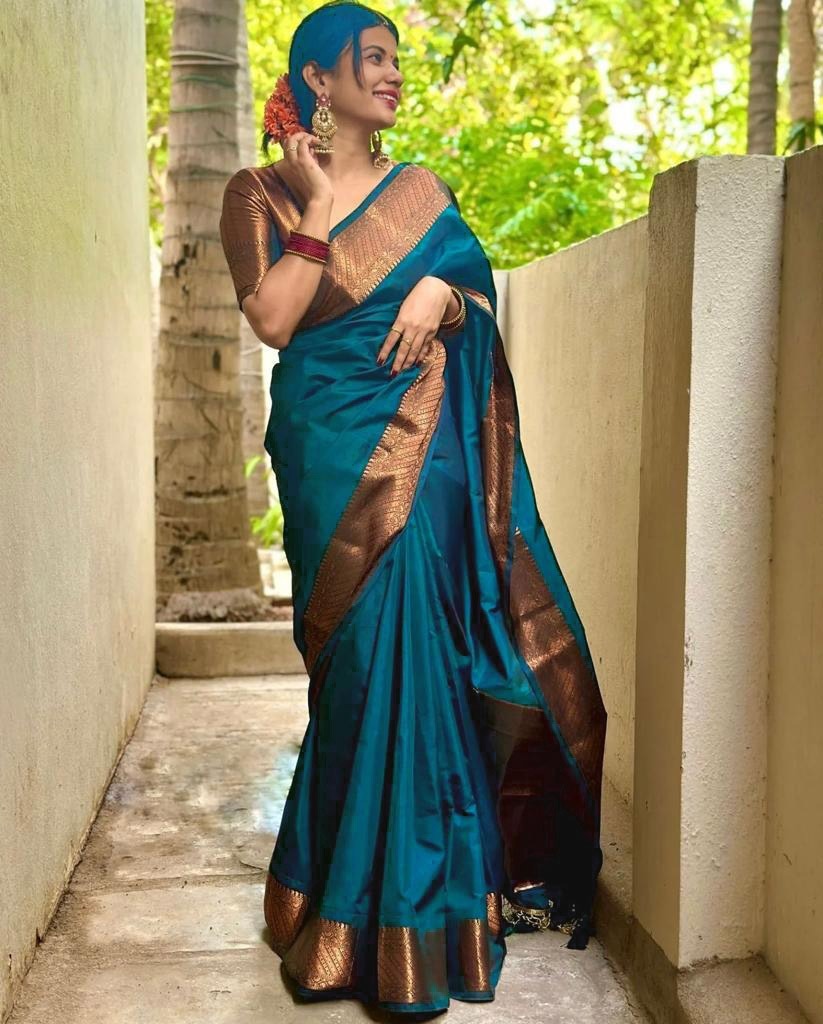
A blue saree can move from an afternoon cultural event to dinner with a change of earrings and lipstick. The Festive Wear Blue Silk Saree for Women is better reserved for a more formal programme or evening meal, especially when the weather is cool or air-conditioned.
Keep the styling restrained when the saree has a visible weave or border. One pair of earrings, a slim bangle stack and a neat hairstyle are usually enough; adding a large necklace, heavy brooch and ornate hair accessory can hide the textile character that makes a cultural outfit distinctive.
West Bengal Festival Fashion Calendar: Bengali Sarees & Ethnic Wear in monsoon
Monsoon festival dressing is easiest when the saree is light, secure and reasonably quick to dry. Cotton, linen cotton and lightweight synthetic fabrics are generally more manageable than very heavy silk when rain, humidity and damp floors are likely.
Plan the blouse and footwear as carefully as the saree. A blouse with a firm neckline and adequate coverage prevents repeated adjustments, while block heels, wedges or embellished flats are safer than narrow stilettos on wet pavements. Carrying safety pins, a small plastic pouch for a damp pallu and a compact cloth bag can protect the outfit during travel.
Choose zari selectively during humid weather. Metallic zari can add definition to a cotton saree, but a heavily ornamented pallu may become uncomfortable during a long outdoor event. Avoid packing a wet saree immediately after returning home; air-dry the saree in shade before folding to reduce mildew and colour transfer.
Quick-drying fabric doesn't remove the need for care. Separate a damp saree from dry clothing, don't leave it in a closed suitcase overnight and keep perfumes away from zari or dyed areas. Test any stain-removal method on an inconspicuous section before applying it to the visible border.
West Bengal Festival Fashion Calendar: Bengali Sarees & Ethnic Wear for Durga Puja
Durga Puja dressing works best when the wardrobe includes separate options for daytime pandal visits, Ashtami rituals, evening outings and Dashami. September or October weather can still be hot, and a single heavy saree may feel unsuitable across all five days.
Daytime pandal visits
Daytime pandal visits call for cotton, linen cotton or light handloom sarees with a secure blouse. Choose a shoulder-friendly drape, keep jewellery moderate and wear footwear that can handle walking and queues.
A floral or printed saree brings visual interest without requiring a large jewellery set. The Classic Calcutta Moss Designer Saree can serve as a distinctive choice for a daytime or early-evening Puja plan when the wearer wants a less predictable colour story than red and white.
Ashtami and formal evening plans
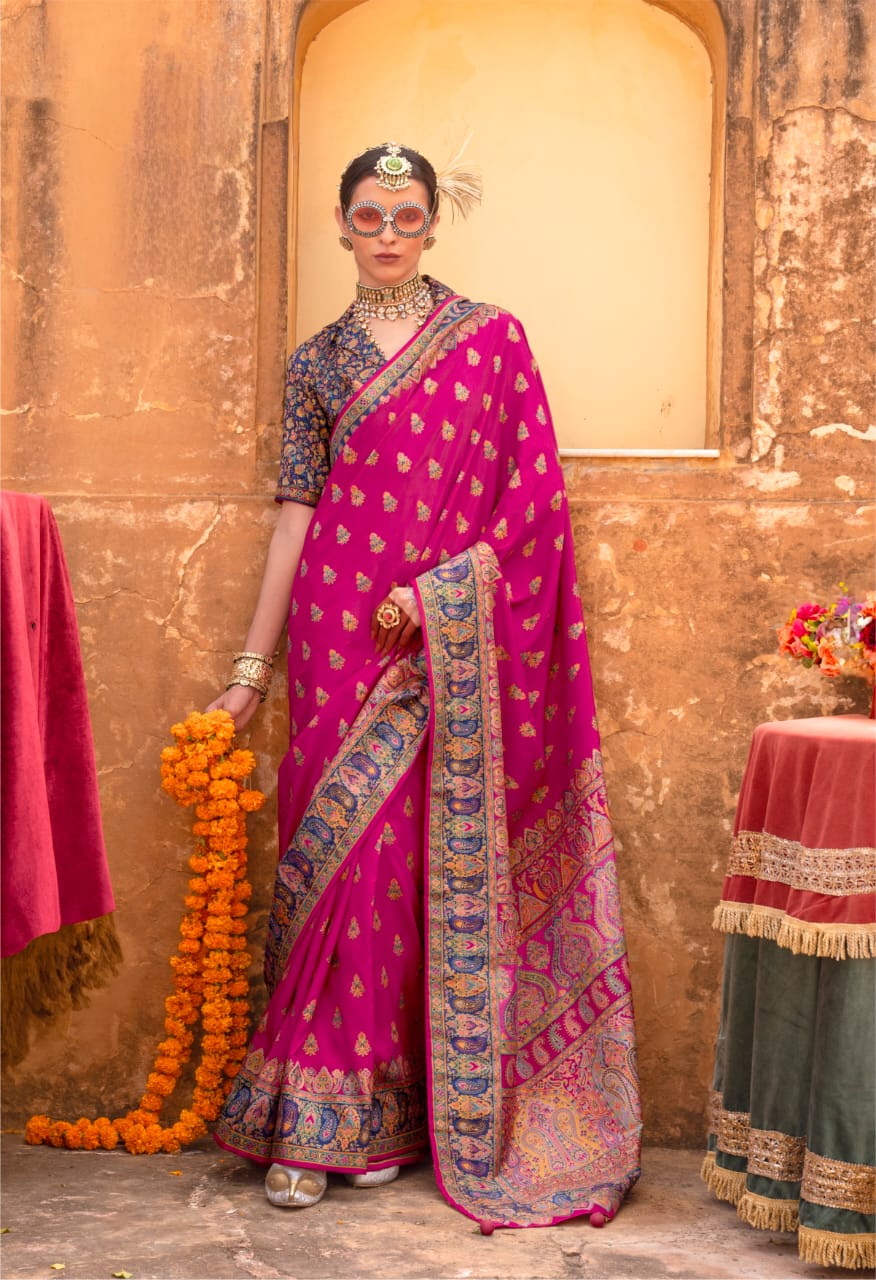
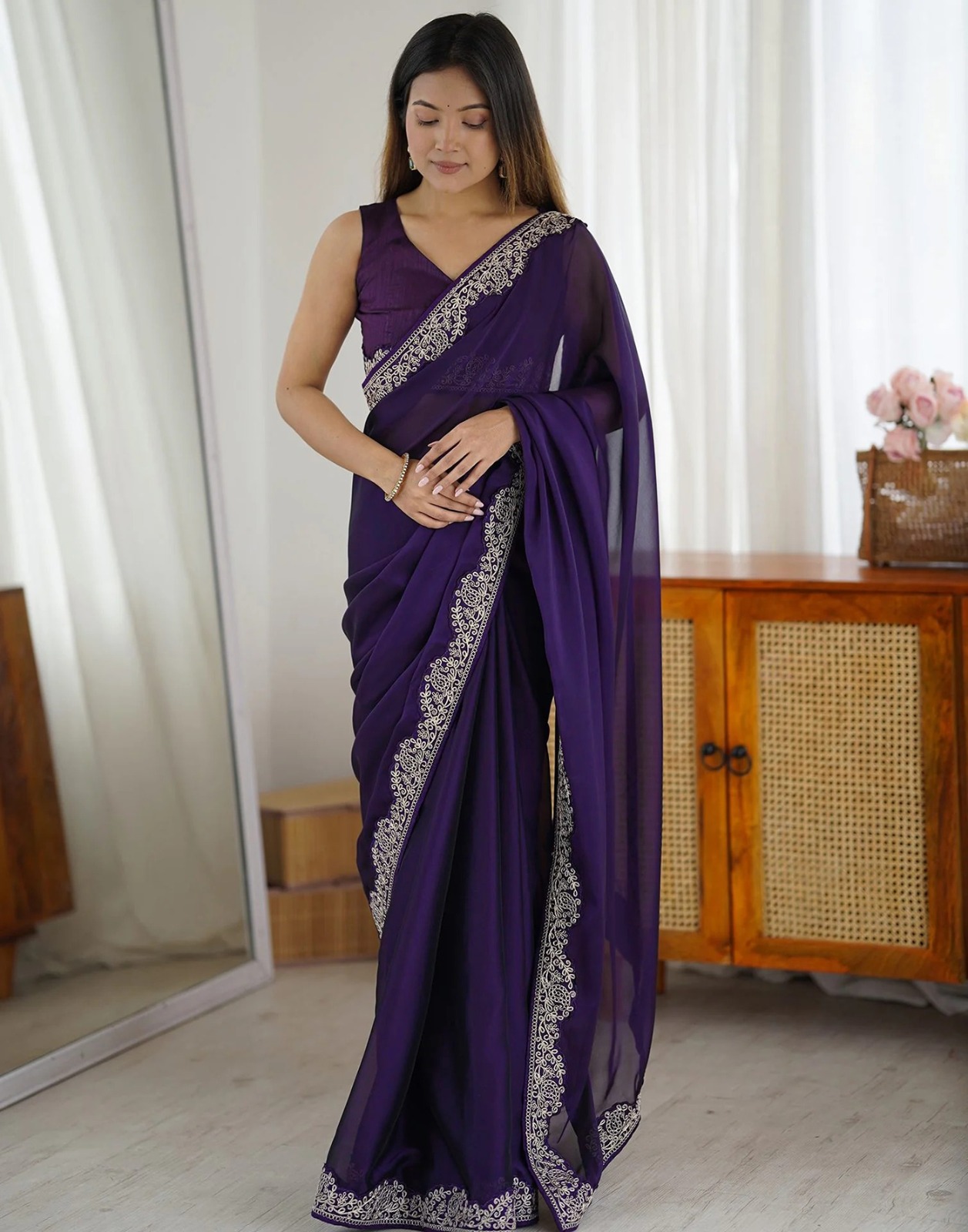
Ashtami rituals and evening cultural events justify silk, zari, richer borders and more structured blouses. The Festive Red Georgette Saree With Rich Zari Border suits a formal night because georgette falls close to the body and the zari border supplies definition without requiring many accessories.
Georgette needs careful pinning because its fluid surface can shift during walking. Use a discreet safety pin at the shoulder and one inside the pleats, and avoid placing heavy brooches where they may pull the fabric.
Dashami and Sindoor Khela
Dashami dressing should prioritise washable or carefully manageable fabrics because Sindoor Khela can transfer red pigment to the saree, blouse, skin and jewellery. White-and-red combinations remain classic, but a wearer who wants to preserve a valuable silk saree should select a less delicate cotton or synthetic-blend option.
Washable doesn't mean careless. Dab pigment rather than rubbing it, separate the garment from pale clothing and check the care label before attempting stain treatment. Professional dry cleaning is safer for silk, zari and garments with glued embellishment.
West Bengal Festival Fashion Calendar: Bengali Sarees & Ethnic Wear for Lakshmi and Kali Puja
Kojagari Lakshmi Puja usually favours clean, graceful sarees in white, cream, red, gold or soft pastels. A family prayer at home doesn't require a heavily decorated garment; a crisp cotton saree, small gold-toned earrings and a neatly pleated pallu can look more fitting than partywear.
Kali Puja and Diwali often move into the evening, making darker jewel tones, black, maroon, deep blue and metallic borders suitable choices. The Black Satin Rose Floral Saree with Unstitched Blouse Fabric can work for an evening gathering when styled with a blouse that repeats one colour from the floral print.
An unstitched blouse fabric allows more control over sleeve length, neckline and fit, but tailoring should be scheduled at least seven to ten days before the event. Ask the tailor to leave seam allowance at the sides if the blouse is intended for repeated wear or minor size changes.
Bhai Phonta usually calls for a polished family-occasion outfit rather than a stage-ready ensemble. The Party Wear Maroon Cotton Saree With Designer Blouse or the Festive Wear Blue Silk Saree for Women can be restyled with different jewellery, showing why flexible colours are valuable in a festival wardrobe.
West Bengal Festival Fashion Calendar: Bengali Sarees & Ethnic Wear care after celebrations
Post-festival saree care should begin within 24 hours of wearing the garment. Air-dry moisture in shade, remove pins and costume jewellery, and follow the care label before folding the saree for storage.
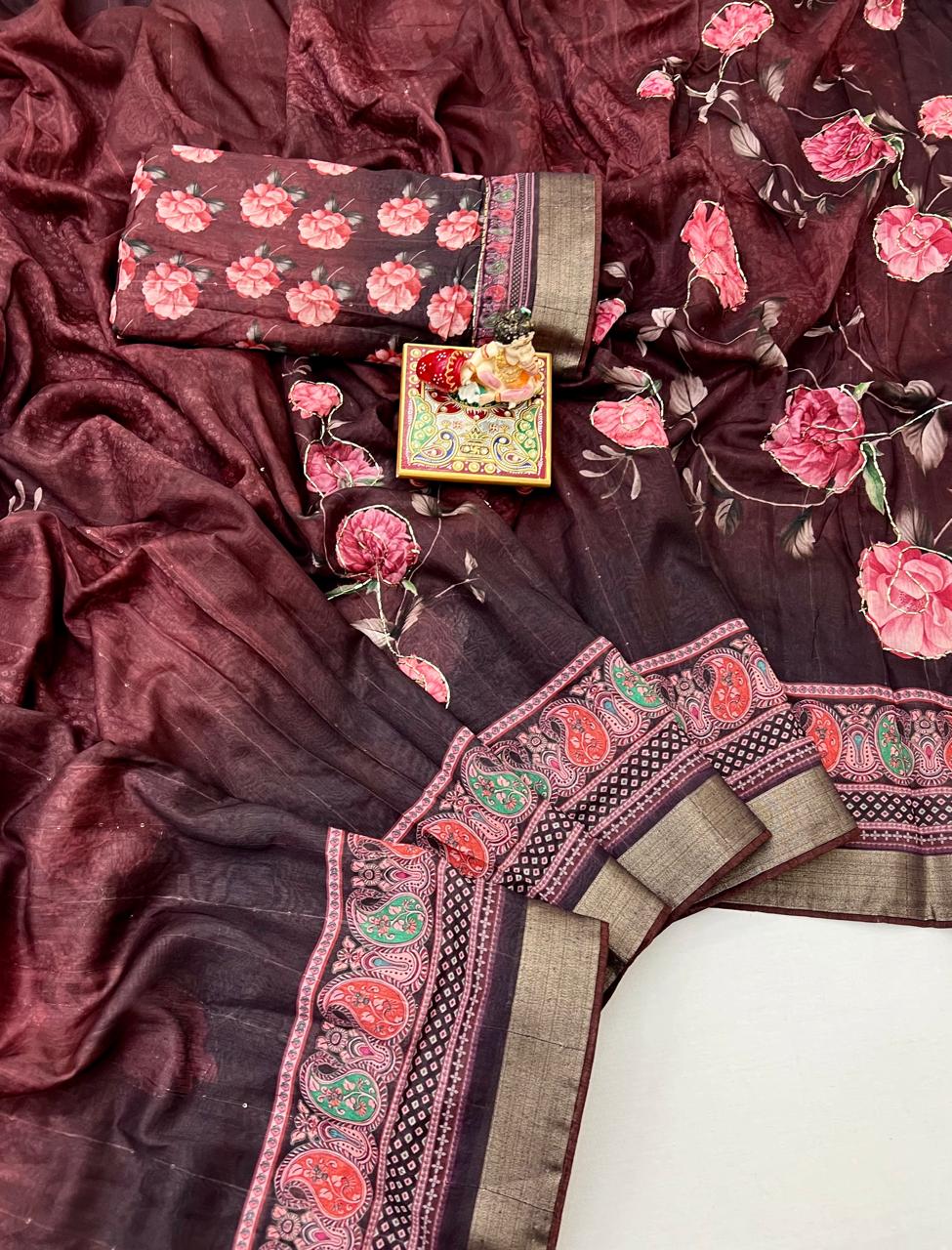
Banarasi silk, Kanjeevaram, Chanderi, georgette and zari sarees don't all require identical treatment. Silk and zari should generally be dry-cleaned when visibly soiled, while many cotton sarees can be gently hand-washed if the care label permits. Never wring a saree with zari, and don't dry strong colours in direct sunlight because prolonged exposure can fade the dye.
Fold sarees along different lines every few months to reduce permanent creasing. Wrap zari or silk in clean muslin, keep strong perfumes and dampness away from the storage area, and avoid plastic covers for long-term storage because trapped humidity can encourage mildew.
Photographing a saree before storage is a small but useful habit. The photograph records the original fold, blouse pairing and accessories, while a simple note can record the last cleaning date. This system makes it easier to reuse a saree for another Bengali celebration instead of treating each festival outfit as disposable.
Questions answered by the West Bengal Festival Fashion Calendar: Bengali Sarees & Ethnic Wear
A practical Bengali festival wardrobe needs to balance cultural colour traditions with weather, movement and garment care. The answers below address common planning questions.
What colour saree is traditionally worn during Durga Puja?
White with a red border is the most recognisable classic Durga Puja combination, particularly for Dashami and Sindoor Khela. Red, gold, maroon, blue, green and printed sarees are also appropriate for pandal visits and evening programmes.
Which saree fabric is comfortable for Bengali festivals in hot weather?
Cotton, handloom cotton and linen cotton are usually the most comfortable choices for hot, humid festival days. Lightweight georgette can suit evening wear, but it needs secure pinning and may feel less breathable than cotton.
What should I wear for Poila Boishakh?
Wear a breathable cotton, silk cotton, linen cotton or light silk saree in red, white, coral, yellow or green for Poila Boishakh. Choose a blouse that allows comfortable movement because Bengali New Year plans often include cultural events, meals and shopping.
Is a silk saree suitable for Durga Puja pandal hopping?
A silk saree is suitable for a shorter formal visit, an Ashtami ritual or an evening programme, but a lighter cotton saree is usually more practical for extensive pandal hopping. Walking distance, heat, crowding and the need to sit on different surfaces should determine the final choice.
How should a saree be stored after Bengali festivals?
Air-dry the saree in shade, clean it according to the care label and store it folded in breathable muslin. Silk, zari, Chanderi and embellished sarees should not be wrung, packed while damp or left in airtight plastic for long periods.
How many sarees are enough for the Bengali festival season?
Four well-chosen sarees can cover most Bengali festival needs: one breathable daytime cotton, one fresh printed or pastel saree, one formal silk or zari saree and one evening option. Two adaptable blouses and different accessories can create additional combinations without unnecessary purchases.
Questions Answered by the West Bengal Festival Fashion Calendar: Bengali Sarees & Ethnic Wear
What colour saree is traditionally worn during Durga Puja?
White with a red border is the most recognisable traditional Durga Puja combination, particularly for Dashami and Sindoor Khela. Red, gold, maroon, blue, green and printed sarees are also appropriate for pandal visits and evening programmes.
Which saree fabric is comfortable for Bengali festivals in hot weather?
Cotton, handloom cotton and linen cotton are usually the most comfortable choices for hot, humid festival days. Lightweight georgette can suit evening wear, but it needs secure pinning and may feel less breathable than cotton.
What should I wear for Poila Boishakh?
Wear a breathable cotton, silk cotton, linen cotton or light silk saree in red, white, coral, yellow or green for Poila Boishakh. Choose a blouse that allows comfortable movement because Bengali New Year plans often include cultural events, meals and shopping.
Is a silk saree suitable for Durga Puja pandal hopping?
A silk saree is suitable for a shorter formal visit, an Ashtami ritual or an evening programme, but a lighter cotton saree is usually more practical for extensive pandal hopping. Walking distance, heat, crowding and the need to sit on different surfaces should determine the final choice.
How should a saree be stored after Bengali festivals?
Air-dry the saree in shade, clean it according to the care label and store it folded in breathable muslin. Silk, zari, Chanderi and embellished sarees should not be wrung, packed while damp or left in airtight plastic for long periods.
How many sarees are enough for the Bengali festival season?
Four well-chosen sarees can cover most Bengali festival needs: one breathable daytime cotton, one fresh printed or pastel saree, one formal silk or zari saree and one evening option. Two adaptable blouses and different accessories can create additional combinations without unnecessary purchases.