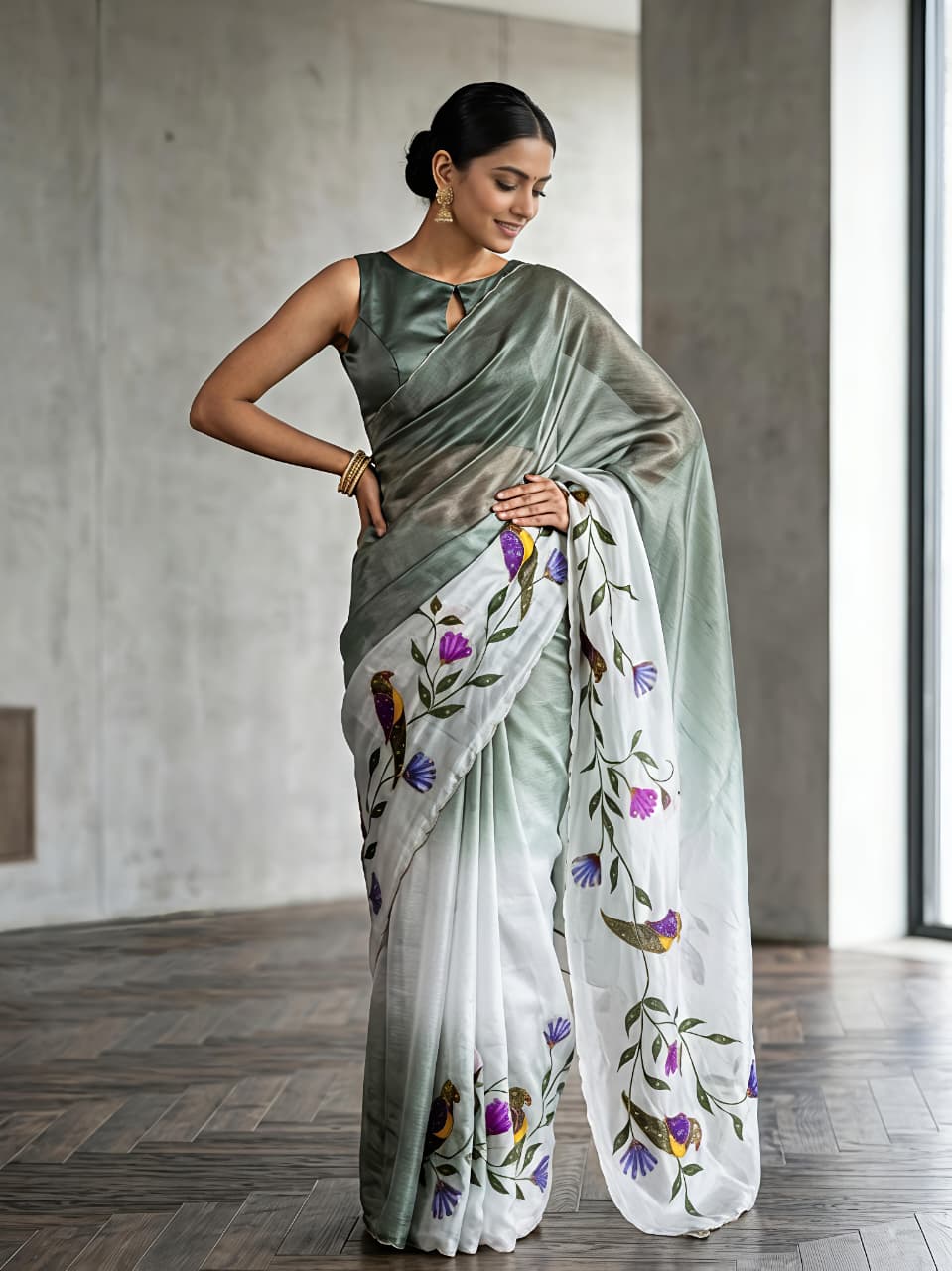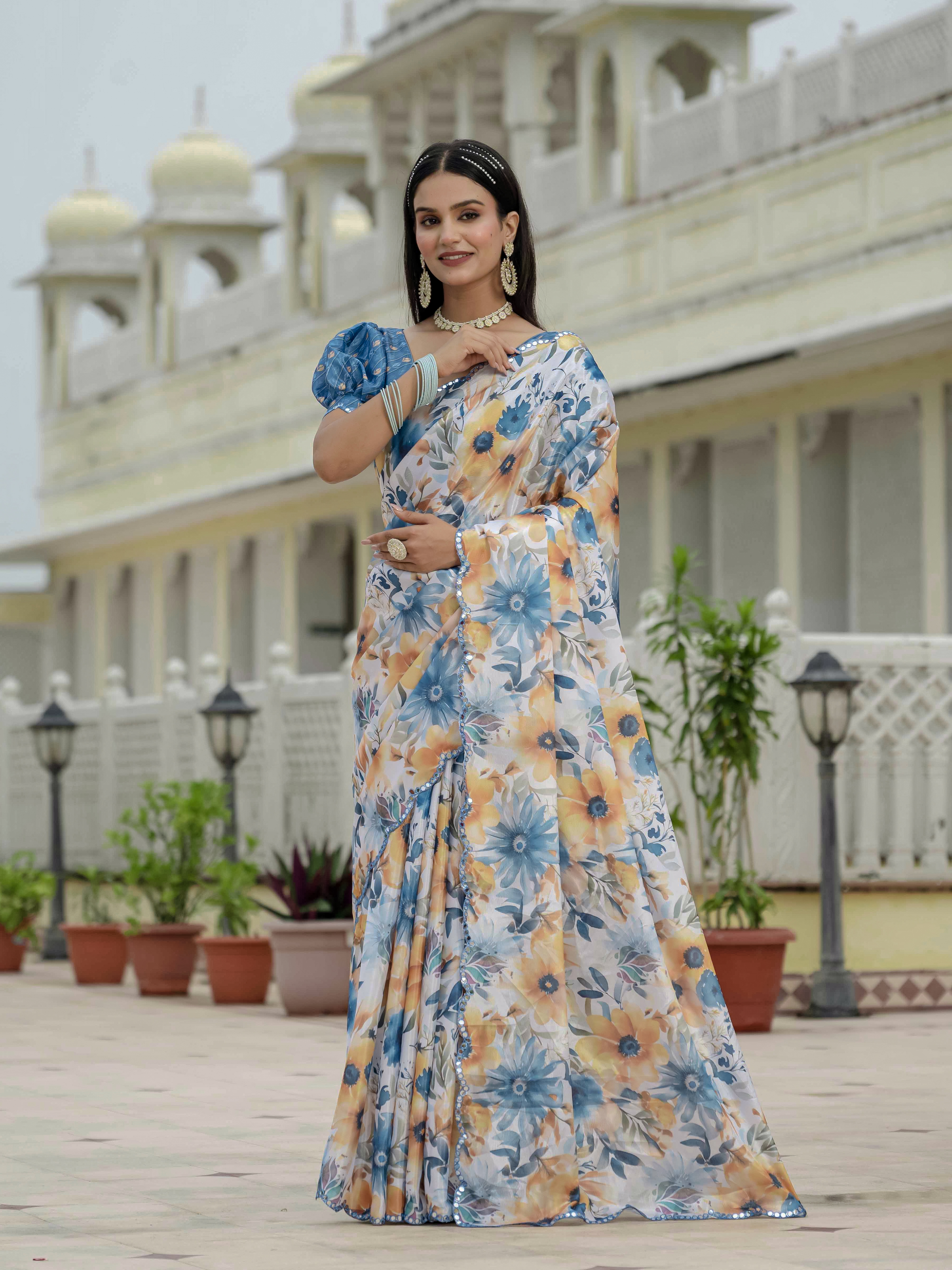
Venkatagiri Sarees bring together Andhra Pradesh's handloom heritage, a remarkably light fall and the quiet formality of traditional dressing. The name refers to the weaving tradition associated with Venkatagiri in Nellore district, where cotton and silk sarees became known for fine workmanship, delicate stripes and restrained zari details. A useful buying decision begins with understanding the weave, not with choosing a colour from a photograph.
Venkatagiri Sarees can work for temple visits, festive lunches, traditional weddings and everyday occasions because their weight and finish vary considerably. Some are airy cottons with a narrow border; others use silk, richer borders or gold-toned zari for ceremonial dressing. This guide explains what to look for, how to distinguish Venkatagiri from similar South Indian sarees, and how to style one without losing its regional character.
Venkatagiri Sarees: What makes the weave distinctive?
Venkatagiri Sarees are recognised for a lightweight handloom character, fine yarns, understated stripes or checks, and borders that may use zari or contrasting colour. The most useful identifiers are the combination of fabric, weave, border construction and drape rather than one isolated motif.
Venkatagiri developed as a textile centre under the patronage of the Venkatagiri royal family. Local weaving traditions produced practical cotton sarees as well as more formal silk versions. The sarees are often associated with a clean surface, small-scale patterning and an elegant pallav instead of extremely heavy ornamentation.
Cotton Venkatagiri sarees are especially valued for breathability and low visual bulk. A well-made cotton saree may feel crisp when new but soften after careful use and washing. Silk versions provide more body, sheen and occasion value while retaining a relatively graceful drape compared with heavily woven bridal silks.
Zari is usually used as an accent rather than covering the entire saree. Fine stripes, small checks, temple-inspired borders and restrained pallav arrangements allow the base fabric to remain visible. These details make Venkatagiri suitable for someone who wants traditional clothing that doesn't feel visually overwhelming.
Venkatagiri Sarees: Which fabrics and designs should you expect?
The main fabric choices are handloom cotton, silk and cotton-silk blends, although the exact composition must be confirmed from the seller's product description. A saree described only as "silk-like" should not be assumed to be pure silk, and a zari border doesn't by itself prove a particular regional weave.
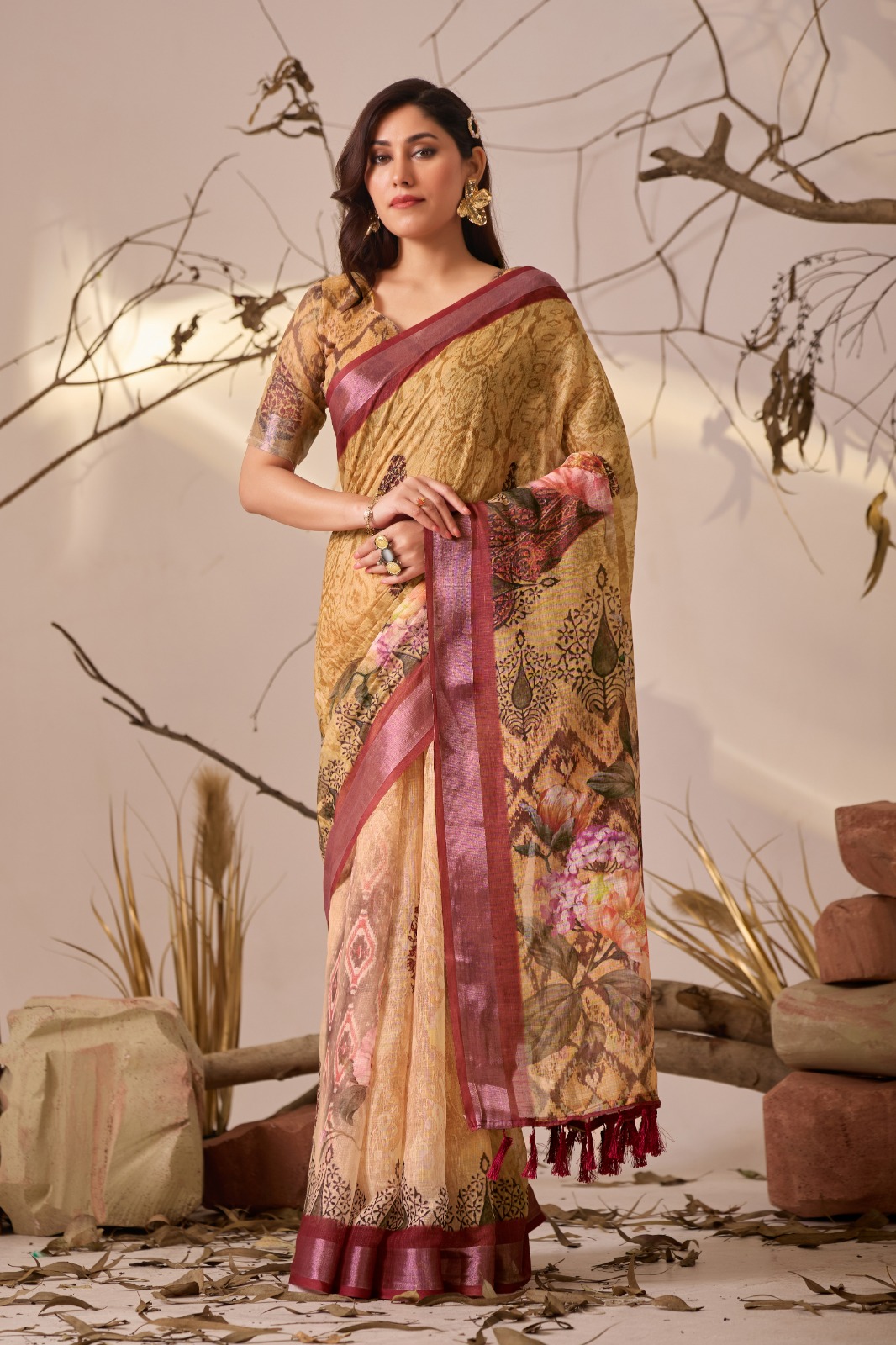
Venkatagiri Sarees in breathable cotton
Cotton Venkatagiri sarees suit warm weather, daytime pujas and long functions because cotton absorbs moisture and usually feels lighter against the skin. Look for a firm but comfortable selvedge, an even weave and a pallav that doesn't appear loosely constructed. A 5.5 to 6.3 metre saree is generally easier to pleat and drape traditionally than a shorter ready-to-wear format.
Fine cotton doesn't mean transparent or fragile by definition. Yarn thickness, weave density and finishing determine opacity and durability. Hold a pale saree against natural light when possible, especially if you plan to wear it without a petticoat or with a lightweight lining.
Venkatagiri Sarees in silk and silk blends
Silk Venkatagiri sarees suit weddings, festivals and formal family gatherings because silk adds sheen, structure and a more polished fall. Compare the stated fibre content, blouse-piece length and zari description before purchasing. Banarasi silk, Kanjeevaram and Venkatagiri silk are different textile traditions even when all three use silk and zari.
Subtle patterning is one of the appeal points of Venkatagiri. Small checks, narrow lines, floral accents and contrast borders can create a distinctly traditional look without the dense brocade associated with some Banarasi designs. A simple body also gives jewellery and blouse details room to stand out.
Venkatagiri Sarees: How do they differ from other traditional sarees?
Venkatagiri differs from other traditional sarees mainly through its lighter construction, delicate pattern scale and understated border language. Fabric origin and weave structure matter more than colour, because a red or pink saree can belong to several unrelated traditions.
Kanjeevaram is generally recognised for a stronger silk body, more substantial zari borders and a structured ceremonial presence. Banarasi silk often features elaborate brocade, but Banarasi silk is woven in Varanasi rather than Venkatagiri. Chanderi is associated with a light, often translucent fabric from Madhya Pradesh and may use distinctive butis and zari borders. A cotton saree with stripes isn't automatically Venkatagiri.
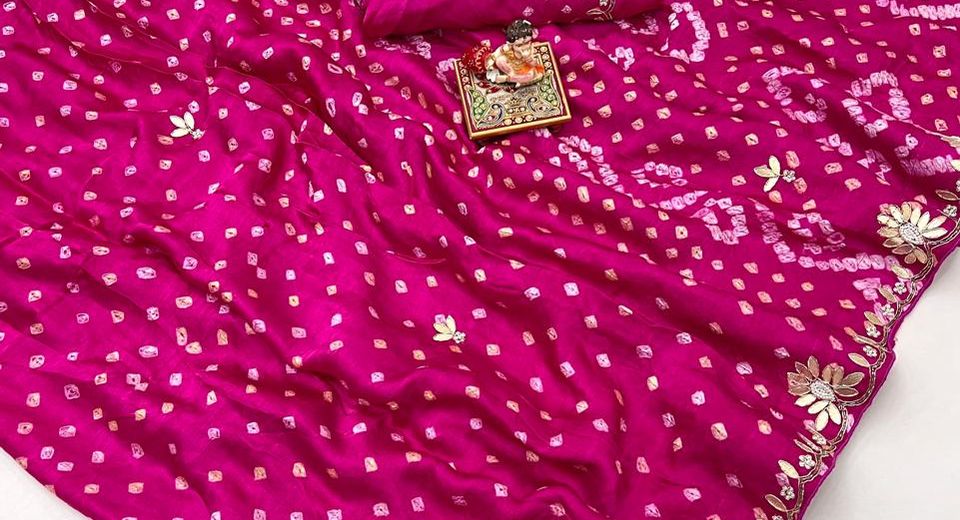
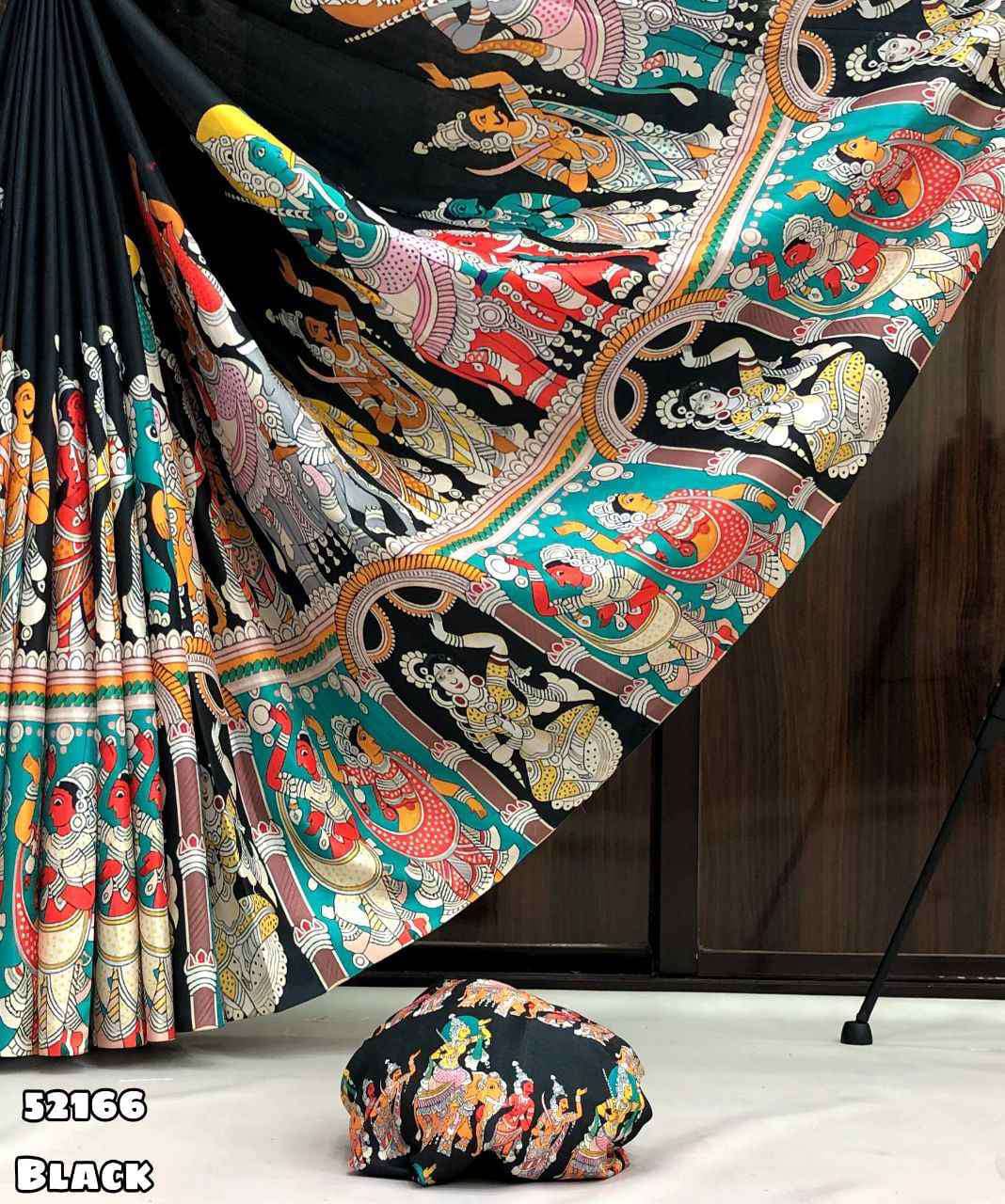
Gadwal sarees are known for a body and border relationship that may combine cotton and silk, while Kalamkari is identified primarily by painted or printed narrative and botanical surfaces. Bandhani is a resist-dye tradition recognised by dotted patterns, particularly in Gujarati and Rajasthani dress. These comparisons help prevent a common online-shopping error: treating every lightweight saree with a gold border as the same weave.
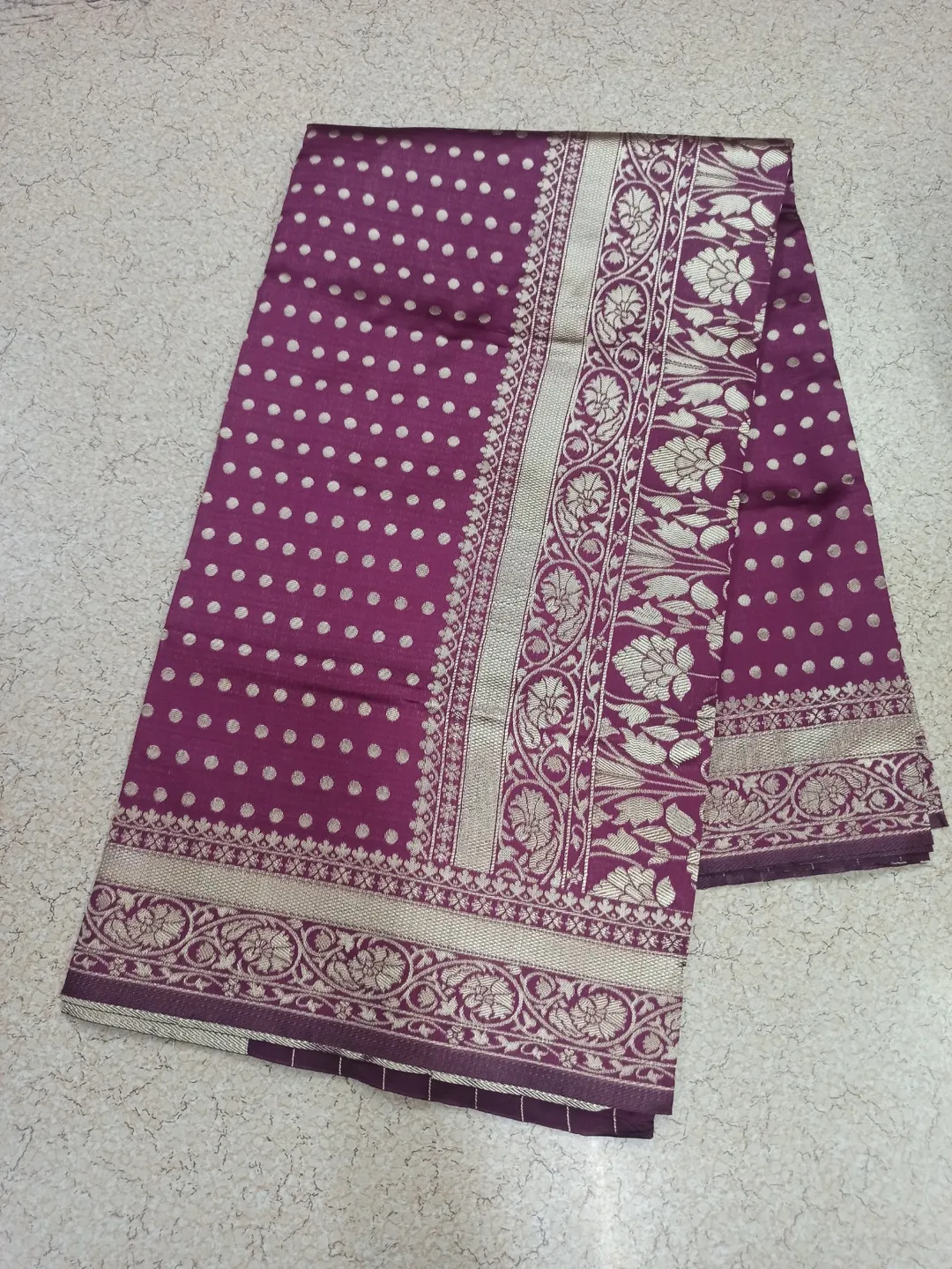
The Red Banarasi Soft Silk Saree With Golden Zari Floral Border illustrates how a floral zari border can create a formal silk appearance without being a Venkatagiri reference. The Traditional Pink Bandhani Gajji Silk Saree with Border demonstrates why a dotted resist pattern points toward Bandhani rather than a Venkatagiri structure. Both may suit traditional dressing, but they tell different textile stories.
Venkatagiri Sarees: How should you choose one online?
Choose Venkatagiri Sarees online by verifying fibre, weave description, measurements, border details, blouse-piece information and return conditions before judging the image. A clear product page should provide enough information to distinguish cotton, silk, blend and synthetic imitations.
- Check the fabric first: Look for explicit wording such as handloom cotton, pure silk or cotton-silk blend. "Soft silk" can describe a finish or a marketing category, so ask for fibre composition when it's not stated.
- Read the measurements: Confirm saree length, width and blouse-piece length. A standard saree is often around 5.5 metres plus blouse fabric, but measurements vary and a shorter pre-stitched format will drape differently.
- Inspect the border and pallav: Product photographs should show the full pallav, reverse side or close-up wherever possible. Repeated lines, uneven motifs and loose zari indicate a need for clarification rather than an automatic rejection.
- Ask about colour variation: Handloom cotton and silk can photograph differently under warm lighting. Request a daylight image if an exact shade matters, especially for wedding trousseau coordination.
- Separate origin from appearance: A saree with a traditional look isn't necessarily woven in Venkatagiri. Look for the named weave, production region and handloom information, not only terms such as ethnic, festive or heritage.
Price also needs context. A lower price may reflect cotton, a blend, machine production, a sale, a narrower border or fewer zari details; a higher price may reflect silk quality, labour, yarn fineness and finishing. Silk Sarees Under 3000 With Discount can help with budget comparison, but a discount label should never replace checking the actual fabric specification.
Online marketplaces and specialist handloom websites can both be useful. Specialist sellers may provide more information about the weaver and weave, while larger marketplaces may offer broader price and return comparisons. For authentic South Indian sarees, prioritise transparent product descriptions, close-up images, seller accountability and customer photographs over dramatic claims of exclusivity.
Venkatagiri Sarees: How can you style them for traditional occasions?
Style Venkatagiri Sarees with a blouse that respects the saree's scale, a secure drape and jewellery chosen according to the amount of zari. Traditional styling doesn't require heavy accessories; proportion is more important than quantity.
Venkatagiri Sarees for a wedding or formal family ceremony
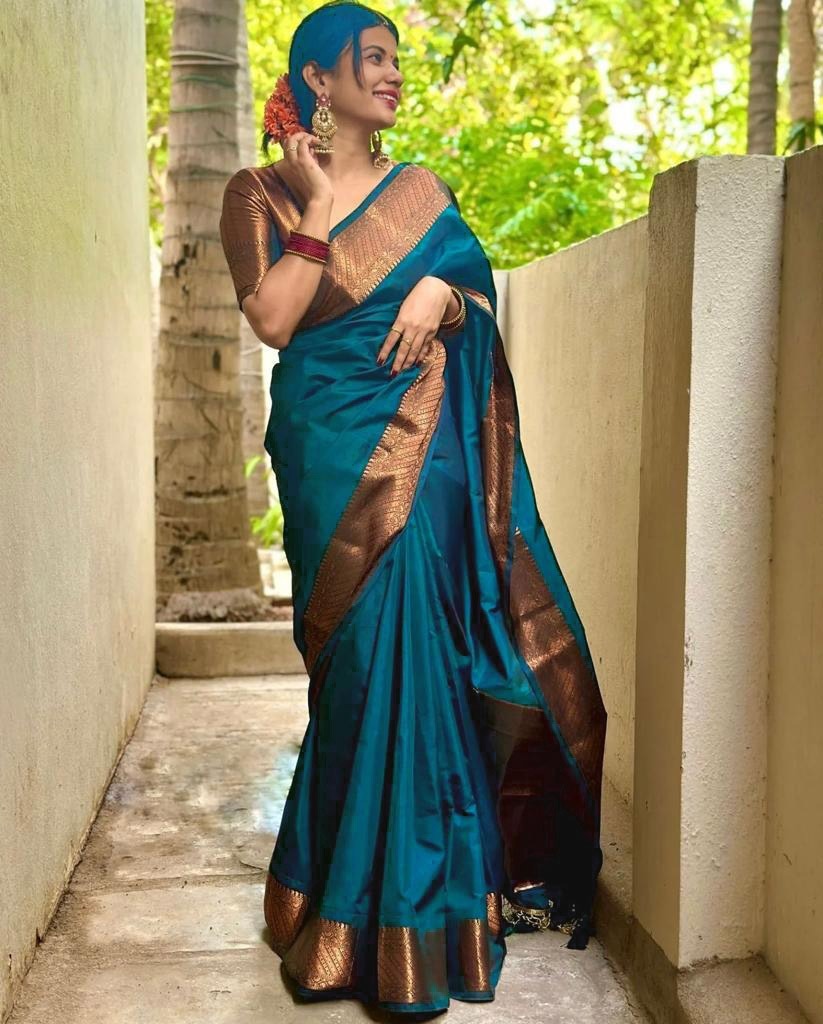
A silk Venkatagiri saree with a zari border pairs well with a structured blouse in silk, raw silk or a matching woven fabric. Choose a high round neck, elbow-length sleeve or modest square neck when the saree already carries a refined border. Gold-toned jhumkas, a short necklace and a longer chain create a balanced South Indian-inspired arrangement without competing with fine stripes.
The Maroon Cotton Saree with Zari Work for Wedding shows how a deeper colour and zari accent can make a cotton base feel ceremony-ready. The saree isn't automatically a Venkatagiri weave, but it offers a useful styling lesson: one strong element, such as the border or colour, can carry the formal look.
Venkatagiri Sarees for a Haldi ceremony or daytime function
Choose breathable cotton, a lighter blouse and jewellery that can tolerate movement for a Haldi ceremony. A bright blouse in yellow, coral, green or contrasting pink can bring energy to a restrained saree without requiring heavy embroidery. Keep the pallu secure with two discreet pins if turmeric, outdoor activity or frequent movement is expected.
The Pastel Linen Cotton Floral Print Saree with Designer Blouse and the Peach Linen Cotton Floral Print Saree with Blouse for Women demonstrate how a softer palette can remain festive through colour coordination and blouse design. Printed linen-cotton sarees are not substitutes for Venkatagiri, but they can guide a practical daytime approach: breathable fabric, a defined blouse and limited jewellery.
Venkatagiri Sarees for simple traditional dressing
A simple traditional Venkatagiri outfit works best with a neatly fitted blouse, a clean front pleat and one defined accessory. Try a contrast blouse in maroon, mustard, bottle green or deep pink when the saree body is neutral. A low bun decorated with jasmine, a small bindi and compact gold or silver earrings can complete the look without making it feel costume-like.
A blouse isn't always supplied with a saree, so check the product details before planning an outfit. A saree without a blouse can still be worn traditionally with a separately tailored blouse, provided the colour, sleeve shape and neckline complement the border. Pink Georgette Sarees and Party Wear Sarees may offer styling ideas for blouse colour and occasion dressing, but their fabrics and construction need not match Venkatagiri.
Venkatagiri Sarees: What care keeps cotton, silk and zari in good condition?
Care for Venkatagiri Sarees by following the fibre-specific washing method, protecting zari from abrasion and storing the saree folded in breathable fabric. Cotton, silk and blended sarees should not automatically receive the same cleaning treatment.
Air cotton sarees in shade after wearing and wash them only according to the care label. If hand washing is permitted, use cool water, a mild detergent and gentle pressing rather than vigorous rubbing. Avoid prolonged soaking because dyes can migrate, especially in deep maroon, red, navy and green shades.
Silk Venkatagiri sarees generally benefit from professional dry cleaning, particularly when they include zari or strong contrast colours. Do not spray perfume, deodorant or hairspray directly onto silk or metallic threads. Allow the saree to dry completely before folding it away.
Fold zari borders inward so metallic threads are not exposed to constant friction. Refold stored sarees every few months to prevent a permanent crease along the same line. Use unbleached cotton or muslin rather than sealed plastic for long-term storage, and keep the saree away from damp walls, direct sunlight and wood that may stain fabric.
Minor creases can be removed with low heat and a pressing cloth, but direct high heat can flatten texture, mark silk or damage zari. Test any ironing method on an inconspicuous section or use professional pressing for an expensive ceremonial saree.
Venkatagiri Sarees: What should you remember before buying?
The best Venkatagiri purchase matches the weave, fabric weight, occasion and care commitment to your actual wardrobe. A lightweight cotton saree may be more useful than a heavily decorated silk if you attend daytime functions regularly, while silk may be appropriate for a wedding or festive ceremony.
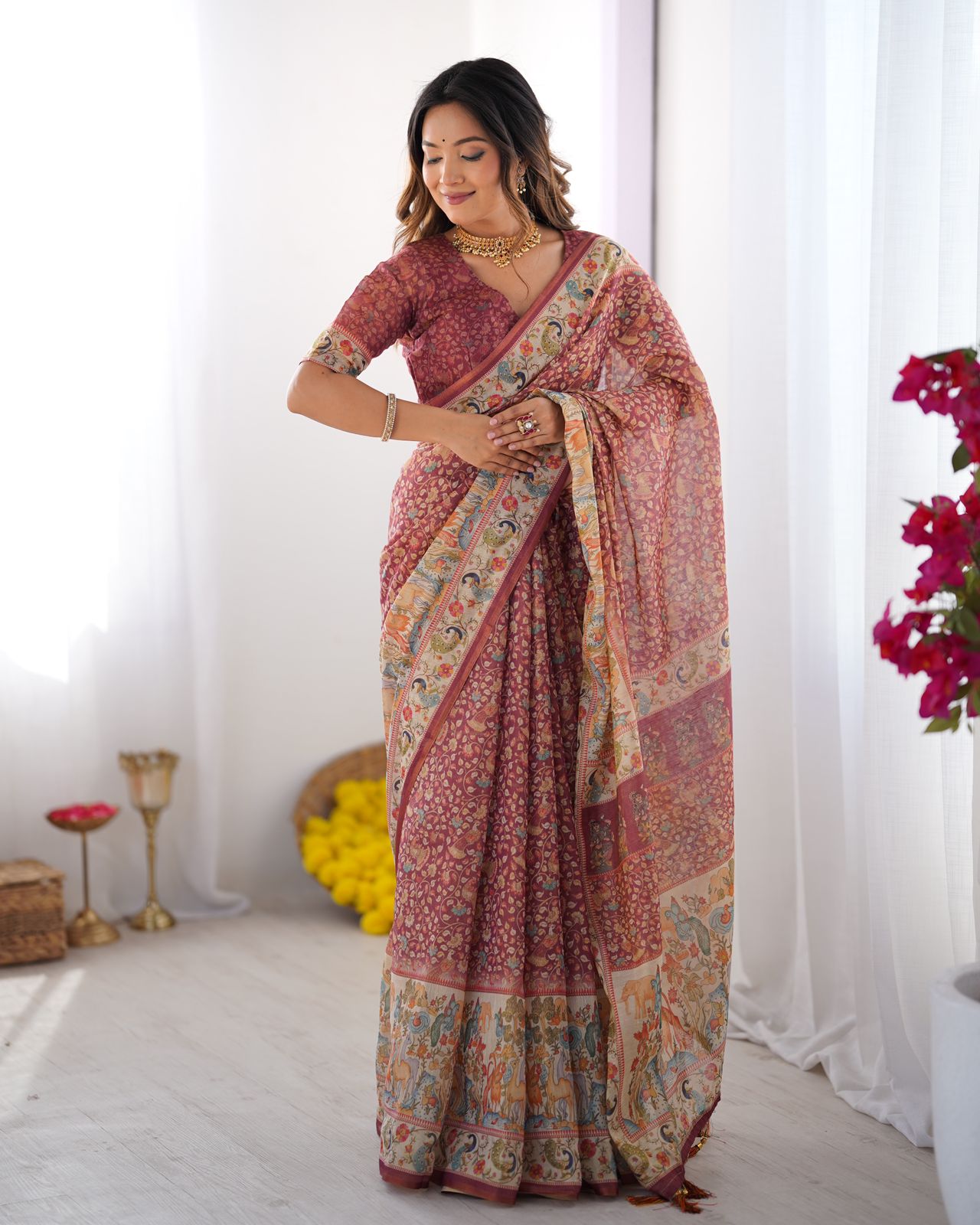
Check whether the seller names Venkatagiri as the weave or merely uses "traditional" as a broad style label. Confirm fibre content, measurements, blouse availability, zari composition, colour conditions and return eligibility. Save the product description and photographs until the saree arrives so you can compare the delivered item accurately.
Collections such as Red Banarasi Silk Sarees for Weddings Under 1100 and Gray Color Sarees Under 1000 can be useful for comparing colour, price and occasion categories, but comparison should not be mistaken for proof of shared weave heritage. A saree's regional identity comes from its textile tradition, not simply from its price, colour or use at a wedding.
Venkatagiri Sarees remain relevant because they offer a rare balance: recognisable traditional character without excessive weight. Understanding that balance helps you choose better, style more thoughtfully and preserve the saree for many years of family celebrations.
Questions Readers Ask About Venkatagiri Sarees
What are Venkatagiri Sarees known for?
Venkatagiri Sarees are known for lightweight handloom construction, fine yarns, delicate stripes or checks and restrained zari borders. Cotton versions suit warm weather and daytime wear, while silk versions are suitable for weddings and festivals.
Are Venkatagiri Sarees suitable for weddings?
Silk Venkatagiri Sarees and cotton sarees with refined zari work can suit weddings, depending on the ceremony and dress code. Pair a formal version with a structured blouse, secure pleats and proportionate gold-toned jewellery.
How can I identify an authentic Venkatagiri saree online?
Check whether the product page explicitly names the Venkatagiri weave, fabric composition and production region. Also review close-up photographs, measurements, border construction, blouse-piece details and seller information instead of relying only on the word "traditional."
What is the difference between Venkatagiri, Kanjeevaram and Banarasi sarees?
Venkatagiri is associated with a lighter Andhra handloom character and delicate patterning. Kanjeevaram generally has a more substantial silk body and prominent zari, while Banarasi silk is associated with Varanasi brocade traditions and often more elaborate woven motifs.
Can I wear a Venkatagiri saree without a blouse?
A Venkatagiri saree can be worn with a separately tailored blouse when a blouse piece is not included. Choose a blouse colour and sleeve design that support the saree's border, and verify that the saree length and width allow a secure traditional drape.
How should I wash and store a Venkatagiri saree?
Follow the fibre-specific care label, use cool water and mild detergent only when hand washing is permitted, and avoid prolonged soaking. Store clean, dry sarees folded in breathable cotton or muslin, with zari borders protected from friction and direct sunlight.