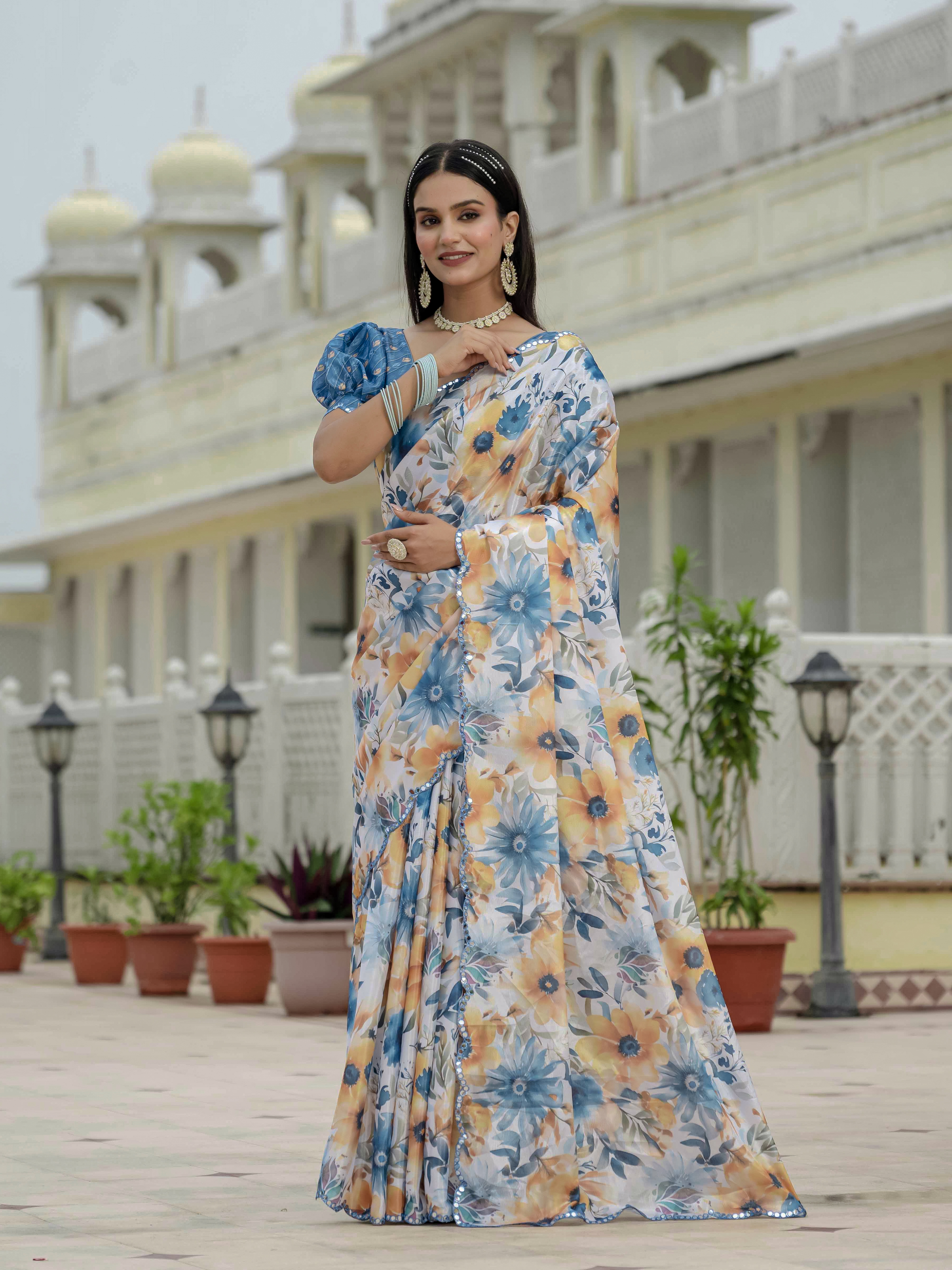
Varamahalakshmi Festival Blouse Designs can shape the entire appearance of a saree, especially during a morning puja followed by family visits and festive meals. The most successful choice balances three things: respect for the ritual, coordination with the saree, and enough comfort to sit, move and participate for several hours. A blouse doesn't need heavy embroidery to look ceremonial; the right fabric, sleeve proportion, neckline and colour can create a polished result with far less fuss.
Varamahalakshmi Festival Blouse Designs for a respectful festive look
A Varamahalakshmi blouse should look festive, feel secure during worship and complement the saree without competing with the deity-inspired décor. Traditional silk sarees usually call for structured silhouettes, rich colours and measured zari, while cotton sarees can carry handblock prints, woven borders or lighter contemporary details.
Varamahalakshmi Vratham is associated with prosperity, family wellbeing and the worship of Goddess Lakshmi. Many women therefore choose bright colours such as red, green, yellow, pink, maroon or gold. Colour symbolism should rest personal rather than restrictive: a deep purple Banarasi saree can look just as appropriate when balanced with antique-gold jewellery and a well-fitted blouse.
The blouse should also respect the practical rhythm of the day. A very tight armhole can become uncomfortable while tying a saree, serving food or sitting cross-legged. A neckline that's too deep may require constant adjustment during puja. A clean, moderately fitted blouse with reliable hooks, a supportive lining and sleeves that allow arm movement is usually the safer choice.
Traditional Varamahalakshmi Festival Blouse Designs with heritage details
Traditional Varamahalakshmi Festival Blouse Designs rely on familiar South Indian details such as elbow-length sleeves, rounded necklines, brocade textures, zari borders and heritage motifs. These features work particularly well with Kanjeevaram, Banarasi silk and other festive sarees that already carry visual richness.
Elbow-length sleeves with zari edging
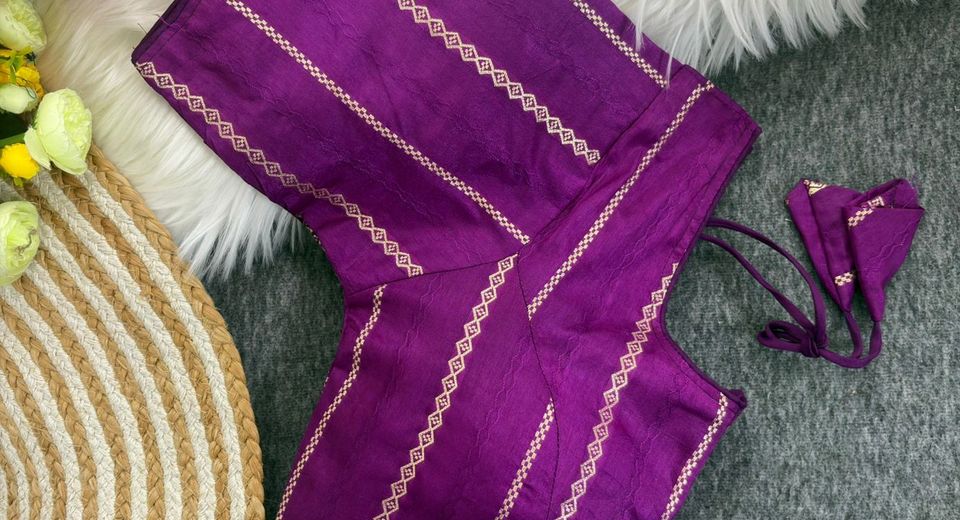
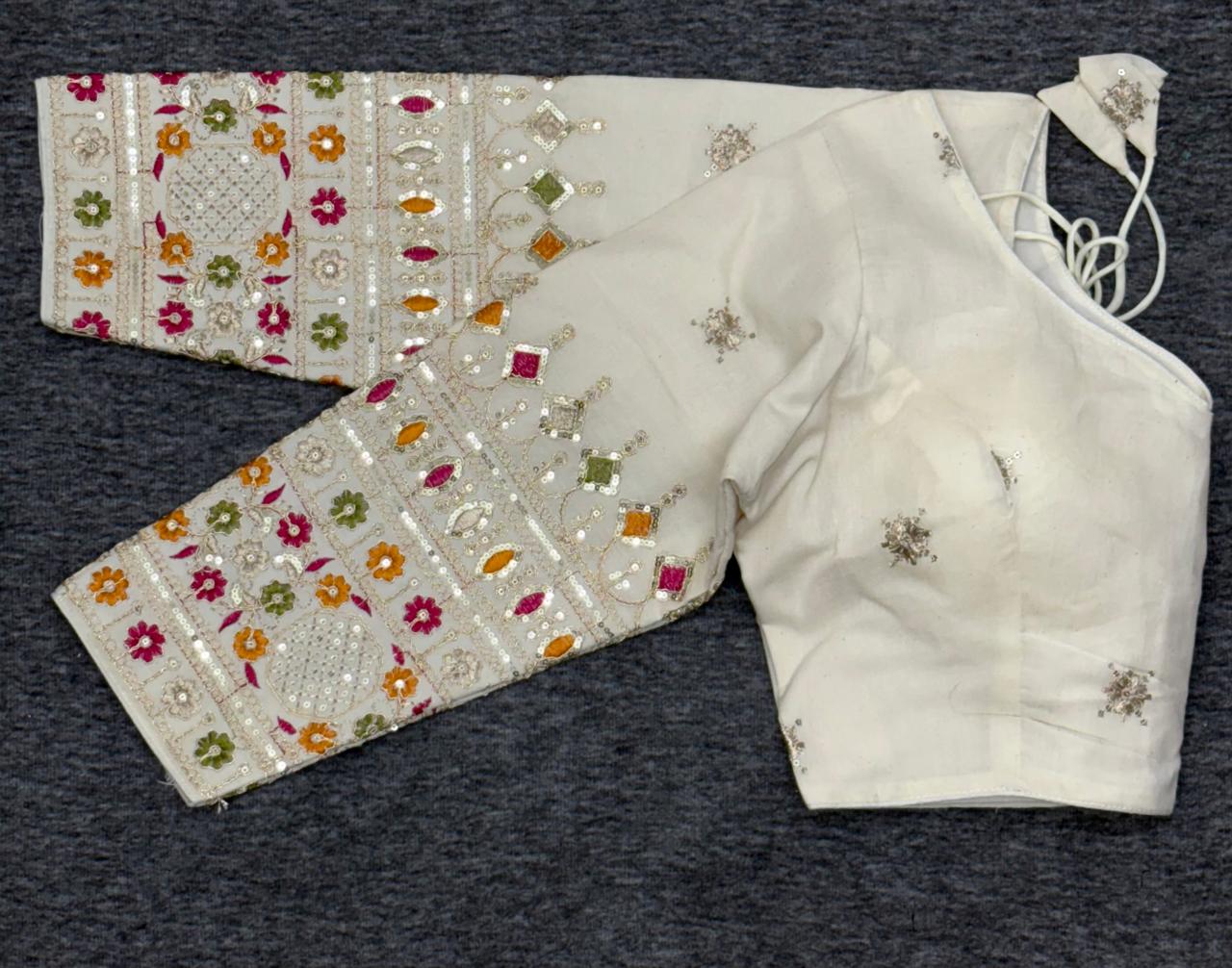
Elbow-length sleeves are one of the most dependable choices for a ceremonial saree because they provide coverage and create a balanced proportion with a broad pallu. A narrow zari strip, temple border or small paisley embroidery at the sleeve edge adds detail without making the blouse look crowded.
Gold zari suits warm-toned sarees, while silver zari can sharpen jewel tones such as royal blue, emerald and violet. A sleeve ending two to four centimetres above the elbow generally gives comfortable movement and avoids bunching beneath the saree pleats.
High back and rounded front necklines
A moderately high back neckline and a rounded front neckline offer a traditional appearance with dependable coverage during a family puja. These necklines pair well with long gold chains, Lakshmi pendants, jasmine flowers and layered necklaces because they leave enough skin visible for jewellery without exposing too much of the blouse.
Neckline depth should be decided with the blouse fabric and support in mind. A stiff Banarasi silk can hold a more architectural square or boat neck, whereas soft cotton usually looks better with a gentle round, V or collar neckline that follows the fabric's natural fall.
Temple, mango and floral motifs
Temple triangles, mango motifs, lotus flowers and small paisleys connect the blouse to established Indian textile traditions. Motifs can appear as woven zari, printed Kalamkari elements, appliqué or subtle embroidery, depending on the saree's weight and the wearer's preferred level of ornamentation.
A motif should repeat or echo something already present in the saree wherever possible. For example, a blouse with small floral zari work can support a floral-bordered saree, while a plain silk saree can accommodate a more detailed blouse back. Matching every motif exactly is unnecessary; repeating one colour or one design family is enough.
Modern Varamahalakshmi Festival Blouse Designs that retain tradition
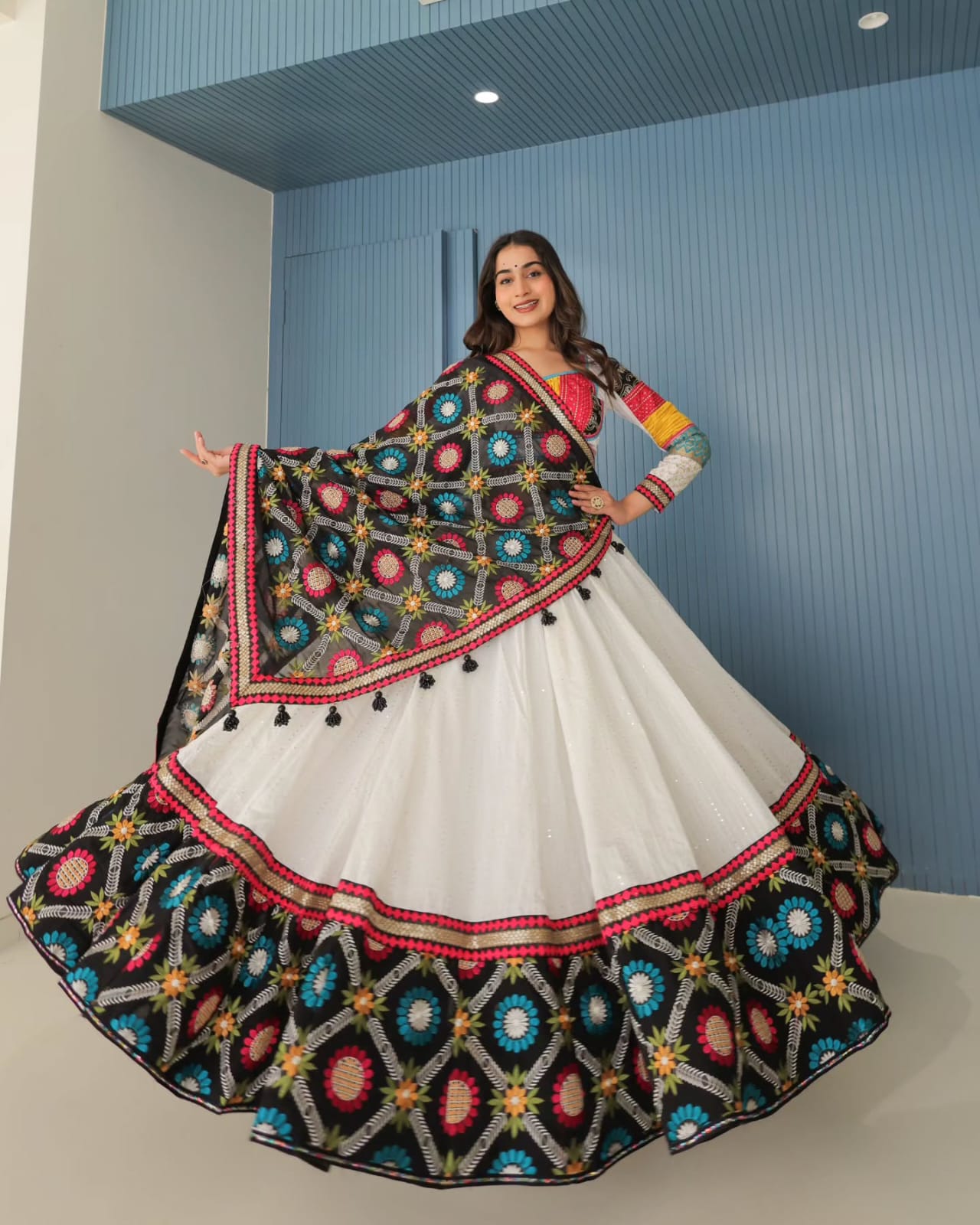
Modern Varamahalakshmi Festival Blouse Designs work when contemporary cuts are softened by suitable fabric, tasteful coverage or a traditional colour palette. A modern blouse can have a collar, contrast sleeves, a cleaner back or a sleeveless cut while remaining appropriate for a festive household gathering.
Kalamkari for an artistic cotton-saree look
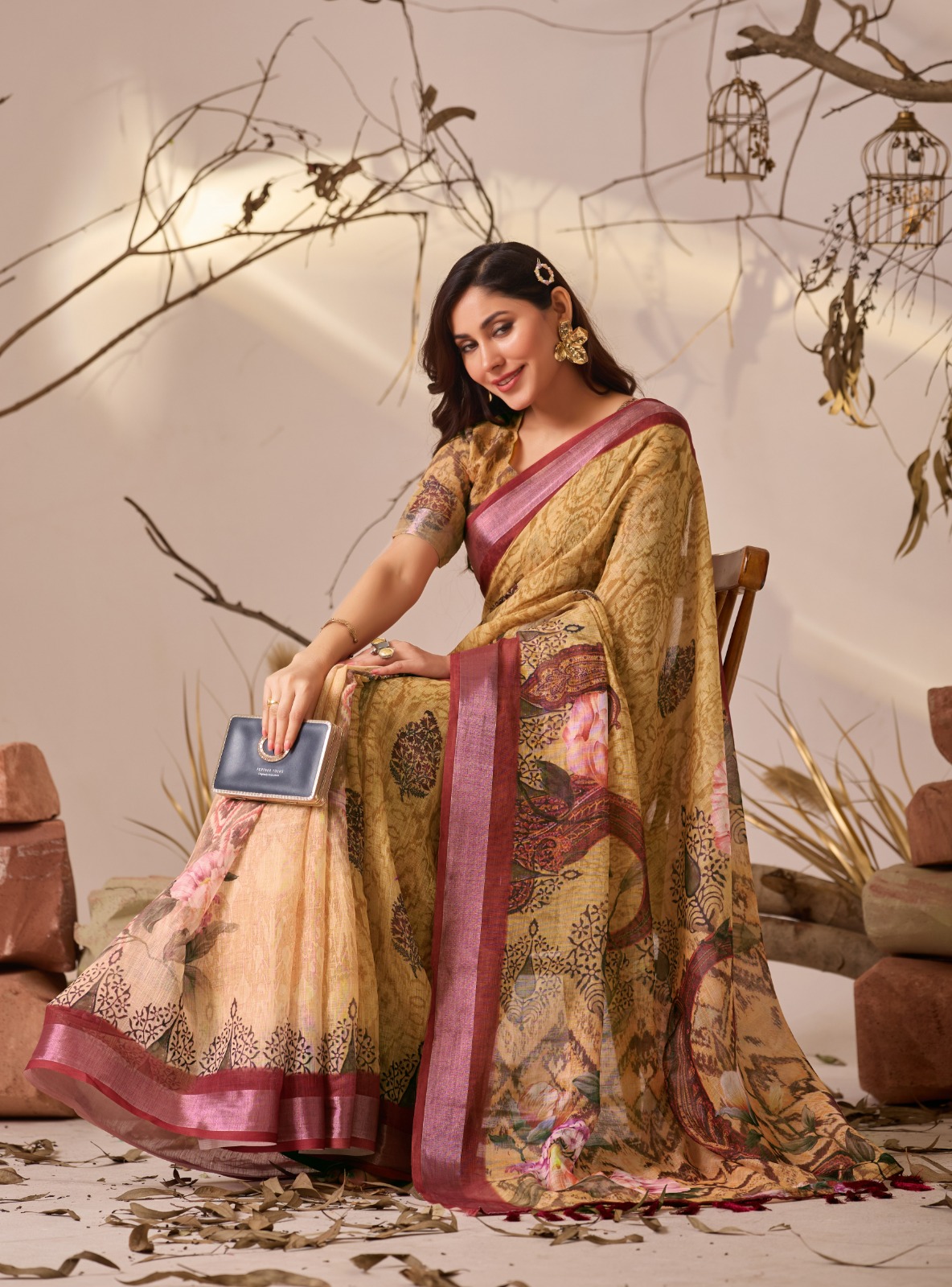
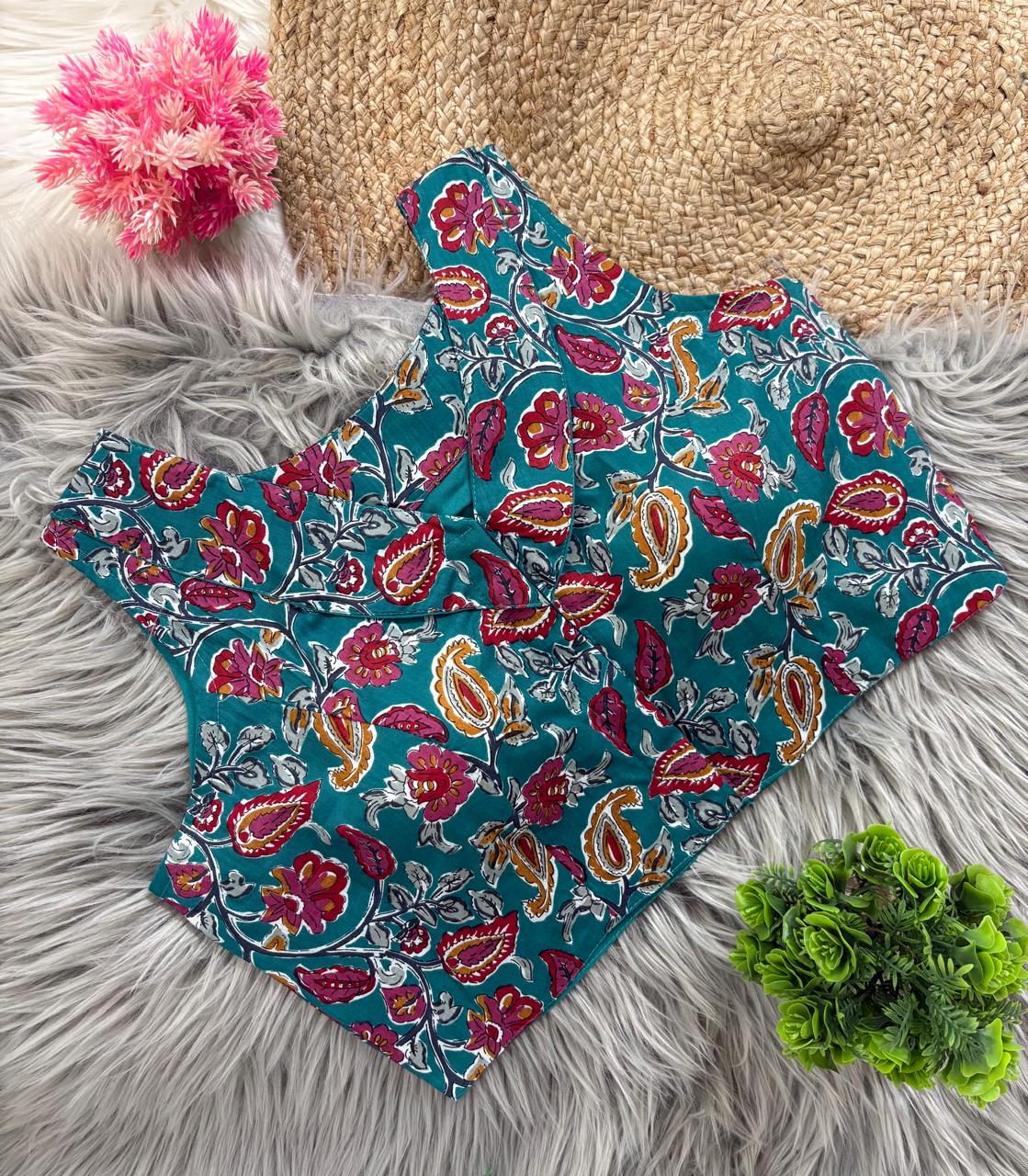
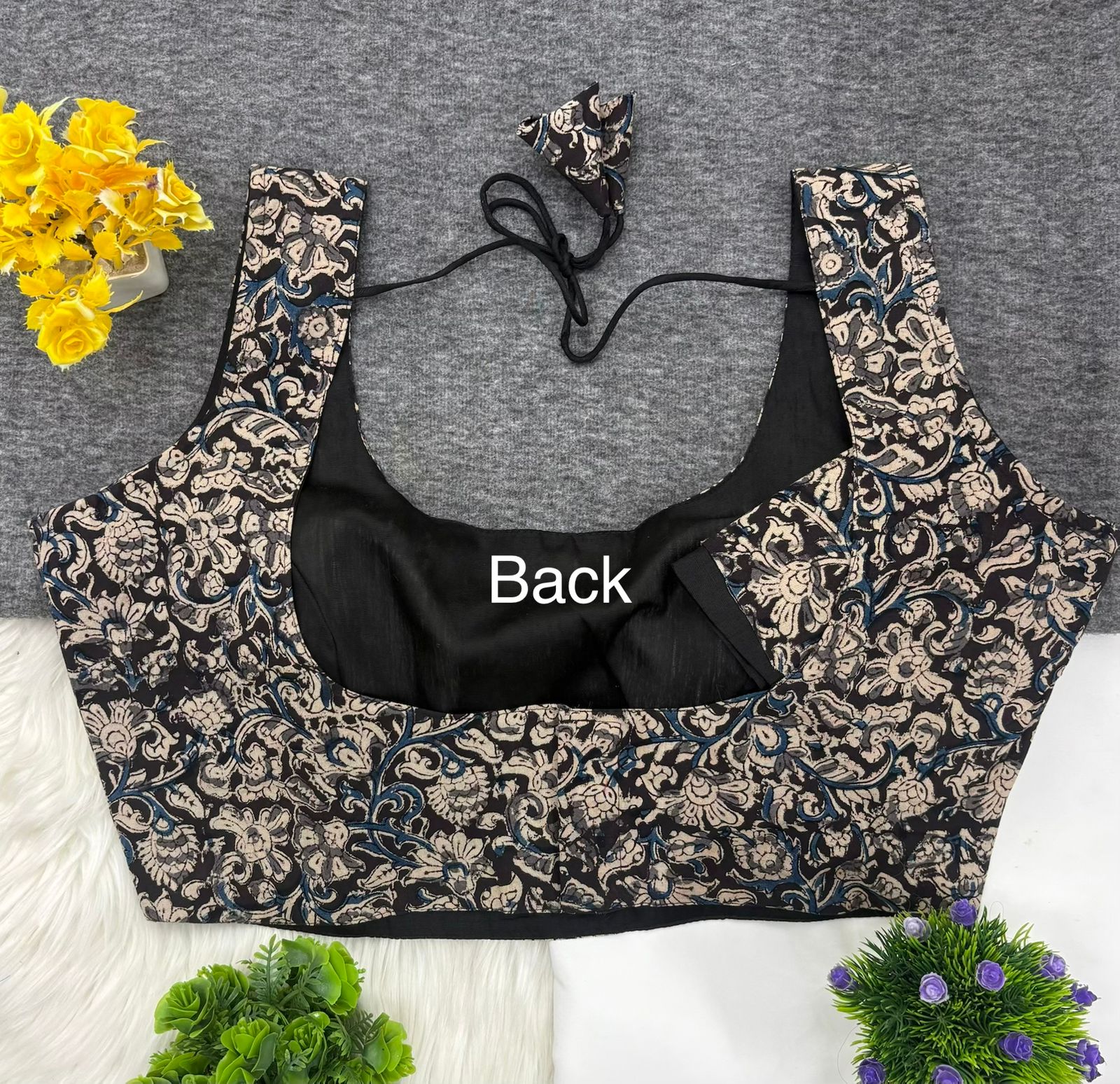
Kalamkari cotton brings hand-drawn floral, mythological and nature-inspired character to a festival outfit. Pure Kalamkari Cotton Padded Blouse for Women can support a relaxed cotton-saree ensemble because padding gives the front a neat line while the printed surface supplies visual interest.
Kalamkari Cotton V Neck Collar Blouse for Women offers another useful direction for a modern traditional wardrobe. A collar introduces a tailored quality, while the V neckline prevents the upper half from appearing too closed when worn with a high-necked or heavily bordered saree. Keep the jewellery simpler when the print is dense: medium jhumkas and a single long chain may be enough.
Sleeveless silhouettes for lighter sarees
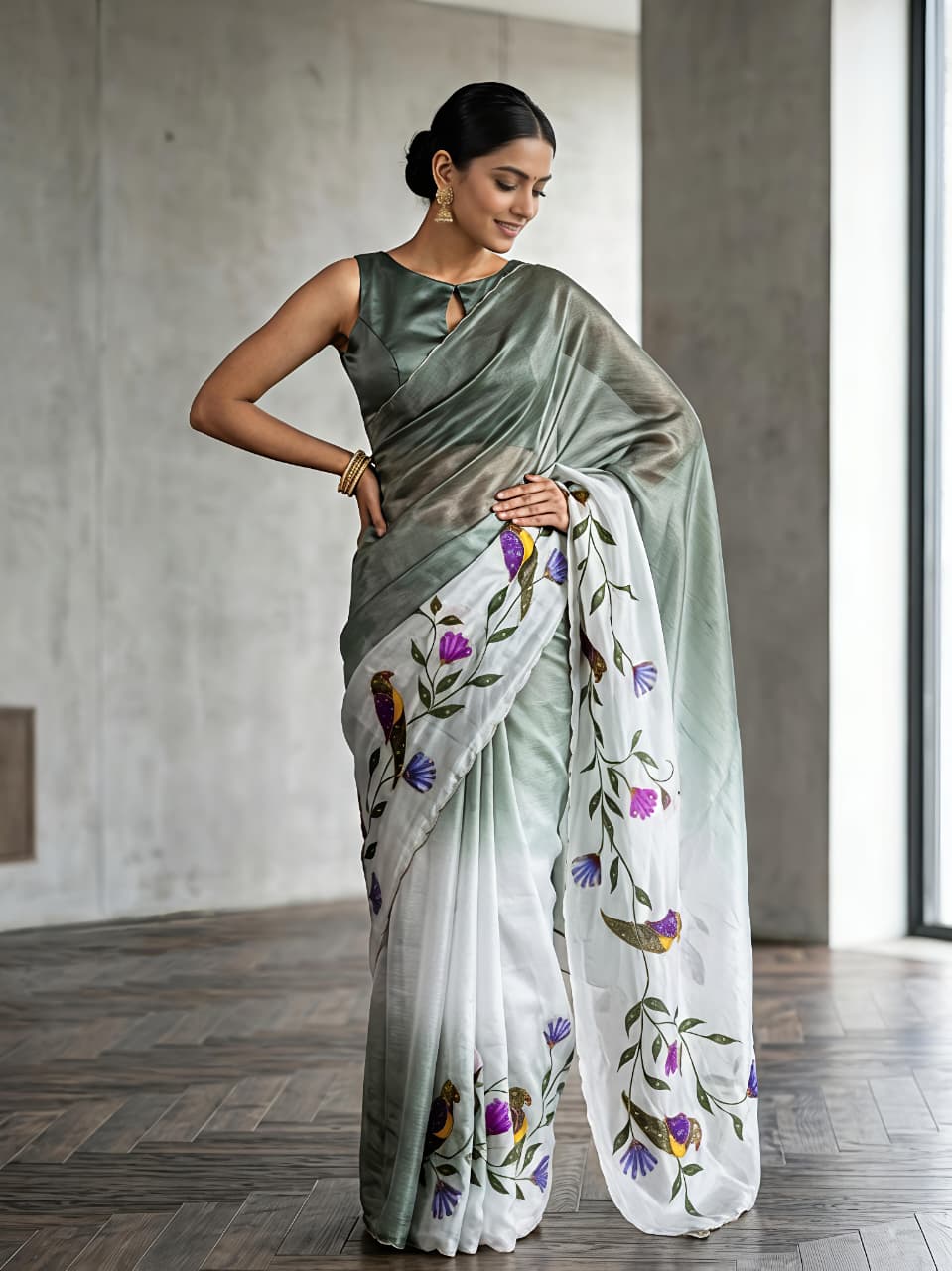
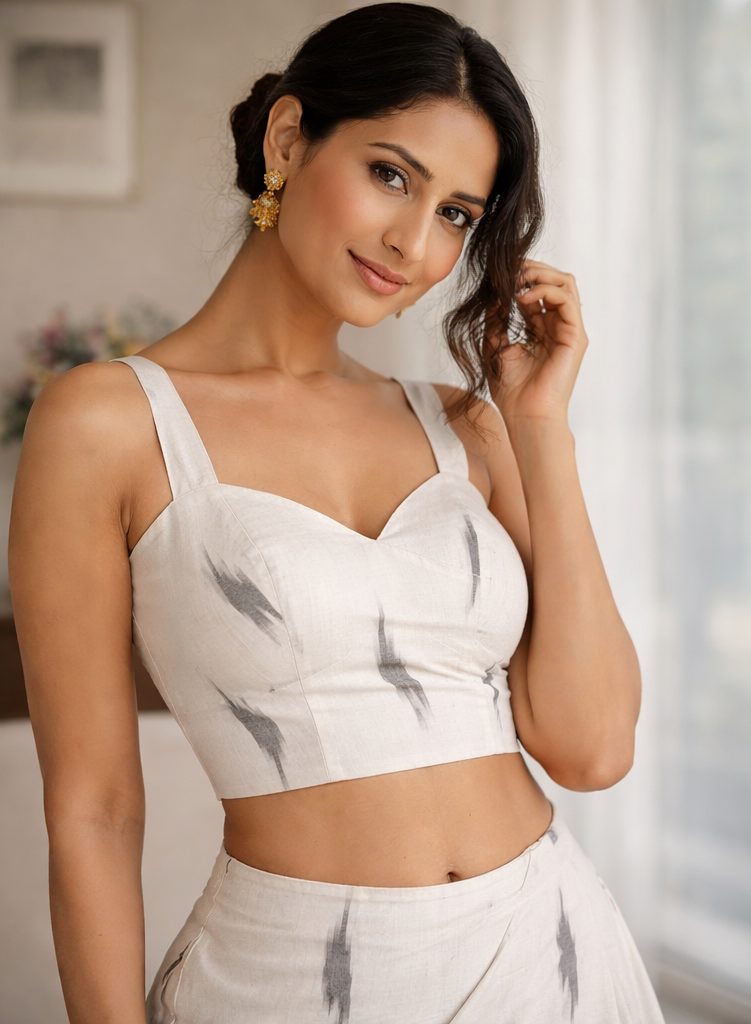
A sleeveless blouse is most effective with a lightweight cotton, linen, organza or soft silk saree and a ceremony setting where the wearer wants less fabric around the arms. Cream Ikat Cotton Padded Blouse Sleeveless Trendy creates a calm neutral base that can work with maroon, rust, bottle green, mustard and indigo sarees.
Sleeveless styling looks more festive when the saree supplies colour or texture through a contrast border, woven pattern or statement pallu. If the blouse and saree are both pale and plain, gold jewellery, a bright bindi and a stronger lip colour can restore visual definition without adding heavy embellishment.
A clean blouse for a contemporary silk saree
A modern festive wardrobe benefits from at least one uncomplicated blouse with a clear neckline and a smooth fit. Classic Festive Wear Blouse for Stylish Saree Look can serve that role with a richly woven saree, allowing the pallu and jewellery to carry the ceremonial detail.
Contemporary styling doesn't require extreme cut-outs, exaggerated sleeves or very deep necklines. A structured shoulder, a covered back and a slightly sharper neckline can make a traditional saree feel current while remaining practical for a full morning of rituals.
Varamahalakshmi Festival Blouse Designs by colour and saree pairing
The most reliable way to match a Varamahalakshmi blouse is to repeat one colour from the saree border or choose a controlled contrast from the same visual temperature. A blouse can match the dominant body colour, the pallu, the zari or a minor accent, and each choice creates a different effect.
- Same-colour pairing: A green blouse with a green silk saree creates a classic, elongated appearance and lets gold jewellery stand out.
- Border matching: A blouse that repeats the saree border looks intentional without requiring an identical shade throughout the outfit.
- Controlled contrast: A maroon blouse with a mustard saree or a pink blouse with a green saree creates festive energy while retaining a recognisable traditional palette.
- Metallic coordination: Gold zari generally pairs smoothly with gold, antique-gold and kundan jewellery, while silver zari works with silver, diamond-look or oxidised accessories.
- Neutral balancing: Cream, beige, black or muted gold can calm a saree with a busy print, especially when the blouse has a strong collar or unusual sleeve shape.
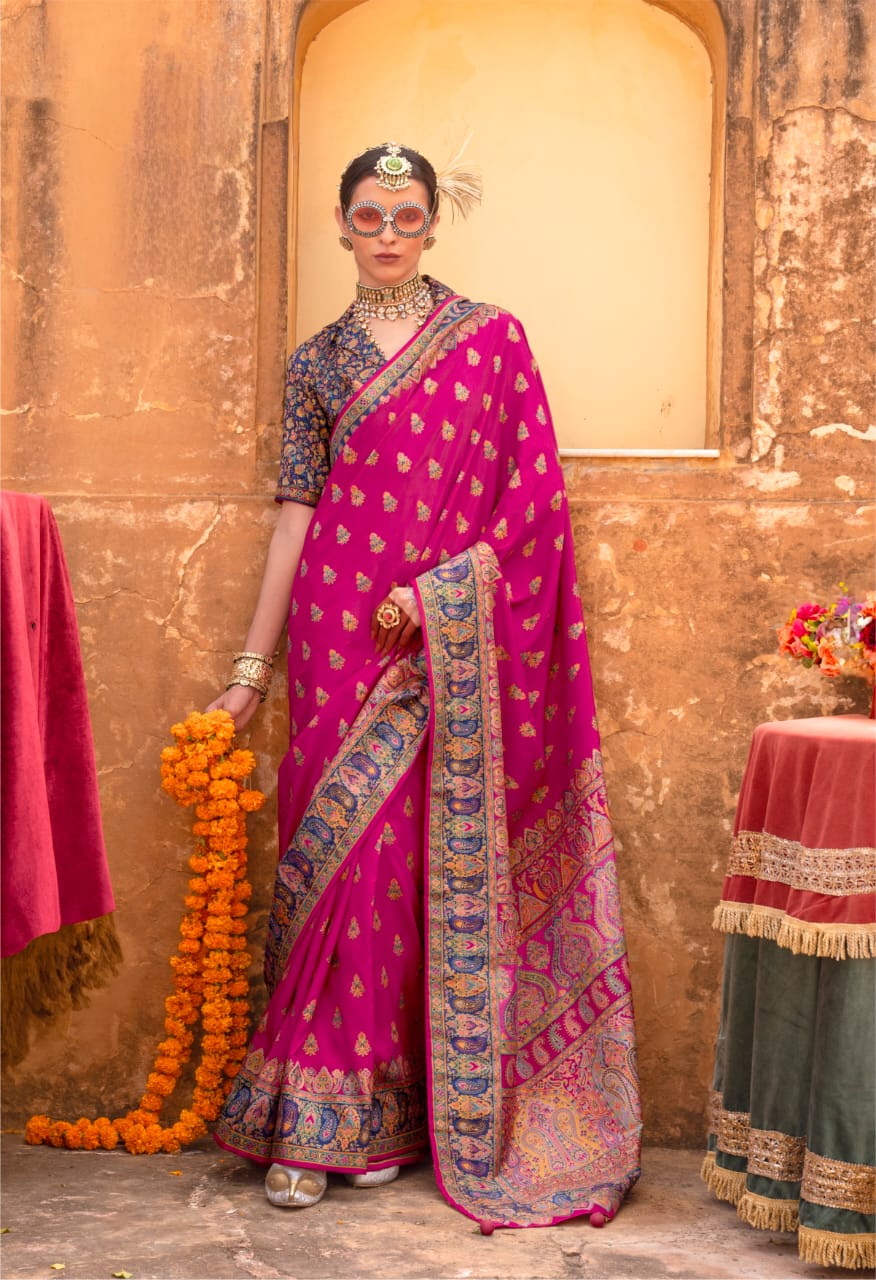
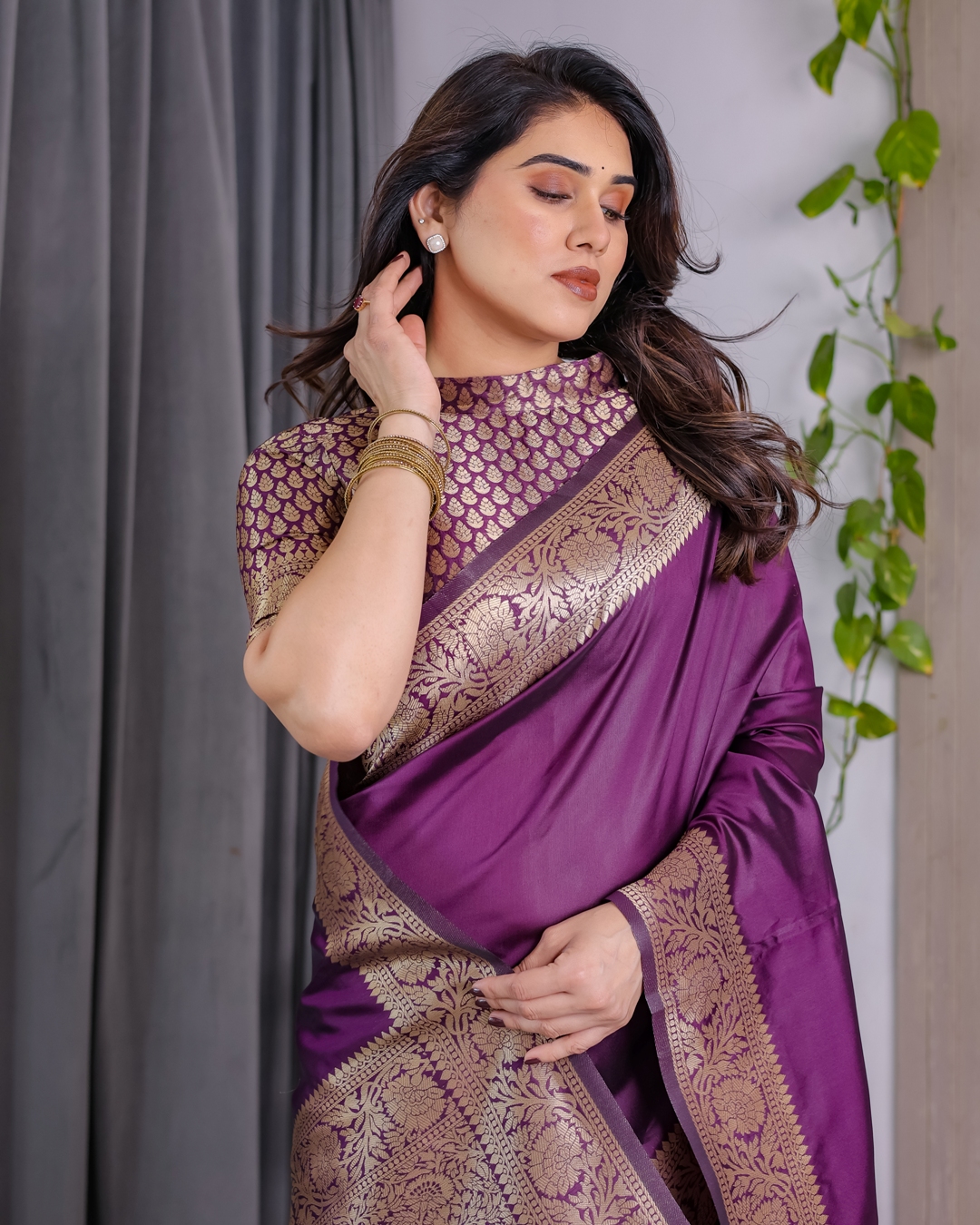
Royal Purple Banarasi Soft Silk Saree With Floral Zari Work illustrates why colour balance matters. A blouse in deep purple creates a unified jewel-toned result, while a muted gold or antique-gold blouse can highlight the floral zari without introducing another bright colour. A soft cream blouse creates a sharper modern contrast but should be supported by gold accessories so the outfit still feels festive.
Red and green remain familiar choices for Varamahalakshmi celebrations because both colours look strong beside gold ornaments. Pink suits women who want a softer appearance, while mustard and orange add warmth to cotton sarees. Cream, beige and muted gold are practical balancing colours when the saree has a dense print or a highly decorated pallu.
Varamahalakshmi Festival Blouse Designs for comfort, fabric and fit
Fabric choice affects comfort more than decoration during Varamahalakshmi Vratham. Cotton, cotton-silk and soft silk generally breathe better for daytime celebrations, while heavily lined brocade or synthetic fabrics may feel warmer in crowded indoor spaces.
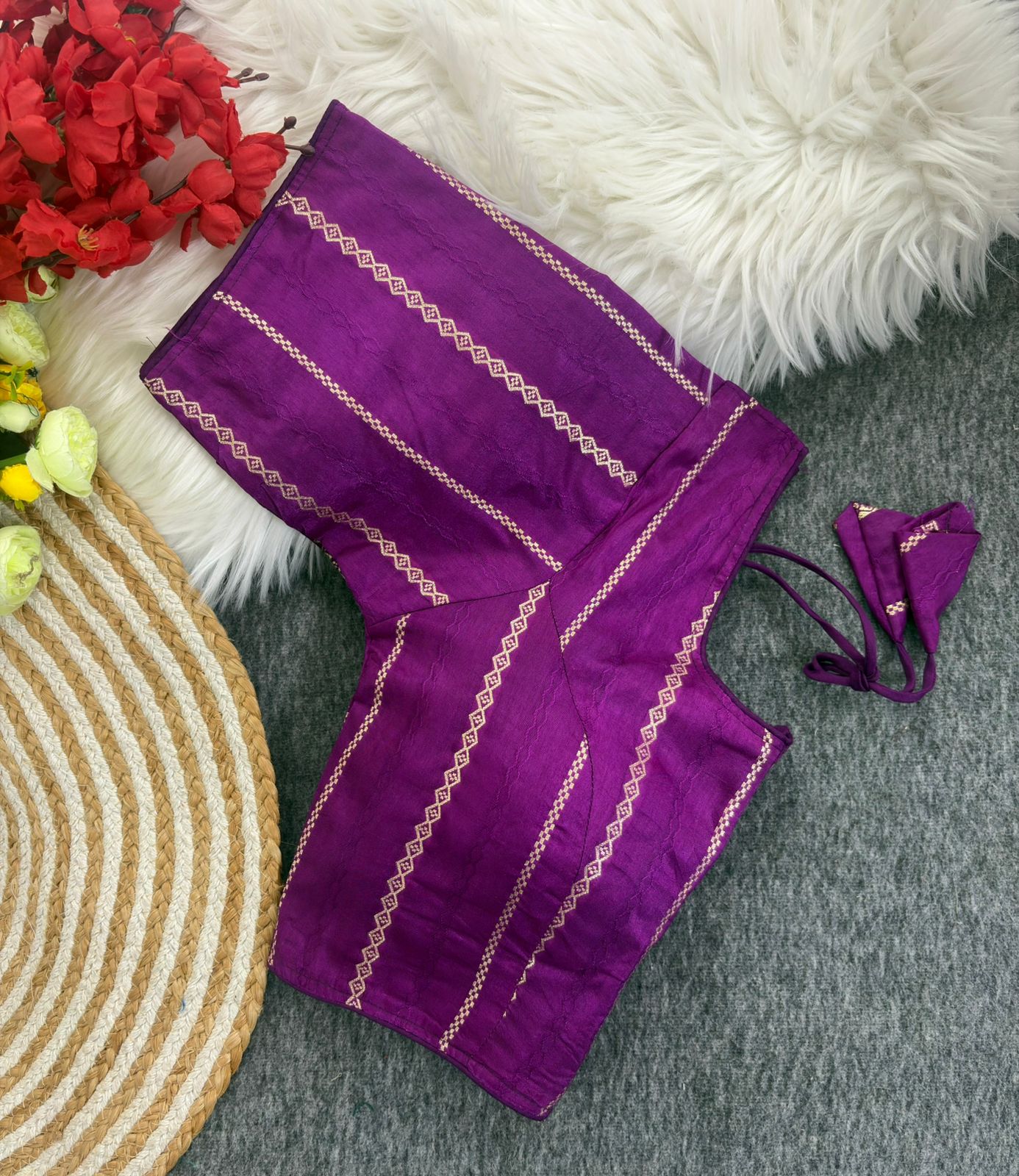
Banarasi silk is suitable for formal silk sarees because its body supports crisp seams and structured necklines. Banarasi Silk Golden Jari Padded Blouse for Women can add a luminous festive layer to a plain or lightly patterned saree, but the saree should not also have overwhelming zari unless a grander look is intended.
Padded blouses can provide shape and reduce the need for extra inner layers, but padding should be thin enough to lie flat beneath the saree. A lining made from breathable cotton or cotton-blend fabric can reduce irritation. Any blouse intended for a six-hour event should be tested at home with the saree at least one full week before the festival.
Use these fit checks before finalising a blouse:
- Raise both arms to confirm that the armhole doesn't pull into the underarm.
- Sit comfortably for 15 minutes because puja may involve floor seating or extended prayer.
- Check that the front closure and hooks remain flat under the saree drape.
- Take three deep breaths to test whether the bust and rib area feel restricted.
- Walk, reach forward and turn sideways without the back neckline shifting.
- Confirm that sleeve edges don't catch on bangles or press uncomfortably against the upper arm.
Varamahalakshmi Festival Blouse Designs for necklines, sleeves and backs
The most flattering blouse structure depends on shoulder width, bust fit, torso length and personal comfort rather than on a single universal design rule. A good design should support the saree's proportions and allow natural movement during prayer and socialising.
Choosing a neckline
A round neckline is versatile, a V neckline adds visual length, a boat neckline highlights the shoulders and a collar creates a tailored modern finish. A moderate sweetheart neckline can soften a structured silk saree, but additional support and careful stitching are important for long hours of wear.
Women with a shorter neck may prefer an open round or V neckline instead of a high collar. Women who want more coverage can choose a closed round neckline with elbow-length sleeves and use earrings rather than a heavy necklace as the main accessory.
Choosing sleeves
Elbow-length sleeves offer the most traditional balance, short sleeves keep cotton outfits light and three-quarter sleeves provide extra coverage with a formal appearance. Sleeveless blouses can look elegant when the saree is lightweight and the armhole is cut smoothly without digging into the skin.
Statement sleeves need proportion. A puff sleeve works best with a relatively simple saree drape, while a heavily embellished saree usually benefits from a clean sleeve. Narrow sleeves can make broad borders look more prominent, whereas wider sleeves create a softer vintage effect.
Choosing the back
A covered or moderately low back is the most practical choice for a puja because it reduces adjustment while bending, sitting and arranging offerings. A small keyhole, tie detail or fabric-covered button row can provide interest without making the blouse difficult to wear.
Back detailing should also remain comfortable against the saree pleats. Hard beads, large knots and protruding metal hooks may press into the skin during floor seating, so flat embroidery, covered buttons and lightweight tassels are better options for an extended ceremony.
Varamahalakshmi Festival Blouse Designs with jewellery and draping details
Jewellery should be selected after considering the blouse neckline and the saree's zari, because too many competing focal points can make the outfit appear busy. Gold jhumkas, a Lakshmi pendant, a vaddanam, green or red glass bangles and jasmine flowers create a recognisable festive combination.
A high or collared neckline usually works best with earrings, bangles and a shorter pendant rather than several long necklaces. A lower round or V neckline can accommodate a long haram, while a heavily detailed blouse back may be shown more clearly when the pallu is draped over one shoulder instead of covering the entire back.
The saree drape also changes how the blouse is seen. A neatly pleated pallu displays sleeve borders and the upper front, while a looser drape gives more attention to the blouse back and shoulder. Pin the pallu securely before beginning the puja, especially if the blouse has a slippery silk surface or a sleeveless cut.
Hair and makeup can complete the look without overwhelming the blouse. A low bun with jasmine suits silk sarees and zari blouses, while a braid works beautifully with cotton and Kalamkari. A bindi that repeats the saree or blouse colour creates cohesion, and a light base with waterproof eye makeup is more practical than a heavy routine during a warm daytime ceremony.
Varamahalakshmi Festival Blouse Designs: a final selection checklist
The best blouse is the one that remains comfortable, secure and visually balanced from the first prayer through the final family photograph. Before purchasing or tailoring, compare the blouse with the actual saree rather than choosing from a colour card alone.
- Check the saree fabric: Pair structured silk with a blouse that has enough body, and pair lightweight cotton with breathable fabric that doesn't look overly stiff.
- Identify one repeated detail: Use the border colour, zari tone, floral motif or pallu accent as the blouse's connecting feature.
- Measure accurately: Record bust, underbust, shoulder, armhole, sleeve length and blouse length, then allow room for comfortable breathing and movement.
- Test the sitting position: Wear the complete outfit while sitting for at least 15 minutes before the festival.
- Limit visual competition: Choose either a dramatic blouse, an elaborate saree or statement jewellery as the primary focus.
- Prepare for care: Air the blouse after wearing, remove jewellery carefully and follow the fabric's washing or dry-cleaning instructions.
Varamahalakshmi Festival Blouse Designs can be deeply traditional, distinctly modern or comfortably placed between the two. The strongest choice reflects the wearer's saree, ceremony schedule and personal style while preserving ease of movement. A well-fitted blouse with thoughtful colour coordination will look more refined than an elaborate design that requires constant adjustment.
Common Questions About Varamahalakshmi Festival Blouse Designs
Which blouse colour is best for Varamahalakshmi Vratham?
Red, green, pink, yellow, maroon and gold are popular choices for Varamahalakshmi Vratham because they look festive beside silk sarees and gold jewellery. The best colour is one that repeats the saree border, pallu or zari while suiting the wearer's complexion and personal preference.
Can I wear a sleeveless blouse for Varamahalakshmi puja?
Yes, a sleeveless blouse can suit Varamahalakshmi puja when it has a secure fit and is paired with a graceful cotton, linen or soft silk saree. A higher neckline, neat armhole and traditional colour or jewellery can keep the overall appearance suitably festive.
What blouse design goes well with a Kanjeevaram saree?
Elbow-length sleeves, rounded or square necklines, brocade textures and restrained zari work pair well with a Kanjeevaram saree. Match the blouse to one border colour or zari tone instead of adding a second competing pattern.
Is a padded blouse comfortable for a long Varamahalakshmi ceremony?
A padded blouse can be comfortable when the padding is thin, the lining is breathable and the bust and armhole measurements are correct. Wear the blouse with the saree at home for at least 15 minutes of sitting, walking and arm movement before the ceremony.
How should I style a modern blouse for Varamahalakshmi Vratham?
Style a modern blouse with a traditional saree, gold or antique-gold jewellery, a bindi and a neat hairstyle. A collar, contrast neckline or sleeveless cut can look contemporary while the saree's border, zari and festive accessories preserve the cultural character.
What jewellery suits a high-neck Varamahalakshmi blouse?
Jhumkas, studs, bangles, a maang tikka and a shorter pendant suit a high-neck blouse better than several long necklaces. Jasmine flowers and a Lakshmi motif can add ceremonial detail without crowding the neckline.