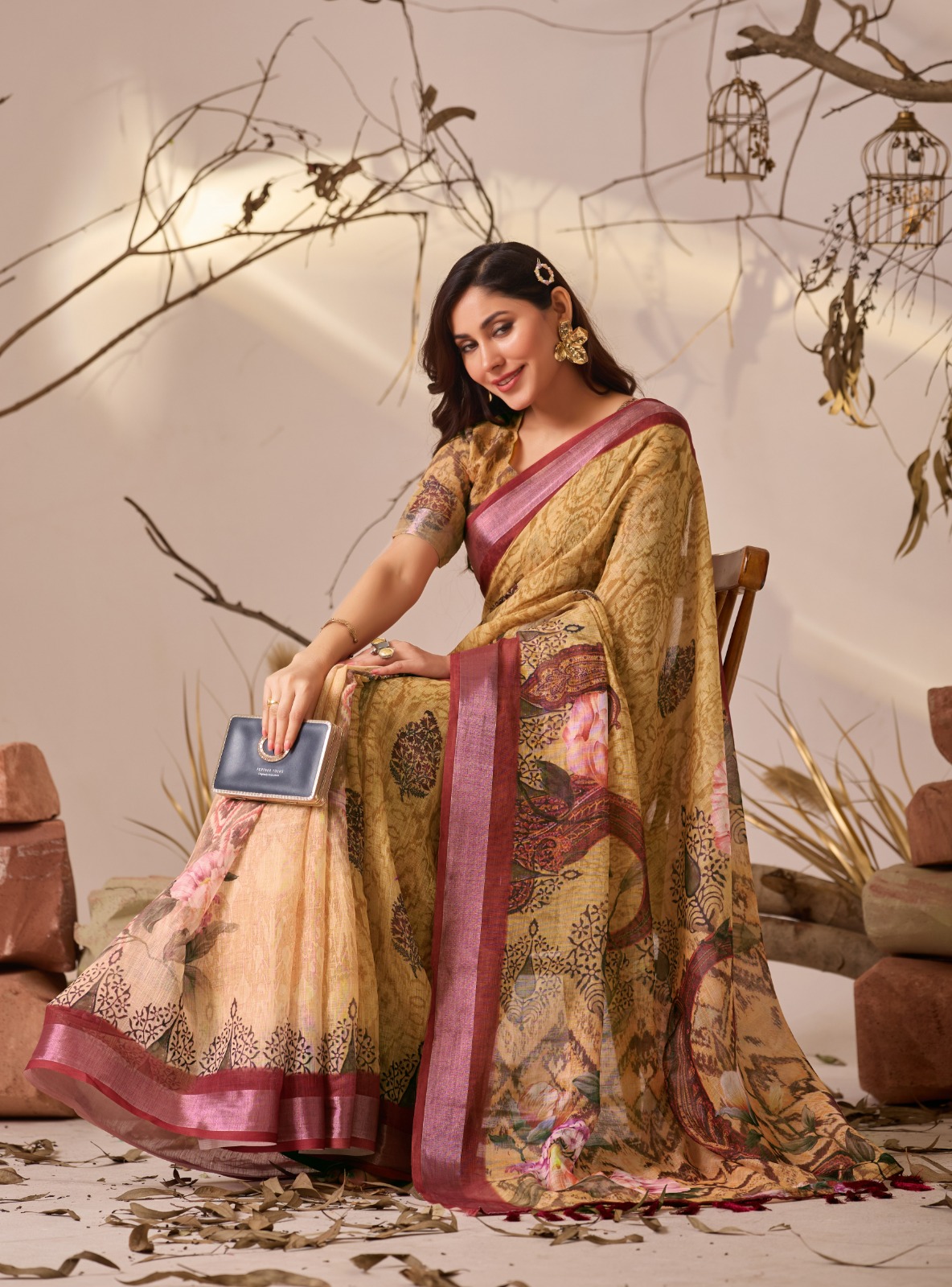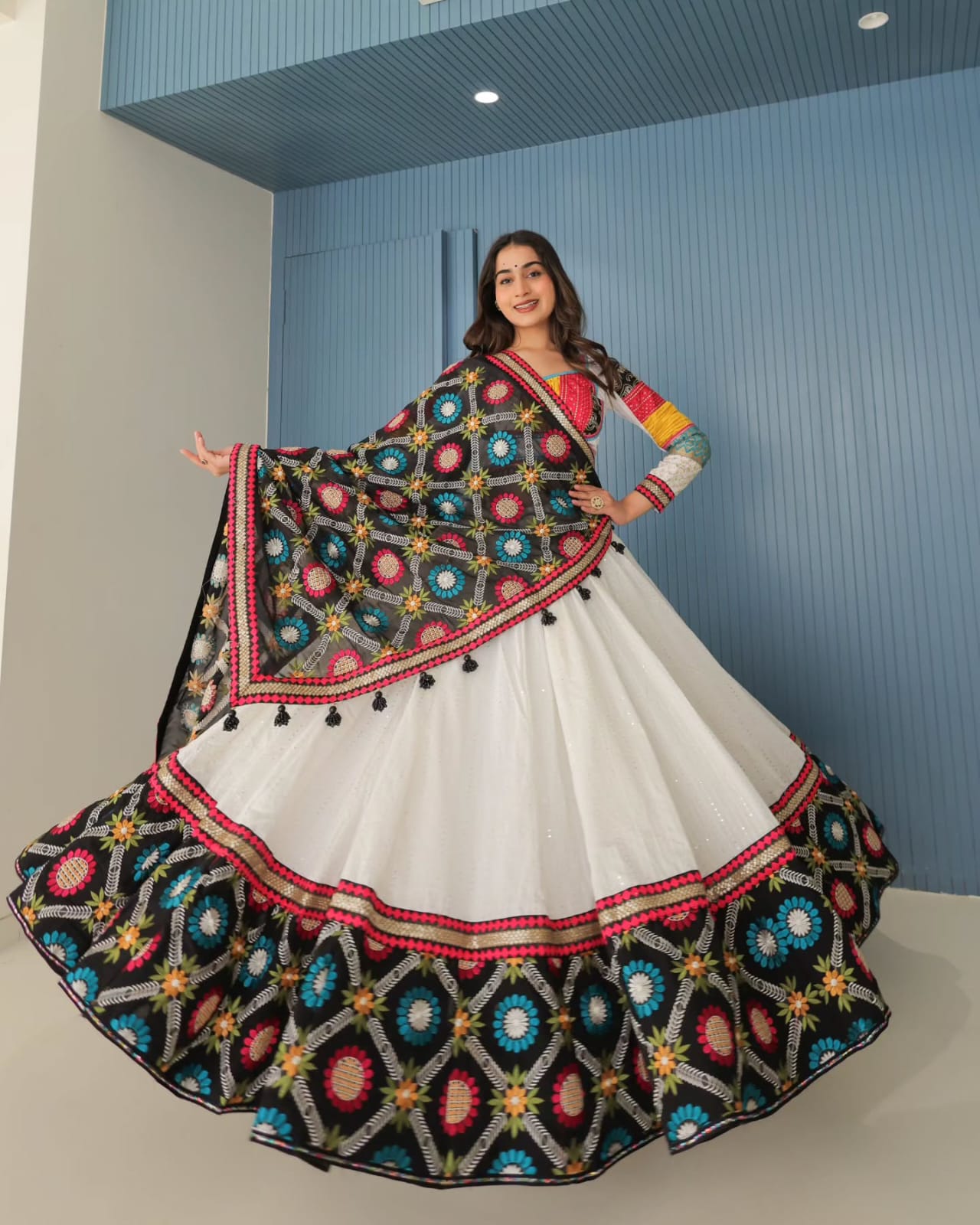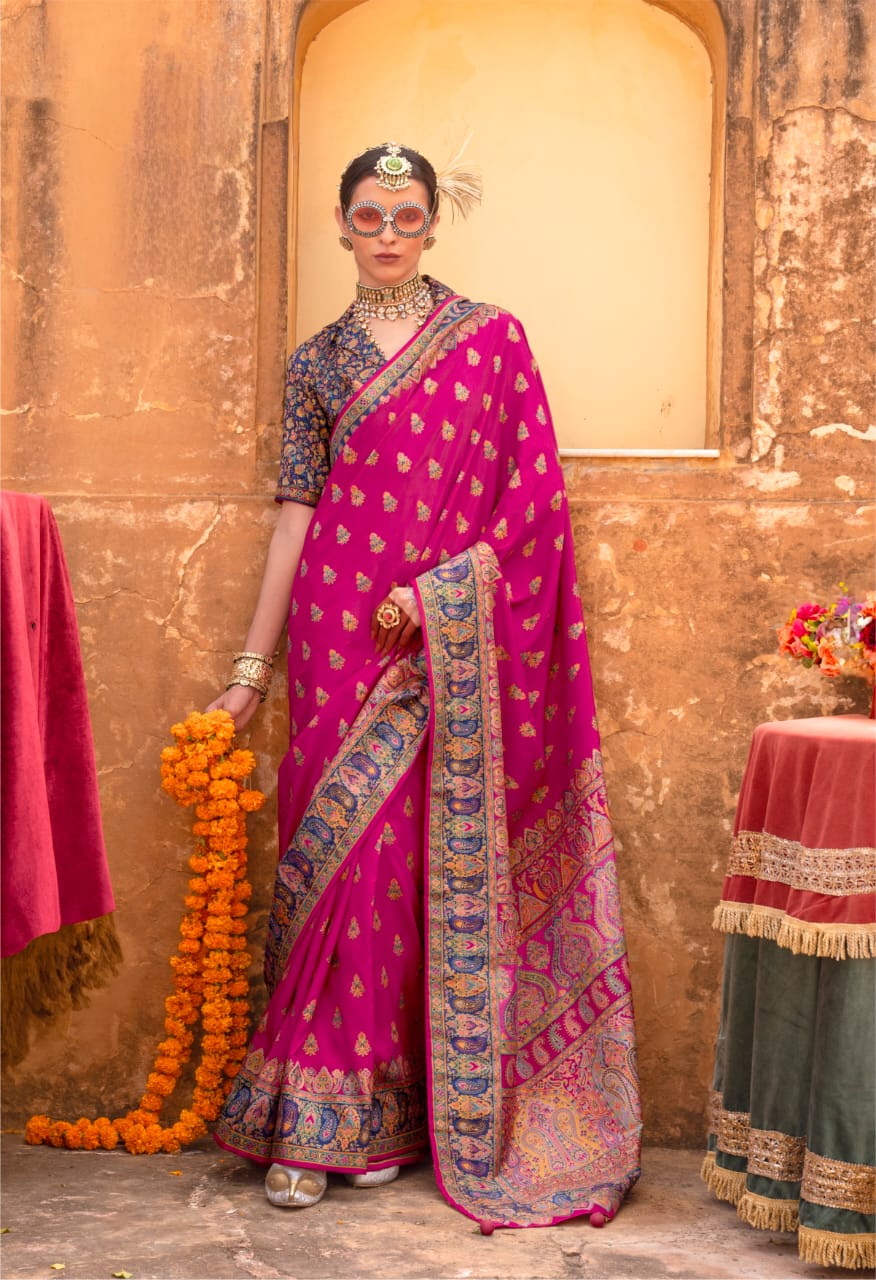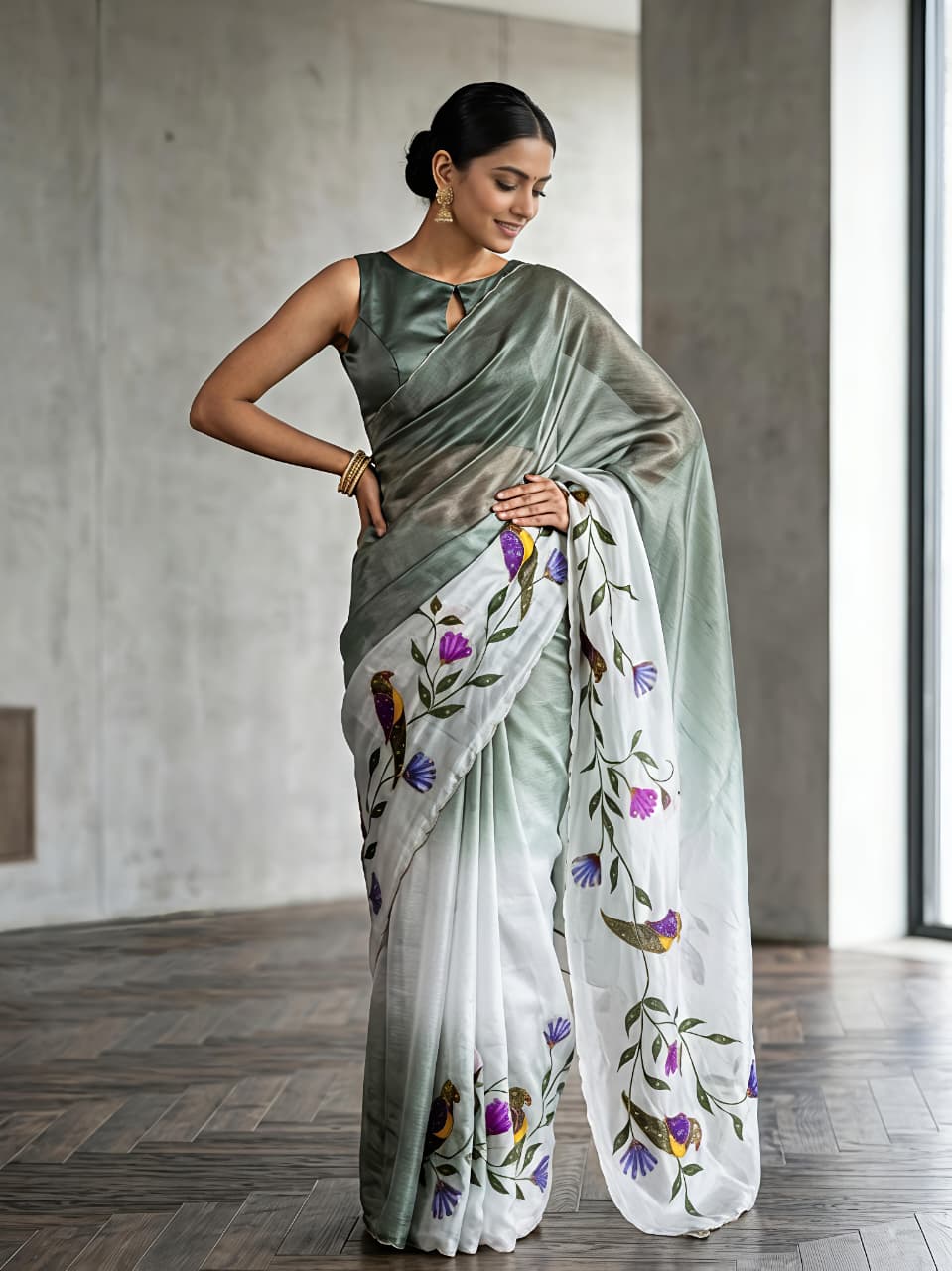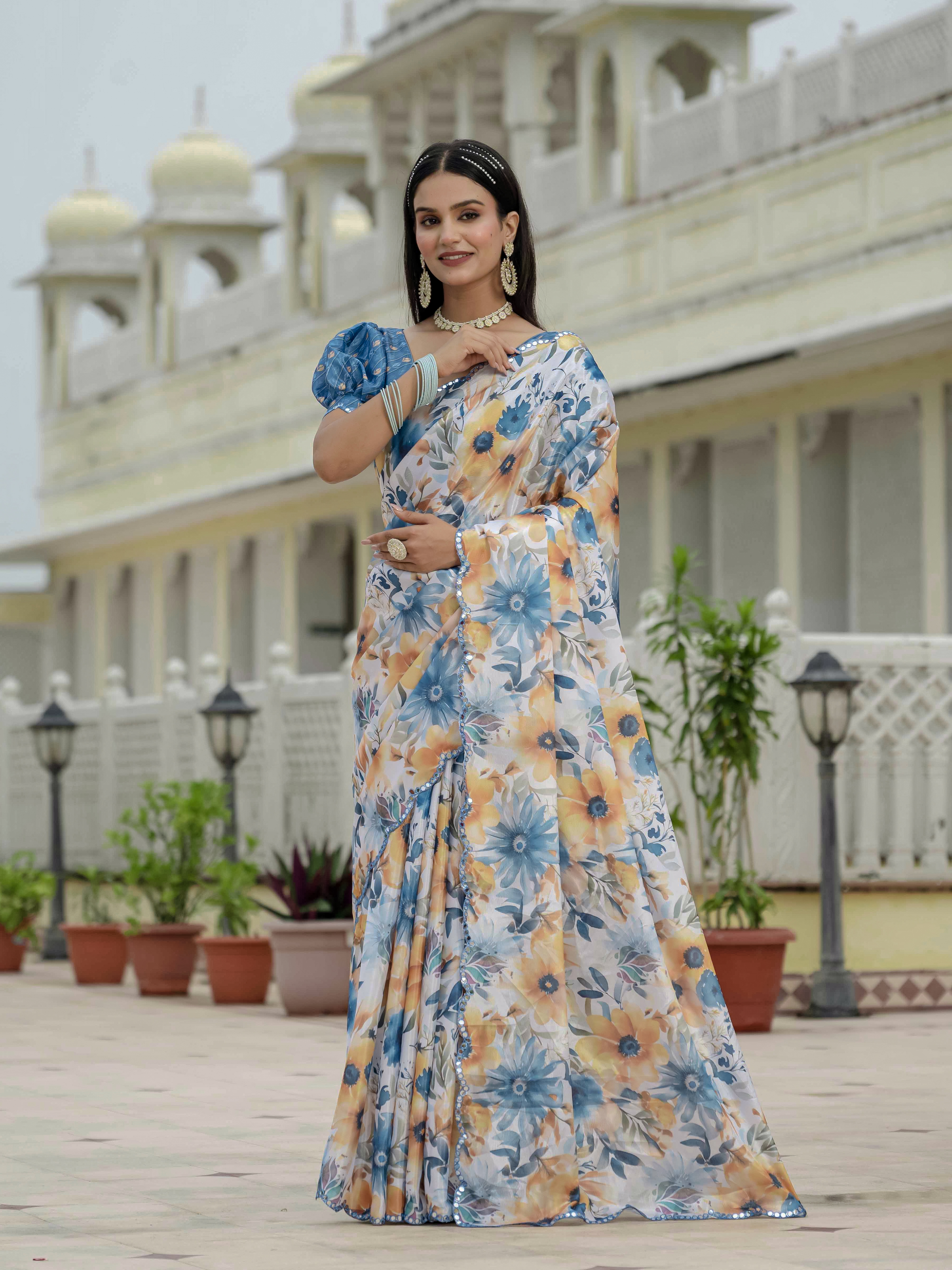
Vallam Kali and Onam: Traditional Kerala Fashion and Outfit Ideas begin with a simple truth: Kerala festive dressing is shaped by climate, ritual, movement and textile heritage as much as by appearance. The ivory-and-gold kasavu saree remains the most recognisable choice, but it's only one part of a wider wardrobe that includes Kerala set mundu, cotton sarees, woven dupattas, blouses, mundu-inspired separates and comfortable salwar suits. A thoughtful Onam outfit should look festive in photographs, remain breathable in humid weather and allow easy movement during flower-carpet ceremonies, family meals, cultural programmes and boat-race gatherings.
Onam marks the annual homecoming of King Mahabali in Kerala's cultural imagination, while Vallam Kali, or Kerala's snake-boat race, brings together teamwork, music, water and public celebration. Clothing for these settings can honour tradition without becoming impractical. The most successful choices usually combine a traditional colour story, a breathable natural fabric and one clearly considered detail such as a zari border, a kasavu weave, jasmine flowers or temple-inspired jewellery.
Vallam Kali and Onam: Traditional Kerala Fashion and Outfit Ideas in Cultural Context
Vallam Kali and Onam connect public spectacle with domestic ritual: Vallam Kali celebrates collective strength on the water, while Onam gathers families around pookalam, sadya, games and remembrance. The linked celebrations are especially visible during the Chingam month, usually falling between August and September in the Gregorian calendar.
Vallam Kali is most closely associated with the long snake boats called chundan vallam. Rowers move in rhythm to vanchipattu, or boat songs, while spectators gather along Kerala's waterways. A practical outfit for watching a boat race should therefore cope with sun, humidity, crowds and occasional splashes. Lightweight cotton, secure footwear, a modestly sized handbag and a blouse that permits comfortable arm movement are more useful than heavy embellishment.
Onam is observed through several days of customs rather than a single dress code. Atham begins the traditional ten-day sequence of pookalam-making, and Thiruvonam is the principal celebration in many homes. Women may wear a kasavu saree or set mundu, while younger wearers often adapt the palette through skirts, kurta sets, anarkali suits or contemporary blouses. The shared visual language is usually cream, ivory, white, gold, maroon, green and deep red.
Vallam Kali and Onam: Traditional Kerala Fashion and Outfit Ideas with Kasavu Textiles
Kasavu refers to the gold-coloured zari border traditionally woven into Kerala's off-white cotton textiles. The term is commonly used for Kerala sarees and set mundu, although authentic pieces can vary in weave, border width, fibre content and zari quality.
A classic Kerala saree has an off-white or cream ground with a contrasting kasavu border and pallu. The Kerala set mundu uses two coordinated lengths: the lower mundu and an upper cloth called the neriyathu. A set mundu can feel cooler and less restrictive than a saree during a long day of household rituals, especially when the upper cloth is pinned securely over the shoulder.
Handloom cotton is a strong choice for daytime Onam because cotton absorbs moisture and allows airflow. Cotton-silk blends offer a slightly more polished drape, while pure silk suits evening receptions but may feel warm in coastal weather. Banarasi silk and Kanjeevaram can work for formal Onam gatherings, yet their heavier zari and denser construction make them better suited to indoor dinners, temple visits or evening celebrations than to standing beside a crowded riverbank.
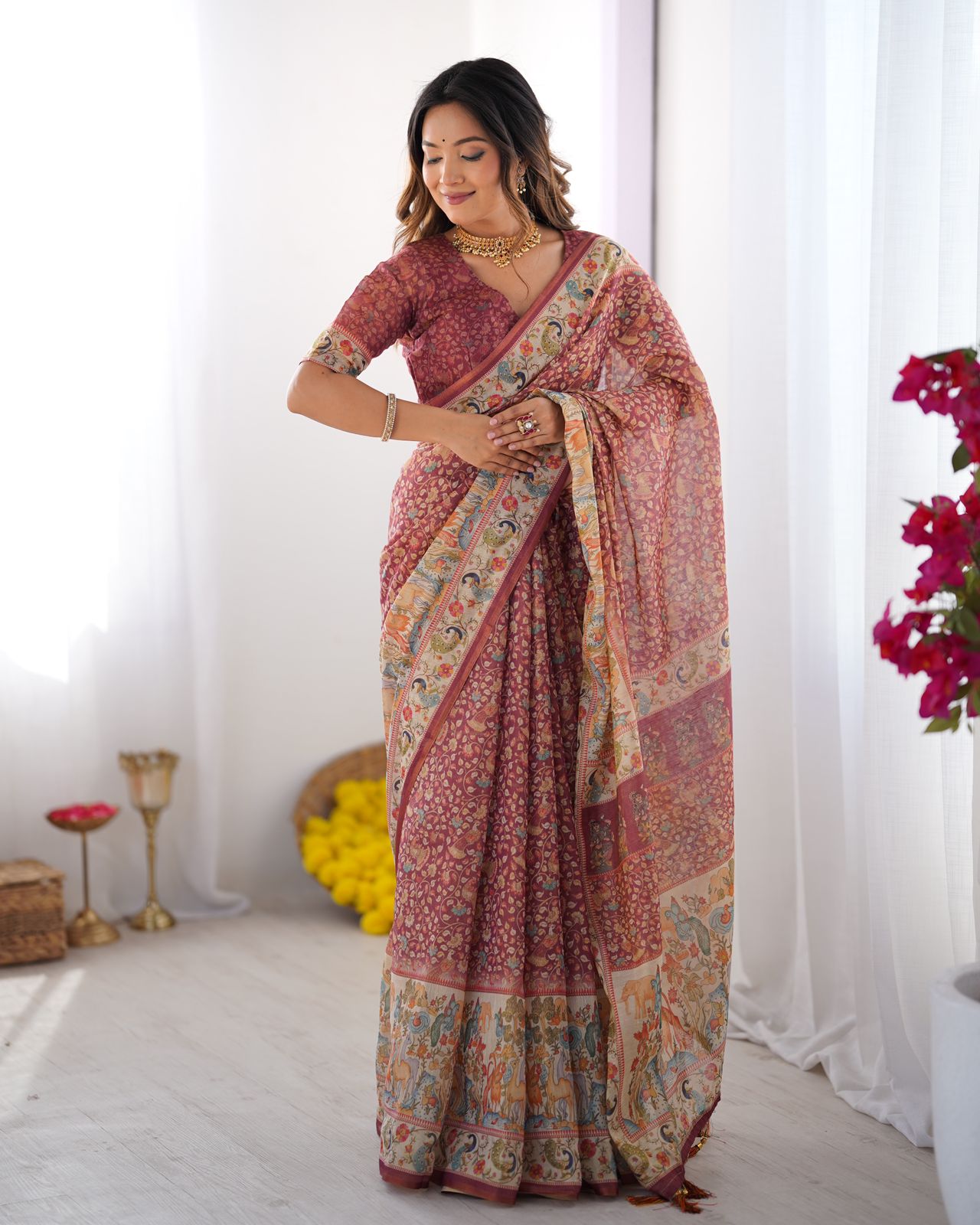
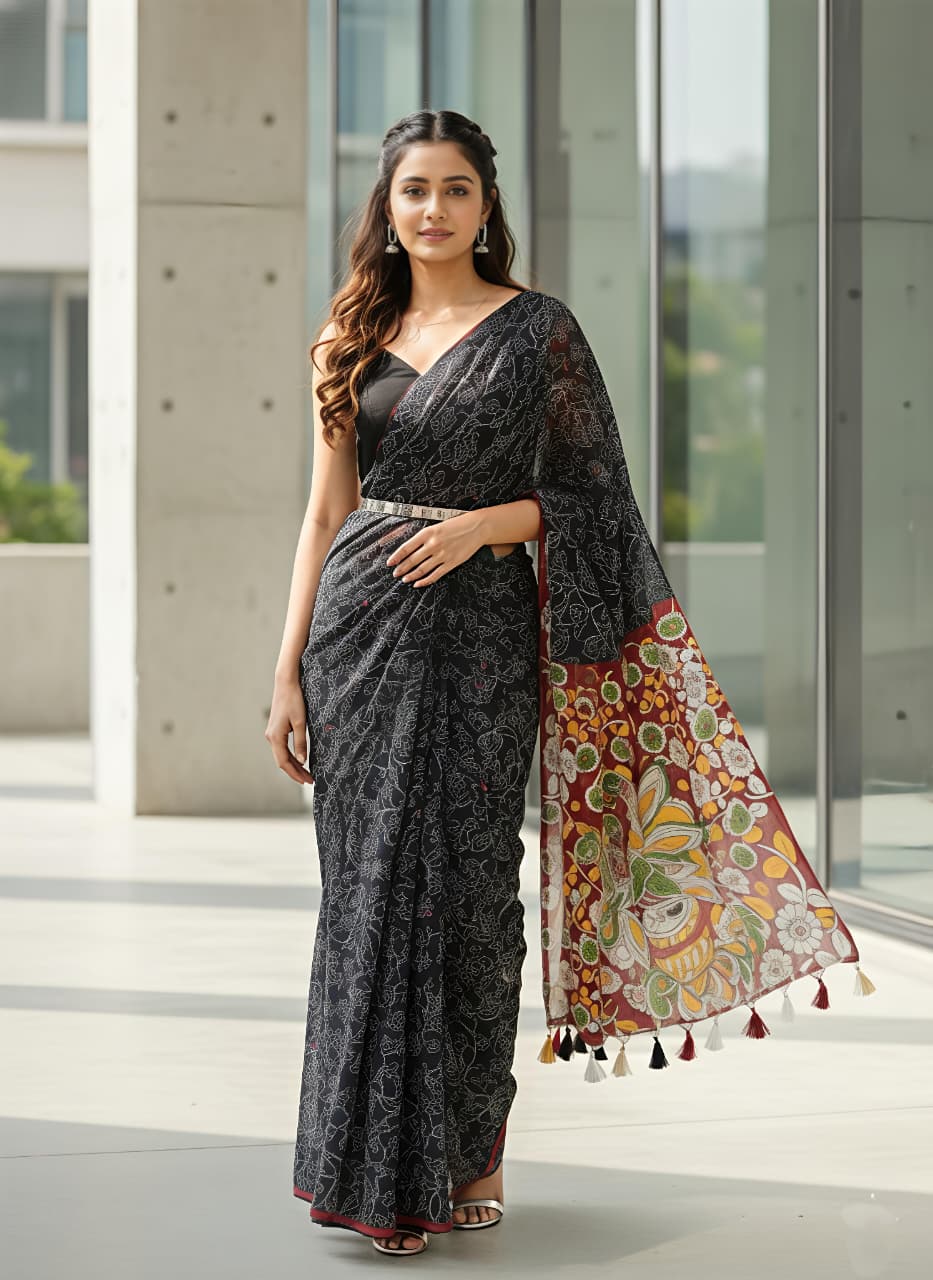
Chanderi brings a different quality to festive dressing. Chanderi fabric is lightweight and subtly sheer, so it can be used for a refined saree, dupatta or overlay when paired with an appropriate lining or blouse. Kalamkari adds narrative colour through hand-painted or block-printed floral and mythological motifs. A Kalamkari blouse can complement a plain ivory saree without competing with the kasavu border.
Vallam Kali and Onam: Traditional Kerala Fashion and Outfit Ideas for Boat-Race Days
The best Vallam Kali outfit is a lightweight, securely draped ensemble with a washable or easy-care fabric and comfortable footwear. A riverfront viewing area isn't the right setting for a trailing pallu, delicate floor-length hem or jewellery that can catch on railings.
A handloom cotton Kerala saree with a medium-width gold border gives traditional definition without excessive weight. Keep the pleats narrow and firm, use two or three discreet safety pins, and place the pallu over the shoulder rather than letting it hang loose. A cotton blouse with elbow-length sleeves offers sun protection and remains comfortable during long periods outdoors.
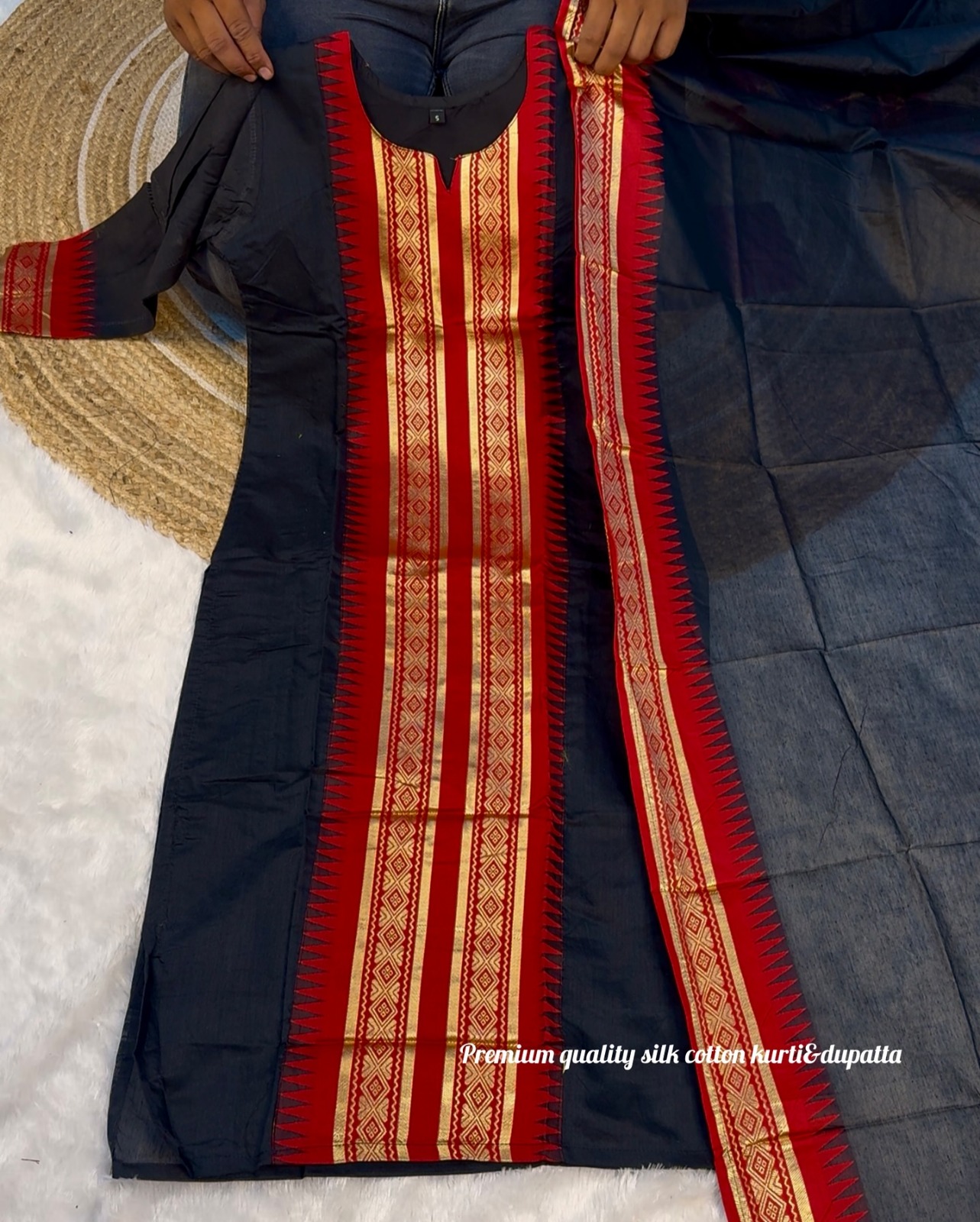
Another useful option is a straight kurta and palazzo silhouette in ivory, maroon or muted green. Kanchi Cotton Zari Woven Kurti Set with Traditional Dupatta illustrates how cotton, a woven zari detail and a coordinated dupatta can create a festive appearance without requiring saree draping. Choose flat sandals with a secure strap instead of slippery embellished footwear.
Accessories should also respond to the location. A compact crossbody bag keeps both hands available, while sunglasses and a folding umbrella are more useful beside a river than a large clutch. Avoid very long earrings, loose tassels and floor-length dupattas if the venue involves crowded walkways, temporary seating or boat-side railings.
Vallam Kali and Onam: Traditional Kerala Fashion and Outfit Ideas for Blouses
A blouse changes the character of a Kerala saree more dramatically than a second layer of jewellery. The safest way to modernise a kasavu saree is to retain the ivory-and-gold textile and introduce colour, print or sleeve structure through the blouse.
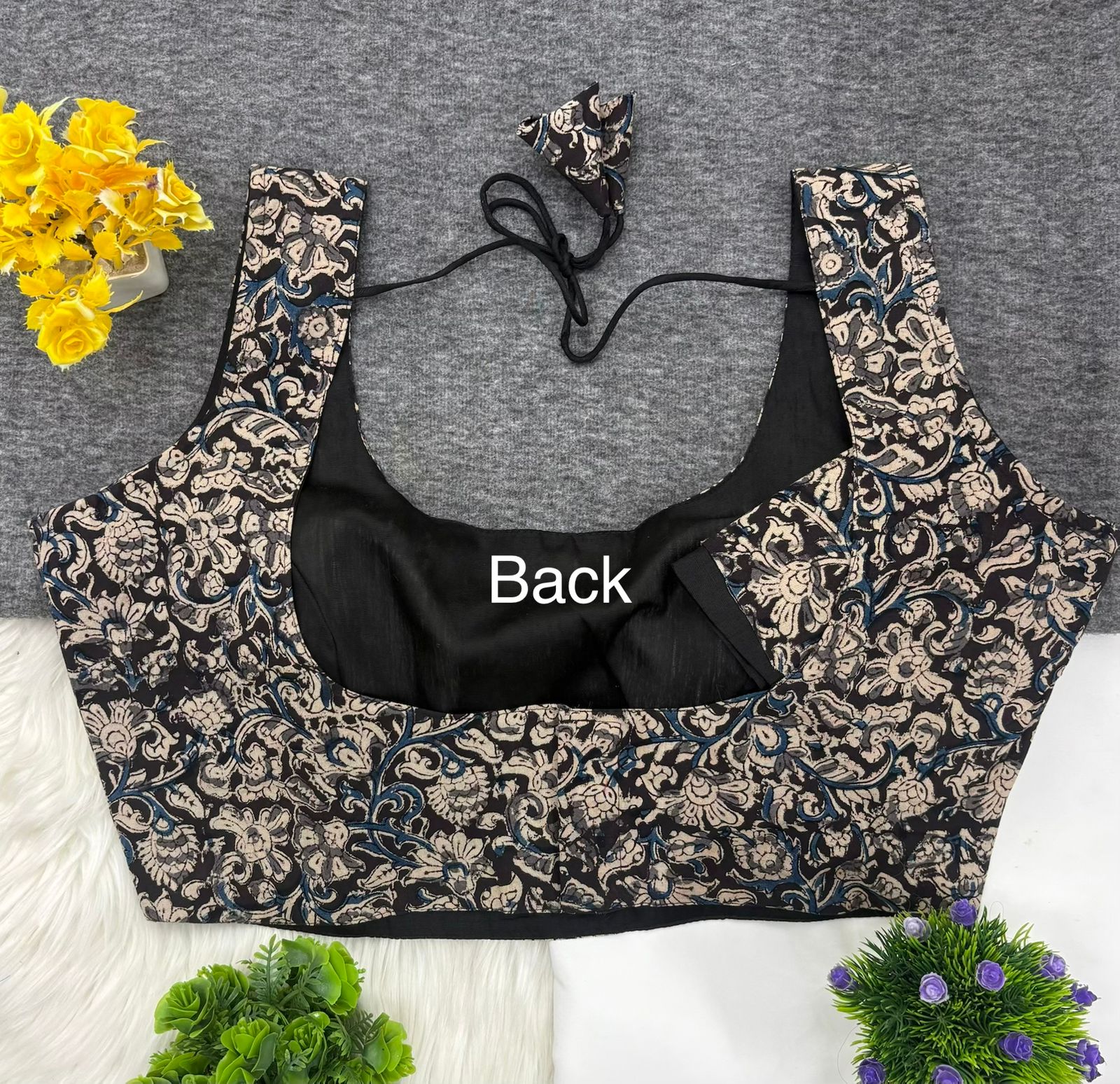
Maroon creates a rich contrast against cream and works particularly well for evening celebrations. Bottle green, rust, mustard, peacock blue and muted red also sit comfortably within Kerala's festive palette. A plain blouse supports a heavily woven border, while a printed blouse works best with a simple saree that gives the pattern room to breathe.
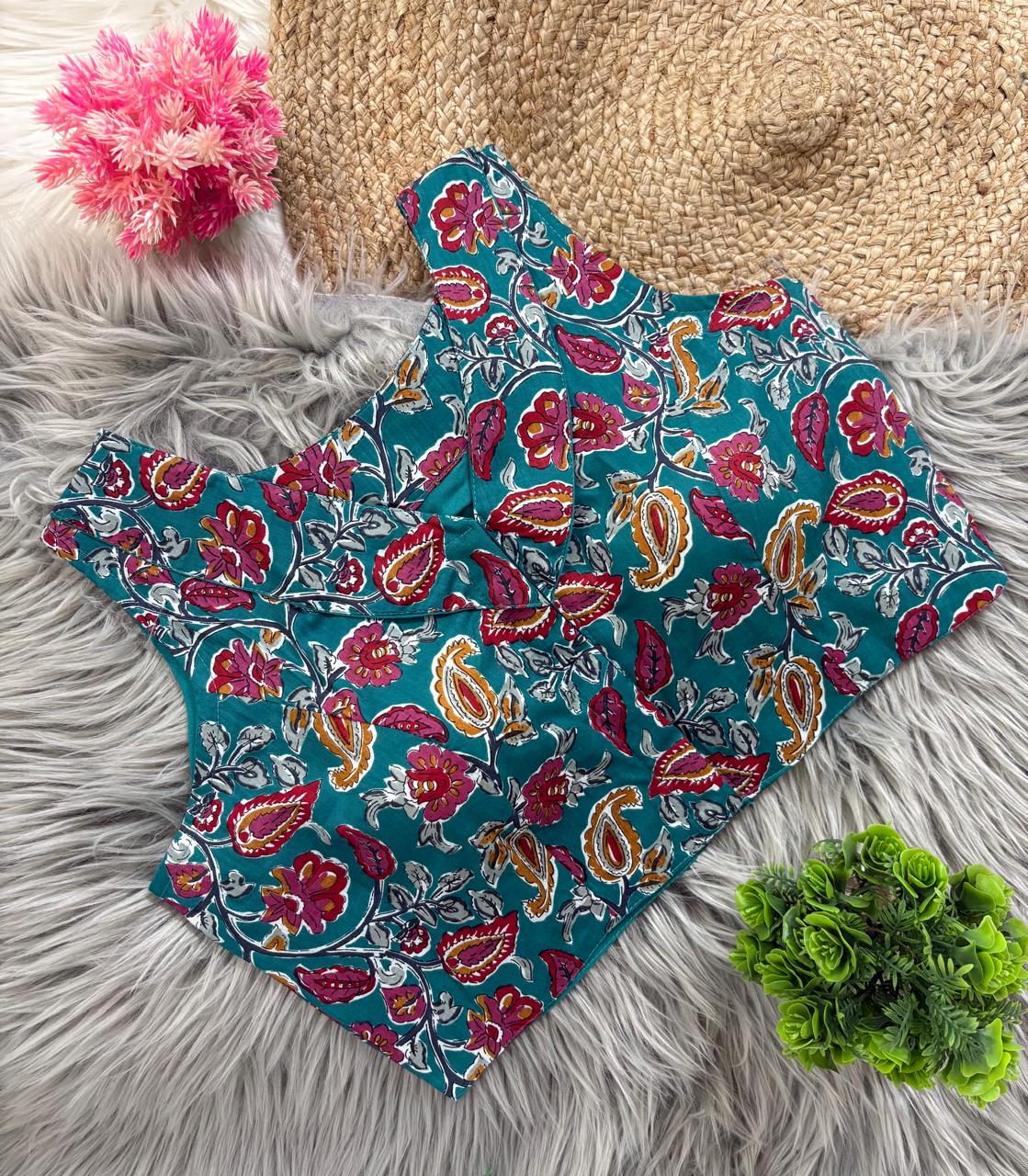
Kalamkari Cotton V Neck Collar Blouse for Women shows how a collar neckline and printed cotton can make a traditional saree feel more contemporary. The V shape lengthens the upper body visually, while cotton remains practical for daytime events. Pure Kalamkari Cotton Padded Blouse for Women gives another route when the wearer wants a structured fit under a lightweight saree; check the padding, lining and armhole before wearing it in humid weather.
Sleeve length should reflect both comfort and context. Short sleeves suit informal family celebrations, elbow-length sleeves offer more coverage for temple visits and outdoor gatherings, and three-quarter sleeves can give an anarkali or saree blouse a more formal appearance. Avoid very tight armholes because repeated movement, sitting on the floor and carrying serving dishes require practical ease.
Neckline depth also matters for an active day. A moderate V-neck, round neck or collar neckline stays comfortable under a saree pallu and works well for family photographs. If the blouse has embroidery or zari, keep the saree border relatively simple so the outfit retains a clear visual focus.
Vallam Kali and Onam: Traditional Kerala Fashion and Outfit Ideas for Every Celebration
Onam outfit planning works best when the garment matches the activity, time of day and amount of movement required. A single festive wardrobe can cover several events by changing the blouse, dupatta, jewellery and footwear.
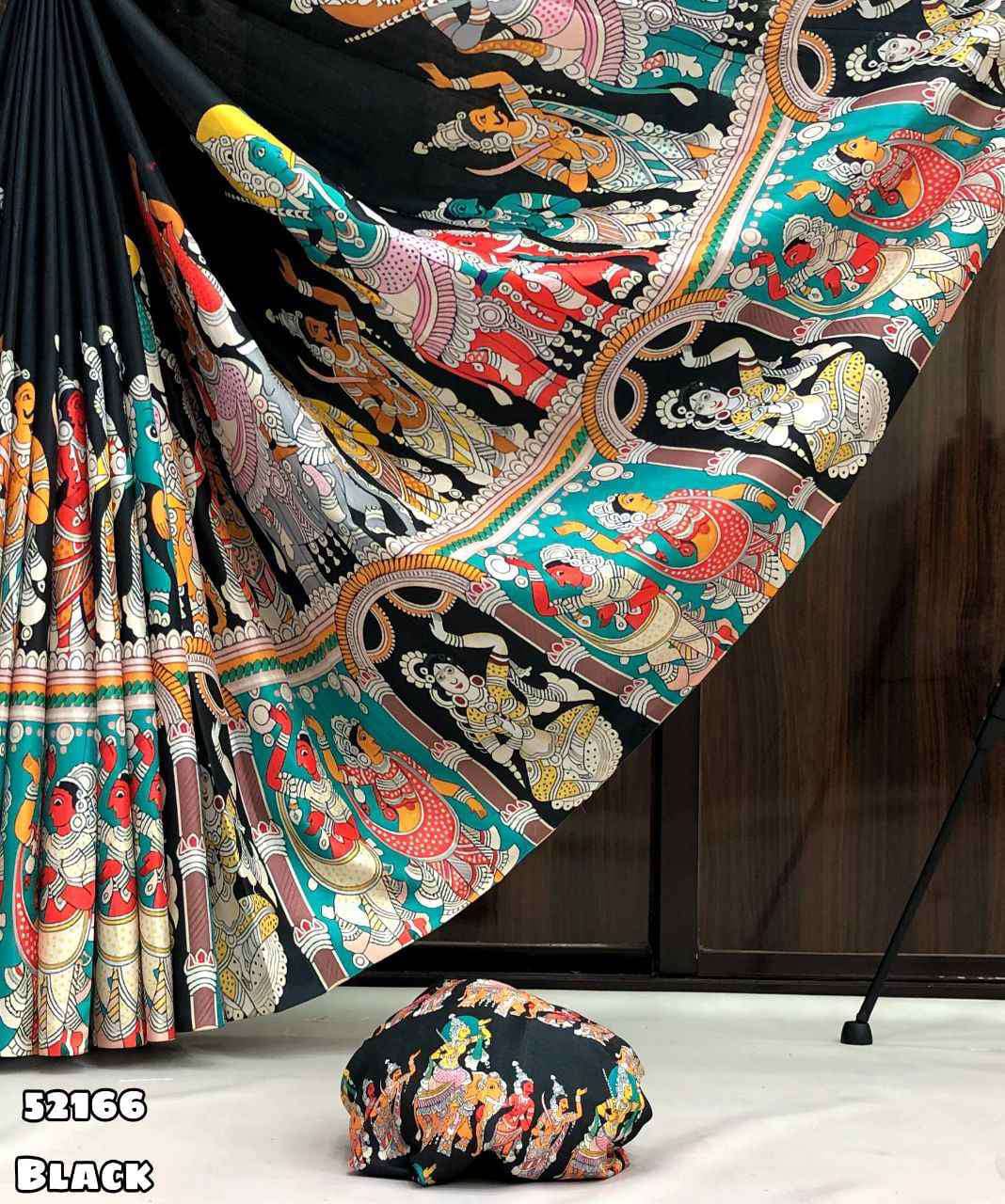
- Pookalam morning: Choose a cotton set mundu, a simple Kerala saree or a printed kurta set in ivory, yellow, green or coral. Keep jewellery light because flower arranging often involves sitting, bending and moving between rooms.
- Thiruvonam sadya: Wear a breathable saree or salwar suit with a manageable pallu and washable footwear. Avoid long tassels and very wide sleeves that can reach serving vessels or food.
- Family portrait: Select a kasavu saree with a contrast blouse, or choose an ivory anarkali with gold detailing. A low bun decorated with jasmine keeps the face visible and photographs neatly from the front and side.
- Vallam Kali viewing: Use cotton, a secure drape, minimal dangling jewellery and a crossbody or wristlet bag. Sunglasses, an umbrella and a neatly folded shawl may be more valuable than an additional accessory.
- Evening cultural event: Consider a deep maroon, wine or green anarkali, a silk-blend saree or a lightly embellished blouse. Antique gold earrings and a small bindi can provide enough finish without making the look heavy.
Premium Wine Embroidered Anarkali Suit Set for Women provides an useful styling direction for people who prefer a stitched outfit to a saree. Wine and deep maroon complement ivory and antique gold, while a straight or gently flared cut keeps the outfit appropriate for music, dance and family gatherings. Pair heavier embroidery with small earrings rather than adding several competing statement pieces.
Maroon Embroidered Rayon Cotton Anarkali Suit Set gives another practical example for an evening or indoor celebration because rayon cotton can provide drape while retaining a softer, less rigid fall than heavily structured occasion fabrics. Confirm the care label before wearing rayon cotton in intense humidity, since some blends require gentler washing and careful drying.
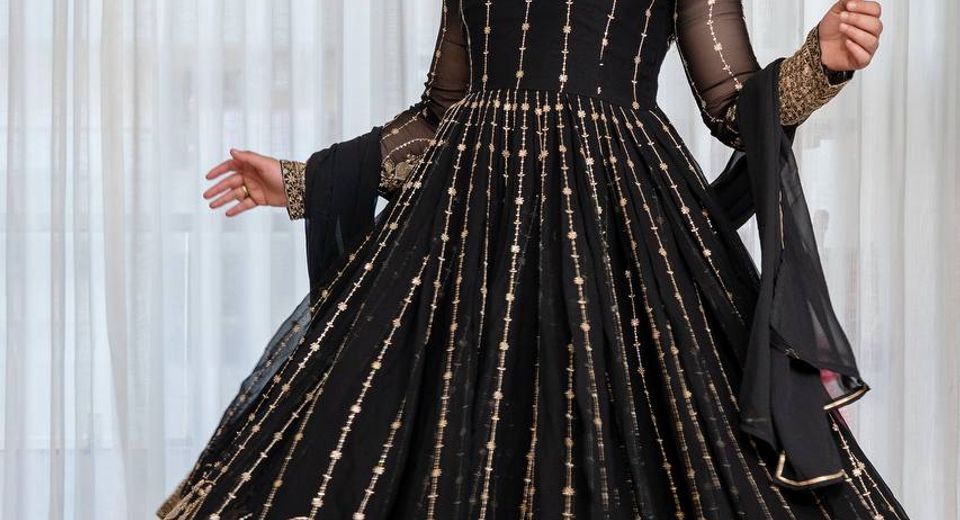
An ivory or black embellished anarkali can also work for a formal Onam dinner, but colour should be balanced with the setting. Ivory keeps the look close to Kerala's traditional palette, while black creates a more contemporary interpretation and benefits from restrained gold accessories. Heavy sequins are more suitable for evening interiors than for a sunny boat-race venue.
Vallam Kali and Onam: Traditional Kerala Fashion and Outfit Ideas for Jewellery and Beauty
Traditional Kerala accessories work best when they echo the textile rather than overpower it. Gold-toned jhumkas, a short chain, a kasu mala, bangles and a small round bindi are reliable choices with an ivory saree. Temple jewellery suits a more ceremonial styling direction, while simple studs and a slim chain are better for a crowded boat-race venue.
Jasmine, or mullapoo, is the most recognisable floral hair accent for many Kerala festive looks. A low bun, side braid or long braid can hold jasmine securely, but flowers should be pinned tightly if the wearer will travel or spend several hours outdoors. A neat low bun also reduces heat around the neck and keeps a saree blouse collar visible.
Makeup for an outdoor Vallam Kali event should prioritise longevity over high coverage. Sunscreen, a light base, waterproof kajal, compact powder and a transfer-resistant lip colour are practical choices in humid weather. Carry blotting paper and a small powder compact rather than repeatedly layering cream products, which can feel heavy in heat.
Evening Onam celebrations allow more ornamentation. A kasu mala can sit over a plain blouse, while a shorter chain is better when the blouse already has a detailed neckline. Match the metal tone of the jewellery to the zari: antique gold works with muted borders, and brighter gold suits a freshly woven, high-shine kasavu finish.
Vallam Kali and Onam: Traditional Kerala Fashion and Outfit Ideas with Better Care
Kerala festive garments last longer when cotton, zari, embroidery and blended fibres receive separate care. Check the garment label first, but hand washing in cool water, drying garments in shade and storing completely dry textiles are dependable precautions for many ethnic outfits.
don't soak zari-bordered sarees or embellished anarkalis for long periods. Turn embroidered garments inside out, use a mild detergent and avoid wringing, because twisting can distort zari, sequins and stitched motifs. Rayon cotton garments should usually be dried flat or on a broad hanger according to the care label to reduce stretching.
After wearing a saree or set mundu outdoors, air it in shade before folding. Sweat and river humidity should not be sealed into a wardrobe immediately. Fold zari sections inward, place soft muslin or plain cotton between heavily embellished layers, and avoid direct contact with rough cardboard or untreated wood.
Iron cotton on the reverse side while the fabric is slightly damp, but use a pressing cloth over zari and embroidery. Store silk and cotton-silk garments in breathable fabric covers rather than plastic for long periods. These small steps protect the border, preserve the drape and keep an Onam wardrobe ready for the next festive season.
A strong Kerala festive outfit balances three things: respect for the occasion, comfort in the local climate and enough personal style to feel genuinely wearable.
Common Questions About Vallam Kali and Onam Festive Dressing
What should women wear to watch Vallam Kali?
Women can wear a lightweight cotton saree, Kerala set mundu or comfortable kurta-and-palazzo set to watch Vallam Kali. Secure the pallu or dupatta, choose flat strapped footwear and carry a small crossbody bag because riverfront venues can be sunny, crowded and humid.
Is a kasavu saree suitable for an Onam sadya?
A kasavu saree is highly suitable for an Onam sadya, especially when made from breathable cotton or a light cotton blend. Pin the pallu securely and avoid excessive tassels, long sleeves or heavy jewellery that could interfere with sitting and eating.
Which blouse colour looks best with an ivory Kerala saree?
Maroon, bottle green, rust, mustard, peacock blue and muted red all complement an ivory Kerala saree. Maroon and green create a traditional festive contrast, while Kalamkari prints add colour and visual interest without requiring heavy embroidery.
Can I wear an anarkali instead of a saree for Onam?
An anarkali is an appropriate Onam choice when a stitched outfit is more comfortable than saree draping. Choose breathable cotton, rayon cotton or a light blend for daytime celebrations, and reserve dense sequins or heavier embroidery for indoor evening events.
What jewellery goes with a Kerala kasavu saree?
Gold-toned jhumkas, a short chain, kasu mala, bangles and a small bindi pair well with a Kerala kasavu saree. Use fewer pieces for Vallam Kali and outdoor events, while temple jewellery or a longer necklace can suit a formal evening celebration.
How should I care for a zari-bordered Onam saree?
Air the saree in shade after wearing it, avoid prolonged soaking and dry-clean it when the care label recommends professional cleaning. Fold zari sections inward, place soft cotton between embellished layers and store the saree in a breathable fabric cover away from direct sunlight.