Uttarayan Fashion Guide: Gujarati Sarees, Chaniya Choli & Ethnic Looks planning becomes easier when clothing is chosen for both celebration and movement. Makar Sankranti in Gujarat brings long hours on terraces, kite-flying, family visits, music and food, so a beautiful outfit also needs breathable fabric, secure draping and a blouse that allows the arms to move freely. The right combination can look festive in photographs without becoming uncomfortable by mid-afternoon.
Uttarayan usually falls on 14 January, although regional calendars and local celebrations can extend across several days. Ahmedabad, Vadodara, Surat and many Gujarati communities abroad mark the festival with colourful clothing, rooftop gatherings and traditional food. Your outfit can reflect Gujarati craft and colour without requiring a heavily embellished ensemble.
Uttarayan Fashion Guide: Gujarati Sarees, Chaniya Choli & Ethnic Looks for Comfortable Festive Dressing
An Uttarayan outfit should combine a celebratory colour story, a secure silhouette, breathable materials and footwear that works on stairs and terraces. Kite-flying involves repeated arm movements, sitting on the floor, climbing steps and reaching for snacks, which makes comfort a genuine styling requirement rather than an afterthought.
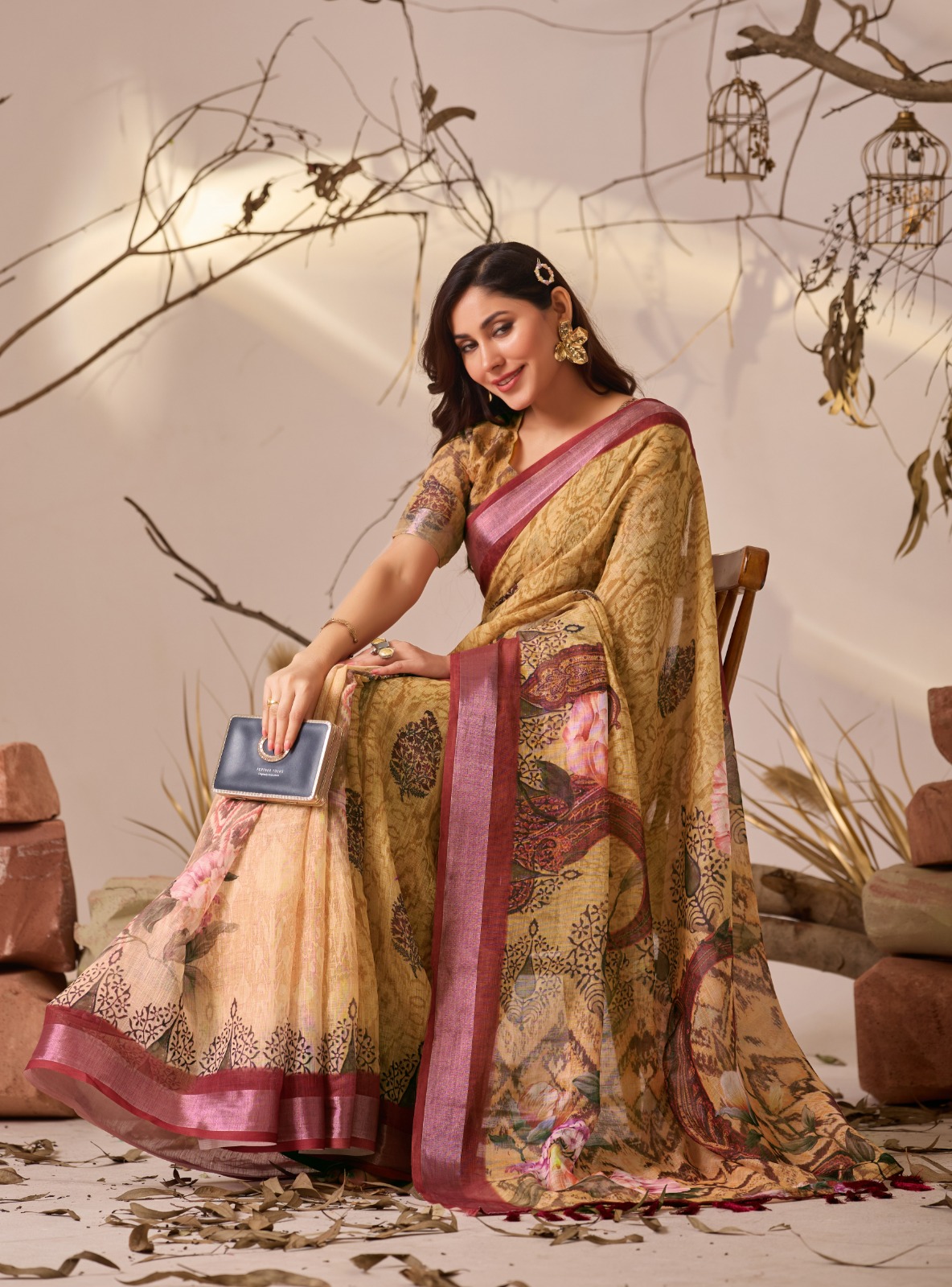
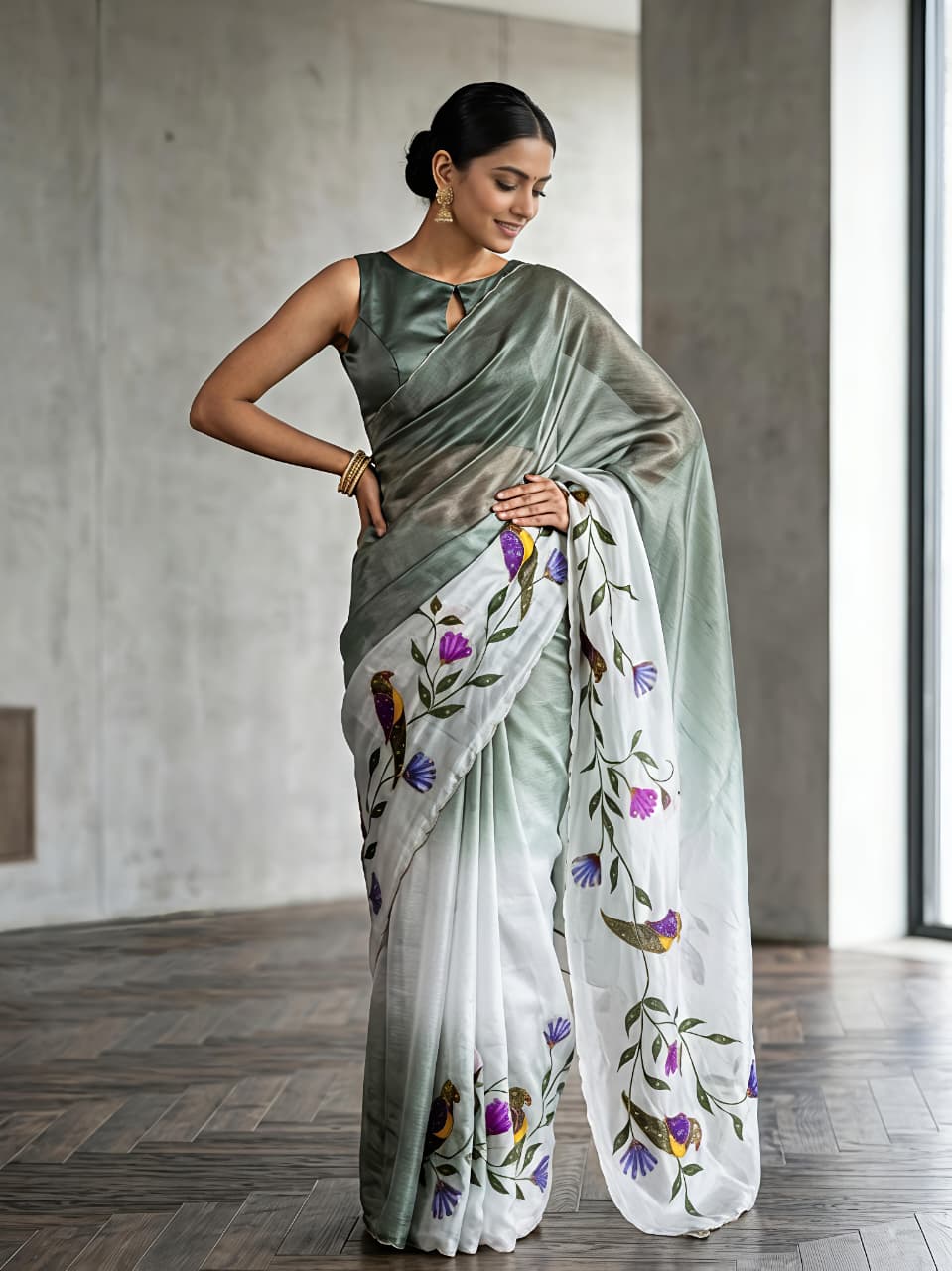
For a saree, pleat the front firmly and pin the pallu at the shoulder and near the waist. A Gujarati seedha pallu drape places the decorated end across the front of the torso, creating a recognisable regional look and keeping more fabric controlled while you move. A fitted but non-restrictive blouse helps the pallu stay in place.
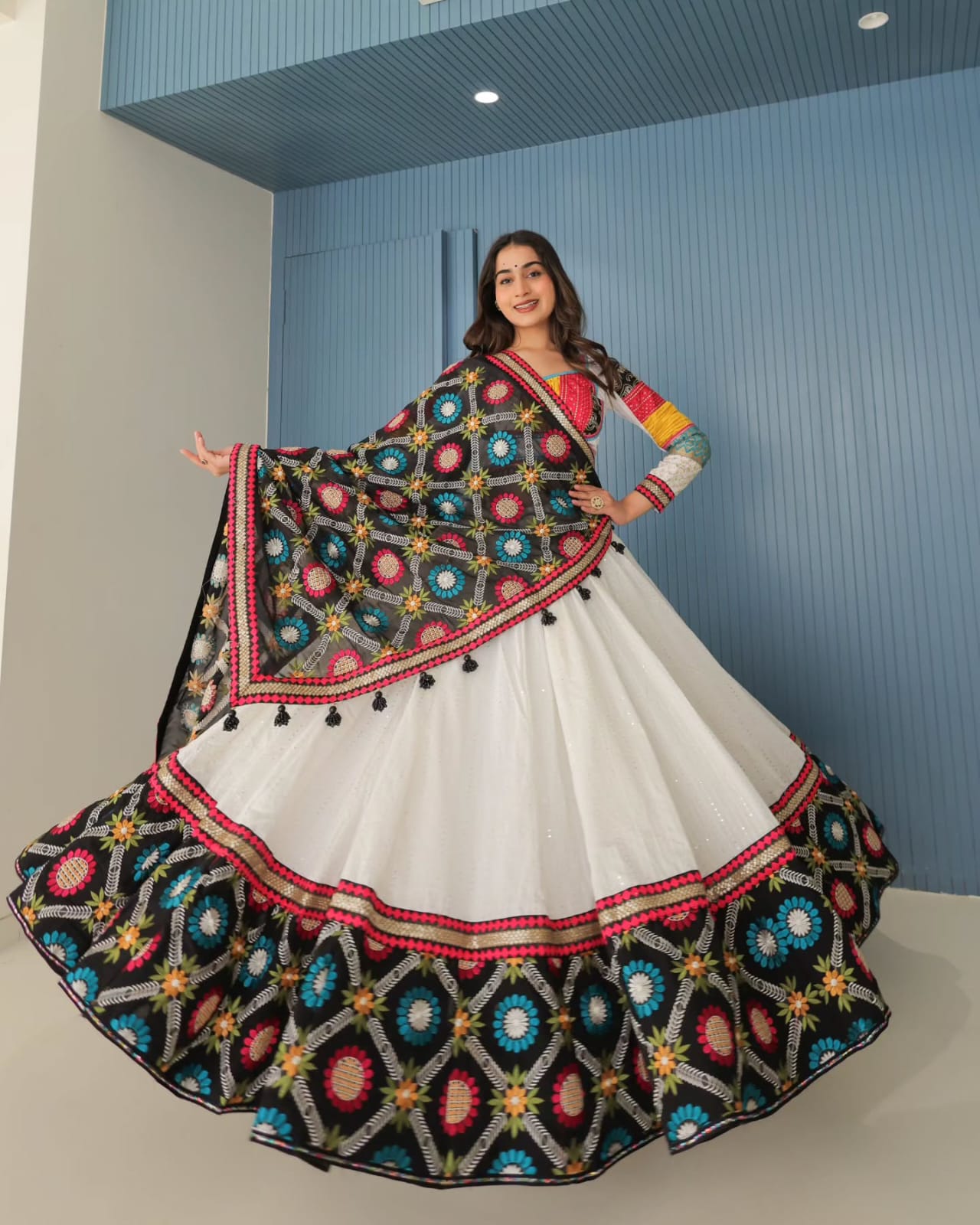
For a chaniya choli, choose a chaniya with a comfortable waistband and check that the flare doesn't catch on terrace furniture or stair rails. A medium-volume skirt is easier to manage than an extremely wide one during a crowded gathering. Pairing the skirt with a lightweight dupatta, secured at one shoulder and the opposite side of the waist, reduces constant readjustment.
Footwear should have a flat or low block heel, a secure strap and a sole with useful grip. Jhumkas, bangles and a small bindi add recognisable festive detail without depending on a large number of accessories. Keep a few safety pins, a small hair tie and fashion tape in a compact pouch for quick repairs.
Uttarayan Fashion Guide: Gujarati Sarees, Chaniya Choli & Ethnic Looks for Choosing Between a Saree and Chaniya Choli
Choose a Gujarati saree when you want a polished one-piece outfit with regional character, and choose a chaniya choli when you want more freedom for sitting, dancing and active kite-flying. Both options can look classic, but they create different demands on movement and styling.
Gujarati sarees for family visits and photographs
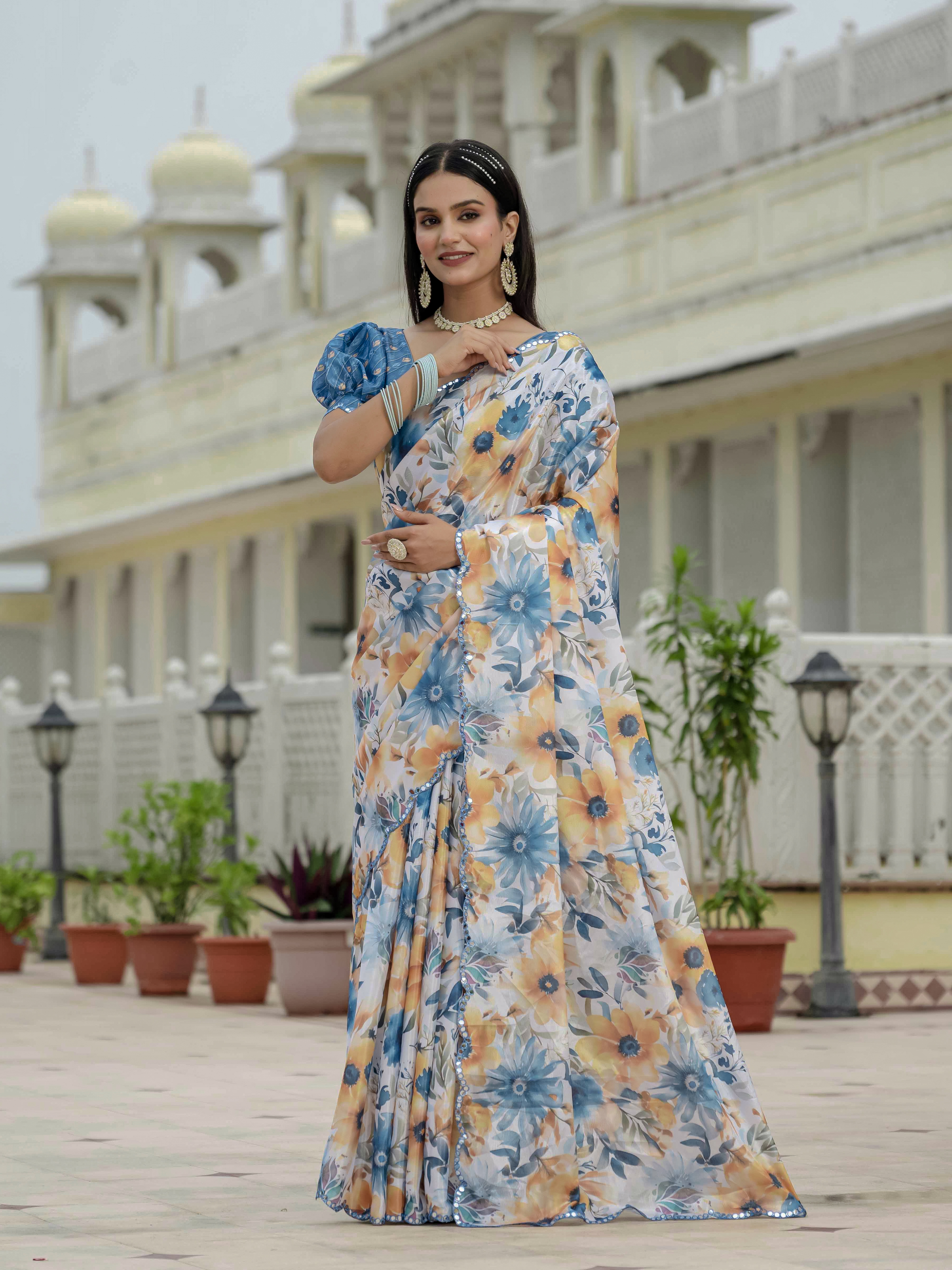
A Gujarati saree with a seedha pallu works especially well for family lunches, festive visits and photographs where the pallu design needs to remain visible. A colourful border, woven motif or bandhani-inspired palette can provide enough visual interest without requiring heavy embroidery. Silk gives a more formal finish, while cotton or a cotton-blend saree is generally easier to wear for a hot, active afternoon.
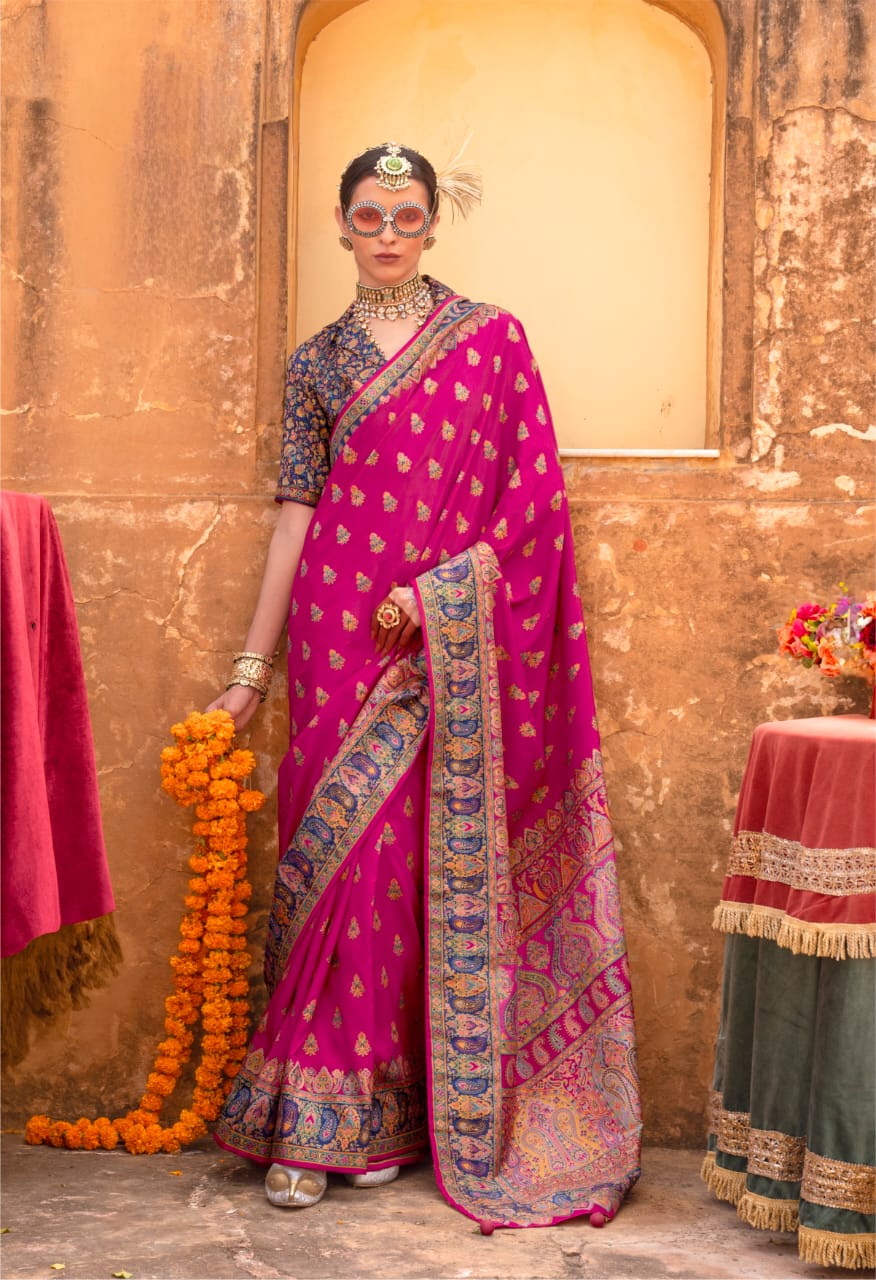
Banarasi silk can suit a more formal Uttarayan gathering when the celebration includes an evening dinner, but its weight and dense zari may feel excessive for several hours in the sun. Chanderi offers a lighter, dressier option, although its delicate surface deserves careful handling around rough walls, kite string and metal terrace furniture. Kanjeevaram belongs to a more structured South Indian silk tradition and can be styled beautifully, but it's not the only way to create a festive saree look for Uttarayan.
Chaniya choli for movement and youthful styling
Chaniya choli is a strong choice for Uttarayan when active movement matters more than a formal drape. Mirror work, appliqué, colourful borders and contrasting dupattas connect naturally with Gujarati festive dressing. Keep the blouse neckline and sleeve length aligned with your comfort level, particularly if you expect to spend time bending, reaching or sitting cross-legged.
A chaniya choli doesn't need maximum embellishment to look ceremonial. One embroidered element, such as a detailed dupatta or mirror-work border, can anchor the outfit while a plain skirt and blouse keep the overall weight manageable. This approach also makes the separates easier to rewear at a mehendi function, Navratri gathering or regional cultural event.
Uttarayan Fashion Guide: Gujarati Sarees, Chaniya Choli & Ethnic Looks with the Right Blouse
The best Uttarayan blouse provides secure coverage, comfortable arm movement and enough colour contrast to make the saree look intentional. Neckline depth, sleeve placement, lining and closure quality matter more than a dramatic cut when the garment will be worn outdoors for many hours.
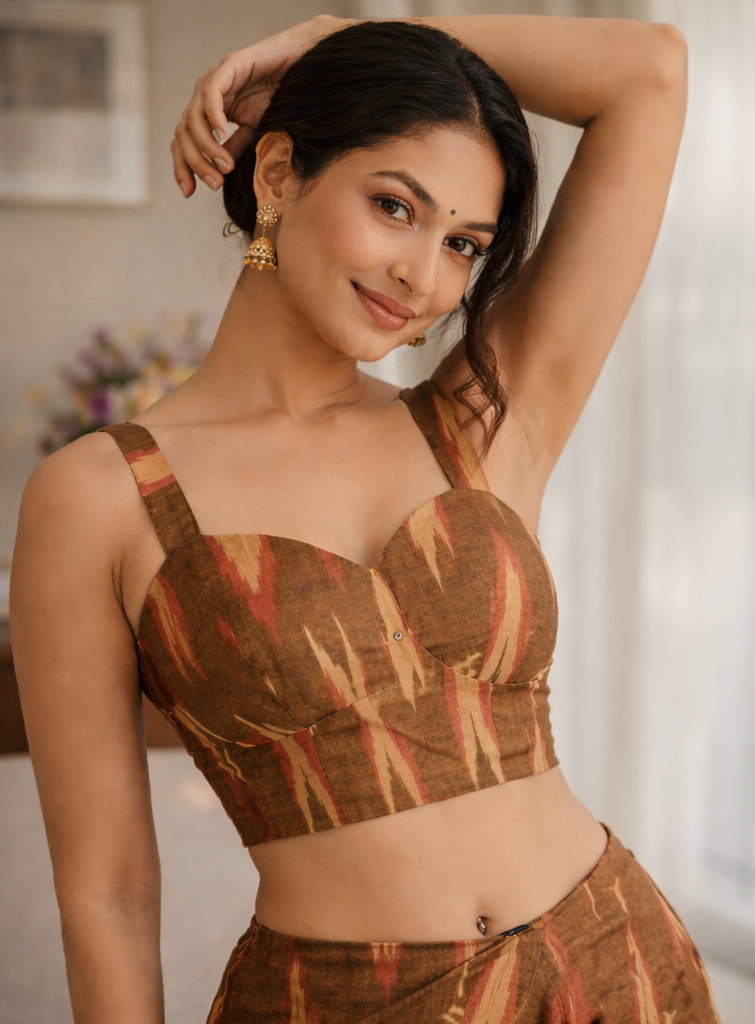
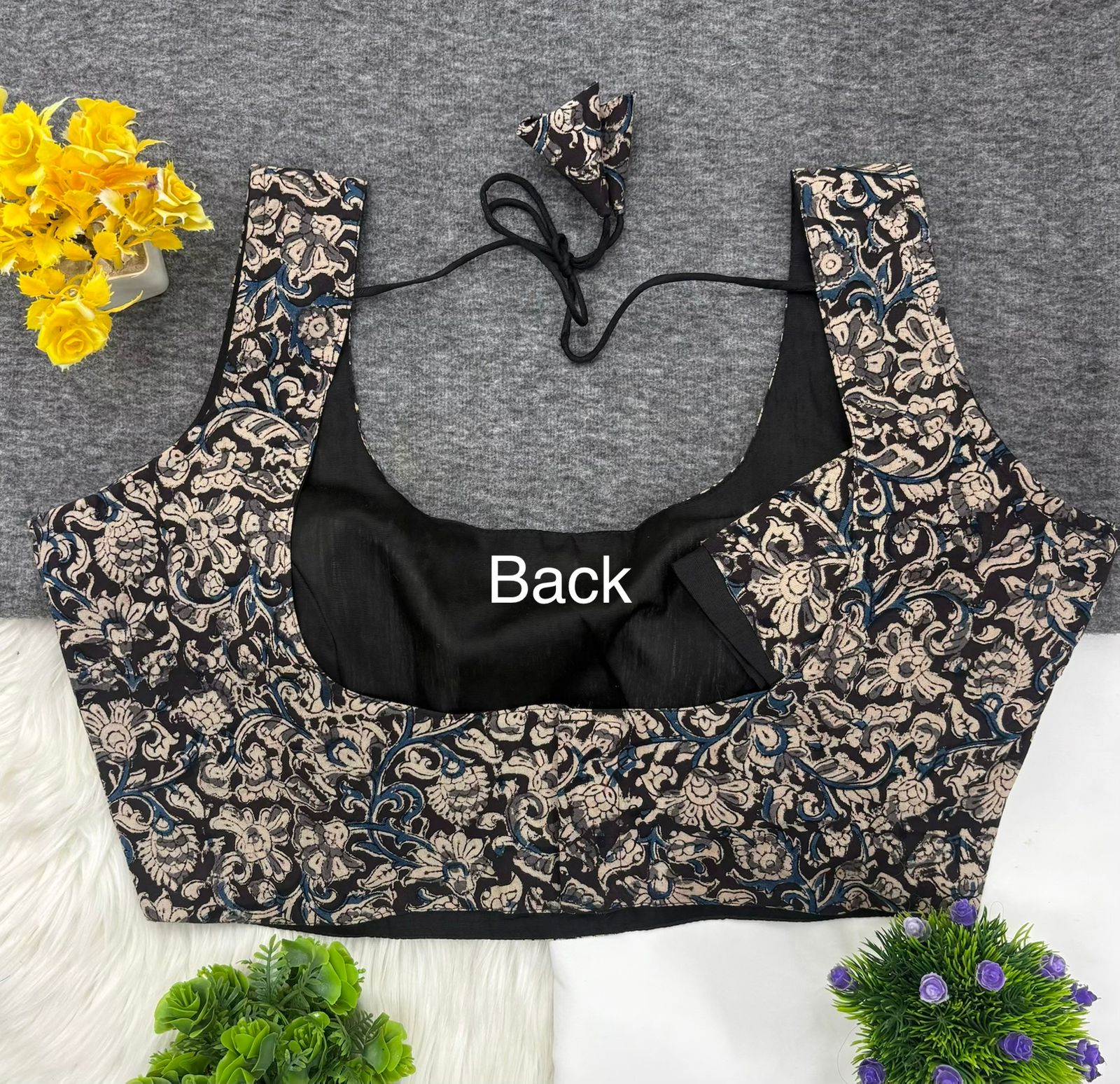
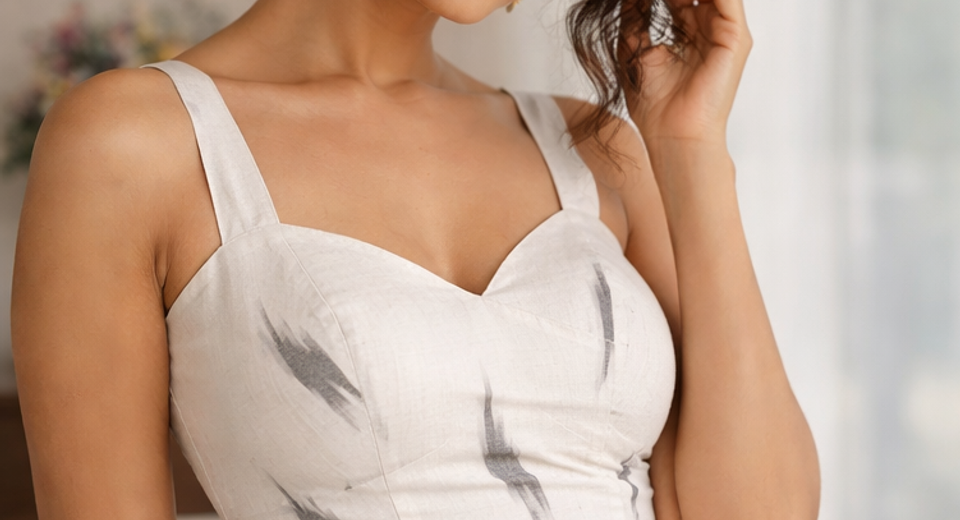
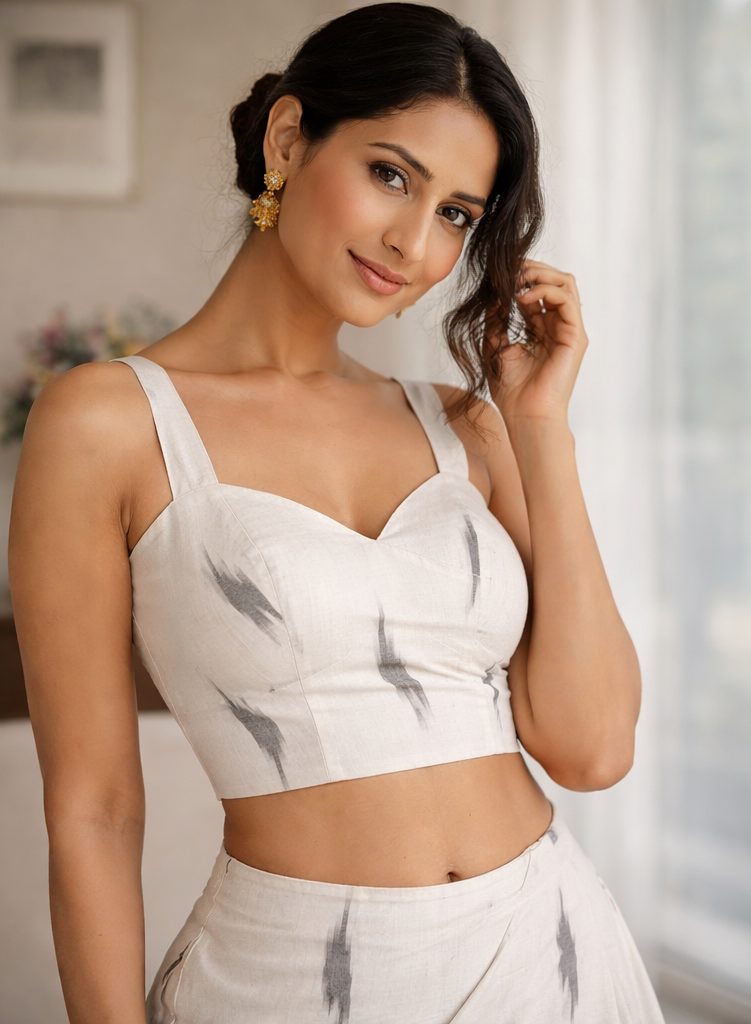
A sleeveless blouse can work well with a lightweight saree when the armhole is cut cleanly and doesn't rub during kite-flying. Cream Ikat Cotton Padded Blouse Sleeveless Trendy brings an useful neutral cotton direction: cream can balance a bright red, pink, yellow, green or indigo saree, while the Ikat surface adds texture without overwhelming the drape. Padding can also reduce the need for a separate visible inner layer, provided the fit is correct.
Brown Ikat Cotton Padded Blouse Sleeveless Stylish creates a deeper earthy contrast for mustard, rust, turquoise, orange or multicoloured Gujarati sarees. Brown is particularly useful when the saree already contains several bright shades because it grounds the palette. Cotton is a practical choice for daytime Uttarayan because it generally feels less clammy than a dense synthetic surface, although the exact comfort depends on weave, lining and fit.
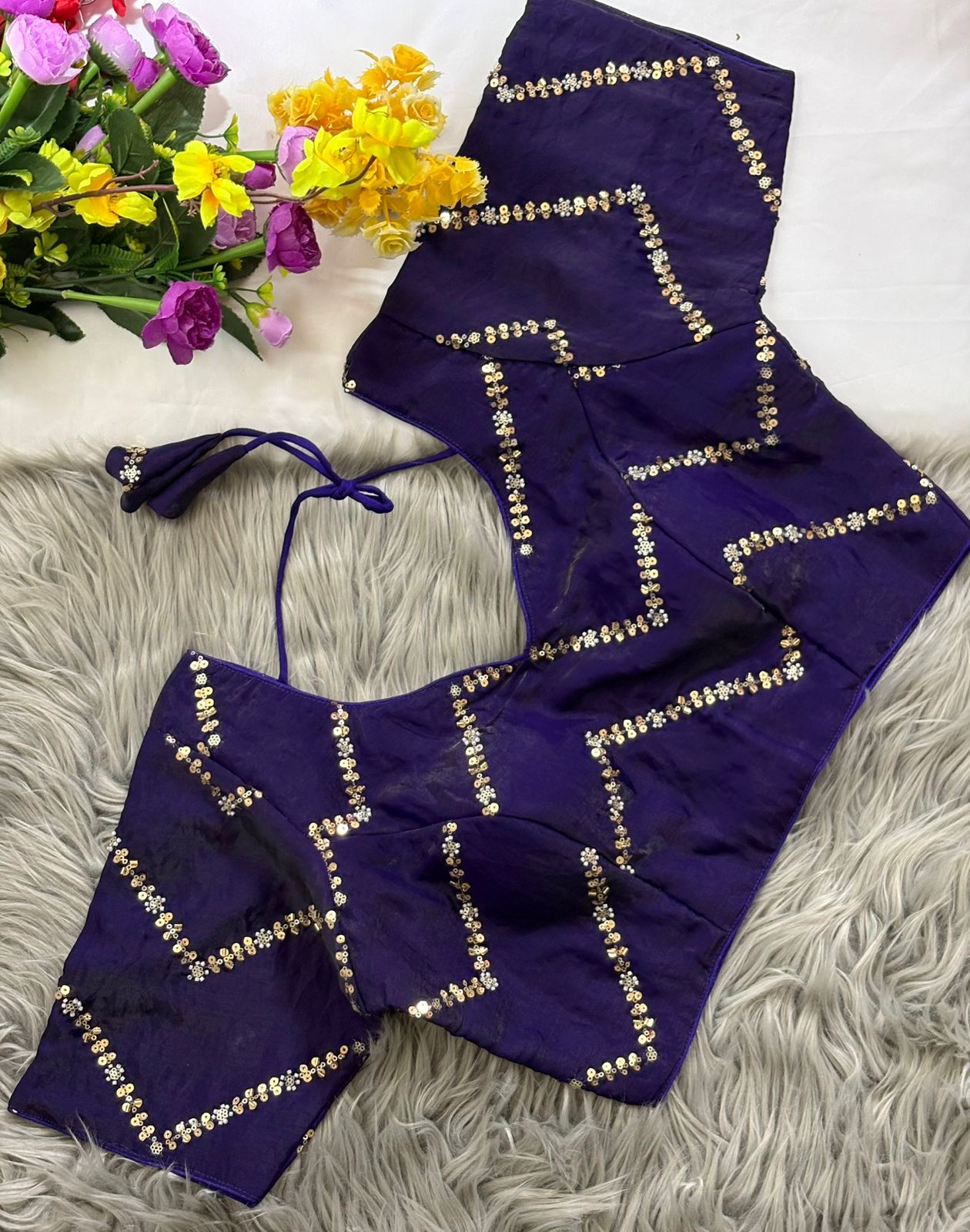
A silk blouse is better suited to a dressier saree or an evening gathering. Fendy Silk Zigzag Moti Work Readymade Blouse introduces a decorative surface through zigzag detailing and moti work, making it suitable when the saree itself is relatively restrained. Pairing a detailed blouse with a heavily patterned saree can produce visual competition, so repeat one blouse colour in the saree border, jewellery or bindi.
Readymade blouses are valuable when you need a finished festive outfit quickly, but readymade doesn't mean universally fitted. Compare the garment measurements with your own bust, underbust, shoulder and armhole measurements. Check whether the blouse closes with hooks, a zipper, buttons or a stretch panel, and leave enough ease to raise both arms without the hem riding upward.
Uttarayan Fashion Guide: Gujarati Sarees, Chaniya Choli & Ethnic Looks Through Colour and Fabric
Gujarati festive styling often comes alive through contrast, saturated colour and visible surface detail rather than through one mandatory fabric or silhouette. A strong palette may combine saffron with pink, emerald with fuchsia, cobalt with yellow, or maroon with cream. The most wearable combination usually contains one dominant colour, one supporting shade and one small accent.
Bandhani, also called bandhej, is associated with tie-dye patterns created through tied points that produce dotted or circular motifs. Patola is known for complex double-ikat weaving, traditionally associated with Patan in Gujarat. A garment doesn't need to be authentic bandhani or Patola to borrow the visual language responsibly; a dotted dupatta, geometric border or Ikat blouse can create a related colour rhythm without making a false craft claim.
Ikat cotton is particularly useful for a daytime blouse because its pattern supplies detail while the garment remains visually lighter than dense sequins or metallic embroidery. Cream Ikat Cotton Padded Blouse Sleeveless Trendy can soften a very bright saree, while Brown Ikat Cotton Padded Blouse Sleeveless Stylish can support warmer earthy combinations. These pairings work best when the saree border doesn't introduce too many unrelated motifs.
Silk brings lustre and drape to a more formal look, but the word silk covers many different weights and constructions. A silk blouse with zari, beads or moti work may feel warmer and heavier than cotton, especially under direct sunlight. Reserve ornate silk or zari for shorter celebrations, shaded gatherings or evening events if temperature and comfort are concerns.
Uttarayan Fashion Guide: Gujarati Sarees, Chaniya Choli & Ethnic Looks with a Readymade Blouse
A readymade blouse complements a designer saree when one element is allowed to lead and the other is kept visually controlled. If the saree has a large border, dense zari or an elaborate pallu, choose a blouse with a simpler pattern and a colour pulled from the saree. If the saree is plain or lightly woven, a designer readymade blouse can become the focal point.
For a statement blouse, keep the jewellery deliberate rather than abundant. Moti work can be repeated with pearl studs or a short necklace, while an Ikat blouse can be echoed with a woven potli or textile earrings. Matching every accessory exactly can make the outfit look rigid; repeating one texture and one colour is usually more balanced.
Blouse proportions also change the impression of a saree. A higher neckline and elbow-length sleeve can create a more covered, heritage appearance. A sleeveless silhouette feels lighter and more contemporary. A cropped blouse ending at the natural waist usually supports a neat saree tuck, while an overly short hem may expose skin when you raise your arms to fly a kite.
For a designer saree worn at Uttarayan, test the complete outfit at home for at least 15 minutes. Sit on the floor, raise both arms, walk up stairs, turn quickly and place a phone in the bag you plan to carry. Any pulling at the armhole, slipping at the shoulder or pressure at the waistband will become more noticeable during a real celebration.
Uttarayan Fashion Guide: Gujarati Sarees, Chaniya Choli & Ethnic Looks for a Full Day Outdoors
A full-day kite-flying outfit should use manageable layers, secure hair and accessories, and fabrics that remain comfortable after several hours outdoors. January weather can vary by city and time of day, so a light shawl or compact layer is useful for early morning without adding bulk later.
Choose a blouse with a stable shoulder fit and avoid loose sleeves that can catch on kite reels, strings or railings. Keep dupatta ends short enough to secure easily, and avoid dangling jewellery that can snag while you handle a spool. A crossbody bag or small waist bag keeps both hands available and is safer than a loose clutch on a crowded terrace.
Sun protection can remain part of the ethnic look. A pair of sunglasses, sunscreen applied 15 minutes before going outdoors and a lightweight cotton scarf can protect you without changing the outfit's character. Reapply sunscreen after several hours, particularly if you've been sweating. Drink water regularly because festive snacks and outdoor activity can make dehydration easy to overlook.
Kite string creates a specific clothing concern. Avoid very loose pallu edges, exposed tassels and long dupatta corners near active flying areas. Wear the pallu pinned securely and keep extra fabric away from hands, reels and terrace railings. Children should use only age-appropriate, legally permitted kite materials and should be supervised around rooftops and roads.
After the celebration, air cotton garments before folding them and treat visible food or oil marks quickly. Do not rub zari, mirror work or moti work aggressively. Silk garments should be stored clean and dry in a breathable cotton cover rather than sealed in plastic. Fold embellished pieces with soft tissue between decorated areas to reduce snagging and surface friction.
Uttarayan Fashion Guide: Gujarati Sarees, Chaniya Choli & Ethnic Looks Checklist
An useful Uttarayan checklist includes the outfit, movement test, weather plan, secure accessories and post-wear care. Checking these details one day before the celebration prevents small fit or comfort problems from becoming distractions on the terrace.
- Choose the base: Decide whether a Gujarati saree or chaniya choli suits your planned activity and the formality of the gathering.
- Check the blouse: Measure the bust, shoulder and armhole area, then test reaching, sitting and raising both arms.
- Balance the colour: Use one dominant shade, one supporting shade and a restrained metallic or bright accent.
- Secure the drape: Pin the Gujarati seedha pallu at the shoulder and waist, or secure the chaniya choli dupatta on two points.
- Reduce snag risks: Keep loose tassels, long jewellery and free dupatta ends away from kite reels and strings.
- Pack useful extras: Carry safety pins, sunscreen, water, a hair tie, tissues and a small repair pouch.
- Plan aftercare: Air cotton, spot-treat stains quickly and store silk or embellished garments in breathable covers.
The most successful Uttarayan look is one that remains attractive after movement, sunlight, food and several hours of conversation. Gujarati colour, bandhani references, Ikat texture, a well-fitted readymade blouse and a secure drape can create a festive outfit that feels personal rather than overworked.
Questions Readers Ask About Uttarayan Gujarati Sarees and Chaniya Choli
What should women wear for Uttarayan kite-flying?
A breathable cotton saree with a securely pinned Gujarati seedha pallu or a comfortable chaniya choli works well for kite-flying. Choose a blouse that allows both arms to move freely, flat footwear with grip and accessories that cannot snag on kite string or reels.
Which blouse is best for a Gujarati saree at Uttarayan?
A well-fitted cotton or lightweight readymade blouse is usually the most practical choice for daytime Uttarayan. A neutral Ikat blouse can balance a colourful saree, while a silk blouse with moti work is better for a shorter or more formal gathering.
Can I wear a silk saree for Uttarayan?
You can wear a silk saree for Uttarayan, especially for family visits, photographs or an evening celebration. Banarasi silk and heavily embellished silk may feel warm or heavy during several hours of daytime kite-flying, so cotton, cotton blends or lighter silks may be more comfortable.
How do I style a chaniya choli for a modern Uttarayan look?
Style a chaniya choli with one detailed element, such as a mirror-work border or decorated dupatta, and keep the remaining pieces visually simpler. Secure the dupatta at the shoulder and waist, choose a comfortable waistband and use minimal jewellery so the outfit remains easy to move in.
How can I keep a saree secure while flying kites?
Pin the saree pleats at the waist, secure the Gujarati seedha pallu at the shoulder and add a discreet pin near the waist if the fabric shifts. Avoid loose pallu corners and test the complete drape by raising both arms, walking and sitting before joining the celebration.