

Uttarakhand Wedding Saree & Lehenga Ideas: Garhwali and Kumaoni Looks begin with a practical question: how can a modern wedding outfit honour the hills without turning regional clothing into a costume? The answer lies in using recognisable details such as pichora-inspired yellow, red borders, gold-toned jewellery, handloom textures and comfortable layering alongside a contemporary saree or lehenga. Garhwali and Kumaoni clothing traditions are not identical, so colour, drape and accessories should be chosen with the family's region and ceremony in mind.
A thoughtful outfit also needs to work in real conditions. Uttarakhand weddings may involve uneven paths, long ceremonies, changing temperatures and travel between venues. A secure dupatta, breathable fabric and shoes that can handle outdoor movement are as important as embroidery and colour coordination.
Uttarakhand Wedding Saree & Lehenga Ideas begin with Garhwali and Kumaoni identity
Garhwali and Kumaoni wedding looks become distinctive through colour symbolism, the pichora tradition, regional jewellery and ceremonial draping. A pichora, also called a rangwali pichora in many Kumaoni households, is traditionally a yellow or saffron veil marked with red motifs and worn by married women during auspicious occasions.
Traditional pichora designs commonly feature red dots, floral forms or auspicious symbols on a yellow ground. Contemporary families may choose a printed, embroidered or digitally patterned interpretation instead of a hand-painted veil. A pichora-inspired dupatta can be draped over a lehenga, placed over the head during a ritual or carried lightly over a saree.
Garhwali wedding clothing may include a ghagra, choli and odhani combination, while urban celebrations often use lehengas and sarees with Garhwali-inspired styling. Kumaoni jewellery such as a nath, hansuli, guloband and layered necklaces can establish a regional connection immediately. These details usually create more impact than adding every possible traditional element at once.
Regional accuracy also requires sensitivity. Garhwali and Kumaoni customs vary between districts, communities and families, so a bride or guest should ask relatives which colours, ornaments and drapes are appropriate for a specific ceremony. An up-to-date outfit can respect tradition without pretending to represent every part of Uttarakhand.
Uttarakhand Wedding Saree & Lehenga Ideas for Haldi, mehendi and the main wedding
The most useful Uttarakhand Wedding Saree & Lehenga Ideas assign a different level of weight, colour and ornamentation to each ceremony instead of repeating one heavy outfit throughout the wedding.
Haldi and mehendi
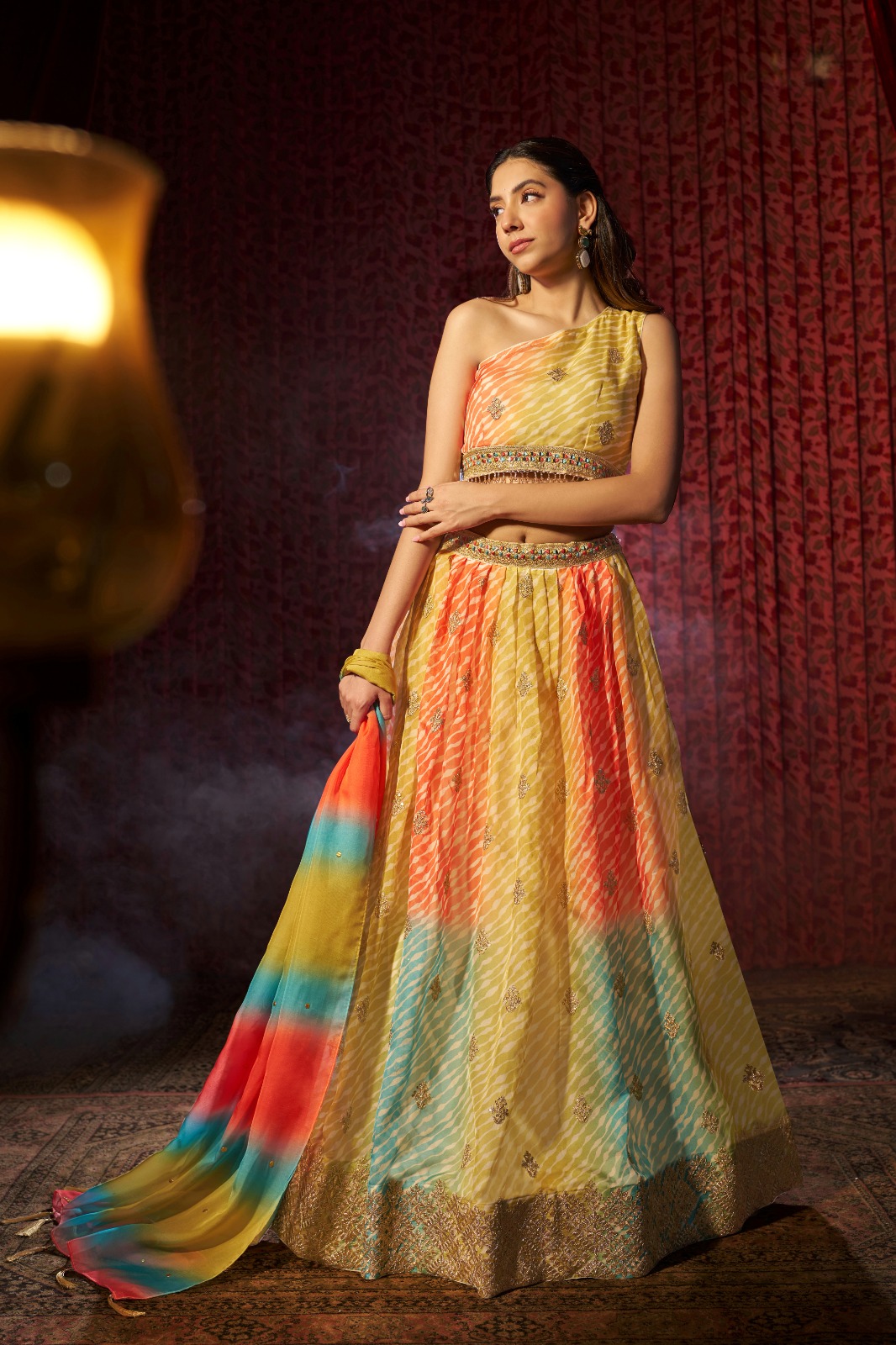
Yellow, mustard, green and coral work especially well for a Haldi ceremony because these colours suit daylight and a relaxed setting. A lightweight lehenga with a washable lining, a comfortable blouse and a dupatta that can be pinned securely is more practical than dense velvet or fragile surface work.
A yellow base with red edging creates a clear pichora reference without reproducing a traditional veil exactly. The Haldi Lehengas Under 5500 collection is useful for comparing festive yellow silhouettes, mirror work and embroidery at a controlled budget. Glass bangles, small earrings and a lightweight maang tikka can complete the look without making movement difficult.
Main wedding ceremony
Red, crimson, maroon and deep pink are dependable choices for the main wedding ceremony, particularly when gold zari or antique-gold embroidery is involved. A Banarasi silk, Chanderi silk or silk-blend saree with a red pallu offers a more restrained alternative to a heavily embellished lehenga.
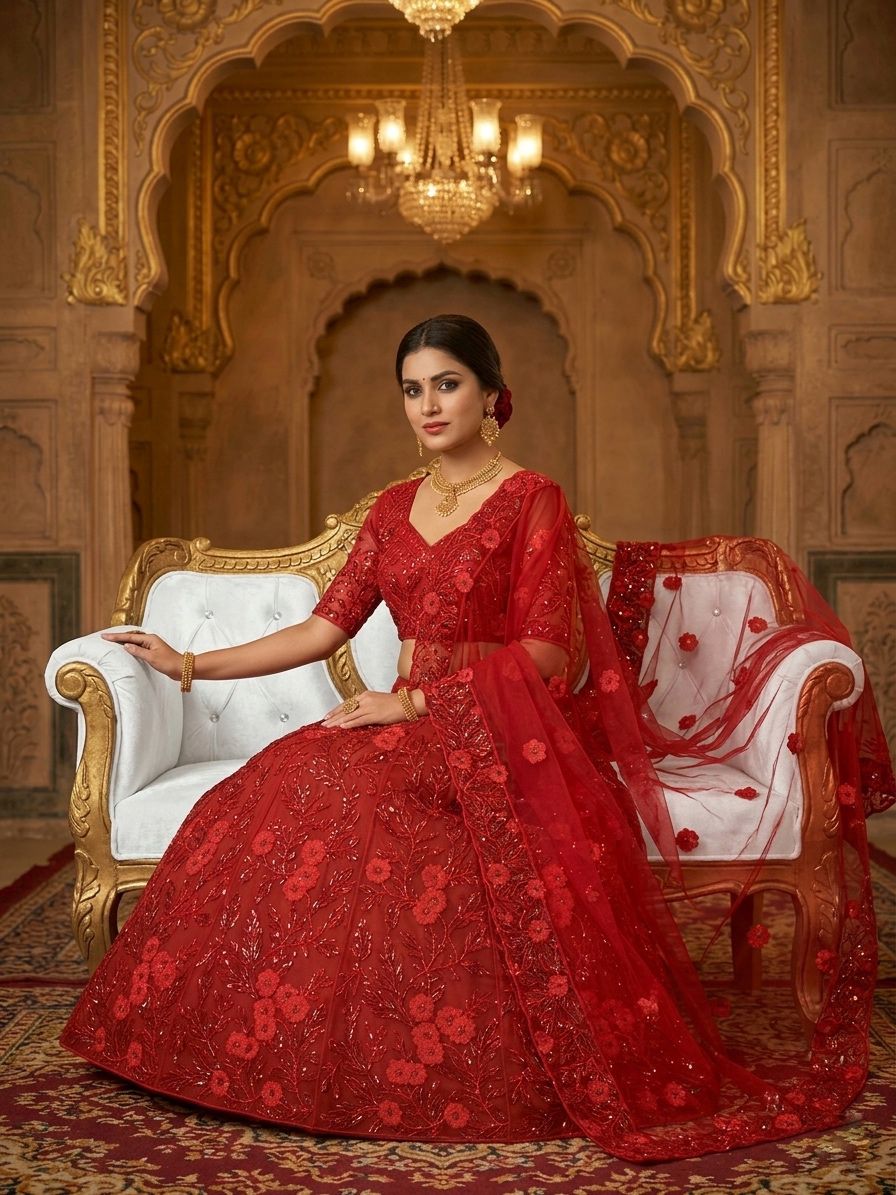
Red Multicolor Butter Silk Mirror Work Lehenga Set shows how a red base can carry multicolour mirror work without depending entirely on dense gold embroidery. Red Butterfly Net Sequins Lehenga Set Wedding Wear creates a lighter contemporary effect, although a net dupatta should be secured at the shoulder and head with discreet pins during a crowded mandap ceremony.
Reception and sangeet
A reception or sangeet allows cooler tones, metallic surfaces and more movement than a daytime ritual. Emerald, royal blue, teal, wine and silver-grey work well under evening lighting, while a flared skirt supports dancing more comfortably than a narrow, heavily layered shape.
Exclusive Blue Traditional Navratri Lehenga Choli demonstrates how a blue festive outfit can be adapted for a reception with antique jewellery, a red bindi and a red-edged dupatta. Stylish Multicolor Butter Silk Lehenga Choli Set gives another direction for guests who want colour variation without adding a separate embroidered jacket.
Uttarakhand Wedding Saree & Lehenga Ideas for choosing a saree or lehenga
Choose a saree for a fluid, versatile silhouette and choose a lehenga for easier volume, structured movement and simpler pre-draping. A saree suits a wearer who already knows her preferred drape or has access to a dresser, while a lehenga can be more convenient for guests travelling to a hill wedding.
Body comfort, weather and ceremony length should guide the decision. A six-hour wedding in a cool outdoor venue may suit a silk-blend saree with a warm shawl, whereas a daytime procession on a steep or uneven path favours a lighter lehenga with a shorter, well-secured dupatta.
Height and proportion also matter. A lehenga skirt with a high waist and a blouse ending near the natural waist can visually lengthen the frame. A saree with a narrow border creates a cleaner line on a petite wearer, while a broad border can look balanced on a taller frame. These are styling options rather than strict rules.
Fabric weight deserves more attention than the stated skirt flare. Butter silk, lightweight georgette and some cotton-silk blends can provide volume without the fatigue of multiple stiff layers. Multicolor Mirror Work Muslin Cotton Lehenga Choli Set shows how cotton-based fabric can suit a daytime celebration when breathability matters more than a formal bridal finish.
Pre-draping is worth arranging when the wedding involves several rituals. A saree can be pleated and pinned the night before, while a lehenga can be checked with the chosen blouse, footwear and underskirt. A five-minute trial walk can reveal whether the hem catches on the shoe or whether the dupatta needs a second safety pin.
Uttarakhand Wedding Saree & Lehenga Ideas for mountain-weather fabrics and colours
Breathable, crease-tolerant fabrics with a stable lining suit mountain weddings because travel, temperature changes and uneven terrain place greater demands on clothing. Chanderi, cotton silk, muslin cotton, butter silk and light georgette are useful for daytime events, while velvet, brocade and dense zari are better reserved for colder evenings or indoor ceremonies.
Uttarakhand's climate can change quickly with altitude and season. A summer wedding in Dehradun may call for cotton or muslin, while an evening ceremony in Nainital, Almora or another higher location can feel cold after sunset. A coordinated shawl, cape or wool-blend wrap is more useful than assuming the dupatta will provide enough warmth.
Yellow and red have a direct connection to pichora-inspired styling, but they're not the only suitable colours. Maroon, saffron, fuchsia, forest green and indigo can be combined with red piping, gold zari or antique embroidery. White can look elegant for a reception, but family customs should be checked before wearing an all-white outfit to a religious wedding ceremony.
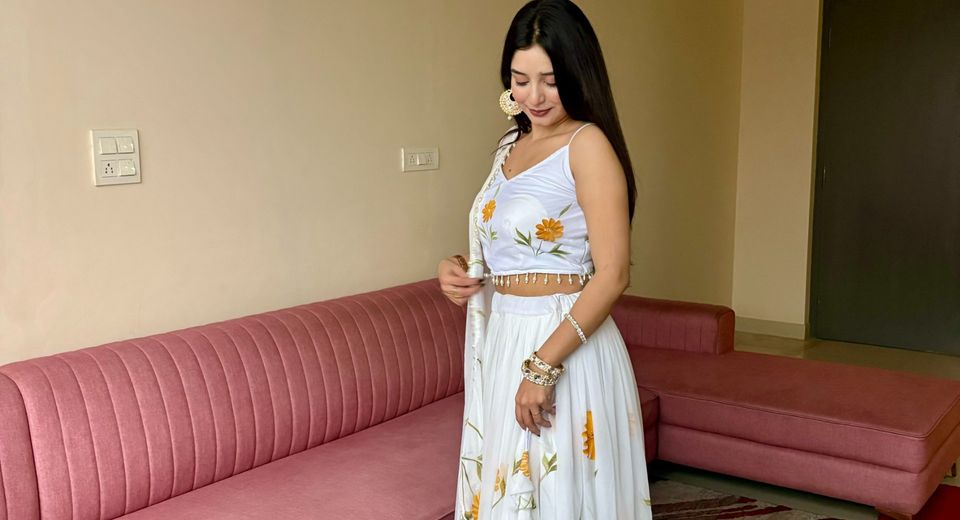
Festive White Lehenga Choli with Mirror Work Design can work for a contemporary reception or pre-wedding event when paired with a red, saffron or fuchsia dupatta. The contrast creates a pichora reference through colour placement without copying a traditional veil.
Silk Lehengas Under 3000 is an useful collection to review when a wearer wants the sheen of silk at a lower price point. Buyers should check whether the garment uses pure silk, a silk blend or a synthetic fabric before comparing care requirements and warmth. The fibre content, lining and closure construction often matter more than the word "silk" in the product name.
Uttarakhand Wedding Saree & Lehenga Ideas through jewellery and draping
Jewellery and draping create a stronger Garhwali or Kumaoni identity when they're chosen as two or three deliberate focal points rather than worn as a complete set. A nath, a gold-toned or silver-toned necklace, and a pichora-inspired dupatta may be enough to connect a contemporary lehenga to Uttarakhand.
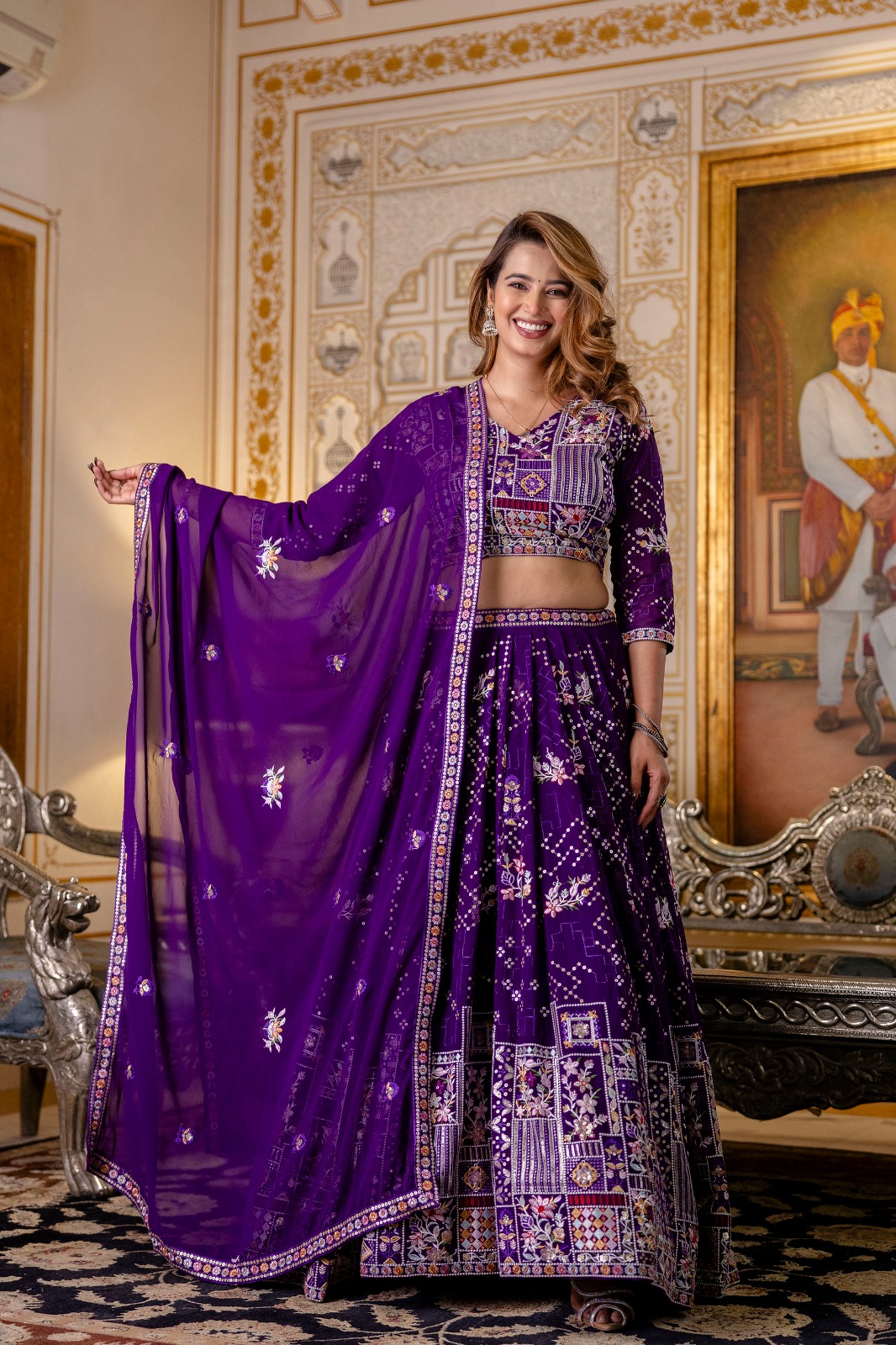
Jewellery choices
A Kumaoni-style nath is a large nose ring that may be worn for bridal portraits or selected rituals, but it's not compulsory for every guest. A guloband is a close-fitting neck ornament associated with Kumaoni adornment, while a hansuli is a rigid, curved necklace that can sit prominently above a blouse neckline.
Garhwali and Kumaoni jewellery vary by community, family and region, so asking an elder or local artisan about the correct form is more respectful than buying a generic "pahadi" set. If a large nath feels impractical, a small nose pin, jhumkas and a broad necklace with a red or yellow accent can provide a similar visual connection.
Dupatta and saree drapes
A pichora-inspired dupatta can be draped over the head and one shoulder for a ceremony, then pinned at the crown and shoulder for security. Another option is to pleat the dupatta over one shoulder while keeping the red border visible along the torso, which gives the outfit a regional accent without covering the blouse.
For a saree, a conventional Nivi drape is practical for walking and sitting, while a longer pallu can be brought over the head during a ritual. Pinning the pleats at the waist and the pallu at both shoulder points prevents shifting during pheras, photographs and outdoor movement.
Jewellery should also be tested with the neckline. A guloband or choker needs a relatively open blouse neckline, while a long hansuli or layered necklace can balance a higher neckline. Heavy earrings should be worn for a short trial before the wedding because discomfort becomes more noticeable during a long ceremony.
Uttarakhand Wedding Saree & Lehenga Ideas for bridesmaids and wedding guests
Family roles should influence formality, colour depth and jewellery scale, while personal comfort should remain the final decision. A bride may wear a richer red or saffron ensemble, a bridesmaid can use pink, green or blue, and a wedding guest can interpret the regional palette through a border or dupatta.
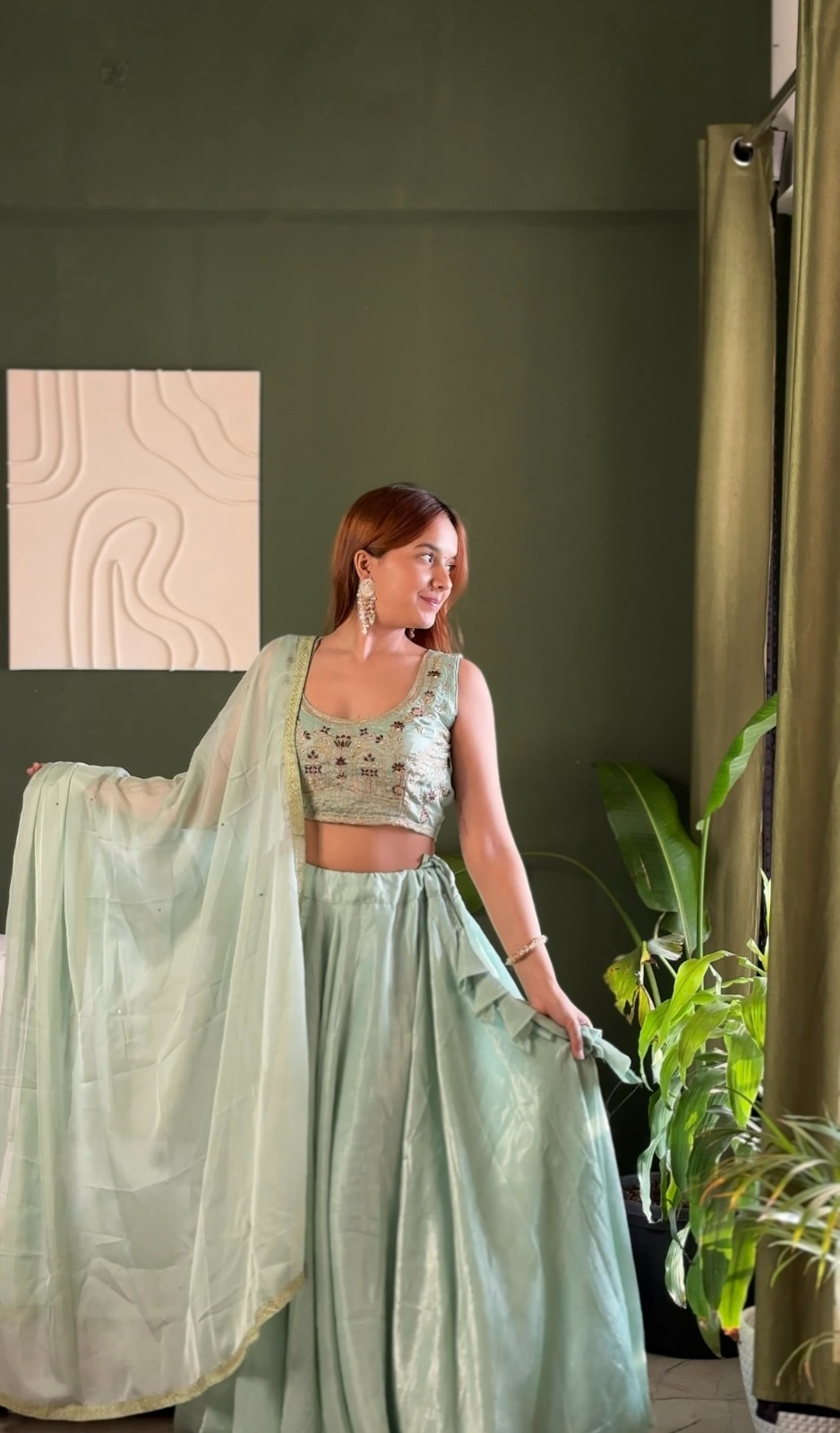
For bridesmaids, a coordinated colour family creates visual unity without requiring identical outfits. Bridesmaid Lehengas Under 5500 is relevant when several attendants need different silhouettes at a similar budget. One person might wear a blue skirt, another a pink lehenga and a third a green sharara, while matching red dupattas or jewellery provide the connection.
Guests who prefer restrained dressing can choose a silk saree with a pichora-inspired stole, a plain lehenga with a heavily bordered dupatta or a blouse featuring red and yellow embroidery. Guests should avoid copying a family's exact bridal veil or ceremonial jewellery when the item has specific ritual significance.
Mint Embroidered Lehenga Set with Net Dupatta for Women brings a softer palette for a bridesmaid or reception guest. The mint shade can be connected to Uttarakhand styling through a red bindi, antique-gold earrings or a red-bordered dupatta rather than through heavy embellishment.
Pink Lehengas Under 4000 with 50% Discount and Net Lehengas Under 4500 with 51% Discount can help guests compare lighter options when the outfit is intended for a secondary function rather than the main wedding ceremony. Discount percentages should not replace checking the final price, size chart, lining, delivery time and return conditions.
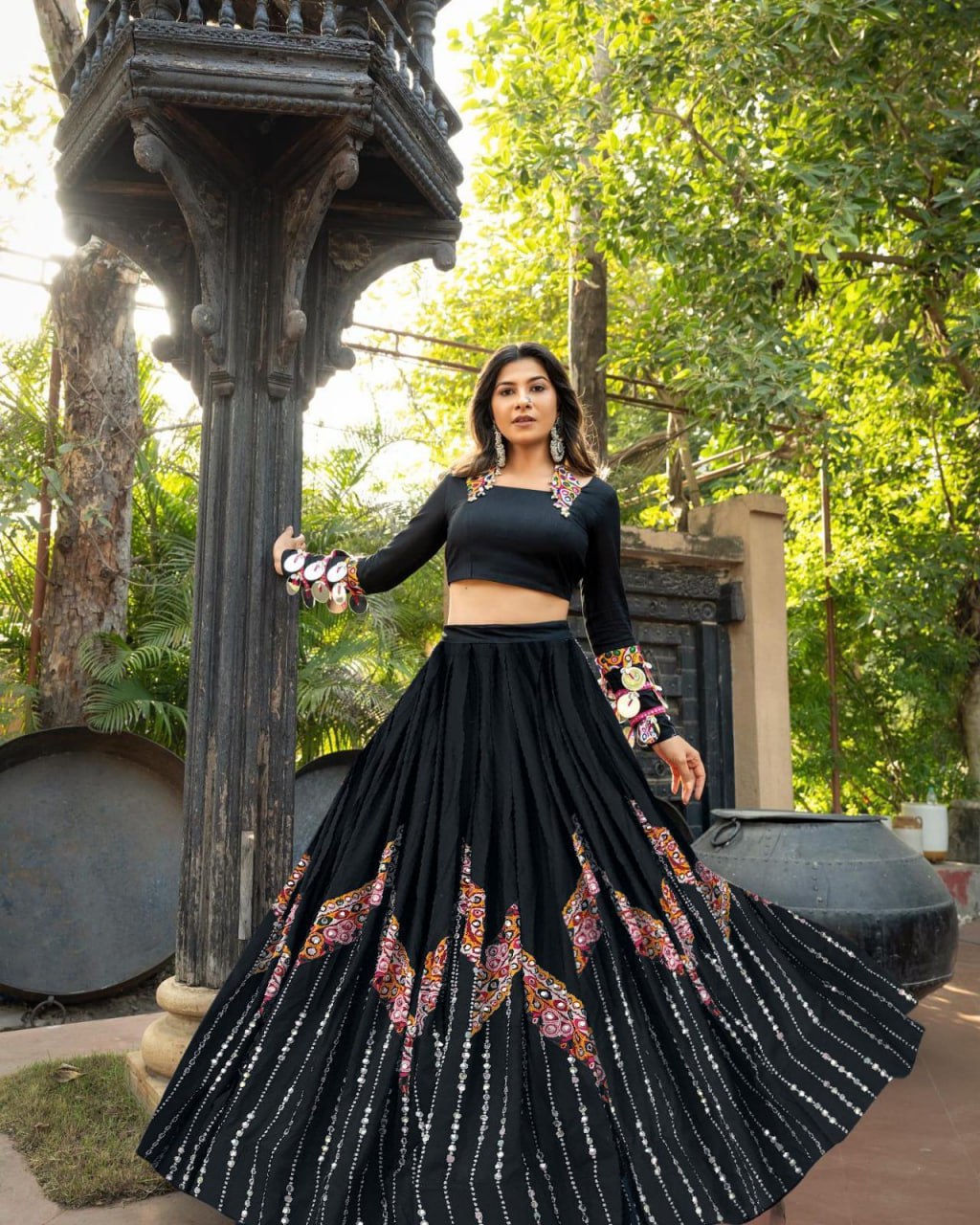
Black Wedding & Festive Wear Designer Lehenga can suit an evening reception when the family has no colour restrictions. Pairing black with antique gold, red glass bangles or a saffron dupatta creates a stronger Uttarakhand reference than wearing black with only silver accessories.
Uttarakhand Wedding Saree & Lehenga Ideas require practical fitting and care
The most reliable wedding outfit is fitted, tested and packed before travel. A blouse should allow two fingers of comfortable movement at the armhole, the lehenga waistband should sit securely without digging in, and the hem should clear the intended footwear by approximately 1 to 2 centimetres.
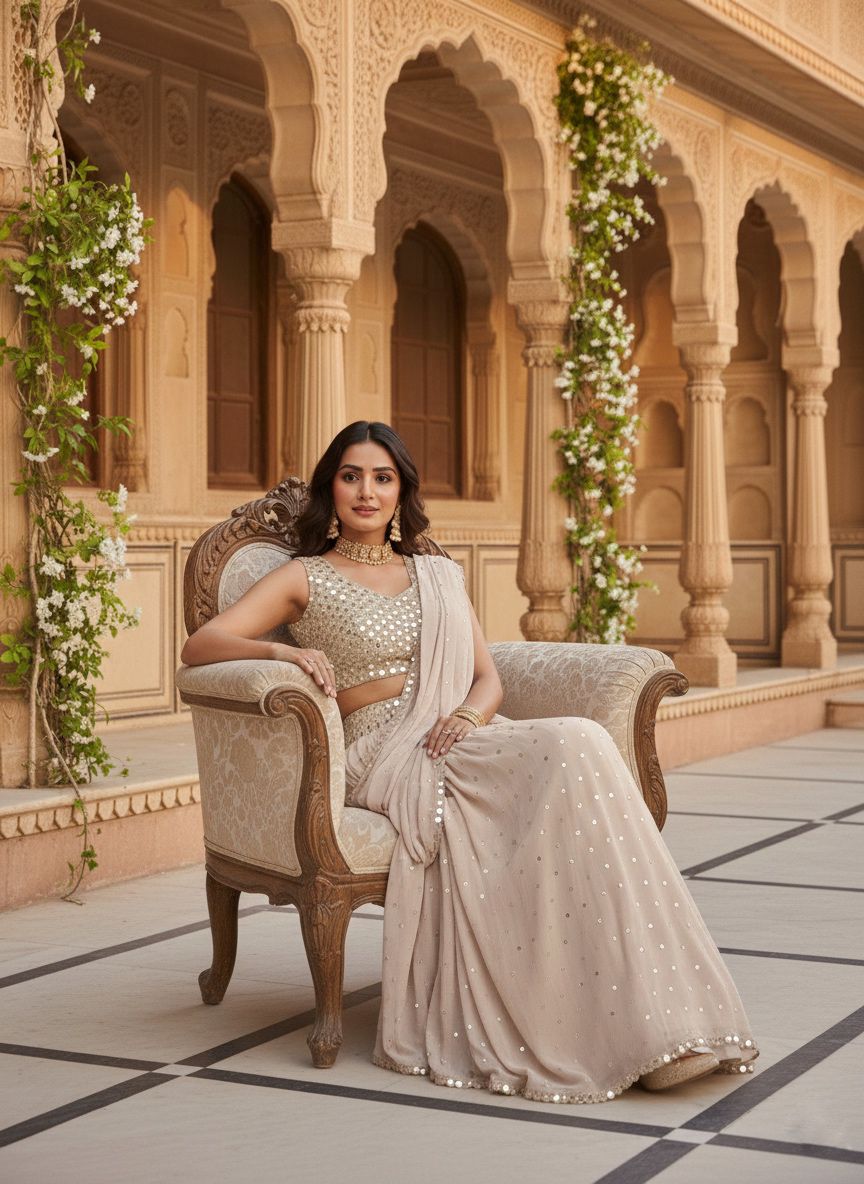
Order alterations at least 10 to 14 days before the wedding when possible. This timeframe leaves room for a second fitting, blouse-hook adjustments and length changes. A lehenga that's too long can catch on stairs, while an excessively tight blouse can restrict breathing during a long ceremony.
Store embellished garments in a breathable cotton cover rather than sealed plastic for long periods. Keep zari, mirror work and sequins away from direct perfume, hair spray and damp surfaces. After the wedding, air the outfit in shade for several hours before folding it with acid-free tissue or clean muslin between embellished layers.
Dry cleaning is generally safer for heavily embellished silk, net and mirror-work garments, but the care label should be followed first. Cotton and muslin garments may sometimes be hand-washed separately in cold water, yet colour bleeding from red borders remains a risk. Never iron zari, sequins or mirror work directly; use a pressing cloth and low heat only where the fabric instructions permit it.
A regional wedding look becomes convincing when symbolism, comfort and context support one another. A red border, pichora-inspired dupatta, suitable jewellery and a breathable fabric can communicate Garhwali or Kumaoni influence more thoughtfully than an overcrowded outfit. The best final choice is the one that respects family customs, suits the ceremony and allows the wearer to move with confidence.
Common Questions About Garhwali and Kumaoni Wedding Outfits
What should a bride wear for a Kumaoni wedding?
A bride can wear a red, saffron or maroon lehenga or saree with a pichora-inspired yellow dupatta and Kumaoni jewellery. A nath, guloband or hansuli can provide a regional connection, but the exact ornaments should follow family and community customs.
What is a pichora and how is it worn at a wedding?
A pichora is a traditional yellow or saffron veil decorated with red motifs and associated especially with Kumaoni auspicious occasions. It may be worn over the head and shoulder during a ritual or represented through a contemporary printed or embroidered dupatta.
Can I wear a lehenga instead of a traditional saree at a Uttarakhand wedding?
Yes, a lehenga is suitable when the family has no specific dress requirement for the ceremony. Use regional details such as a red border, yellow dupatta, antique jewellery or pichora-inspired motifs to connect a modern silhouette with Uttarakhand traditions.
Which colours are suitable for a Garhwali wedding guest outfit?
Maroon, red, mustard, saffron, fuchsia, forest green, blue and teal are suitable choices for many Garhwali wedding settings. Guests should check whether the family reserves a particular colour for the bride or a specific ritual before finalising an outfit.
What fabric is comfortable for a wedding in the hills?
Muslin cotton, Chanderi, cotton silk, butter silk and light georgette are comfortable for daytime hill weddings because they are lighter and more breathable. For cold evening ceremonies, layer the outfit with a shawl, cape or wool-blend wrap.
How can I keep a lehenga comfortable during a long wedding ceremony?
Choose a secure waistband, a breathable lining, a hem that clears the footwear and a dupatta pinned at the shoulder and head when required. Test the complete outfit by walking, sitting and climbing stairs before the wedding day.





