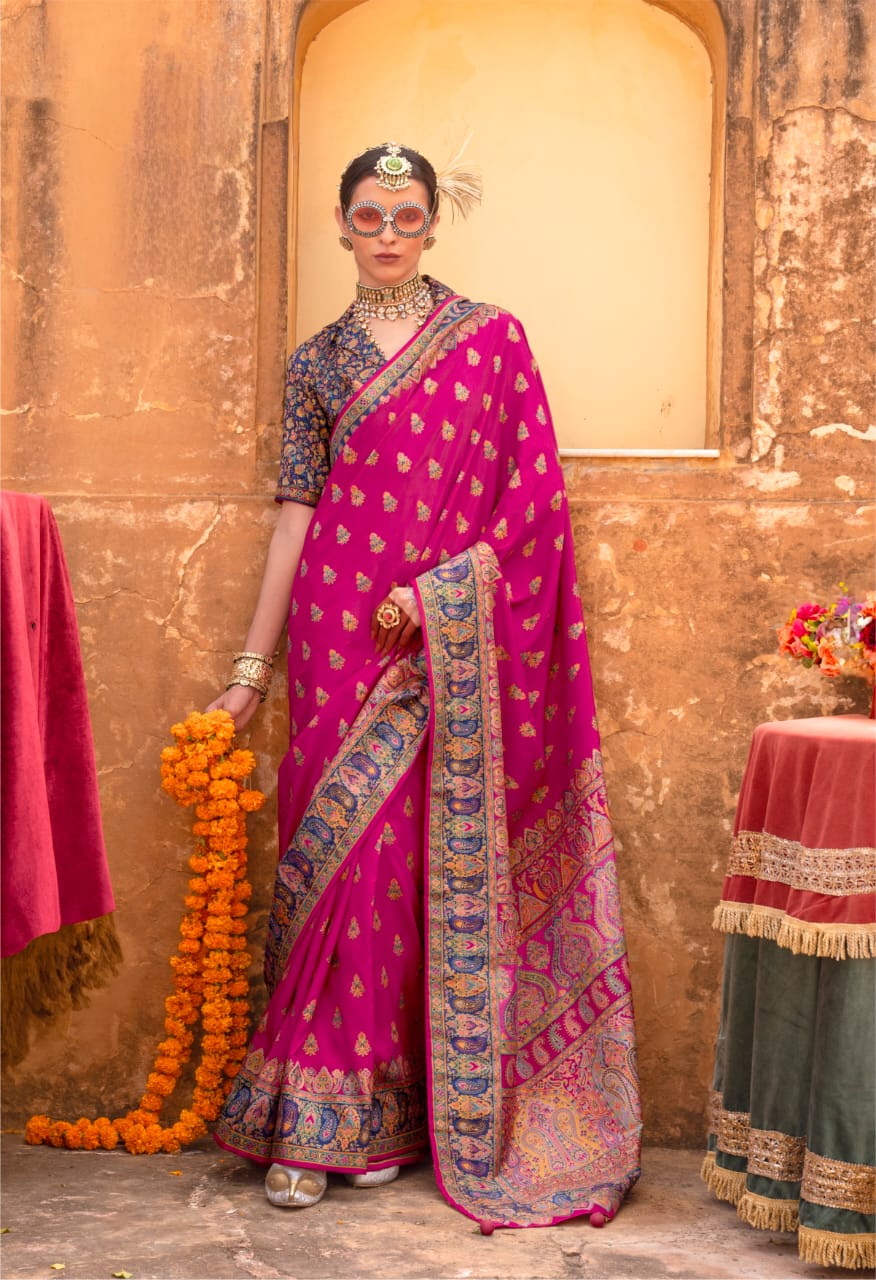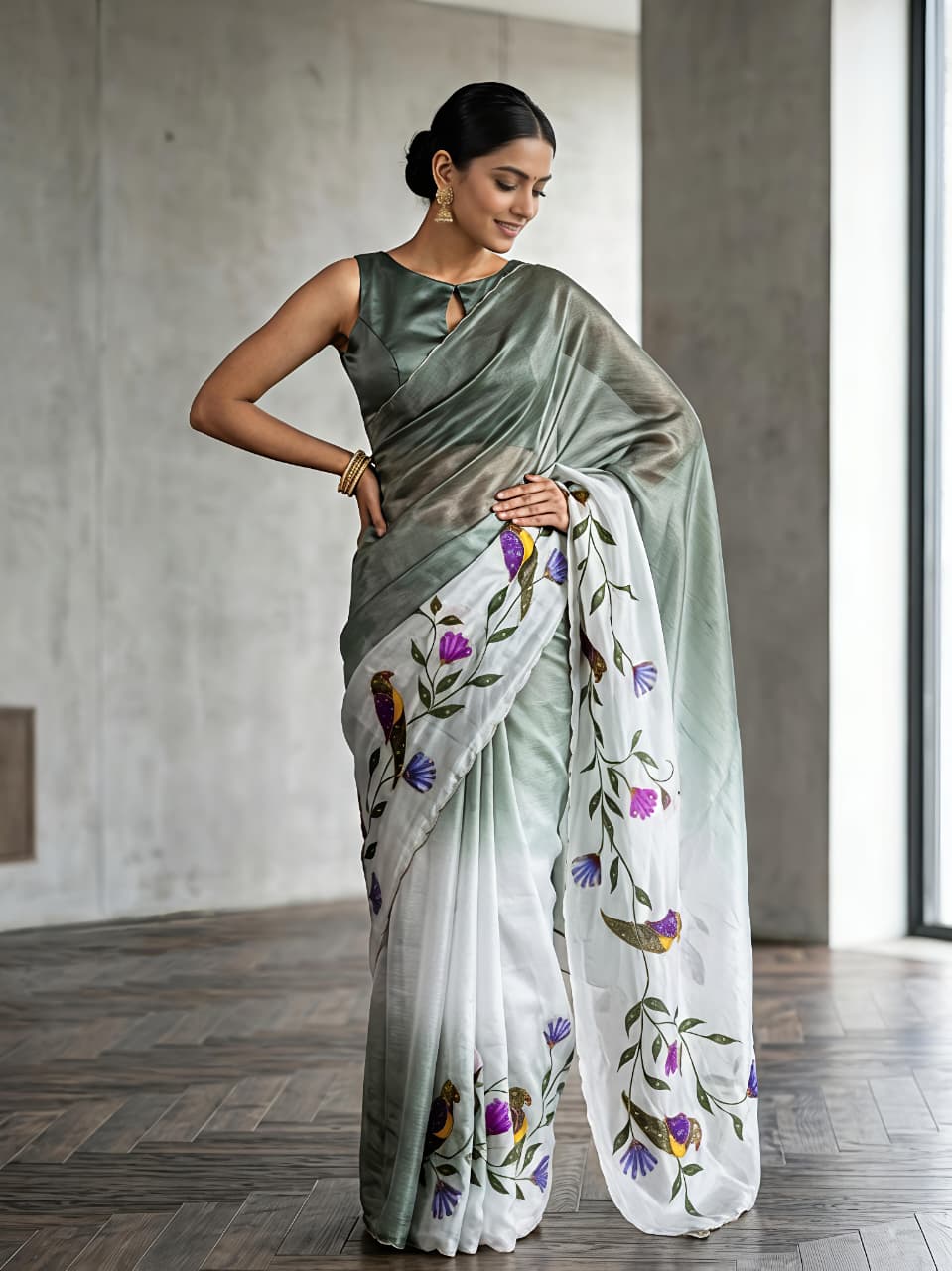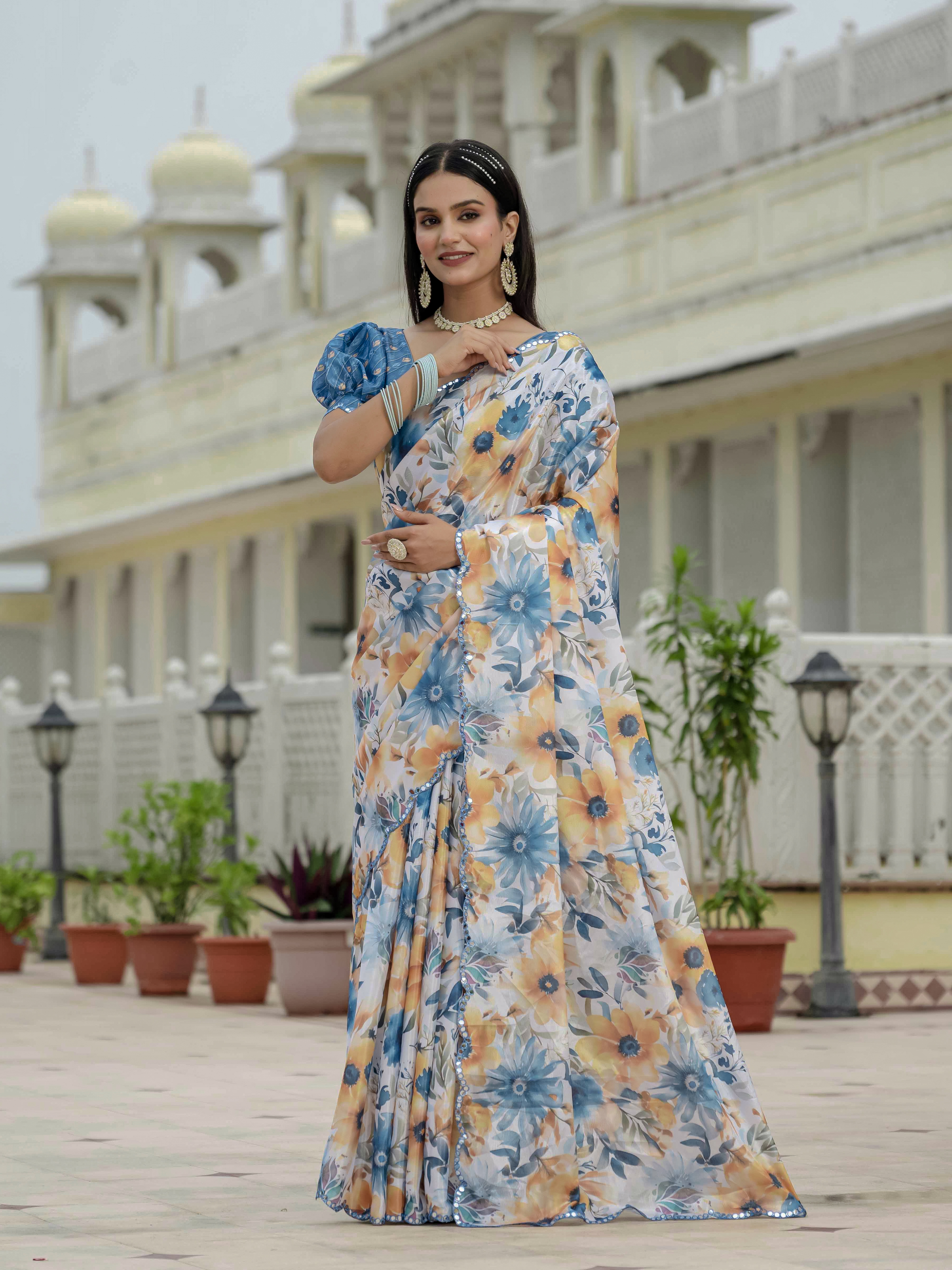
A saffron veil, a large gold Nath and a carefully arranged head covering can communicate family, region and ceremony before a single word is spoken. Uttarakhand Traditional Dress for Women: Garhwali & Kumaoni Fashion Guide examines those details through the two major cultural regions of the state, Garhwal and Kumaon. The clothing changes from district to district, but layered silhouettes, practical fabrics, vivid borders and ceremonial jewellery remain important visual themes.
Modern wardrobes don't need to reproduce a historic ensemble exactly. Understanding which garment or ornament carries cultural meaning makes it possible to create a respectful contemporary look with a saree, kurta set, Anarkali or lehenga. A Pichora-inspired veil, a traditional necklace or a regional colour palette can be used thoughtfully without reducing Uttarakhand clothing to a costume.
Uttarakhand Traditional Dress for Women: What are the main garments?
Uttarakhand Traditional Dress for Women commonly includes the Ghagra, Choli, Angdi and Pichora, although the combination depends on the region, community, season and ceremony.
The Ghagra is a long skirt with enough volume for walking, sitting and working. The Choli is a fitted blouse worn with the skirt, while the Angdi is a close-fitting upper garment or jacket particularly associated with Garhwali clothing. An odhani, shawl or veil completes the layered appearance and offers protection from sun, wind and cold.
The Pichora is the most recognisable ceremonial textile associated with Kumaoni women. A traditional Pichora usually has a yellow or saffron ground with red motifs, dots or borders. Women may wear the Pichora over the head and shoulders during weddings, religious ceremonies and other auspicious family events.
- Ghagra: A long gathered or flared skirt that creates movement and allows comfortable sitting.
- Choli: A fitted blouse that may include ties, embroidery, contrasting panels or decorative edging.
- Angdi: A structured bodice or jacket used as an upper layer in several Garhwali interpretations.
- Pichora: A yellow-and-red ceremonial veil with strong Kumaoni associations.
- Odhani or shawl: A head and shoulder covering that adds both modesty and warmth.
Historical clothing was made for mountain life rather than for photographs alone. A full outfit therefore needs to permit movement, accommodate layers and rest manageable on uneven paths. That practical foundation is functional when choosing a modern interpretation for a hill wedding or outdoor puja.
Uttarakhand Traditional Dress for Women: How do Garhwali and Kumaoni styles differ?
Garhwali and Kumaoni styles differ mainly in their garment combinations, ceremonial textiles and regional jewellery, even though both traditions use layered clothing and strong festive colours.
Garhwali dress and ornament
Garhwali clothing is often identified through the Ghagra, Choli and Angdi combination. The Angdi creates a more structured upper silhouette, while the skirt provides ease and volume. Red, green, blue, maroon and earthy shades appear frequently in modern Garhwali-inspired outfits, but colours vary across Tehri Garhwal, Pauri Garhwal, Chamoli, Uttarkashi and neighbouring areas.
Garhwali jewellery may include a big Nath, a Hansuli necklace, a Guloband, earrings and bangles. A Hansuli is a rigid or semi-rigid necklace that sits prominently across the upper chest. A Guloband is worn close to the neck and may include metal plaques, beads or embroidered textile work. Gold has traditionally carried cultural and familial significance, but gold-plated silver, brass and lightweight imitation jewellery are practical choices for contemporary wear.
Kumaoni dress and ornament
Kumaoni clothing is especially associated with the Pichora, which gives the ceremonial outfit its yellow, saffron and red visual identity. A Kumaoni bride may wear a Pichora over a Ghagra-Choli, saree or contemporary festive outfit, depending on family customs. White, red, mustard and green can be combined with the Pichora, although no single palette represents every Kumaoni household.
The Kumaoni Nath is often prominent in bridal portraits and formal ceremonies. A Hansuli, Guloband, earrings and bangles add further detail around the face and neckline. A Pichora should sit securely over the head and shoulders without being pinned so tightly that the wearer can't turn, eat, sit or participate comfortably.
Uttarakhand Traditional Dress for Women: Why is the Pichora important?
The Pichora is important because it acts as both a ceremonial covering and a symbol of auspiciousness, marriage and Kumaoni identity.
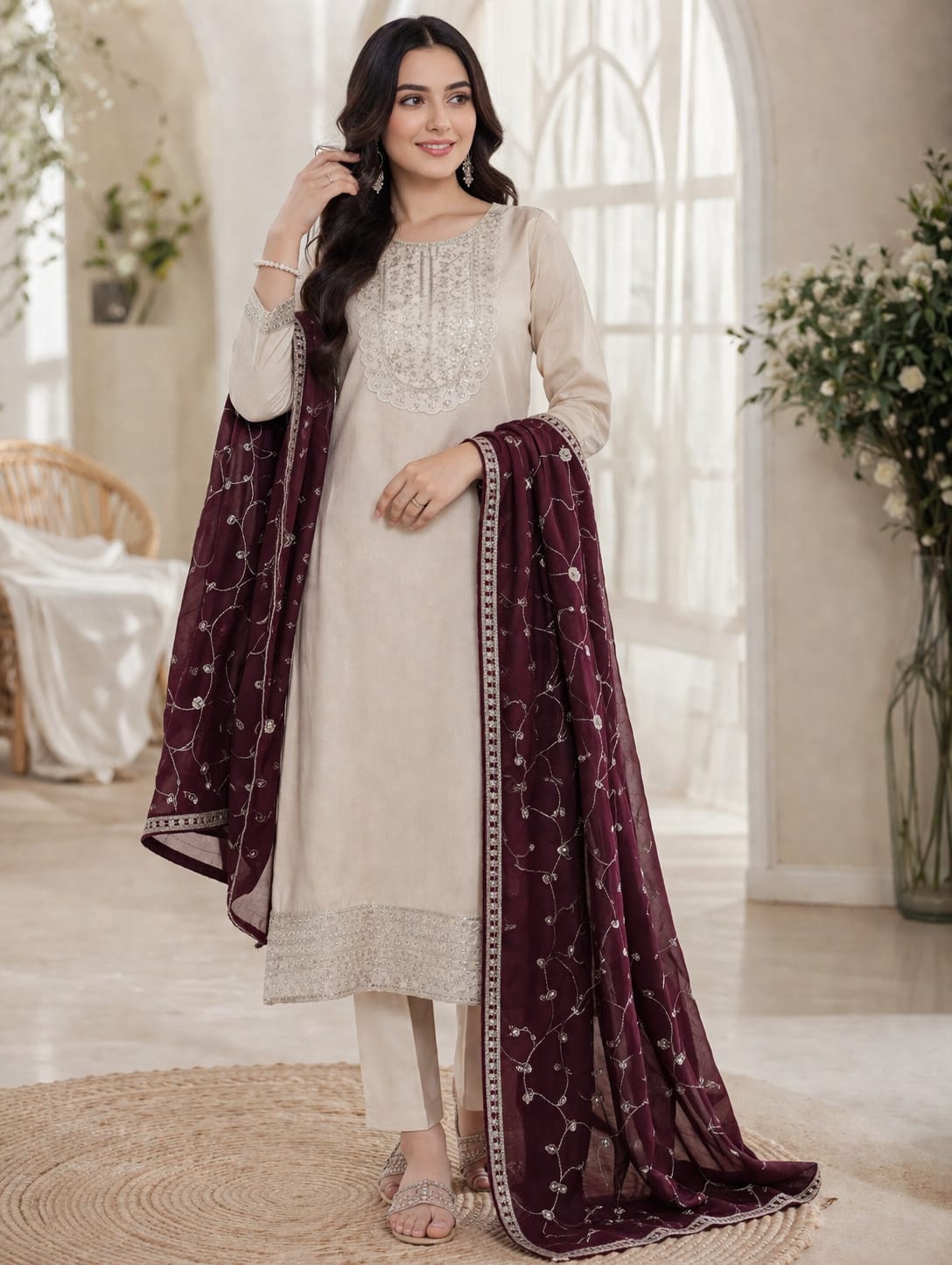
Traditional Pichoras may be hand-decorated, while contemporary versions can be printed, block-printed, embroidered or finished with gota and zari. Motifs may include flowers, dots, bells, geometric forms and sun-inspired patterns. Designs differ between makers and families, so a Pichora should not be treated as a single standardised textile.
The yellow base creates a bright frame around the face, while red motifs provide contrast against gold jewellery and wedding clothing. A Pichora can be draped with the centre placed over the head and the ends falling over both shoulders. For a puja, a lighter version may be folded more modestly, whereas a bride or close family member may choose a larger, more decorated piece.
Visitors should ask the host family about preferred draping customs when attending a Kumaoni ceremony. A family heirloom Pichora may have rules about who can wear it, when it should be unfolded and how it should be stored. Cultural context matters as much as colour when the textile is used outside its home community.
Uttarakhand Traditional Dress for Women: Which fabrics and colours work today?
Cotton, handloom cotton, wool blends, silk, silk blends and lightweight synthetic fabrics can all work for a modern Uttarakhand-inspired outfit, provided the fabric suits the season and ceremony.
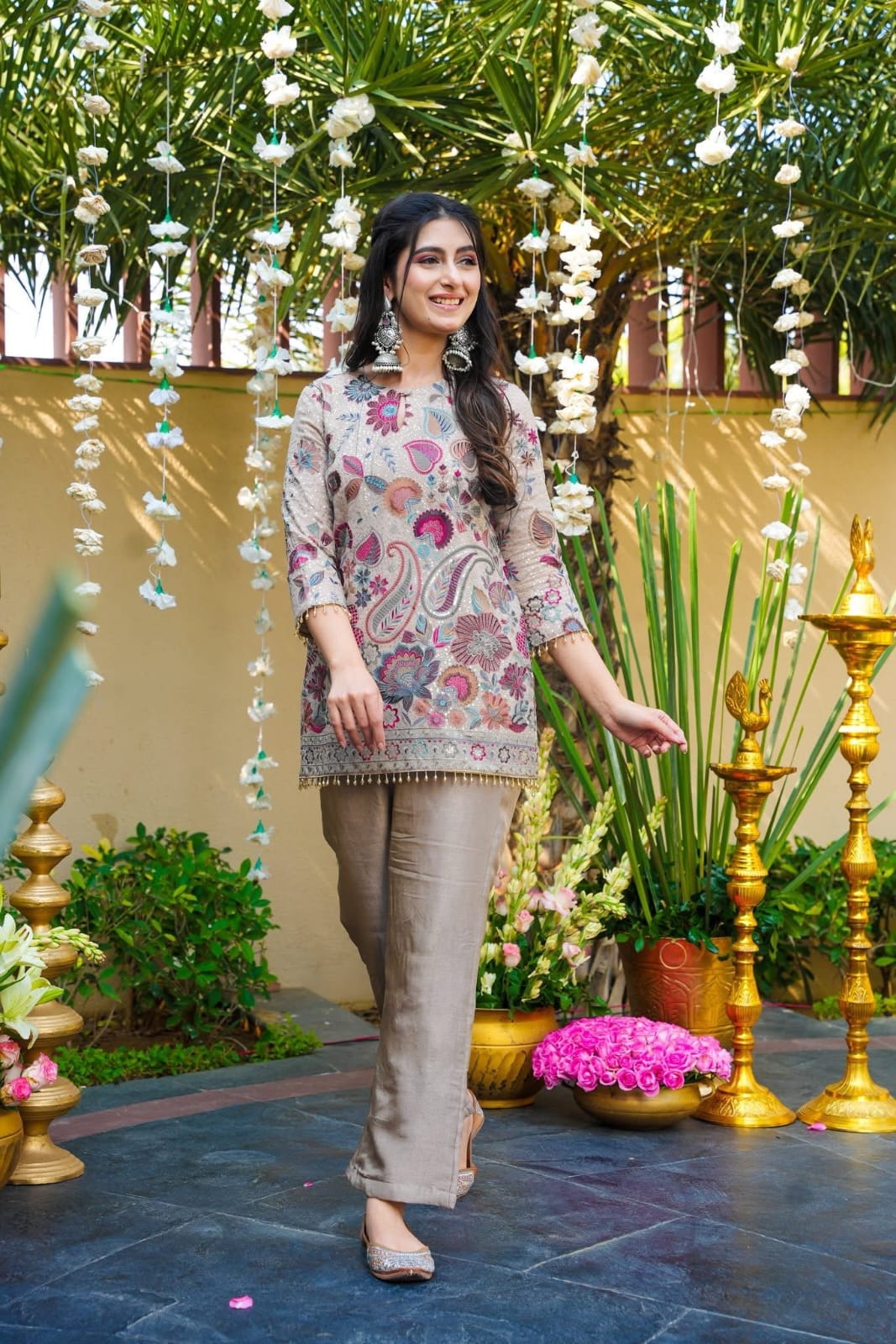
Cotton is comfortable for daytime functions and warmer weather. Wool and wool blends are useful for winter celebrations in hill towns. Silk, Banarasi silk and silk blends give a more formal finish, while lined skirts and full sleeves make a festive outfit more practical in cold weather. Chanderi can work for a lightweight dupatta, although Chanderi's delicate structure requires careful handling around heavy jewellery and rough surfaces.
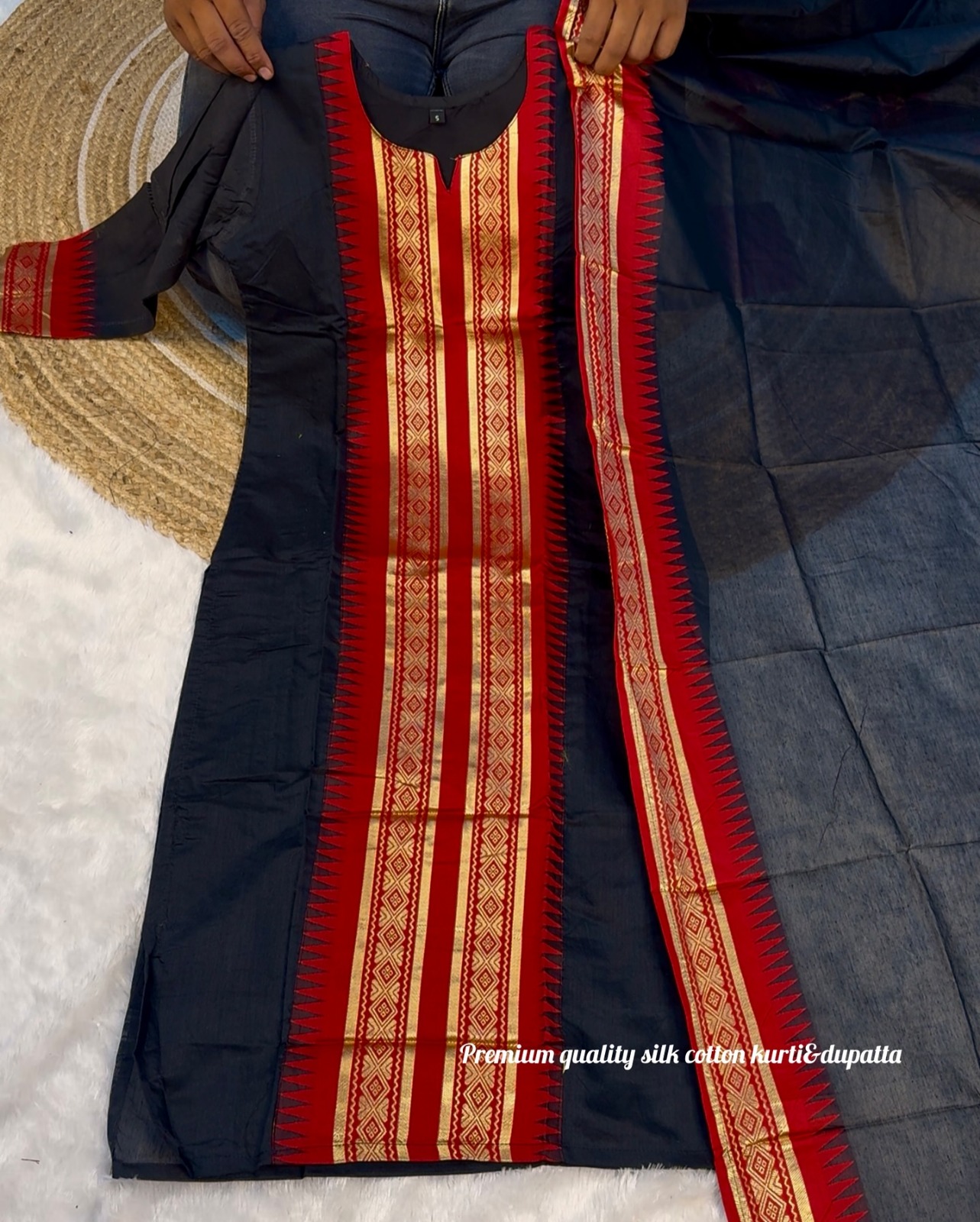
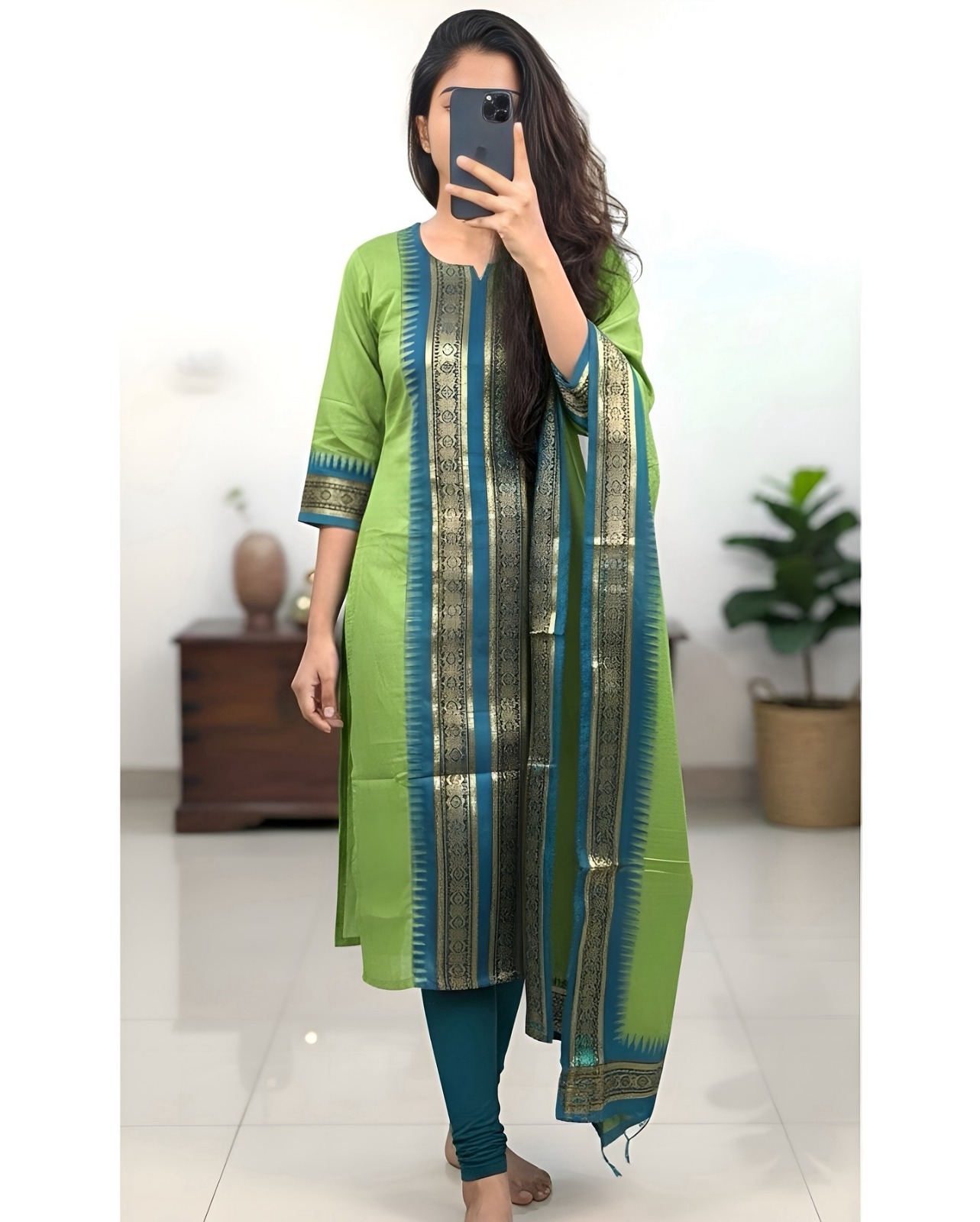
Kanchi Cotton Zari Woven Kurti Set with Traditional Dupatta is a sensible reference point for a daytime puja because cotton keeps the outfit breathable while the zari supplies a ceremonial accent. The dupatta can be placed over both shoulders or brought over the head for a more traditional outline.
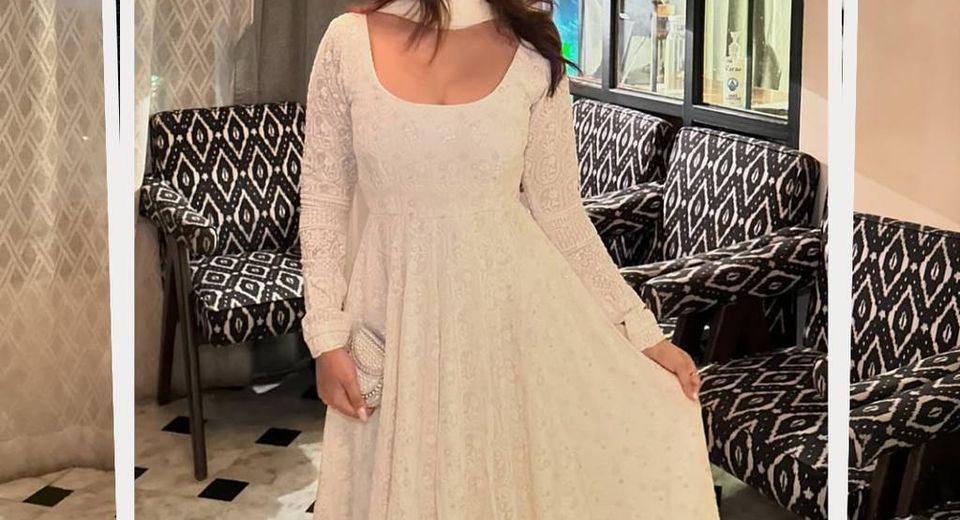
Green Embroidered Anarkali Suit Set for Women brings the long, fluid line of a Ghagra while remaining easier to wear at a reception. White Embroidered Anarkali Suit Set with Gota Patti Dupatta gives a calm base for a saffron Pichora-inspired layer or red jewellery. Zari and gota patti can echo the decorative vocabulary of Uttarakhand without falsely presenting a modern garment as a historically exact regional ensemble.
Red, saffron, mustard yellow, forest green, maroon and ivory work naturally for festive styling. A bright Pichora looks more balanced over a plain ivory, deep green or maroon base than over an outfit already covered in dense embroidery. One strong textile and one statement jewellery piece usually create a clearer result than several competing decorations.
Uttarakhand Traditional Dress for Women: How can you style it for ceremonies?
Uttarakhand Traditional Dress for Women can be adapted for a contemporary ceremony by retaining one recognisable regional element and simplifying the rest of the outfit.
Wedding styling
A wedding outfit needs a clear base colour, one statement textile and jewellery that doesn't restrict movement. Black Embroidered Anarkali Suit Set with Zari Work creates a dramatic foundation for a saffron or red Pichora-inspired veil. A smaller necklace keeps the neckline from competing with the head covering.
A large Nath should be secured with a discreet chain attached to the hair because the chain supports its weight and prevents the ornament from pulling on the nostril. Earrings should be tested for at least thirty minutes before the ceremony. Heavy earrings can cause discomfort long before a long wedding ritual ends.
Black Zari Sequins Embroidered Anarkali Suit Set | Varnavi! Can be used for an evening celebration when the goal is a high-contrast look. The outfit already carries visual shine, so a plain Pichora-inspired stole and one prominent necklace will usually look more composed than a heavily embellished veil and multiple necklaces together.
Puja and family gathering styling
A lighter outfit suits a puja because the wearer may sit on the floor, walk outdoors and cover the head repeatedly. Trendy Green Ethnic Kurti Dupatta Set for Festive Wear can be paired with a red-bordered dupatta and small gold-toned earrings for a practical interpretation of Kumaoni colour contrast.
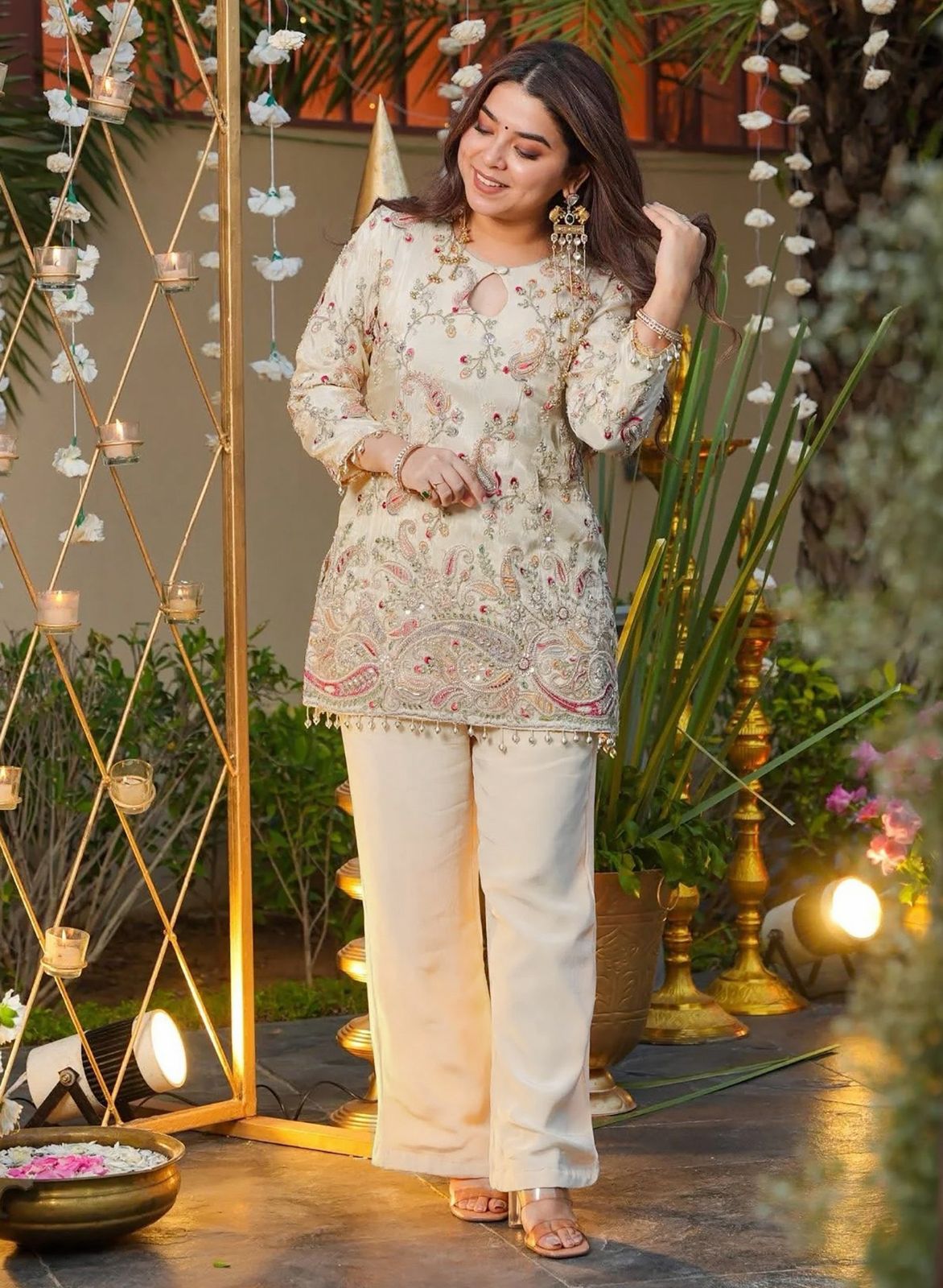
Modern Taupe Vichitra Silk Embroidered Co-Ord Set for Women gives a neutral base for a bright Nath, Guloband or Pichora-inspired stole. Neutral clothing allows the jewellery to remain the focal point and works well when the ceremony involves several family members wearing different colours.
Winter celebration styling
Winter clothing should place warmth beneath the decorative layer rather than relying on a thin dupatta. A full-sleeved blouse, thermal camisole, woollen shawl and closed footwear can be combined with a Ghagra, Anarkali or saree without disturbing the overall shape.
White Floral Vichitra Silk Anarkali Suit Set | Varnavi can be layered with a maroon, rust or forest-green shawl for a winter family event. The pale base reflects natural light during outdoor photographs, while a darker wrap supplies visual depth and additional warmth.
Uttarakhand Traditional Dress for Women: Which jewellery completes the look?
A Nath, Hansuli, Guloband, earrings, bangles and Bichuwa can complete a Garhwali or Kumaoni festive outfit, although the exact combination depends on local custom and personal comfort.
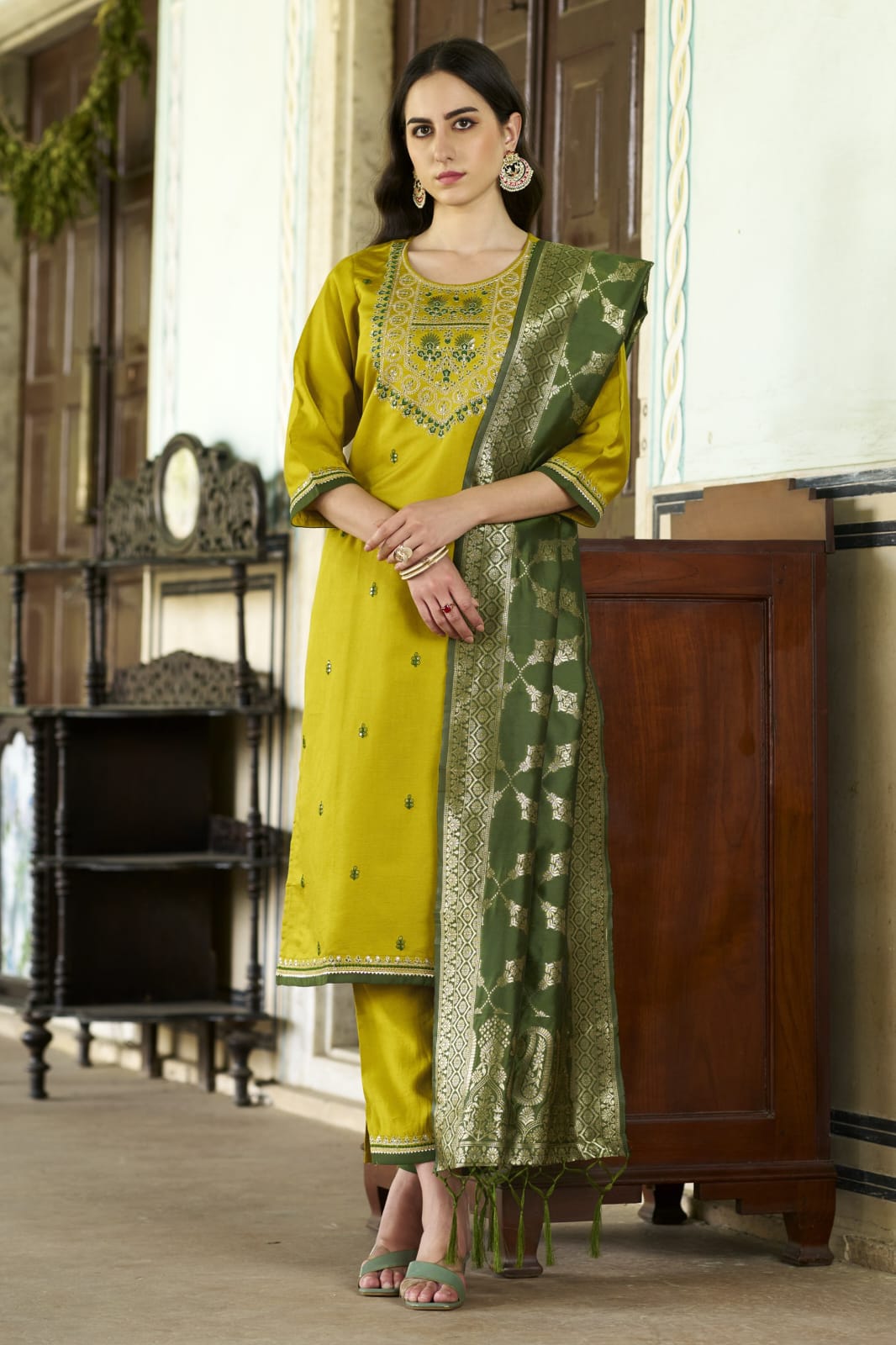
The Nath draws attention to the face and is usually the strongest jewellery statement. The Hansuli fills the upper neckline with a broad curved form, while the Guloband sits closer to the throat. Wearing both can create a traditional layered effect, but a wearer with a heavily embroidered neckline may need to choose only one.
Bangles introduce sound and movement, but stacks should not interfere with sleeves or upcoming work. Bichuwa, or toe rings, are traditionally associated with married women in several North Indian communities, but their use and meaning vary. Jewellery should therefore be selected with awareness of family practice rather than assumed to have one adaptable interpretation.
Gold-plated silver is often an useful compromise for an occasional outfit. It gives the colour and scale of traditional metal jewellery at less weight and cost than solid gold. Check the clasp, nose-ring chain and earring backs before wearing an ornate set for a full day.
Uttarakhand Traditional Dress for Women: How should garments be cared for?
Traditional and embellished garments should be stored clean, dry, folded around soft tissue and protected from direct sunlight.
Separate zari, gota patti and sequins from rough surfaces because abrasion can loosen metallic threads and snag fine fabrics. Air a Pichora after wearing it, but avoid leaving yellow or red textiles in strong sunlight for long periods because bright dyes can fade unevenly.
Read the care label before washing silk, Chanderi, embellished cotton or embroidered synthetics. Dry cleaning is safer for heavily decorated Anarkalis and silk garments, while a plain cotton kurta may be hand-washed in cool water with mild detergent. Do not wring zari borders, and dry garments flat or on a broad padded hanger according to their construction.
Fold heavy jewellery in separate soft pouches. Keep gold-toned pieces away from perfume, hair spray and moisture, and wipe them with a dry cloth after use. A dedicated box for a Nath prevents the nose ring from bending and keeps its chain from tangling with earrings.
Traditional Uttarakhand clothing becomes easier to wear respectfully when its regional names, ceremonial meanings and practical demands are understood. Garhwali Ghagra-Choli and Angdi styling foreground structure and layering, while Kumaoni Pichora styling places greater emphasis on the yellow-and-red ceremonial veil. Both traditions offer useful lessons in proportion, textile choice and meaningful ornament for contemporary wardrobes.
Common Questions About Garhwali and Kumaoni Women’s Dress
What is the traditional dress of women in Uttarakhand?
Women's traditional clothing in Uttarakhand commonly includes the Ghagra, Choli, Angdi, odhani and regional jewellery. Kumaoni ceremonial dress is especially associated with the yellow-and-red Pichora, while Garhwali clothing is often recognised through the Ghagra, Choli and structured Angdi combination.
What is a Pichora in Kumaoni dress?
A Pichora is a ceremonial veil or wrap associated especially with Kumaoni women. It commonly has a yellow or saffron base with red motifs and is worn over the head and shoulders during weddings, pujas and other auspicious family events.
What is the difference between Garhwali and Kumaoni dress?
Garhwali dress is often identified by the Ghagra, Choli and Angdi, while Kumaoni dress is strongly associated with the Pichora. The difference is not absolute because garments, colours and jewellery vary between districts, communities and families.
Which jewellery is worn with Uttarakhand traditional dress?
A large Nath, Hansuli, Guloband, earrings and bangles are commonly associated with Garhwali and Kumaoni festive styling. Bichuwa may also be worn by married women in some communities, but jewellery customs vary and should not be treated as identical throughout Uttarakhand.
Can I wear a Pichora with a modern Anarkali or saree?
Yes, a Pichora can be paired with a modern Anarkali, saree or kurta set when the drape is handled respectfully. Choose a simpler base outfit if the Pichora has strong motifs, and ask the host family about customary use when attending a community ceremony.
Which fabric is suitable for Uttarakhand traditional dress in winter?
Silk blends, lined cotton, wool blends and velvet-edged textiles are suitable for winter celebrations because they provide more warmth than thin georgette or unlined cotton. A full-sleeved blouse, thermal layer and woollen shawl can make a traditional-inspired outfit more practical outdoors.