

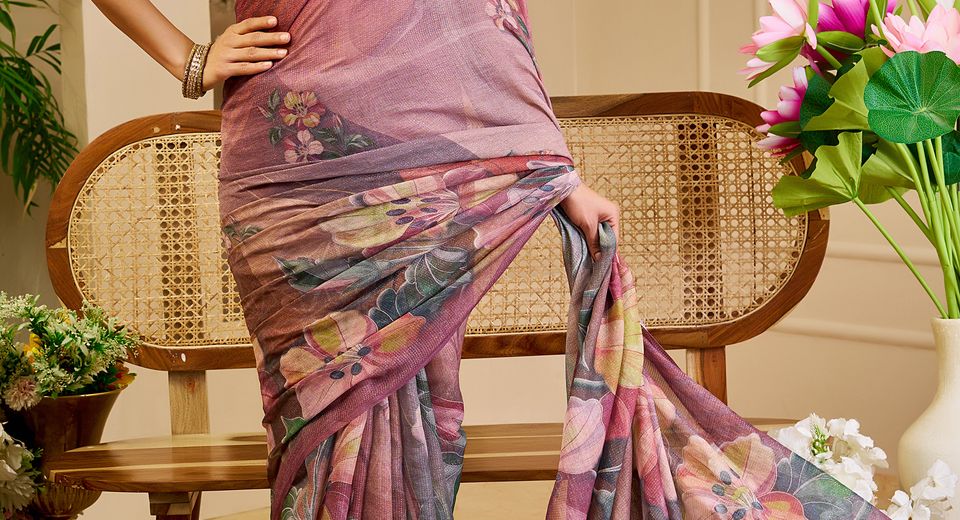
Uttarakhand Traditional Colours: Pahadi Saree & Outfit Inspiration begins with a simple observation: the strongest Himalayan-inspired looks usually rely on a small, meaningful palette rather than many competing shades. Saffron yellow, vermilion red, deep green, blue, maroon, ivory and earthy brown can be combined with silk, cotton, zari and wool textures to create sarees that feel festive yet connected to the landscape.
A modern saree inspired by Uttarakhand can work for a Haldi ceremony, family puja, winter wedding, cultural event or festive dinner. The most successful outfit usually gives one colour the leading role, uses one supporting shade, and lets the border, blouse or jewellery provide contrast. Regional dress should not be treated as one fixed costume, because Garhwal and Kumaon include varied communities, garments and textile traditions.
How do Uttarakhand Traditional Colours shape Pahadi saree styling?
Uttarakhand Traditional Colours commonly draw from auspicious yellow and red, mountain greens and blues, natural ivory, and darker shades suited to woollen clothing and everyday wear. These colours carry visual associations with ritual, harvest, local landscapes and ceremonial textiles, although their meaning can vary by community, garment and occasion.
Yellow and red are particularly recognisable in Kumaoni formal imagery because the Kumaoni Pichora, also called Pichoda, is associated with married women and auspicious occasions. A traditional Pichora isn't just any yellow cloth; it's typically identified by a yellow ground, red details and patterned decoration. A yellow saree with a red or blue border can therefore make a Pahadi-inspired impression without claiming to reproduce a Pichora.
Green recalls oak, pine and terraced hillsides, while blue can suggest Himalayan skies, rivers and indigo-dyed textile traditions. Maroon, rust and brown add depth and pair naturally with shawls, woollen wraps and antique-finish jewellery. Ivory and cream balance stronger ceremonial colours and help zari or woven texture remain visible.
Using the phrase "Pahadi-inspired" is more accurate for a contemporary saree that borrows colour relationships rather than claiming to reproduce a specific traditional garment. Respectful styling acknowledges the regional reference while allowing the wearer to create a practical up-to-date outfit.
Which Uttarakhand Traditional Colours work best in a saree palette?
Uttarakhand Traditional Colours are easiest to style when arranged as a three-part palette: one dominant shade, one border or blouse contrast, and one restrained metallic or neutral accent.
Yellow with red or blue
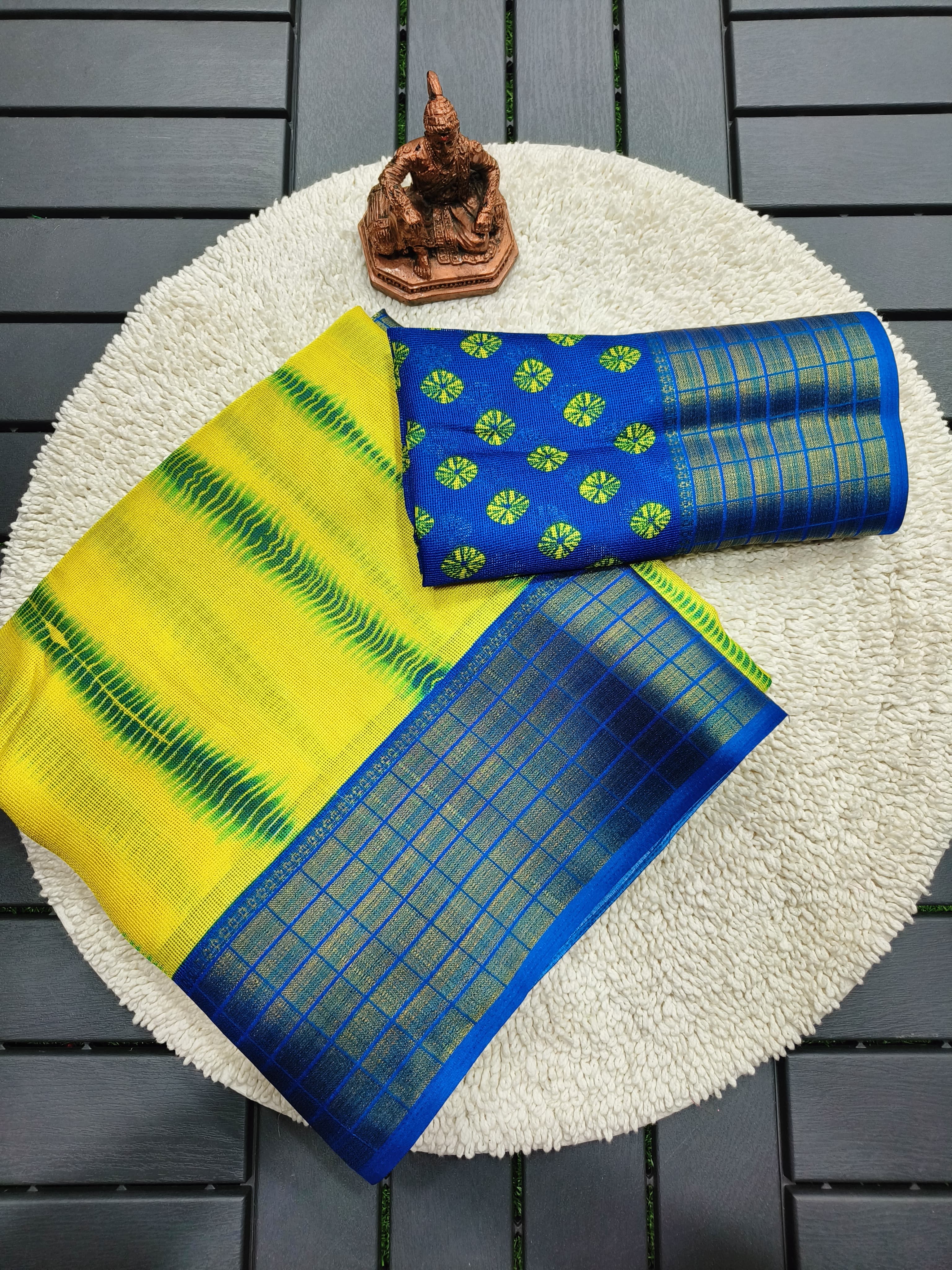
Yellow works as the dominant shade for daytime rituals, Haldi ceremony dressing and spring celebrations. Red creates a warm, auspicious combination that looks especially effective with gold zari, while blue gives yellow a sharper mountain-sky contrast. Traditional Yellow Saree with Blue Zari Border Design illustrates the blue-and-yellow approach because a blue zari border frames the drape without making the entire outfit heavy.
Pair a yellow saree with a red blouse when the event is ceremonial and photographs will be taken outdoors. Choose a deep blue blouse for a more graphic result. Gold jhumkas, a small red bindi and a woven potli can complete the look without adding another major colour.
Red with ivory, gold or green
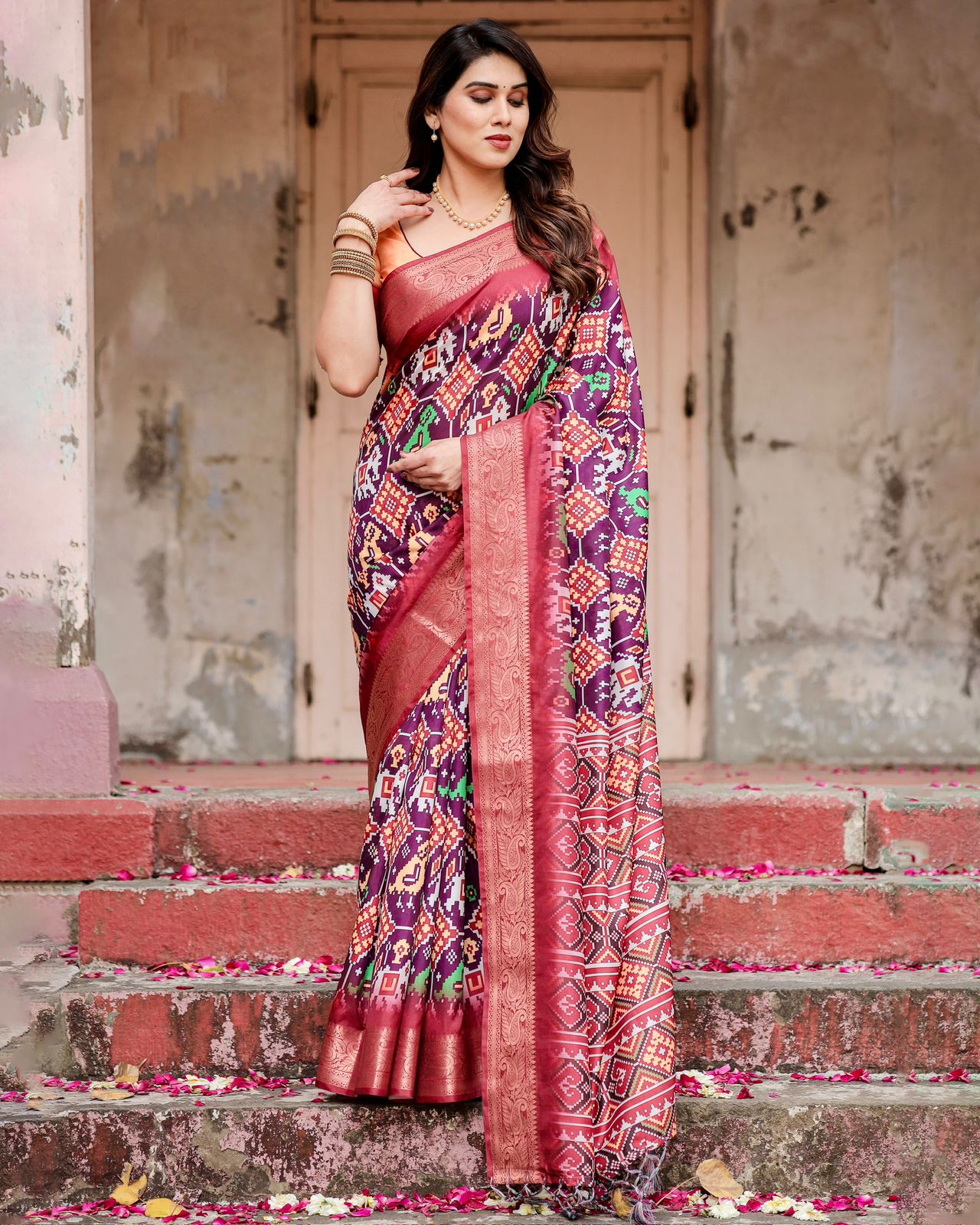
Red is appropriate for weddings, evening pujas and winter festivities because it has visual weight and photographs strongly in low light. Ivory softens red for a refined family function, gold increases its ceremonial effect, and forest green introduces a grounded contrast. Designer Red Patola Print Pashmina Silk Festive Saree demonstrates how a red base and patterned surface can create a rich festive direction.
A red saree doesn't require a red blouse. An ivory blouse reduces intensity, while a muted green blouse makes the outfit feel more connected to Himalayan foliage. Keep jewellery in one finish, such as antique gold, so the print and border remain legible.
Pink, orange and maroon
Rani pink and orange are useful when a wearer wants a celebratory palette that feels lighter than deep red. Designer Rani Pink Patola Print Pashmina Silk Festive Saree suits festive occasions where pink is the lead shade and gold or maroon can be introduced through jewellery and footwear. Orange Bandhani Kalamkari Linen Cotton Saree combines a warm ground with textile pattern, making it a strong choice for daytime gatherings and cultural celebrations.
Maroon is the bridge between bright ceremony colours and winter depth. Maroon Tissue Cotton Saree with Floral Print and Zari Work can be styled with an ivory blouse for daytime or a maroon blouse for an evening event. Green glass bangles add contrast, while a gold border or zari detail keeps the palette festive.
How do Uttarakhand Traditional Colours pair with saree fabrics?
Uttarakhand Traditional Colours take on different moods in pashmina silk, cotton, tissue cotton, linen cotton and satin. The right fabric depends on weather, movement, occasion and the amount of structure required in the drape.
Pashmina silk has a soft hand feel and useful warmth for cooler months, making it suitable for winter weddings and evening celebrations. Heritage Peacock Patola Pashmina Silk Saree brings together a rich textile surface and a peacock-led colour story that can be paired with deep green, navy or antique gold accessories. Traditional Yellow Pashmina Saree With Shawl is practical for a cold-weather function because the accompanying shawl can become part of the outfit rather than an afterthought.
Cotton and linen cotton are breathable choices for daytime events, summer ceremonies and travel. Orange Bandhani Kalamkari Linen Cotton Saree offers pattern and colour without relying on a heavy fabric. Cotton also holds a crisp pleat, which helps when the wearer wants a neat, practical drape for walking, hosting or participating in rituals.
Tissue cotton gives a saree a light sheen while retaining a more structured appearance than very fluid fabrics. Zari work can look formal without requiring elaborate jewellery. Satin has a smoother, more reflective surface and is better suited to evening styling. Wine Floral Satin Saree with Unstitched Blouse | Varnavi should be balanced with matte accessories, because glossy fabric, metallic jewellery and sequins together can overwhelm the colour story.
Fabric weight also affects the blouse. A pashmina silk saree benefits from a blouse with enough structure to support the drape, while linen cotton can work with a softer cotton blouse. A slippery satin saree needs a well-fitted blouse and secure pleats, especially when the wearer will be moving or dancing.
How can Uttarakhand Traditional Colours suit different occasions?
Uttarakhand Traditional Colours should be adjusted to the event's time, weather and formality, with colour intensity and fabric weight chosen accordingly.
For a Haldi ceremony
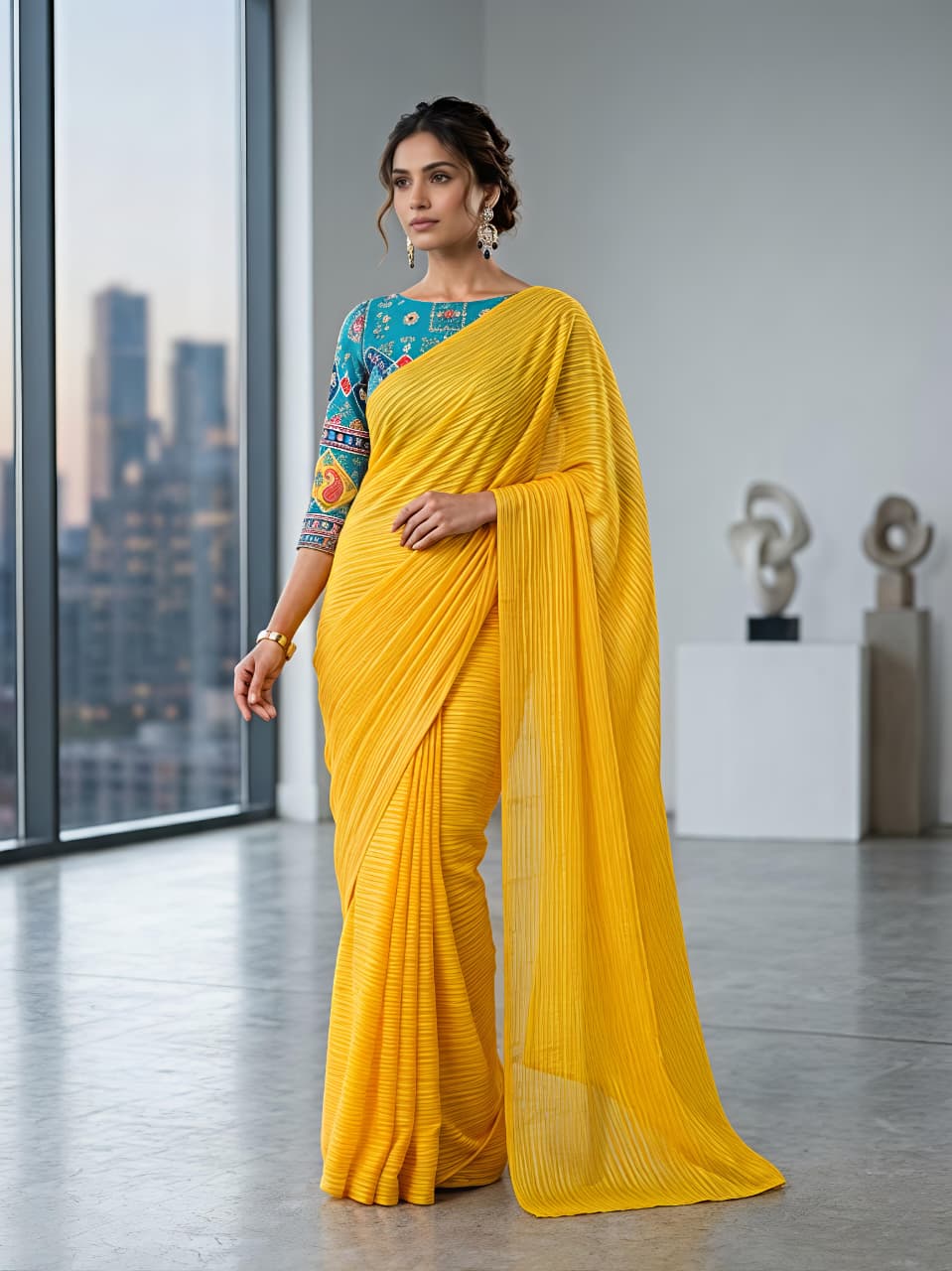
Yellow, orange and fresh green are practical choices for a Haldi ceremony because they look lively in daylight and harmonise with marigold decoration. Select a cotton, linen cotton or light silk saree that can be pinned securely and washed according to its care label. Avoid placing delicate zari at the area most likely to receive turmeric paste.
Use a short-sleeved blouse, comfortable sandals and lightweight earrings. A red bindi or red thread detail can acknowledge the yellow-and-red ceremonial relationship associated with Pichora-inspired styling without turning the outfit into a replica of a regional garment.
For a wedding or family puja
Red, maroon, rani pink and yellow are reliable wedding and puja colours, especially when combined with zari or a patterned silk surface. Designer Red Patola Print Pashmina Silk Festive Saree works for a winter wedding with an ivory shawl, while Traditional Yellow Pashmina Saree With Shawl brings a softer ceremonial option.
Choose a blouse with a higher back and secure hooks if the saree will be worn for several hours. Antique gold earrings, a nath-inspired nose pin or a simple maang tikka can suggest mountain jewellery influences, but one statement ornament is usually enough for a contemporary saree outfit.
For a cultural programme or travel day
Blue, green, orange and earthy maroon are comfortable choices for a cultural programme, museum visit or hill-station travel itinerary. Cotton and linen cotton reduce bulk, dry more easily than heavier silk and allow more freedom of movement. A crossbody potli or compact shoulder bag is more practical than a large rigid clutch when walking on uneven ground.
Keep the drape manageable by using five to seven pleats, depending on the saree width and fabric. Flat footwear, a pinned pallu and a lightweight shawl make the outfit more useful in changing mountain weather.
Which blouse and jewellery choices complement Uttarakhand Traditional Colours?
The most effective blouse for Uttarakhand Traditional Colours repeats one existing shade from the saree rather than introducing an unrelated fourth colour.
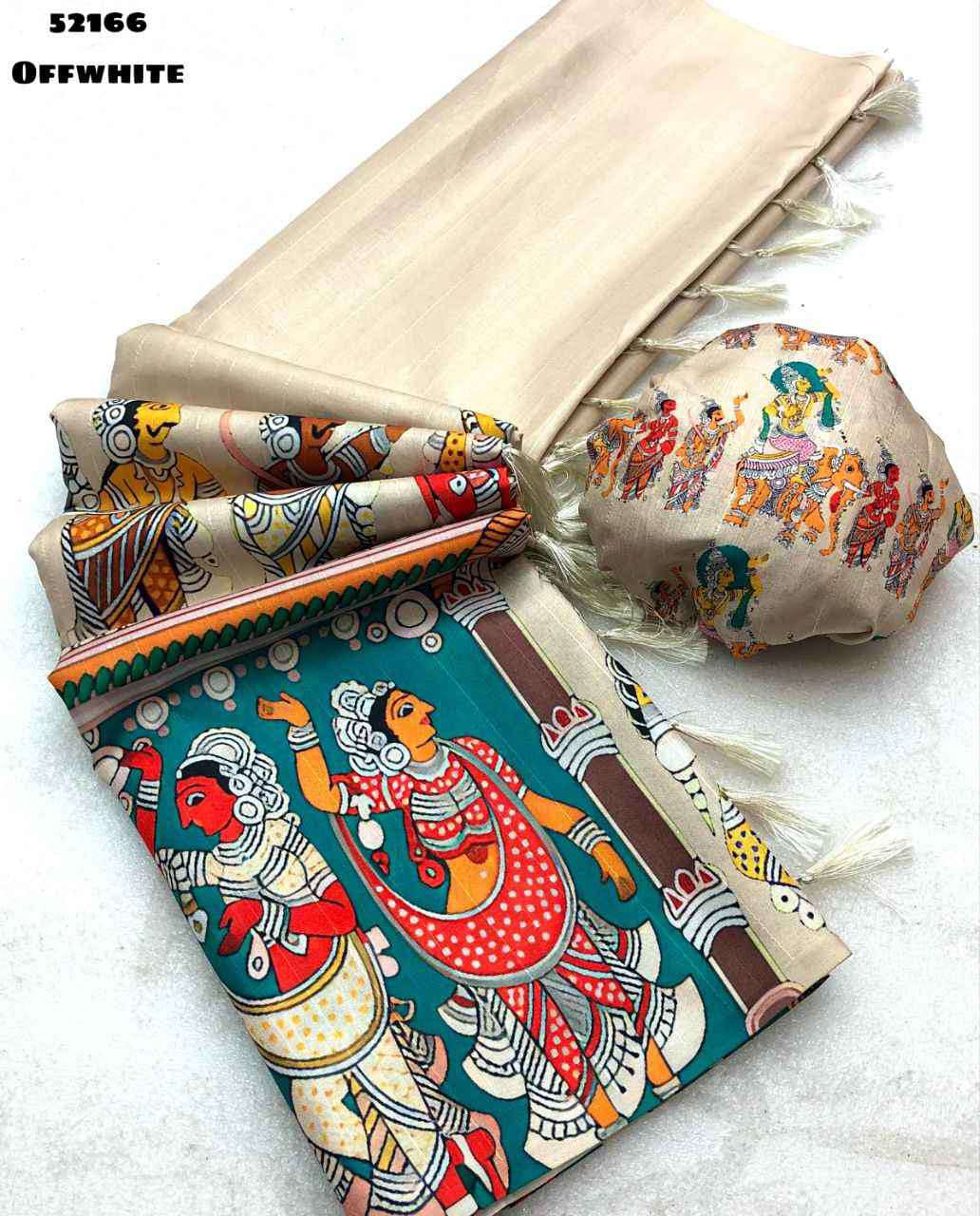
Pair a yellow saree with a deep blue, red or ivory blouse. Pair a red or maroon saree with ivory, forest green or antique gold. Pair rani pink with maroon or muted gold, and pair orange with indigo, rust or cream. A blouse in the border colour creates a composed result, while a plain blouse allows a heavily patterned saree to remain the focus.
Silver jewellery can sharpen blue, green and ivory combinations, while antique gold complements red, yellow, orange and maroon. Oxidised silver earrings are useful for a less formal cultural event, whereas gold jhumkas or a temple-inspired pendant suit a wedding or puja. Kumaoni and Garhwali jewellery references should be used thoughtfully; a single nath-inspired ornament or traditional-style necklace can suggest the influence without turning the outfit into theatrical costume.
Choose jewellery scale according to the saree surface. A heavily printed Patola saree generally needs fewer competing ornaments, while a plain yellow or ivory saree can support a larger necklace, layered bangles or a decorative hair accessory. A red bindi is a small but effective finishing detail for yellow, maroon and red palettes.
How should Uttarakhand Traditional Colours be balanced in a complete outfit?
A complete outfit looks balanced when the saree, blouse, jewellery, footwear and shawl share no more than three dominant colour families.
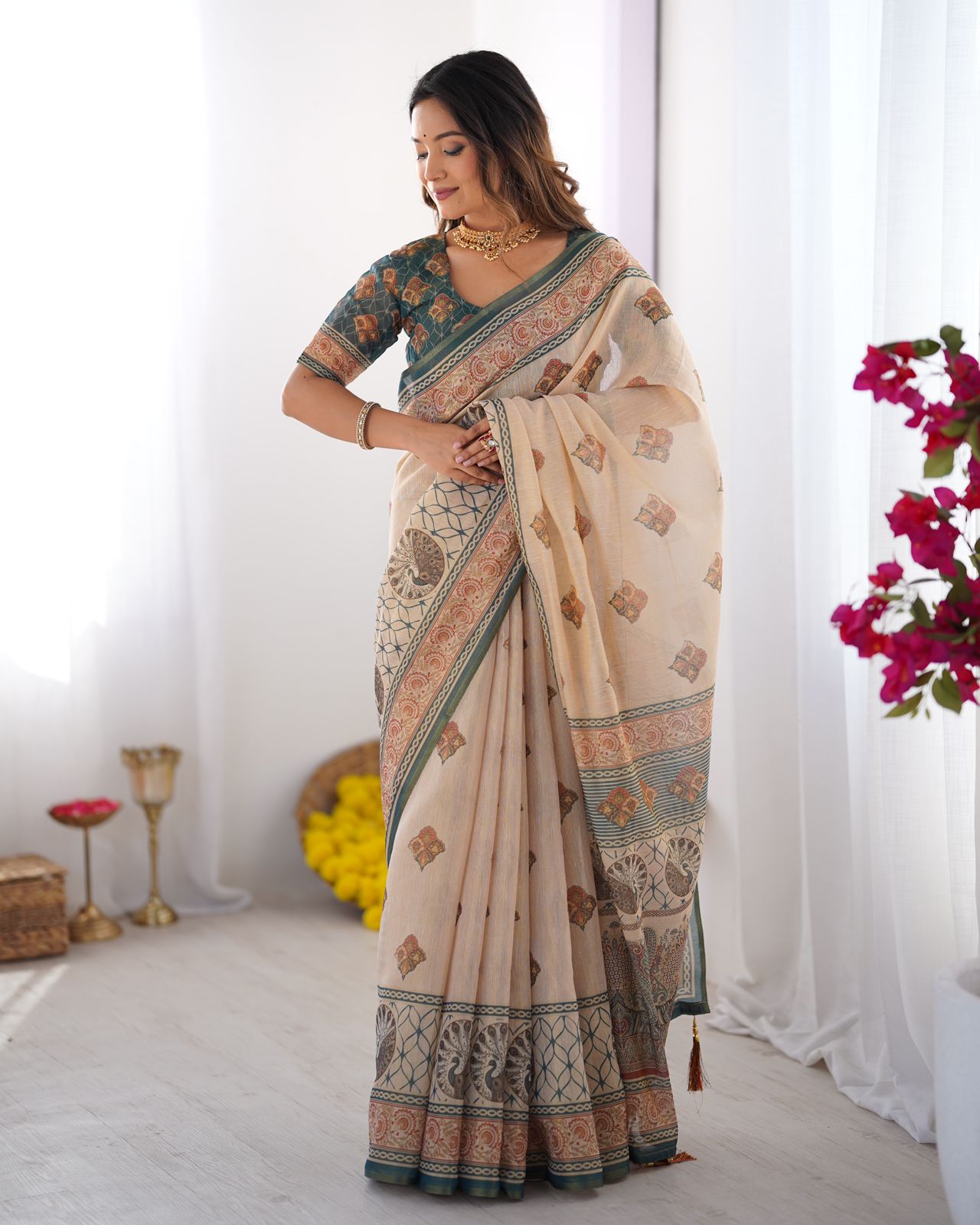
For example, a yellow saree, blue blouse and gold jewellery form a clear three-part combination. A maroon saree, ivory blouse and green bangles create a second focused palette. A rani pink saree, antique gold accessories and maroon footwear use a warm relationship without adding unnecessary visual noise.
Use the pallu as a practical styling tool. Pin the pallu at the shoulder for active ceremonies, arrange it in soft folds for photographs, or bring a shawl over one shoulder during a winter event. A shawl should either repeat a saree colour or sit in a neutral family such as ivory, camel or charcoal.
Budget can also guide the purchase. Sarees from Rs 1000 to Rs 1500 may be useful for experimenting with colour combinations, while Sarees Under 20% Off, Sarees Under 10% Off, Sarees Flat 60% Off and Sarees Flat 50% Off can help shoppers compare options by discount band. Price should not replace checking fabric composition, blouse details, border finish and care instructions.
Before buying, measure the blouse requirement, check whether the blouse is stitched or unstitched, and confirm the saree length. A standard saree is often around 5.5 metres, but the wearer's height, preferred pleat depth and draping method affect the final fit. Pashmina silk and satin may need careful storage, while cotton and linen cotton should be folded with clean, dry hands.
How should Uttarakhand Traditional Colours sarees be cared for?
Uttarakhand Traditional Colours remain vivid when sarees are cleaned, dried and stored according to their fibre and embellishment.
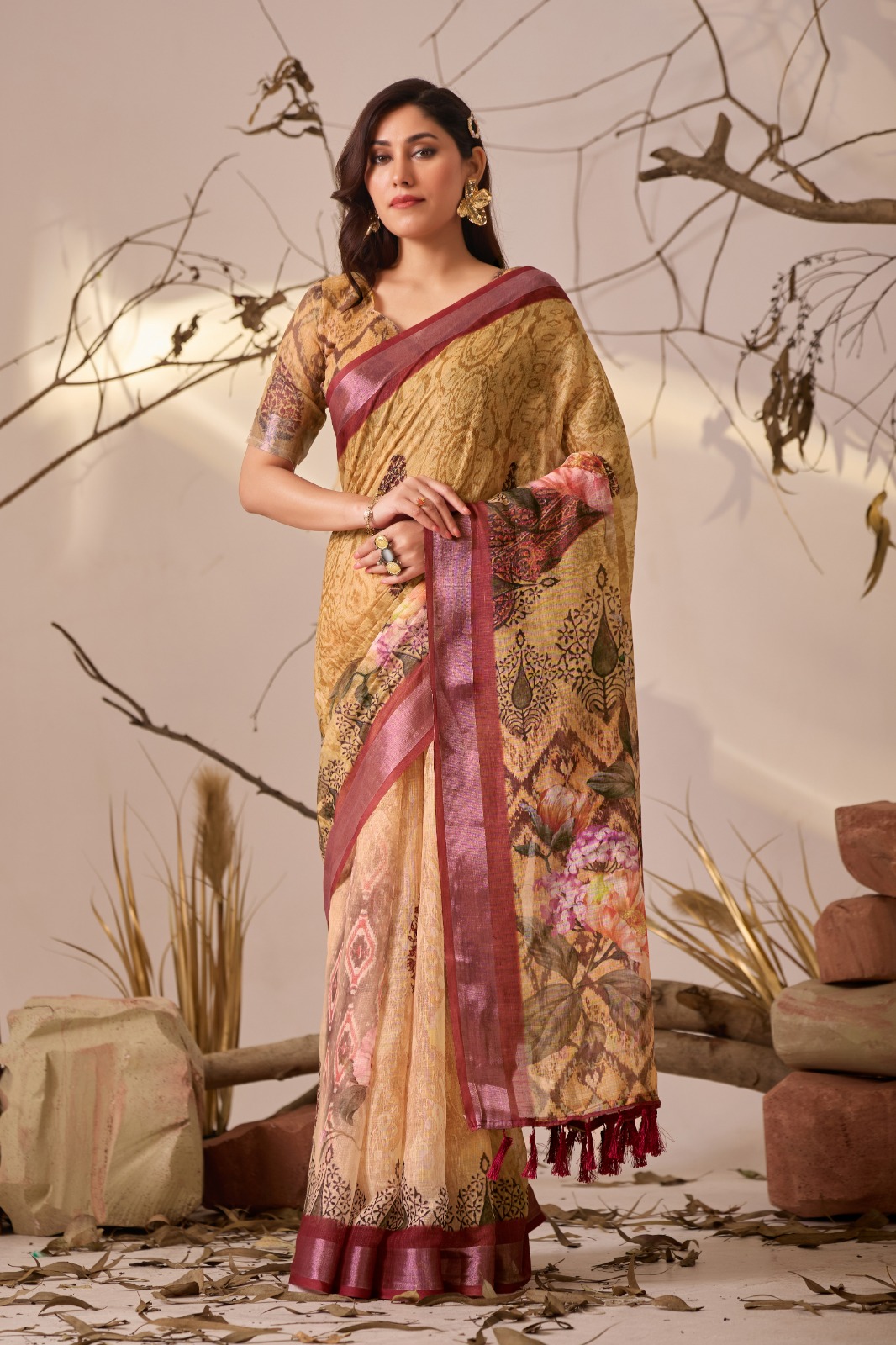
Read the care label before washing any saree. Dry cleaning is generally safer for pashmina silk, satin, heavy zari and colour-contrast garments, while lightly used cotton or linen cotton may have different instructions from the maker. Do not soak a zari saree for long periods, because prolonged water exposure can affect metallic threads and cause colour migration.
Store silk and pashmina sarees in breathable cotton muslin rather than airtight plastic. Refold the saree every few months to reduce permanent creases along the same fold, and keep zari away from direct contact with damp surfaces. Store satin away from rough jewellery hooks that can pull the smooth surface.
For travel, roll a delicate saree over a clean muslin layer instead of compressing it under heavy luggage. Hang the saree briefly before wearing it, use a low-temperature iron only when the care label permits, and place a pressing cloth between the iron and the fabric. These steps protect both colour depth and drape quality.
Uttarakhand Traditional Colours offer a flexible way to build a saree outfit with cultural awareness and practical logic. Yellow and red can acknowledge ceremonial associations, blue and green can bring a Himalayan visual mood, and maroon, ivory and orange can make the palette easier to wear across seasons. The strongest result comes from understanding the reference, choosing a suitable fabric and allowing one colour to lead.
Common Questions About Uttarakhand Traditional Colours and Pahadi Sarees
What are the main traditional colours associated with Uttarakhand clothing?
Yellow, red, green, blue, maroon, ivory and earthy brown are commonly associated with Uttarakhand-inspired dressing. Yellow and red have strong ceremonial associations in Kumaoni Pichora imagery, while green and blue evoke forests, skies and mountain landscapes.
Which saree colour is suitable for a Haldi ceremony with a Pahadi theme?
Yellow is the most practical saree colour for a Haldi ceremony with a Pahadi theme, especially when paired with red, blue or green accents. Cotton, linen cotton or light silk is easier to wear and care for than heavily embellished fabric during turmeric rituals.
Is a yellow saree the same as a Kumaoni Pichora?
No, a yellow saree is not automatically a Kumaoni Pichora. A Pichora is a specific Kumaoni ceremonial textile traditionally recognised through its yellow ground, red details and patterned decoration, whereas a yellow saree may only borrow part of that colour language.
Which blouse colour goes with a red Pahadi-inspired saree?
Ivory, forest green, muted gold and deep maroon are effective blouse colours for a red Pahadi-inspired saree. Ivory creates a softer daytime result, while green or gold gives the outfit more depth for a wedding or evening celebration.
Which fabric is best for a Pahadi saree in winter?
Pashmina silk is a strong winter choice because it offers a soft surface and useful warmth. A saree with an accompanying shawl provides additional coverage, while a secure blouse and pinned pallu improve comfort during a long outdoor or evening function.
How can I style a Pahadi-inspired saree without looking like I am wearing a costume?
Use the colour relationships rather than copying a regional garment, and describe the outfit as Pahadi-inspired. Let one shade lead, choose one border or blouse contrast, and add a restrained reference such as antique jewellery, a red bindi or a shawl instead of combining every traditional symbol at once.





