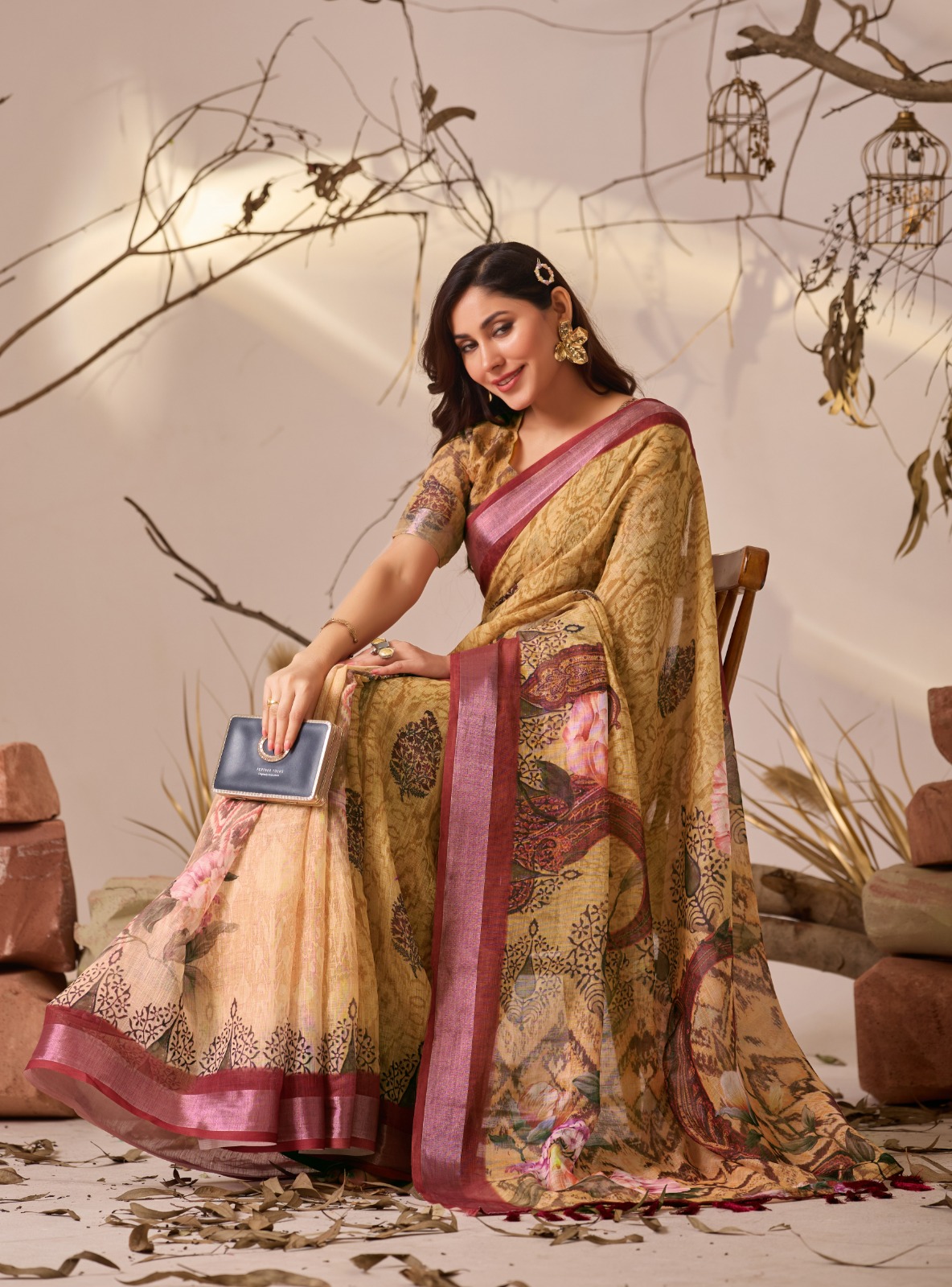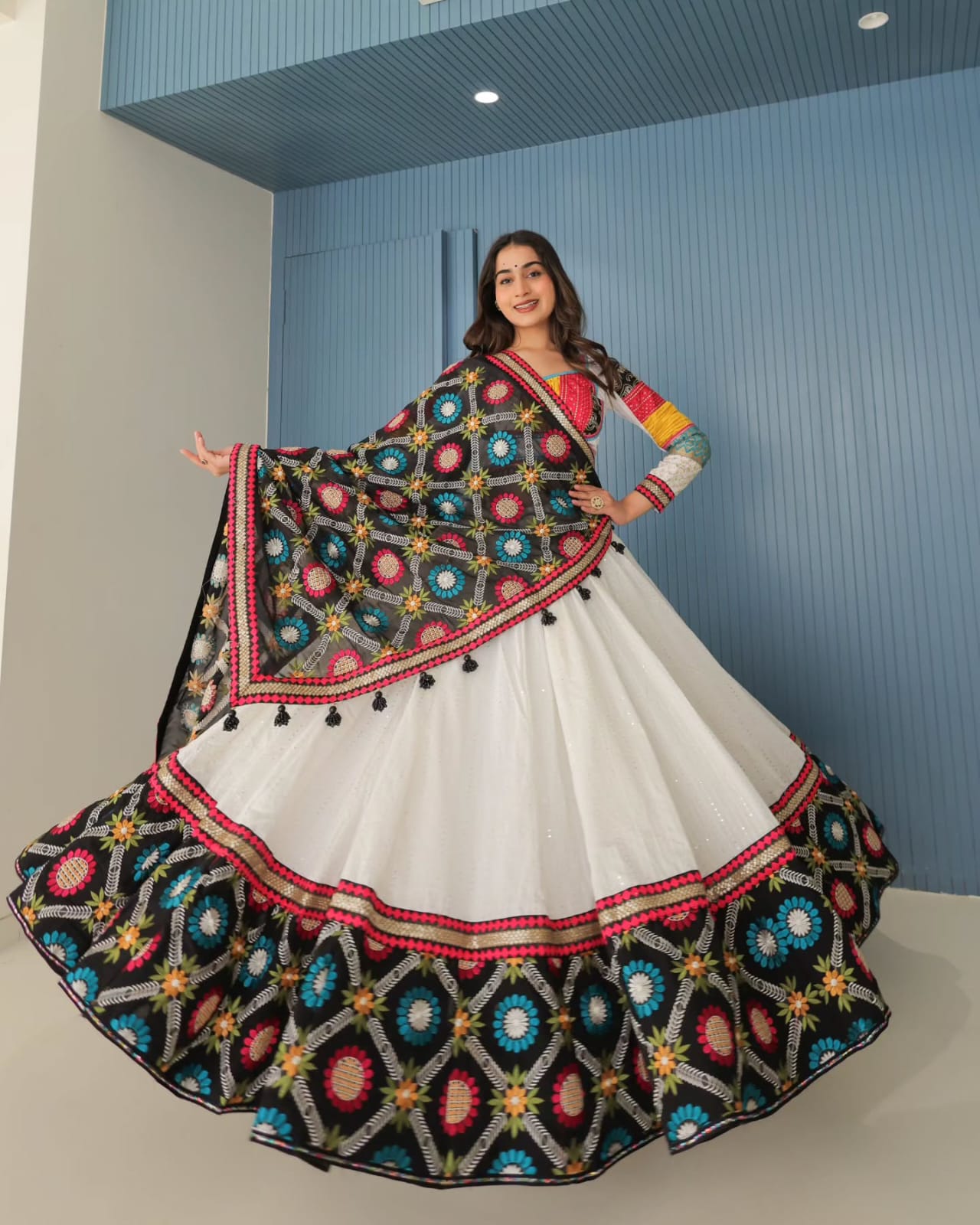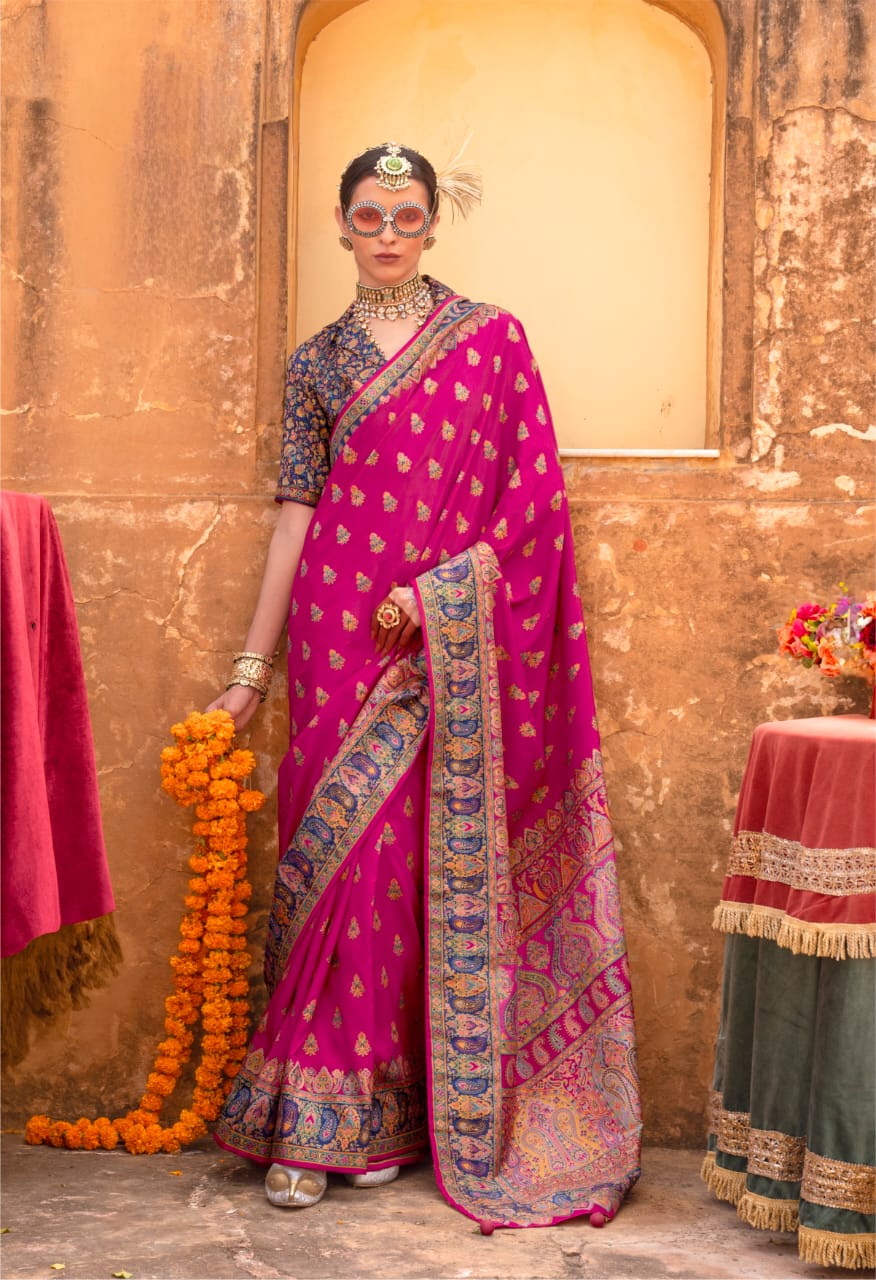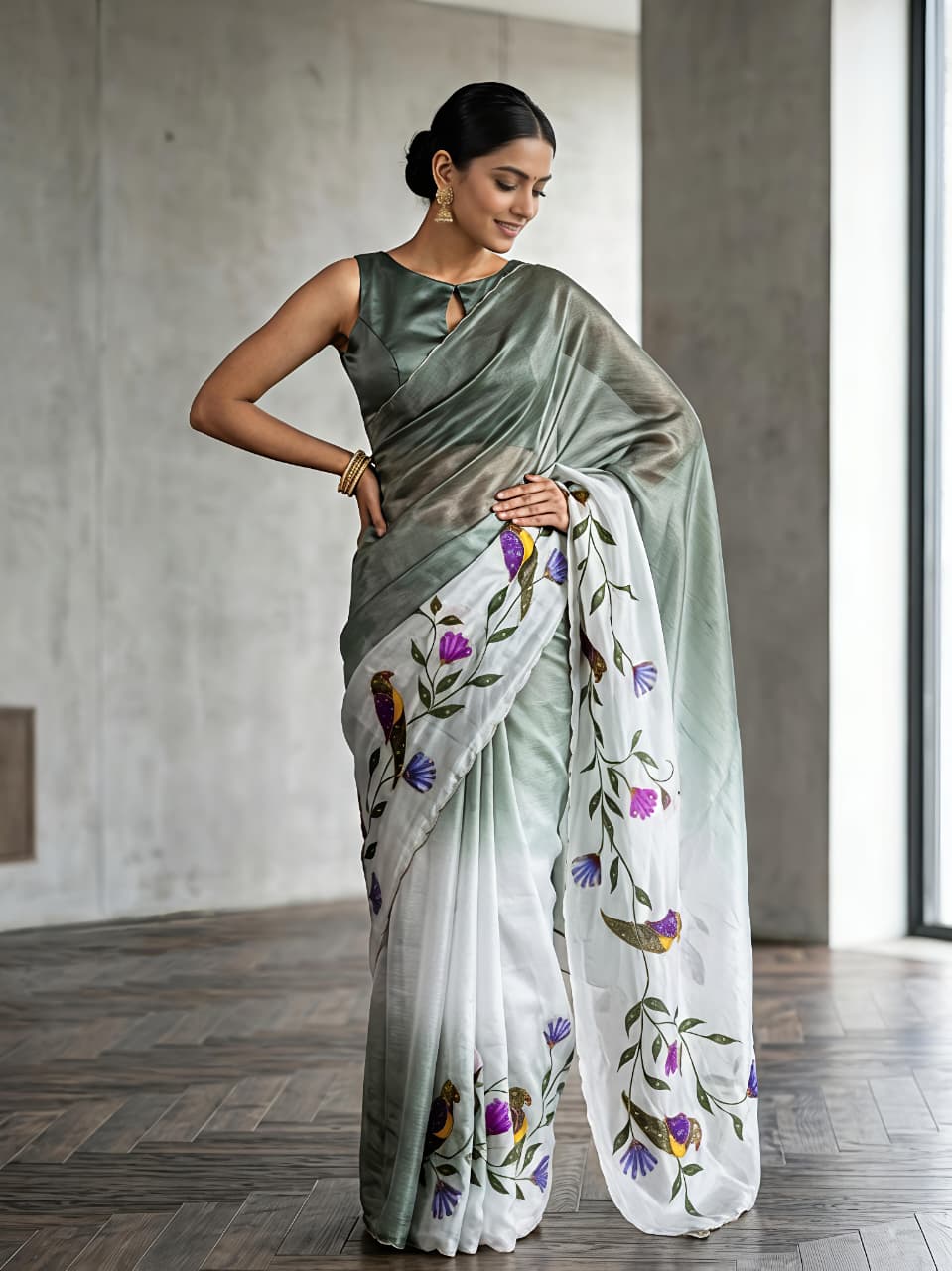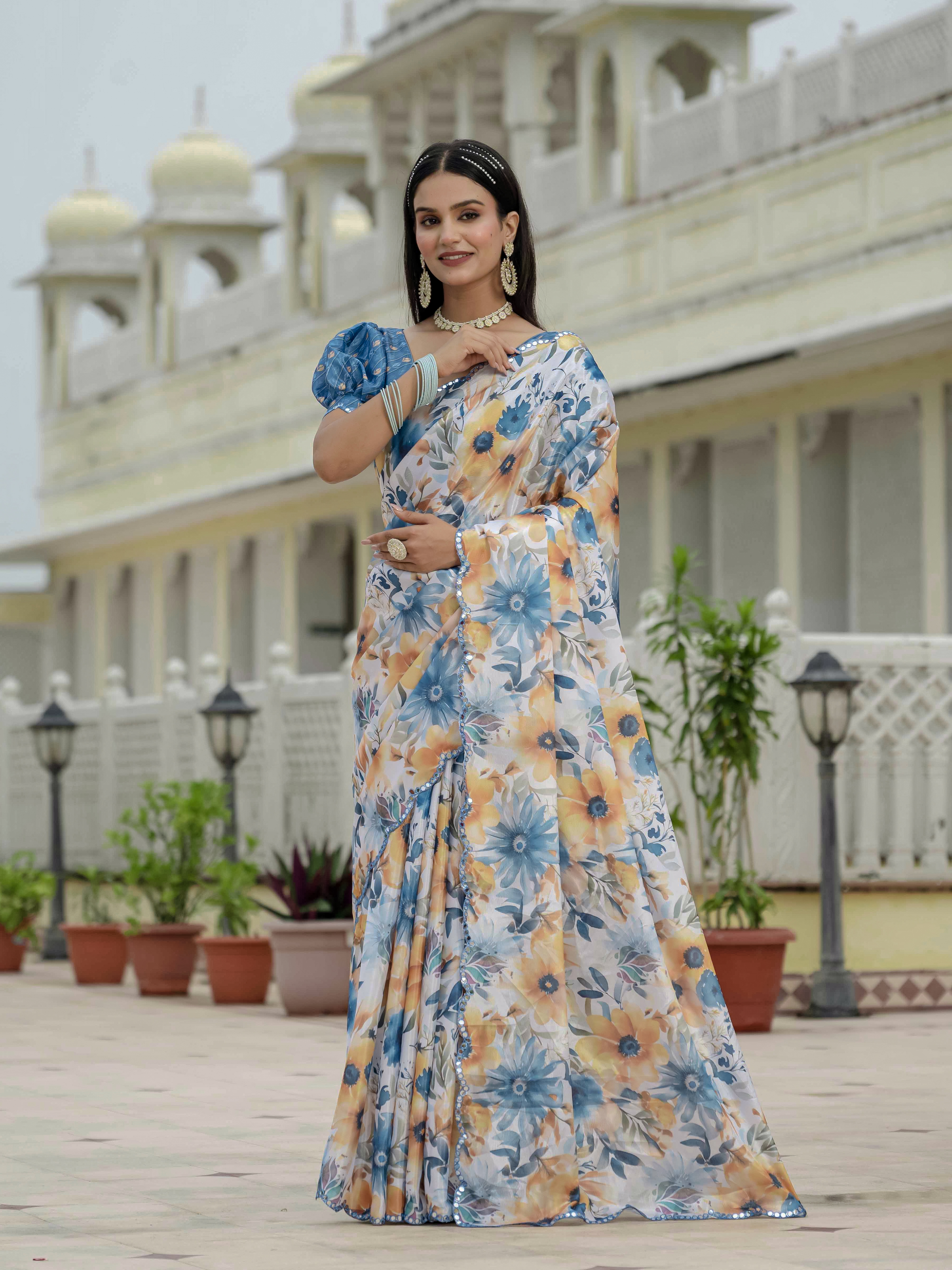
Uttarakhand Festival Blouse Designs for Pahadi Sarees need to balance regional character, movement and festive polish. A blouse may be worn with a Kumaoni or Garhwali saree, a Rangwali Pichora, or a lightweight cotton drape, so the best choice depends on the textile, border, weather and type of celebration. Neckline, sleeve length and colour can make a traditional saree look either thoughtfully coordinated or visually crowded.
The most useful starting point isn't embroidery alone. Consider how the saree is woven, whether the celebration involves walking and dancing, how much layering the mountain climate requires, and whether the blouse will be reused with other sarees. A well-fitted cotton blouse with a strong neckline can look more authentic and comfortable than a heavily embellished design that restricts the shoulders.
Uttarakhand Festival Blouse Designs for Pahadi Sarees: What Makes a Blouse Work?
A blouse works with a Pahadi saree when its fabric weight, colour and silhouette support the saree instead of competing with its border or classic drape. The blouse should also allow comfortable arm movement and sit securely under the saree pleats.
Pahadi sarees are valued for practical textiles and restrained regional styling. Kumaoni and Garhwali dressing may include handloom cotton, wool blends, printed fabrics or festive silk, depending on family tradition and occasion. A blouse with a clean shape preserves the drape, while a carefully selected print or woven texture adds personality.
For a cotton saree with a narrow border, a V-neck, square neck or modest round neck gives definition near the face. For a saree with a broad zari border or a striking pallu, a plain blouse in one of the border colours creates visual balance. If the saree already contains several colours, choose the least dominant shade for the blouse rather than introducing another contrast.
Time-honoured dressing doesn't require a blouse to look old-fashioned. A sleeveless cut, elbow sleeve, padded construction or collar neckline can be appropriate when the fabric and proportions remain respectful of the saree. A structured blouse looks strongest with a crisp drape, while a soft cotton blouse suits an easy, lightly pleated style.
Uttarakhand Festival Blouse Designs for Pahadi Sarees: Which Fabrics Suit Festivals?
Cotton is usually the most practical fabric for daytime Uttarakhand festivals, while silk and silk blends suit evening celebrations and formal family ceremonies. The correct fabric should reflect the season, venue and amount of movement required.
Cotton for daytime comfort
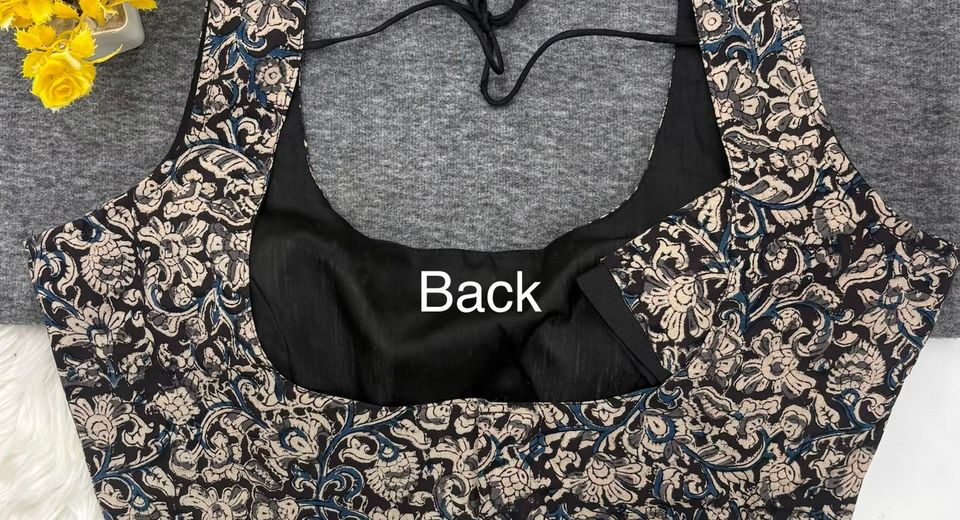
Cotton absorbs moisture, allows airflow and remains comfortable during long pujas, community gatherings and outdoor festivities. Ikat cotton adds a woven geometric pattern without requiring heavy surface work. Kalamkari cotton introduces a printed visual story and works especially well when the saree has a plain body.
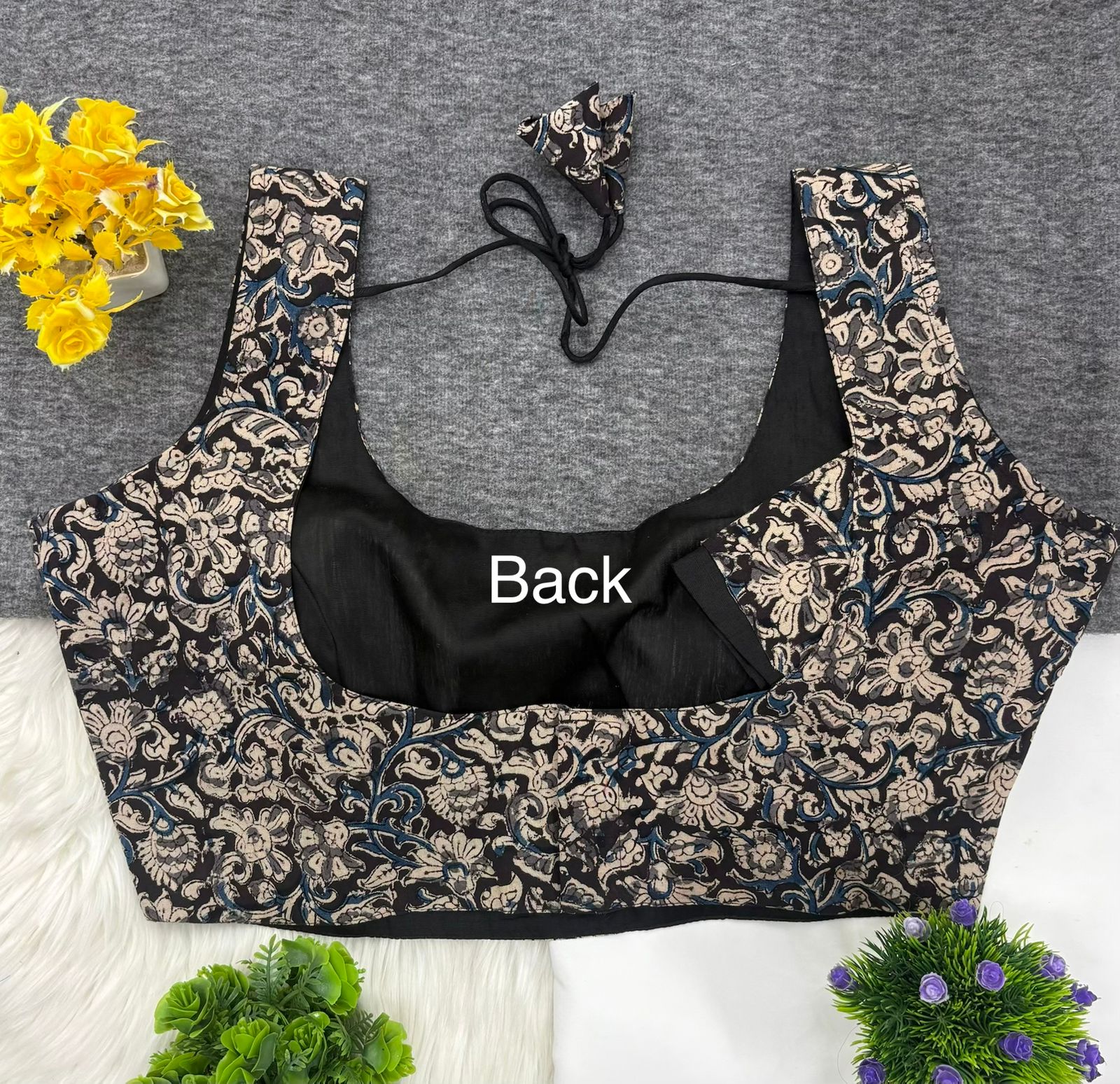
Pure Kalamkari Cotton Padded Blouse for Women is an useful example of how a printed cotton blouse can add interest to a simple saree. Kalamkari motifs should be paired with a relatively quiet saree border so that the outfit retains a clear focal point. A cotton lining and stable shoulder seams are valuable when the blouse will be worn for several hours.
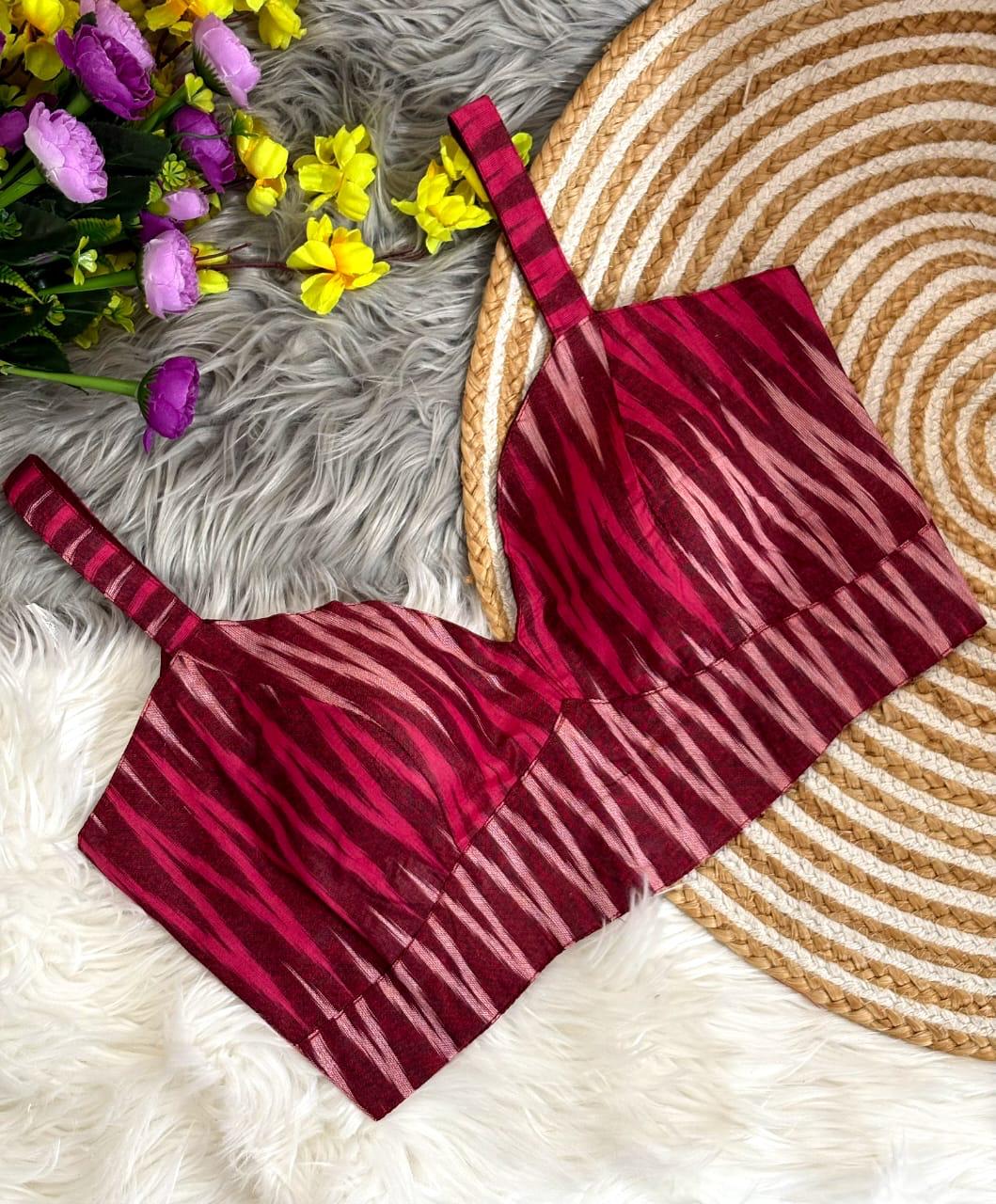
Brown Ikat Cotton Padded Blouse Sleeveless Stylish and Ikkat Cotton Padded Blouse for Women Sleeveless show a practical direction for warm-weather celebrations. Brown, rust, indigo and muted red can connect naturally with the earthy shades often seen in handloom sarees. Sleeveless styles are most comfortable when the armhole is neither too deep nor too tight.
Silk and festive blends for evening wear
Silk adds body, sheen and a more formal finish to a Pahadi saree worn at an evening reception or wedding-related ceremony. Banarasi silk and Kanjeevaram generally carry strong visual identities, so they need a blouse with enough structure to support their weight. A lighter silk blouse can also be paired with a cotton saree when the border has metallic zari.
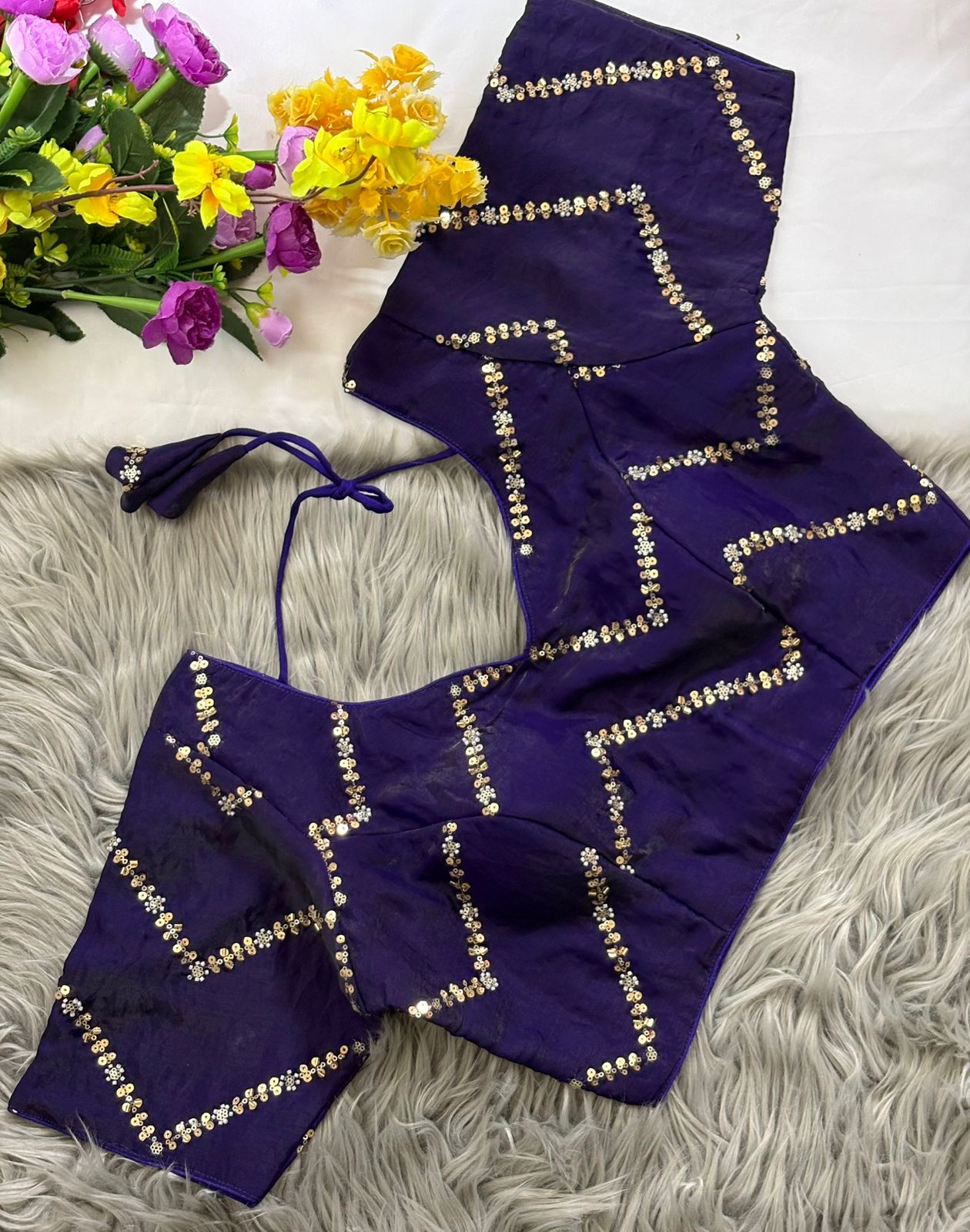
Fendy Silk Zigzag Moti Work Readymade Blouse brings texture through silk, zigzag patterning and moti work. Such a blouse is most effective with a plain or minimally patterned saree. Keep jewellery restrained if the blouse already has visible embellishment around the neckline or front panel.
Chanderi can be useful when a festive outfit needs a light, slightly sheer-looking drape, although the blouse itself should be fully lined for coverage. A lined cotton, silk or blended blouse is generally easier to wear with delicate fabrics than an unlined design that may crease or catch against the saree.
Uttarakhand Festival Blouse Designs for Pahadi Sarees: Which Necklines and Sleeves Suit Them?
V-necks, modest square necks, round necks and short sleeves are the most versatile choices for Pahadi sarees because they frame the face without overpowering the drape. Sleeve length should be selected according to weather, jewellery and the amount of activity planned.
Neckline choices
A V-neck creates vertical lines and works well with a long pendant, a heritage silver necklace or layered bead jewellery. A shallow V is a safer choice for family ceremonies because it remains comfortable when the saree pallu is pinned near the shoulder.
A square neck gives a structured appearance and suits broad saree borders. A round neck is easy to pair with a nath, earrings or a high necklace because it leaves the upper chest visually uncomplicated. A collar neck introduces a contemporary note and looks especially polished with a crisp cotton saree.
Kalamkari Cotton V Neck Collar Blouse for Women demonstrates how a collar and V-shaped opening can be combined without making the blouse excessively formal. The printed surface already supplies detail, so the saree should ideally repeat one colour from the print rather than compete through another large motif.
Sleeve lengths
Short sleeves ending above the elbow offer the broadest combination of comfort and modest coverage. Elbow-length sleeves provide warmth during cooler mornings and work well with bangles, but the cuff should not be so tight that it restricts movement.
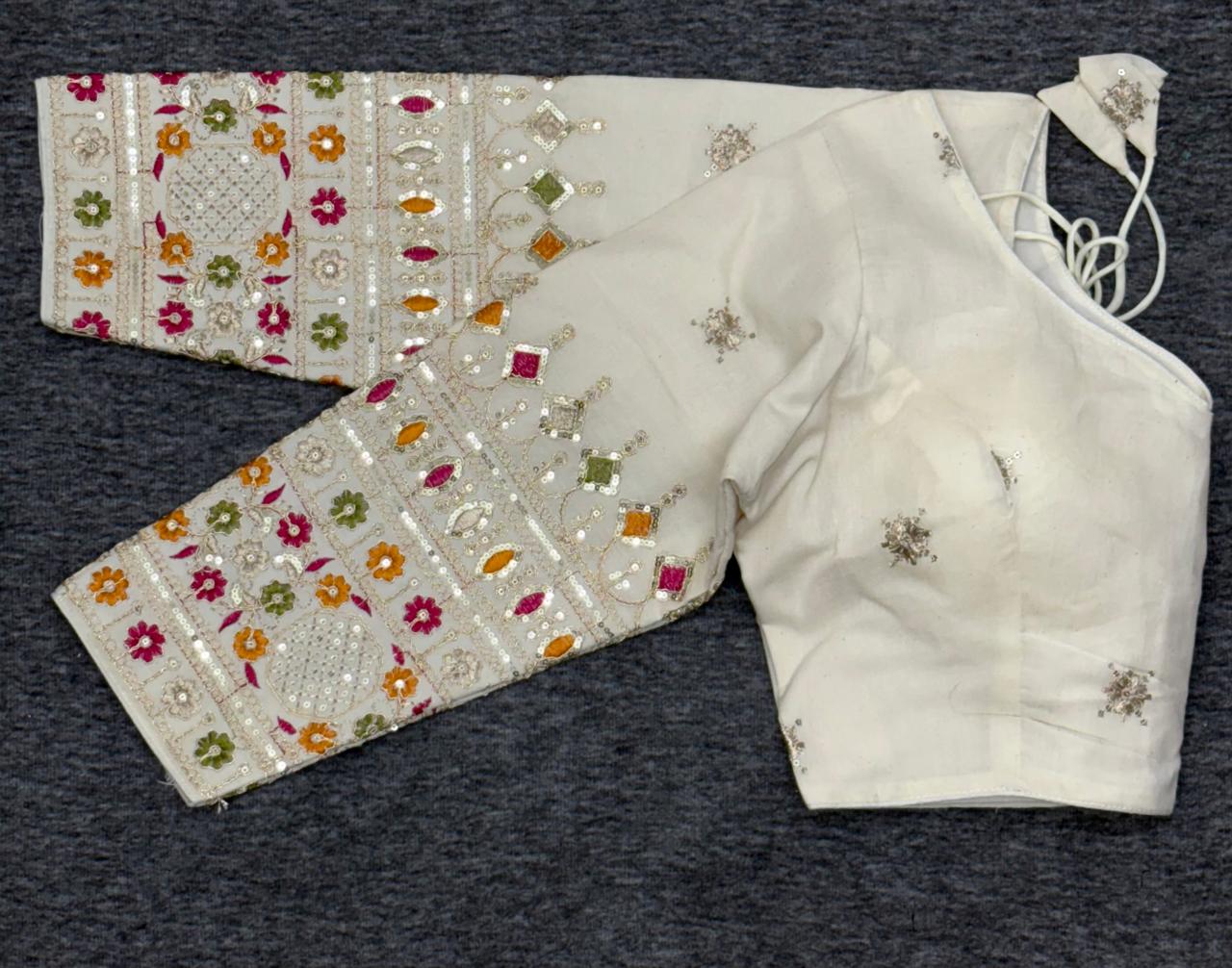
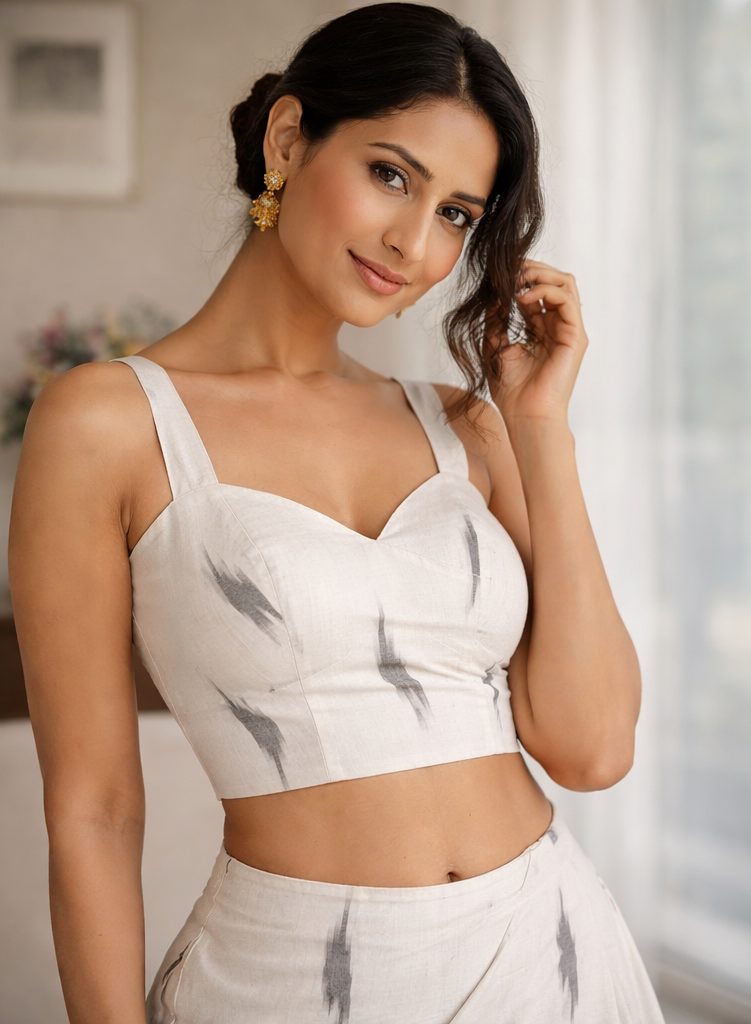
Sleeveless blouses suit summer festivals and modern interpretations of Pahadi saree dressing. Cream Ikat Cotton Padded Blouse Sleeveless Trendy can be styled with a deep-coloured saree when a lighter upper half is needed. Cream also echoes the undyed or pale threads found in many handloom textiles, making it softer than stark white.
Long sleeves can be attractive for winter celebrations, but they need careful proportion. A fitted sleeve in cotton or silk is usually more practical than a voluminous sleeve under a shawl or woollen wrap. Avoid heavy embellishment at the cuff if the outfit will be layered with bangles or a warm jacket.
Uttarakhand Festival Blouse Designs for Pahadi Sarees: Which Colours Work Best?
Rust, maroon, mustard, forest green, indigo, cream, brown and red are dependable colours for festive Pahadi saree outfits because they complement cotton weaves, earthy prints and time-honoured metallic accents. The most convincing combination usually repeats one shade from the saree rather than matching every colour exactly.
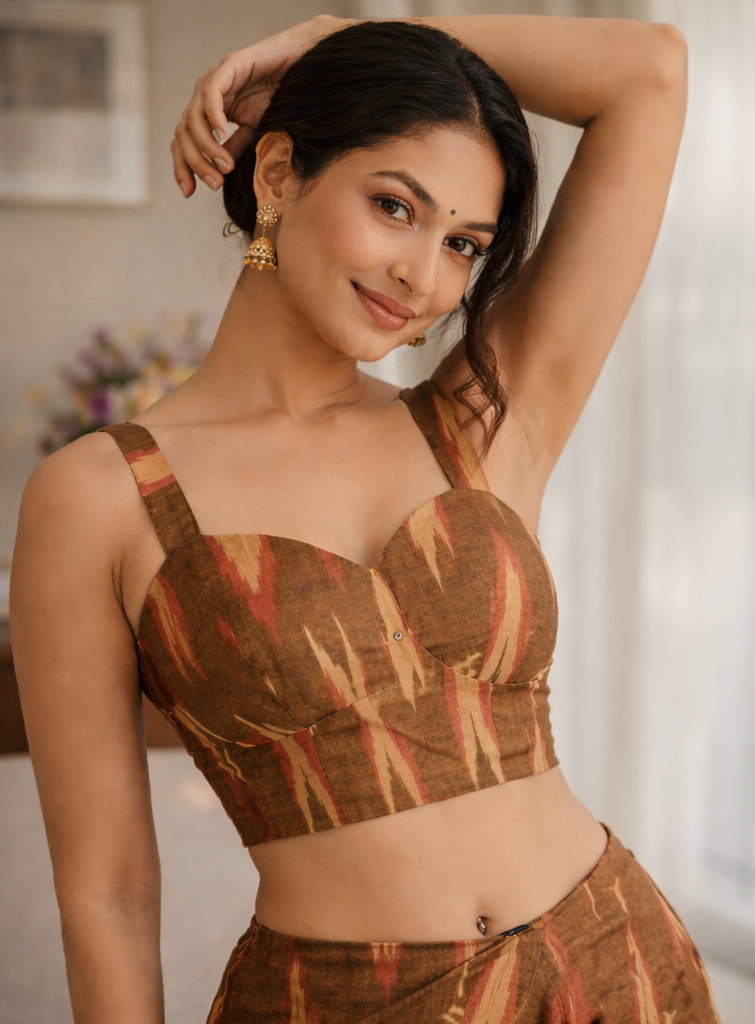
Red is important in many North Indian festive wardrobes and can work beautifully with a cream, black or deep green saree. Mustard and maroon create warmth for autumn and winter celebrations. Indigo with rust gives a handloom-inspired contrast, while brown with cream creates a quieter, more flexible combination.
Metallic zari needs restraint. Gold zari pairs naturally with maroon, mustard, rust and bottle green. Silver zari sits comfortably with indigo, charcoal, purple and cool pink. Mixing gold zari with a strongly silver blouse can look accidental unless another accessory deliberately connects the two metals.
A monochrome blouse can be effective when the saree has a decorative pallu. A brown blouse with a brown-red saree makes the drape appear longer, while a cream blouse can separate a dark saree from the face. For a brightly coloured Rangwali Pichora, a plain red, yellow or cream blouse often allows the ceremonial textile to remain the focus.
Uttarakhand Festival Blouse Designs for Pahadi Sarees: How Can Modern Cuts Respect Tradition?
Current blouse cuts respect Pahadi traditions when they improve comfort or fit without obscuring the saree's regional identity. A contemporary neckline can coexist with time-honoured colour, handloom fabric, jewellery and draping choices.
A padded blouse can provide shape and reduce the need for multiple layers, especially when the saree is made from lightweight cotton. Padding should remain moderate and sit smoothly under the fabric; excessive volume can change the fall of the saree and create unnecessary heat.
Classic Festive Wear Blouse for Stylish Saree Look can serve as a neutral starting point for a patterned or zari-bordered saree. A classic silhouette is particularly useful when the saree, jewellery or head covering already carries cultural significance.
For a more graphic look, Ikkat Cotton Padded Blouse for Women Sleeveless can be paired with a plain handloom saree in a colour drawn from the Ikat pattern. Keep the pleats narrow and the pallu orderly so that the geometric blouse remains visible without making the outfit appear busy.
Contemporary styling should also consider modesty preferences and family context. A higher back, wider straps, a concealed hook panel or a lined front can make a fashionable design more appropriate for a temple visit or a large family gathering. Personal comfort is part of good styling, not a compromise to it.
Uttarakhand Festival Blouse Designs for Pahadi Sarees: What Should You Check Before Buying?
Check the shoulder fit, armhole depth, bust ease, lining, closure and blouse length before buying a festival blouse. These details determine whether the blouse will remain comfortable through a full celebration.
- Shoulders: Shoulder seams should sit at the natural edge of the shoulder rather than falling towards the upper arm.
- Armholes: Armholes should allow the arms to lift without digging into the underarm or exposing the inner blouse seam.
- Bust ease: Leave enough room for breathing and sitting comfortably, but avoid excess fabric that creates folds below the bust.
- Blouse length: A blouse should meet the saree waistband securely. A length of approximately 13 to 15 inches often works for many adult proportions, but torso length matters more than a fixed number.
- Closures: Hooks, zips and buttons should lie flat under the saree. Test the closure while raising both arms.
- Lining: Cotton or breathable lining improves comfort and helps the blouse keep its shape during repeated wear.
Readymade blouses are convenient when the size chart matches your measurements closely. Measure the fullest bust, underbust, shoulder width and preferred blouse length with a non-stretch tape. A local tailor can usually adjust side seams or sleeve length, but major changes to armholes and shoulders may alter the original construction.
Choose a slightly relaxed fit for a long outdoor festival and a closer fit for a short indoor ceremony. The difference may be only a few centimetres of ease, but that allowance matters when the blouse is worn with a petticoat, saree pins, jewellery and a shawl.
Uttarakhand Festival Blouse Designs for Pahadi Sarees: How Should You Style and Care for Them?
Style a festival blouse with one dominant accessory, a secure saree drape and care methods suited to the fabric. Good coordination prevents the blouse, jewellery and saree border from competing for attention.
Silver jewellery works naturally with indigo, black, grey and cool-toned cotton sarees. Gold-toned jewellery complements maroon, mustard, rust and red. A traditional nath or statement necklace deserves visual space, so choose a simpler neckline when wearing prominent facial or neck jewellery.
Pin the pallu at the shoulder if the celebration involves movement, but avoid placing a heavy pin directly through delicate silk or Chanderi. Use a small safety pin through the inner fold where possible. A cotton underskirt with a secure waistband can also reduce shifting during walking and dancing.
Air cotton blouses after wearing and wash printed cotton separately in cool water unless the care label says otherwise. Dry Kalamkari, Ikat and other printed cotton away from harsh direct sunlight to reduce fading. Press cotton on the reverse side while it's slightly damp, using a medium temperature.
Dry-clean silk, zari and moti-work blouses when the care label recommends professional cleaning. Store embellished blouses flat or wrapped in breathable muslin rather than sealed plastic. Keep perfume and hair products away from silk and metallic work because alcohol and moisture can mark the surface.
A thoughtfully selected blouse can be worn beyond one festival. Pair the same brown Ikat blouse with a plain cream saree, use a cream sleeveless blouse with a maroon drape, or reserve a silk moti-work blouse for evening silk and Banarasi silk outfits. Versatility gives a festive purchase value long after one celebration ends.
Common Questions About Pahadi Saree Festival Blouses
Which blouse colour goes best with a Pahadi saree?
Rust, maroon, mustard, forest green, indigo, cream, brown and red pair well with many Pahadi sarees. Choose a shade already present in the saree border or pallu for a coordinated result.
Can I wear a sleeveless blouse with a traditional Pahadi saree?
Yes, a sleeveless blouse can work with a Pahadi saree, especially for a summer festival or contemporary family celebration. Keep the armhole secure and balance the modern cut with traditional colours, jewellery or a restrained drape.
Which fabric is best for a blouse at a Uttarakhand festival?
Cotton is generally best for daytime festivals because it is breathable and comfortable for long wear. Silk or a silk blend is better suited to evening ceremonies, formal receptions and sarees with zari borders.
What neckline suits a Kumaoni or Garhwali saree?
A modest V-neck, square neck, round neck or collar neck suits a Kumaoni or Garhwali saree. Select the neckline according to the saree border and jewellery so that the upper half of the outfit does not look crowded.
How should a festival blouse fit under a saree?
A festival blouse should fit securely at the shoulders and bust while allowing both arms to move freely. Check the armhole, closure, blouse length and lining before wearing it for several hours.
How do I care for an Ikat or Kalamkari cotton blouse?
Wash an Ikat or Kalamkari cotton blouse in cool water with similar colours unless the care label gives different instructions. Dry it away from strong direct sunlight and press it on the reverse side to protect the print.