

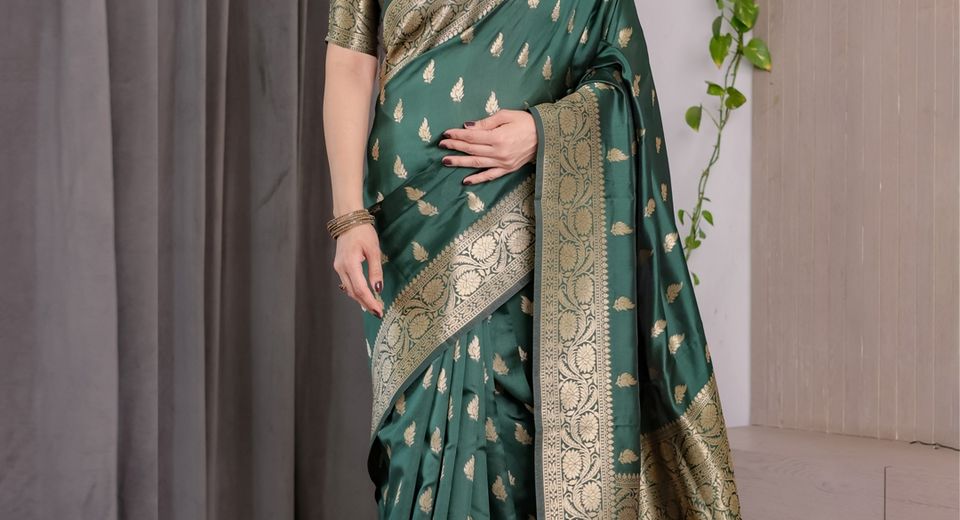
Uttar Pradesh Traditional Dress for Women brings together two highly recognisable textile traditions: the lustrous Banarasi silk of Varanasi and the refined chikankari-led style of Lucknow and Awadh. Banarasi sarees create richness through woven zari, figured motifs and a carefully structured drape. Awadhi clothing creates softness through embroidery, flowing proportions, layered dupattas and silhouettes such as the sharara and gharara. Together, these traditions show how fabric, climate, ceremony and regional history shape Indian dress.
Banarasi silk sarees suit weddings, religious celebrations and formal family gatherings because woven patterns provide depth without requiring heavy surface embroidery. Awadhi ensembles, including chikankari kurta sets, anarkalis, shararas and ghararas, offer movement and versatility. Understanding the difference helps a shopper choose a garment for its construction and occasion rather than selecting only by colour or shine.
Uttar Pradesh Traditional Dress for Women begins with two regional craft languages
Uttar Pradesh Traditional Dress for Women is shaped by the contrast between Varanasi weaving and Lucknow embroidery. Banarasi silk represents a loom-based heritage, while Awadhi fashion reflects courtly dressing, delicate needlework and graceful layering.
Varanasi, also called Banaras, is particularly associated with silk weaving and zari work. Traditional Banarasi patterns may include butis, floral jaal, bel motifs, kalga, paisley forms and nature-inspired designs. Zari can contain real metallic content or modern imitation fibres, so the word "zari" alone doesn't establish a saree's metal composition, quality or price.
Lucknow is strongly associated with chikankari, an embroidery tradition worked on cotton, georgette, chiffon, silk and viscose. Chikankari includes stitches such as shadow work, jaali, murri, phanda and tepchi. A well-made chikankari garment may therefore look delicate and matte rather than lustrous, with its character coming from stitch density, texture and relief.
Regional dress isn't a fixed uniform. A woman in Uttar Pradesh may wear a Banarasi saree with a contemporary blouse, a chikankari kurta with trousers, a sharara with a short kurti or a silk dupatta over a plain suit. The choice often changes according to whether the setting is a puja, wedding ceremony, Eid gathering, family reception or work event.
Uttar Pradesh Traditional Dress for Women and the making of Banarasi silk
Banarasi silk became central to festive dressing because Varanasi developed a specialised weaving culture capable of producing intricate motifs with silk and zari. The saree's visual depth comes from the loom because motifs are incorporated into the fabric instead of simply being printed or attached afterwards.
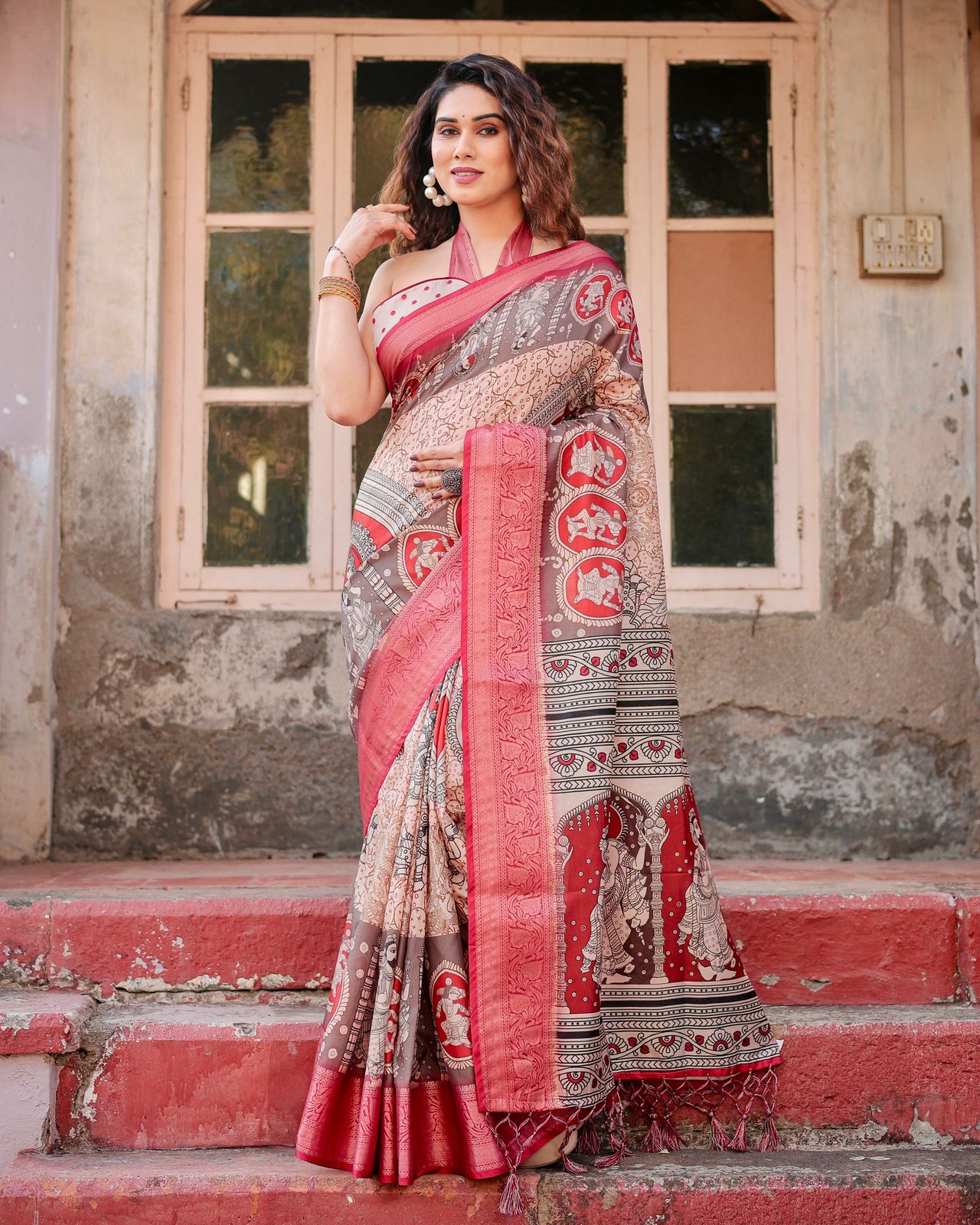
Banarasi silk isn't one single weave or finish. Katan silk, organza or kora silk, georgette and soft silk versions can all be sold under the broad Banarasi category, but they differ in weight, transparency, fall and durability. Katan usually feels smooth and structured, organza has a crisp and lighter body, georgette drapes fluidly, and soft silk is often selected for easier movement.
Purple Banarasi Soft Silk Saree with Elegant Zari & Jacquard shows how soft silk can combine a relatively fluid fall with woven patterning. Maroon Banarasi Soft Silk Saree with Golden Zari Border illustrates a border-led approach in which the edge frames the body and makes pleating visually clean.
A Banarasi saree should not be confused with fabric covered in gold-coloured decoration. A woven zari border, a jacquard motif and an embroidered surface behave differently during wear and cleaning. Woven motifs form part of the textile structure, while embroidery adds thread or embellishment over the base cloth.
Banarasi Silk Saree with Pichwai Art & Zari Border adds a narrative art reference to the conventional zari vocabulary. Pichwai imagery is associated with devotional paintings from Nathdwara, so a saree using that visual language can feel illustrative as well as ornamental. Red Banarasi Soft Silk Saree with Jacquard Zari Border shows how jacquard patterning can provide detail without dense hand embroidery.
Uttar Pradesh Traditional Dress for Women compared with Awadhi clothing
Banarasi sarees are loom-woven silk garments, while Awadhi clothing is a broader style tradition built around cut, embroidery, layering and ornament. Banarasi dressing usually centres on one long drape. Awadhi dressing often combines a kurta or short kurti with trousers, a sharara, a gharara, a dupatta and sometimes a veil.
What makes a Banarasi saree distinctive?
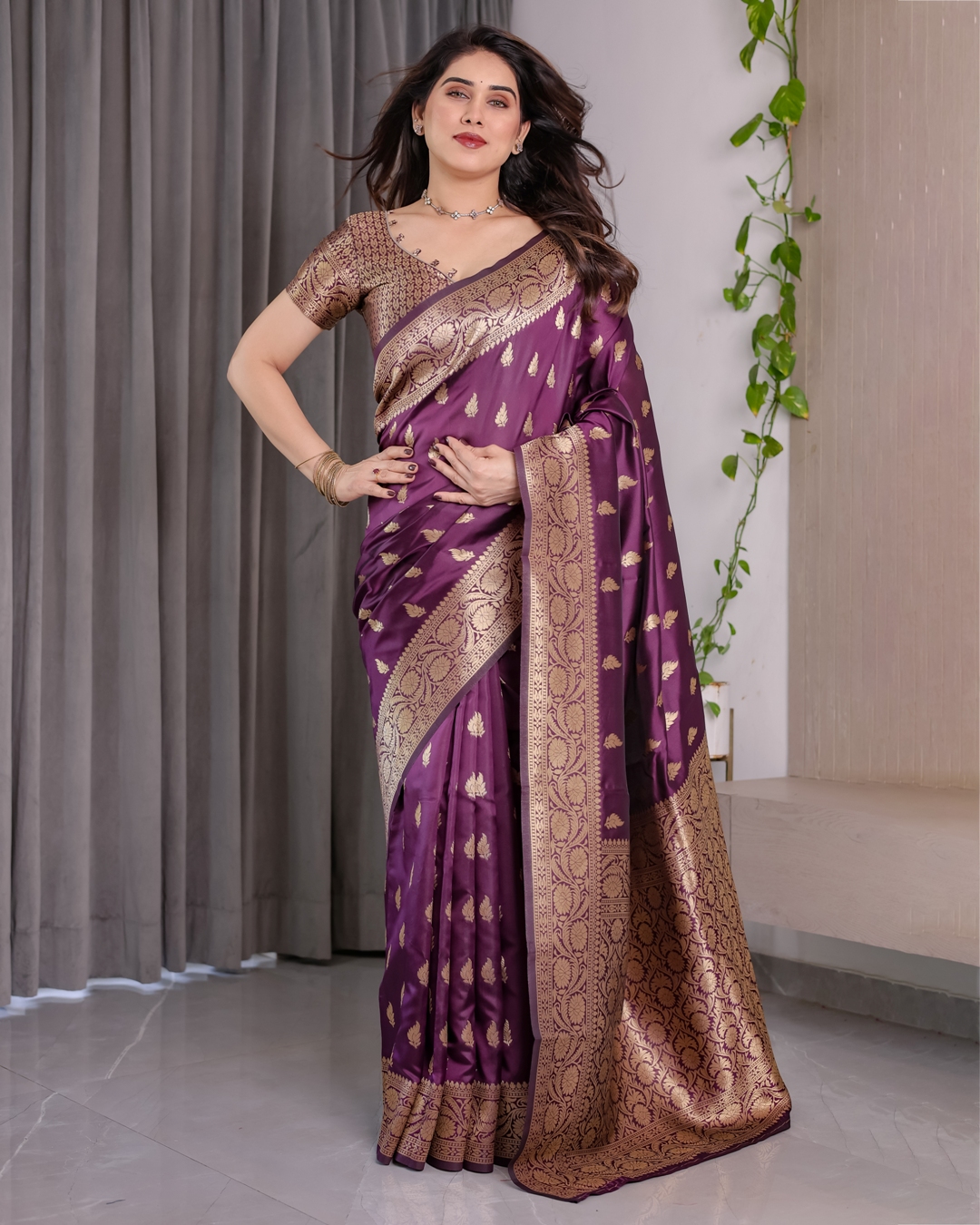
A Banarasi saree is distinctive because its motifs, borders or pallus are integrated through weaving, often with zari and supplementary patterning. The reverse side can provide useful clues: loose floats, uneven thread handling or visibly printed motifs may indicate construction different from a fully woven Banarasi textile.
Banarasi sarees also vary in body and fall. A stiff saree can hold architectural pleats, while a soft silk or georgette Banarasi saree creates a more relaxed drape. A buyer should check the fabric description, approximate weight, blouse-piece details and border width before choosing a saree for a long ceremony.
What makes Awadhi fashion distinctive?
Awadhi fashion is distinctive because chikankari and graceful proportions create refinement through texture and movement rather than only through metallic shine. A long kurta can be paired with straight pants for a restrained silhouette, while a sharara or gharara introduces volume below the knee and produces a more ceremonial effect.
Chikankari can be practical in warm weather when worked on cotton or lightweight blends. Georgette and chiffon versions are more translucent and fluid, so they generally need lining or a coordinated inner layer. Zardozi, mukaish, gota patti and pearl work can move an Awadhi outfit from daytime wear to a wedding or reception setting.
Uttar Pradesh Traditional Dress for Women for weddings, pujas and family ceremonies
The right traditional silhouette depends on the ceremony's formality, the garment's weight and the amount of movement required. A light chikankari suit works for a daytime gathering, a Banarasi saree suits a formal family event, and a sharara or embellished anarkali creates a stronger festive statement.
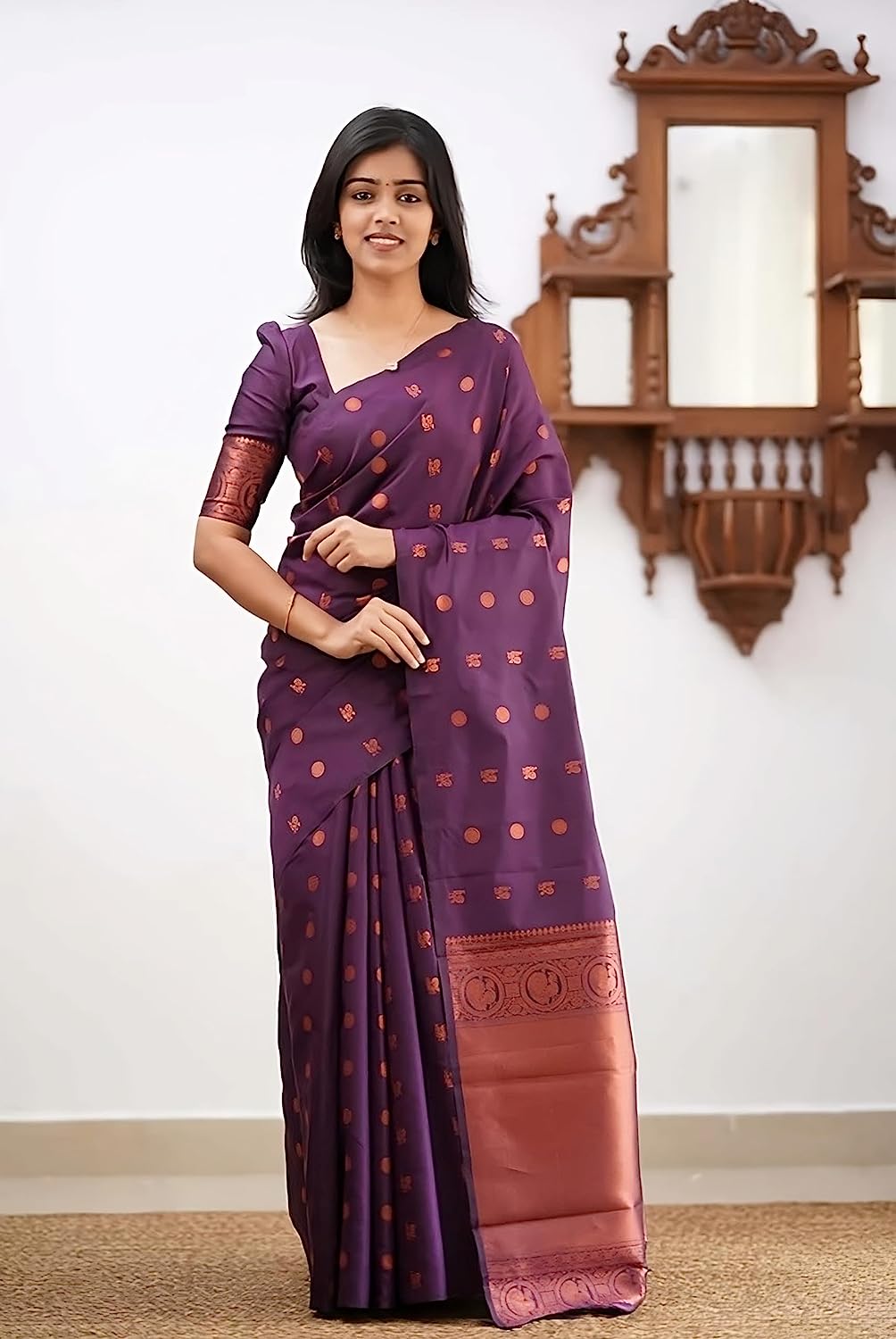
- Haldi ceremony: Choose a breathable cotton chikankari suit, a yellow or ivory kurta set or a lightweight Banarasi saree with a manageable border. Very heavy zari can be uncomfortable during outdoor seating, standing and turmeric rituals.
- Wedding ceremony: A Banarasi silk saree with a defined pallu works well in a traditional setting. Maroon, red, purple and deep green bases can carry gold zari without requiring excessive jewellery.
- Mehendi or sangeet: A sharara, gharara or soft silk saree allows movement for photographs and dancing. Secure a dupatta or pallu with discreet pins rather than relying on fabric weight alone.
- Religious gathering: A saree with a covered blouse and neatly arranged pallu, or a long chikankari kurta with a full dupatta, provides respectful coverage without sacrificing comfort.
- Formal daytime event: Chanderi, cotton chikankari or a lightly woven Banarasi saree can look polished without the visual weight of dense metallic work.
Colour should be considered alongside light and venue. Maroon and red appear richer in evening interiors, while ivory, pastel pink, soft yellow and powder blue can feel more suitable in strong daylight. Purple Banarasi Soft Silk Saree With Golden Zari Border demonstrates how a cooler base colour can still look ceremonial when paired with warm metallic detailing.
Maroon Banarasi Soft Silk Saree with Zari Border Online supports a border-focused styling strategy: keep the blouse comparatively calm and allow the pallu to frame the shoulder. Maroon Banarasi Silk Saree With Floral Jacquard Zari Border suits floral earrings or a restrained gajra because the woven motif already supplies visual interest.
Uttar Pradesh Traditional Dress for Women styled without losing craft character
Successful styling keeps one major textile or silhouette as the focal point and lets the remaining accessories support it. A heavily patterned Banarasi saree generally needs a blouse with a clean neckline, while a plain saree can accommodate a more detailed brocade or embroidered blouse.
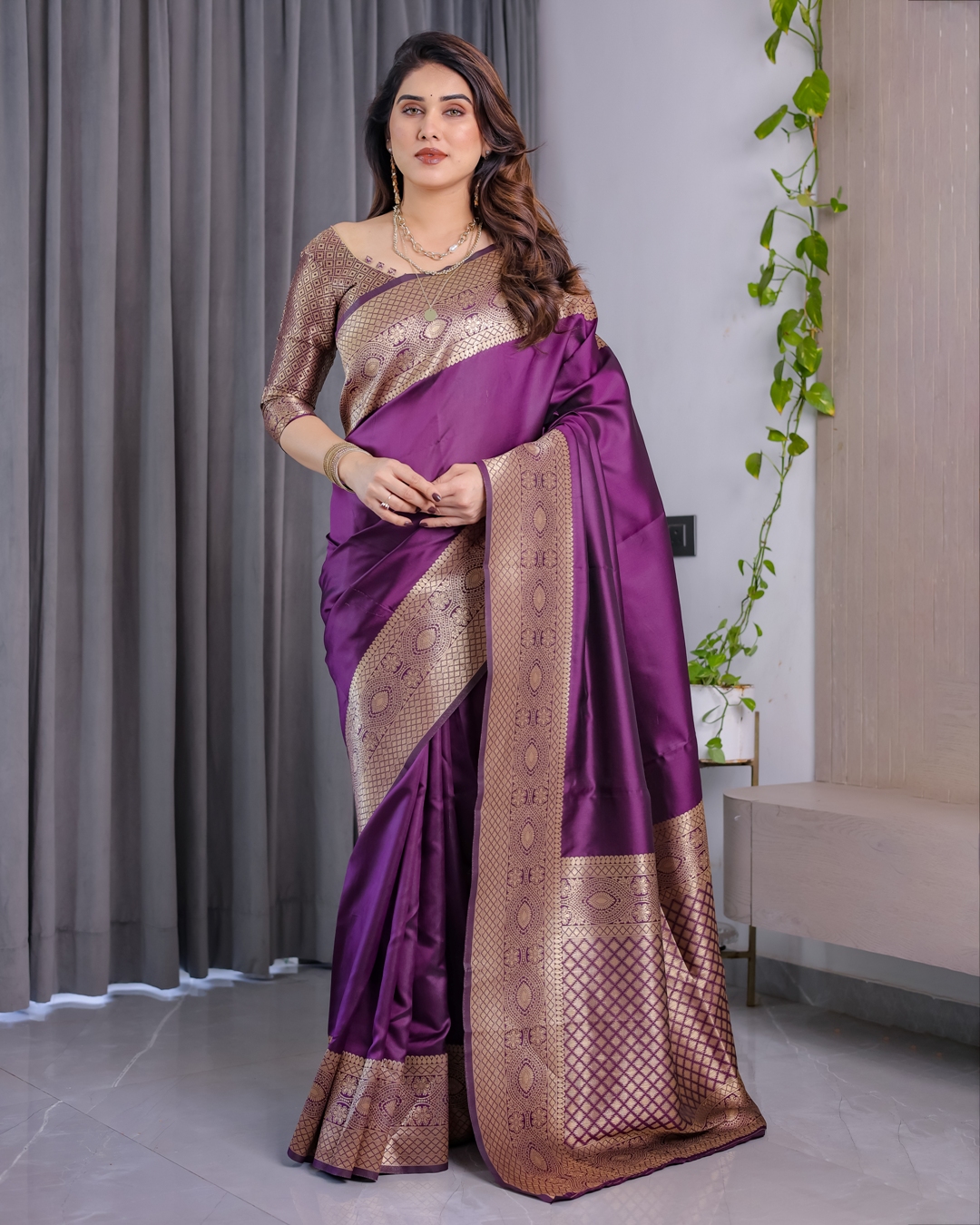
With a Banarasi saree, use a pallu fold that exposes the border and prevents zari from bunching. Six to eight front pleats usually create a stable fall for an average-width saree, although body proportions and fabric width alter the result. A cotton or silk underskirt with a firm waistband can improve pleat control, while slippery satin may cause the drape to shift.
Jewellery can follow the saree's metal tone, but every item doesn't need to match. Gold-toned jhumkas, a low choker and bangles complement traditional zari, while a single statement ring keeps a richly woven saree from looking overloaded. A plain blouse and minimal earrings give Banarasi silk a more contemporary direction.
Awadhi clothing benefits from contrast in texture. A chikankari kurta can be paired with silk trousers, a brocade dupatta or embroidered juttis. A voluminous sharara looks balanced with a shorter kurti, while a straight kurta can take a more substantial dupatta. A small potli, embroidered flats and a neatly pinned dupatta reinforce the Lucknowi mood without making the outfit feel theatrical.
Reen Banarasi Soft Silk Saree with Floral Zari Borders, including the unusual initial spelling in the product name, can be styled with a plain blouse so the floral borders remain visible. A saree with multiple zari bands usually benefits from fewer bangles and a smaller handbag.
Uttar Pradesh Traditional Dress for Women and practical Banarasi buying checks
Quality in a Banarasi saree should be assessed through fibre information, weave, finishing, weight, colour consistency and seller transparency rather than shine alone. A glossy surface may come from silk, synthetic fibres, finishing treatments or metallic yarn, so appearance can't identify fibre content by itself.
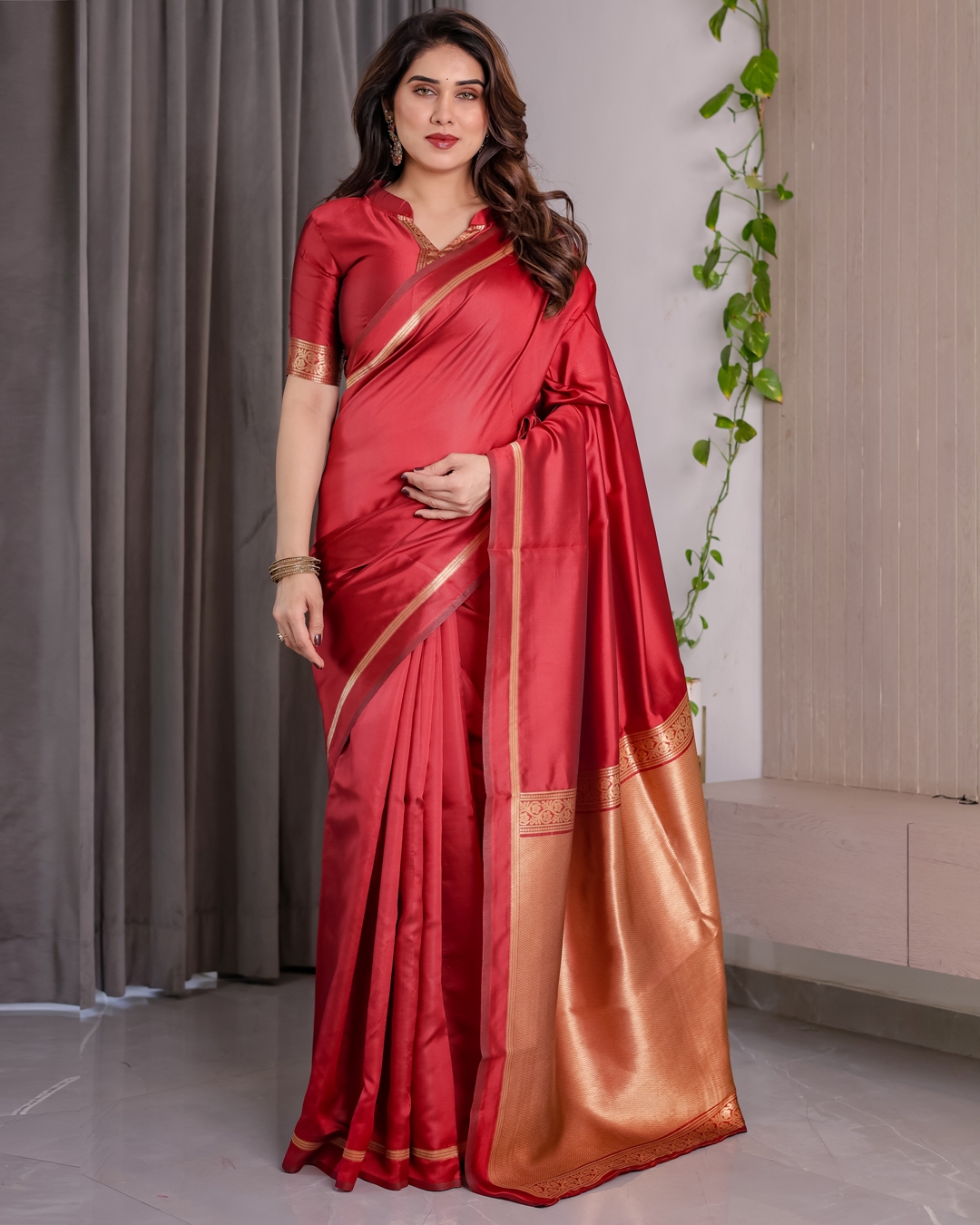
- Read the fibre description: Check whether the saree is silk, soft silk, blended, viscose or synthetic. Fibre content affects breathability, fall, storage and cleaning requirements.
- Inspect the weave: Look at the pallu, border and reverse side for consistent motifs, secure edges and an even surface. A woven design should not resemble a simple surface print when viewed closely.
- Check the zari: Ask whether the zari is metallic, tested, imitation or polyester-based. Zari composition affects tarnishing, weight, price and care.
- Measure the details: Confirm saree length, width, blouse-piece length and border width. A saree of about 5.5 metres may fit differently from a longer 6.3-metre drape, especially when a pallu is heavily pleated.
- Review photographs carefully: Compare close-up images with full-length images to judge motif scale, colour variation and transparency. Screen settings can make purple, maroon and red appear different from the delivered textile.
Traditional buying also involves checking whether a product is handwoven, powerloom-produced or a combination of processes. Powerloom Banarasi-style textiles can offer affordability and consistent patterning, while handwoven pieces may show subtle irregularities that reflect human weaving. Neither category should be judged only by the word "traditional"; construction and disclosure matter more.
Banarasi silk should be stored folded with soft, breathable cotton between folds. Refold the saree every few months to prevent permanent creasing along one line. Keep zari away from moisture, perfume and direct sunlight, and avoid hanging a heavy saree on a narrow wire hanger for long periods.
Dry cleaning is generally safer for silk and zari than machine washing. A fresh stain should be blotted rather than rubbed, and household bleach, strong detergent and prolonged soaking should be avoided. Chikankari cotton may have different instructions from Banarasi silk, so each garment should follow its care label rather than a single ethnic-wear routine.
Uttar Pradesh Traditional Dress for Women as a living wardrobe tradition
Traditional clothing from Uttar Pradesh remains relevant because its craft techniques adapt to changing wardrobes. A Banarasi pallu can be paired with a current blouse, chikankari can appear on a relaxed kurta set, and an Awadhi sharara can be worn with minimal jewellery for a contemporary celebration.
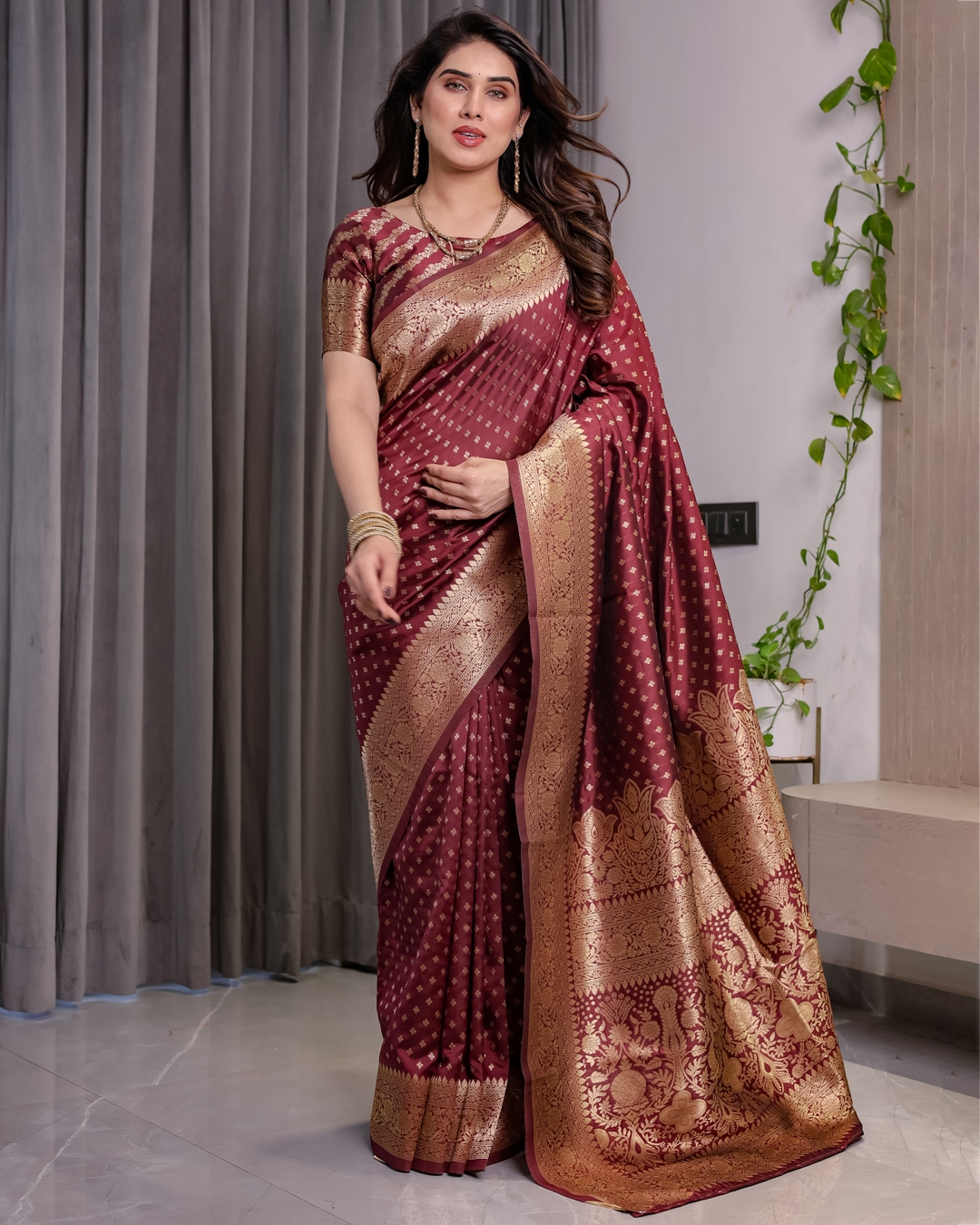
The most useful way to build a regional wardrobe is to balance one statement textile with versatile supporting pieces. A richly woven Banarasi saree can serve weddings and festivals for years when stored properly. A cotton chikankari kurta can move between daytime gatherings and travel. A silk dupatta, embroidered jutti or zari blouse can refresh plain salwar suits without requiring a complete new outfit.
Choosing Uttar Pradesh clothing with attention to fibre, construction, occasion and care preserves the meaning of the craft while making the garment practical. Banarasi silk offers architectural pattern and ceremony; Awadhi chikankari brings softness, texture and movement. Their differences are precisely what make the region's womenswear so varied.
Common Questions About Banarasi and Awadhi Womenswear
What is the traditional dress of women in Uttar Pradesh?
Women in Uttar Pradesh wear several regional styles, including Banarasi silk sarees, chikankari kurta sets, salwar suits, shararas, ghararas and anarkalis. Banarasi sarees are strongly associated with Varanasi, while chikankari and many Awadhi silhouettes are strongly associated with Lucknow.
What is the difference between Banarasi and Awadhi fashion?
Banarasi fashion centres on loom-woven silk, zari, brocade motifs and the saree drape. Awadhi fashion is broader and commonly uses chikankari embroidery, flowing kurtas, shararas, ghararas, dupattas and layered embellishment.
Is Banarasi silk suitable for a wedding ceremony?
Banarasi silk is suitable for wedding ceremonies because it offers formal shine, structured draping and woven zari detail. Choose the weight and border width according to the season, venue and amount of movement required.
How can I tell whether a Banarasi saree is well made?
Check the fibre description, reverse-side weave, motif consistency, border finishing, zari information and saree measurements. A transparent description of silk content and construction is more useful than shine alone.
How should a Banarasi silk saree be stored?
Store a Banarasi silk saree folded in breathable cotton, away from direct sunlight, perfume and moisture. Refold the saree every few months, avoid narrow wire hangers and follow professional dry-cleaning advice for stains.
What should women wear for a Haldi ceremony in Uttar Pradesh style?
A breathable cotton chikankari suit, a lightweight yellow kurta set or a soft silk saree works well for a Haldi ceremony. Avoid very heavy zari and use secure pins because turmeric rituals and outdoor movement can place stress on the garment.





