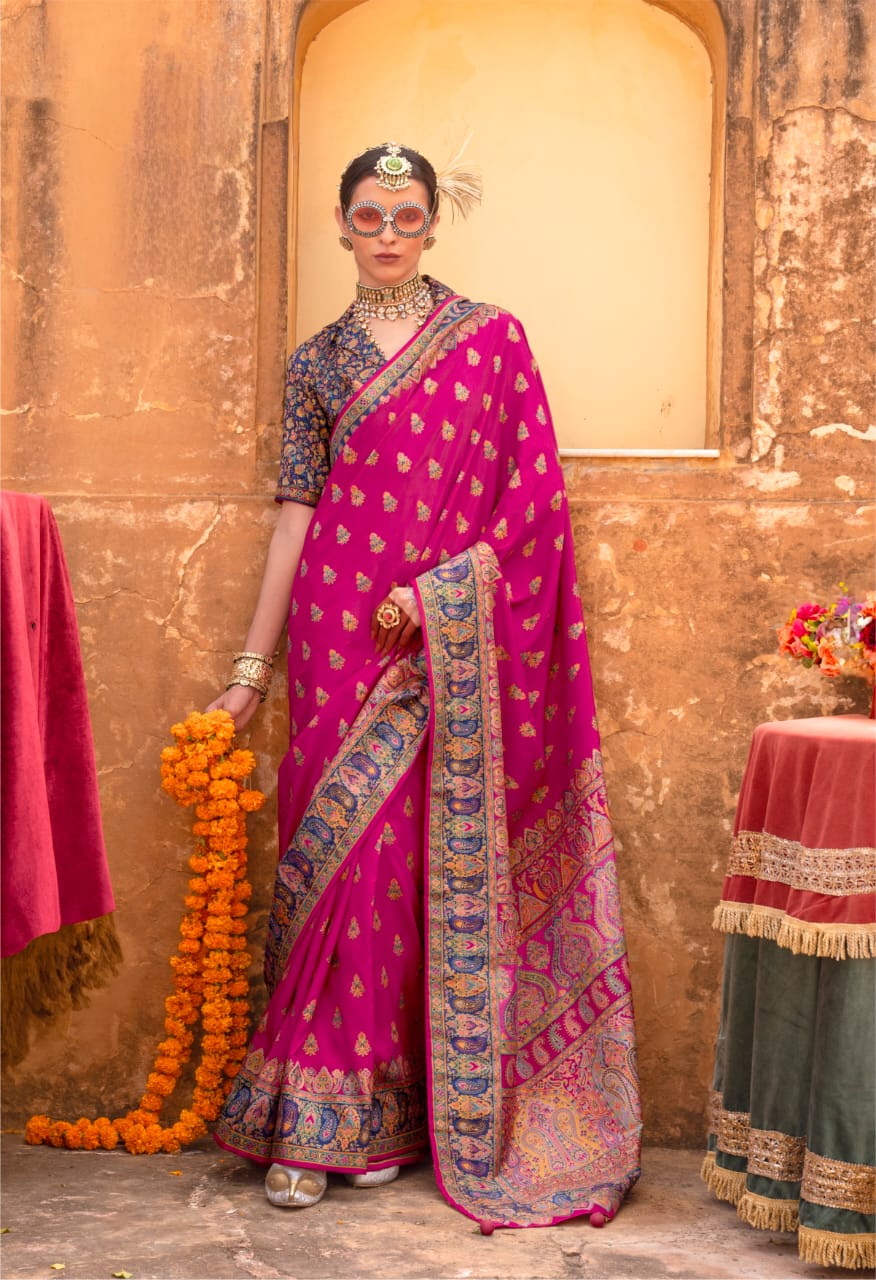
The Uttar Pradesh Festival Fashion Calendar: Banarasi & Traditional Ethnic Wear turns a long list of celebrations into practical wardrobe decisions. Banarasi silk belongs naturally in this story because Varanasi, one of Uttar Pradesh's best-known textile centres, is associated with brocade, zari and richly patterned silk weaving. The right saree depends on more than colour: the month, time of day, venue, weather, amount of walking and level of ceremony all matter.
A useful festive wardrobe doesn't require a new outfit for every date. Two or three well-chosen Banarasi silk sarees can cover temple visits, family pujas, wedding-related functions and evening gatherings when the blouse, jewellery, drape and footwear change thoughtfully. This calendar explains how to make those choices without treating regional traditions as rigid rules.
Uttar Pradesh Festival Fashion Calendar: Banarasi & Traditional Ethnic Wear for seasonal planning
The calendar works by matching each festival's season, setting and visual mood with a suitable weave, colour and styling level. A winter evening in Varanasi permits a heavier silk saree and layered jewellery, while a humid August afternoon calls for lighter dressing and secure pleats.
Uttar Pradesh has strong regional variation. Diwali in Lucknow, Dev Deepawali in Varanasi, Krishna Janmashtami in Mathura and Ram Navami in Ayodhya may all involve traditional clothing, but the surroundings and rituals differ. A riverside celebration may involve walking and stairs; a home puja may allow a more elaborate pallu; a temple visit may call for covered shoulders and comfortable footwear.
- Daytime festivals: Choose medium-weight silk, breathable blouse linings and jewellery that won't feel heavy after several hours.
- Evening festivals: Zari borders, deeper colours and statement earrings work well under warm indoor or decorative lighting.
- Outdoor events: Secure the pallu with discreet pins and select footwear with grip, especially near ghats or crowded courtyards.
- Formal rituals: Keep the drape neat, the blouse modest and the accessories balanced rather than excessively layered.
Uttar Pradesh Festival Fashion Calendar: Banarasi & Traditional Ethnic Wear in spring
Spring festivals call for colour, movement and fabrics that can handle a lively social setting. Banarasi silk can work beautifully for a Holi-adjacent family gathering or Ram Navami visit, but a saree worn near dry or wet colour should not be treated as a washable everyday garment.
Holi and Basant styling
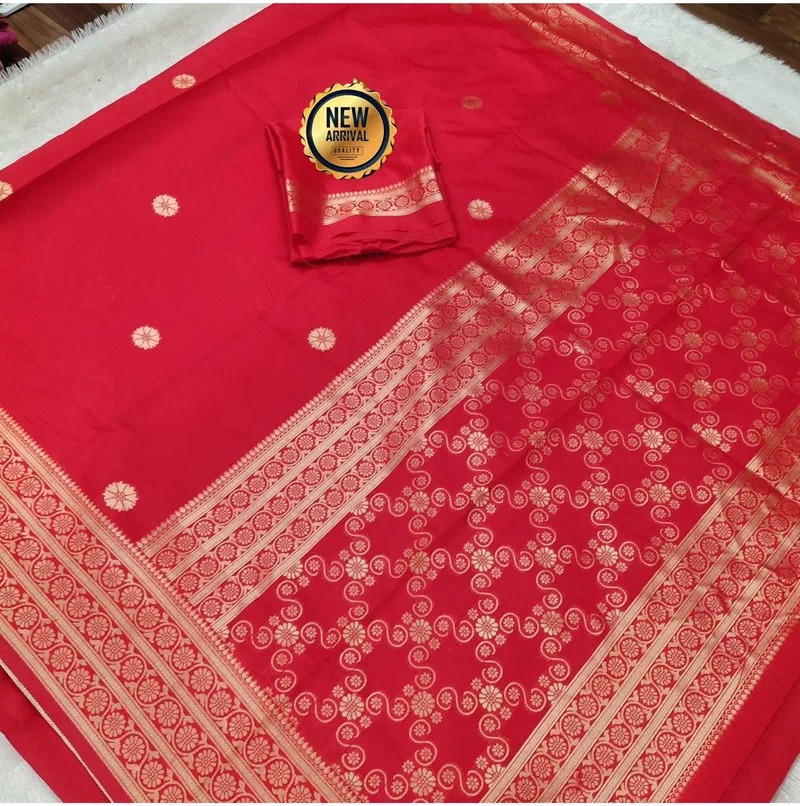
Wear an older cotton or washable outfit for direct colour play, and reserve Banarasi silk for a pre-Holi lunch, evening gathering or indoor celebration. Red Banarasi Soft Silk Saree with Jacquard Zari Border offers a festive red base that pairs naturally with antique-gold earrings, while a simple blouse reduces the risk of the ensemble looking too busy.
For a spring puja, yellow, green, pink and red carry familiar associations with brightness and renewal, but colour symbolism isn't a strict dress code. Green Banarasi Soft Silk Saree with Golden Jacquard Border can be styled with a plain gold or warm ivory blouse, a low bun and a lightweight necklace. Comfortable sandals and a pallu secured at the shoulder make the look more practical for household rituals.
Ram Navami and temple visits
Ram Navami dressing benefits from a composed silhouette, covered shoulders and accessories that remain secure during temple queues. A maroon or red Banarasi saree with a restrained blouse creates a ceremonial appearance without requiring a heavily embroidered jacket or multiple layers of jewellery.
Temple visits also require attention to footwear and fabric handling. Carry a small cotton bag for shoes, avoid dragging the saree hem across steps and keep a few safety pins in a pouch. These preparations protect zari and reduce the need to adjust the drape in crowded spaces.
Uttar Pradesh Festival Fashion Calendar: Banarasi & Traditional Ethnic Wear during monsoon
Monsoon celebrations require lighter styling, careful storage and a secure drape because humidity can make silk feel warmer and fabric folds less stable. A Banarasi soft silk saree is often easier to manage than a very heavy brocade, particularly for daytime gatherings.
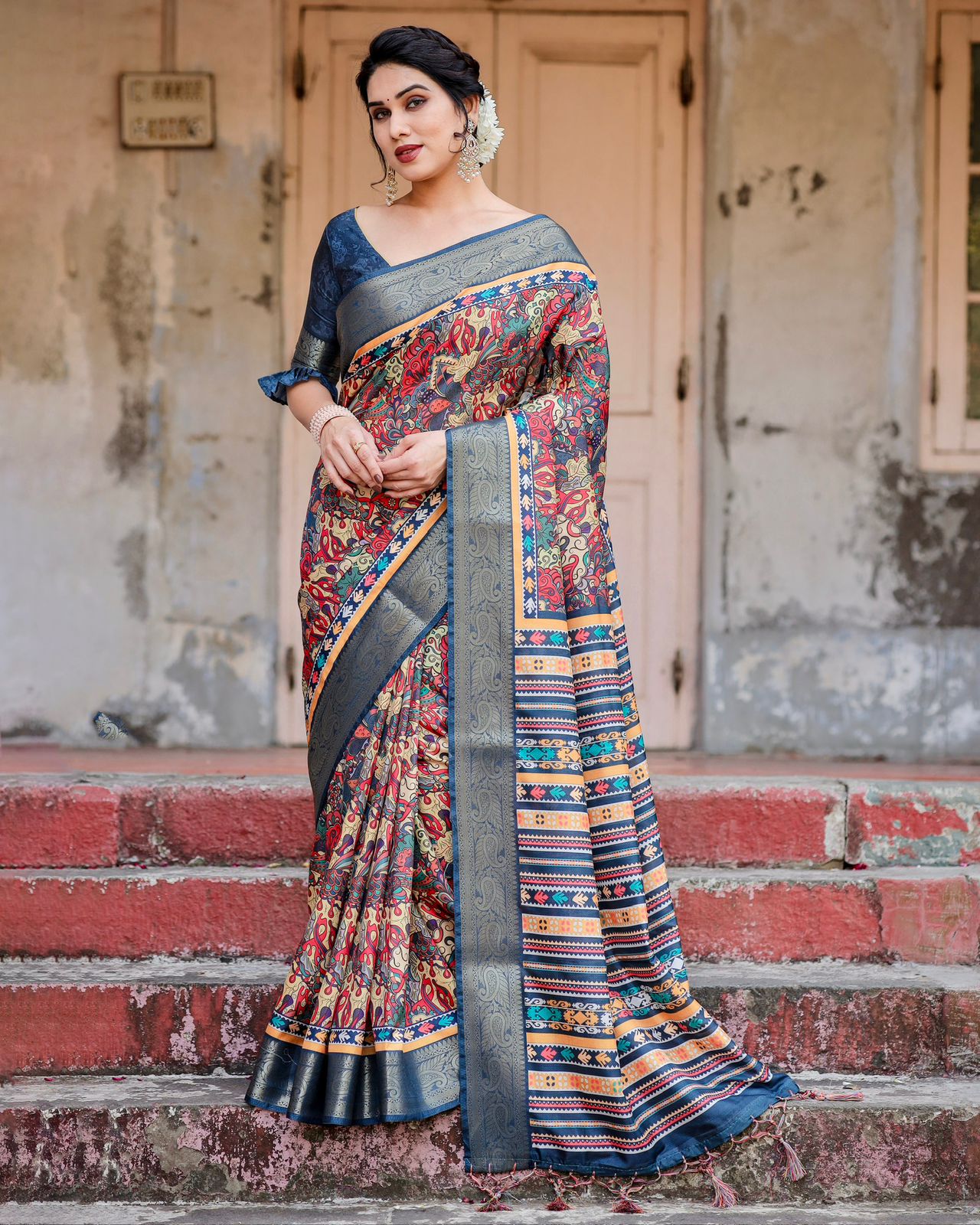
Teej and Sawan dressing
Teej and Sawan gatherings suit green, fuchsia, red and jewel-toned sarees, although personal preference should lead the choice. Purple Banarasi Soft Silk Saree with Elegant Zari & Jacquard gives a rich monsoon-evening effect when worn with a pink, wine or muted gold blouse.
Keep monsoon jewellery deliberate: glass bangles, small jhumkas and one pendant can provide colour without catching on a patterned pallu. A braid decorated with fresh flowers works for a short indoor event, while a low bun is more reliable in humid weather and during travel.
Raksha Bandhan and Janmashtami
Raksha Bandhan is usually a daytime family celebration, so medium-weight silk and a compact accessory plan are more comfortable than a heavily layered formal look. Maroon Banarasi Soft Silk Saree with Zari Border Online can be balanced with a beige, blush or gold blouse and modest earrings for a polished family-lunch ensemble.
Janmashtami celebrations often extend late into the evening, especially in Mathura and Vrindavan. Purple, blue, green and yellow can echo devotional and festive imagery without turning the outfit into a costume. Purple Banarasi Soft Silk Saree With Golden Zari Border works with a plain deep-blue blouse, while a waist belt should be avoided if it presses into the saree during long periods of sitting.
Uttar Pradesh Festival Fashion Calendar: Banarasi & Traditional Ethnic Wear for autumn
Autumn is the most versatile period in the calendar because warm days and cooler evenings allow both light and richly woven sarees. The same Banarasi silk saree can shift from a family puja to a dinner by changing the blouse, hairstyle and jewellery.
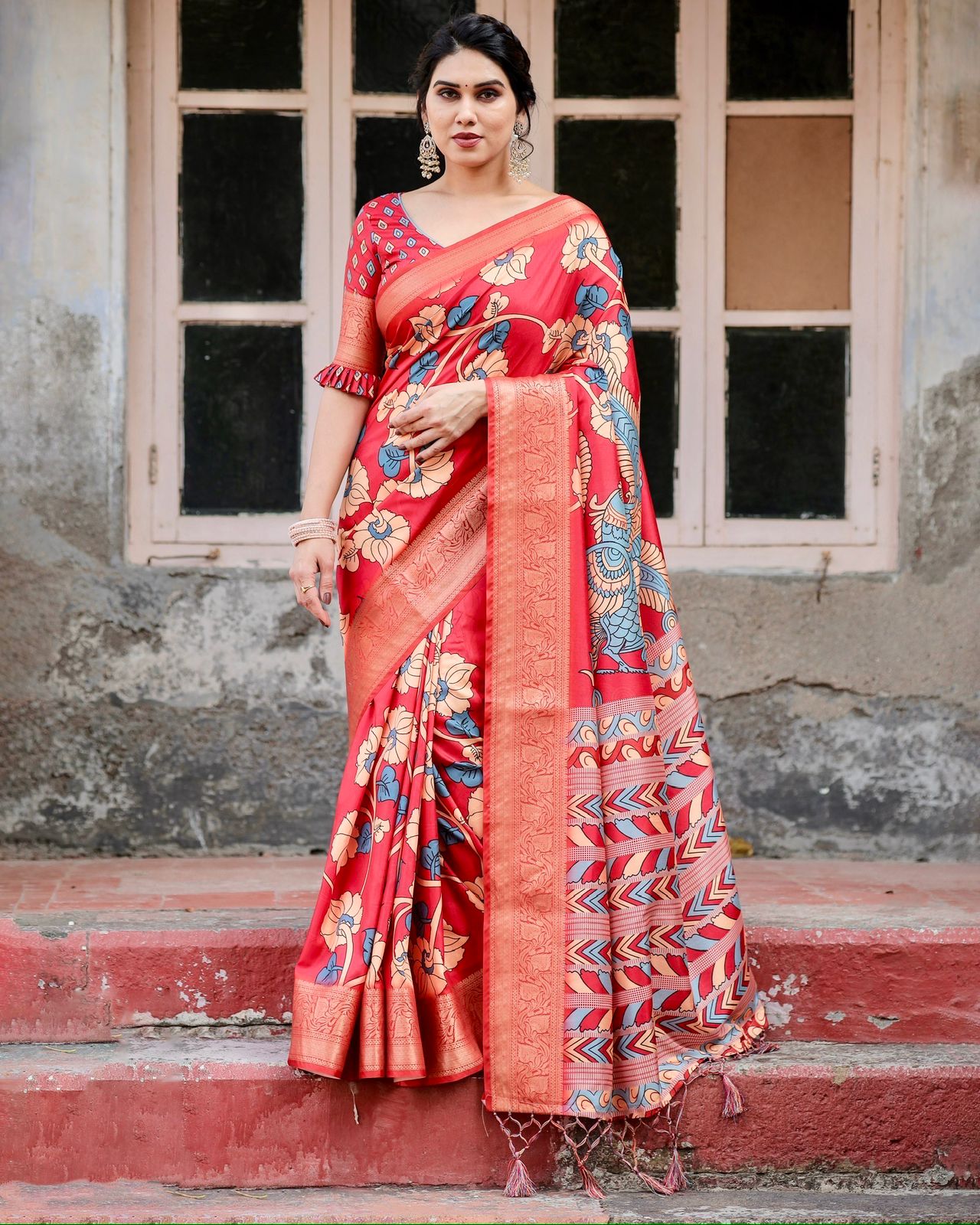
Navratri and Dussehra
Navratri and Dussehra outfits can use red, royal blue, green, purple or gold, with the final choice guided by the specific family tradition or local event. Purple Banarasi Soft Silk Zari Saree | Varnavi shows how a strong jewel tone can carry the outfit without requiring a heavily embellished blouse.
For Ramlila performances or outdoor Dussehra events, choose a firmly pleated Nivi drape and pin the pallu near the shoulder. Closed-toe flats or low block heels are safer than delicate sandals when the venue has temporary flooring, grass or uneven ground.
Karwa Chauth
Karwa Chauth traditionally favours red, maroon and pink in many North Indian households, although customs differ by family and region. Maroon Banarasi Soft Silk Saree with Golden Zari Border provides a formal base for a red blouse, kundan-style earrings and a neatly arranged shawl if the evening becomes cool.
Long rituals make comfort important. Test the blouse for sitting, bending and lifting the arms before the event, and avoid a petticoat that twists at the waist. A cotton or cotton-blend underskirt with a secure drawstring can make walking and sitting easier than a loose, slippery lining.
Uttar Pradesh Festival Fashion Calendar: Banarasi & Traditional Ethnic Wear for Diwali
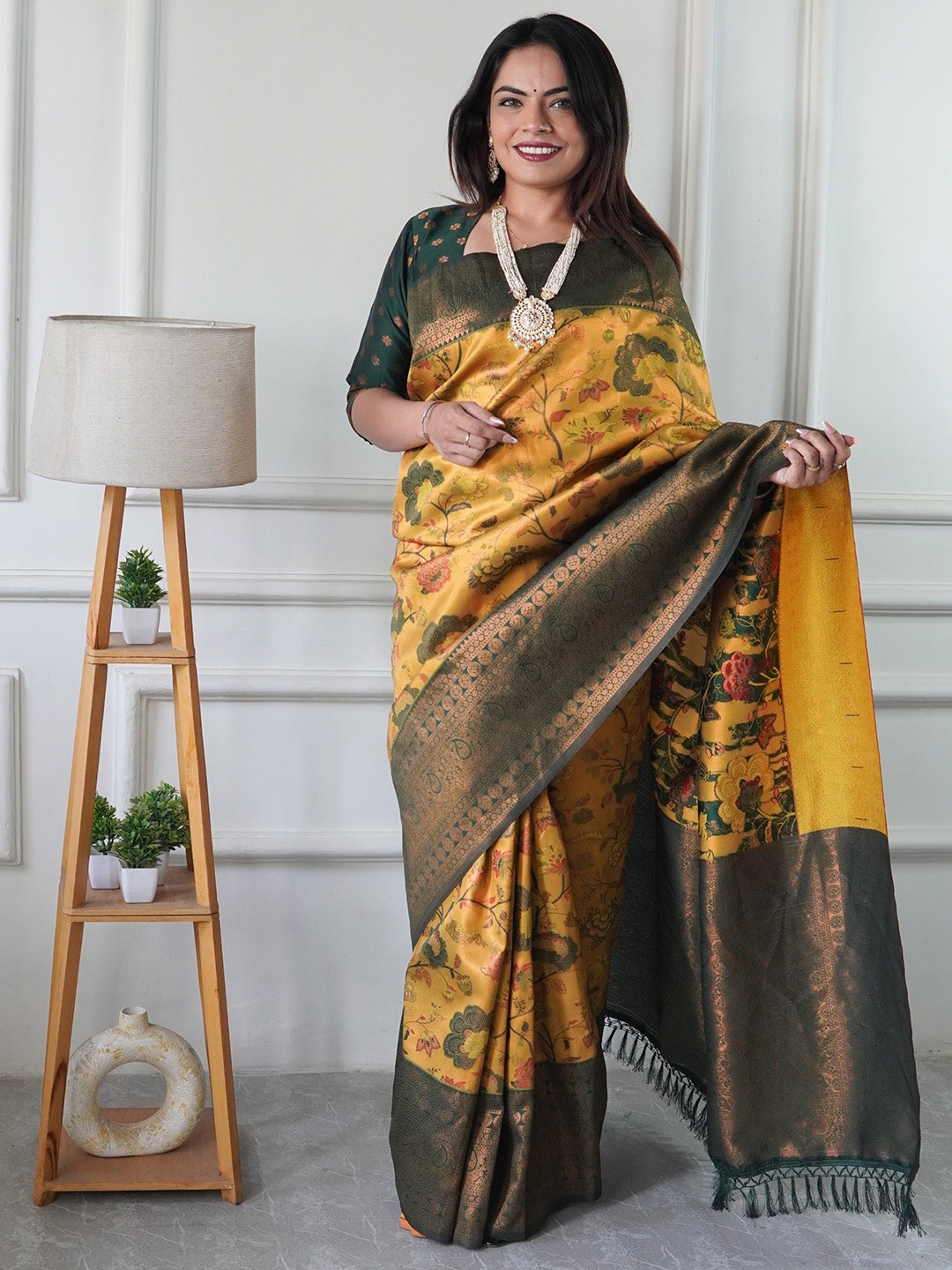
Diwali and Dev Deepawali are ideal occasions for Banarasi silk because evening lamps and warm lighting bring out the depth of zari and jewel-toned colour. The most successful festive outfit usually has one focal element: a lustrous saree, an ornate blouse or statement jewellery, rather than all three competing equally.
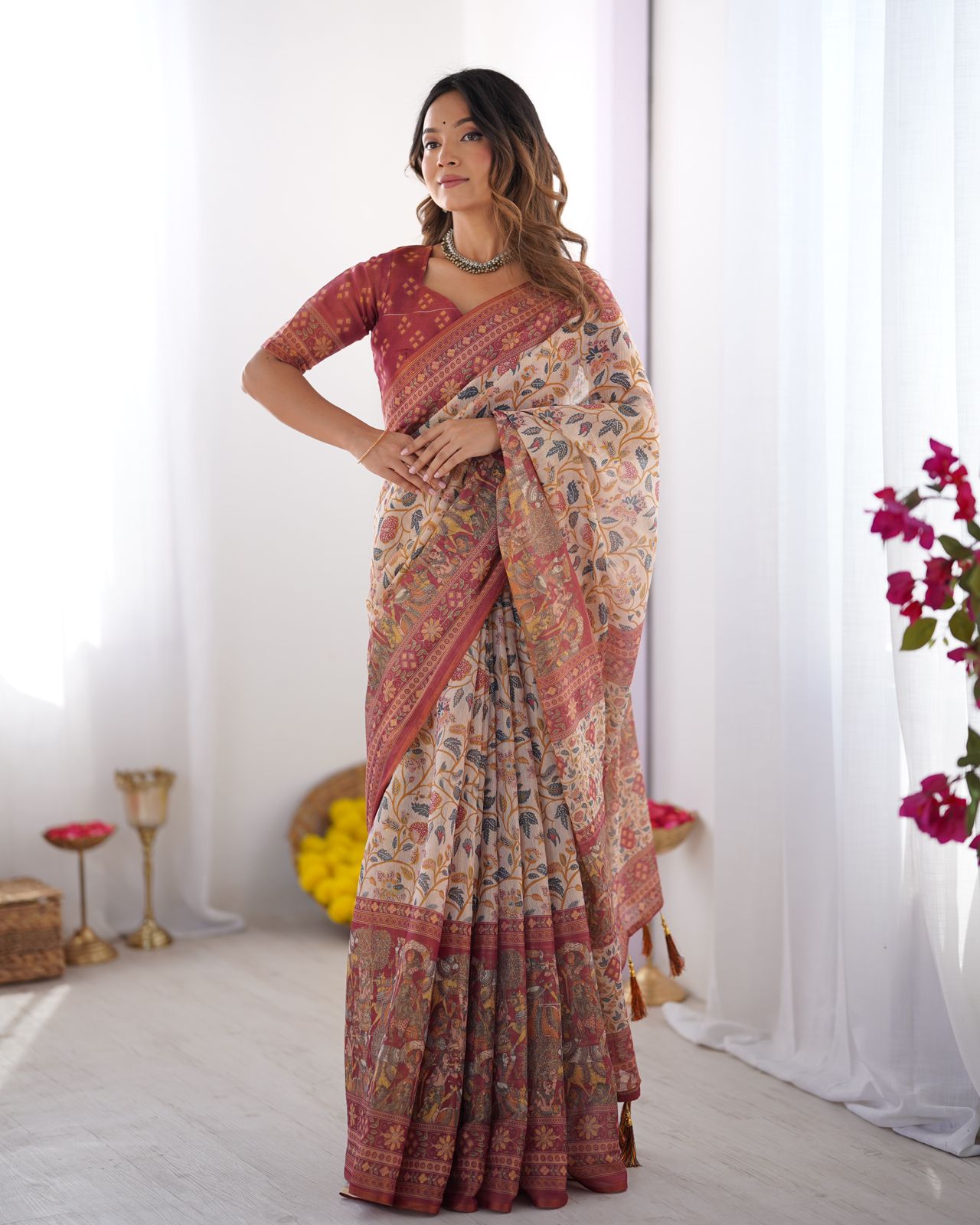
Diwali house visits favour colours such as emerald, maroon, red, purple and antique gold. Emerald Green Banarasi Soft Silk Saree with Zari Border can be paired with a plain gold blouse and heritage earrings, while a small potli keeps essentials close without adding bulk to the silhouette.
Govardhan Puja often involves movement between home, courtyard and temple spaces. Wear a shorter fall length that stays above the floor, use a pallu pin hidden beneath the shoulder fold and select washable makeup products if lamps, incense or outdoor dust are likely.
Dev Deepawali in Varanasi is visually spectacular, but a riverside setting changes the practical requirements. Ghats involve steps, crowds and possible contact with moisture, so a secure drape, flat footwear and minimal dangling jewellery are sensible. Red Banarasi Soft Silk Saree with Jacquard Zari Border can look ceremonial while remaining visually clear in photographs against rows of lamps.
Uttar Pradesh Festival Fashion Calendar: Banarasi & Traditional Ethnic Wear for winter
Winter permits heavier Banarasi silk, brocade blouses and layered accessories, particularly for evening weddings and receptions. A saree with a substantial zari border can be worn with a full-sleeved blouse or a velvet shawl, but the overall weight should remain manageable if travel is involved.
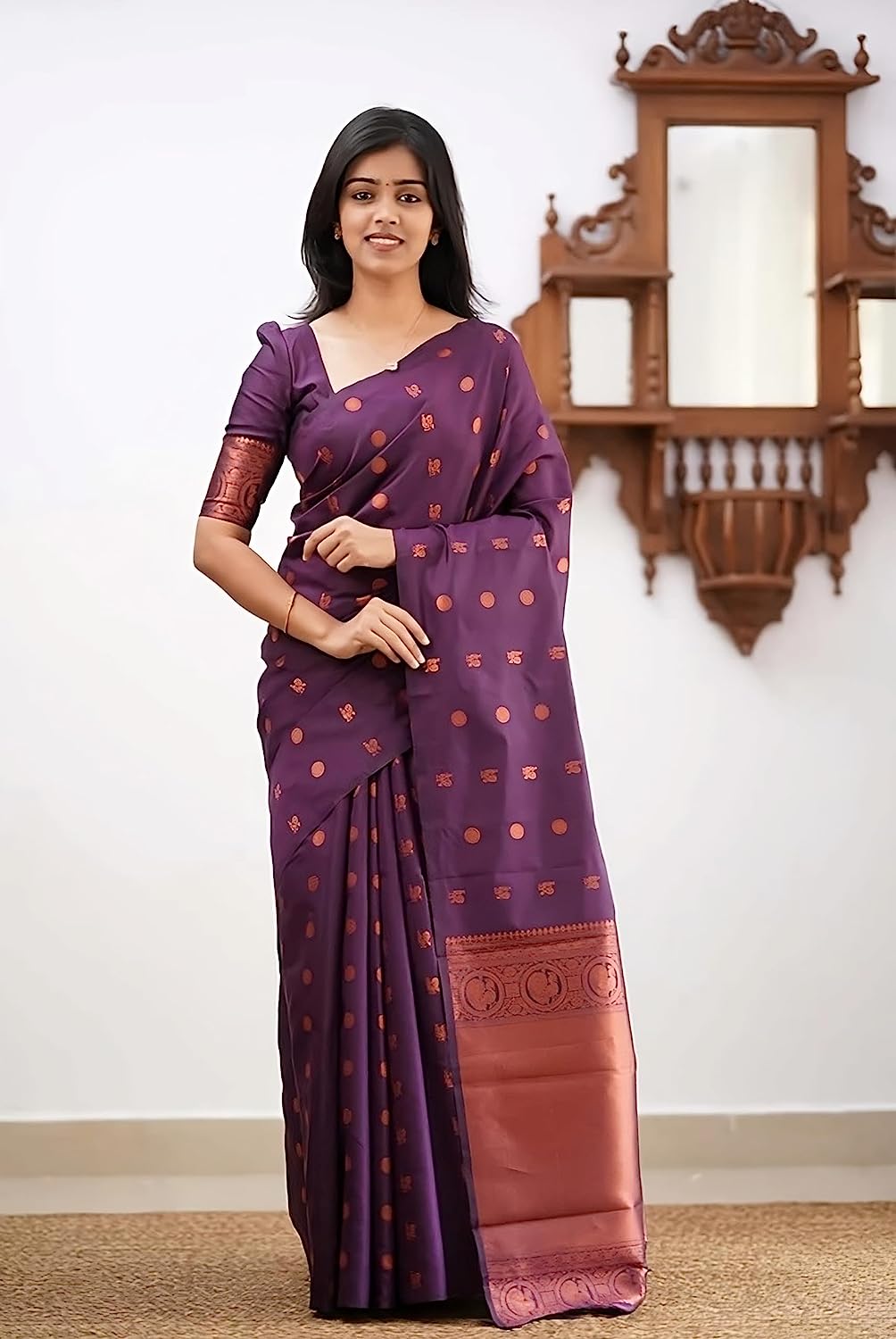
Makar Sankranti often brings daytime visits, terrace gatherings and regional food traditions. Yellow, mustard, orange and green are popular visual choices, though a gold-bordered saree in another shade remains entirely appropriate. Purple Banarasi Soft Silk Saree with Elegant Zari & Jacquard can be warmed for winter with a mustard blouse, gold bangles and a shawl placed over the shoulders rather than wrapped tightly around the pleats.
For a wedding-related event, identify the dress code before choosing the saree. Maroon Banarasi Soft Silk Saree with Golden Zari Border can suit a reception, whereas a lighter border and simpler jewellery may be more appropriate for a daytime Haldi ceremony. A Haldi ceremony also involves turmeric, water and close seating, so silk should be worn only when the host's dress expectations and practical conditions make it sensible.
Uttar Pradesh Festival Fashion Calendar: Banarasi & Traditional Ethnic Wear care after celebrations
Banarasi silk should be aired, folded in clean cotton and stored away from direct sunlight after a festival. Do not spray perfume, hairspray or deodorant directly onto silk or zari, because alcohol and moisture can affect the surface and leave marks.
After wearing a saree, hang it in a shaded, ventilated room for several hours before folding it. Refold the saree every two or three months so that one crease doesn't remain permanently in the same place. A muslin or unbleached cotton cover is preferable to plastic for long-term storage because silk needs protection from dust without being sealed in trapped humidity.
Professional dry cleaning is the safer choice for oil, food, makeup or colour stains. Do not rub a wet stain, apply bleach or place a Banarasi saree in a washing machine. Fold zari inward when storing the saree, and keep neem leaves or cedar blocks nearby rather than mothballs directly against the fabric.
A simple planning method is to create three outfit groups: a daytime puja saree, a flexible family-gathering saree and a formal evening saree. Change the blouse and jewellery between festivals, record which drape felt comfortable and inspect the fabric before each season. Thoughtful repetition makes traditional ethnic wear more sustainable, easier to maintain and more connected to real celebration rather than one-time dressing.
Common Questions About the Uttar Pradesh Festival Fashion Calendar
Which Banarasi saree colour works best for Diwali in Uttar Pradesh?
Emerald green, maroon, red, purple and antique gold all work well for Diwali because warm lamp light brings out zari and jewel tones. Choose one main statement element and keep the blouse or jewellery simpler so the outfit remains balanced.
Can I wear a Banarasi silk saree for a Haldi ceremony?
You can wear Banarasi silk for a Haldi ceremony when the event is formal and the host expects sarees, but direct turmeric, water and crowded seating create a staining risk. A washable outfit is safer for an outdoor or colour-heavy Haldi ceremony.
What should I wear for Dev Deepawali in Varanasi?
A Banarasi silk saree with a secure pallu, flat footwear and minimal dangling jewellery is practical for Dev Deepawali in Varanasi. Ghats involve stairs, crowds and possible moisture, so comfort and drape security matter as much as the saree's colour.
Which Banarasi saree is suitable for a daytime Raksha Bandhan celebration?
A medium-weight Banarasi soft silk saree in maroon, green, purple or a lighter festive shade suits a daytime Raksha Bandhan gathering. Pair the saree with a breathable blouse, modest earrings and comfortable footwear for family visits.
How should I store a Banarasi silk saree after a festival?
Air the saree in shade, fold it in clean cotton and store it away from sunlight and humidity. Refold the saree every two or three months, and use professional dry cleaning for oil, makeup, food or colour stains.
What jewellery goes with a Banarasi saree for Uttar Pradesh festivals?
Gold-toned jhumkas, kundan-style earrings, glass bangles and one necklace are dependable choices for most Uttar Pradesh festivals. Match the jewellery weight to the zari, venue and duration so accessories do not catch on the pallu or become uncomfortable.