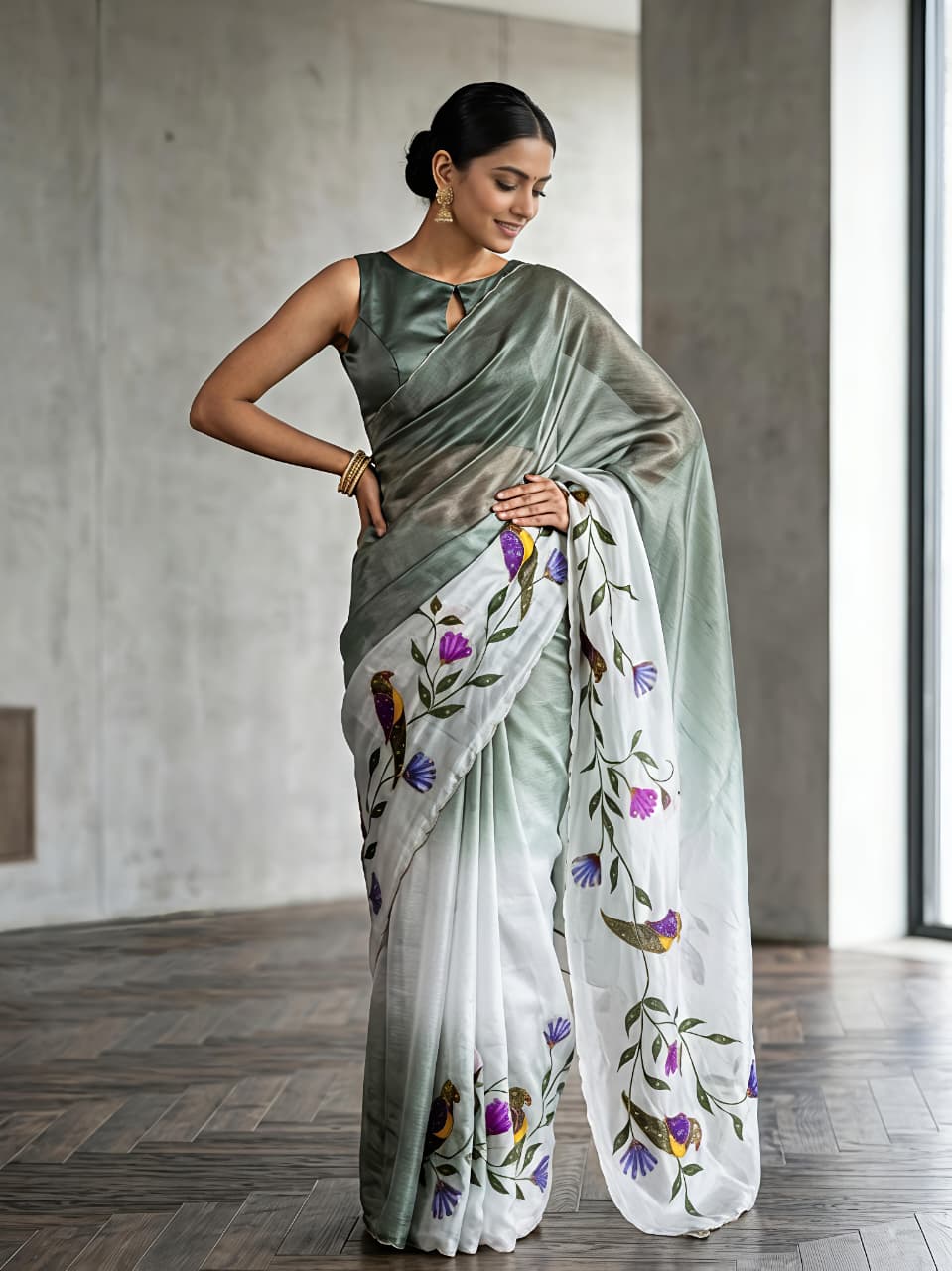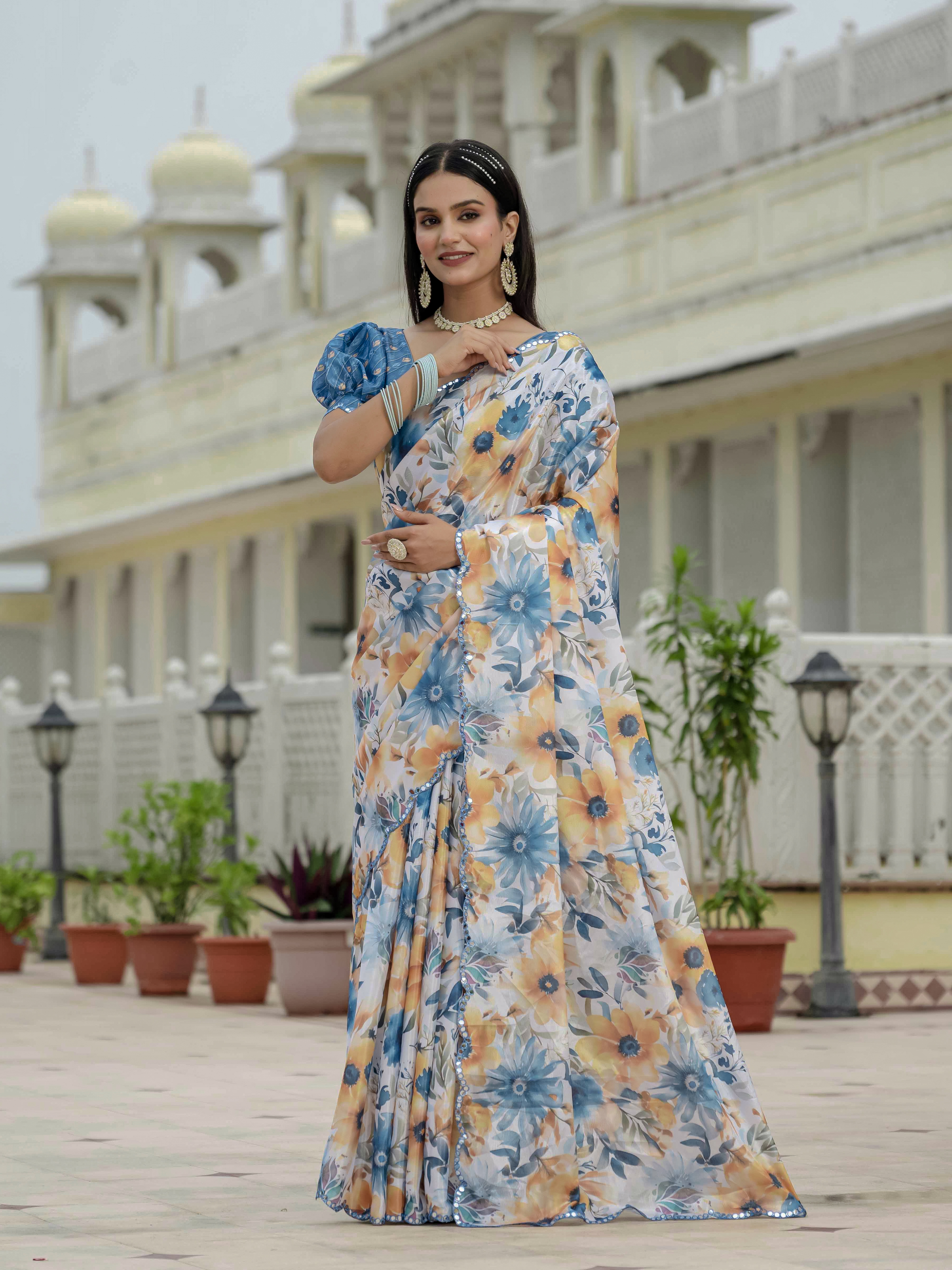
Uppada Silk Sarees: Why They Are Popular in Andhra Pradesh becomes clear through three qualities: a lightweight drape, intricate Jamdani-inspired ornamentation and a strong connection to coastal Andhra's weaving culture. Uppada is a coastal town near Kakinada, and sarees associated with the region have earned attention for their fine textures and detailed decorative work.
The appeal extends beyond heritage. An Uppada saree can feel easier to wear than a heavy bridal silk, look sufficiently festive for a family celebration and adapt to both traditional jewellery and contemporary blouses. The important buying distinction is whether a saree is handwoven, powerloom-made, silk, silk-blend or viscose, because those details affect its price, texture, care requirements and lifespan.
Uppada Silk Sarees: Why They Are Popular in Andhra Pradesh and how they differ
Uppada sarees are associated with Jamdani-style supplementary-weft work, a light construction and delicate motifs arranged across the body and pallu. Jamdani is a labour-intensive technique in which decorative motifs are inserted into the ground weave instead of being applied only to the surface.
Traditional Uppada Jamdani weaving involves careful placement of motifs such as flowers, birds, leaves, vines and geometric forms. The artisan plans the design in relation to the warp and weft, which is why highly detailed handwoven sarees can take considerably longer to make than printed versions. Weaving methods and fibre compositions can vary between sellers, so the name alone does not guarantee an identical construction.
Kanjeevaram silk is commonly recognised for a substantial body, strong contrast borders and bold zari-led wedding designs. Banarasi silk is known for brocade structures, metallic zari and North Indian weaving traditions. Chanderi is valued for its fine, airy and often translucent texture. Uppada silk occupies a different visual and tactile space: it is often comparatively light, motif-focused and graceful without the weight of a heavily embellished bridal saree.
Zari may appear on an Uppada saree, but zari does not prove that a saree is handwoven or made from pure silk. A shopper should check the stated fibre composition and construction method rather than relying on the word "Uppada" in a product title.
Uppada Silk Sarees: Why They Are Popular in Andhra Pradesh for everyday comfort
Uppada Silk Sarees are popular in Andhra Pradesh because they offer festive elegance without creating as much bulk or weight as many heavily ornamented silk sarees.
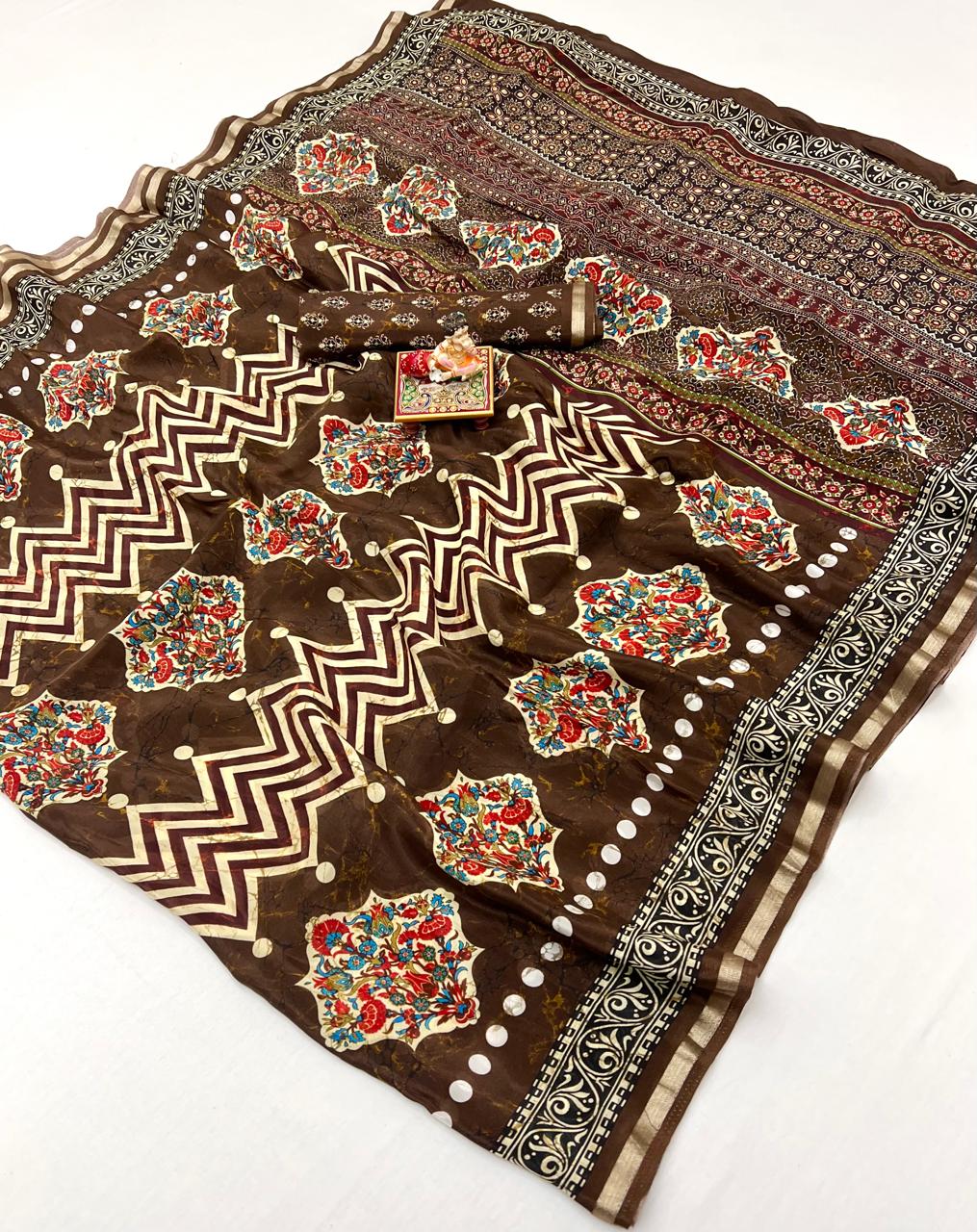
Andhra Pradesh has a warm climate, and long ceremonies often involve standing, travelling and sitting for several hours. A lighter saree can create less pressure around the waist and fewer layers in the pleats. A smooth fabric surface can also make draping and adjustment easier. Comfort still depends on fibre content, finishing and blouse construction, so the word "silk" should not be treated as a guarantee of identical breathability in every saree.
Regional familiarity adds another reason for their popularity. Uppada is not simply a decorative label; it refers to a textile geography on the Andhra coast with a recognised weaving history. Wearing an Uppada-inspired saree allows someone to acknowledge Andhra craft traditions while choosing a silhouette that feels less formal than a heavily zari-covered wedding silk.
The style works across several events. Ugadi celebrations, pujas, engagement ceremonies, wedding functions and festive dinners can all accommodate an Uppada saree. A floral print may suit a daytime gathering, while a deep navy, maroon or royal blue design can appear more formal at an evening reception.
Uppada Silk Sarees: Why They Are Popular in Andhra Pradesh for their motifs
The Jamdani influence appears through individually articulated motifs, floating decorative details and a surface that can show more depth than a flat printed image.
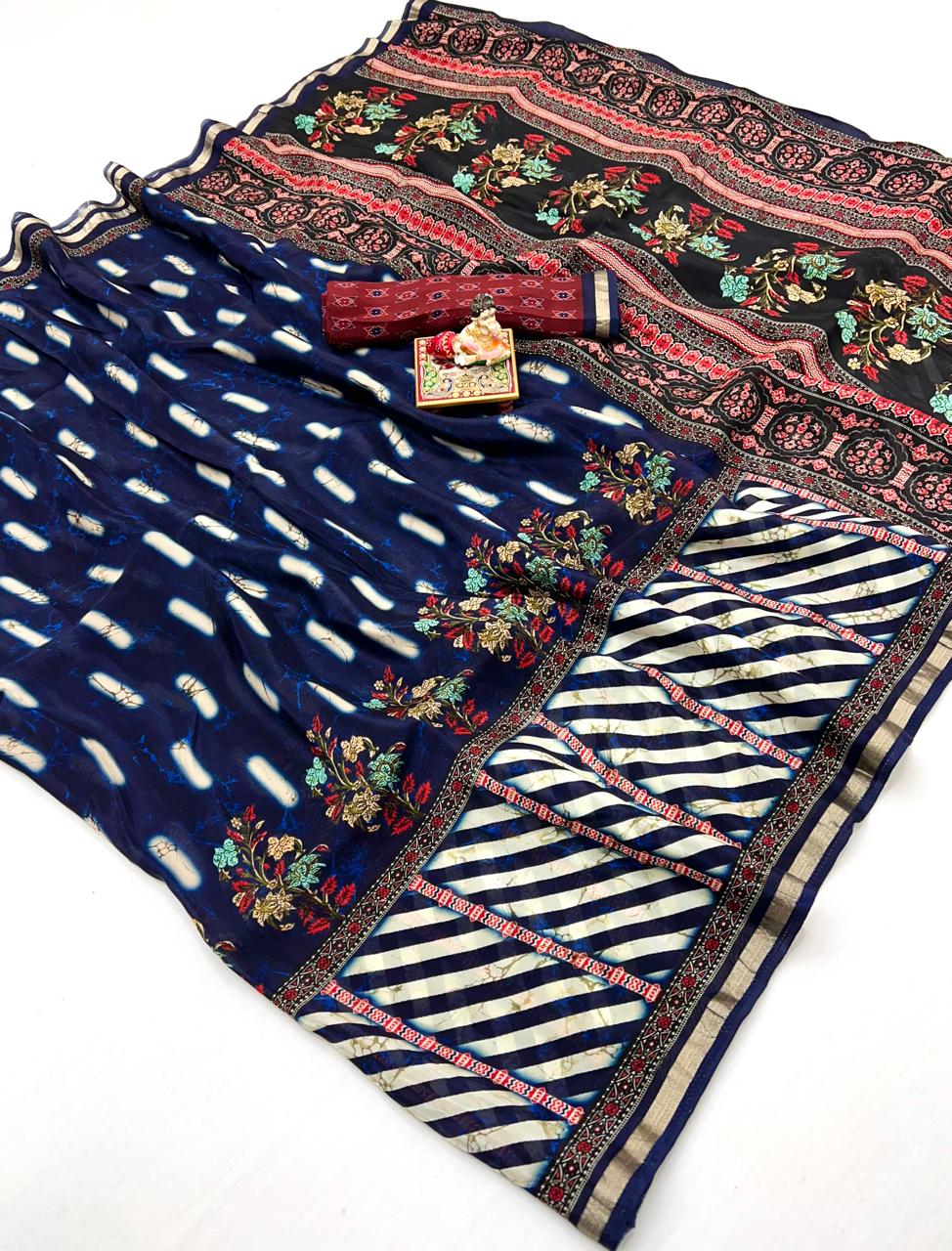
Traditional motifs include butis, floral sprays, paisleys, vines, birds and repeating geometric borders. Handwoven supplementary-weft motifs may show small variations in size or alignment because the artisan places design elements manually. Such irregularities are not automatically defects; they can be natural signs of handwork.
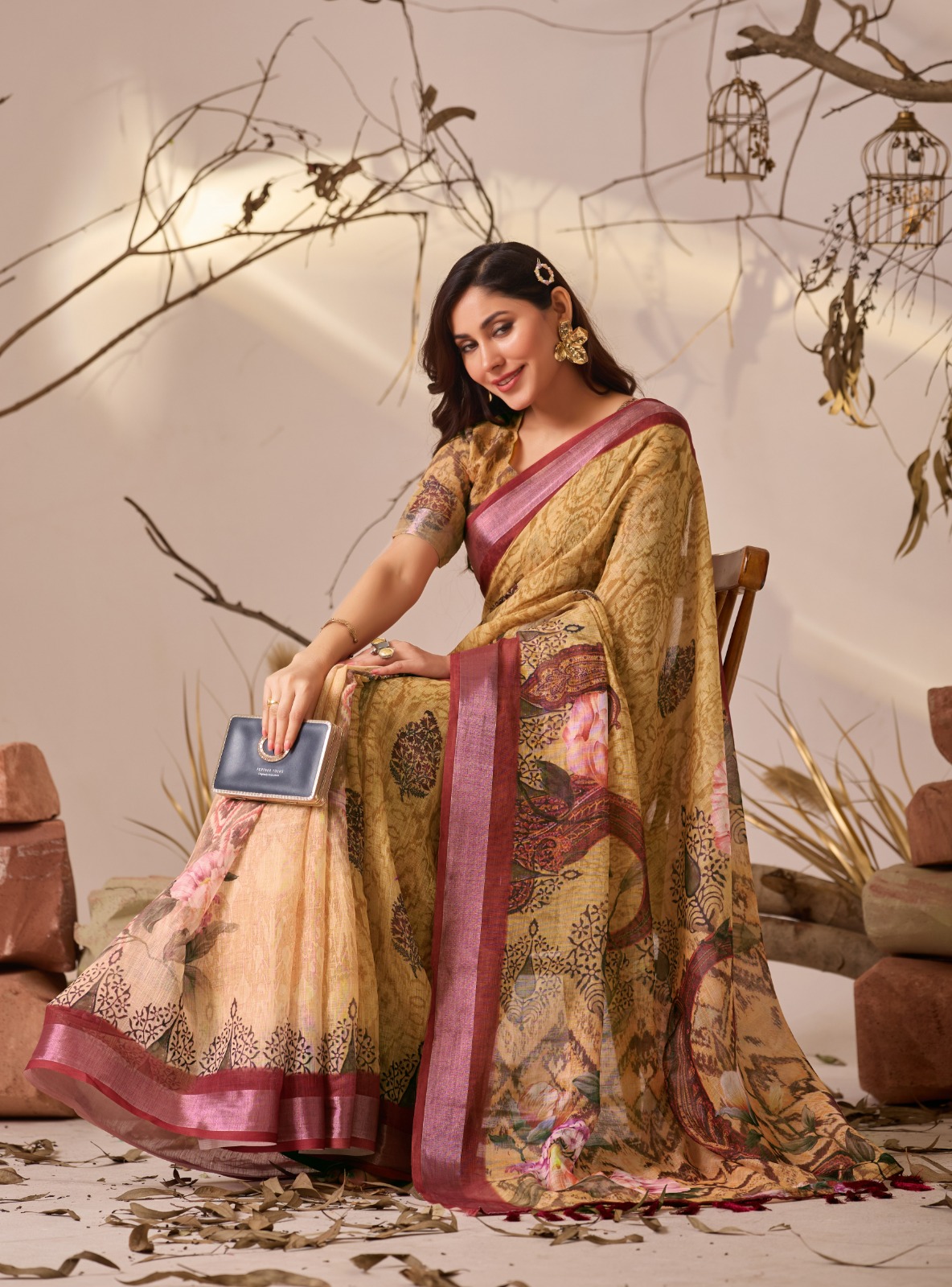
Modern designs often borrow the visual language of Uppada in more affordable formats. Digital printing can reproduce large florals, heritage-inspired patterns and complex colour combinations quickly and consistently. Digitally printed sarees can be attractive and practical, but they should be described accurately as printed rather than assumed to be handwoven Jamdani.
The difference matters when a buyer is paying for craft provenance. Ask whether the saree is handloom, powerloom, woven or digitally printed. Confirm the fibre composition and check whether a blouse piece is included. These three checks provide more useful information than a broad description such as "premium silk."
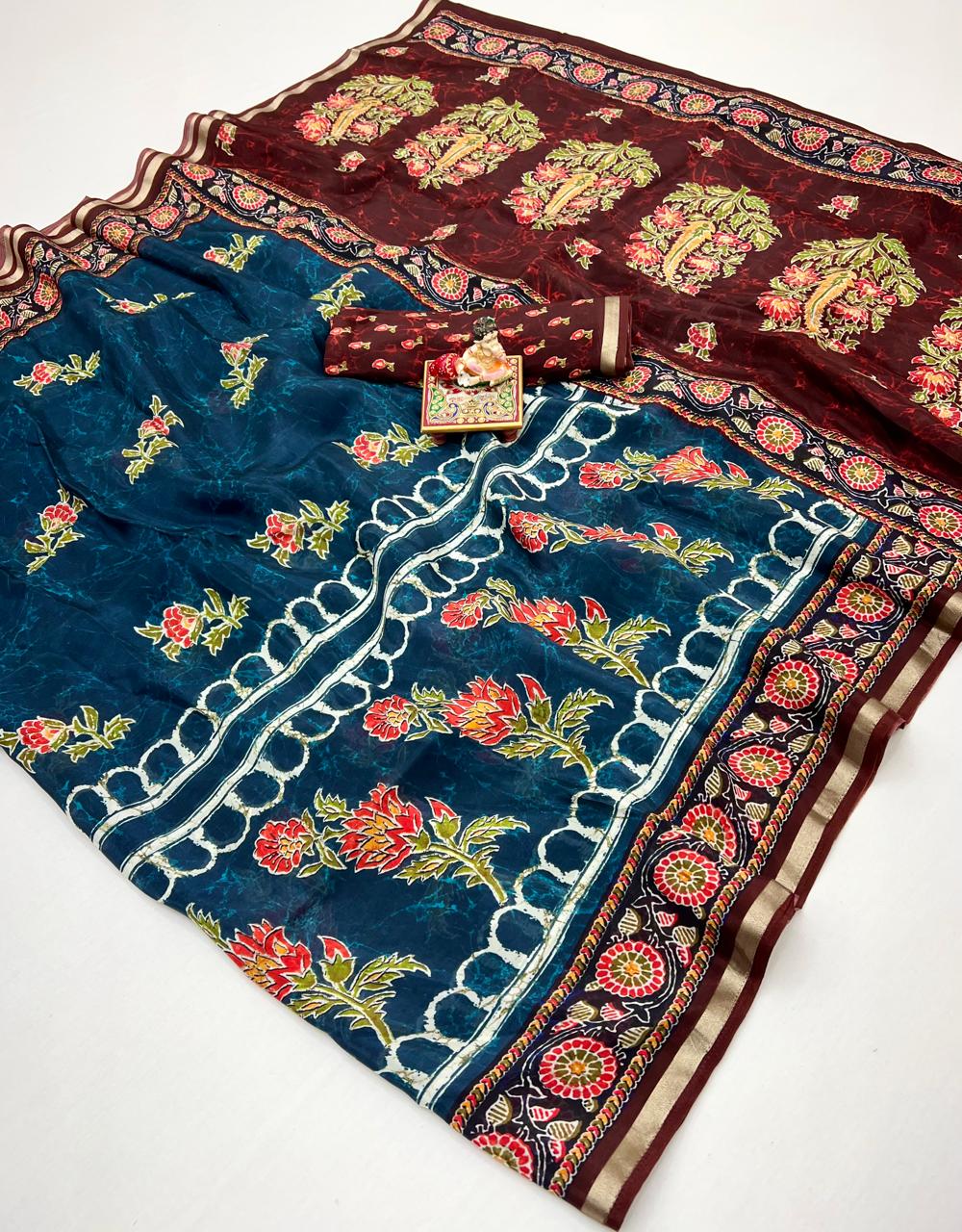
Floral designs are especially versatile because they soften the traditional silhouette without making the saree look plain. Brown, teal blue and navy florals can work for daytime and evening styling, while maroon, black and royal blue create a stronger formal impression.
Uppada Silk Sarees: Why They Are Popular in Andhra Pradesh for different occasions
The most suitable Uppada style depends on the event's formality, duration and lighting rather than on colour alone.
Daytime pujas and family gatherings
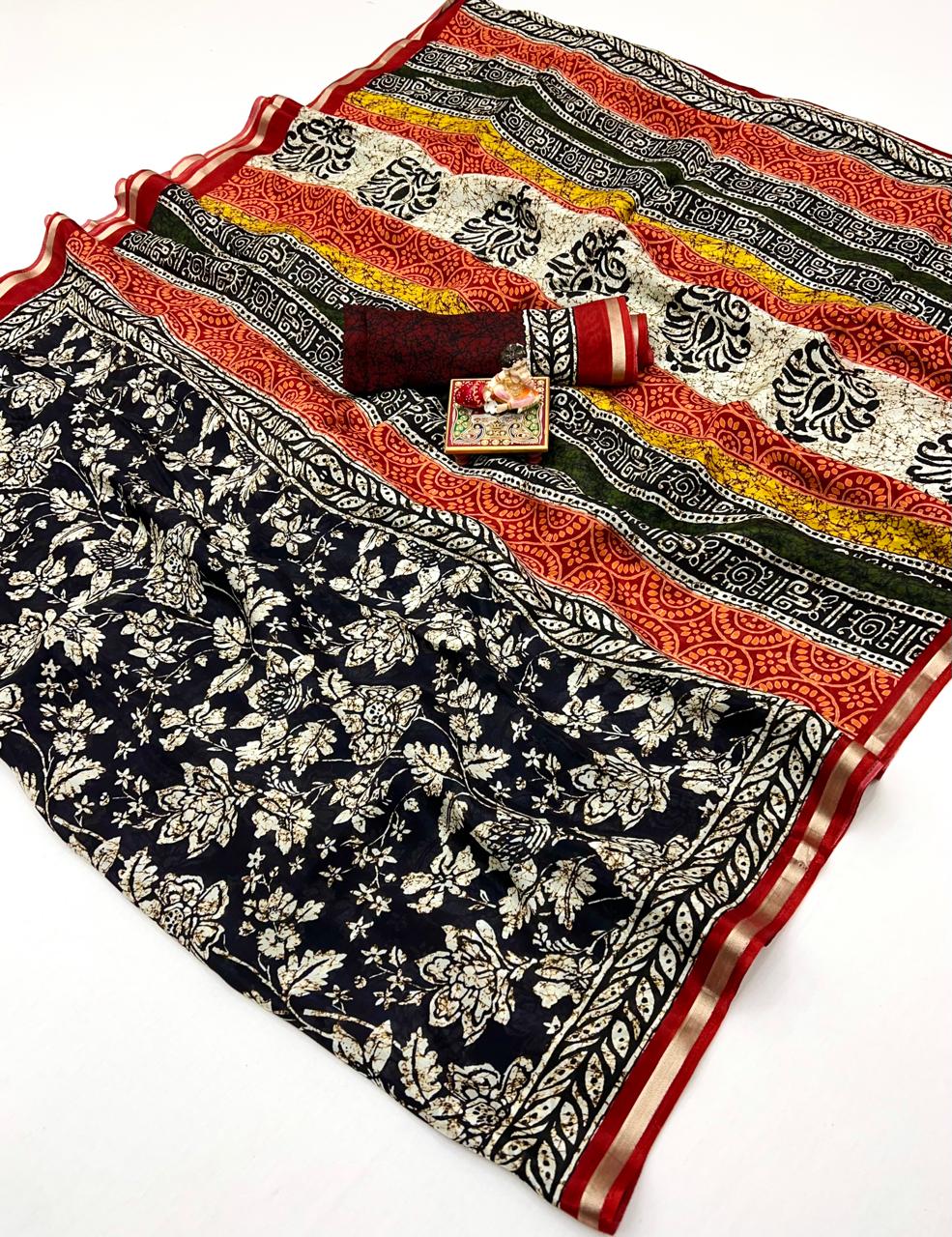
Medium-scale florals in warm or fresh colours suit daytime functions because they look festive without appearing overly formal. Brown Floral Digital Print Uppada Silk Saree With Blouse demonstrates how a warm neutral base can gain occasion appeal through botanical patterning and a coordinated blouse.
Teal blue provides a brighter direction for a home puja, lunch celebration or Haldi ceremony. Teal Blue Floral Digital Uppada Silk Saree With Blouse shows how a saturated colour can carry the outfit while the jewellery remains relatively understated.
Evening receptions and celebrations
Deep shades such as navy, maroon and royal blue generally read as more formal after sunset. Premium Navy Blue Floral Uppada Silk Party Wear Saree creates a strong base for silver-toned jewellery, diamond-look accessories or antique-gold pieces.
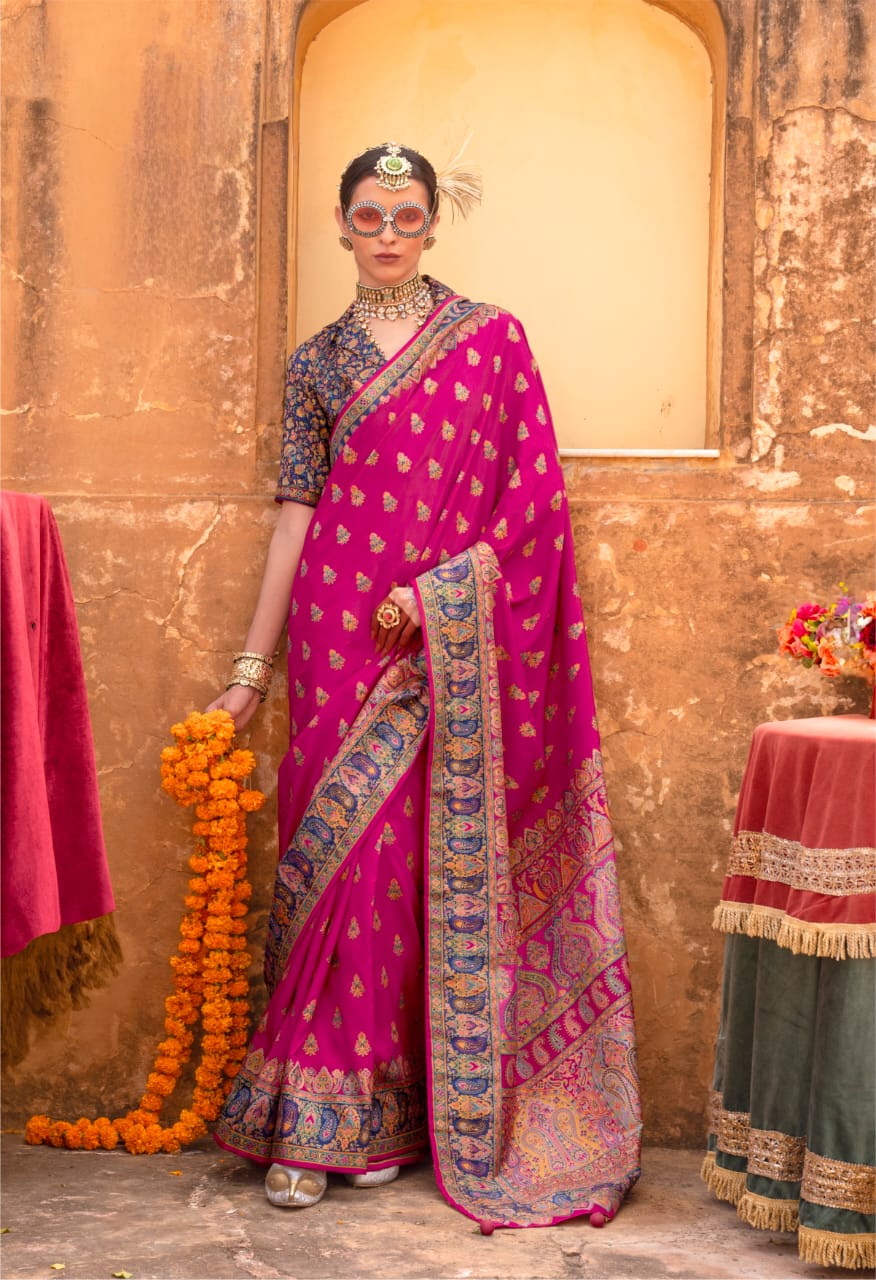
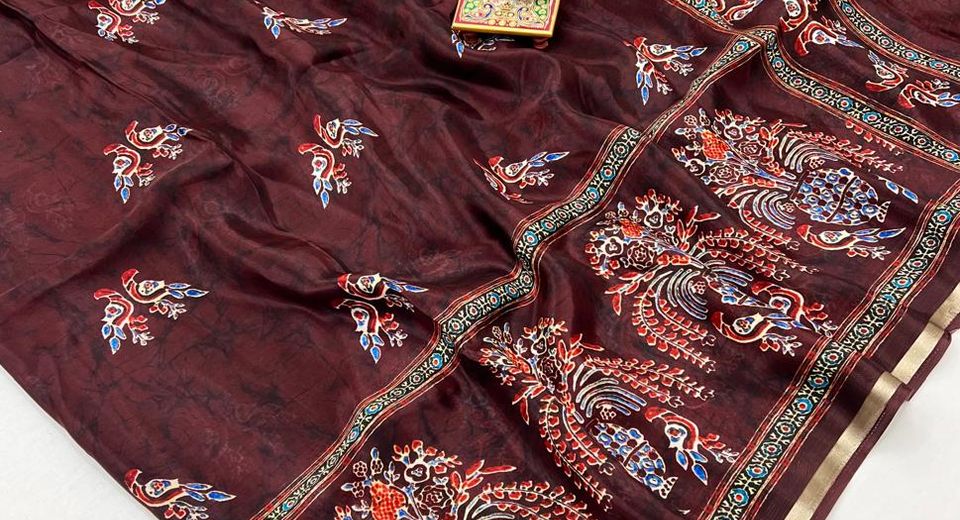
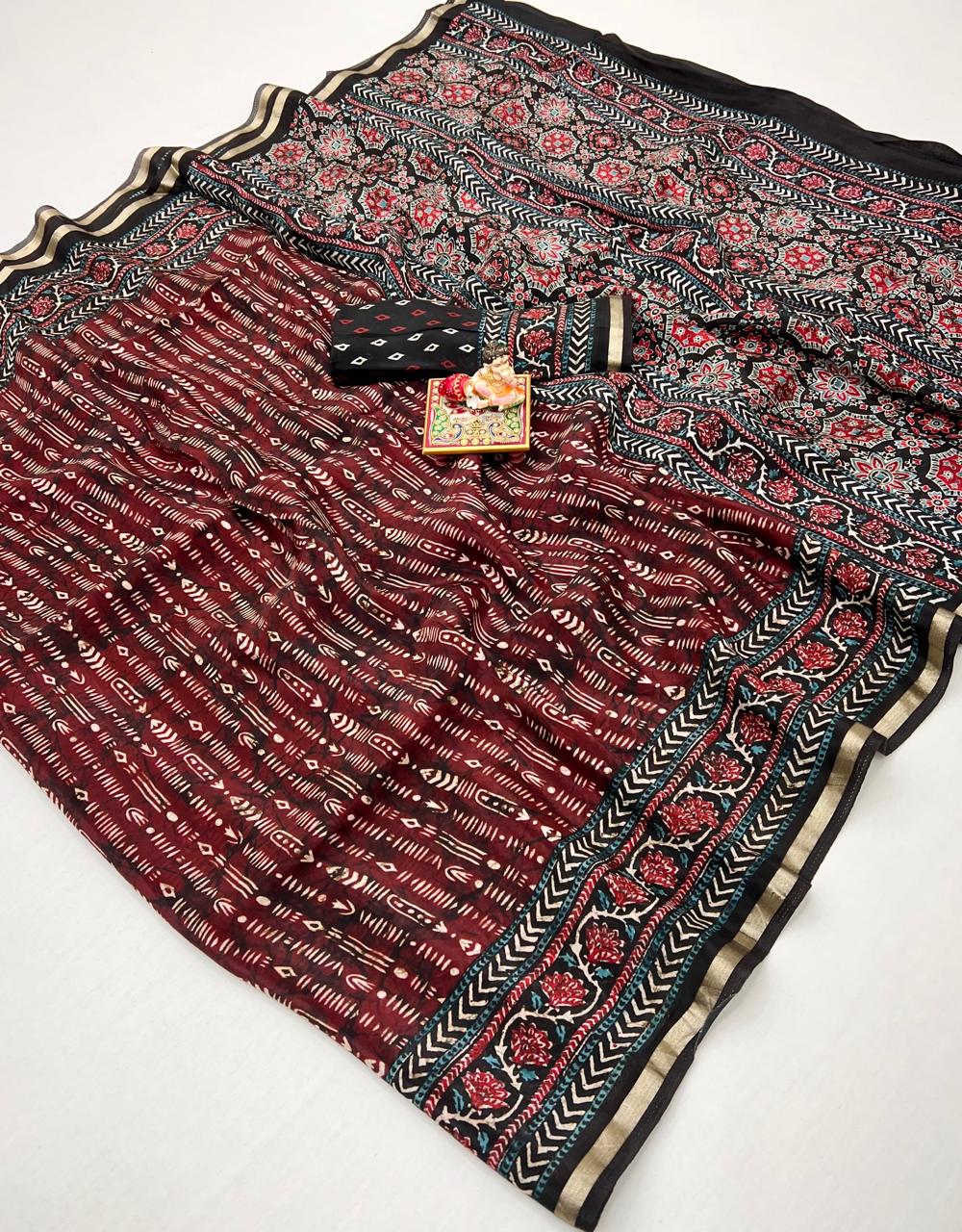
Maroon Digital Print Uppada Silk Saree With Woven Blouse offers a richer traditional direction when paired with jhumkas, a low bun and a well-fitted blouse. A woven blouse introduces textural contrast to a digitally patterned saree and can make the complete outfit appear more layered.
Contemporary festive dressing
Heritage-inspired prints can make an Uppada saree feel contemporary while retaining a familiar Indian drape. Royal Blue Ajrakh Digital Uppada Silk Saree With Blouse brings an Ajrakh-inspired surface language into the saree format and can suit a cultural event, festive dinner or creative workplace celebration.
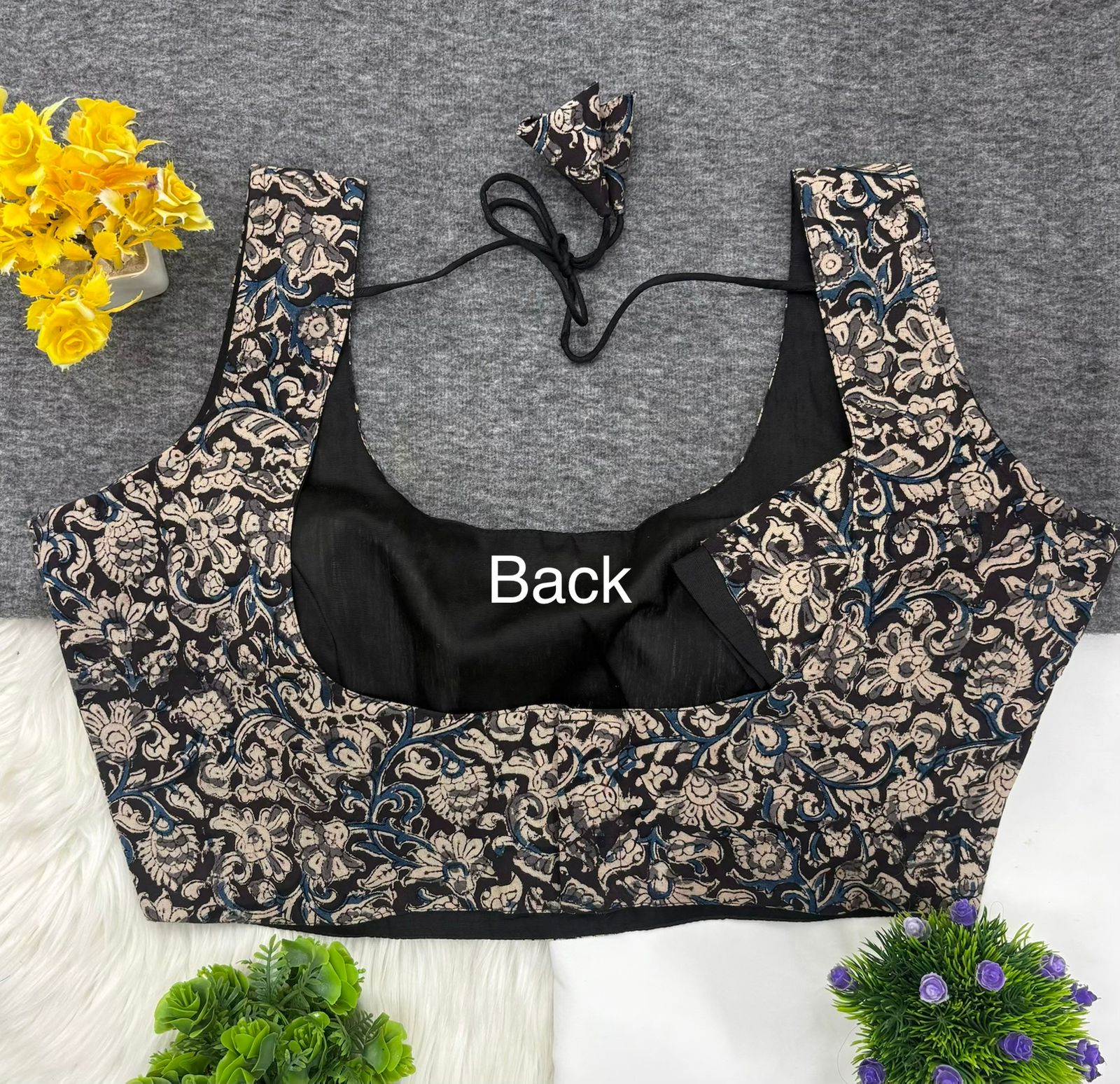
Black Heritage Peacock Digital Silk Saree creates a sharper evening silhouette through its dark base and recognisable peacock motif. A plain blouse and restrained jewellery prevent the decorative surface from becoming visually crowded.
Maroon Digital Print Viscose Uppada Silk Saree Online demonstrates why fibre information matters when comparing similar-looking designs. Viscose can provide a smooth, silk-like appearance at a more accessible price, but it should not be represented as pure silk.
Uppada Silk Sarees: Why They Are Popular in Andhra Pradesh when buying online
Buy Uppada Silk Sarees online by checking fibre content, production method, measurements, blouse details, colour representation and return conditions before comparing prices.
- Read the fibre label. Look for pure silk, silk blend, viscose, silk cotton or another specific composition. Fibre content affects sheen, breathability, washing and long-term durability.
- Identify the construction. Confirm whether the saree is handloom, powerloom, woven, printed or digitally printed. The term "Uppada" can describe a regional association or design influence in online listings, so construction details are essential.
- Check measurements. Saree lengths commonly fall around 5.3 to 5.5 metres, while a blouse piece may measure approximately 0.8 to 1 metre, but listings vary. Confirm the exact length if you prefer deep pleats or a wide pallu.
- Inspect close-up photographs. Zoom into the border, pallu, motif edges and fabric surface. Printed motifs usually have a flat appearance, while woven motifs are integrated into the fabric structure.
- Allow for screen variation. Navy, maroon, teal and royal blue may appear different under studio lighting or on separate screens. Product photographs are useful guides, but minor colour variation is common.
- Compare the total value. A lower price may indicate viscose, digital printing or a synthetic blend instead of handwoven silk. A higher price should be supported by clear information about fibre, weave, workmanship and finishing.
Silk Sarees Under 3000 With Discount can be a useful starting point for budget comparisons, but a discount does not replace fabric verification. Party Wear Sarees can help shoppers locate dressier colours and prints, while Red Banarasi Silk Sarees for Weddings Under 1100 provides a useful contrast between Uppada-inspired styling and Banarasi design language.
Uppada Silk Sarees: Why They Are Popular in Andhra Pradesh and how to style them
Style an Uppada saree by balancing the visual density of the print or weave with the blouse, jewellery, hair and pleat structure.
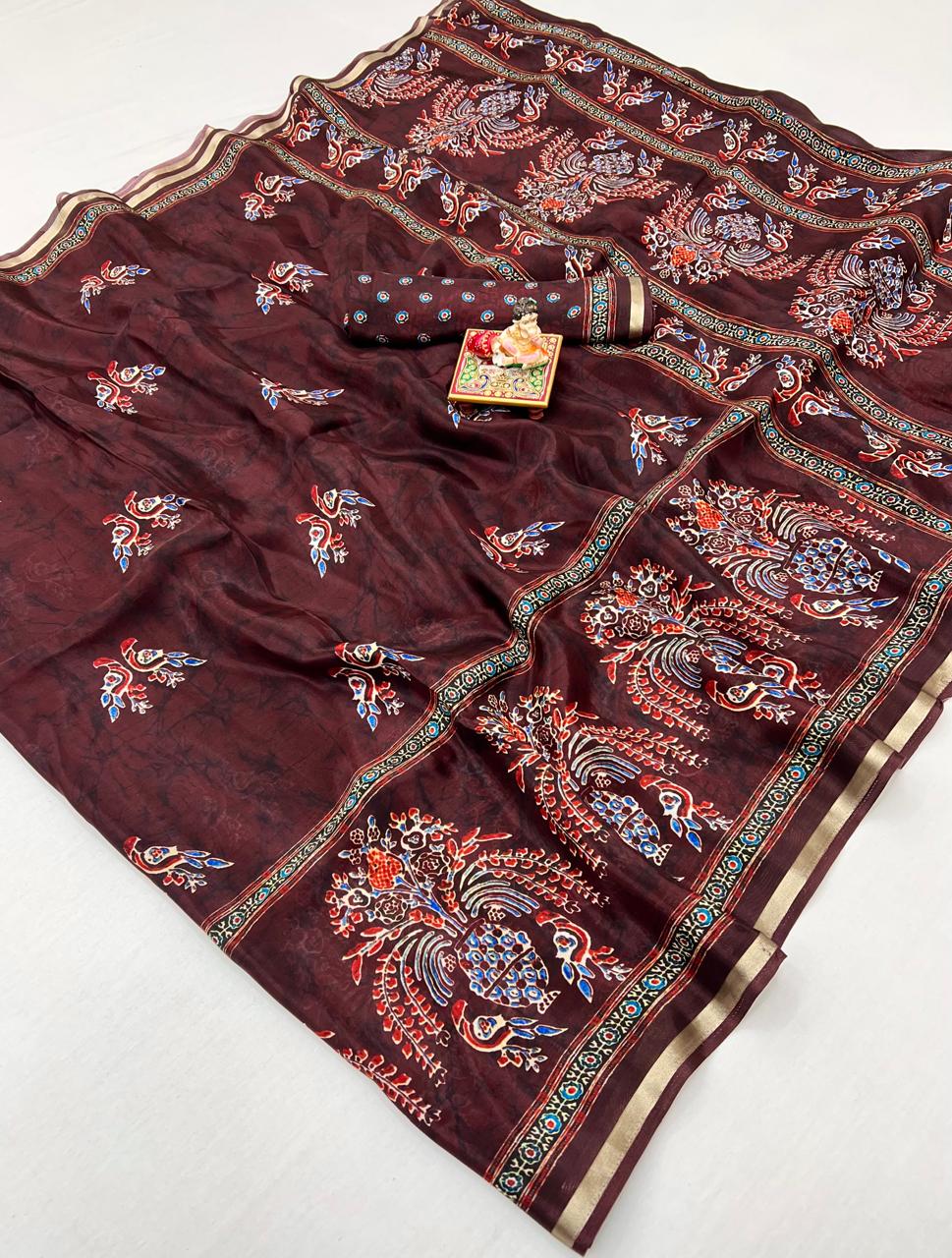
A floral saree usually benefits from a solid-colour blouse that repeats one shade from the print. Navy, maroon and teal can be matched directly, while a neutral beige or black blouse can calm a multicoloured design. A woven or textured blouse works especially well when the saree itself has a smooth digital surface.
For a traditional Andhra-inspired appearance, choose gold-toned jhumkas, a modest necklace, glass bangles and a low bun decorated with jasmine. For a contemporary event, use geometric earrings, a sleeveless or elbow-length blouse and a cleaner pallu arrangement. The drape should remain secure: firm pleats, a properly placed shoulder pin and a comfortable blouse fit matter more than excessive accessories.
Jewellery should respond to the saree's surface. Zari borders and antique motifs pair naturally with gold or antique-gold accessories. Silver or crystal accessories can sharpen navy, teal and black designs. A heavily patterned pallu generally needs fewer competing accessories around the neckline.
Care begins with identifying the fibre. Pure silk and silk-blend sarees should generally be dry-cleaned when the care label recommends it, stored folded in breathable cotton and refolded every few months to prevent permanent crease marks. Keep zari away from moisture, perfume and direct sunlight. Viscose and digitally printed sarees also need gentle handling; avoid harsh detergent, prolonged soaking and high-heat ironing unless the care instructions specifically permit them.
Uppada Silk Sarees remain popular in Andhra Pradesh because they connect regional textile identity with practical festive dressing. Their lightweight feel, Jamdani association, varied motifs and broad colour range make them suitable for both traditional ceremonies and modern celebrations. The best purchase is the one whose fibre, construction and care requirements are clearly stated and appropriate for the event and budget.
Uppada Silk Sarees: Why They Are Popular in Andhra Pradesh-common questions
Readers usually want to know whether Uppada means pure silk, how it differs from Kanjeevaram and how to identify handwoven work before buying.
Are all Uppada sarees made from pure silk?
No, not all Uppada sarees are made from pure silk. Online collections may include pure silk, silk blends, viscose and digitally printed sarees that borrow Uppada-inspired colours or motifs. The fibre label and construction details should be checked before purchase.
What is the difference between Uppada and Kanjeevaram silk sarees?
Uppada sarees are commonly associated with lightweight construction, Jamdani-style motifs and a delicate surface. Kanjeevaram silk is generally heavier, more structured and strongly associated with contrast borders and zari-led wedding designs.
Are Uppada sarees suitable for summer weddings?
Lightweight Uppada silk and silk-blend sarees can be suitable for summer weddings, particularly for daytime ceremonies. Check the actual fibre content because viscose, pure silk and blended fabrics can differ in breathability and weight.
How can a buyer identify a handwoven Uppada saree?
A buyer should look for clear handloom or handwoven information, close-up photographs and a detailed description of the weaving method. Small variations in motif placement may occur in handwoven work, but a digital print alone does not establish handloom provenance.
What blouse colour works with a floral Uppada saree?
A solid blouse that repeats one of the saree's dominant colours is usually the safest choice. Navy, maroon, teal, black, beige and gold can work depending on the print, border and formality of the event.
Common Questions About Uppada Silk Sarees in Andhra Pradesh
Are all Uppada sarees made from pure silk?
No, not all Uppada sarees are made from pure silk. Online collections may include pure silk, silk blends, viscose and digitally printed sarees, so check the fibre label and construction details before buying.
What is the difference between Uppada and Kanjeevaram silk sarees?
Uppada sarees are commonly associated with lightweight construction and Jamdani-style motifs, while Kanjeevaram silk is generally heavier and known for contrast borders and zari-led wedding designs.
Are Uppada sarees suitable for summer weddings?
Lightweight Uppada silk and silk-blend sarees can suit summer weddings, especially during daytime ceremonies. Confirm the fibre composition because pure silk, viscose and blended fabrics differ in breathability and weight.
How can a buyer identify a handwoven Uppada saree?
Look for explicit handloom or handwoven information, close-up images and a description of the weaving method. Small motif variations may occur in handwoven work, but a digital print does not prove handloom provenance.
What blouse colour works with a floral Uppada saree?
A solid blouse that repeats one dominant shade from the saree is usually the safest option. Navy, maroon, teal, black, beige and gold can all work depending on the print and event.