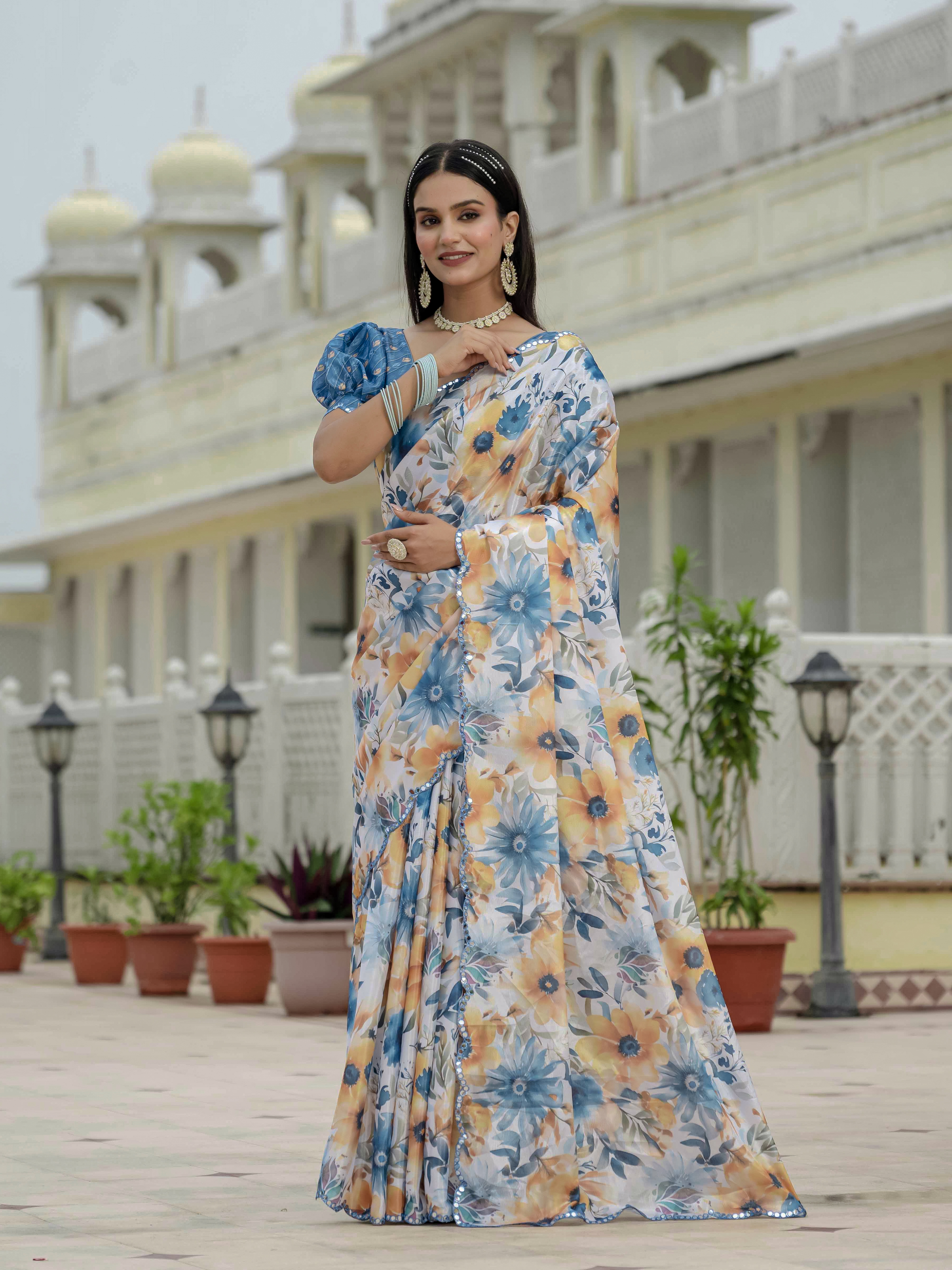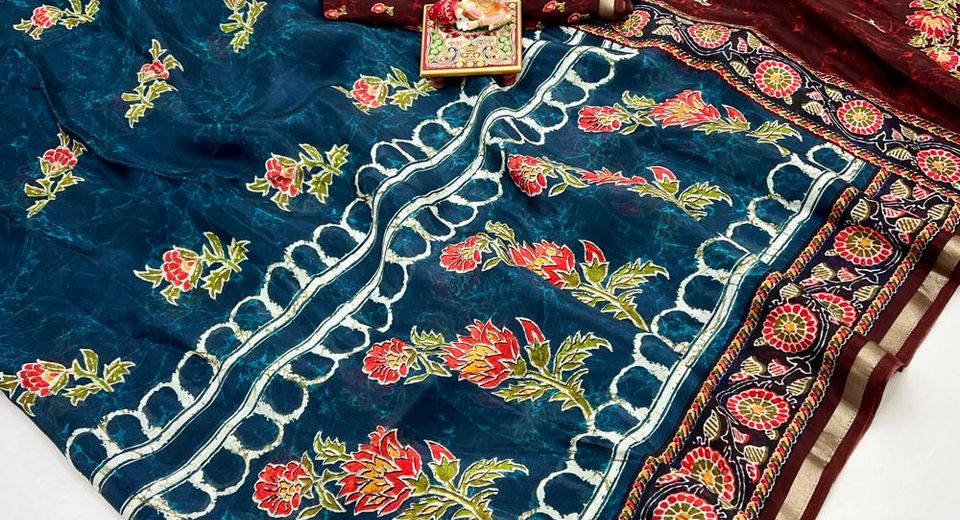
Ugadi in Telangana: Traditional Sarees and Festive Outfit Ideas begin with a practical question: how can a festive saree feel rooted in Telugu culture without becoming uncomfortable during a warm April celebration? The answer lies in choosing a breathable weave, a meaningful colour, a secure drape and accessories that suit the way the day is actually spent.
Telangana families may begin Ugadi with an early bath, prayer, mango-leaf toranalu, rangoli or muggu, the preparation of Ugadi pachadi and a visit to relatives or a temple. Many households also listen to Panchanga sravanam, the ceremonial reading of the new year's almanac. A saree for Ugadi therefore needs to work across rituals, cooking, photographs, meals and travel rather than only look impressive for a few minutes.
Ugadi in Telangana: Traditional Sarees and Festive Outfit Ideas for the Celebration
Ugadi dressing in Telangana combines auspicious colour, regional textile traditions and practical clothing suitable for a long family day. Women often choose cotton, silk-cotton, Chanderi, Tussar silk, Banarasi silk or other festive sarees, then add gold-toned jewellery, jasmine and a carefully arranged pallu.
Ugadi marks the Telugu New Year and is associated with renewal, seasonal change and the acceptance of different experiences. Ugadi pachadi traditionally brings together six tastes-sweet, sour, salty, bitter, pungent and astringent-to represent the varied emotions of life. Clothing doesn't have a single mandatory colour code, but fresh greens, yellow, mango, coral, pink, cream, red and gold are especially suitable for a morning festival.
Telangana celebrations may also include a temple visit, a family puja, lunch served on banana leaves and visits to elders. Those activities favour a saree with a stable waistband, a pallu that doesn't drag and a blouse that allows comfortable arm movement. A very heavy bridal drape can be beautiful, but a lighter festive weave is often more appropriate for Ugadi.
Ugadi in Telangana: Traditional Sarees and Festive Outfit Ideas by Fabric
Light cotton, linen-cotton, tissue cotton, silk-cotton and lighter silk sarees are the most useful choices for Ugadi because they balance festive appearance with breathability.
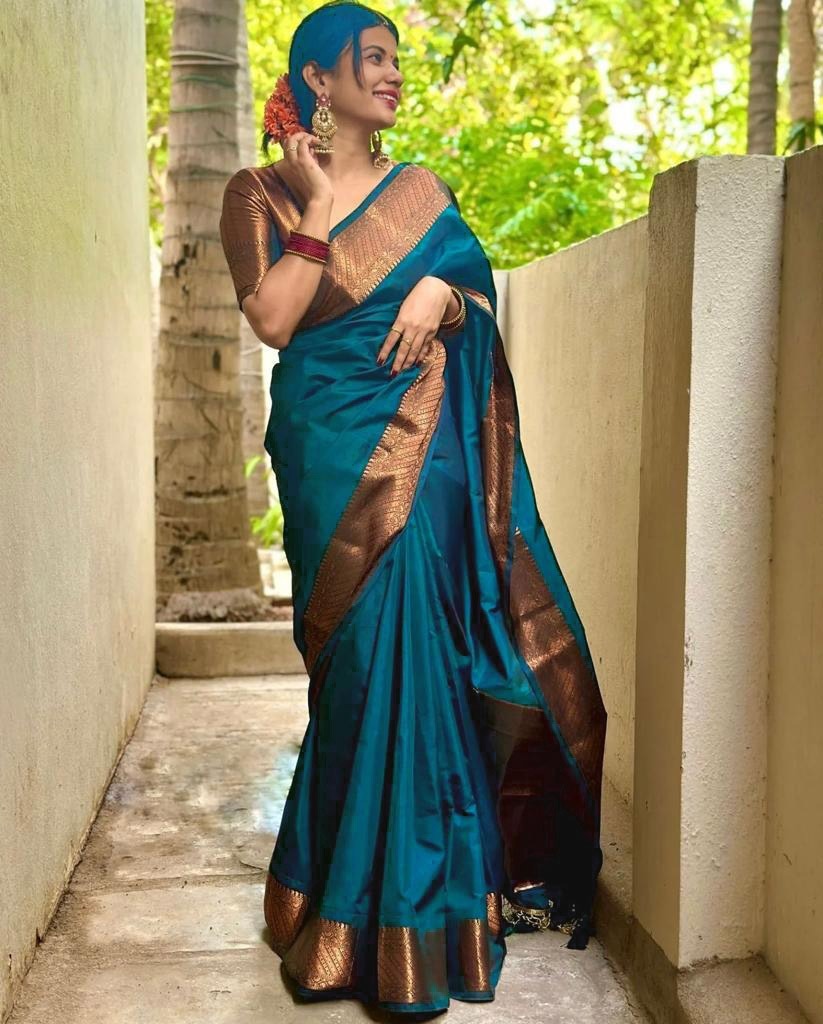
Linen-cotton and cotton for daytime celebrations
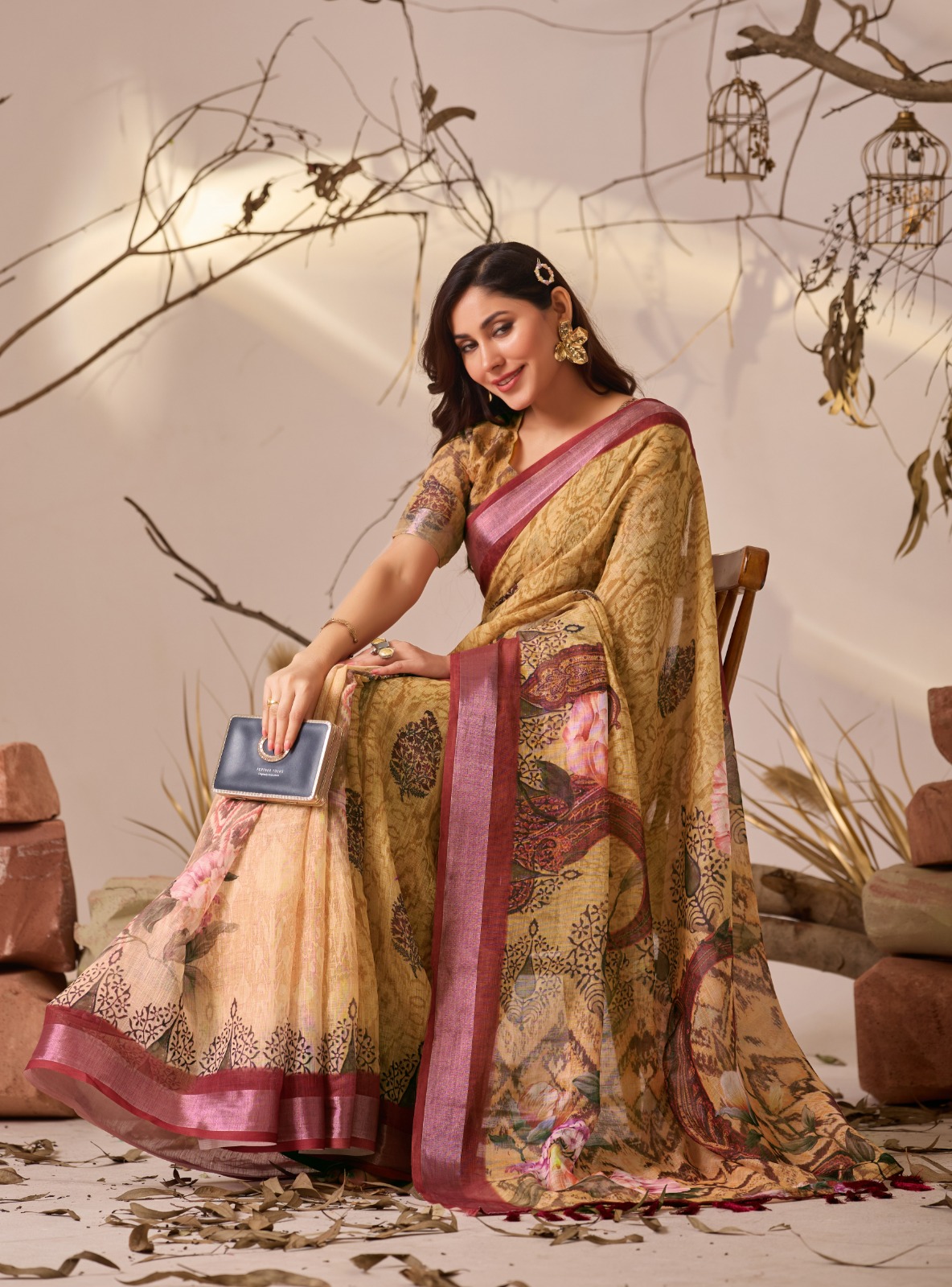
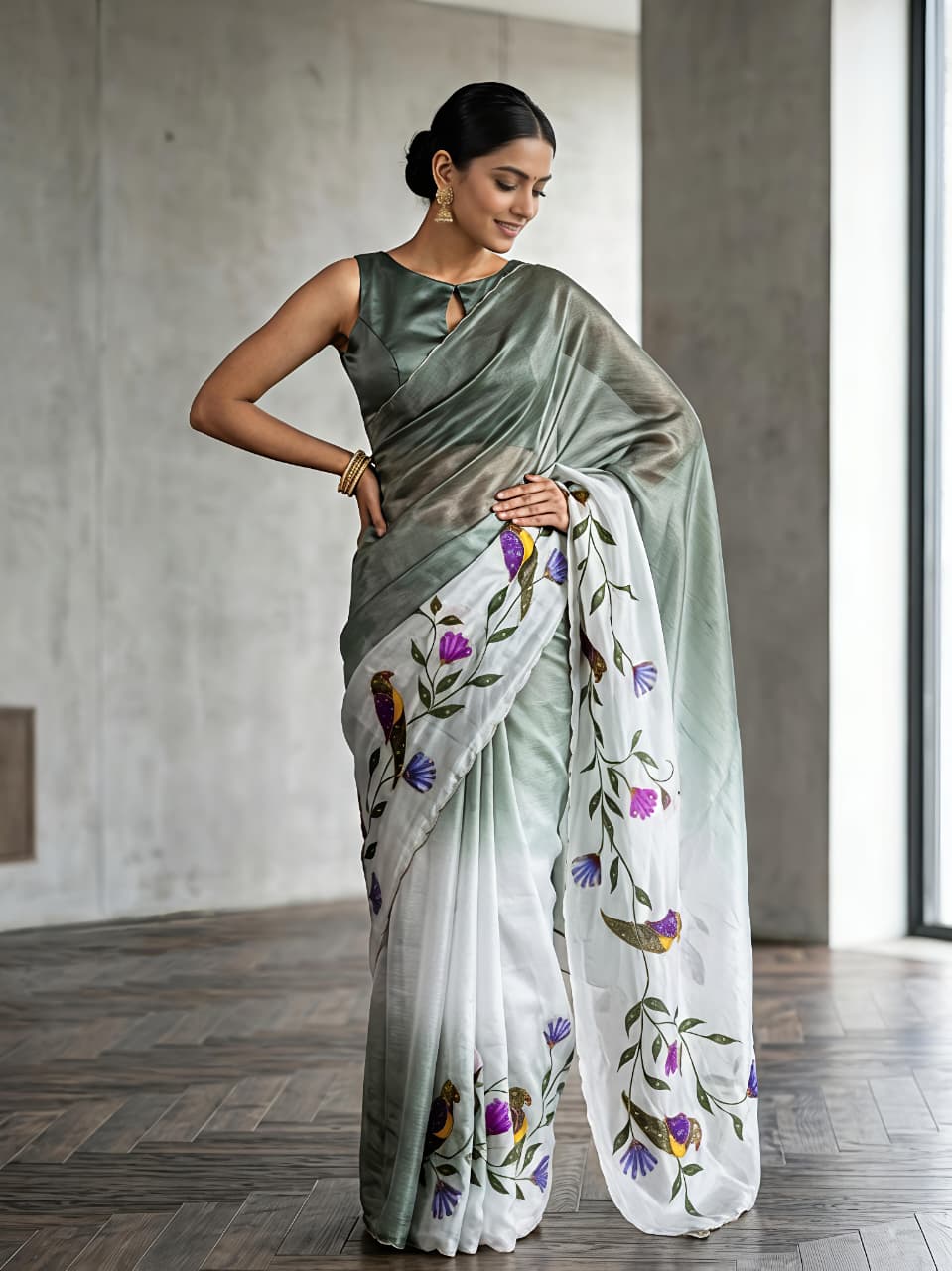
Linen-cotton sarees are airy and usually easier to wear for several hours than dense silk. Floral prints, restrained borders and a crisp blouse create a polished look without adding excessive weight. Pastel Linen Cotton Floral Print Saree with Designer Blouse works well for a daytime family gathering because its soft palette can be dressed up with gold earrings and a defined bindi.
Peach Linen Cotton Floral Print Saree with Blouse for Women offers a warmer interpretation of pastel dressing. Peach complements gold, pearl and temple-style jewellery, while a floral print keeps the outfit connected to spring. Linen-cotton can crease during sitting and travel, so pressing the saree before draping and carrying a few safety pins are sensible preparations.
Tissue cotton and silk-cotton for a dressier finish
Tissue cotton gives a festive surface through its subtle sheen and zari detailing while remaining lighter than many pure silk sarees. Pastel Floral Tissue Handloom Cotton Saree with Zari Weaves is suited to puja, lunch and daytime photographs because zari adds occasion value without requiring a heavily embellished blouse.
Cream Pink Tissue Handloom Cotton Saree with Zari creates a soft, traditional combination for women who prefer understated colour. Cream allows antique gold jewellery to stand out, while pink brings a celebratory note. A blouse in rose, cream, muted gold or a slightly deeper pink can connect the outfit without making it look overly matched.
Silk for a formal Ugadi gathering
Silk sarees suit formal Ugadi puja, a larger family event or an evening celebration when a richer drape is appropriate. Banarasi silk is recognised for woven zari and an ornate surface, while Uppada silk is valued for its light, smooth drape and refined texture. Tussar silk has a naturally textured appearance that works particularly well with earthy, floral and jewel-toned styling.
Traditional Teal Banarasi Saree for Festive Wear provides a deeper colour option for an evening puja or a formal family portrait. Teal pairs effectively with antique gold, kundan-style jewellery and a blouse in teal, muted gold or magenta. Teal Blue Floral Digital Uppada Silk Saree With Blouse gives a lighter visual interpretation of silk through its floral design and blue-green palette.
Festive Purple Tussar Silk Saree with Printed Blouse is useful when the blouse is expected to carry some of the styling interest. Purple works with gold, silver and antique-finish accessories, while Tussar silk brings texture without depending on extensive embroidery. Soft Tussar Silk Floral Saree For Festive Wear brings another option for a graceful festive look with a softer, less formal mood.
Ugadi in Telangana: Traditional Sarees and Festive Outfit Ideas by Colour
Choose Ugadi saree colours according to the time of day, the setting and the jewellery you already own rather than following a rigid colour rule. Fresh pastels suit morning gatherings, while deeper teal, purple, red or green can look more commanding for evening events.
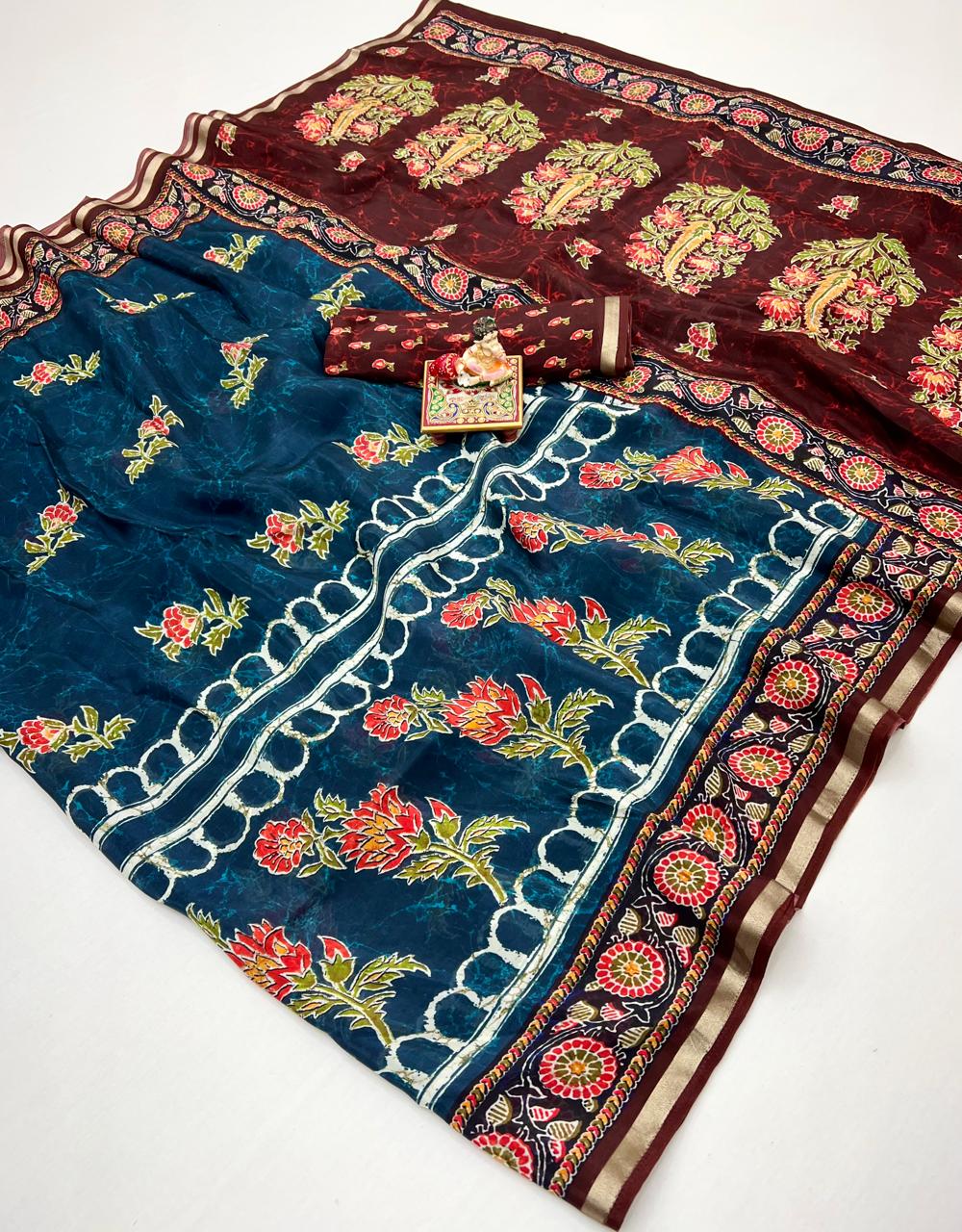
Yellow and mango shades echo turmeric, sunshine and seasonal freshness. Green connects naturally with neem leaves and new growth. Pink, peach and coral find celebratory without the visual weight of darker colours. Cream and off-white create a greater base for zari, temple jewellery and flowers. Red can be reserved for a more modern or formal appearance, especially when paired with gold borders.
Colour contrast matters when a saree has a floral print. A printed saree usually benefits from a solid blouse that repeats one small colour from the design. A plain or lightly woven saree can support a more detailed blouse, such as a brocade sleeve, a zari neckline or a contrasting back panel. Matching every shade exactly can make the outfit look flatter than a controlled contrast.
Pastel sarees are particularly effective for morning Ugadi celebrations because natural light reveals floral details and soft texture. Teal, purple and jewel tones are more suitable when the event continues into the evening or when a formal family photograph is planned. A cream saree with pink, green or gold accents can move comfortably between a home puja and lunch with relatives.
Ugadi in Telangana: Traditional Sarees and Festive Outfit Ideas for Blouses and Drapes
A well-fitted blouse, a firmly pinned pallu and a moderate number of pleats make a festive saree practical for Ugadi activities. The blouse should sit securely at the bust and shoulder without restricting breathing or arm movement.
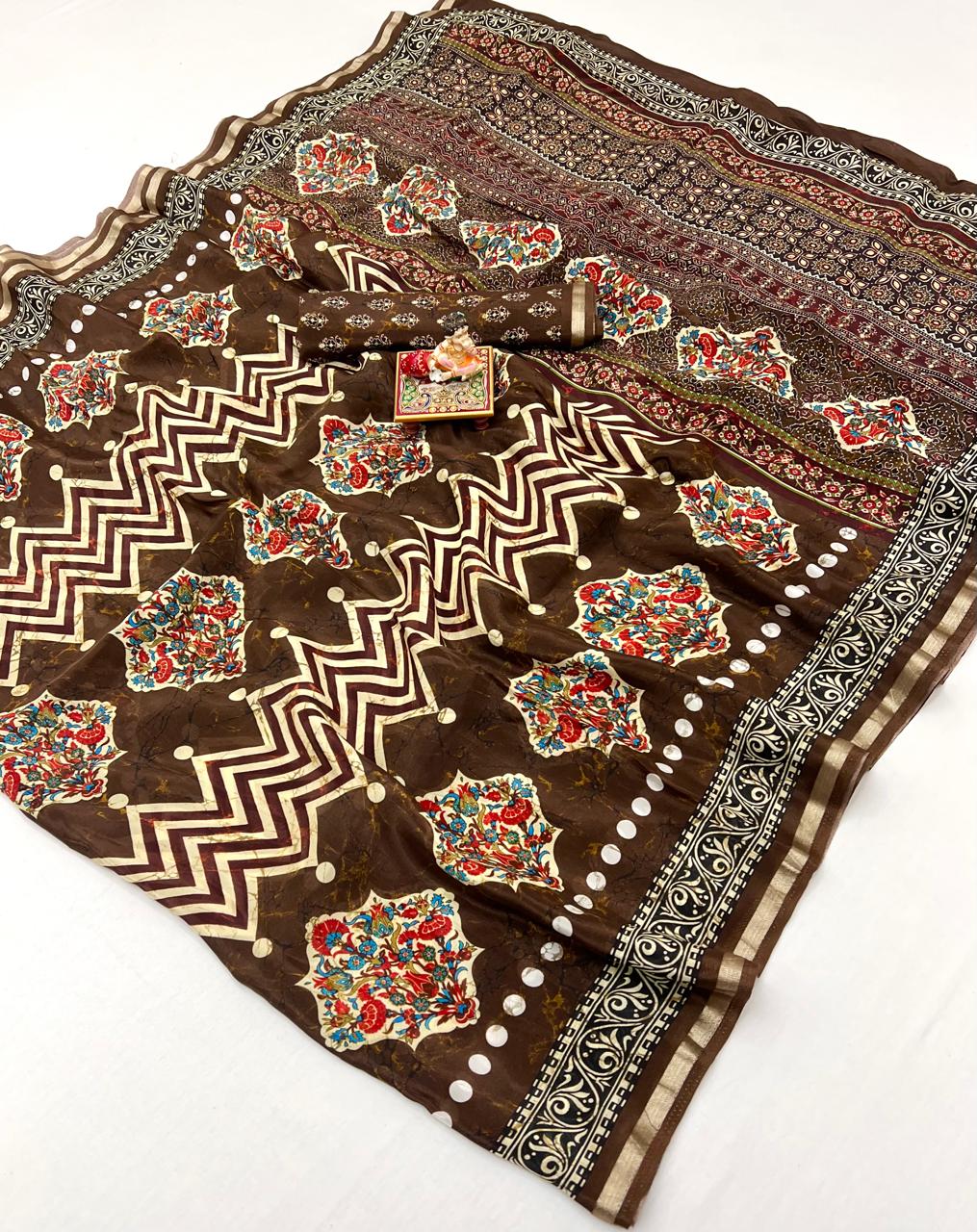
For cotton and linen-cotton sarees, a structured round-neck, boat-neck or modest square-neck blouse creates a neat silhouette. Elbow-length sleeves offer a traditional appearance and provide more coverage during a morning temple visit. A short-sleeved blouse can feel cooler for outdoor gatherings, while a three-quarter sleeve can make a lightweight saree look more formal.
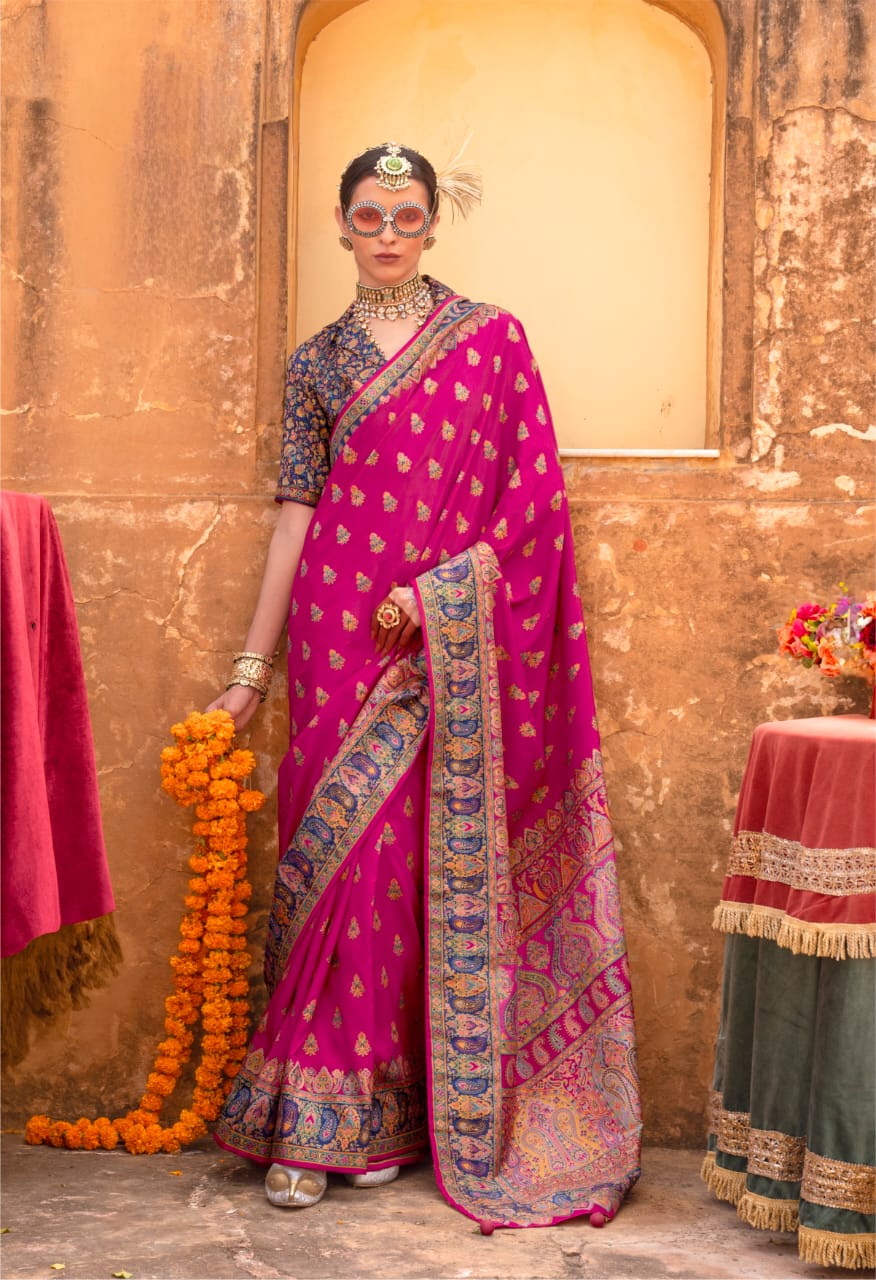
For Banarasi silk, Uppada silk and Tussar silk, a blouse with a simple neckline prevents the outfit from becoming visually crowded. A contrasting blouse can be effective, but the contrast should be deliberate: purple with antique gold, teal with muted gold, cream with rose pink or peach with maroon are examples that retain festive depth.
The Nivi drape remains a dependable choice for Ugadi because the front pleats sit neatly and the pallu can be placed over the left shoulder. Pin the pleats at the waist and secure the pallu at the shoulder, especially if the day includes walking, serving food or sitting on the floor. Keep the pallu long enough for elegance but short enough to avoid touching the ground.
A narrower pleat count can reduce bulk for linen-cotton and tissue cotton sarees. A slightly wider, carefully pressed pleat arrangement can display the border of a Banarasi silk saree more clearly. A hidden waist belt may help maintain the drape, but the belt should not be so tight that it causes discomfort during a long meal.
Ugadi in Telangana: Traditional Sarees and Festive Outfit Ideas with Jewellery
Gold-toned earrings, a bindi, flowers and one balanced necklace are enough to complete most Telangana Ugadi saree outfits. Jewellery should support the saree's weave and neckline rather than compete with zari, floral prints or an ornate border.
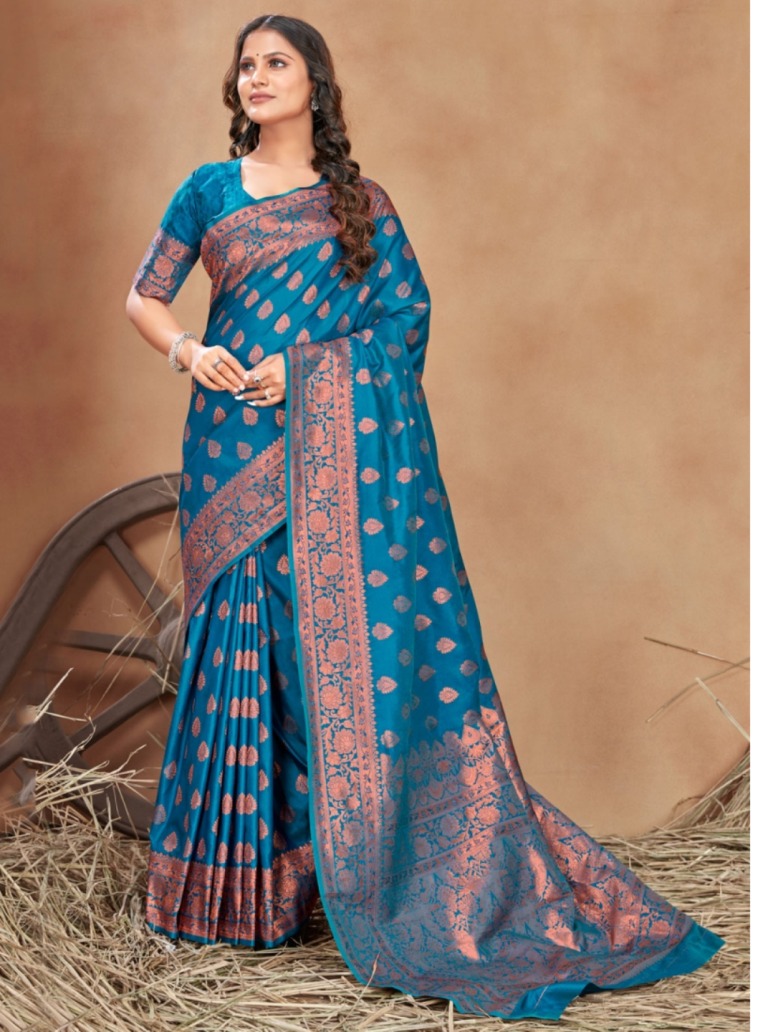
Jhumkas or small gold drops suit cotton, linen-cotton and tissue cotton sarees. A longer necklace can work with a simpler blouse, while a choker is better when the blouse has a wider neckline and the saree has a formal silk finish. Antique gold jewellery works with Tussar silk and deeper shades such as purple or teal. Pearls can soften cream, pink and pastel sarees.
Jasmine flowers tucked into a low bun are a natural choice for a morning puja or family lunch. A braid decorated with flowers gives a more traditional profile, while a low bun is easier to keep neat in warm weather. Use a bindi that echoes one colour in the saree rather than automatically choosing the brightest possible shade.
Makeup for a daytime Ugadi event can remain light and durable: a defined eye, comfortable lipstick, sunscreen and a small amount of setting powder are generally more practical than a heavy base. Hair and makeup should account for heat, especially when the celebration includes outdoor rangoli, temple queues or travel between homes.
Ugadi in Telangana: Traditional Sarees and Festive Outfit Ideas for Different Budgets
An useful Ugadi wardrobe can be built at several price levels by prioritising fabric, drape quality and repeat wear instead of buying the most embellished saree available. One versatile linen-cotton or tissue cotton saree can serve Ugadi, family lunches, small pujas and summer celebrations.
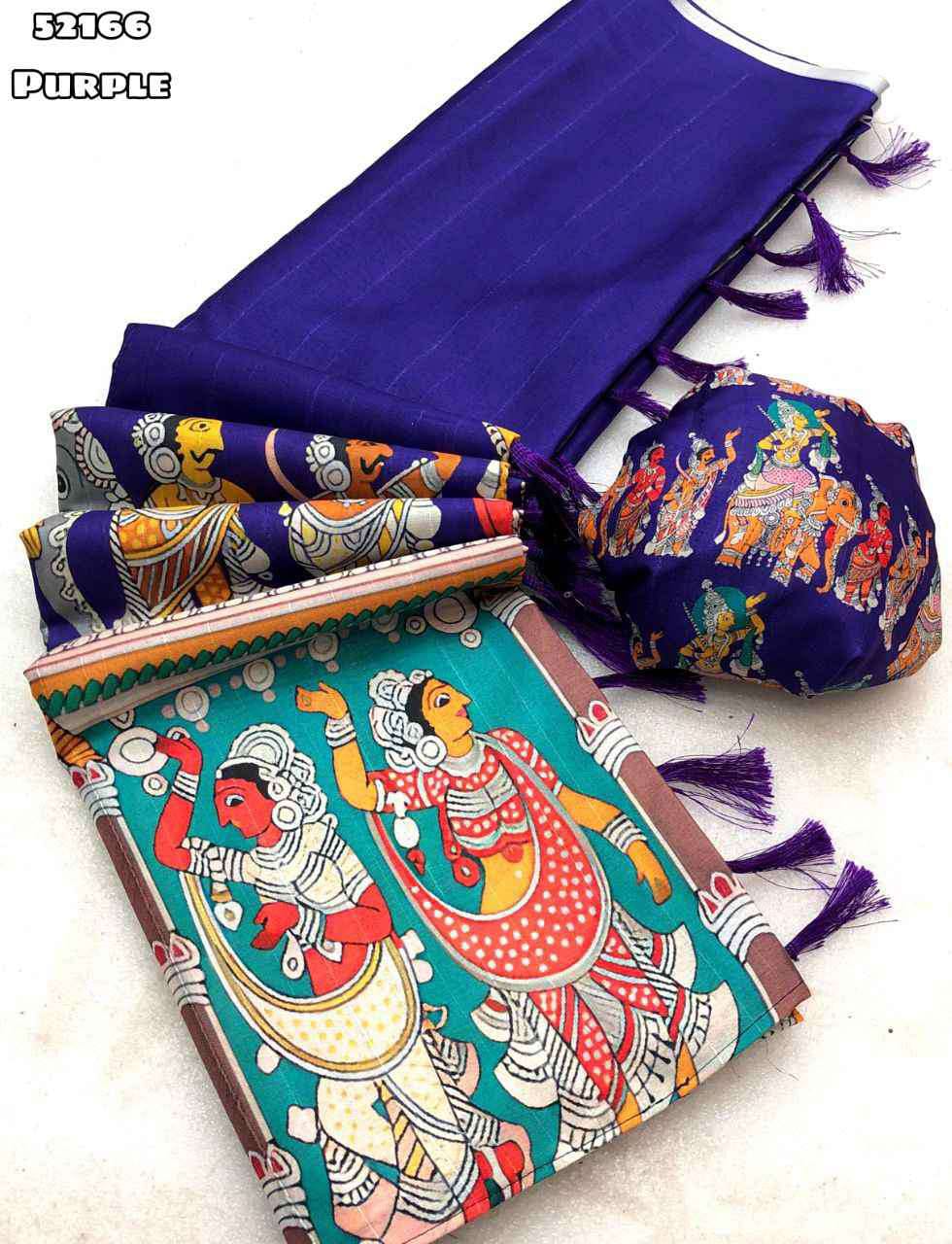
For a lower-cost festive option, compare the Sarees from Rs 1000 to Rs 1500 collection for breathable prints and lighter weaves that can be reworn for work, informal dinners and family gatherings. Budget planning should also include blouse stitching, fall and edging, which can add to the final cost even when the saree price appears low.
Discount collections such as Sarees Under 20% Off and Sarees Under 10% Off may suit shoppers who want a modest reduction while retaining a wider choice of fabrics and colours. Sarees Flat 60% Off and Sarees Flat 50% Off can be useful for a larger saving, but the product description, weave, blouse inclusion and care instructions should be checked before purchase.
A sensible buying checklist includes the saree length, blouse-piece availability, border width, fabric composition, transparency, washing instructions and expected delivery date. A six-yard saree commonly needs a fall and a tailored blouse before it's ready for a formal event. Ordering at least 7 to 10 days before Ugadi leaves time for alterations and a trial drape.
Fabric care affects how often a saree can be reused. Cotton and linen-cotton should be washed according to the care label and dried away from harsh direct sunlight when colour fading is a concern. Banarasi silk, Uppada silk and Tussar silk generally benefit from careful storage in breathable cotton fabric rather than plastic. Zari areas should not be exposed unnecessarily to moisture, perfume or rough jewellery.
Ugadi in Telangana: Traditional Sarees and Festive Outfit Ideas for a Complete Look
The most reliable complete look pairs one breathable or lightly festive saree with a comfortable blouse, secure Nivi pleats, restrained jewellery and flowers suited to the time of day. Morning home celebrations favour pastel cotton, linen-cotton or tissue cotton, while formal evening gatherings can support Banarasi silk, Uppada silk or Tussar silk.
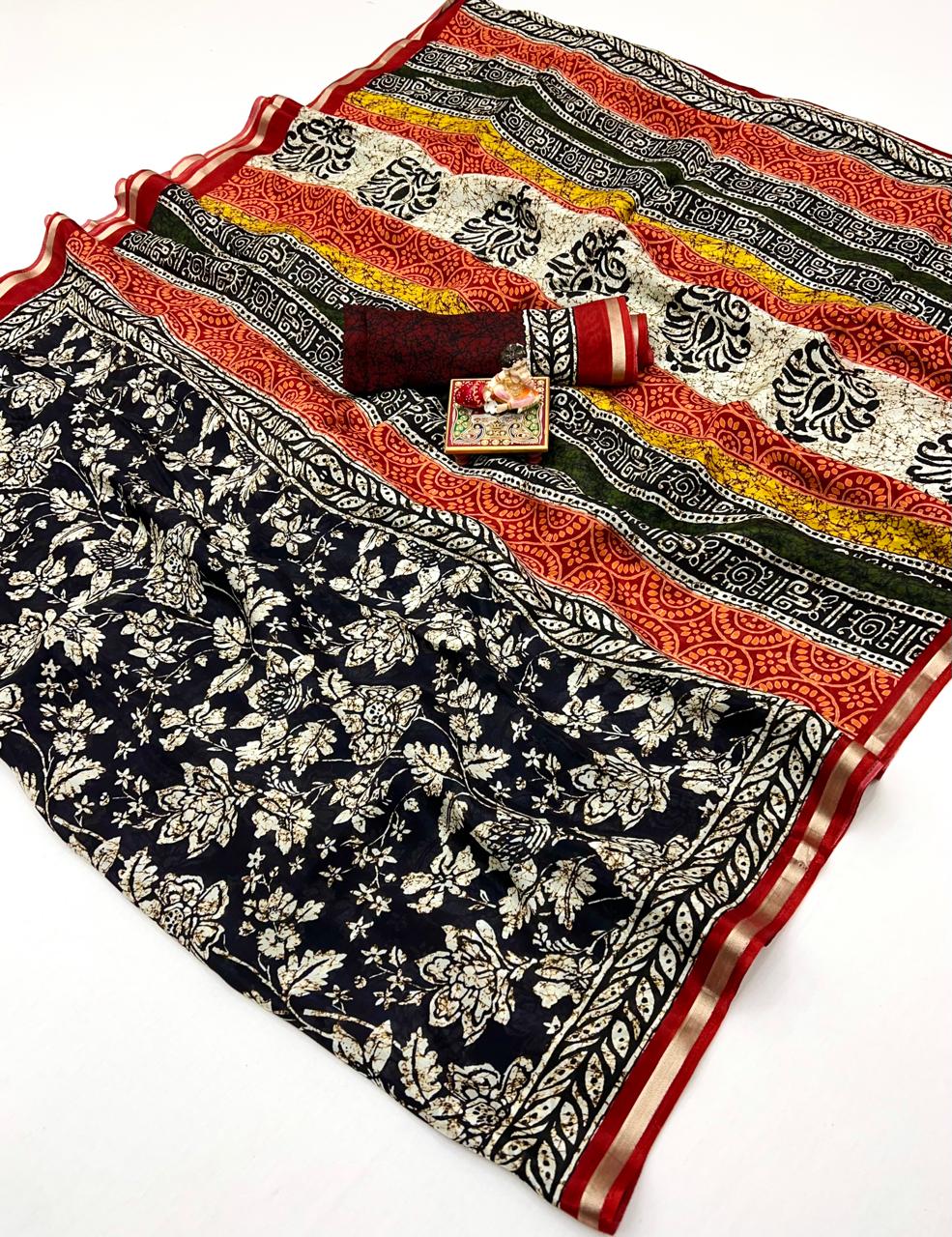
A practical morning combination could use a peach or cream-pink saree, a solid blouse, small jhumkas, a jasmine bun and a medium-sized bindi. A formal evening combination could use teal or purple silk, antique gold earrings, a low bun and a firmly pinned pallu. These combinations work because each styling element has a role: the fabric controls comfort, the blouse creates structure and the accessories establish festive character.
Before leaving home, check that the saree allows comfortable steps, that the pallu doesn't catch on door handles and that the blouse remains secure when the arms are raised. Carrying two safety pins, a small clothing-fix kit and a spare bindi can prevent minor problems from interrupting the celebration. The best Ugadi outfit is the one that lets you participate fully in prayers, meals, conversations and family photographs.
Common Questions About Ugadi in Telangana Saree Styling
Which saree fabric is best for Ugadi in Telangana?
Linen-cotton, cotton, tissue cotton and lighter silk sarees are practical choices because they offer breathability with a festive finish. Banarasi silk, Uppada silk and Tussar silk suit more formal celebrations, especially in the evening.
What colours are traditionally suitable for a Telangana Ugadi saree?
Yellow, green, mango, pink, peach, cream, coral, red and gold are all suitable festive choices, although Ugadi does not require one fixed saree colour. Choose lighter shades for daytime and deeper teal, purple or green for an evening event.
How should I style a saree for an Ugadi temple visit?
Choose a secure Nivi drape, pin the pleats and pallu, and wear a blouse that allows comfortable arm movement. Small gold earrings, a modest necklace, a bindi and jasmine flowers create a traditional look without adding unnecessary weight.
Can I wear a floral saree for Ugadi?
A floral saree is appropriate for Ugadi because floral prints suit the spring season and daytime celebrations. Pair a floral saree with a solid blouse that repeats one colour from the print so the outfit remains balanced.
How early should I order an Ugadi saree online?
Order at least 7 to 10 days before the celebration when possible. That timeframe allows for delivery, blouse stitching, fall and edging, a trial drape and any needed exchange or alteration process.
How should silk sarees be stored after Ugadi?
Store Banarasi silk, Uppada silk and Tussar silk in breathable cotton fabric in a dry cupboard. Refold silk periodically, keep zari away from perfume and moisture, and follow the specific care label instead of assuming that every silk saree should be washed at home.