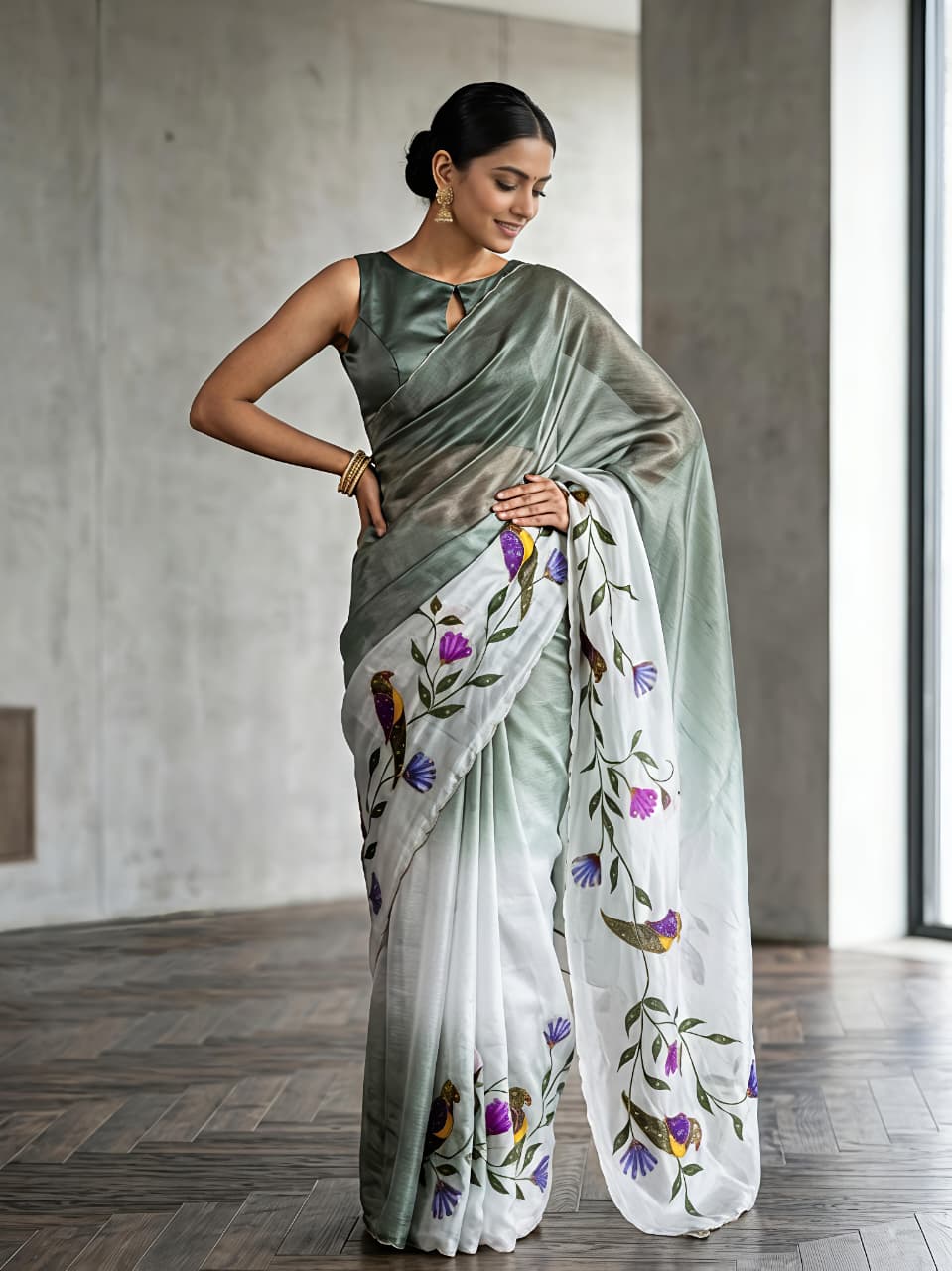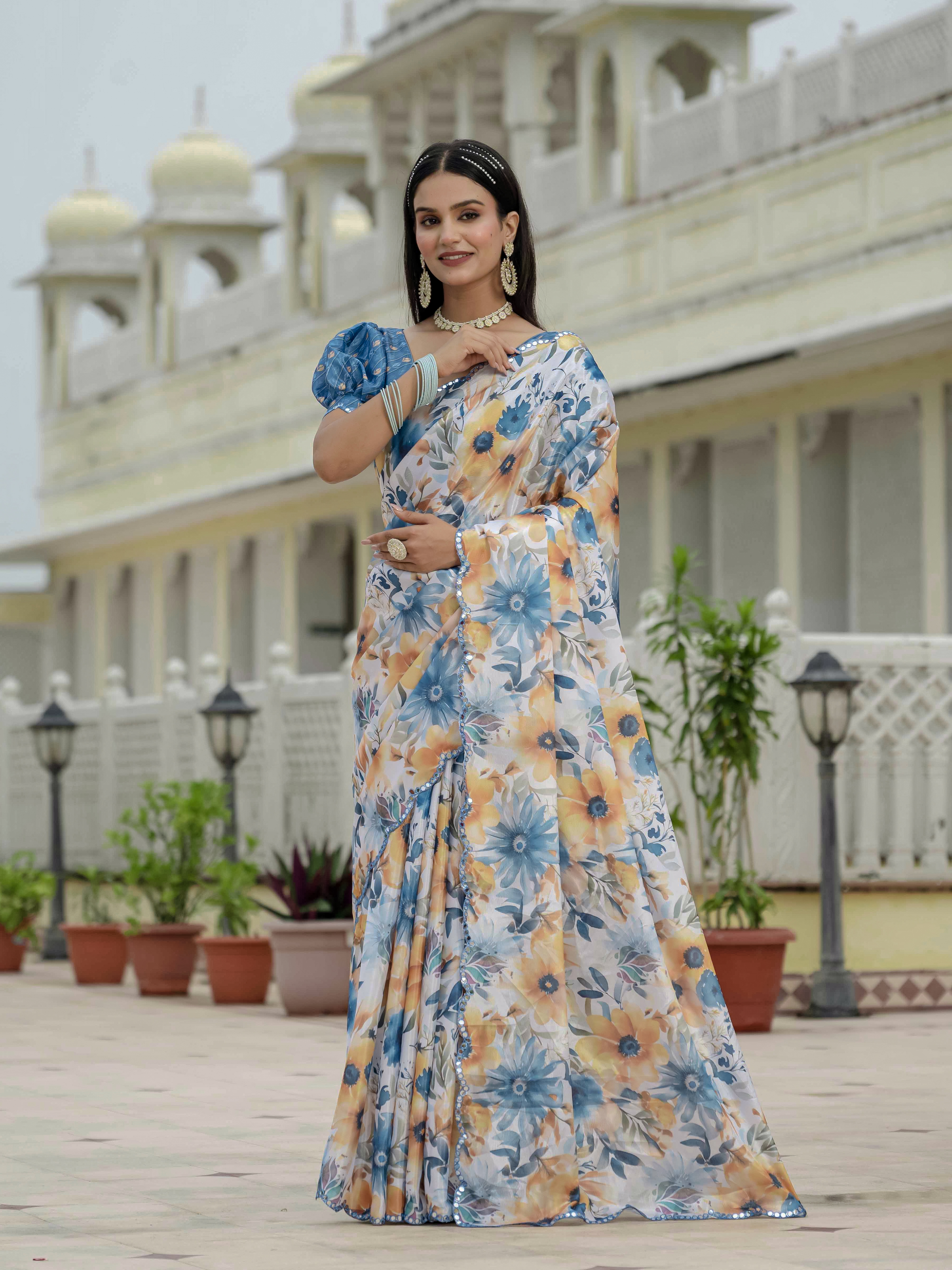
Tusu Festival Fashion: Traditional Sarees & Jharkhandi Outfit Ideas should reflect the winter harvest, the community spirit of Tusu Parab and the practical needs of a day spent singing, visiting and participating in celebrations. Tusu Parab is observed mainly across Jharkhand, with related traditions in parts of West Bengal and Odisha, around the Paush period and Makar Sankranti. A suitable saree therefore needs more than a bright colour: it should let movement, remain comfortable outdoors and feel connected to the regional character of the festival.
Tusu celebrations are associated with unmarried girls and women singing Tusu songs, carrying decorated structures often called choudal or chowdal, and expressing gratitude for the harvest. Customs vary between communities, so no single saree or blouse is compulsory everywhere. The most convincing outfit combines a breathable textile, a harvest-inspired colour story and accessories that don't interfere with walking, singing or ritual participation.
Tusu Festival Fashion: What does a traditional Tusu look include?
A traditional Tusu look usually includes a comfortable saree, a modest blouse, warm seasonal colours and understated accessories suitable for an outdoor community celebration.
Red, yellow, cream, white, green, rust and earthy brown make useful starting points because these shades recall flowers, grain, turmeric, mustard fields, foliage and winter sunlight. A restrained zari border can add festive brightness without making the outfit too heavy. Cotton, linen-cotton and lighter silk sarees are generally easier for daytime gatherings than dense bridal fabrics.
A neat pleat-forward drape, a pallu secured over the shoulder and a blouse with adequate coverage create a polished appearance while keeping both hands available. A family's local draping custom should take priority over generic fashion advice. If a community follows a particular colour or drape for Tusu Parab, asking an elder or organiser is more respectful than relying on a general internet styling rule.
Regional identity can also appear through handmade-looking jewellery, folk-art motifs, natural textures and practical footwear. A Tusu outfit doesn't need to imitate a wedding ensemble to look festive. Comfort, colour and cultural sensitivity often communicate the occasion more effectively than extensive embellishment.
Tusu Festival Fashion: Which saree fabrics work best?
Handloom cotton, linen-cotton, Tussar silk and lightweight silk sarees work especially well for Tusu celebrations because they balance movement, texture, warmth and festive presence.
Handloom cotton for daytime gatherings
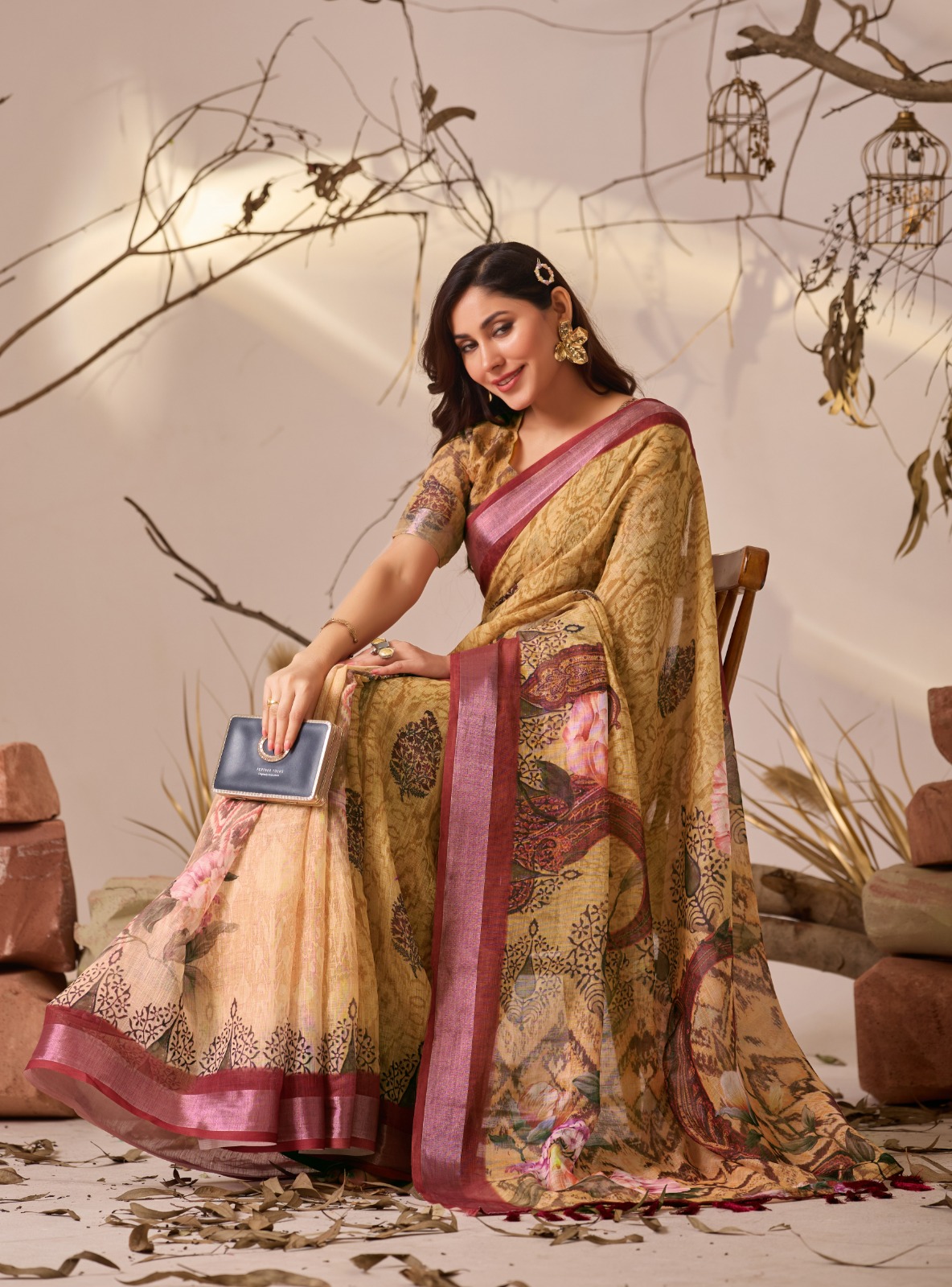
Handloom cotton suits outdoor Tusu events because cotton absorbs moisture, remains breathable and doesn't cling heavily while walking. Pastel Floral Tissue Handloom Cotton Saree with Zari Weaves combines a soft floral surface with zari detail, making it suitable when you want a gentle festive look instead of dense ceremonial decoration.
Cream Pink Tissue Handloom Cotton Saree with Zari offers another day-friendly direction through a light base and a dressier woven accent. Cream and pink can be paired with maroon, rust or muted green jewellery to prevent the outfit from looking too pale for a harvest celebration. Cotton also works well for people who expect to sit on mats, travel by local transport or remain outdoors for several hours.
Tussar silk for texture and winter depth
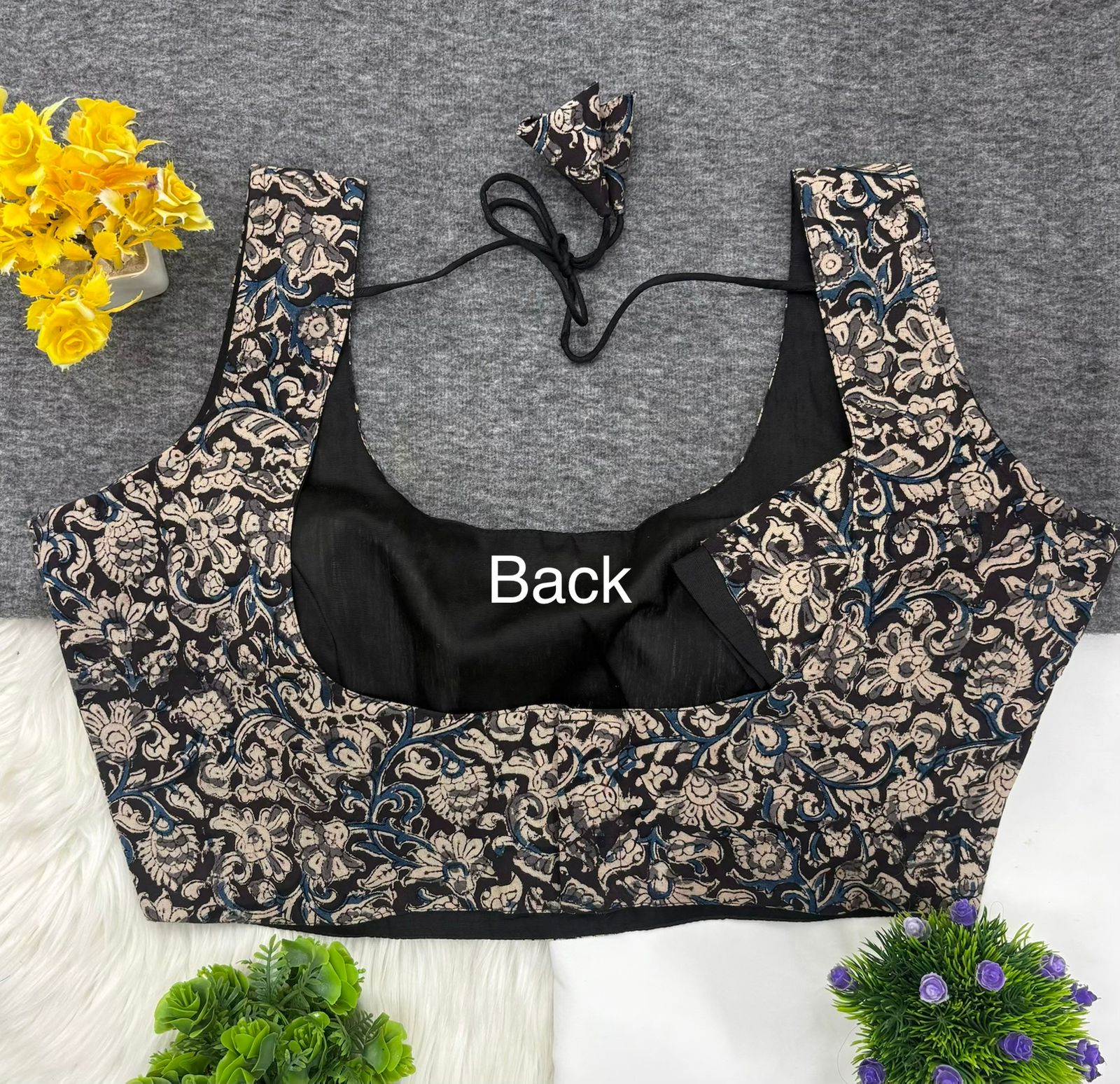
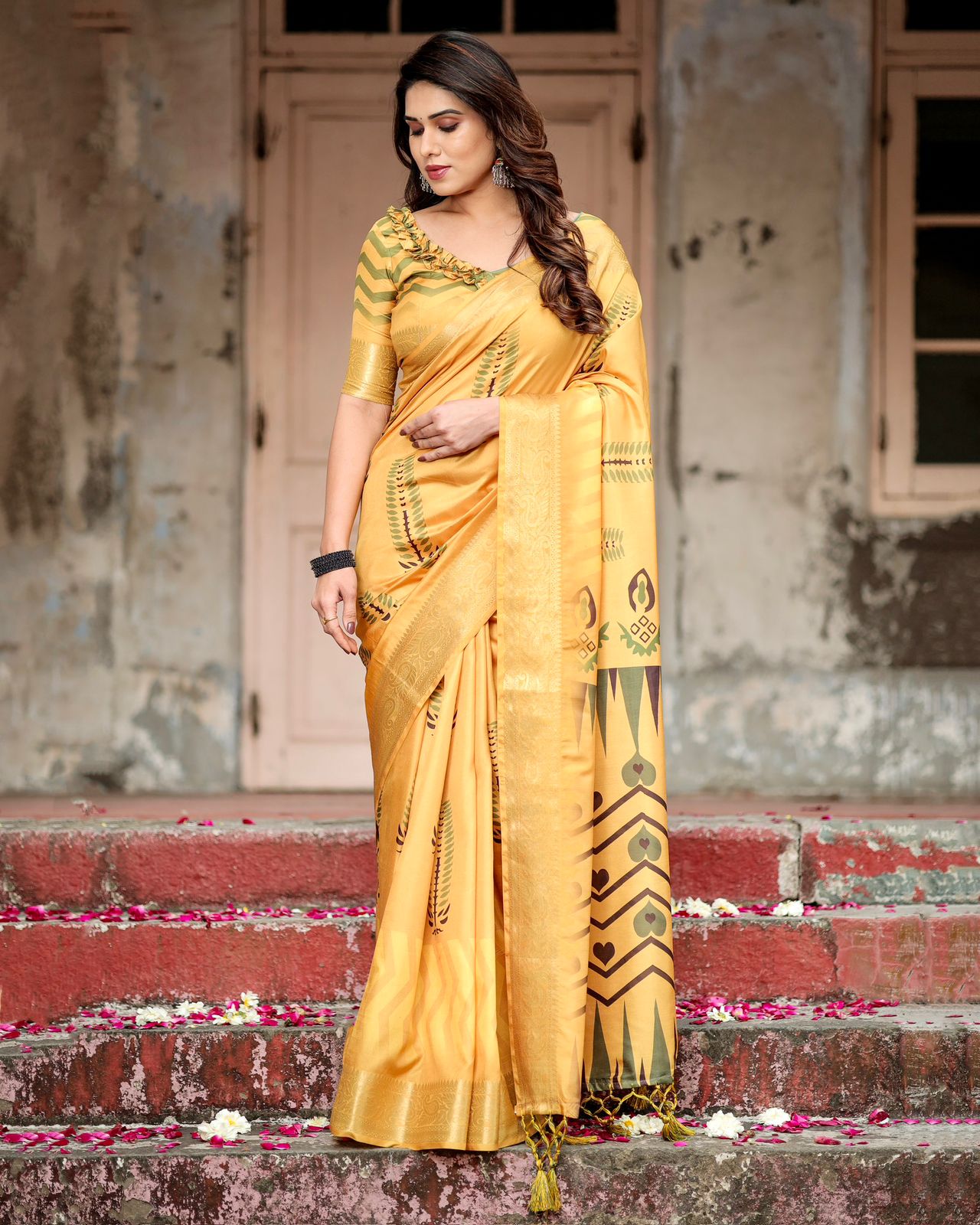
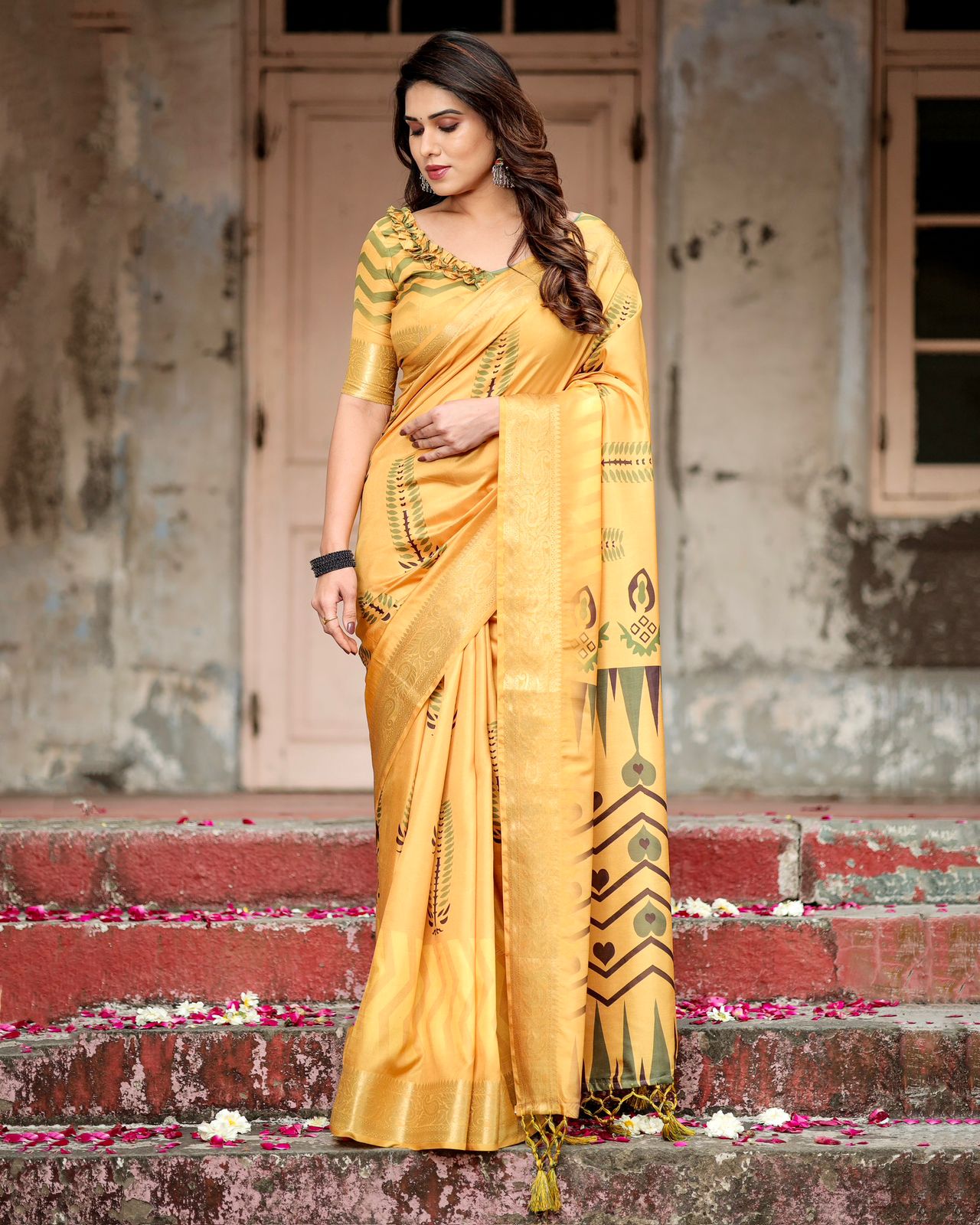
Tussar silk has a naturally textured appearance and a warmer visual weight than plain cotton, making it a strong choice for a winter festival. Tussar Silk Kalamkari Printed Saree with Blouse adds an art-led surface, while Golden Yellow Tussar Silk Printed Saree with Blouse connects naturally with turmeric, ripened grain and mustard-inspired colour palettes.
Premium Chikoo Floral Tussar Silk Ethnic Wear Saree suits someone who prefers an earthy neutral over vivid red or yellow. Chikoo, beige and brown shades can be lifted with a red bindi, oxidised silver earrings or a deep green blouse without losing their grounded character. Tussar silk should be stored folded with soft muslin because prolonged contact with plastic can trap moisture and affect the fabric.
Silk for a formal evening gathering
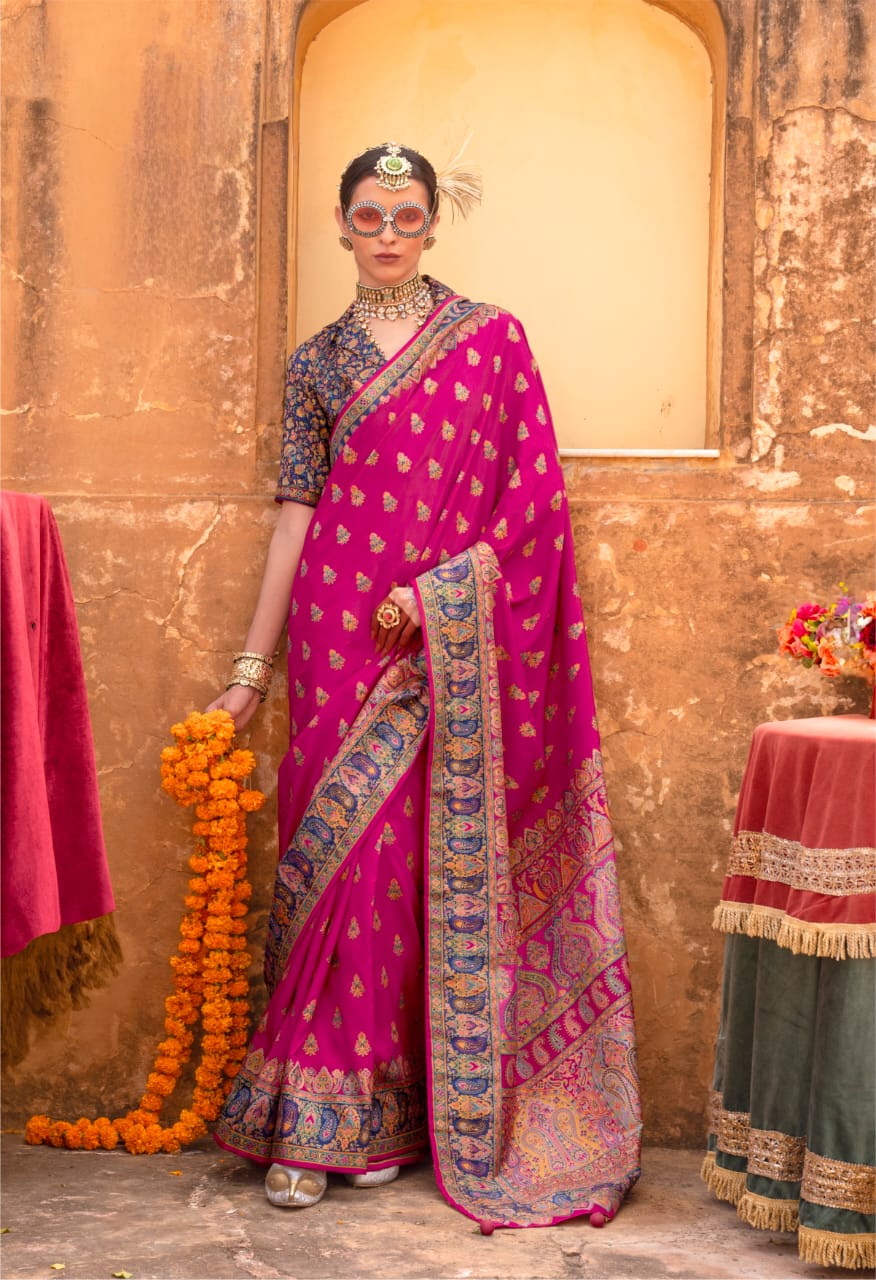
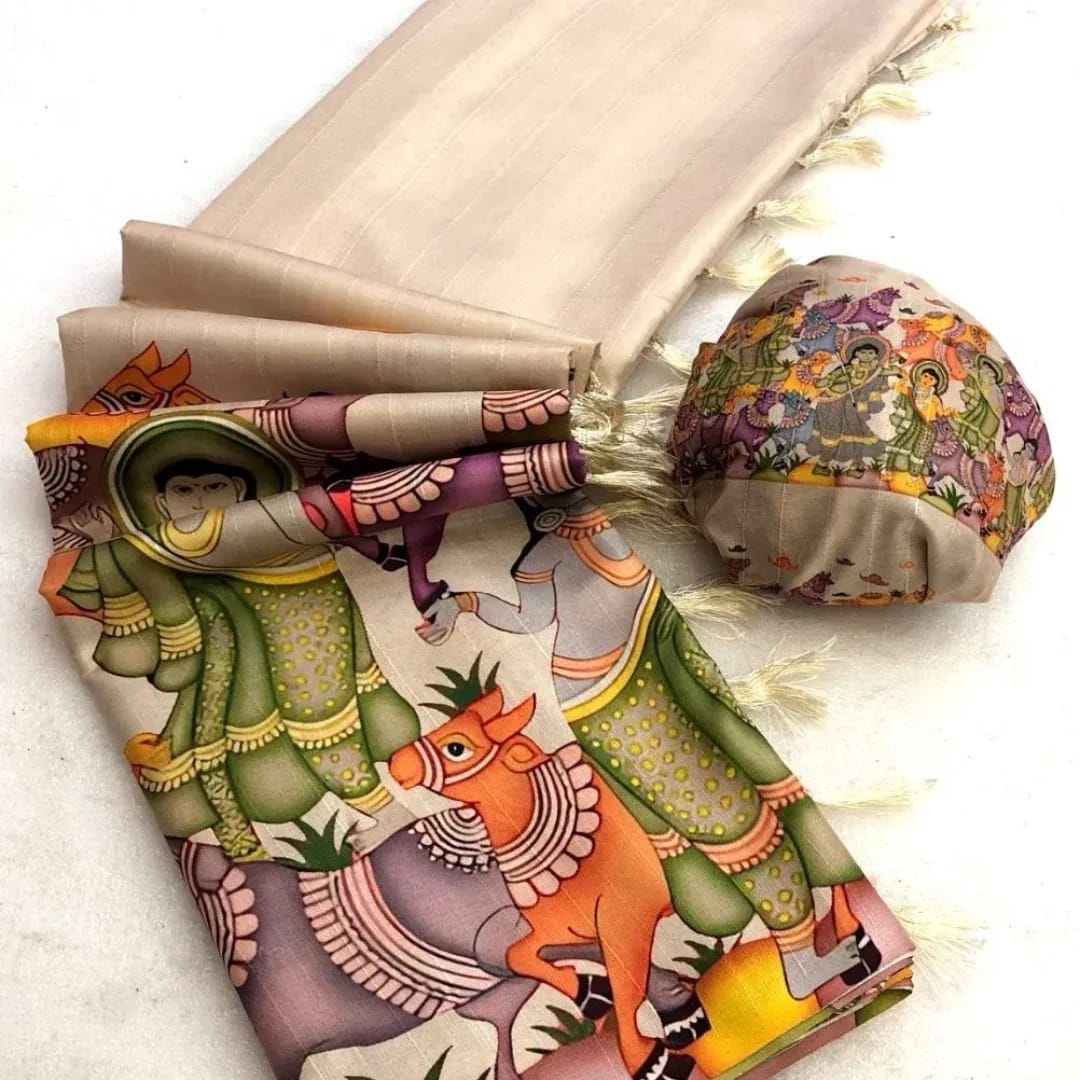
Silk suits an evening Tusu gathering when the programme includes a formal family visit, cultural performance or festive meal. Festive Wear Blue Silk Saree for Women creates a cooler jewel-toned option, while Traditional Elephant Art Designer Silk Saree brings a stronger folk-art mood through its motif-led design.
Silk traditional styling doesn't require maximum jewellery. One substantial necklace, medium-sized earrings and a secure hair accessory are usually more balanced than several competing statement pieces. Check a silk saree for weight and slipperiness before an outdoor event because loose pleats become difficult to manage during a long walk.
Tusu Festival Fashion: How should you choose the saree colour?
The best Tusu saree colour depends on the time of day, family custom and personal preference, with yellow, red, cream, green and earthy shades offering the most useful starting points.
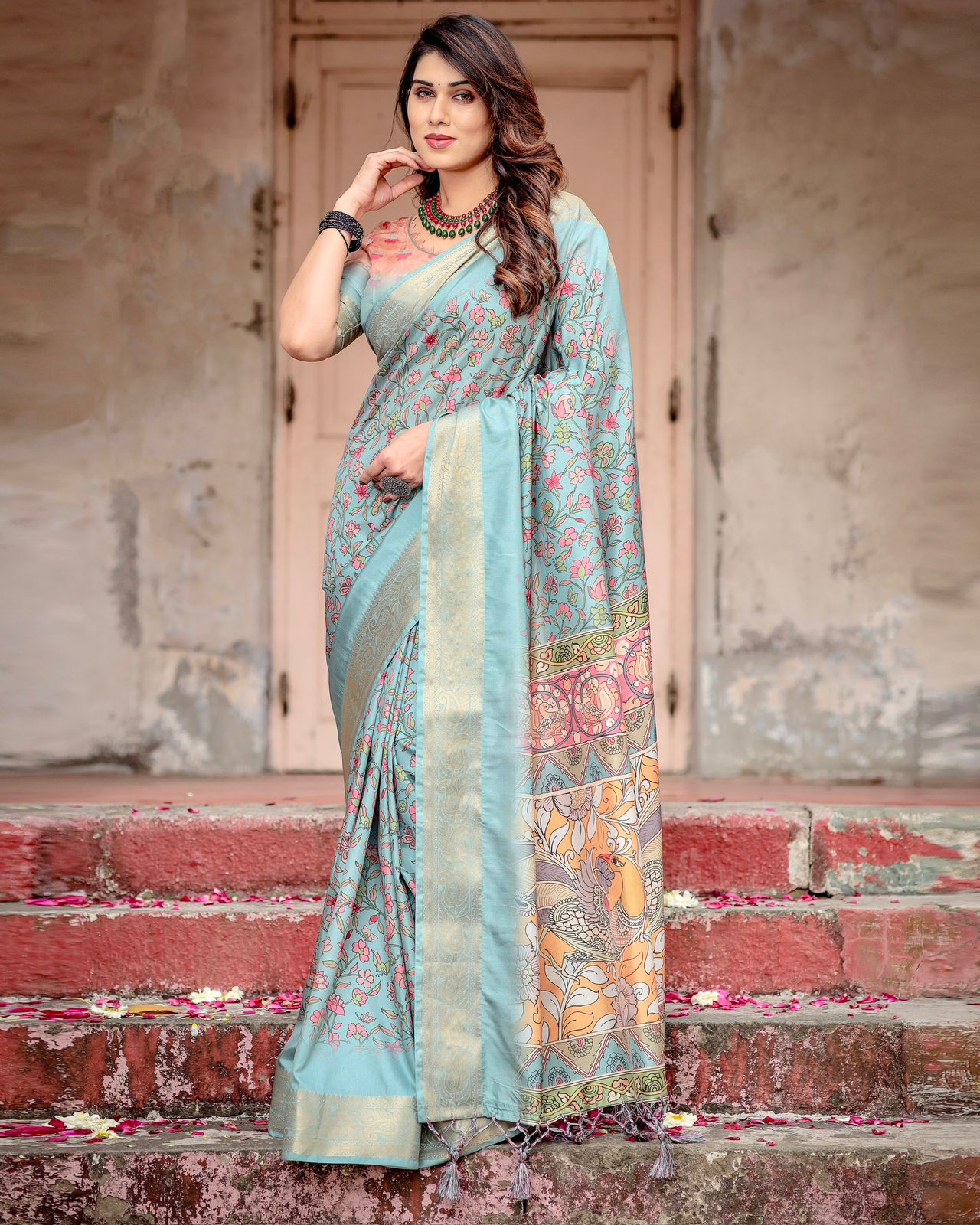
- Yellow: Golden yellow recalls turmeric, sunlight and ripened crops, and works naturally with antique gold or brass-toned jewellery.
- Red: Red adds energy to a winter celebration and pairs well with cream, mustard, black or green accents.
- Cream and pink: Cream-pink combinations look soft in daylight and allow a red bindi or darker blouse to become the focal point.
- Green: Leaf and bottle-green shades connect with crops and foliage while providing contrast against gold zari.
- Blue and earth tones: Blue, chikoo, brown and rust offer quieter choices for people who prefer a less vivid festival palette.
Colour symbolism should remain personal rather than prescriptive. Communities may associate particular colours with local rituals, family customs or the role a participant has in a celebration. When uncertain, ask someone familiar with the local practice instead of treating a social-media colour chart as a cultural rule.
An useful styling formula is one dominant colour, one supporting neutral and one metal tone. For example, a golden yellow saree with a maroon blouse and antique gold jewellery looks intentional without becoming visually crowded. A cream saree with a red blouse and oxidised silver jewellery creates a sharper contrast while remaining easy to coordinate.
Tusu Festival Fashion: What are practical Jharkhandi outfit ideas?
Practical Jharkhandi outfit ideas for women include a cotton saree with a contrast blouse, a textured Tussar silk saree with simple jewellery and a regional-art-inspired silk saree for formal cultural programmes.
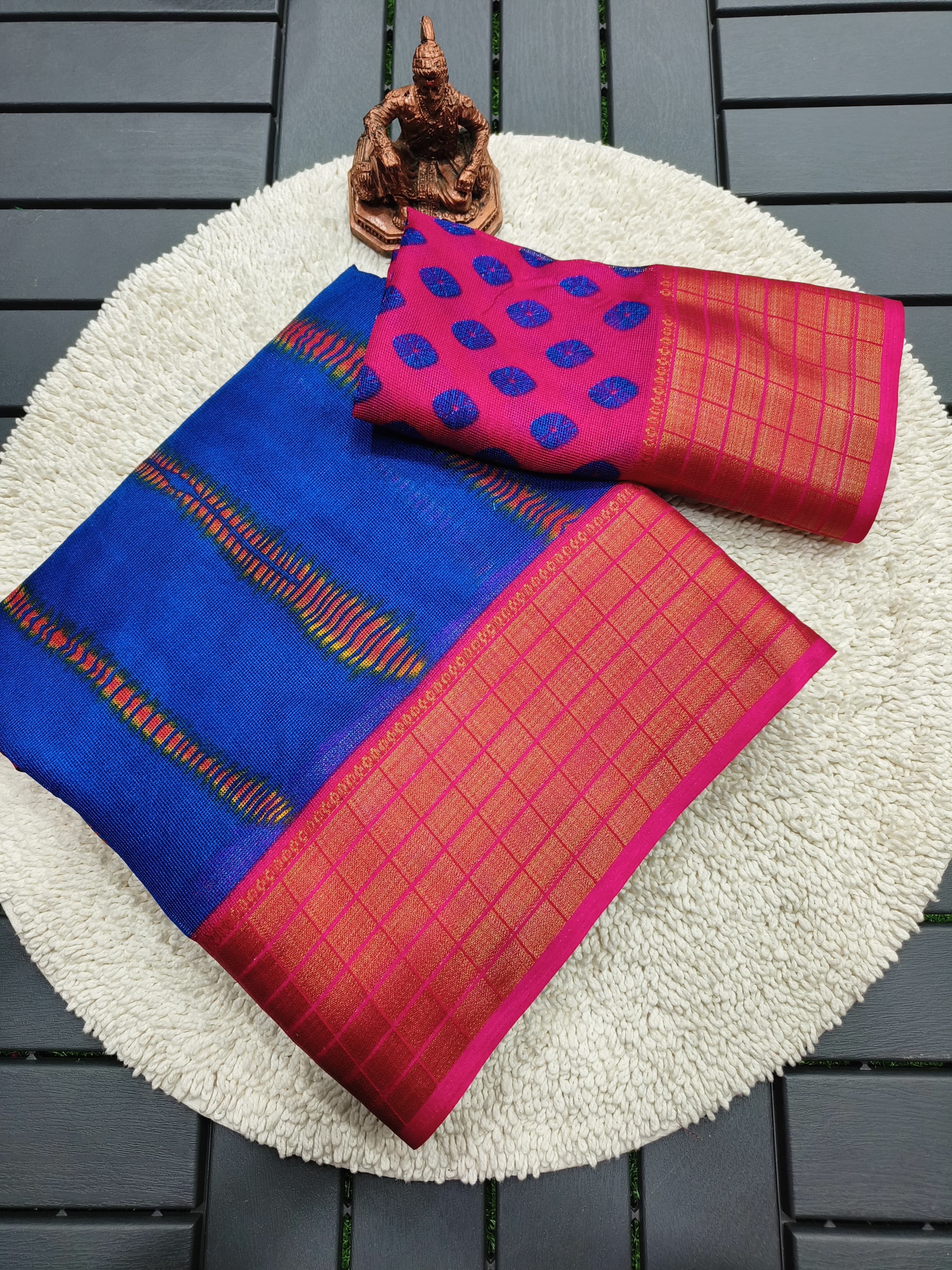
The easy daytime saree
Pastel Linen Cotton Floral Print Saree with Designer Blouse suits a relaxed daytime outfit that still looks coordinated. The floral print supplies visual interest, while the linen-cotton character is more forgiving for walking, sitting and repeated movement than a heavily embellished drape. Add flat juttis or simple sandals, a compact cloth bag and small earrings.
For a more traditional visual line, wear the saree with a high or medium round-neck blouse, short sleeves and a pallu pinned near the shoulder. A blouse in rust, maroon, mustard or dark green creates stronger harvest contrast than a fully matching pastel blouse. A cotton petticoat with a secure waistband will also make the pleats more stable during movement.
The folk-art-inspired outfit
Traditional Elephant Art Designer Silk Saree can anchor an outfit for a cultural programme because an animal motif gives the look a connection to Indian visual traditions without requiring excessive embellishment. Keep the rest of the styling quiet with a low bun, a small bindi, metal bangles and earrings that don't catch on the pallu.
Tussar Silk Kalamkari Printed Saree with Blouse gives another art-led option. Kalamkari-style imagery isn't a substitute for Jharkhand-specific textile identity, but a narrative print can sit comfortably within a broader Indian festive wardrobe when worn without claiming that every printed motif originated in the Tusu region.
The formal harvest palette
Golden Yellow Tussar Silk Printed Saree with Blouse suits a formal family gathering or evening stage programme. Pair the saree with a low bun decorated with a small flower arrangement, a narrow bangle stack and one warm metal tone throughout the jewellery.
For shoppers comparing traditional sarees online, Silk Sarees Under 3000 With Discount can be an useful budget reference, but price alone doesn't confirm weave authenticity or suitability. Read the fabric description, check the blouse information and examine the care instructions before choosing a saree for a significant festival day. Pink Georgette Sarees can provide a lighter drape, but georgette is more slippery and may need extra pinning for outdoor participation.
Tusu Festival Fashion: How can you style a saree for winter?
Style a Tusu saree for winter by adding a warm inner layer, securing the pleats, choosing stable footwear and carrying accessories that remain comfortable outdoors.
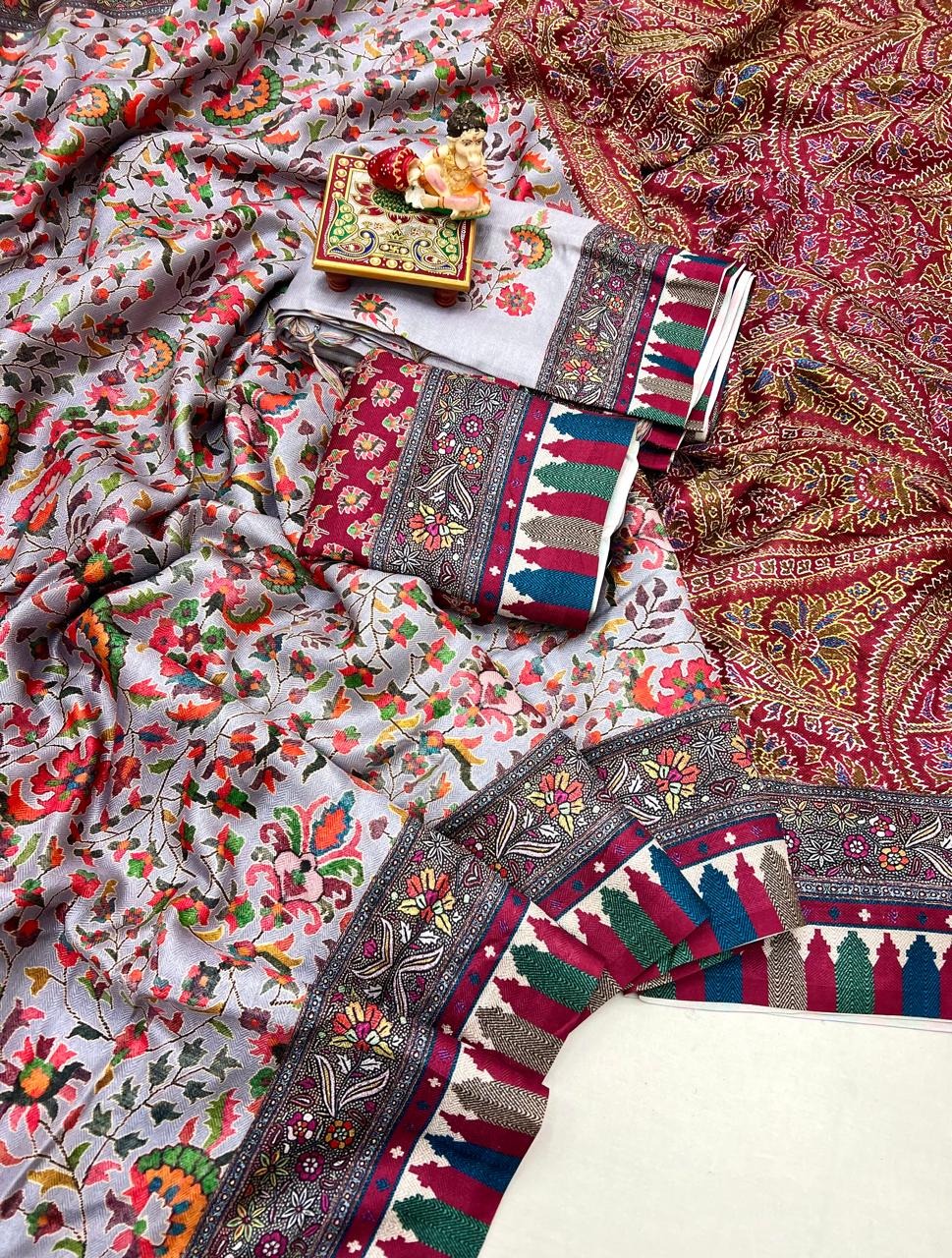
A fitted camisole or thermal vest under the blouse can add warmth without visibly changing the silhouette. A short knitted cardigan, shawl or woollen stole works better than a bulky long jacket when the pallu is part of the outfit. Drape the shawl over the opposite shoulder from the pallu so both layers remain distinguishable.
Pin the first pleat lightly at the waist and secure the pallu at the shoulder before leaving home. Place safety pins on the inner side of the fabric, especially when the saree contains delicate tissue or zari. Carry two spare pins, a small sewing kit and a foldable scarf, particularly when the celebration involves travel.
Footwear should be selected for the ground rather than only for photographs. Low block heels, cushioned sandals or flat juttis are safer for uneven outdoor surfaces than narrow stilettos. Foldable flats can be useful if the event includes extended walking in cold weather.
Jewellery should also be selected for movement. Medium jhumkas, a short necklace, glass or metal bangles and a small nose pin are easier to manage than long chains or oversized earrings that can catch on the pallu. A bindi and a neatly secured hairstyle can provide a strong traditional finish with very little effort.
Tusu Festival Fashion: Can you create a traditional look without a blouse?
You can create a traditional look without a conventional saree blouse by using a well-fitted kurta, high-neck top or coordinated ethnic jacket, provided the neckline, length and fabric support a secure drape.
A plain cotton kurta can work with a lightweight saree when the kurta has a clean shoulder line and doesn't create bulk at the waist. A fitted long-sleeved inner top is another practical option for a winter outdoor event, especially beneath a Tussar silk saree. The final outfit should allow the pallu to sit flat and should not expose the midriff if that's not comfortable for the wearer.
Traditional without blouse styling is easiest with a saree that has a moderate border and manageable fabric weight. Very stiff silk, thick tissue or heavy zari can pull against an improvised top. Test the full outfit by sitting, walking and raising both arms before the festival day.
A ready-made blouse remains the most secure choice when the saree has a defined blouse piece or a fitted silhouette. If tailoring is needed, allow at least seven to ten days for measurement, stitching and alterations during the busy festival season. Keep the neckline comfortable and avoid sleeves so tight that they restrict movement or layering.
Tusu Festival Fashion: How should you buy and care for the saree?
Buy a Tusu saree by checking fabric, measurements, blouse details, delivery timing and care instructions rather than choosing only by colour or discount.
Online saree websites can be convenient, but product pages should clearly state whether the saree is cotton, linen-cotton, Tussar silk, silk or georgette. Check the saree length, blouse-piece length, border width, lining information and whether the blouse is stitched or unstitched. A six-yard saree may require a petticoat and tailoring, while a ready-to-wear format may have a different fit and drape.
Red Banarasi Silk Sarees for Weddings Under 1100 may appear attractive for a festive wardrobe, but a wedding-oriented Banarasi style can be heavier or more ornate than necessary for a daytime Tusu gathering. Party Wear Sarees can work for a stage programme, while Gray Color Sarees Under 1000 may offer a neutral base for bright jewellery. These categories are starting points, not guarantees of regional authenticity.
Wash cotton sarees according to the care label, preferably with a mild detergent and limited friction. Dry coloured sarees away from harsh direct sunlight to reduce fading. Dry-clean silk and Tussar silk when the care label recommends it, and store every saree clean, completely dry and folded in breathable cotton or muslin.
Unfold stored silk and Tussar sarees every few months to change the crease lines. Keep zari away from damp cupboards, perfume and direct contact with metal surfaces. Never iron directly over zari, printed motifs or delicate tissue; use a low-temperature setting with a cotton cloth between the iron and the saree.
Tusu Festival Fashion: Which accessories complete a respectful look?
The most suitable accessories are lightweight jewellery, secure hair styling, practical footwear and a small bag that supports participation rather than competing with the saree.
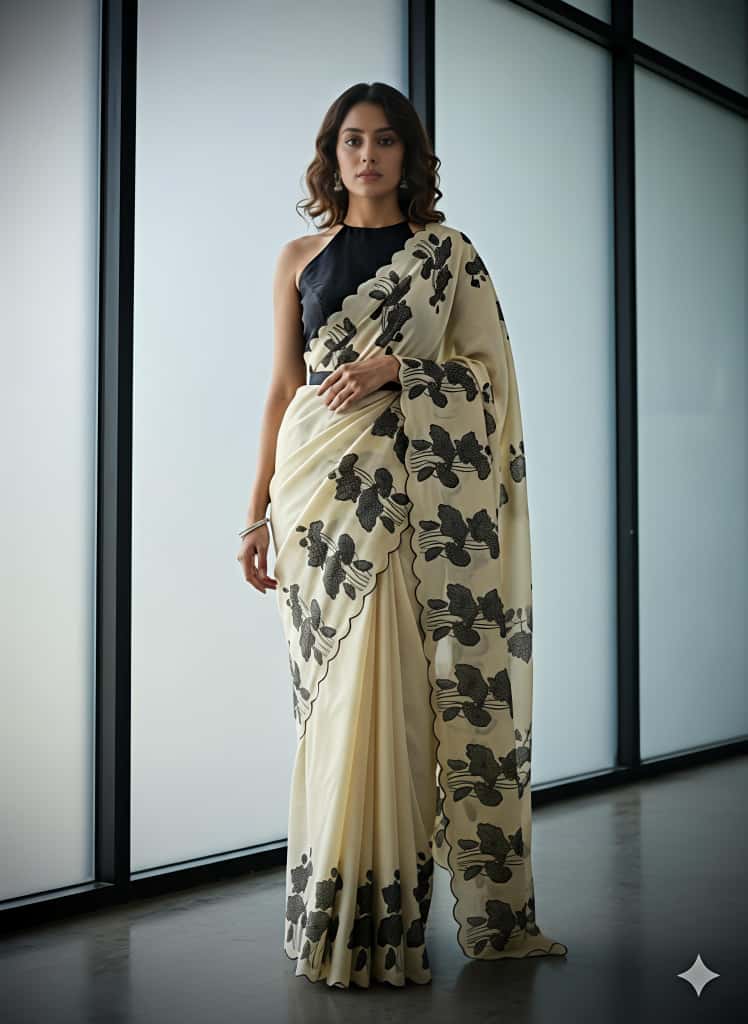
Oxidised silver works well with earthy Tussar shades, while antique gold or brass-toned pieces complement yellow, red and zari-bordered sarees. Floral hair accessories can add a seasonal note, but flowers should be secured firmly if the celebration involves walking. A low bun or braid is generally more dependable than loose hair in winter wind.
Choose a cloth potli, small sling bag or compact handloom bag for essentials such as a phone, cash, safety pins, lip balm and a scarf. Avoid very long tassels or large handles that may catch on a decorated choudal. A small bindi, a pair of bangles and medium earrings can complete a simple traditional outfit without making it look unfinished.
The strongest Tusu outfit leaves room for the celebration itself. A saree that stays secure, footwear that supports walking and accessories that respect local customs will serve the wearer better than a look designed only for photographs.
Questions About Tusu Festival Sarees and Jharkhandi Styling
What are some trending traditional sarees for Tusu Festival Fashion?
Tussar silk, handloom cotton, linen-cotton and lightweight silk sarees are practical choices for Tusu celebrations. Golden yellow, red, cream, green, rust and earthy brown shades suit a harvest-inspired palette, while zari borders and folk-art prints add festive detail.
What is the best website to buy a saree online in India for Tusu Parab?
The best website is one that provides clear information about fabric, saree length, blouse details, care instructions, delivery time and returns. Compare those details rather than relying only on discount claims, especially when the saree is needed for a fixed festival date.
Where can I buy ready-to-wear sarees online in India?
Ready-to-wear sarees are available from online ethnic-wear stores and marketplaces, but check the waist measurements, pleat construction, pallu length and footwear compatibility before ordering. Ready-to-wear designs can be convenient, although a conventional saree offers more flexibility for a community event.
Can I wear a Tussar silk saree for Tusu Parab?
Yes, Tussar silk is a strong choice for Tusu Parab because its textured surface and warm visual weight suit a winter harvest celebration. Choose a manageable weight, secure the pallu and keep the jewellery moderate if the event involves walking or singing.
Can I create a traditional Tusu look without a blouse?
Yes, a fitted kurta, high-neck top or coordinated ethnic jacket can replace a conventional blouse when the neckline and waist allow a secure drape. Test the complete outfit by sitting and walking, and avoid bulky layers beneath stiff silk or heavy zari.
Where can I buy authentic South Indian sarees online for a traditional wardrobe?
Look for sellers that identify the weave, region, fibre content and artisan or production details rather than using only broad labels such as traditional silk. South Indian sarees such as Kanjeevaram have a different regional history from Jharkhandi festival dressing, so choose them for their own textile identity rather than presenting them as Tusu-specific garments.