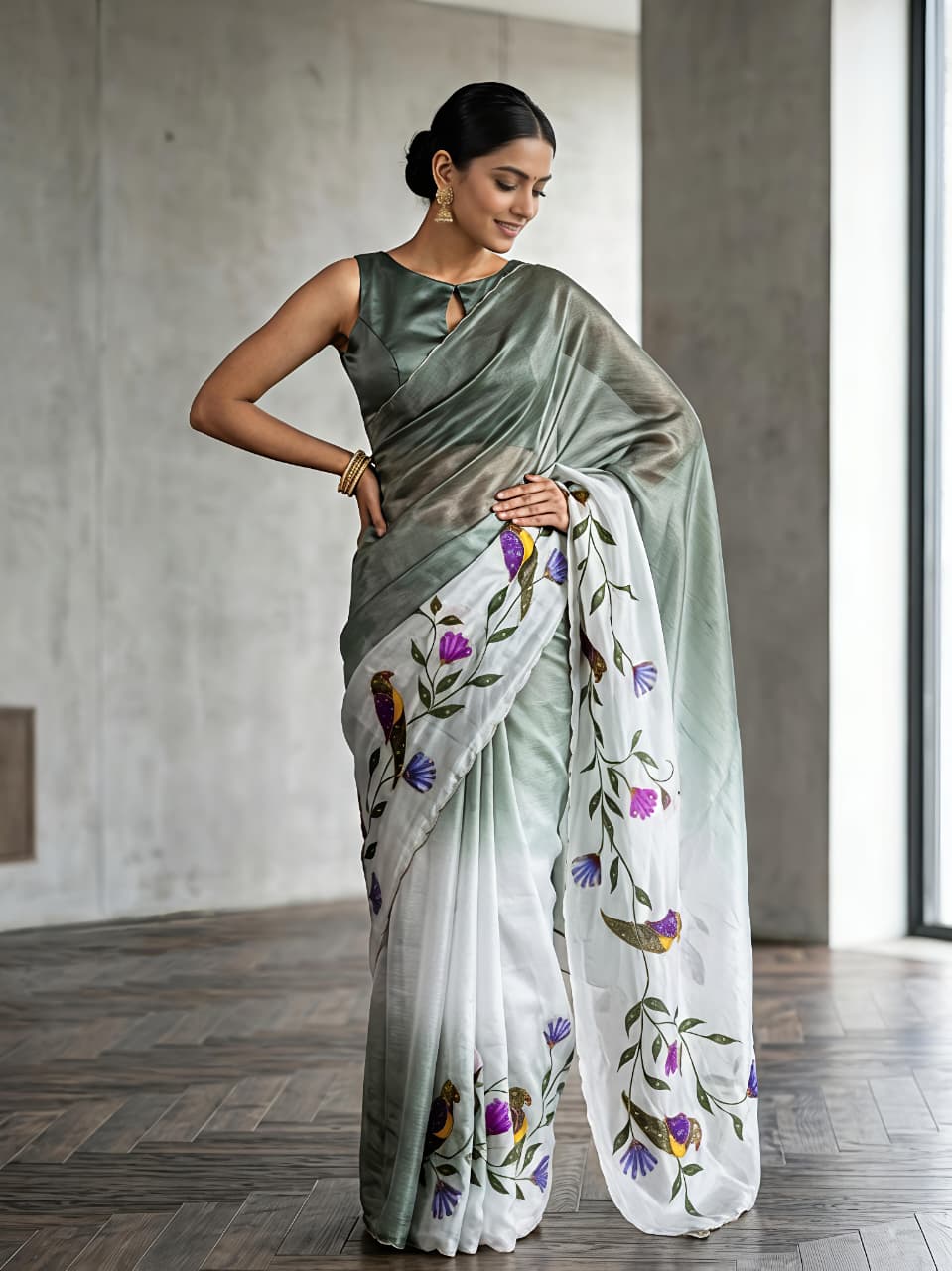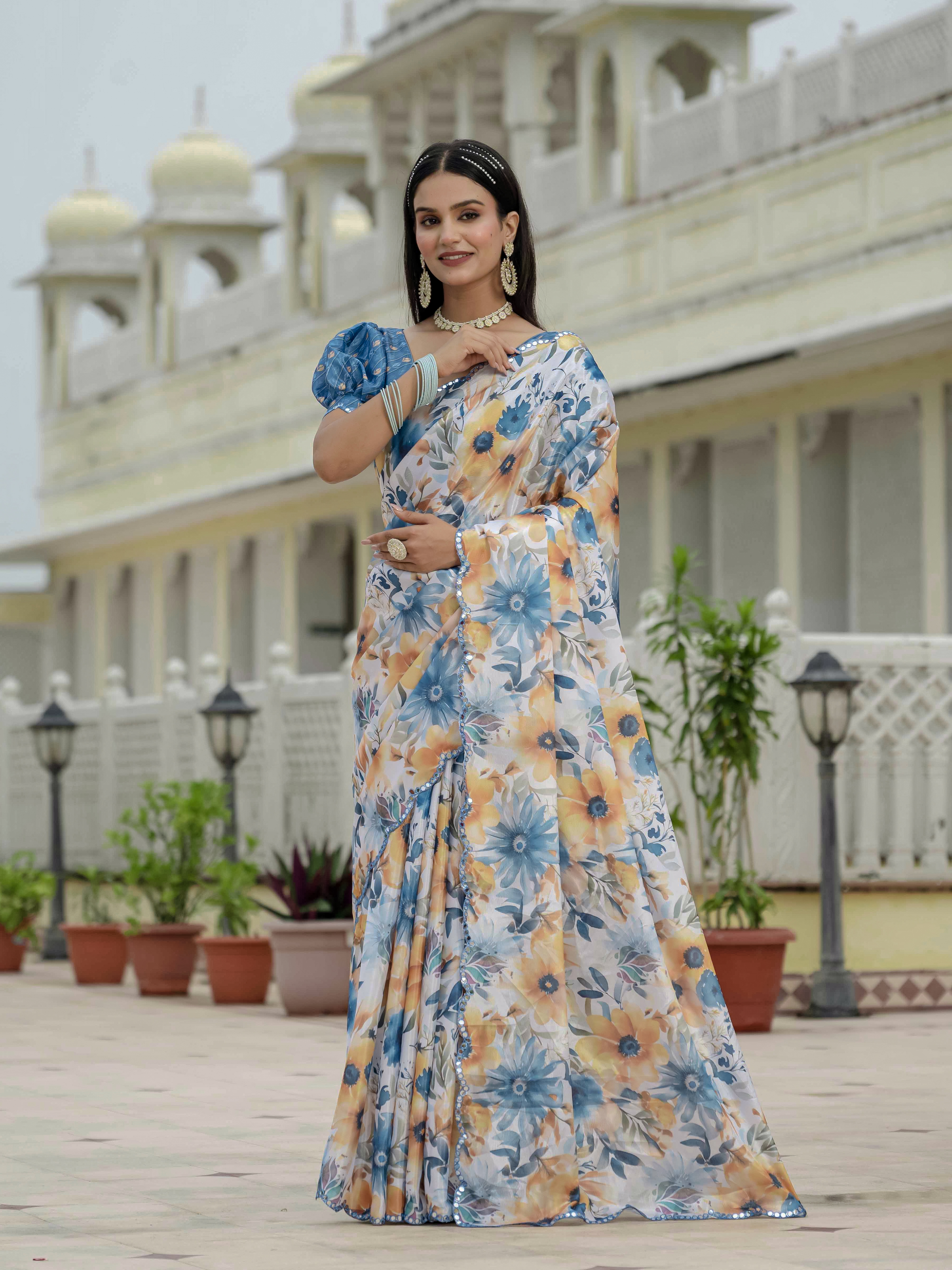
Traditional Telangana Sarees vs Andhra Sarees: What's the Difference? The answer lies in more than a state border. Telangana is strongly associated with Pochampally ikat, Gadwal silk, Narayanpet cotton and Siddipet weaving, while Andhra Pradesh is known for Uppada silk, Mangalagiri cotton, Venkatagiri sarees, Kalamkari textiles and Dharmavaram silk. The two regions share Telugu cultural traditions, yet their looms, yarns, motifs and ceremonial uses create visibly different saree identities.
Regional labels can be confusing because historic trade routes, changing state boundaries and shared weaving communities have always allowed techniques to go. A saree described as Andhra may come from a specific town, just as a Telangana saree may be identified by its weave rather than by a broad regional name. Looking for the craft centre and construction details is therefore more reliable than judging colour alone.
Traditional Telangana Sarees vs Andhra Sarees: What's the Difference in one glance?
Telangana sarees are often recognised through ikat geometry, compact cotton weaves, silk borders and regional handloom specialisation, while Andhra sarees are often associated with Uppada and Dharmavaram silks, Mangalagiri and Venkatagiri cottons, and Kalamkari surface art.
That distinction is useful, but it's not an absolute rule. Both regions produce cotton, silk, silk-cotton and festive sarees, and both may use zari borders, checks, stripes, florals or temple-inspired motifs. The most dependable identification comes from asking three questions: where was the saree woven, how was the pattern made, and what fibre structure does the saree have?
- Telangana: Pochampally ikat, Gadwal silk, Narayanpet cotton and Siddipet handloom traditions are important reference points.
- Andhra Pradesh: Uppada silk, Dharmavaram silk, Mangalagiri cotton, Venkatagiri cotton and Kalamkari are widely recognised textile traditions.
- Shared ground: Both regions use handloom skills, zari, traditional borders and sarees suitable for festivals, weddings and everyday wear.
Traditional Telangana Sarees vs Andhra Sarees: What's the Difference in weaving traditions?
Telangana sarees are defined by a combination of resist-dyed ikat, fine cotton weaving, silk borders and town-specific handloom skills.
Traditional Telangana Sarees vs Andhra Sarees: What's the Difference in pattern making?
Pochampally, also called Bhoodan Pochampally, is celebrated for ikat, in which sections of yarn are tie-resisted and dyed before weaving. The pattern is planned on the warp, the weft or both, so the finished design develops through the controlled alignment of coloured threads. Diamonds, zigzags, checks, stepped forms and repeating bands are common visual signatures.
Pochampally ikat isn't simply a printed design. A printed motif sits on the surface after the cloth is woven, while ikat colour belongs to the yarn structure and often produces softly feathered edges where dyed sections meet. Slight irregularities are signs of the resist-dyeing process rather than flaws.
Gadwal sarees are known for a relatively light body paired with a more elaborate silk border and pallu, often using zari. Traditional Gadwal construction may involve joining separately woven sections, a demanding process that allows cotton and silk characteristics to appear together. Festive colour contrasts, temple borders and metallic accents are frequently associated with the style.
Narayanpet sarees offer another Telangana reference point. Narayanpet handlooms are commonly valued for practical cotton or silk-cotton bodies, checked or striped layouts and manageable weight. These sarees can work for regular wear while still carrying a recognisably traditional border treatment.
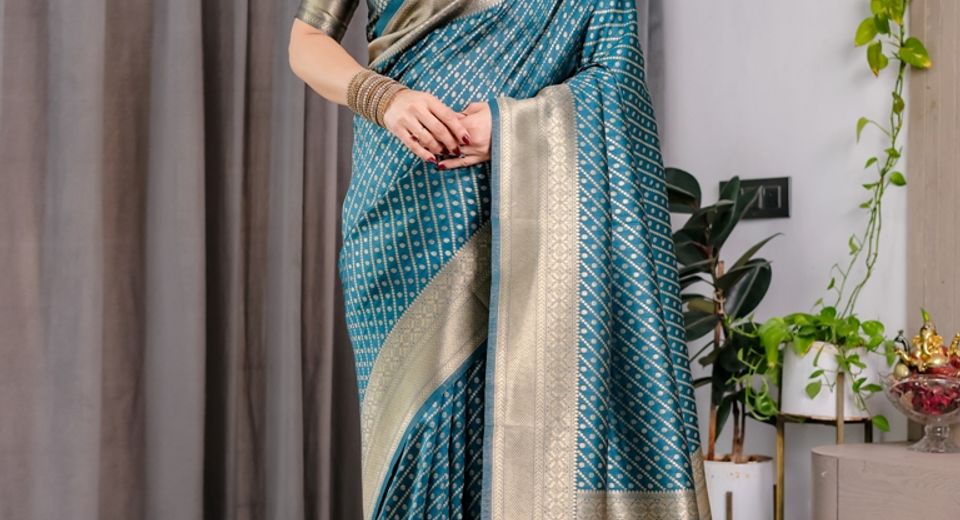
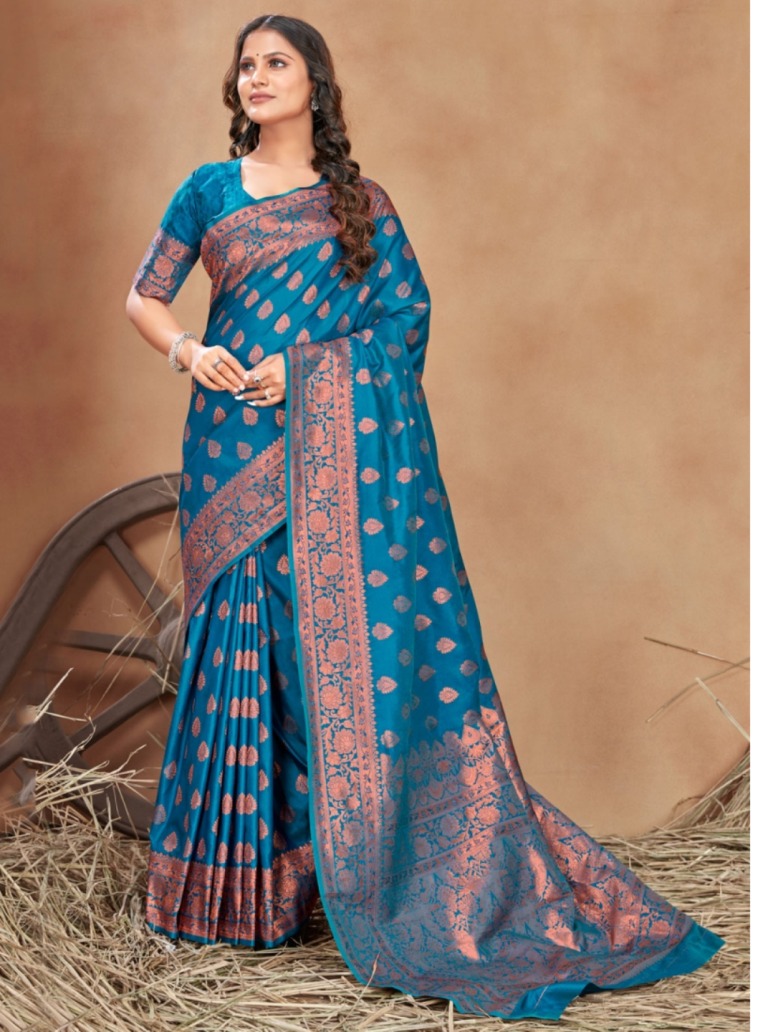
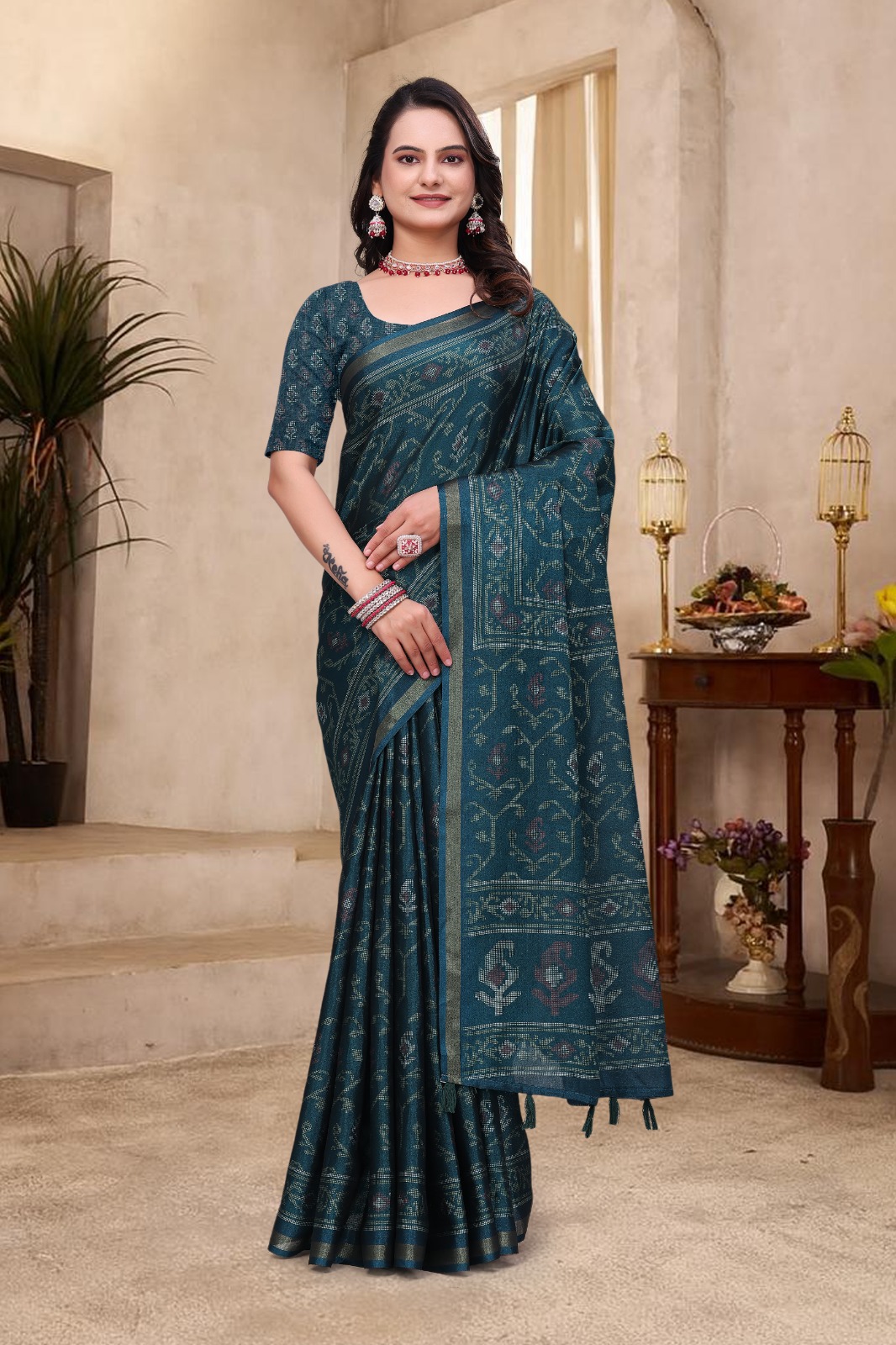
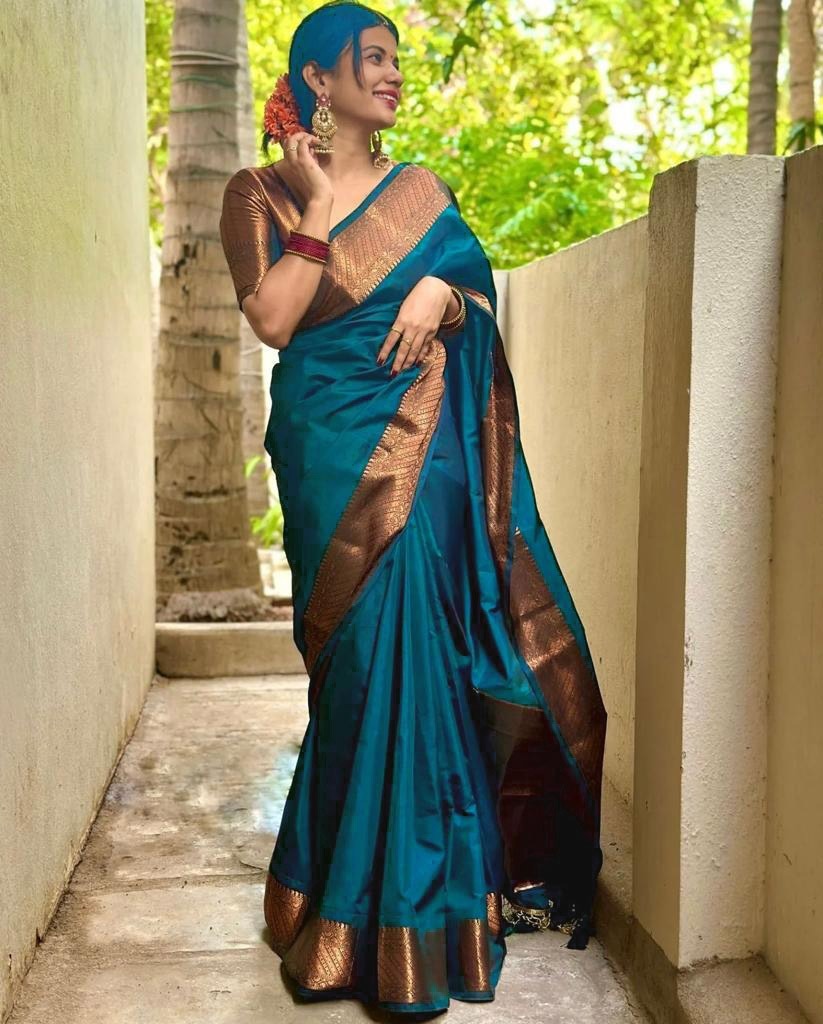
Teal Traditional Silk Saree with Copper Jacquard Border illustrates how a modern colour choice can retain the visual logic of a South Indian festive saree: a defined border, a structured fall and metallic patterning rather than an all-over surface print. The saree isn't automatically a Gadwal saree, because a regional name should be used only when the weave and provenance support it.
Traditional Telangana Sarees vs Andhra Sarees: What's the Difference in Andhra craft centres?
Andhra Pradesh is strongly associated with Uppada silk, Dharmavaram silk, Mangalagiri cotton, Venkatagiri sarees and Kalamkari, with each tradition offering a different balance of fibre, ornament and surface design.
Traditional Telangana Sarees vs Andhra Sarees: What's the Difference in silk traditions?
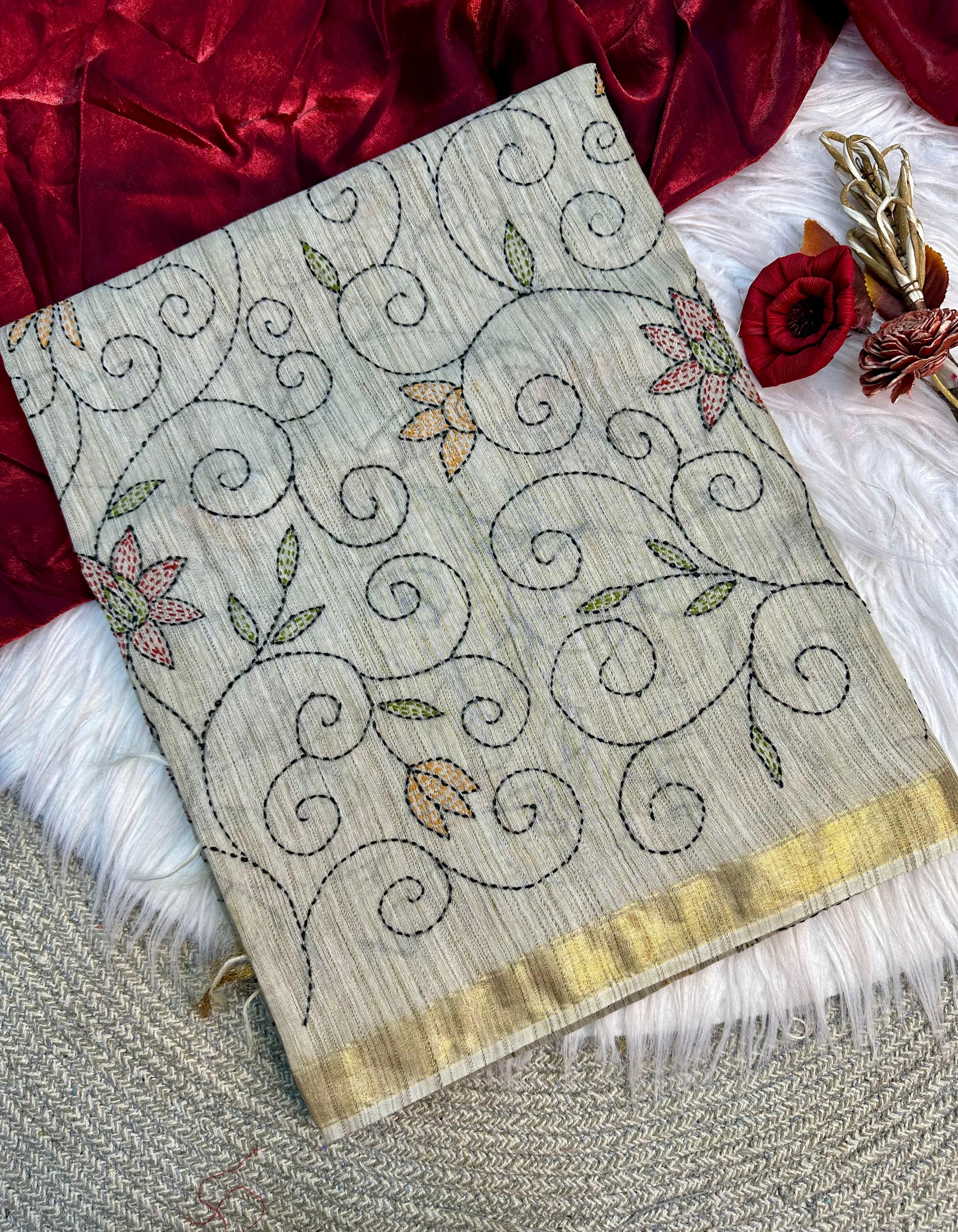
Uppada sarees come from the coastal Andhra weaving tradition around Uppada. They are generally recognised for lightweight silk, fine zari work and a soft, fluid drape. Floral jaals, delicate checks, buttas and restrained borders may seem, although designs vary across weavers and collections. A full buying decision should therefore consider the silk content, handloom details and seller documentation rather than relying on the word Uppada alone.
Dharmavaram silk sarees from Andhra Pradesh are typically heavier and more opulent than lightweight silk styles, making them popular for weddings and formal ceremonies. Broad contrast borders, muted or antique-looking zari, large pallu designs and rich colour combinations are frequent features. Traditional Yellow Saree with Blue Zari Border Design demonstrates the broader South Indian preference for a strong body-to-border contrast, even though a colour combination by itself doesn't establish a Dharmavaram origin.
Mangalagiri sarees are generally associated with a plain or subtly textured body and a distinctive zari or contrast border, making them comfortable choices for warm climates and semi-formal dressing. Venkatagiri sarees are known for fine, lightweight cotton and elegant borders, often with small checks, stripes or restrained motifs. Both demonstrate why Andhra saree doesn't mean silk saree by default.
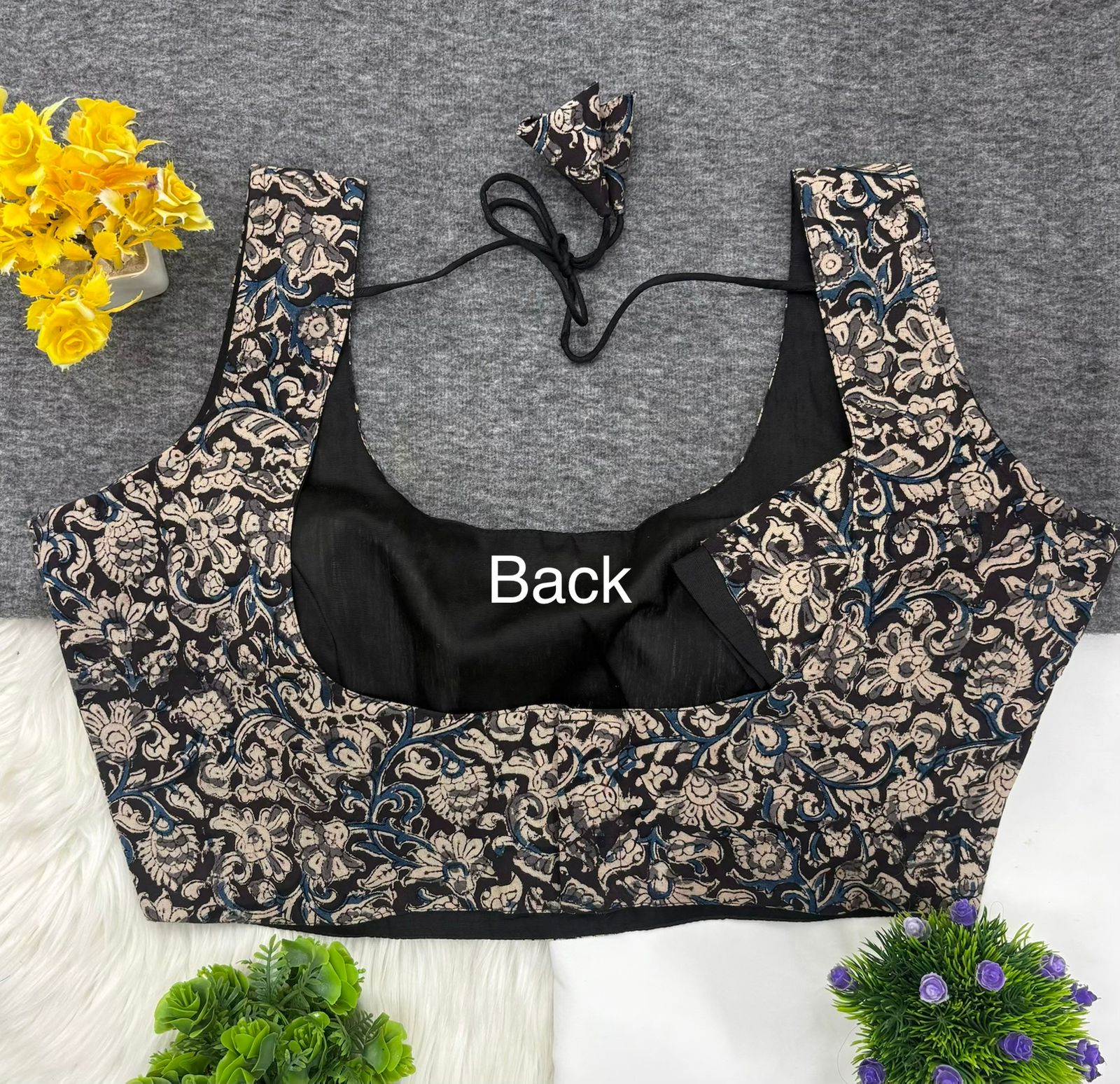
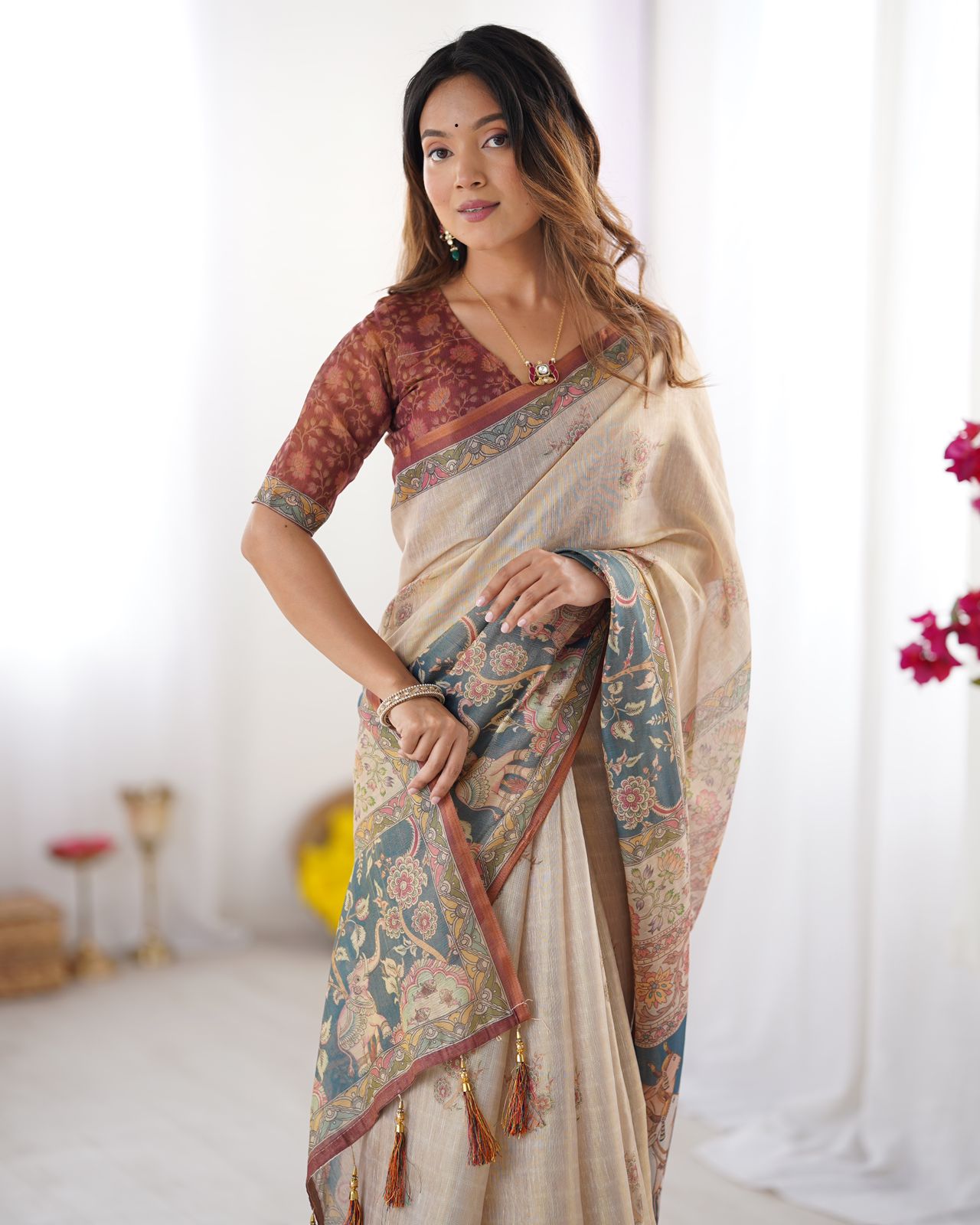
Kalamkari is a surface-art tradition associated with Andhra Pradesh and Telangana in different historical and commercial contexts, especially the Srikalahasti and Machilipatnam traditions. Hand-drawn Srikalahasti Kalamkari uses pen-like drawing and natural-dye processes, while Machilipatnam Kalamkari is strongly associated with block printing. Black Traditional Kalamkari Print Silk Saree shows how Kalamkari-inspired storytelling can be adapted to a silk saree, but a printed Kalamkari design should not automatically be described as a hand-painted textile.
Traditional Telangana Sarees vs Andhra Sarees: What's the Difference in fabric and drape?
Telangana and Andhra sarees differ in drape mainly because of fibre choice, yarn count, border construction and finishing, not because every saree from one state has a single fixed weight.

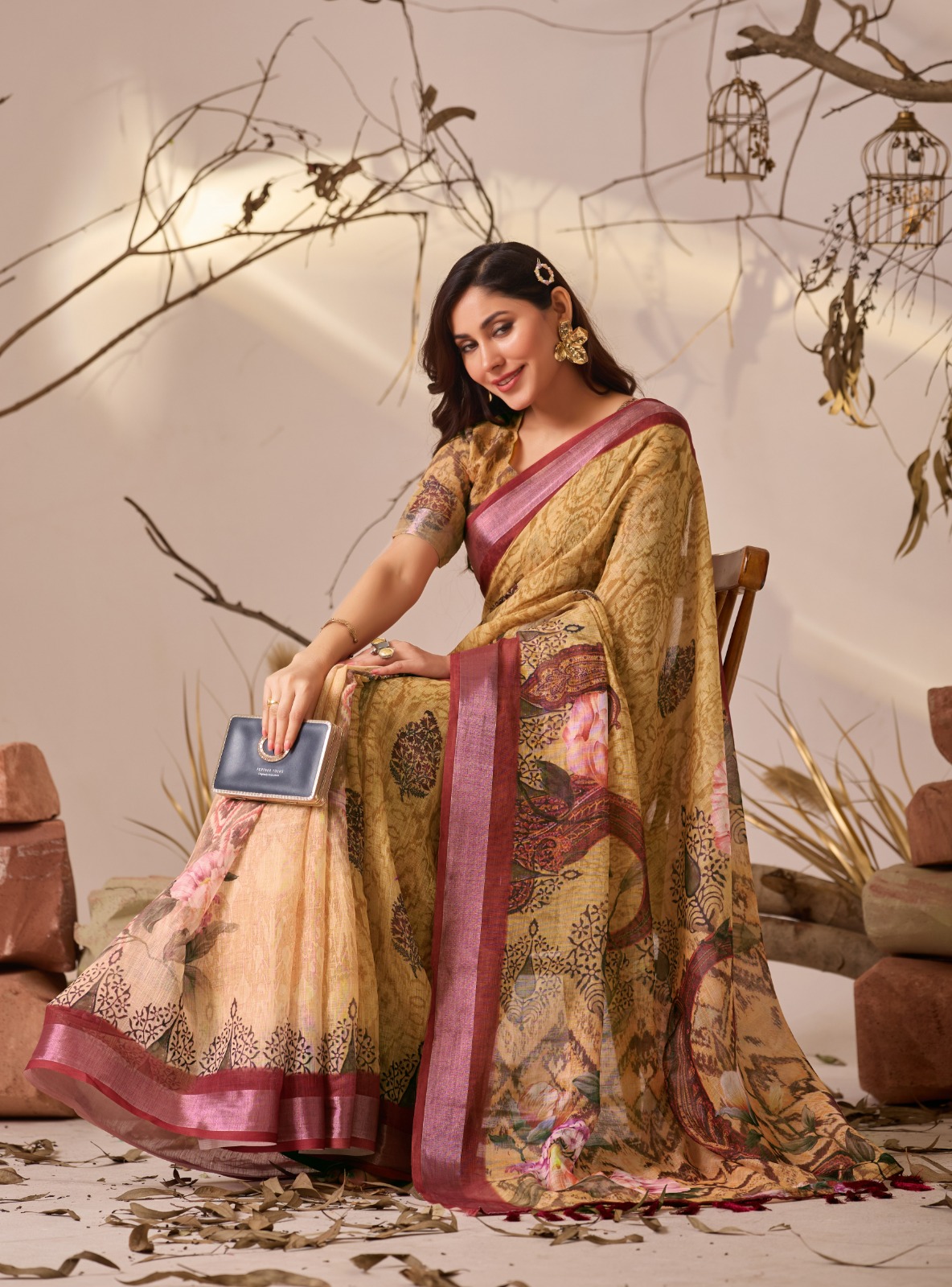
Light cotton sarees from Narayanpet, Mangalagiri or Venkatagiri can feel breathable and relatively easy to pleat, making them useful for office wear, temple visits and daytime functions. Linen-cotton blends offer a similar practical advantage with a crisper fall. Peach Linen Cotton Floral Print Saree with Blouse for Women and Pastel Linen Cotton Floral Print Saree with Designer Blouse are examples of contemporary linen-cotton styling that prioritises ease, printed surface interest and a ready-to-coordinate blouse.
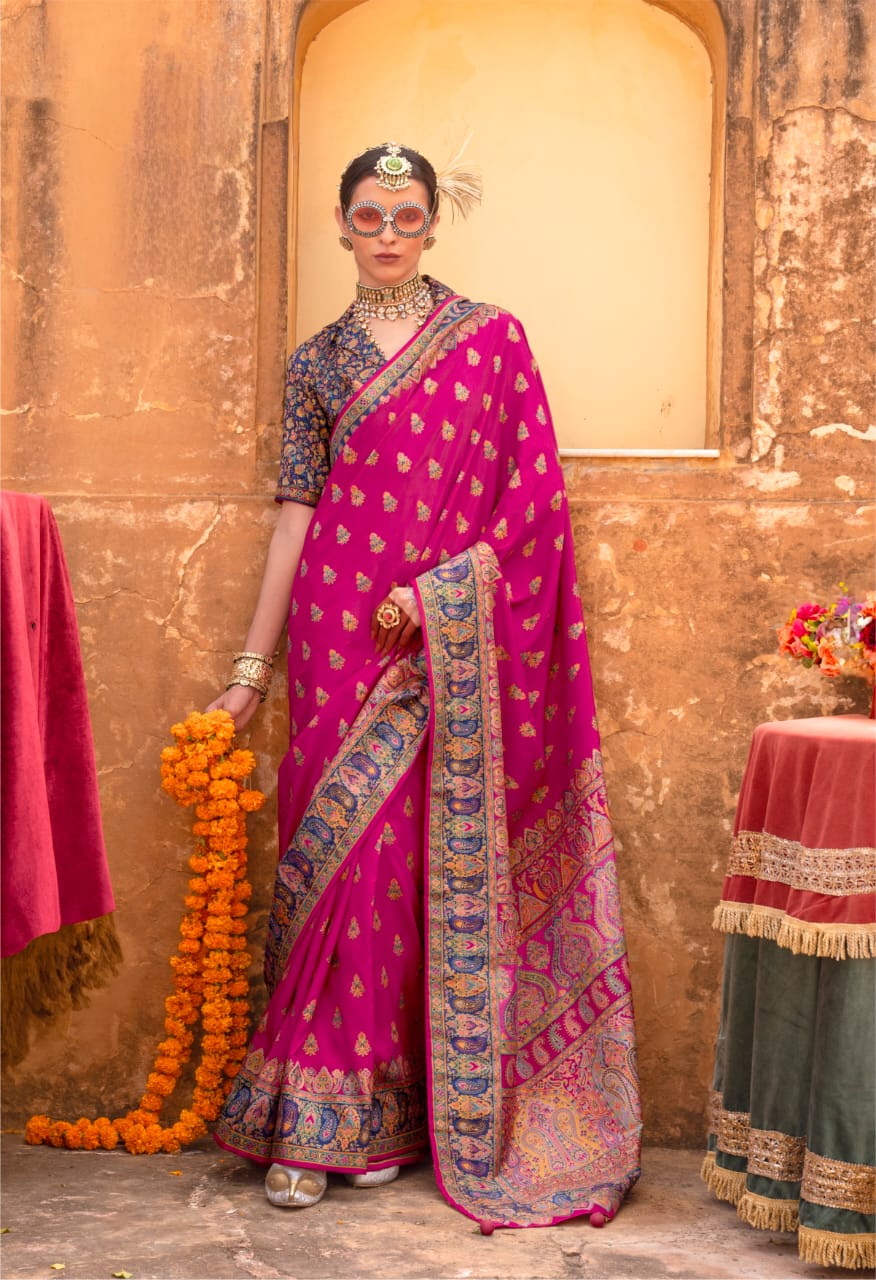
Silk sarees usually have more body and a more pronounced sheen, although silk weight varies considerably. Gadwal and Dharmavaram styles can look architectural because their borders and pallus hold shape, while Uppada silk may appear softer and more fluid. Banarasi silk is a North Indian tradition rather than a Telangana or Andhra weave, but Traditional Teal Banarasi Saree for Festive Wear can be compared with South Indian silk styles to understand the difference between brocade-led patterning and regionally specific border construction.
Tissue and silk-cotton sarees sit between everyday cotton and heavier ceremonial silk. Pastel Floral Tissue Handloom Cotton Saree with Zari Weaves and Cream Pink Tissue Handloom Cotton Saree with Zari provide metallic brightness without the weight of a fully silk saree. Such pieces are useful for a daytime reception, festive lunch or family celebration where movement and comfort matter.
Traditional Telangana Sarees vs Andhra Sarees: What's the Difference in motifs and zari?
Motifs and borders reveal regional identity when they're considered alongside the weave, yarn and place of production.
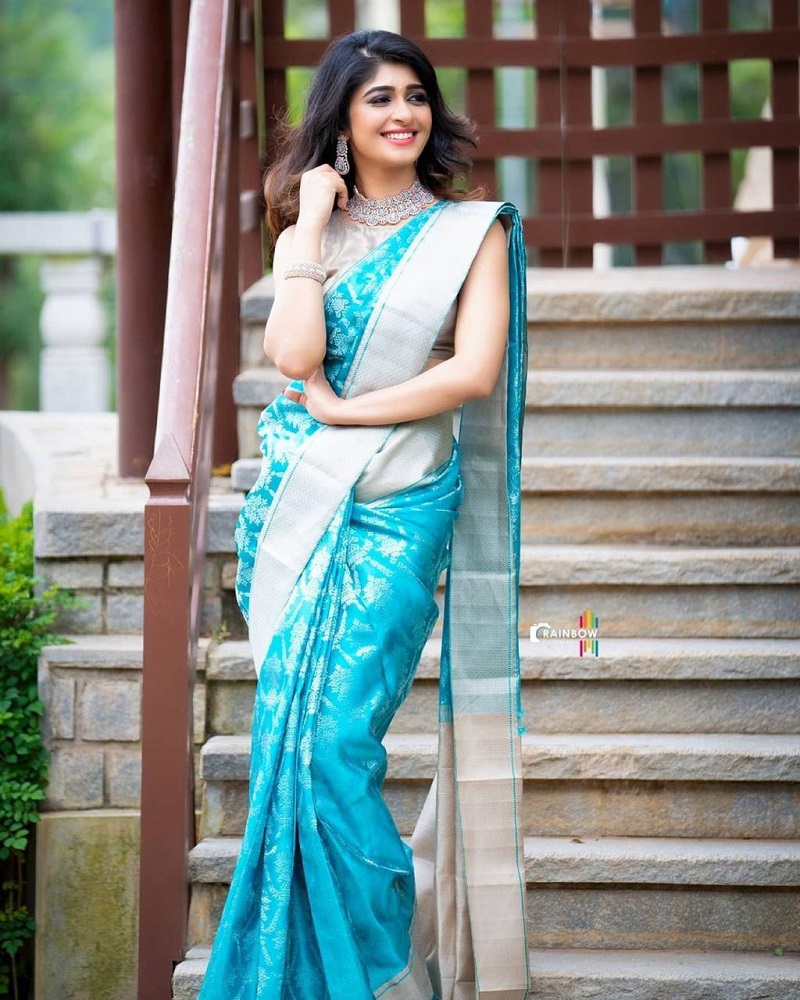
Ikat tends to create repeated geometric rhythm because the design is embedded in dyed yarns. Floral prints, by contrast, are applied after weaving and can have sharper or more pictorial outlines. Jacquard borders are formed through an additional patterning mechanism during weaving, while zari may be woven into the border, pallu or body as metallic thread. These construction differences can often be seen more clearly from the reverse side of the saree than from a product photograph.
Telangana traditions frequently reward close inspection of alignment, especially in ikat. Small shifts in geometric edges are normal in handloom ikat because the yarns are positioned manually. Andhra silk traditions may place more visual emphasis on the pallu, broad border, metallic contrast or narrative print. Neither approach is more traditional; they communicate different design priorities.
Pastel Floral Tissue Handloom Cotton Saree with Zari Weaves and Cream Pink Tissue Handloom Cotton Saree with Zari show how zari can be used as a light festive accent rather than a dense bridal surface. A saree with a narrow zari border will usually be easier to wear for daytime events, while a broad zari border and substantial pallu create greater visual formality.
Traditional Telangana Sarees vs Andhra Sarees: What's the Difference when buying online?
The safest online purchase depends on verifying fibre content, weave description, measurements, care instructions, return terms and close-up images instead of relying on a state name alone.
- Check the fibre: Confirm whether the saree is cotton, silk, silk-cotton, linen-cotton, polyester or a blend. Fibre determines comfort, sheen, drape and care.
- Ask how the motif is made: Look for terms such as ikat, woven zari, jacquard, block print or hand-painted Kalamkari. These terms describe different processes.
- Inspect the reverse: A woven design normally has construction details visible on the reverse, while a surface print may show a different finish. Product photographs should show the border and pallu closely.
- Measure before ordering: A standard saree is often about 5.3 to 5.5 metres without the blouse piece, but measurements vary. Check the listed length, width and blouse fabric before purchase.
- Match weight to use: Choose cotton or linen-cotton for long daytime wear, silk-cotton for moderate festive dressing and heavier silk for weddings or formal ceremonies.
- Budget realistically: Handloom, pure silk, dense zari and labour-intensive ikat can raise the price. Price filters such as Sarees from Rs 1000 to Rs 1500 can help with initial browsing, but a low price should not be treated as proof of a particular regional weave.
Sale collections such as Sarees Under 20% Off, Sarees Under 10% Off, Sarees Flat 60% Off and Sarees Flat 50% Off can be useful for comparing colours and constructions, but the product description still deserves careful reading. Discount percentage doesn't verify authenticity, handloom status or fibre composition.
Traditional Telangana Sarees vs Andhra Sarees: What's the Difference for styling and care?
Telangana and Andhra sarees can be styled according to their weight, border scale and surface detail, with lighter cottons favouring breathable blouses and richer silks supporting more structured jewellery.
Wear Pochampally ikat with a solid blouse that repeats one colour from the geometric design. A simple high-neck or elbow-sleeve blouse prevents a busy ikat from competing with heavy jewellery. Gadwal and Dharmavaram sarees can carry temple jewellery, gold-toned earrings or a structured bun because their borders and pallus already provide formal presence.
Printed Kalamkari benefits from a blouse in a quiet base colour, while a zari-heavy saree can be balanced with matte accessories for a daytime function. Linen-cotton sarees pair well with lightweight silver jewellery, fabric potlis and comfortable sandals. For a Haldi ceremony, bright cotton, silk-cotton or linen-cotton can offer easier movement and better heat management than a very heavy silk.
Store cotton sarees clean and dry, folded with the fold direction changed every few months to reduce permanent creasing. Keep silk and zari away from direct sunlight, perfume and damp cupboards. Use breathable cotton or muslin storage rather than sealed plastic for long-term storage. Follow the care label, and prefer professional dry cleaning for silk, thick zari and delicate Kalamkari finishes.
Traditional Telangana Sarees vs Andhra Sarees: What's the Difference in the final choice?
Choose a Telangana saree when you value Pochampally ikat geometry, Gadwal-style border contrast, Narayanpet practicality or a regional cotton handloom character. Choose an Andhra saree when you prefer Uppada fluidity, Dharmavaram grandeur, Mangalagiri simplicity, Venkatagiri lightness or Kalamkari storytelling.
The most useful distinction isn't a rigid competition between two labels. Telangana and Andhra weaving traditions contain many sub-regional identities, and contemporary sarees may combine traditional borders, contemporary prints, blended fibres and updated colours. A well-informed buyer identifies the material and process first, then chooses the colour, drape and occasion that suit her wardrobe.
When a product description gives the town, fibre, weave method and care requirement clearly, the saree becomes easier to assess and more meaningful to wear. That information also helps preserve the difference between a genuine regional craft reference and a broad decorative label.
Questions About Telangana and Andhra Saree Traditions
What is the main difference between Telangana sarees and Andhra sarees?
Telangana sarees are strongly associated with Pochampally ikat, Gadwal silk, Narayanpet cotton and other regional handloom traditions. Andhra sarees are widely associated with Uppada and Dharmavaram silk, Mangalagiri and Venkatagiri cotton, and Kalamkari textiles.
Is Pochampally saree from Telangana or Andhra Pradesh?
Pochampally sarees are from Telangana, particularly the Bhoodan Pochampally region. Pochampally is best known for ikat, where yarns are tie-resisted and dyed before weaving to create geometric patterns.
Are Gadwal sarees made in Telangana?
Yes, Gadwal sarees come from Gadwal in Telangana. Traditional Gadwal styles are known for a lighter body combined with a richer silk border and pallu, often featuring zari.
What is the difference between Uppada and Gadwal sarees?
Uppada sarees are associated with coastal Andhra and are generally known for lightweight silk, delicate zari and a fluid drape. Gadwal sarees are associated with Telangana and commonly combine a lighter body with a prominent silk border and pallu.
Are Kalamkari sarees from Telangana or Andhra Pradesh?
Kalamkari traditions are connected with both regions through different historical and commercial contexts. Srikalahasti is known for hand-drawn Kalamkari, while Machilipatnam is strongly associated with block-printed Kalamkari.
How can I check whether an online saree is genuinely handloom?
Read the fibre and weave description, inspect close-up images of the reverse and ask for the place of weaving when it is not stated. Handloom status cannot be confirmed from colour or a regional name alone, so product documentation and seller transparency matter.