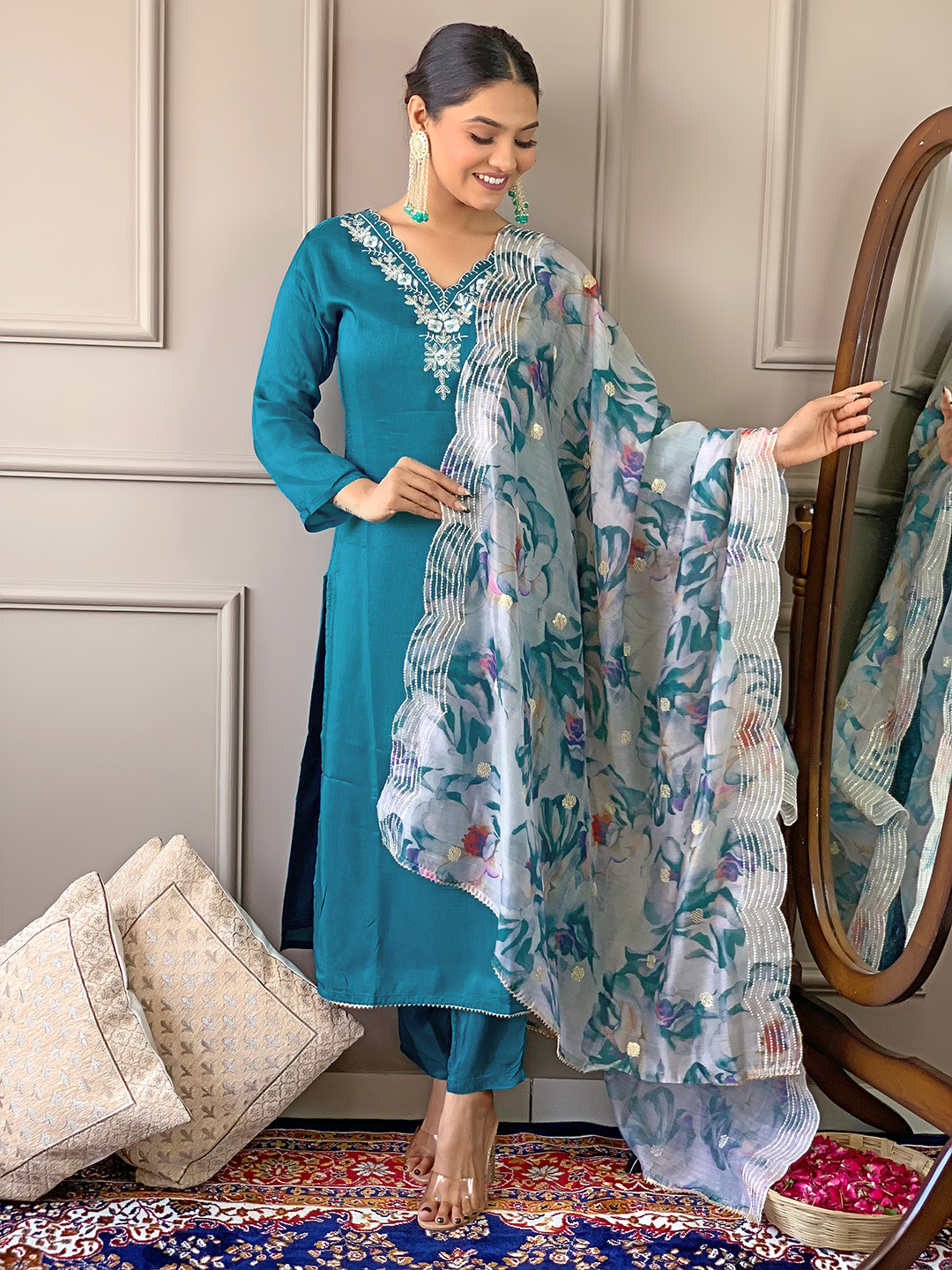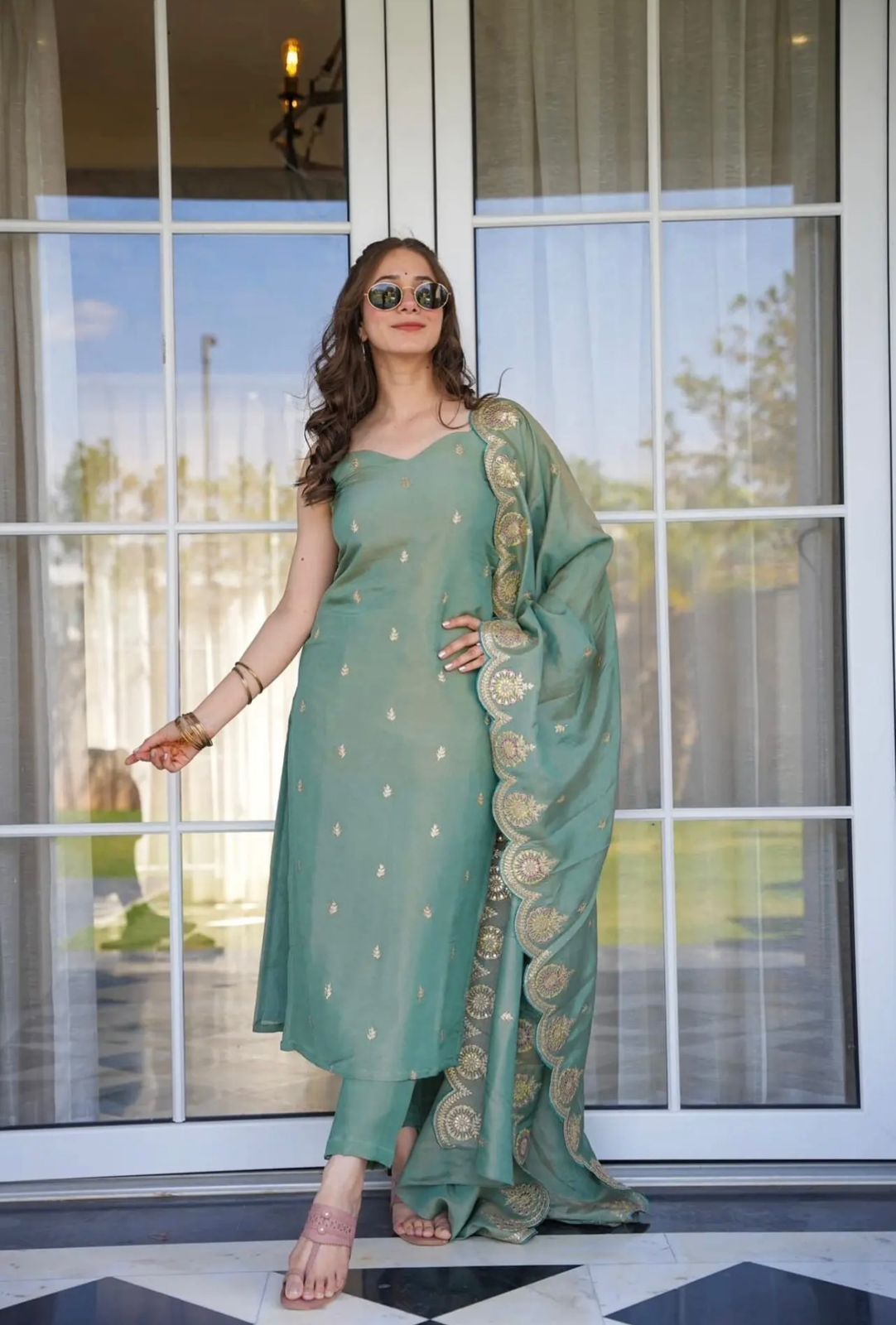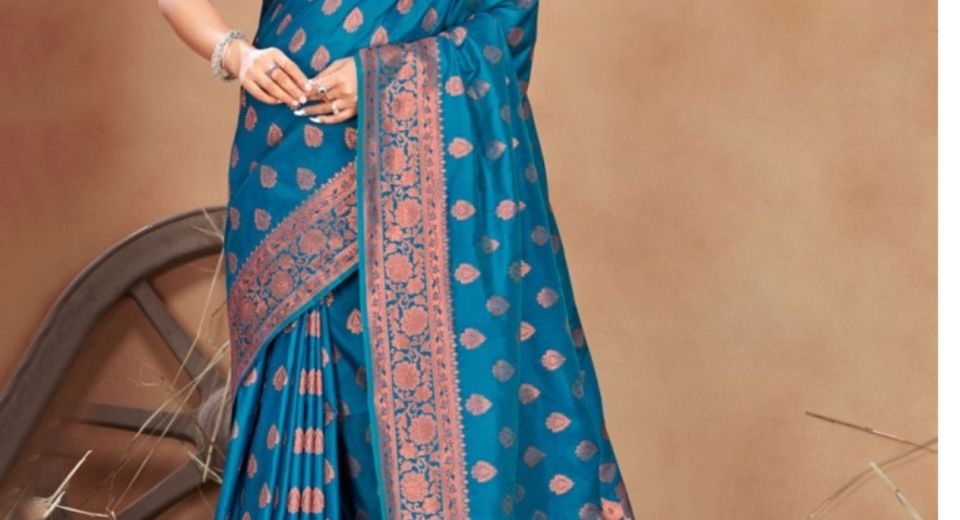
Traditional silk sarees of Assam are best understood through three regional silk traditions: golden Muga, warm Eri and lustrous Pat silk. Each fibre has a different texture, production story, appearance and care requirement. Together, these textiles reflect Assam's climate, weaving communities and long relationship with silk rather than simply representing one visual style.
For a buyer, the most useful distinction is practical: Muga is prized for its natural golden sheen and strength, Eri is soft and slightly textured, while Pat silk is smooth, pale and often used for refined festive garments. A saree labelled only "Assam silk" deserves further questions about fibre content, weave, finishing and origin before purchase.
The three silk traditions behind Assamese sarees
Assam's silk vocabulary becomes clearer when Muga, Eri and Pat silk are considered separately. Fibre type affects drape, shine, price, weight and the way a saree ages.
Muga silk: the naturally golden fibre
Muga silk is known for its distinctive natural golden tone, durability and sheen that can become richer with use. Muga comes from the silkworm Antheraea assamensis, which is associated especially with Assam. The fibre is often woven into mekhela chadors, ceremonial textiles and heirloom pieces, although Muga silk sarees are also available.
Authentic Muga doesn't need an aggressively metallic finish to look festive. The colour can range from muted honey to deeper gold depending on yarn, dyeing and finishing. Muga silk is usually more expensive than ordinary blended silk because the fibre is regionally specific and production is comparatively limited.
Eri silk: soft, warm and textured
Eri silk is recognised for a soft, slightly woolly hand and a comfortable, insulating feel. Eri silk is often called "peace silk" because the cocoon is generally opened after the silkworm has emerged, although production practices can vary and buyers should verify the seller's claim.
Eri fabric usually has a less glossy surface than Pat or Muga silk. The gentle texture makes Eri suitable for understated festive sarees, winter events and people who prefer soft traditional silk over a sharply reflective surface. Eri may also be blended with other fibres, so a product description should state whether the saree is pure Eri, Eri-rich or a mixed textile.
Pat silk: smooth white silk with a polished drape
Pat silk is Assam's mulberry silk tradition and is generally smooth, bright and fine. Pat silk can be dyed in vivid shades or left in pale tones, making it useful for ceremonial textiles and elegant sarees with woven borders.
Pat silk should not be confused automatically with Kanjeevaram or Kanchipuram silk. Kanjeevaram is a South Indian silk tradition associated with Kanchipuram, while Pat silk belongs to Assam's textile history. Both may be suitable for weddings, but their yarns, weaving structures, motifs and regional identities are different.
Traditional silk sarees of Assam and the mekhela chador
The mekhela chador is Assam's most recognisable traditional two-piece dress, while a saree is a separate five-and-a-half to six-metre draped garment. The distinction matters because online searches sometimes use "Assamese saree" for both forms.
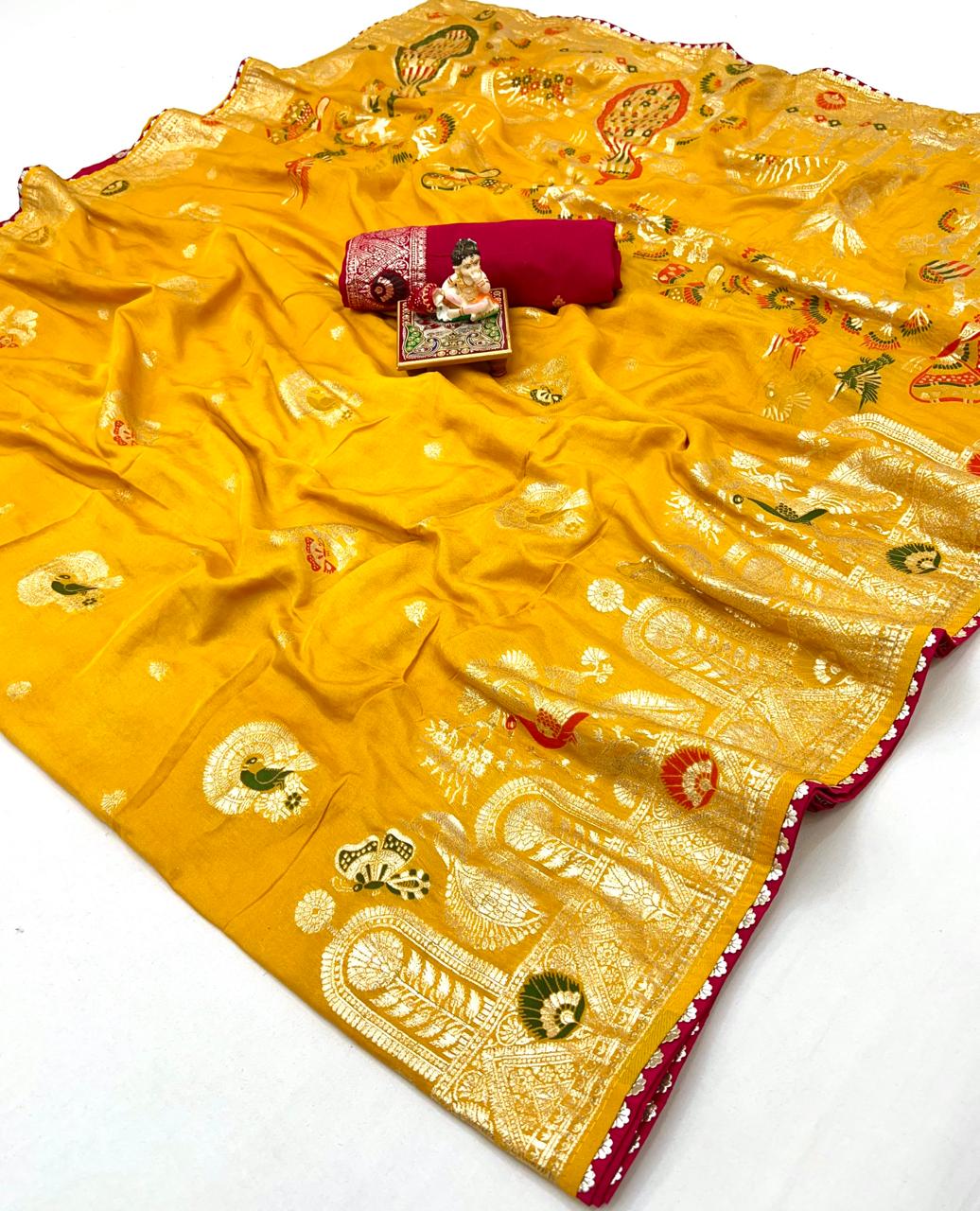
A mekhela is the low cylindrical garment, and a chador is the upper drape. The two pieces are usually matching through colour, border and motif. A saree apply a continuous length of fabric and follows a different pleating and pallu arrangement. Both garments can be woven in Muga, Eri or Pat silk and may take Assamese design language.
Assamese silk textiles often feature geometric borders, floral arrangements, stylised birds, creepers and regional motifs such as the jaapi-inspired form. Traditional motifs may appear through extra-weft work, jacquard structures, embroidery or printed interpretation, so the technique should be checked rather than inferred from a motif alone.
The gamocha, a handwoven cotton cloth associated with Assamese identity, also influences border vocabulary and colour combinations. Red-and-white accents are culturally recognisable, but Assamese silk isn't limited to those colours. Gold, ivory, black, mustard, green, rust and jewel tones can all work beautifully in contemporary sarees inspired by the region.
How to recognise an authentic or well-described Assam silk saree
A reliable product description identifies the silk type, construction, origin and finishing instead of using "pure" as the only quality signal. A careful buyer should assess the fibre claim, weave details, measurements and return terms together.
- Check the fibre name: Look for Muga, Eri, Pat or a clearly stated blend. "Silk finish" and "silk-like" don't mean the saree is made from silk.
- Ask about the weave: Handloom and powerloom are different production methods, but powerloom doesn't automatically mean poor quality. The description should say which method was used.
- Inspect the border and pallu: A woven zari border should be described as zari or metallic yarn, while a printed border should not be presented as woven craftsmanship.
- Look for measurements: A saree commonly measures about 5.5 to 6.3 metres, with a blouse piece sometimes included. Confirm the exact length, width and blouse-piece details.
- Read the fibre composition: A silk-cotton, art silk or viscose blend can be attractive and practical, but it should not be represented as pure Muga, Eri or Pat silk.
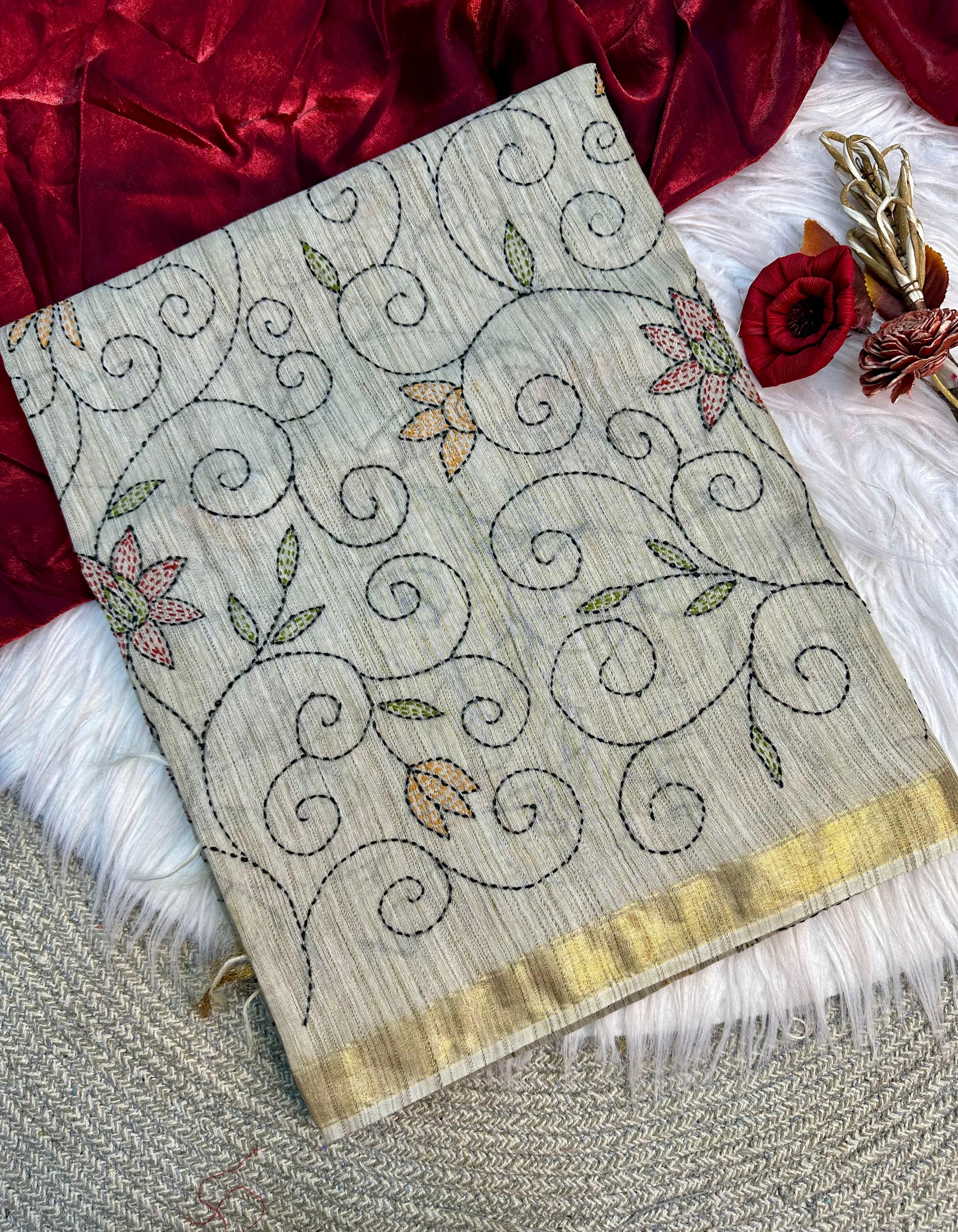
- Request close photographs: Close images of the reverse side, selvedge, pallu and border reveal whether a motif is woven, printed or applied.
Price is a clue, not proof. An original Muga silk saree usually commands a higher price than a generic silk-blend saree, but a high price alone can't establish authenticity. A Silk Mark label, Handloom Mark, traceability information or credible certification can add confidence, although the buyer should still match the certificate to the actual product.
Choosing the right texture for comfort and occasion
The most comfortable traditional silk saree depends on the wearer's preferred hand-feel, climate and event length. A soft Eri or lightweight silk blend may be easier for a six-hour celebration, while a structured Muga or Pat silk may create a sharper formal silhouette.
For weddings and formal ceremonies
Muga silk and richly woven Pat silk suit weddings, receptions and ceremonial gatherings because both can hold pleats and carry a prominent pallu. Gold zari, temple borders or dense woven motifs create formality without requiring heavy surface embellishment.
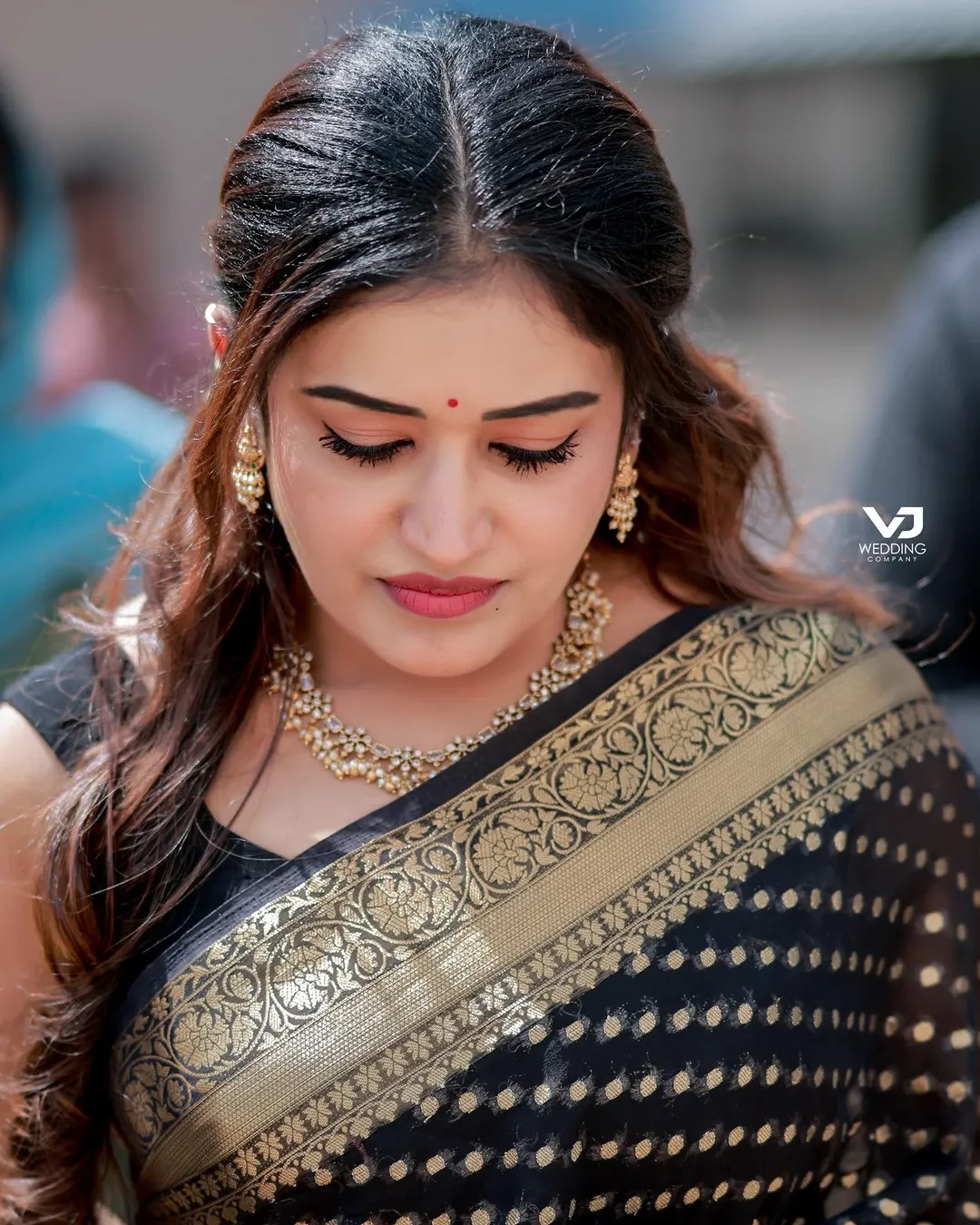
Black Gold Jacquard Lichi Silk Saree with Rich Pallu illustrates how a dark base and metallic-looking woven surface can create evening drama, even though a product name alone should not be treated as proof of Assam origin. Premium Handloom Silk Saree with Handkatha may appeal to buyers who value visible handloom character and a more artisanal surface.
For festivals and family functions
Colourful Pat silk, Eri silk and silk blends work well for festivals because they balance movement with festive colour. Mustard, red, ivory, teal and magenta can be coordinated with Assamese-inspired jewellery, a woven gamocha accent or a compact traditional blouse.
Traditional Mustard Maslin Silk Saree With Rich Pallu offers an useful styling reference for a warm, earthy palette. Handloom Magenta Tussar Silk Saree with Rich Pallu shows how a strong colour and textured silk can replace heavy ornamentation.
For daytime or warmer venues
A lighter saree with a breathable blouse and moderate zari is usually more comfortable for daytime functions. Chanderi, organza cotton silk and lighter tussar constructions can feel less dense than heavily woven silk, although fabric composition and lining still determine comfort.
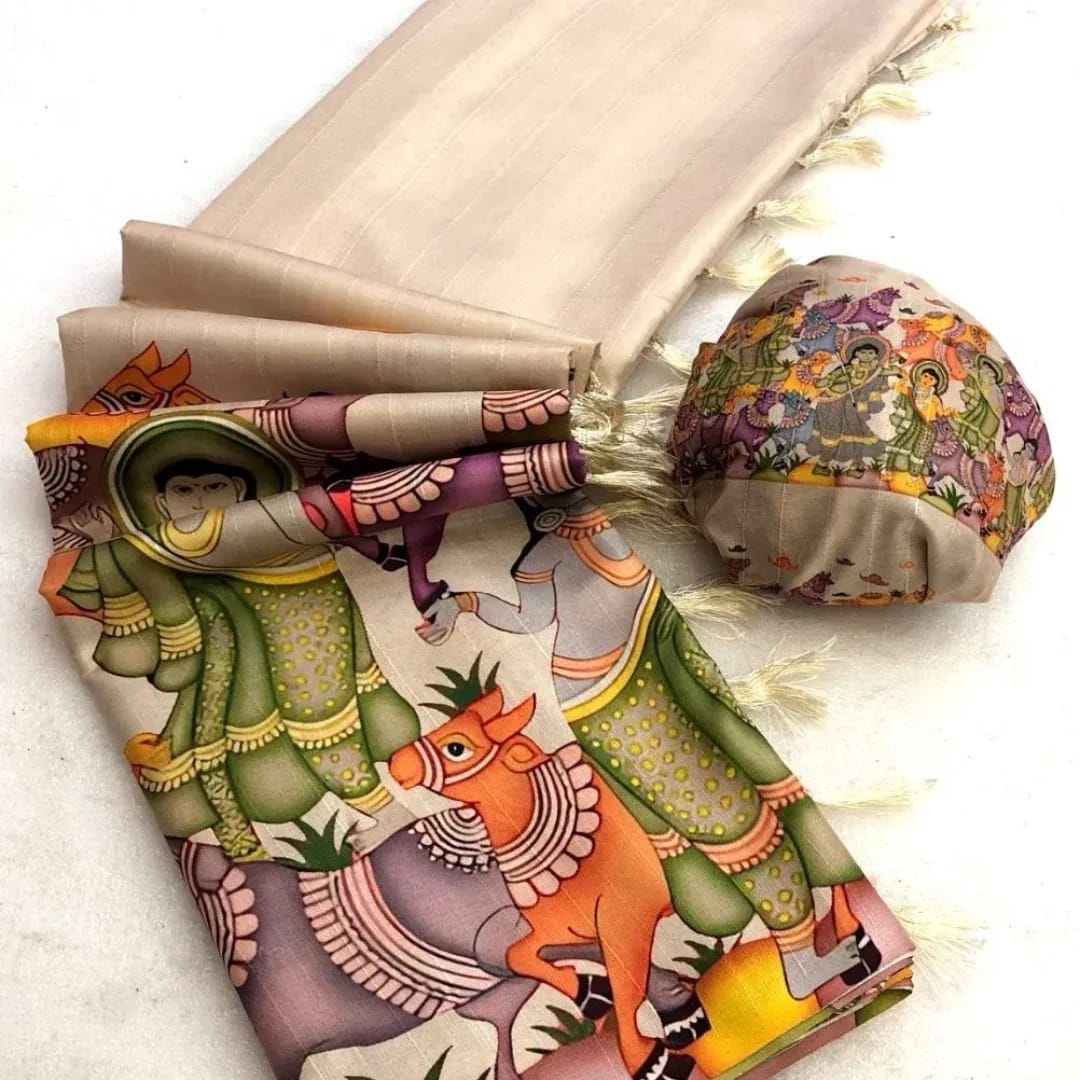
Understated Charcoal Garden Organza Cotton Silk Saree demonstrates how a subdued colour and lighter-looking construction can suit a daytime or semi-formal wardrobe. Tussar Silk Kalamkari Printed Saree with Blouse and Black Traditional Kalamkari Print Silk Saree show how printed storytelling can provide visual interest when a fully woven brocade would feel too heavy.
Styling Assamese silk with a modern wardrobe
Traditional Assamese silk looks contemporary when the styling repeats one textile detail instead of layering many unrelated ornaments. Choose one focal element-border, pallu, blouse, jewellery or hair accessory-and keep the remaining pieces quieter.
- Blouse: A high-neck blouse works with a formal Pat silk saree, while a round-neck or elbow-sleeve blouse suits a softer Eri or tussar texture. A blouse in the pallu shade creates a coordinated appearance without matching every detail.
- Jewellery: Gold-toned metal complements Muga's warm sheen. Silver, oxidised metal or beads can balance Eri's matte texture. Expensive jewellery isn't necessary; a single long necklace and small earrings can be more effective.
- Drape: A neat Nivi drape displays a woven pallu clearly. A slightly pleated seedha-pallu variation can give more visibility to a contrasting border. Secure the pleats with discreet pins when the saree is slippery.
- Footwear and bag: Low block heels support a long event, while a small potli or structured clutch echoes the saree's formality. Choose a bag that doesn't catch on zari or delicate yarns.
Collections such as Party Wear Sarees can be useful for comparing heavier evening silhouettes, while White Silk Sarees in Cream Ivory and Off White can help plan a restrained palette for daytime rituals. Colour-led categories such as Maroon Silk Sarees with Up to 74% Off and Red and Yellow Sarees from Rs 799 with Up to 75 Percent Off can also help compare how warm shades alter the visual weight of a silk drape. Gray Color Sarees Under 1000 is relevant when budget matters, but the price should never replace checking the fibre composition and construction.
Care instructions that protect silk over time
Silk sarees last longer when they're protected from moisture, friction, prolonged sunlight and unsuitable washing. Dry cleaning by a specialist familiar with silk is generally safer for Muga, Eri, Pat silk, zari and heavily finished fabrics than routine machine washing.
- Air the saree after wearing: Keep the saree unfolded in a shaded, well-ventilated area for several hours before storage.
- Refold periodically: Change the fold lines every two to three months to reduce permanent creasing, especially where zari or metallic yarn is present.
- Use muslin or cotton storage: Wrap the saree in clean, breathable fabric. Avoid plastic covers for long-term storage because trapped humidity can encourage mildew.
- Keep garments dry: Store silk away from damp walls, direct sunlight, perfume bottles and jewellery that can snag the weave.
- Test stain treatment: Do not rub oil, turmeric or makeup stains at home. Blot gently and take the saree to a professional cleaner.
Iron silk on the reverse side using low heat and a pressing cloth. Direct high heat can flatten texture, damage dyes or affect zari. Eri's textured surface and delicate handwork deserve especially gentle pressing.
How to buy an Assam silk saree with confidence
The safest purchase decision follows a simple sequence: identify the silk, define the occasion, verify measurements, compare construction and then assess price. That sequence prevents a buyer from choosing based only on colour or the word "pure".
For a traditional purchase, ask whether the saree is Muga, Eri or Pat silk; whether the design is woven, printed or embroidered; whether zari is genuine metallic yarn or a substitute; and whether the saree includes a blouse piece. Ask for the care method before buying, because a garment that requires specialist cleaning should be budgeted accordingly.
Pure traditional silk can be valuable, but "pure" has meaning only when it's supported by a clear composition statement. Soft traditional silk can be a better choice for long ceremonies than a heavier, more rigid fabric. Buyers searching for original Kanchipuram or Kanjeevaram shopping should remember that Kanchipuram silk belongs to a different regional tradition from Assamese Muga, Eri and Pat silk.
The best saree is therefore not just the most expensive or glossy option. The best saree matches the fibre, weave, climate, ceremony, drape preference and care routine that the wearer can genuinely manage.
Common Questions About Buying and Wearing Assamese Silk Sarees
What are the main types of traditional silk sarees from Assam?
The main Assam silk traditions are Muga, Eri and Pat silk. Muga is naturally golden and durable, Eri is soft and textured, and Pat silk is smooth, fine and often bright or pale.
How can I tell whether an Assam silk saree is pure?
Check whether the product description names Muga, Eri or Pat silk and provides a fibre composition, weave method and credible certification. Price and shine alone cannot prove that a saree is pure silk.
Are traditional silk sarees of Assam suitable for weddings?
Yes, Muga and richly woven Pat silk sarees are suitable for weddings, receptions and formal ceremonies. Choose the weight, zari density and blouse construction according to the event duration and climate.
Which Assam silk is softest for comfortable wear?
Eri silk generally has the softest, warmest and most textured hand-feel among the three major Assam silk traditions. Blended tussar, organza cotton silk and lightweight silk constructions may also feel comfortable, but the exact composition should be checked.
What is the difference between an Assamese saree and a mekhela chador?
An Assamese saree is a single continuous draped garment, while a mekhela chador is a two-piece traditional outfit consisting of a lower mekhela and an upper chador. Both may use Muga, Eri or Pat silk and Assamese motifs.
How should I store an Assam silk saree?
Air the saree after wearing, wrap it in breathable cotton or muslin, refold it every two to three months and keep it away from moisture and direct sunlight. Specialist dry cleaning is safer than machine washing for silk and zari garments.