Mountain landscapes, community rituals and handwoven cloth come together in Traditional Sikkim Textile Patterns & Fashion Inspiration. Sikkim doesn't have one uniform textile vocabulary: Lepcha, Bhutia and Nepali communities have developed distinct clothing traditions, while trade and migration have created points of exchange. That variety makes Sikkim a valuable source of ideas for sarees, blouses, shawls and contemporary occasion dressing.
A useful starting point is to separate historical textile traditions from modern prints that borrow a Himalayan look. Lepcha textiles are often associated with precise geometric structures and backstrap-loom weaving. Bhutia dress uses wrapped forms, strong borders and layered styling. Nepali communities contribute additional woven, embroidered and draped traditions. Understanding those differences helps a wearer take inspiration without flattening every Sikkim pattern into a generic "tribal" design.
What defines Traditional Sikkim Textile Patterns & Fashion Inspiration?
Traditional Sikkim textile inspiration is defined by geometric patterning, structured borders, symbolic colour use and clothing designed for movement in a cool mountain climate. Traditional Sikkim textile patterns commonly appear as repeated bands, stepped forms, diamonds, stripes and angular motifs rather than densely scattered floral decoration.
Lepcha weaving is particularly important to Sikkim's textile history. Lepcha weavers have traditionally used narrow looms, including backstrap looms, to create cloth with a firm hand and rhythmic patterning. A traditional Lepcha textile may include bands of colour and geometric motifs that look simple at a distance but depend on careful counting and orderly repetition. The visual effect is architectural: a border can resemble a path, stairway or mountain ridge.
Bhutia clothing offers a different design lesson. The bakhu, a wrapped robe associated with Sikkim and the wider Himalayan region, relies on proportion, layering and a clean outer silhouette. The pangden, a striped apron worn by married Bhutia women, adds horizontal colour and texture at the waist. These garments demonstrate that a textile can communicate identity through the way it's worn, not only through its surface pattern.
Sikkim's Nepali communities also bring varied textile practices, including woollens, shawls, woven waist fabrics and festive clothing influenced by wider Himalayan and South Asian traditions. Regional dress changes across communities, generations and occasions, so a responsible style reference should identify the specific influence rather than describe every design as "Sikkimese."
The motifs, borders and colours worth noticing
Geometric borders are the most adaptable visual feature for contemporary Indian clothing because they can be used at a pallu, sleeve, blouse neckline or dupatta edge without overwhelming the garment. Diamonds, chevrons, stepped lines and narrow stripes create rhythm while remaining easy to combine with solid fabrics.
Geometric structure
Angular motifs suit garments with clear construction. A geometric border can frame a square-neck blouse, run along a saree pallu or define the hem of a straight kurta. A repeating motif should have enough breathing room around it; crowded placement can make a woven-inspired pattern look like an indistinct digital print.
The Vibrant Multicolor Linen Saree with Ikat Inspired Prints demonstrates how repeated colour units can create movement across a lightweight drape. The design language isn't a substitute for a handwoven Sikkim textile, but the controlled repetition provides a practical route into Himalayan-inspired styling. Pairing the saree with a plain blouse allows the pattern to remain legible.
Mountain-influenced colour stories
Deep red, black, indigo, forest green, ivory, muted yellow and earthy brown create a grounded palette associated with many Himalayan visual references. These colours don't belong exclusively to Sikkim, and no single palette represents every Sikkim community. Their usefulness lies in the contrast between dark base tones, mineral-like neutrals and one vivid accent.
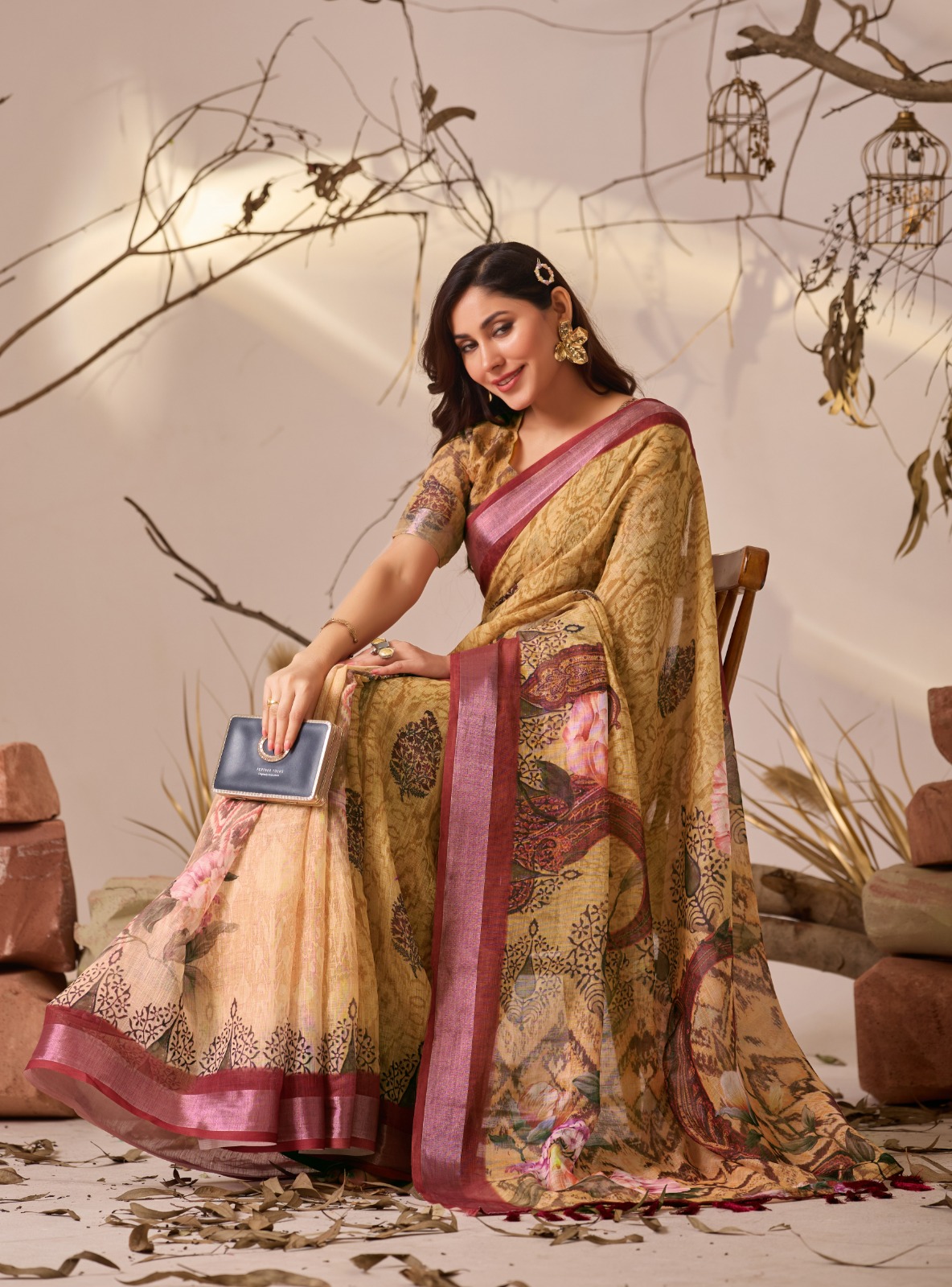
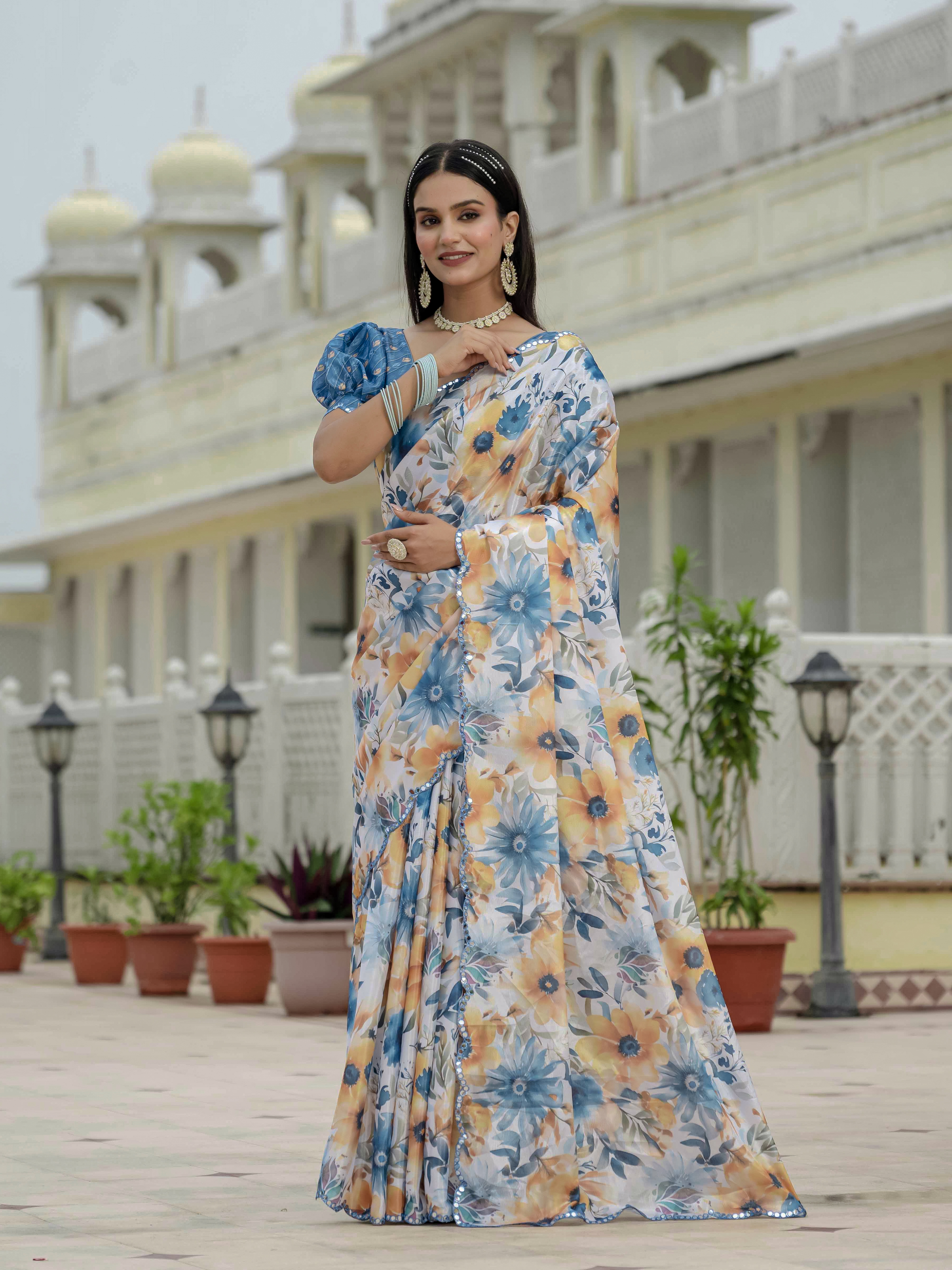
The Traditional Beige Multicolor Printed Saree works well as an example of a neutral base carrying several accent colours. Beige softens a bold border, while red, green, blue or mustard details can be repeated in earrings, bangles or a blouse piping. A neutral ground also makes a patterned saree suitable for daytime cultural programmes rather than only evening celebrations.
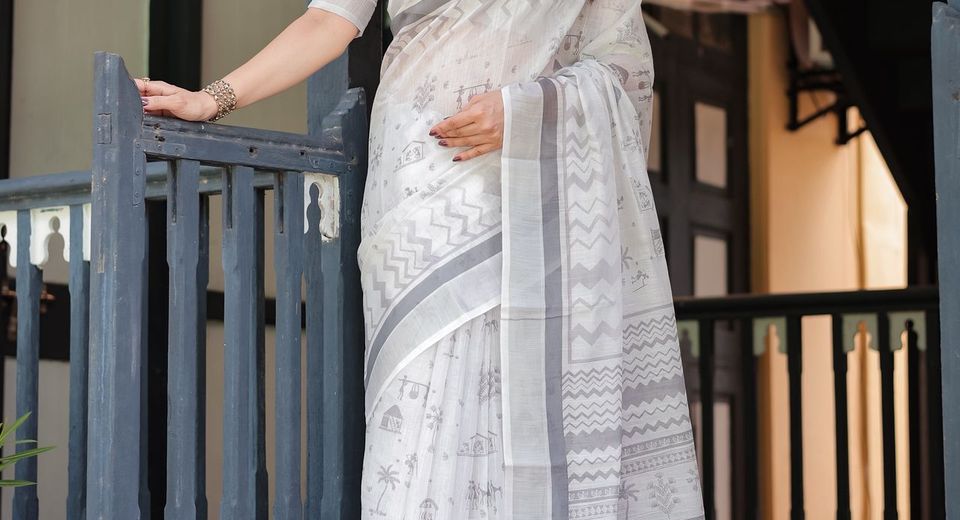
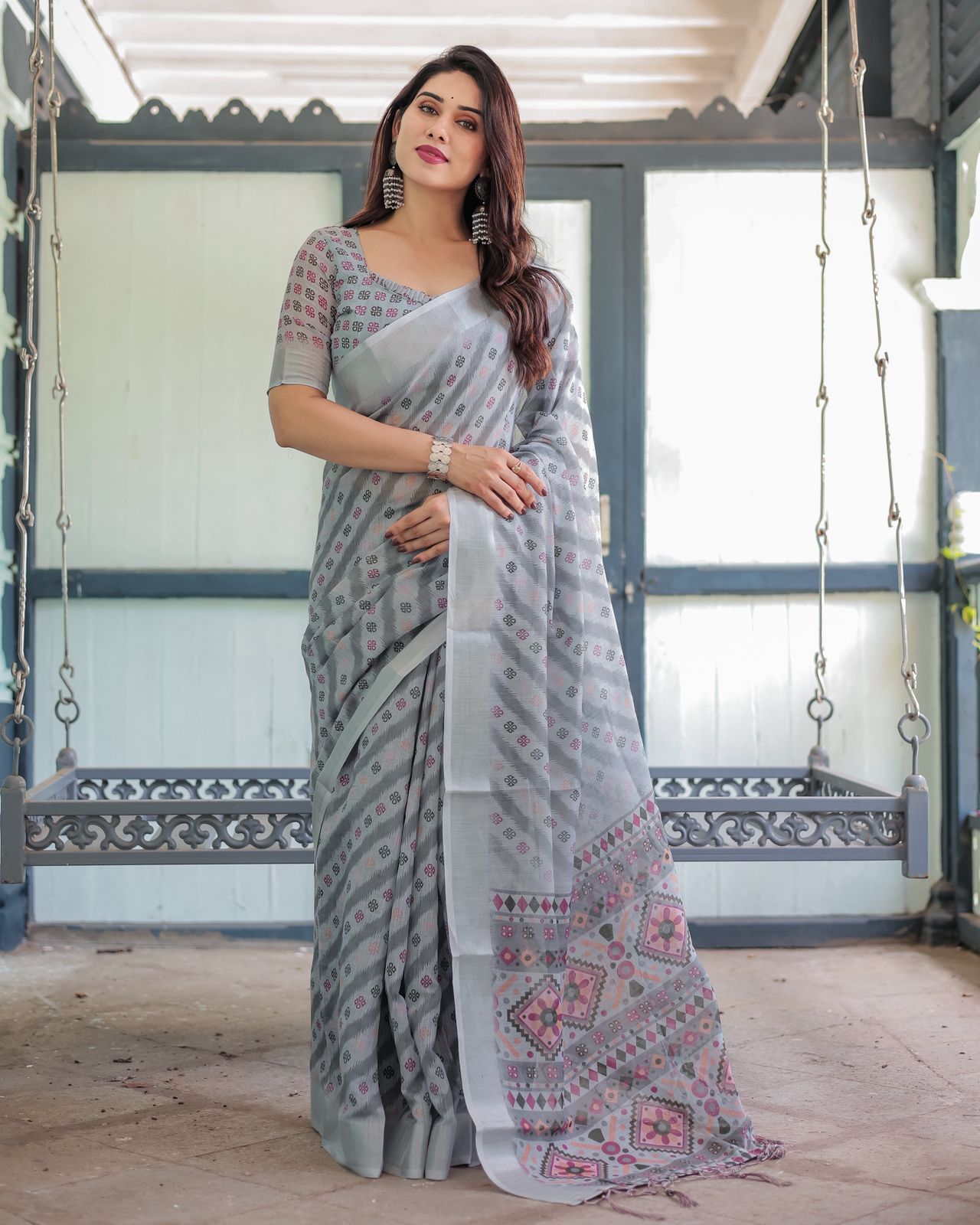
White and grey offer a quieter interpretation. The Soft White Linen Saree with Grey Tribal Design can be styled with charcoal, slate blue or natural undyed accessories for a restrained look. The combination is particularly useful when the pattern has strong geometry and the wearer wants the weave or print to remain the main point of attention.
How can Sikkim-inspired ideas be adapted to sarees?
Sikkim-inspired ideas can be adapted to sarees by concentrating pattern at one visual zone, using a restrained mountain palette and balancing a patterned drape with a plain blouse. A saree doesn't need to reproduce a traditional bakhu or Lepcha panel to acknowledge its design principles.
Use the pallu as the main patterned panel
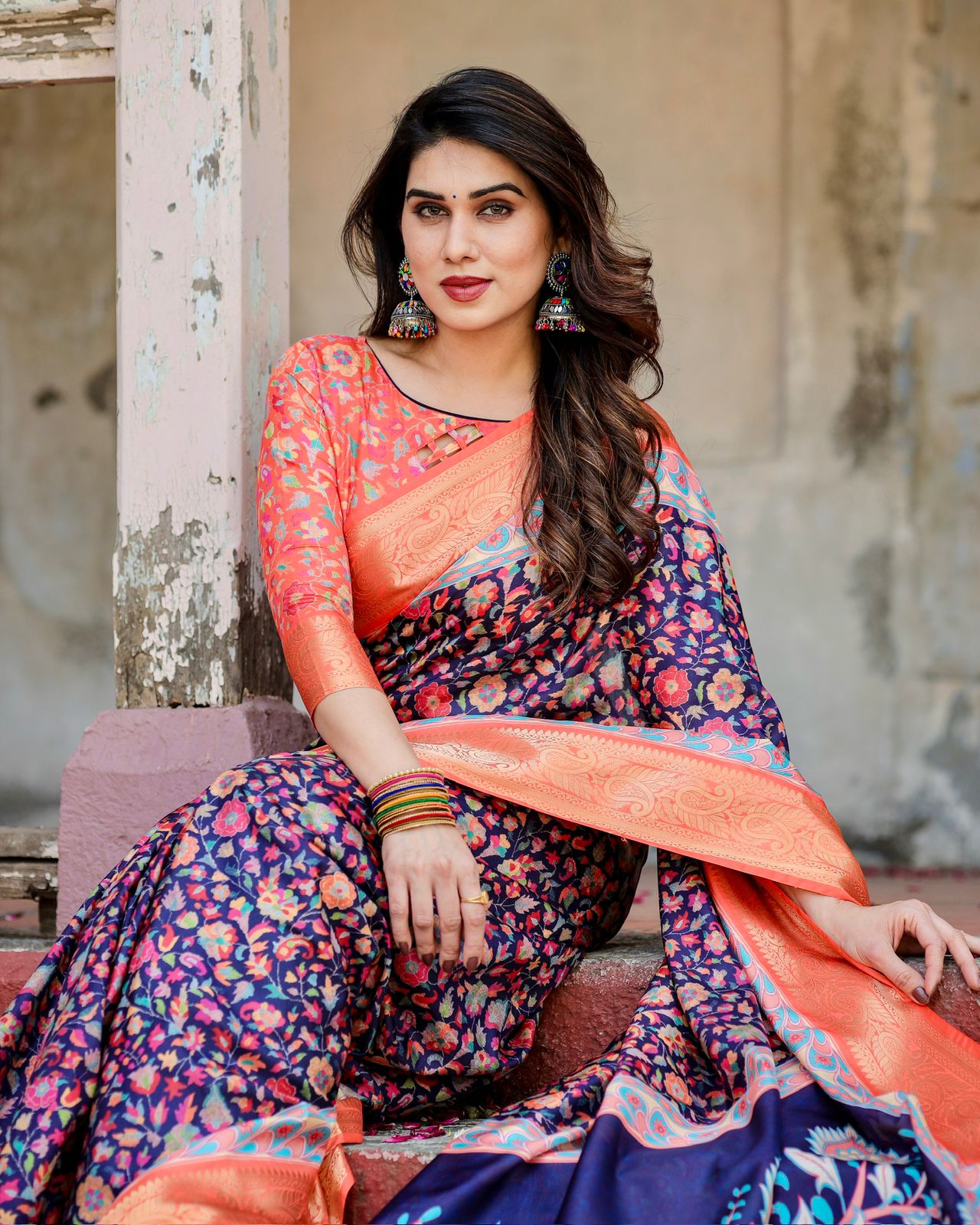
A patterned pallu creates the strongest connection to border-led Himalayan textiles while keeping the pleats easy to manage. Let the pallu fall naturally over the shoulder instead of adding a second heavily decorated stole. A narrow belt can hold the drape in place for a gallery visit, craft event or formal daytime gathering, but the belt should not conceal the main border.
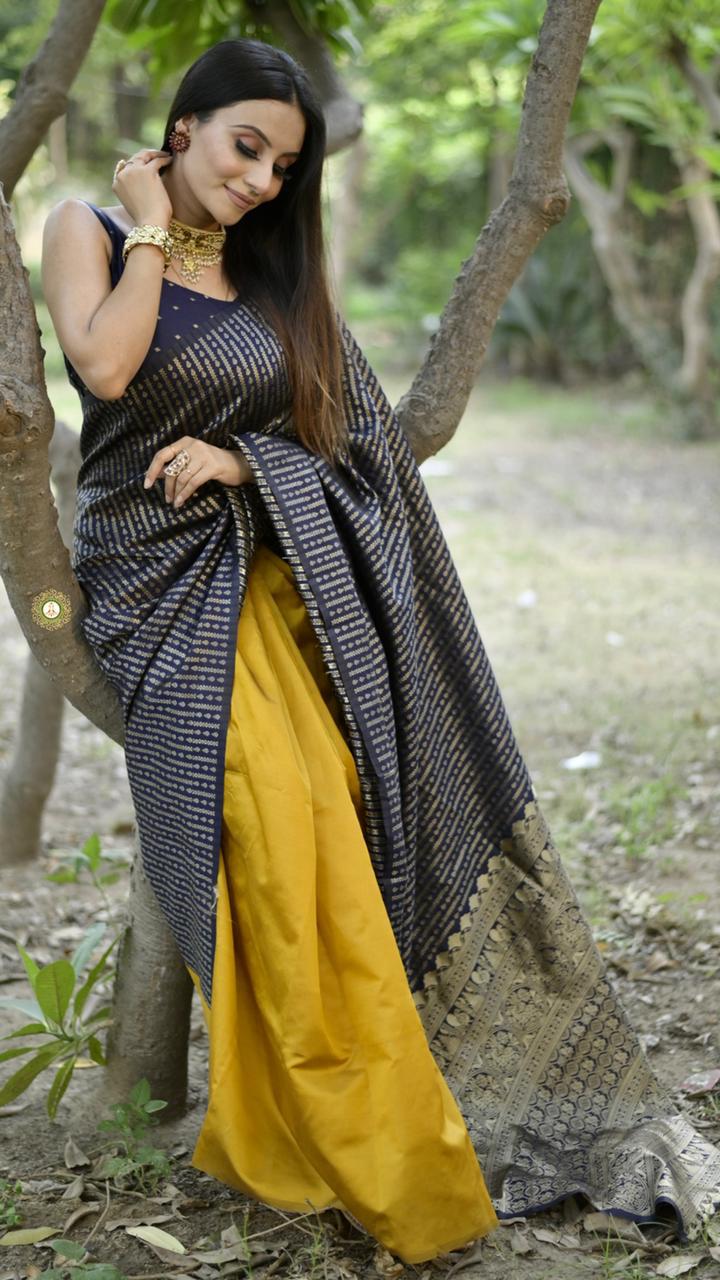
The Black Printed Lichi Silk Saree with Ethnic Digital Design shows how a dark ground can make a contrasting pattern appear sharper. Style a black or charcoal blouse with a high back and minimal surface work. Silver-toned earrings, oxidised metal or a single coloured stone can echo the textile without turning the outfit into a costume interpretation.
Let the blouse provide structure
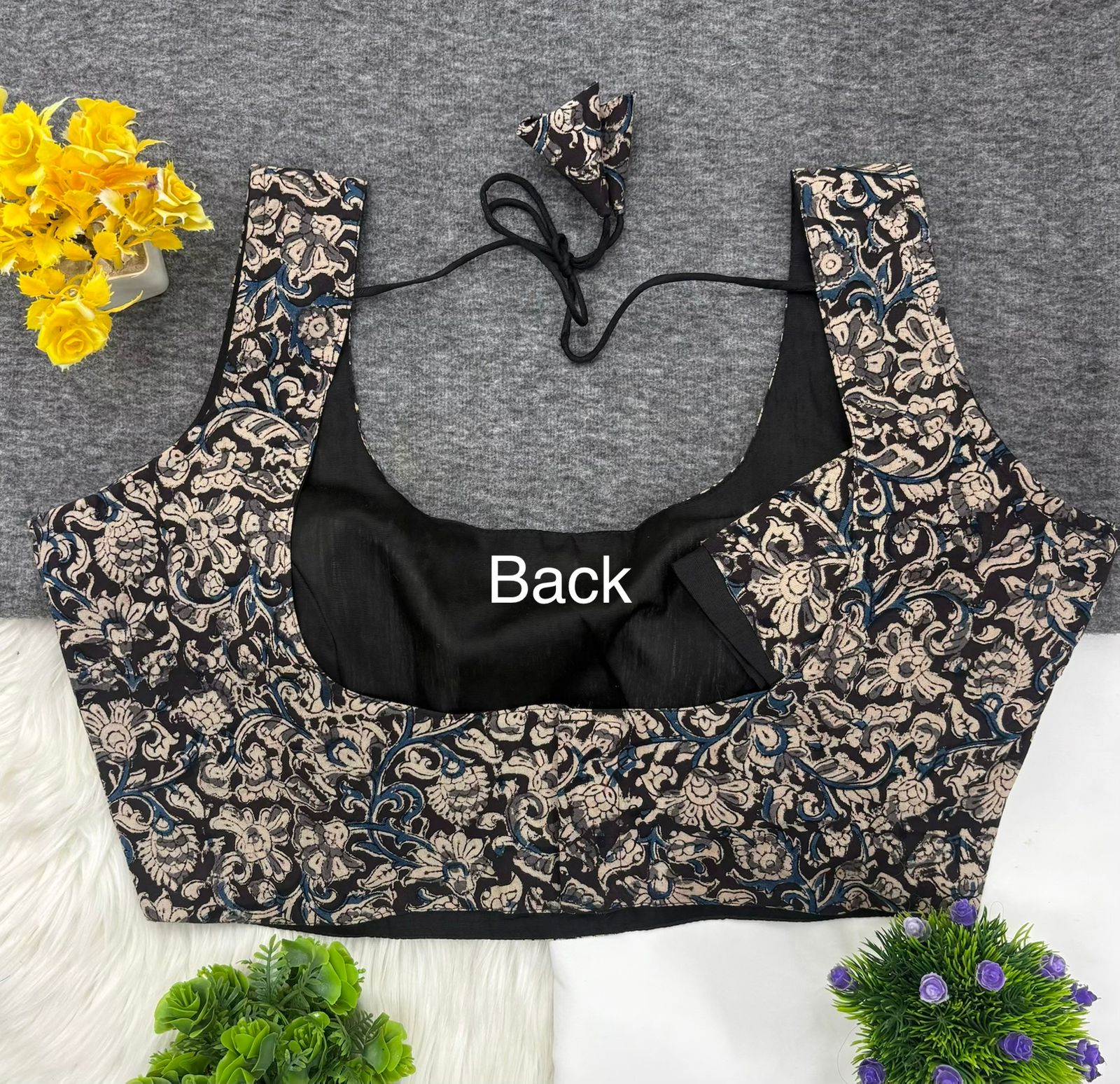
A blouse inspired by wrapped Himalayan garments benefits from a modest neckline, three-quarter sleeves and a firm fabric that holds its shape. Contrast piping at the sleeve edge can repeat one colour from the saree border. A plain blouse is usually more convincing than combining several unrelated motifs.
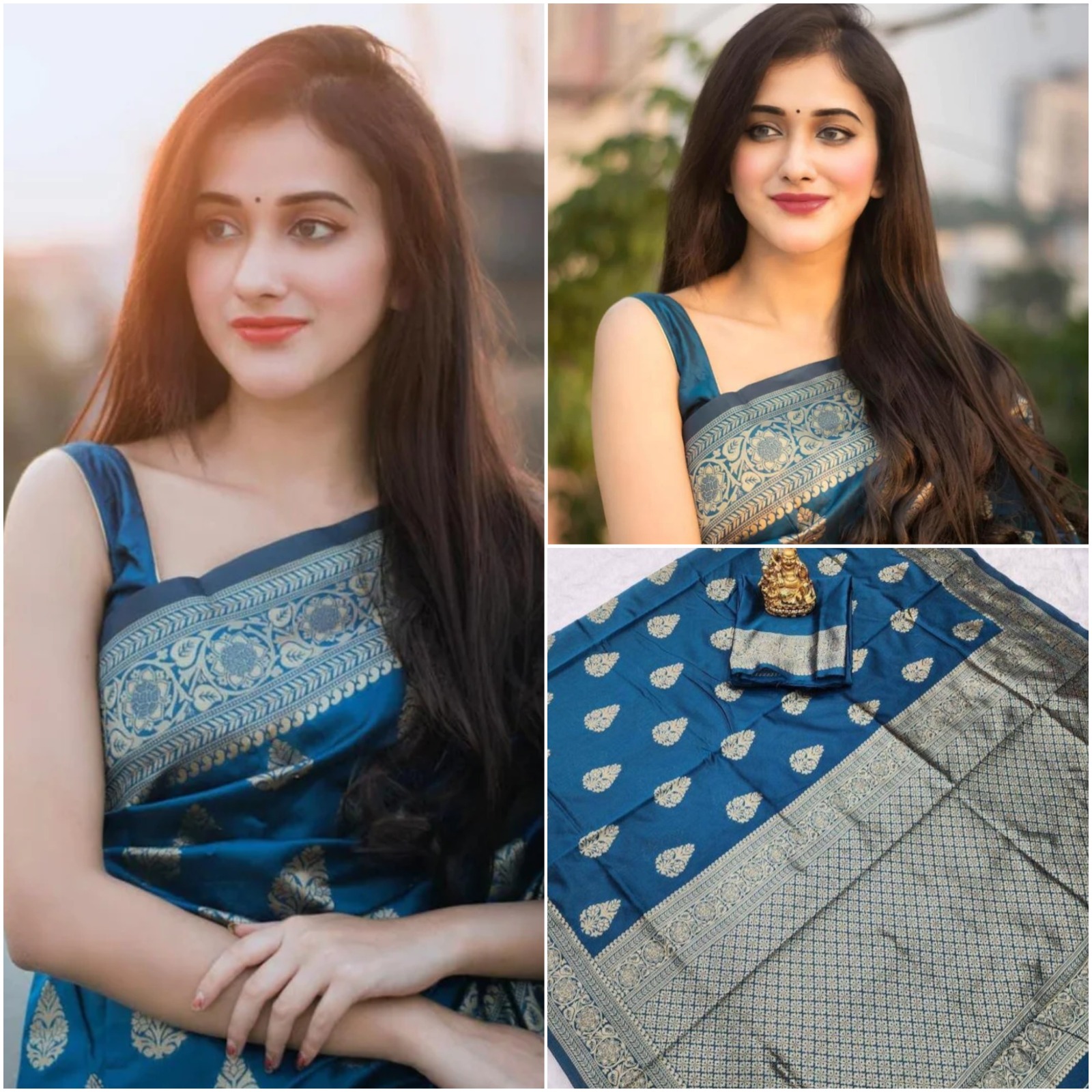
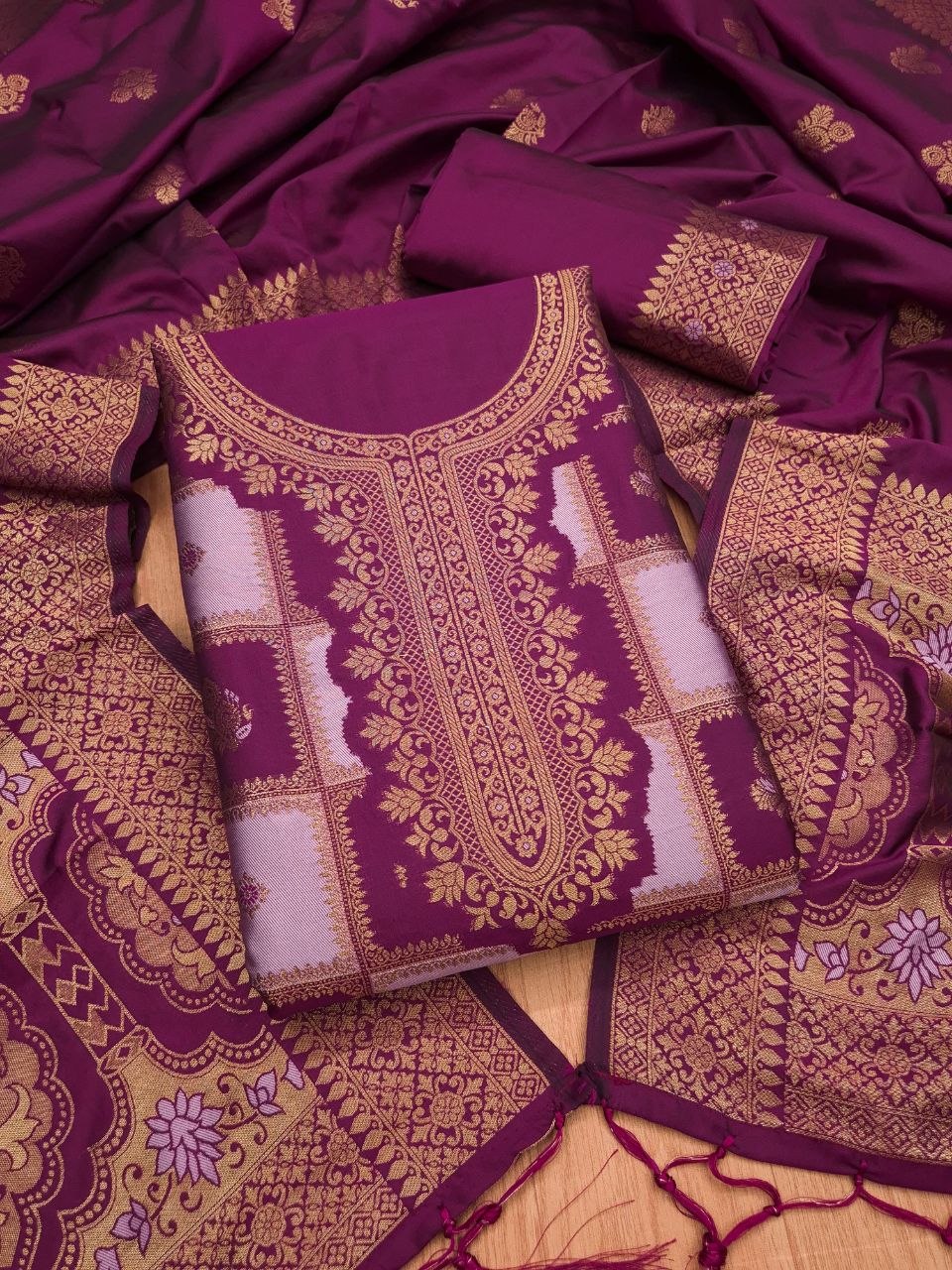
The Designer Black Soft Silk Saree with Intricate Patterns is suited to a structured blouse because soft silk has enough body for defined pleats and a formal fall. A deep maroon, muted gold or dark green blouse can pick up a minor colour from the pattern. Avoid matching every visible colour; repeating one accent usually creates a more deliberate result.
Choose draping for the setting
A standard Nivi drape is practical for most sarees because the pleats show the textile clearly and the pallu remains easy to secure. A seedha pallu can highlight a long border at a festive event, while a shorter pinned pallu is safer for craft workshops or outdoor gatherings. Cotton or linen sarees can be pleated in advance with light starch, but silk sarees should be folded gently rather than pressed into permanent creases.
Which fabrics support a Himalayan-inspired wardrobe?
Linen, handloom cotton, wool blends, silk and textured viscose can support a Himalayan-inspired wardrobe, but each fabric changes the visual message and care requirements. Linen gives an airy, matte interpretation; silk creates ceremony; wool and heavier blends suggest warmth and layering.
The Elegant Pastel Green & Beige Linen Saree with Tribal Design illustrates a softer version of the trend. Pastel green and beige can be paired with a plain beige blouse, woven leather sandals and small silver earrings for a daytime event. Linen creases naturally, so the saree should be steamed or ironed on the reverse at a moderate temperature before wearing.
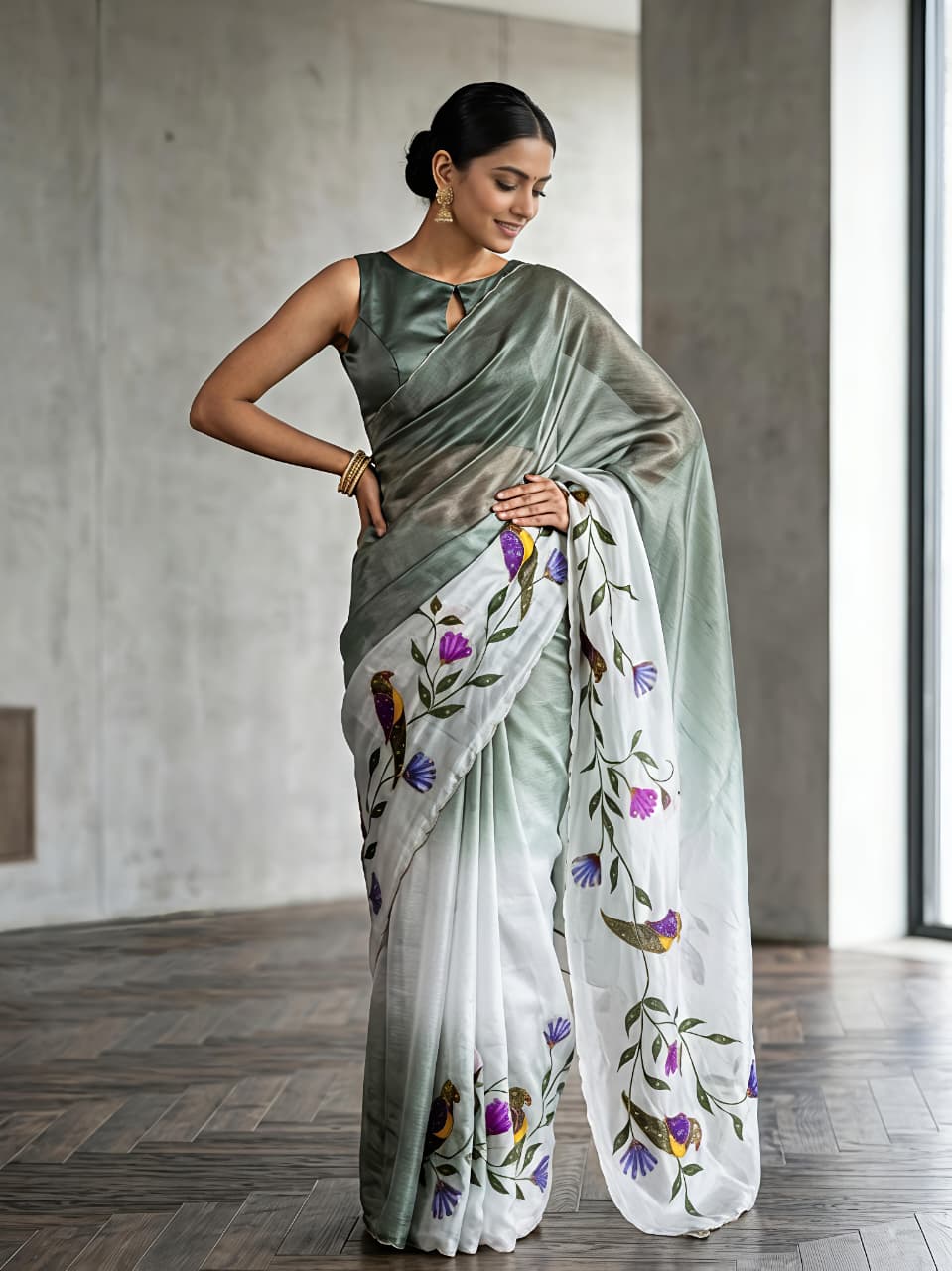
Tussar silk adds irregular texture and a slightly rawer surface than smooth mulberry silk. The Tussar Silk Kalamkari Printed Saree with Blouse combines a tactile silk ground with a narrative printed surface. Although Kalamkari belongs to a different textile tradition, the example shows how a textured fabric can carry a strong visual story without excessive embellishment. Keep jewellery simple when the saree already contains detailed imagery.
Silk and silk-like fabrics need careful storage because moisture and trapped perfume can weaken fibres over time. Air a saree after use, remove surface dust with a soft brush and store it folded in clean cotton muslin. Avoid plastic covers for long-term storage, and refold valuable silk every few months to prevent a permanent crease along one fold line.
How do you style Sikkim-inspired patterns respectfully?
Respectful styling names the source of inspiration accurately, avoids invented claims about community symbolism and treats traditional garments as cultural objects rather than costume props. Wearing a geometric border isn't the same as wearing a complete Lepcha or Bhutia ceremonial ensemble.
Use phrases such as "Lepcha-inspired geometric border" only when the design genuinely draws on that visual language, and don't label a commercial digital print as handwoven. A product described as Ikat-inspired should remain identified as an inspired print unless its construction has been verified as Ikat. Clear language protects both the wearer and the communities whose visual traditions are being referenced.
The Varnavi Beige Teal Heritage Art Handloom Linen Saree can be used as an example of how a handloom-led product may fit into a heritage wardrobe. Pair it with a plain teal blouse, a narrow woven belt and understated metal jewellery. The styling should leave space for the saree's own texture instead of adding unrelated Himalayan symbols.
For a cultural programme, choose one clear reference point: a geometric border, a striped waist detail, a deep mountain colour or a layered shawl. Avoid combining a bakhu-like wrap, multiple tribal prints and ceremonial accessories in one outfit unless the context is educational and the garments have been sourced with appropriate guidance.
Building a complete outfit from one textile idea
A complete outfit becomes more coherent when one textile element controls the colour, one element controls the texture and the remaining accessories stay quiet. This three-part method prevents a patterned saree from competing with large jewellery, ornate footwear and a decorated blouse.
- Start with the dominant fabric: Choose linen for a relaxed daytime appearance, tussar silk for texture or soft silk for a formal evening drape.
- Select one border or motif: Repeat a diamond, stripe or stepped line in the blouse piping, bangle colour or handbag detail.
- Limit the accent colours: Use one bright colour and one neutral from the saree rather than matching every shade in the print.
- Balance the jewellery: Oxidised silver suits dark geometric patterns, while brushed gold works with beige, rust and muted green. Keep necklaces shorter when the blouse or pallu already has a strong border.
- Finish for movement: Secure the pallu with two small pins, wear comfortable footwear and test the pleats before an event involving stairs or outdoor walking.
A cool-weather version can add a plain wool shawl, cropped jacket or longline blouse in a solid colour. The layer should echo the saree's base tone rather than introduce another competing print. This approach translates the practical logic of Sikkim's layered clothing into contemporary Indian dressing without copying a community garment.
What should shoppers check before buying a patterned saree?
Shoppers should check the fibre composition, print or weave method, border placement, colourfastness and care label before buying a saree inspired by regional textiles. Visual resemblance alone doesn't reveal whether a pattern is woven, printed, embroidered or digitally applied.

- Read the fibre details: Linen, cotton, tussar silk and polyester behave differently in heat, drape and washing. A natural-fibre saree may crease more but usually has a more breathable hand.
- Inspect the reverse side: A woven pattern often shows a structured repeat or colour interaction on the reverse, while a surface print may look comparatively flat. This is a useful clue, not absolute proof.
- Check the border and pallu: Ask whether the design continues cleanly into the seam and whether the pallu has enough length for the intended drape.
- Test colour transfer: Press a clean white cloth lightly on an inconspicuous area if the seller permits it. Dark red, indigo and black dyes may require extra caution during the first wash.
- Confirm care instructions: Many silk sarees require dry cleaning, while linen may tolerate gentle hand washing. Never assume that a "handloom look" garment has identical care needs to a traditional handloom textile.
Price should be interpreted alongside construction. Handloom weaving, natural fibres, skilled border work and small-batch production can increase cost, but a higher price doesn't automatically prove that a saree is handwoven. Product descriptions should state the technique clearly, and buyers can ask for fibre and care information before purchasing.
Keeping the design language contemporary
Contemporary styling works best when it borrows a design principle rather than copying an entire traditional outfit. A geometric sleeve border, a muted mountain palette or a layered drape can reference Sikkim while remaining appropriate for a saree, salwar suit or blouse.
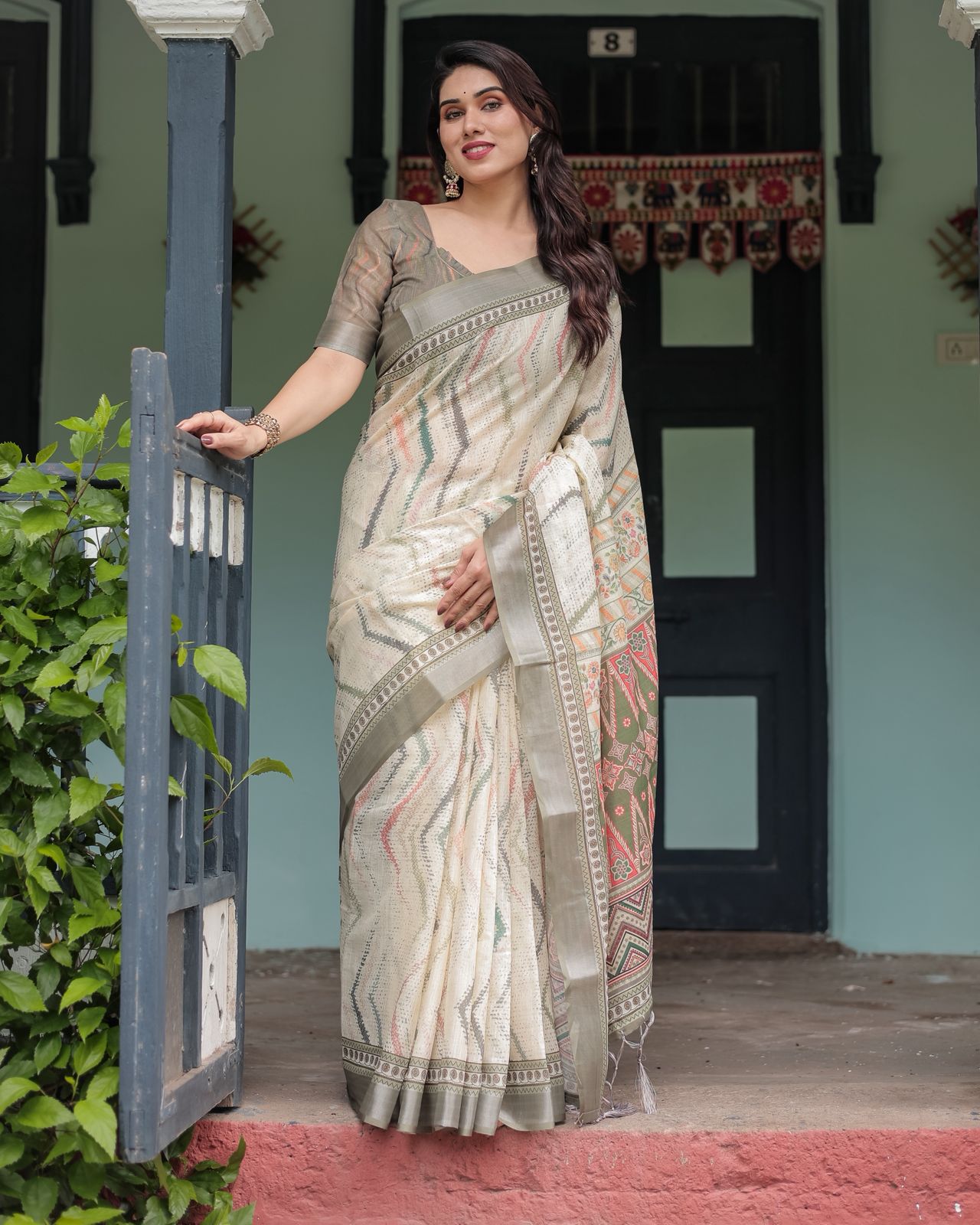
For everyday dressing, combine a small patterned blouse with a solid cotton saree and flat shoes. For a festive lunch, choose a linen saree with a controlled multicolour border and a sleeveless or elbow-length blouse. For an evening gathering, use a dark silk base, one metallic accessory and a sharply tailored blouse instead of piling on embellishment.
Traditional Sikkim Textile Patterns & Fashion Inspiration becomes most meaningful when textile history guides the choices. The result should show attention to structure, material and community context, not just a collection of mountain-associated colours. That distinction turns a passing trend into an informed personal wardrobe.
Questions About Sikkim Textile Motifs and Saree Styling
What are the main textile traditions associated with Sikkim?
The main traditions commonly discussed in Sikkim include Lepcha weaving, Bhutia clothing such as the bakhu and pangden, and varied Nepali community textiles. Each tradition has its own materials, construction methods, garment forms and cultural context, so Sikkim should not be treated as one single textile style.
What motifs are common in Lepcha-inspired textile designs?
Lepcha-inspired designs often use repeated geometric structures, stripes, diamonds, stepped forms and strong borders. Commercial sarees may interpret these features through printing rather than traditional backstrap-loom weaving, so product descriptions should distinguish between a woven textile and an inspired print.
How can I wear a Sikkim-inspired saree without looking costume-like?
Wear one clear reference point, such as a geometric border, a mountain-inspired colour palette or a layered shawl. Balance a patterned saree with a plain blouse, restrained jewellery and contemporary footwear instead of combining several unrelated traditional elements.
Which saree fabrics work well for Himalayan-inspired styling?
Linen, cotton, tussar silk and soft silk all work well, but they create different effects. Linen gives a matte daytime look, tussar silk adds irregular texture, and soft silk provides a more formal drape with stronger structure.
How should I care for a linen or silk saree with a regional-inspired print?
Follow the garment's specific care label because a printed linen saree and a silk saree may require different treatment. Store both away from direct sunlight in breathable cotton fabric, air them after wearing, and use dry cleaning for silk when the label recommends it.
Does a geometric print make a saree a traditional Sikkim textile?
No, a geometric print alone does not make a saree a traditional Sikkim textile. Traditional status depends on the textile's community context, construction, material and provenance; a commercial garment may be more accurately described as Sikkim-inspired or Himalayan-inspired.