Traditional sarees of Sambalpur are known for Bandha ikat, a resist-dyeing method in which yarns are draw and dyed before weaving. The process make motifs that align across the warp and weft, giving the finished saree its characteristic slightly feathered geometry. A Sambalpuri saree is therefore more than a bright regional print: its identity lies in the relationship between yarn preparation, Odisha's visible vocabulary and the skill of the weaver.
For a buyer, that distinction matters. A saree with an ikat-looking surface may be printed rather than woven, while a genuine handwoven piece can show small variations in alignment. This guide explains the craft, the motifs, the difference between cotton and silk traditional options, and the practical checks that make online shopping safer.
What makes Traditional sarees of Sambalpur distinctive?
Traditional sarees of Sambalpur are distinctive because Bandha resist-dyeing is planned on the yarns before weaving, rather than applied as a finished-saree print. The weaver calculates where the tied sections will appear, dyes the exposed yarn, removes the ties and then places the yarns on the loom.
In a simple explanation, the tied portions resist the dye and remain lighter while the untied portions absorb colour. When the prepared yarns cross one another, the design appears on the cloth. Tiny shifts in yarn position can create soft edges around diamonds, checks or figurative motifs. Those irregularities are often evidence of handwork, not a manufacturing flaw.
Sambalpur is part of western Odisha, a region with a strong handloom tradition. The wider Sambalpuri textile vocabulary includes cotton and silk sarees, stoles and dress materials. Different weaving centres and communities may use related techniques while developing their own preferences for colour, border scale and motif placement.
Is every ikat saree a Sambalpuri saree?
Every Sambalpuri ikat belongs to the broader ikat family, but not every ikat saree is Sambalpuri. Ikat is a technique found in several Indian textile traditions, including Patola from Gujarat and Pochampally from Telangana. Regional naming should be supported by the saree's stated origin, weave description and seller information, not by the presence of a geometric pattern alone.
A traditional textile description should ideally identify whether the saree is handloom, the fibre used, and whether the design is yarn-dyed Bandha or a surface print. When a website gives only words such as "ethnic," "silk traditional" or "designer," ask for more technical details before treating the item as a Sambalpuri handloom.
Which motifs and colours should you look for?
The most recognisable Sambalpuri motifs include Shankha, Chakra, flowers, fish, birds, animals and geometric forms such as Pasapalli. Each design has a visual and cultural role, although motif meanings can vary by regional interpretation and individual weaving practice.
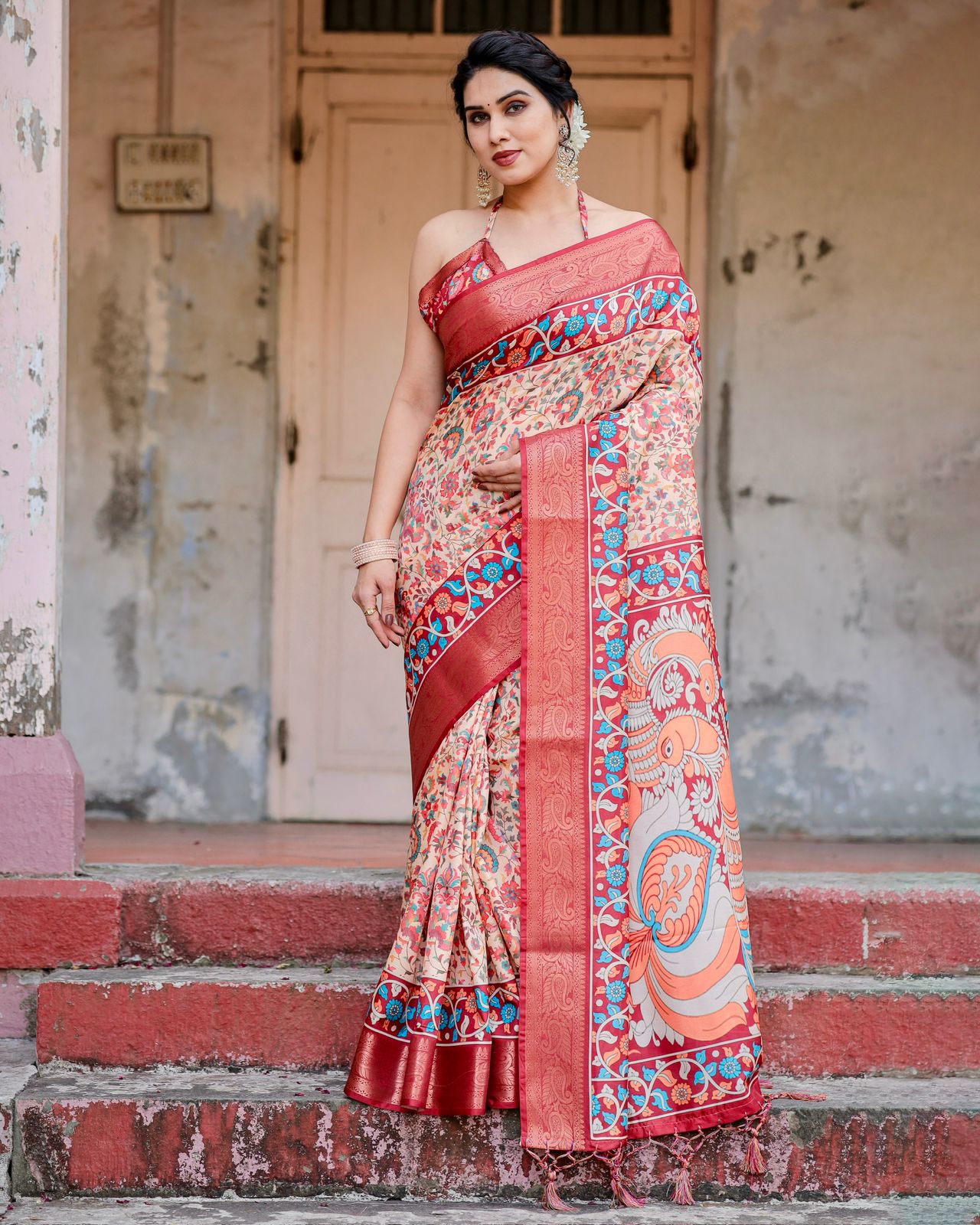
- Shankha: The conch is associated with auspiciousness and is frequently arranged in borders or repeated bands.
- Chakra: The wheel is a strong Odishan symbol and gives the pallu a circular, rhythmic structure.
- Pasapalli: The name refers to a dice-board-like check arrangement, usually built from repeated squares or diamonds.
- Floral and animal forms: Flowers, deer, birds and fish add narrative detail and soften the strict geometry of the weave.
- Temple and geometric borders: Repeated steps, triangles and structured bands provide definition at the edge and pallu.
Red, black, white, yellow, green and deep blue are common visual references in Sambalpuri design, but contemporary weavers also work with pastels and muted combinations. Colour alone can't authenticate a saree. A mustard body with a contrast border may be traditionally inspired, while a pastel saree can still be handwoven and regionally meaningful.
The border and pallu deserve close attention because they often carry the strongest motif concentration. On a product page, inspect enlarged photographs for continuity at the selvedge, the clarity of the pallu and whether the reverse side shows the same yarn-dyed structure. A perfectly flat photographic print and an irregular woven edge are not equivalent signs.
How do cotton and silk Sambalpuri sarees differ?
Cotton Sambalpuri sarees are lighter and more breathable, while silk Sambalpuri sarees generally offer a smoother surface, greater drape and a more formal appearance. The right choice depends on climate, duration of wear, the amount of movement required and the level of occasion formality.
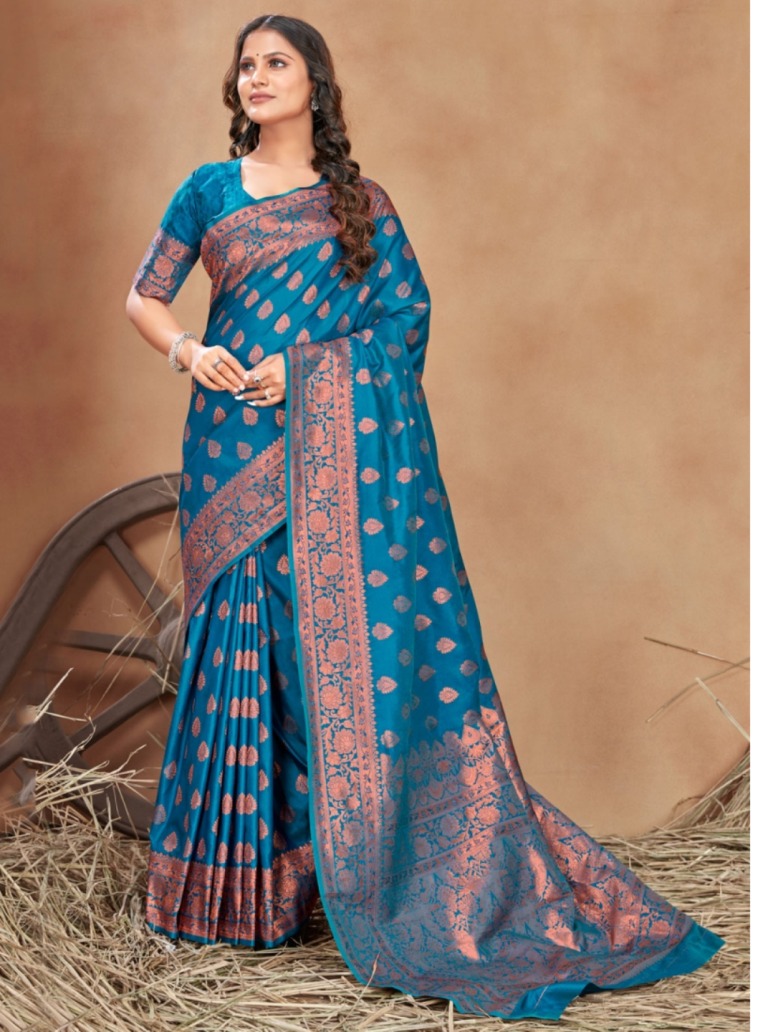
Simple traditional cotton choices
Cotton is practical for daytime pujas, cultural events, office celebrations and warm-weather gatherings. A handloom cotton saree may feel slightly crisp at first and become softer with use. The body usually holds pleats well, and a medium-starched finish can make a simple traditional drape look structured without adding heavy weight.
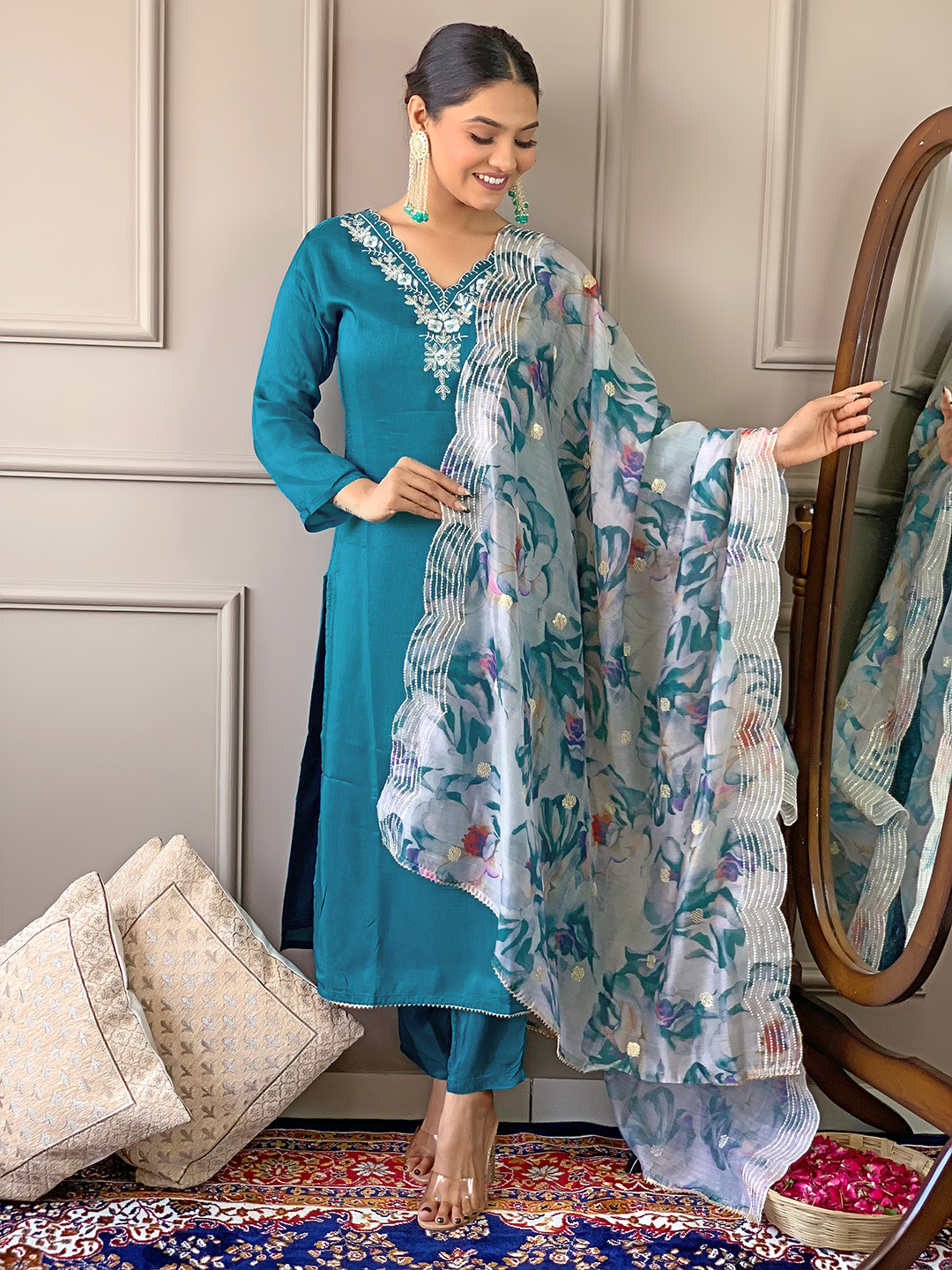
For comparison, a lightweight handloom aesthetic also appears in Pastel Floral Tissue Handloom Cotton Saree with Zari Weaves and Cream Pink Tissue Handloom Cotton Saree with Zari. These are not automatically Sambalpuri sarees, but they demonstrate how cotton, a delicate sheen and a restrained palette can work for a daytime traditional wardrobe.
Silk traditional choices
Silk is more suitable for weddings, receptions, festive evenings and ceremonial portraits because the fibre catches light and supports a fuller pallu. Silk can also feel warmer and may need more careful storage. A silk saree with a dense border can require extra pinning at the shoulder, especially when the pallu is long or embellished.
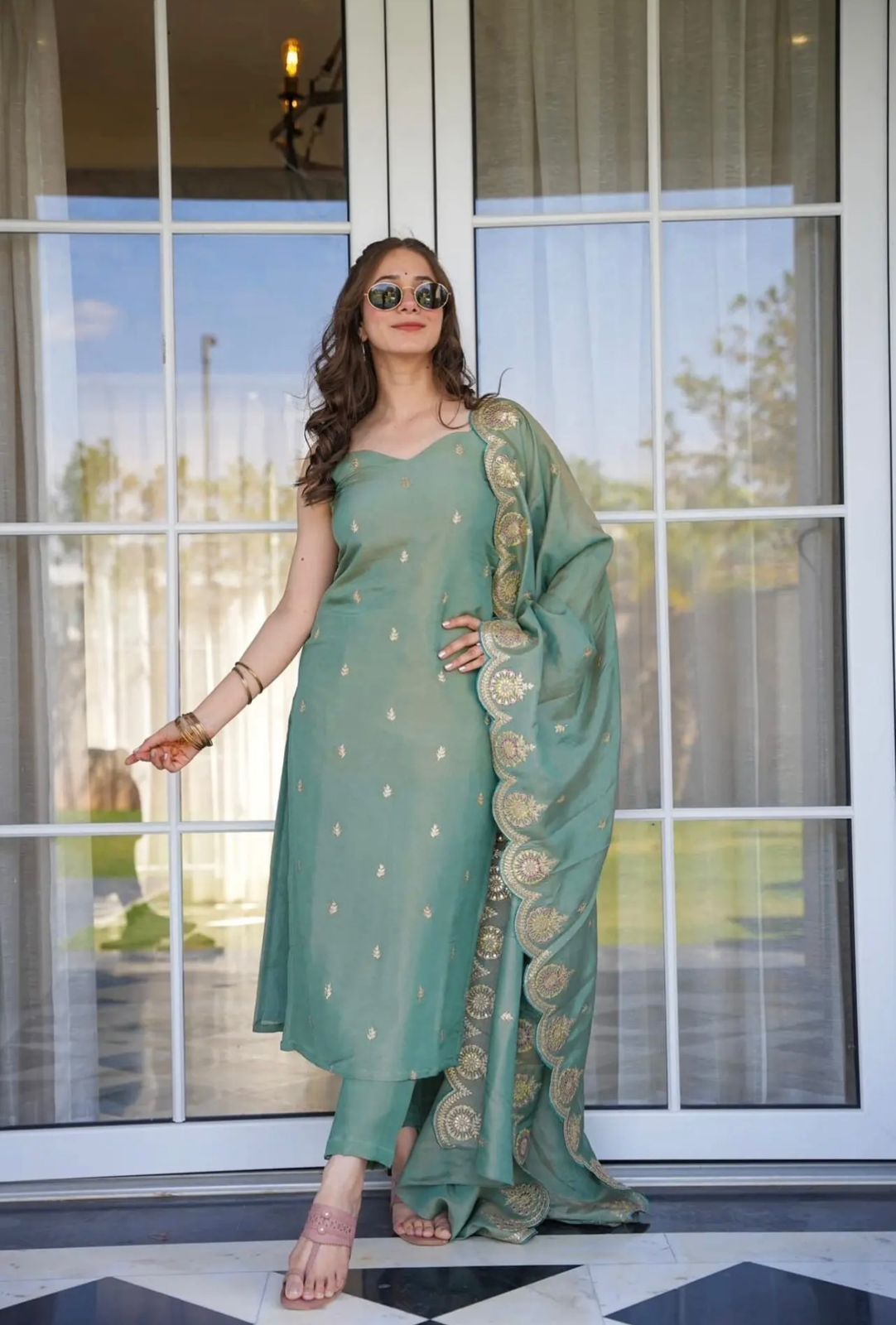
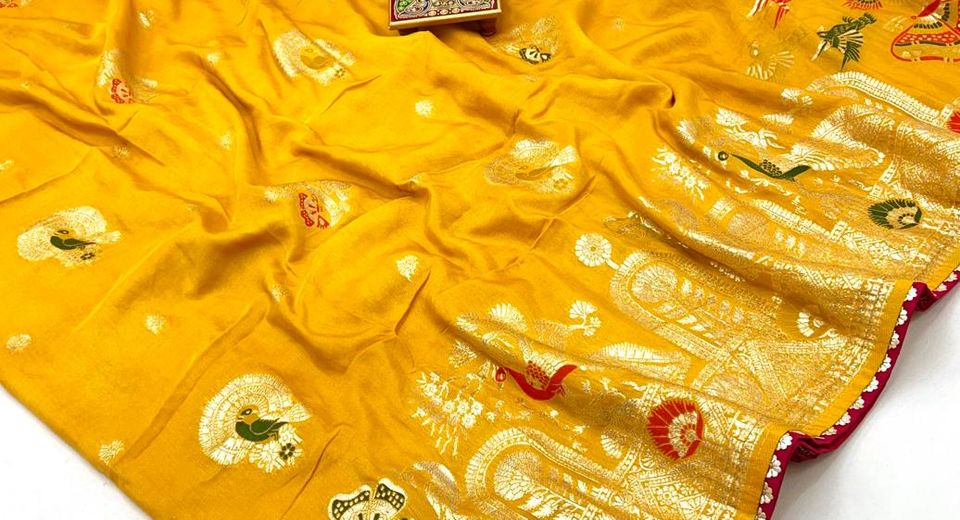
Traditional Mustard Maslin Silk Saree With Rich Pallu, Wedding Wear Olive Green Maslin Silk Saree With Pallu and Teal Traditional Silk Saree with Copper Jacquard Border illustrate three useful selection directions: a saturated single-colour body, a wedding-ready deeper shade and a contrast metallic border. These examples are adjacent traditional options rather than substitutes for identifying Sambalpuri weave.
How should you choose a Sambalpuri saree for an occasion?
Choose the fibre, motif scale and colour contrast according to the occasion rather than selecting solely by the label "traditional." A cotton saree with a moderate border suits daytime events, while a silk saree with a richer pallu works better for evening ceremonies.
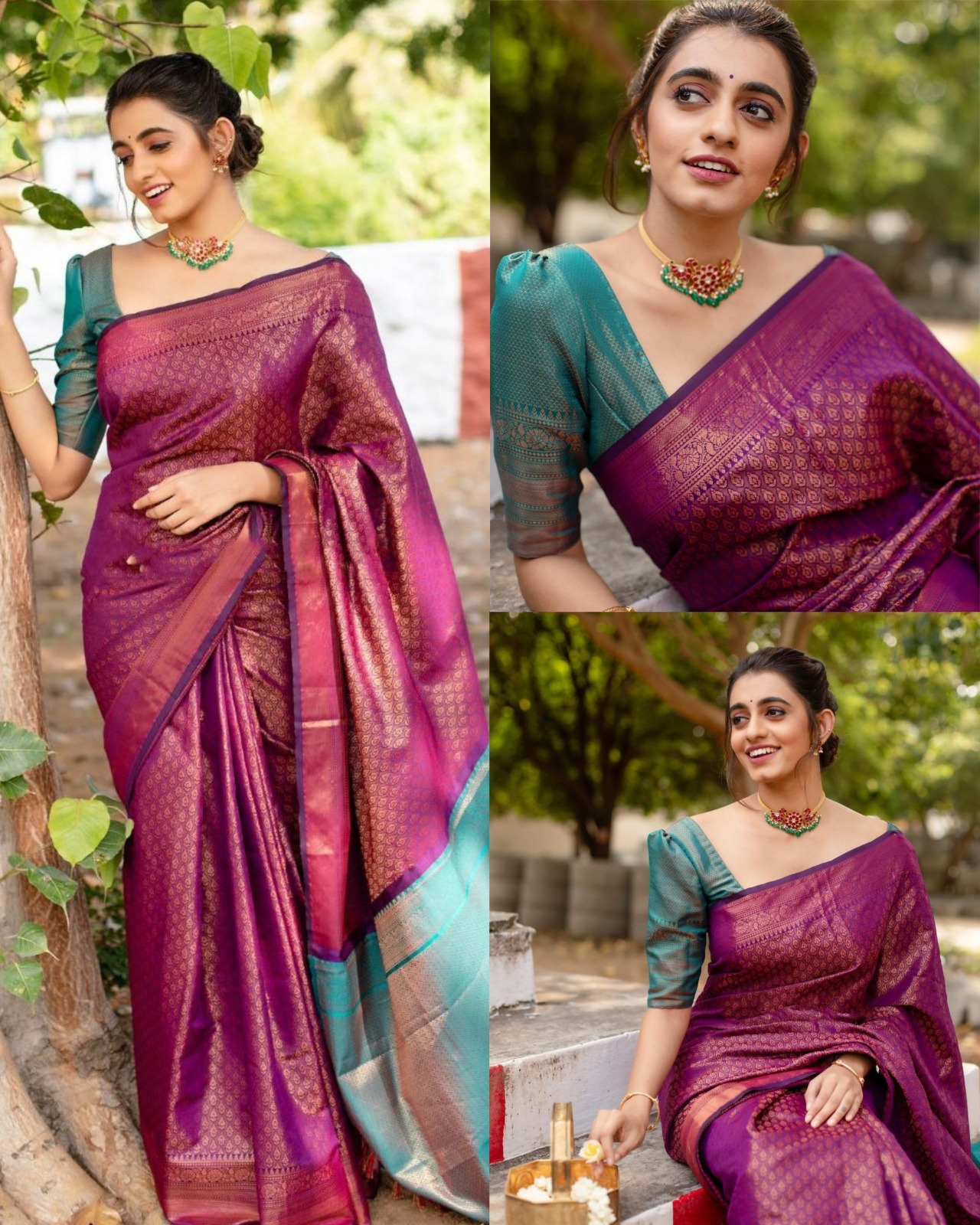
- Haldi ceremony: Select breathable cotton or light silk in yellow, turmeric, green or coral, and avoid a very heavy border if you'll sit on the floor or move frequently.
- Wedding guest wear: Choose silk or a silk-blend only when the fibre description is clear, then balance a statement pallu with an uncomplicated blouse.
- Temple visit or puja: A medium-weight cotton with a neat border is comfortable and traditionally appropriate without looking over-embellished.
- Festive dinner: Teal, maroon, bottle green or mustard can create depth under warm lighting; a zari or jacquard edge adds formality without requiring heavy jewellery.
- Work or cultural programme: Keep the motif scale controlled and select a saree that can be pleated securely for several hours.
Colour families can help when building a small saree wardrobe. Traditional Bottle Green Patola Border Silk Saree and Royal Mustard Bloom Banarasi Silk Saree show how bottle green and mustard create strong festive statements, although Patola and Banarasi are distinct textile traditions from Sambalpuri ikat. Naming the difference protects the value of every regional craft.
How can you style a Sambalpuri saree without losing its identity?
Style a Sambalpuri saree by keeping the blouse, jewellery and pleat structure supportive rather than competing with the woven motifs. The saree should remain the main visual element, particularly when the pallu contains figurative or dense geometric work.
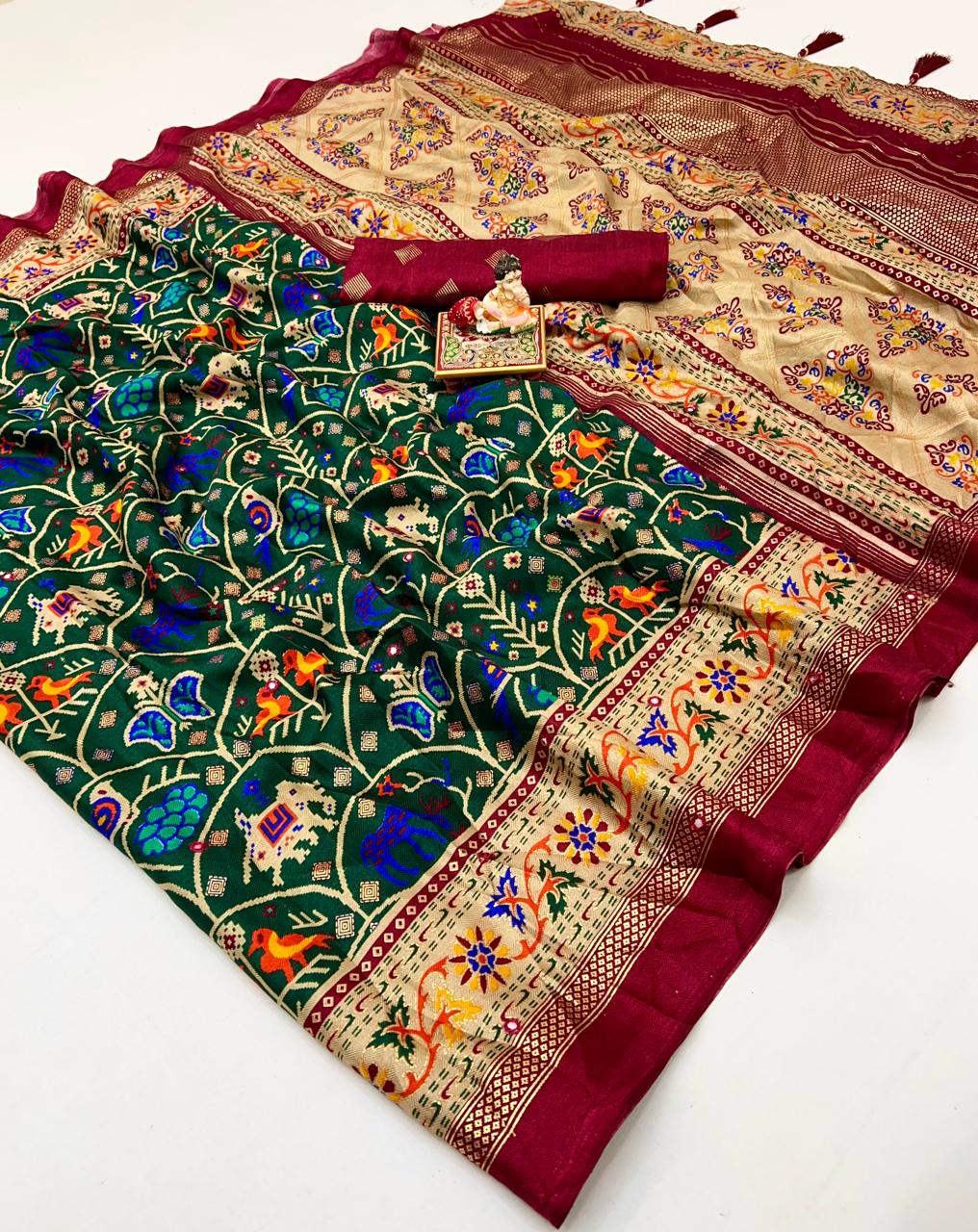
A plain blouse in a colour taken from the border is the safest starting point. For a black, red or indigo motif, choose a solid blouse in one of those shades instead of adding another print. A high-neck or elbow-sleeve blouse gives a formal silhouette, while a short-sleeve cotton blouse feels more appropriate for daytime.
Traditional sarees without a blouse can still be styled thoughtfully, but a blouse isn't merely an accessory: it controls fit, coverage and the final proportion. If a listing doesn't include a blouse, check whether the saree has sufficient extra fabric for tailoring and order the blouse early. A tailor usually needs measurements for bust, shoulder, armhole, sleeve and blouse length, not just a ready-made size.
For draping, make five to seven front pleats depending on the saree width and your height. Align the lower edge before pinning, then place the pallu so the principal motif remains visible. Two concealed pins at the shoulder and one at the waist can improve stability, but avoid piercing dense zari repeatedly because metallic threads can loosen.
Jewellery should echo rather than copy the motifs. Silver-toned pieces suit cool blue, green and black palettes; gold works naturally with mustard, red and maroon; terracotta or oxidised metal can support a cotton handloom look. Keep the handbag and footwear quiet if the border is broad.
What should you check when buying online?
When buying online, verify the fibre, weave, dimensions, blouse status, care instructions and return conditions before relying on a product title. A good product page should make the construction understandable enough for a buyer to compare two sarees accurately.
- Read the material line: Confirm whether the saree is cotton, silk, silk blend, tissue or synthetic. "Silk feel" isn't the same as silk.
- Look for the weave statement: Words such as handloom, ikat, Bandha or Sambalpuri should be explained rather than used as decorative labels.
- Check measurements: Saree length commonly sits around 5.3 to 5.6 metres, but the exact length, width and blouse-piece measurement should be listed.
- Inspect close-up images: Zoom into the border, pallu and reverse side. Woven motifs usually show yarn interaction, while printed motifs sit visibly on the surface.
- Ask about variation: Handmade textiles can vary in colour and alignment. A seller should distinguish normal variation from a defect.
- Confirm what arrives: Establish whether the blouse piece is attached, whether the blouse is stitched and whether accessories shown in photographs are excluded.
Collection pages can also help with colour-led browsing, but they're not proof of regional origin. Party Wear Sarees may contain a mix of weaves, while White Silk Sarees in Cream Ivory and Off White is useful when searching for a neutral palette. Red and Yellow Sarees from Rs 799 with Up to 75 Percent Off and Maroon Silk Sarees with Up to 74% Off can help locate festive colours, but price and discount don't establish handloom authenticity.
Reliable websites and responsible brands should provide a material description, care guidance, dispatch information and usable photographs. If a listing claims "pure silk," "handwoven" or "authentic Sambalpuri" without any fibre or construction detail, treat the claim as incomplete rather than assuming the highest quality.
How do you care for a Sambalpuri handloom saree?
Care for a Sambalpuri handloom saree by following the fibre-specific wash instruction, protecting it from prolonged sunlight and folding it with periodic refolding. Cotton and silk require different handling, so a universal wash routine is unsafe.
- Cotton: Use a mild detergent and cool water only when the care label permits washing. Do not twist the saree, and dry it in shade with the fabric turned inside out.
- Silk: Prefer professional dry cleaning unless the label explicitly allows another method. Keep perfume, deodorant and hair products away from silk and zari.
- Zari: Wrap zari borders in soft muslin or unbleached cotton before storage. Avoid plastic for long-term storage because trapped moisture can damage fibres and metallic surfaces.
- Folding: Refold every few months along different lines to reduce permanent creases, especially at the pallu and zari edge.
- Storage: Place neem leaves or an approved textile-safe deterrent nearby, not directly on the saree, and keep the cupboard dry, dark and well ventilated.
don't iron directly over a raised motif, metallic border or damp patch. Use a low-to-medium temperature suitable for the fibre and place a cotton cloth between the iron and the saree. Storing a handloom saree while even slightly damp is a common cause of mildew and colour transfer.
Why are these sarees worth understanding beyond fashion?
Traditional sarees of Sambalpur preserve a design system in which colour, motif and technique carry regional memory. Learning to identify Bandha ikat encourages more precise buying: a shopper can value a handwoven Sambalpuri saree for its actual construction instead of confusing it with a generic ethnic print.
The same knowledge also makes styling more flexible. A saree can be simple traditional cotton for a morning event, silk traditional for a wedding or a restrained contemporary drape for a professional gathering, provided the fibre and structure suit the setting. The most meaningful choice isn't necessarily the heaviest or most expensive saree; it's the one whose material, motif and care requirements are clearly understood.
Practical Questions About Sambalpuri Sarees
What are the main features of Traditional sarees of Sambalpur?
Traditional sarees of Sambalpur are associated with Bandha ikat, in which yarns are tied and dyed before weaving. Common visual elements include Pasapalli checks, Shankha, Chakra, floral forms and geometric borders, with both cotton and silk versions available.
What is the best website to buy a Sambalpuri saree online in India?
The best website is one that clearly states the fibre, weave method, dimensions, blouse-piece details, care instructions and return terms. A website should also provide close-up photographs and explain whether "Sambalpuri" refers to a handwoven Bandha saree or only a printed design.
Are Sambalpuri sarees suitable for a Haldi ceremony?
Yes, Sambalpuri cotton sarees are suitable for a Haldi ceremony because they are breathable and comfortable for daytime movement. Yellow, green, red and coral accents work well, while a lighter border is easier to manage than a very heavy one.
Can I wear a traditional saree without a blouse?
A saree can be purchased without a stitched blouse, but a well-fitted blouse is normally needed for secure, comfortable draping. Check whether the saree includes an attached blouse piece and allow time for tailoring before the event.
Are all ikat sarees from Sambalpur?
No, ikat is a wider resist-dyeing family found in several Indian textile traditions. Patola, Pochampally and Sambalpuri ikat have different regional histories, construction details and design vocabularies, so origin should be confirmed from the product description.
How should a silk Sambalpuri saree be stored?
Store a silk Sambalpuri saree clean and completely dry, wrapped in breathable muslin and kept away from direct sunlight. Refold it every few months, avoid plastic for long-term storage and use professional dry cleaning unless the care label says otherwise.