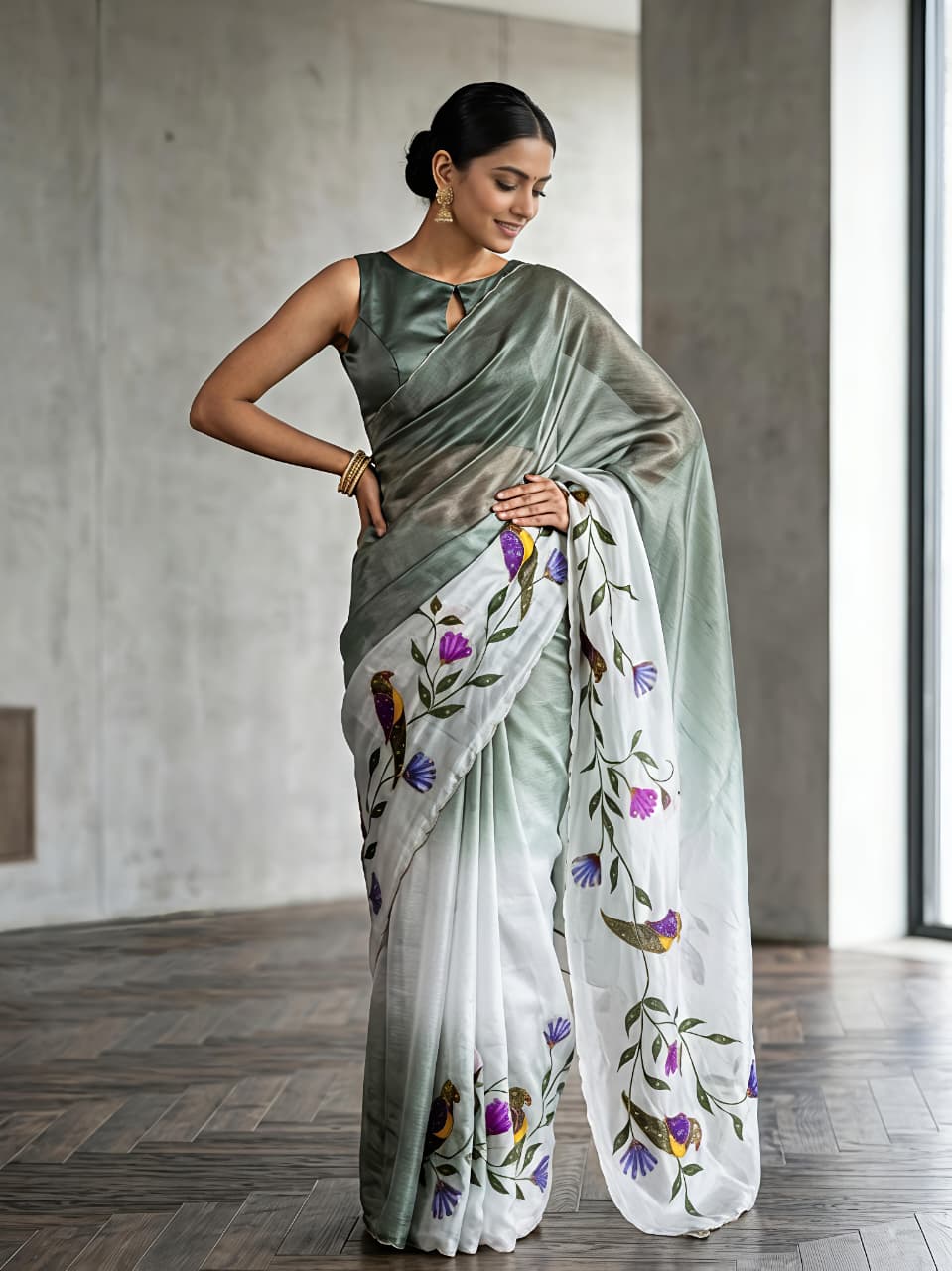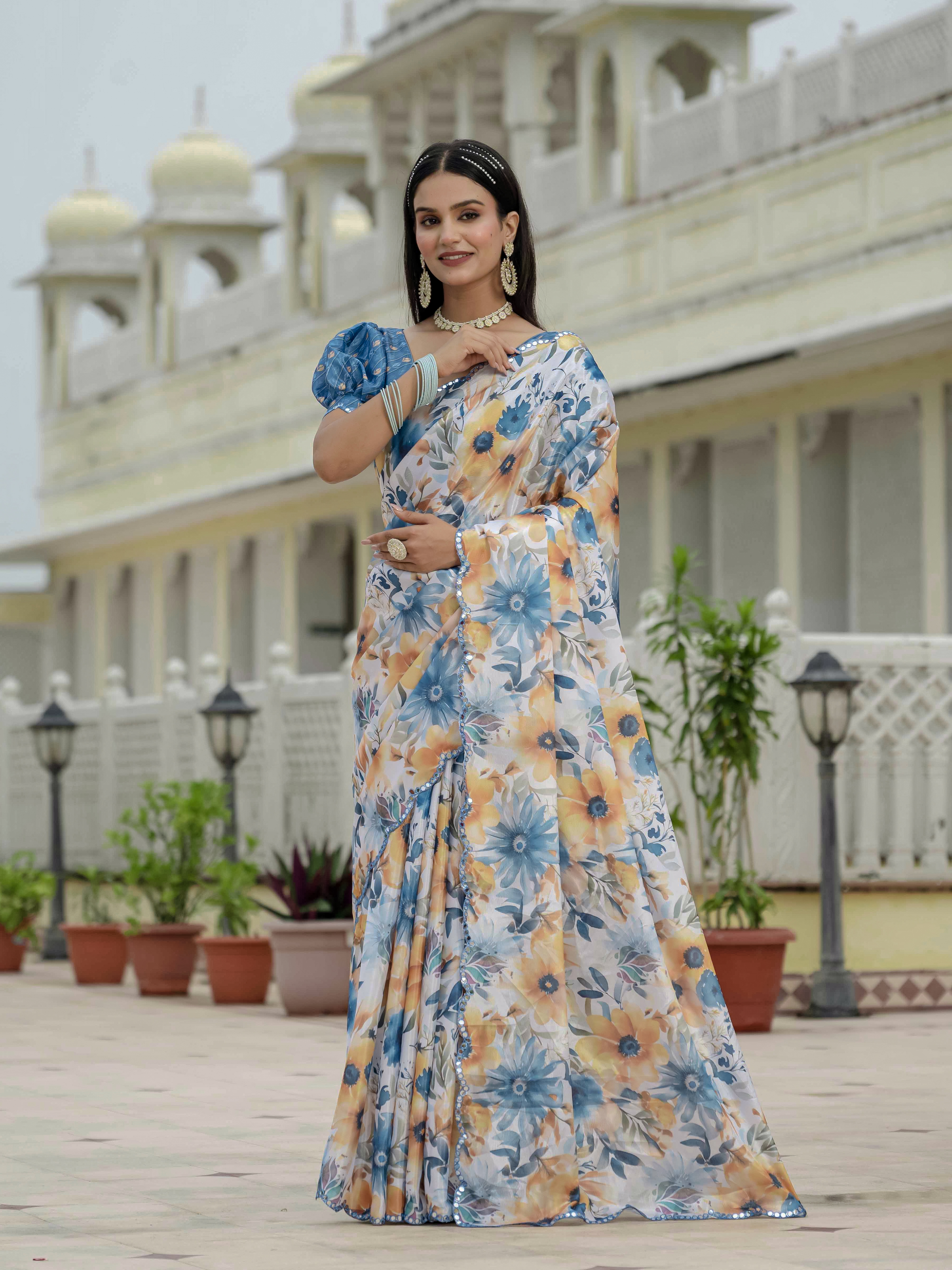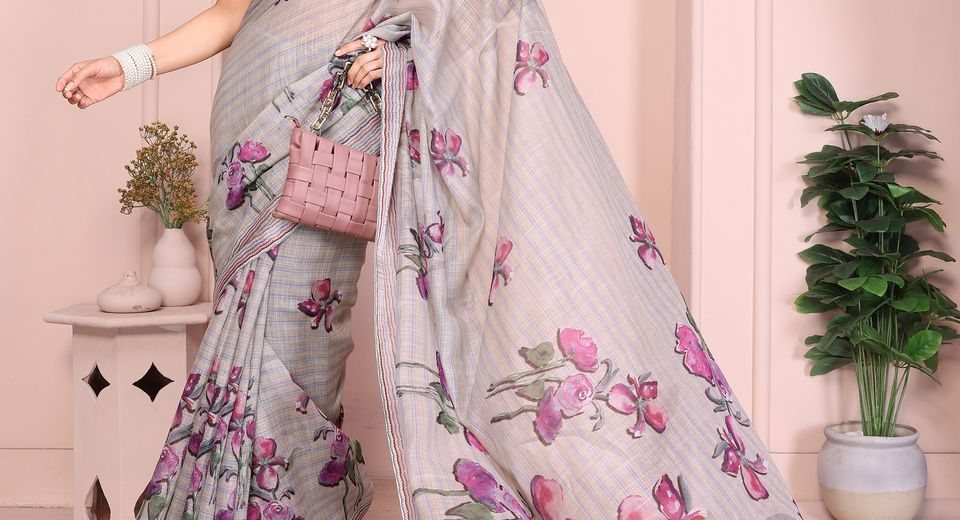
Traditional Northeast Sarees for Festivals & Cultural Occasions carry more than colour and ornament: they reflect regional weaving, community identity and the practical rhythm of celebrations. A festival saree from Assam, Manipur, Meghalaya, Tripura, Nagaland, Mizoram, Arunachal Pradesh or Sikkim may look very different from a Banarasi silk or Kanjeevaram saree, yet each can be styled with equal care. The right choice depends on the festival setting, the textile, the drape and the amount of movement your day requires.
there's no single "Northeast saree." Assam is strongly associated with Mekhela Chador, while Manipuri dress traditions include distinctive wraps and handwoven textiles. In Meghalaya, traditional Jainsem and related woven garments don't follow the standard six-yard saree format. That distinction matters: wearing a saree-inspired look for a festival can be beautiful, but calling every Northeast textile a saree erases the communities and techniques behind it.
What makes Traditional Northeast Sarees for Festivals & Cultural Occasions distinctive?
Traditional Northeast Sarees for Festivals & Cultural Occasions stand out through regional motifs, handloom textures, breathable fibres and a close relationship between clothing and community life. Many Northeast textiles use cotton or silk, though the weave, surface, motif vocabulary and method of wearing vary by region.
Assamese celebrations often bring attention to the Mekhela Chador, a two-piece garment consisting of a lower wrap and an upper chador. Muga silk, eri silk and pat silk are important Assamese textile references, each with different handle, sheen and weight. Muga silk has a naturally warm golden appearance, eri silk has a soft, slightly woolly character, and pat silk is smoother and brighter.
Manipur has a rich handloom culture that includes phanek and innaphi, while Tripura, Mizoram and Nagaland are known for distinctive woven patterns and community-specific dress. A contemporary saree may borrow colour combinations, borders or handloom sensibilities from these regions without reproducing a ceremonial garment exactly.
Motifs should be read with care. Geometric stripes, checks, floral forms and strong borders can be decorative, but some patterns may also signal locality, clan, status or ritual use. When a garment is marketed as "tribal-inspired," check whether the description explains the textile and community source. Responsible festival dressing avoids treating cultural symbols as anonymous surface decoration.
Choosing the fabric for a festival celebration
Cotton is usually the most practical fabric for a long festival celebration, while silk provides greater lustre and formality for evening ceremonies. Linen-cotton blends sit between the two, offering a crisp fall with more breathability than heavy synthetic fabric.

Handloom cotton is useful for daytime puja, community gatherings and outdoor events because it absorbs moisture and allows air circulation. The fabric may crease during several hours of sitting or walking, but those creases are normal signs of a breathable textile rather than a defect. A lightly starched cotton saree can hold pleats more firmly, while a softer cotton gives easier movement.
Silk works well when the festival involves formal visits, photography or an evening reception. Banarasi silk and Kanjeevaram silk are celebrated choices, but they represent weaving traditions from North India and Tamil Nadu respectively, not the Northeast. Assamese Muga silk or eri silk offers a more regionally connected direction when a genuine Northeast textile is available and properly identified.
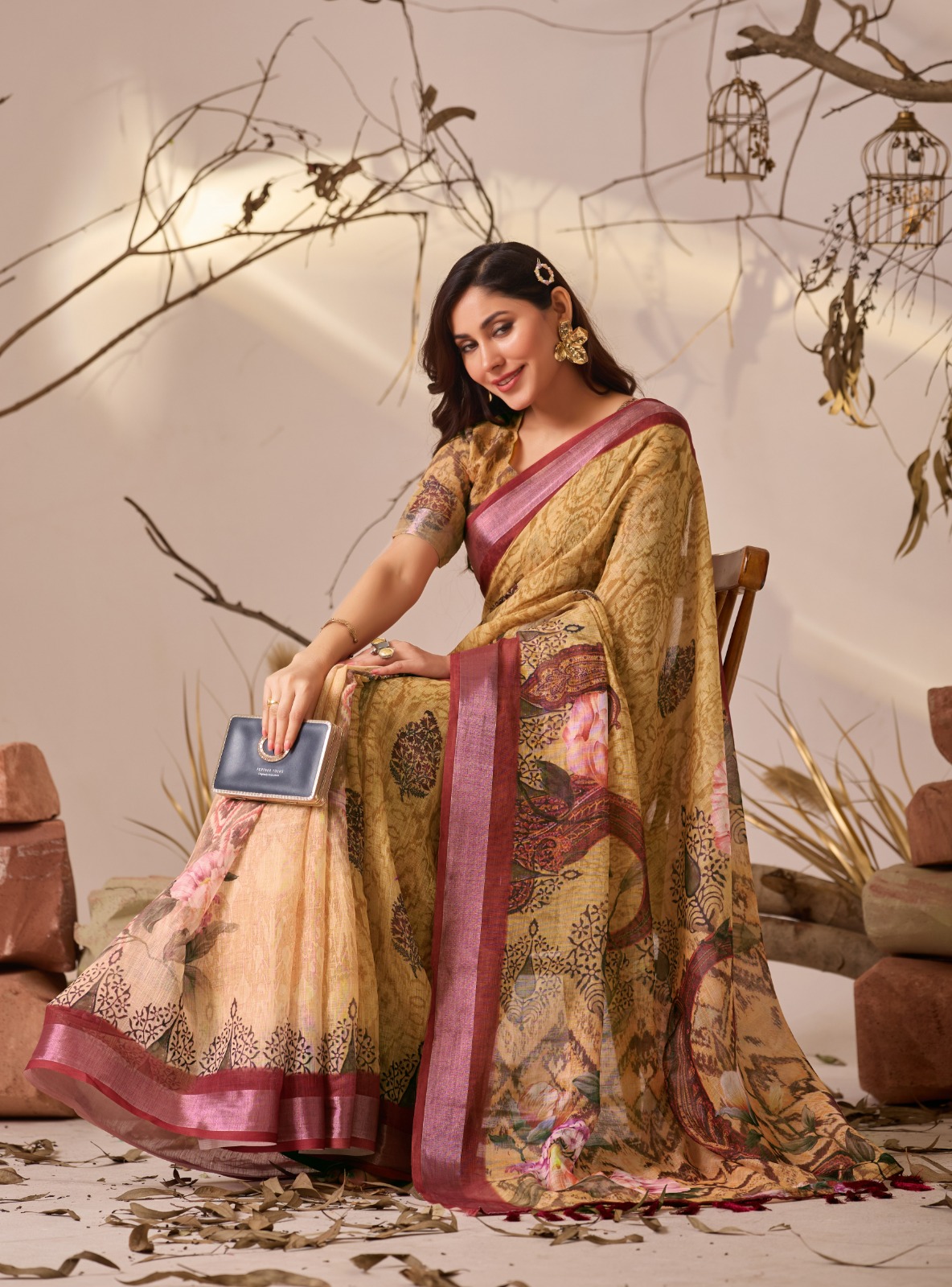
Linen-cotton is a sensible option for a modern festival wardrobe. Grey Blue Floral Linen Cotton Saree with Floral Blue Border has the visual structure of a border-led festive saree without the weight of dense brocade. VARNAVI Mustard Linen Cotton Floral Printed Saree demonstrates how a warm mustard ground can create a celebratory effect without relying on metallic embellishment.
Tissue cotton adds a subtle glow while remaining lighter than many pure silk options. Pastel Floral Tissue Handloom Cotton Saree with Zari Weaves can suit a daytime festival where a little zari is welcome but a heavily embellished drape would feel excessive. Sea Green Tissue Handloom Cotton Saree With Floral Patterns gives a cooler palette for spring or summer celebrations.
How to select colour without losing regional character
The best festival colour is one that suits the ceremony, your complexion and the visual language of the textile rather than following a single trend. Red, ivory, mustard, green, blue and pink can all work, but the border, motif scale and blouse finish determine whether the final outfit feels culturally grounded or generic.
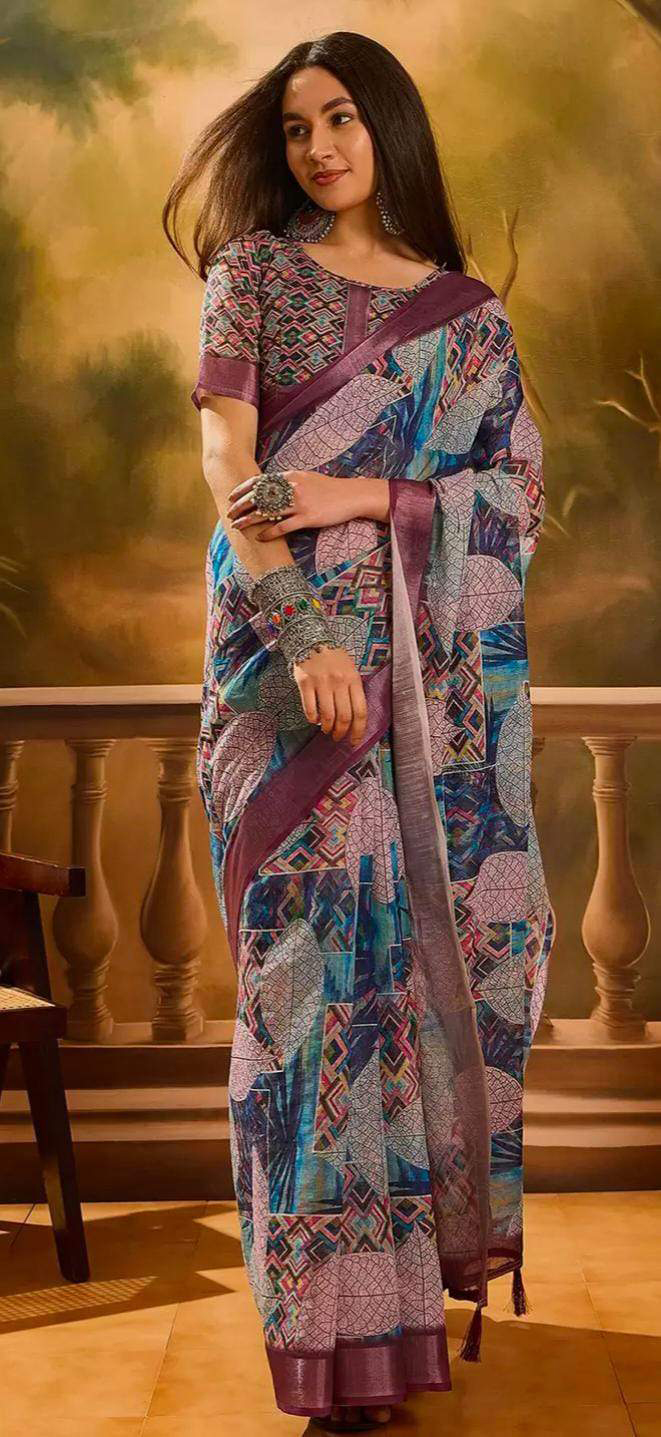
Red and deep maroon communicate formality and photograph strongly in evening light. Emerald green and mustard bring warmth to daytime celebrations, especially when paired with antique-gold jewellery. Sea green, pastel pink and powder blue create a quieter festival look for home puja, spring events or daytime cultural programmes.
Emerald Green Tissue Cotton Saree With Digital Floral Print shows how a saturated colour can carry the outfit even when the print is floral rather than woven. A digital print should not be described as a handloom motif; the distinction is important for honest textile appreciation. The saree can still be styled with handloom-inspired accessories while keeping the construction accurately described.
Pink Georgette Sarees can be useful for a softer party wear interpretation, but georgette has a different fall and cultural history from handwoven Northeast textiles. Pairing a lightweight pink saree with a woven stole, restrained silver jewellery or a regional-style blouse can create a respectful contemporary look without claiming that georgette is a traditional Northeast fabric.
Drape and blouse decisions for comfort and respect
A secure, moderate pleat count is the most reliable way to keep a festival saree comfortable through several hours of movement. Six to eight front pleats usually create a manageable shape, while a firmly pinned pallu prevents repeated adjustments during prayers, meals and photographs.

The standard Nivi drape works for many current sarees, including cotton, linen-cotton and tissue cotton. A shorter pallu can make walking easier, but the edge should still cover the shoulder securely. For a Mekhela Chador or another region-specific garment, follow the established drape rather than converting it into a standard saree without understanding how the pieces are intended to sit.
A blouse should support the textile rather than compete with it. A high-neck or elbow-sleeve blouse works well with a floral or zari saree when the border is the main feature. A plain blouse in a colour drawn from the border often looks more polished than an exact print match, particularly when the saree already contains several motifs.
For cotton sarees, use a fitted cotton lining and a petticoat with a stable waistband. For slippery silk or tissue, a cotton petticoat with a slightly textured surface gives better grip than a smooth satin one. Test sitting, climbing stairs and raising your arms before leaving for a festival; comfort problems that appear during a ten-minute trial become much harder to solve after four hours.
Building a festival look around Northeast textile values
A balanced festival look needs one principal textile story, one supporting accessory story and a practical footwear choice. Excessive jewellery, multiple competing prints and heavy synthetic embellishment can hide the weave, border and regional character that make the outfit meaningful.

Silver jewellery is a natural companion for many Northeast-inspired looks because its cooler surface complements cotton, eri silk and indigo or green palettes. Oxidised silver earrings, a slim torque, a handwoven textile bracelet or a modest metal bangle can provide structure without imitating ceremonial ornaments. Use traditional jewellery associated with a specific community only when you understand its context and have access to an authentic source.
For footwear, choose a low block heel, embroidered jutti or supportive flat with a cushioned sole. Festivals often involve standing on stone, grass or uneven ground, so a narrow high heel is less practical than a stable two- to three-inch block heel. Keep a small safety pin kit, blouse hooks and a spare petticoat cord in your bag.
Gray Color Sarees Under 1000 can be an useful search route for an understated base, especially when the plan is to add a colourful woven stole or jewellery. Red Banarasi Silk Sarees for Weddings Under 1100 belong to a different regional textile tradition, but the collection can help compare how zari density changes the perceived formality of a saree. Such comparisons help shoppers distinguish colour preference from textile identity.
Matching the saree to the festival setting
Daytime outdoor festivals call for breathable cotton, linen-cotton or light tissue sarees, while evening receptions can accommodate silk, richer borders and more reflective accessories. The venue, weather and length of wear should guide the purchase more strongly than a photograph taken under studio lighting.

For a Haldi ceremony or a turmeric-heavy celebration, mustard, yellow, soft green and washable cotton are practical choices. Avoid wearing a fragile silk with an open weave if the saree may be exposed to turmeric paste, flower water or food. A spare cotton dupatta or shawl can protect the shoulder while preserving the outfit underneath.
For a formal puja, choose a saree with a neat border and moderate surface decoration. Pastel Floral Tissue Handloom Cotton Saree with Zari Weaves can bridge daytime refinement and festive detail, while a plain blouse keeps the overall look appropriate for a religious setting.
For a cultural programme or community gathering, a handloom-led look is often more convincing than a heavily sequinned party style. Party Wear Sarees may provide useful ideas for blouse construction and evening colour, but a breathable woven saree, restrained makeup and practical footwear will better support an event involving movement, singing or dancing.
For a family dinner after a festival, a floral linen-cotton or tissue cotton saree can transition easily from ceremony to meal. Sea Green Tissue Handloom Cotton Saree With Floral Patterns works particularly well with a plain blouse, small earrings and a low bun because the floral surface remains visible without visual clutter.
How to buy responsibly and care for the textile
Responsible buying begins with checking the fibre, construction, origin and care instructions rather than relying on the word "traditional." A product description should distinguish handloom from powerloom, woven zari from printed metallic effect, natural silk from silk blends and regional provenance from a merely regional colour palette.
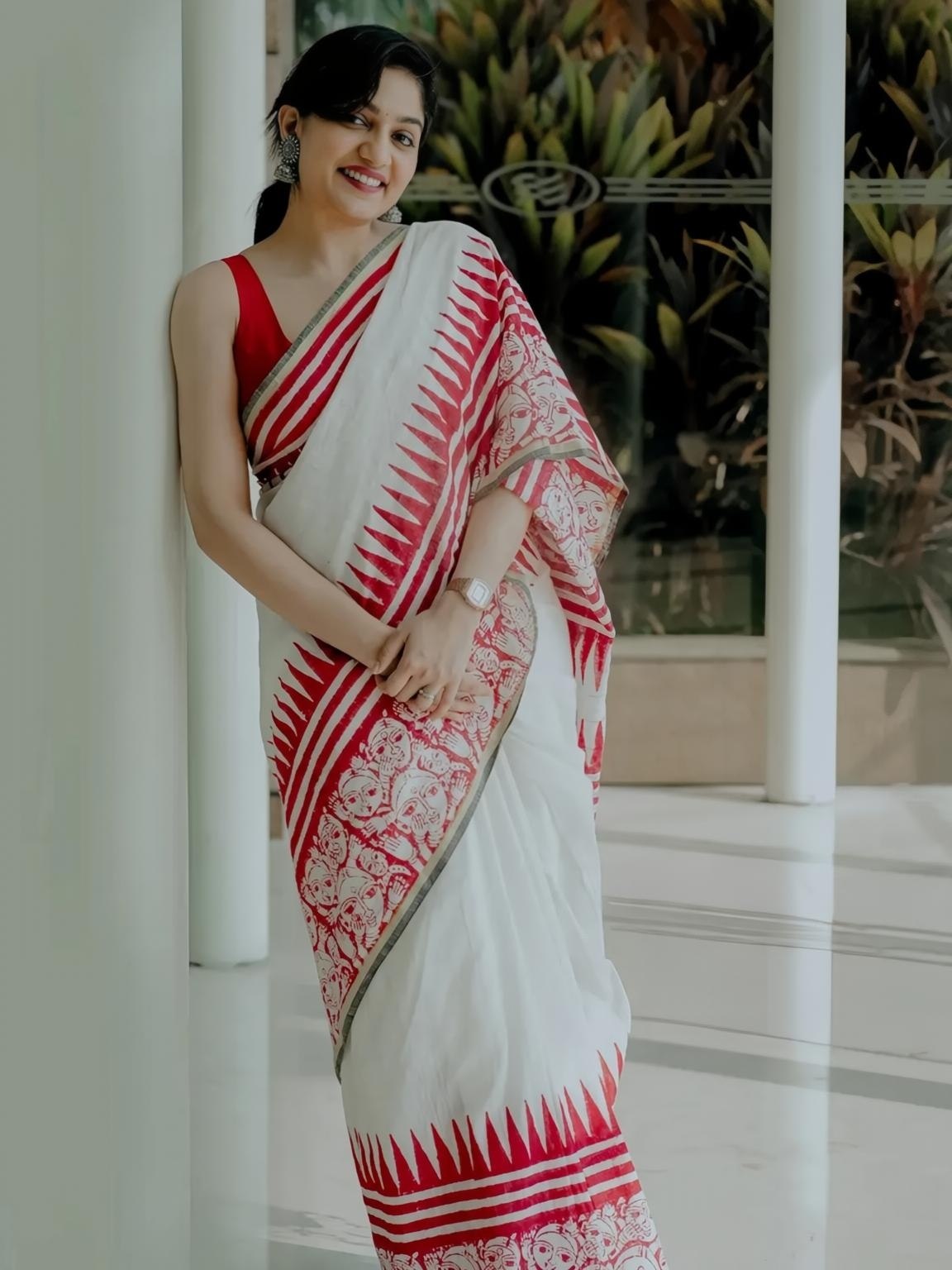
Ask four practical questions before purchase: What is the fibre content? Is the border woven, printed or embroidered? Does the garment represent a recognised regional form or only borrow its visual language? What washing method does the seller recommend? Clear answers make it easier to value the piece fairly and avoid cultural overclaiming.
Wash cotton separately the first time because dark dyes may release excess colour. Use cool water, a mild detergent and gentle hand movement; don't wring the saree. Dry cotton in shade, preferably with the saree turned inside out, because strong sunlight can fade floral prints and weaken dyed fibres over time.
Silk, zari and tissue require more caution. Air the saree after wearing, remove surface dust with a soft brush and store it folded in clean cotton or muslin. Refold silk every few months to prevent permanent crease lines, and avoid plastic bags that trap moisture. Never iron zari directly; place a cotton cloth between the iron and the saree on a low-heat setting.
Digital prints, zari accents and delicate borders should not be assumed to have the same durability as densely woven motifs. A saree with a floral print may be perfectly suitable for repeated festival wear, but its care routine may differ from that of a handwoven silk. Accurate care protects both the garment and the meaning attached to a considered purchase.
Making a Northeast-inspired wardrobe without flattening differences
A respectful wardrobe keeps regional garments, regional textiles and contemporary adaptations clearly distinguishable. Traditional Northeast Sarees for Festivals & Cultural Occasions can be part of that wardrobe when the description is honest, the styling avoids costume-like exaggeration and the wearer acknowledges the craft traditions involved.
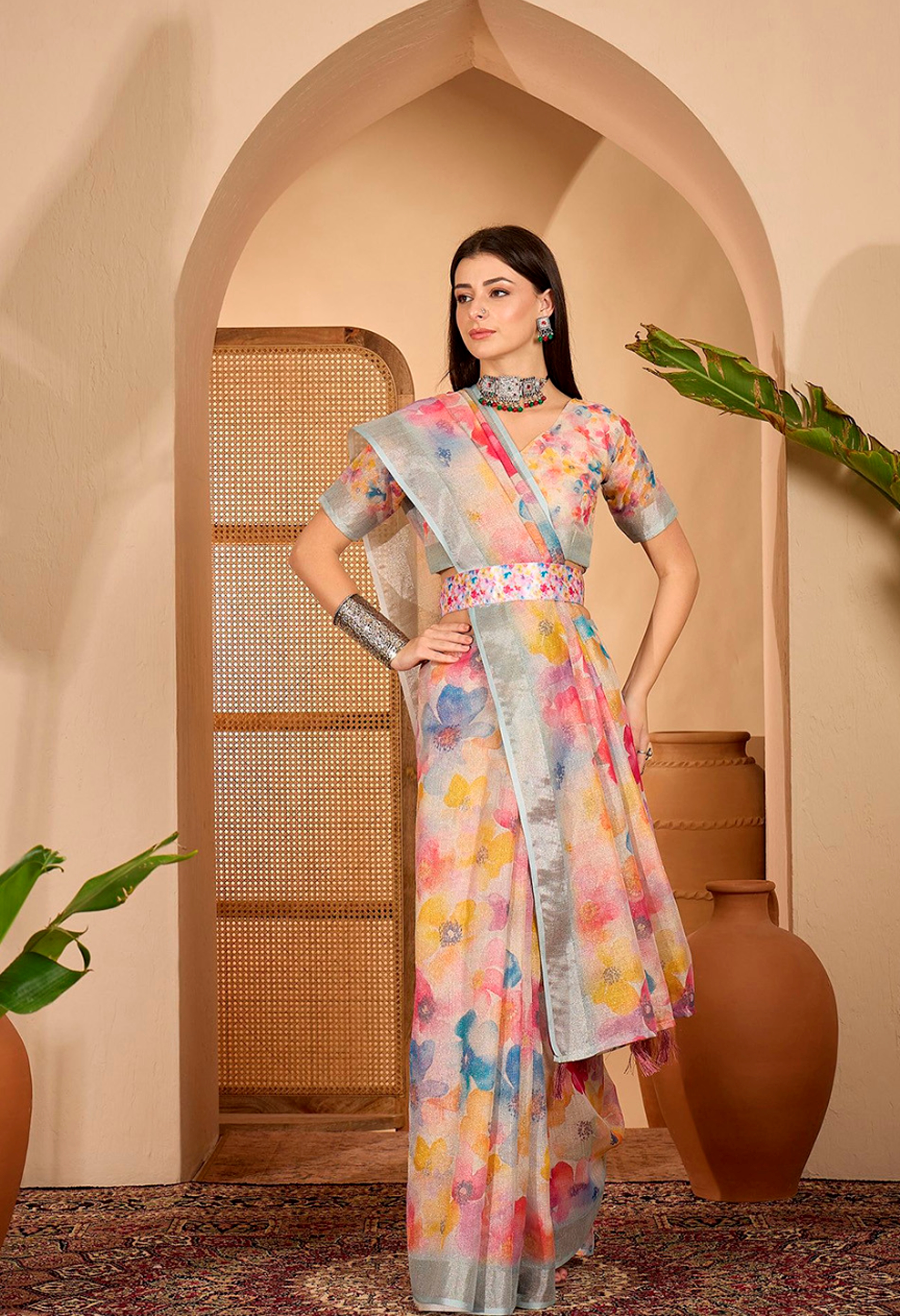
Begin with one breathable cotton saree, one more formal silk or silk-like option and one versatile linen-cotton piece. Add regional references through colour, weave, a handwoven shawl or locally sourced jewellery rather than copying sacred or community-specific symbols without context. A small, well-understood wardrobe is more useful than several garments labelled "ethnic" with no provenance.
Collections such as Silk Sarees Under 3000 With Discount can help establish a budget for a formal festival purchase, while Party Wear Sarees and Pink Georgette Sarees show how different fabric falls change the mood of an outfit. Treat these as comparison points, not evidence that every textile belongs to Northeast tradition.
The strongest festival outfit is one that lets the wearer move comfortably, names the textile accurately and leaves room for the craft to be seen. When colour, drape, occasion and cultural context align, a saree becomes more than a festive costume: it becomes a thoughtful way to participate in celebration.
Questions About Wearing Northeast Sarees for Festivals
What saree is traditionally worn in Assam during festivals?
The Mekhela Chador is the best-known traditional Assamese festive garment, although it is a two-piece wrap rather than a standard six-yard saree. Muga silk, eri silk and pat silk are important Assamese textile traditions, and contemporary sarees may be inspired by their colours or surfaces.
Can I wear a cotton saree for a festival celebration?
Yes, cotton is often an excellent choice for a festival celebration because it is breathable, comfortable and easier to move in than heavy silk. Handloom cotton may crease, so use secure pleats, a stable petticoat and shade drying after the event.
Are all Northeast traditional garments sarees?
No, Northeast India has several distinct garments that are not sarees. Mekhela Chador, phanek, innaphi and Jainsem belong to different regional traditions, so descriptions should preserve those names instead of grouping every woven garment under "saree."
Which fabric works best for a long outdoor festival?
Cotton or linen-cotton usually works best for a long outdoor festival because both fabrics allow airflow and are easier to wear for several hours. Light tissue cotton is another option when you want a small amount of sheen without the weight of dense silk.
How should I care for a saree with zari after a festival?
Air the saree away from direct sunlight, fold it in clean cotton or muslin and store it in a dry place. Do not wring or machine-wash zari sarees, and place a pressing cloth between the iron and the zari if creases need attention.
How can I wear Northeast-inspired clothing respectfully?
Use the correct regional name when the garment is a Mekhela Chador, phanek, innaphi or another specific form, and avoid presenting generic prints as authentic community textiles. Choose transparent product descriptions, avoid sacred or ceremonial symbols used as decoration and support identifiable artisans or textile sources when possible.