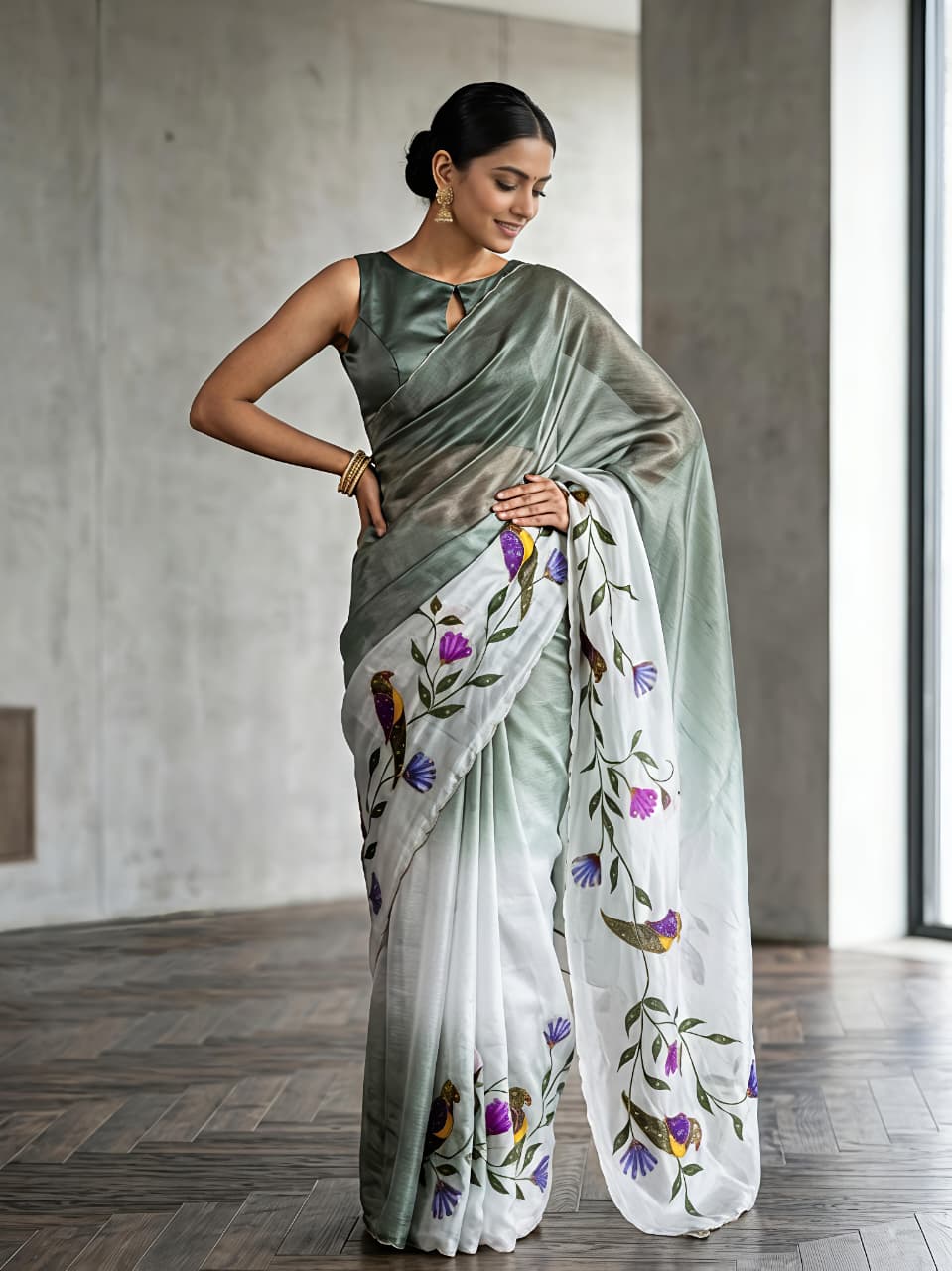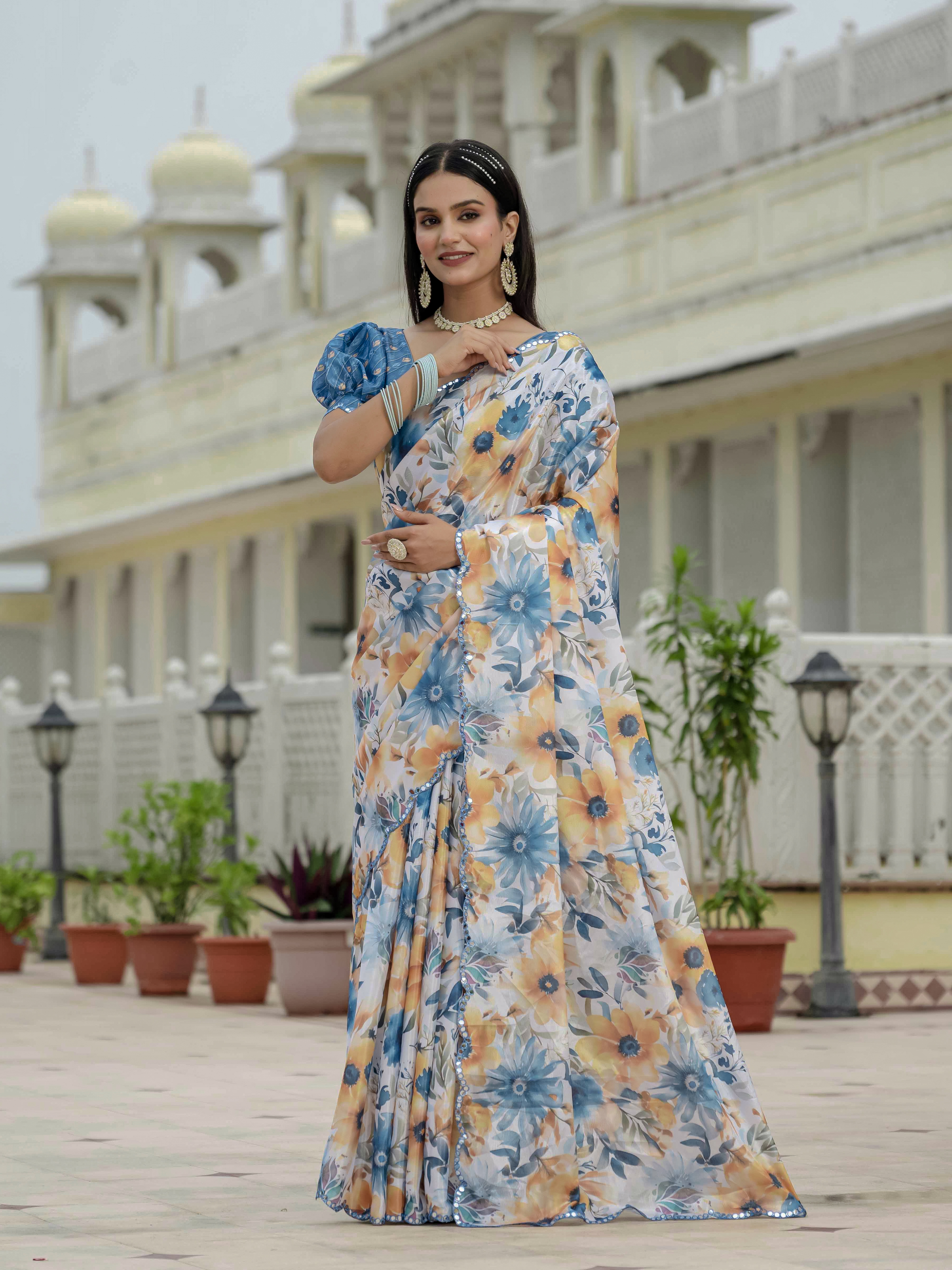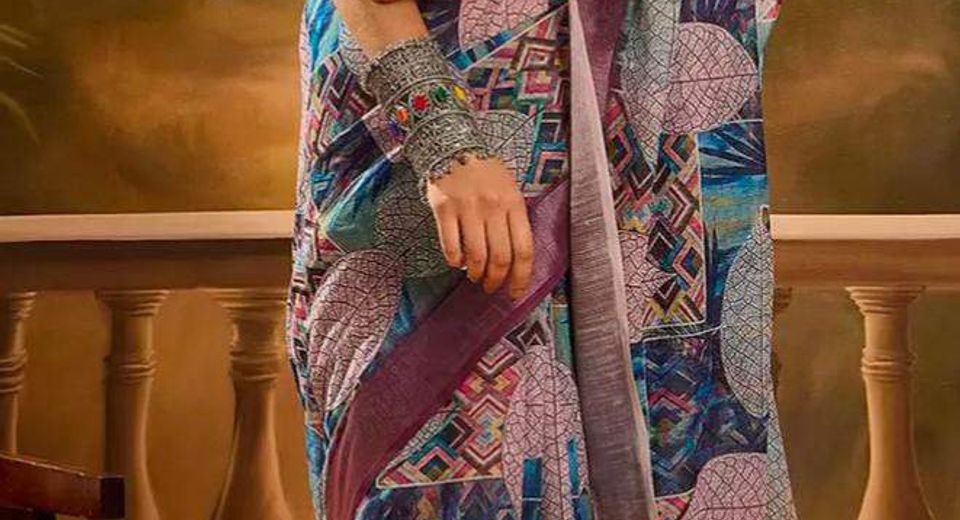
Traditional Naga Patterns & Modern Ethnic Fashion Inspiration begins with a useful distinction: Naga textile traditions belong to many communities, not to one single visual style. Ao, Angami, Chakhesang, Konyak, Lotha, Sumi and other Naga groups have developed distinct clothing practices, colour preferences and woven designs. A contemporary wardrobe can draw from their strong geometry and colour contrasts, but good styling starts with knowledge rather than treating every Northeast Indian motif as interchangeable.
Naga textiles are especially compelling because design often carries social meaning. A shawl, wrap, skirt or woven panel may communicate community identity, age, achievement, ceremonial role or belonging. Commercial fashion frequently removes those contexts and keeps only stripes or triangles. The more responsible approach is to appreciate the visual language, name the source where it's known, and avoid presenting a sacred or status-linked design as a generic "tribal print."
What makes Naga textile patterns visually distinctive?
Naga textile patterns are distinctive because they combine bold geometric structure, high-contrast colour and a strong relationship between woven design and social identity. Repeated bands, diamonds, stepped forms, zigzags and linear blocks are common visual references, although the precise meaning and use vary among Naga communities.
Traditional Naga clothing includes shawls, wrap skirts, loincloths, shoulder cloths and other woven garments. Many pieces use a dark ground with red, white, yellow, green or blue accents. A narrow border may frame a larger field of colour, while supplementary patterning creates a raised or visibly differentiated design. The result is graphic without relying on the dense floral ornament associated with many other Indian textile traditions.
Colour should not be read as a universal code across all Naga groups. Black and red are frequently noticed in popular representations, but a colour combination can have different associations depending on the community, garment and occasion. Modern designers often reproduce a palette without reproducing the original technique, so a printed border inspired by Naga geometry isn't equivalent to a handwoven ceremonial shawl.
Why should Naga patterns not be treated as one uniform motif?
Naga patterns should not be treated as one uniform motif because Nagaland and adjoining regions are home to multiple peoples with different textile histories. A Konyak-inspired visual reference, for example, should not automatically be labelled Ao or Angami, and a generic geometric print should not be assigned to a tribe without reliable information.
That distinction matters when shopping for a saree or blouse described with terms such as "tribal," "ethnic" or "Northeast inspired." Ask whether the description identifies a community, technique or source, rather than assuming that a broad label explains the design. Careful language respects the makers and gives the wearer more accurate knowledge.
How can Traditional Naga Patterns & Modern Ethnic Fashion Inspiration guide a saree?
Traditional Naga Patterns & Modern Ethnic Fashion Inspiration can guide a saree through proportion, border placement, contrast and texture rather than through copied ceremonial symbols. A saree with a restrained geometric border can carry the visual idea while remaining appropriate for everyday ethnic dressing.
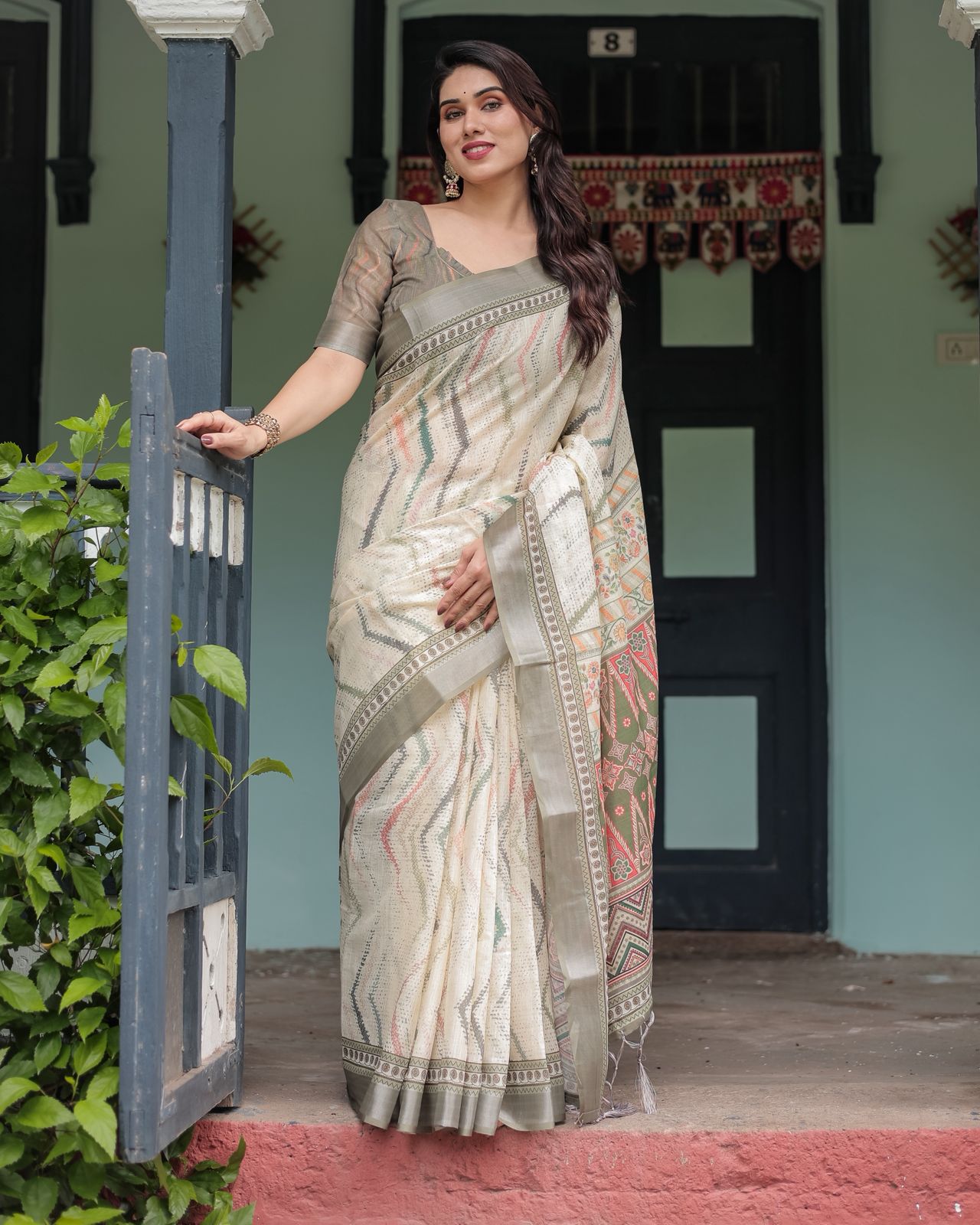
Start by selecting one dominant design principle. A wide border can echo the horizontal organisation of a woven shawl; a compact blouse print can translate repeated diamonds or stepped lines into a smaller surface; a contrasting pallu can provide the strong colour block associated with many Naga textile references. Keeping one principle dominant prevents the outfit from becoming a pile-up of unrelated motifs.
The Multicolour Floral Linen Cotton Saree with Blue Border Look demonstrates how a strong border can organise a softer all-over print. Its blue edge can be treated as the visual anchor: pair it with a plain blue blouse, oxidised silver earrings and a low bun, rather than adding another competing patterned accessory. The styling lesson is transferable even when the saree itself is floral rather than geometric.
The Elegant Pastel Green & Beige Linen Saree with Tribal Design offers a quieter route. Pale green and beige reduce the intensity of a graphic motif, making the saree suitable for a daytime cultural programme, gallery visit or informal festive lunch. A blouse in beige or muted green will preserve the textile surface; a red or black blouse can create a sharper interpretation when the event calls for more contrast.
Which blouse shapes work with graphic woven references?
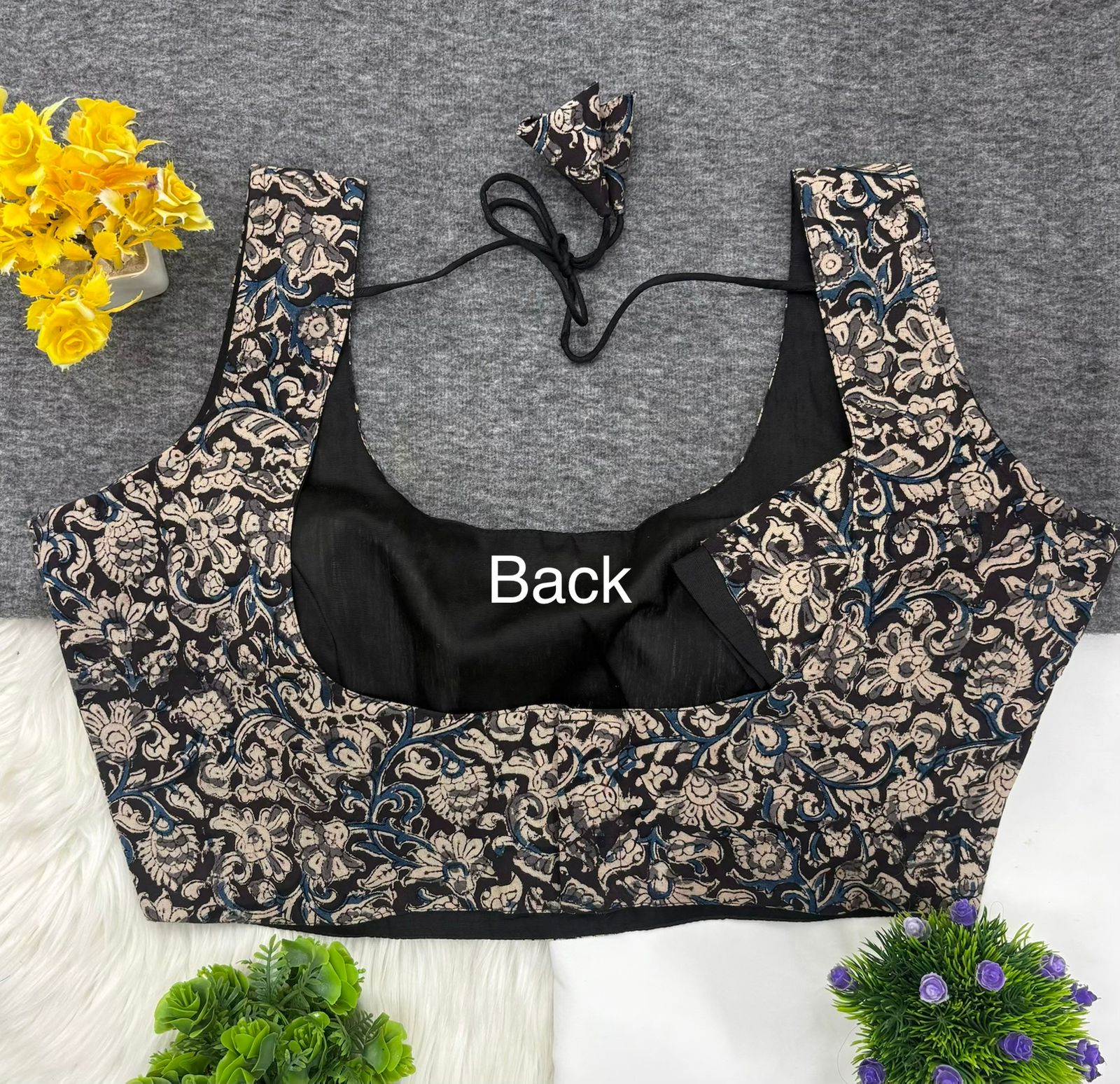
Simple blouses work best with graphic woven references because clean construction allows the border and pallu to remain legible. A high round neck, elbow-length sleeve, square neck or modest V-neck can complement strong horizontal bands without introducing another elaborate focal point.
For a saree with a broad border, keep the blouse mostly solid and repeat one border colour in the sleeves or piping. For a saree with a small repeated print, a blouse with a narrow contrast edge can add structure. Avoid combining a heavy embroidered blouse, large necklace and a highly patterned saree when the goal is to show textile design clearly.
Which fabrics translate Naga-inspired geometry most convincingly?
Handloom cotton, linen cotton, silk and textured blends translate Naga-inspired geometry convincingly because their surfaces give stripes, blocks and borders visual definition. Fabric choice changes the mood: cotton feels grounded and breathable, linen cotton looks contemporary, and silk brings ceremonial polish without automatically reproducing a traditional Naga garment.
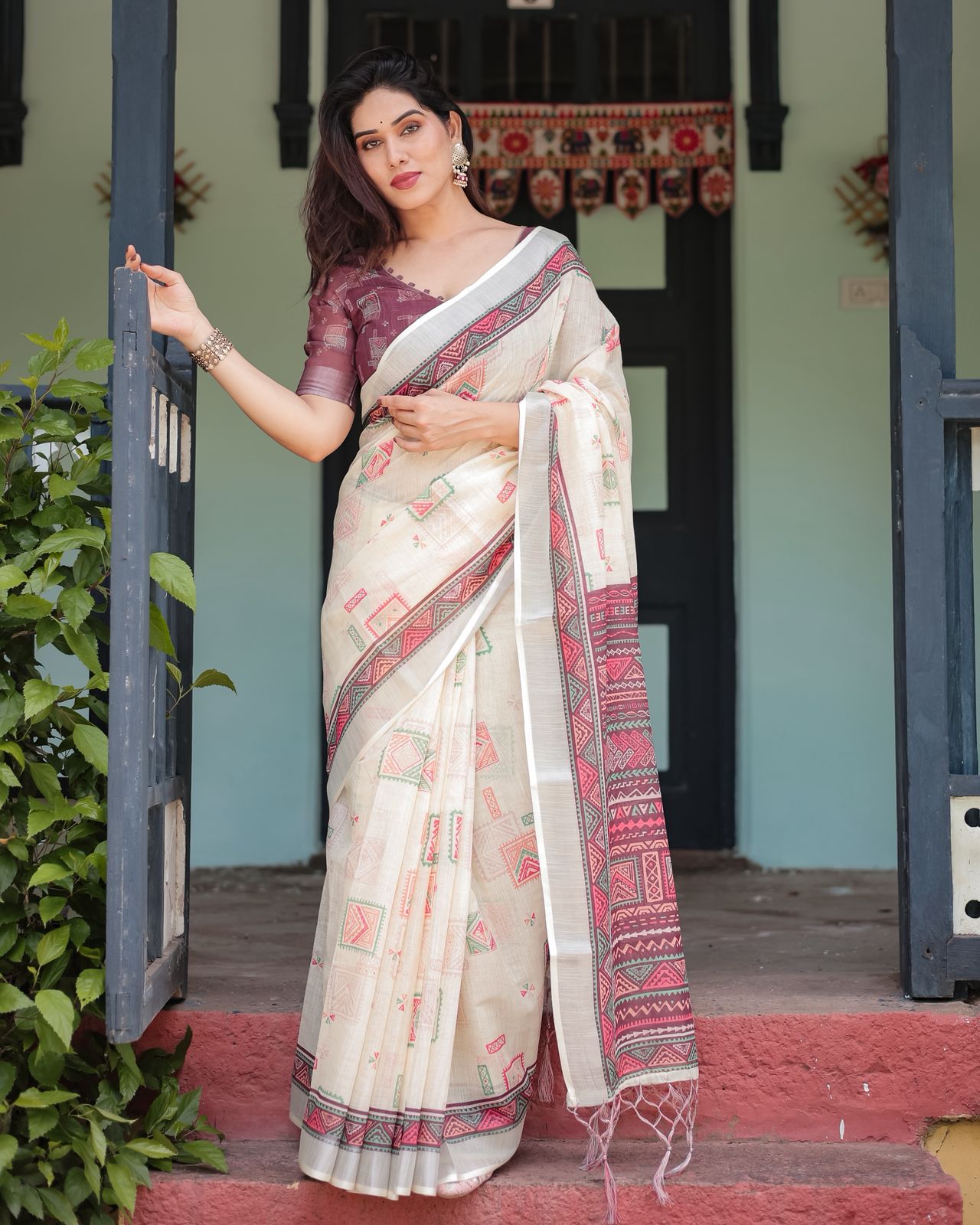
Mal cotton is useful for daytime drapes because it has enough body to hold a border and enough comfort for extended wear. The Maroon Mal Cotton Ethnic Saree With Blouse from VARNAVI shows how a deep ground can make a contrasting motif appear more architectural. Style it with a matte blouse and minimal jewellery if the saree already carries substantial visual weight.
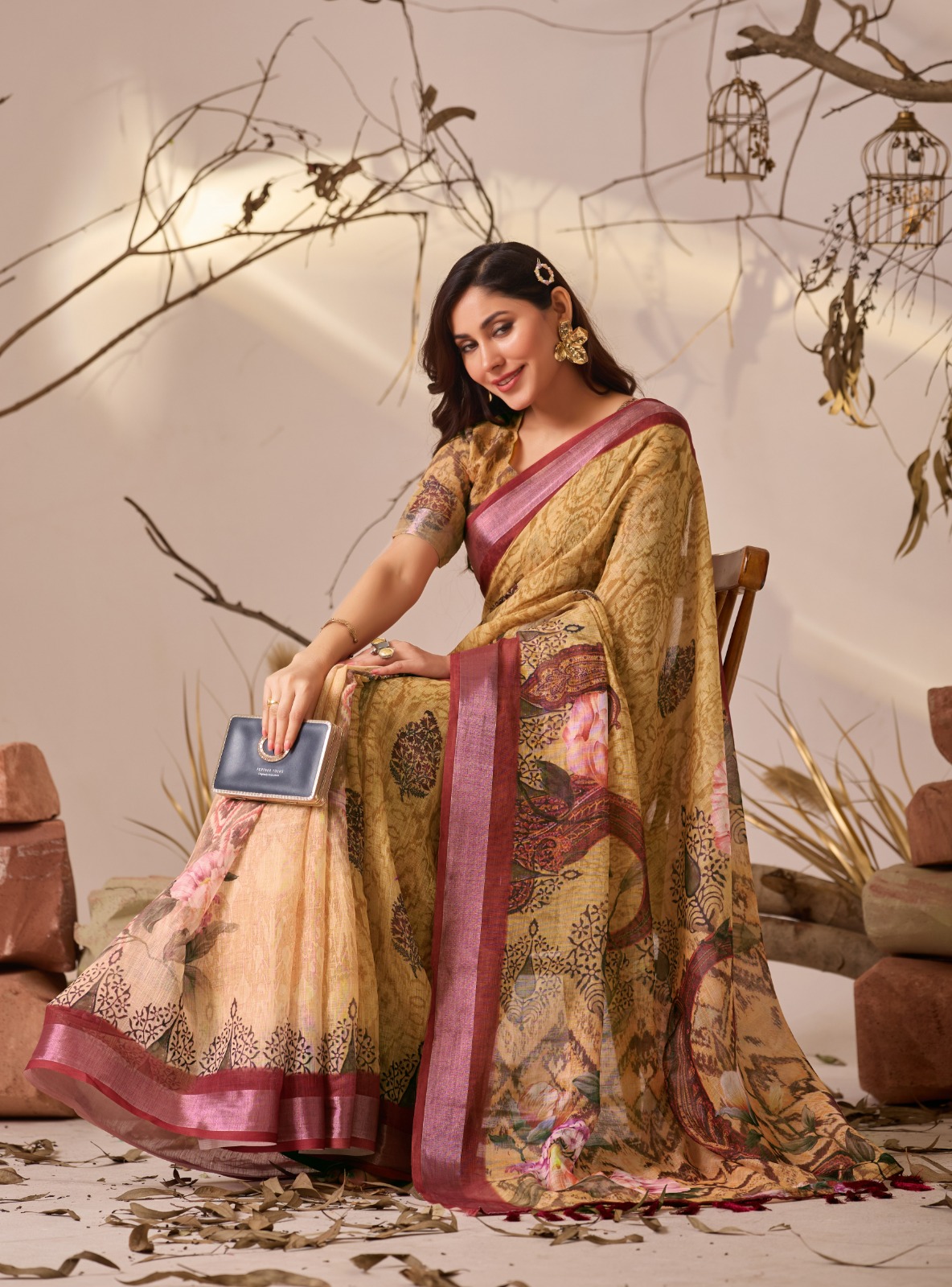
A printed fabric should be described honestly as printed rather than woven. The Printed Mal Cotton Saree With Designer Pallu by VARNAVI can inspire a modern interpretation through its pallu-to-body contrast, but a printed design doesn't carry the same material history as a handwoven shawl. That difference isn't a criticism; it's useful information about construction, price and care.
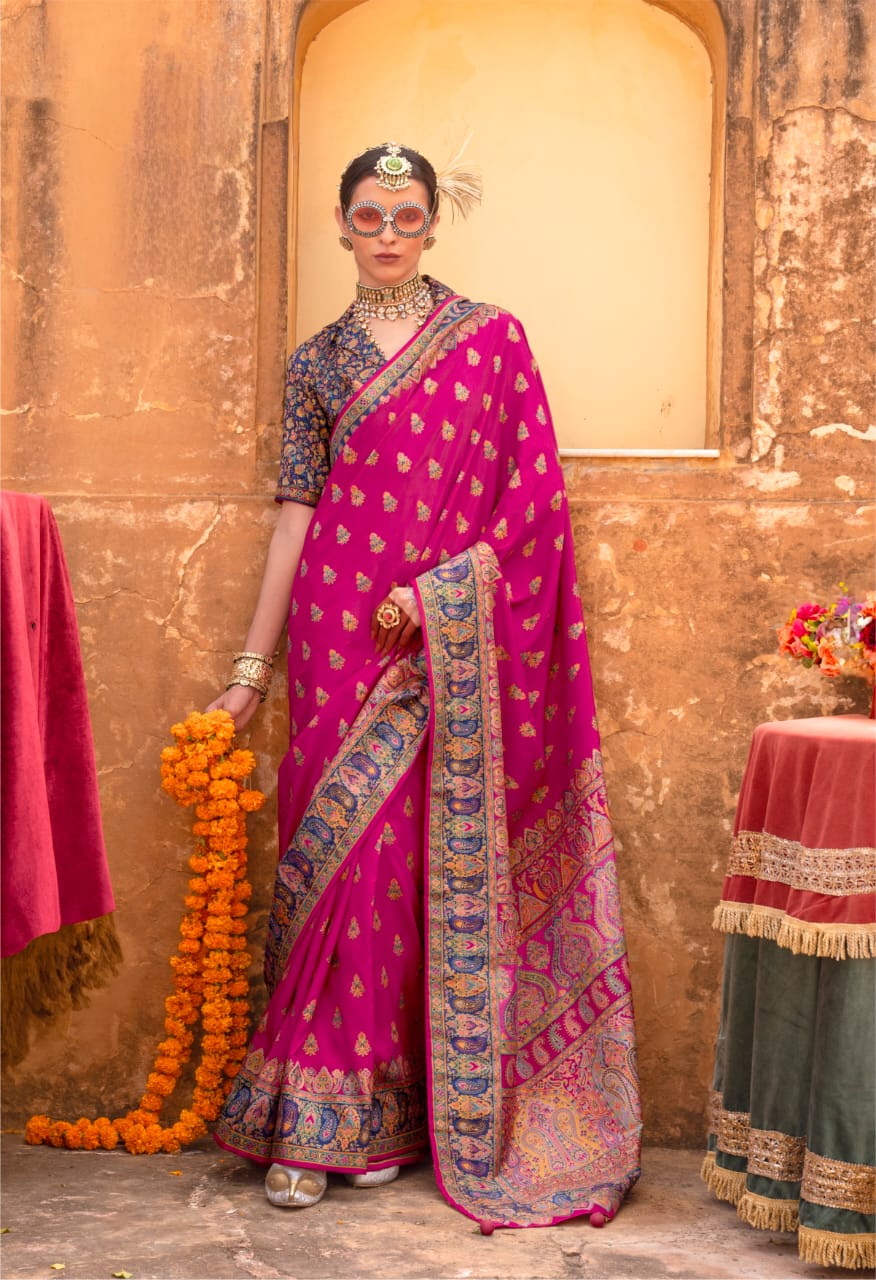
Silk changes the conversation because its sheen magnifies colour and makes borders appear more formal. The Blue Red Ikat Silk Saree Online with Zari | Varnavi, for example, already combines resist-pattern energy with silk and zari. Pairing it with a plain red blouse allows the ikat structure to remain visible, while an additional brocade blouse would make the outfit more ornate than necessary.
How should colour be adapted for contemporary ethnic dressing?
Colour can be adapted by preserving contrast while reducing the number of competing shades. Choose one dark anchor, one light ground and one accent colour, then repeat the accent only once or twice in the blouse, jewellery or footwear.
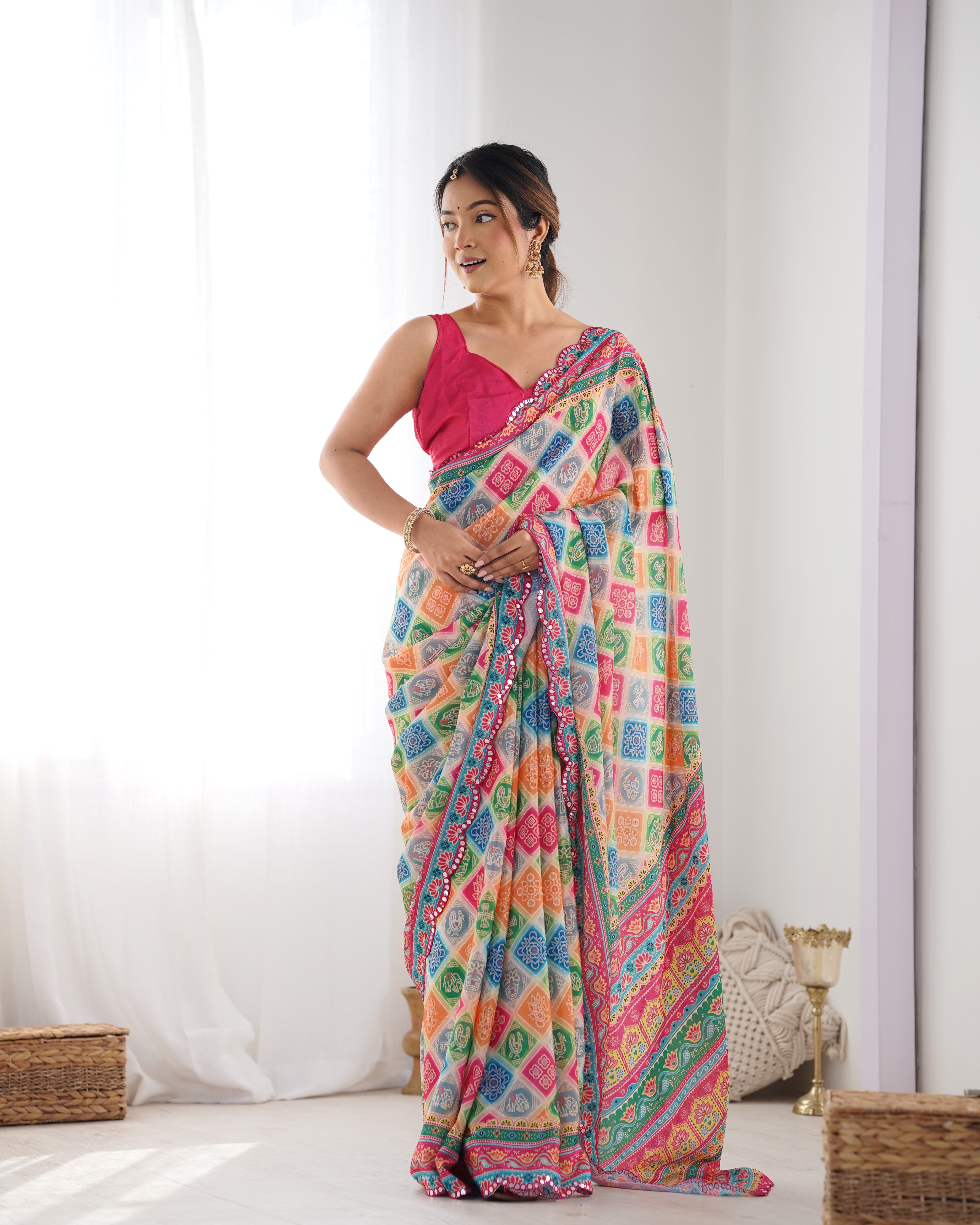
A black, maroon or navy ground with a red accent produces a dramatic evening effect. Beige, ivory or pastel green with blue creates a lighter daytime palette. Red and blue together can feel especially graphic, but the balance matters: use one colour for the main blouse and the other in the border or accessories rather than splitting the outfit into equal visual halves.
The Peach Floral Linen Cotton Saree with Statement Blue Border! Is a useful example of warm-cool balance. Peach keeps the base approachable, while the blue border supplies the sharper edge associated with modern graphic styling. A blue blouse will create a deliberate border-matching look; a peach blouse will make the border feel like a single statement detail.
Jewellery can either support or dilute the colour story. Oxidised silver works well with saturated reds, indigo, black and white because its low shine doesn't compete with a woven or printed surface. Gold suits silk and zari, especially for evening events, but choose a small number of pieces when the saree already has a bold border.
How can you style Naga-inspired sarees without cultural flattening?
You can style Naga-inspired sarees respectfully by identifying the design source, avoiding unsupported tribal labels and treating the reference as textile inspiration rather than costume. Respectful styling also means not pairing a culturally specific motif with stereotyped accessories or presenting a contemporary print as an authentic ceremonial garment.
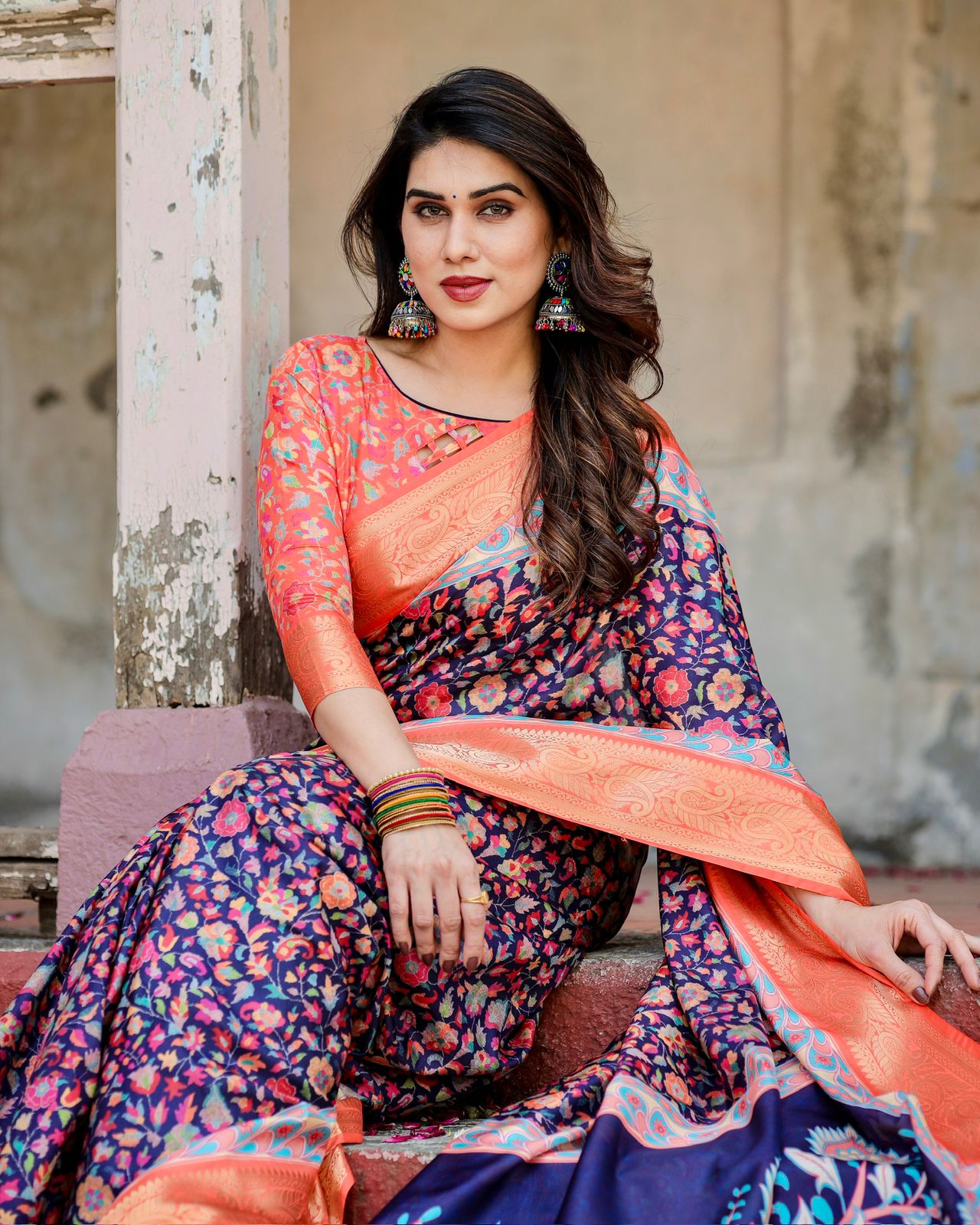
Product descriptions deserve close attention. "Geometric border," "woven-look print," "Northeast-inspired palette" and "handloom cotton" communicate different facts. A seller should not imply that a mass-produced print was made by a particular Naga community unless the supply chain supports that claim. Buyers can look for information about fibre, weave, place of manufacture, artisan collaboration and whether the design is original or adapted.
The Grey Banarasi Silk Saree with Dragonfly Design illustrates another important styling principle: inspiration need not be literal. A dragonfly motif isn't a Naga pattern, but the saree can be styled with a geometric blouse, a clean drape and restrained silver jewellery to create a contemporary textile-led look. Referencing structure and restraint is often more thoughtful than copying a recognisable cultural symbol without context.
Accessories should remain specific and proportionate. A narrow woven belt, a solid potli, small metal earrings or a single stack of bangles can reinforce a structured saree. Avoid assembling a "tribal" costume from unrelated objects, especially when those objects imitate ceremonial jewellery or body adornment from a community that has not been named.
What occasions suit this modern ethnic approach?
This modern ethnic approach suits daytime celebrations, handloom exhibitions, cultural events, festive lunches, intimate weddings and office-friendly occasions when the saree has a controlled palette and breathable fabric. Heavier silk, zari and dramatic contrast are better reserved for evening receptions or formal festive gatherings.
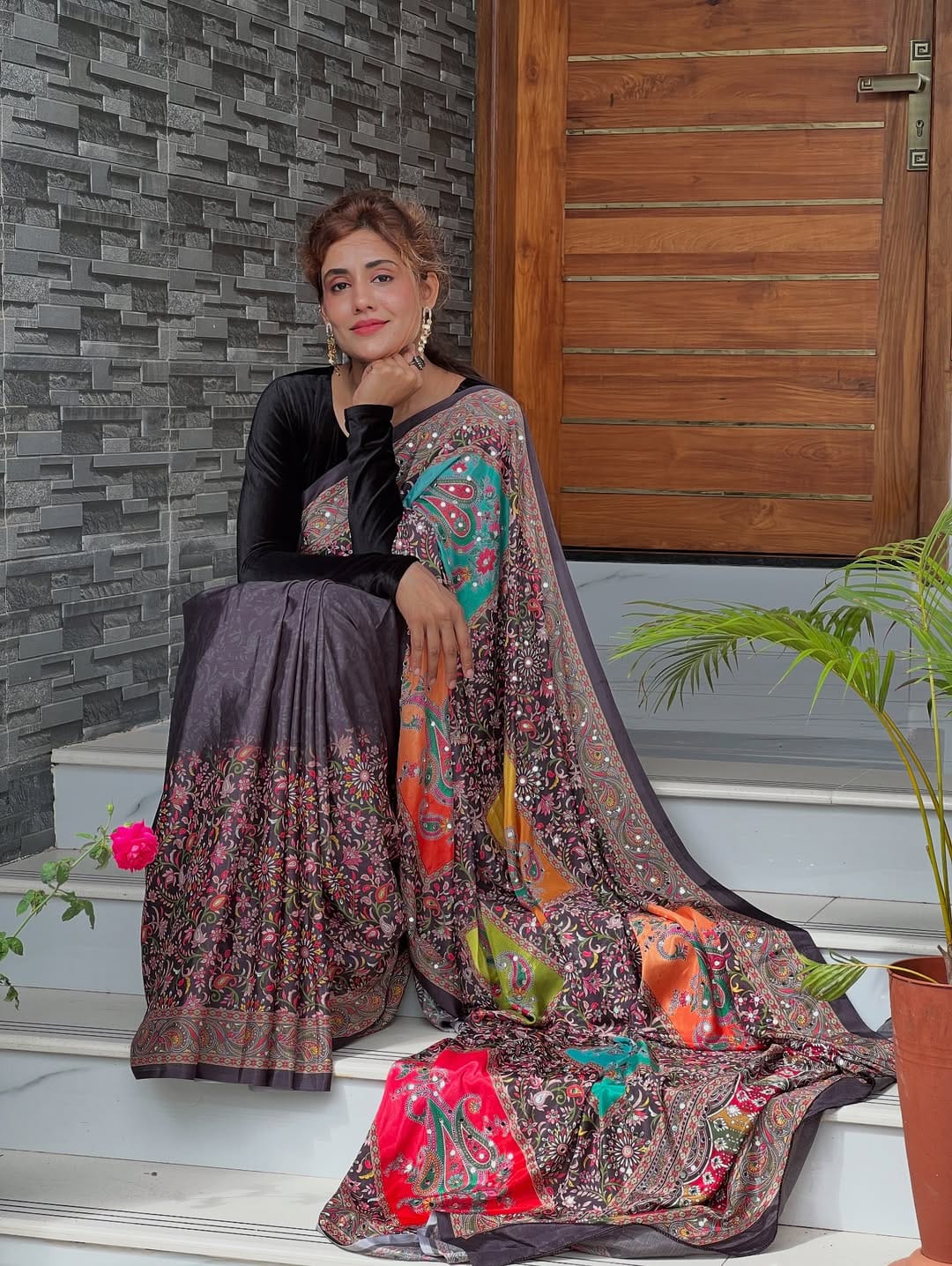
For a Haldi ceremony, linen cotton or Mal cotton in peach, blue, yellow, green or maroon gives movement and comfort while photographs still capture the border. Select a blouse with secure straps or sleeves, and pin the pallu at the shoulder if turmeric, flowers or frequent movement are expected.
For a formal reception, silk can support a richer interpretation. Keep the jewellery deliberate, choose a structured drape and let zari or a high-contrast pallu provide the evening element. A graphic saree doesn't need a sequined blouse to look dressed up; fabric quality, pleat control and a polished blouse fit often create more impact.
For work or a daytime seminar, use a muted ground, medium-width border and a blouse without heavy embellishment. Linen cotton, cotton and soft blends are practical for sitting, commuting and warm weather. A three-quarter sleeve and compact jewellery also make the outfit feel considered rather than costume-like.
How should these sarees be cared for?
Care should follow the fibre, dye and surface treatment, so the garment label takes priority over a universal washing rule. Many linen cotton, Mal cotton, silk and zari sarees benefit from gentle handling, low friction and storage away from direct sunlight.
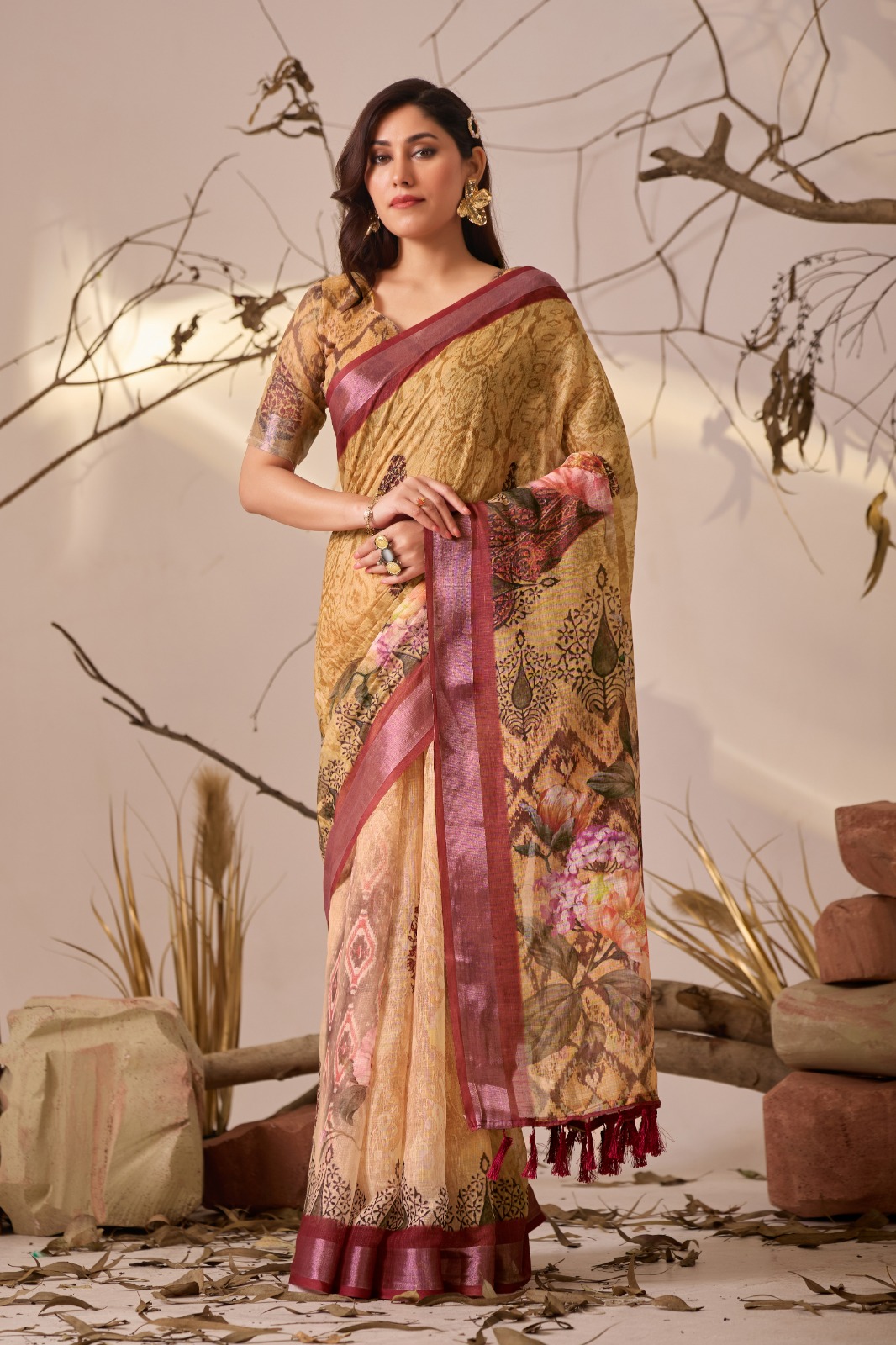
Air a saree after wearing before folding it. Remove surface dust with a soft brush or gentle shake, never scrub a printed border or zari. Fold silk and zari sarees along different lines every few months to reduce permanent creasing, and place acid-free tissue or clean cotton between dense folds if the garment will be stored for a long period.
Keep perfume, deodorant and hair products away from the fabric because alcohol, oils and moisture can mark dyes and metallic surfaces. For silk, zari or an unknown colour combination, use a reputable dry cleaner and mention the presence of metallic thread. Test colourfastness only on an inconspicuous area and never soak a multicolour saree without reliable care instructions.
Building a personal wardrobe from Naga-inspired design
A useful wardrobe doesn't require several near-identical geometric sarees. Begin with one everyday cotton or linen-cotton piece, one versatile saree with a clear border, and one silk or zari option for formal use. Choose different levels of contrast so each garment serves a distinct occasion.
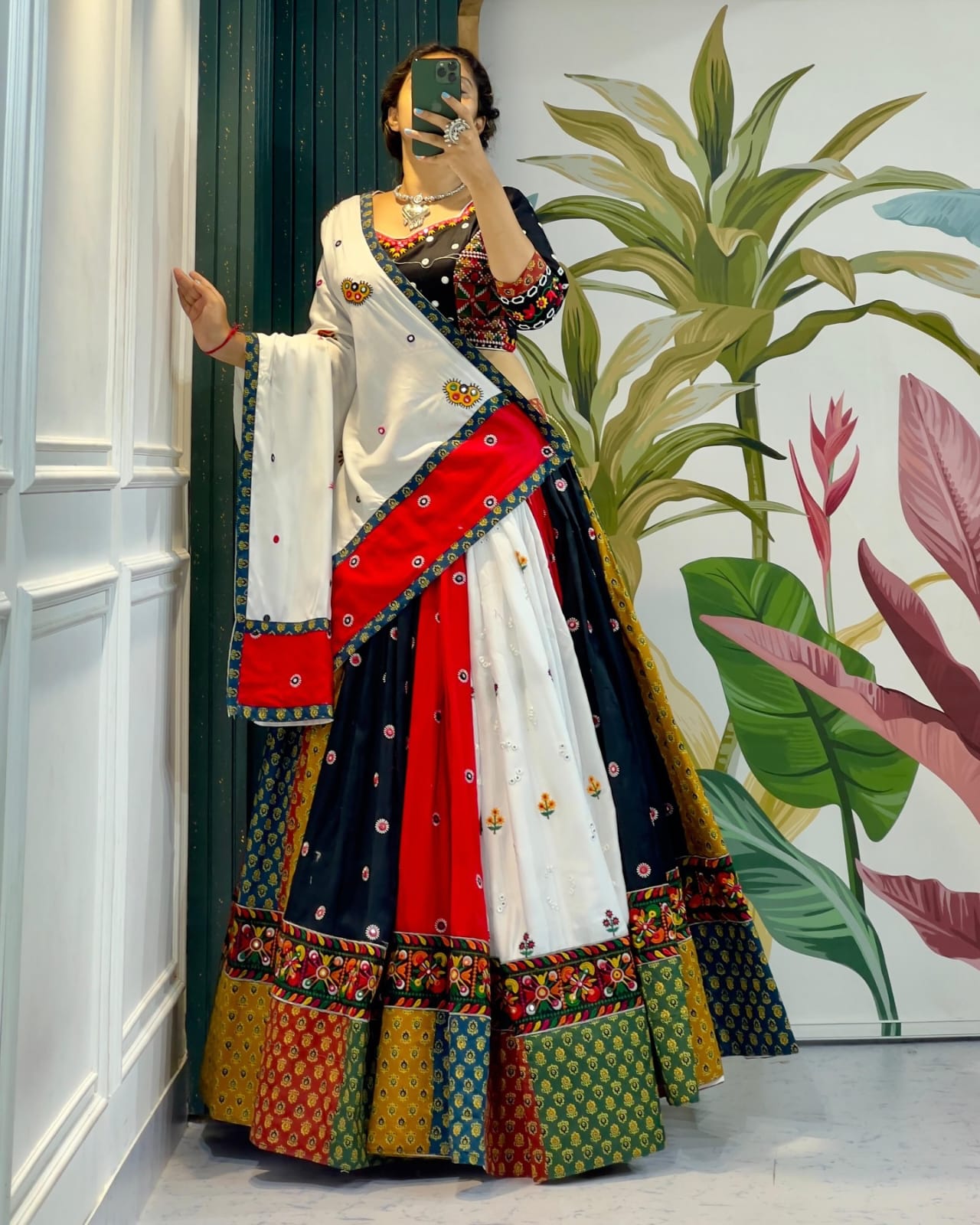
Record the fibre, approximate length, blouse-piece details, washing instruction and origin when you buy. Such notes help with future styling and make it easier to distinguish a handwoven textile from a printed interpretation. They also encourage better conversations about the people, techniques and regions behind ethnic clothing.
Traditional Naga Patterns & Modern Ethnic Fashion Inspiration becomes most meaningful when visual admiration is matched by textile literacy. Wearers can enjoy bold bands, saturated colour and structured borders while acknowledging that Naga clothing traditions are living, diverse and community-specific. That combination of curiosity, accuracy and restraint creates ethnic fashion that looks contemporary without erasing its references.
Questions About Naga-Inspired Saree Styling and Textile Meaning
What are common features of Naga textile patterns?
Common visual features include strong horizontal bands, geometric blocks, zigzags, diamonds, stepped forms and high-contrast colours such as black, red, white, blue and yellow. Exact motifs and meanings differ among Naga communities, so a general geometric print should not be assigned to a specific tribe without evidence.
Can I wear a Naga-inspired saree to a wedding?
Yes, a Naga-inspired saree can work for a wedding when the fabric and styling match the event. Choose linen cotton or Mal cotton for daytime functions and silk or zari for an evening reception, then keep the blouse and jewellery coordinated rather than adding several competing motifs.
Are all tribal-design sarees inspired by Naga textiles?
No, a tribal-design label does not establish a Naga source. The term may describe a broad commercial category covering many Indian communities, so check whether the seller names a region, community, technique or documented collaboration.
What blouse colour goes with a Naga-inspired saree?
A solid blouse in the saree's darkest ground colour or strongest border colour is usually the most reliable choice. A blue blouse can sharpen a peach or beige saree, while maroon, black or navy can anchor a multicolour design without obscuring its pattern.
Are printed Naga-inspired sarees the same as handwoven Naga textiles?
No, printed sarees and handwoven Naga textiles are different products. Printing places a design on an existing fabric, while weaving builds pattern through yarn structure, and the two methods differ in texture, labour, durability, price and cultural context.
How should I care for a silk saree with zari and geometric or ethnic motifs?
Store a silk saree with zari folded in clean, dry conditions away from direct sunlight and perfume. Air it after use, avoid soaking or scrubbing, refold it periodically along different lines and consult a professional cleaner for stains or uncertain colourfastness.