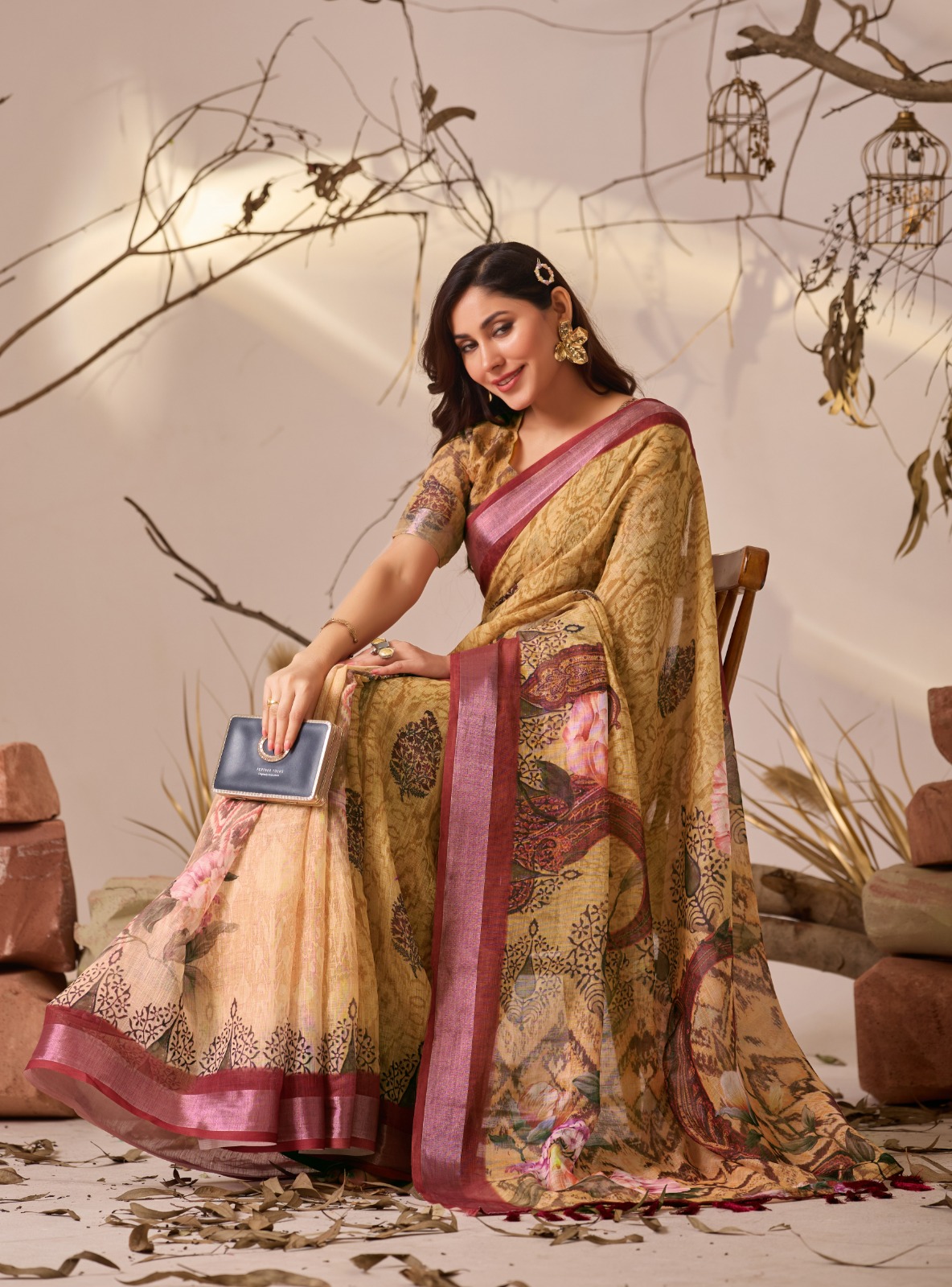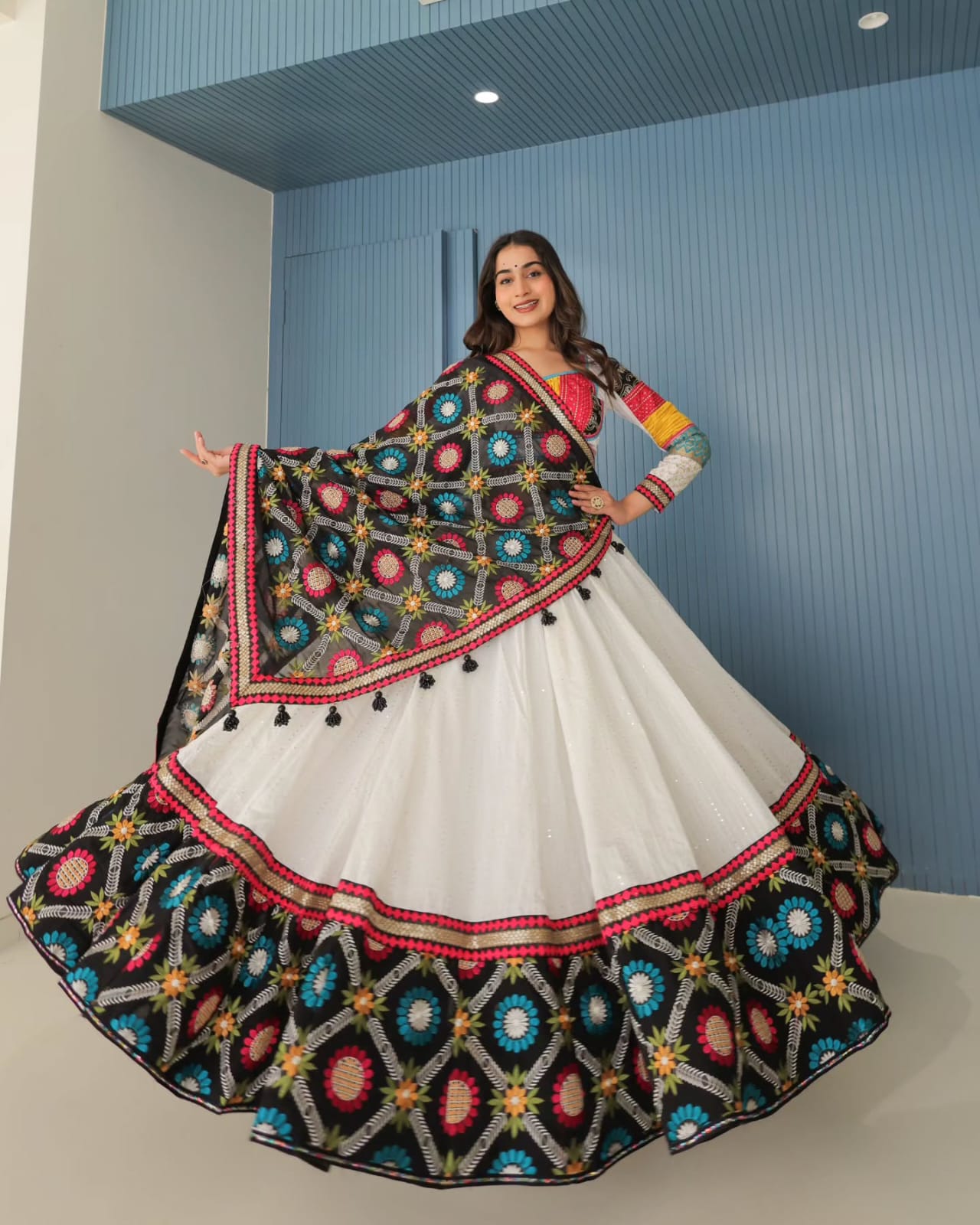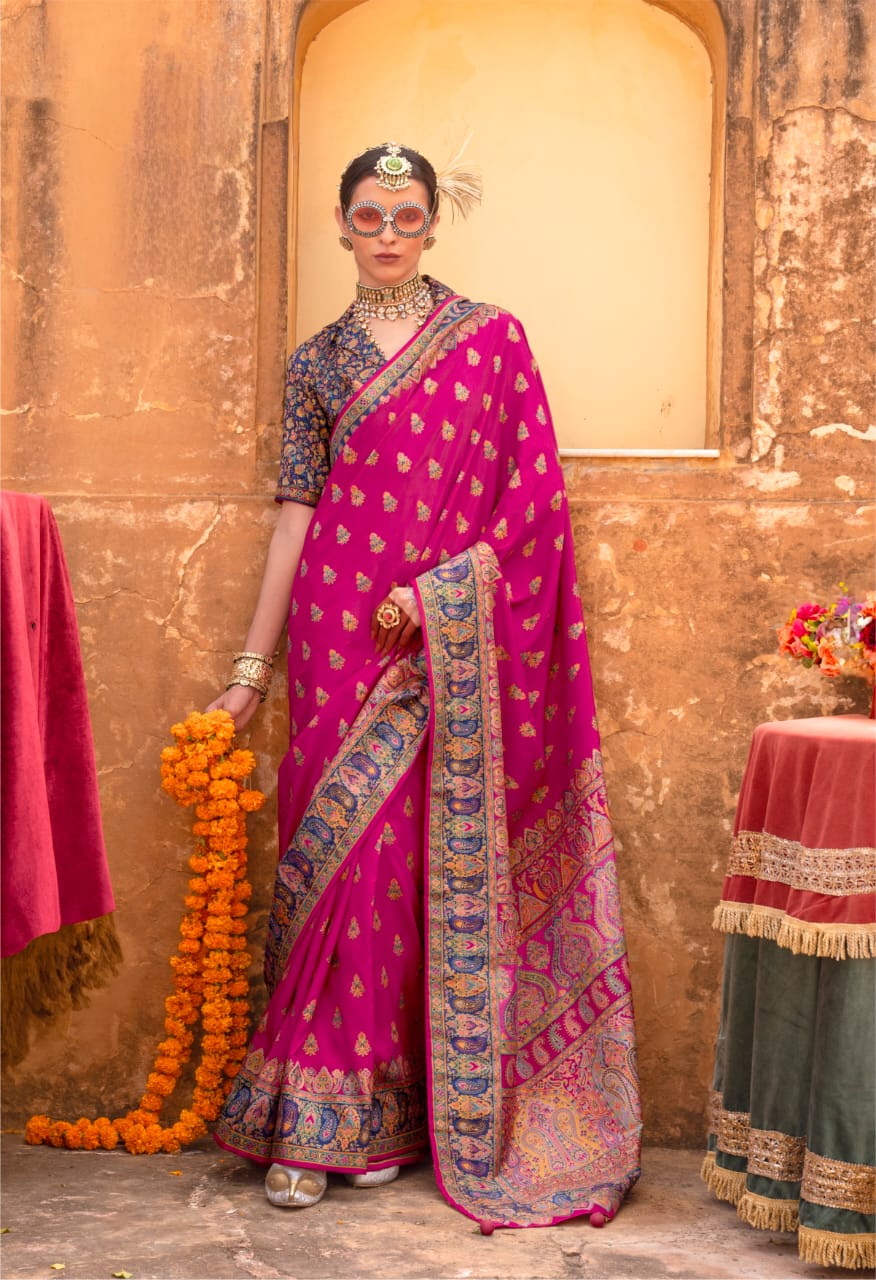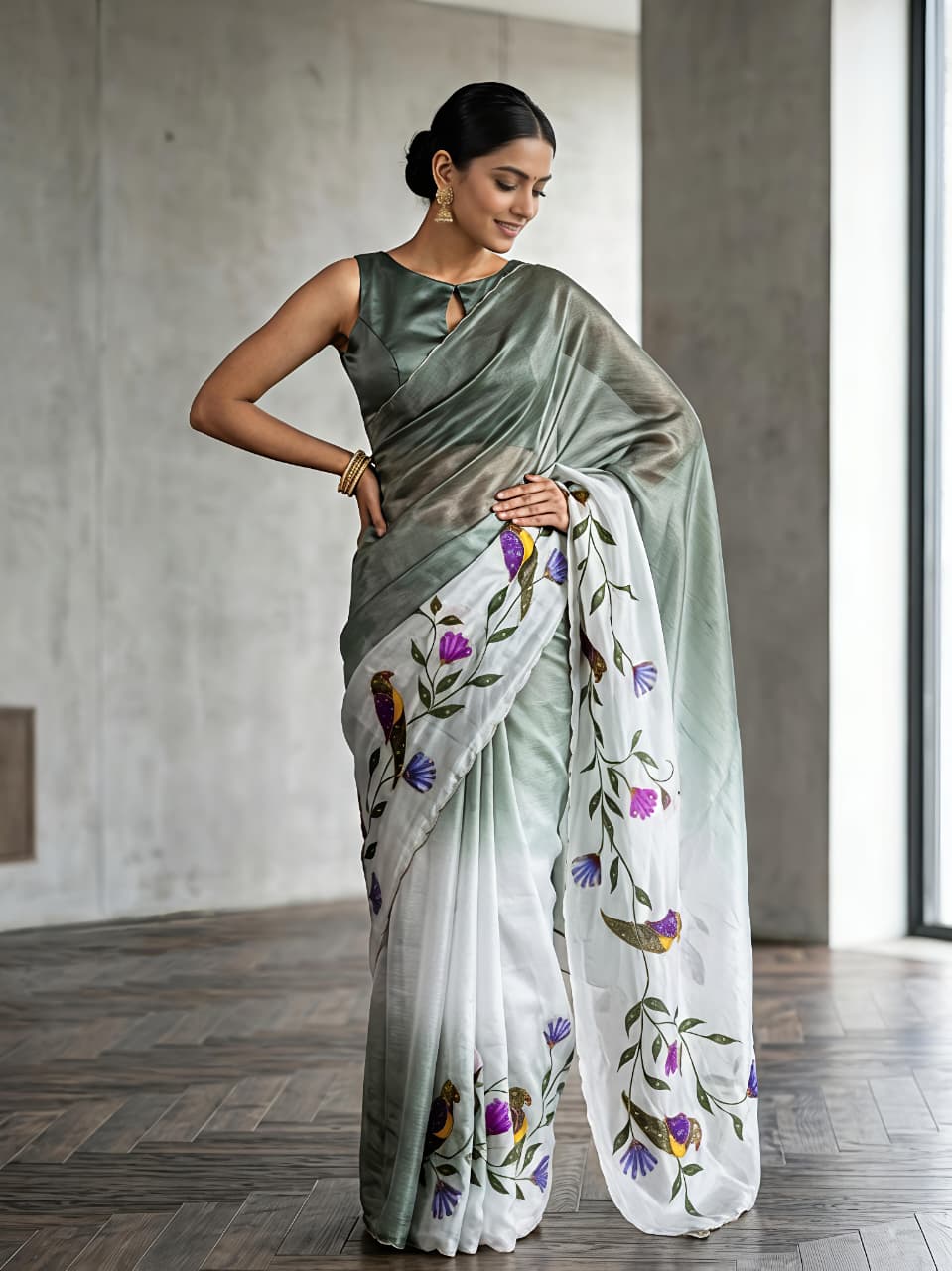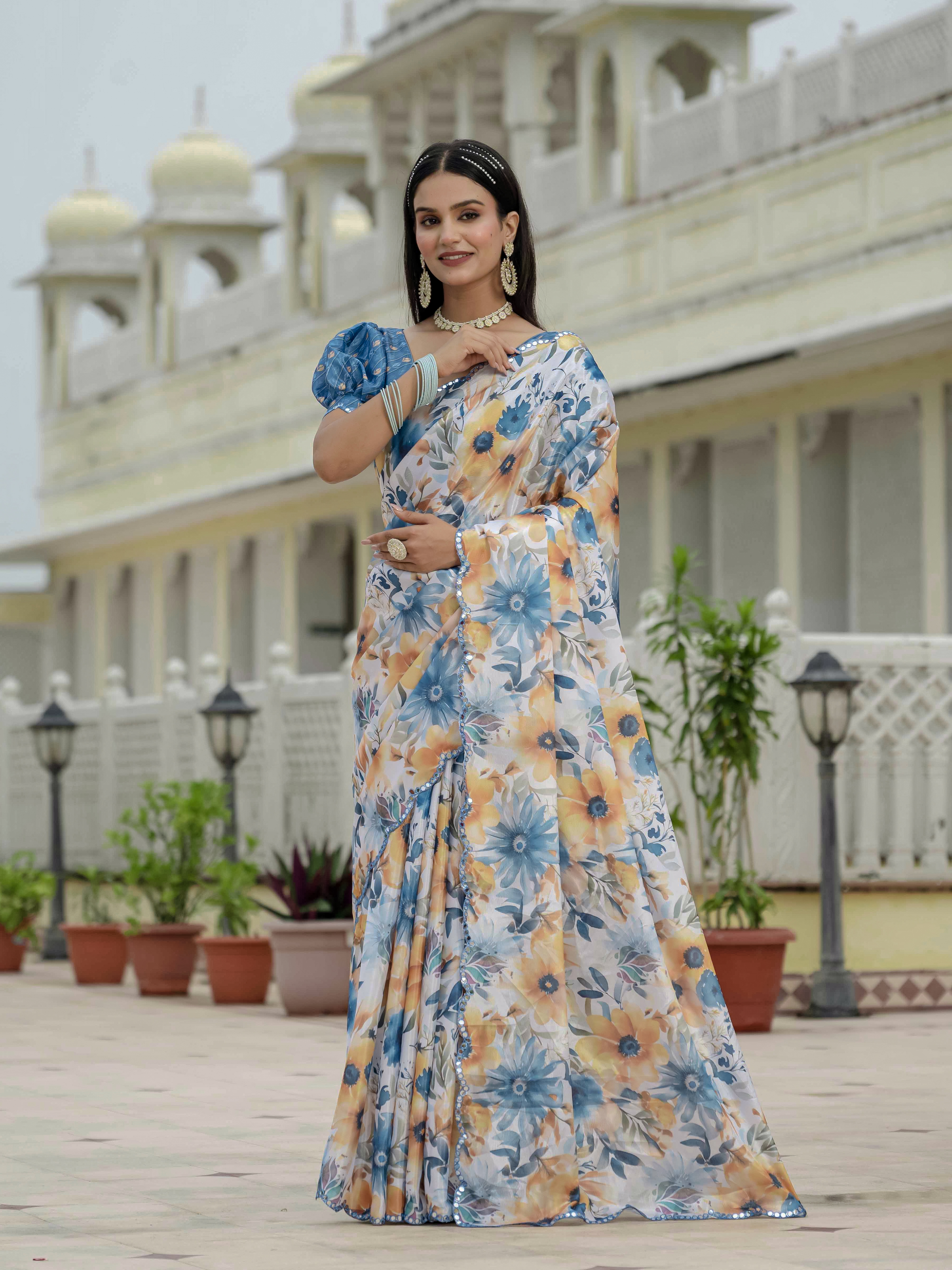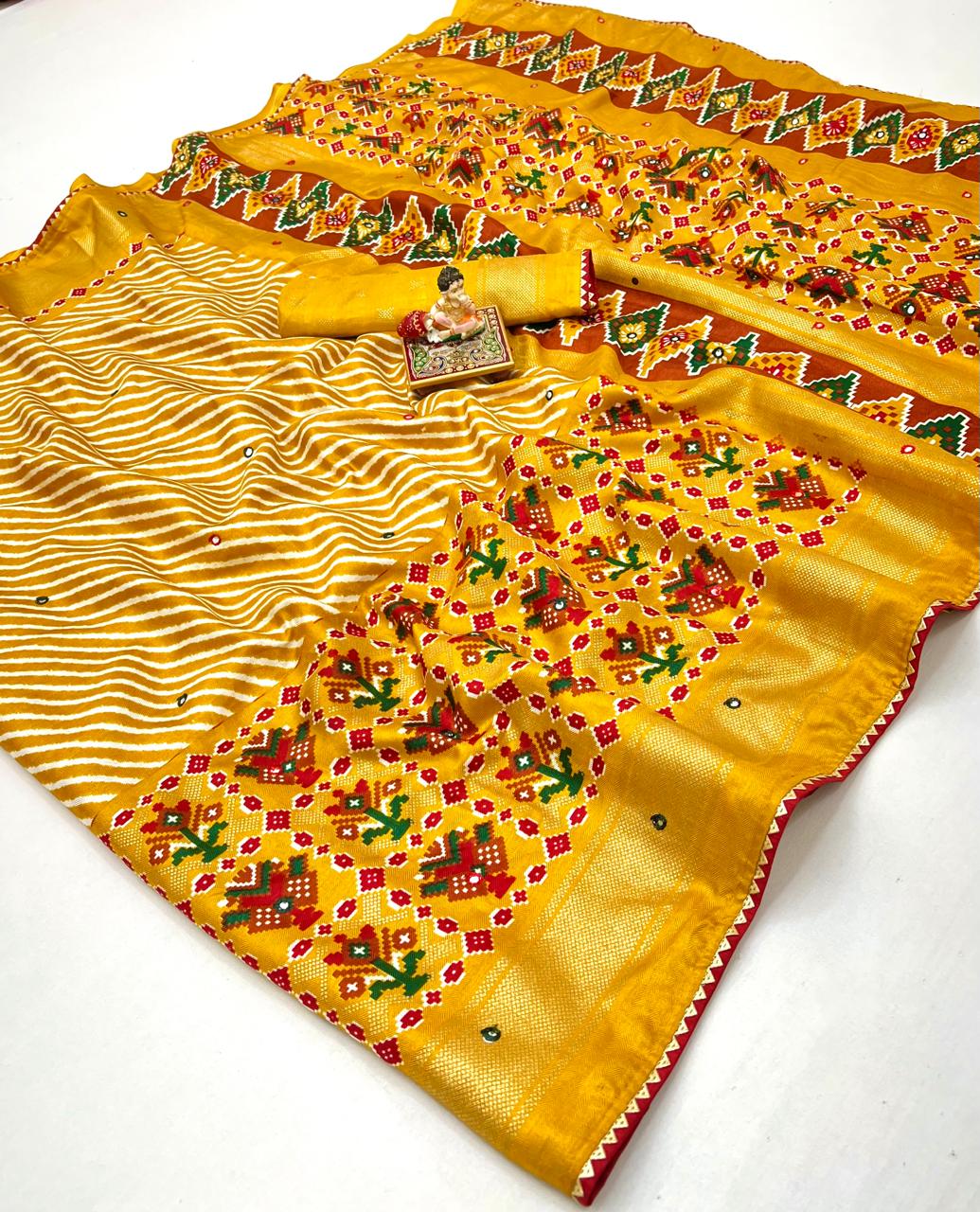
Traditional MP Blouse Designs for Chanderi & Maheshwari Sarees work best when the blouse respects the saree's lightness, border and regional character. Chanderi silk often has a sheer, airy surface with delicate zari or buti details, while Maheshwari silk-cotton usually has a firmer drape, a defined pallu and recognisable striped or checked borders. A successful pairing depends on proportion, texture and colour, not only on choosing the most heavily embroidered blouse.
Madhya Pradesh has two celebrated handloom traditions with distinct identities. Chanderi is associated with Chanderi town in Ashoknagar district, while Maheshwari weaving developed around Maheshwar on the banks of the Narmada. Understanding that distinction helps you choose details that feel intentional: refined sleeves and tonal surfaces for Chanderi, or stronger border-led structure and contrast for Maheshwari.
Traditional MP Blouse Designs for Chanderi & Maheshwari Sarees: Understanding the Weaves
Chanderi sarees are generally lighter and more translucent, whereas Maheshwari sarees usually have a more structured silk-cotton or silk drape with a prominent pallu and border. The blouse should echo those physical qualities so the complete outfit appears balanced.
Why does Chanderi need a lighter blouse treatment?
Chanderi benefits from a smooth, moderately structured blouse with restrained surface decoration. Chanderi silk, Chanderi cotton and silk-cotton Chanderi can appear luminous because of their fine yarns and open texture. A blouse with a narrow zari line, small woven motif or clean tonal finish keeps the outfit elegant.
Very dense velvet, thick brocade or oversized embroidery can visually overpower a pale Chanderi saree, especially when the saree has a transparent pallu. Raw silk, silk-cotton or good-quality cotton-silk provides enough support without making the shoulder line look bulky.
What makes Maheshwari blouse styling different?
Maheshwari sarees can support more defined blouse construction because Maheshwari silk-cotton has a firmer drape and noticeable architectural borders. Maheshwari sarees are known for reversible borders, stripes, checks and pallu designs, so the blouse can borrow one clear element instead of competing with every detail.
A plain blouse in a border colour often looks more traditional than a blouse covered in unrelated motifs. A matching Maheshwari fabric blouse is particularly effective when the saree has a restrained palette such as maroon and gold, purple and green, or black and red.
Traditional MP Blouse Designs for Chanderi & Maheshwari Sarees: Silhouettes That Work
The most useful traditional silhouettes combine familiar Indian blouse proportions with restrained regional details. Choose one focal feature-sleeves, neckline, back detail, border or textile contrast-so the Chanderi or Maheshwari saree remains visible.
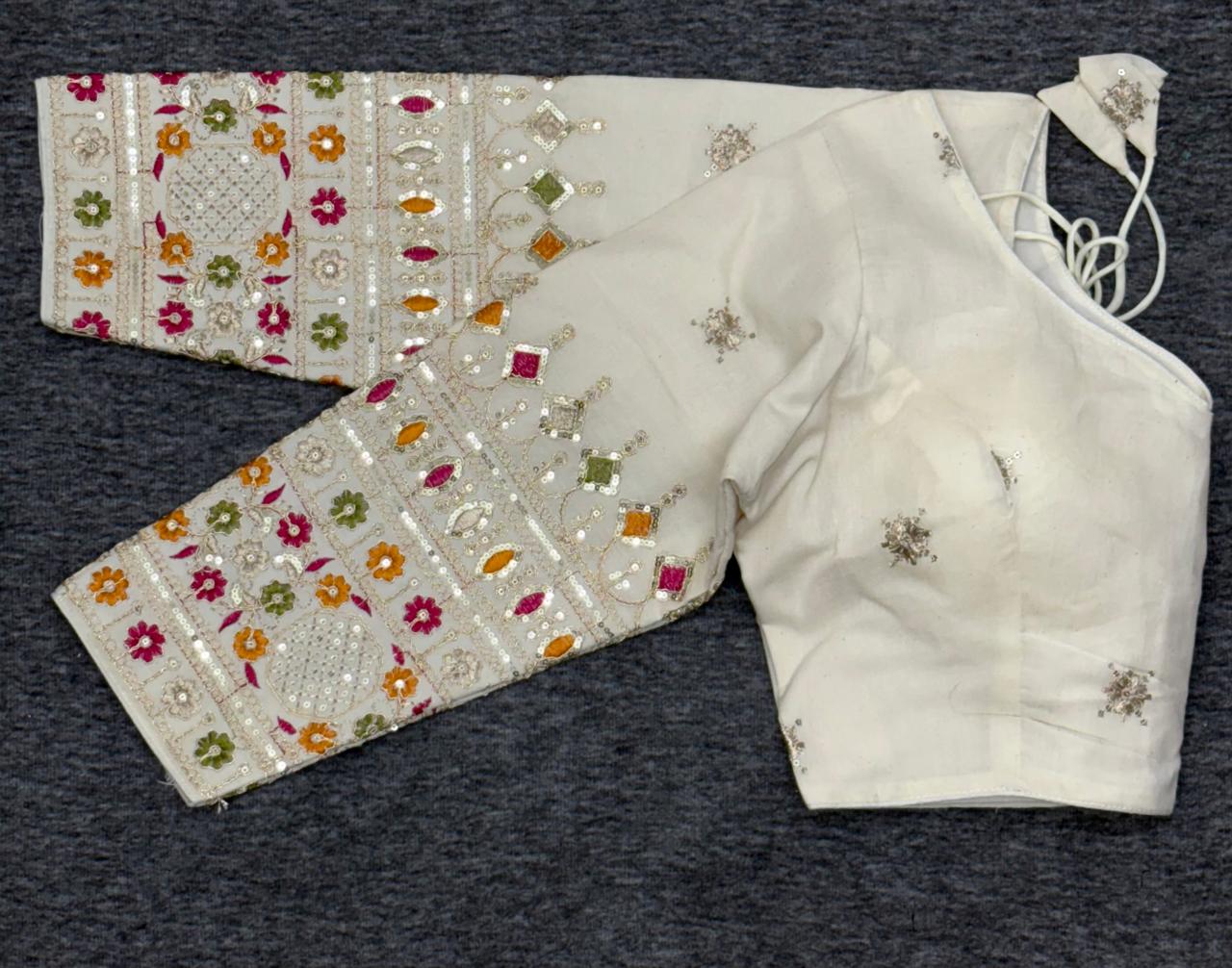
Elbow-length sleeves with a narrow border
Elbow-length sleeves are one of the safest traditional choices for both Chanderi and Maheshwari sarees. A 2.5- to 4-inch sleeve border can repeat the saree's zari, selvedge colour or pallu stripe without adding unnecessary weight.
A close-fitting elbow sleeve in silk-cotton gives a polished silhouette for a family function. Cotton or handloom fabric feels more breathable for a daytime puja. The sleeve opening should permit comfortable movement; a finished circumference approximately 1 to 1.5 inches larger than the upper-arm measurement is an useful starting point, subject to the tailor's construction method.
Short sleeves with a rounded or square neck
Short sleeves and a modest rounded or square neckline suit lightweight Chanderi sarees particularly well. A neckline depth of approximately 6 to 7 inches at the front and 7 to 8 inches at the back creates a traditional appearance for many adult proportions, although comfort and coverage should determine the final measurement.
Square necklines complement geometric Maheshwari stripes, while rounded necklines soften a saree featuring floral butis. Narrow piping in the saree's border shade can make a plain blouse appear custom-designed.
High necks and modest back designs
A high round neck or shallow boat neck offers a composed, heritage-inspired look for winter celebrations and evening events. These shapes work especially well with silk Maheshwari sarees because the firmer weave supports a clean neckline.
A modest keyhole, tie-back or small teardrop opening can provide interest without turning the blouse into a contemporary party style. Keep the opening below the nape rather than placing it across the widest part of the back, where repeated tying can strain the fabric.
Peplum and gathered details used sparingly
A short, lightly gathered lower edge can work with a plain Maheshwari saree when the outfit needs a youthful regional touch. The gathered section should sit close to the waist and remain narrow enough not to disturb the saree pleats.
Chanderi sarees generally benefit from less volume because the fabric can catch on additional gathers. A small pleated sleeve or fabric-covered button row is a quieter way to introduce detail while preserving the airy character of Chanderi silk.
Traditional MP Blouse Designs for Chanderi & Maheshwari Sarees: Choosing Fabric
A blouse fabric should provide enough support for the bust and shoulders while remaining compatible with the saree's weight, sheen and breathability. Matching the saree is optional; matching its visual density is essential.
- Silk-cotton: Silk-cotton is a versatile choice for Maheshwari sarees because it has body, moderate sheen and enough stability for structured necklines.
- Raw silk: Raw silk creates a festive contrast against a soft Chanderi saree, particularly when the blouse is plain and the saree carries the main zari work.
- Cotton: Handloom cotton or smooth cotton works for daytime ceremonies and hot weather. Use a lining when the outer fabric is loosely woven.
- Banarasi silk: A small Banarasi silk panel or blouse can add richness to a plain saree, but a heavily patterned Banarasi surface may compete with a detailed Maheshwari pallu.
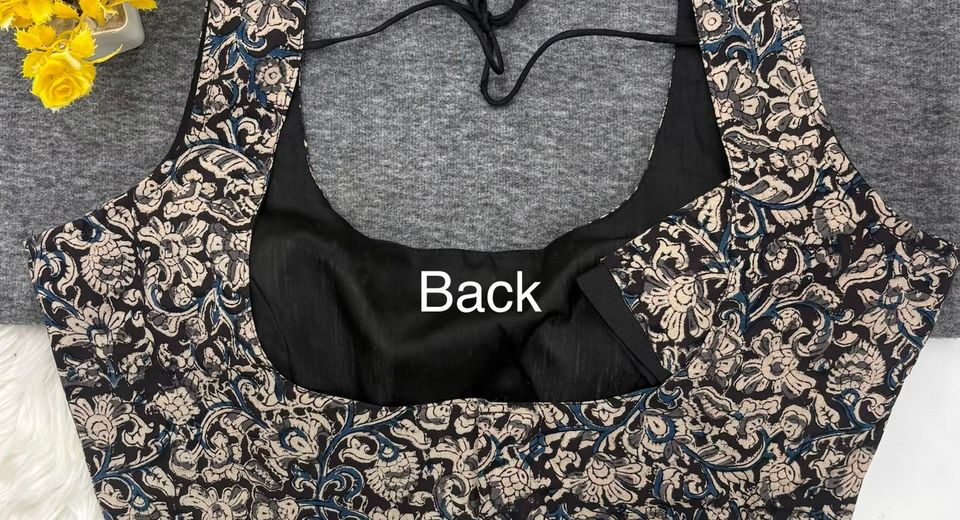
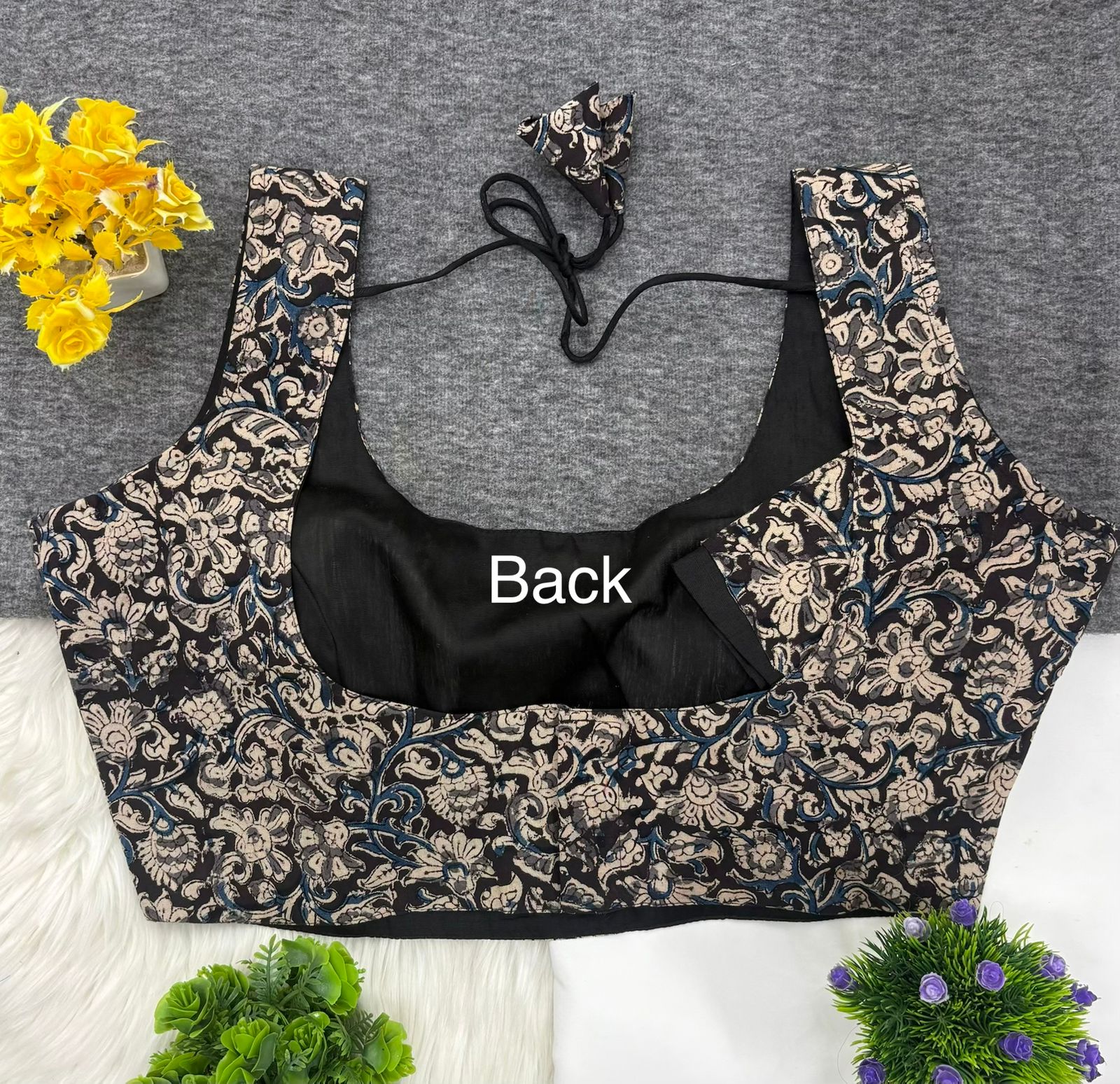
- Kalamkari cotton: A restrained Kalamkari cotton blouse introduces hand-printed character and suits a plain Chanderi or cotton Maheshwari saree for a less formal festive gathering.
The Pure Kalamkari Cotton Padded Blouse for Women demonstrates how a printed cotton surface can make a plain handloom saree feel more individual. The print should share at least one colour with the saree, and the saree border should remain visible so the combination doesn't look visually disconnected.
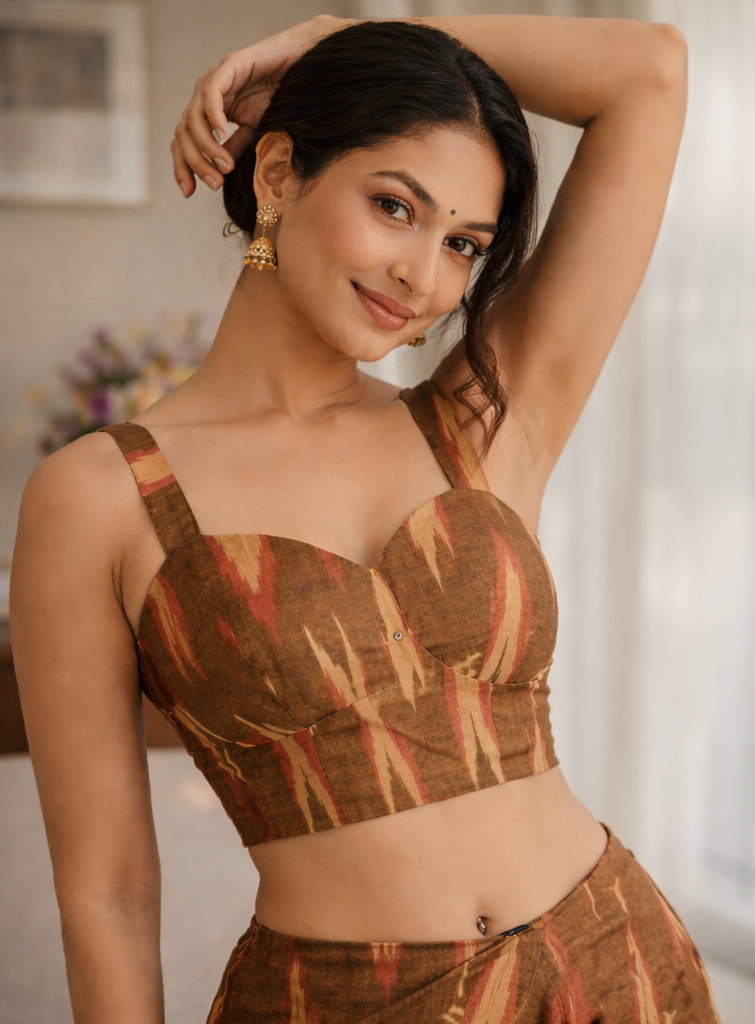
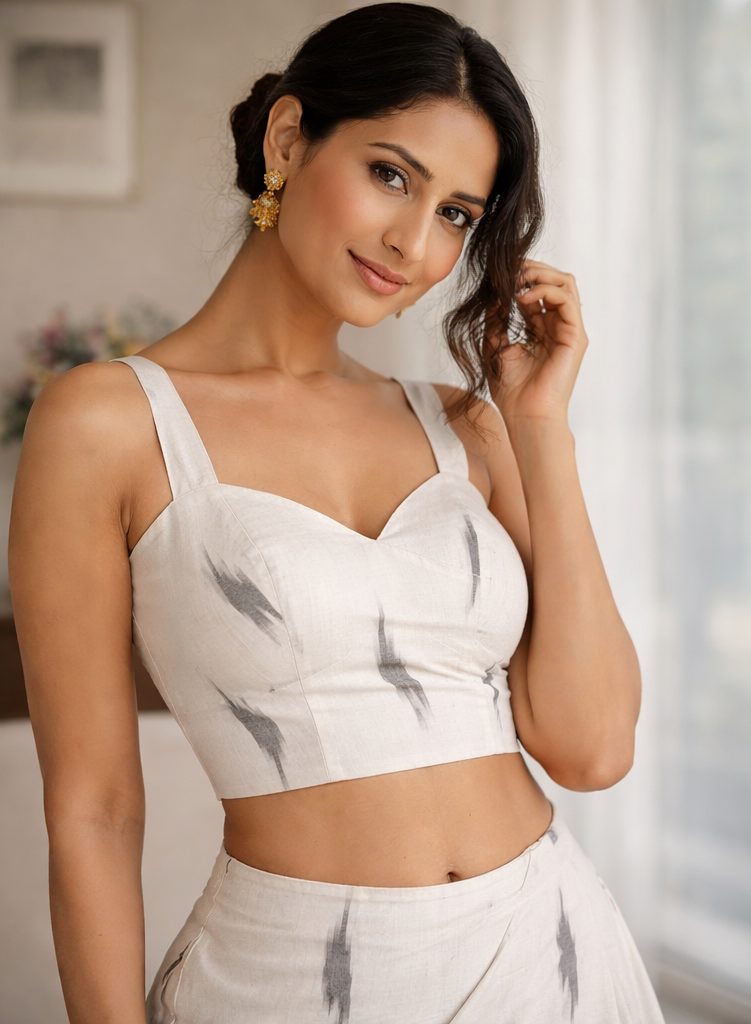
The Brown Ikat Cotton Padded Blouse Sleeveless Stylish and Cream Ikat Cotton Padded Blouse Sleeveless Trendy illustrate another useful approach: using a geometric textile against a quieter saree. Brown works with rust, mustard, red and antique gold, while cream can soften jewel-toned Maheshwari colours and highlight a gold zari border.
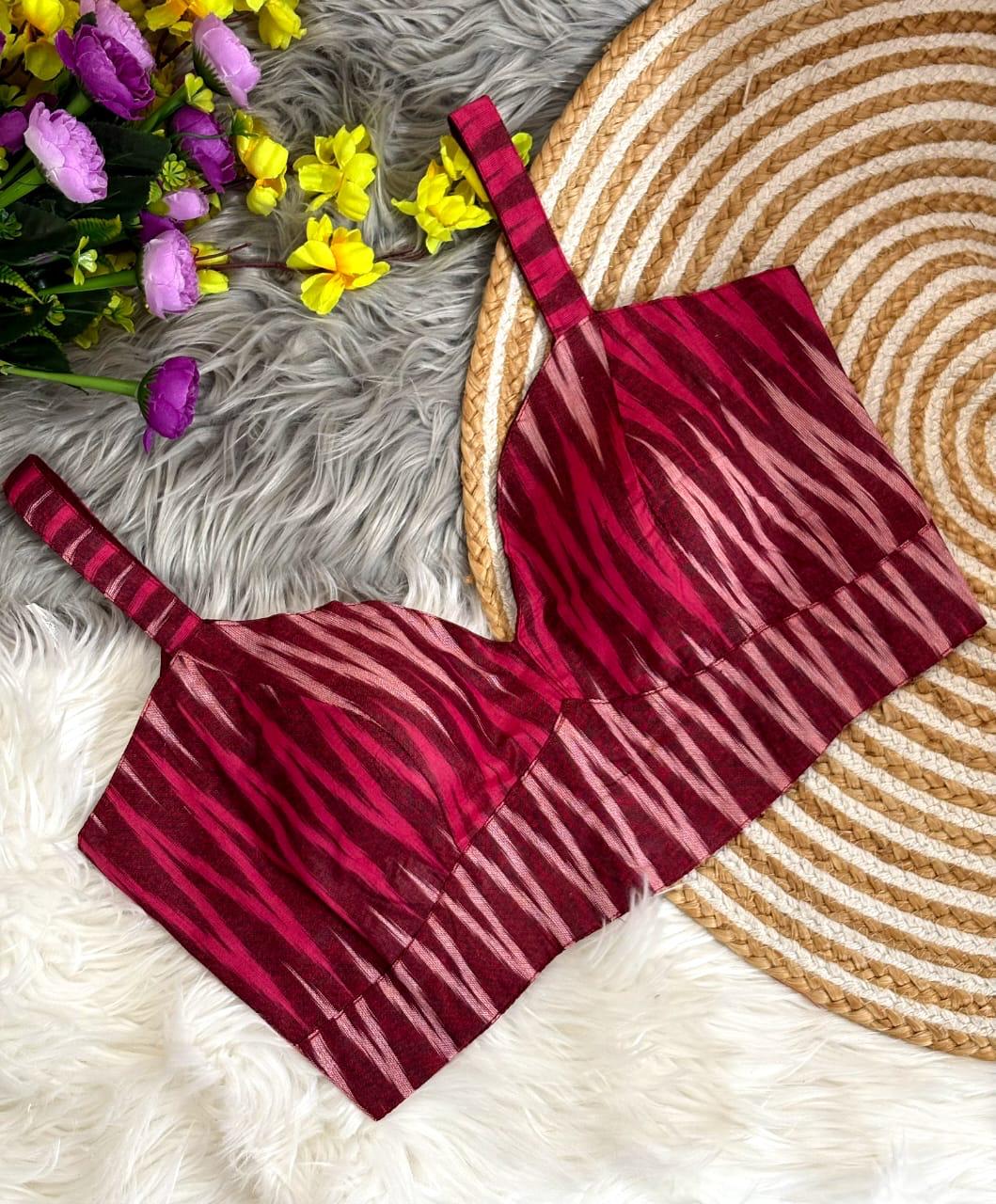
The Ikkat Cotton Padded Blouse for Women Sleeveless gives a similar textile-led direction for a casual festive gathering. Ikat patterns are strongest when the saree is plain or lightly patterned; pairing two equally busy woven designs can hide the border and make the outfit appear crowded.
Traditional MP Blouse Designs for Chanderi & Maheshwari Sarees: Colour Pairing
The most convincing colour pairing repeats one shade from the saree while adding one controlled contrast. A blouse that matches neither the border nor the body can make a handloom saree appear pieced together.
Which blouse colours suit Chanderi sarees?
Pastel pink Chanderi pairs gracefully with deep maroon, wine, muted gold or dusty rose blouses. Powder-blue Chanderi can take navy, charcoal or antique silver, while ivory Chanderi works with rust, bottle green, black or tonal beige.
Gold zari doesn't require a gold blouse. Deep green or maroon can make gold zari appear brighter and adds useful contrast in photographs. Silver zari is well supported by indigo, grey, plum or cool ivory.
Which blouse colours suit Maheshwari sarees?
Maheshwari sarees with red or maroon borders suit black, mustard, deep green and matching red blouses. Purple Maheshwari sarees can be balanced with bottle green, antique gold, charcoal or lighter lavender when the saree itself is richly coloured.
For a checked Maheshwari saree, select a blouse from one colour in the checks and keep the surface plain. For a striped saree, a blouse with a narrow woven stripe may work, but two different stripe scales can make the outfit look busy.
The Classic Festive Wear Blouse for Stylish Saree Look is an useful reference for this principle because a flexible festive blouse earns repeated wear when its colour and surface remain adaptable rather than being tied to a single saree.
Traditional MP Blouse Designs for Chanderi & Maheshwari Sarees: Necklines and Sleeves
Neckline and sleeve proportions should be selected according to the saree's transparency, border width, event setting and personal comfort. A traditional appearance comes from controlled proportions rather than one fixed neckline.
A round neck is dependable with Chanderi butis and small floral motifs. A square neck brings out the geometry of Maheshwari checks. A boat neck gives a wider visual line to a narrow shoulder, while a modest V-neck can lengthen the upper body without requiring a deep cut.
Three-quarter sleeves offer useful coverage and work with both sarees, although the sleeve hem should not end directly at the widest part of the elbow. Short sleeves keep a lightweight Chanderi outfit fresh, while elbow-length sleeves create a more formal appearance for temple visits, family ceremonies and festive dinners.
Use zari, gota or piping selectively. A 0.25- to 0.5-inch piping can define a neckline without making it heavy. Broader borders are better reserved for the sleeve hem or blouse edge, where they can echo the saree's pallu without obstructing the face.
Traditional MP Blouse Designs for Chanderi & Maheshwari Sarees: Fit and Tailoring
A traditional blouse should sit securely at the shoulder, support the bust and leave enough ease for breathing and arm movement. Decorative details can't compensate for a blouse that pulls across the front or rides up at the back.
- Measure the bust at the fullest point while wearing the undergarment intended for the blouse. Record the measurement without pulling the tape tight.
- Measure the underbust and shoulder width because a loose underbust can cause the neckline to gape, while a narrow shoulder can restrict arm movement.
- Specify finished measurements to the tailor, including desired ease. A close fit may require approximately 1 inch of bust ease, while a comfortable fit may need 1.5 to 2 inches depending on fabric and construction.
- Check armhole depth during the trial. A deep armhole may expose the side of the bust, while a shallow armhole can dig into the underarm when the arm is raised.
- Plan the closure before cutting. Hooks and eyes suit a traditional fitted blouse, while a concealed side zip can make dressing easier. Both options need adequate seam allowance for later adjustment.
Padded blouses can provide extra structure and reduce the need for a heavy inner layer, but padding should follow the natural bust line rather than create a visibly rigid shape. Ask for removable cups or a moderate lining when you want flexibility across different sarees.
Always request a trial before final finishing. A trial catches shoulder strain, neckline gaping and sleeve tightness while the seams can still be altered. Leave at least 1 to 1.5 inches of side-seam allowance when possible, especially if the blouse is intended for repeated wear or future size changes.
Traditional MP Blouse Designs for Chanderi & Maheshwari Sarees: Styling for Occasions
The event should determine how much contrast, shine and structure the blouse carries. A daytime Haldi ceremony, a temple visit and an evening wedding reception call for different levels of surface decoration.
For puja and daytime family functions
Choose cotton, silk-cotton or lightly lined Chanderi-compatible fabric for a daytime function. A three-quarter sleeve, modest round neck and small zari or piping detail provide polish without excessive shine.
Warm colours such as mustard, rust, maroon and leaf green work well in natural light. Keep jewellery simple enough that the saree's woven texture remains visible, particularly when the Chanderi has delicate butis.
For weddings and festive evenings
Wedding and evening dressing can support raw silk, richer silk-cotton, antique zari, covered buttons or a slightly deeper neckline. The blouse should still leave the saree's pallu as the main visual feature.
The Classic Festive Wear Blouse for Stylish Saree Look can be considered when one blouse needs to transition across several festive sarees. Pair a more detailed blouse with a plain Chanderi saree, and choose a simpler blouse when the Maheshwari saree has a broad zari border or elaborate pallu.
For a contemporary regional interpretation
A sleeveless Ikat blouse, neat square neck or contrast Kalamkari surface can modernise a traditional saree while retaining an Indian textile vocabulary. The Pure Kalamkari Cotton Padded Blouse for Women and the Ikkat Cotton Padded Blouse for Women Sleeveless show how printed or woven cotton can add character without relying on sequins.
Keep the rest of the styling quiet when the blouse is patterned. A single pair of jhumkas, a low bun, a fabric potli or a narrow waist belt is usually enough to complete the look.
Traditional MP Blouse Designs for Chanderi & Maheshwari Sarees: Care and Longevity
Care begins with separating delicate Chanderi, structured Maheshwari silk-cotton and printed cotton blouses according to their fibre and finish. Different fabrics should not automatically receive the same washing treatment.
Dry-clean silk Chanderi and embellished blouses when the care label recommends it. For washable cotton, use cold water, mild detergent and gentle hand washing; avoid wringing because twisting can distort padded cups, sleeve borders and woven motifs.
Dry blouses in shade rather than strong direct sunlight, which can fade Kalamkari, Ikat and darker dyes. Store completely dry blouses flat or on broad padded hangers, and place soft cotton cloth between zari surfaces to reduce snagging.
Fold Chanderi blouses with tissue or unbleached muslin if they will remain stored for several months. Refold them every few weeks to prevent permanent crease lines, especially along the shoulder and sleeve border.
A well-chosen blouse does more than complete a saree outfit. A compatible fabric protects the saree's visual balance, a considered colour strengthens its border, and a properly measured fit allows the garment to be worn repeatedly across pujas, family celebrations and festive gatherings.
Questions About Blouses for Chanderi and Maheshwari Sarees
Which blouse fabric is best for a Chanderi saree?
Silk-cotton, raw silk and smooth cotton are practical choices for a Chanderi saree. Choose a lighter, plain or finely textured blouse when the saree has a sheer pallu or delicate zari work, and use lining for loosely woven cotton.
What blouse colour goes with a Maheshwari saree?
The best blouse colour usually repeats the Maheshwari saree's border or one shade from its checks and stripes. Black, mustard, deep green, maroon, antique gold and matching red work particularly well with common Maheshwari palettes.
Can I wear an Ikat blouse with a Chanderi saree?
Yes, an Ikat blouse works well with a plain or lightly patterned Chanderi saree. Match one Ikat colour to the saree and avoid pairing two heavily patterned textiles, because the border and pallu may lose definition.
Are padded blouses suitable for traditional saree styling?
Padded blouses are suitable when the padding is moderate, follows the natural bust line and supports a smooth fit. Padding can reduce the need for a heavy inner layer, but a trial fitting is important to prevent a rigid or uncomfortable shape.
Which sleeve length looks most traditional with a Maheshwari saree?
Elbow-length or three-quarter sleeves usually create the most traditional appearance with a Maheshwari saree. A 2.5- to 4-inch sleeve border can repeat the saree's zari or pallu colour without competing with the woven design.
How should a Chanderi blouse be stored?
A Chanderi blouse should be stored clean and completely dry, folded in soft cotton or tissue away from direct sunlight. Refold the blouse periodically, and avoid tight wire hangers that can leave marks on the shoulders.