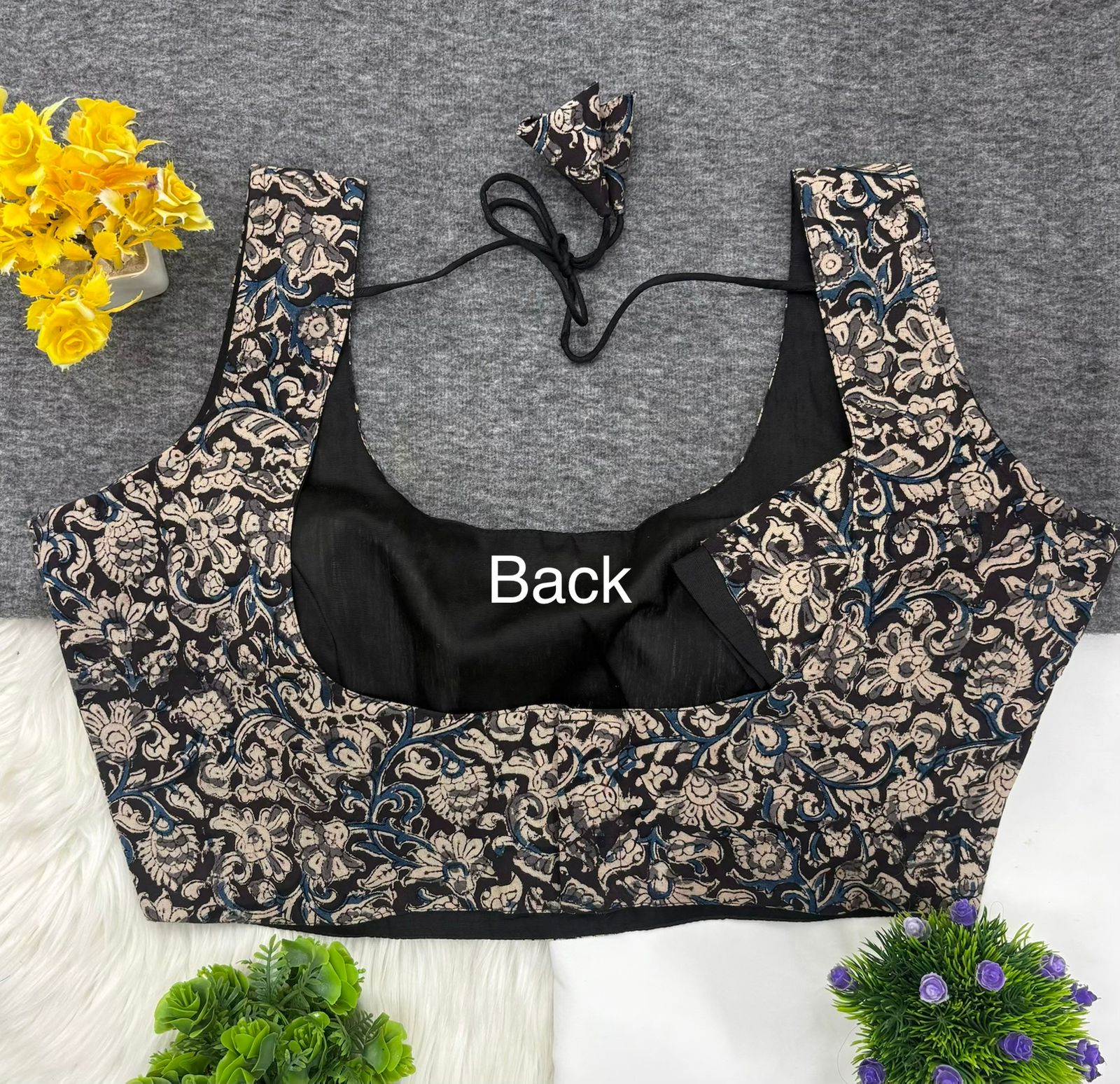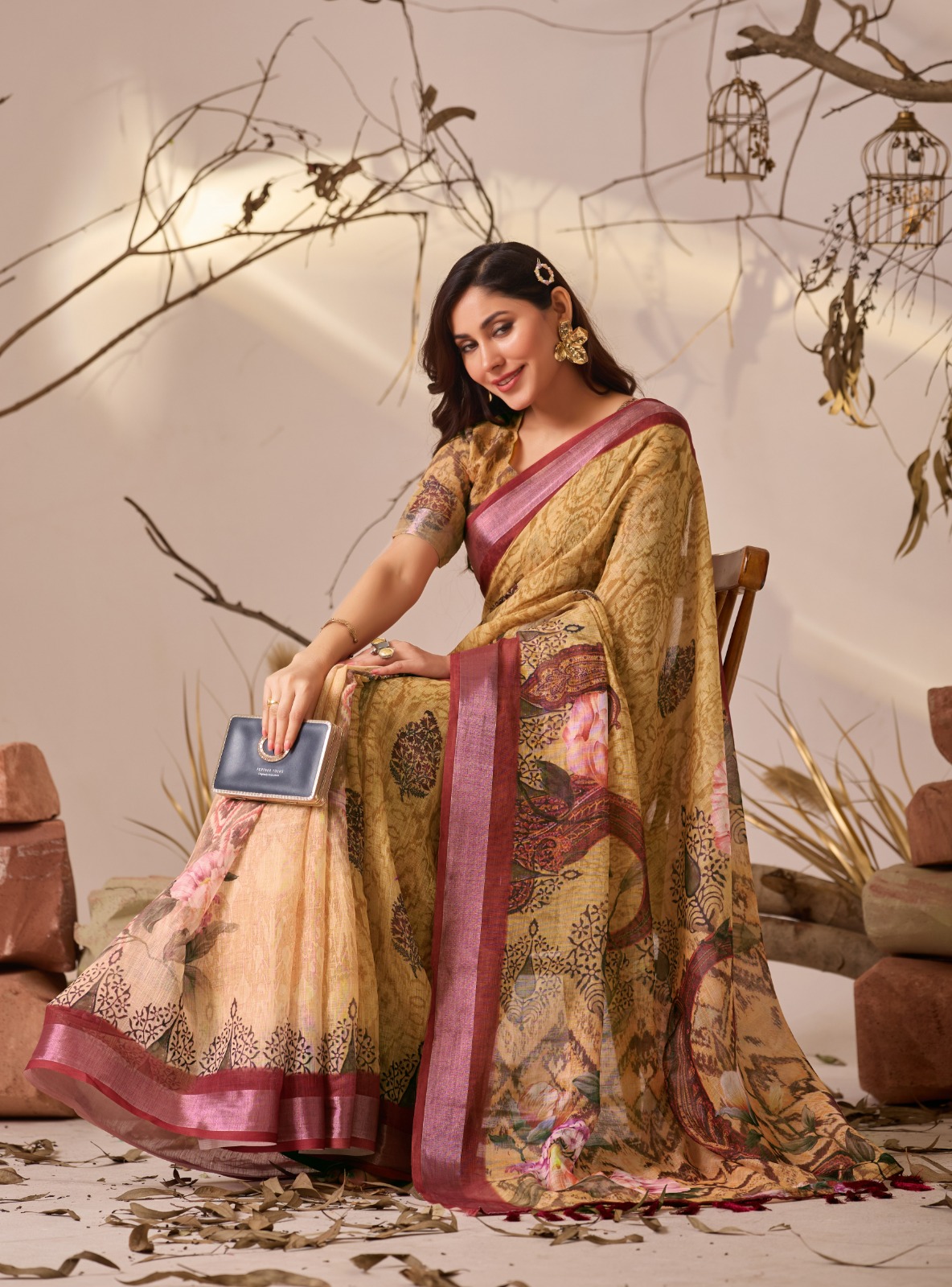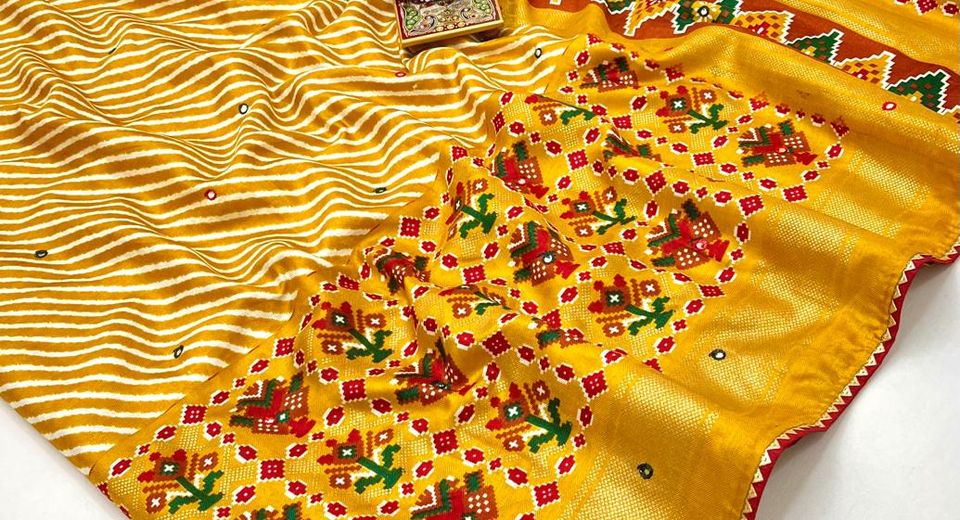
Traditional Madhya Pradesh Dress for Women: Sarees & Ethnic Wear reflects several textile traditions rather than one fixed costume. Chanderi's light, translucent weave, Maheshwari's structured silk-cotton fabric, Bagh's geometric block prints and the everyday saree-and-blouse combination all belong to the cultural wardrobe of the state. Understanding those differences makes it easier to choose a saree that feels genuinely rooted in central India instead of merely looking conventionally festive.
Madhya Pradesh sits at the meeting point of north, west and important Indian clothing cultures. Women's dress varies between Malwa, Nimar, Bundelkhand, Baghelkhand, the Narmada region and tribal communities. A wedding saree from Maheshwar doesn't have the same hand find or visible language as a Bagh-printed cotton drape. The most functional way to read the clothing is through its fabric, motif, construction, colour and intended use.
Traditional Madhya Pradesh Dress for Women: Sarees & Ethnic Wear and its distinctive features
Madhya Pradesh women's traditional dress is distinctive because it combines breathable handloom fabrics, restrained borders, regional prints and practical draping. Sarees remain the most recognisable garment, while ghagras, cholis, lugdas, odhnis and salwar suits also appear in regional and contemporary wardrobes.
Chanderi is associated with the town of Chanderi in Ashoknagar district. Chanderi sarees are valued for a fine, light weave that may combine silk and cotton yarns, often with a subtle sheen and transparent quality. Traditional motifs include ashrafi butis, floral forms, peacocks and geometric details. The fabric is elegant without being heavy, which makes Chanderi particularly suitable for daytime celebrations, pujas and summer weddings.
Maheshwari weaving comes from Maheshwar on the Narmada River. Maheshwari sarees commonly use silk, cotton or silk-cotton combinations and are known for reversible borders, narrow stripes, checks and distinctive pallu patterns. The fabric generally has more body than very sheer Chanderi, so the pleats hold their shape neatly. Maheshwari sarees work well for office festivities, intimate weddings and formal cultural events.
Bagh printing is a hand-block printing tradition from the Bagh area of Dhar district. Artisans print repeating geometric and floral designs with carved wooden blocks, traditionally using red and white dyes on a contrasting ground. The visible rhythm is normally bold and orderly rather than scattered. A Bagh-inspired garment can therefore add a strong regional accent to a simple silhouette.
Women's traditional clothing in rural and tribal communities may include a lugda or saree with a blouse and odhni, while ghagra-choli combinations remain important in several areas. Contemporary wardrobes often adapt these forms into salwar suits, long skirts, dupattas and blouses. Regional identity survives through colour, border treatment, textile technique and jewellery even when the garment shape changes.
Traditional Madhya Pradesh Dress for Women: Sarees & Ethnic Wear to choose for a regional wardrobe
Chanderi, Maheshwari, Bagh-printed cotton and other handloom cotton sarees are the strongest choices for a Madhya Pradesh-inspired wardrobe. A saree doesn't need to be made in Madhya Pradesh to suit the aesthetic, but the fabric, border and styling should be described accurately.
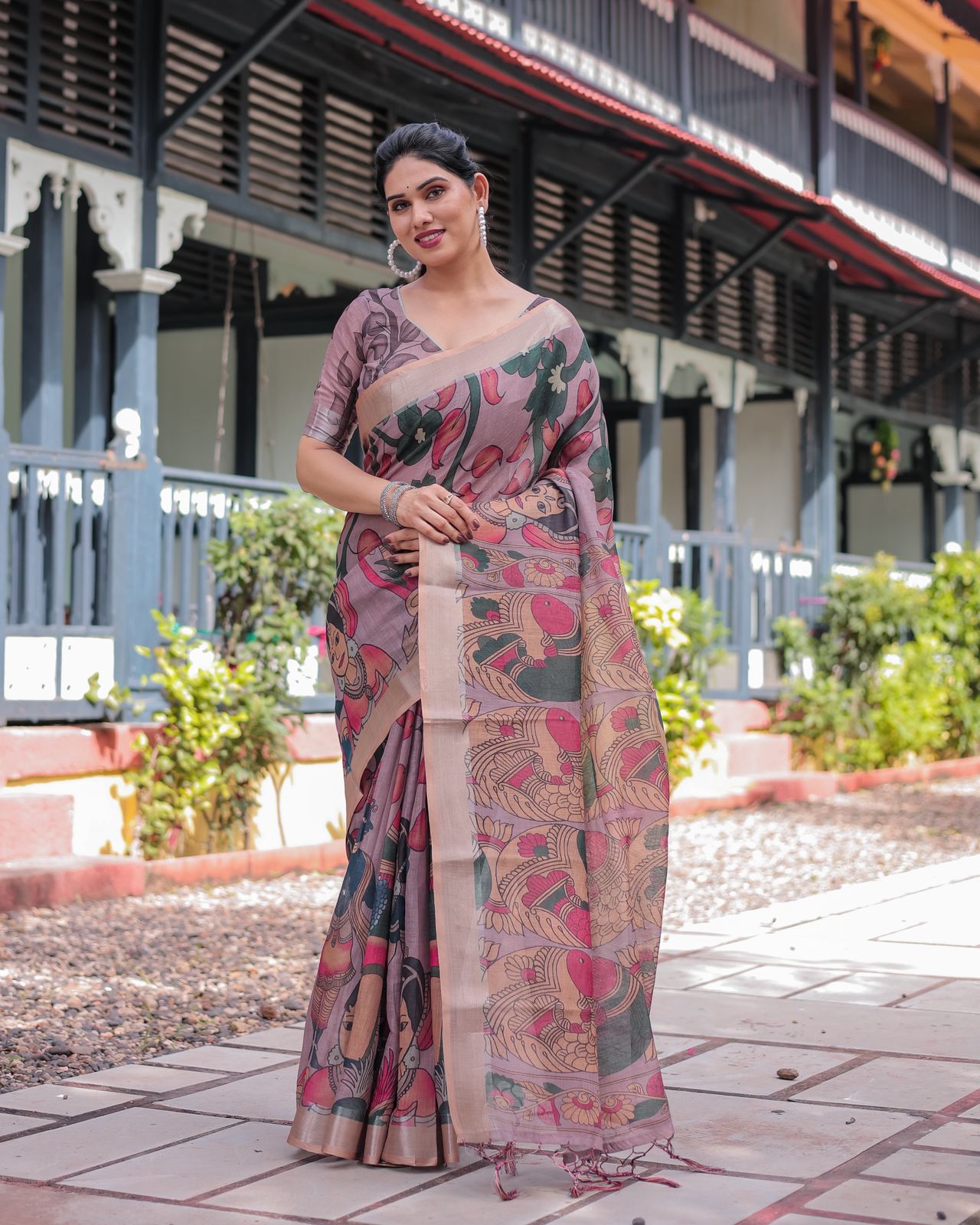
A Chanderi saree suits anyone who wants smoothness, gentle shine and a graceful fall. A Maheshwari saree is a better choice when crisp pleats, a defined border and slightly more structure matter. A Bagh-print cotton saree is practical for warm weather and gives an outfit an unmistakable craft-led character. Handloom cotton with zari accents can bridge everyday wear and festive dressing.
Modern options can sit alongside regional handlooms without pretending to be the same thing. Pastel Floral Tissue Handloom Cotton Saree with Zari Weaves, for example, demonstrates how a lightweight cotton base and restrained zari can create a festive result. The saree can be styled with a plain blouse and traditional jewellery while keeping the overall appearance comfortable.
Pastel Linen Cotton Floral Print Saree with Designer Blouse and Peach Linen Cotton Floral Print Saree with Blouse for Women show another useful direction: breathable linen-cotton sarees with floral surfaces for daytime traditional dressing. Floral prints are not substitutes for Chanderi, Maheshwari or Bagh weaving, but they can be appropriate when the goal is a simple ethnic look rather than a historically specific regional textile.
Maroon Mal Cotton Ethnic Saree With Blouse from VARNAVI offers a deeper colour direction for an evening gathering. Mal cotton is comfortable for long wear, and a maroon ground can be paired with antique-gold jewellery, a low bun and a defined bindi. Product labels should always be checked for the actual fibre content, print method and zari composition before purchase.
Traditional Madhya Pradesh Dress for Women: Sarees & Ethnic Wear fabrics compared
Regional fabrics change a saree's appearance through yarn thickness, surface texture, stiffness, transparency and response to pleating. Those five characteristics matter more than a generic label such as "ethnic" or "designer."

Chanderi and Maheshwari
Chanderi usually creates a lighter, airier silhouette, while Maheshwari generally gives pleats a firmer and more linear shape. Chanderi can appear delicate under direct light because of its fine weave and sheen. Maheshwari often looks more graphic because stripes, checks and reversible borders remain visible across the drape.
Banarasi silk and Kanjeevaram are important traditional Indian sarees, but they represent various weaving histories from Chanderi and Maheshwari. Banarasi silk is associated with Varanasi and often comes with rich zari brocades. Kanjeevaram comes from Kanchipuram and is known for a substantial silk body and powerful contrast borders. Naming the textile correctly prevents a deep traditional saree category from erasing regional distinctions.
Printed cotton and linen-cotton
Printed cotton tends to look matte and relaxed, with a soft fall that becomes more comfortable over repeated wear. Linen-cotton has a slightly textured surface and usually benefits from careful ironing before draping. Elegant Mauve Linen Saree with Artistic Madhubani Print demonstrates how a regional-art-inspired print can create cultural character, although a Madhubani motif belongs to a different artistic tradition from Bagh printing.
Mint Green Floral Linen Cotton Saree with Pink Border Style illustrates the effect of a contrasting border. A pink border frames the lower edge and pallu, so a blouse in pink, ivory or a deeper berry shade can connect the colours without repeating every detail. Colour coordination can suggest a traditional mood even when the base textile is a contemporary blend.
Traditional Madhya Pradesh Dress for Women: Sarees & Ethnic Wear styling principles
A traditional Madhya Pradesh saree is best styled with a blouse that respects the fabric's weight, a neat Nivi-style drape, modest jewellery and accessories that don't overpower the textile. Styling should begin with the saree's structure rather than with a fixed set of ornaments.
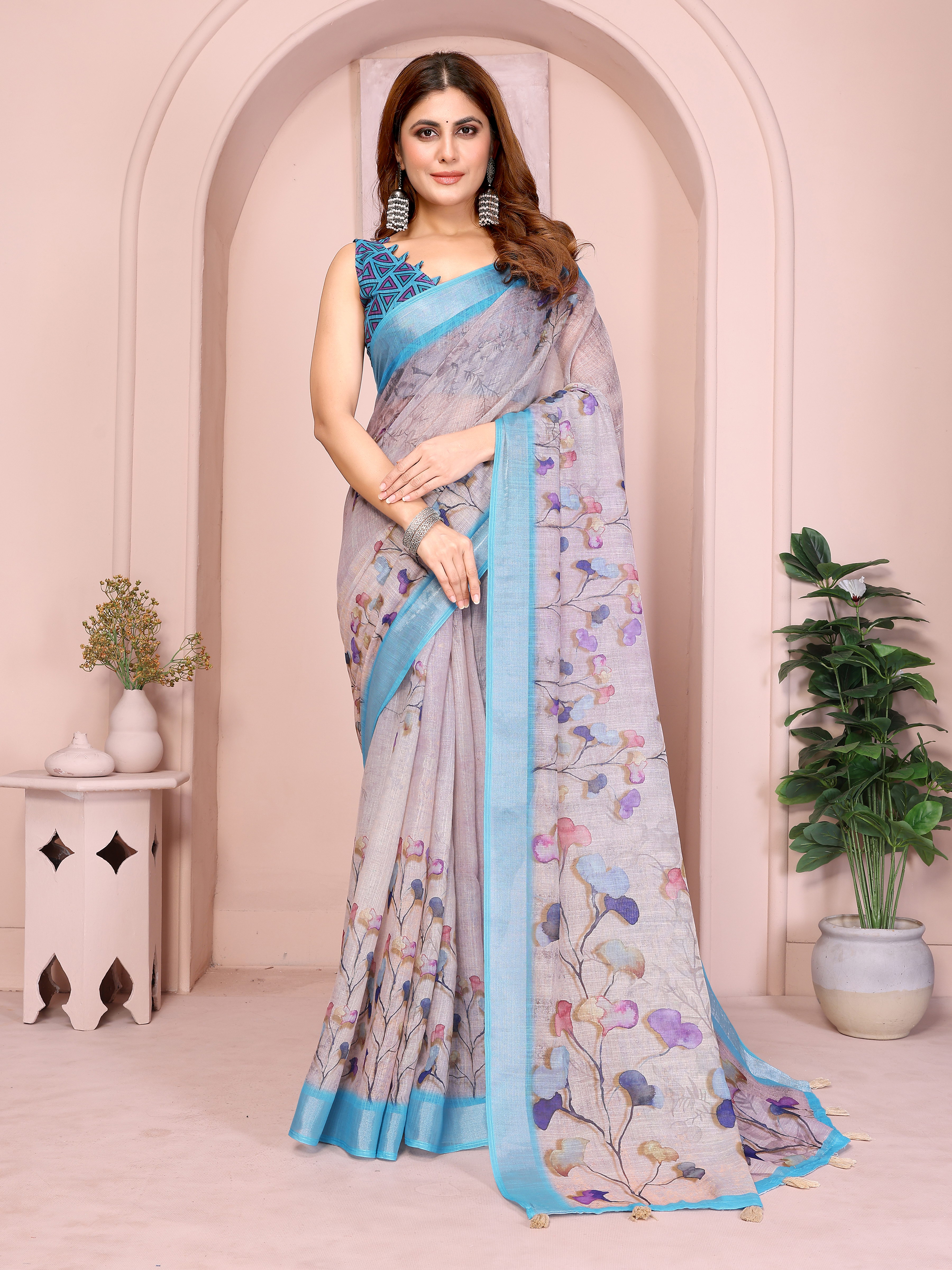
For Chanderi, choose a fitted blouse in cotton silk, raw silk or a similar light fabric. A three-quarter sleeve or elbow-length sleeve gives the delicate saree a composed appearance. Small gold-toned jhumkas, a slim bangle stack and a fabric potli are enough for a daytime puja. Avoid a very heavy blouse if the saree is translucent or finely woven, because the difference in weight can pull the shoulder drape down.
For Maheshwari, a blouse with a clean neckline and slightly firmer construction works well. A contrasting border can be echoed in the blouse piping rather than copied across the entire garment. A low bun, a centre parting and a small line of flowers create a formal look without competing with the pallu.
For Bagh-inspired or block-printed cotton, keep accessories textural and restrained. Terracotta earrings, oxidised silver, a woven belt or a plain leather sandal can complement the print. A printed saree already supplies visual detail, so a heavily embroidered blouse and large necklace may make the outfit look crowded.
Simple traditional styling doesn't require a plain saree. A floral linen-cotton saree, a handloom cotton saree with a narrow zari accent or a muted printed drape can look traditional when the pleats are pressed, the pallu is arranged evenly and the blouse fits securely. A practical cotton petticoat or a well-fitted underskirt also improves the fall and prevents the saree from slipping.
Traditional Madhya Pradesh Dress for Women: Sarees & Ethnic Wear for weddings and festivals
For a traditional wedding, choose a saree with enough structure and visual depth to hold its shape through several hours of movement. For a festival or Haldi ceremony, breathable cotton, linen-cotton, Chanderi or light silk-cotton is usually more comfortable than a heavy brocade.
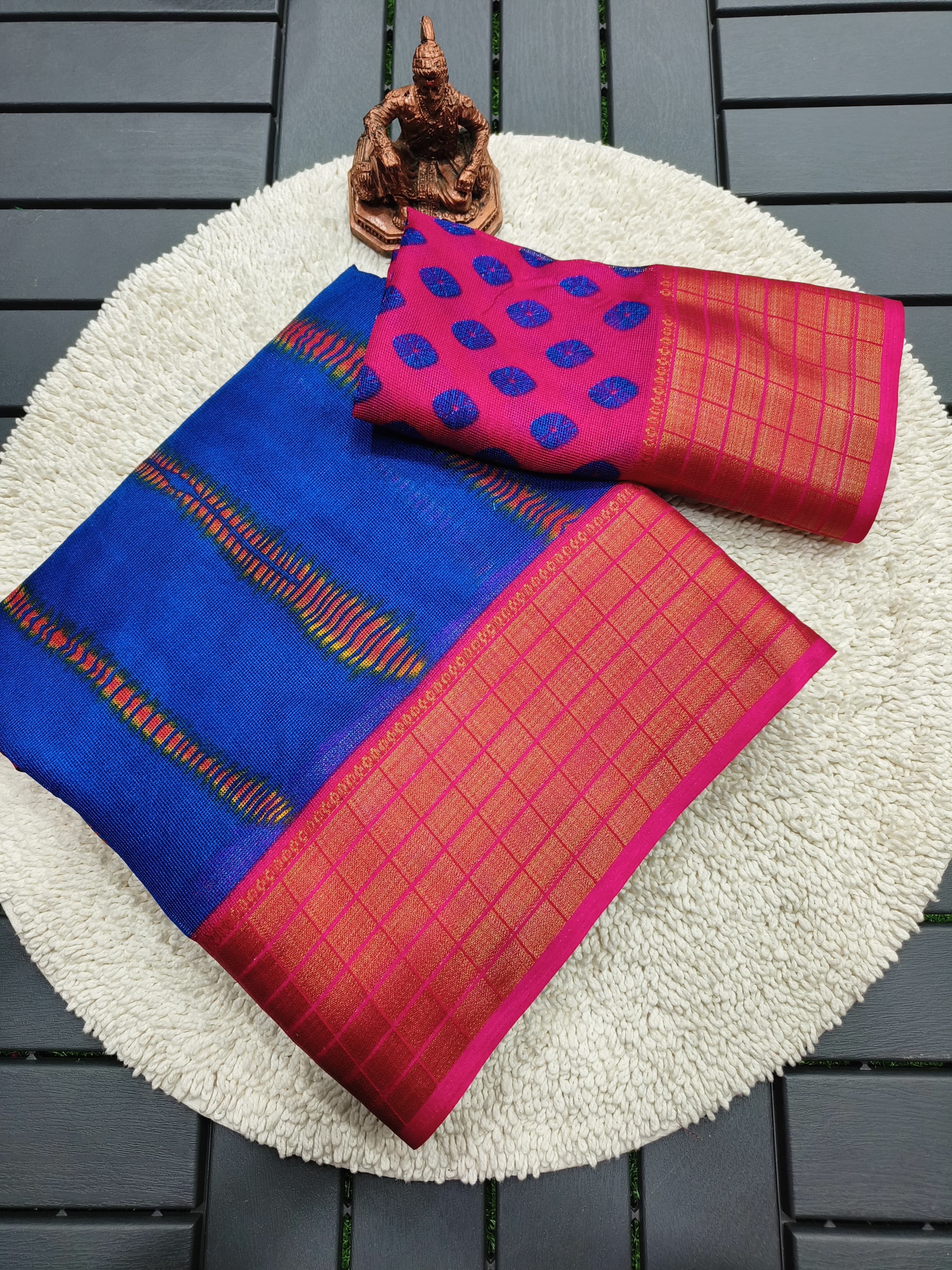
A wedding guest can select Maheshwari silk-cotton, Chanderi silk or a Banarasi silk saree, depending on the formality of the event. Red Banarasi Silk Sarees for Weddings Under 1100 represents a budget-conscious festive direction, but buyers should inspect the fibre blend, zari type, lining and return terms rather than judging quality from colour alone.
Haldi ceremony dressing benefits from washable or relatively easy-care fabrics in yellow, marigold, green, coral or pink. A pale saree with a contrasting border photographs well, but very delicate sheer fabrics may require extra care around turmeric paste. Party Wear Sarees can provide an evening-ready direction when the event includes dinner or a formal reception.
Budget-conscious shoppers can compare Silk Sarees Under 3000 With Discount with handloom cotton and linen-cotton options. A lower price doesn't automatically indicate poor quality, but the listing should state the fibre composition, blouse-piece length, saree length, wash instructions and whether the border is woven, printed or attached.
Pink Georgette Sarees can suit a lighter festive mood, particularly when paired with a brocade blouse and gold-toned accessories. Gray Color Sarees Under 1000 offer a quieter palette for cultural programmes, work celebrations or daytime events. Neither category should be described as a Chanderi or Maheshwari saree unless the product information confirms that construction.
Traditional Madhya Pradesh Dress for Women: Sarees & Ethnic Wear buying and care advice
The safest way to buy traditional ethnic wear online is to verify fabric, measurements, construction, care instructions and return conditions before comparing colour or price. Product photography can make different textiles appear similar, especially under studio lighting.
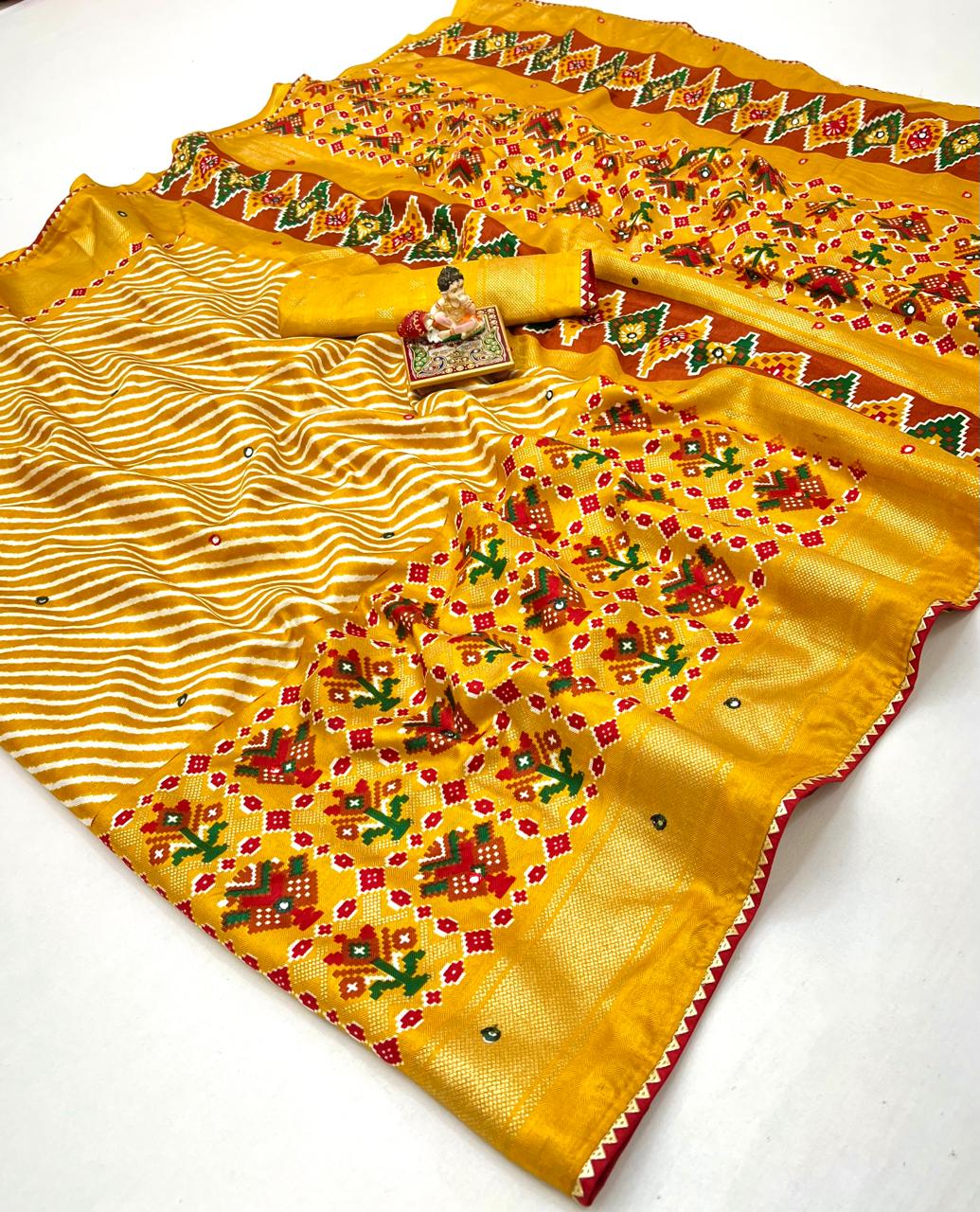
Check whether "silk" means pure silk, silk cotton, art silk or a blend. Check whether zari is metallic zari, zari-look thread or a synthetic decorative yarn. Review the saree length, width and blouse-piece measurements because a short blouse piece may not accommodate a preferred sleeve or neckline. A ready-to-wear saree is convenient for occasional use, but a conventional unstitched saree gives more flexibility in pleat width and pallu placement.
For care, dry-clean delicate Chanderi, silk and zari sarees unless the care label specifically permits washing. Hand-wash suitable cotton and linen-cotton sarees separately in cool water with a mild detergent, and avoid wringing. Dry sarees in shade, fold them along different lines every few months and store zari sections in soft cotton rather than plastic. Refolding reduces permanent crease marks and helps prevent moisture-related damage.
A saree worn without a blouse is generally unsuitable for secure movement and may not provide adequate coverage. A coordinated blouse, a well-fitted ready-made blouse or a simple stitched cotton blouse makes the drape more comfortable. A saree can remain traditional without a heavily embellished blouse; fit, fabric balance and a neat drape usually have greater visual impact.
Traditional Madhya Pradesh Dress for Women: Sarees & Ethnic Wear becomes more meaningful when buyers distinguish regional craft from general festive styling. Chanderi, Maheshwari and Bagh traditions each offer a different relationship between fibre, motif and movement. Choosing according to climate, ceremony, maintenance time and budget produces an outfit that's both culturally attentive and genuinely wearable.
Common Questions About Traditional Madhya Pradesh Dress for Women
What are the traditional sarees of Madhya Pradesh?
Chanderi and Maheshwari are the best-known traditional saree traditions associated with Madhya Pradesh. Bagh-printed cotton is another important regional textile expression, while lugdas, odhnis and ghagra-choli garments also appear in different communities.
What is the difference between a Chanderi saree and a Maheshwari saree?
Chanderi sarees are generally lighter, finer and more translucent, often with a gentle sheen. Maheshwari sarees usually have a more structured silk, cotton or silk-cotton body, with distinctive stripes, checks, borders or pallu patterns.
Which saree is suitable for a simple traditional look?
A handloom cotton, linen-cotton, light Chanderi or understated Maheshwari saree is suitable for a simple traditional look. Pair the saree with a well-fitted blouse, small earrings, a bindi and a neat Nivi-style drape.
What should women wear for a traditional wedding in Madhya Pradesh?
A Chanderi, Maheshwari, Banarasi silk or other structured festive saree works well for a traditional wedding. Choose the fabric according to the ceremony, and check the saree's fibre content and zari details before buying.
Where can I buy traditional sarees online in India?
Traditional sarees are available through established ethnic-wear websites, handloom sellers and curated saree collections online. Before ordering, compare fabric composition, measurements, blouse-piece details, wash instructions, customer reviews and return conditions.
How should a Chanderi or Maheshwari saree be cared for?
Delicate Chanderi, silk and zari sarees should usually be dry-cleaned unless the care label says otherwise. Store every saree in breathable cotton, keep it away from damp areas and refold zari garments periodically to prevent permanent creases.