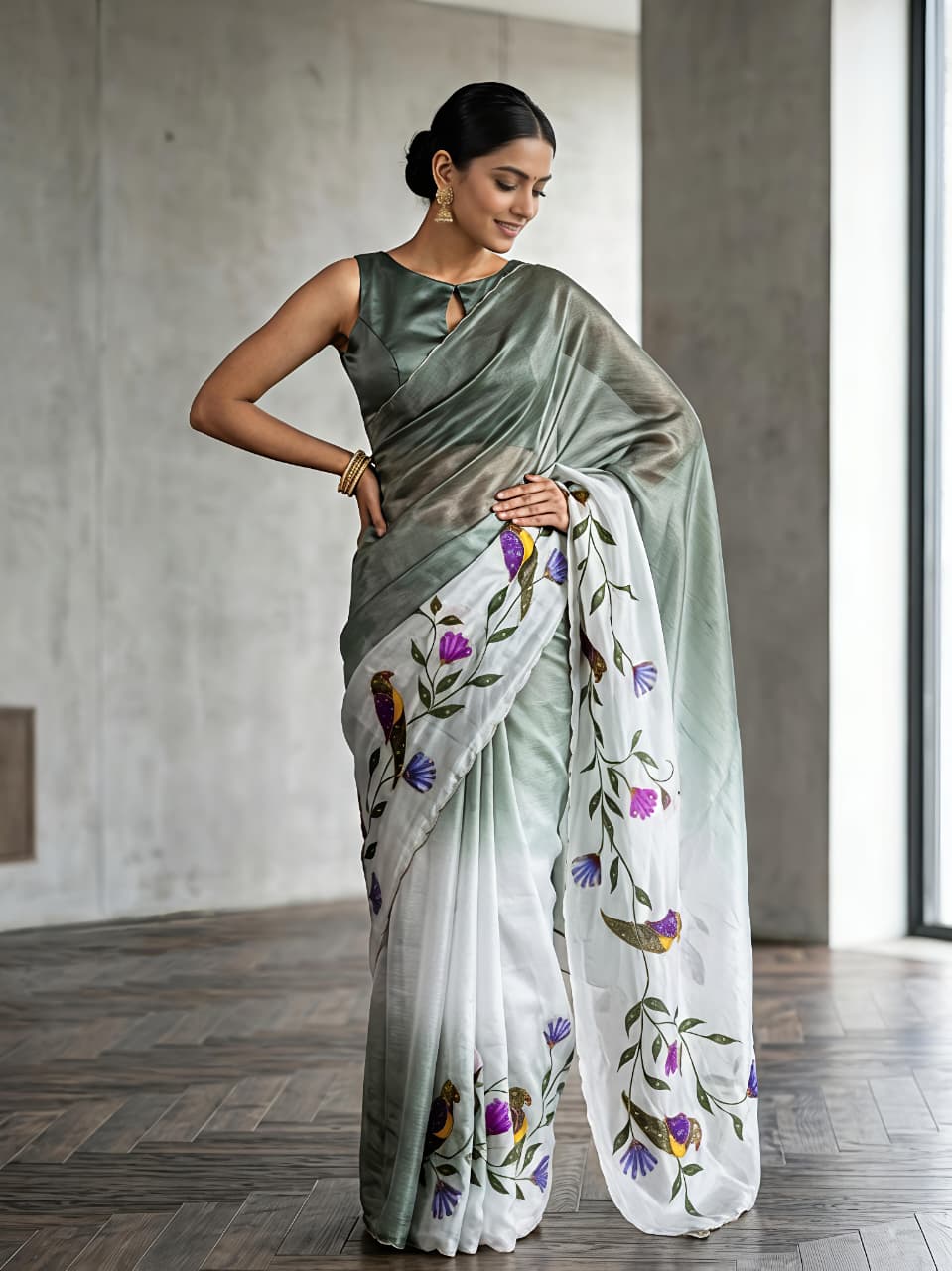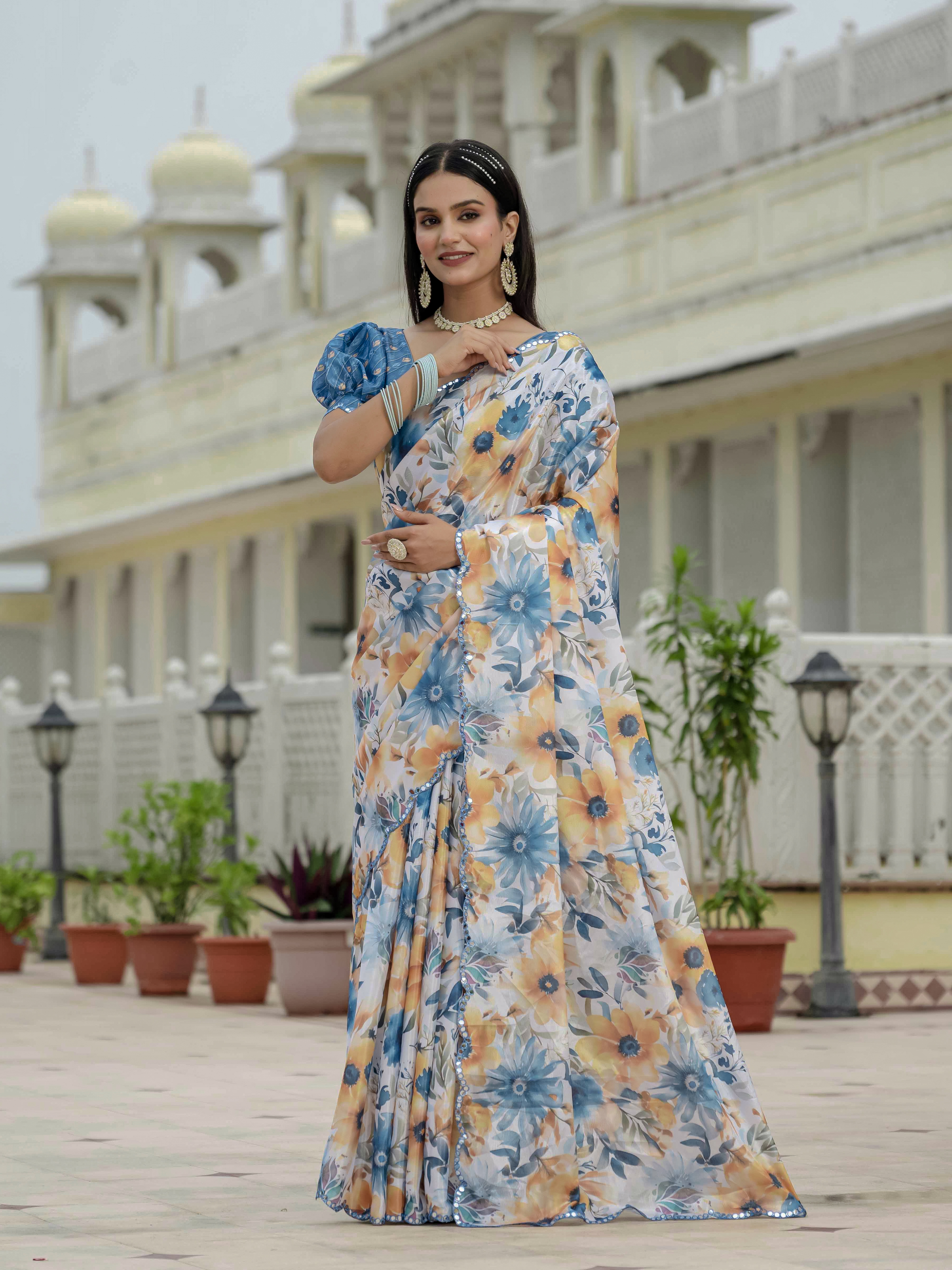
Traditional Handloom Salwar Suit Designs carry the character of Indian weaving into an outfit that's comfortable enough for long celebrations. A good choice depends on more than colour or embroidery: the fibre, weave structure, zari, lining, cut and occasion all affect how the suit looks and wears. Regional knowledge also helps, because Banarasi silk, Chanderi, Paithani-style motifs and Kanjeevaram-inspired borders create very different effects.
This guide explains how to recognise useful details, select a fabric for a particular traditional event, distinguish a woven motif from surface decoration, and care for the finished garment. The same principles apply whether you're buying a ready-to-wear salwar suit or choosing unstitched dress material for custom tailoring.
Why Handloom Details Matter in a Salwar Suit
Handloom details matter because the weave controls the fabric's texture, fall, breathability and visual depth. Two salwar suits may share the same colour while behaving differently because one uses a crisp cotton weave and the other uses a heavier silk blend with zari.
Handloom weaving involves interlacing warp and weft threads on a loom operated by hand, although finishing, dyeing and supplementary processes can vary widely. A handloom label doesn't automatically mean that every thread or motif was manually created. Fibre content and construction should still be checked before purchase.
Woven motifs become part of the cloth because coloured yarns or supplementary threads are inserted during weaving. Printed motifs sit on the surface, while embroidery is added after the fabric has been woven. A woven paisley may appear slightly different on the reverse side. A zari border usually has a distinct structure rather than a flat printed shine.
Banarasi silk commonly offers a lustrous surface and elaborate zari work, making it suitable for formal evening gatherings. Chanderi is lighter and often has a subtle sheen, which suits warm-weather ceremonies. Paithani weaving is known for distinctive peacock, parrot and geometric motifs, while Kanjeevaram is recognised for its substantial silk body and strong contrast borders. A salwar suit may interpret these traditions rather than reproduce an authentic sari weave, so product descriptions should be read precisely.
How to Recognise Traditional Handloom Salwar Suit Designs
Traditional Handloom Salwar Suit Designs can be assessed through fibre, selvedge, reverse-side detail, motif alignment and the behaviour of the fabric in motion. No single visual test proves that a textile is handloom, but several observations together reveal its quality and construction.
Check the fibre and weight
Fabric composition is the first practical check because cotton, silk, viscose and polyester have different comfort and care requirements. Cotton and cotton-silk blends usually breathe better for daytime wear, while silk-rich fabrics provide greater sheen and structure for formal gatherings. A 2.5-metre unstitched top fabric and a 2.25-metre fabric are not interchangeable if the design requires a long kameez, wide sleeves or a generous dupatta.
Study the motif and reverse
A woven motif usually shows some evidence of thread movement on the reverse, especially around zari or multicoloured pattern areas. Small irregularities can occur in handwoven fabric and are not necessarily defects. Perfectly uniform repeating marks may indicate printing, digital design or machine weaving, although machine-woven fabric can also be well made.
Look at zari carefully
Zari is a metallic thread used for borders. But its appearance and durability depend on the metal wrapping, base thread and finishing. Real zari, tested zari, imitation zari and metallic polyester thread are not identical materials. Ask whether the zari is suitable for dry cleaning, because friction, moisture and perfume can darken or loosen metallic surfaces over time.
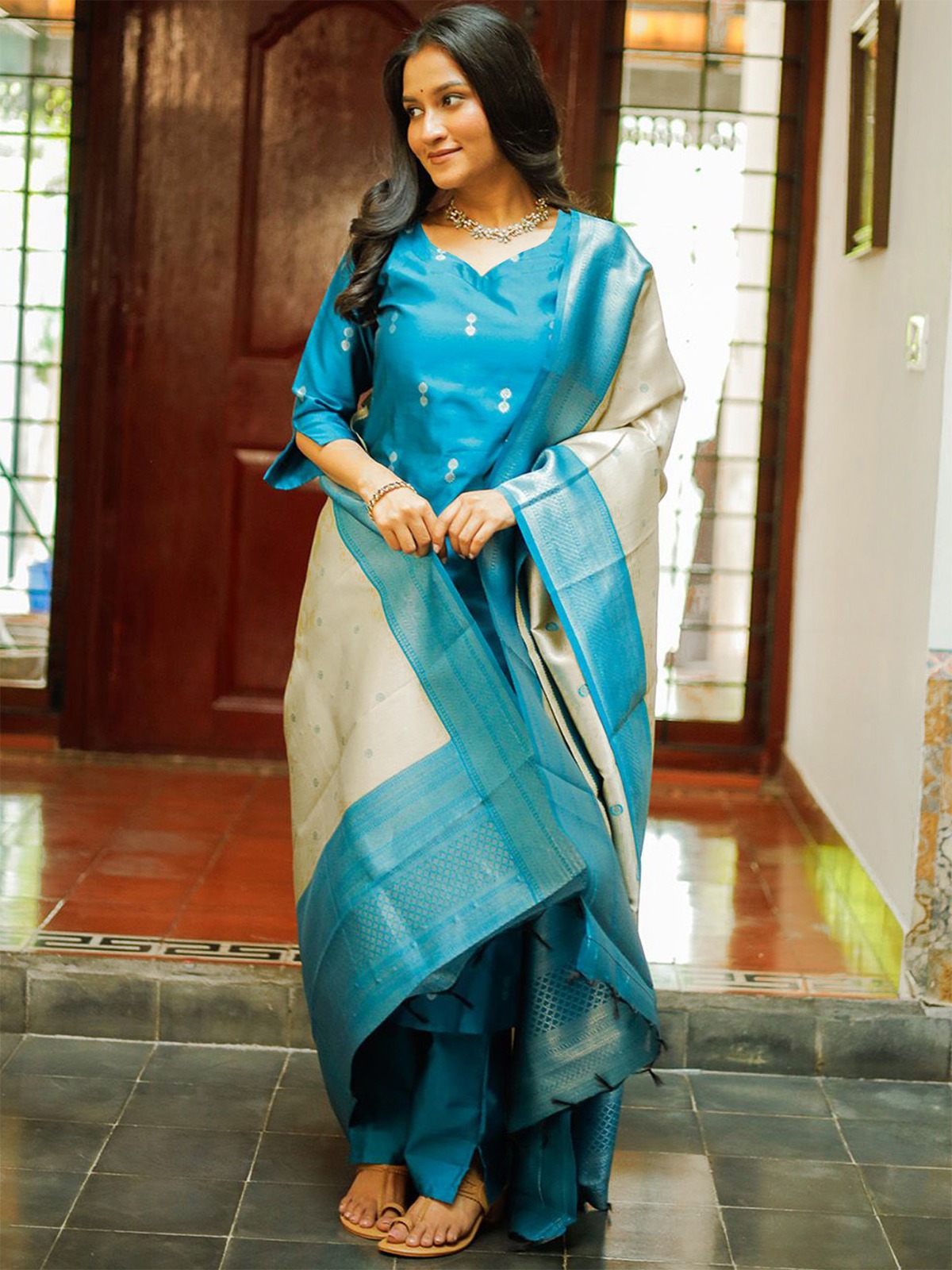
The Elegant Sky Blue Woven Ethnic Suit Set demonstrates why a woven surface can be more useful than heavy embellishment for daytime traditional dressing. A soft blue base with a structured motif can be paired with pearl, silver or muted gold accessories without competing with the textile.
Regional Weaving Ideas Behind Festive Suit Materials
Regional weaving traditions influence the motif vocabulary, border scale and colour balance of traditional salwar suit materials. Designers often adapt sari traditions into narrower borders, coordinated dupattas and manageable kameez panels.
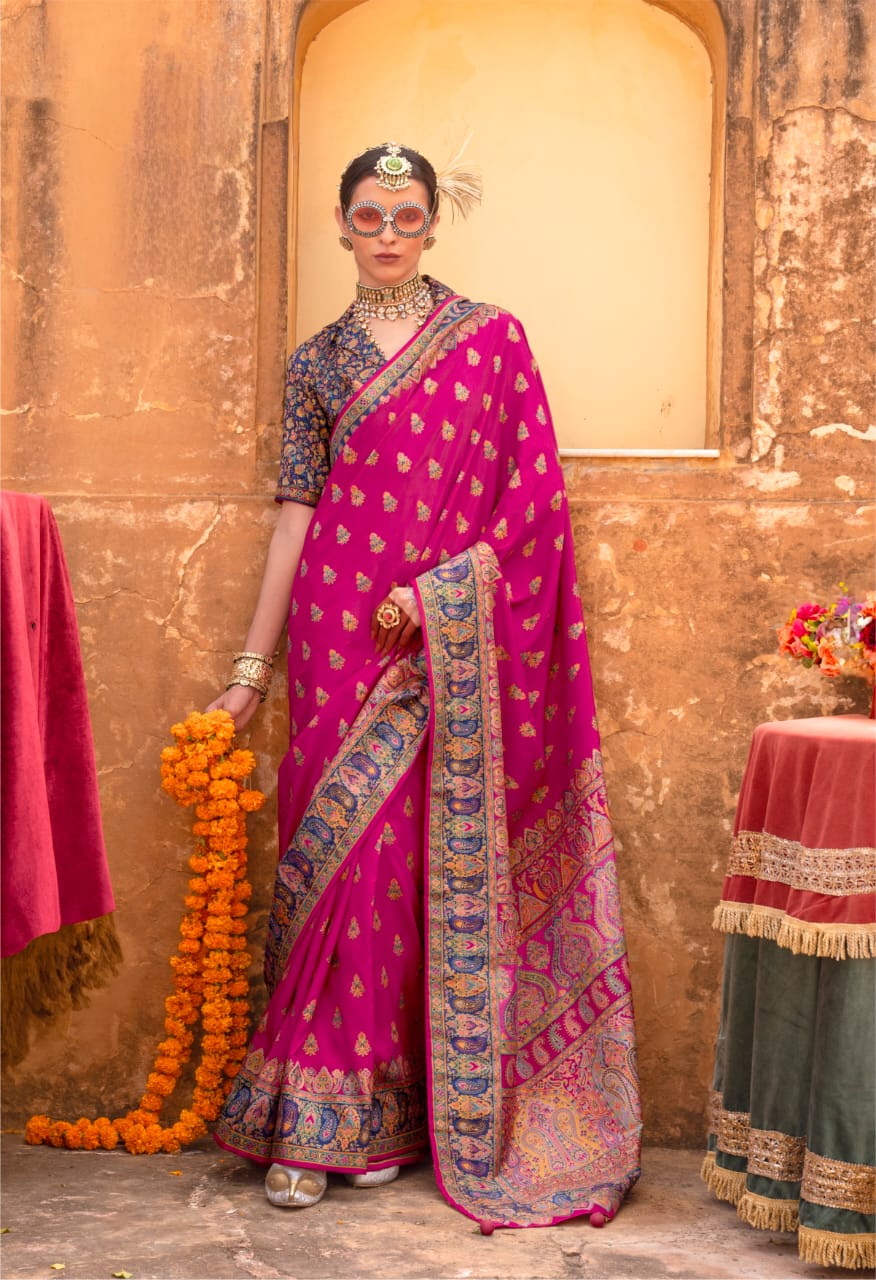
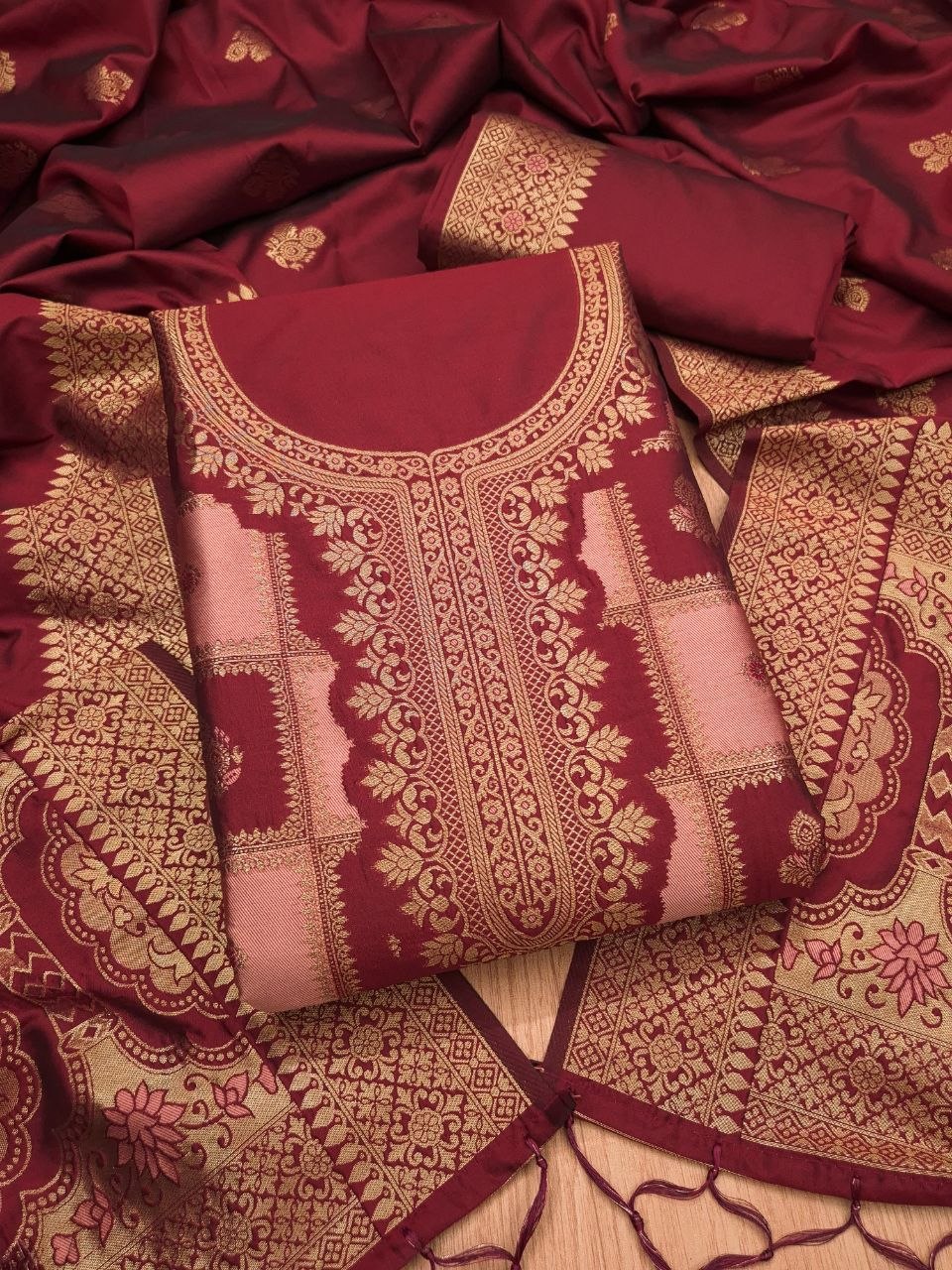
Paithani-style designs frequently use jewel tones, gold-toned zari and motifs inspired by birds, flowers or geometric forms. The Maroon Paithani Style Zari Woven Unstitched Suit Material can create a dramatic festive base, especially when tailored with a restrained neckline and a plain or lightly bordered dupatta. Maroon also works well with antique gold jewellery and tan or brown footwear.
The Pink Paithani Style Zari Motif Unstitched Suit Material brings a lighter interpretation of zari-led dressing. Pink can look traditional without becoming overly formal when the kameez has a straight cut, three-quarter sleeves and a contrasting woven border. Green glass bangles, kundan accents or embroidered juttis can reinforce the Indian textile reference.
Green shades bring a different relationship between colour and metallic thread. The Mint Green Paithani Style Zari Woven Unstitched Suit Material suits daytime pujas, intimate family functions and spring celebrations because mint reduces the visual weight of gold. The Pistachio Green Paithani Style Zari Woven Unstitched Suit Material is warmer and slightly earthier, making it easier to style with antique gold, bronze or rust accessories.
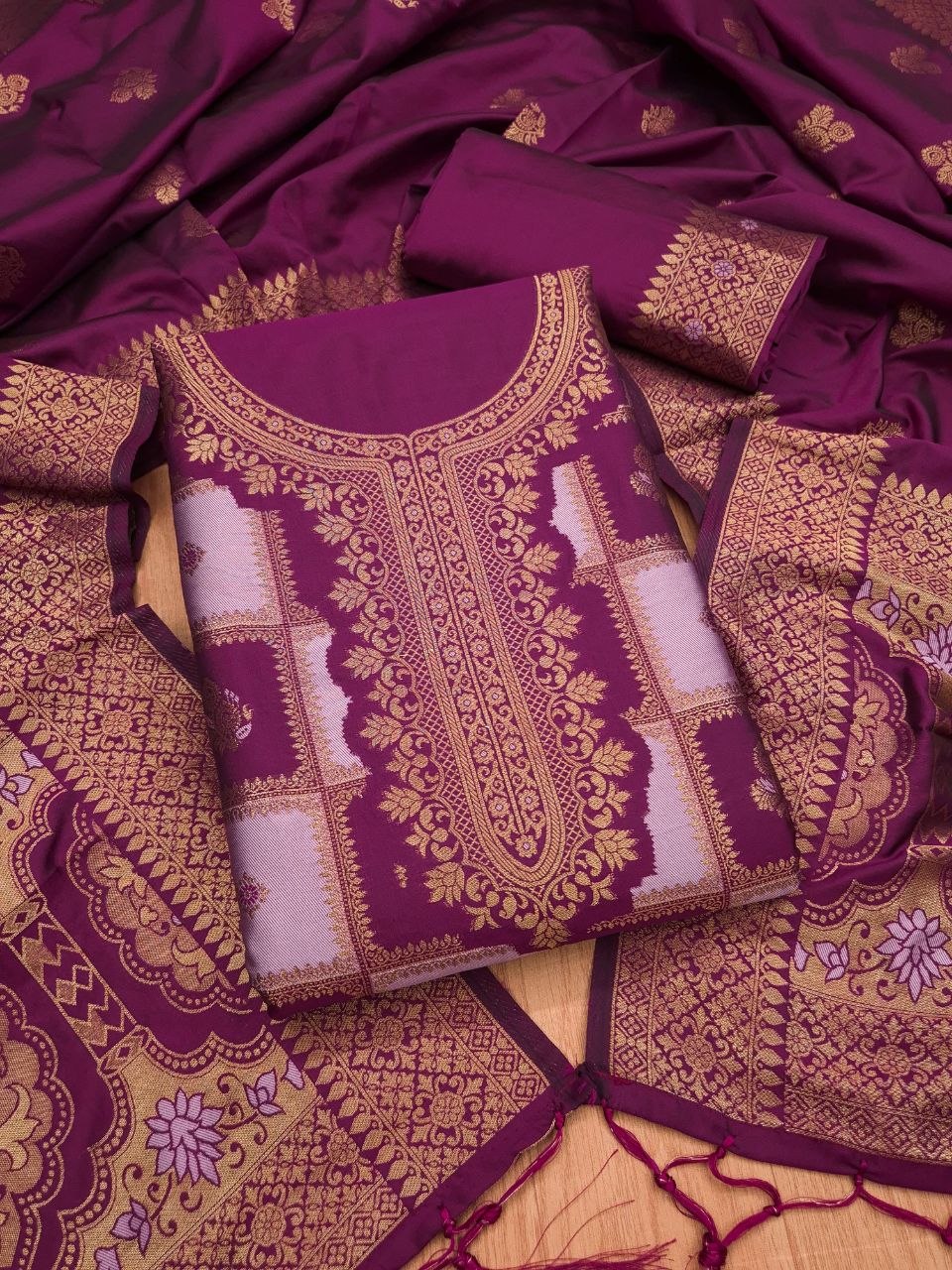
Royal Purple Paithani Style Zari Woven Unstitched Suit Material is better suited to evening receptions and festive dinners where deeper colour can hold its own under artificial light. A purple suit doesn't require a heavily decorated dupatta; a plain silk or tissue dupatta with a narrow zari edge can keep the woven fabric visible.
Choosing a Suit for the Traditional Occasion
The best traditional salwar suit fabric depends on the event's duration, weather, movement requirements and level of formality. A textile that looks beautiful for a two-hour dinner may feel uncomfortable during a six-hour ceremony.
For pujas and daytime family gatherings
Lightweight cotton, Chanderi, cotton-silk and breathable blends are practical choices for daytime rituals. Pastel blue, mint, pistachio, blush pink and ivory reflect natural light softly and allow comfortable movement. Choose a lining only where transparency or structure requires it, because a full synthetic lining can make a light suit feel warmer.
For weddings and festive evenings
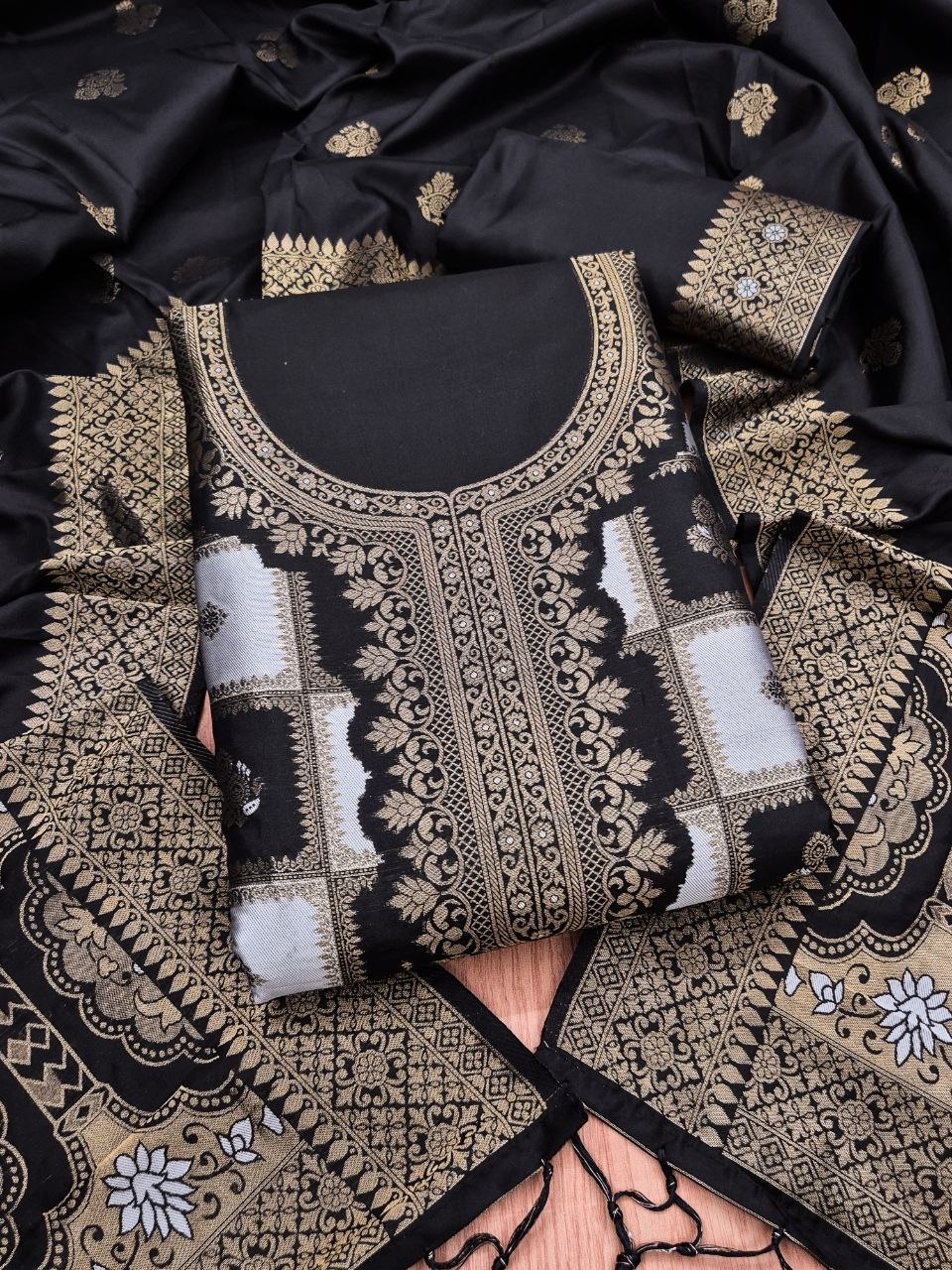
Silk blends, richer zari, velvet accents and deeper colours suit evening weddings and receptions. Maroon, royal purple, navy and black create a formal foundation, while gold zari adds brightness around the neckline, sleeve edge or dupatta border. The Black Paithani Style Zari Woven Unstitched Suit Material can look especially polished with a gold-toned dupatta and minimal additional embroidery.
For long ceremonies
Long ceremonies require breathable fabric, secure fastening and a dupatta that stays in place. A side-seam pocket, cotton lining, comfortable armhole and medium-width salwar or palazzo can matter more than extra embellishment. Avoid very stiff fabrics if you'll sit cross-legged, climb stairs or travel between venues.
Collection pages can help compare formats rather than merely colours. Ladies Dress Anarkali Salwar Suits are useful when a flared silhouette is appropriate, while Dress Materials allow greater control over neckline, sleeve, trouser and dupatta proportions. Discount-led pages such as Salwar Suits with 30% Off and Red Dress Materials Under 2000 can be useful for budget comparison. But the final decision should still consider fabric composition, length and tailoring requirements.
How Tailoring Changes the Look of Woven Fabric
Tailoring determines whether a handloom-inspired fabric looks balanced, comfortable and appropriately traditional. Pattern placement should be planned before cutting so that the most important zari border or motif isn't lost at the seam.
A straight kameez displays a woven border clearly and gives a clean, versatile silhouette. An Anarkali needs enough flare to prevent the motif from bunching at the waist. Approximately 3 to 5 metres of lower flare fabric may be required depending on size and design. A short kurti with sharara trousers can use a smaller motif repeat effectively, while a long kurta with narrow pants looks better with controlled border placement.
Neckline depth should be decided with the fabric's pattern in mind. A large central motif can be interrupted by a deep V-neck, whereas a round or square neckline preserves more of the design. Sleeve cuffs are a practical place for zari because the border remains visible during movement without adding weight across the entire sleeve.
Unstitched material gives flexibility, but measurements should be taken before call a tailor. Record bust, shoulder, armhole, sleeve length, kameez length, waist, hip, trouser length and favorite ease. Add unnecessary seam allowance when the fabric is delicate or when future alterations may be needed. Pre-shrink cotton and cotton-rich fabrics before reduce if the care instructions permit it.
Silhouette should also respond to motif scale. Large zari motifs suit a simple straight cut, while small repeating motifs can support panels, gathers or a lightly flared Anarkali. A heavily bordered dupatta may need a plain kameez front so the overall outfit doesn't look crowded.
Colour Pairing and Accessories for Woven Salwar Suits
Colour pairing works best when accessories repeat one element of the textile rather than introducing several unrelated shades. Gold zari can be echoed through antique gold earrings, while silver-toned motifs work with oxidised silver or pearl jewellery.
Maroon and royal purple suit antique gold, champagne and muted bronze. Mint green and pistachio green pair well with pearls, kundan, rose gold and warm beige. Sky blue works with silver, ivory, soft gold and even a controlled accent of coral. Black looks strongest when one bright accessory colour, such as red or emerald, is repeated once rather than scattered throughout the outfit.
Footwear should support the fabric's weight. A heavily zari-woven suit can take a structured jutti or low block heel, while a light Chanderi or cotton suit pairs comfortably with embroidered flats. Choose a dupatta pin with a smooth back to reduce snagging, and avoid sharp brooch edges near loosely woven silk.
Traditional styling doesn't require matching every item. A plain dupatta can make the woven kameez the focal point. A simple fabric-covered button can look more refined than several contrasting embellishments. The most successful outfit usually has one dominant textile feature, one supporting colour and one restrained jewellery language.
Care, Storage and Buying Checks
Handloom and zari garments last longer when they're protected from friction, moisture, direct sunlight and unnecessary washing. Care instructions should always take priority over general advice because silk blends, metallic yarns and dyed cotton respond differently.
Dry-clean zari-rich silk or silk-blend suits when the label recommends it, and request a gentle process for metallic surfaces. Hand-wash washable cotton in cool water with a mild detergent, test colourfastness on an inside seam, and avoid wringing. Press the garment inside out on low to medium heat with a thin cotton cloth between the iron and the fabric.
Store a clean, completely dry suit in breathable cotton or muslin rather than sealed plastic. Fold zari sections with acid-free tissue or soft muslin to reduce sharp creases. Refold stored textiles every few months, keep them away from damp walls, and avoid hanging heavy suits for long periods because shoulder and neckline areas can stretch.
Before buying, confirm whether the item is ready-to-wear or unstitched, note the included pieces, check the fabric width and ask about lining or colour variation. Compare the cost of tailoring, lining, edging and alterations with the garment price. Salwar Suits Flat 40% Off may make a finished outfit economical, while an unstitched material from Dress Materials may provide better control when standard sizing is difficult.
Traditional Handloom Salwar Suit Designs become a more thoughtful purchase when the buyer understands the difference between woven texture, printed decoration and embroidered embellishment. Regional references such as Paithani-style zari, Banarasi silk and Chanderi can then be selected for their actual comfort, construction and occasion suitability rather than for names alone.
Common Questions About Traditional Handloom Salwar Suits
Traditional handloom salwar suits are woven garments or suit materials that draw on regional Indian textile traditions and may use handloom fabric, zari, woven motifs or traditional borders. The product description should be checked to determine whether the fabric is genuinely handwoven, machine-woven, or inspired by a particular craft.
Handloom salwar suits are not always more expensive than machine-made suits, but price often rises with silk content, intricate weaving, zari quantity, artisan labour and finishing. A simple cotton handloom suit may cost less than a heavily zari-worked machine-made ensemble.
Paithani-style salwar suit material usually features jewel-toned colour, zari detailing and motifs influenced by Paithani sari traditions. "Paithani style" describes the design influence and should not automatically be read as proof that the fabric was woven in the Paithani tradition.
The most comfortable fabric for a daytime traditional function is usually cotton, cotton-silk, Chanderi or another breathable lightweight blend. Weather, lining, fit and the number of hours spent wearing the suit matter as much as the fibre name.
Woven zari salwar suits should generally be dry-cleaned when the care label recommends it, stored away from moisture and pressed inside out at a controlled temperature. Perfume, deodorant and abrasive jewellery should not be applied directly over zari because they can cause tarnishing or snagging.
Unstitched handloom suit material is useful when standard measurements don't provide the desired fit or when the buyer wants to choose the kameez shape, sleeve length and trouser style. The buyer should confirm fabric length, width, included dupatta and tailoring costs before purchase.
Questions Shoppers Ask About Handloom Salwar Suit Fabrics
Are traditional handloom salwar suits suitable for summer functions?
Yes, cotton, cotton-silk and lightweight Chanderi salwar suits are suitable for many summer functions because they allow better airflow than heavy synthetic fabrics. A breathable lining and a relaxed fit improve comfort further.
How can I tell whether a salwar suit fabric is handloom?
Check the fibre, product description, selvedge, reverse-side thread movement and any official handloom certification, but do not rely on one visual clue. "Paithani style" or "woven" may describe the appearance without proving that the fabric is an authentic handloom textile.
Which colour is best for a traditional wedding salwar suit?
Maroon, royal purple, black, navy, emerald and deep pink work well for traditional evening weddings because they balance strongly with zari. The best colour also depends on lighting, skin tone, jewellery and whether the ceremony takes place during the day or at night.
Can handloom salwar suit material be tailored into an Anarkali?
Yes, handloom or handloom-inspired material can be tailored into an Anarkali if the fabric length, width and fall provide enough room for the required flare. A tailor should place borders and large motifs before cutting to prevent awkward breaks at the waist or hem.
How should zari salwar suits be washed?
Zari-rich suits should usually be dry-cleaned when the care label requires it, while washable cotton versions can be hand-washed in cool water with mild detergent. Avoid wringing, direct sunlight, high heat and storage before the garment is completely dry.
Is unstitched material better than a ready-made salwar suit?
Unstitched material is better when you need customised measurements, a particular neckline or a preferred trouser shape. Ready-made suits are more convenient when standard sizing fits well and the tailoring timeline is short.